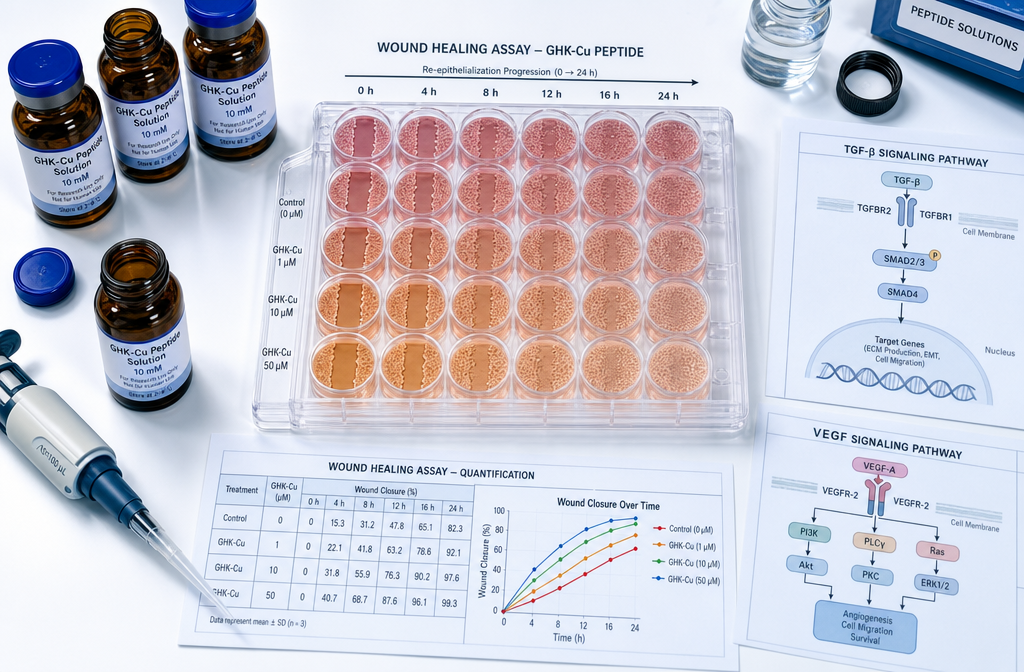
Best Research-Grade Hair Follicle and Tissue Compounds: Finasteride vs. GHK-Cu and Copper Peptide Formulations
Androgenetic alopecia affects roughly 50% of men by age 50 and a significant proportion of women across all age groups, yet the two most studied compound classes in hair follicle research operate through entirely different biological mechanisms. When evaluating the best research-grade hair follicle and tissue compounds, finasteride vs. GHK-Cu and copper peptide formulations, the central question is not simply which compound works, but which mechanism matches a given research objective.
Key Takeaways
- Finasteride blocks dihydrotestosterone (DHT) synthesis by inhibiting 5-alpha reductase, directly addressing androgen-driven follicle miniaturization.
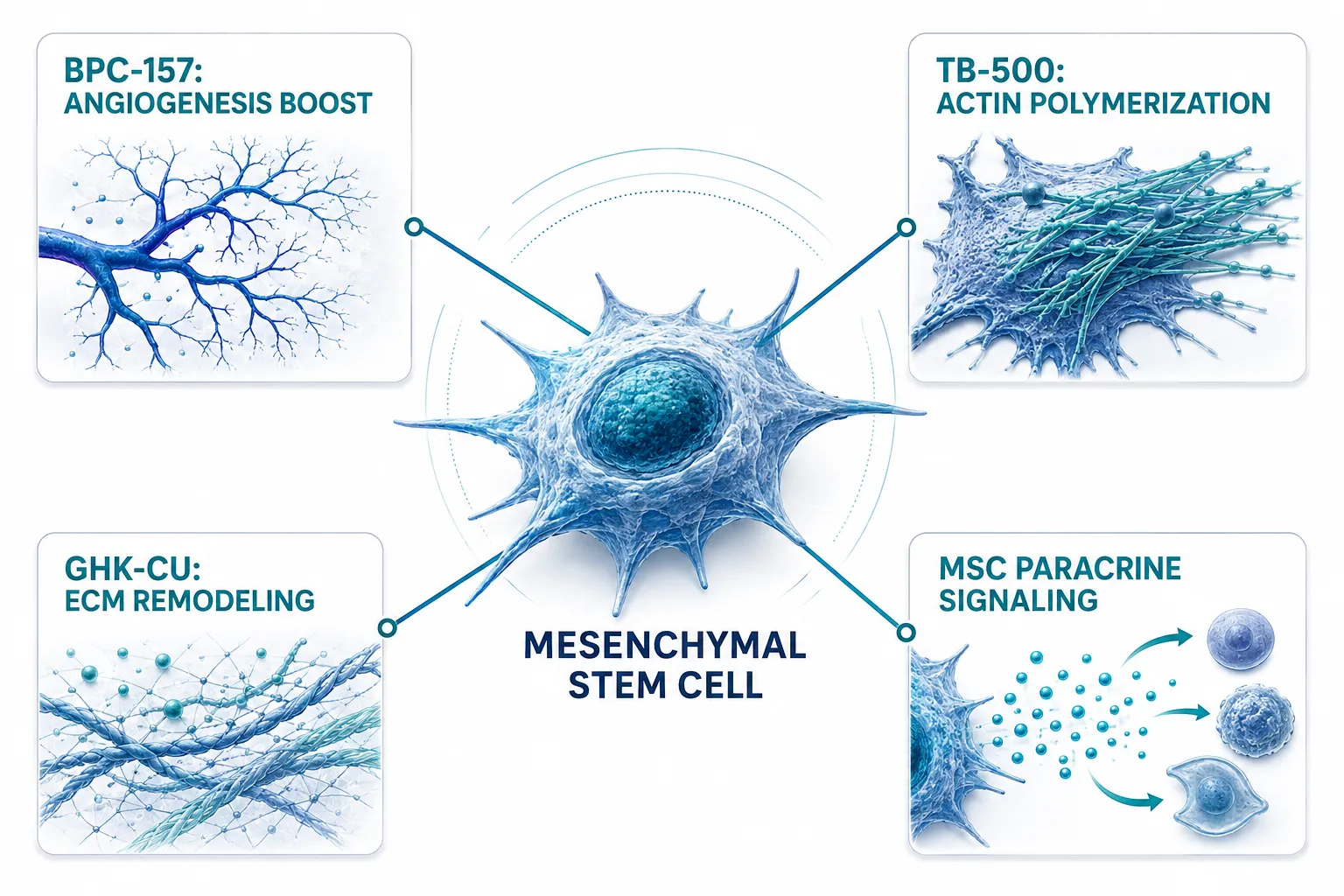
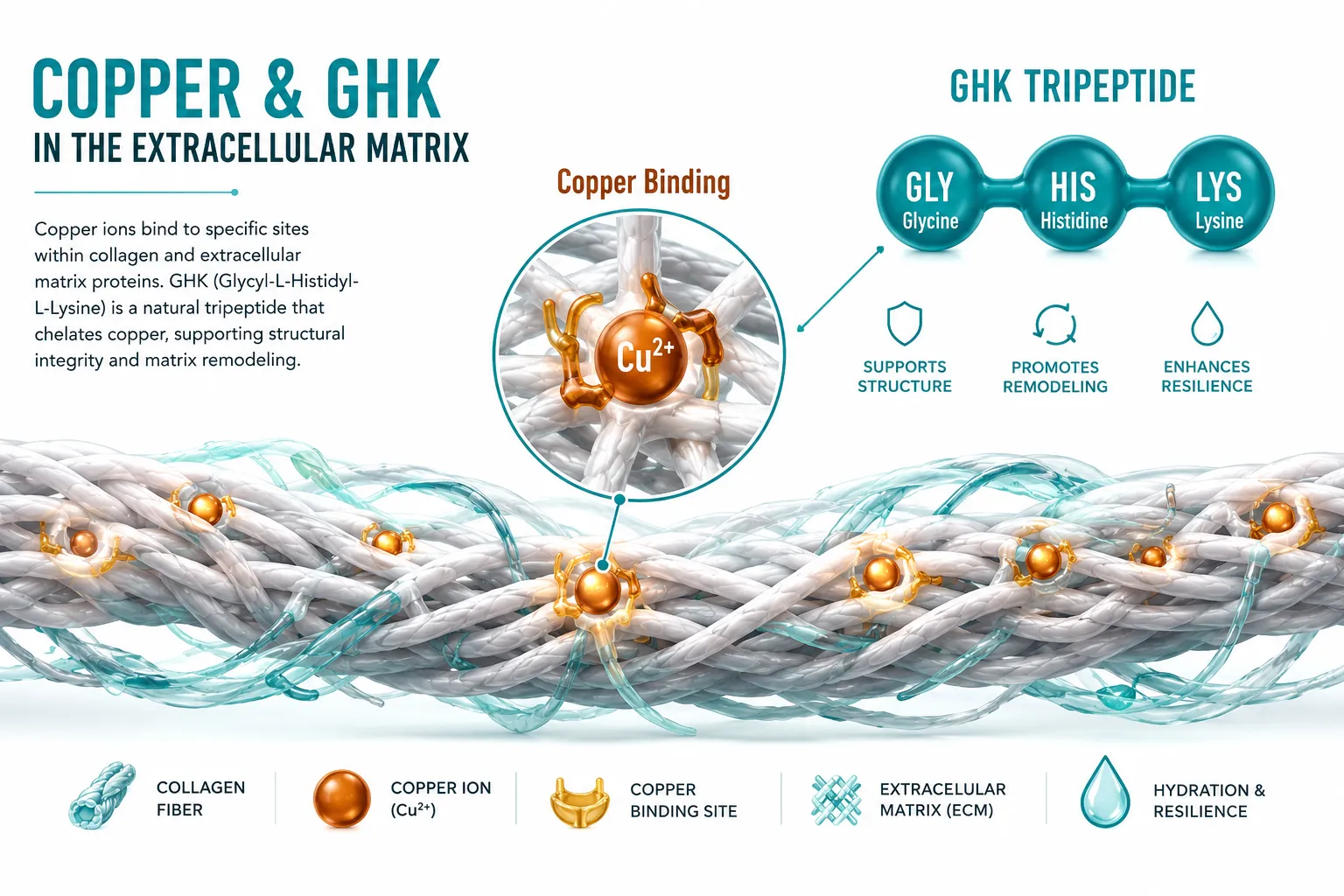
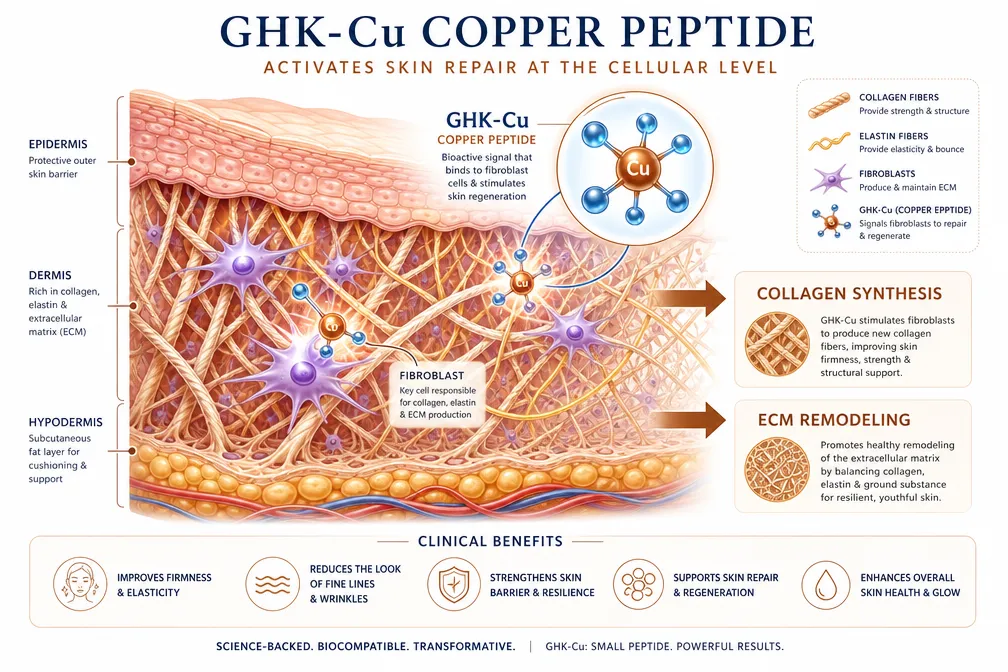
- GHK-Cu (glycine-histidine-lysine copper complex) promotes extracellular matrix remodeling, angiogenesis, and stem cell signaling in follicular tissue.
- Topical finasteride formulations show substantially reduced systemic absorption compared to oral routes, improving the safety profile in research models.
- Copper peptides are classified as research-grade compounds with no current clinical approval for hair loss, placing them in a distinct regulatory category from finasteride.
- Combination approaches targeting both androgen pathways and tissue remodeling represent an emerging area of preclinical investigation.
How Finasteride Targets DHT in Hair Follicle Research
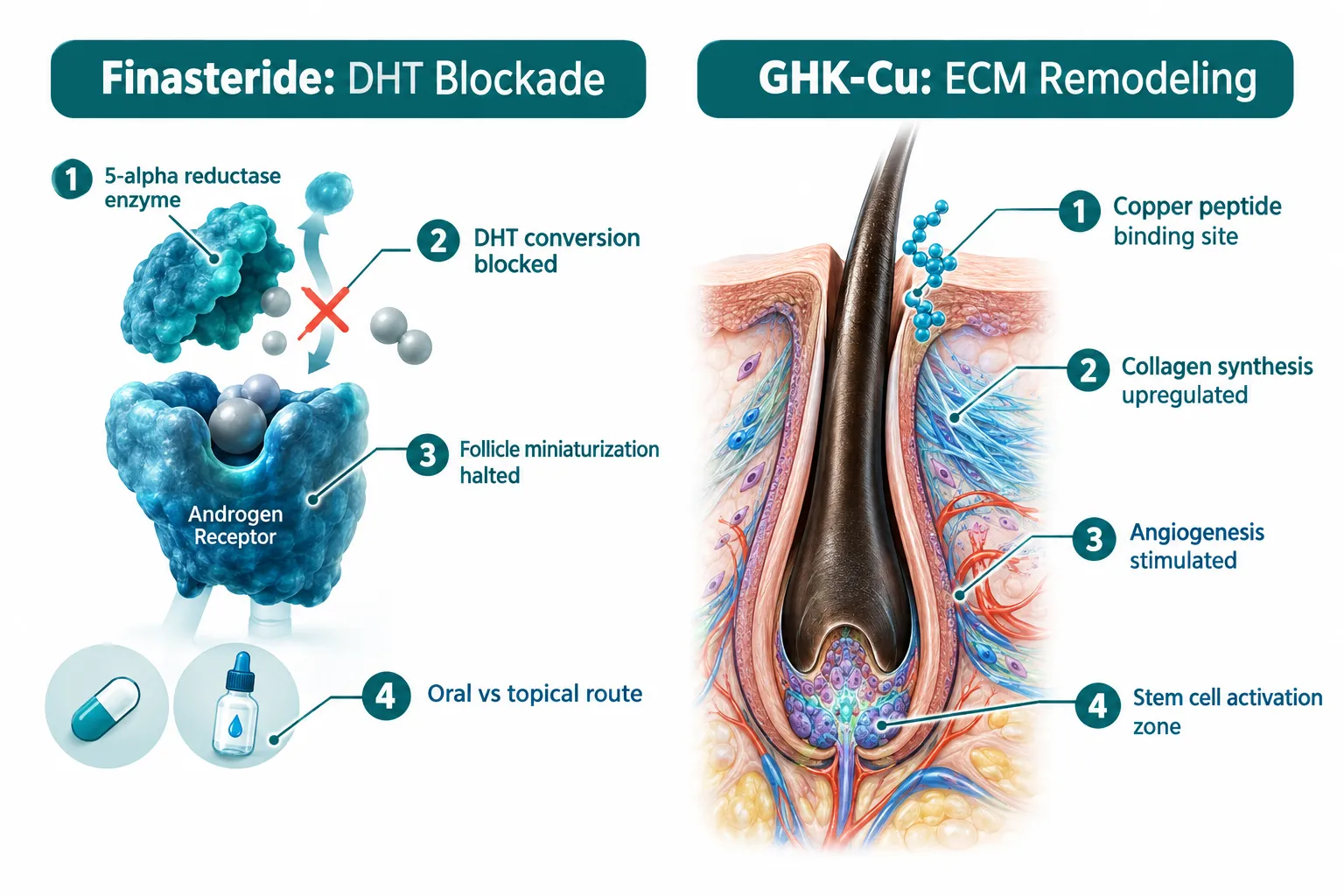
Finasteride is a synthetic 4-azasteroid that competitively inhibits type II 5-alpha reductase, the enzyme responsible for converting testosterone into dihydrotestosterone. DHT binds to androgen receptors within dermal papilla cells, triggering a cascade that progressively miniaturizes hair follicles. By reducing scalp DHT levels by approximately 60-70%, finasteride interrupts this process at the enzymatic source.
Oral vs. topical delivery represents a critical variable in research design:
- Oral finasteride (1 mg daily): Achieves systemic DHT suppression; well-documented in large cohort studies over decades.
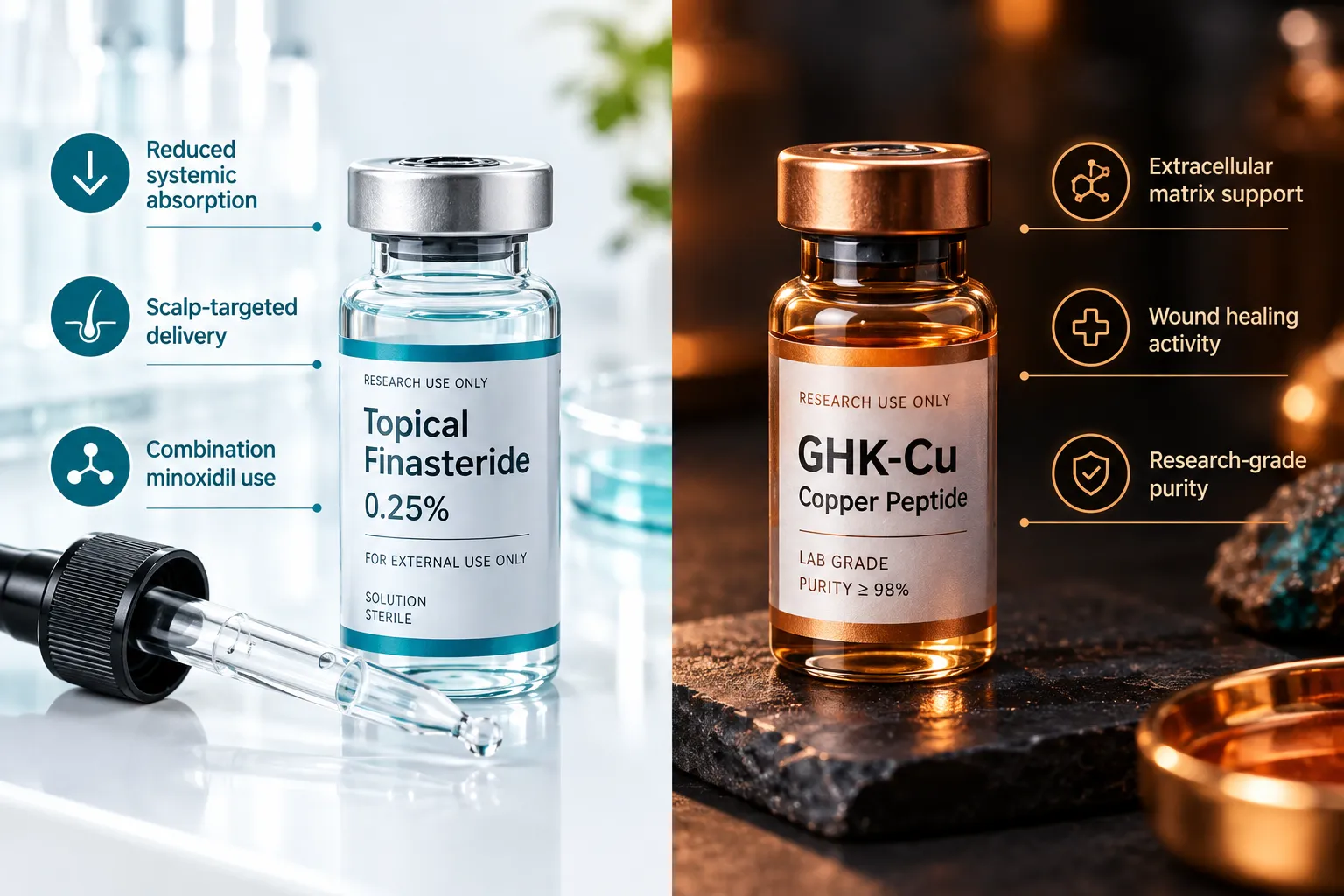
- Topical finasteride (0.25% solution): Demonstrates localized scalp DHT reduction with significantly lower plasma concentrations, reducing the risk of systemic side effects including sexual dysfunction.
A large telehealth cohort analysis confirmed that compounded topical finasteride produces meaningful hair density improvements comparable to oral dosing, while network meta-analyses position it favorably among off-label androgenetic alopecia therapies. Combination formulations pairing topical finasteride with minoxidil consistently outperform minoxidil alone across both real-world data and controlled trials.
"The route of administration is not a minor detail, it fundamentally changes the systemic exposure profile and the risk-benefit calculation for any research model."
Safety considerations remain relevant. Sexual dysfunction, including decreased libido and erectile changes, has been documented with oral 5-alpha reductase inhibitors. Topical routes reduce but do not fully eliminate this concern. Dutasteride, which inhibits both type I and type II isoforms, produces deeper DHT suppression but carries a broader systemic footprint than finasteride in comparative studies.
GHK-Cu and Copper Peptide Formulations: Tissue Remodeling Mechanisms
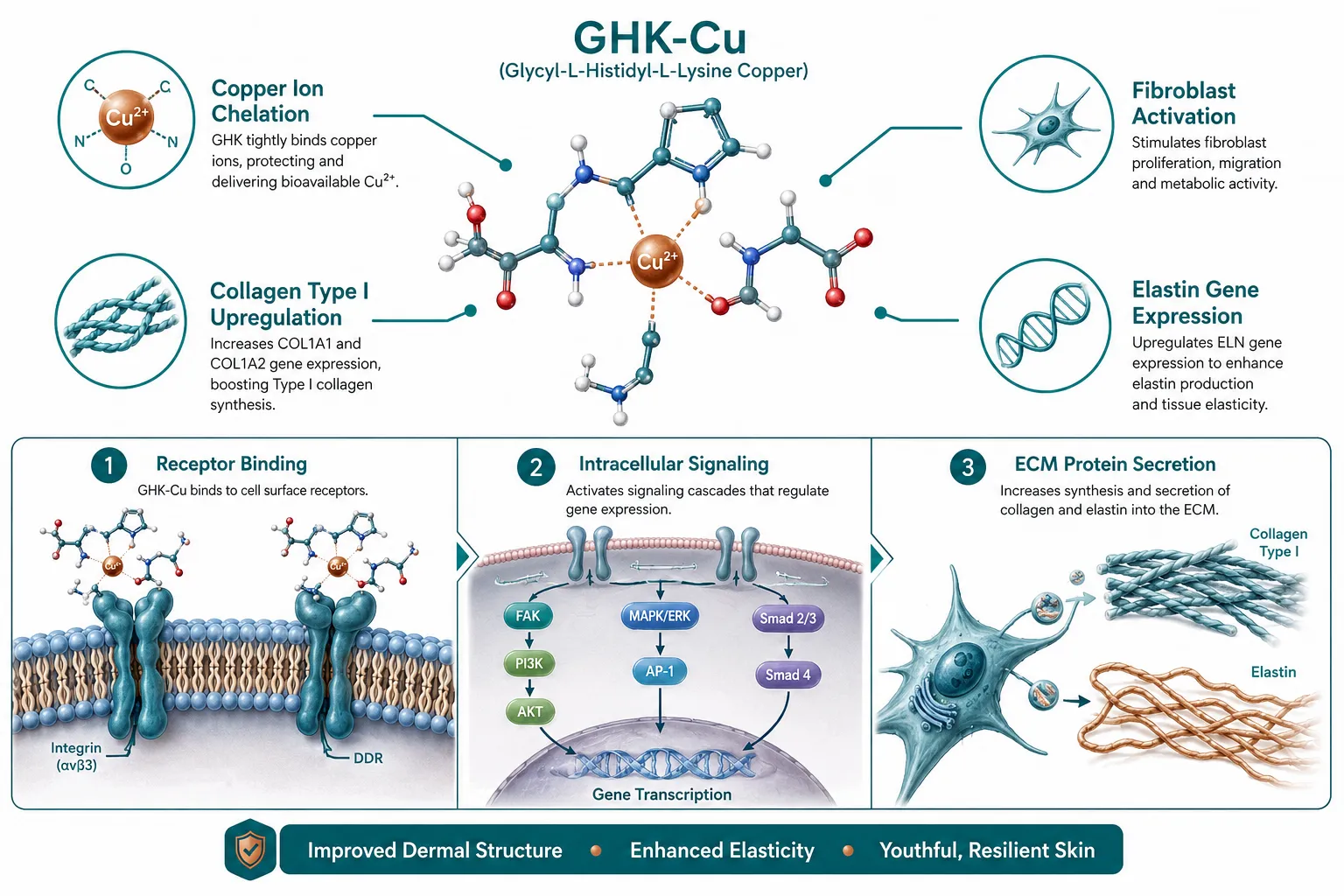
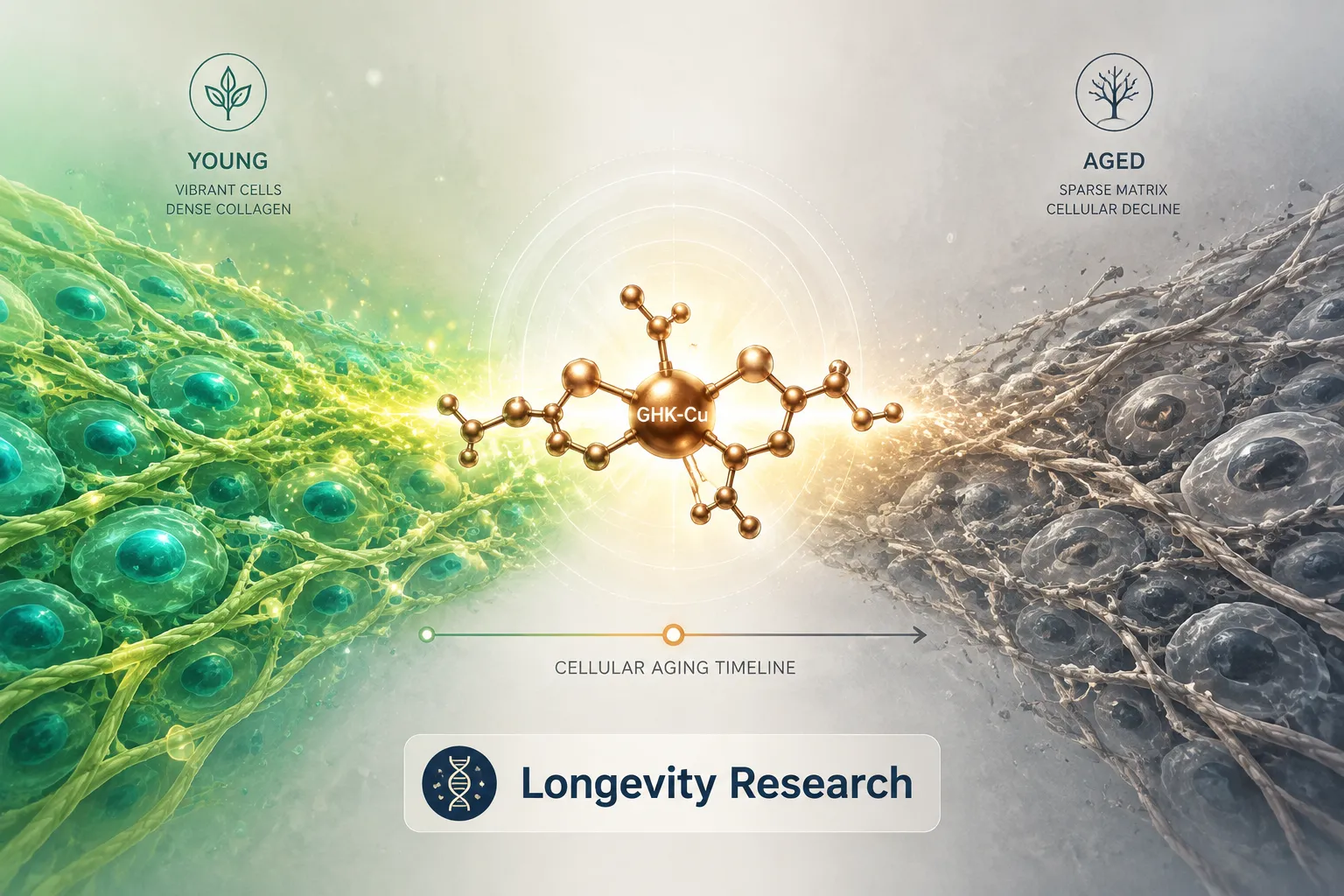
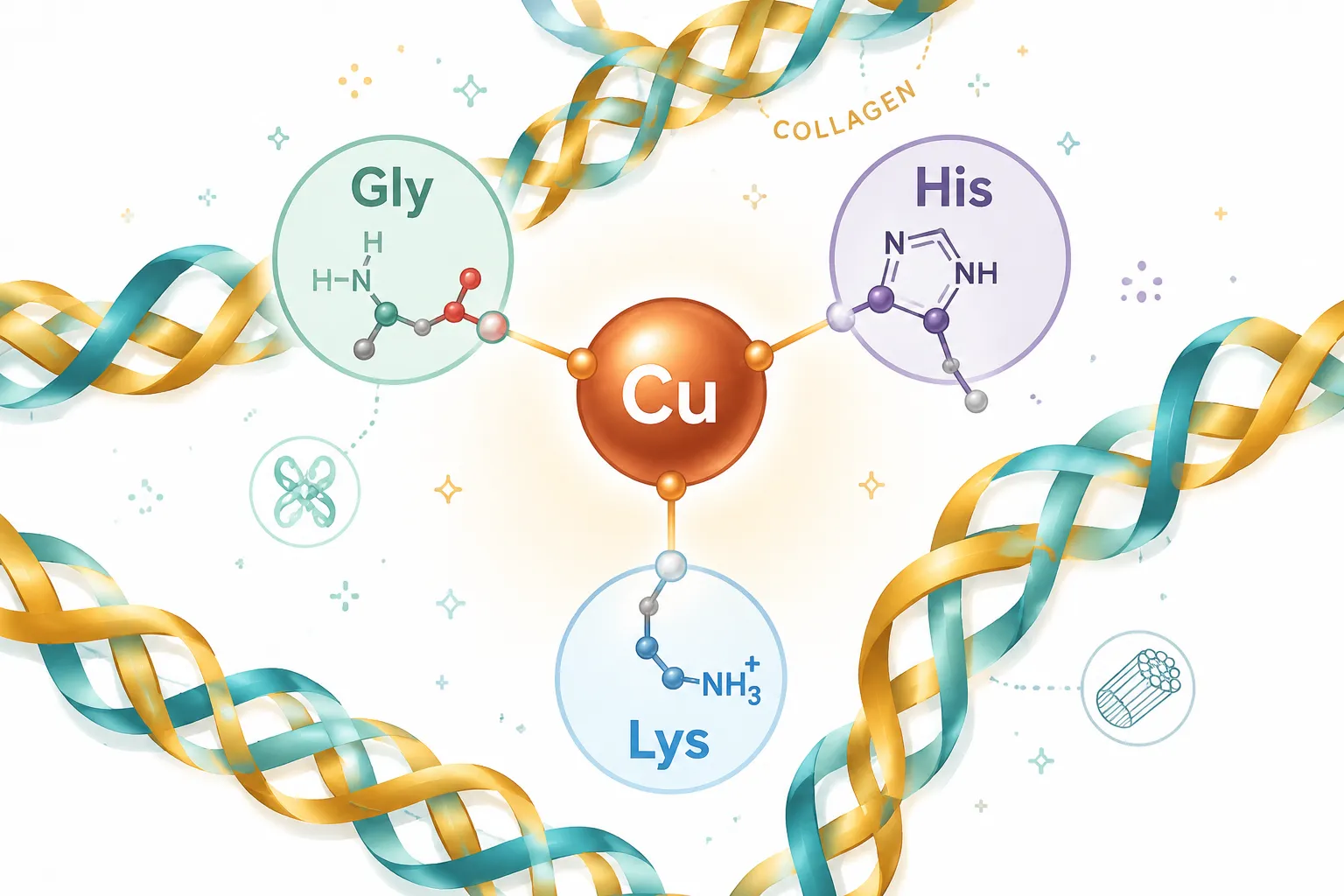
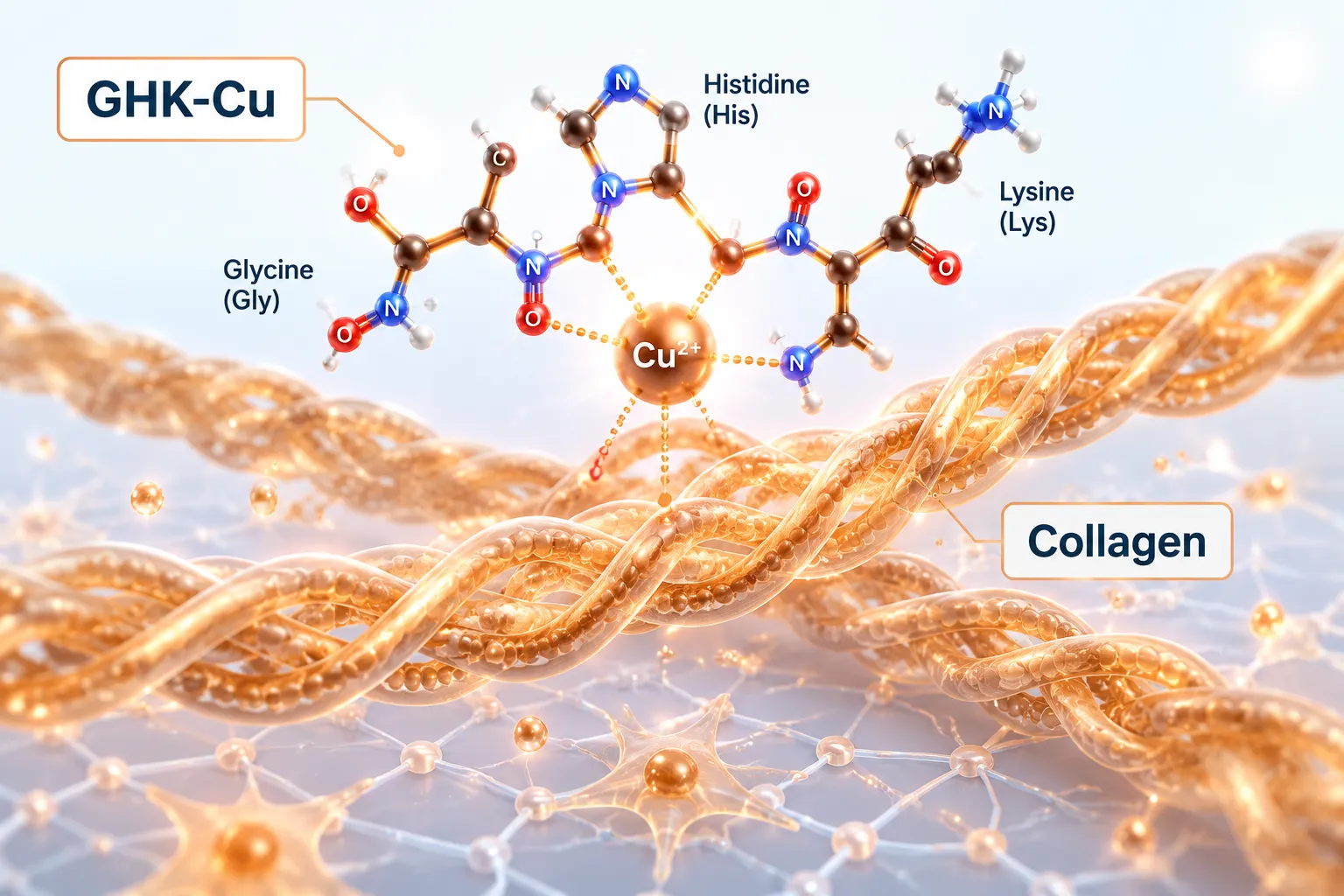
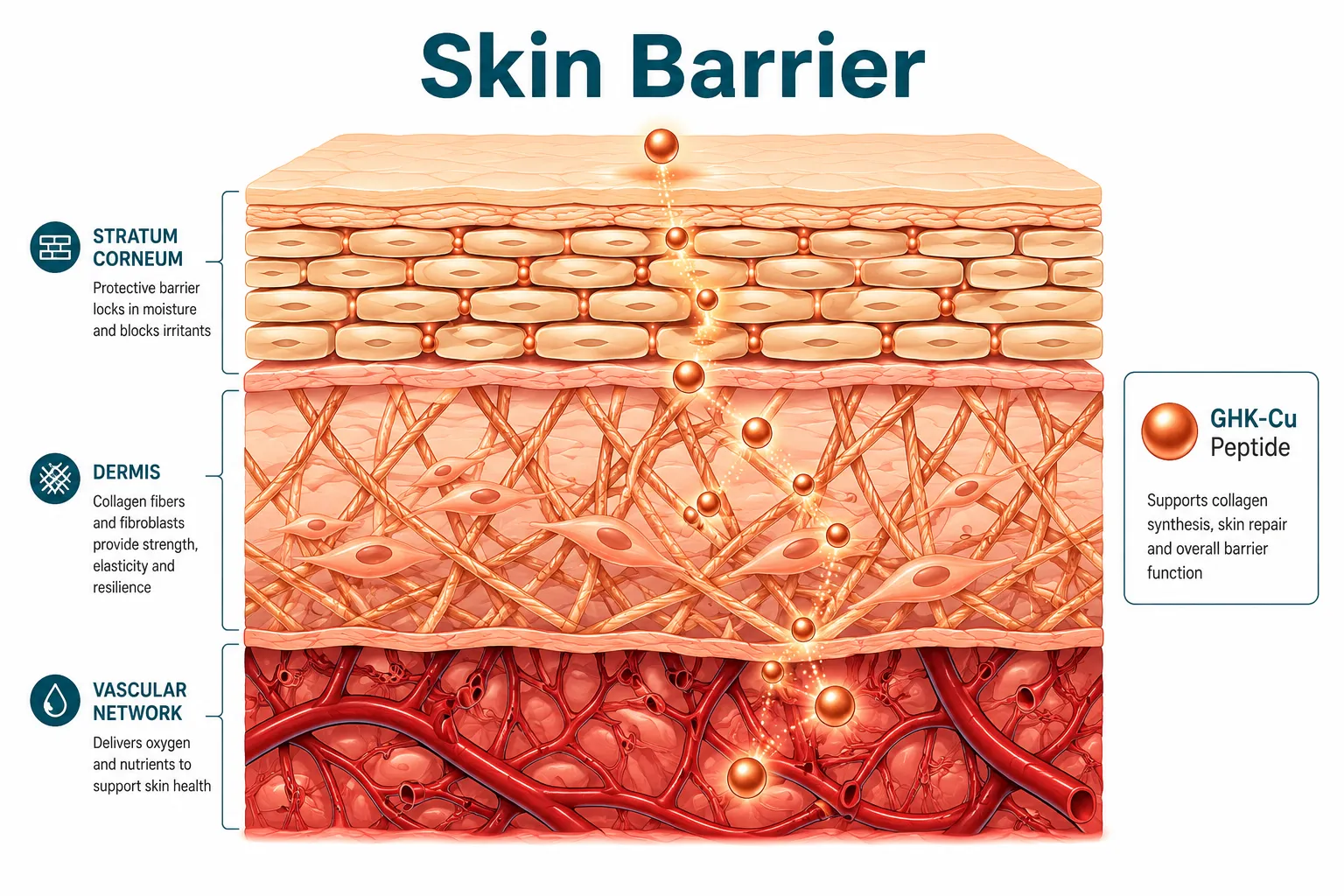
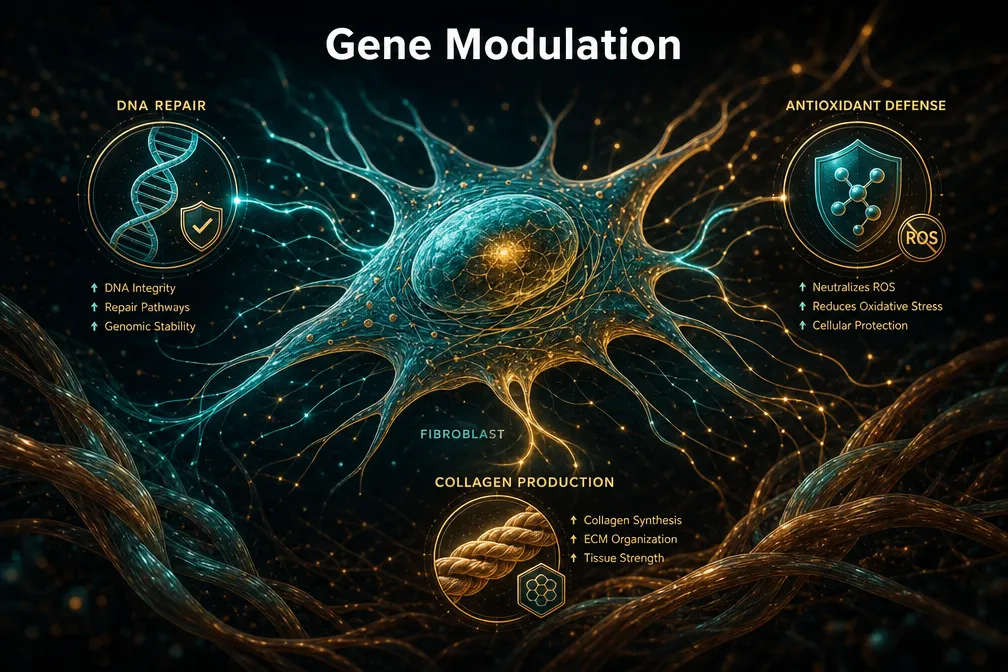
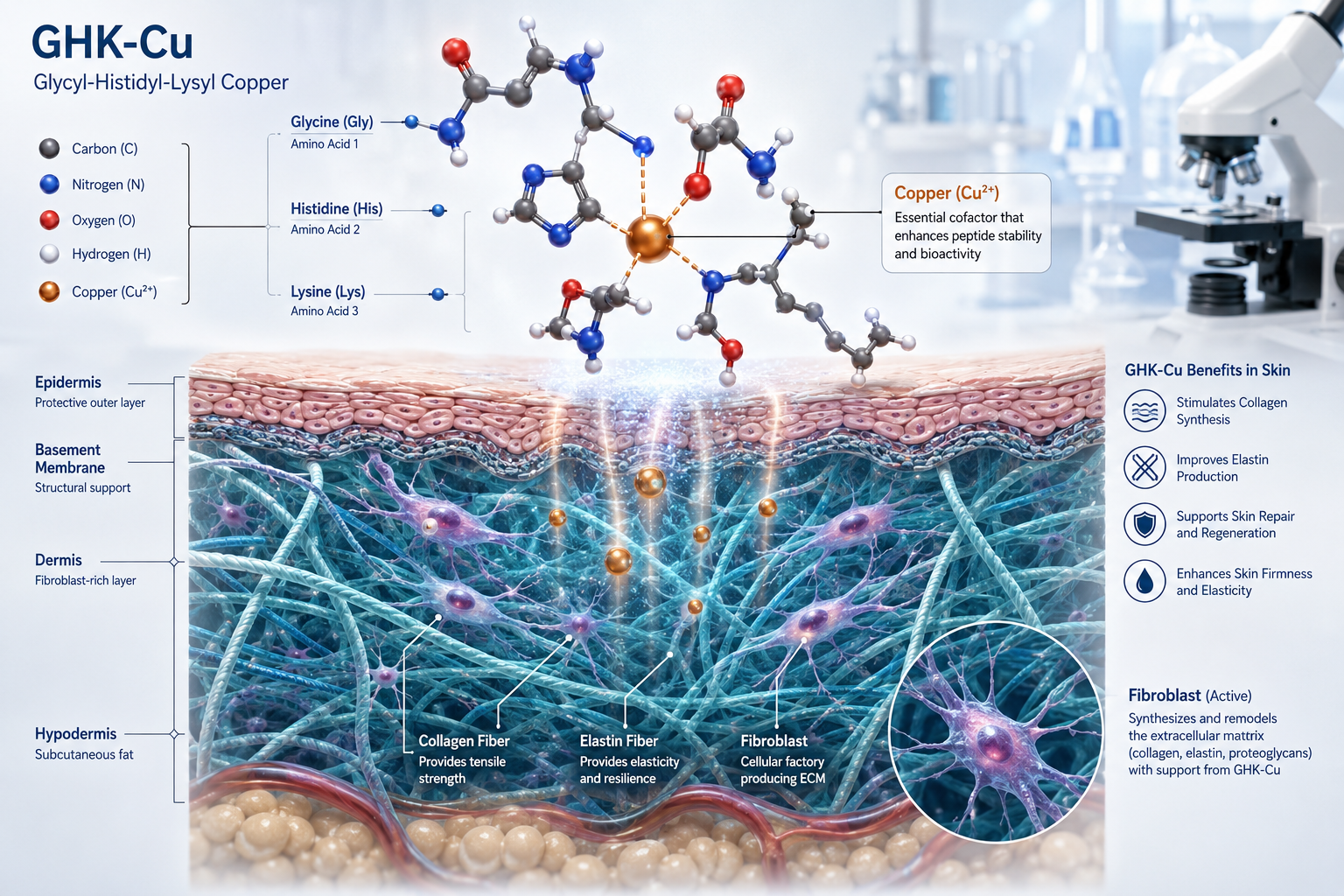
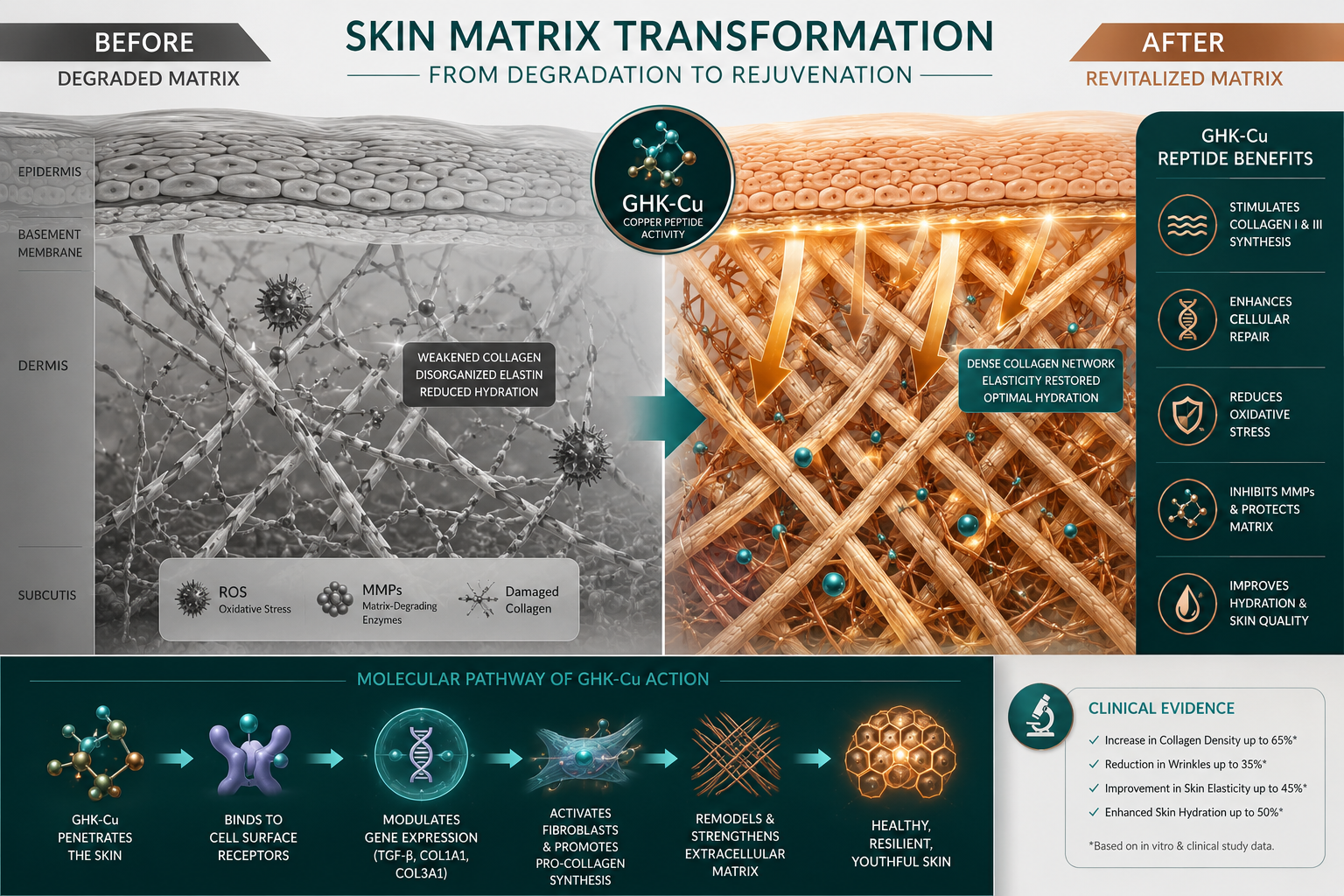
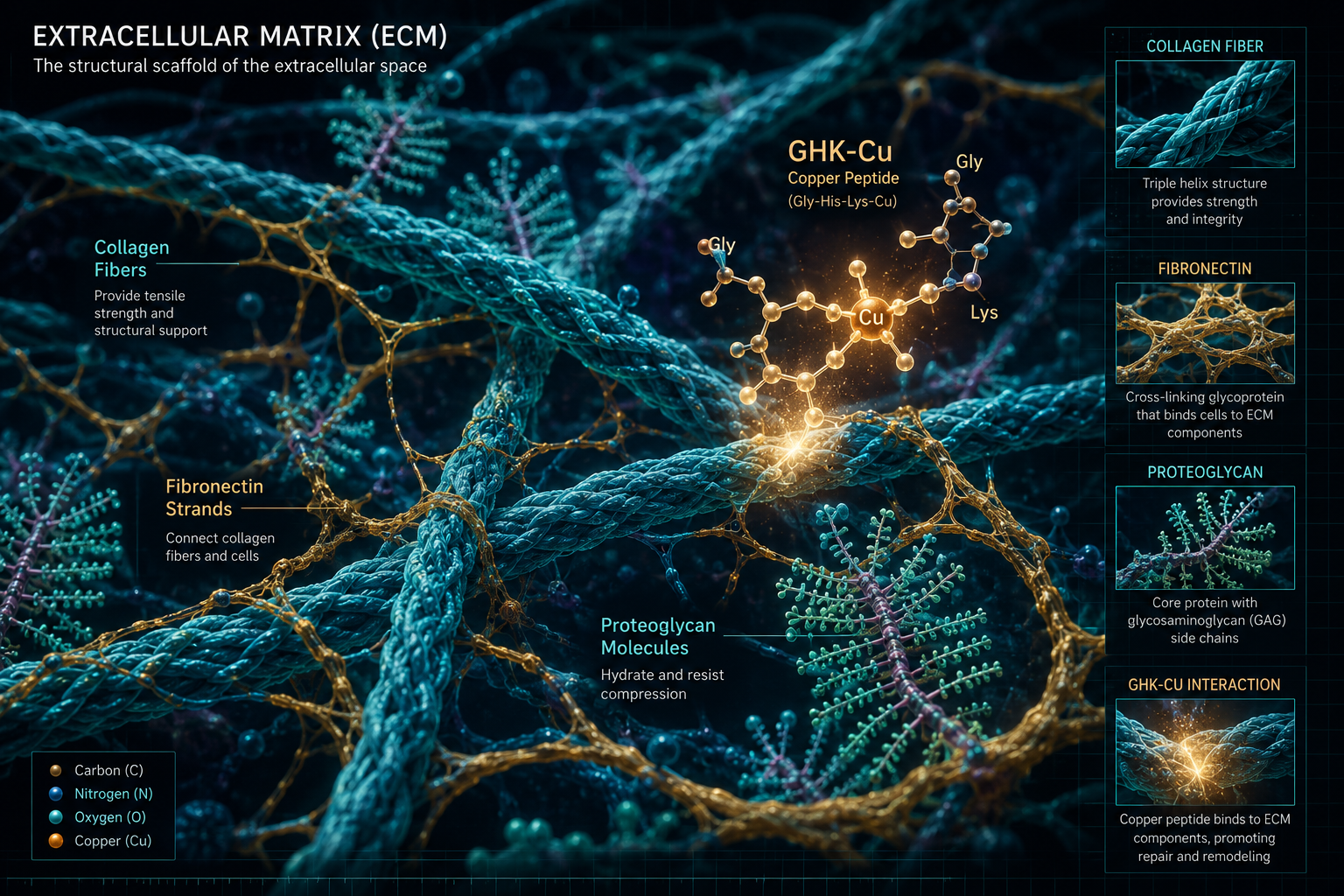
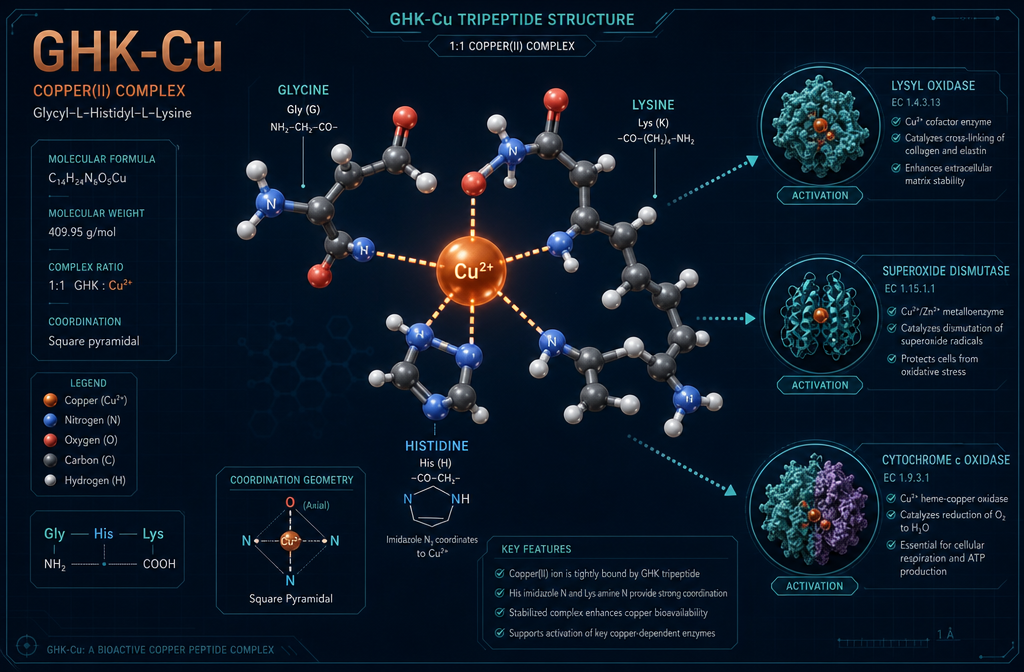
GHK-Cu (glycyl-L-histidyl-L-lysine copper II) is a naturally occurring tripeptide-copper complex first isolated from human plasma. Unlike finasteride, it does not interfere with androgen signaling. Instead, it operates through extracellular matrix (ECM) remodeling, angiogenesis stimulation, and activation of follicular stem cell niches.
Key biological activities documented in preclinical research include:
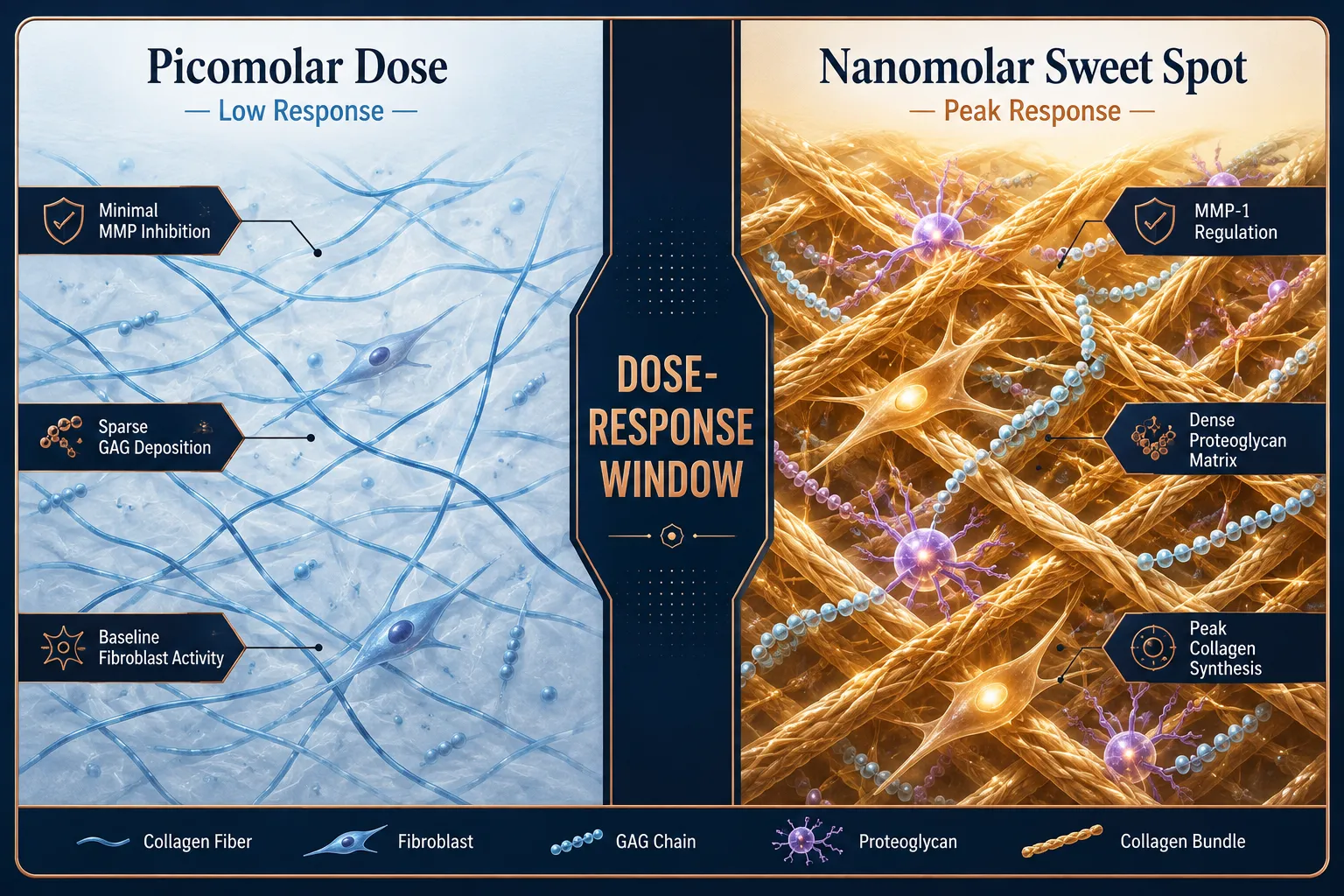
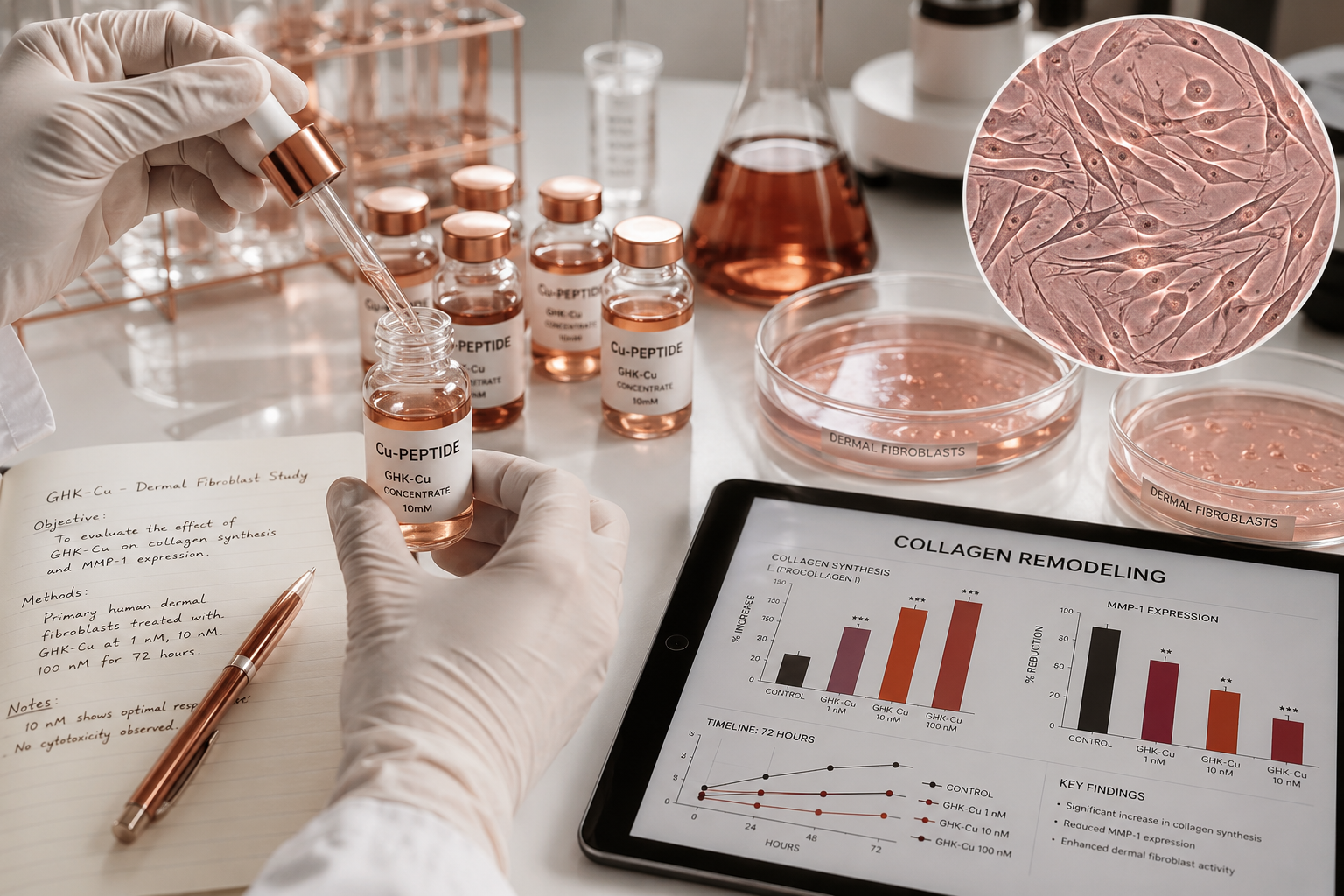
- Collagen and glycosaminoglycan synthesis: GHK-Cu upregulates genes involved in ECM production, improving the structural environment surrounding the follicle.
- Angiogenesis: The compound promotes vascular endothelial growth factor (VEGF) expression, increasing blood supply to the dermal papilla.
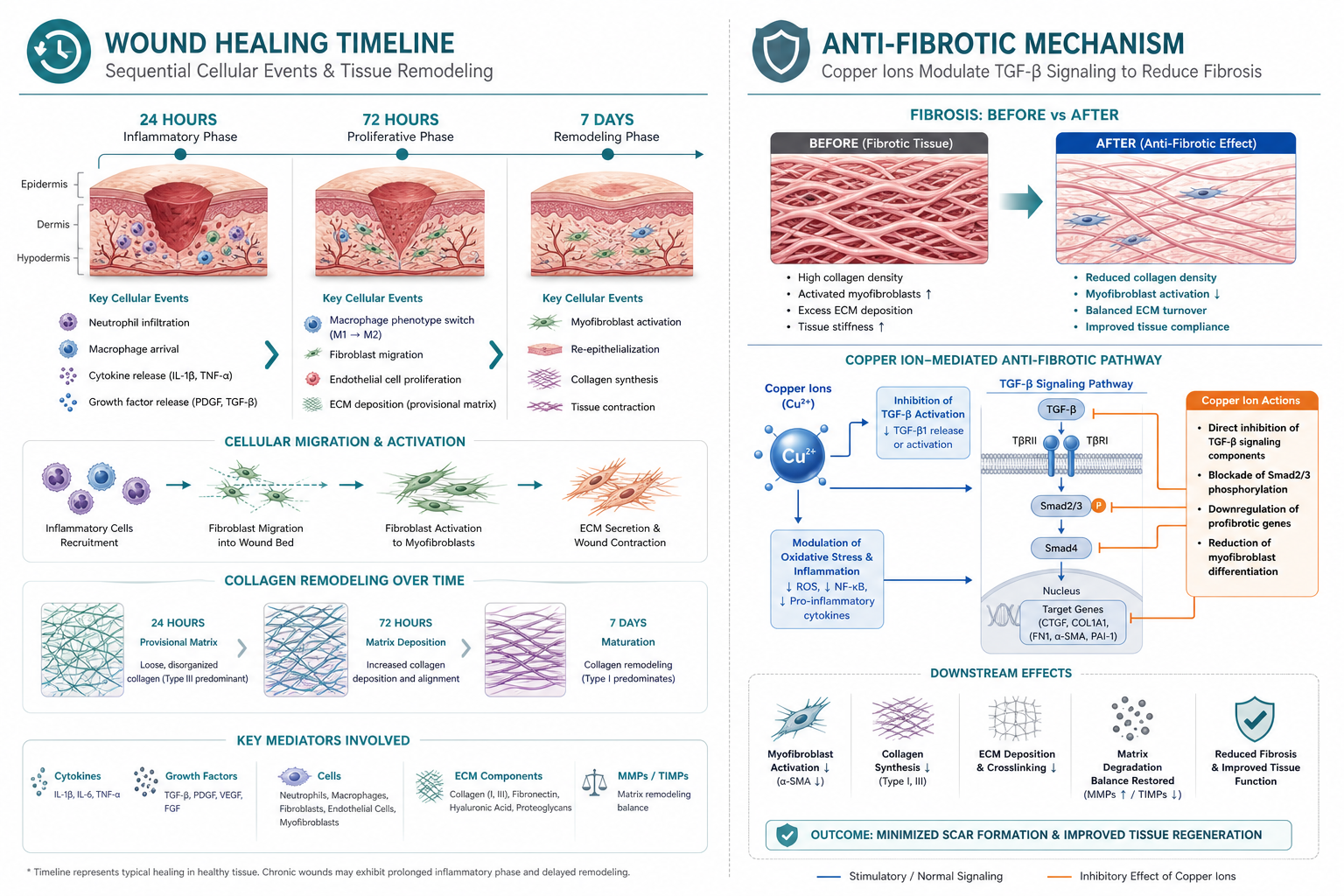
- Anti-inflammatory signaling: Copper peptides modulate inflammatory cytokines that can accelerate follicle cycling disruption.
- Stem cell activation: Preclinical data suggest GHK-Cu may influence hair follicle stem cell populations in the bulge region.
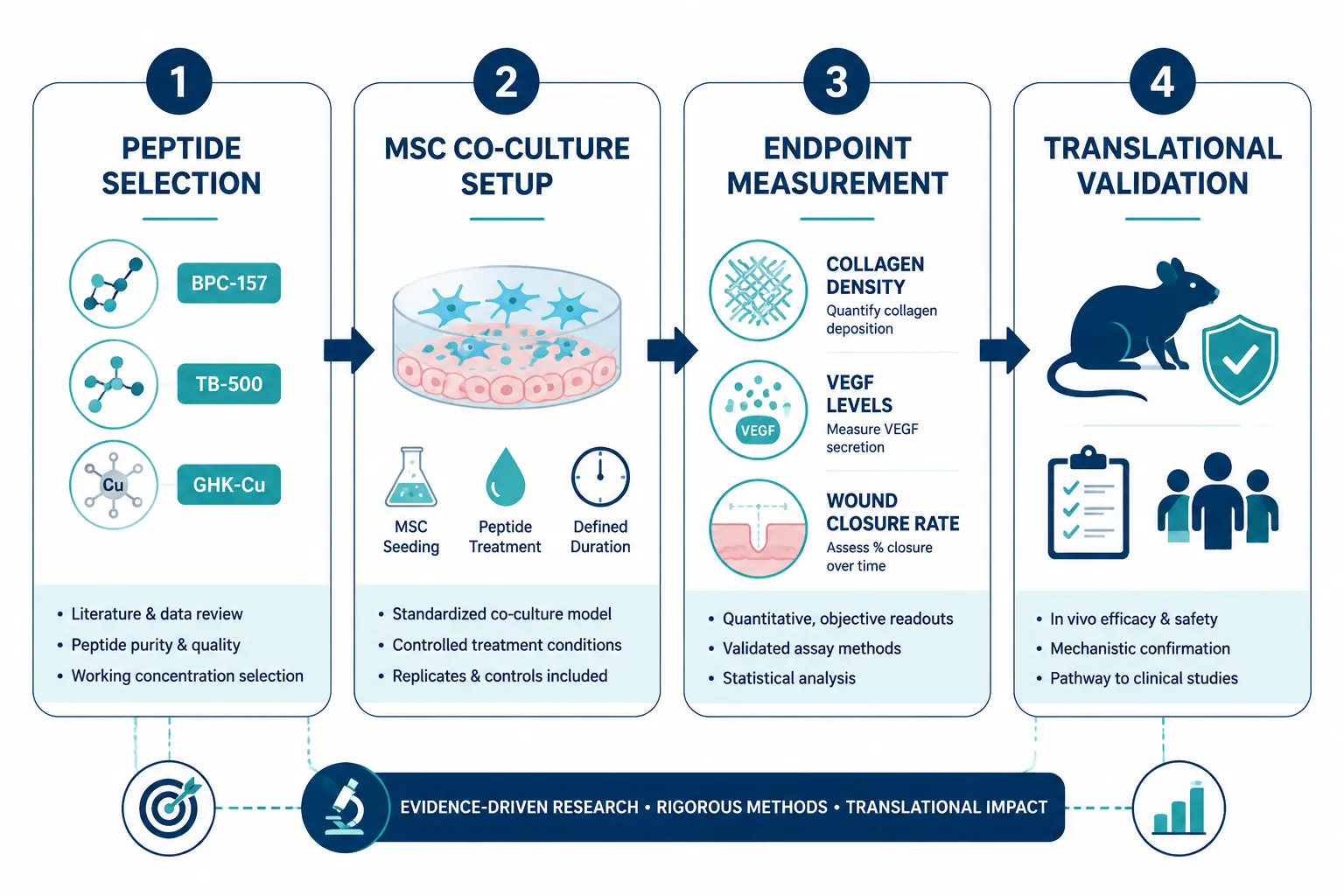
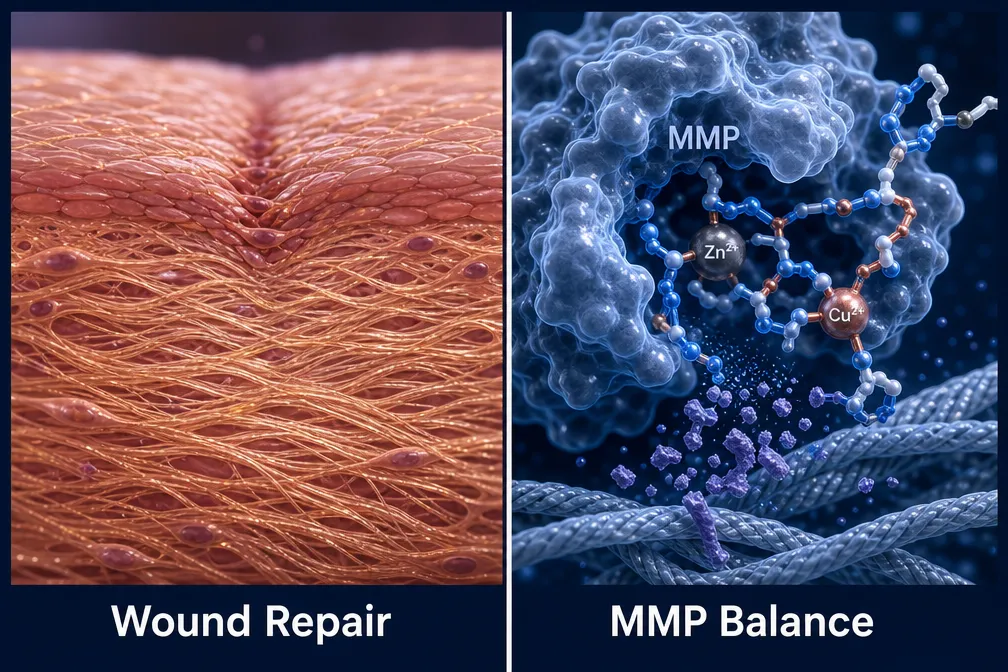
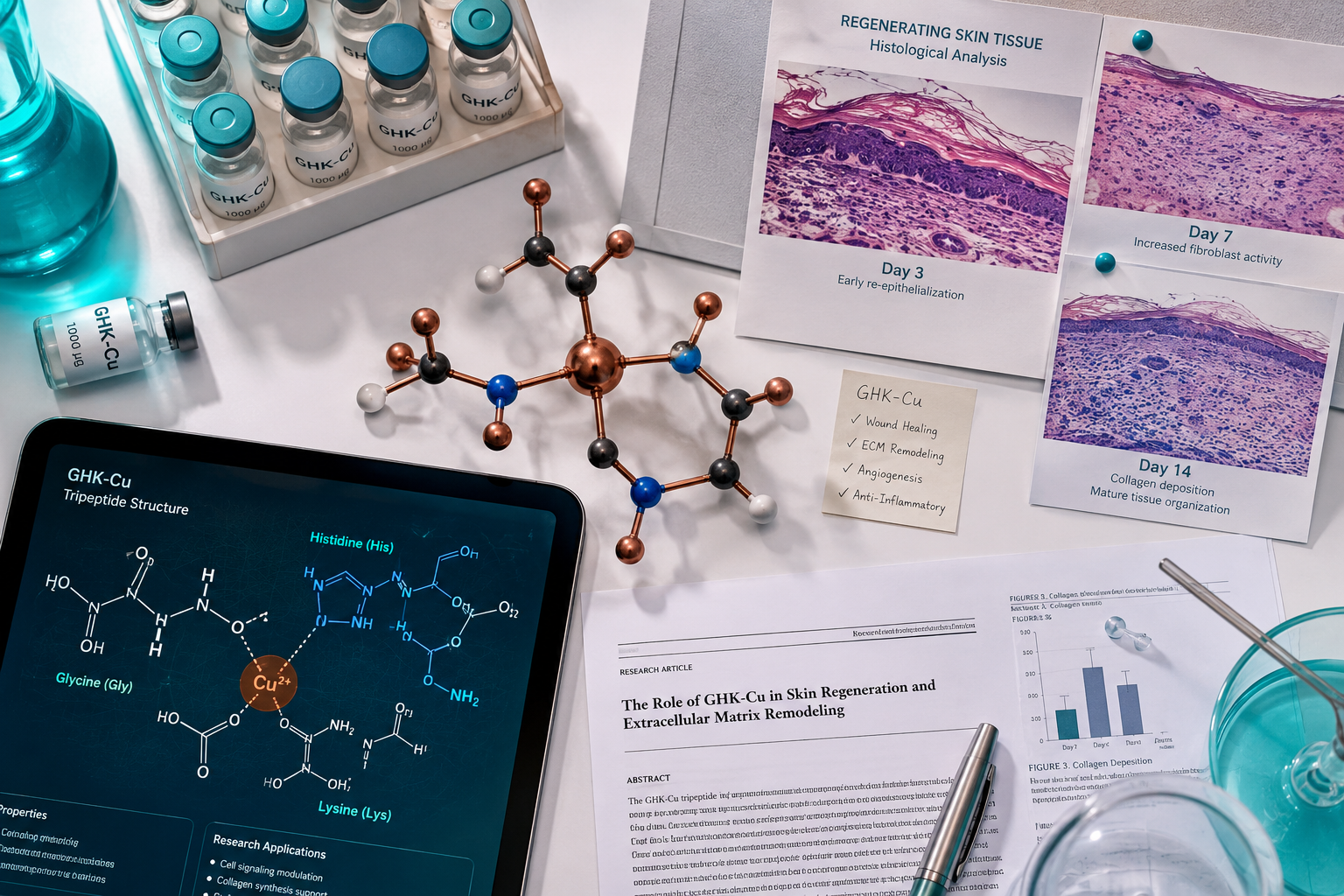
For researchers sourcing compounds, verified purity is non-negotiable. Resources such as the guide on where to buy research-grade Glow Blend peptide: evaluating purity, copper complexes, and skin model compatibility provide practical frameworks for assessing copper peptide formulations. Similarly, researchers exploring tissue repair models may find value in reviewing wound healing peptide applications, as GHK-Cu's ECM activity overlaps with dermal wound healing pathways.
Those sourcing copper peptide compounds for follicle studies should verify certificate of analysis (COA) data confirming greater than 98% purity, absence of endotoxins, and accurate copper chelation ratios. Options for GHK-Cu peptide for sale from tested suppliers offer a starting point for procurement research.
Comparing Research-Grade Compounds: Finasteride vs. GHK-Cu Side by Side
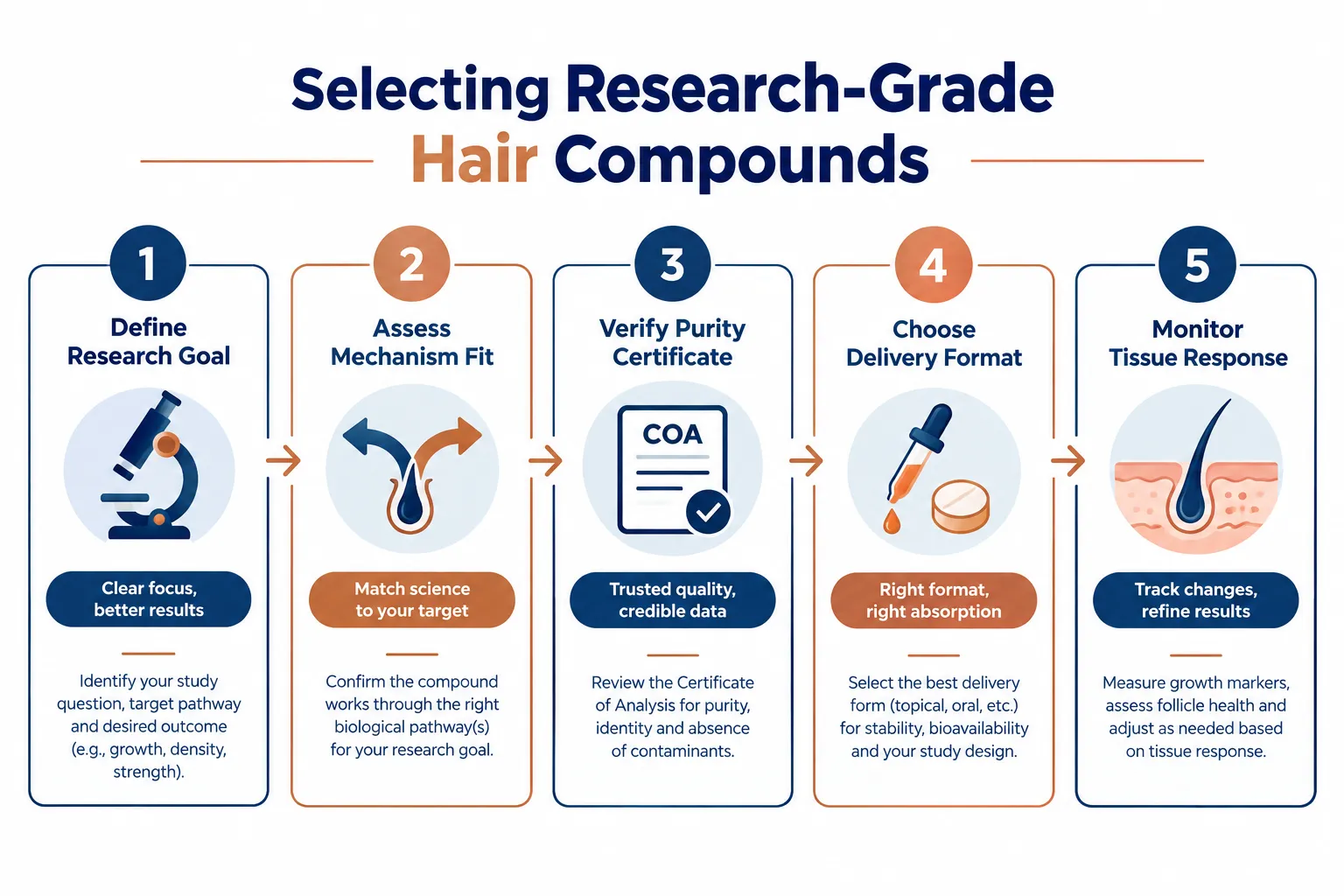
When selecting the best research-grade hair follicle and tissue compounds, finasteride vs. GHK-Cu and copper peptide formulations, researchers must align compound choice with the specific biological question being investigated.
| Feature | Finasteride | GHK-Cu / Copper Peptides |
|---|---|---|
| Primary mechanism | 5-alpha reductase inhibition / DHT blockade | ECM remodeling, angiogenesis, stem cell signaling |
| Regulatory status | FDA-approved (oral); compounded topical off-label | Research-grade only; no clinical approval for AGA |
| Systemic exposure risk | Moderate (oral); low (topical) | Minimal with topical application |
| Best research use | Androgen-driven follicle miniaturization models | Tissue repair, follicle cycling, vascularization models |
| Combination potential | Strong with minoxidil; speculative with GHK-Cu | Speculative with finasteride; explored with [wound healing peptides](https://www.puretestedpeptides.com/tag/wound-healing-peptides/) |
Regulatory distinction matters. Finasteride has an established clinical approval history, whereas copper peptide formulations remain in the research-compound category. This affects sourcing standards, documentation requirements, and permissible research contexts. Researchers working with GHK-Cu peptides for sale should maintain rigorous documentation of compound provenance and purity.
Combination Research Models
Preclinical interest is growing in dual-mechanism approaches. The rationale: finasteride addresses the androgen-driven cause of follicle miniaturization, while GHK-Cu supports the tissue environment needed for follicle recovery. No peer-reviewed clinical trial has yet validated this combination in humans, and any such application remains speculative. Researchers exploring multi-peptide tissue models may also find mechanistic parallels in wound healing peptides literature, given the overlapping ECM pathways.
Conclusion
The best research-grade hair follicle and tissue compounds, finasteride vs. GHK-Cu and copper peptide formulations, are not competitors in the conventional sense. They occupy different mechanistic niches. Finasteride is the established standard for DHT-suppression models, with robust long-term data supporting both oral and topical routes. GHK-Cu offers a distinct research avenue focused on ECM remodeling and angiogenesis, with promising preclinical data but no clinical approval for androgenetic alopecia.
Actionable next steps for researchers:
- Define the primary research question: androgen pathway inhibition or tissue microenvironment support.
- Select compounds from suppliers providing COA documentation, endotoxin testing, and verified purity above 98%.
- For finasteride models, evaluate topical formulations to minimize systemic confounders.
- For copper peptide models, cross-reference with ECM and wound healing literature to build mechanistic context.
- Treat combination models as exploratory and clearly label any multi-compound protocols as speculative pending clinical validation.