Lorazepam, Buspirone, and Nasal Spray Peptides: How Semax, Selank, and Klow Nasal Formulations Differ From Classic Anxiolytics in Lab Studies
Anxiety disorders affect roughly one in three adults at some point in their lives, yet the two most prescribed drug classes for anxiety, benzodiazepines and azapirones, carry well-documented trade-offs that researchers have spent decades trying to solve. The comparison of lorazepam, buspirone, and nasal spray peptides, specifically how Semax, Selank, and Klow nasal formulations differ from classic anxiolytics in lab studies, has become one of the more active areas of preclinical pharmacology in 2026. Understanding the mechanistic differences between these compound classes is essential for anyone following peptide research, neuropharmacology, or CNS drug development.
Key Takeaways
- Lorazepam works through GABA-A receptor modulation, producing fast but sedating and dependence-prone anxiolysis.
- Buspirone partially agonizes the 5-HT1A receptor, avoiding sedation but requiring weeks for full effect.
- Semax and Selank are intranasal peptides with distinct receptor targets, cognitive endpoints, and minimal sedation in animal models.
- Klow nasal blends combine multiple peptides but currently lack formal anxiolytic trial data.
- Intranasal delivery bypasses hepatic first-pass metabolism, giving peptides a bioavailability advantage that oral routes cannot match.
Receptor Targets: Where Classic Drugs and Peptides Diverge
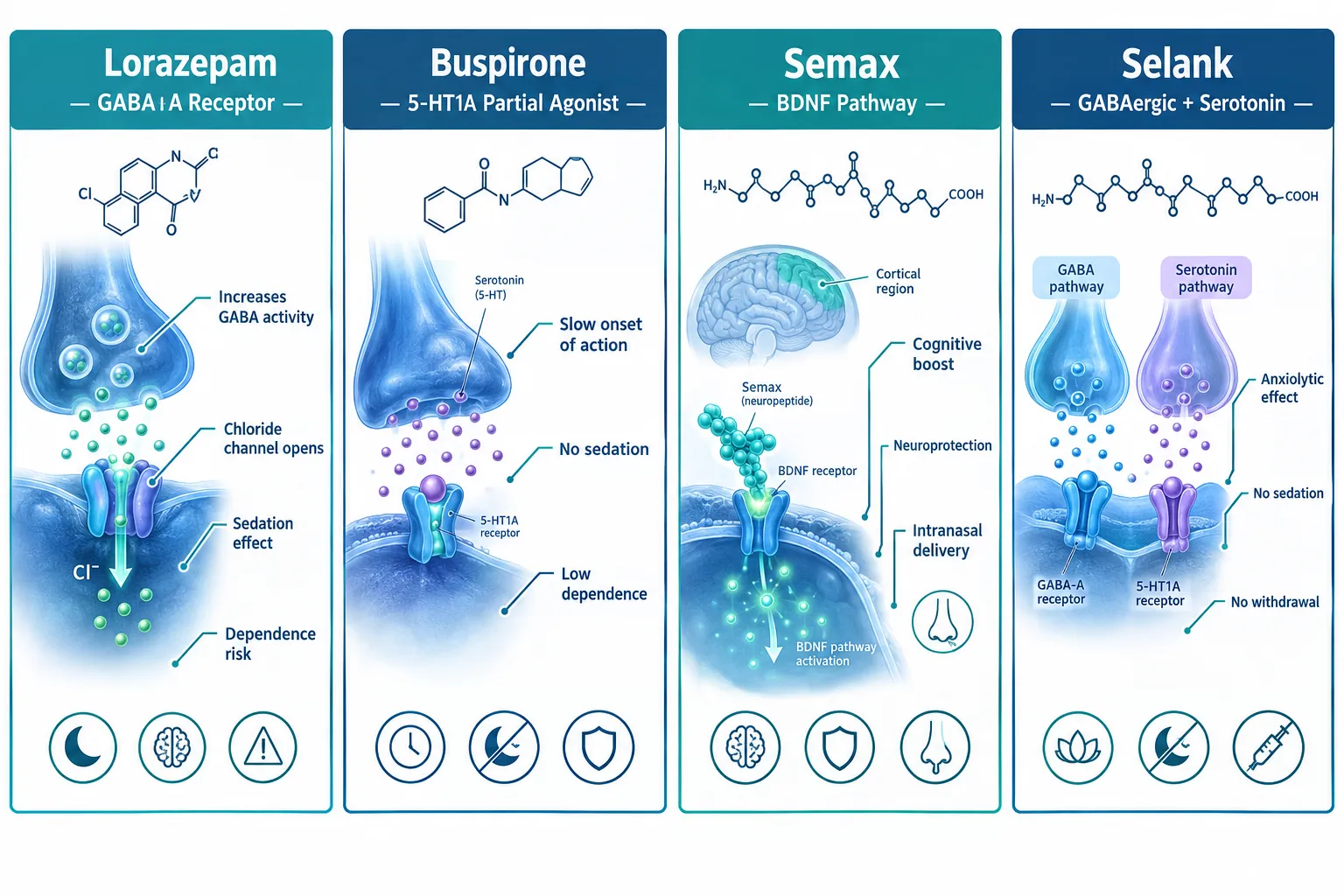
The most fundamental difference between classic anxiolytics and peptide nasal sprays lies in their receptor targets.
Lorazepam is a benzodiazepine. It binds to the GABA-A receptor complex and enhances chloride ion influx, effectively slowing neuronal firing across the central nervous system. The result is fast, reliable anxiolysis, but it comes packaged with sedation, psychomotor impairment, and a significant dependence liability with repeated use. Tolerance builds within weeks, and abrupt discontinuation can trigger rebound anxiety or seizures.
Buspirone operates through a completely different pathway. As a partial agonist at the 5-HT1A serotonin receptor, it modulates serotonergic tone without touching GABA channels. This sidesteps sedation and dependence risk, but the trade-off is a slow onset, clinical effect typically requires two to four weeks of consistent dosing. Buspirone also has a narrower symptom profile, performing better on generalized anxiety than on panic or phobic subtypes.
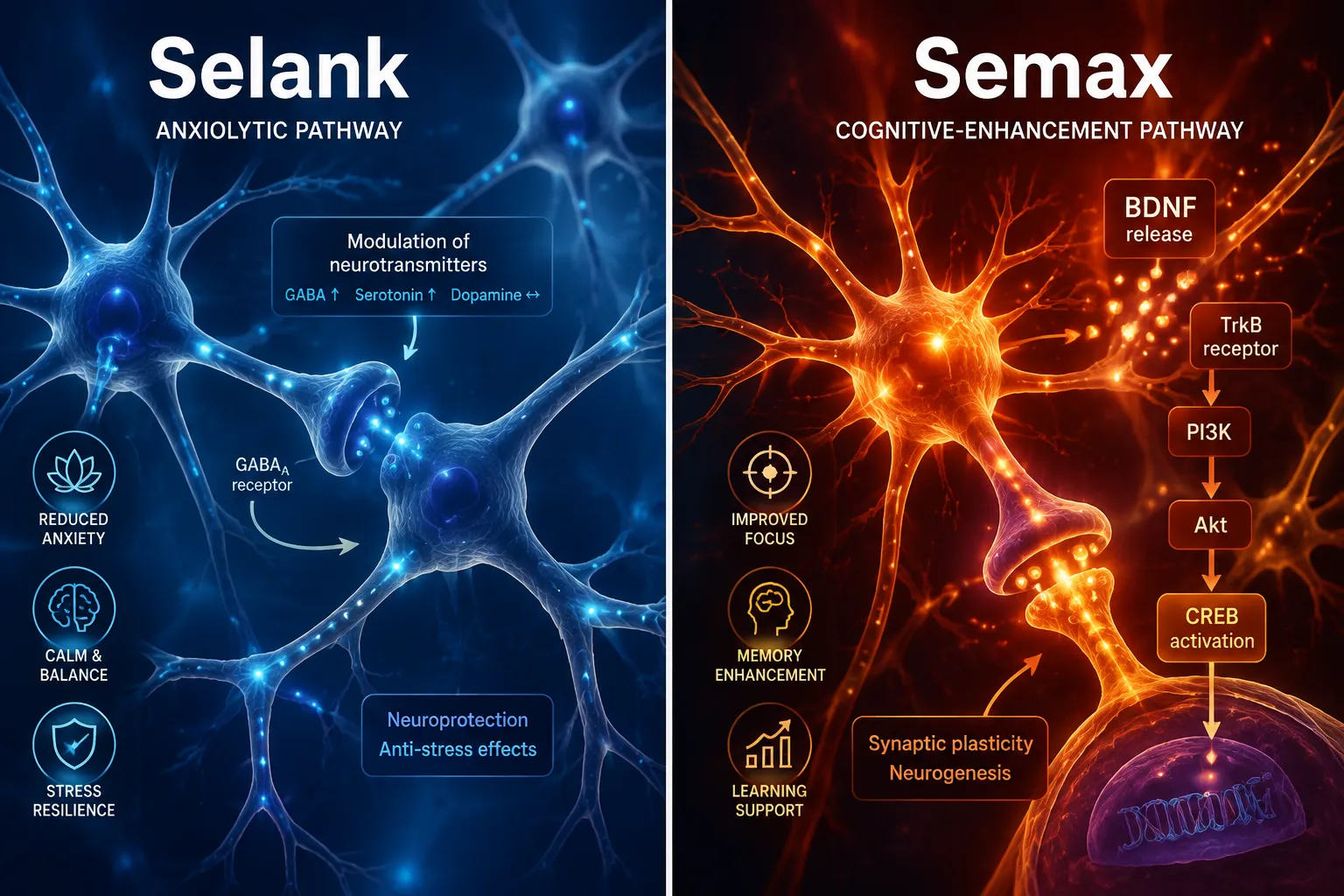
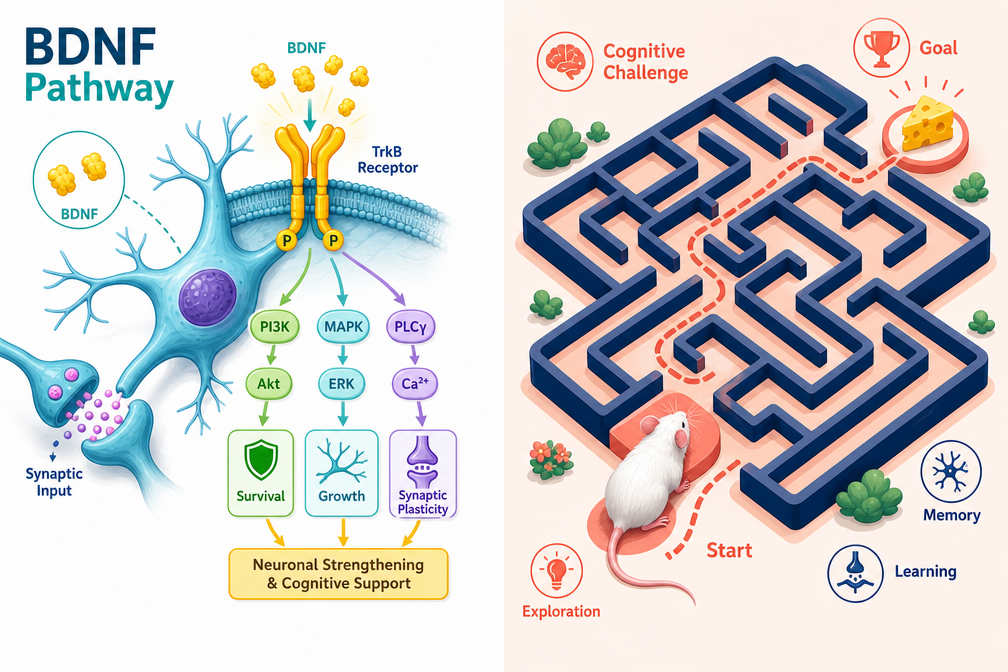
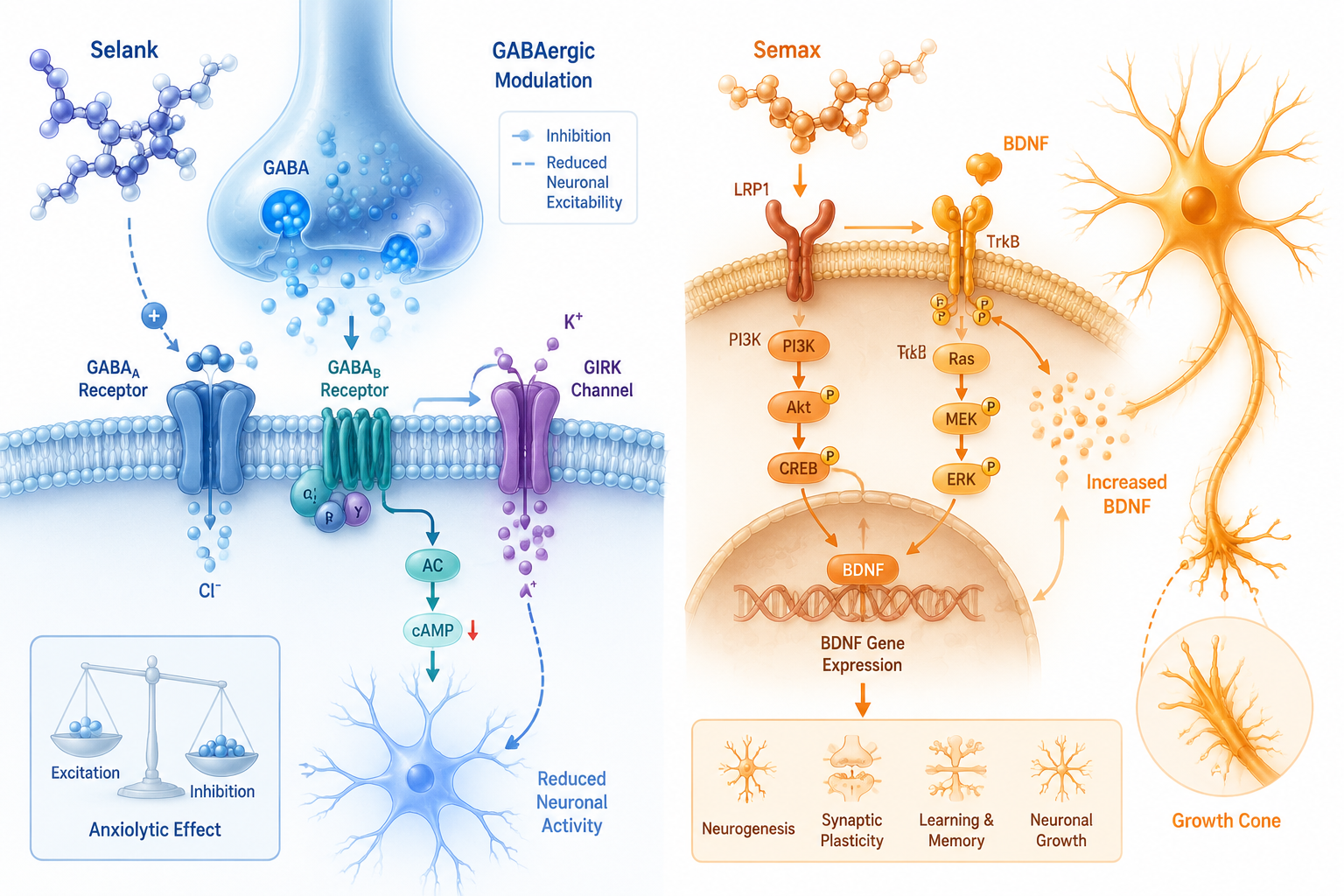
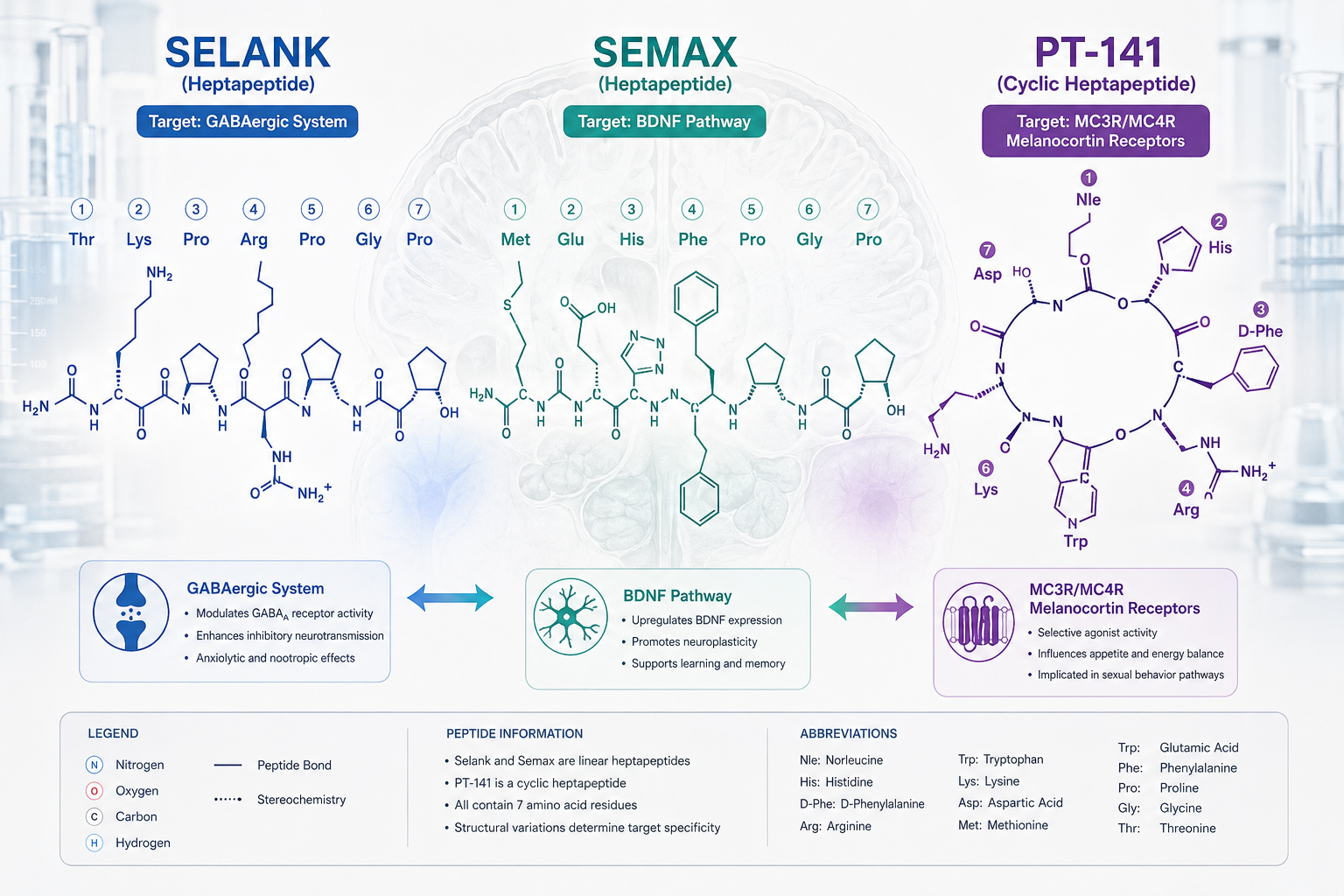
Semax and Selank diverge from both of these mechanisms in ways that make direct comparison difficult. Semax research shows that this heptapeptide analog of ACTH(4-7) primarily stimulates brain-derived neurotrophic factor (BDNF) production and modulates dopaminergic and serotonergic signaling. Its anxiolytic-adjacent effects in rodent models appear secondary to broader neuroprotective and cognitive-enhancing actions, not direct receptor sedation.
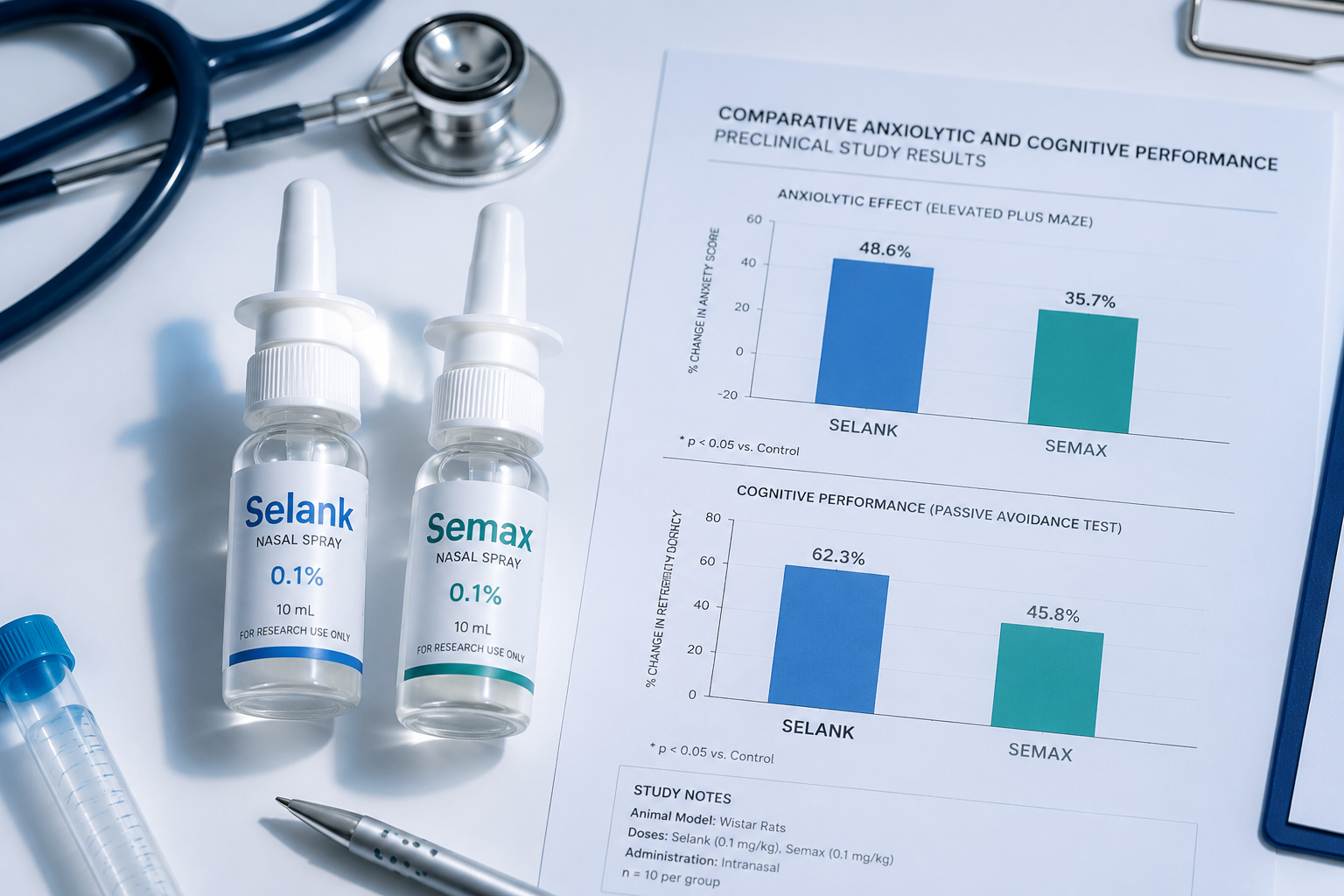
Selank, a synthetic analog of the endogenous peptide tuftsin, shows a more direct anxiolytic profile in animal studies. It appears to influence GABAergic activity and serotonin metabolism simultaneously, producing anxiety reduction without the sedation or withdrawal effects seen with benzodiazepines. Comparative studies on Selank vs Semax suggest that while both reduce stress markers in rodents, Selank's anxiolytic signal is more consistent and Semax's cognitive benefits are more pronounced.
Intranasal Delivery and Bioavailability: Why the Route Matters
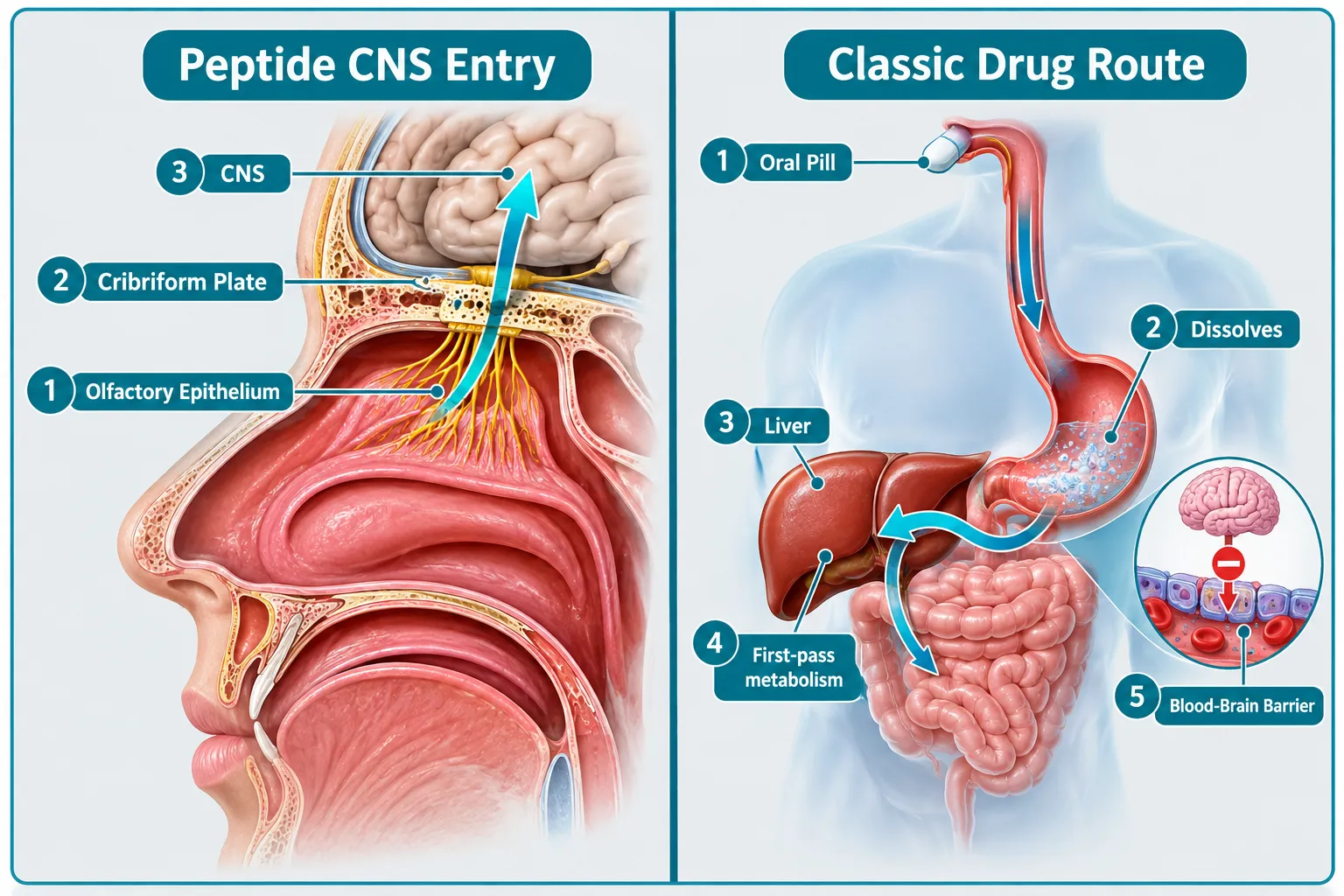
The delivery route is not a minor detail, it is central to understanding why peptide nasal sprays are studied at all.
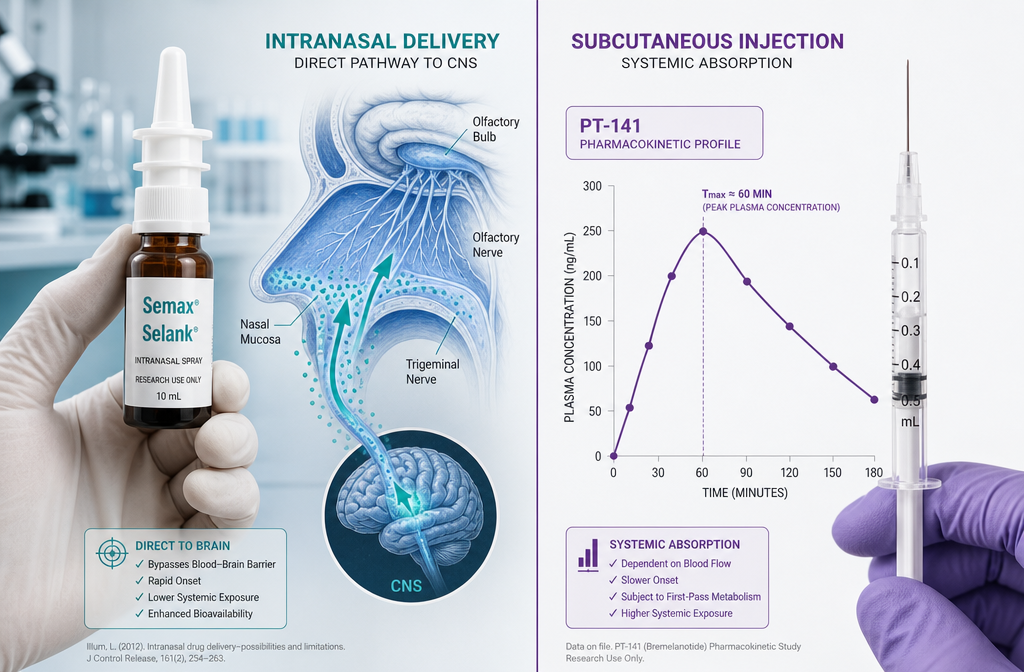
Oral administration of peptides faces a brutal pharmacokinetic obstacle: proteolytic enzymes in the gut degrade most peptide bonds before absorption, and any fraction that does absorb encounters hepatic first-pass metabolism before reaching systemic circulation. The result is negligible bioavailability for most unmodified peptides taken by mouth.
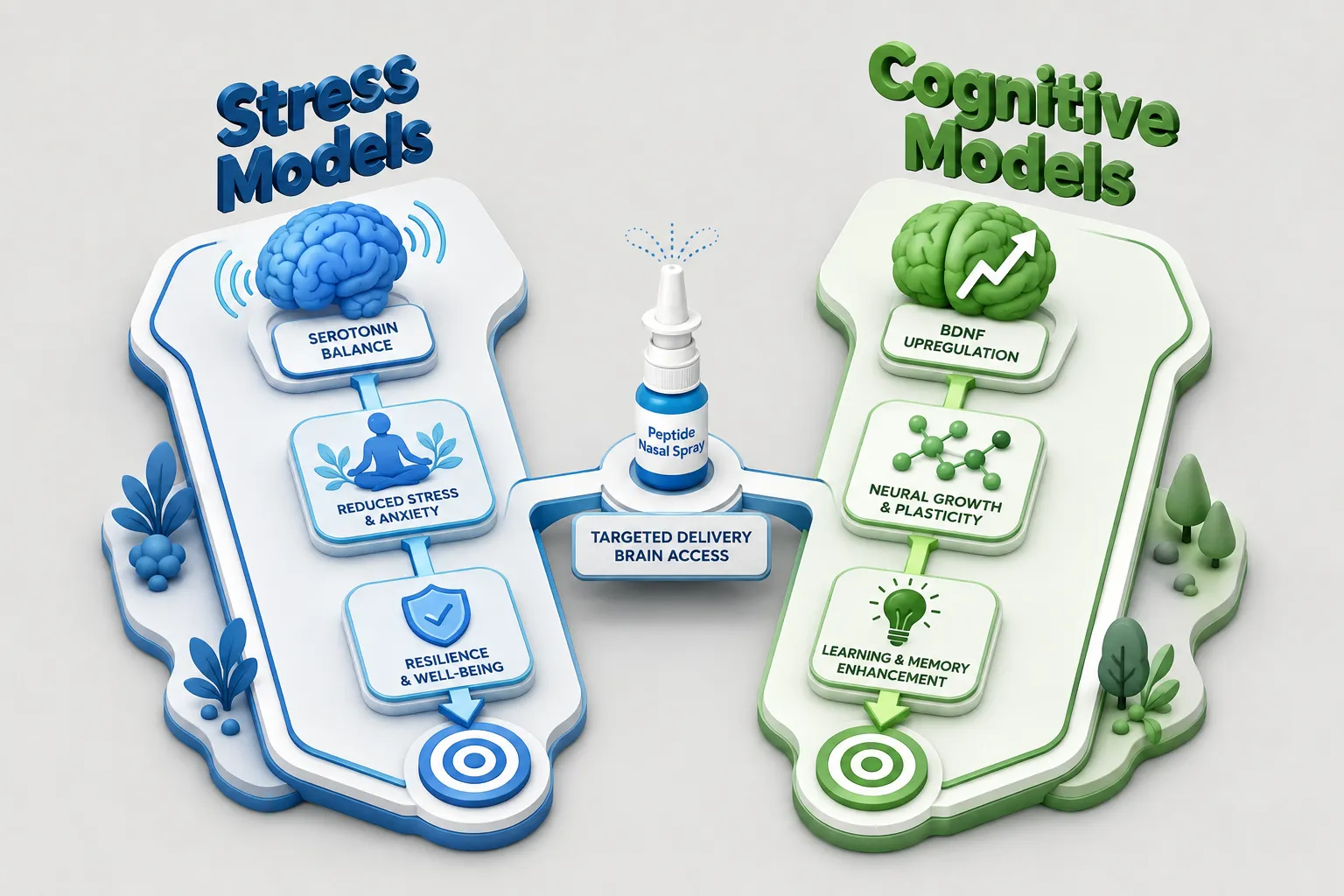
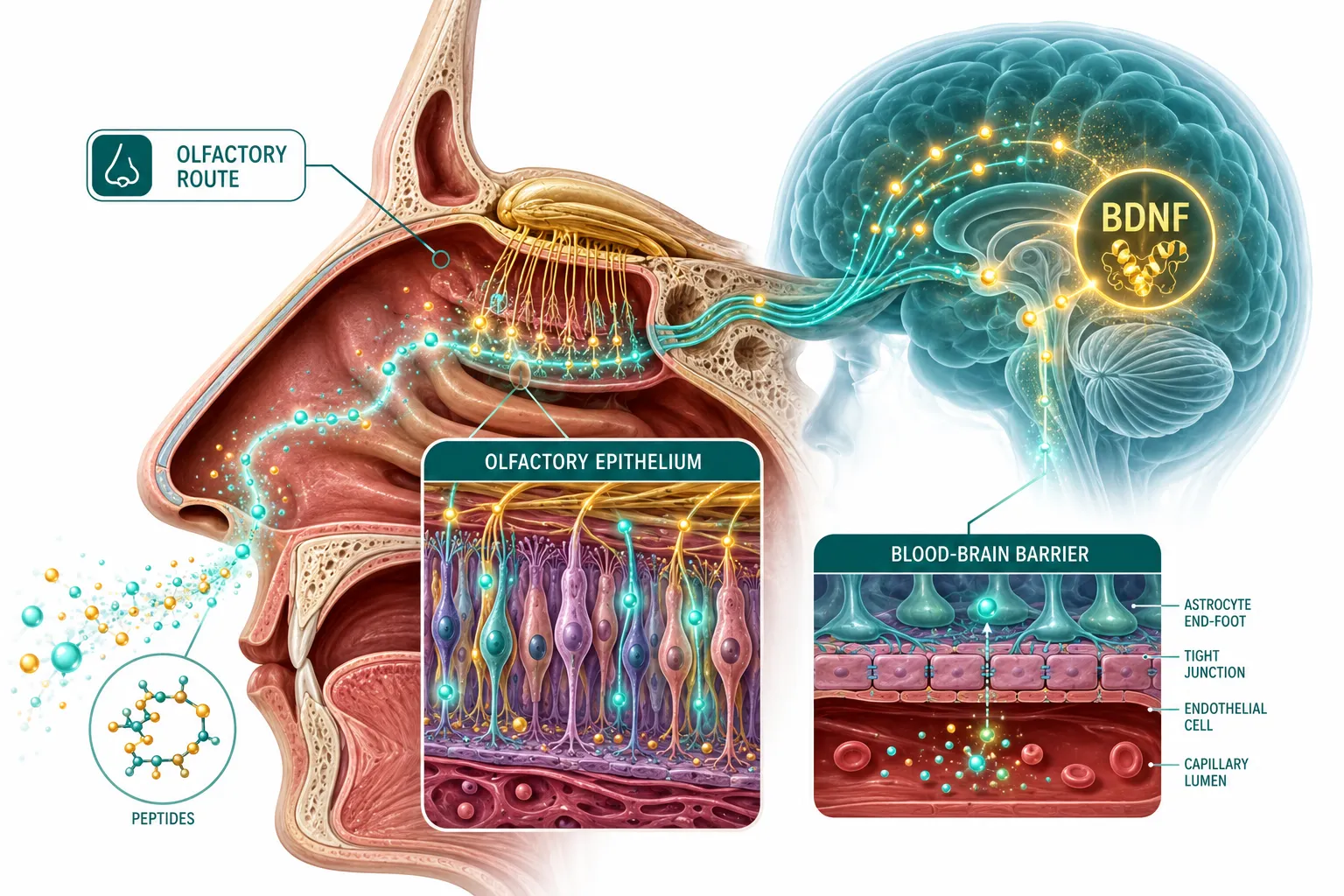
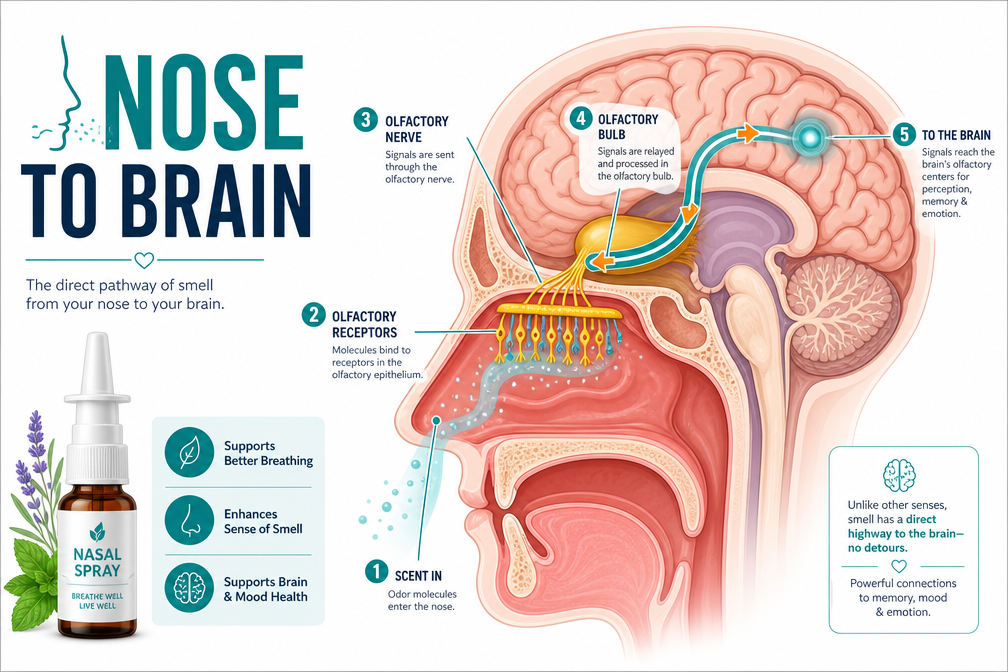
Intranasal delivery bypasses both barriers. The olfactory epithelium and the cribriform plate offer a direct anatomical pathway to the CNS, allowing peptides to enter brain tissue without crossing the blood-brain barrier through conventional routes. Studies on Semax nasal spray formulations show measurable CNS activity at doses far lower than would be required orally, and onset is substantially faster than buspirone's multi-week timeline.
Key distinction: Classic anxiolytics are optimized for oral bioavailability. Peptide nasal sprays exploit a different anatomical route entirely, one that classic drug formulation never needed to consider.
Lorazepam, by contrast, achieves near-complete oral absorption through conventional gastrointestinal uptake and does not require intranasal delivery. Buspirone has moderate oral bioavailability but is also subject to significant first-pass metabolism, which is why its clinical doses are relatively high.
For researchers reviewing Semax research protocols, intranasal dosing typically ranges from 200 to 600 micrograms per day in animal models, with human exploratory use reported in Russian clinical literature at similar microgram-range doses. Selank intranasal studies use comparable ranges. These doses are orders of magnitude smaller than typical benzodiazepine or buspirone doses, reflecting the efficiency of the nasal-to-CNS route.
Cognitive Endpoints, Side-Effect Profiles, and the Klow Question
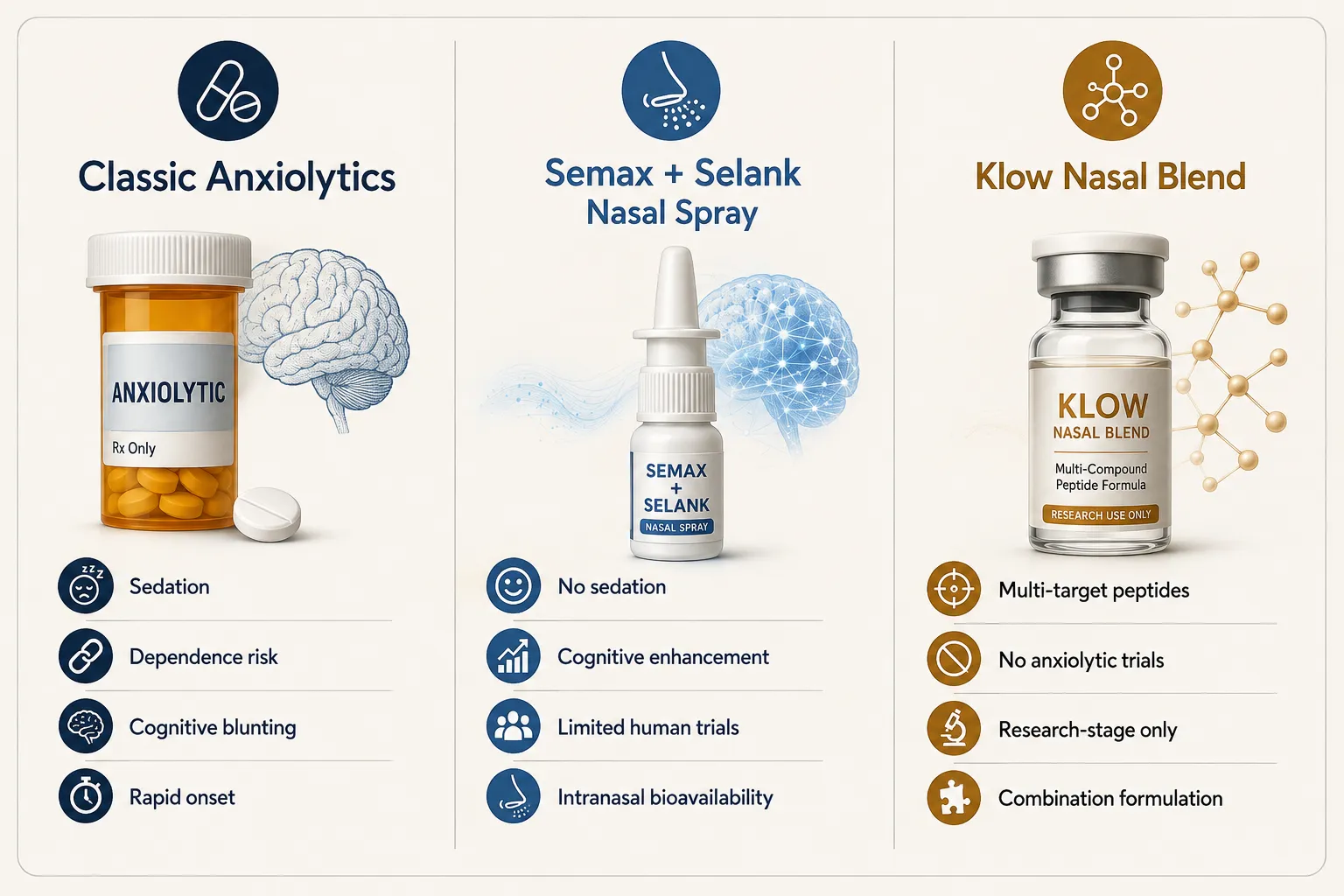
The side-effect comparison between these compound classes is where the practical research interest concentrates.
| Feature | Lorazepam | Buspirone | Semax / Selank | Klow Blends |
|---|---|---|---|---|
| Primary target | GABA-A | 5-HT1A | BDNF / GABAergic | Multi-peptide |
| Sedation | High | None | None observed | Unknown |
| Dependence risk | High | Low | Not reported | Unknown |
| Cognitive effects | Blunting | Neutral | Enhancement | Uncharacterized |
| Onset | Minutes | 2-4 weeks | Hours (intranasal) | Not established |
| Human trial data | Extensive | Extensive | Limited | None |
Lorazepam consistently blunts working memory and reaction time in controlled studies, effects that persist beyond the anxiolytic window. Buspirone avoids this but offers no cognitive benefit. Semax, in multiple rodent and limited human studies, shows the opposite pattern: improved memory consolidation, faster learning acquisition, and enhanced neuroplasticity markers alongside stress reduction.
Selank's cognitive profile is more neutral than Semax's but still avoids the blunting seen with benzodiazepines. In studies comparing anxiolytic efficacy, Selank reduced anxiety-like behavior in elevated plus-maze and open-field tests without impairing locomotor performance, a finding that stands in direct contrast to lorazepam's profile.
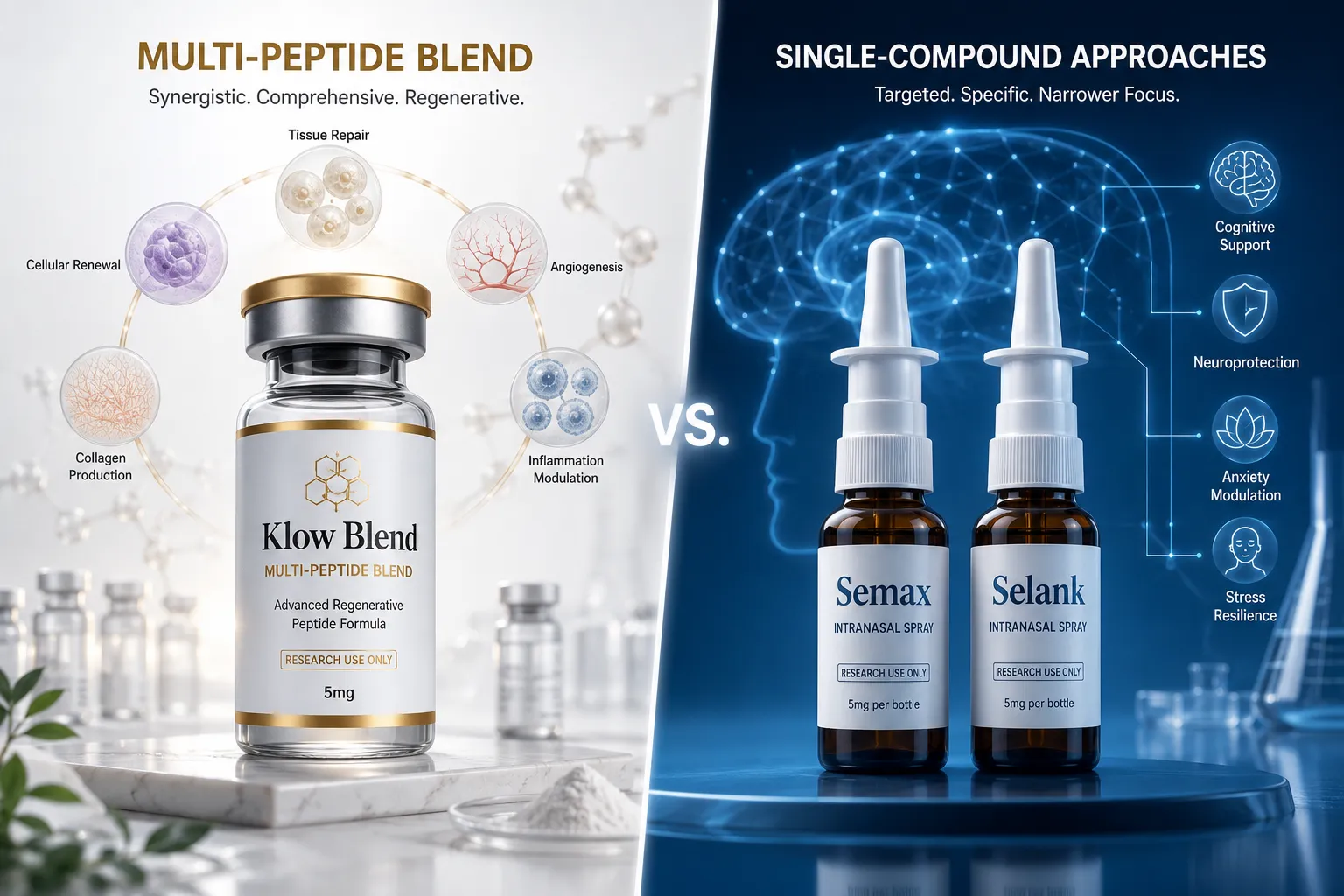
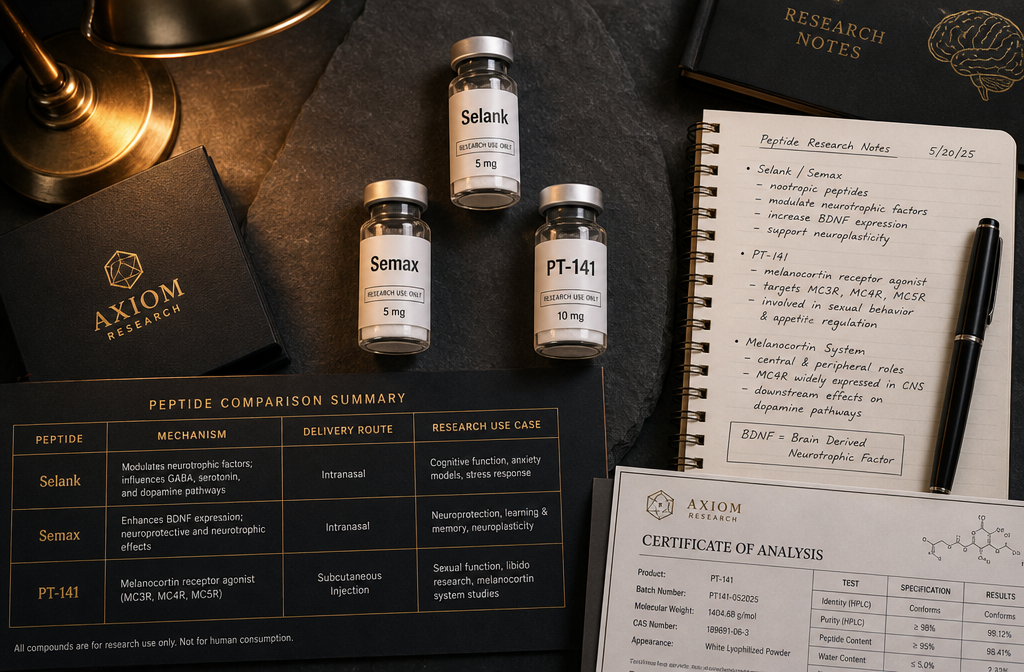
Klow nasal formulations represent a newer category of multi-peptide blends. These products combine several peptide compounds in a single intranasal delivery system, targeting multiple pathways simultaneously. However, as of 2026, no formal anxiolytic trials exist for Klow-style blends. The mechanistic rationale is plausible given the individual peptide data, but the absence of controlled trial data means efficacy and safety claims remain speculative. Researchers interested in the broader landscape of wholesale peptides for sale in research contexts should treat Klow formulations as hypothesis-generating rather than evidence-supported.
The authority of current evidence also deserves honest assessment. Semax and Selank have the strongest data sets among the peptide group, but most studies originate from Russian research institutions and involve relatively small sample sizes. Replication in Western clinical settings remains limited. This does not invalidate the findings, but it does mean that direct head-to-head comparisons with lorazepam or buspirone at the clinical trial level do not yet exist.
For those exploring the broader peptide research space, resources on peptides and polypeptides in endocrine pharmacology provide useful context on how peptide compounds interact with receptor biology across different systems.
Conclusion
The mechanistic gap between lorazepam, buspirone, and intranasal peptides like Semax, Selank, and Klow is not simply a matter of degree, it reflects fundamentally different pharmacological philosophies. Classic anxiolytics target established receptor systems with decades of clinical data but carry sedation, dependence, and cognitive cost. Peptide nasal sprays exploit the nasal-to-CNS route to deliver compounds that appear to modulate anxiety through neuroprotective and neurotrophic pathways, with a side-effect profile that animal models suggest is substantially cleaner.
Actionable next steps for researchers and informed readers:
- Review the primary Semax and Selank literature from Russian clinical sources alongside any available Western replication studies before drawing efficacy conclusions.
- Treat Klow multi-peptide blends as research-stage compounds requiring formal trial data before anxiolytic claims can be substantiated.
- Recognize that intranasal bioavailability data does not automatically translate to clinical equivalence with orally dosed classic anxiolytics.
- Follow emerging Semax nasal spray research for updates on human dosing and cognitive endpoint data as the field matures in 2026.
The comparison of lorazepam, buspirone, and nasal spray peptides, and how Semax, Selank, and Klow nasal formulations differ from classic anxiolytics in lab studies, will only sharpen as controlled human trials close the evidence gap between preclinical promise and clinical proof.