Peptide Reconstitution and Stability: How Buffer Choice, pH, Osmolality, and Freeze–Thaw Cycles Affect Research Samples
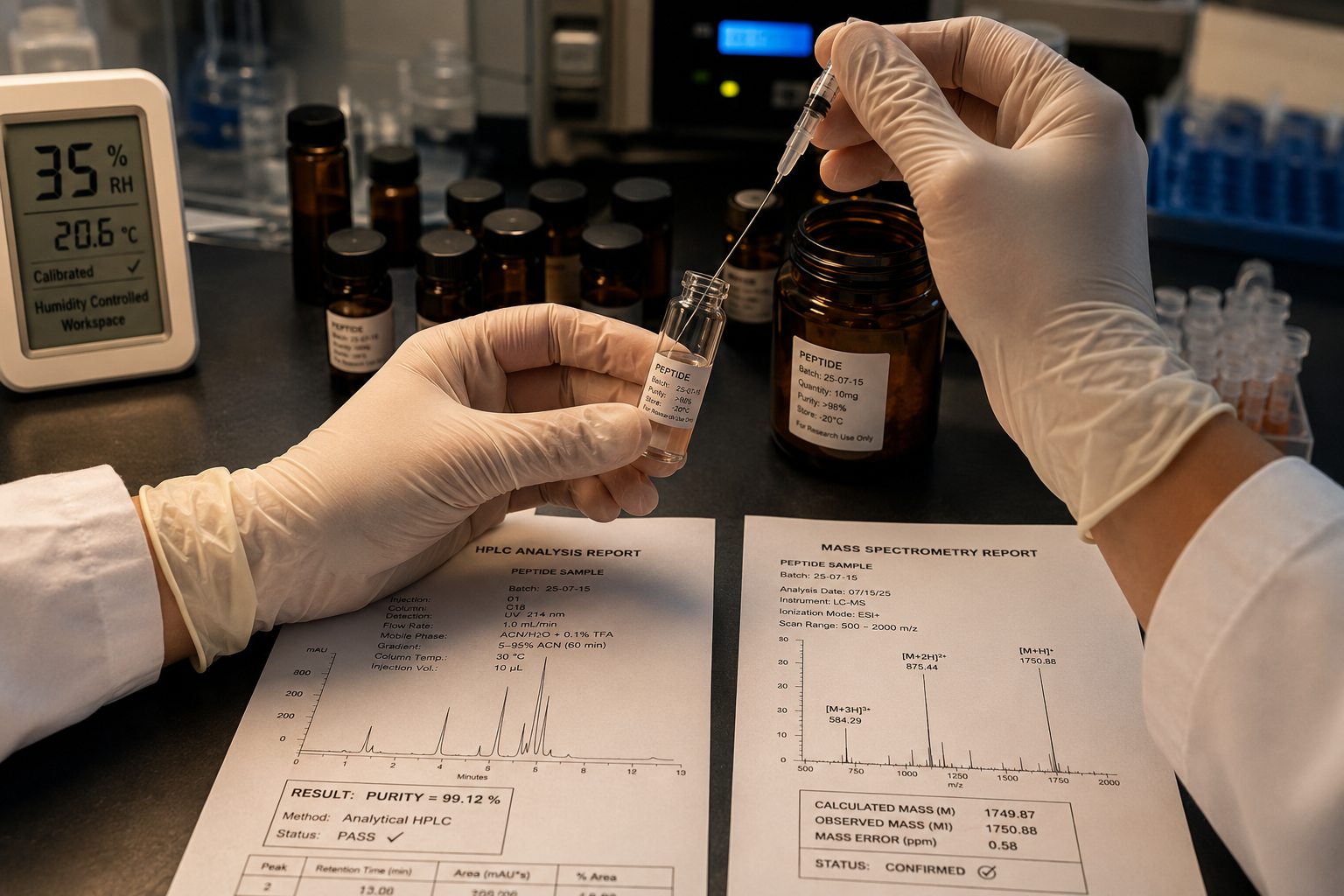
Roughly 30% of peptide research samples degrade before a single experiment is completed, not because of poor synthesis, but because of avoidable reconstitution errors. Peptide reconstitution and stability: how buffer choice, pH, osmolality, and freeze, thaw cycles affect research samples is one of the most consequential yet underappreciated topics in peptide science. A wrong buffer or a single extra freeze, thaw cycle can shift purity from 99% to well below 90%, invalidating weeks of downstream work.
Key Takeaways
- The optimal pH window for most peptide solutions is 3.5-4.5, with acetate and citrate buffers as first-line choices.
- Deamidation, hydrolysis, and aggregation each peak at distinct pH bands, making buffer selection sequence-specific.
- Osmolality must be controlled (280-320 mOsm/kg for parenteral and intranasal formulations) to preserve biorelevance.
- Every freeze, thaw cycle introduces measurable degradation; single-use aliquots are the primary mitigation strategy.
- Stability profiles differ significantly across peptide classes, GLP-class, growth-hormone, regenerative, and nasal peptides each require tailored protocols.
Why Buffer Choice Drives Peptide Reconstitution and Stability
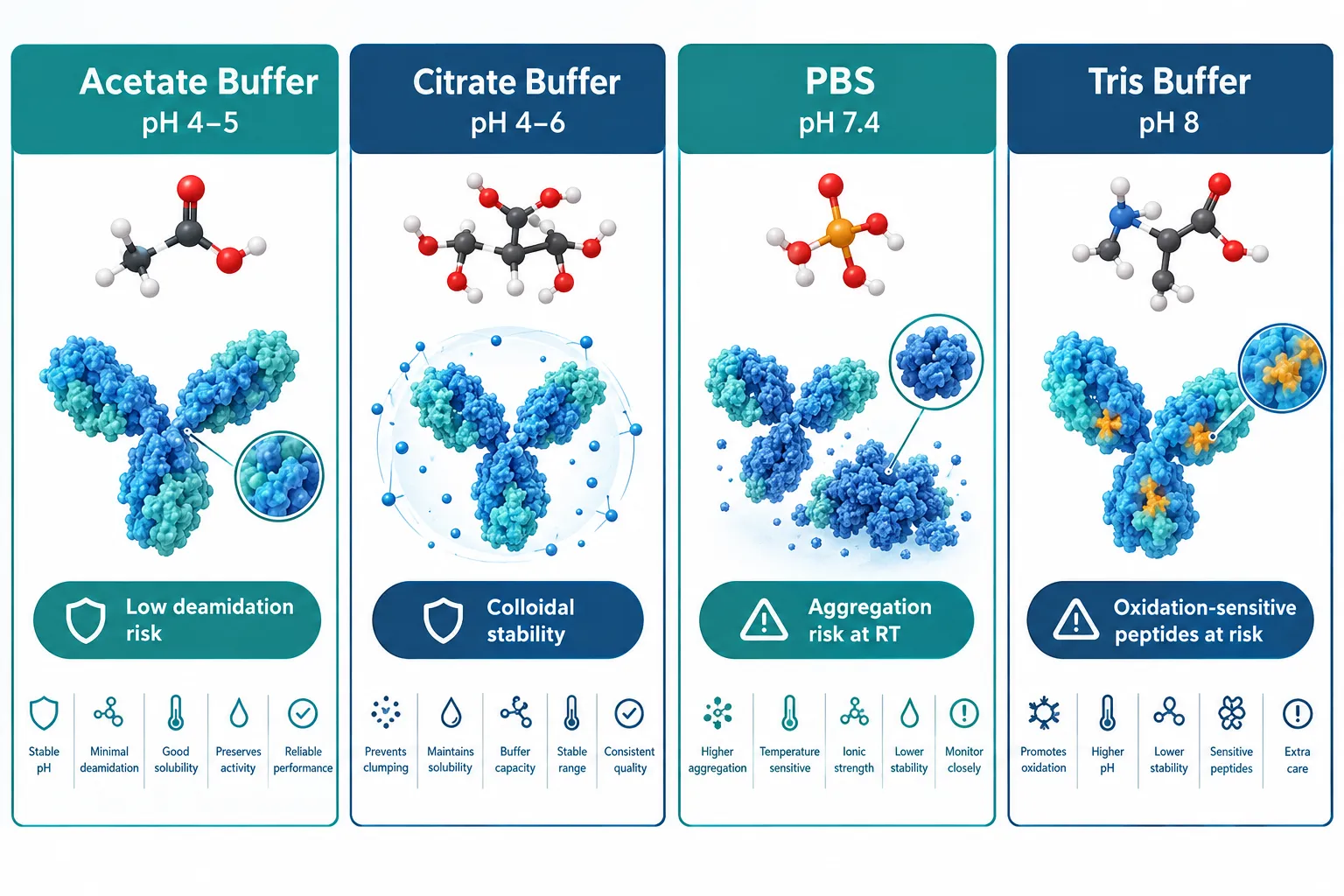
The buffer is not a passive carrier. It sets the chemical environment that either protects or attacks a peptide's backbone and side chains from the moment of reconstitution.
Acetate and citrate buffers at pH 4.0-6.0 have emerged as first-line vehicles for lab reconstitution. Both offer strong buffering capacity in the acidic range where most peptides show the lowest rates of deamidation and backbone hydrolysis. Citrate has the added advantage of mild metal-chelating activity, which is valuable for cysteine-containing and oxidation-sensitive sequences.
PBS (phosphate-buffered saline) at pH 7.4 remains widely used because it matches physiological conditions, but its limitations are now better characterized. At room temperature, PBS accelerates aggregation in hydrophobic peptides and offers no protection against oxidation. For short-term cell-based assays it is acceptable; for storage beyond 24 hours, it is a liability.
Tris and HEPES buffers (pH 7.5-8.0) are common in biochemistry but problematic for peptide stability. The alkaline environment accelerates deamidation of asparagine and glutamine residues and promotes beta-elimination in serine- and threonine-rich sequences.
"Buffer selection is not a formulation footnote, it is the first experimental variable that determines whether a peptide survives long enough to be tested."
Practical buffer selection by peptide class:
| Peptide Class | Recommended Buffer | Target pH | Key Risk Mitigated |
|---|---|---|---|
| GLP-class (e.g., GLP-3 analogs) | Acetate or citrate | 4.0-5.0 | Hydrolysis, aggregation |
| Growth-hormone peptides (e.g., Sermorelin, CJC-1295) | Acetate | 4.5-5.5 | Deamidation |
| Regenerative/antioxidant (e.g., SS-31, GHK-Cu) | Citrate, pH-adjusted water | 4.0-5.0 | Oxidation, metal coordination |
| Nasal formulations (e.g., Semax) | Citrate-phosphate | 5.0-6.5 | Mucosal compatibility, stability |
Researchers working with SS-31 peptide should pay particular attention to citrate buffers, as the tetrapeptide's aromatic-cationic structure is sensitive to oxidative degradation at neutral or alkaline pH.
pH-Dependent Degradation Pathways: Mapping the Risk Zones
Every peptide has a pH-stability profile, and the degradation chemistry changes depending on where that profile sits.
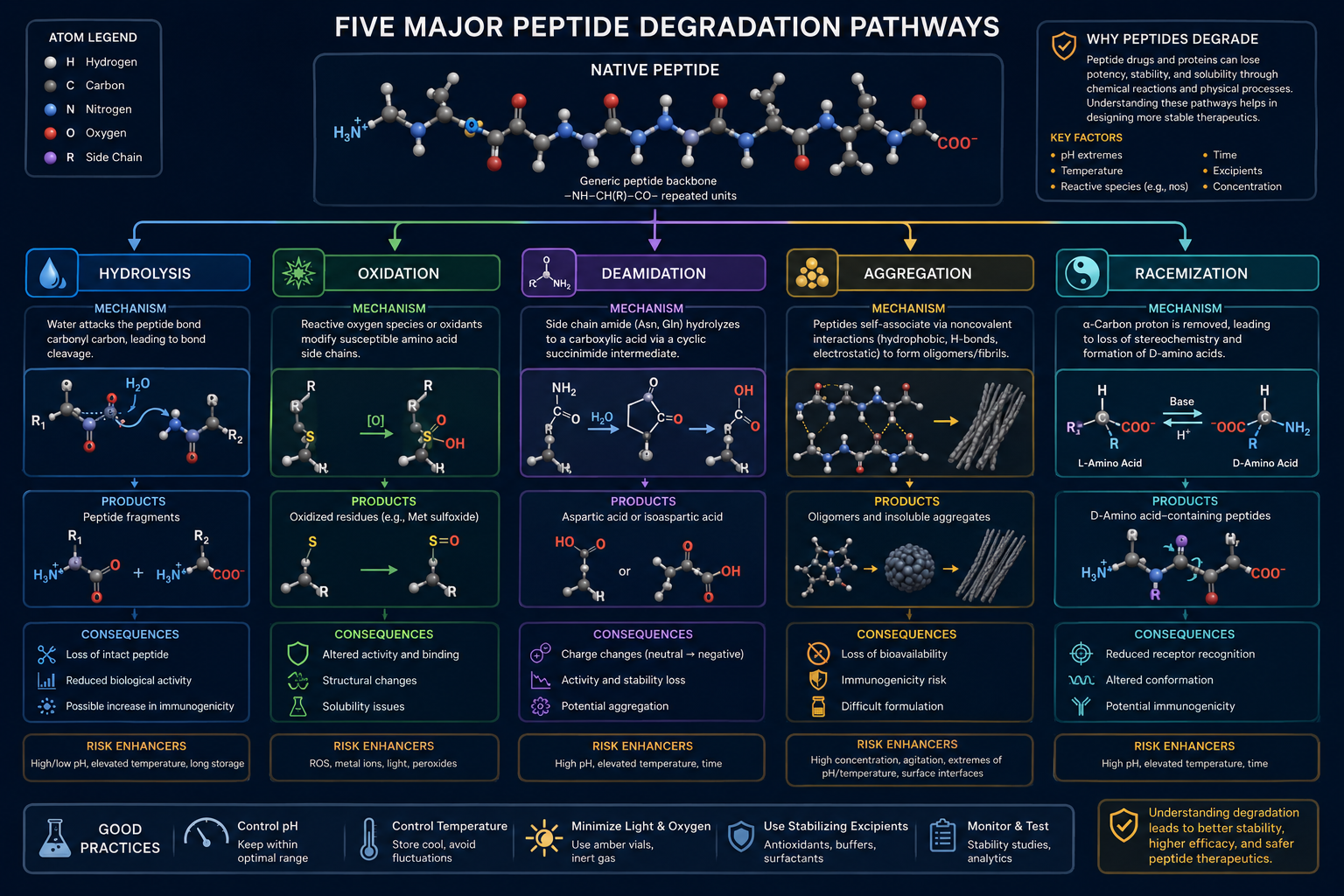
Below pH 3.0: Acid-catalyzed hydrolysis of Asp-Pro bonds accelerates sharply. Peptides with proline-rich sequences or internal aspartate residues are particularly vulnerable.
pH 3.5-4.5 (optimal zone): For most peptides, this range minimizes both acid-catalyzed hydrolysis and base-catalyzed deamidation simultaneously. Solution purity data consistently show the slowest degradation rates here.
pH 5.0-6.5: Acceptable for many peptides, especially those destined for mucosal delivery. Deamidation begins to increase modestly above pH 5.5 for asparagine-containing sequences.
pH 7.0-8.0: Deamidation of Asn and Gln residues accelerates significantly. Beta-elimination in phosphorylated or glycosylated peptides also increases. Aggregation rates for hydrophobic sequences rise sharply.
Above pH 8.0: Racemization and disulfide scrambling become dominant degradation pathways. Cysteine-containing peptides are at high risk.
Researchers using GLP-3 peptide analogs should note that the long-chain fatty acid modifications common in this class increase hydrophobic aggregation risk at neutral pH, reinforcing the case for acidic reconstitution buffers.
Osmolality, Freeze, Thaw Cycles, and Practical Reconstitution Controls
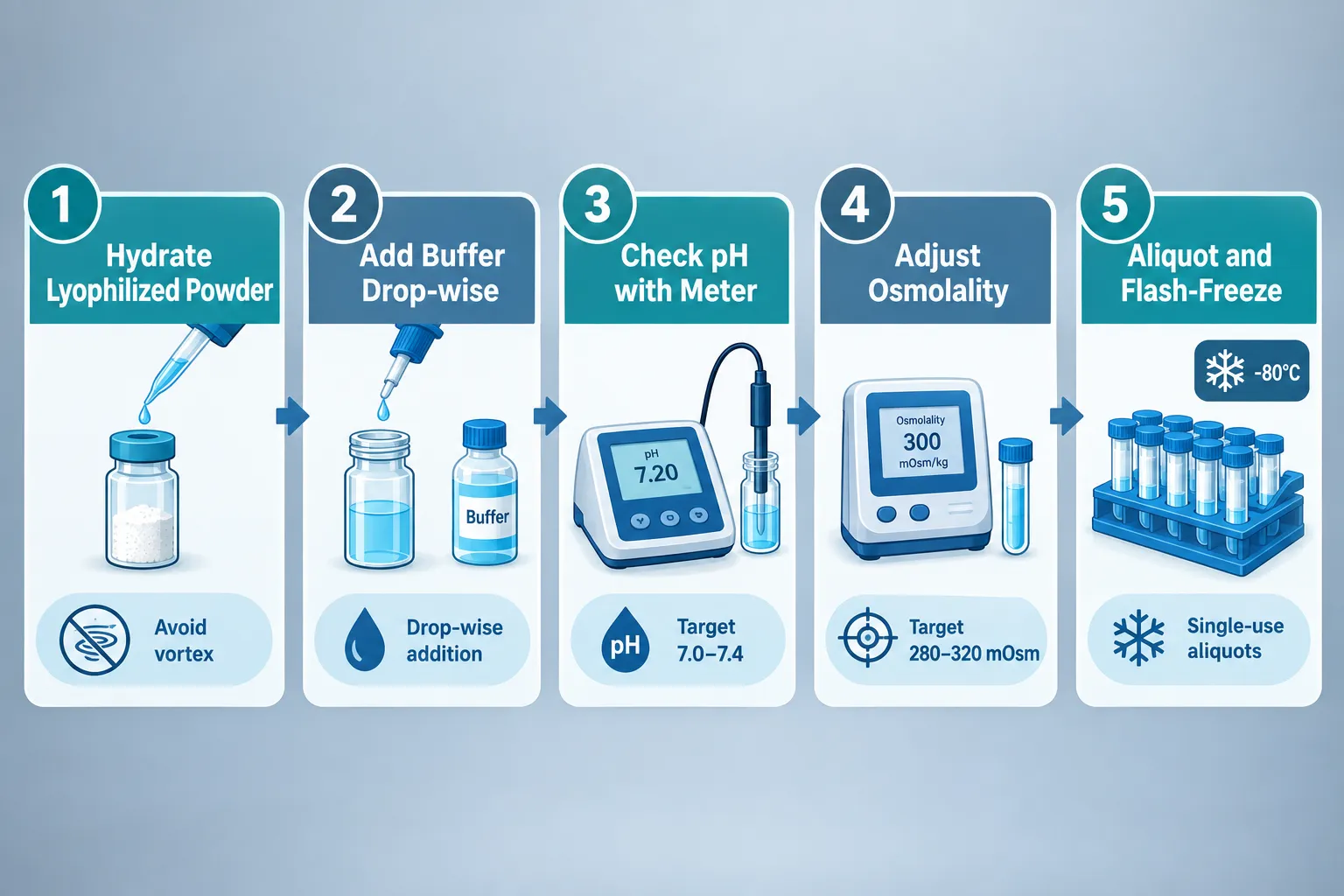
Osmolality: The Overlooked Variable
Osmolality is frequently treated as relevant only for clinical formulations, but it matters in research too. For intranasal peptides such as Semax peptide formulations, osmolality outside the 270-320 mOsm/kg range can alter mucosal absorption and confound pharmacokinetic data. For parenteral research models, hyperosmolar solutions cause cell stress artifacts that distort results.
Achieving isotonicity in an acidic buffer requires careful addition of sodium chloride or mannitol. Mannitol is preferred when freeze-drying stability is also a concern, as it acts as a lyoprotectant.
Freeze, Thaw Cycles: Quantifying the Damage
Each freeze, thaw cycle introduces two distinct stresses:
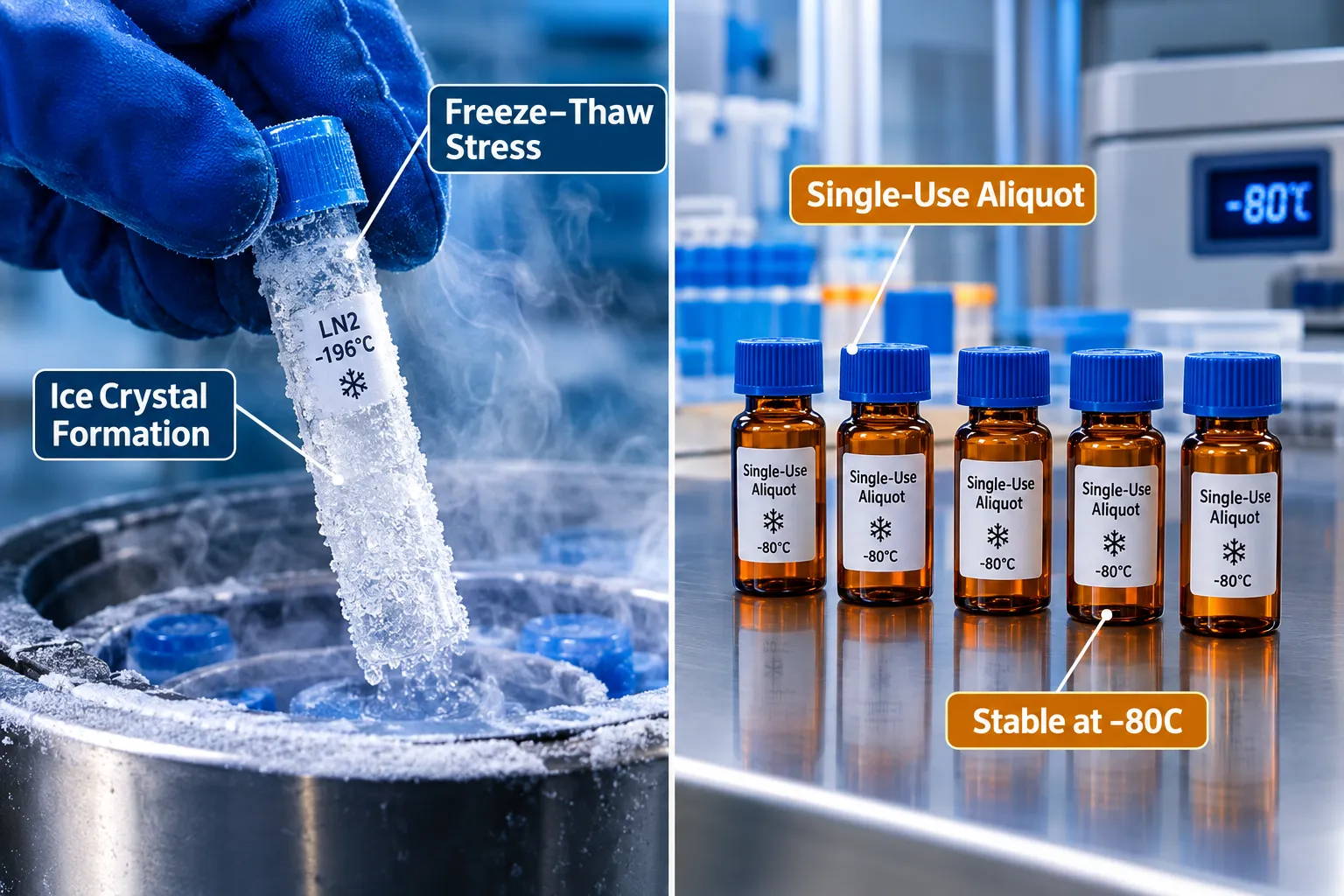
- Ice crystal formation, mechanical disruption of peptide aggregates and concentration effects at the ice-liquid interface
- Cryoconcentration, solutes concentrate in unfrozen microdomains, creating transient local pH extremes and ionic strength spikes
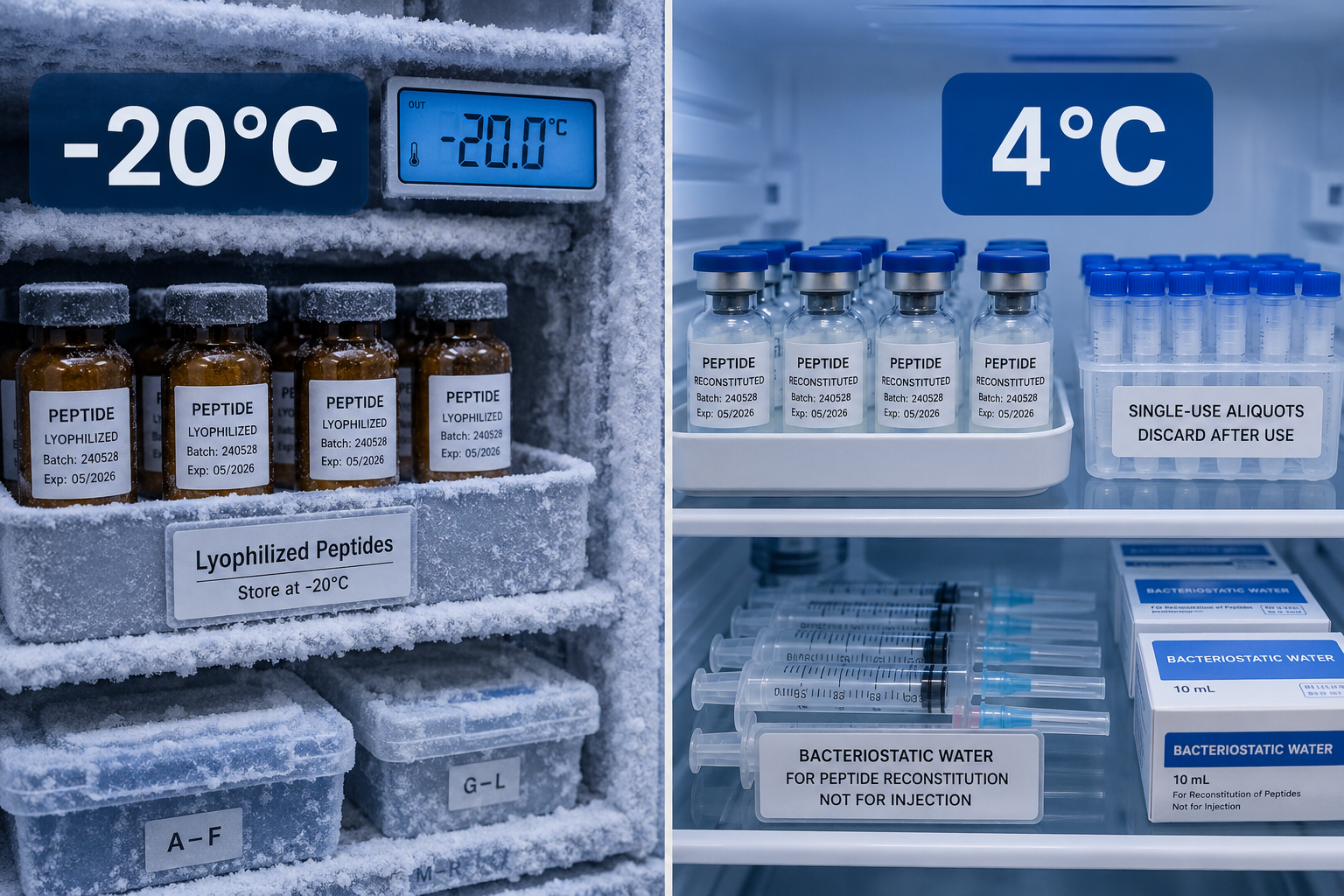
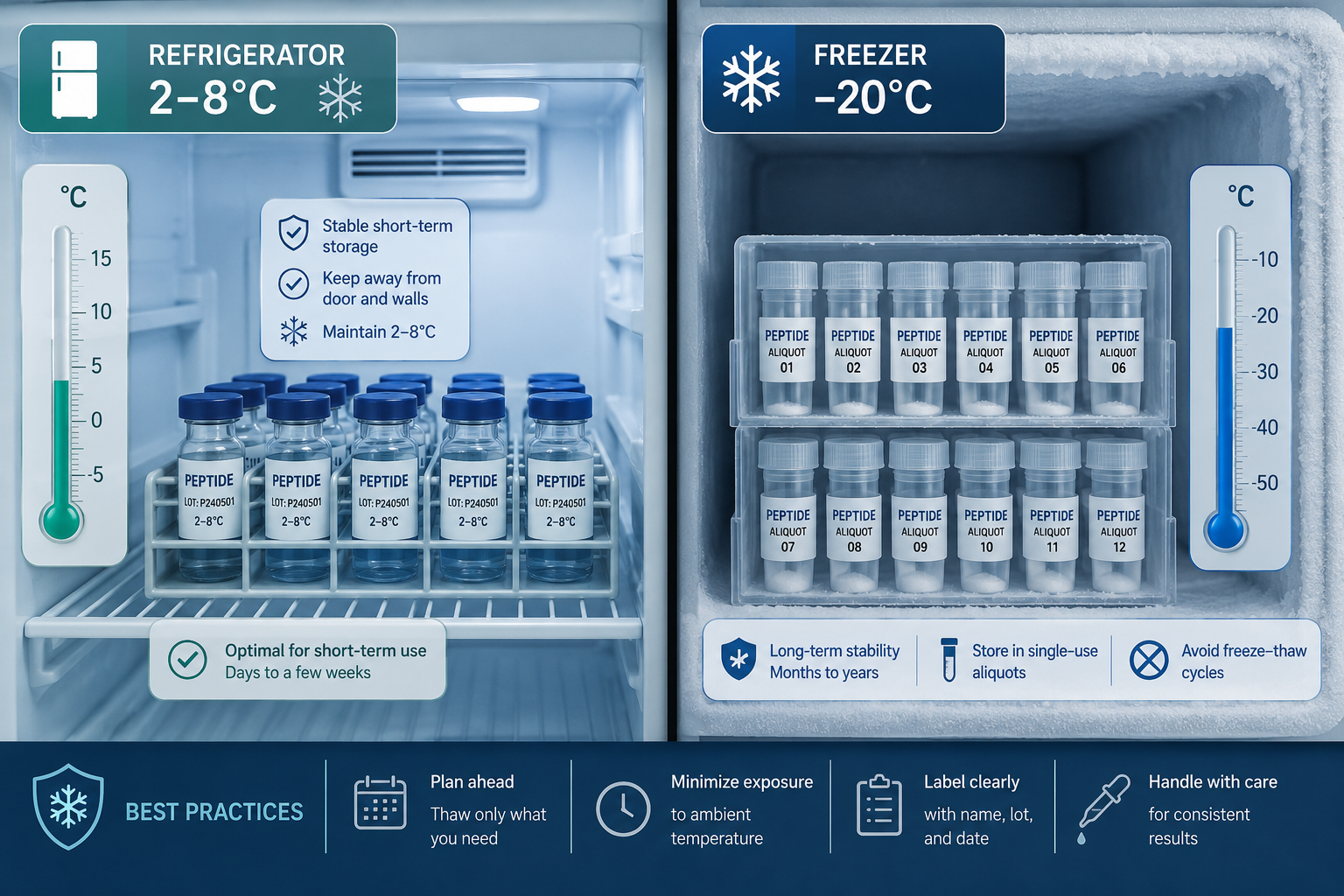
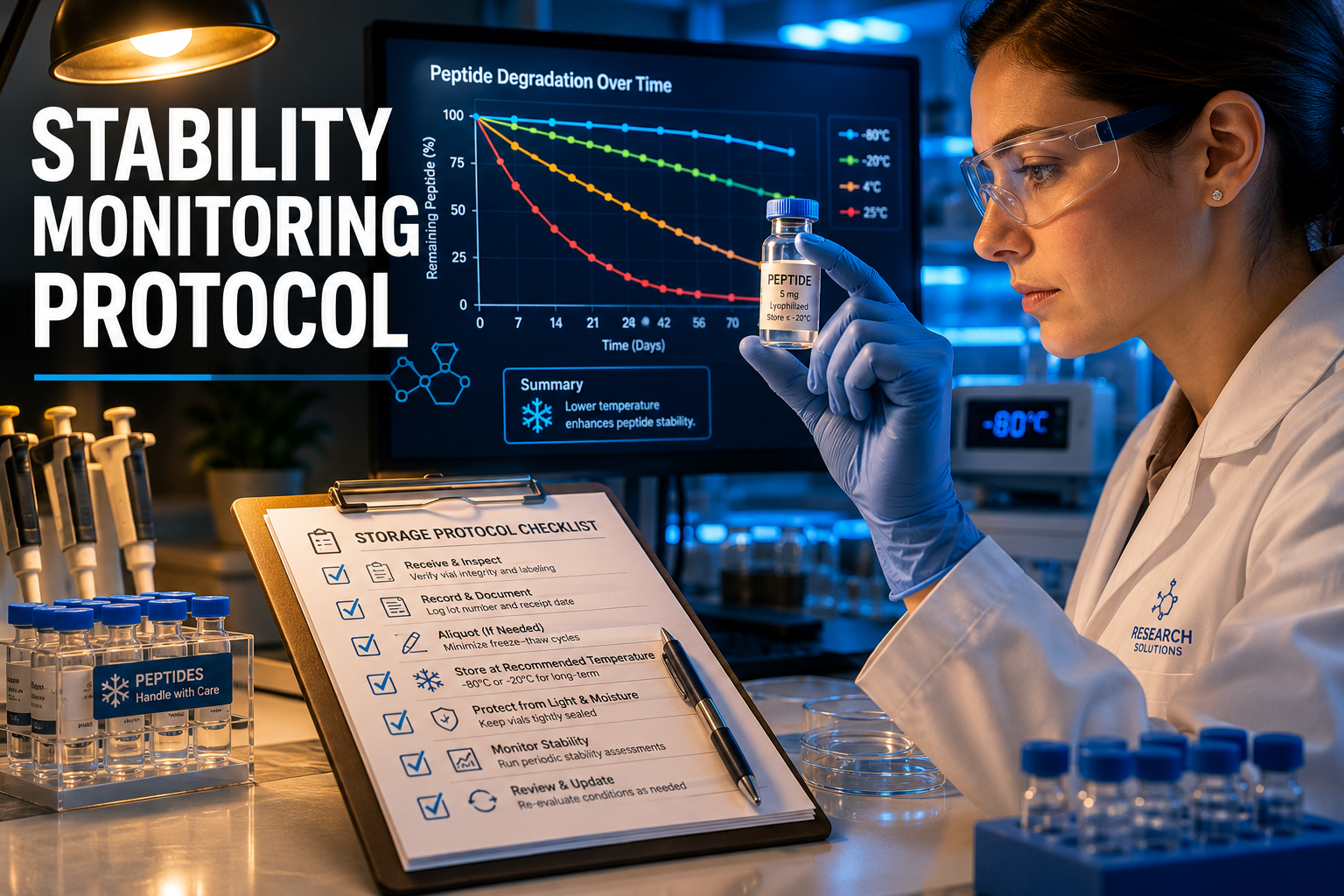
Studies tracking purity over repeated cycles show measurable losses beginning at cycle two for most peptides, with cumulative degradation accelerating nonlinearly by cycle four or five. The practical implication is unambiguous: single-use aliquots are not optional.
Freeze, thaw mitigation checklist:
- Aliquot into volumes that match a single experiment
- Use cryoprotectants (5-10% mannitol or trehalose) when lyophilization is not available
- Flash-freeze in liquid nitrogen rather than slow-freezing at -20°C
- Store at -80°C; avoid -20°C for samples held longer than two weeks
- Never refreeze a thawed aliquot
For complex blends such as Tesamorelin/CJC-1295/Ipamorelin reconstitution, each component has its own freeze, thaw sensitivity, making single-use aliquoting even more critical.
Order of Addition and Mixing
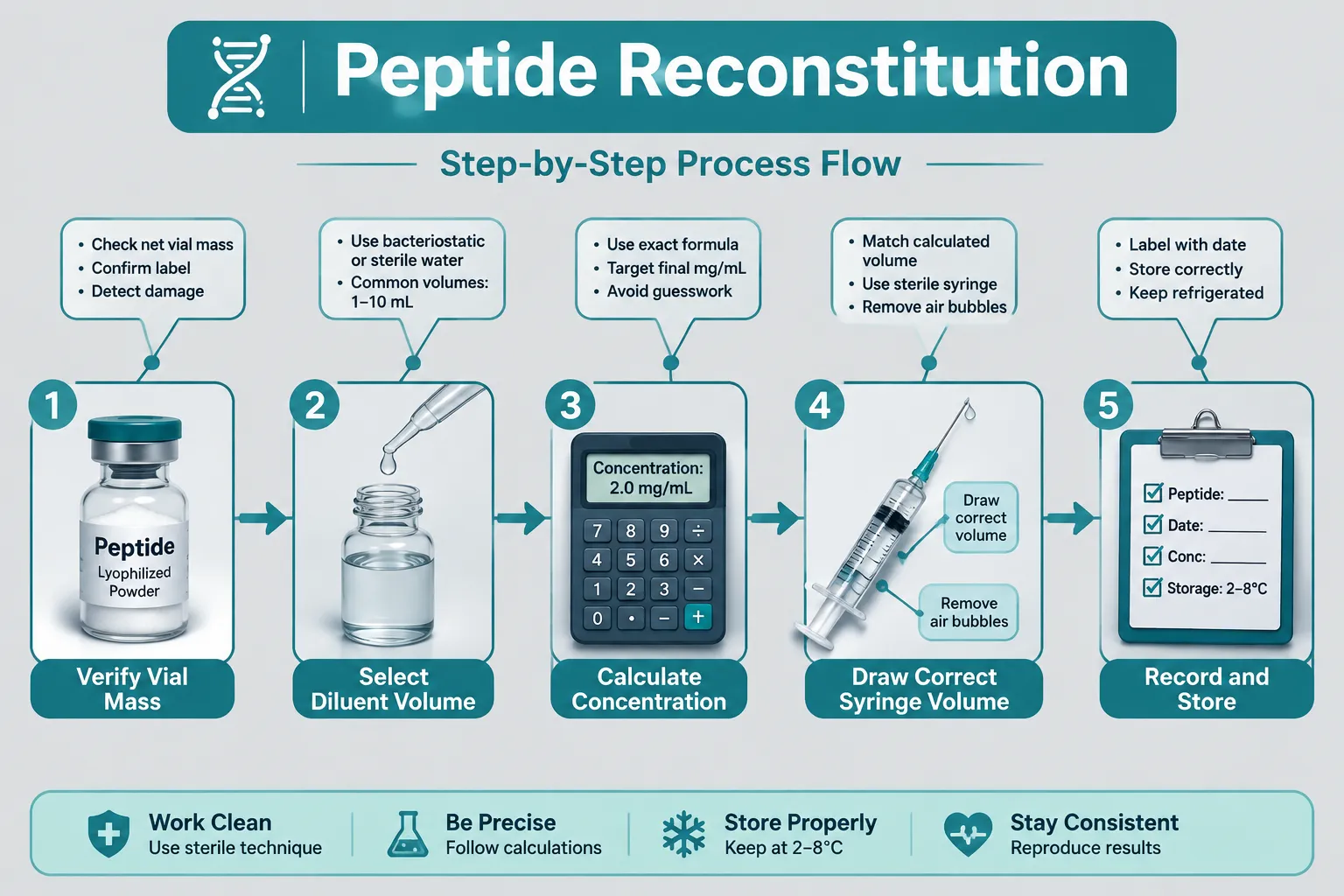
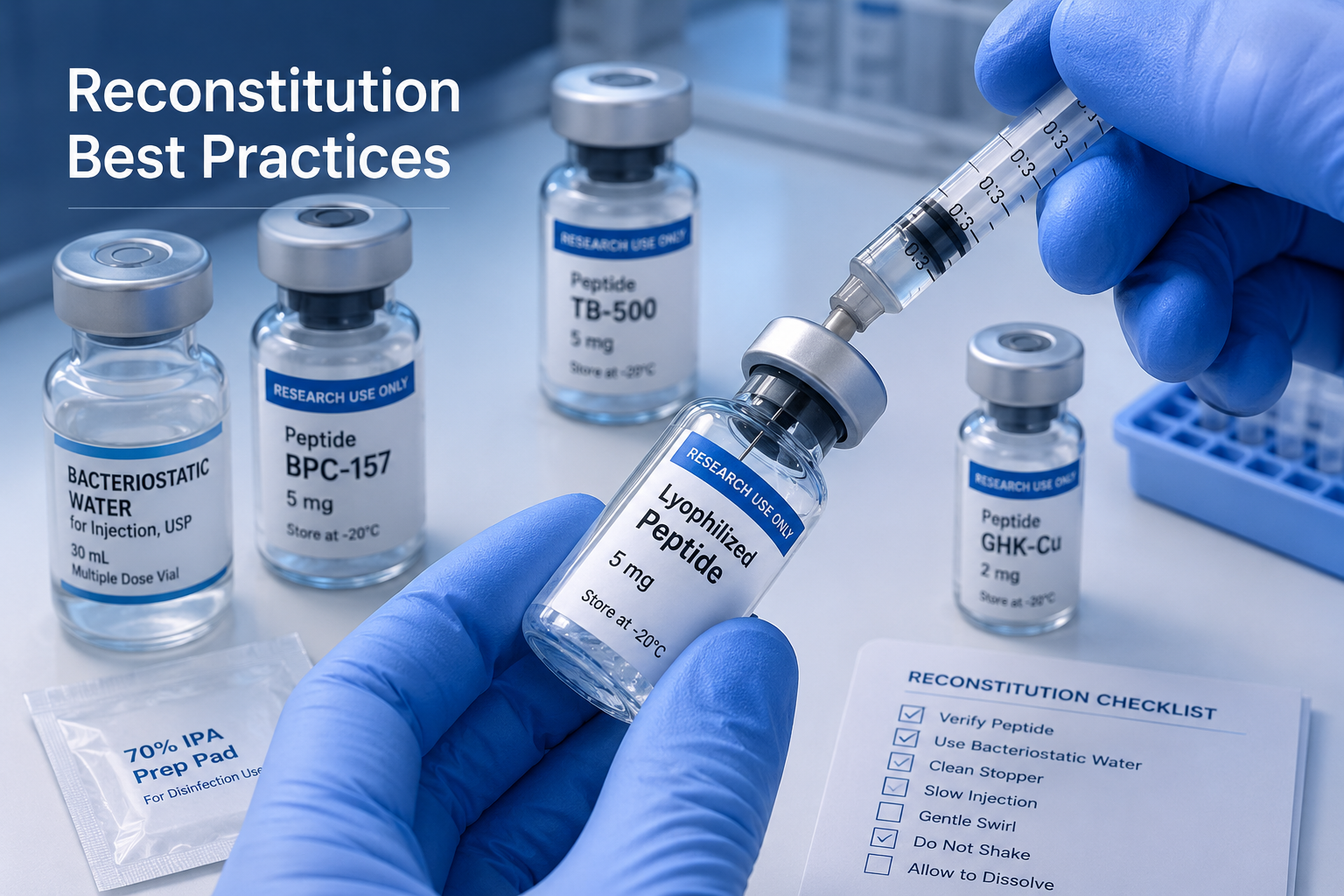
Lab-scale reconstitution protocols now emphasize that order of addition matters. Adding buffer to lyophilized peptide (rather than the reverse) prevents local pH extremes that can occur when a small volume of concentrated peptide contacts a large buffer volume. Gentle swirling, not vortexing, prevents shear-induced aggregation. Sonication is reserved for peptides confirmed to be aggregation-prone, and only in short, controlled pulses.
Stability Matrix Across Peptide Classes
The table below consolidates stability variables across four research-relevant peptide classes. It is designed as a practical bench reference.
| Variable | GLP-Class Analogs | Growth-Hormone Peptides | Regenerative Peptides (SS-31, GHK-Cu) | Nasal Peptides (Semax) |
|---|---|---|---|---|
| Optimal pH | 4.0-5.0 | 4.5-5.5 | 4.0-5.0 | 5.0-6.5 |
| Preferred buffer | Acetate | Acetate | Citrate | Citrate-phosphate |
| Osmolality target | 280-310 mOsm/kg | 280-310 mOsm/kg | 280-310 mOsm/kg | 270-320 mOsm/kg |
| Max freeze, thaw cycles | 1-2 | 2-3 | 1-2 | 1 |
| Primary degradation risk | Aggregation, hydrolysis | Deamidation | Oxidation | Mucosal pH mismatch |
| Cryoprotectant recommended | Mannitol | Mannitol or trehalose | Trehalose | Mannitol |
| Stable at -80°C (reconstituted) | Up to 3 months | Up to 6 months | Up to 3 months | Up to 4 weeks |
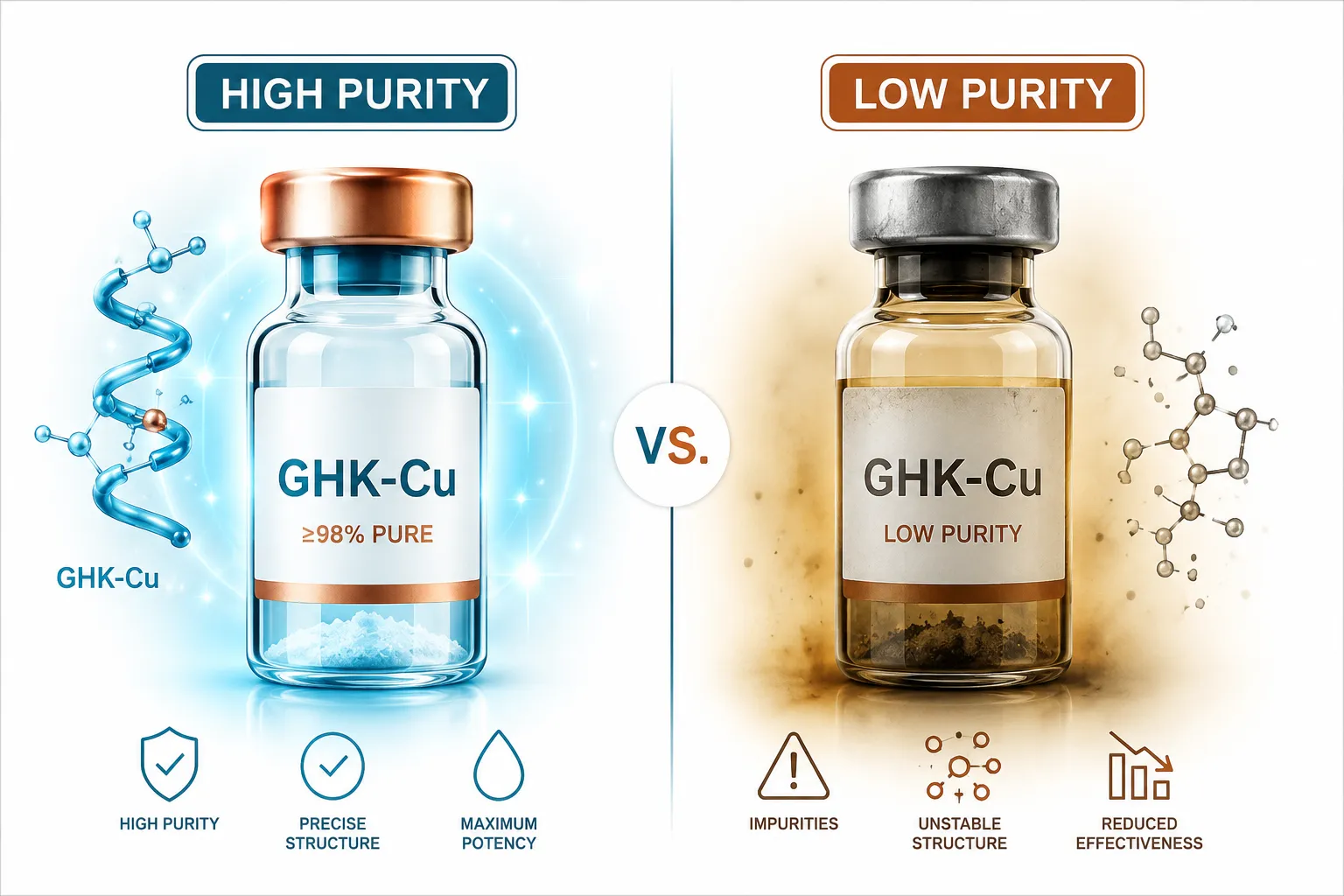
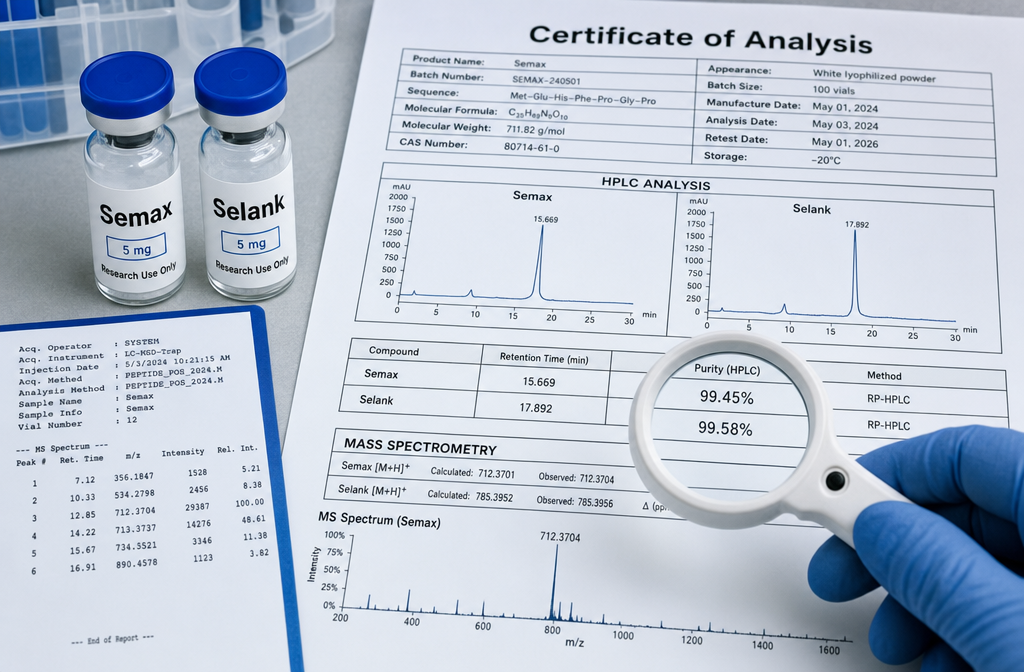
Researchers sourcing SS-31 peptide for sale or GHK-Cu peptides should verify that third-party purity certificates reflect post-reconstitution stability data, not just pre-reconstitution synthesis purity.
For GLP-3 peptide research, the fatty acid-modified backbone demands particular attention to aggregation at the reconstitution step. Warming to room temperature before adding buffer, rather than adding cold buffer to a cold vial, reduces nucleation of aggregates.
Conclusion
Peptide reconstitution and stability, how buffer choice, pH, osmolality, and freeze, thaw cycles affect research samples, is a discipline that rewards systematic attention. The actionable steps are clear:
- Select buffer based on sequence chemistry, defaulting to acetate at pH 4.0-5.0 for most classes and citrate for oxidation-sensitive peptides.
- Verify osmolality before any intranasal or parenteral experiment; adjust with mannitol or NaCl.
- Aliquot immediately after reconstitution into single-use volumes and flash-freeze.
- Never exceed two freeze, thaw cycles for any peptide; treat cycle one as a warning threshold.
- Request purity data at multiple time points and pH values from suppliers, not just a single synthesis certificate.
- Match the stability matrix to the peptide class before the experiment begins, not after anomalous results appear.
Implementing these controls does not require expensive equipment. It requires deliberate protocol design and an understanding that every variable in the reconstitution environment is an experimental variable.