Call or Text 727-513-9780
  • Shopping Cart Shopping Cart
    0Shopping Cart
Pure Tested Peptides | America's most trusted Peptides for sale online
  • Peptides for sale
    • Oral Peptides for sale
      • Peptide Capsules for sale
      • BPC 157 Capsules 1000mcg
      • SLU-PP-332 Capsules | 1000 mcg
      • 5-Amino-1MQ 50mg Capsules
      • Tesofensine 500mcg
    • All Peptides for sale
    • Peptide Sprays
      • BPC 157 Nasal Spray Kit
      • BPC-157 TB500 Nasal Spray Kit
      • Semax Nasal Spray 10mg
      • Selank – Nasal Spray Kit – 10mg
      • Epithalon 50MG Nasal Spray Kit
      • Ipamorelin 10mg Nasal Spray
      • Klow Nasal Spray (BPC-157 + TB-500 + GHK-Cu + KPV) | 80mg
      • Hulk Nasal Spray Tesa / Ipa Blend 6/3 MG
      • Klow Nasal Spray
      • NAD + 500 mg Nasal Spray
      • PT-141 Nasal Spray Kit
    • GHRH Peptides
      • Ipa Peptides
      • CJC-1295 Peptides
        • CJC-1295 with DAC 5 mg
        • CJC-1295 without DAC 5 mg
        • CJC-1295 Ipa 10mg
      • Tesa Peptides
        • Tesa Peptide
        • Tesa 20 mg
    • GHK-Cu Peptides
      • All GHK-Cu Peptides
      • GHK-Cu 100mg
      • KLOW Peptide Blend – Buy KLOW blend online
    • BPC Peptides
      • All BPC Peptides
      • BPC-157
      • BPC-157 TB-500
      • BPC 157 capsules 1000mcg
    • SLU-PP-332 Peptides
      • All SLU-PP-332 Peptides
      • SLU-PP-332 5mg
    • GLP3 Peptides
      • GLP3-R
      • GLP3-R CAG 10mg
      • GLP3-R 20mg
    • PT-141 Peptides
      • PT-141 Peptides for sale
      • PT-141 10mg
      • PT-141 Nasal Spray
    • CAG Peptides
      • Lipo-C Peptide Blend
      • CAG 5mg
      • CAG 10mg
    • MOTS-C Peptides
      • MOTS-C Peptides for sale
      • MOTS-c peptide
      • MOTS-c 10mg *6 pack*
    • 5 Amino 1MQ Peptides
      • 5 Amino 1MQ Peptides for sale
      • 5-Amino-1MQ 50mg Capsules
      • 5-Amino-1MQ 5mg
    • Epithalon Peptides
      • Epithalon Peptides for sale
      • Epithalon 10mg
      • Epithalon 50mg
  • Shop
    • GLPs
      • 5-Amino-1MQ 50mg Capsules
      • 5-Amino-1MQ 5mg
      • GLP3-Reta
      • L-Carnitine 500mg/ml
      • Tesofensine 500mcg
      • SLU-PP-332 5mg
      • MOTS-c 10mg *6 pack*
    • Epithalon & BPC Peptides
      • Epithalon 10mg
      • Epithalon 50mg
      • BPC-157
      • BPC 157 capsules 1000mcg
      • BPC-157 TB-500
      • BPC-157 TB500 Nasal Spray Kit
      • BPC 157 Nasal Spray Kit
    • BPC TB-500 & NAD+ Peptides
      • NAD+ 500 mg
      • KLOW Peptide Blend – Buy KLOW blend online
      • GLOW Peptide Blend
      • TB 500 5mg
      • BPC 157 capsules 1000mcg – Supplement
      • BPC 157 Nasal Spray Kit
      • BPC-157
      • BPC-157 TB500 Nasal Spray Kit
      • BPC-157 TB-500
      • BPC 157 capsules 1000mcg
    • LL-37 Peptide
      • LL-37 10 mg
    • MOTS-C & Selank
      • MOTS-c peptide
      • Selank 10mg
    • GHK Peptides
      • GHK-Cu 100mg
      • GLOW Peptide Blend
      • KLOW Peptide Blend – Buy KLOW blend online
  • COAs
  • Wholesale
    • Wholesale Peptides for sale
  • PTP FAQ
  • Affiliates
    • Selank Peptide: Advanced Pharmacological Mechanisms Underlying Its Anxiolytic and Nootropic Effects in Research
      • 5-Amino-1MQ Peptide: Detailed Mechanisms of NNMT Inhibition and Its Impact on Cellular Metabolism Research
        • MOTS-C Peptide: Unraveling Its Role in Mitochondrial Dynamics and Energy Metabolism Research
          • Epithalon Peptide and Telomerase Regulation: Investigating Its Impact on Cellular Senescence and Lifespan Research Models
            • GLP2-T vs GLP2 Tirz Peptide: Understanding the Naming, Mechanistic Nuances, and Research Implications for Gut Health
      • Peptides and Polypeptides in Modern Pharmacology: What Research on Metoprolol, Prednisone, and Amlodipine Reveals
        • Polypeptide Peptides vs NSAIDs: What Naproxen and Diclofenac Teach Tissue-Repair Researchers About BPC‑157 and TB‑500
          • Peptides and Polypeptides in Endocrine Pharmacology: How GLP-1, GLP-2, and GLP-3 Retatrutide Differ From Classic Drugs Like Prednisone and Amlodipine
          • 5‑Amino‑1MQ Peptide and NNMT Inhibition: How It Compares With Statins Like Atorvastatin in Adipose and Lipid Metabolism Research
      • Enclomiphene, Estrogen Receptor Signaling, and Luteinizing Phase Biology: What Hormone Researchers Should Measure
        • Mesenchymal Stem Cells, BPC‑157, and GHK‑Cu: How Tissue Repair Peptides Compare With Classic NSAIDs Like Naproxen in Injury Models
          • Peptide Calculator Use Cases Beyond Growth Hormone: Working Through GLP‑3 Retatrutide, MOTS‑c, and BPC‑157 Research Dosing
        • Polypeptide Peptides in Endocrine and Metabolic Pharmacology: Lessons From Amlodipine, Prednisone, and Metoprolol
        • Peptides Calculator for Advanced Blends: Worked Examples for Tesamorelin, CJC‑1295, and Ipamorelin Stacks
          • Peptides and Polypeptides in Human Physiology: How Molecular Size Shapes Research Applications
            • Selank Peptide: Advanced Pharmacological Mechanisms Underlying Its Anxiolytic and Nootropic Effects in Research
          • 5-Amino-1MQ Peptide: Detailed Mechanisms of NNMT Inhibition and Its Impact on Cellular Metabolism Research
            • MOTS-C Peptide: Unraveling Its Role in Mitochondrial Dynamics and Energy Metabolism Research
              • Epithalon Peptide and Telomerase Regulation: Investigating Its Impact on Cellular Senescence and Lifespan Research Models
                • GLP2-T vs GLP2 Tirz Peptide: Understanding the Naming, Mechanistic Nuances, and Research Implications for Gut Health
                  • Peptides and Polypeptides in Endocrine Pharmacology: How GLP-1, GLP-2, and GLP-3 Retatrutide Differ From Classic Drugs Like Prednisone and Amlodipine
                    • Polypeptide Peptides vs NSAIDs: What Naproxen and Diclofenac Teach Tissue-Repair Researchers About BPC‑157 and TB‑500
                      • Peptides and Polypeptides in Modern Pharmacology: What Research on Metoprolol, Prednisone, and Amlodipine Reveals
                        • 5‑Amino‑1MQ Peptide and NNMT Inhibition: How It Compares With Statins Like Atorvastatin in Adipose and Lipid Metabolism Research
                        • Enclomiphene, Estrogen Receptor Signaling, and Luteinizing Phase Biology: What Hormone Researchers Should Measure
                        • Mesenchymal Stem Cells, BPC‑157, and GHK‑Cu: How Tissue Repair Peptides Compare With Classic NSAIDs Like Naproxen in Injury Models
                        • Peptide Calculator Use Cases Beyond Growth Hormone: Working Through GLP‑3 Retatrutide, MOTS‑c, and BPC‑157 Research Dosing
                        • Polypeptide Peptides in Endocrine and Metabolic Pharmacology: Lessons From Amlodipine, Prednisone, and Metoprolol
                        • Peptides Calculator for Advanced Blends: Worked Examples for Tesamorelin, CJC‑1295, and Ipamorelin Stacks
                        • Peptides and Polypeptides in Human Physiology: How Molecular Size Shapes Research Applications
                        • Selank Peptide: Advanced Pharmacological Mechanisms Underlying Its Anxiolytic and Nootropic Effects in Research
                        • MOTS-C Peptide: Unraveling Its Role in Mitochondrial Dynamics and Energy Metabolism Research
                        • Peptides and Polypeptides in Modern Pharmacology: What Research on Metoprolol, Prednisone, and Amlodipine Reveals
                        • Peptides and Polypeptides in Endocrine Pharmacology: How GLP-1, GLP-2, and GLP-3 Retatrutide Differ From Classic Drugs Like Prednisone and Amlodipine
                        • 5-Amino-1MQ Peptide: Detailed Mechanisms of NNMT Inhibition and Its Impact on Cellular Metabolism Research
                        • Mesenchymal Stem Cells, BPC‑157, and GHK‑Cu: How Tissue Repair Peptides Compare With Classic NSAIDs Like Naproxen in Injury Models
                        • Peptide Calculator Use Cases Beyond Growth Hormone: Working Through GLP‑3 Retatrutide, MOTS‑c, and BPC‑157 Research Dosing
                        • GLP2-T vs GLP2 Tirz Peptide: Understanding the Naming, Mechanistic Nuances, and Research Implications for Gut Health
                        • Polypeptide Peptides in Endocrine and Metabolic Pharmacology: Lessons From Amlodipine, Prednisone, and Metoprolol
                        • Polypeptide Peptides vs NSAIDs: What Naproxen and Diclofenac Teach Tissue-Repair Researchers About BPC‑157 and TB‑500
                        • Peptides and Polypeptides in Human Physiology: How Molecular Size Shapes Research Applications
                        • Peptides Calculator for Advanced Blends: Worked Examples for Tesamorelin, CJC‑1295, and Ipamorelin Stacks
                        • 5‑Amino‑1MQ Peptide and NNMT Inhibition: How It Compares With Statins Like Atorvastatin in Adipose and Lipid Metabolism Research
                        • Enclomiphene, Estrogen Receptor Signaling, and Luteinizing Phase Biology: What Hormone Researchers Should Measure
                        • Epithalon Peptide and Telomerase Regulation: Investigating Its Impact on Cellular Senescence and Lifespan Research Models
                        • Best research protocol Klow blend
                        • best time to take BPC-157
                        • best time to take DSIP (Delta Sleep Inducing Peptide)
                        • best time to take CJC-1295
                        • best time to take AOD-9604
                        • best time to take Follistatin 344
                        • best time to take Ipamorelin
                        • best time to take MK-677 (Ibutamoren)
                        • best time to take Ligandrol (LGD-4033) — research compound
                        • best time to take Ostarine (MK-2866) — research compound
                        • best time to take GHK-CU
                        • best time to take TB-500
                        • best time to take MOTS-c
                        • best time to take Semax
                        • best time to take RAD-140 (Testolone) — research compound
                        • best time to take Thymosin Alpha-1
                        • best time to take PEG-MGF
                        • Biolife Plasma, Octapharma Plasma, and Research Peptides: How Plasma Donation Labs Differ From Peptide Suppliers
                        • best time to take YK-11 — research compound
                        • best time to take PT-141 (Bremelanotide)
                        • Best research protocol Klow blend
  • Contact
    • Contact Customer Service
    • Text Customer Support
  • About US
  • Shop all peptides
  • Affiliate Program
    • Affiliate Signup
  • Login / Register Login / Register Page Link Login / Register Page Link
  • Click to open the search input field Click to open the search input field Search
  • Menu Menu

Tag Archive for: mitochondrial derived peptides

Mitochondrial Biogenesis & Metabolic Health: The Research Potential of MOTS-c Peptide

Mitochondrial Biogenesis & Metabolic Health: The Research Potential of MOTS-c Peptide

July 16, 2026/0 Comments/by Pure Tested

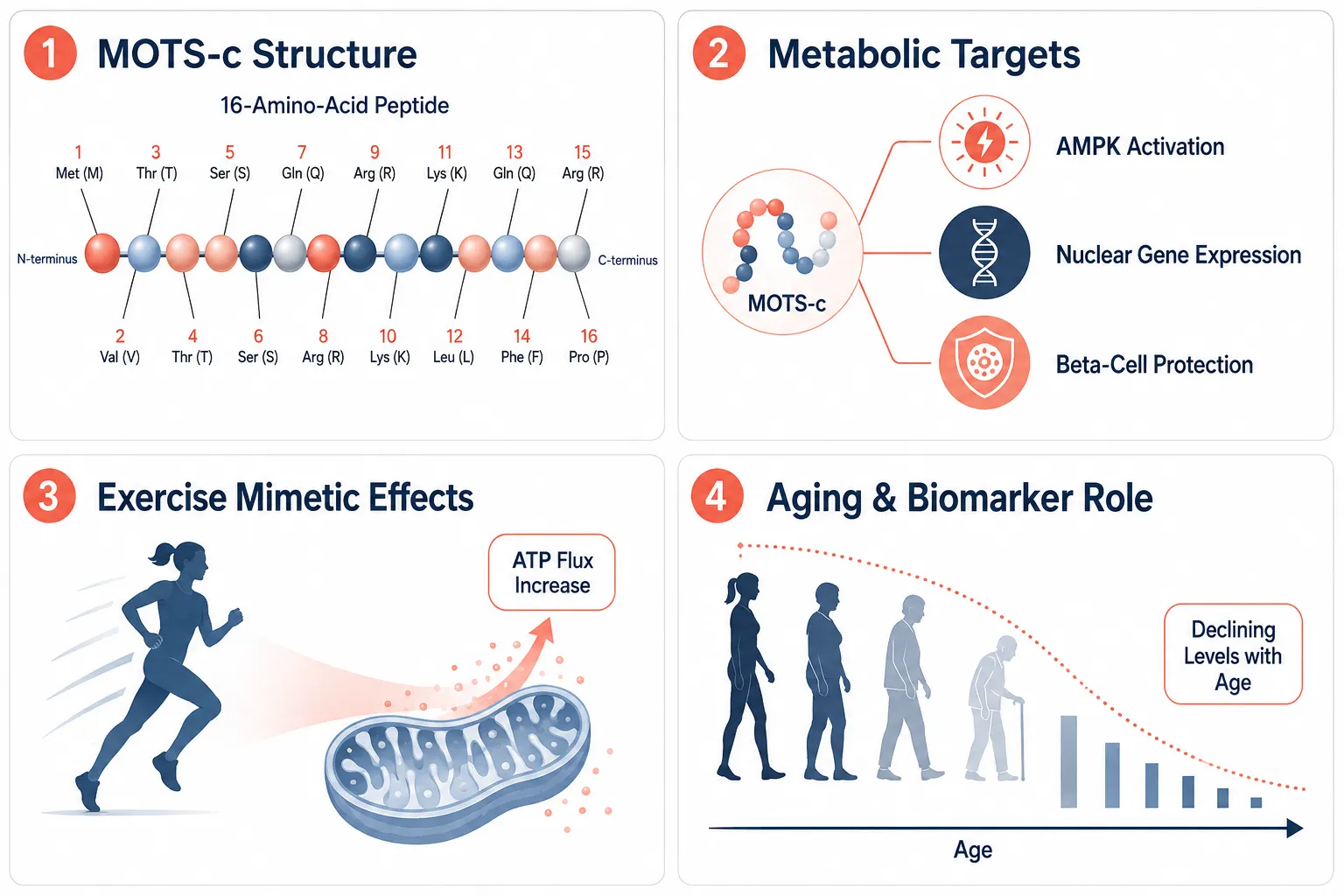
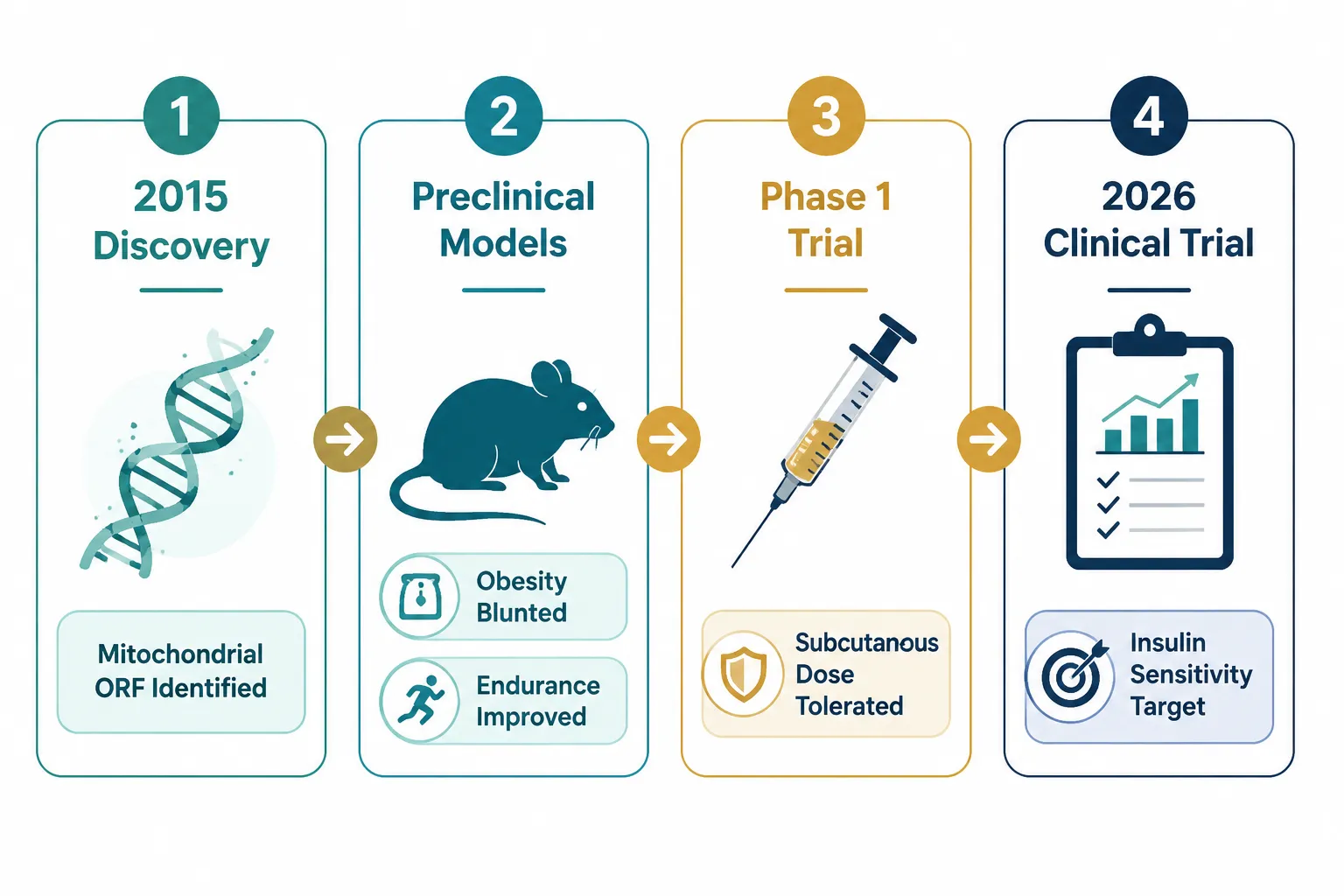
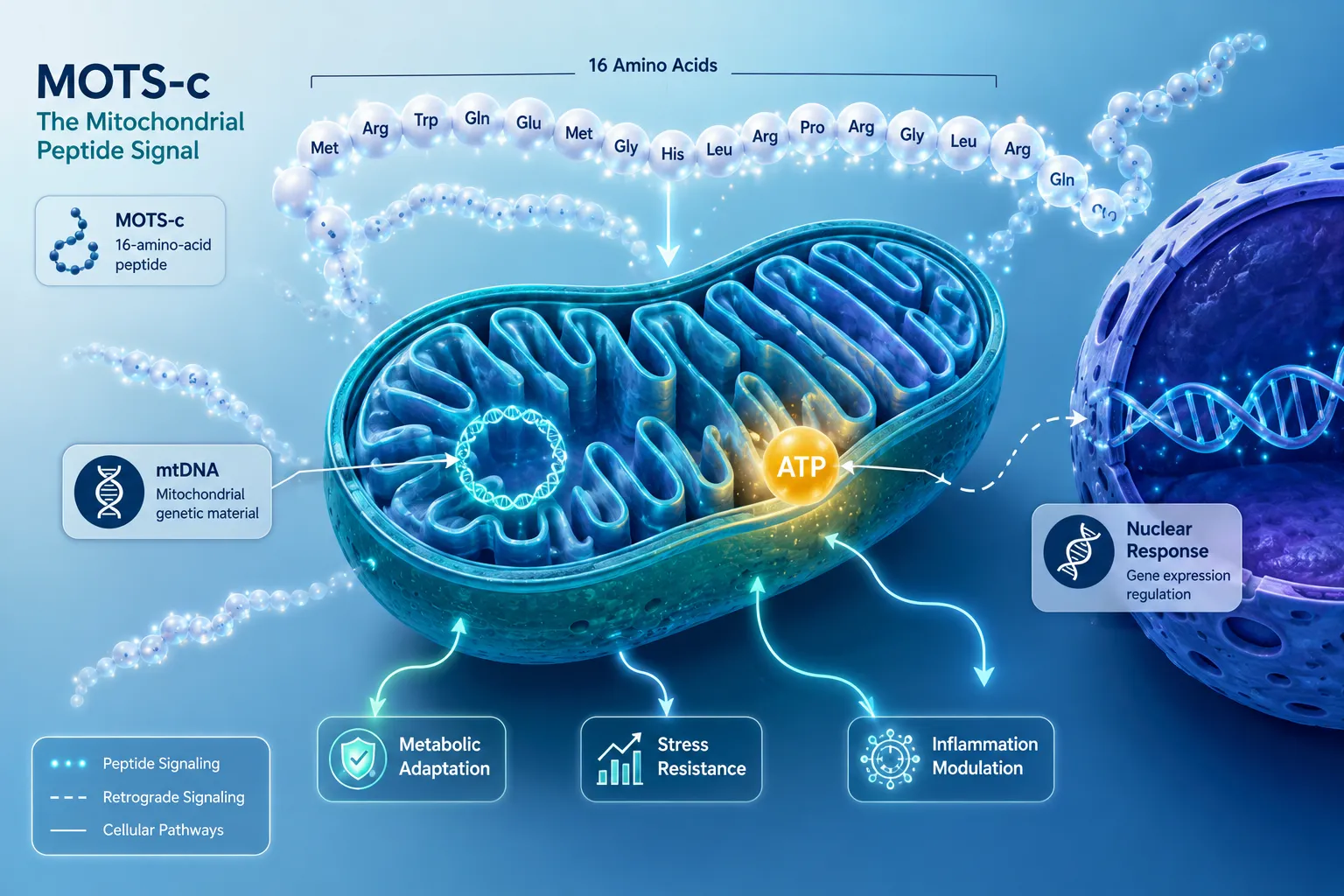
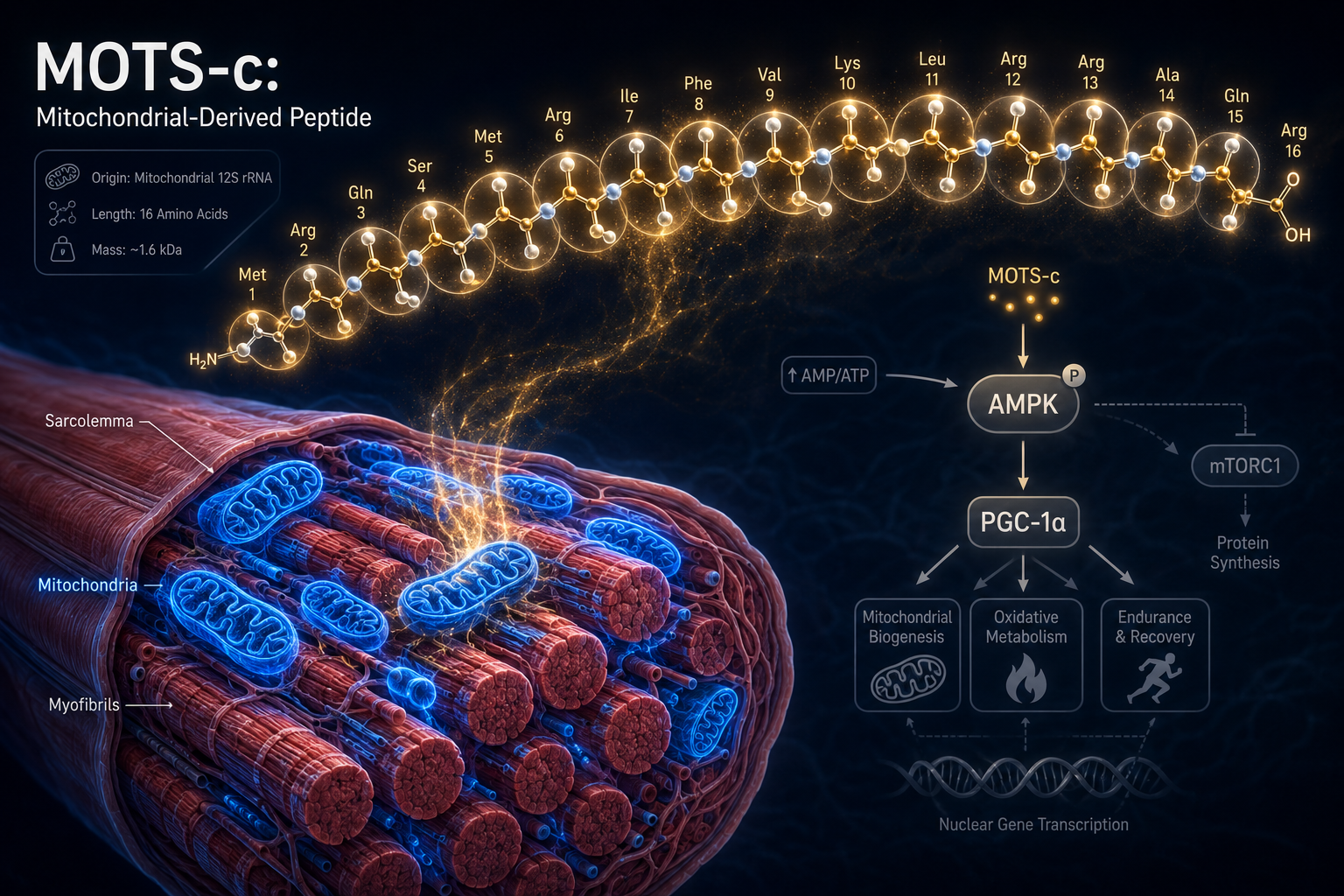
A peptide encoded not in the nuclear genome but inside the mitochondria itself, that discovery alone reshaped how researchers think about cellular energy regulation. MOTS-c (Mitochondrial Open Reading Frame of the 12S rRNA Type-c) is a 16-amino-acid mitochondrial-derived peptide that has become a focal point in the study of mitochondrial biogenesis and metabolic health. As 2026 brings the first randomized controlled human trial of MOTS-c into full enrollment, understanding its mechanisms and research potential has never been more timely.

Key Takeaways

  • MOTS-c is a mitochondria-encoded peptide that regulates cellular energy metabolism through the AMPK pathway
  • Preclinical research links MOTS-c to improved insulin sensitivity, glucose uptake, and fat oxidation
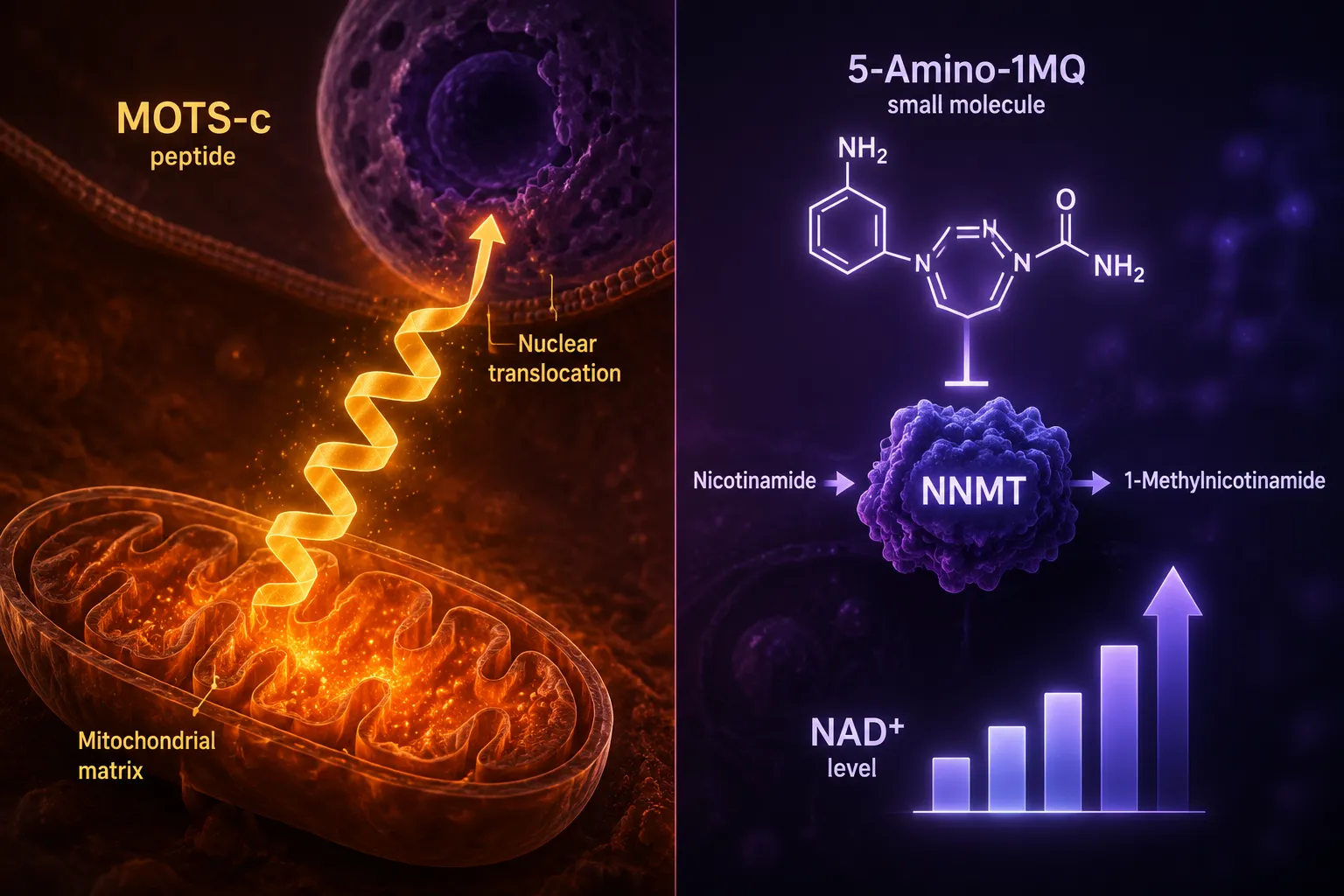
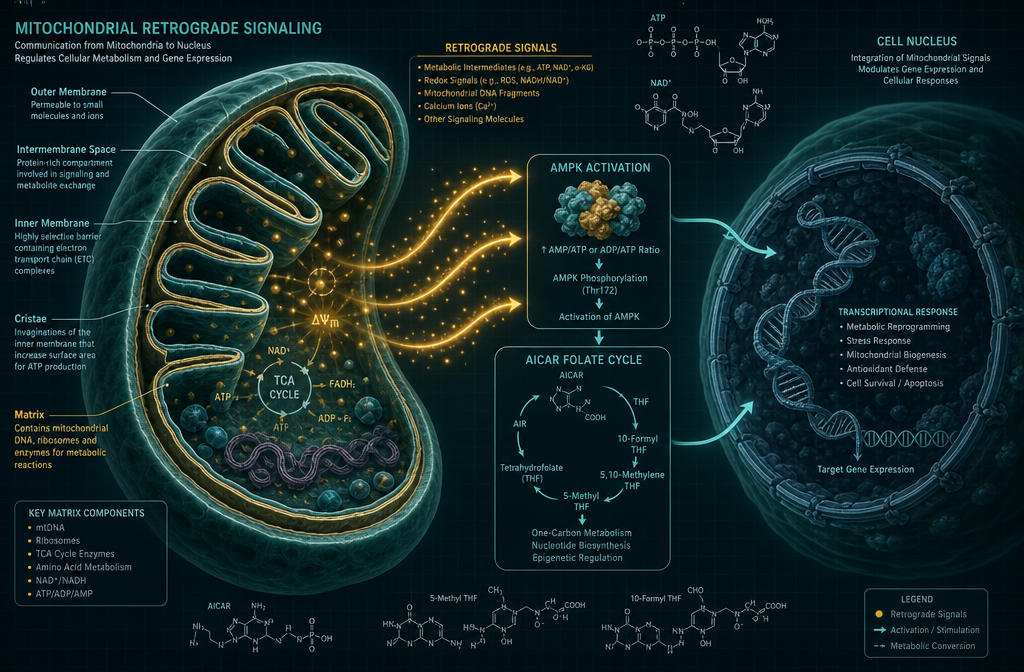
  • The peptide acts as a retrograde signal, traveling from mitochondria to the nucleus to influence gene expression
  • A Phase 2a human trial (NCT07505745) launched in February 2026 to test MOTS-c in adults with prediabetes
  • Purity and research-grade quality remain critical factors when sourcing MOTS-c for laboratory investigation

Key Takeaways

How MOTS-c Influences Mitochondrial Function and Metabolic Signaling

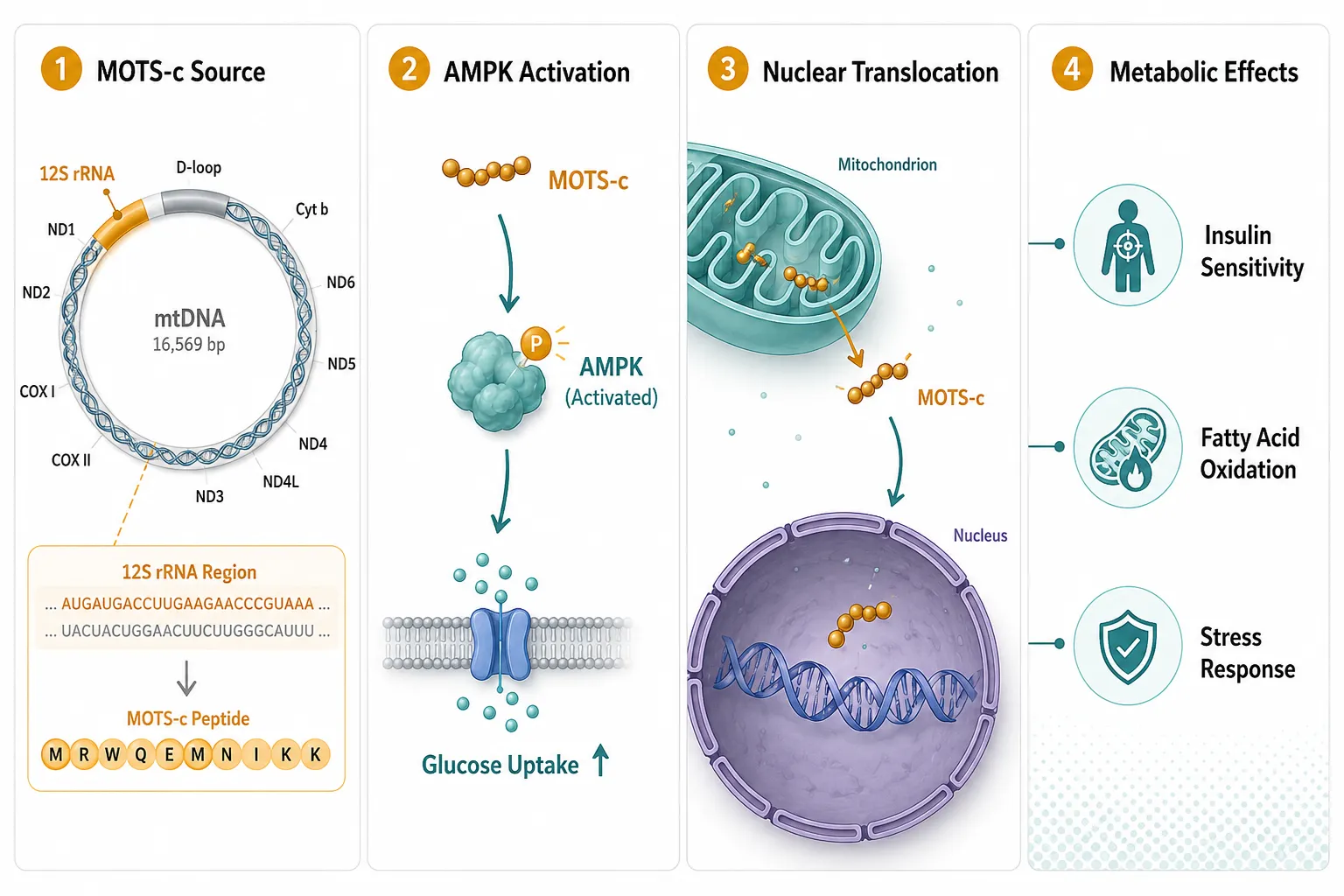
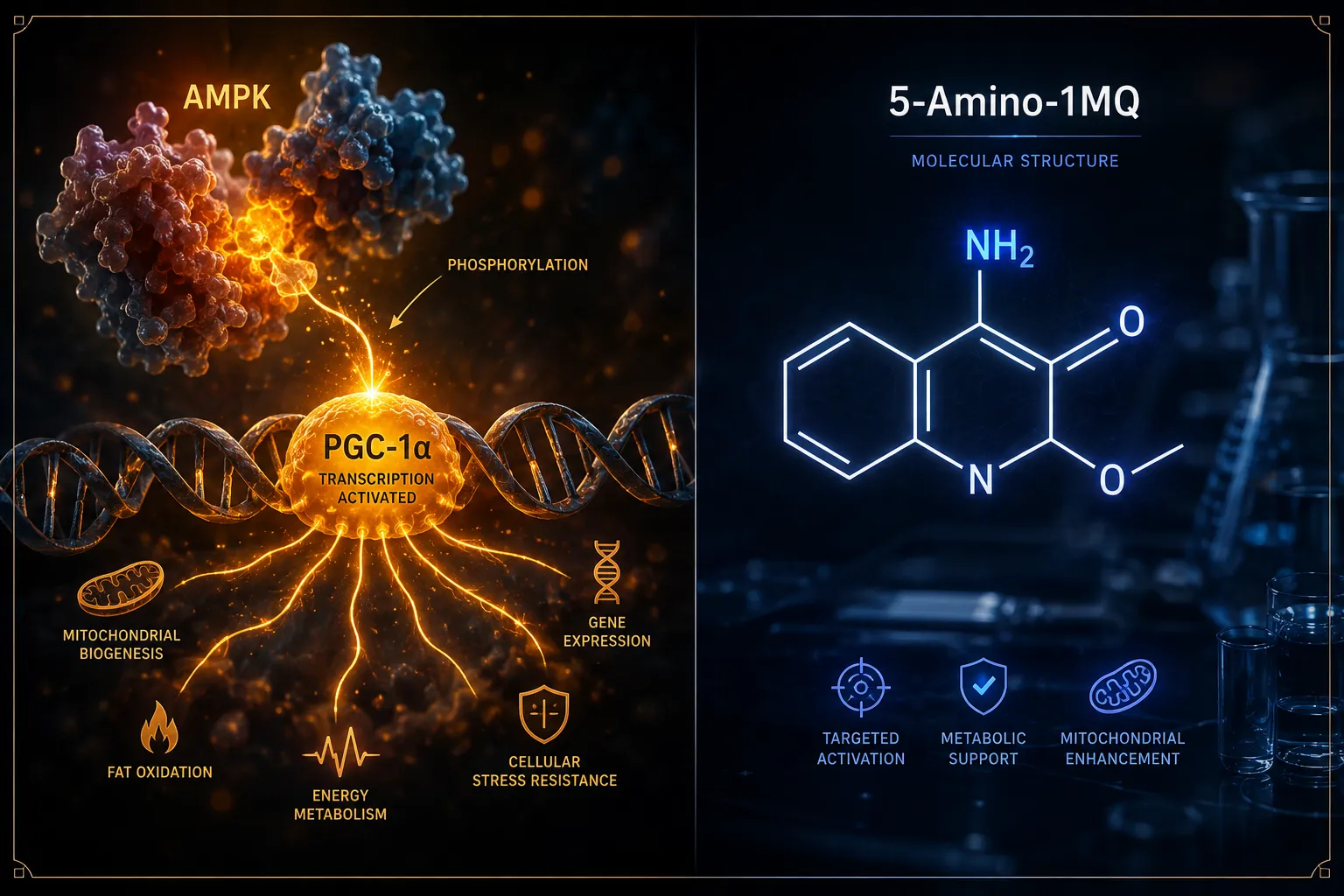
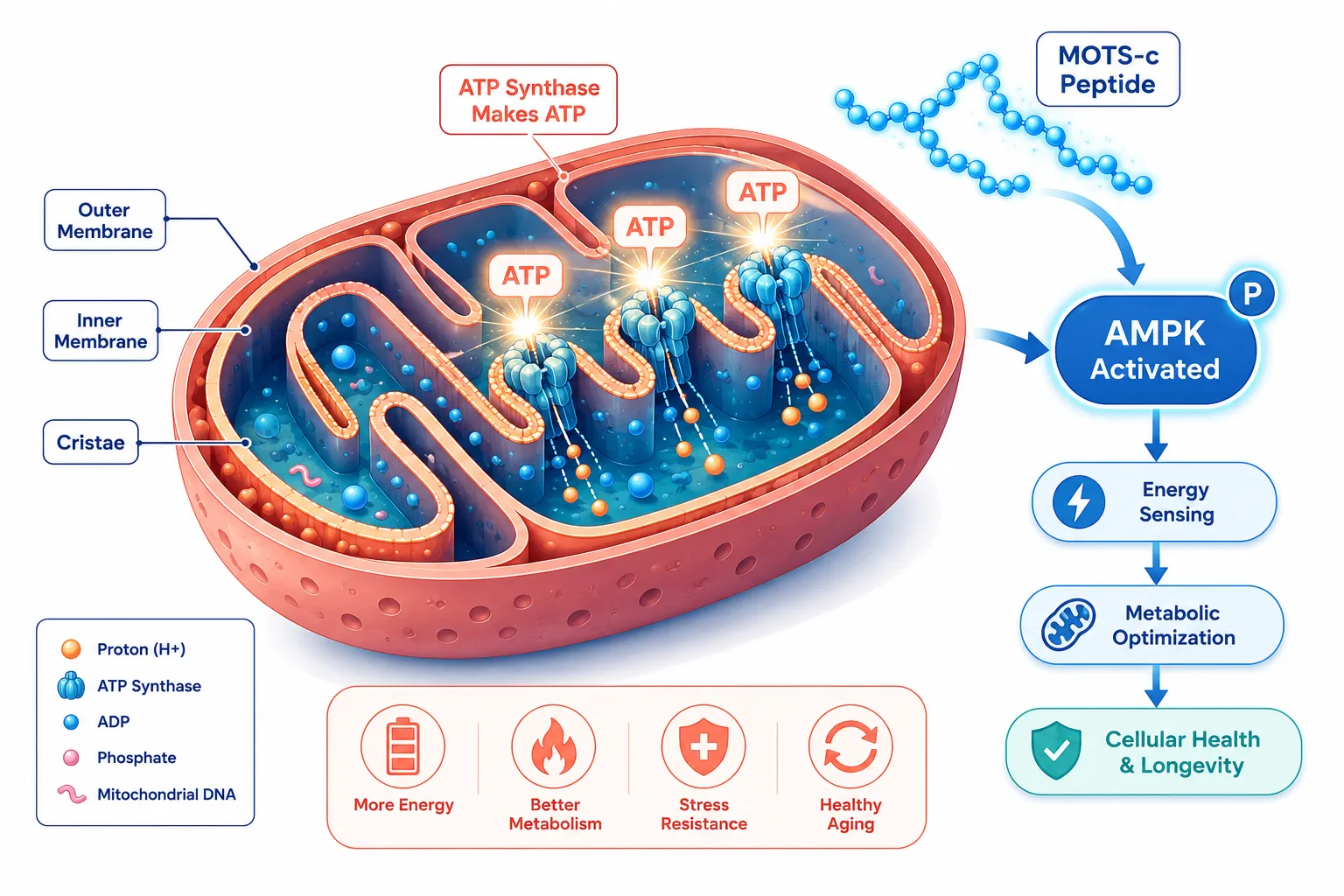
The study of mitochondrial biogenesis and metabolic health through the lens of MOTS-c peptide begins at the cellular level. MOTS-c is released from mitochondria in response to metabolic stress, including nutrient deprivation, exercise, and oxidative load. Once released, it migrates to the nucleus, where it activates AMP-activated protein kinase (AMPK), a master regulator of energy homeostasis.

AMPK activation triggers several downstream effects relevant to metabolic research:

  • Enhanced glucose uptake in skeletal muscle cells
  • Increased fatty acid oxidation (fat burning at the cellular level)
  • Suppression of the folate cycle and one-carbon metabolism to redirect energy substrates
  • Upregulation of genes involved in mitochondrial biogenesis, including PGC-1 alpha

"MOTS-c appears to function as a retrograde mitochondrial signal, essentially the mitochondria communicating metabolic need directly to the genome."

This retrograde signaling model is what makes MOTS-c so distinct from conventional metabolic peptides. Rather than acting through a receptor on the cell surface, it enters the nucleus directly and modulates transcription. Researchers exploring MOTS-c mitochondrial dynamics have documented this pathway across multiple cell types, including hepatocytes and myocytes.


Metabolic Research Themes: Insulin Sensitivity, Obesity, and Energy Balance

Metabolic Research Themes: Insulin Sensitivity, Obesity, and Energy Balance

Preclinical data consistently position MOTS-c as a compelling candidate for metabolic modulation research. In rodent models, systemic MOTS-c administration improved insulin sensitivity, reduced fat mass, and countered diet-induced obesity, even without changes in caloric intake. These findings have driven interest in its potential relevance to type 2 diabetes and obesity-related metabolic dysfunction.

Key areas where MOTS-c research has shown signal:

Research Area Observed Preclinical Effect
Insulin resistance Improved glucose tolerance and GLUT4 translocation
Obesity models Reduced adiposity, improved lipid profiles
Aging models Attenuated age-related metabolic decline
Exercise mimicry Activated exercise-related metabolic pathways at rest

For researchers building broader programs around cellular energy, metabolic modulation research lines provide useful context on how MOTS-c fits alongside other investigational compounds. Similarly, SLU-PP-332 metabolic modulation research explores parallel exercise-mimetic mechanisms worth comparing.

Researchers interested in mitochondrial protection from a different angle may also find value in reviewing SS-31 kidney health research, as SS-31 targets mitochondrial membrane integrity, a complementary mechanism to MOTS-c's transcriptional signaling role.


The 2026 Human Trial and the Future of MOTS-c Research

The 2026 Human Trial and the Future of MOTS-c Research

The most significant development in the field of mitochondrial biogenesis and metabolic health research involving MOTS-c peptide arrived in early 2026. A Phase 2a randomized, double-blind, placebo-controlled trial (NCT07505745, named "MOTS-MET") began enrolling in February 2026. The trial targets approximately 120 adults with prediabetes and overweight or obesity, administering native MOTS-c over 12 weeks with safety follow-up extending to week 16.

This represents the first rigorous human test of MOTS-c's metabolic effects, moving the compound from preclinical promise to clinical scrutiny. The trial's primary endpoints center on metabolic biomarkers, with safety profiling as a parallel objective.

For researchers sourcing compounds for parallel preclinical work, MOTS-c mechanism and research overview offers detailed documentation on the peptide's pharmacological profile. Those building out metabolic research panels can also explore MOTS-c metabolic flexibility research themes for a broader view of its investigational applications.

Purity is non-negotiable in peptide research. Contaminants or degraded sequences can confound results significantly. Reviewing peptide purity testing standards before sourcing any research-grade compound is a recommended first step.


Conclusion

MOTS-c occupies a unique position in the landscape of mitochondrial biogenesis and metabolic health research. Its origin within the mitochondrial genome, its AMPK-activating mechanism, and its exercise-mimetic properties make it one of the more mechanistically interesting peptides under active investigation. With a Phase 2a human trial now underway in 2026, the research community is closer than ever to understanding whether preclinical findings translate to measurable human metabolic benefit.

Actionable next steps for researchers:

  1. Review the current preclinical literature on MOTS-c's AMPK and folate-cycle mechanisms before designing new protocols
  2. Compare MOTS-c's mitochondrial signaling profile against complementary compounds in your research panel
  3. Prioritize verified, purity-tested peptide sources to ensure experimental integrity
  4. Monitor the MOTS-MET trial (NCT07505745) for interim safety and biomarker data expected in late 2026
https://www.puretestedpeptides.com/wp-content/uploads/2026/07/mitochondrial-biogenesis-metabolic-health-the-research-potential-of-mots-c-pepti.webp 1024 1536 Pure Tested https://www.puretestedpeptides.com/wp-content/uploads/2026/01/buy-peptides-online.jpg Pure Tested2026-07-16 13:39:142026-07-20 14:59:52Mitochondrial Biogenesis & Metabolic Health: The Research Potential of MOTS-c Peptide
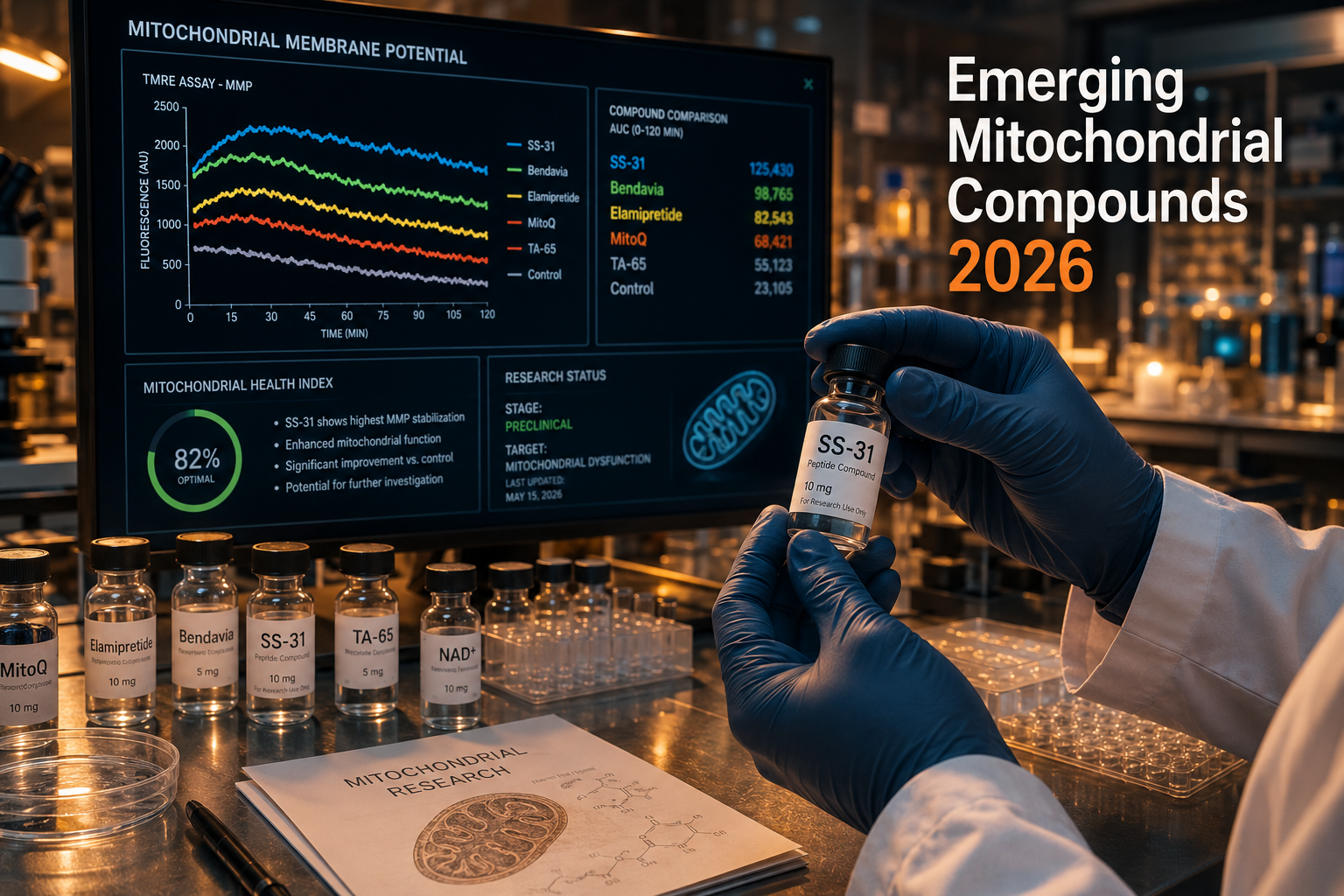
Best Research Peptides for Mitochondrial Health: A Comparison of MOTS-c, 5-Amino-1MQ, and Emerging Compounds

Best Research Peptides for Mitochondrial Health: A Comparison of MOTS-c, 5-Amino-1MQ, and Emerging Compounds

June 20, 2026/0 Comments/by Pure Tested

Mitochondrial dysfunction now appears in the mechanistic pathway of over 50 human diseases, from type 2 diabetes to neurodegeneration — yet the pharmacological toolkit for directly targeting these organelles remained thin until the last decade. The field of best research peptides for mitochondrial health: a comparison of MOTS-c, 5-Amino-1MQ, and emerging compounds has moved quickly, giving researchers a growing menu of targeted molecules to evaluate. This article breaks down the leading candidates, their mechanisms, and what distinguishes each for preclinical study design in 2026.

Key Takeaways

  • MOTS-c is a 16-amino-acid mitochondrial-derived peptide that activates AMPK, reduces oxidative stress, and declines naturally with age.
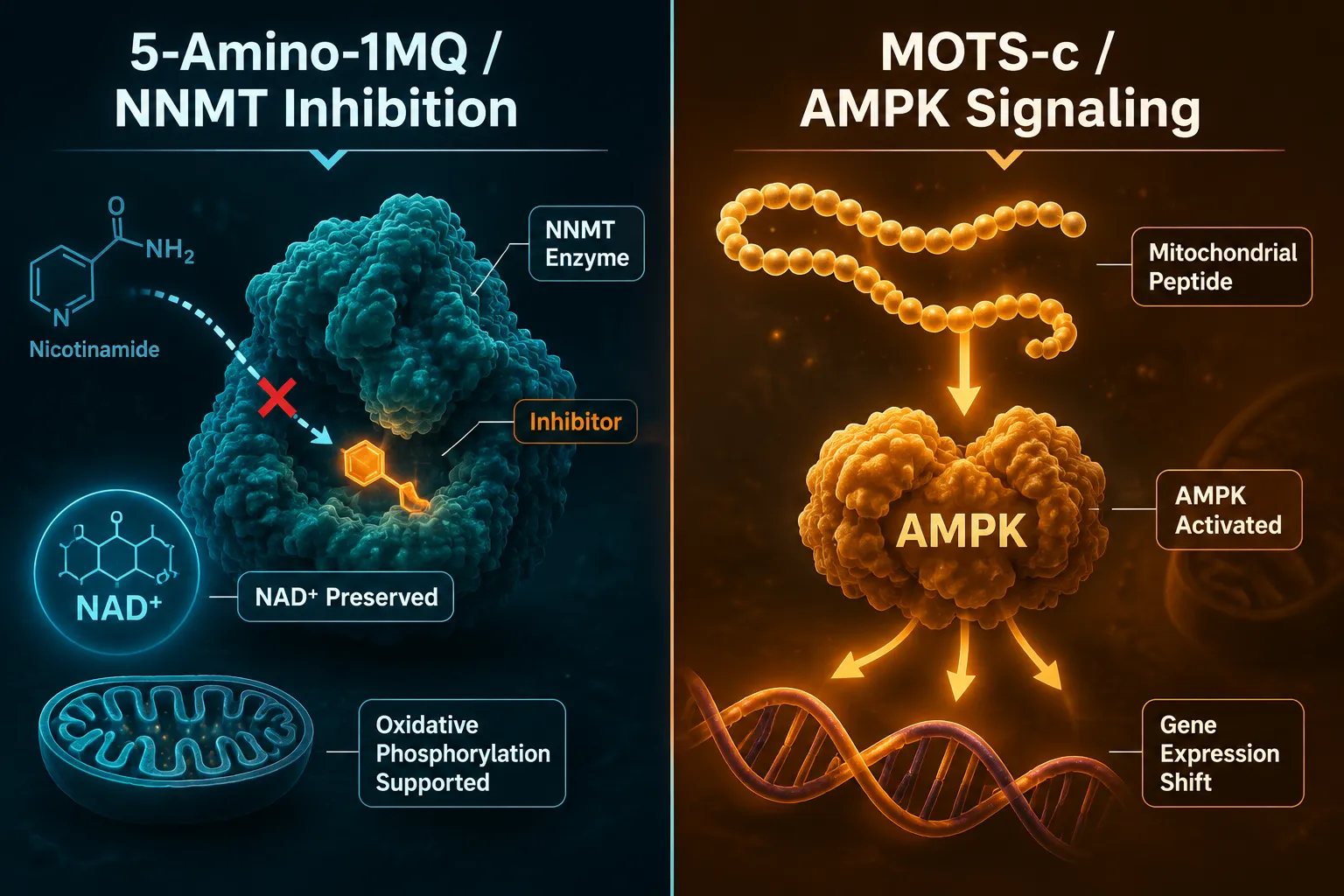
  • 5-Amino-1MQ targets NNMT enzyme inhibition, influencing NAD+ metabolism and energy expenditure at the cellular level.
  • SS-31 (elamipretide) protects the inner mitochondrial membrane and is one of the most studied structural mitochondrial peptides.
  • Researchers should evaluate purity, mechanism specificity, and study context when selecting among these compounds.
  • Emerging molecules such as SLU-PP-332 and humanin analogs are expanding the mitochondrial peptide research landscape.

Key Takeaways

MOTS-c: The Mitochondrial-Derived Peptide Redefining Metabolic Research

MOTS-c is encoded within the mitochondrial genome itself — a distinction that separates it from most synthetic research peptides. This 16-amino-acid peptide translocates to the nucleus under metabolic stress and exercise, where it activates antioxidant response elements and regulates stress-adaptation genes.

Key mechanisms of MOTS-c:

  • Inhibits the folate cycle and de novo purine biosynthesis
  • Activates AMPK, the master cellular energy sensor
  • Upregulates PGC-1alpha, promoting mitochondrial biogenesis
  • Reduces reactive oxygen species (ROS) emission and protein oxidative damage

Research shows that MOTS-c levels increase in skeletal muscle, systemic circulation, and the hypothalamus following exercise. Critically, circulating MOTS-c declines with age, which correlates with reduced insulin sensitivity, increased adiposity, and impaired muscle homeostasis. Exogenous MOTS-c administration in animal models has reversed age-dependent and diet-induced insulin resistance.

"MOTS-c acts as a molecular signal linking mitochondrial stress to whole-body metabolic adaptation — a property no synthetic small molecule fully replicates."

For researchers building study frameworks around this peptide, the MOTS-c mitochondrial research themes resource provides a useful orientation to current experimental directions. Those interested in mechanistic depth can also explore MOTS-c and mitochondrial dynamics for pathway-level detail.


MOTS-c: The Mitochondrial-Derived Peptide Redefining Metabolic Research

Comparing the Best Research Peptides for Mitochondrial Health: A Comparison of MOTS-c, 5-Amino-1MQ, and Emerging Compounds

5-Amino-1MQ: NNMT Inhibition and NAD+ Metabolism

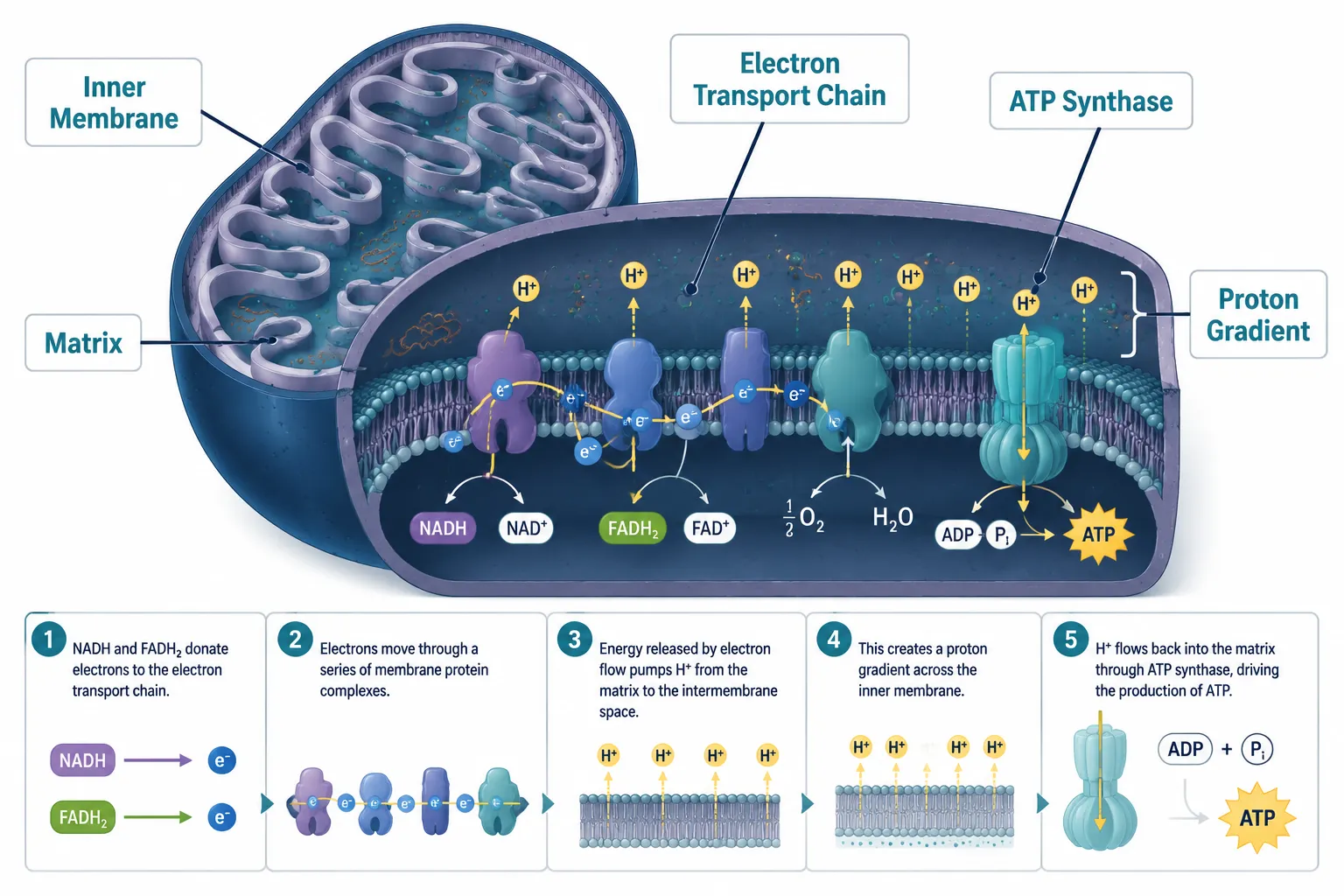
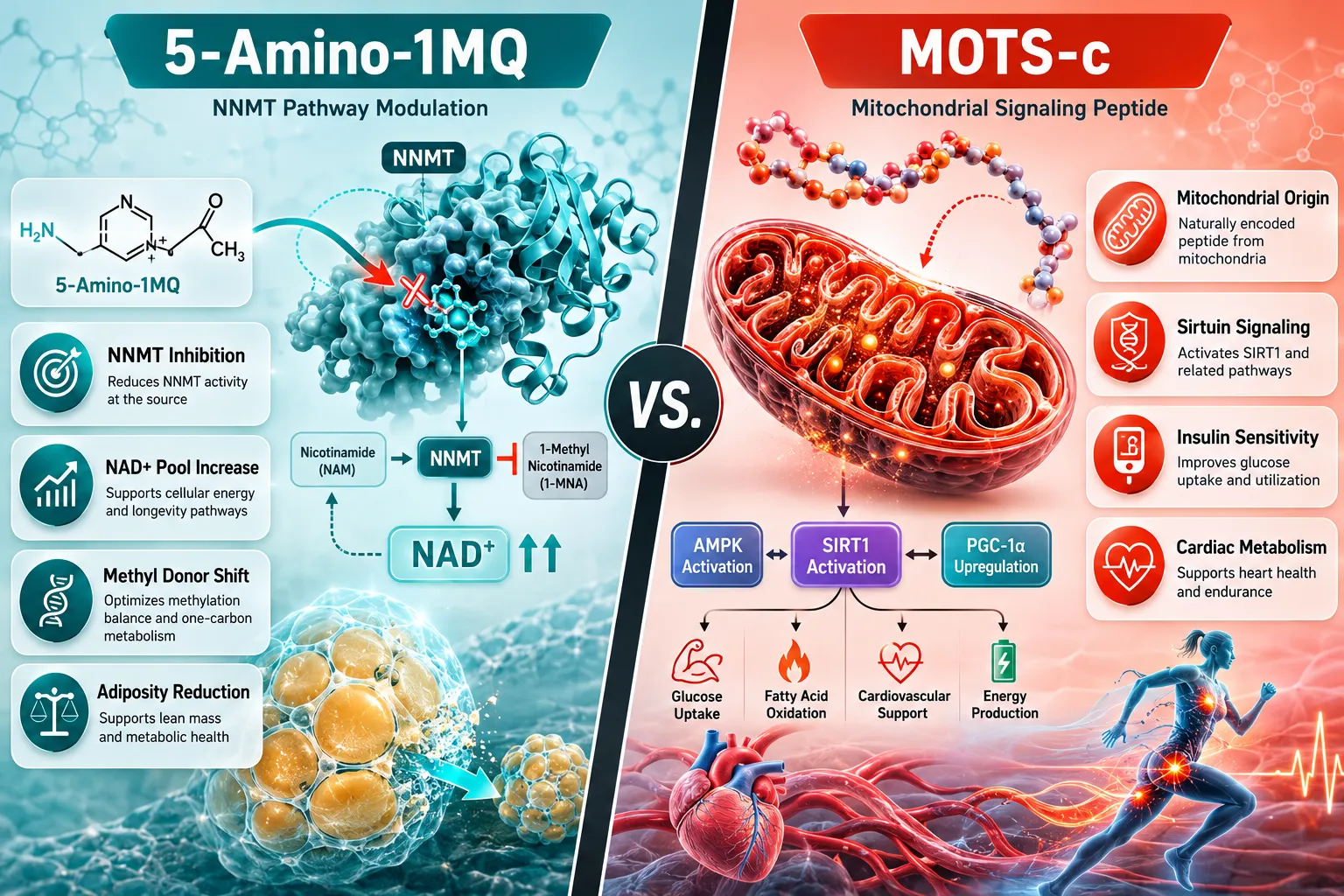
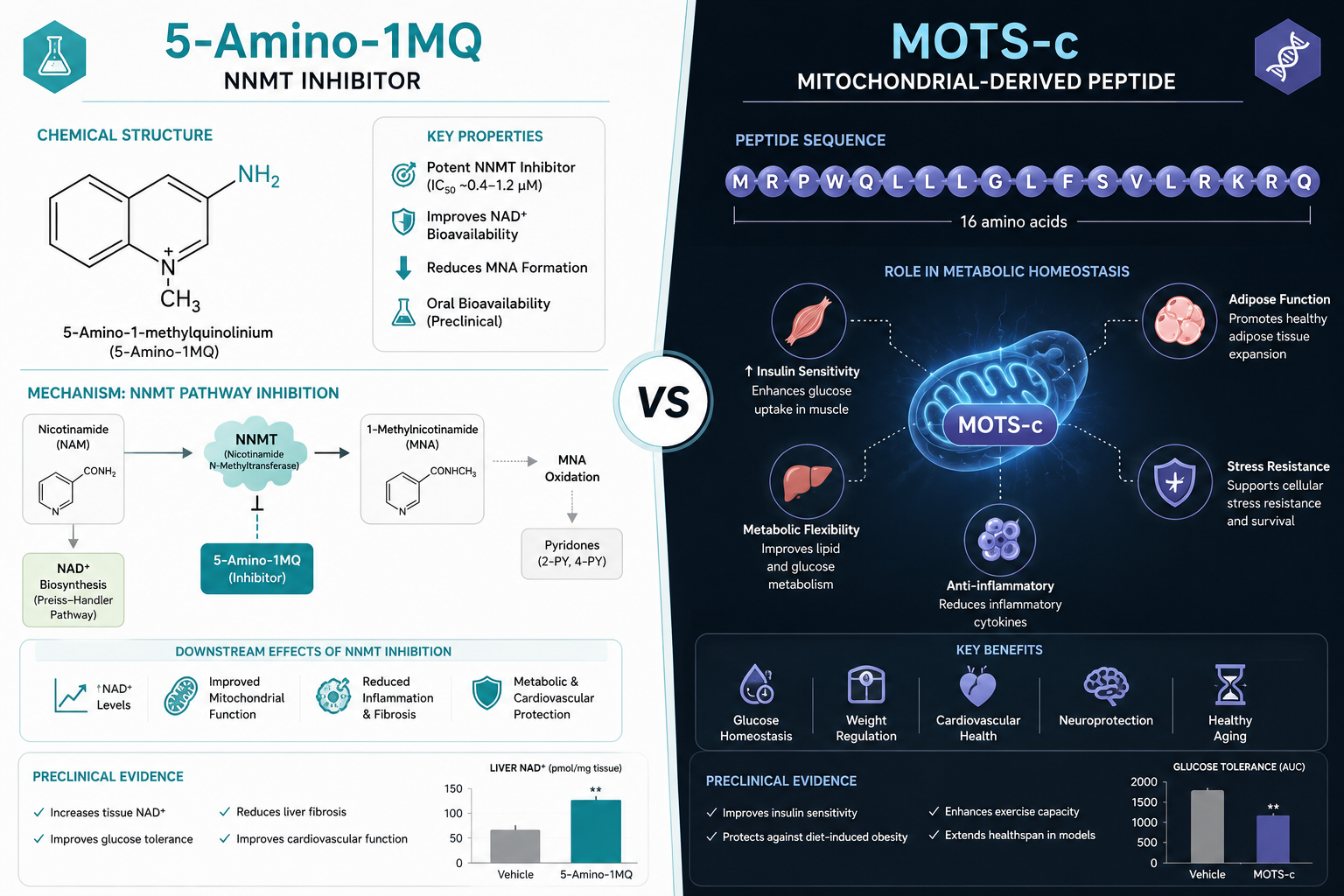
5-Amino-1MQ is a small-molecule NNMT (nicotinamide N-methyltransferase) inhibitor rather than a peptide in the classical sense, but it is routinely grouped with research peptides given its metabolic targeting profile. NNMT consumes SAM (S-adenosylmethionine) and reduces NAD+ precursor availability. By blocking NNMT, 5-Amino-1MQ effectively raises intracellular NAD+ levels, which supports mitochondrial electron transport chain efficiency.

Comparison table: MOTS-c vs. 5-Amino-1MQ

Feature MOTS-c 5-Amino-1MQ
Origin Mitochondrial genome Synthetic small molecule
Primary target AMPK / PGC-1alpha NNMT enzyme
NAD+ effect Indirect (via AMPK) Direct (via NNMT inhibition)
Oxidative stress reduction Demonstrated Under active study
Age-related decline Yes Not applicable

SS-31 (Elamipretide): Structural Mitochondrial Protection

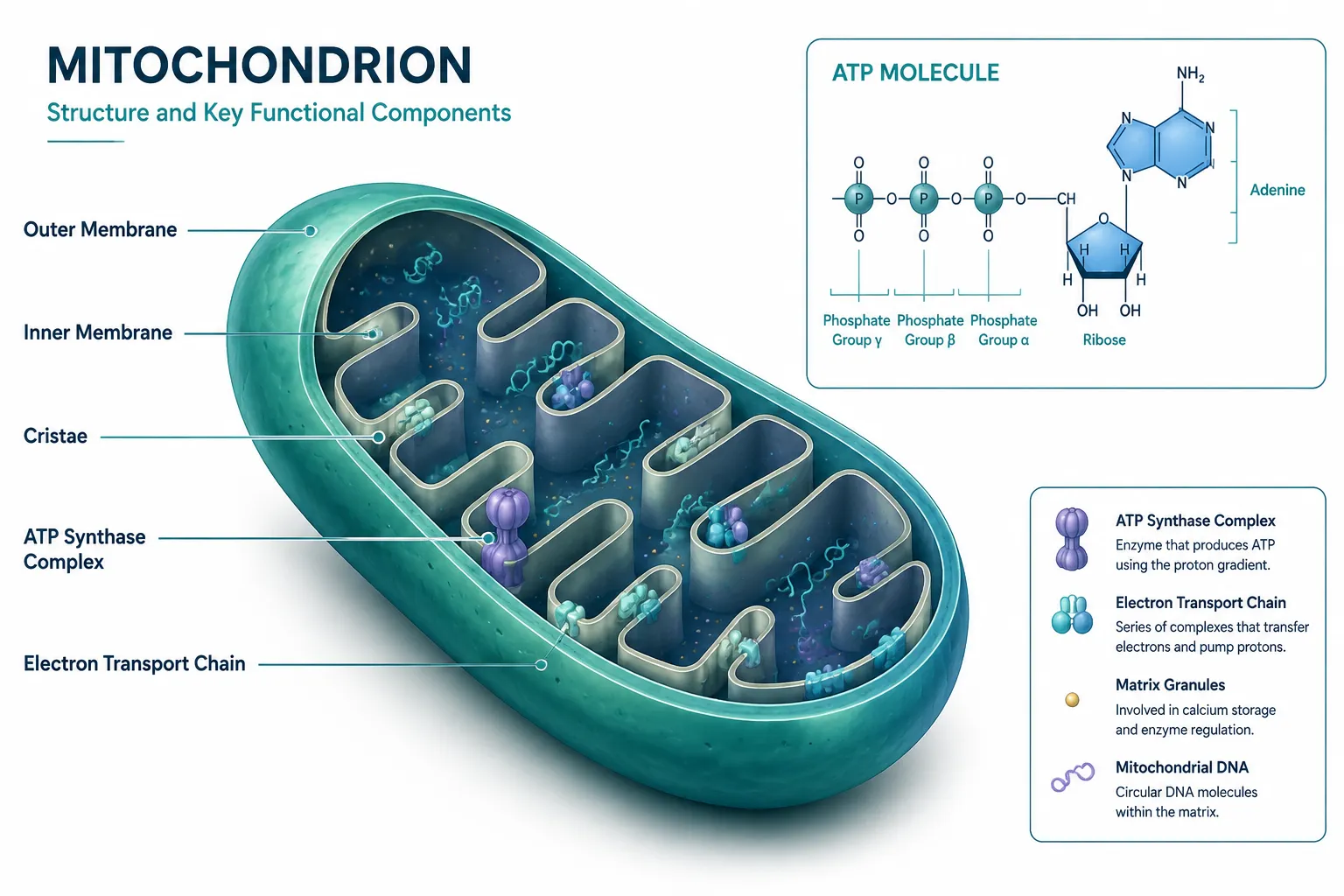
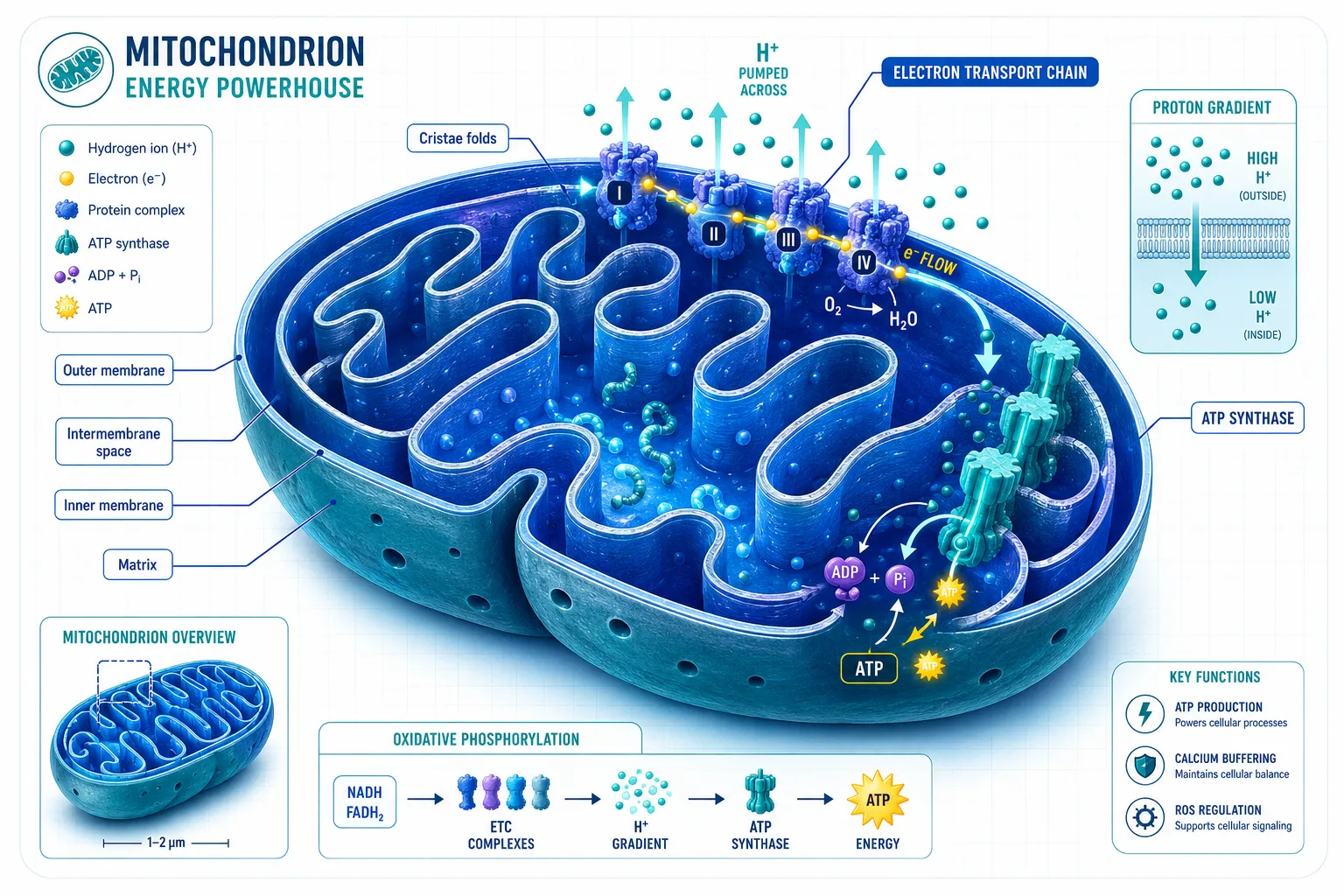
SS-31 targets cardiolipin on the inner mitochondrial membrane, stabilizing cristae architecture and improving ATP synthesis efficiency. Unlike MOTS-c, SS-31 does not rely on nuclear translocation — it acts directly at the membrane. Researchers studying kidney, cardiac, or skeletal muscle models frequently pair SS-31 with MOTS-c to address both structural and signaling dimensions of mitochondrial health. The SS-31 and MOTS-c research tag reflects this growing interest in combinatorial study designs.

For kidney-specific mitochondrial research, the SS-31 kidney health research page offers relevant preclinical context.


SS-31 (Elamipretide): Structural Mitochondrial Protection

Emerging Compounds and Sourcing Considerations

Humanin, SLU-PP-332, and Beyond

The mitochondrial-derived peptide (MDP) family extends beyond MOTS-c. Humanin and SHLP2 (small humanin-like peptides) are encoded in the same mitochondrial 16S rRNA region and show cytoprotective effects in neuronal and cardiomyocyte models. SLU-PP-332 is an ERR-alpha/gamma agonist that mimics exercise-induced mitochondrial gene expression — a distinct but complementary mechanism. Researchers interested in this compound can review the SLU-PP-332 metabolic research overview for study design notes.

Longevity-oriented research programs increasingly stack these compounds. The longevity peptide research framework outlines how multiple mitochondrial targets can be addressed within a single experimental protocol.

Sourcing and Purity Standards

Compound quality is non-negotiable in mitochondrial research. ROS-sensitive assays and AMPK phosphorylation readouts are highly vulnerable to contaminant interference. Researchers should prioritize suppliers with documented certificate of analysis (COA) data and reference standard benchmarking. The Bachem and reference standards guide addresses how to evaluate peptide purity against validated benchmarks.

For researchers building broader metabolic study panels, the MOTS-c and elamipretide comparison page provides a useful side-by-side of two of the field's most studied mitochondrial compounds.


Conclusion

Selecting among the best research peptides for mitochondrial health requires matching mechanism to research question. MOTS-c is the strongest candidate for studies targeting AMPK activation, age-related metabolic decline, and exercise physiology. 5-Amino-1MQ suits protocols focused on NAD+ metabolism and NNMT-driven energy regulation. SS-31 remains the reference compound for inner mitochondrial membrane integrity. Emerging molecules like SLU-PP-332 and humanin analogs are broadening the toolkit further.

Actionable next steps for researchers:

  1. Define the specific mitochondrial pathway under investigation before compound selection.
  2. Obtain COA-verified peptides from suppliers using validated reference standards.
  3. Consider combinatorial designs (e.g., MOTS-c plus SS-31) for multi-target mitochondrial studies.
  4. Monitor the MDP literature actively — this field is advancing rapidly in 2026.
https://www.puretestedpeptides.com/wp-content/uploads/2026/06/Best-Research-Peptides-for-Mitochondrial-Health-A-Comparison-of-MOTS-c-5-Amino-1MQ-and-Emerging-Compounds.png 1024 1536 Pure Tested https://www.puretestedpeptides.com/wp-content/uploads/2026/01/buy-peptides-online.jpg Pure Tested2026-06-20 13:04:512026-07-20 15:02:39Best Research Peptides for Mitochondrial Health: A Comparison of MOTS-c, 5-Amino-1MQ, and Emerging Compounds
MOTS-c Peptide Research: Mitochondrial Signaling, Metabolic Flexibility, and Exercise-Aging Models

MOTS-c Peptide Research: Mitochondrial Signaling, Metabolic Flexibility, and Exercise-Aging Models

June 4, 2026/0 Comments/by Pure Tested

Mitochondrial-derived peptides were largely overlooked until researchers discovered that the mitochondrial genome encodes small bioactive molecules capable of traveling to the cell nucleus and rewriting gene expression. MOTS-c is one such molecule, and the body of work surrounding MOTS-c Peptide Research: Mitochondrial Signaling, Metabolic Flexibility, and Exercise-Aging Models has grown rapidly into one of the most compelling areas of metabolic biology.

Key Takeaways

  • MOTS-c is encoded in mitochondrial DNA and acts as a retrograde signal between mitochondria and the nucleus.
  • Its primary mechanism involves the Folate-AICAR-AMPK pathway, a central regulator of cellular energy balance.
  • Exercise increases circulating MOTS-c levels in skeletal muscle and blood, suggesting it may partly explain exercise's metabolic benefits.
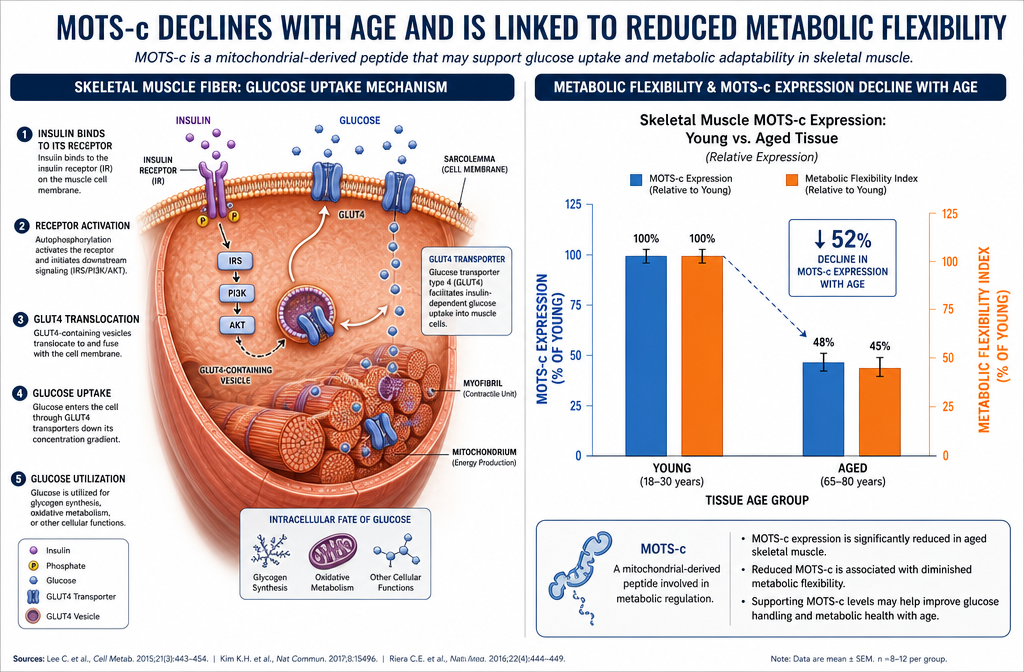
  • MOTS-c expression declines with age, correlating with reduced metabolic flexibility and increased disease risk.
  • Research models link MOTS-c to insulin sensitivity, muscle performance, and multiple age-related conditions.

Key Takeaways

What Is MOTS-c and How Does Mitochondrial Signaling Work

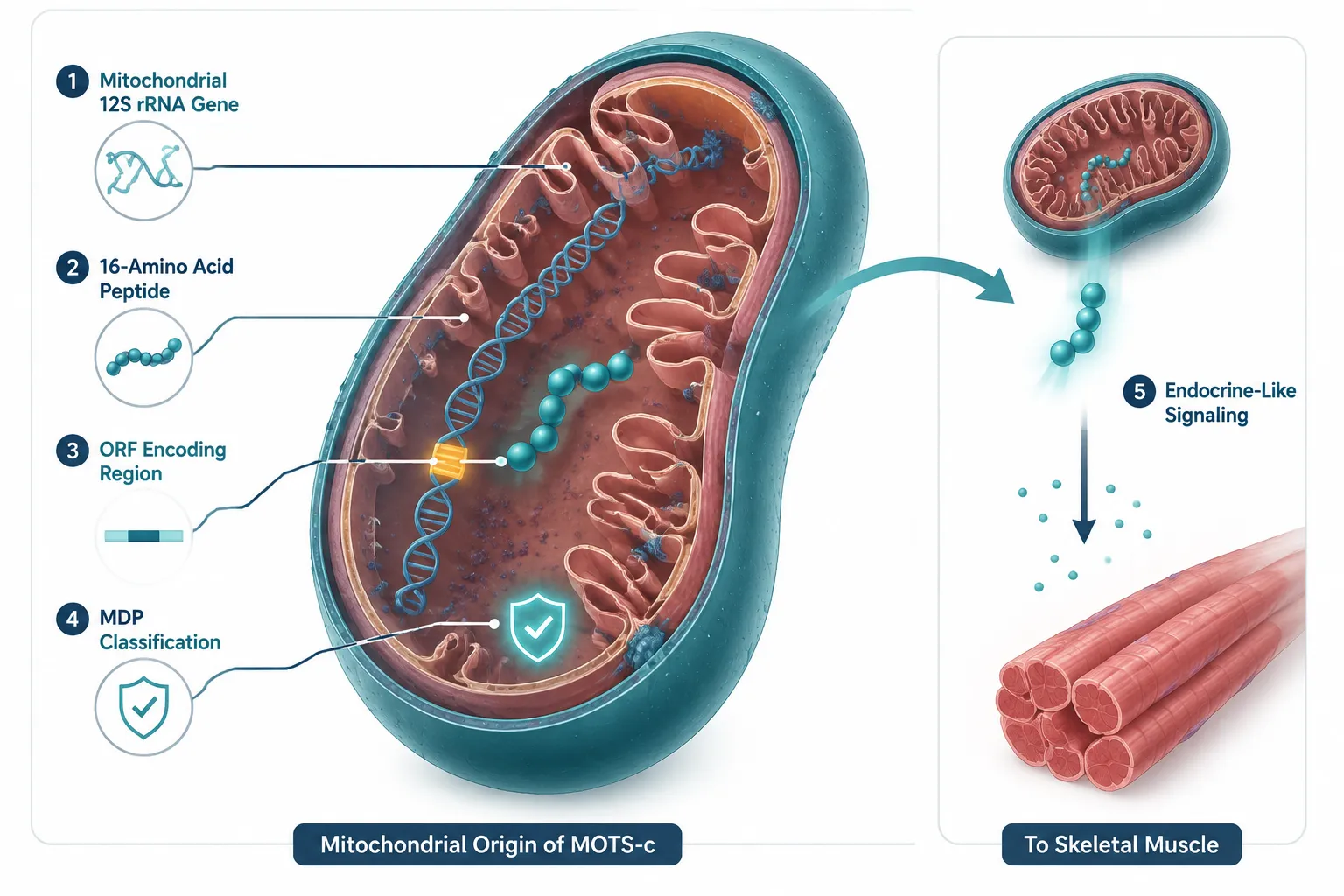
MOTS-c (Mitochondrial Open Reading Frame of the 12S rRNA type-c) is a 16-amino-acid peptide encoded within the 12S ribosomal RNA region of mitochondrial DNA. Unlike most peptides, it originates outside the nuclear genome, which makes its biology particularly unusual.

Under metabolic stress or physical exertion, MOTS-c translocates from the mitochondria to the cell nucleus. Once there, it binds to antioxidant response elements (ARE) and modulates gene expression tied to energy metabolism, inflammation, and oxidative stress. This mitochondria-to-nucleus communication is called retrograde signaling, and MOTS-c is now considered one of its key molecular messengers.

Researchers exploring MOTS-c mitochondrial research themes note that this retrograde pathway allows the cell to rapidly adjust its metabolic output in response to environmental demands. The primary route runs through the Folate-AICAR-AMPK axis, a well-established energy-sensing cascade. When this pathway activates, cells shift fuel usage, improve insulin sensitivity, and reduce inflammatory signaling.

"MOTS-c acts as a cellular stress sensor that bridges mitochondrial output with nuclear gene regulation — a feedback loop critical for metabolic homeostasis."

For researchers also studying adjacent mitochondrial compounds, SS-31 (Elamipretide) represents another peptide model focused on mitochondrial membrane integrity and cardiolipin stabilization, offering a complementary angle to MOTS-c's signaling role.


MOTS-c Peptide Research: Mitochondrial Signaling, Metabolic Flexibility, and Exercise-Aging Models in Skeletal Muscle

MOTS-c Peptide Research: Mitochondrial Signaling, Metabolic Flexibility, and Exercise-Aging Models in Skeletal Muscle

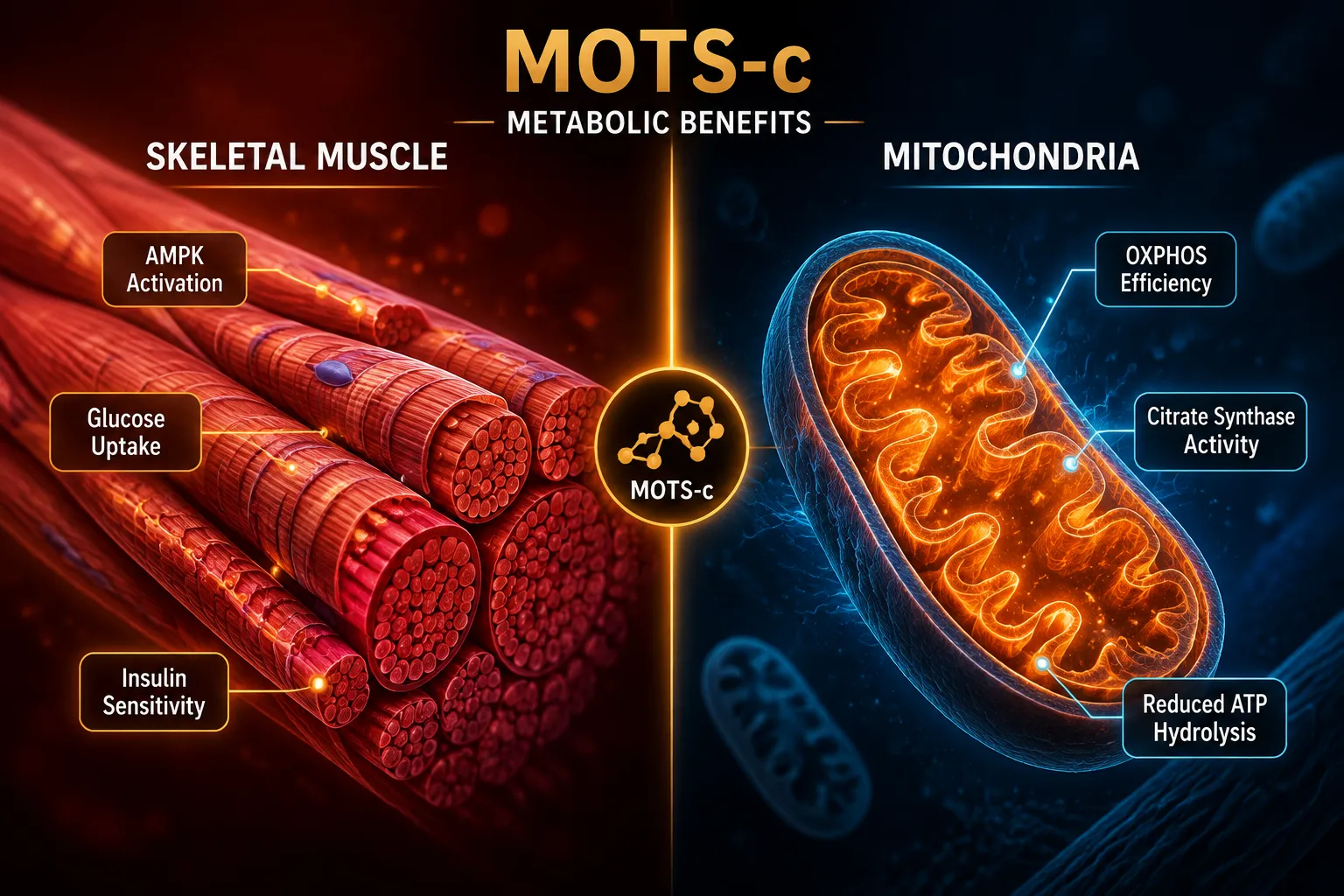
Skeletal muscle is both a primary site of MOTS-c production and a major target of its action. Exercise studies in humans have documented measurable increases in MOTS-c concentrations within muscle tissue and systemic circulation following physical activity. This positions MOTS-c as a potential exercise-mimetic signal — a molecule that may carry some of the metabolic benefits of movement.

Key research findings in muscle and metabolism:

Research Area Observed Effect
Insulin sensitivity Improved glucose uptake via AMPK activation
Skeletal muscle performance Enhanced endurance and strength output in aged mice
Inflammation Reduced pro-inflammatory cytokine signaling
Oxidative stress Upregulation of antioxidant gene expression

These findings align with broader work on MOTS-c metabolic flexibility research themes, which examines how the peptide helps cells switch between fuel sources — a capacity that declines significantly with age and in metabolic disease states.

Researchers studying metabolic compounds like AOD-9604 and NAD+ energetics and longevity often position MOTS-c alongside these agents when building multi-pathway models of metabolic restoration.


MOTS-c Peptide Research: Mitochondrial Signaling, Metabolic Flexibility, and Exercise-Aging Models Across the Lifespan

MOTS-c Peptide Research: Mitochondrial Signaling, Metabolic Flexibility, and Exercise-Aging Models Across the Lifespan

One of the most significant findings in this field is that MOTS-c levels decline measurably with age. This decline tracks closely with the loss of metabolic flexibility, increased insulin resistance, and rising susceptibility to conditions including type 2 diabetes, cardiovascular disease, osteoporosis, postmenopausal obesity, and neurodegenerative conditions such as Alzheimer's disease.

Systemic administration of MOTS-c in aged mouse models has restored physical performance metrics across multiple age groups, suggesting the peptide may act as a healthspan-promoting signal rather than simply a stress response molecule.

Age-related conditions linked to declining MOTS-c:

  • Type 2 diabetes and insulin resistance
  • Cardiovascular metabolic dysfunction
  • Bone density loss and osteoporosis
  • Postmenopausal weight gain
  • Cognitive decline and neuroinflammation

This broad disease relevance has made MOTS-c a subject of interest in mitochondrial longevity research, where the goal is to identify molecular targets that slow the functional decline associated with biological aging.

Researchers building comprehensive aging models may also consider Epithalon longevity signals and 5-Amino-1MQ as part of multi-target frameworks, given their distinct but complementary mechanisms in cellular aging pathways.


Conclusion

MOTS-c research has moved from a curiosity about non-nuclear peptide encoding to a serious scientific inquiry into how mitochondria regulate whole-body metabolism and aging. The evidence points to a peptide that rises with exercise, declines with age, and influences insulin sensitivity, muscle function, and inflammatory balance through a well-defined signaling pathway.

Actionable next steps for researchers:

  1. Review current preclinical exercise-aging models to understand dosing and administration protocols used in MOTS-c studies.
  2. Explore the Folate-AICAR-AMPK pathway in depth to contextualize MOTS-c findings within broader metabolic biology.
  3. Consider how MOTS-c fits alongside complementary mitochondrial and metabolic peptide research for multi-pathway study designs.
  4. Monitor emerging human trial data, as most published evidence remains preclinical.

As research in 2026 continues to expand, MOTS-c stands as a strong model for understanding how mitochondrial signals shape metabolic health across the lifespan.


https://www.puretestedpeptides.com/wp-content/uploads/2026/06/MOTS-c-Peptide-Research-Mitochondrial-Signaling-Metabolic-Flexibility-and-Exercise-Aging-Models.png 672 1024 Pure Tested https://www.puretestedpeptides.com/wp-content/uploads/2026/01/buy-peptides-online.jpg Pure Tested2026-06-04 13:04:152026-07-20 15:04:09MOTS-c Peptide Research: Mitochondrial Signaling, Metabolic Flexibility, and Exercise-Aging Models
×

Helpful Links

  • My account
  • Cart
  • Checkout
  • Refund and Returns Policy
  • Privacy Policy
  • SMS Privacy Policy
  • Login
  • My Account
  • Logout

USA Made Lab Tested Peptides

All products are sold for research, laboratory, or analytical purposes only, and are not for human consumption


Pure Tested Peptides is a chemical supplier. Pure Tested Peptides is not a compounding / chemical compounding facility as defined under 503A of the Federal Food, Drug, and Cosmetic act. Pure Tested Peptides is not an outsourcing facility as defined under 503B of the Federal Food, Drug, and Cosmetic act.

The statements made within this website have not been evaluated by the US Food and Drug Administration. The products we offer are not intended to diagnose, treat, cure or prevent any disease.

Human/Animal Consumption Prohibited. Laboratory/In-Vitro Experimental Use Only

Scroll to top Scroll to top Scroll to top