Call or Text 727-513-9780
  • Shopping Cart Shopping Cart
    0Shopping Cart
Pure Tested Peptides | America's most trusted Peptides for sale online
  • Peptides for sale
    • Oral Peptides for sale
      • Peptide Capsules for sale
      • BPC 157 Capsules 1000mcg
      • SLU-PP-332 Capsules | 1000 mcg
      • 5-Amino-1MQ 50mg Capsules
      • Tesofensine 500mcg
    • All Peptides for sale
    • Peptide Sprays
      • BPC 157 Nasal Spray Kit
      • BPC-157 TB500 Nasal Spray Kit
      • Semax Nasal Spray 10mg
      • Selank – Nasal Spray Kit – 10mg
      • Epithalon 50MG Nasal Spray Kit
      • Ipamorelin 10mg Nasal Spray
      • Klow Nasal Spray (BPC-157 + TB-500 + GHK-Cu + KPV) | 80mg
      • Hulk Nasal Spray Tesa / Ipa Blend 6/3 MG
      • Klow Nasal Spray
      • NAD + 500 mg Nasal Spray
      • PT-141 Nasal Spray Kit
    • GHRH Peptides
      • Ipa Peptides
      • CJC-1295 Peptides
        • CJC-1295 with DAC 5 mg
        • CJC-1295 without DAC 5 mg
        • CJC-1295 Ipa 10mg
      • Tesa Peptides
        • Tesa Peptide
        • Tesa 20 mg
    • GHK-Cu Peptides
      • All GHK-Cu Peptides
      • GHK-Cu 100mg
      • KLOW Peptide Blend – Buy KLOW blend online
    • BPC Peptides
      • All BPC Peptides
      • BPC-157
      • BPC-157 TB-500
      • BPC 157 capsules 1000mcg
    • SLU-PP-332 Peptides
      • All SLU-PP-332 Peptides
      • SLU-PP-332 5mg
    • GLP3 Peptides
      • GLP3-R
      • GLP3-R CAG 10mg
      • GLP3-R 20mg
    • PT-141 Peptides
      • PT-141 Peptides for sale
      • PT-141 10mg
      • PT-141 Nasal Spray
    • CAG Peptides
      • Lipo-C Peptide Blend
      • CAG 5mg
      • CAG 10mg
    • MOTS-C Peptides
      • MOTS-C Peptides for sale
      • MOTS-c peptide
      • MOTS-c 10mg *6 pack*
    • 5 Amino 1MQ Peptides
      • 5 Amino 1MQ Peptides for sale
      • 5-Amino-1MQ 50mg Capsules
      • 5-Amino-1MQ 5mg
    • Epithalon Peptides
      • Epithalon Peptides for sale
      • Epithalon 10mg
      • Epithalon 50mg
  • Shop
    • GLPs
      • 5-Amino-1MQ 50mg Capsules
      • 5-Amino-1MQ 5mg
      • GLP3-Reta
      • L-Carnitine 500mg/ml
      • Tesofensine 500mcg
      • SLU-PP-332 5mg
      • MOTS-c 10mg *6 pack*
    • Epithalon & BPC Peptides
      • Epithalon 10mg
      • Epithalon 50mg
      • BPC-157
      • BPC 157 capsules 1000mcg
      • BPC-157 TB-500
      • BPC-157 TB500 Nasal Spray Kit
      • BPC 157 Nasal Spray Kit
    • BPC TB-500 & NAD+ Peptides
      • NAD+ 500 mg
      • KLOW Peptide Blend – Buy KLOW blend online
      • GLOW Peptide Blend
      • TB 500 5mg
      • BPC 157 capsules 1000mcg – Supplement
      • BPC 157 Nasal Spray Kit
      • BPC-157
      • BPC-157 TB500 Nasal Spray Kit
      • BPC-157 TB-500
      • BPC 157 capsules 1000mcg
    • LL-37 Peptide
      • LL-37 10 mg
    • MOTS-C & Selank
      • MOTS-c peptide
      • Selank 10mg
    • GHK Peptides
      • GHK-Cu 100mg
      • GLOW Peptide Blend
      • KLOW Peptide Blend – Buy KLOW blend online
  • COAs
  • Wholesale
    • Wholesale Peptides for sale
  • PTP FAQ
  • Affiliates
    • Affiliate Program
    • Affiliate Signup
  • Contact
    • Contact Customer Service
    • Text Customer Support
  • About US
  • Shop all peptides
  • Login / Register Login / Register Page Link Login / Register Page Link
  • Click to open the search input field Click to open the search input field Search
  • Menu Menu

Tag Archive for: obesity pharmacology

GLP-3 Retatrutide: The Future of Metabolic Research Beyond GLP-1

GLP-3 Retatrutide: The Future of Metabolic Research Beyond GLP-1

June 29, 2026/0 Comments/in Uncategorized/by

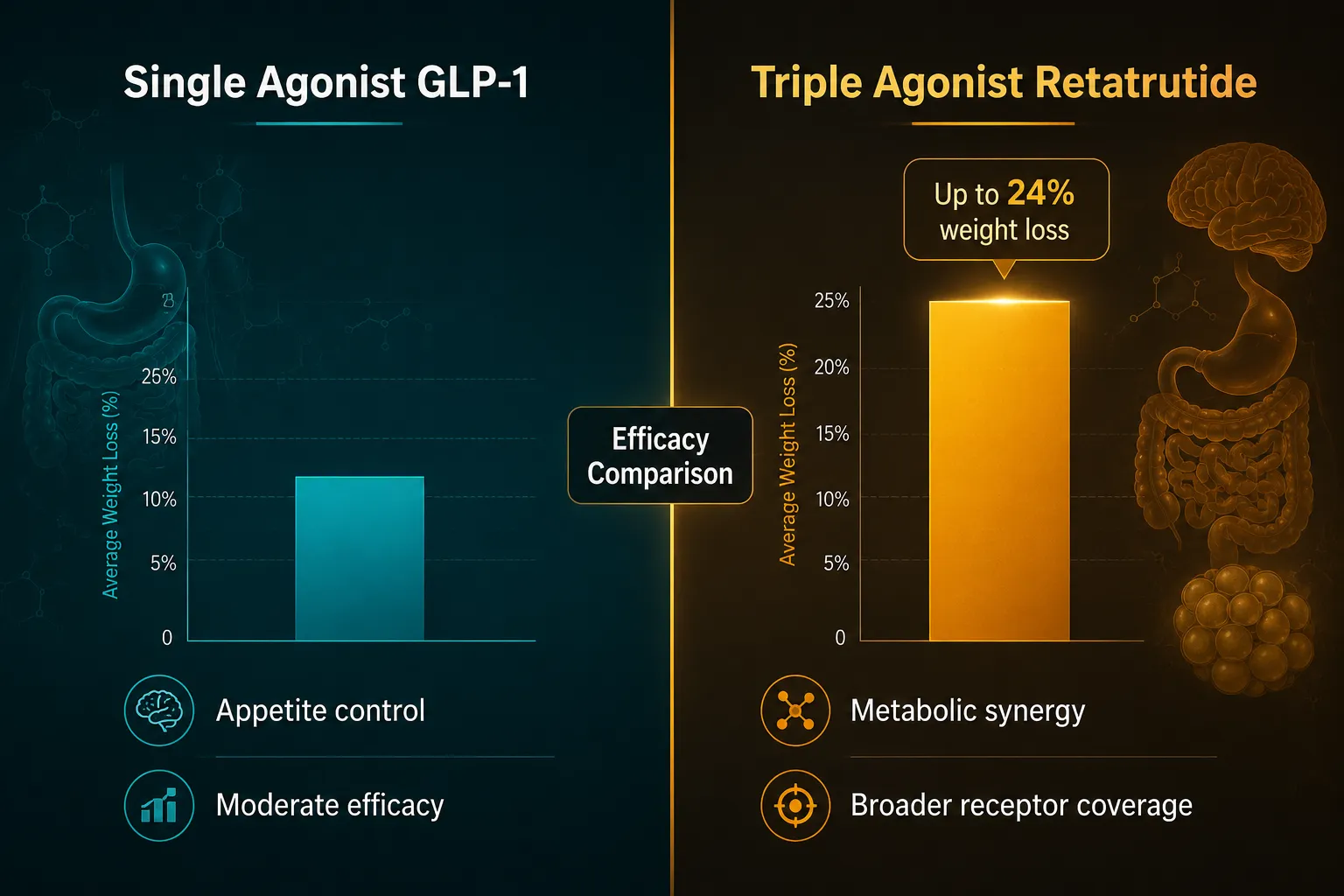
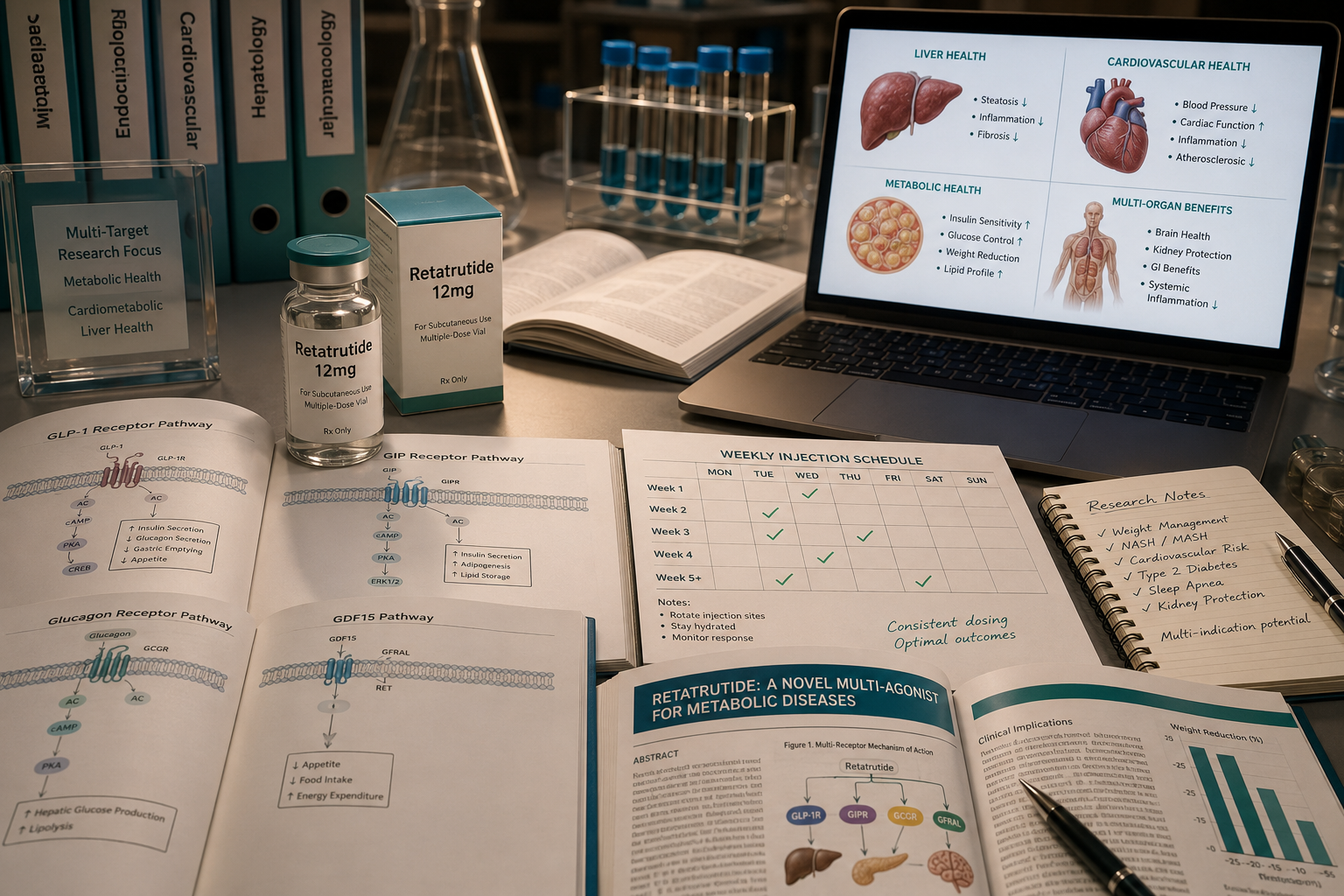
A single drug achieving nearly 29% body weight reduction in a Phase 3 trial — comparable to bariatric surgery outcomes — marks a turning point in metabolic science. That drug is retatrutide, widely referred to by researchers as "GLP-3," and in 2026 it is reshaping how scientists think about obesity, type 2 diabetes, and metabolic disease at the receptor level.

GLP-3 Retatrutide: The Future of Metabolic Research Beyond GLP-1 represents more than an incremental upgrade over existing therapies. It introduces a fundamentally different mechanism — one that activates three distinct hormone receptors simultaneously — and its early data is forcing a reassessment of what pharmacological intervention can achieve.

Key Takeaways

  • Retatrutide is a triple agonist targeting GLP-1, GIP, and glucagon receptors, setting it apart from all prior GLP-1 therapies.
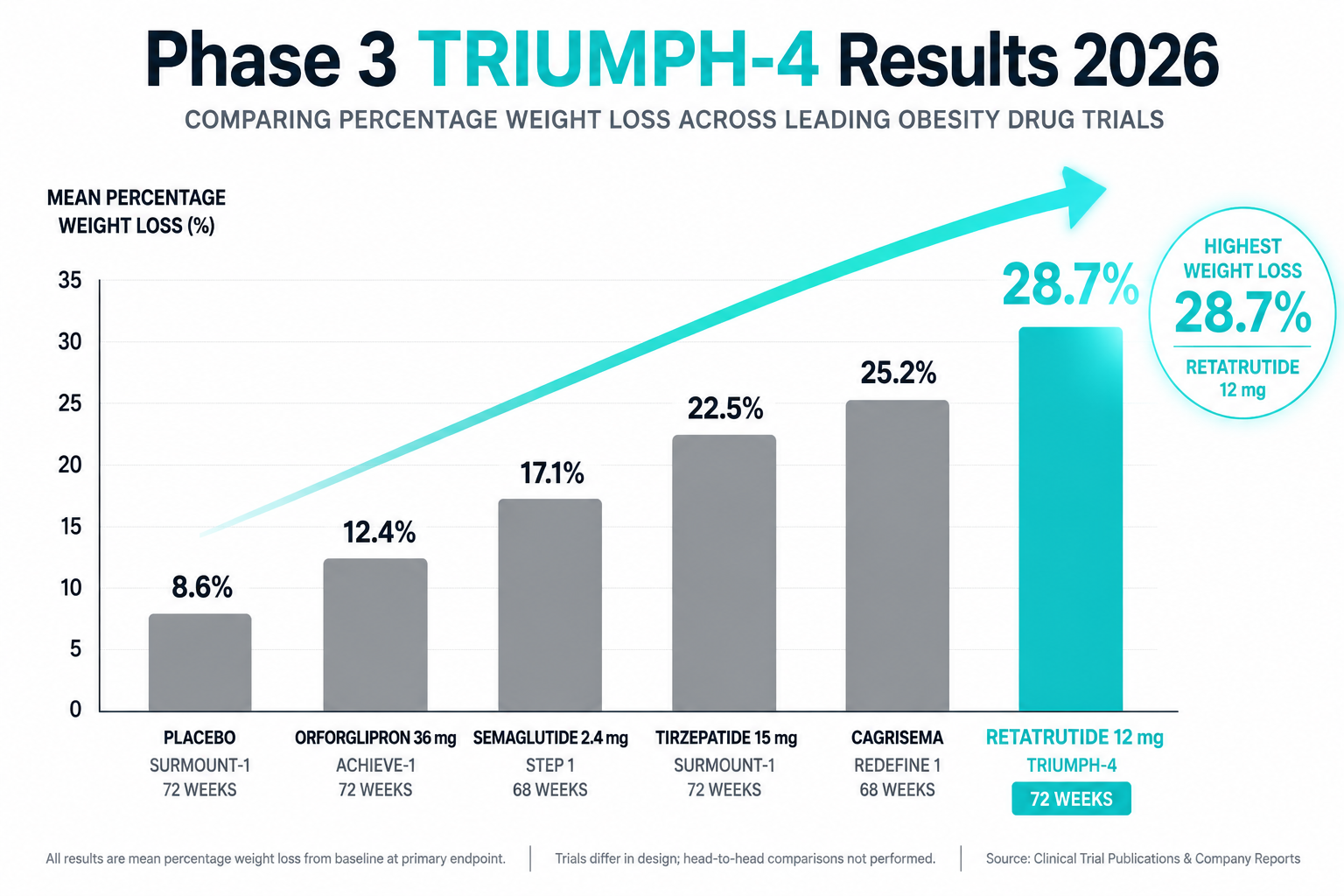
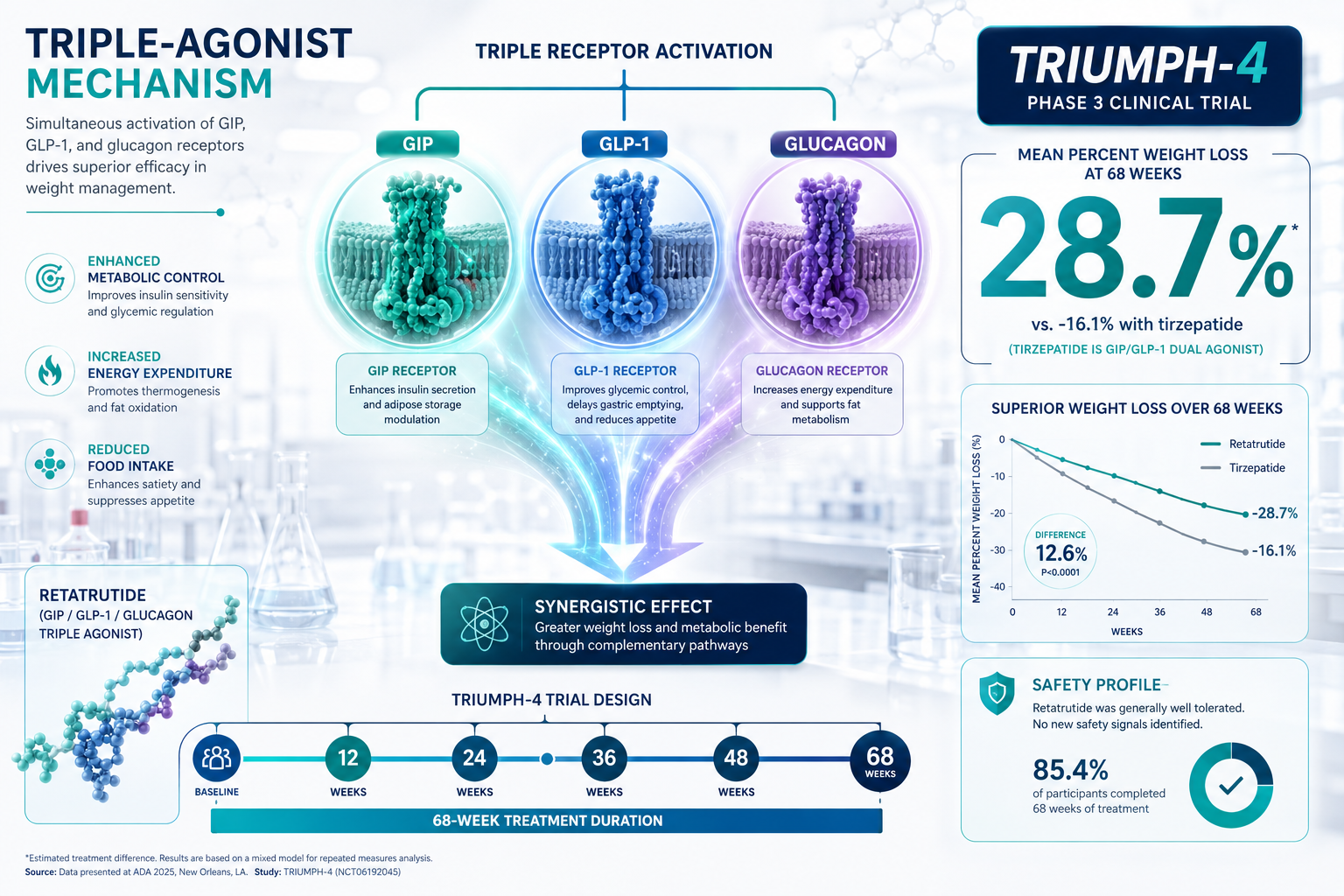
  • Phase 3 TRIUMPH-4 data from April 2026 showed an average weight loss of 28.7% over 68 weeks — the highest ever recorded in a Phase 3 obesity trial.
  • The informal nickname "GLP-3" reflects its triple-agonist activity, not a third glucagon-like peptide hormone.
  • Eli Lilly plans to submit an NDA to the FDA in late 2026, with potential approval anticipated in 2027.
  • Research interest extends beyond obesity to type 2 diabetes, liver disease (MASLD), and cardiovascular risk reduction.

Understanding the Triple-Agonist Mechanism

Understanding the Triple-Agonist Mechanism

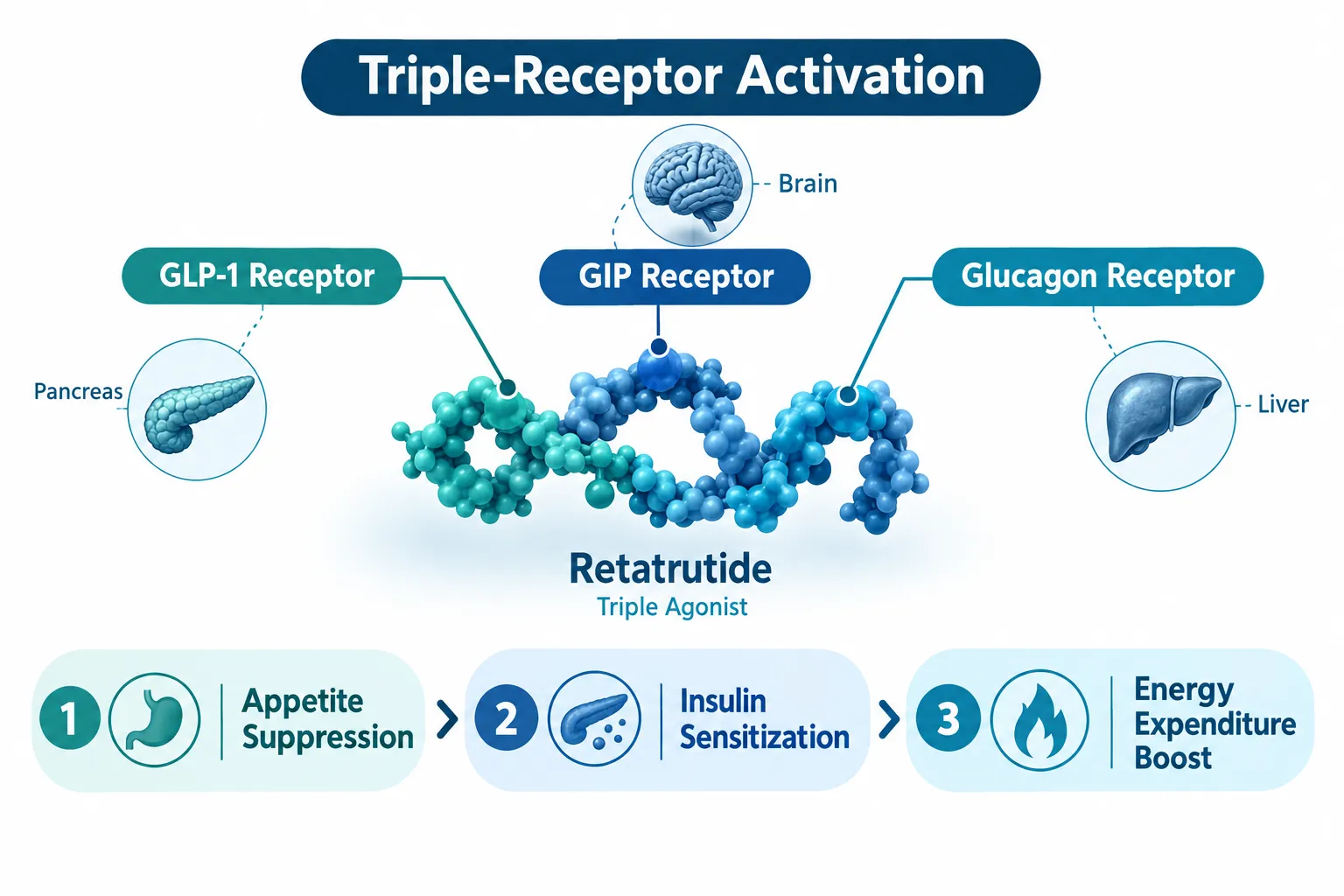
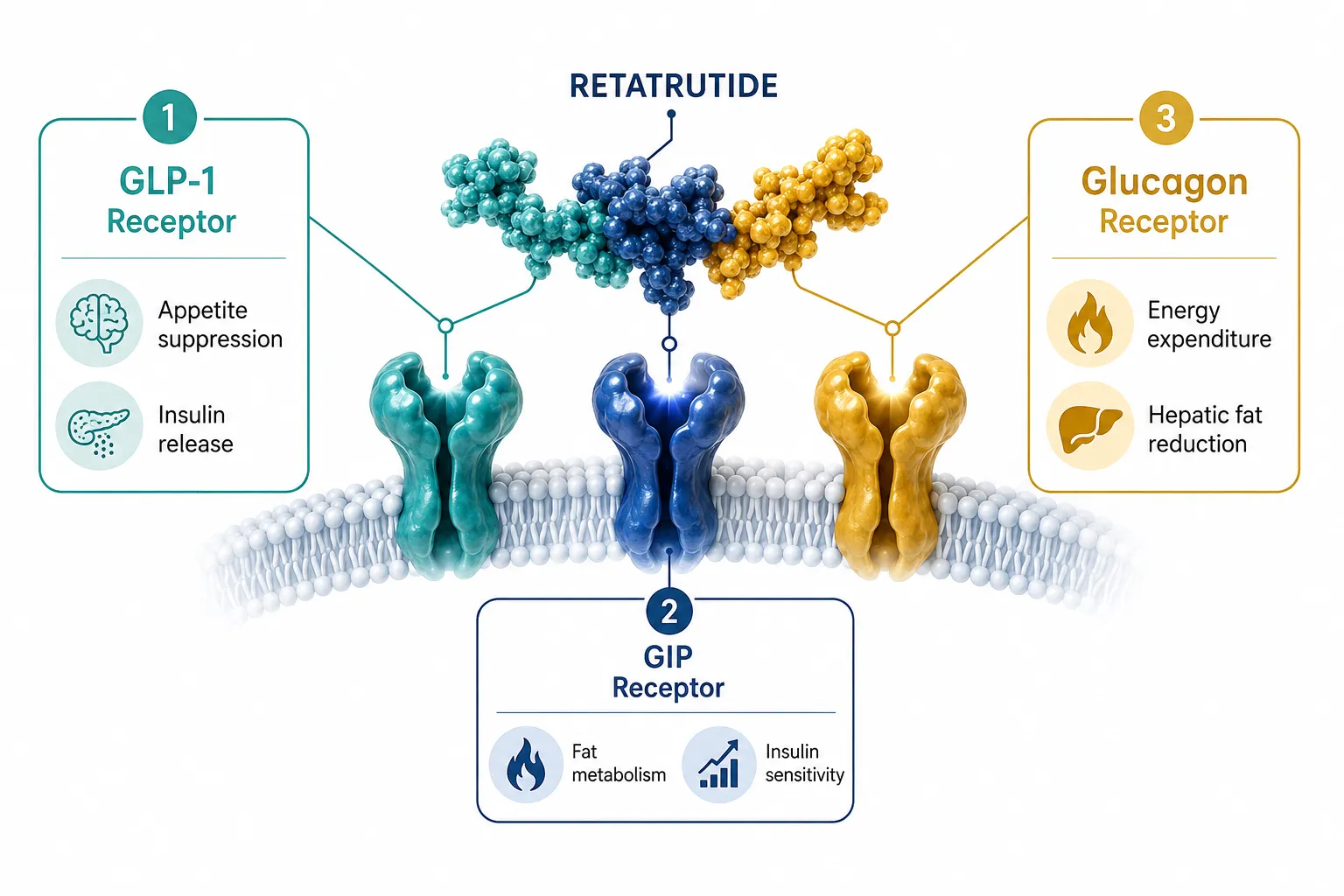
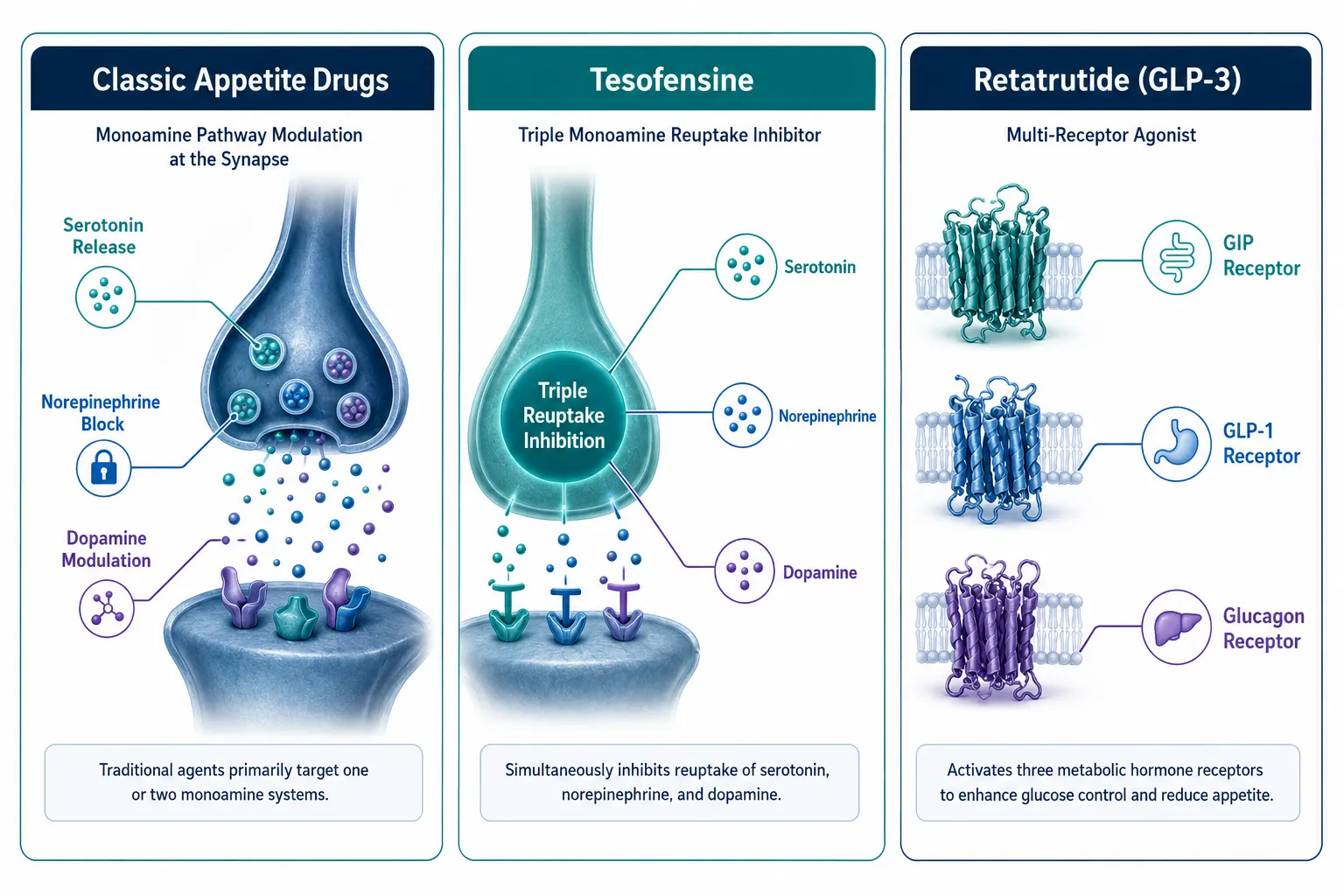
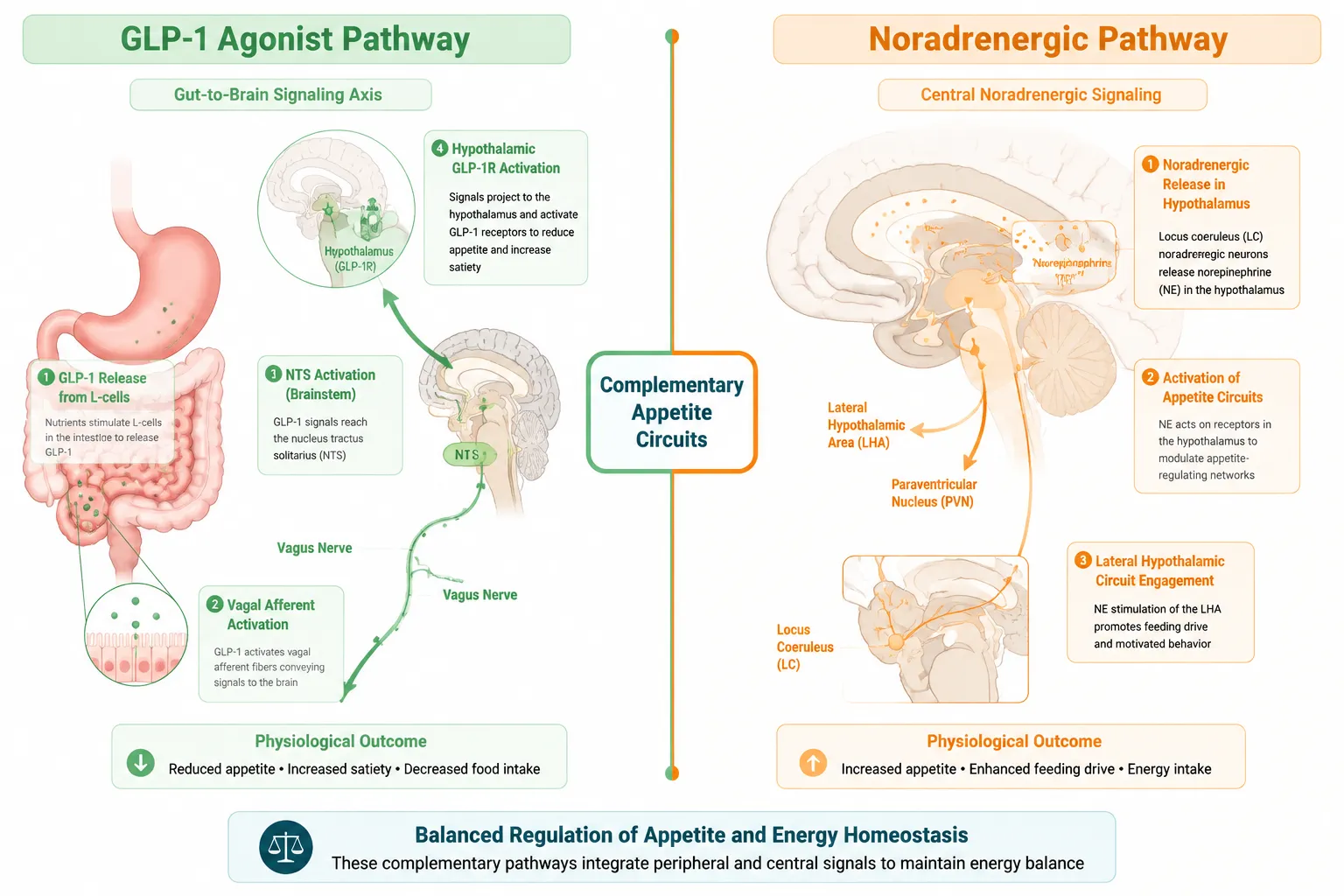
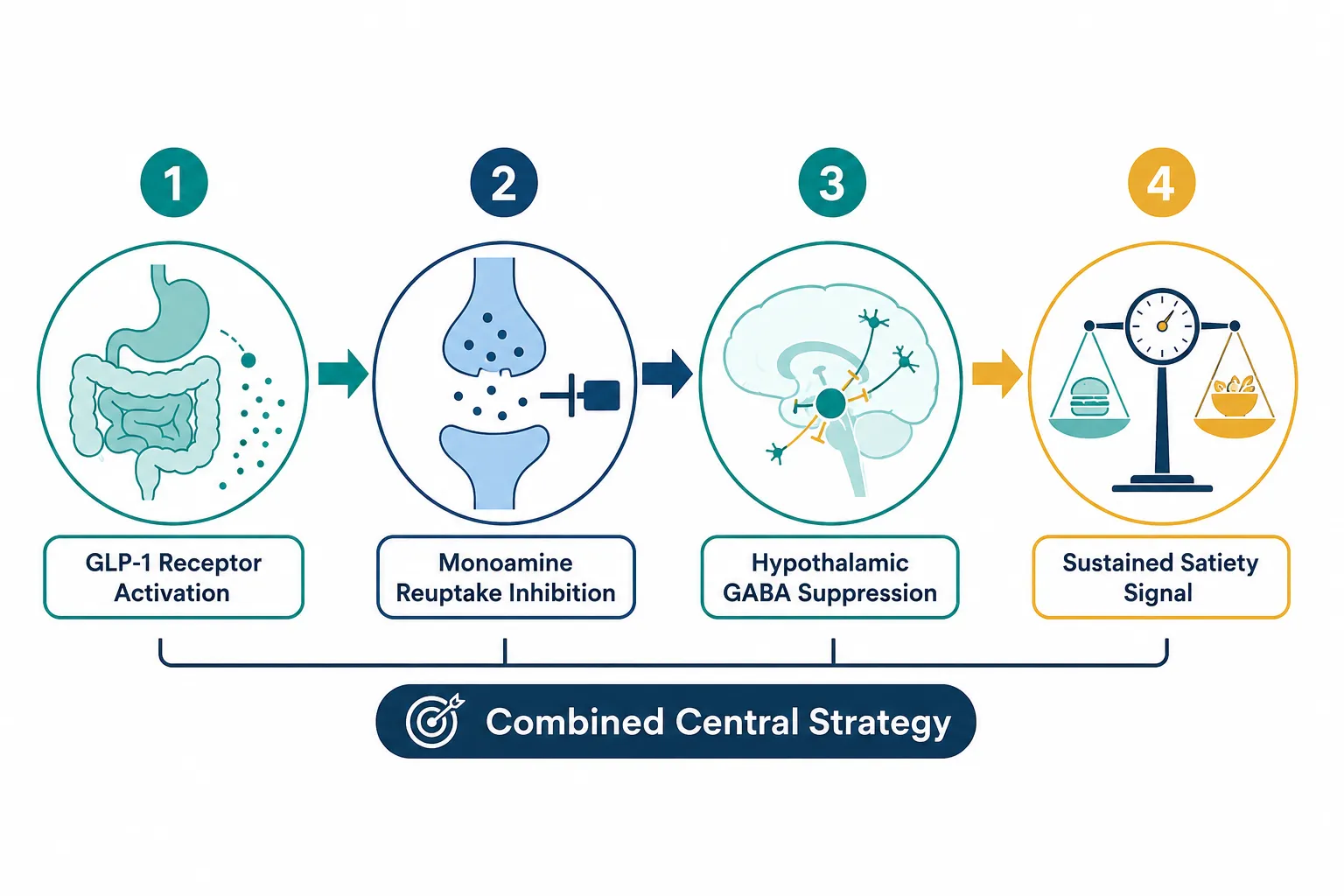
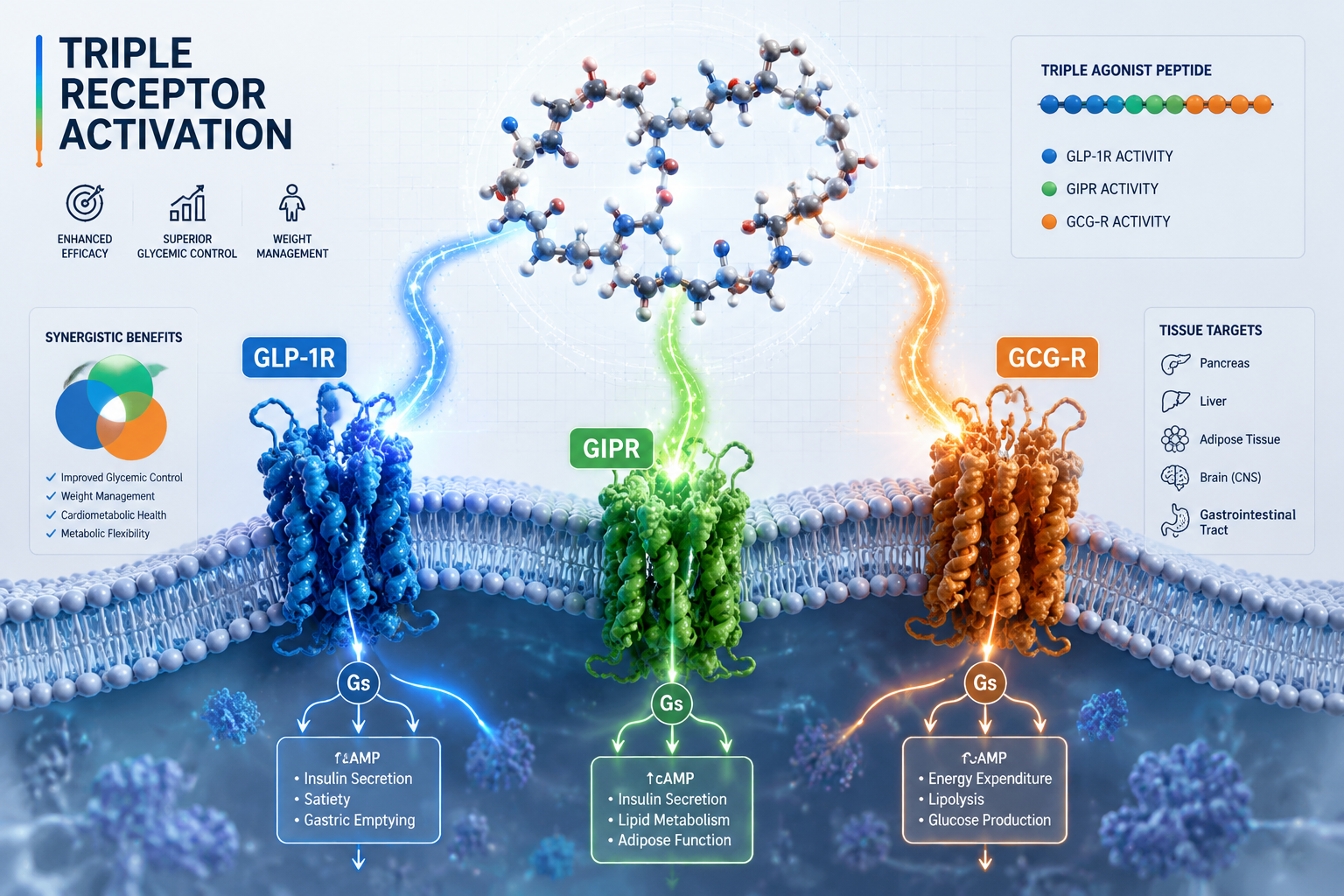
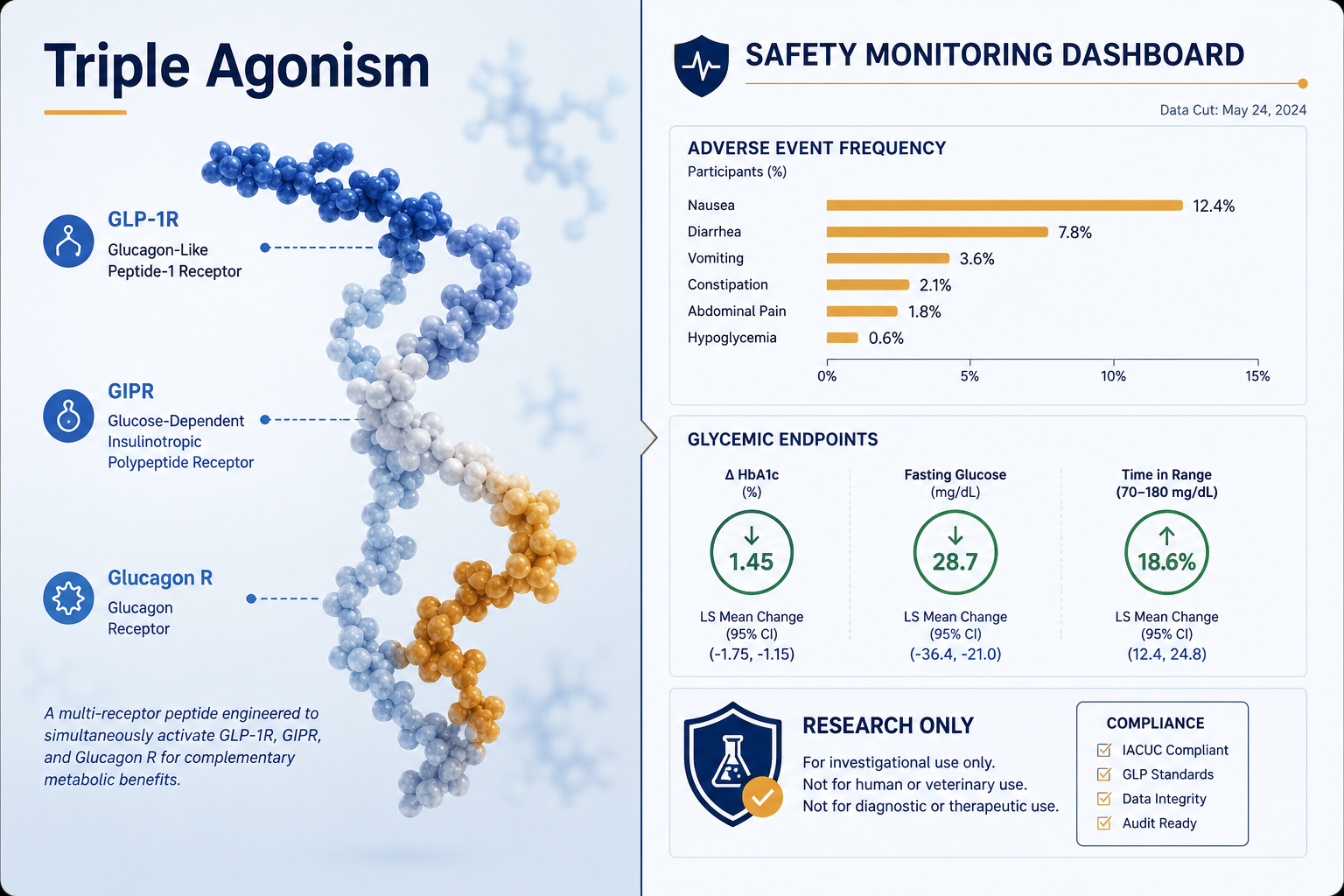
Most GLP-1 receptor agonists work through a single pathway: they mimic the glucagon-like peptide-1 hormone to suppress appetite and regulate blood sugar. Retatrutide goes further by simultaneously activating three receptors:

Receptor Primary Role
GLP-1R Appetite suppression, insulin secretion
GIPR Insulin potentiation, fat metabolism
GCG-R Energy expenditure, hepatic glucose output

This combination does something no single-pathway drug can: it both reduces caloric intake and increases energy expenditure. The glucagon receptor component, in particular, drives thermogenic activity that amplifies fat loss beyond what appetite suppression alone can produce.

It is worth clarifying the "GLP-3" label. There is no third glucagon-like peptide hormone in human biology. The nickname emerged informally to reflect the drug's third-generation, triple-receptor profile. Researchers exploring GLP-1 peptide research concepts and sourcing will find retatrutide represents a clear evolutionary step beyond that class.

For a deeper dive into retatrutide's research profile, the GLP-3 Retatrutide compound overview provides useful context on its structural and pharmacological properties.


Phase 3 Clinical Data: What the Trials Reveal

Phase 3 Clinical Data: What the Trials Reveal

The 2026 trial readouts for retatrutide have been striking across multiple study populations.

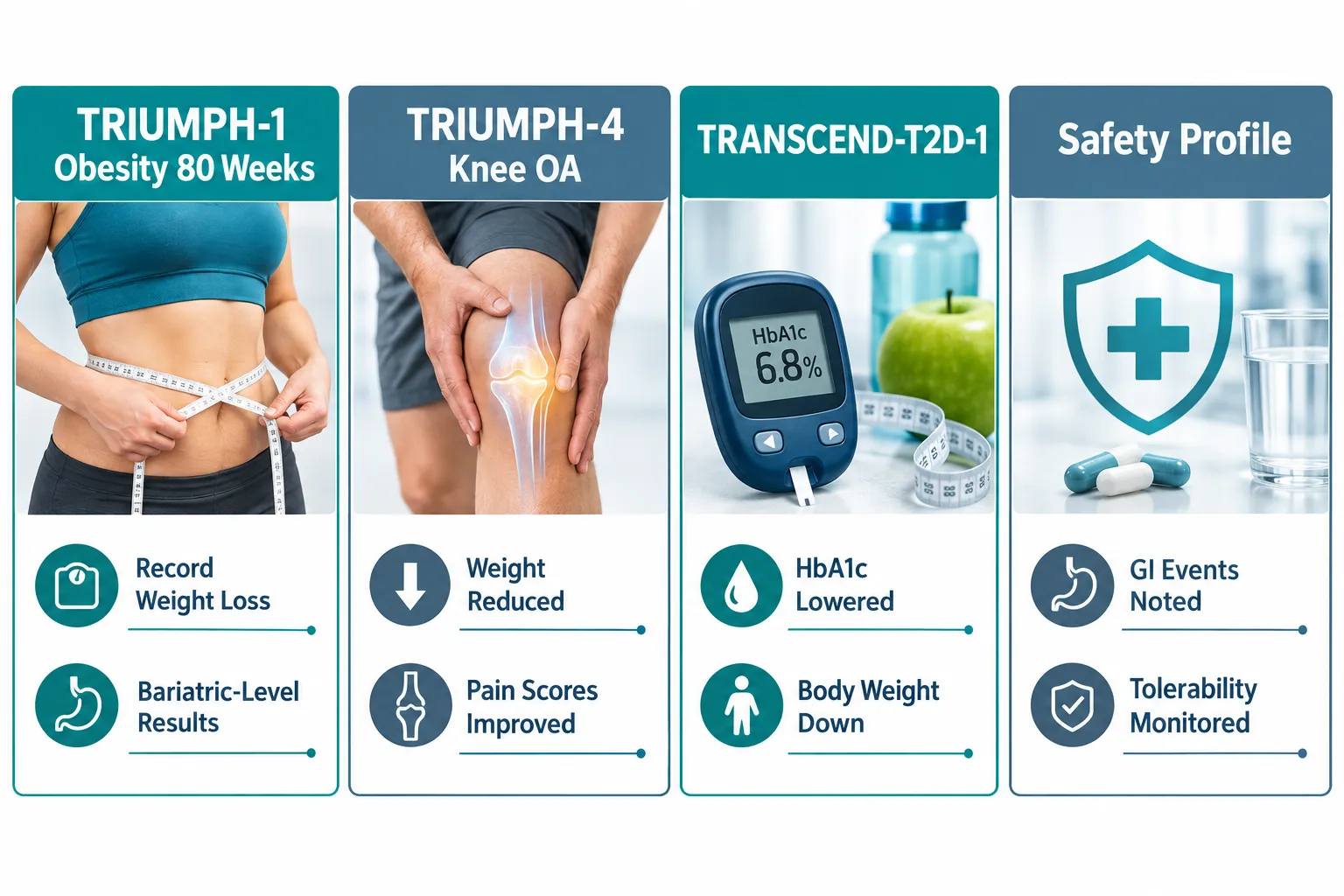
TRIUMPH-4 (April 2026): Adults with obesity achieved a mean weight loss of 28.7% over 68 weeks. This figure places retatrutide in territory previously occupied only by surgical interventions.

TRIUMPH-3 (March 2026): Presented at the American College of Cardiology Annual Scientific Session, this trial enrolled participants with obesity and elevated cardiovascular risk. Mean weight loss reached 24.2% at 72 weeks, suggesting meaningful cardiometabolic benefit beyond weight alone.

TRANSCEND-T2D-1 (March 2026): In adults with type 2 diabetes, the 12 mg dose produced HbA1c reductions of 1.7% to 2.0% alongside 16.8% weight loss over 40 weeks — a dual benefit that positions retatrutide as a strong candidate for metabolic disease management.

"The weight loss achieved with retatrutide in recent trials is comparable to outcomes typically associated with bariatric surgery."

Retatrutide is administered as a once-weekly subcutaneous injection, with doses titrated from 2 mg up to 12 mg to manage tolerability. Common side effects include nausea, vomiting, and diarrhea — consistent with the GI profile seen across the incretin drug class, though the glucagon component may amplify these effects at higher doses.

Researchers comparing metabolic peptide approaches may also find value in reviewing AOD-9604 metabolic research and MOTS-C metabolic flexibility research as complementary areas of investigation.


Research Horizons: Beyond Obesity and GLP-1

Research Horizons: Beyond Obesity and GLP-1

The scope of GLP-3 Retatrutide: The Future of Metabolic Research Beyond GLP-1 extends well past weight management. Active investigation includes:

  • Metabolic dysfunction-associated steatotic liver disease (MASLD): The glucagon receptor's role in hepatic lipid metabolism makes retatrutide a logical candidate for liver-focused research.
  • Cardiovascular risk reduction: TRIUMPH-3 data hints at benefits independent of weight loss.
  • Chronic low back pain: An emerging and less-expected indication under early investigation.
  • Broader metabolic syndrome components: Insulin resistance, dyslipidemia, and visceral adiposity all represent potential targets.

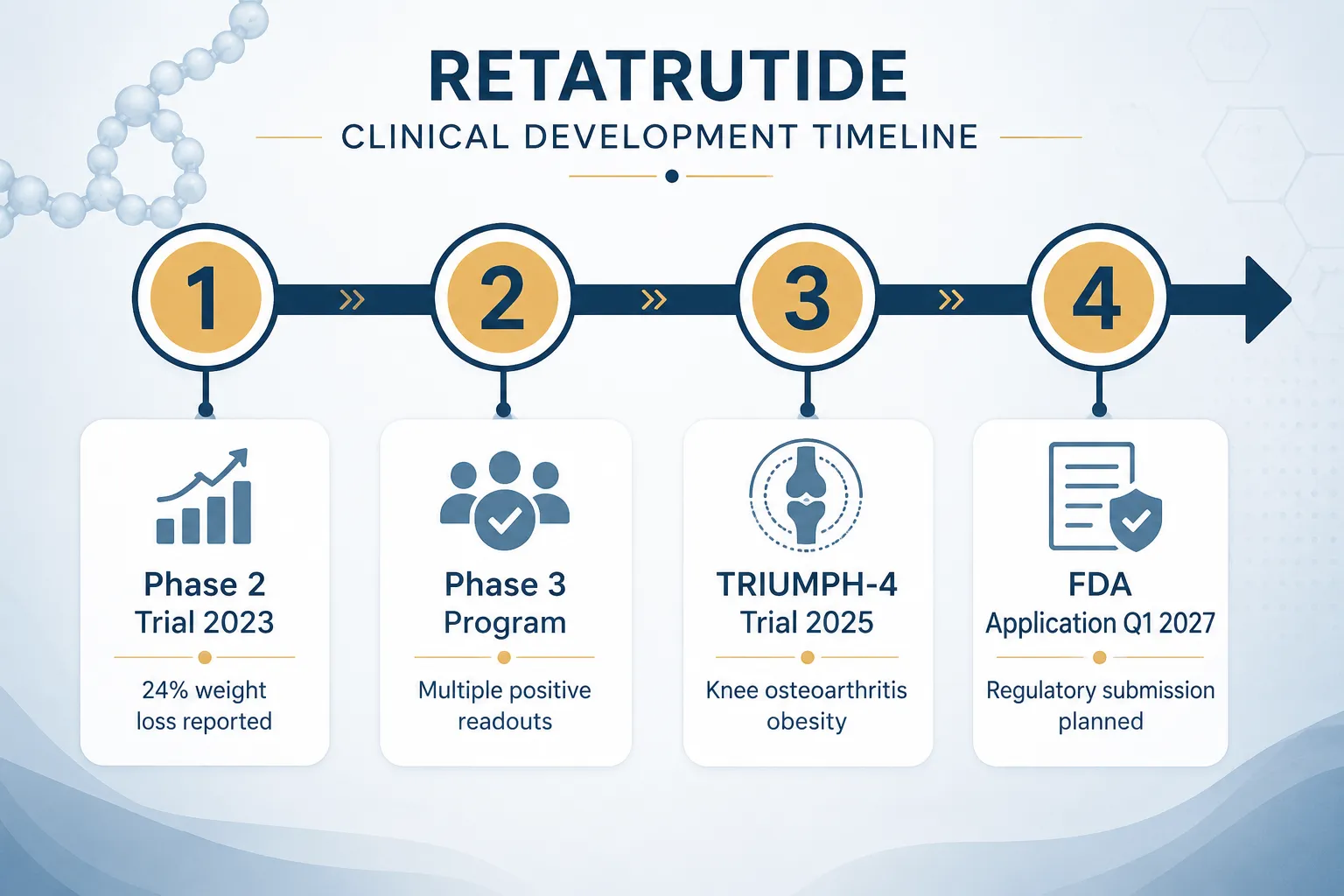
Eli Lilly plans to file an NDA with the FDA in late 2026, with approval potentially following in 2027. The broader TRIUMPH program, including TRIUMPH-1 and TRIUMPH-2, continues enrolling participants with primary endpoint data expected between late 2026 and early 2027.

Researchers building multi-pathway metabolic protocols may also want to explore SLU-PP-332 metabolic research, 5-Amino-1MQ research and data, and the NAD research overview for complementary mechanistic angles. For those sourcing research-grade material, Reta 10mg product options are available for qualified research applications.


Conclusion

GLP-3 Retatrutide: The Future of Metabolic Research Beyond GLP-1 is not a theoretical advance — it is a clinically validated shift in what metabolic pharmacology can accomplish. Its triple-agonist mechanism addresses appetite, energy expenditure, and glycemic control through three simultaneous pathways, producing outcomes that single-receptor drugs cannot match.

For researchers in 2026, the actionable priorities are clear:

  1. Monitor TRIUMPH-1 and TRIUMPH-2 data as primary endpoints emerge in late 2026 and early 2027.
  2. Track the FDA NDA submission and anticipated 2027 approval timeline for clinical translation signals.
  3. Explore multi-pathway metabolic research stacks that complement the receptor targets retatrutide engages.
  4. Review the MASLD and cardiovascular trial arms for indications that extend well beyond obesity.

Retatrutide is redefining the ceiling for metabolic intervention. Researchers who engage with its mechanism and emerging data now will be best positioned when the full clinical picture becomes available.

https://www.puretestedpeptides.com/wp-content/uploads/2026/06/GLP-3-Retatrutide-The-Future-of-Metabolic-Research-Beyond-GLP-1.png 1024 1536 https://www.puretestedpeptides.com/wp-content/uploads/2026/01/buy-peptides-online.jpg 2026-06-29 13:05:242026-06-29 13:05:24GLP-3 Retatrutide: The Future of Metabolic Research Beyond GLP-1
Retatrutide Clinical Trials: What Phase 3 Data Mean for Research-Only Readers

Retatrutide Clinical Trials: What Phase 3 Data Mean for Research-Only Readers

June 27, 2026/0 Comments/in Uncategorized/by

A single Phase 3 trial readout in December 2025 shifted the entire conversation around triple agonism: 28.7% mean weight loss at 68 weeks. That number, from the TRIUMPH-4 study of retatrutide, is not a projection or a preclinical estimate. It is human trial data, and it demands careful reading by anyone tracking metabolic research.

This article breaks down what those results mean, how the trial was designed, and why the data carry weight for researchers studying GIP/GLP-1/glucagon receptor pathways — while making clear that retatrutide remains strictly investigational in 2026.

Key Takeaways

  • Retatrutide (LY3437943) is a once-weekly triple agonist targeting GIP, GLP-1, and glucagon receptors, currently in Phase 3 trials with no regulatory approval anywhere as of 2026.
  • TRIUMPH-4 reported 26.4% mean weight loss at 9 mg and 28.7% at 12 mg over 68 weeks, versus 2.1% on placebo.
  • Secondary endpoints included a 75.8% reduction in WOMAC knee pain scores and a ~72% reversal rate from prediabetes to normoglycemia.
  • Glucagon receptor activity appears to drive a lipid benefit, with roughly 20% reductions in LDL-cholesterol linked to PCSK9 degradation.
  • All access to retatrutide remains confined to clinical trials and preclinical research settings — it cannot be legally prescribed or compounded.

Key Takeaways


Understanding the TRIUMPH-4 Trial Design

Before interpreting any efficacy number, trial design matters. TRIUMPH-4 enrolled adults with obesity and knee osteoarthritis — a population chosen because weight reduction intersects directly with joint load and pain outcomes. Participants received once-weekly subcutaneous injections of retatrutide at either 9 mg or 12 mg, or placebo, over 68 weeks.

The dual primary endpoints were percent change in body weight and change in WOMAC pain score (a validated knee pain scale). This design is notable because it moved beyond simple weight loss to ask whether the weight loss translated into a clinically meaningful functional outcome.

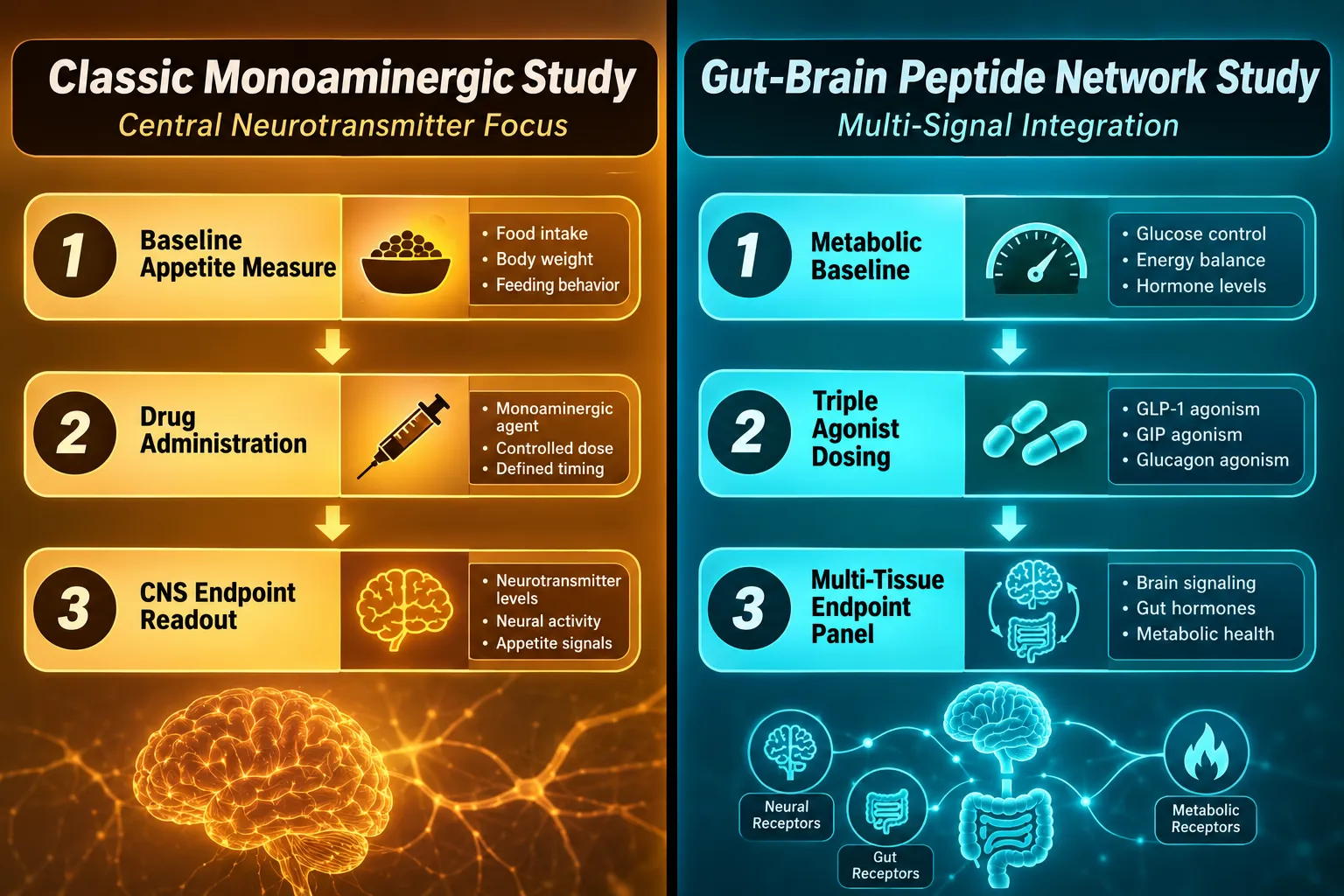
Why this matters for researchers: The trial architecture reflects a broader trend in metabolic peptide research — moving from single-endpoint obesity studies toward multi-system outcome models. For those exploring metabolic modulation research lines, this multi-endpoint framing is increasingly the standard.


Retatrutide Clinical Trials: What Phase 3 Data Mean for Research-Only Readers — Efficacy Signals

The headline numbers from TRIUMPH-4 are striking by any standard in the obesity pharmacology literature.

Arm Mean Weight Loss WOMAC Pain Reduction
Retatrutide 9 mg 26.4% Significant
Retatrutide 12 mg 28.7% ~75.8% (4.5-point)
Placebo 2.1% Minimal

Beyond weight, three secondary signals deserve attention:

  • Glycemic reversal: Approximately 72% of participants with prediabetes at baseline returned to normoglycemia. This is consistent with GLP-1 receptor-mediated insulin secretion enhancement.
  • LDL reduction: Roughly 20% decreases in LDL-cholesterol were observed, a finding researchers attribute to glucagon receptor activity promoting PCSK9 degradation — a mechanism distinct from GLP-1 pathways alone.
  • Joint pain: The 75.8% reduction in WOMAC pain scores suggests that weight loss magnitude at this level produces measurable musculoskeletal benefit, independent of any direct anti-inflammatory peptide effect.

For context on how triple agonism compares to dual-agonist approaches, the GLP-3 triple agonist research planning overview provides useful background on receptor targeting rationale.

Researchers studying adjacent metabolic compounds such as MOTS-c and metabolic flexibility or SLU-PP-332 metabolic research will recognize the overlapping interest in multi-pathway energy regulation.

Retatrutide Clinical Trials: What Phase 3 Data Mean for Research-Only Readers — Efficacy Signals


Retatrutide Clinical Trials: What Phase 3 Data Mean for Research-Only Readers — Safety Reporting and Regulatory Status

No Phase 3 data set is complete without its safety profile. Retatrutide's adverse event pattern in TRIUMPH-4 followed the class-typical GI profile: nausea, vomiting, and diarrhea were the most commonly reported events, predominantly mild-to-moderate and dose-dependent. Discontinuation rates due to adverse events were consistent with other incretin-based therapies in Phase 3.

Critical regulatory note: As of June 2026, retatrutide holds no approval from the FDA, EMA, or any other major regulatory body. It cannot be legally prescribed, dispensed, or compounded as a medicine. All legitimate access is through enrolled clinical trials or preclinical laboratory research settings.

This distinction is not a formality. Researchers sourcing investigational compounds must verify purity and documentation rigorously. Reviewing quality testing protocols and understanding NAD and GLP-3 research sourcing considerations are practical steps for maintaining research integrity.

For those building broader metabolic research programs, longevity peptide research frameworks and the 5-Amino-1MQ research overview offer complementary context on energy metabolism targets.

Retatrutide Clinical Trials: What Phase 3 Data Mean for Research-Only Readers — Safety Reporting and Regulatory Status


Conclusion

The TRIUMPH-4 readout established retatrutide as the highest-performing weight-loss compound yet reported in a Phase 3 human trial, with multi-system benefits across glycemic, lipid, and musculoskeletal endpoints. For research-only readers, the data offer a clear signal: triple agonism at GIP, GLP-1, and glucagon receptors produces effects that exceed dual-agonist benchmarks in both magnitude and breadth.

Actionable next steps for researchers in 2026:

  1. Review the full TRIUMPH-4 trial protocol and supplementary data for endpoint methodology before drawing mechanistic conclusions.
  2. Map retatrutide's glucagon receptor contribution against your existing research on lipid and energy metabolism pathways.
  3. Ensure any investigational compound sourcing follows documented purity and chain-of-custody standards.
  4. Monitor the ongoing Phase 3 program for cardiovascular outcome data, which will be the next major inflection point in this research area.

The conversation around triple agonism has changed. The data say so.

https://www.puretestedpeptides.com/wp-content/uploads/2026/06/Retatrutide-Clinical-Trials-What-Phase-3-Data-Mean-for-Research-Only-Readers.png 1024 1536 https://www.puretestedpeptides.com/wp-content/uploads/2026/01/buy-peptides-online.jpg 2026-06-27 13:04:232026-06-27 13:04:23Retatrutide Clinical Trials: What Phase 3 Data Mean for Research-Only Readers
×

Helpful Links

  • My account
  • Cart
  • Checkout
  • Refund and Returns Policy
  • Privacy Policy
  • SMS Privacy Policy
  • Login
  • My Account
  • Logout

USA Made Lab Tested Peptides

All products are sold for research, laboratory, or analytical purposes only, and are not for human consumption


Pure Tested Peptides is a chemical supplier. Pure Tested Peptides is not a compounding / chemical compounding facility as defined under 503A of the Federal Food, Drug, and Cosmetic act. Pure Tested Peptides is not an outsourcing facility as defined under 503B of the Federal Food, Drug, and Cosmetic act.

The statements made within this website have not been evaluated by the US Food and Drug Administration. The products we offer are not intended to diagnose, treat, cure or prevent any disease.

Human/Animal Consumption Prohibited. Laboratory/In-Vitro Experimental Use Only

Scroll to top Scroll to top Scroll to top