Call or Text 727-513-9780
  • Shopping Cart Shopping Cart
    0Shopping Cart
Pure Tested Peptides | America's most trusted Peptides for sale online
  • Peptides for sale
    • Oral Peptides for sale
      • Peptide Capsules for sale
      • BPC 157 Capsules 1000mcg
      • SLU-PP-332 Capsules | 1000 mcg
      • 5-Amino-1MQ 50mg Capsules
      • Tesofensine 500mcg
    • All Peptides for sale
    • Peptide Sprays
      • BPC 157 Nasal Spray Kit
      • BPC-157 TB500 Nasal Spray Kit
      • Semax Nasal Spray 10mg
      • Selank – Nasal Spray Kit – 10mg
      • Epithalon 50MG Nasal Spray Kit
      • Ipamorelin 10mg Nasal Spray
      • Klow Nasal Spray (BPC-157 + TB-500 + GHK-Cu + KPV) | 80mg
      • Hulk Nasal Spray Tesa / Ipa Blend 6/3 MG
      • Klow Nasal Spray
      • NAD + 500 mg Nasal Spray
      • PT-141 Nasal Spray Kit
    • GHRH Peptides
      • Ipa Peptides
      • CJC-1295 Peptides
        • CJC-1295 with DAC 5 mg
        • CJC-1295 without DAC 5 mg
        • CJC-1295 Ipa 10mg
      • Tesa Peptides
        • Tesa Peptide
        • Tesa 20 mg
    • GHK-Cu Peptides
      • All GHK-Cu Peptides
      • GHK-Cu 100mg
      • KLOW Peptide Blend – Buy KLOW blend online
    • BPC Peptides
      • All BPC Peptides
      • BPC-157
      • BPC-157 TB-500
      • BPC 157 capsules 1000mcg
    • SLU-PP-332 Peptides
      • All SLU-PP-332 Peptides
      • SLU-PP-332 5mg
    • GLP3 Peptides
    • PT-141 Peptides
      • PT-141 Peptides for sale
      • PT-141 10mg
      • PT-141 Nasal Spray
    • CAG Peptides
      • Lipo-C Peptide Blend
      • CAG 5mg
      • CAG 10mg
    • MOTS-C Peptides
      • MOTS-C Peptides for sale
      • MOTS-c peptide
      • MOTS-c 10mg *6 pack*
    • 5 Amino 1MQ Peptides
      • 5 Amino 1MQ Peptides for sale
      • 5-Amino-1MQ 50mg Capsules
      • 5-Amino-1MQ 5mg
    • Epithalon Peptides
      • Epithalon Peptides for sale
      • Epithalon 10mg
      • Epithalon 50mg
  • Shop
    • GLPs
      • 5-Amino-1MQ 50mg Capsules
      • 5-Amino-1MQ 5mg
      • L-Carnitine 500mg/ml
      • Tesofensine 500mcg
      • SLU-PP-332 5mg
      • MOTS-c 10mg *6 pack*
    • Epithalon & BPC Peptides
      • Epithalon 10mg
      • Epithalon 50mg
      • BPC-157
      • BPC 157 capsules 1000mcg
      • BPC-157 TB-500
      • BPC-157 TB500 Nasal Spray Kit
      • BPC 157 Nasal Spray Kit
    • BPC TB-500 & NAD+ Peptides
      • NAD+ 500 mg
      • KLOW Peptide Blend – Buy KLOW blend online
      • GLOW Peptide Blend
      • TB 500 5mg
      • BPC 157 capsules 1000mcg – Supplement
      • BPC 157 Nasal Spray Kit
      • BPC-157
      • BPC-157 TB500 Nasal Spray Kit
      • BPC-157 TB-500
      • BPC 157 capsules 1000mcg
    • LL-37 Peptide
      • LL-37 10 mg
    • MOTS-C & Selank
      • MOTS-c peptide
      • Selank 10mg
    • GHK Peptides
      • GHK-Cu 100mg
      • GLOW Peptide Blend
      • KLOW Peptide Blend – Buy KLOW blend online
  • COAs
  • Wholesale
    • Wholesale Peptides for sale
  • PTP FAQ
  • Affiliates
    • Selank Peptide: Advanced Pharmacological Mechanisms Underlying Its Anxiolytic and Nootropic Effects in Research
      • 5-Amino-1MQ Peptide: Detailed Mechanisms of NNMT Inhibition and Its Impact on Cellular Metabolism Research
        • MOTS-C Peptide: Unraveling Its Role in Mitochondrial Dynamics and Energy Metabolism Research
          • Epithalon Peptide and Telomerase Regulation: Investigating Its Impact on Cellular Senescence and Lifespan Research Models
            • GLP2-T vs GLP2 Tirz Peptide: Understanding the Naming, Mechanistic Nuances, and Research Implications for Gut Health
      • Peptides and Polypeptides in Modern Pharmacology: What Research on Metoprolol, Prednisone, and Amlodipine Reveals
        • Polypeptide Peptides vs NSAIDs: What Naproxen and Diclofenac Teach Tissue-Repair Researchers About BPC‑157 and TB‑500
          • Peptides and Polypeptides in Endocrine Pharmacology: How GLP-1, GLP-2, and GLP-3 Retatrutide Differ From Classic Drugs Like Prednisone and Amlodipine
          • 5‑Amino‑1MQ Peptide and NNMT Inhibition: How It Compares With Statins Like Atorvastatin in Adipose and Lipid Metabolism Research
      • Enclomiphene, Estrogen Receptor Signaling, and Luteinizing Phase Biology: What Hormone Researchers Should Measure
        • Mesenchymal Stem Cells, BPC‑157, and GHK‑Cu: How Tissue Repair Peptides Compare With Classic NSAIDs Like Naproxen in Injury Models
          • Peptide Calculator Use Cases Beyond Growth Hormone: Working Through GLP‑3 Retatrutide, MOTS‑c, and BPC‑157 Research Dosing
        • Polypeptide Peptides in Endocrine and Metabolic Pharmacology: Lessons From Amlodipine, Prednisone, and Metoprolol
        • Peptides Calculator for Advanced Blends: Worked Examples for Tesamorelin, CJC‑1295, and Ipamorelin Stacks
          • Peptides and Polypeptides in Human Physiology: How Molecular Size Shapes Research Applications
            • Selank Peptide: Advanced Pharmacological Mechanisms Underlying Its Anxiolytic and Nootropic Effects in Research
          • 5-Amino-1MQ Peptide: Detailed Mechanisms of NNMT Inhibition and Its Impact on Cellular Metabolism Research
            • MOTS-C Peptide: Unraveling Its Role in Mitochondrial Dynamics and Energy Metabolism Research
              • Epithalon Peptide and Telomerase Regulation: Investigating Its Impact on Cellular Senescence and Lifespan Research Models
                • GLP2-T vs GLP2 Tirz Peptide: Understanding the Naming, Mechanistic Nuances, and Research Implications for Gut Health
                  • Peptides and Polypeptides in Endocrine Pharmacology: How GLP-1, GLP-2, and GLP-3 Retatrutide Differ From Classic Drugs Like Prednisone and Amlodipine
                    • Polypeptide Peptides vs NSAIDs: What Naproxen and Diclofenac Teach Tissue-Repair Researchers About BPC‑157 and TB‑500
                      • Peptides and Polypeptides in Modern Pharmacology: What Research on Metoprolol, Prednisone, and Amlodipine Reveals
                        • 5‑Amino‑1MQ Peptide and NNMT Inhibition: How It Compares With Statins Like Atorvastatin in Adipose and Lipid Metabolism Research
                        • Enclomiphene, Estrogen Receptor Signaling, and Luteinizing Phase Biology: What Hormone Researchers Should Measure
                        • Mesenchymal Stem Cells, BPC‑157, and GHK‑Cu: How Tissue Repair Peptides Compare With Classic NSAIDs Like Naproxen in Injury Models
                        • Peptide Calculator Use Cases Beyond Growth Hormone: Working Through GLP‑3 Retatrutide, MOTS‑c, and BPC‑157 Research Dosing
                        • Polypeptide Peptides in Endocrine and Metabolic Pharmacology: Lessons From Amlodipine, Prednisone, and Metoprolol
                        • Peptides Calculator for Advanced Blends: Worked Examples for Tesamorelin, CJC‑1295, and Ipamorelin Stacks
                        • Peptides and Polypeptides in Human Physiology: How Molecular Size Shapes Research Applications
                        • Selank Peptide: Advanced Pharmacological Mechanisms Underlying Its Anxiolytic and Nootropic Effects in Research
                        • MOTS-C Peptide: Unraveling Its Role in Mitochondrial Dynamics and Energy Metabolism Research
                        • Peptides and Polypeptides in Modern Pharmacology: What Research on Metoprolol, Prednisone, and Amlodipine Reveals
                        • Peptides and Polypeptides in Endocrine Pharmacology: How GLP-1, GLP-2, and GLP-3 Retatrutide Differ From Classic Drugs Like Prednisone and Amlodipine
                        • 5-Amino-1MQ Peptide: Detailed Mechanisms of NNMT Inhibition and Its Impact on Cellular Metabolism Research
                        • Mesenchymal Stem Cells, BPC‑157, and GHK‑Cu: How Tissue Repair Peptides Compare With Classic NSAIDs Like Naproxen in Injury Models
                        • Peptide Calculator Use Cases Beyond Growth Hormone: Working Through GLP‑3 Retatrutide, MOTS‑c, and BPC‑157 Research Dosing
                        • GLP2-T vs GLP2 Tirz Peptide: Understanding the Naming, Mechanistic Nuances, and Research Implications for Gut Health
                        • Polypeptide Peptides in Endocrine and Metabolic Pharmacology: Lessons From Amlodipine, Prednisone, and Metoprolol
                        • Polypeptide Peptides vs NSAIDs: What Naproxen and Diclofenac Teach Tissue-Repair Researchers About BPC‑157 and TB‑500
                        • Peptides and Polypeptides in Human Physiology: How Molecular Size Shapes Research Applications
                        • Peptides Calculator for Advanced Blends: Worked Examples for Tesamorelin, CJC‑1295, and Ipamorelin Stacks
                        • 5‑Amino‑1MQ Peptide and NNMT Inhibition: How It Compares With Statins Like Atorvastatin in Adipose and Lipid Metabolism Research
                        • Enclomiphene, Estrogen Receptor Signaling, and Luteinizing Phase Biology: What Hormone Researchers Should Measure
                        • Epithalon Peptide and Telomerase Regulation: Investigating Its Impact on Cellular Senescence and Lifespan Research Models
                        • Best research protocol Klow blend
                        • best time to take BPC-157
                        • best time to take DSIP (Delta Sleep Inducing Peptide)
                        • best time to take CJC-1295
                        • best time to take AOD-9604
                        • best time to take Follistatin 344
                        • best time to take Ipamorelin
                        • best time to take MK-677 (Ibutamoren)
                        • best time to take Ligandrol (LGD-4033) — research compound
                        • best time to take Ostarine (MK-2866) — research compound
                        • best time to take GHK-CU
                        • best time to take TB-500
                        • best time to take MOTS-c
                        • best time to take Semax
                        • best time to take RAD-140 (Testolone) — research compound
                        • best time to take Thymosin Alpha-1
                        • best time to take PEG-MGF
                        • Biolife Plasma, Octapharma Plasma, and Research Peptides: How Plasma Donation Labs Differ From Peptide Suppliers
                        • best time to take YK-11 — research compound
                        • best time to take PT-141 (Bremelanotide)
                        • Best research protocol Klow blend
                        • 5-Amino-1MQ and MOTS-C Synergy: Metabolic Signaling, Mitochondria, and Research Design
                        • BPC-157 and TB-500: Investigating Their Combined Effects on Angiogenesis and Cellular Migration in Tissue Repair Models
                        • BPC-157 Peptide: Gut Barrier Function, Inflammation, and Tissue-Recovery Research
                        • 5‑Amino‑1MQ and MOTS‑c Synergy in Metabolic Research: Designing NNMT and Mitochondrial Biogenesis Stacks
                        • CJC-1295 with DAC vs. Without DAC: Half-Life, Release Kinetics, and Research Implications
                        • CJC‑1295 with DAC vs. Without DAC: Expanding on Half‑Life Differences Using Tesamorelin and Ipamorelin Blend Case Studies
                        • Collagen Biology and Copper‑Binding Peptides: How GHK‑Cu, Glow Blend, and Klow Blend Interact with Skin and Connective Tissue
                        • Collagen Biology and Regenerative Peptides: How GHK‑Cu, Glow Blend, and Klow Blend Affect Extracellular Matrix Research
                    • DNA, Telomeres, and Longevity Peptides: Positioning Epithalon and MOTS‑c in Genetic Aging Research
                      • Enclomiphene Citrate: serm Mechanism, Testosterone Research, and Stack Compatibility
                        • Enclomiphene vs Enclomiphene Citrate: Formulation, Bioavailability, and Research Distinctions
                        • Epithalon Peptide Research: Telomerase Activation, Aging, and Pineal Gland Function
                        • Estrogen Receptor Signaling and Enclomiphene: How Selective Modulators Compare with Classic Polypeptide Hormones
                        • GHK-Cu Peptide: Advanced Mechanisms in Extracellular Matrix Remodeling and Wound Healing Research
                        • GHK-Cu Peptide: Collagen Synthesis, Wound Repair, and Skin-Barrier Research Models
                        • GLP-1 vs GLP-3 vs GLP-2: Peptide Classification and Research Applications
                        • GLP-2 Peptide Research Guide: Gut Barrier Function, Nutrient Absorption, and Intestinal Recovery Models
                        • GLP-3 Retatrutide vs. GLP-1 Drugs: What Triple-Agonist Biology Changes in Research Models
                        • Ipamorelin and Tesamorelin Combination: Synergistic GH Secretagogue Research and Dosing Protocols
                        • GLP2 Tirz Peptide: What It Is, Why the Name Exists, and How Researchers Should Interpret It
                        • Klow Blend Peptide Nasal Spray: What the Formulation Is Trying to Do in Cognitive Research
                        • Mitochondria, NNMT Inhibition, and Peptide Modulators: Where MOTS‑c and 5‑Amino‑1MQ Fit in Cellular Energy Research
                        • MOTS-c Peptide: Mitochondrial Function, Energy Metabolism, and What Researchers Measure
                        • MOTS-c vs. 5-Amino-1MQ: Which Metabolic Research Questions Each Compound Actually Answers
                        • Nasal Spray Peptides: Bioavailability, Administration, and Semax/Selank Research Applications
                        • PT-141 Peptide Research: Mechanism of Action and Melanocortin Receptor Signaling
                        • Retatrutide for Research: Mechanism, Structure, and GLP-1/GLP-3 Dual Action
                        • Retatrutide for Obesity and Type 2 Diabetes: What the Latest Trial Data Suggest
                        • Tesofensine Peptide Research: Mechanism, Appetite Suppression, and Neuropeptide Y Pathways
  • Contact
    • Contact Customer Service
    • Text Customer Support
  • About US
  • Shop all peptides
  • Affiliate Program
    • Affiliate Signup
  • Login / Register Login / Register Page Link Login / Register Page Link
  • Click to open the search input field Click to open the search input field Search
  • Menu Menu

Tag Archive for: peptide immunogenicity

Complement-Dependent Cytotoxicity in GLP-3 and BPC-157 Studies: What New Safety Data Signals Mean for Peptide Researchers in 2026

Complement-Dependent Cytotoxicity in GLP-3 and BPC-157 Studies: What New Safety Data Signals Mean for Peptide Researchers in 2026

September 28, 2026/0 Comments/in Uncategorized/by

Fewer than ten serious adverse event reports in a public pharmacovigilance database might seem trivial, until those reports involve a peptide that millions of athletes and biohackers are already self-administering. As of September 2026, the FDA Adverse Event Reporting System lists ten serious reports linked to BPC-157 since 2021, a number that, combined with emerging immunogenicity concerns around GLP-3 receptor agonists, has pushed complement-dependent cytotoxicity (CDC) to the center of peptide safety discourse. Understanding what complement-dependent cytotoxicity in GLP-3 and BPC-157 studies means for peptide researchers in 2026 is no longer optional, it is a prerequisite for responsible laboratory work.

Key Takeaways

  • Complement-dependent cytotoxicity is a specific immune mechanism in which antibody binding to a target cell activates the complement cascade, leading to cell lysis, and it is an underexamined endpoint in current peptide safety studies.
  • BPC-157 has no FDA approval, is banned by WADA, and carries a Category 2 bulk substance designation; its human safety data remains limited to small pilots.
  • GLP-3 receptor agonist research lacks published CDC-specific data as of 2026, requiring researchers to extrapolate from broader peptide immunology frameworks.
  • Ten serious FAERS reports involving BPC-157 since 2021 represent an early pharmacovigilance signal that warrants structured monitoring protocols.
  • Practical CDC risk assessment for peptide labs should incorporate purity verification, anti-drug antibody screening, and systematic adverse event cross-referencing.

Understanding Complement-Dependent Cytotoxicity in the Context of Peptide Research
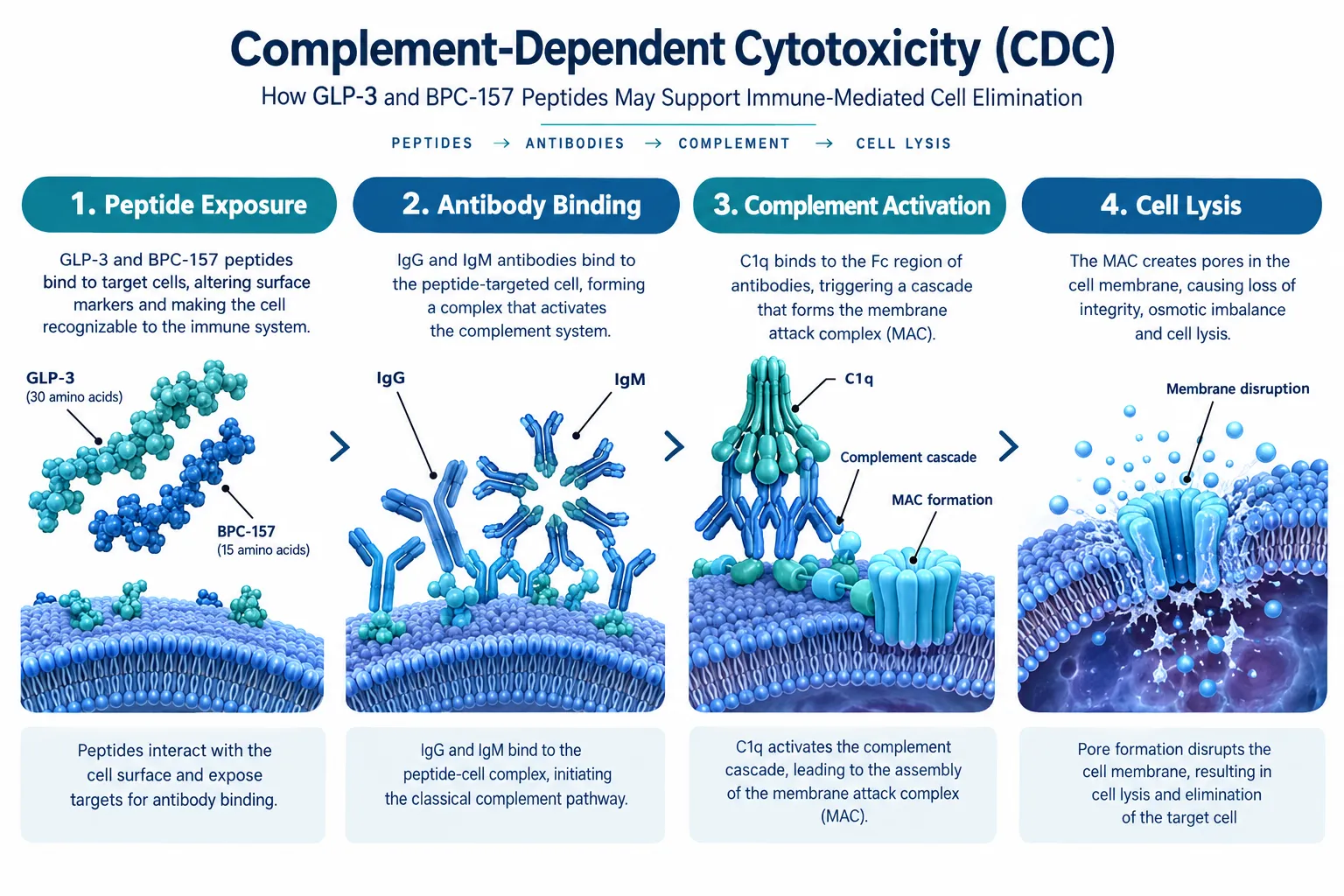
Understanding Complement-Dependent Cytotoxicity in the Context of Peptide Research

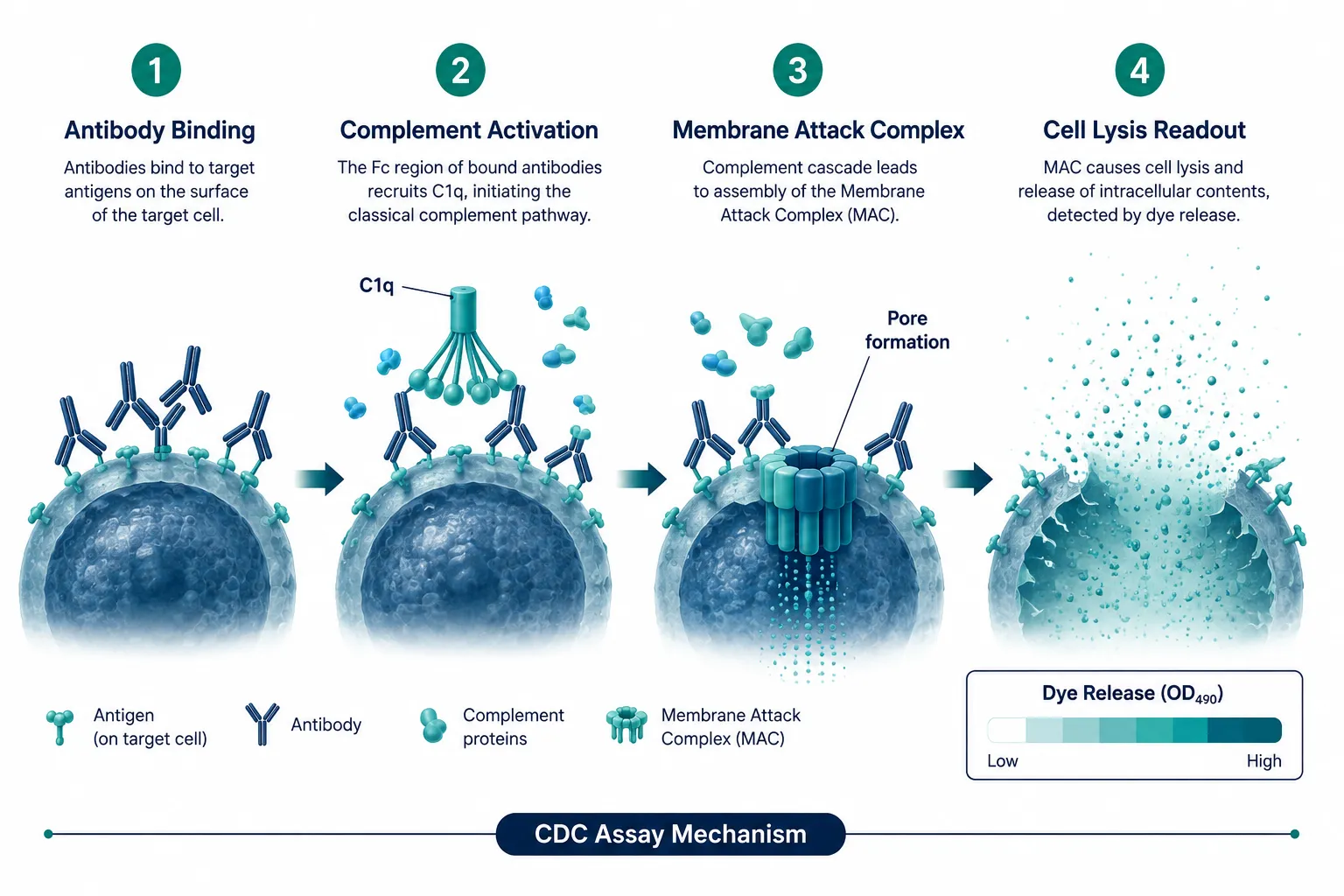
Complement-dependent cytotoxicity describes a process in which an antibody binds to an antigen on a cell surface, recruits the C1q complement protein, and triggers a cascade that ultimately forms the membrane attack complex (MAC). The MAC punches holes in the target cell membrane, causing lysis. In oncology, this mechanism is deliberately exploited by therapeutic monoclonal antibodies. In peptide research, however, it represents an unintended and largely unmonitored risk.

Why does this matter for small synthetic peptides? Historically, low-molecular-weight peptides were considered poorly immunogenic. More recent immunology literature has complicated that assumption. Peptide aggregation, carrier protein conjugation, impurities from synthesis, and route of administration can all elevate immunogenic potential. When a peptide triggers an antibody response, those antibodies can theoretically engage complement, particularly if the peptide localizes to cell surfaces or forms immune complexes.

For researchers working with GLP-3 peptide products or reviewing GLP-3R 30mg peptide formulations, this is directly relevant. GLP-3 receptor agonists are structurally related to incretin-class peptides, a class that has demonstrated measurable immunogenicity in clinical settings. No peer-reviewed CDC-specific data for GLP-3 analogs has entered the public domain as of mid-2026, but the structural and mechanistic parallels with GLP-1 and dual agonist compounds make CDC screening a logical precaution.

"The absence of published complement data is not evidence of complement safety, it is a gap that 2026 research protocols should be designed to close."

Key factors that elevate CDC risk in synthetic peptides include:

  • Aggregation propensity at physiological pH and temperature
  • Synthesis impurities that act as hapten carriers
  • Repeat dosing schedules that allow antibody titers to build
  • Intravenous or subcutaneous routes that maximize systemic exposure

BPC-157 Safety Signals: What the 2025-2026 Data Actually Shows
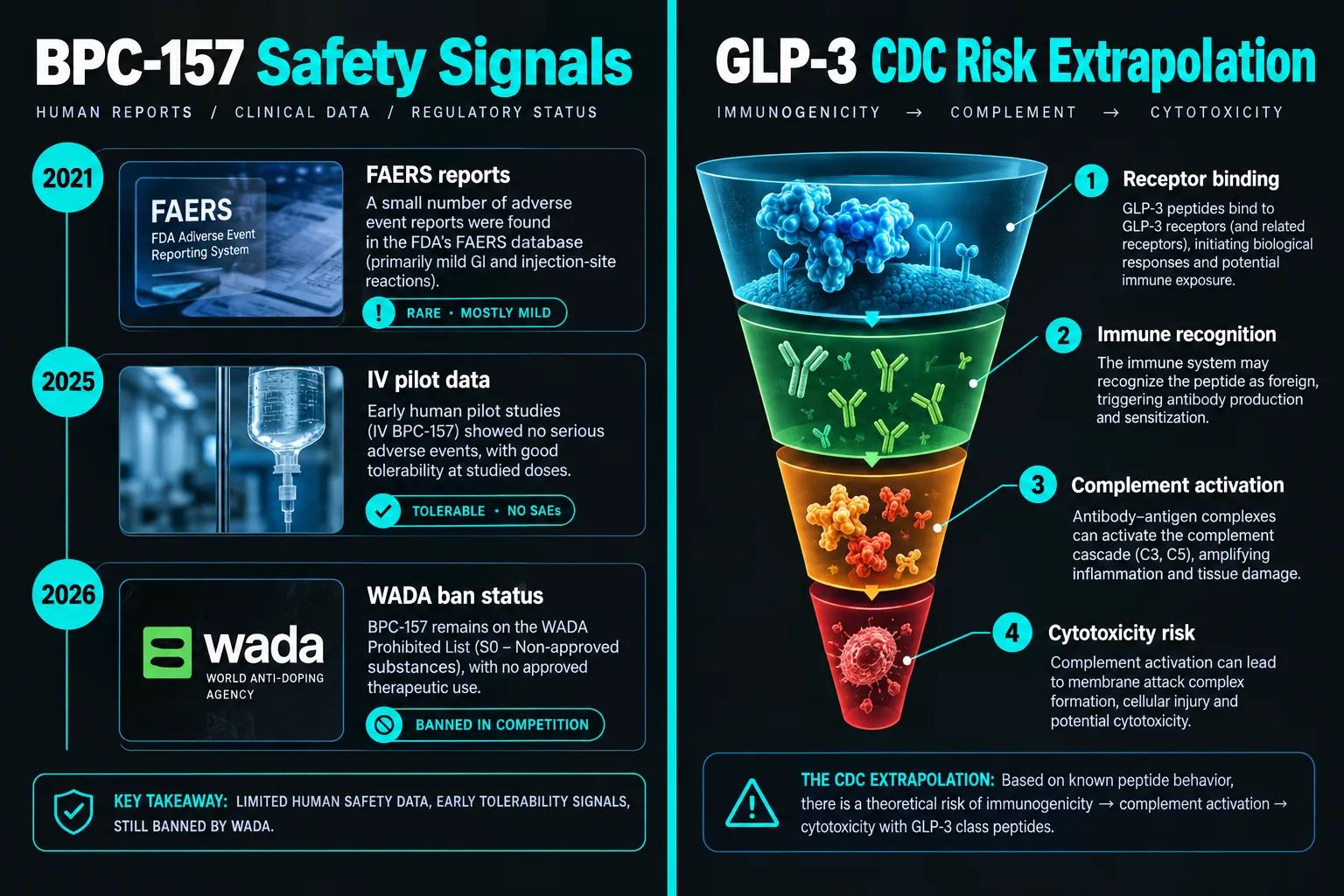
BPC-157 Safety Signals: What the 2025-2026 Data Actually Shows

BPC-157 (Body Protection Compound-157) is a synthetic pentadecapeptide derived from a gastric protein sequence. Its preclinical profile is genuinely striking: no organ toxicity has been identified in animal models, and no lethal dose was established even at 2 g/kg. A small intravenous safety pilot published in 2025, involving two subjects receiving 10-20 mg, reported no acute toxicity. These data points have been widely cited in the peptide community as evidence that BPC-157 is "safe and well-tolerated."

That framing deserves scrutiny. Two subjects do not constitute a safety dataset in any statistically meaningful sense. Aggregate human data as of early 2026 consists of small pilots and limited trials with no systematic immune or complement safety endpoints. Critical analysis published in 2026 has specifically challenged the leap from "no acute toxicity in a two-person pilot" to broad safety claims.

Regulatory and sports-medicine context in 2026:

Parameter Status
FDA Approval Not approved
WADA Classification Banned substance
Bulk Substance Category Category 2
FAERS Serious Reports (since 2021) 10 reports
Immunogenicity Assessment Formal regulatory concern

The ten serious FAERS reports are a pharmacovigilance signal, not a confirmed causal link. However, regulatory guidance issued in July 2026 explicitly lists immunogenicity and impurity concerns as primary reasons for BPC-157's Category 2 bulk substance designation. The angiogenic properties of BPC-157, one of its most studied efficacy mechanisms, also raise long-term questions, since uncontrolled angiogenesis could theoretically interact with complement-mediated inflammatory pathways.

Researchers sourcing BPC-157 for preclinical work should prioritize purity documentation. This connects directly to CDC risk: synthesis impurities are a known driver of unwanted immunogenicity. Platforms that provide wound healing peptide research materials with verified purity certificates reduce one of the most controllable CDC risk variables.

For comparison, researchers familiar with mitochondria-targeted peptides like SS-31 can review SS-31 10mg research peptide considerations to understand how purity and formulation standards are applied to a structurally distinct but similarly small synthetic peptide.


A Practical CDC Risk-Assessment Framework for Peptide Labs in 2026
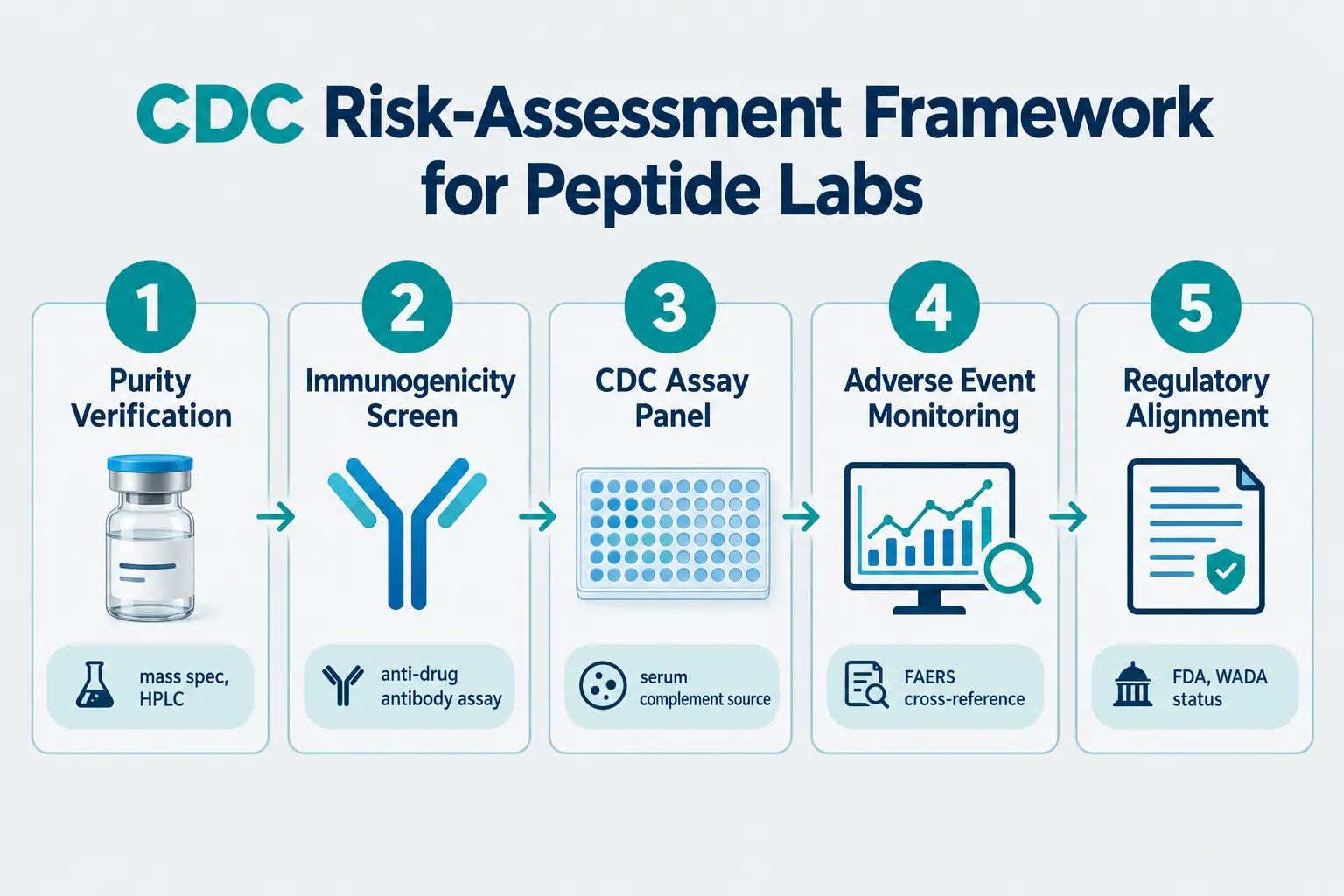
A Practical CDC Risk-Assessment Framework for Peptide Labs in 2026

Given the data gaps outlined above, what should a peptide research laboratory actually do in 2026? The following framework synthesizes current immunology best practices with the specific signals emerging from BPC-157 and GLP-3 research.

Step 1: Verify Peptide Purity Before Any Biological Assay
Mass spectrometry and HPLC purity confirmation should be non-negotiable. Impurities above 1% are a meaningful immunogenicity risk factor. Researchers exploring GLP-3R 10mg peptide formulations should request certificates of analysis that specify both purity percentage and identified impurity profiles.

Step 2: Conduct Anti-Drug Antibody (ADA) Screening
ADA assays detect whether a peptide is generating an antibody response in the test system. Positive ADA results should trigger CDC-specific follow-up assays using complement-active human serum.

Step 3: Run a Formal CDC Assay Panel
Standard CDC assays use target cells incubated with the peptide-antibody complex plus complement source. Cell viability readouts (e.g., calcein-AM or LDH release) quantify lytic activity. This step is standard in biologic drug development but is largely absent from current peptide research protocols.

Step 4: Cross-Reference Adverse Event Databases
FAERS cross-referencing should be part of any ongoing safety monitoring plan. The ten BPC-157 serious reports represent a baseline; researchers should track whether this number changes as 2026 progresses.

Step 5: Align with Current Regulatory Guidance
Researchers should document FDA and WADA status for every compound in active study. For peptides with known regulatory concerns, institutional review processes should include explicit immunogenicity risk sections.

Researchers interested in related peptide safety comparisons may find value in reviewing Tesamorelin peptide benefits as a case study of an FDA-approved peptide with a documented safety and immunogenicity profile, a useful contrast to the uncharted territory of BPC-157 and GLP-3.


Conclusion

Complement-dependent cytotoxicity in GLP-3 and BPC-157 studies represents one of the most consequential underexamined safety endpoints in peptide research as of 2026. The data landscape is characterized by preclinical promise, minimal human evidence, and a growing pharmacovigilance signal that demands structured attention. The practical path forward is clear: implement purity verification, add ADA and CDC assays to standard safety panels, monitor FAERS actively, and treat regulatory designations as meaningful risk signals rather than bureaucratic obstacles.

Actionable next steps for peptide researchers:

  • Audit current protocols for the presence or absence of CDC-specific endpoints
  • Require HPLC and mass spec purity data for every peptide batch used in biological assays
  • Establish a baseline ADA screening step before any repeat-dose in vitro or in vivo work
  • Document WADA and FDA status for all compounds in active research files
  • Review emerging 2026-2027 literature on incretin-class peptide immunogenicity as a predictive framework for GLP-3 analog safety

The field is moving quickly. Labs that build CDC risk assessment into their standard operating procedures now will be better positioned as regulatory scrutiny of research peptides intensifies through 2027.

https://www.puretestedpeptides.com/wp-content/uploads/2026/09/complement-dependent-cytotoxicity-in-glp-3-and-bpc-157-studies-what-new-safety-d.webp 1254 1254 https://www.puretestedpeptides.com/wp-content/uploads/2026/01/buy-peptides-online.jpg 2026-09-28 13:10:552026-09-28 13:10:55Complement-Dependent Cytotoxicity in GLP-3 and BPC-157 Studies: What New Safety Data Signals Mean for Peptide Researchers in 2026
Complement-Dependent Cytotoxicity: What Peptide Researchers Need to Know About Immune Assays and Safety

Complement-Dependent Cytotoxicity: What Peptide Researchers Need to Know About Immune Assays and Safety

August 16, 2026/0 Comments/in Uncategorized/by

Roughly 30% of peptide drug candidates that fail in early preclinical screening do so because of unanticipated immune activation, not poor receptor binding. For labs working with compounds like BPC-157, GHK-Cu, or GLP-class peptides, understanding complement-dependent cytotoxicity (CDC) is no longer optional background knowledge. It is a core safety competency. This guide on complement-dependent cytotoxicity: what peptide researchers need to know about immune assays and safety covers the assay fundamentals, immunogenicity risk factors, and practical lab protocols that matter most in 2026.

Key Takeaways

  • CDC is a serum-mediated immune mechanism that can destroy cells coated with antibodies, and certain peptide structures can trigger or modulate this pathway.
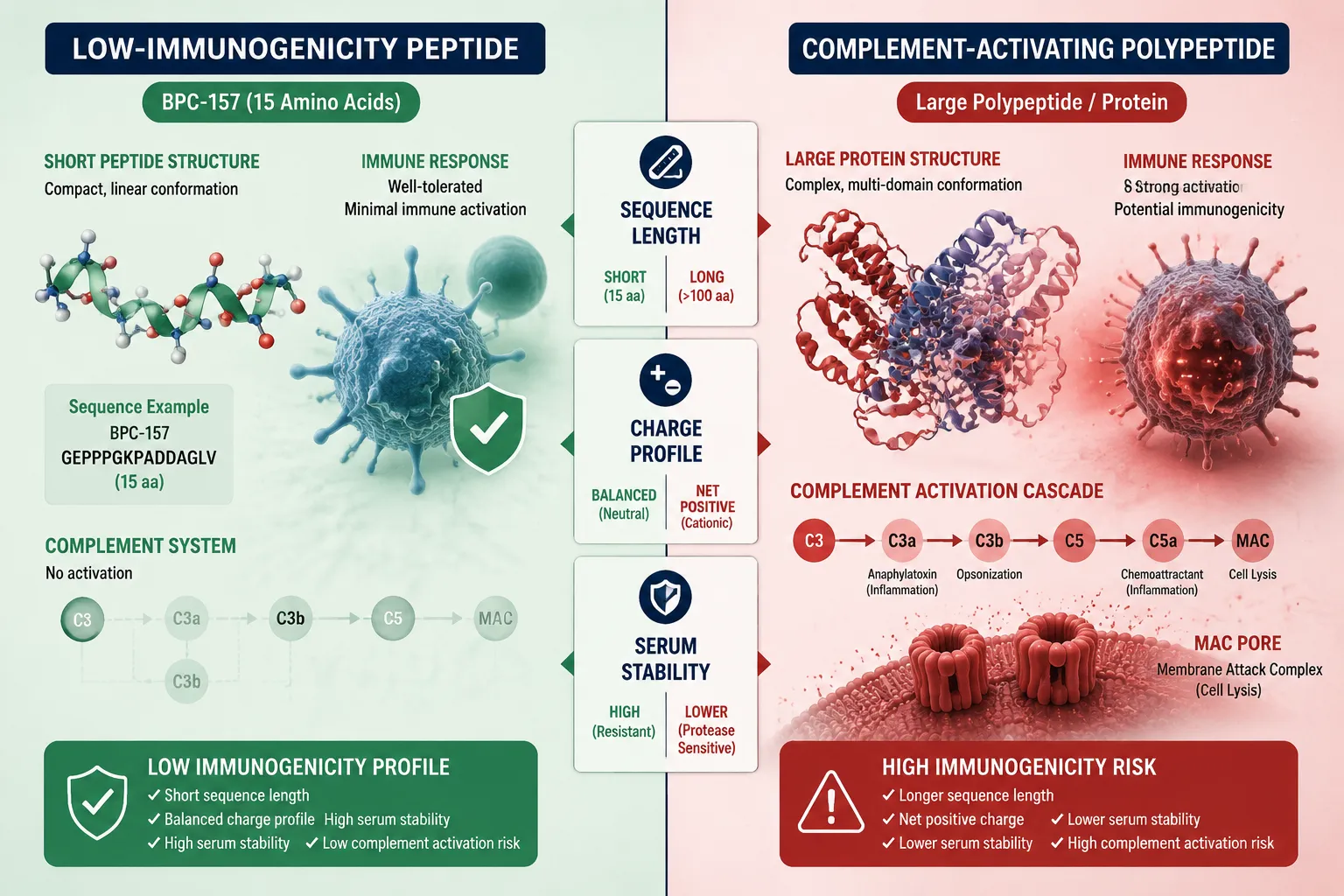
  • Peptide length, charge, and aggregation state are the primary structural variables that influence complement activation risk.
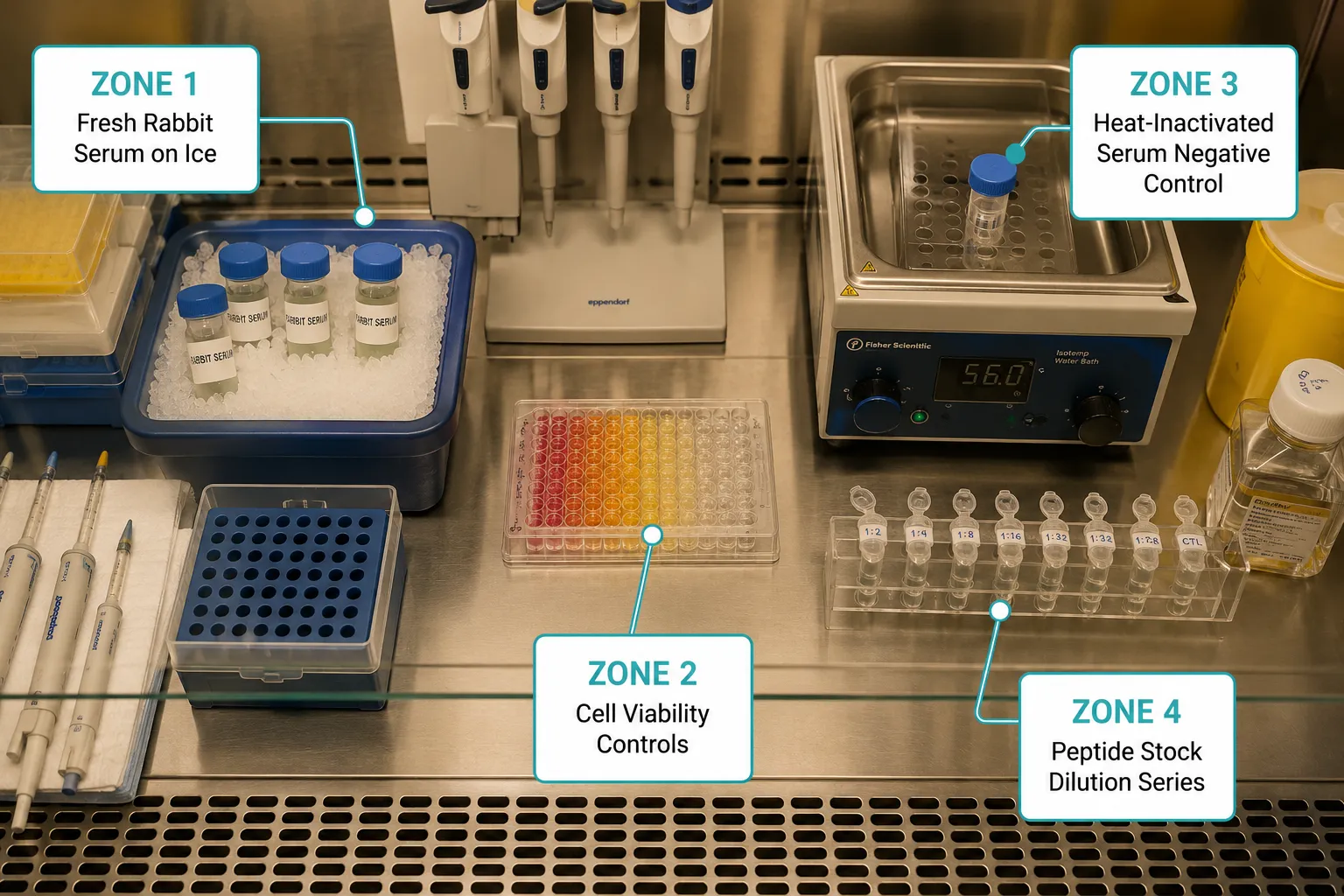
  • A well-designed CDC assay requires fresh complement source, validated controls, and a consistent readout method.
  • Heat-inactivated serum is the standard negative control; omitting it is one of the most common protocol errors in peptide labs.
  • Emerging peptide-based complement inhibitors are reshaping how researchers think about CDC modulation as a therapeutic strategy.

How Complement-Dependent Cytotoxicity Works

How Complement-Dependent Cytotoxicity Works

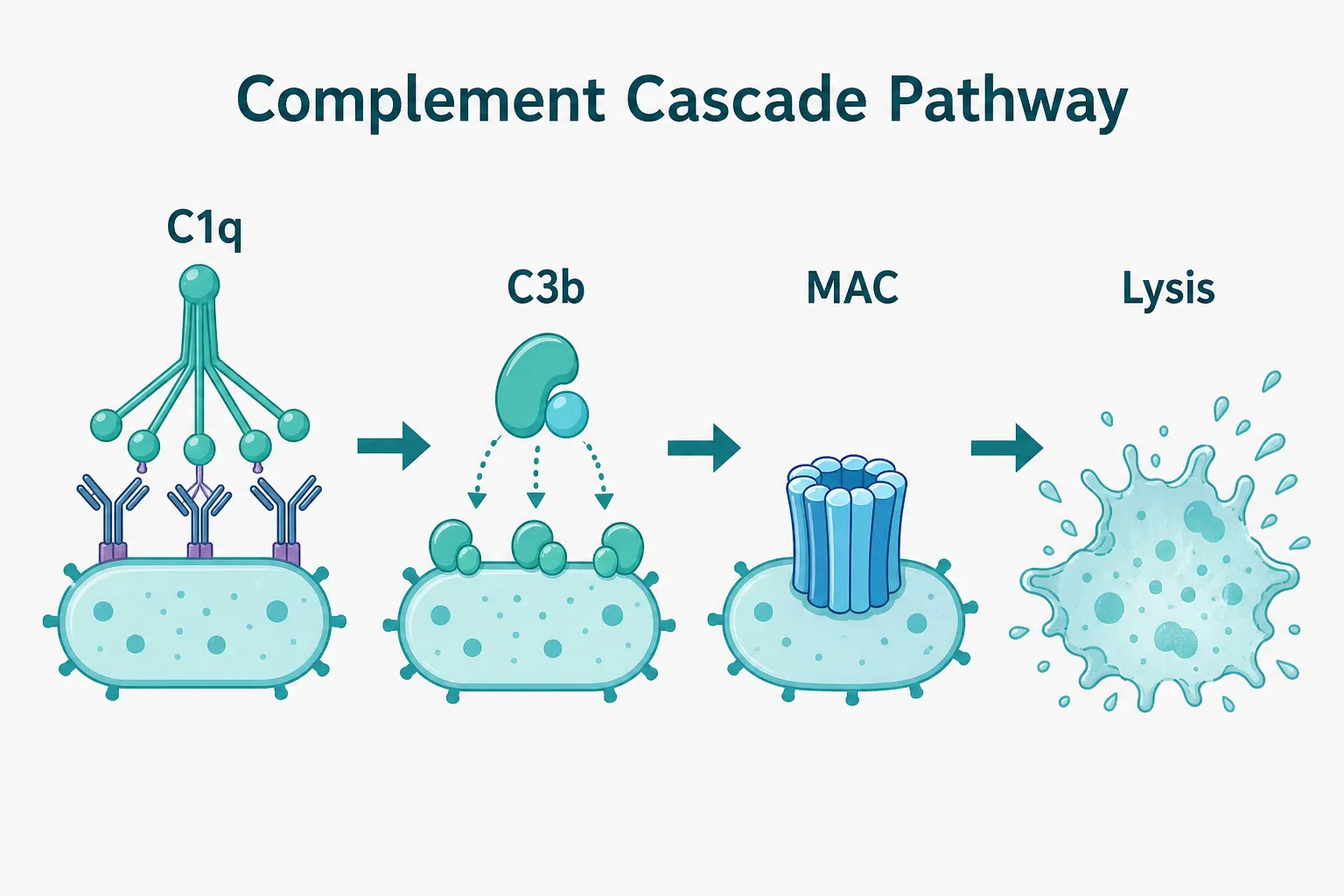
The complement system is a cascade of plasma proteins that amplifies immune responses. In CDC, the sequence begins when antibodies bind to a target cell surface. This antibody coating recruits the C1q protein, which triggers a chain reaction through the classical pathway. The cascade culminates in the formation of the membrane attack complex (MAC), a pore-like structure that punctures the cell membrane and causes lysis.

Three pathways can initiate complement activation:

  • Classical pathway, triggered by antigen-antibody complexes (most relevant to CDC assays)
  • Lectin pathway, activated by carbohydrate patterns on cell surfaces
  • Alternative pathway, spontaneous, low-level activation amplified by foreign surfaces

For peptide researchers, the classical pathway is the primary concern. A peptide that elicits even a modest antibody response in a preclinical model can become a CDC trigger if those antibodies bind with sufficient density.

"The complement system does not distinguish between a pathogen and a therapeutic peptide, it responds to the antibody signal, not the molecule itself."

Why peptide structure matters: Short peptides under 10 amino acids rarely activate complement directly. However, longer polypeptides, cyclic structures, and aggregated peptide assemblies can interact with complement proteins non-specifically. Researchers exploring cyclic peptides should treat complement screening as a standard preclinical step, not an afterthought.

Complement-Dependent Cytotoxicity: What Peptide Researchers Need to Know About Immune Assays and Safety, Assay Design

Complement-Dependent Cytotoxicity: What Peptide Researchers Need to Know About Immune Assays and Safety, Assay Design

A standard CDC assay measures the percentage of target cells lysed when exposed to antibody-coated cells and a complement source. The core components are:

Component Standard Specification
Target cells Relevant cell line expressing the antigen
Antibody Peptide-specific IgG or IgM at defined concentration
Complement source Fresh rabbit or human serum (not heat-inactivated)
Serum concentration Typically 10-25% v/v final
Incubation 37°C, 60-120 minutes
Readout LDH release, propidium iodide uptake, or luminescence

Complement source selection is critical. Rabbit serum is the most widely used source because it produces robust CDC activity and is commercially reproducible. Human serum introduces donor variability. Regardless of source, serum must be used fresh or stored at -80°C in single-use aliquots. Freeze-thaw cycles degrade complement activity rapidly.

Controls every peptide lab must include:

  1. Maximum lysis control, detergent-treated cells establish the 100% lysis benchmark
  2. Spontaneous lysis control, cells in buffer only, no antibody or complement
  3. Heat-inactivated serum control, serum heated to 56°C for 30 minutes destroys complement activity; this confirms that any observed lysis is complement-dependent
  4. No-antibody control, complement plus cells without antibody, to detect non-specific activation

The percentage specific lysis is calculated as:

% Specific Lysis = [(Experimental Lysis − Spontaneous Lysis) / (Maximum Lysis − Spontaneous Lysis)] × 100

This formula, aligned with current USP guidance, allows direct comparison across experiments and laboratories.

For researchers working with mitochondria-targeted peptides such as SS-31 research peptide considerations, CDC profiling is especially relevant because cationic peptides can interact non-specifically with negatively charged cell membranes, potentially confounding lysis readouts.

Complement-Dependent Cytotoxicity: What Peptide Researchers Need to Know About Immune Assays and Safety, Peptide-Specific Risks and Protocols

Complement-Dependent Cytotoxicity: What Peptide Researchers Need to Know About Immune Assays and Safety, Peptide-Specific Ris

Not all peptides carry equal CDC risk. The following structural and formulation factors elevate concern:

  • Aggregation, peptide aggregates mimic particulate antigens and can activate complement non-specifically
  • High cationic charge, positively charged peptides (e.g., Arg-rich sequences) bind cell membranes and may generate false-positive lysis signals
  • Conjugation, peptides linked to carrier proteins or nanoparticles dramatically increase immunogenicity
  • Route of delivery, mucosal and nasal delivery routes expose peptides to secretory IgA environments where complement interactions differ from systemic exposure

Researchers evaluating GLP-class compounds should review the GLP-1 and GLP-2 peptide family research guide for structural context, as incretin peptides present distinct immunogenicity profiles compared to cationic antimicrobial or mitochondria-targeted sequences.

Emerging area: peptide-based complement inhibitors. A growing class of research compounds is designed not to trigger CDC but to suppress it. Compstatin analogs and short cyclic peptides targeting C3 convertase are under active investigation. For labs studying retatrutide phase 3 and metabolic research, understanding whether a compound modulates complement adds an important layer to its safety profile.

Practical safety steps for peptide labs in 2026:

  • Run CDC screening alongside standard cytotoxicity panels, not as a separate late-stage test
  • Use fresh complement serum from a validated, lot-tracked supplier
  • Include a complement inhibitor (e.g., EDTA or compstatin) as an additional mechanistic control
  • Document peptide aggregation state before each assay using dynamic light scattering
  • For PT-141 and similar receptor-targeted peptides, verify that the cell line used in the assay expresses the relevant receptor to avoid false-negative results

Researchers interested in peptide classification frameworks will find that grouping compounds by charge, length, and cyclization status provides a practical triage tool for prioritizing which candidates need full CDC panels versus abbreviated screening.

Conclusion

Complement-dependent cytotoxicity is a mechanistically well-defined immune process with direct relevance to peptide safety evaluation. For labs working across the spectrum from short linear sequences to larger polypeptide constructs, integrating CDC assays into standard preclinical workflows closes a significant gap in immunogenicity data.

Actionable next steps for peptide researchers:

  1. Audit current preclinical protocols to confirm CDC assays are included, not assumed to be unnecessary for small peptides.
  2. Standardize complement source selection and establish lot-to-lot qualification criteria.
  3. Always include a heat-inactivated serum control, it is the single most informative negative control in the assay.
  4. Characterize peptide aggregation state before each CDC experiment to prevent confounded data.
  5. Stay current with USP and regulatory guidance updates, as methodological standards for peptide immunogenicity screening continue to evolve rapidly.

Rigorous CDC profiling protects both research integrity and downstream translational value. Labs that build this competency early will be better positioned as peptide-based therapeutics move through increasingly demanding regulatory review.

https://www.puretestedpeptides.com/wp-content/uploads/2026/08/complement-dependent-cytotoxicity-what-peptide-researchers-need-to-know-about-im-2.webp 1024 1536 https://www.puretestedpeptides.com/wp-content/uploads/2026/01/buy-peptides-online.jpg 2026-08-16 13:05:072026-08-16 13:05:07Complement-Dependent Cytotoxicity: What Peptide Researchers Need to Know About Immune Assays and Safety
Complement-Dependent Cytotoxicity and Peptide Safety: What BPC-157, GHK-Cu, and Nasal Spray Peptides Teach Immunology-Focused Labs

Complement-Dependent Cytotoxicity and Peptide Safety: What BPC-157, GHK-Cu, and Nasal Spray Peptides Teach Immunology-Focused Labs

August 5, 2026/0 Comments/in Uncategorized/by

Fewer than 15% of novel peptide compounds entering preclinical research pipelines are formally screened for complement system activation before advancing to in vivo models, a gap that immunology labs are now working urgently to close. The study of complement-dependent cytotoxicity and peptide safety has moved from a niche concern to a central pillar of responsible assay design, particularly as compounds like BPC-157, GHK-Cu, and intranasally delivered peptides gain traction in translational research. Understanding how these molecules interact with the complement cascade gives labs a sharper, more defensible picture of immune safety before resources are committed to advanced trials.

Bright scientific infographic illustration (): labeled diagram showing the complement cascade pathway — C1q binding, MAC

Key Takeaways

  • Complement-dependent cytotoxicity (CDC) is a critical immune safety endpoint that many peptide research programs overlook at the preclinical stage.
  • BPC-157 shows a favorable immunological profile in early models, with evidence of microvascular stabilization rather than complement activation.
  • GHK-Cu modulates inflammatory signaling pathways in ways that may reduce, rather than trigger, CDC-related immune responses.
  • Nasal spray peptide delivery introduces unique mucosal immune variables that demand route-specific complement screening.
  • Purity, aggregation state, and formulation excipients are often the true drivers of unexpected CDC signals, not the peptide sequence itself.

What Is Complement-Dependent Cytotoxicity and Why Does It Matter for Peptide Research

Complement-dependent cytotoxicity refers to the process by which antibodies bound to a cell surface activate the classical complement pathway, ultimately forming the membrane attack complex (MAC) and lysing the target cell. In drug safety research, an unintended CDC response means a therapeutic compound is triggering immune-mediated cell destruction, a serious liability.

For peptides, the risk is nuanced. Most short-chain peptides are too small to directly bind C1q and initiate the classical pathway. However, several indirect mechanisms can produce CDC signals:

  • Peptide aggregation forming larger immunogenic structures
  • Carrier proteins or excipients acting as complement activators
  • Sequence homology with endogenous proteins that carry existing antibody titers
  • Contaminants from synthesis, such as residual endotoxins

This is why complement-dependent cytotoxicity and peptide safety considerations must address the entire formulation, not just the active sequence. Labs that screen only the peptide backbone and ignore excipients routinely generate false-negative safety data.

"The peptide is rarely the problem. The formulation is where complement activation hides."

How BPC-157 and GHK-Cu Inform Complement-Dependent Cytotoxicity and Peptide Safety Protocols

How BPC-157 and GHK-Cu Inform Complement-Dependent Cytotoxicity and Peptide Safety Protocols

BPC-157: Microvascular Stabilization Over Immune Activation

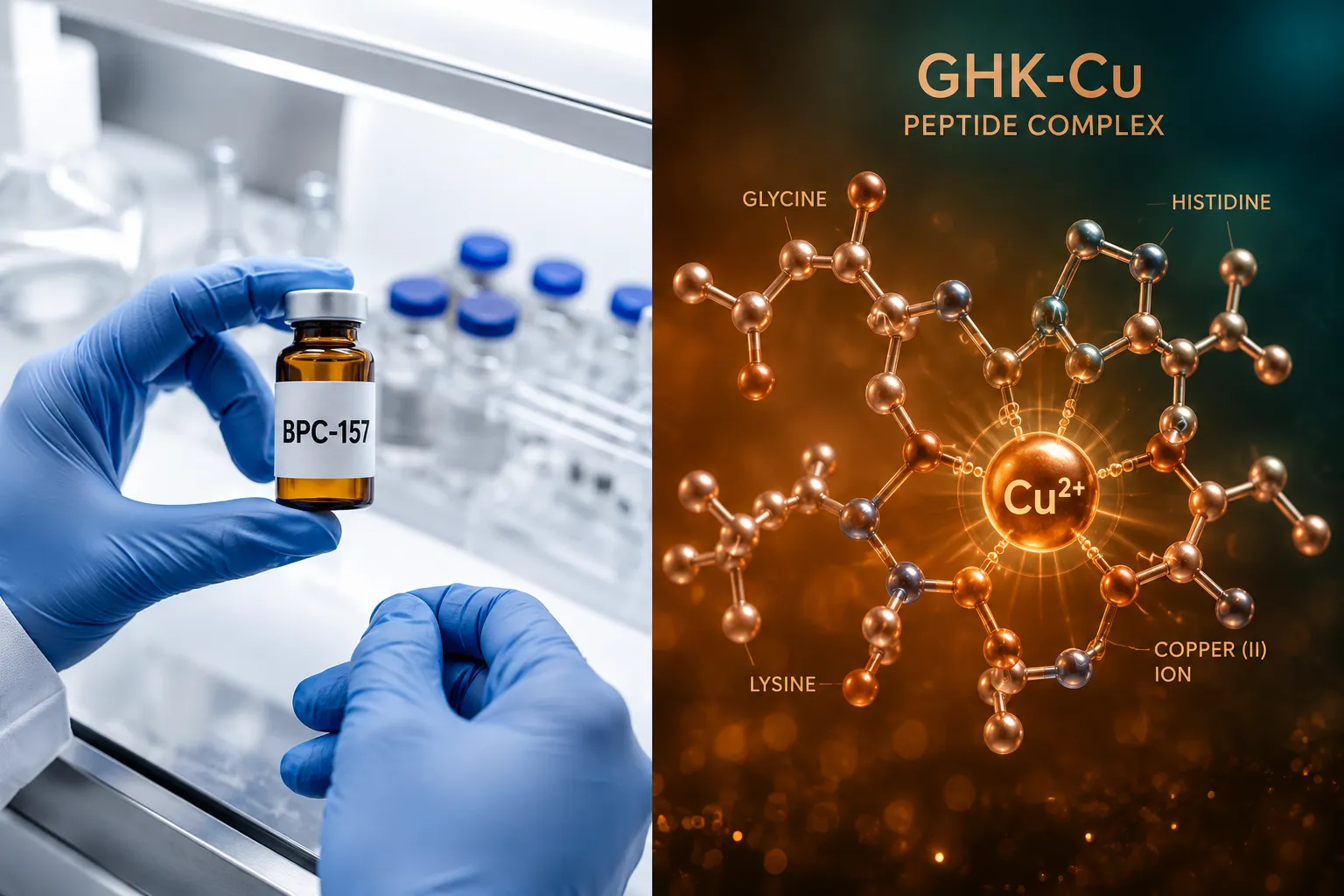
BPC-157 (Body Protection Compound-157) is a 15-amino-acid peptide derived from a gastric protein. Its research profile is dominated by angiogenic and cytoprotective effects rather than immune stimulation. Preclinical data consistently show that BPC-157 promotes microvascular integrity, a property that works against the vascular permeability changes that typically accompany complement activation.

Key immunological observations from BPC-157 research include:

  • Upregulation of VEGFR2 signaling, supporting endothelial repair
  • Suppression of pro-inflammatory cytokine release (TNF-alpha, IL-6)
  • No reported direct activation of C1q or the lectin complement pathway in standard models

Labs sourcing BPC-157 and TB-500 combination peptides for immunology-focused assays should still run baseline CDC screens, because the synergistic formulation introduces new variables not present in single-compound studies.

GHK-Cu: Anti-Inflammatory Signaling and Complement Modulation

GHK-Cu (glycyl-L-histidyl-L-lysine copper complex) is a tripeptide-copper chelate with well-documented roles in wound healing and tissue remodeling. Its relevance to complement-dependent cytotoxicity and peptide safety lies in its downstream effects on NF-kB signaling, a master regulator of both inflammatory and complement gene expression.

Research suggests GHK-Cu:

  • Downregulates genes associated with complement component synthesis (C3, C4)
  • Reduces oxidative stress markers that can amplify MAC-mediated lysis
  • Supports macrophage polarization toward anti-inflammatory M2 phenotypes

A thorough GHK-Cu peptide sourcing and research guide is essential reading for labs designing complement assays around this compound, particularly regarding copper concentration thresholds that may independently affect immune cell viability.

Peptide Primary Immune Effect CDC Risk Level Key Assay Consideration
BPC-157 Microvascular stabilization Low Excipient screening
GHK-Cu NF-kB suppression Low-Moderate Copper ion concentration
Nasal peptides Mucosal IgA activation Variable Route-specific CDC panel

Nasal Spray Peptides and the Unique Challenges of Mucosal Complement Screening

Nasal Spray Peptides and the Unique Challenges of Mucosal Complement Screening

Intranasal delivery is increasingly favored for peptides targeting CNS and systemic endpoints. Compounds like Selank are administered nasally precisely because the olfactory route bypasses the blood-brain barrier. However, this delivery method introduces a distinct immunological environment that standard CDC assays do not capture.

The nasal mucosa is rich in:

  • Secretory IgA (sIgA), which can form immune complexes with peptide aggregates
  • Mucosal mast cells primed to activate the alternative complement pathway
  • Dendritic cells that may present peptide fragments to T cells, generating adaptive responses over repeated dosing

For immunology-focused labs, this means nasal peptide formulations require route-specific complement panels that include mucosal complement components, not just serum-derived C1q assays. Labs working with broader peptide portfolios, including compounds available through wholesale peptide sourcing programs, should establish separate mucosal and systemic CDC screening workflows.

Practical Assay Design Recommendations

  1. Use human serum complement sources at physiologically relevant concentrations (typically 10-50% v/v).
  2. Test multiple aggregation states, monomeric, oligomeric, and aggregated peptide fractions separately.
  3. Include excipient controls, run the vehicle formulation without active peptide as a standalone complement activation control.
  4. Assess both classical and alternative pathways using pathway-specific inhibitors (C1q depletion for classical; Factor D inhibition for alternative).
  5. Repeat at multiple peptide concentrations to identify dose-dependent CDC thresholds.

Labs exploring mitochondria-targeted peptides such as SS-31 alongside immunological endpoints will find that cationic peptide charge also influences complement binding kinetics, another variable requiring systematic documentation.

Conclusion

Complement-dependent cytotoxicity and peptide safety is not a single test, it is a framework that demands attention to formulation chemistry, delivery route, peptide aggregation state, and the specific complement pathways most relevant to the target tissue. BPC-157 and GHK-Cu offer immunology labs two well-characterized reference compounds: one demonstrating microvascular protection that suppresses CDC-permissive conditions, the other modulating the gene-level machinery of complement production. Nasal spray peptides add a third dimension by forcing researchers to account for mucosal immune variables absent from standard serum-based assays.

Actionable next steps for immunology-focused labs:

  • Implement a tiered CDC screening protocol that separates peptide sequence, formulation, and delivery route as independent variables.
  • Establish baseline complement activation profiles for reference peptides like BPC-157 and GHK-Cu before introducing novel compounds.
  • Consult route-specific mucosal complement literature before designing nasal peptide safety panels.
  • Verify peptide purity certificates and endotoxin levels from suppliers, contaminants remain the leading driver of false-positive CDC signals.
  • Document aggregation state at time of assay, not just at time of reconstitution.

For labs building out comprehensive immunological safety panels, exploring peptides available for research purposes with verified purity documentation is a practical first step toward generating reproducible, defensible complement safety data in 2026 and beyond.

https://www.puretestedpeptides.com/wp-content/uploads/2026/08/complement-dependent-cytotoxicity-and-peptide-safety-what-bpc-157-ghk-cu-and-nas.webp 1024 1536 https://www.puretestedpeptides.com/wp-content/uploads/2026/01/buy-peptides-online.jpg 2026-08-05 13:13:472026-08-05 13:13:47Complement-Dependent Cytotoxicity and Peptide Safety: What BPC-157, GHK-Cu, and Nasal Spray Peptides Teach Immunology-Focused Labs
×

Helpful Links

  • My account
  • Cart
  • Checkout
  • Refund and Returns Policy
  • Privacy Policy
  • SMS Privacy Policy
  • Login
  • My Account
  • Logout

USA Made Lab Tested Peptides

All products are sold for research, laboratory, or analytical purposes only, and are not for human consumption


Pure Tested Peptides is a chemical supplier. Pure Tested Peptides is not a compounding / chemical compounding facility as defined under 503A of the Federal Food, Drug, and Cosmetic act. Pure Tested Peptides is not an outsourcing facility as defined under 503B of the Federal Food, Drug, and Cosmetic act.

The statements made within this website have not been evaluated by the US Food and Drug Administration. The products we offer are not intended to diagnose, treat, cure or prevent any disease.

Human/Animal Consumption Prohibited. Laboratory/In-Vitro Experimental Use Only

Scroll to top Scroll to top Scroll to top