Call or Text 727-513-9780
  • Shopping Cart Shopping Cart
    0Shopping Cart
Pure Tested Peptides | America's most trusted Peptides for sale online
  • Peptides for sale
    • Oral Peptides for sale
      • Peptide Capsules for sale
      • BPC 157 Capsules 1000mcg
      • SLU-PP-332 Capsules | 1000 mcg
      • 5-Amino-1MQ 50mg Capsules
      • Tesofensine 500mcg
    • All Peptides for sale
    • Peptide Sprays
      • BPC 157 Nasal Spray Kit
      • BPC-157 TB500 Nasal Spray Kit
      • Semax Nasal Spray 10mg
      • Selank – Nasal Spray Kit – 10mg
      • Epithalon 50MG Nasal Spray Kit
      • Ipamorelin 10mg Nasal Spray
      • Klow Nasal Spray (BPC-157 + TB-500 + GHK-Cu + KPV) | 80mg
      • Hulk Nasal Spray Tesa / Ipa Blend 6/3 MG
      • Klow Nasal Spray
      • NAD + 500 mg Nasal Spray
      • PT-141 Nasal Spray Kit
    • GHRH Peptides
      • Ipa Peptides
      • CJC-1295 Peptides
        • CJC-1295 with DAC 5 mg
        • CJC-1295 without DAC 5 mg
        • CJC-1295 Ipa 10mg
      • Tesa Peptides
        • Tesa Peptide
        • Tesa 20 mg
    • GHK-Cu Peptides
      • All GHK-Cu Peptides
      • GHK-Cu 100mg
      • KLOW Peptide Blend – Buy KLOW blend online
    • BPC Peptides
      • All BPC Peptides
      • BPC-157
      • BPC-157 TB-500
      • BPC 157 capsules 1000mcg
    • SLU-PP-332 Peptides
      • All SLU-PP-332 Peptides
      • SLU-PP-332 5mg
    • GLP3 Peptides
      • GLP3-R
      • GLP3-R CAG 10mg
      • GLP3-R 20mg
    • PT-141 Peptides
      • PT-141 Peptides for sale
      • PT-141 10mg
      • PT-141 Nasal Spray
    • CAG Peptides
      • Lipo-C Peptide Blend
      • CAG 5mg
      • CAG 10mg
    • MOTS-C Peptides
      • MOTS-C Peptides for sale
      • MOTS-c peptide
      • MOTS-c 10mg *6 pack*
    • 5 Amino 1MQ Peptides
      • 5 Amino 1MQ Peptides for sale
      • 5-Amino-1MQ 50mg Capsules
      • 5-Amino-1MQ 5mg
    • Epithalon Peptides
      • Epithalon Peptides for sale
      • Epithalon 10mg
      • Epithalon 50mg
  • Shop
    • GLPs
      • 5-Amino-1MQ 50mg Capsules
      • 5-Amino-1MQ 5mg
      • GLP3-Reta
      • L-Carnitine 500mg/ml
      • Tesofensine 500mcg
      • SLU-PP-332 5mg
      • MOTS-c 10mg *6 pack*
    • Epithalon & BPC Peptides
      • Epithalon 10mg
      • Epithalon 50mg
      • BPC-157
      • BPC 157 capsules 1000mcg
      • BPC-157 TB-500
      • BPC-157 TB500 Nasal Spray Kit
      • BPC 157 Nasal Spray Kit
    • BPC TB-500 & NAD+ Peptides
      • NAD+ 500 mg
      • KLOW Peptide Blend – Buy KLOW blend online
      • GLOW Peptide Blend
      • TB 500 5mg
      • BPC 157 capsules 1000mcg – Supplement
      • BPC 157 Nasal Spray Kit
      • BPC-157
      • BPC-157 TB500 Nasal Spray Kit
      • BPC-157 TB-500
      • BPC 157 capsules 1000mcg
    • LL-37 Peptide
      • LL-37 10 mg
    • MOTS-C & Selank
      • MOTS-c peptide
      • Selank 10mg
    • GHK Peptides
      • GHK-Cu 100mg
      • GLOW Peptide Blend
      • KLOW Peptide Blend – Buy KLOW blend online
  • COAs
  • Wholesale
    • Wholesale Peptides for sale
  • PTP FAQ
  • Affiliates
    • Affiliate Program
    • Affiliate Signup
  • Contact
    • Contact Customer Service
    • Text Customer Support
  • About US
  • Shop all peptides
  • Login / Register Login / Register Page Link Login / Register Page Link
  • Click to open the search input field Click to open the search input field Search
  • Menu Menu

Tag Archive for: preclinical research

BPC-157 and TB-500 Stack: Synergistic Mechanisms in Experimental Tendon and Ligament Repair

BPC-157 and TB-500 Stack: Synergistic Mechanisms in Experimental Tendon and Ligament Repair

June 22, 2026/0 Comments/in Uncategorized/by

}

Professional () hero image with : 'BPC-157 & TB-500 Stack: Synergistic Mechanisms in Tendon & Ligament Repair' in extra

Tendon and ligament injuries account for roughly 45% of all musculoskeletal injuries treated in sports medicine clinics worldwide, yet conventional recovery timelines remain stubbornly long. Against that backdrop, preclinical research into the BPC-157 and TB-500 stack: synergistic mechanisms in experimental tendon and ligament repair has drawn serious attention from researchers studying peptide-based recovery models.

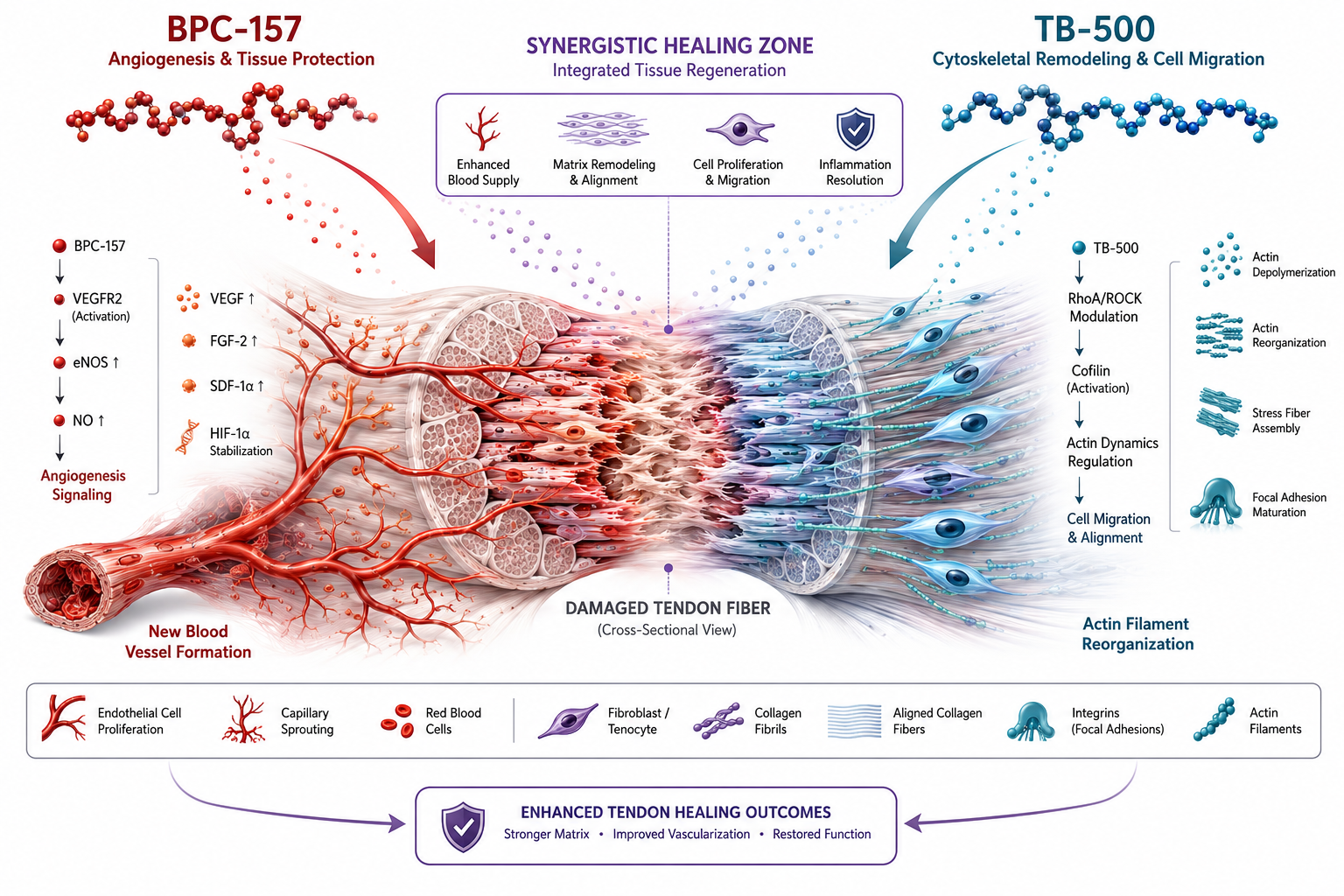
Detailed () scientific illustration showing two distinct peptide molecules labeled BPC-157 and TB-500 approaching a damaged

Key Takeaways

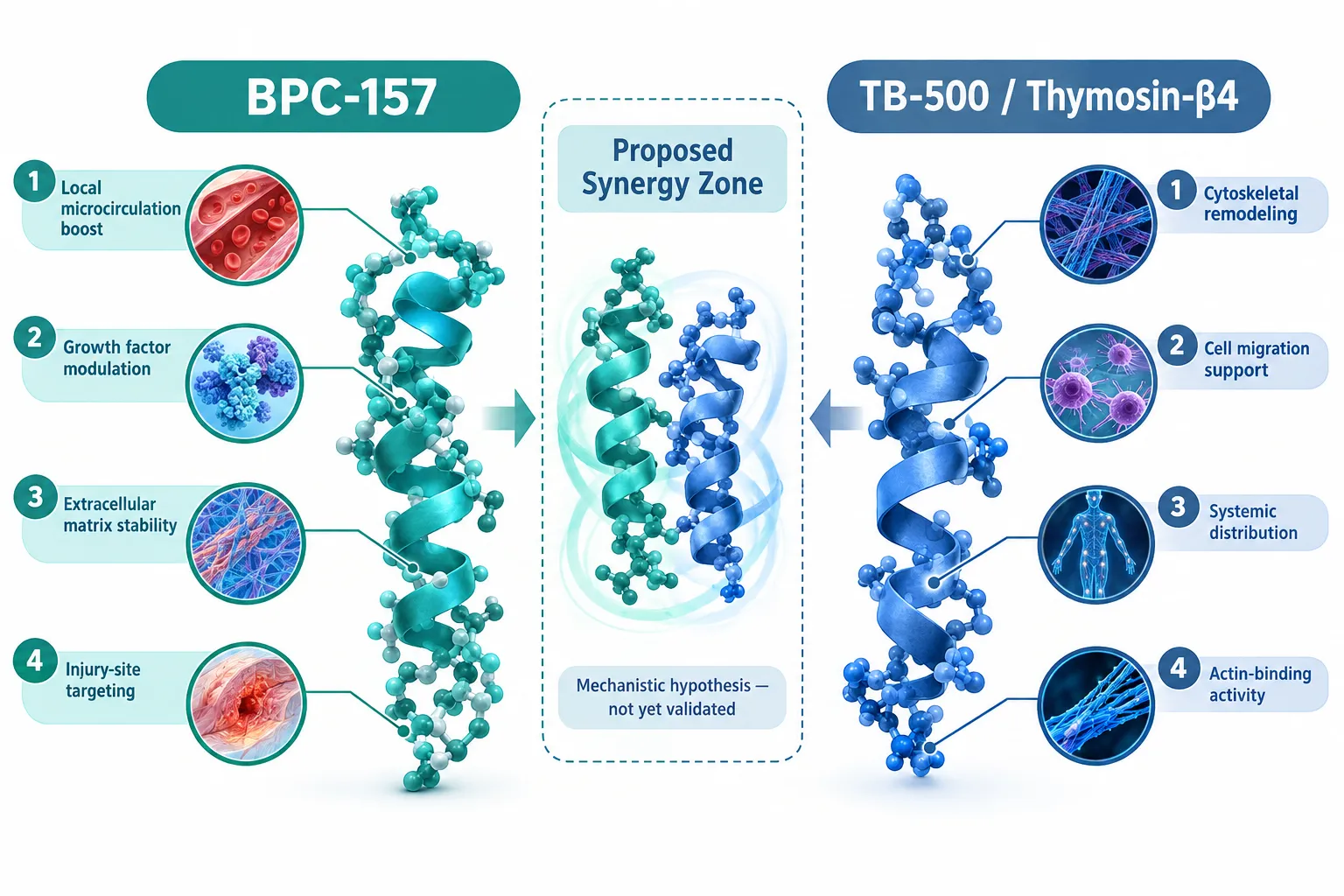
  • BPC-157 promotes localized repair through angiogenesis and growth factor modulation; TB-500 drives systemic healing via actin regulation and cell migration.
  • When combined, the two peptides target complementary biological pathways, suggesting additive or synergistic effects in preclinical tendon and ligament models.
  • Animal studies report improved tensile strength and faster recovery timelines compared to single-agent protocols.
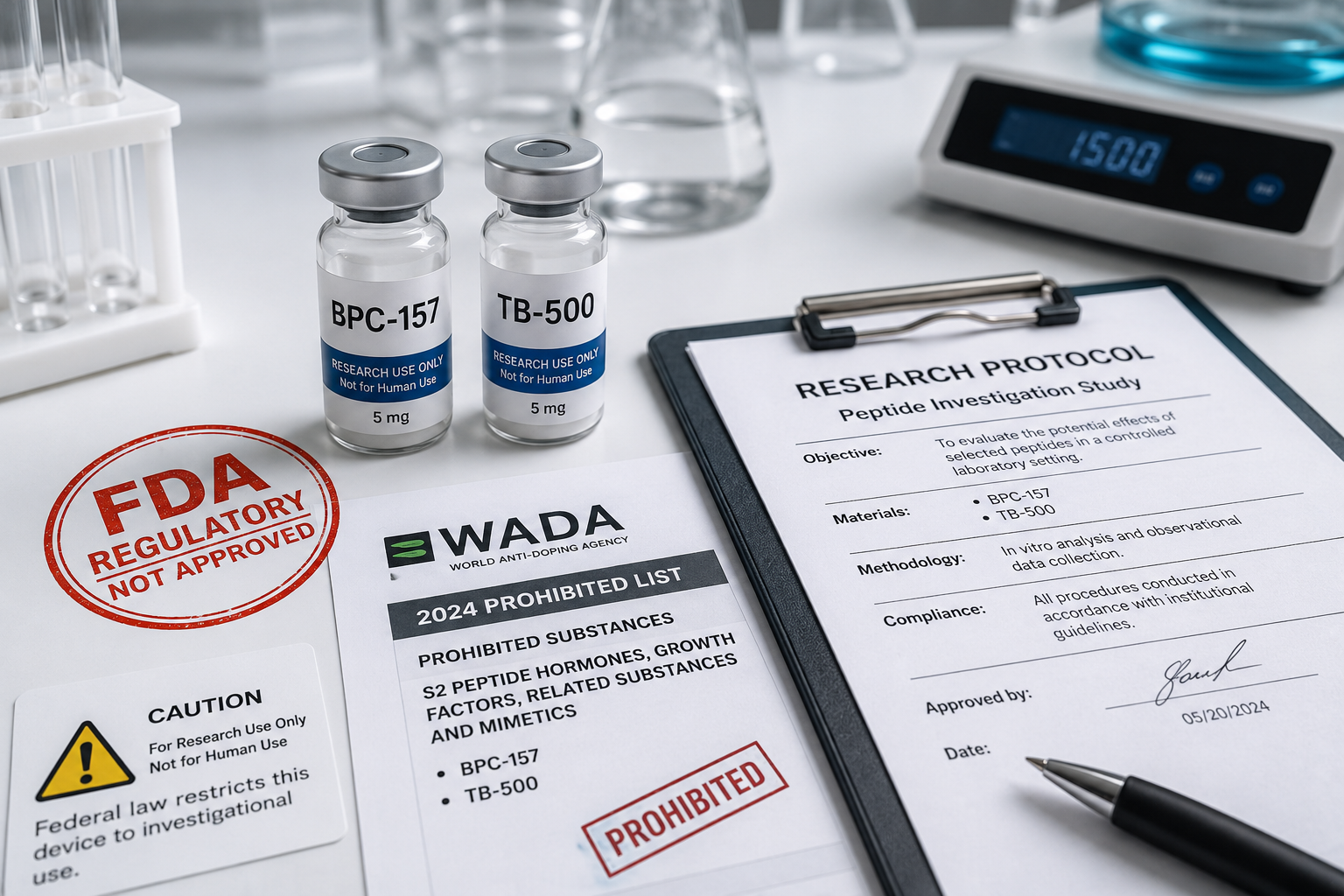
  • Neither peptide holds FDA approval; both are classified as research chemicals and are prohibited by WADA under the S0 category.
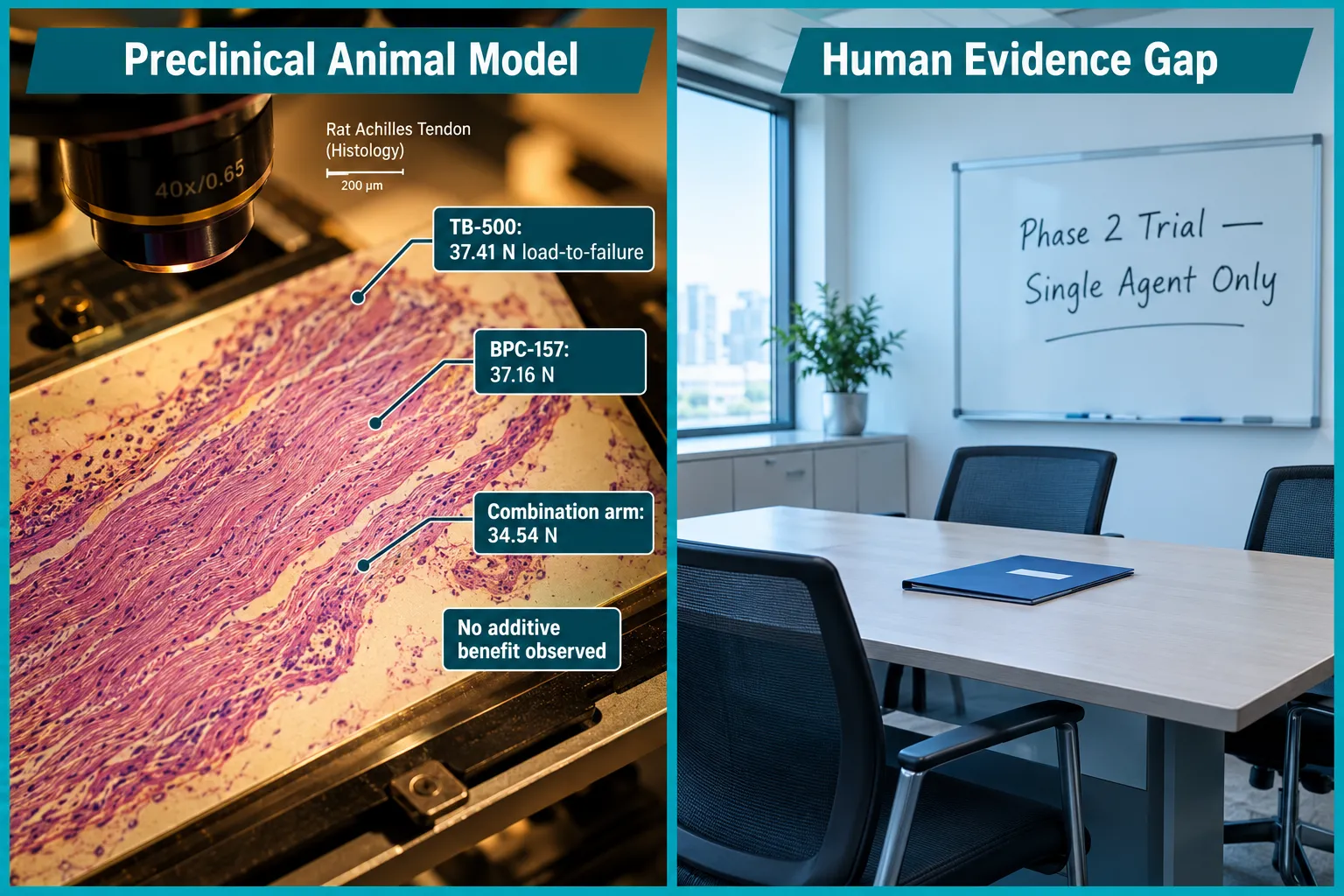
  • No large-scale human clinical trials exist as of 2026, making all dosing and efficacy data preliminary.

How Each Peptide Works: Distinct but Complementary Pathways

Understanding why researchers pair these two compounds begins with their individual mechanisms.

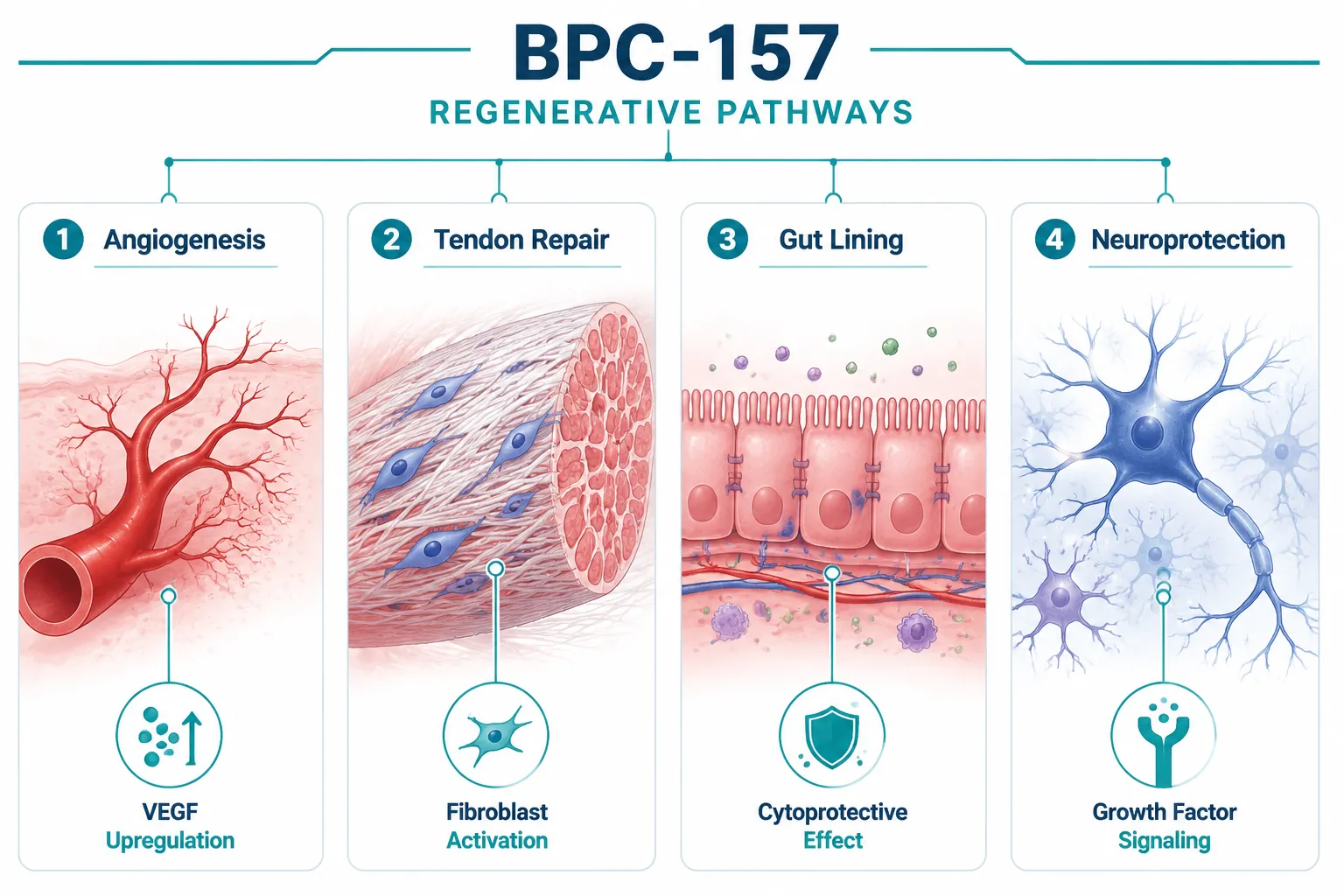
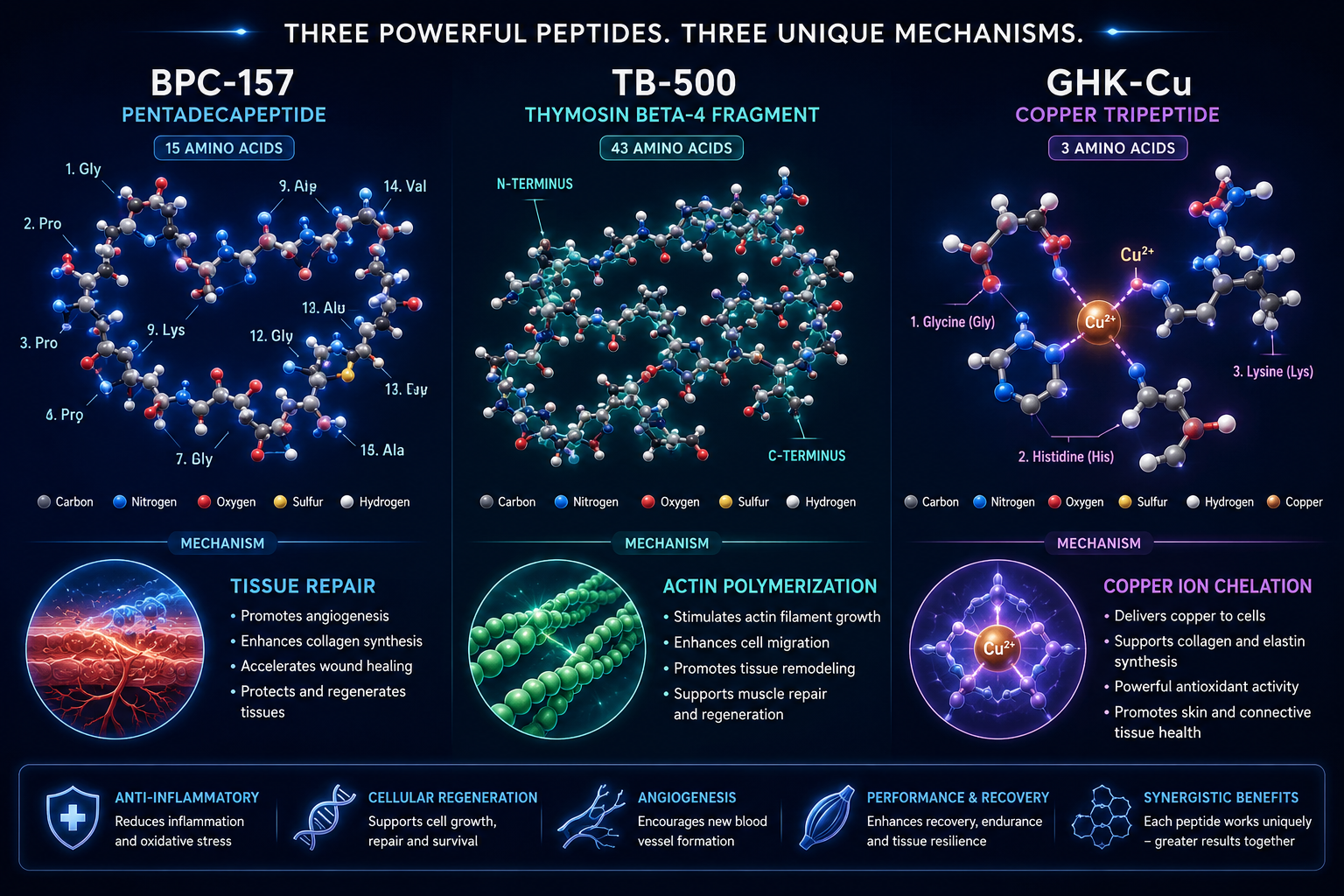
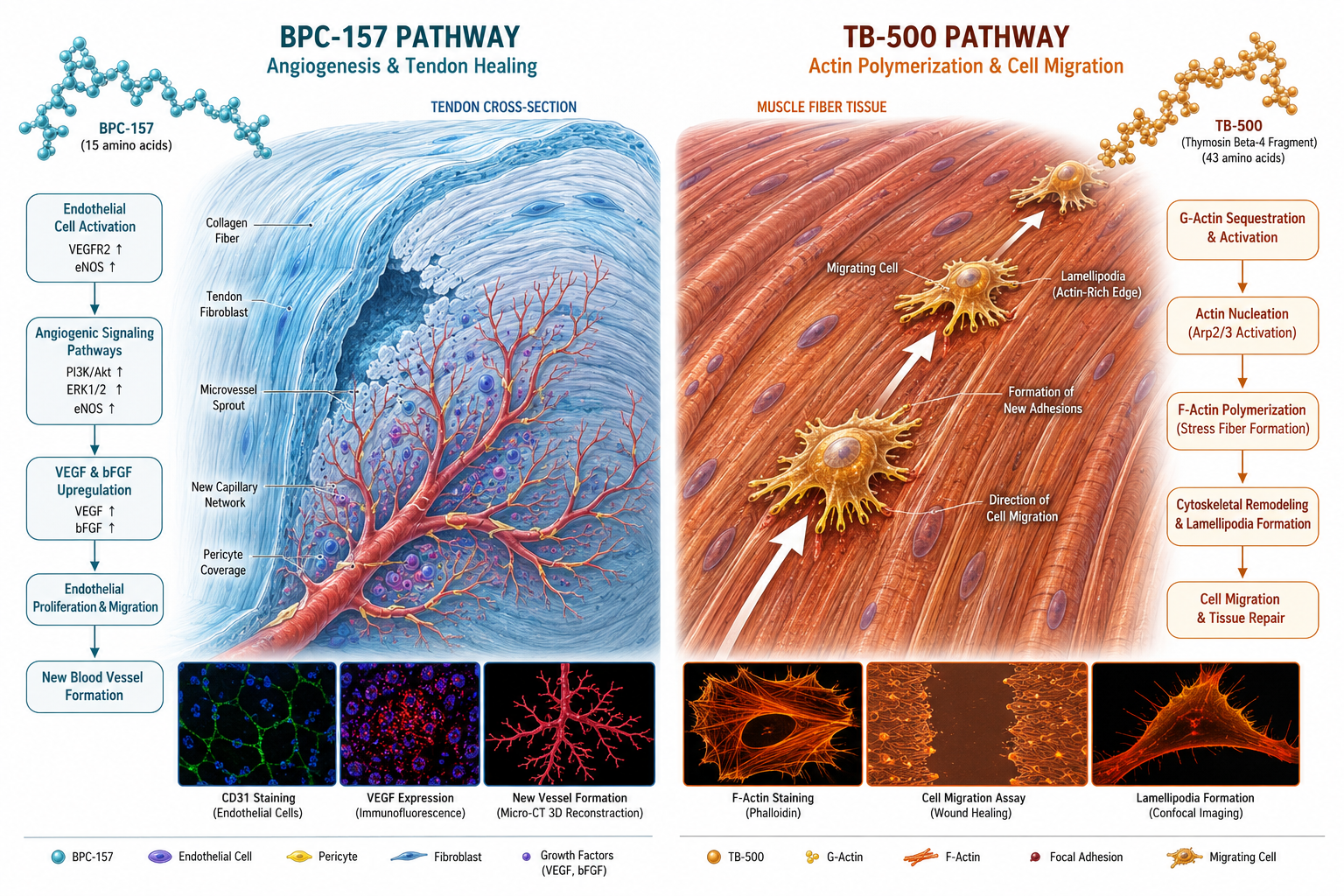
BPC-157 (Body Protection Compound-157) is a synthetic pentadecapeptide derived from a protective gastric protein. In experimental models, it consistently stimulates:

  • Angiogenesis – the formation of new blood vessels that deliver oxygen and nutrients to injured tissue
  • Growth factor upregulation – particularly VEGF and EGF signaling
  • Fibroblast activation – accelerating collagen scaffold formation at the injury site

TB-500 (Thymosin Beta-4) works through a fundamentally different route. Its primary action involves binding G-actin, which reorganizes the cytoskeleton and enables rapid cell migration to wound sites. This systemic mobility effect means TB-500 can mobilize repair cells from distant tissues, not just the local injury zone.

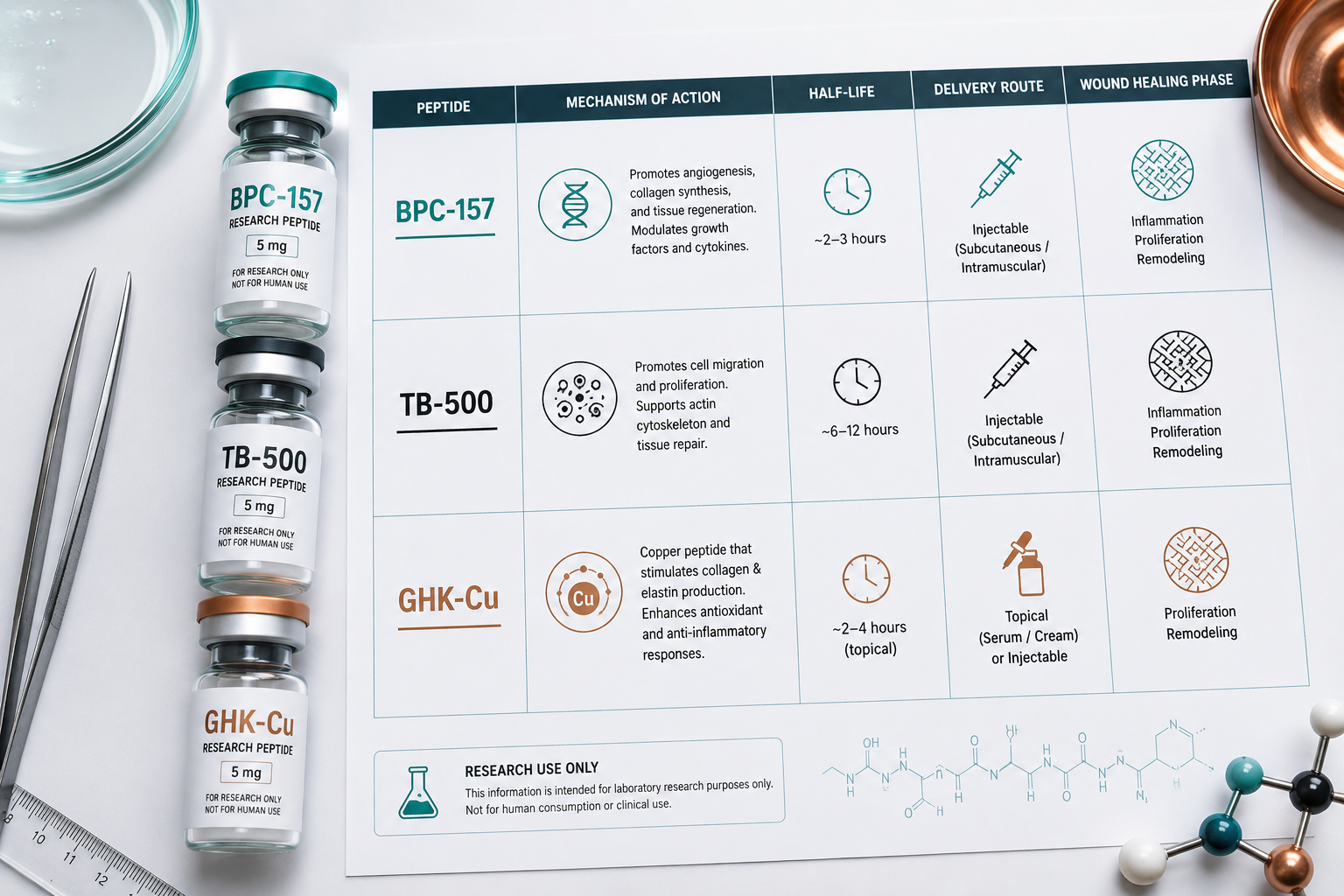
Feature BPC-157 TB-500
Primary action Angiogenesis, growth factor boost Actin regulation, cell migration
Scope Localized Systemic
Key target tissue Tendon, gut lining Muscle, tendon, cardiac tissue
Origin Gastric protein fragment Thymosin Beta-4 derivative

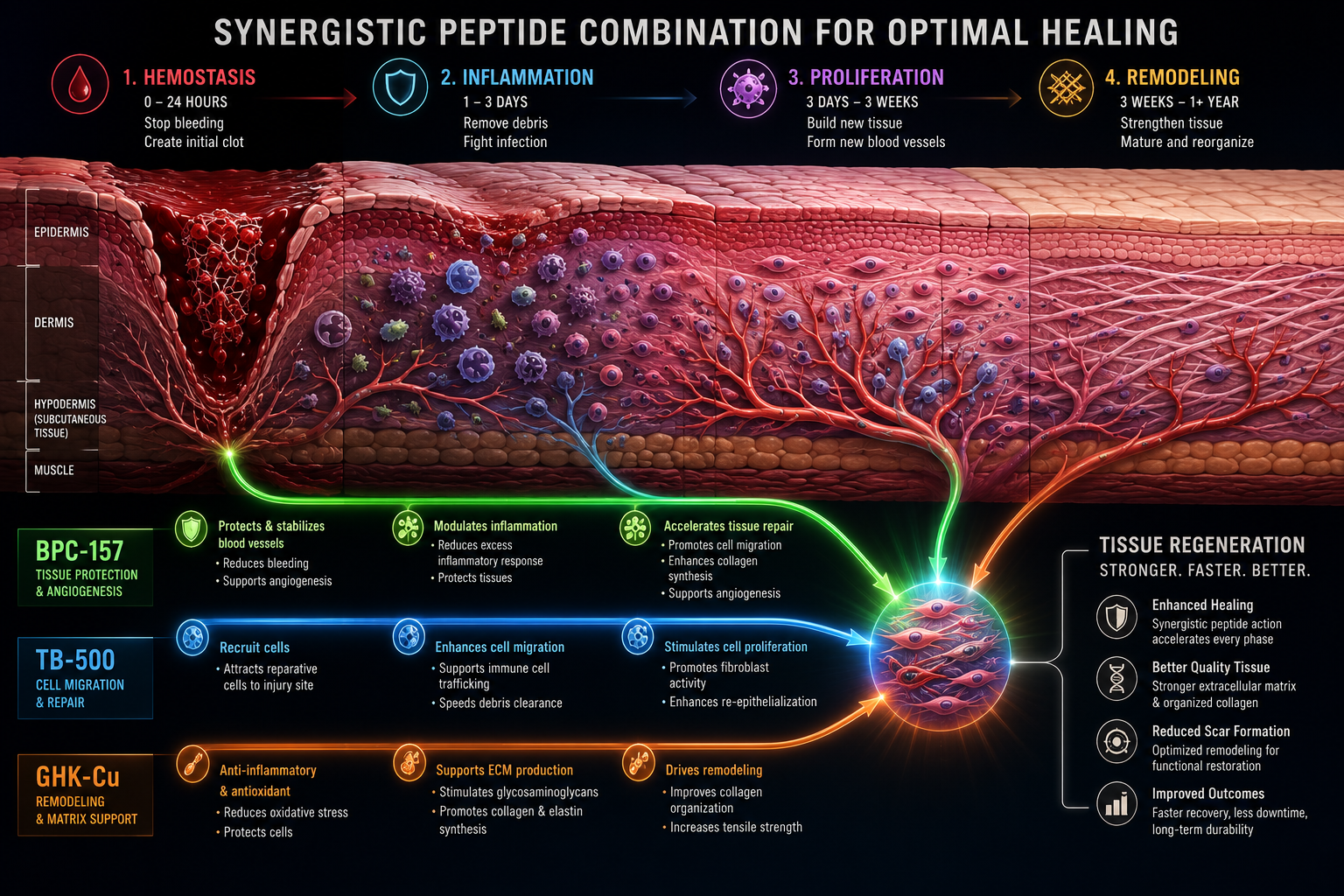
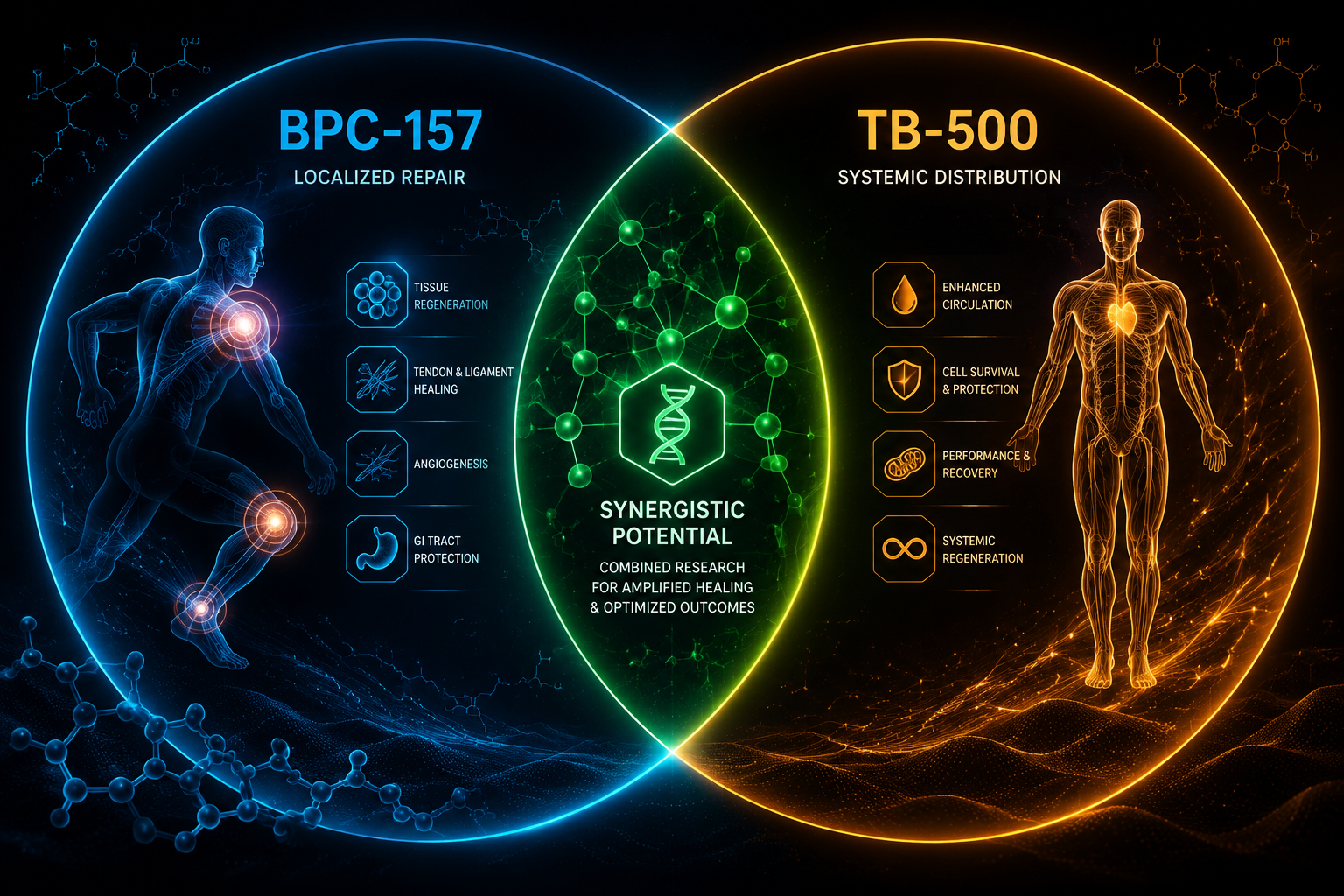
This distinction is critical. BPC-157 builds the local vascular and structural environment; TB-500 recruits the cellular workforce to populate it. For a broader look at how peptides interact with tissue biology, the recovery and tissue biology overview provides useful context.

Preclinical Evidence for the BPC-157 and TB-500 Stack: Synergistic Mechanisms in Experimental Tendon and Ligament Repair

Preclinical Evidence for the BPC-157 and TB-500 Stack: Synergistic Mechanisms in Experimental Tendon and Ligament Repair

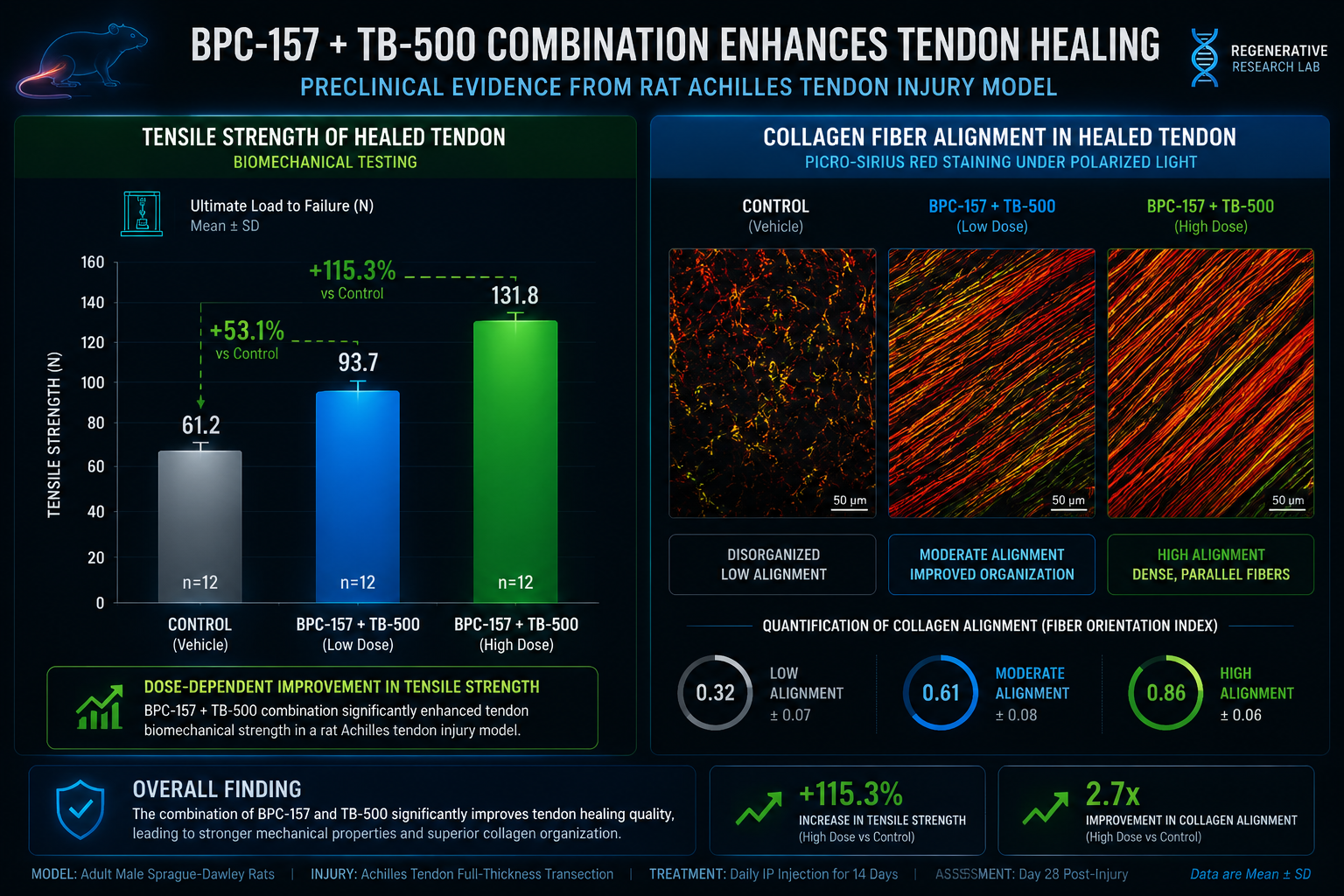
Animal studies examining the combined protocol have produced encouraging, though preliminary, data. Rodent models of Achilles tendon transection and medial collateral ligament damage showed that subjects receiving both peptides demonstrated:

  • Greater tensile strength recovery at the repair site compared to either agent alone
  • Faster collagen fiber alignment, indicating more organized tissue remodeling
  • Reduced inflammatory markers in the peri-tendinous tissue during early recovery phases

The mechanistic logic behind these findings is straightforward. BPC-157 creates a well-vascularized, growth-factor-rich local environment. TB-500 simultaneously accelerates the migration of tenocytes and fibroblasts into that environment. The result is a faster, more organized repair cascade than either peptide can produce independently.

"The complementary nature of localized angiogenesis and systemic cell mobilization represents one of the more scientifically coherent rationales for combining two research peptides."

Researchers studying related peptide stacking strategies, such as those examining TB-500 and cytoskeletal remodeling, note that actin-binding activity is central to understanding why TB-500 contributes uniquely to connective tissue repair. Similarly, detailed BPC-157 research profiles outline the growth factor pathways that make it effective in isolation and potentially more powerful in combination.

For those exploring other peptide combinations in research contexts, resources on simple peptide frameworks and vilon tissue homeostasis models offer comparative mechanistic reading.


Regulatory Status, Safety, and Research Limitations

Regulatory Status, Safety, and Research Limitations

The BPC-157 and TB-500 stack: synergistic mechanisms in experimental tendon and ligament repair remains firmly in the preclinical research category as of 2026. Key facts researchers and informed readers should understand:

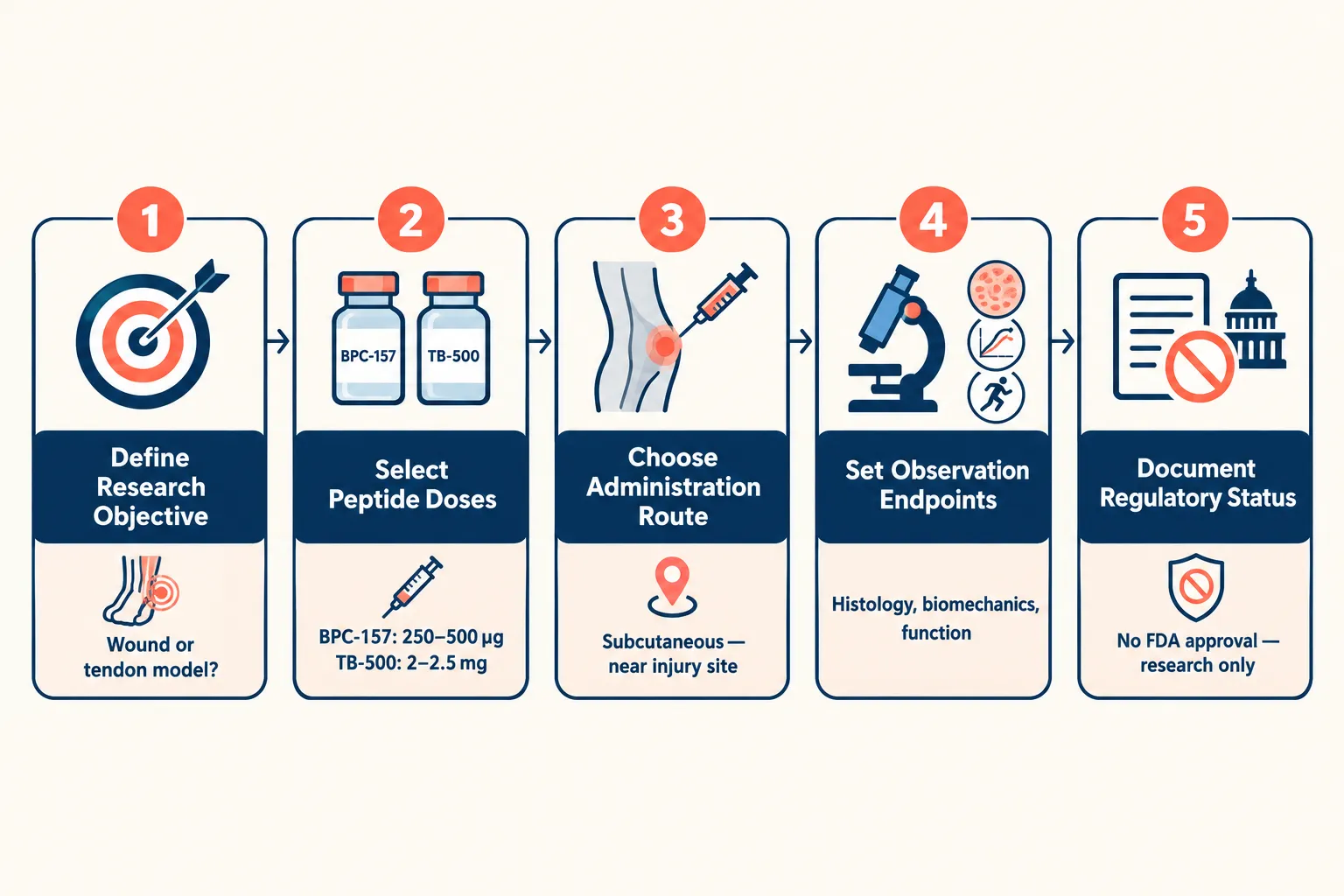
  • No FDA approval exists for either compound in any therapeutic indication
  • WADA prohibition: Both are listed under the S0 Non-Approved Substances category, making them banned in competitive sport
  • No large-scale RCTs: All human data comes from anecdotal reports and small observational accounts
  • Unregulated supply chain risks: Products from unverified sources carry contamination and dosing accuracy concerns

Experimental protocols in the literature reference BPC-157 at approximately 500 mcg to 1 mg daily and TB-500 at 2.5 to 5 mg twice weekly during a loading phase, followed by reduced maintenance dosing. These figures are derived from animal-to-human extrapolation and anecdotal reports, not validated clinical trials.

Medical professionals consistently advise that use outside controlled research settings carries unknown long-term risks. The absence of comprehensive safety data is not a minor caveat – it is the defining limitation of this entire research area. Researchers sourcing compounds for legitimate study should prioritize verified, lab-tested peptide suppliers and review available certificates of analysis before procurement.


Conclusion

The scientific rationale for the BPC-157 and TB-500 stack: synergistic mechanisms in experimental tendon and ligament repair is genuinely compelling. Localized angiogenesis paired with systemic cell mobilization addresses tendon and ligament healing from two distinct and complementary angles. Preclinical data supports improved tensile strength and faster tissue remodeling when both peptides are administered together.

However, the gap between animal models and validated human therapy remains wide. Actionable next steps for those engaged in this research area include:

  1. Review primary preclinical literature before drawing conclusions about human applicability
  2. Monitor regulatory updates from FDA and WADA, as classification can shift
  3. Advocate for well-designed Phase I and Phase II human trials to generate the safety and efficacy data this field urgently needs
  4. Source only from verified, tested suppliers with transparent quality documentation

The promise is real. The evidence base, as of 2026, is not yet sufficient for clinical recommendation.

https://www.puretestedpeptides.com/wp-content/uploads/2026/06/BPC-157-and-TB-500-Stack-Synergistic-Mechanisms-in-Experimental-Tendon-and-Ligament-Repair.png 1024 1536 https://www.puretestedpeptides.com/wp-content/uploads/2026/01/buy-peptides-online.jpg 2026-06-22 13:03:422026-06-22 13:03:42BPC-157 and TB-500 Stack: Synergistic Mechanisms in Experimental Tendon and Ligament Repair
BPC-157 vs TB-500: What Each Peptide Does in Tissue-Repair Research and When Comparison Makes Sense

BPC-157 vs TB-500: What Each Peptide Does in Tissue-Repair Research and When Comparison Makes Sense

June 16, 2026/0 Comments/in Uncategorized/by

Over 100 preclinical studies have examined BPC-157 alone — yet researchers still routinely pair it with TB-500 in comparative models. Understanding why requires looking at what each peptide actually does at the biological level. This article examines the BPC-157 vs TB-500 question from an experimental logic standpoint: what each compound is believed to do, where their mechanisms overlap, and when a side-by-side comparison genuinely adds scientific value in tissue-repair research.

Key Takeaways

  • BPC-157 is a 15-amino-acid synthetic peptide that primarily drives localized repair through angiogenesis and nitric oxide signaling.
  • TB-500 is a synthetic fragment of Thymosin Beta-4 that promotes systemic healing by regulating actin polymerization and cell migration.
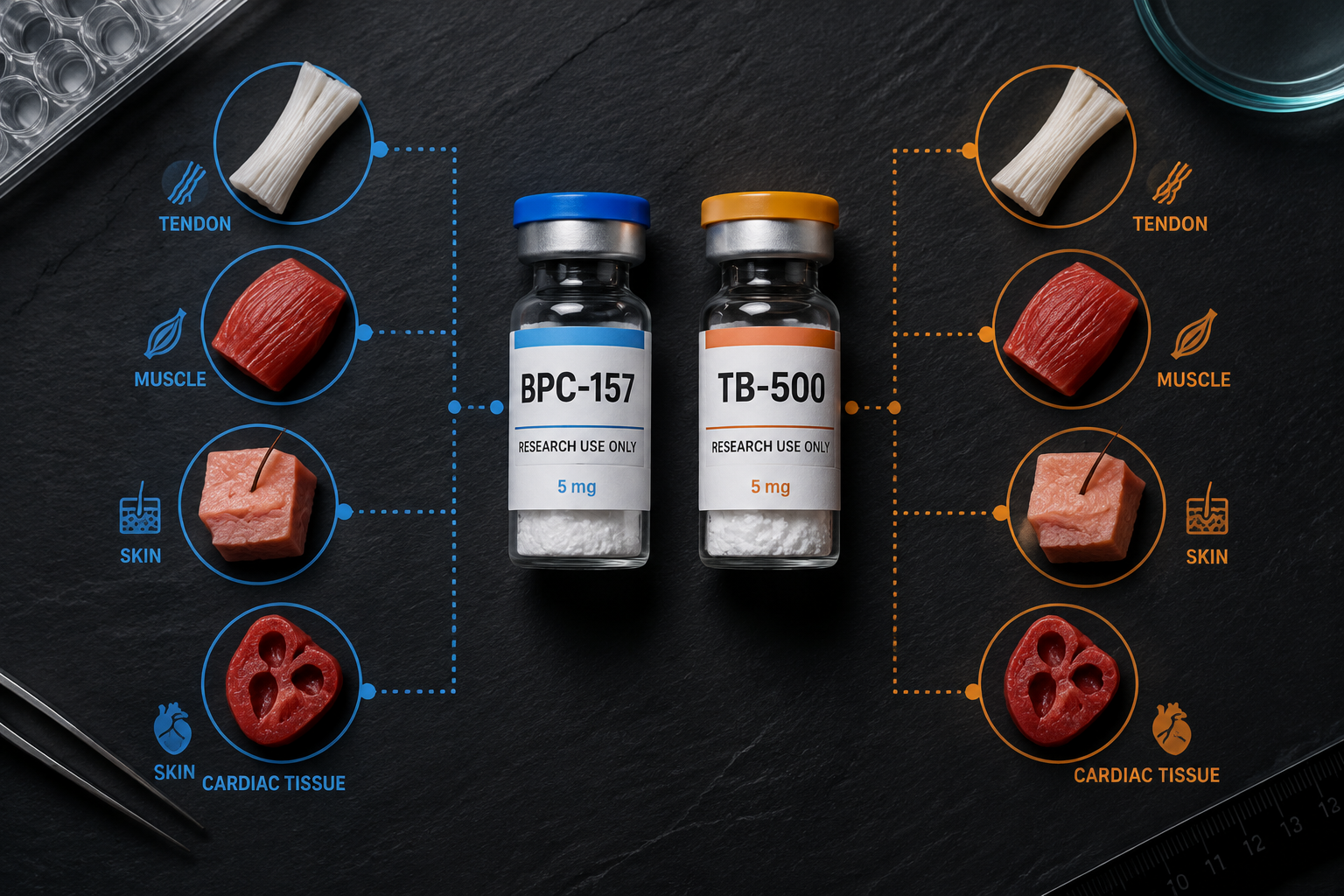
  • Their tissue targets differ: BPC-157 favors tendons, ligaments, and gut tissue; TB-500 shows stronger signals in muscle, skin, and cardiac tissue.
  • Neither peptide is FDA-approved; both are prohibited by WADA under the S0 category for non-approved substances.
  • Combination research suggests complementary, potentially synergistic effects — making the comparison scientifically meaningful rather than arbitrary.

Key Takeaways

Distinct Mechanisms: Where the Biology Diverges

The BPC-157 vs TB-500 comparison starts with fundamentally different molecular strategies. BPC-157 is a synthetic 15-amino-acid sequence derived from human gastric juice protein. Its primary repair actions are believed to operate through angiogenesis — the formation of new blood vessels — and upregulation of nitric oxide pathways. This makes its effects highly localized. When administered near an injury site, it appears to accelerate the vascular supply that damaged tissue needs to regenerate.

TB-500, by contrast, is a synthetic fragment of Thymosin Beta-4, a naturally occurring protein found throughout the body. Its core mechanism involves regulating actin polymerization — the process by which cells build their internal scaffolding. By influencing actin dynamics, TB-500 enhances cell migration, which is essential for systemic wound repair. Because it distributes broadly after administration, its effects are not limited to the injection site.

Key mechanistic differences at a glance:

Feature BPC-157 TB-500
Origin Gastric juice protein fragment Thymosin Beta-4 fragment
Primary mechanism Angiogenesis, nitric oxide signaling Actin polymerization, cell migration
Distribution Localized Systemic
Half-life (IV, animal models) Under 30 minutes Not precisely established

For researchers exploring BPC-157 angiogenesis and tendon repair mechanisms, this localized vascular focus is the defining biological signature.


Tissue Targets and Preclinical Evidence

Tissue specificity is where the BPC-157 vs TB-500 comparison becomes most practically useful for research design. BPC-157 has shown the strongest preclinical signals in tendon, ligament, and gastrointestinal tissue. Its gastric origin may partly explain its documented activity in gut-lining repair models. TB-500, on the other hand, demonstrates more consistent effects in muscle, skin, and cardiac tissue — areas where widespread cell migration drives recovery.

This tissue-level divergence is important because it shapes which model a researcher would choose when designing an experiment. A tendon repair study and a cardiac wound model are asking very different biological questions, and selecting the wrong peptide as a comparator can produce misleading null results.

Both peptides have been studied in the context of inflammation reduction, which creates a genuine area of mechanistic overlap. This overlap is part of why top healing peptides in research contexts are often discussed together. Researchers interested in broader repair biology may also find value in examining GHK-Cu longevity and tissue research themes as a complementary reference point.

Tissue Targets and Preclinical Evidence


When the BPC-157 vs TB-500 Comparison Makes Sense in Research

Not every study benefits from comparing these two peptides directly. The comparison makes the most experimental sense under three conditions:

  1. Overlapping injury context — When the target tissue receives input from both vascular supply (BPC-157's domain) and cell migration (TB-500's domain), a head-to-head model can isolate which mechanism contributes more.
  2. Combination hypothesis testing — Preclinical data suggest that using both peptides together may produce synergistic repair outcomes. Testing this requires understanding each compound's independent effect first.
  3. Systemic vs. localized repair questions — When a study needs to distinguish between localized and body-wide healing responses, these two peptides serve as useful biological contrasts.

Regulatory context matters here. Neither BPC-157 nor TB-500 is FDA-approved. BPC-157 holds a Category 2 bulk drug substance classification, and both are prohibited under WADA's S0 category. Any research use must account for these regulatory boundaries.

For context on how other repair-relevant peptides are positioned in research, the oral BPC-157 research overview and longevity peptide research themes offer useful framing. Researchers sourcing verified compounds may also want to review lab-tested peptides to ensure research-grade purity standards.

When the BPC-157 vs TB-500 Comparison Makes Sense in Research


Conclusion

The BPC-157 vs TB-500 comparison is not a matter of which peptide is "better." It is a question of biological fit. BPC-157 operates locally through vascular and nitric oxide pathways; TB-500 acts systemically through actin dynamics and cell migration. Their tissue targets differ, their pharmacokinetics differ, and their research applications reflect those differences.

Actionable next steps for researchers:

  • Define the target tissue and injury type before selecting a comparator model.
  • Review the preclinical literature for each peptide's specific tissue signals before designing combination studies.
  • Confirm regulatory classification in the relevant jurisdiction before initiating any research protocol.
  • Prioritize verified, purity-tested compounds to ensure data integrity across experimental runs.

The comparison makes scientific sense when the research question genuinely spans both localized and systemic repair biology. In those contexts, studying these two peptides together is not redundant — it is the most informative approach available.

https://www.puretestedpeptides.com/wp-content/uploads/2026/06/BPC-157-vs-TB-500-What-Each-Peptide-Does-in-Tissue-Repair-Research-and-When-Comparison-Makes-Sense.png 1024 1536 https://www.puretestedpeptides.com/wp-content/uploads/2026/01/buy-peptides-online.jpg 2026-06-16 13:05:062026-06-16 13:05:06BPC-157 vs TB-500: What Each Peptide Does in Tissue-Repair Research and When Comparison Makes Sense
CJC-1295 and Ipamorelin Combination Protocols: Modeling Pulsatile GH Release in Animal Studies

CJC-1295 and Ipamorelin Combination Protocols: Modeling Pulsatile GH Release in Animal Studies

June 10, 2026/0 Comments/in Uncategorized/by

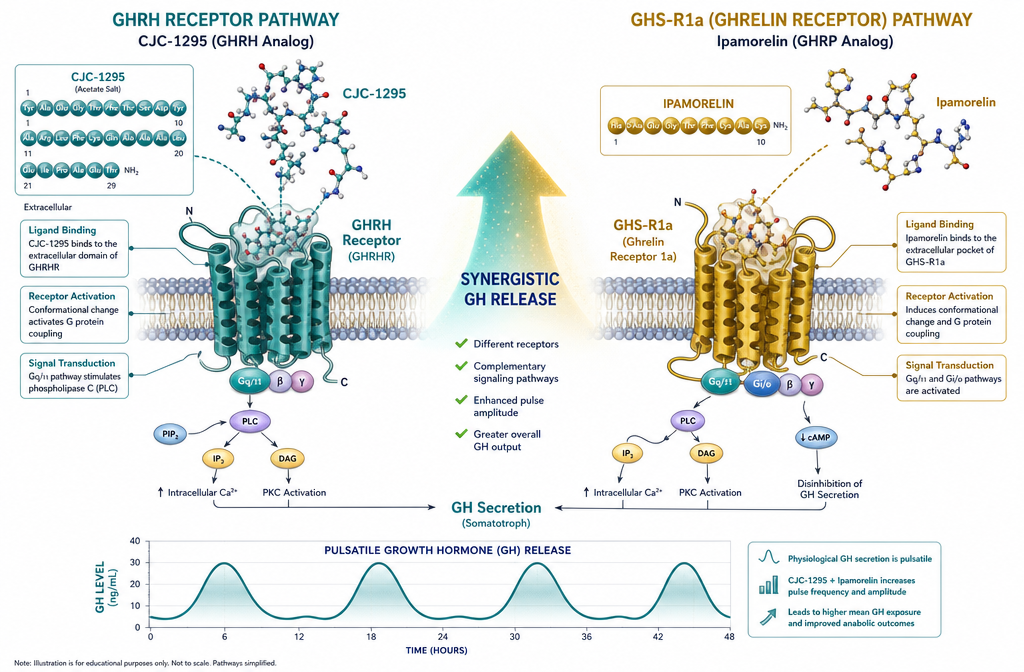
Growth hormone does not flow in a steady stream — it fires in discrete pulses, with the largest burst occurring during deep sleep. That biological rhythm is the central challenge researchers face when designing peptide protocols. CJC-1295 and Ipamorelin combination protocols: modeling pulsatile GH release in animal studies has become one of the most studied approaches to recreating that natural rhythm in preclinical settings, precisely because the two peptides activate entirely different receptor pathways before converging on the same secretory outcome.

Key Takeaways

  • CJC-1295 activates the GHRH receptor; Ipamorelin activates the GHS-R1a ghrelin receptor — dual stimulation produces synergistic GH output.
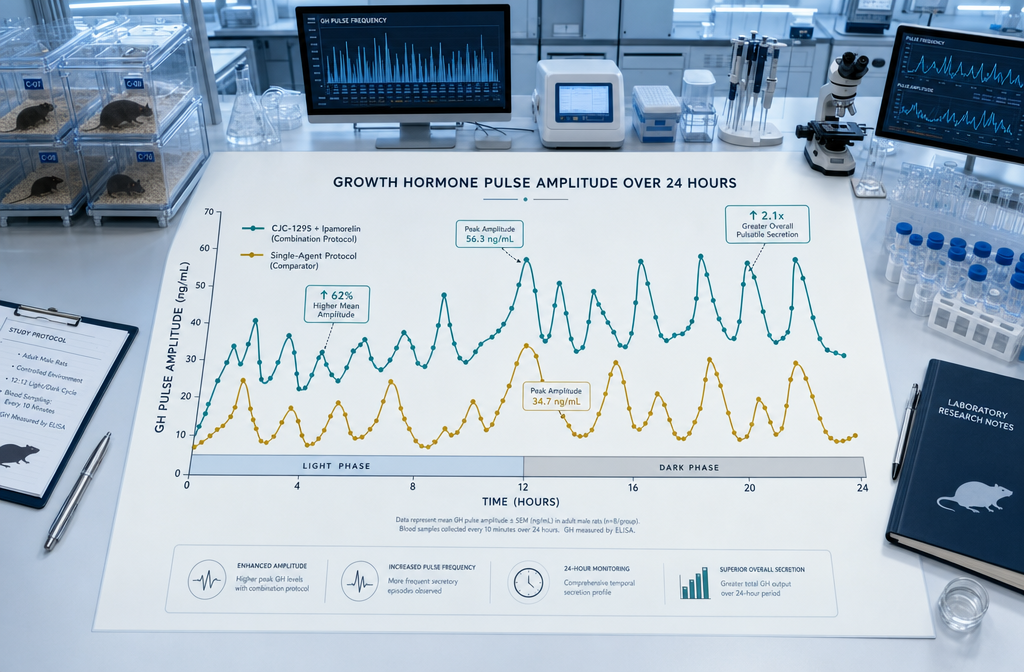
  • Together, the peptides closely replicate the body's natural pulsatile GH secretion pattern in animal models.
  • Ipamorelin's receptor selectivity avoids significant cortisol or prolactin elevation, making it a cleaner research tool.
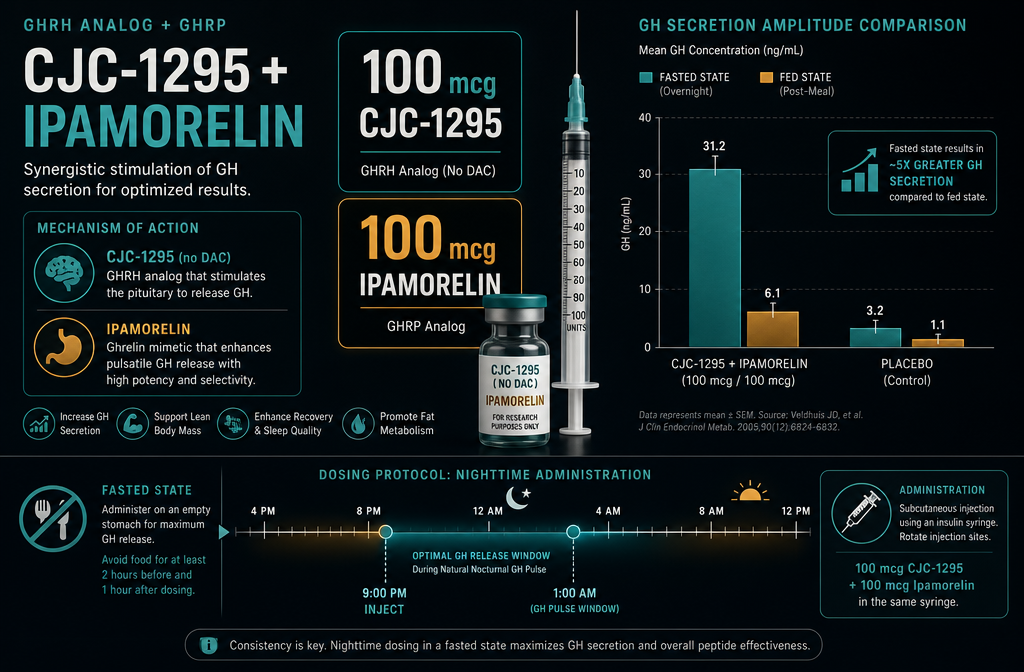
  • Fasted-state administration appears to optimize GH pulse amplitude in preclinical protocols.
  • Both peptides are strictly for licensed laboratory research and are not approved for human use.

Key Takeaways

How Dual-Receptor Activation Drives Synergistic GH Output

The pituitary gland responds to at least two distinct chemical signals when releasing GH. CJC-1295 is a stabilized analog of growth hormone-releasing hormone (GHRH) that binds to the GHRH receptor on somatotroph cells, stimulating both GH synthesis and secretion. Ipamorelin, by contrast, is a selective ghrelin receptor agonist that targets the GHS-R1a receptor through a completely independent signaling cascade.

When researchers administer both peptides together, each receptor pathway amplifies the other's signal. The result is a GH release that consistently exceeds what either compound produces alone — a true synergistic effect rather than a simple additive one. Researchers exploring CJC-IPA synergy research themes have documented this complementary mechanism as a key reason the combination attracts sustained scientific interest.

What makes Ipamorelin particularly valuable in these models is its selectivity. Unlike earlier ghrelin mimetics, Ipamorelin does not significantly raise cortisol or prolactin levels at research doses. This cleaner hormonal profile allows investigators to isolate GH-specific effects without confounding variables — a critical advantage when the goal is precise mechanistic data.

For a broader look at how Ipamorelin fits within the GH-axis peptide family, the GH axis product line overview provides useful context on related compounds and their receptor targets.


How Dual-Receptor Activation Drives Synergistic GH Output

Modeling Pulsatile GH Release: What Animal Studies Reveal

Replicating physiologic GH pulsatility is harder than simply raising GH levels. Natural GH secretion follows a rhythmic pattern tied to sleep stages, fasting status, and hypothalamic feedback loops. The core research question in CJC-1295 and Ipamorelin combination protocols: modeling pulsatile GH release in animal studies is whether exogenous peptide administration can restore or mimic that rhythm rather than simply flooding the system with a sustained hormone elevation.

Preclinical data from rodent models show that CJC-1295 (no-DAC formulation) produces a sharp, transient GH spike rather than a prolonged plateau. When paired with Ipamorelin, the combined pulse closely resembles the amplitude and duration of endogenous GH bursts. Crucially, studies using continuous CJC-1295 stimulation confirm that pulsatile secretion patterns are maintained rather than suppressed — an important finding because tonic GH elevation can downregulate receptor sensitivity over time.

Researchers interested in the mechanistic distinctions between CJC-1295 formulations can review CJC-1295 no-DAC research themes for a detailed breakdown of half-life and pulse dynamics.

The IPA GHRH/GRF research page further explores how ghrelin receptor agonists interact with the GHRH axis at the hypothalamic level, which is directly relevant to understanding why combination dosing produces more physiologic pulse shapes than single-agent administration.


Modeling Pulsatile GH Release: What Animal Studies Reveal

Protocol Design: Timing, Dosing, and Fasting State Considerations

Translating receptor biology into a workable research protocol requires attention to three variables: dose, timing, and metabolic context.

Established preclinical dosing parameters include:

Variable Research Parameter
CJC-1295 (no-DAC) dose ~100 mcg per administration
Ipamorelin dose ~100 mcg per administration
Preferred timing Pre-sleep window
Metabolic state Fasted preferred

The pre-sleep timing is deliberate. The largest natural GH pulse in most mammals occurs during early deep sleep, so aligning exogenous stimulation with that window reinforces rather than disrupts endogenous rhythm. Administering the combination during a fasted state further optimizes results: elevated insulin and circulating free fatty acids are known to blunt GH release at the pituitary level, so low-insulin conditions allow the peptide signal to reach its full potential.

Researchers designing multi-peptide GH-axis protocols can also review the Sermorelin, Ipamorelin, and CJC-1295 dosage resource for comparative data on how different GHRH analogs perform alongside Ipamorelin across dosing schedules.

For studies requiring blended formulations, Tesamorelin/CJC-1295/Ipamorelin blend options represent an adjacent research tool worth evaluating. Purity verification remains non-negotiable in any peptide study; the quality testing protocols page outlines the analytical standards used to confirm compound identity and concentration before research use.

"The value of the CJC-1295/Ipamorelin pairing lies not in simply raising GH levels, but in recreating the pulsatile architecture that makes GH signaling biologically meaningful."


Conclusion

CJC-1295 and Ipamorelin combination protocols: modeling pulsatile GH release in animal studies offers researchers a mechanistically grounded framework for studying the GH axis. By engaging two independent receptor pathways — GHRH-R and GHS-R1a — the combination produces synergistic, pulse-shaped GH secretion that mirrors endogenous biology more closely than single-agent approaches.

Actionable next steps for researchers in 2026:

  • Confirm peptide purity through validated third-party testing before any in vivo work.
  • Design dosing schedules around the pre-sleep window and fasted metabolic state to maximize pulse amplitude.
  • Use the no-DAC formulation of CJC-1295 when short, discrete GH pulses are the research objective.
  • Compare combination outcomes against Ipamorelin-only and CJC-1295-only control groups to quantify the synergistic contribution.
  • Review current blend formulations and receptor-specific literature before finalizing protocol parameters.

Both peptides remain strictly research-grade compounds, intended solely for licensed laboratory use and not approved for human administration.

https://www.puretestedpeptides.com/wp-content/uploads/2026/06/CJC-1295-and-Ipamorelin-Combination-Protocols-Modeling-Pulsatile-GH-Release-in-Animal-Studies.png 672 1024 https://www.puretestedpeptides.com/wp-content/uploads/2026/01/buy-peptides-online.jpg 2026-06-10 13:06:182026-06-10 13:06:18CJC-1295 and Ipamorelin Combination Protocols: Modeling Pulsatile GH Release in Animal Studies
×

Helpful Links

  • My account
  • Cart
  • Checkout
  • Refund and Returns Policy
  • Privacy Policy
  • SMS Privacy Policy
  • Login
  • My Account
  • Logout

USA Made Lab Tested Peptides

All products are sold for research, laboratory, or analytical purposes only, and are not for human consumption


Pure Tested Peptides is a chemical supplier. Pure Tested Peptides is not a compounding / chemical compounding facility as defined under 503A of the Federal Food, Drug, and Cosmetic act. Pure Tested Peptides is not an outsourcing facility as defined under 503B of the Federal Food, Drug, and Cosmetic act.

The statements made within this website have not been evaluated by the US Food and Drug Administration. The products we offer are not intended to diagnose, treat, cure or prevent any disease.

Human/Animal Consumption Prohibited. Laboratory/In-Vitro Experimental Use Only

Scroll to top Scroll to top Scroll to top