Retatrutide Phase 3 Cardiometabolic Endpoints: How to Interpret Triglycerides, Non-HDL Cholesterol, Blood Pressure, and hsCRP Together
A 51% drop in high-sensitivity C-reactive protein alongside a 37% reduction in triglycerides, recorded in the same patients, at the same 80-week timepoint, is not a coincidence. It is a signal that demands careful interpretation. The TRIUMPH phase 3 program has now generated a dense cardiometabolic dataset around retatrutide, and understanding how to read Retatrutide Phase 3 Cardiometabolic Endpoints: How to Interpret Triglycerides, Non-HDL Cholesterol, Blood Pressure, and hsCRP Together requires separating what the numbers show from what they can, and cannot, prove about cardiovascular outcomes.
Key Takeaways
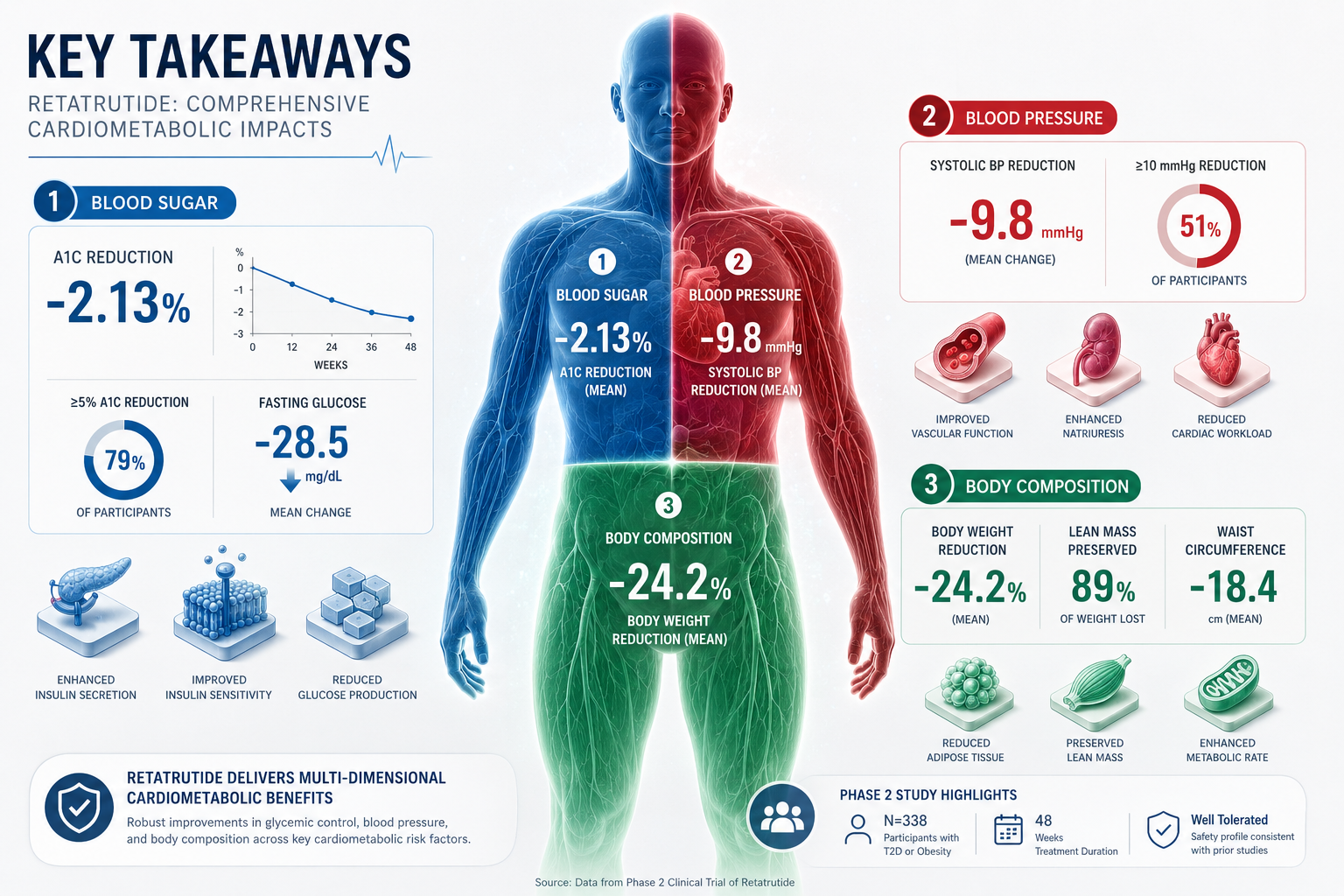
- Retatrutide 12 mg produced mean weight loss of 22.6% in TRIUMPH-3, alongside reductions of 37% in triglycerides, 16.5% in non-HDL cholesterol, 9.3 mmHg in systolic blood pressure, and 51.2% in hsCRP at 80 weeks.
- Across broader obesity populations in TRIUMPH-1 and TRIUMPH-4, these cardiometabolic effects were even larger, reaching 39.5% triglyceride reduction and 58.3% hsCRP reduction.
- All four endpoints are surrogate markers, not clinical event data. The composite MACE-5 hazard ratio in TRIUMPH-3 was 0.82 but did not reach statistical significance.
- Interpreting correlated endpoints requires understanding covariate adjustment, endpoint timing, and the distinction between weight-mediated and weight-independent effects.
- The dedicated TRIUMPH-Outcomes cardiovascular trial is underway, with results not expected until approximately 2029 or later.
What the TRIUMPH Phase 3 Data Actually Show
The TRIUMPH program spans multiple pivotal trials. TRIUMPH-3 enrolled 1,949 adults with a BMI of 35 or higher and established cardiovascular disease. Over 80 weeks, retatrutide 12 mg delivered mean weight loss of 22.6% versus 3.2% in the control group. The cardiometabolic secondary endpoints moved in parallel:
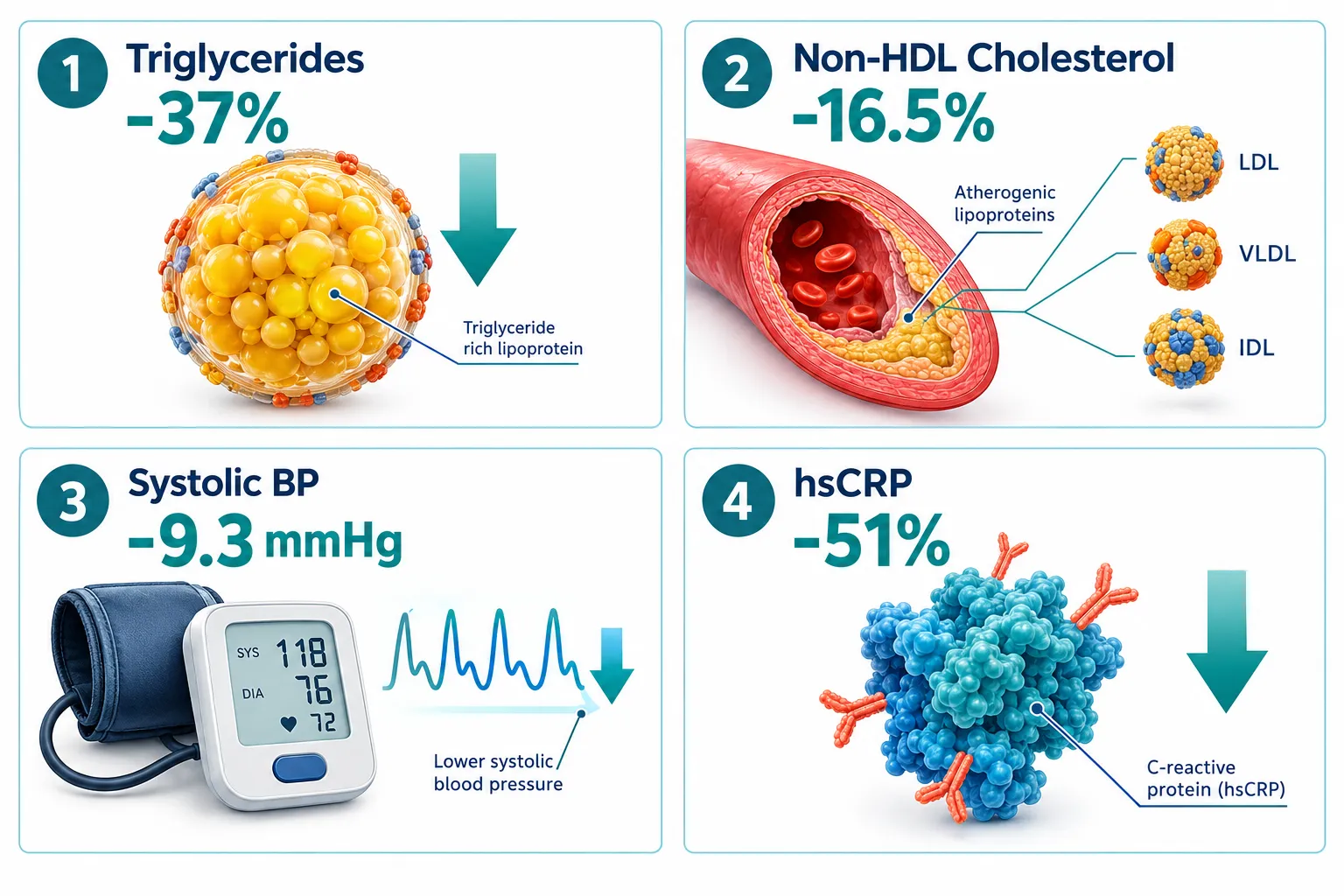
| Endpoint | TRIUMPH-3 (12 mg) | TRIUMPH-1/TRIUMPH-4 (High Dose) |
|---|---|---|
| Triglycerides | -37.0% | -39.5% |
| Non-HDL Cholesterol | -16.5% | -19.6% |
| Systolic Blood Pressure | -9.3 mmHg | -10.8 mmHg |
| hsCRP | -51.2% | -58.3% |
| Waist Circumference | -19.0 cm | Significant reduction |
In TRIUMPH-2, which studied adults with obesity or overweight and type 2 diabetes, retatrutide at 4, 9, and 12 mg produced weight losses of 12.7%, 19.1%, and 20.8%, respectively, with A1C reductions up to 1.6 percentage points. At the highest dose, systolic blood pressure fell by up to 14.0 mmHg, reinforcing that the blood pressure effect is dose-dependent and present even in a metabolically distinct population.
These findings are consistent with phase 2 data published in the NEJM, where retatrutide showed dose-dependent improvements in triglycerides, LDL cholesterol, HbA1c, and blood pressure, foreshadowing the larger phase 3 reductions across the full TRIUMPH program. Researchers following Retatrutide Clinical Trials have noted the reproducibility of these signals across different obesity phenotypes.
How to Interpret Correlated Endpoints: Separating Weight Loss from Direct Effects
This is the central interpretive challenge in Retatrutide Phase 3 Cardiometabolic Endpoints: How to Interpret Triglycerides, Non-HDL Cholesterol, Blood Pressure, and hsCRP Together. Because weight loss itself improves all four markers, it is tempting to attribute every improvement to fat mass reduction. The data suggest a more nuanced picture.
Three interpretive principles matter here:
1. Endpoint timing relative to weight loss trajectory. Triglyceride reductions in GLP-1-class agents tend to appear early, often before peak weight loss is achieved. hsCRP reductions, by contrast, may continue to deepen as adipose-driven inflammation resolves over months. When all four endpoints are measured at the same 80-week timepoint, early and late responders are collapsed into a single number.
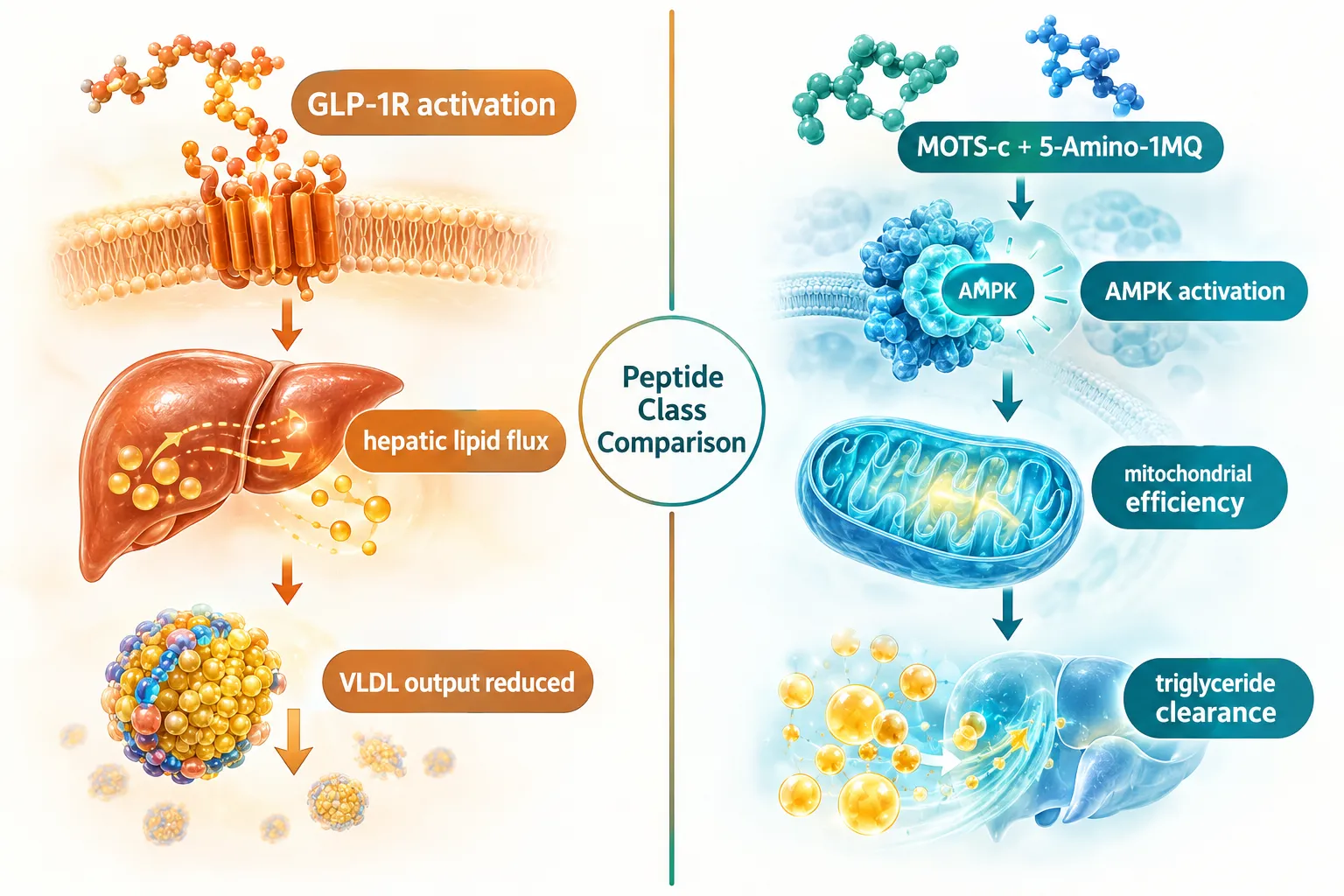
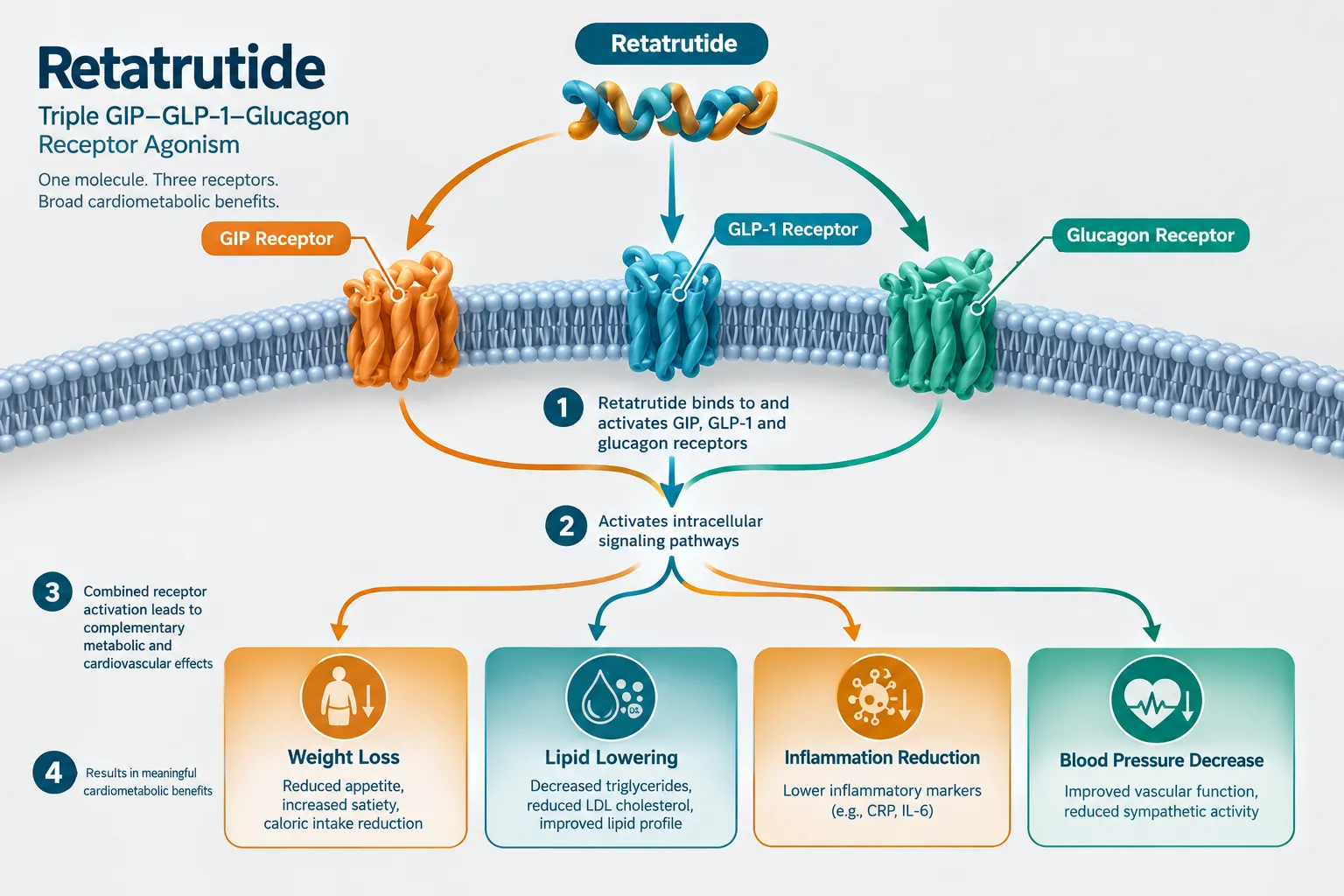
2. Covariate adjustment for weight change. Phase 3 secondary analyses that adjust for weight loss as a covariate can isolate the weight-independent component of each effect. Retatrutide is a triple agonist at GIP, GLP-1, and glucagon receptors. The glucagon receptor pathway has independent effects on hepatic lipid metabolism, particularly relevant to triglyceride clearance, that are not fully explained by adiposity reduction alone. Understanding GLP-1 retatrutide receptor pharmacology helps contextualize why lipid effects may exceed what weight loss alone would predict.
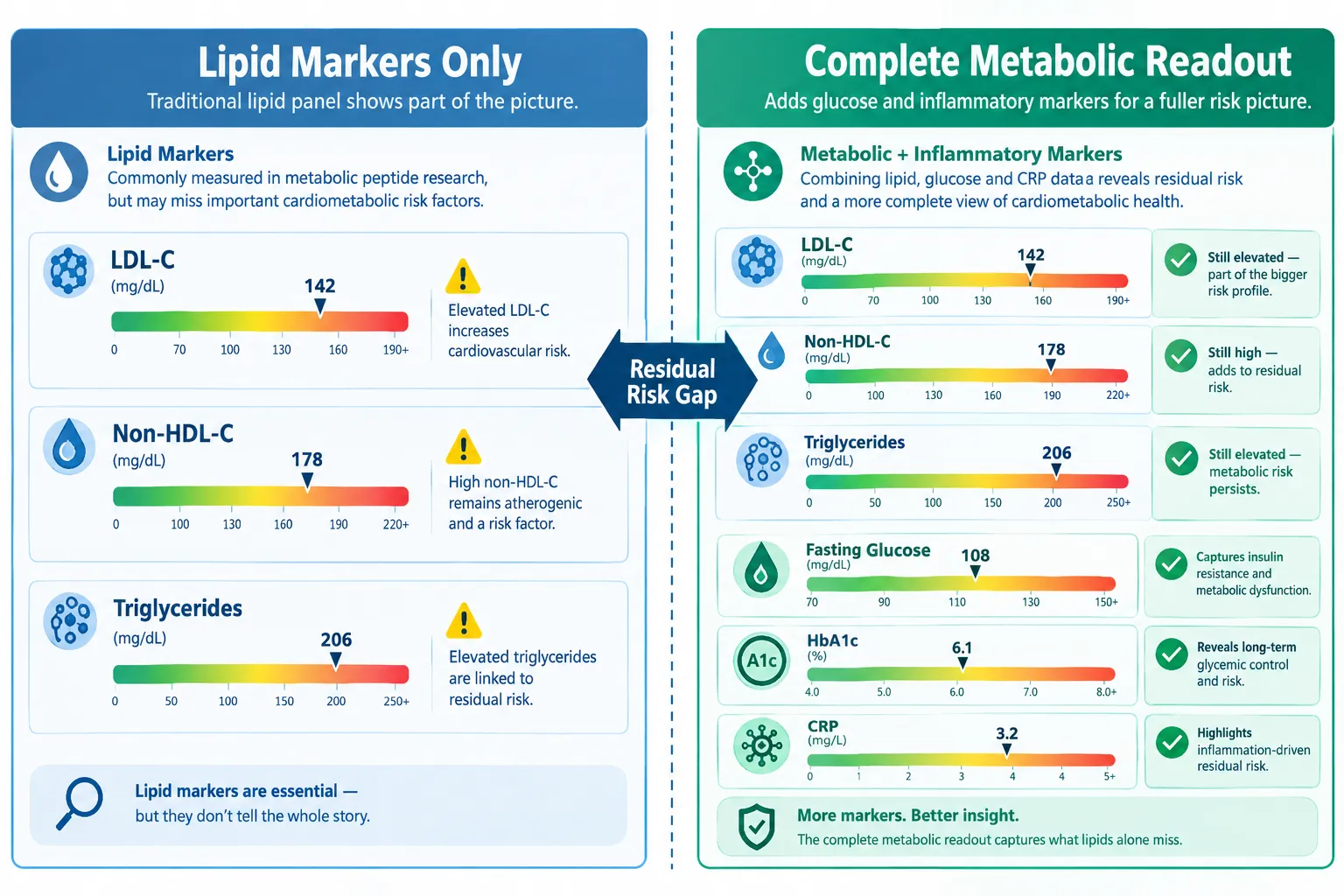
3. Correlation among endpoints does not imply redundancy. A patient showing large triglyceride reduction, moderate non-HDL reduction, meaningful blood pressure lowering, and substantial hsCRP reduction is experiencing improvements across three distinct cardiovascular risk axes simultaneously: atherogenic dyslipidemia, hemodynamic stress, and systemic inflammation. These are additive risk factors in atherosclerotic cardiovascular disease, and their simultaneous reduction is clinically meaningful, even before outcomes data are available.
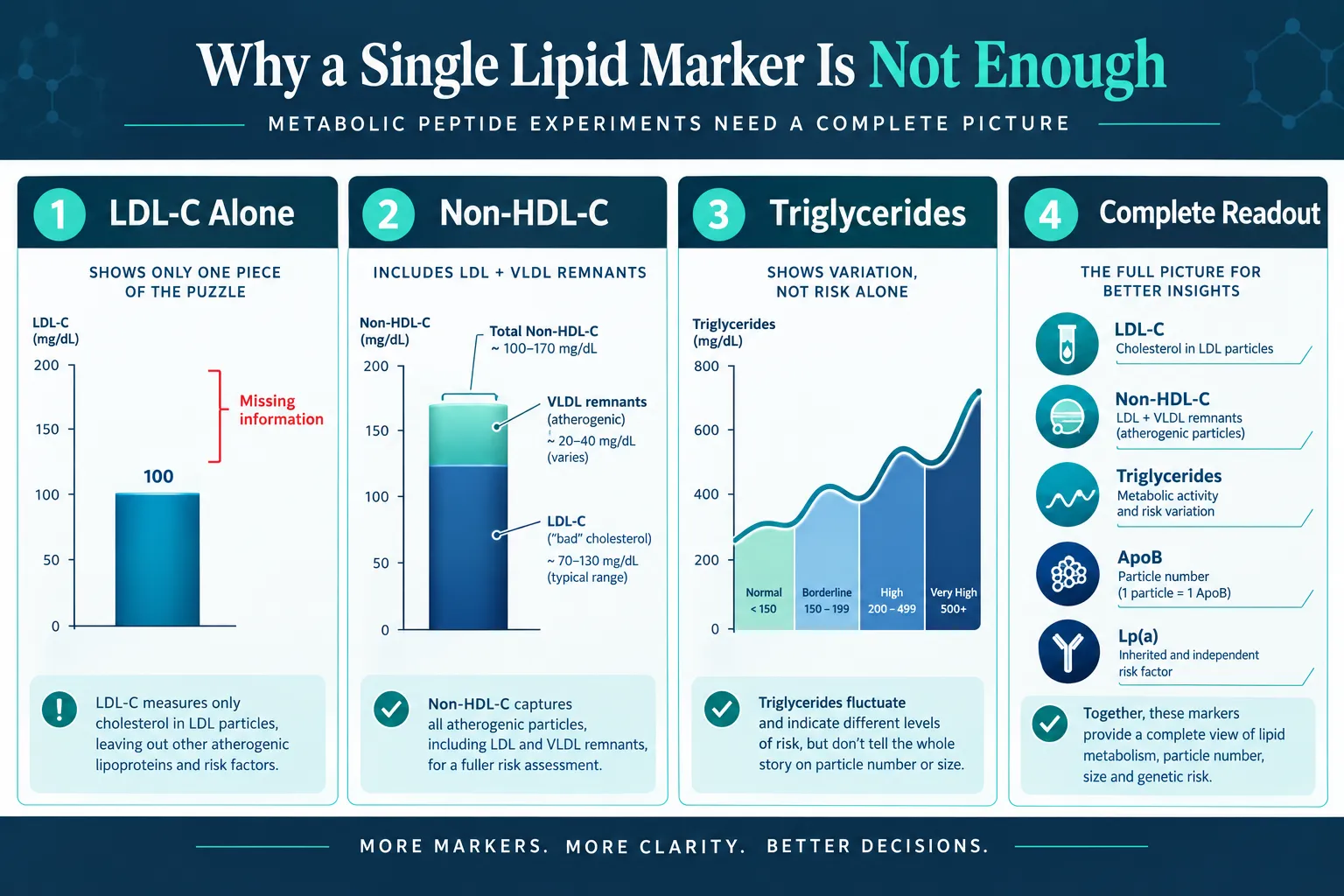
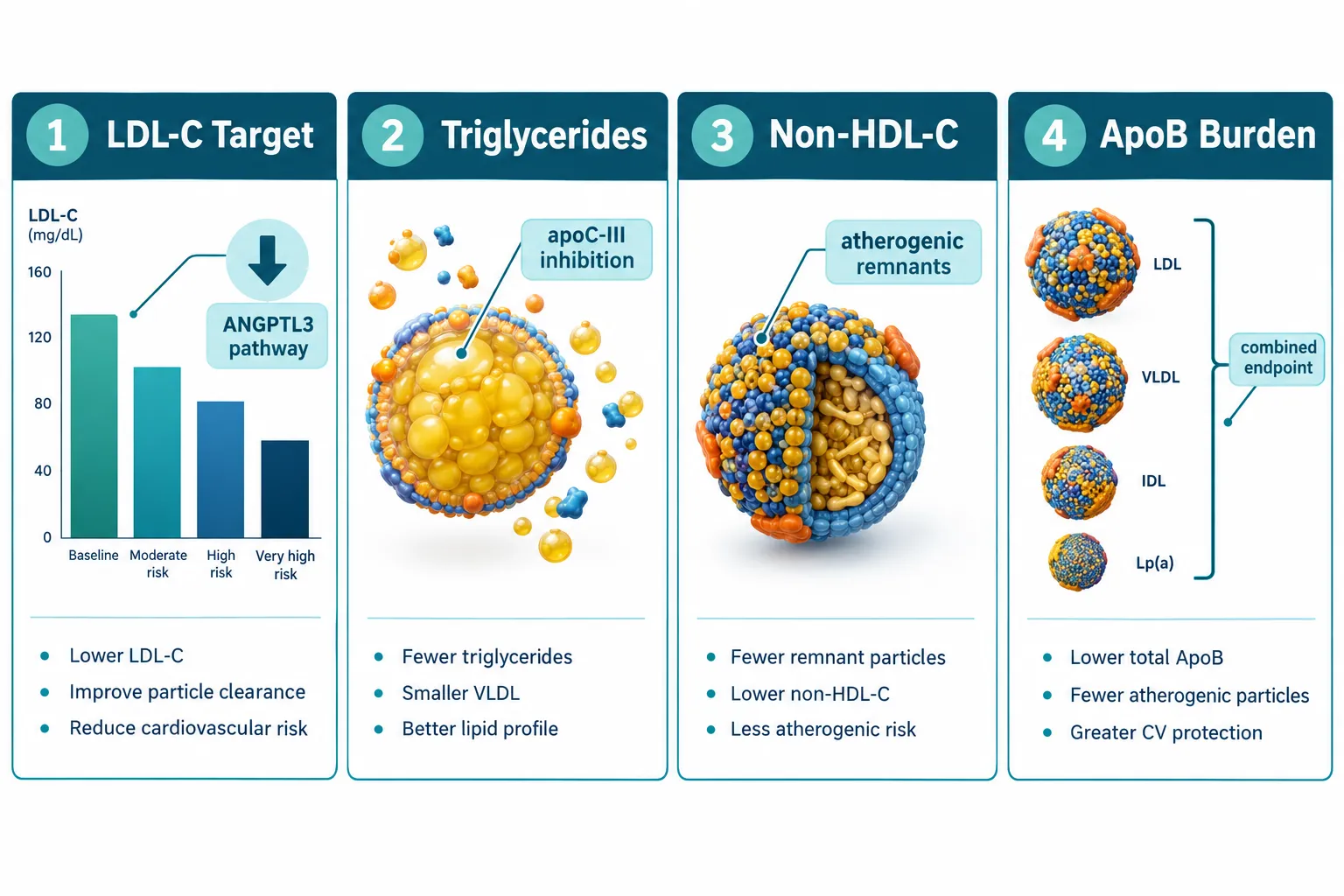
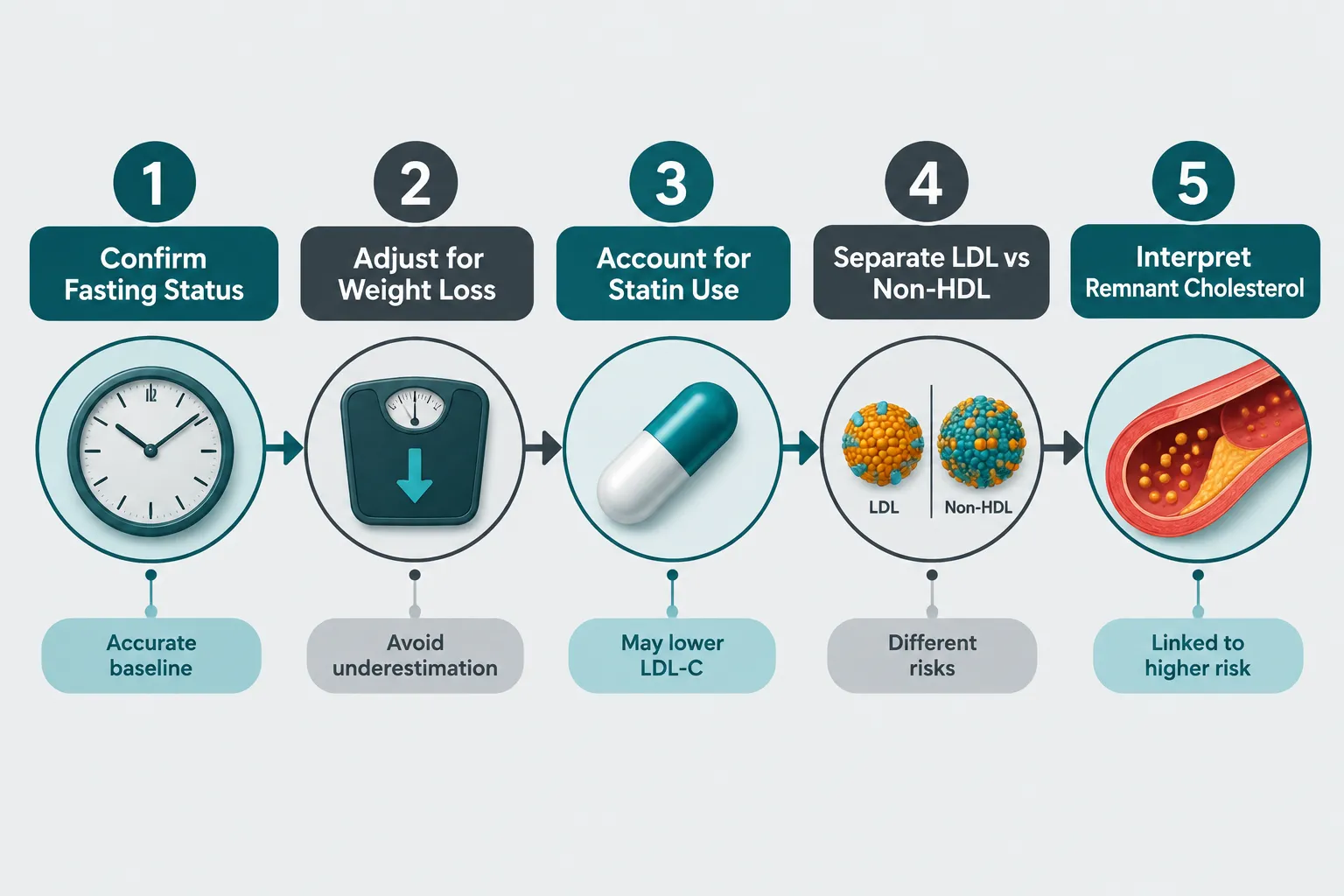
Key distinction: Non-HDL cholesterol captures all atherogenic lipoproteins (LDL, VLDL, IDL, Lp(a)-associated particles), making it a broader risk marker than LDL alone. A 16.5% to 19.6% reduction in non-HDL represents a meaningful shift in atherogenic burden, particularly relevant in patients with residual risk despite statin therapy.
The Surrogate-to-Outcomes Gap: What the MACE Data Mean for 2026
Understanding Retatrutide Phase 3 Cardiometabolic Endpoints: How to Interpret Triglycerides, Non-HDL Cholesterol, Blood Pressure, and hsCRP Together requires honest engagement with the limits of surrogate data.
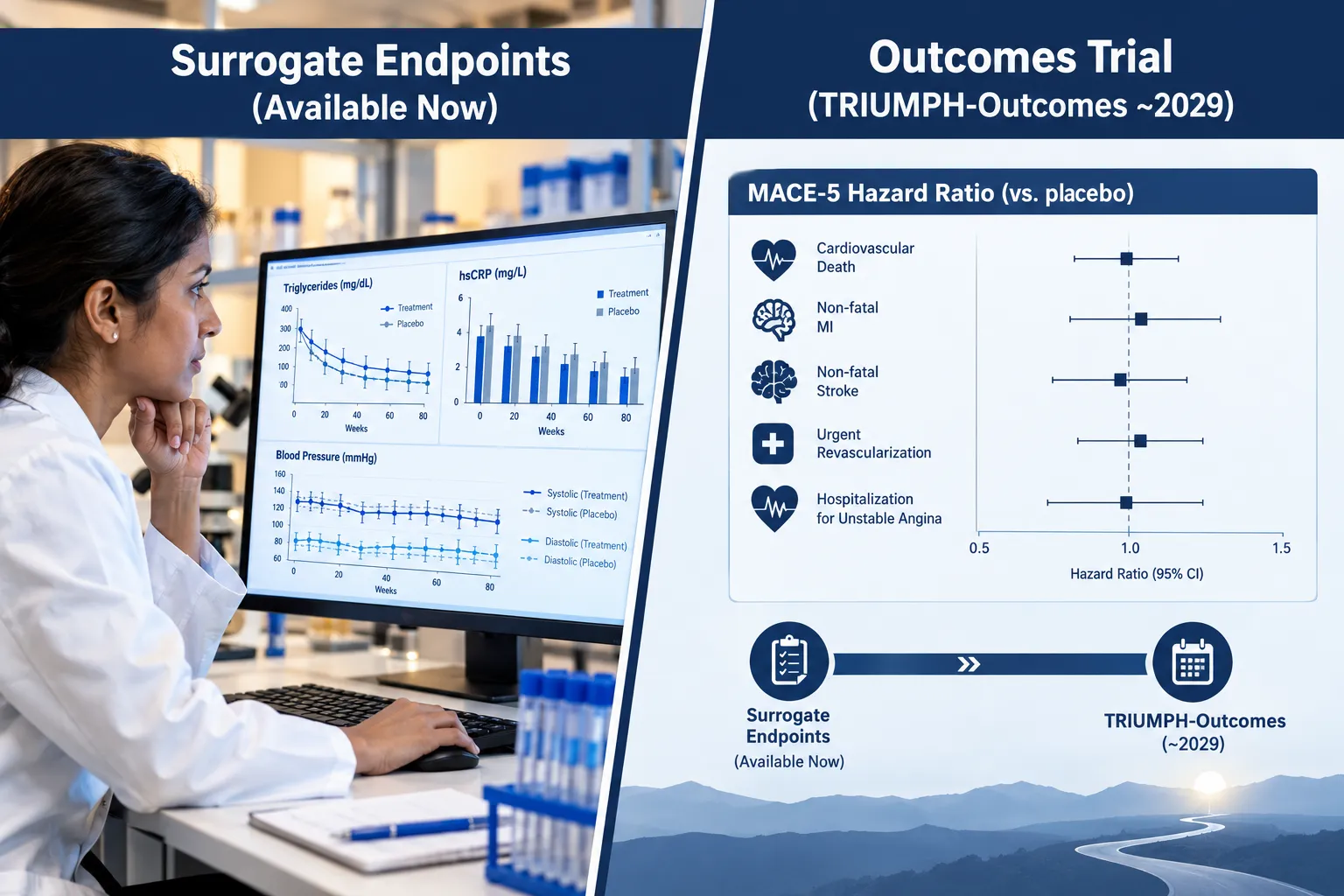
In TRIUMPH-3, the composite MACE-5 hazard ratio was 0.82 versus control. This is a numerically encouraging signal. However, it did not reach statistical significance at 80 weeks. This means retatrutide cannot yet be claimed to reduce clinical cardiovascular events, heart attacks, strokes, or cardiovascular deaths, even in a very high-risk population with established cardiovascular disease.
All cardiovascular data available as of 2026 are based on surrogate markers. The dedicated TRIUMPH-Outcomes trial is currently underway to test whether retatrutide lowers major adverse cardiovascular events in adults with overweight or obesity and established cardiovascular disease. Results are not expected until approximately 2029 or later.
What this means for interpretation:
- Triglyceride, non-HDL, blood pressure, and hsCRP reductions are secondary endpoints in trials designed primarily around weight management and glycemic control.
- Expert commentaries frame the multi-axis profile as targeting atherogenic lipoproteins, hemodynamic stress, and systemic inflammation simultaneously, a potentially important profile for residual cardiovascular risk.
- Any expectation of event reduction remains speculative pending the outcomes trial.
- If TRIUMPH-Outcomes demonstrates meaningful MACE reduction, formal cardiovascular risk-reduction labeling would likely not be possible before the early 2030s.
Researchers tracking Retatrutide Clinical Trial developments should note that the consistency of surrogate endpoint data across TRIUMPH-1, TRIUMPH-2, TRIUMPH-3, and TRIUMPH-4 strengthens confidence in the reliability of these secondary findings, even as the outcomes question remains open. Those interested in the combination pipeline can also review data on Cagrilintide and Retatrutide for context on next-generation cardiometabolic approaches.
Conclusion
The TRIUMPH phase 3 program has produced one of the most comprehensive cardiometabolic secondary endpoint datasets in obesity pharmacology to date. Triglycerides falling 37-39%, non-HDL cholesterol declining 16-20%, systolic blood pressure dropping 9-14 mmHg, and hsCRP reducing by more than half, all at 80 weeks, represent a reproducible, multi-axis cardiometabolic signal across different obesity phenotypes and comorbidity profiles.
Actionable next steps for researchers and clinicians reviewing this data:
- Examine covariate-adjusted analyses that isolate weight-independent lipid and inflammatory effects before attributing all improvement to fat mass reduction.
- Treat the four endpoints as complementary axes, not redundant measures, each captures a distinct cardiovascular risk pathway.
- Apply appropriate interpretive caution: surrogate improvements do not confirm event reduction until TRIUMPH-Outcomes reports.
- Monitor Eli Lilly's ongoing regulatory submissions and TRIUMPH-Outcomes enrollment milestones, expected to be decisive around 2029.
The cardiometabolic profile of retatrutide is now a central part of its value proposition, not an exploratory footnote. Reading it correctly, with attention to endpoint timing, covariate structure, and the surrogate-to-outcomes gap, is essential for any rigorous assessment of this triple agonist's place in cardiovascular risk management.