Retatrutide vs Tesofensine: How Receptor Biology and Monoamine Signaling Shape Metabolic Research Design
Nearly 24 percent of adults worldwide now meet criteria for obesity-related metabolic disease, yet two compounds under research scrutiny, retatrutide and tesofensine, attempt to address that burden through fundamentally different biological mechanisms. Understanding Retatrutide vs Tesofensine: How Receptor Biology and Monoamine Signaling Shape Metabolic Research Design is not simply an academic exercise. The receptor class each compound targets determines the endpoints researchers can reasonably measure, the safety signals they must monitor, and the patient populations they can safely study.
Key Takeaways
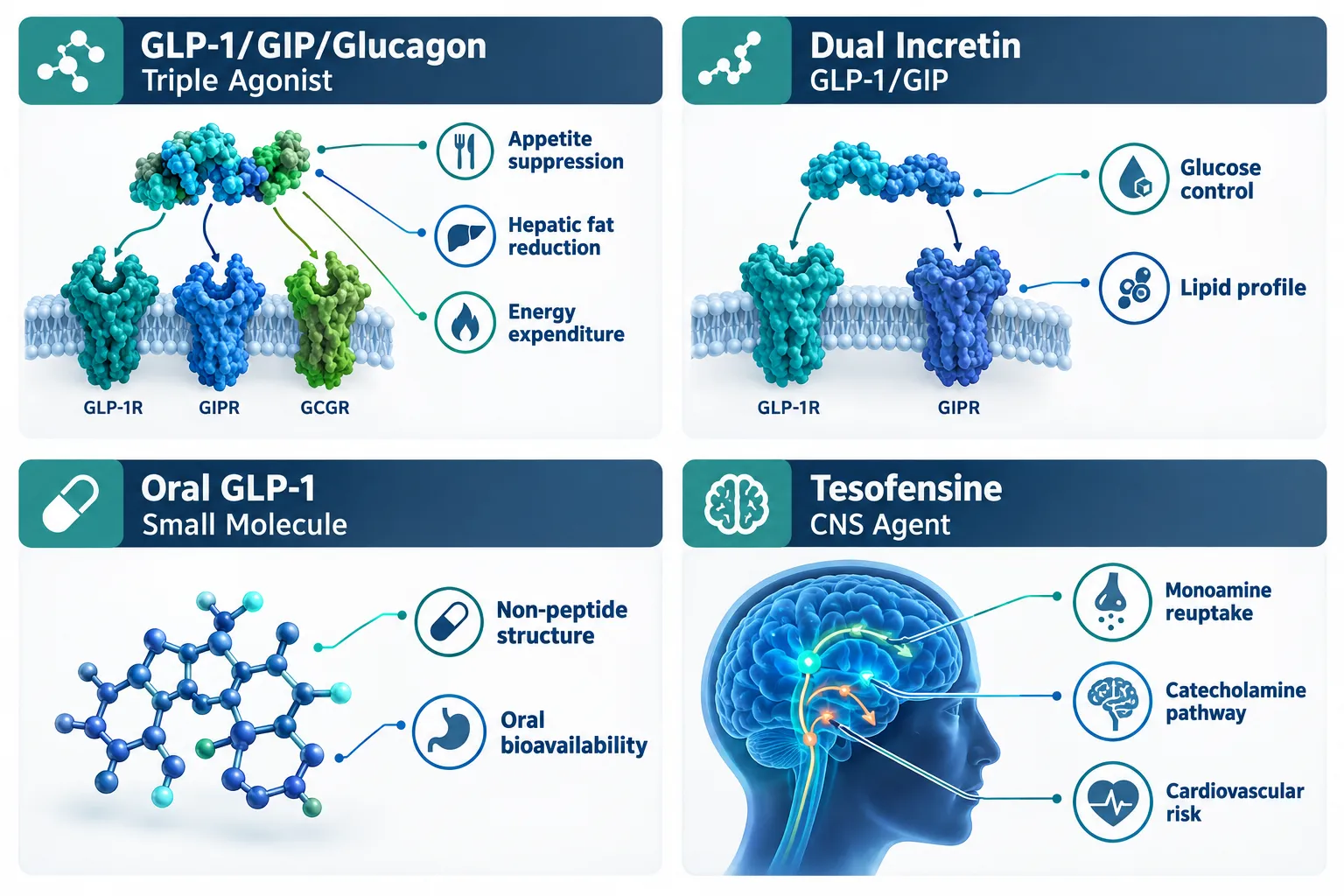
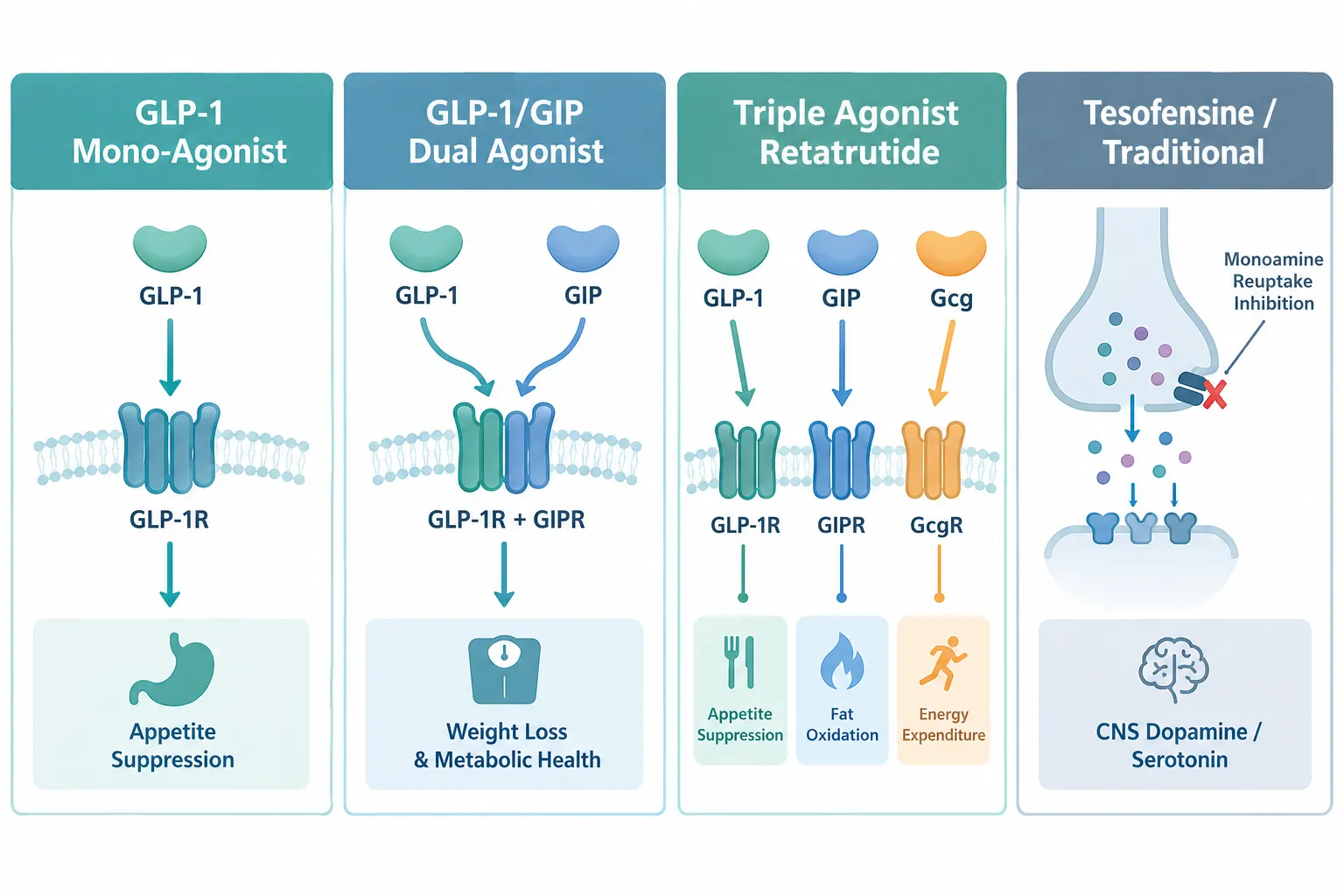
- Retatrutide is a triple hormone receptor agonist (GLP-1R, GIPR, GcgR); tesofensine is a small-molecule triple monoamine reuptake inhibitor, these are fundamentally different pharmacological classes.
- Receptor biology drives endpoint selection: hormone agonism supports glycemic, hepatic, renal, and cardiovascular endpoints, while monoamine blockade demands central nervous system and cardiovascular safety monitoring.
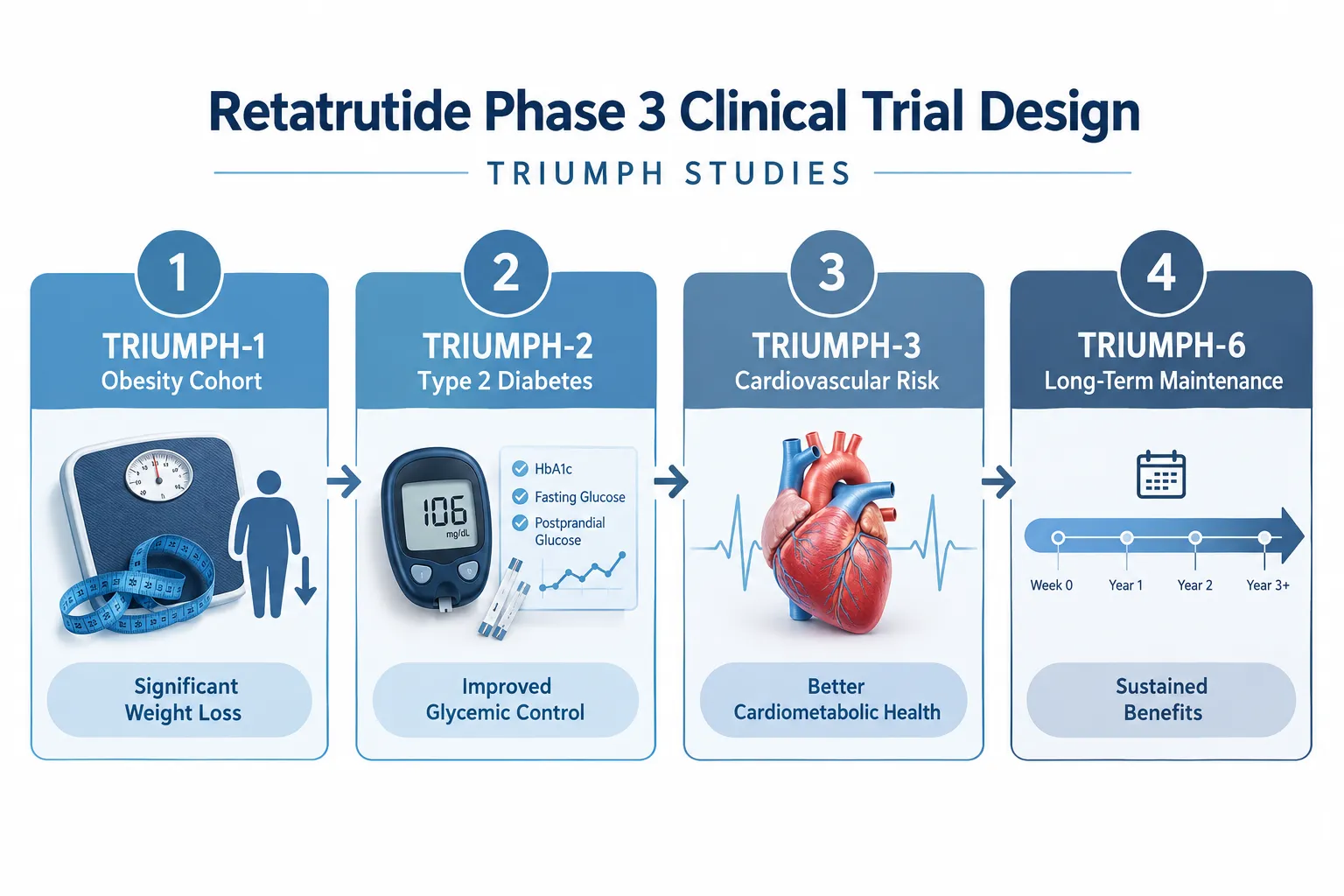
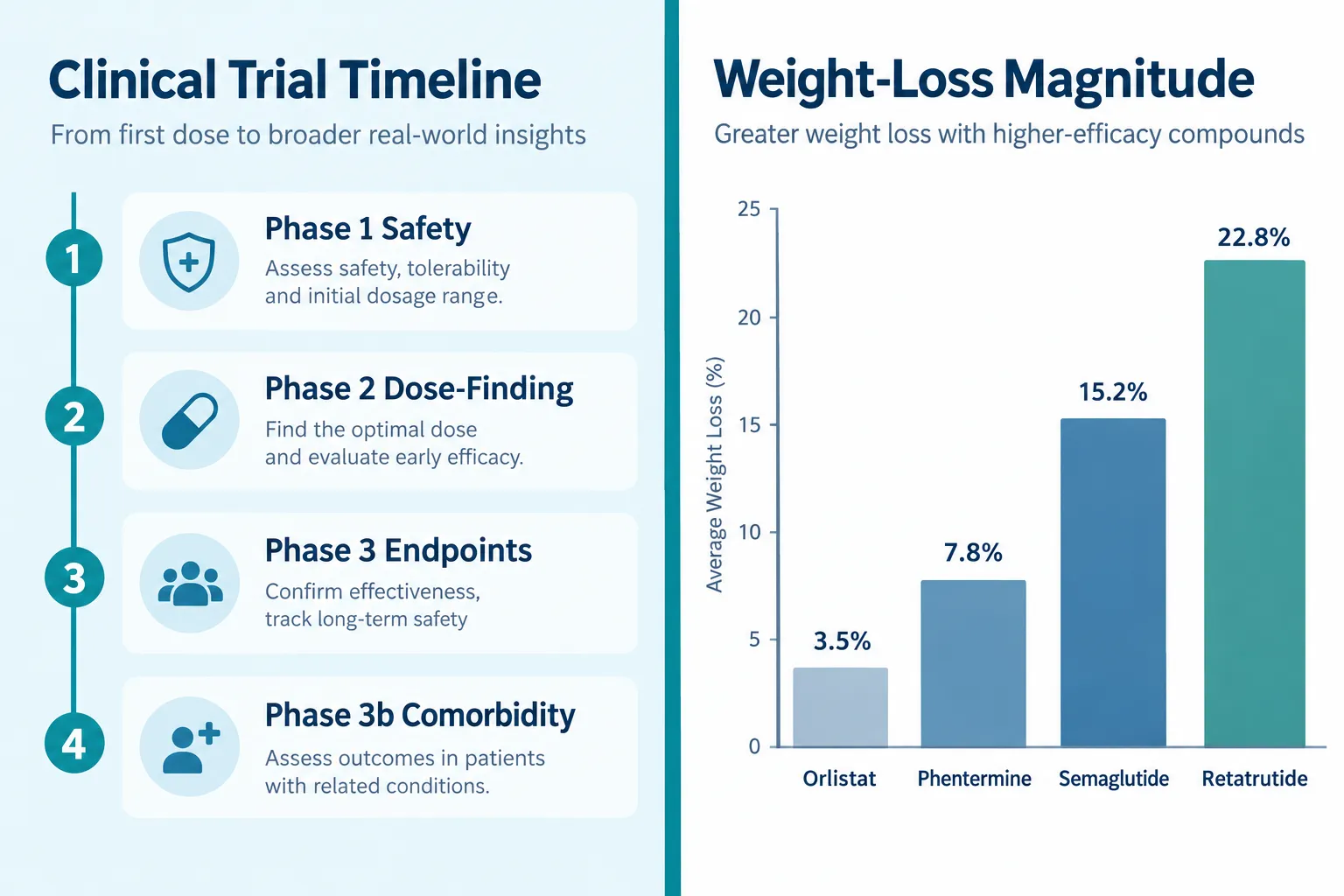
- Retatrutide's TRIUMPH-1 phase 3 data set a new efficacy benchmark for obesity pharmacotherapy.
- Tesofensine remains a niche research compound with a narrower endpoint profile and a more cautious regulatory trajectory.
- Choosing between these mechanisms as a research scaffold determines which patient populations can ethically be included in a trial.
Distinct Mechanisms: Triple Hormone Agonism vs Monoamine Reuptake Inhibition
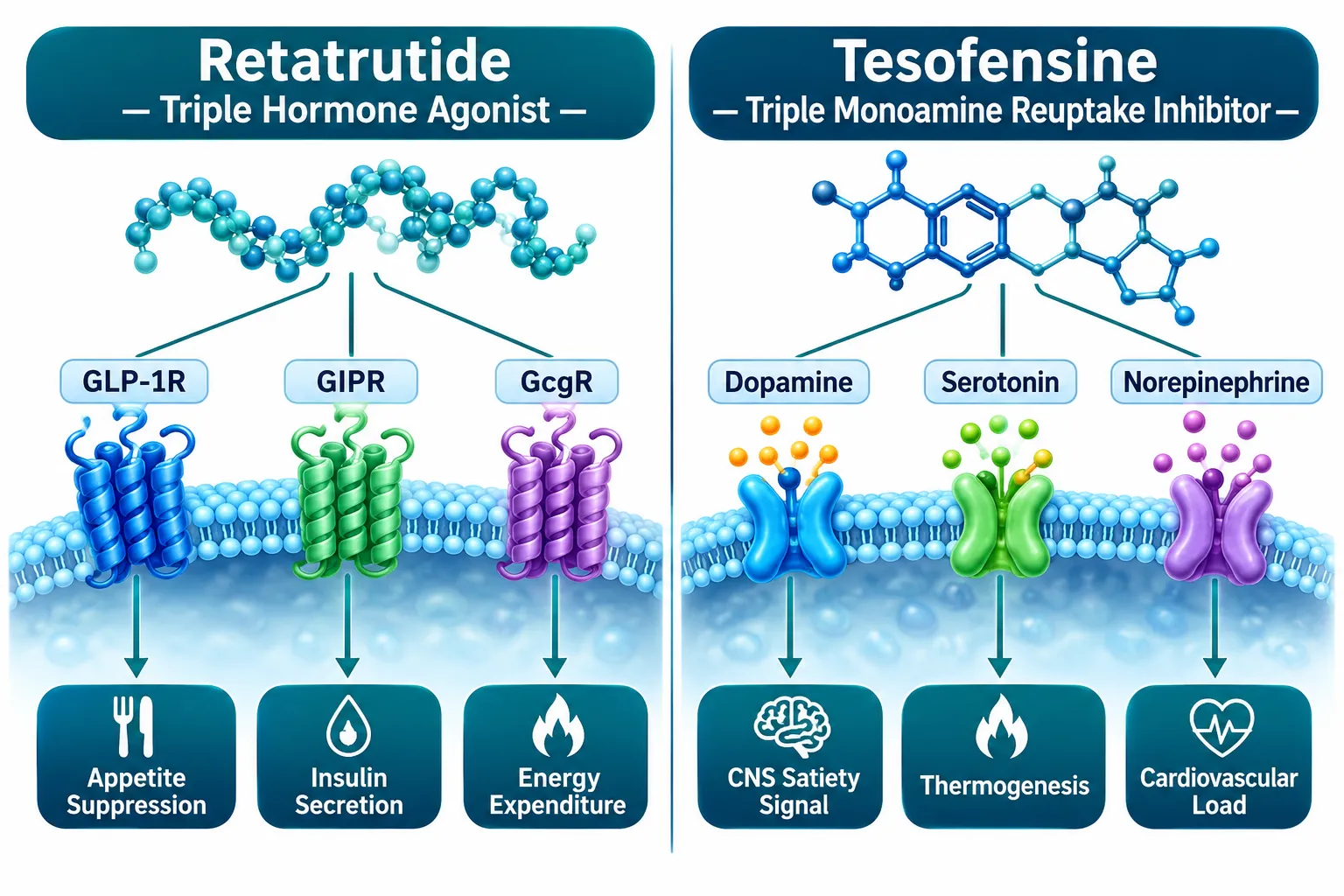
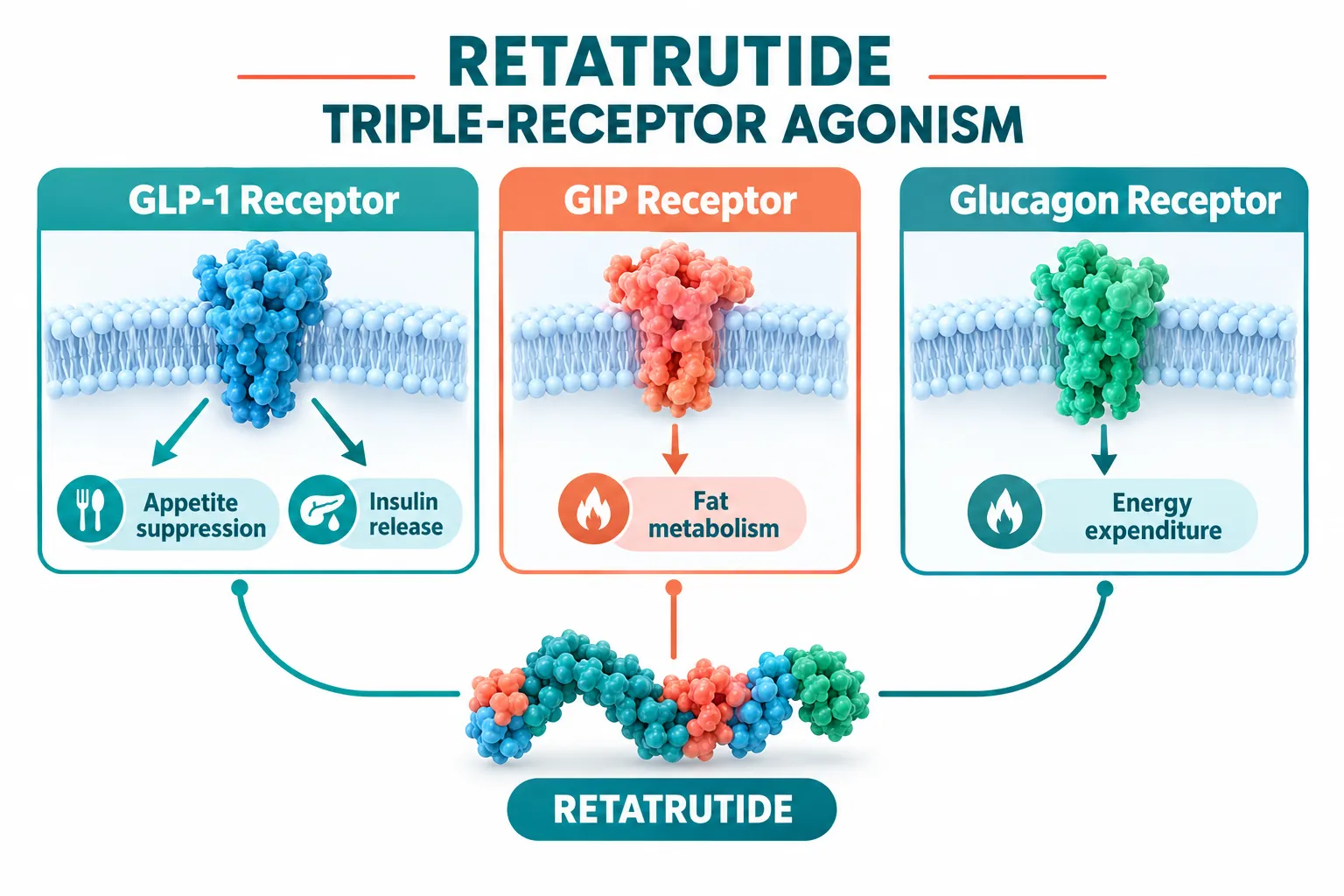
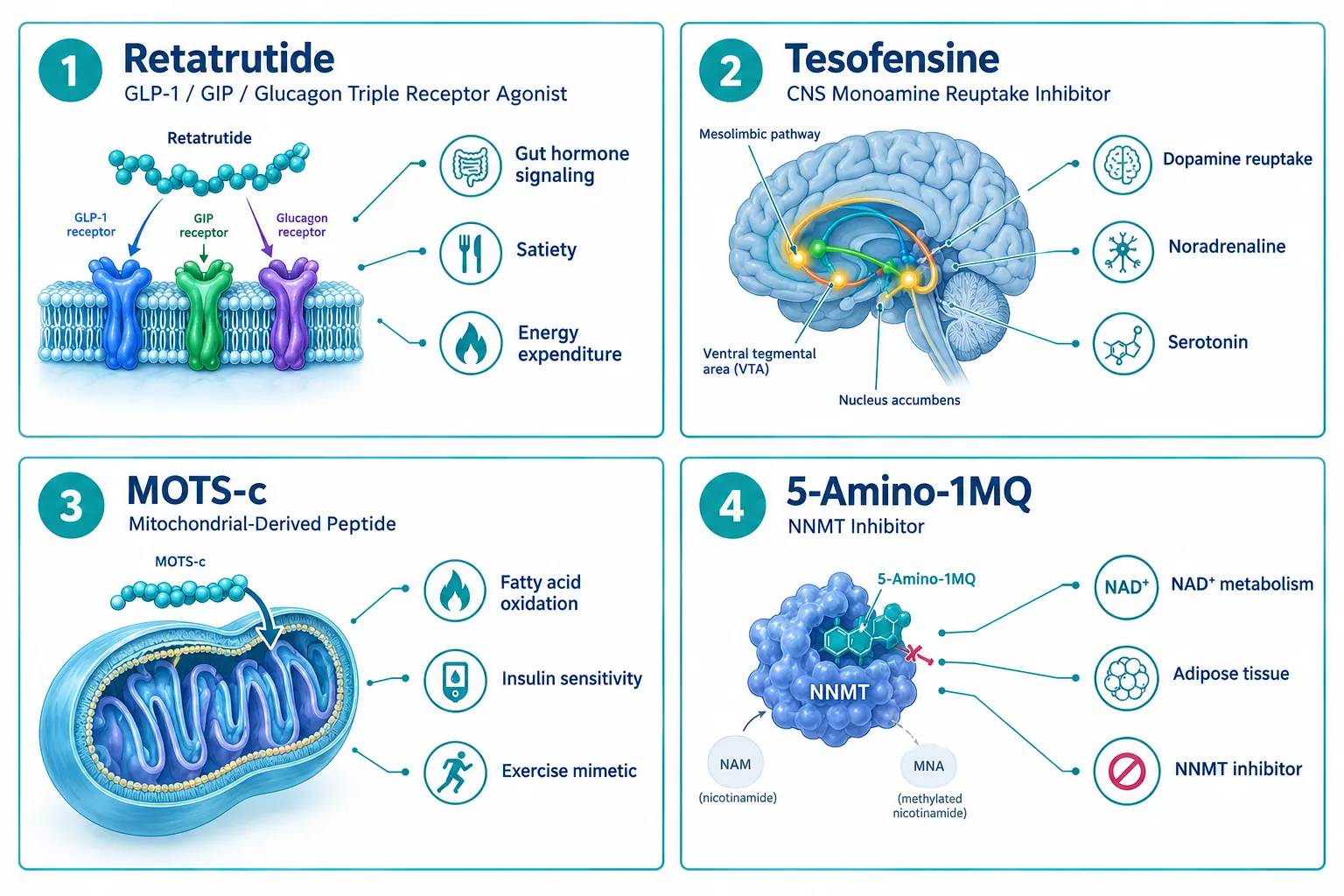
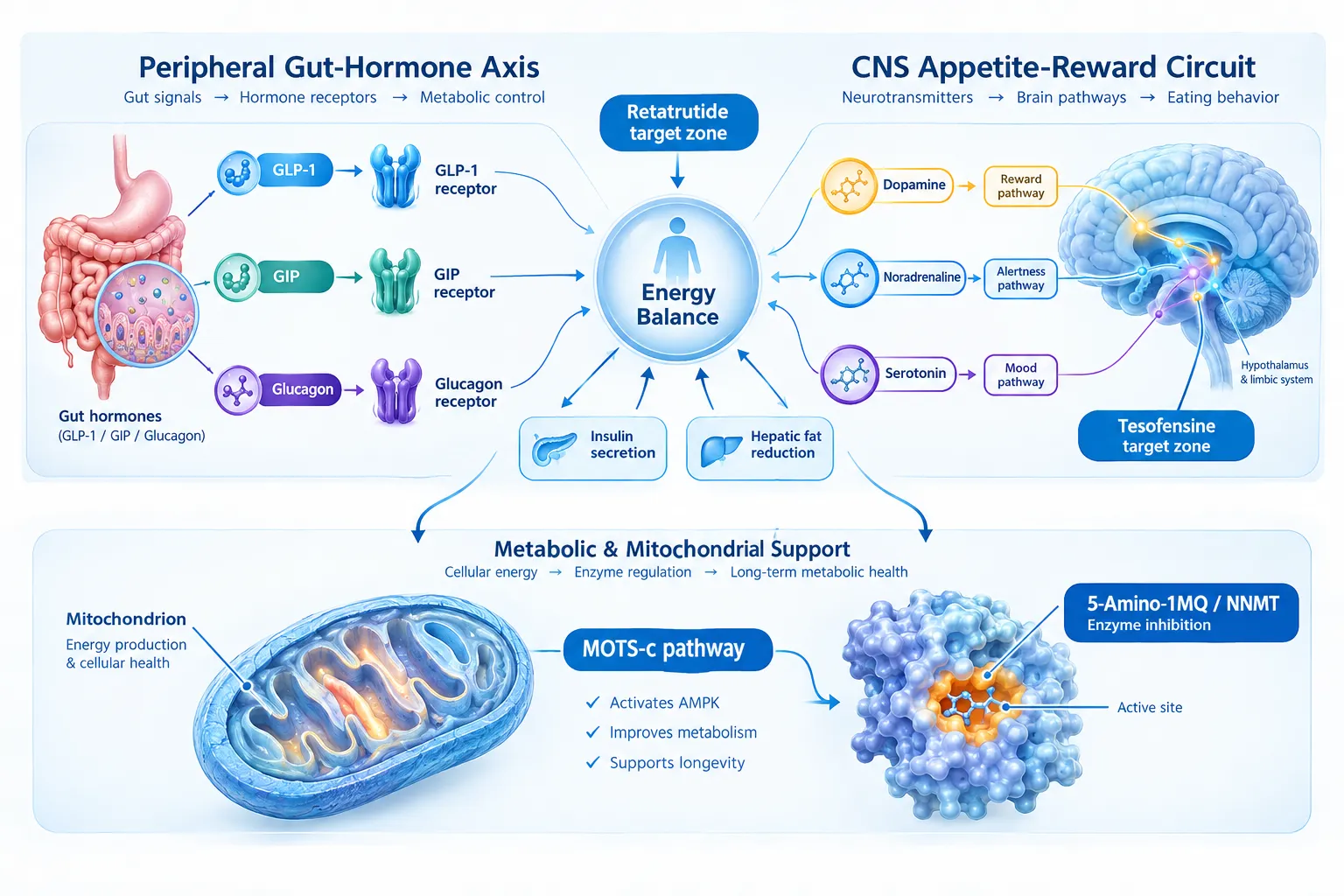
Retatrutide is a peptide-based triple agonist that activates three G-protein-coupled receptors (GPCRs): the glucagon-like peptide-1 receptor (GLP-1R), the glucose-dependent insulinotropic polypeptide receptor (GIPR), and the glucagon receptor (GcgR). Each receptor axis contributes a distinct metabolic function. GLP-1R activation reduces appetite and slows gastric emptying. GIPR activation enhances insulin release and may augment the satiety signal from GLP-1R. GcgR activation increases hepatic glucose output at low doses but, more importantly at therapeutic doses, raises energy expenditure through brown adipose tissue activation.
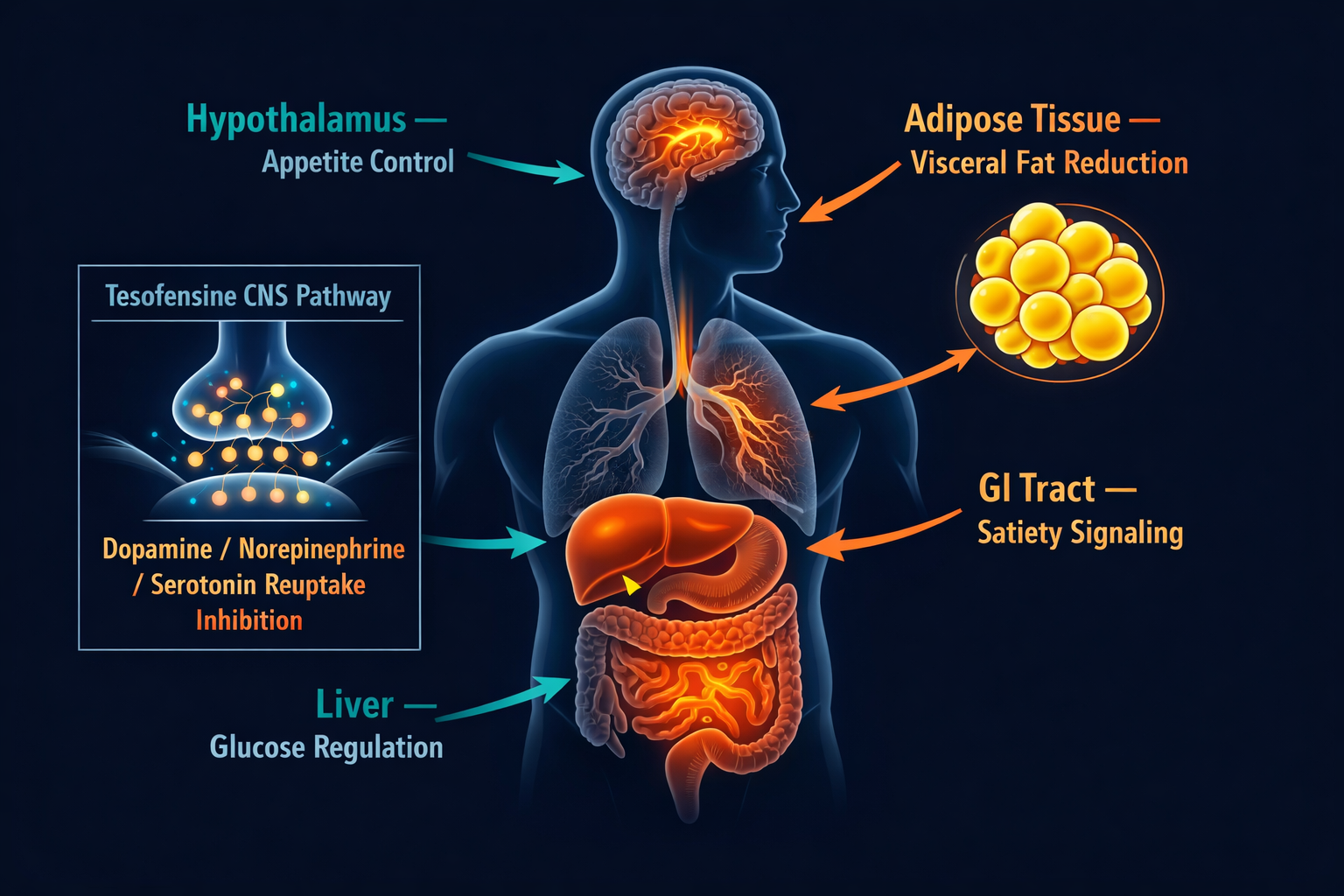
Tesofensine is a small molecule, not a peptide, that blocks the reuptake of dopamine, serotonin, and norepinephrine in the central nervous system. This monoamine reuptake inhibition reduces food intake primarily through central appetite suppression and may modestly increase thermogenesis via sympathomimetic activity. Because it does not engage endocrine GPCRs, it produces no direct incretin effect and no glucagon-mediated boost to energy expenditure.
"The receptor class a compound targets is the single most important variable a metabolic research team will confront when designing a trial from the ground up."
This mechanistic divide explains why researchers exploring visceral fat research increasingly orient their protocols around GPCR-based compounds rather than monoamine modulators: the hormone agonist axis provides multiple measurable tissue-level endpoints that monoamine signaling simply cannot reach.
Cardiometabolic Endpoints: Where Receptor Biology Shapes Research Design

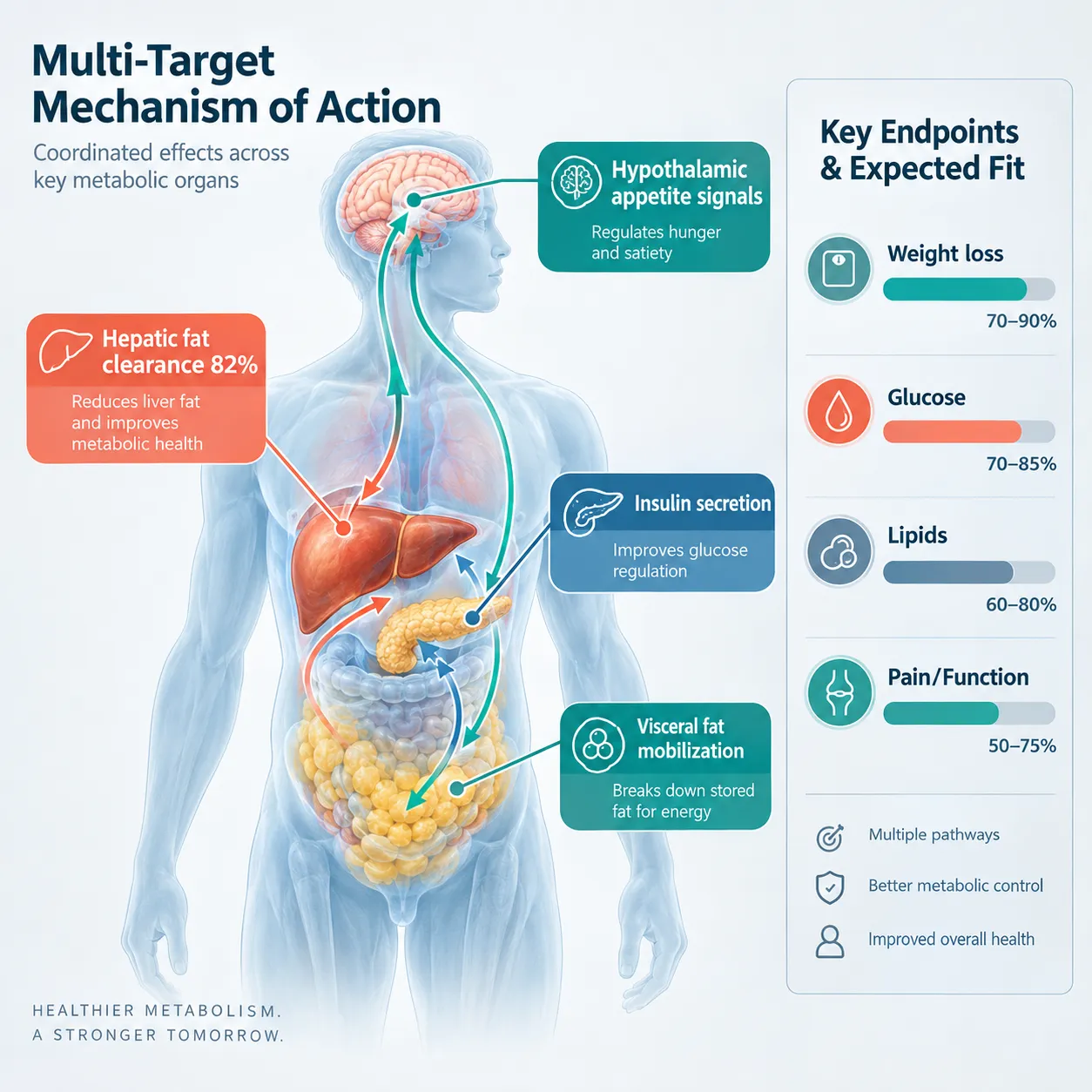
The depth of measurable outcomes differs sharply between these two pharmacological classes. Retatrutide's TRIUMPH-1 phase 3 trial data, the most rigorous dataset available for the compound, demonstrated average body weight reductions that surpassed any previously approved pharmacotherapy in comparable populations. Beyond weight, the hormone receptor axes produce quantifiable effects across a broad endpoint portfolio.
Retatrutide endpoint categories in active investigation:
- Glycemia: HbA1c reduction and fasting glucose in type 2 diabetes
- Hepatic histology: Liver fat fraction and inflammation scores relevant to metabolic dysfunction-associated steatotic liver disease (MASLD)
- Cardiovascular: Blood pressure, lipid panels, and emerging cardiovascular outcome trials
- Renal: Albuminuria and estimated glomerular filtration rate (eGFR)
- Musculoskeletal: Osteoarthritis pain and functional scores
- Sleep: Apnea severity indices
Researchers sourcing retatrutide for clinical trial work can therefore design basket-style protocols that capture multi-system effects within a single compound arm.
Tesofensine's endpoint landscape is narrower. The monoamine mechanism does produce meaningful short-term weight reduction, but the primary safety concern, elevated heart rate and blood pressure from norepinephrine signaling, constrains the populations eligible for inclusion. Patients with pre-existing cardiovascular disease, which represents a large share of the high-BMI population, require careful screening and more intensive monitoring when tesofensine is the study compound.
Key monitoring differences by mechanism class:
| Monitoring Domain | Retatrutide (GPCR Agonist) | Tesofensine (Monoamine Inhibitor) |
|---|---|---|
| Gastrointestinal tolerability | Titration-managed nausea | Minimal |
| Cardiovascular | Blood pressure, lipid trending | Heart rate, blood pressure, primary concern |
| CNS effects | Minimal | Mood, insomnia, anxiety screening |
| Glycemic safety | Hypoglycemia in T2D combos | Not applicable |
Trial Population Design and Regulatory Trajectory

Understanding Retatrutide vs Tesofensine: How Receptor Biology and Monoamine Signaling Shape Metabolic Research Design at the population level reveals another critical divergence. Because retatrutide's titration profile manages gastrointestinal side effects gradually and does not carry significant sympathomimetic cardiovascular load, trial teams can include patients with severe obesity (BMI above 40) and those with established cardiovascular disease. This broadens the generalizability of findings and aligns with regulatory expectations for a broad obesity pharmacotherapy label.
Tesofensine's sympathomimetic activity demands that researchers apply stricter cardiovascular exclusion criteria. This effectively limits the study population to lower-risk participants, which may inflate observed efficacy relative to the general target population, a recognized limitation in earlier phase 2 work.
From a regulatory standpoint, retatrutide is advancing toward new drug application filings following strong phase 3 readouts. Expert and association commentary in 2026 has described it as the first "triple hormone therapy" for obesity, a framing that reflects genuine novelty in the GPCR agonist space. Tesofensine remains a niche investigational compound without a clear path to broad regulatory approval in major markets, making it more relevant as a mechanistic research tool than a clinical development candidate.
Researchers working with related peptide scaffolds can explore resources on GLP-3 triple agonist research planning to understand how multi-receptor designs are being structured across the broader incretin space. Those sourcing materials for cardiometabolic studies should also review AOD 9604 research method notes on storage and traceability for best practices applicable across metabolic peptide protocols.
For researchers looking at specific retatrutide material formats, catalog options such as RETA 20mg for sale and GLP-3 RETA 30mg reflect the range of dosing configurations available for pre-clinical and translational work. Mitochondrial energy expenditure pathways relevant to GcgR activation are explored further in SS-31 mitochondrial research themes.
Conclusion
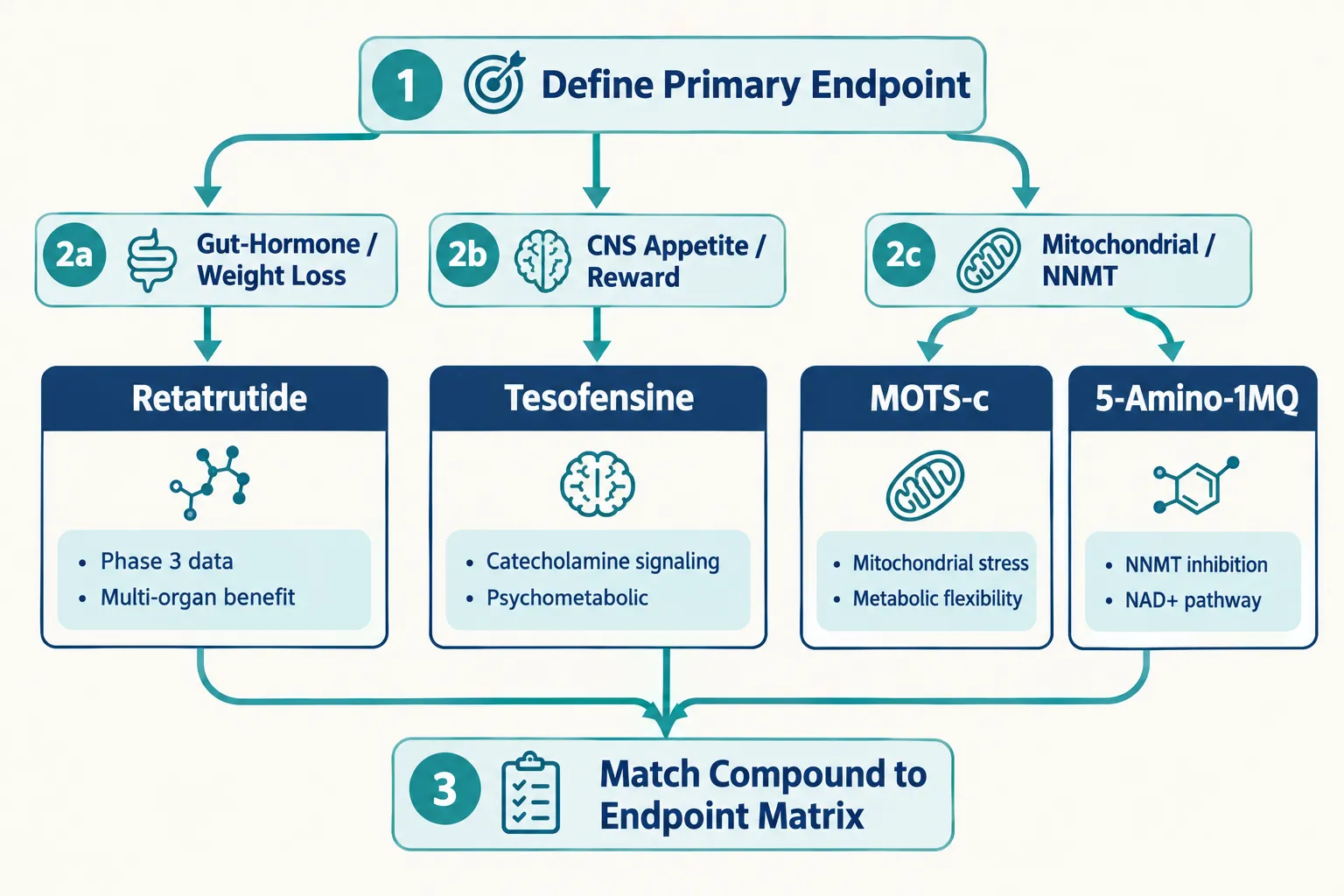
The comparison of Retatrutide vs Tesofensine: How Receptor Biology and Monoamine Signaling Shape Metabolic Research Design ultimately reduces to one foundational question: which receptor class aligns with the metabolic questions a research team wants to answer?
Retatrutide's triple GPCR agonism enables broad, multi-system endpoint selection, inclusive trial populations, and a regulatory trajectory consistent with eventual clinical adoption. Tesofensine's monoamine reuptake inhibition is a useful mechanistic tool for studying central appetite circuitry, but its cardiovascular monitoring demands and narrow endpoint scope limit its utility in high-risk populations.
Actionable steps for research teams in 2026:
- Map receptor targets to endpoints first, confirm that the compound's mechanism can actually produce measurable change at your chosen endpoint before committing to a protocol.
- Assess population risk tolerance, monoamine reuptake inhibition requires tighter cardiovascular exclusion criteria; plan for this during power calculations.
- Align safety monitoring to mechanism class, GPCR agonists demand GI tolerability tracking and titration schedules; monoamine inhibitors demand heart rate and blood pressure surveillance.
- Consider multi-system designs for GPCR agonists, the breadth of retatrutide's receptor engagement supports basket-style trial architectures that would be impractical with monoamine-based compounds.
- Track regulatory signals closely, retatrutide's development timeline is accelerating; research programs designed around its mechanism are more likely to translate into clinical practice.
Choosing the right mechanistic scaffold is not merely a pharmacology decision, it is a research design decision that shapes every downstream element of a study.