Call or Text 727-513-9780
  • Shopping Cart Shopping Cart
    0Shopping Cart
Pure Tested Peptides | America's most trusted Peptides for sale online
  • Peptides for sale
    • Oral Peptides for sale
      • Peptide Capsules for sale
      • BPC 157 Capsules 1000mcg
      • SLU-PP-332 Capsules | 1000 mcg
      • 5-Amino-1MQ 50mg Capsules
      • Tesofensine 500mcg
    • All Peptides for sale
    • Peptide Sprays
      • BPC 157 Nasal Spray Kit
      • BPC-157 TB500 Nasal Spray Kit
      • Semax Nasal Spray 10mg
      • Selank – Nasal Spray Kit – 10mg
      • Epithalon 50MG Nasal Spray Kit
      • Ipamorelin 10mg Nasal Spray
      • Klow Nasal Spray (BPC-157 + TB-500 + GHK-Cu + KPV) | 80mg
      • Hulk Nasal Spray Tesa / Ipa Blend 6/3 MG
      • Klow Nasal Spray
      • NAD + 500 mg Nasal Spray
      • PT-141 Nasal Spray Kit
    • GHRH Peptides
      • Ipa Peptides
      • CJC-1295 Peptides
        • CJC-1295 with DAC 5 mg
        • CJC-1295 without DAC 5 mg
        • CJC-1295 Ipa 10mg
      • Tesa Peptides
        • Tesa Peptide
        • Tesa 20 mg
    • GHK-Cu Peptides
      • All GHK-Cu Peptides
      • GHK-Cu 100mg
      • KLOW Peptide Blend – Buy KLOW blend online
    • BPC Peptides
      • All BPC Peptides
      • BPC-157
      • BPC-157 TB-500
      • BPC 157 capsules 1000mcg
    • SLU-PP-332 Peptides
      • All SLU-PP-332 Peptides
      • SLU-PP-332 5mg
    • GLP3 Peptides
    • PT-141 Peptides
      • PT-141 Peptides for sale
      • PT-141 10mg
      • PT-141 Nasal Spray
    • CAG Peptides
      • Lipo-C Peptide Blend
      • CAG 5mg
      • CAG 10mg
    • MOTS-C Peptides
      • MOTS-C Peptides for sale
      • MOTS-c peptide
      • MOTS-c 10mg *6 pack*
    • 5 Amino 1MQ Peptides
      • 5 Amino 1MQ Peptides for sale
      • 5-Amino-1MQ 50mg Capsules
      • 5-Amino-1MQ 5mg
    • Epithalon Peptides
      • Epithalon Peptides for sale
      • Epithalon 10mg
      • Epithalon 50mg
  • Shop
    • GLPs
      • 5-Amino-1MQ 50mg Capsules
      • 5-Amino-1MQ 5mg
      • L-Carnitine 500mg/ml
      • Tesofensine 500mcg
      • SLU-PP-332 5mg
      • MOTS-c 10mg *6 pack*
    • Epithalon & BPC Peptides
      • Epithalon 10mg
      • Epithalon 50mg
      • BPC-157
      • BPC 157 capsules 1000mcg
      • BPC-157 TB-500
      • BPC-157 TB500 Nasal Spray Kit
      • BPC 157 Nasal Spray Kit
    • BPC TB-500 & NAD+ Peptides
      • NAD+ 500 mg
      • KLOW Peptide Blend – Buy KLOW blend online
      • GLOW Peptide Blend
      • TB 500 5mg
      • BPC 157 capsules 1000mcg – Supplement
      • BPC 157 Nasal Spray Kit
      • BPC-157
      • BPC-157 TB500 Nasal Spray Kit
      • BPC-157 TB-500
      • BPC 157 capsules 1000mcg
    • LL-37 Peptide
      • LL-37 10 mg
    • MOTS-C & Selank
      • MOTS-c peptide
      • Selank 10mg
    • GHK Peptides
      • GHK-Cu 100mg
      • GLOW Peptide Blend
      • KLOW Peptide Blend – Buy KLOW blend online
  • COAs
  • Wholesale
    • Wholesale Peptides for sale
  • PTP FAQ
  • Affiliates
    • Selank Peptide: Advanced Pharmacological Mechanisms Underlying Its Anxiolytic and Nootropic Effects in Research
      • 5-Amino-1MQ Peptide: Detailed Mechanisms of NNMT Inhibition and Its Impact on Cellular Metabolism Research
        • MOTS-C Peptide: Unraveling Its Role in Mitochondrial Dynamics and Energy Metabolism Research
          • Epithalon Peptide and Telomerase Regulation: Investigating Its Impact on Cellular Senescence and Lifespan Research Models
            • GLP2-T vs GLP2 Tirz Peptide: Understanding the Naming, Mechanistic Nuances, and Research Implications for Gut Health
      • Peptides and Polypeptides in Modern Pharmacology: What Research on Metoprolol, Prednisone, and Amlodipine Reveals
        • Polypeptide Peptides vs NSAIDs: What Naproxen and Diclofenac Teach Tissue-Repair Researchers About BPC‑157 and TB‑500
          • Peptides and Polypeptides in Endocrine Pharmacology: How GLP-1, GLP-2, and GLP-3 Retatrutide Differ From Classic Drugs Like Prednisone and Amlodipine
          • 5‑Amino‑1MQ Peptide and NNMT Inhibition: How It Compares With Statins Like Atorvastatin in Adipose and Lipid Metabolism Research
      • Enclomiphene, Estrogen Receptor Signaling, and Luteinizing Phase Biology: What Hormone Researchers Should Measure
        • Mesenchymal Stem Cells, BPC‑157, and GHK‑Cu: How Tissue Repair Peptides Compare With Classic NSAIDs Like Naproxen in Injury Models
          • Peptide Calculator Use Cases Beyond Growth Hormone: Working Through GLP‑3 Retatrutide, MOTS‑c, and BPC‑157 Research Dosing
        • Polypeptide Peptides in Endocrine and Metabolic Pharmacology: Lessons From Amlodipine, Prednisone, and Metoprolol
        • Peptides Calculator for Advanced Blends: Worked Examples for Tesamorelin, CJC‑1295, and Ipamorelin Stacks
          • Peptides and Polypeptides in Human Physiology: How Molecular Size Shapes Research Applications
            • Selank Peptide: Advanced Pharmacological Mechanisms Underlying Its Anxiolytic and Nootropic Effects in Research
          • 5-Amino-1MQ Peptide: Detailed Mechanisms of NNMT Inhibition and Its Impact on Cellular Metabolism Research
            • MOTS-C Peptide: Unraveling Its Role in Mitochondrial Dynamics and Energy Metabolism Research
              • Epithalon Peptide and Telomerase Regulation: Investigating Its Impact on Cellular Senescence and Lifespan Research Models
                • GLP2-T vs GLP2 Tirz Peptide: Understanding the Naming, Mechanistic Nuances, and Research Implications for Gut Health
                  • Peptides and Polypeptides in Endocrine Pharmacology: How GLP-1, GLP-2, and GLP-3 Retatrutide Differ From Classic Drugs Like Prednisone and Amlodipine
                    • Polypeptide Peptides vs NSAIDs: What Naproxen and Diclofenac Teach Tissue-Repair Researchers About BPC‑157 and TB‑500
                      • Peptides and Polypeptides in Modern Pharmacology: What Research on Metoprolol, Prednisone, and Amlodipine Reveals
                        • 5‑Amino‑1MQ Peptide and NNMT Inhibition: How It Compares With Statins Like Atorvastatin in Adipose and Lipid Metabolism Research
                        • Enclomiphene, Estrogen Receptor Signaling, and Luteinizing Phase Biology: What Hormone Researchers Should Measure
                        • Mesenchymal Stem Cells, BPC‑157, and GHK‑Cu: How Tissue Repair Peptides Compare With Classic NSAIDs Like Naproxen in Injury Models
                        • Peptide Calculator Use Cases Beyond Growth Hormone: Working Through GLP‑3 Retatrutide, MOTS‑c, and BPC‑157 Research Dosing
                        • Polypeptide Peptides in Endocrine and Metabolic Pharmacology: Lessons From Amlodipine, Prednisone, and Metoprolol
                        • Peptides Calculator for Advanced Blends: Worked Examples for Tesamorelin, CJC‑1295, and Ipamorelin Stacks
                        • Peptides and Polypeptides in Human Physiology: How Molecular Size Shapes Research Applications
                        • Selank Peptide: Advanced Pharmacological Mechanisms Underlying Its Anxiolytic and Nootropic Effects in Research
                        • MOTS-C Peptide: Unraveling Its Role in Mitochondrial Dynamics and Energy Metabolism Research
                        • Peptides and Polypeptides in Modern Pharmacology: What Research on Metoprolol, Prednisone, and Amlodipine Reveals
                        • Peptides and Polypeptides in Endocrine Pharmacology: How GLP-1, GLP-2, and GLP-3 Retatrutide Differ From Classic Drugs Like Prednisone and Amlodipine
                        • 5-Amino-1MQ Peptide: Detailed Mechanisms of NNMT Inhibition and Its Impact on Cellular Metabolism Research
                        • Mesenchymal Stem Cells, BPC‑157, and GHK‑Cu: How Tissue Repair Peptides Compare With Classic NSAIDs Like Naproxen in Injury Models
                        • Peptide Calculator Use Cases Beyond Growth Hormone: Working Through GLP‑3 Retatrutide, MOTS‑c, and BPC‑157 Research Dosing
                        • GLP2-T vs GLP2 Tirz Peptide: Understanding the Naming, Mechanistic Nuances, and Research Implications for Gut Health
                        • Polypeptide Peptides in Endocrine and Metabolic Pharmacology: Lessons From Amlodipine, Prednisone, and Metoprolol
                        • Polypeptide Peptides vs NSAIDs: What Naproxen and Diclofenac Teach Tissue-Repair Researchers About BPC‑157 and TB‑500
                        • Peptides and Polypeptides in Human Physiology: How Molecular Size Shapes Research Applications
                        • Peptides Calculator for Advanced Blends: Worked Examples for Tesamorelin, CJC‑1295, and Ipamorelin Stacks
                        • 5‑Amino‑1MQ Peptide and NNMT Inhibition: How It Compares With Statins Like Atorvastatin in Adipose and Lipid Metabolism Research
                        • Enclomiphene, Estrogen Receptor Signaling, and Luteinizing Phase Biology: What Hormone Researchers Should Measure
                        • Epithalon Peptide and Telomerase Regulation: Investigating Its Impact on Cellular Senescence and Lifespan Research Models
                        • Best research protocol Klow blend
                        • best time to take BPC-157
                        • best time to take DSIP (Delta Sleep Inducing Peptide)
                        • best time to take CJC-1295
                        • best time to take AOD-9604
                        • best time to take Follistatin 344
                        • best time to take Ipamorelin
                        • best time to take MK-677 (Ibutamoren)
                        • best time to take Ligandrol (LGD-4033) — research compound
                        • best time to take Ostarine (MK-2866) — research compound
                        • best time to take GHK-CU
                        • best time to take TB-500
                        • best time to take MOTS-c
                        • best time to take Semax
                        • best time to take RAD-140 (Testolone) — research compound
                        • best time to take Thymosin Alpha-1
                        • best time to take PEG-MGF
                        • Biolife Plasma, Octapharma Plasma, and Research Peptides: How Plasma Donation Labs Differ From Peptide Suppliers
                        • best time to take YK-11 — research compound
                        • best time to take PT-141 (Bremelanotide)
                        • Best research protocol Klow blend
                        • 5-Amino-1MQ and MOTS-C Synergy: Metabolic Signaling, Mitochondria, and Research Design
                        • BPC-157 and TB-500: Investigating Their Combined Effects on Angiogenesis and Cellular Migration in Tissue Repair Models
                        • BPC-157 Peptide: Gut Barrier Function, Inflammation, and Tissue-Recovery Research
                        • 5‑Amino‑1MQ and MOTS‑c Synergy in Metabolic Research: Designing NNMT and Mitochondrial Biogenesis Stacks
                        • CJC-1295 with DAC vs. Without DAC: Half-Life, Release Kinetics, and Research Implications
                        • CJC‑1295 with DAC vs. Without DAC: Expanding on Half‑Life Differences Using Tesamorelin and Ipamorelin Blend Case Studies
                        • Collagen Biology and Copper‑Binding Peptides: How GHK‑Cu, Glow Blend, and Klow Blend Interact with Skin and Connective Tissue
                        • Collagen Biology and Regenerative Peptides: How GHK‑Cu, Glow Blend, and Klow Blend Affect Extracellular Matrix Research
                    • DNA, Telomeres, and Longevity Peptides: Positioning Epithalon and MOTS‑c in Genetic Aging Research
                      • Enclomiphene Citrate: serm Mechanism, Testosterone Research, and Stack Compatibility
                        • Enclomiphene vs Enclomiphene Citrate: Formulation, Bioavailability, and Research Distinctions
                        • Epithalon Peptide Research: Telomerase Activation, Aging, and Pineal Gland Function
                        • Estrogen Receptor Signaling and Enclomiphene: How Selective Modulators Compare with Classic Polypeptide Hormones
                        • GHK-Cu Peptide: Advanced Mechanisms in Extracellular Matrix Remodeling and Wound Healing Research
                        • GHK-Cu Peptide: Collagen Synthesis, Wound Repair, and Skin-Barrier Research Models
                        • GLP-1 vs GLP-3 vs GLP-2: Peptide Classification and Research Applications
                        • GLP-2 Peptide Research Guide: Gut Barrier Function, Nutrient Absorption, and Intestinal Recovery Models
                        • GLP-3 Retatrutide vs. GLP-1 Drugs: What Triple-Agonist Biology Changes in Research Models
                        • Ipamorelin and Tesamorelin Combination: Synergistic GH Secretagogue Research and Dosing Protocols
                        • GLP2 Tirz Peptide: What It Is, Why the Name Exists, and How Researchers Should Interpret It
                        • Klow Blend Peptide Nasal Spray: What the Formulation Is Trying to Do in Cognitive Research
                        • Mitochondria, NNMT Inhibition, and Peptide Modulators: Where MOTS‑c and 5‑Amino‑1MQ Fit in Cellular Energy Research
                        • MOTS-c Peptide: Mitochondrial Function, Energy Metabolism, and What Researchers Measure
                        • MOTS-c vs. 5-Amino-1MQ: Which Metabolic Research Questions Each Compound Actually Answers
                        • Nasal Spray Peptides: Bioavailability, Administration, and Semax/Selank Research Applications
                        • PT-141 Peptide Research: Mechanism of Action and Melanocortin Receptor Signaling
                        • Retatrutide for Research: Mechanism, Structure, and GLP-1/GLP-3 Dual Action
                        • Retatrutide for Obesity and Type 2 Diabetes: What the Latest Trial Data Suggest
                        • Tesofensine Peptide Research: Mechanism, Appetite Suppression, and Neuropeptide Y Pathways
  • Contact
    • Contact Customer Service
    • Text Customer Support
  • About US
  • Shop all peptides
  • Affiliate Program
    • Affiliate Signup
  • Login / Register Login / Register Page Link Login / Register Page Link
  • Click to open the search input field Click to open the search input field Search
  • Menu Menu

Tag Archive for: bpc-157

Mesenchymal Stem Cells, BPC-157, and GHK-Cu: How Regenerative Peptides Complement Classic Collagen and Collagen Supplements

Mesenchymal Stem Cells, BPC-157, and GHK-Cu: How Regenerative Peptides Complement Classic Collagen and Collagen Supplements

August 26, 2026/0 Comments/in Uncategorized/by

Collagen accounts for roughly 30% of total body protein, yet the body's ability to synthesize and organize it declines measurably after age 25. That single biological fact has driven decades of collagen supplementation research, and now it sits at the center of a much larger conversation. The emerging science of Mesenchymal Stem Cells, BPC-157, and GHK-Cu: How Regenerative Peptides Complement Classic Collagen and Collagen Supplements reveals that traditional collagen support is only one layer of a far more complex regenerative system. Newer peptide-based approaches work upstream, at the level of fibroblasts, extracellular matrix (ECM) signaling, and cellular secretomes, offering mechanisms that collagen supplements alone cannot replicate.

Key Takeaways

  • Mesenchymal stem cell (MSC) exosomes act upstream of collagen synthesis, signaling fibroblasts and remodeling the ECM before any collagen molecule is deposited.
  • GHK-Cu carries the strongest human clinical evidence among regenerative skin peptides and directly stimulates fibroblast collagen production.
  • BPC-157 remains a research-only compound with minimal human data and tightening regulatory status as of 2026.
  • Collagen supplements provide the amino acid substrate that makes MSC and peptide-driven synthesis more effective, the relationship is synergistic, not competitive.
  • Sourcing purity and proper handling are critical for any peptide used in research contexts.

How Mesenchymal Stem Cells Interact With the Extracellular Matrix
How Mesenchymal Stem Cells Interact With the Extracellular Matrix

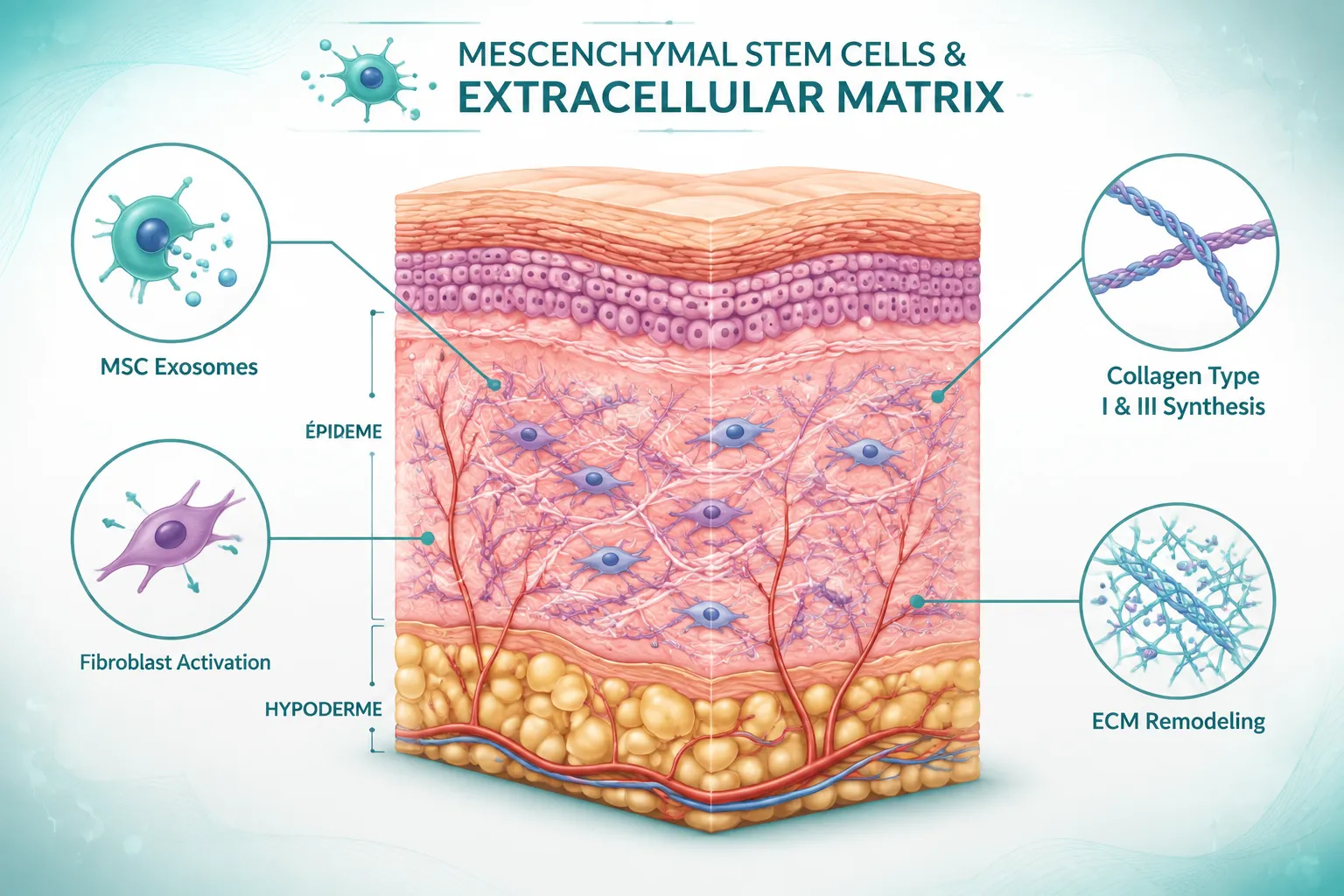
Mesenchymal stem cells do not build collagen directly. Instead, they operate as master coordinators of the regenerative environment. Their exosomes, tiny membrane-bound vesicles released into surrounding tissue, carry growth factors, microRNAs, and signaling proteins that instruct resident fibroblasts to upregulate collagen synthesis. Research into MSC secretomes has confirmed that this paracrine signaling can increase production of collagen Type I and Type III, two of the most structurally important forms in skin and connective tissue.

What makes MSC activity particularly relevant to the broader topic of Mesenchymal Stem Cells, BPC-157, and GHK-Cu is the upstream nature of that signaling. Rather than supplying collagen directly, MSC exosomes prime the cellular machinery that produces it. Studies examining scalp skin rejuvenation have shown that MSC-derived exosomes can restore fibroblast activity in aged tissue, effectively resetting the ECM environment to a more youthful functional state.

The collagen connection is direct: when collagen supplementation provides abundant hydroxyproline and glycine precursors, fibroblasts already activated by MSC signals have the raw material needed to accelerate matrix production. This is why researchers increasingly describe collagen supplements as a potentiating substrate for MSC-based therapies rather than a competing approach.

"MSC therapies act upstream of collagen supplements, they set the stage; supplements supply the building blocks."

For researchers working with peptide compounds, research peptide handling protocols are essential to preserving the biological activity of any signaling molecule used alongside these pathways.

GHK-Cu and BPC-157: Comparing Two Regenerative Peptides
GHK-Cu and BPC-157: Comparing Two Regenerative Peptides

Among the peptides most frequently discussed alongside MSC therapies, GHK-Cu and BPC-157 represent very different profiles of evidence, mechanism, and regulatory standing.

GHK-Cu: The Strongest Human Evidence

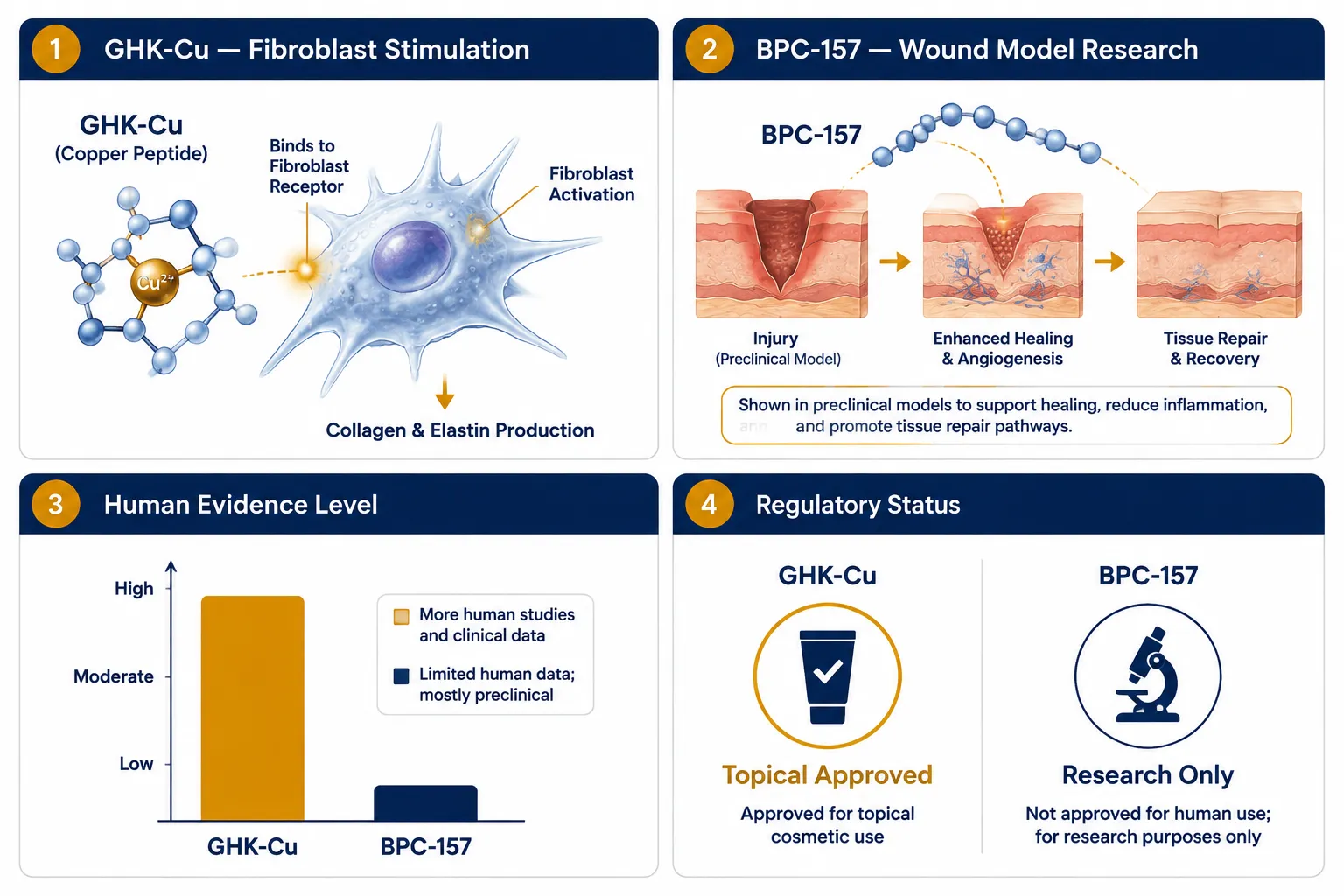
GHK-Cu (copper tripeptide-1) is a naturally occurring peptide found in human plasma, saliva, and urine. Its mechanism of action is well-characterized: it binds copper ions and delivers them to fibroblasts, directly stimulating collagen, elastin, and glycosaminoglycan synthesis. It also activates matrix metalloproteinase (MMP) systems that clear damaged ECM components, making room for newly synthesized matrix proteins.

As of 2026, GHK-Cu holds the strongest human clinical evidence among regenerative skin peptides. Multiple controlled trials have documented measurable improvements in skin density, fine lines, and wound healing. Topical formulations are widely available and legally sold in cosmetic products.

Key GHK-Cu properties:

  • Directly stimulates fibroblast collagen synthesis
  • Activates ECM remodeling enzymes
  • Antioxidant and anti-inflammatory secondary effects
  • Strong topical delivery data; formulation challenges remain for systemic use
  • Legally available in cosmetic and research contexts

BPC-157: Research-Only Status

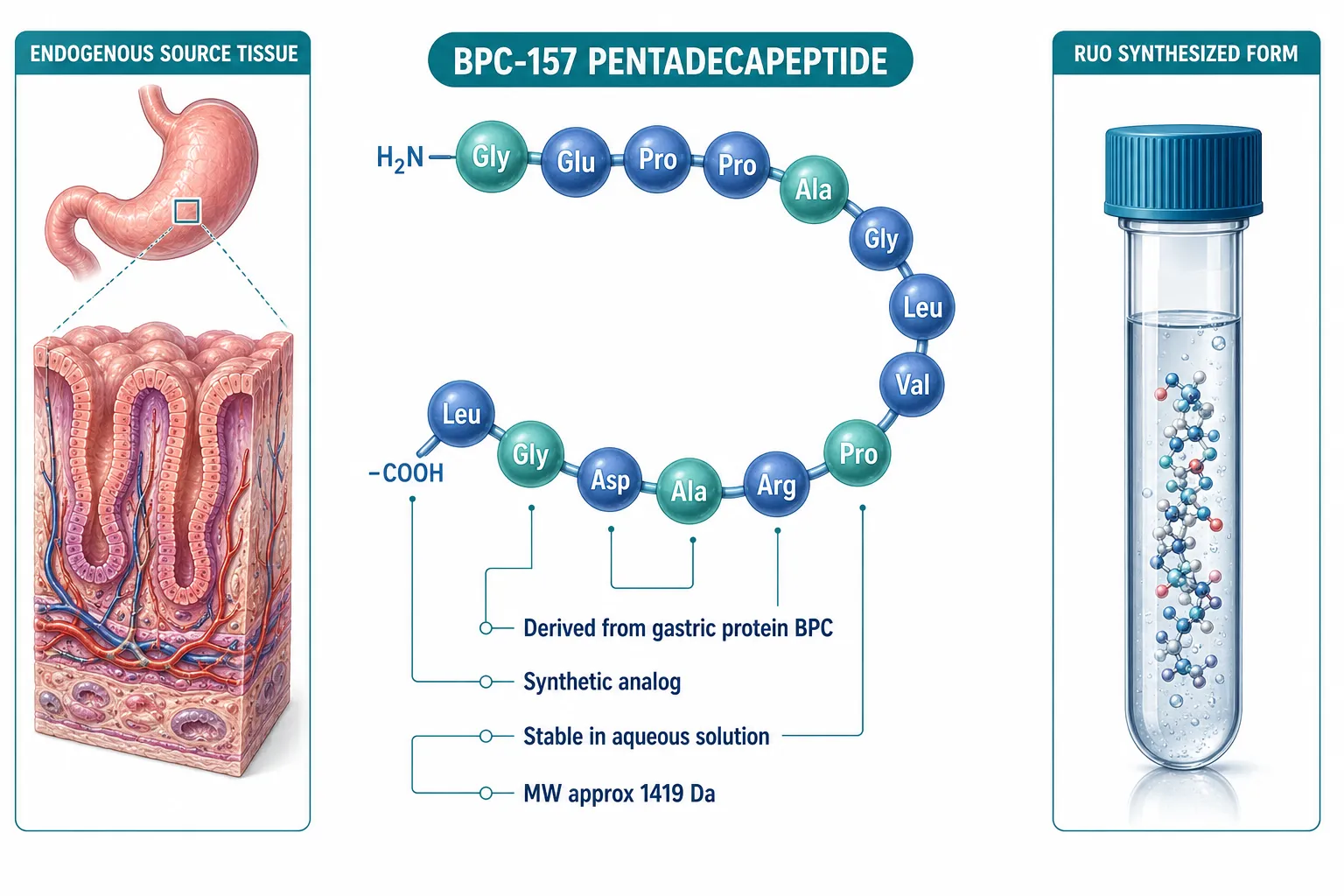
BPC-157 (Body Protection Compound-157) is a synthetic pentadecapeptide derived from a gastric protein. Preclinical wound-healing models, primarily in rodents, have shown promising effects on tendon repair, gut lining integrity, and angiogenesis. However, human clinical trial data remains extremely limited.

Critically, BPC-157's regulatory status tightened significantly in late 2025 and into 2026. The FDA moved to restrict its use in compounded medications, classifying it as a substance that raises significant safety concerns due to insufficient human data. As of 2026, BPC-157 is considered a research-only compound in the United States, and its long-term risk profile in humans remains unknown.

Feature GHK-Cu BPC-157
Human clinical trials Multiple controlled studies Minimal
Mechanism established Yes, fibroblast/ECM Preclinical models only
Regulatory status (2026) Cosmetic/topical approved Research-only, FDA restricted
Long-term human safety Well-characterized Unknown

Researchers sourcing either compound should prioritize high purity peptide sourcing to ensure experimental integrity and minimize confounding variables.

The Synergy Stack: Collagen Supplements, Peptides, and MSC Pathways
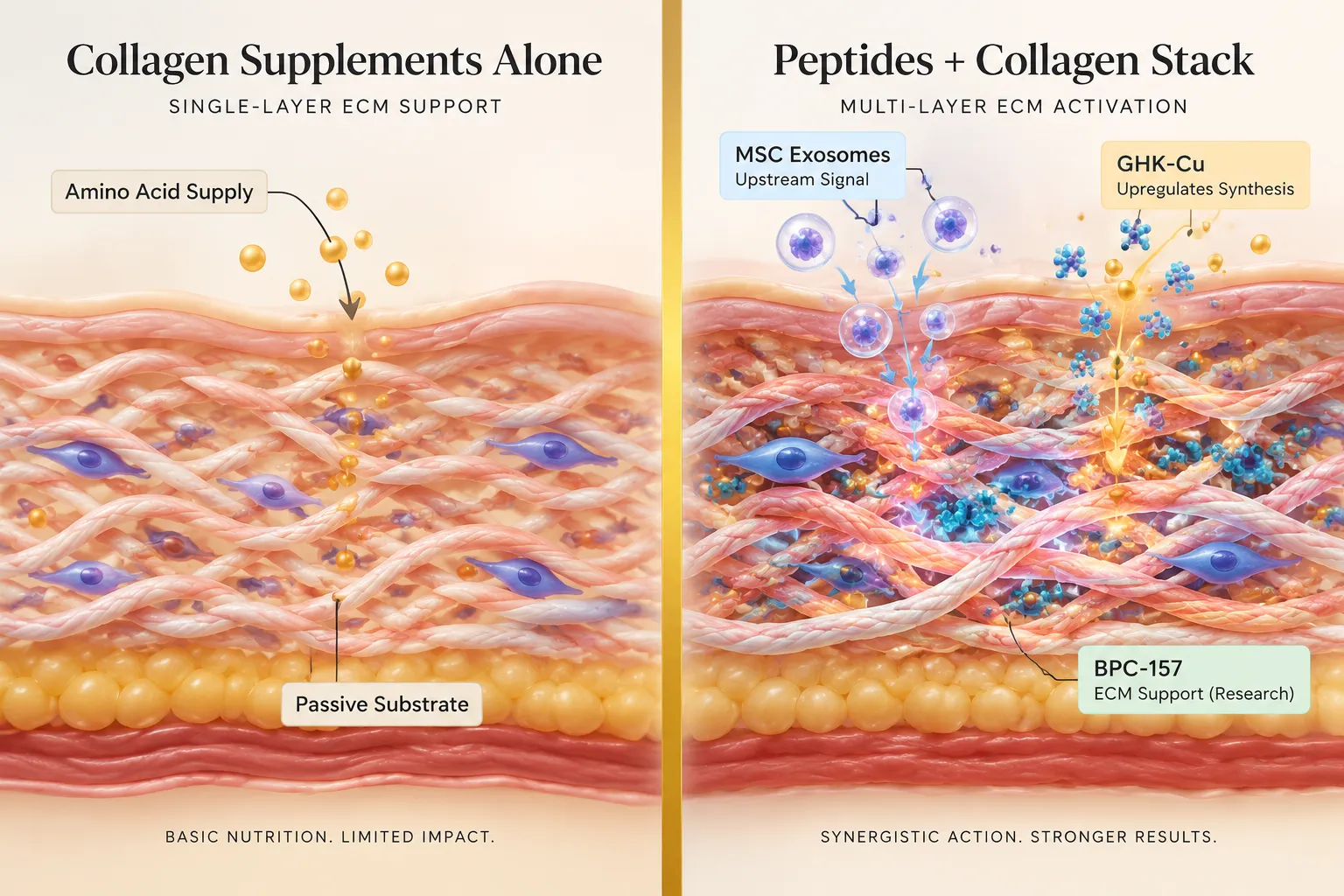
The Synergy Stack: Collagen Supplements, Peptides, and MSC Pathways

Understanding Mesenchymal Stem Cells, BPC-157, and GHK-Cu: How Regenerative Peptides Complement Classic Collagen and Collagen Supplements requires viewing each modality as part of a layered system rather than a standalone intervention.

The layered regenerative model works as follows:

  1. MSC exosomes signal fibroblasts to enter an active collagen-producing state and clear damaged ECM.
  2. GHK-Cu amplifies fibroblast collagen synthesis and facilitates ECM remodeling at the molecular level.
  3. Collagen supplements supply the amino acid precursors (glycine, proline, hydroxyproline) that fibroblasts need to execute that synthesis efficiently.
  4. BPC-157 (in research contexts only) may support angiogenesis and tissue repair in wound models, potentially improving nutrient delivery to active repair sites.

Classic hydrolyzed collagen supplements on their own are passive, they provide substrate but do not activate the cellular machinery. Peptides like GHK-Cu and, in controlled research settings, BPC-157, act on the signaling layer. MSC therapies operate at the most upstream level of all, resetting the cellular environment itself.

For researchers exploring adjacent peptide families and their interactions with metabolic and regenerative pathways, resources like the GLP-3, GLP-1, and GLP-2 researcher's guide provide useful comparative context on how peptide families modulate different biological systems. Similarly, understanding growth hormone-related peptides such as those covered in tesa peptide benefits illustrates how upstream hormonal signaling intersects with tissue remodeling.

Those working with oral delivery formats should also review oral peptides for sale considerations, as bioavailability and stability differ substantially from injectable or topical formats when studying peptide-ECM interactions.

Conclusion

The science of regenerative peptides has moved well beyond a simple choice between collagen supplements and newer compounds. The integrated picture, where MSC exosomes prime the cellular environment, GHK-Cu drives fibroblast collagen production, and collagen supplements provide the structural substrate, represents a genuinely synergistic model supported by growing translational evidence.

Actionable next steps for researchers and informed readers:

  • Prioritize GHK-Cu for any human-applicable collagen-support protocol given its established safety and clinical evidence base.
  • Treat BPC-157 strictly as a research compound; do not use it in human applications given current FDA restrictions and absent long-term safety data.
  • Consider collagen supplementation as a foundational layer that enhances the effectiveness of upstream peptide and MSC interventions.
  • Ensure all peptide compounds used in research are sourced from verified, high-purity suppliers and handled according to established protocols.
  • Stay current with regulatory updates, as the compounding and research status of several peptides continues to evolve rapidly in 2026.

The future of connective tissue and skin regeneration research will almost certainly involve combinations of these approaches, not any single compound in isolation.

https://www.puretestedpeptides.com/wp-content/uploads/2026/08/mesenchymal-stem-cells-bpc-157-and-ghk-cu-how-regenerative-peptides-complement-c.webp 1024 1536 https://www.puretestedpeptides.com/wp-content/uploads/2026/01/buy-peptides-online.jpg 2026-08-26 13:03:262026-08-26 13:03:26Mesenchymal Stem Cells, BPC-157, and GHK-Cu: How Regenerative Peptides Complement Classic Collagen and Collagen Supplements
Klow Peptide Nasal Spray: What It Is, How Researchers Evaluate It, and Why Formulation Matters

Klow Peptide Nasal Spray: What It Is, How Researchers Evaluate It, and Why Formulation Matters

August 21, 2026/0 Comments/in Uncategorized/by

Only a handful of multi-peptide research blends have generated as much cataloging activity across vendor platforms in 2026 as Klow, yet a search of PubMed or ClinicalTrials.gov returns zero results for the name. That gap between commercial visibility and clinical literature is exactly why understanding Klow Peptide Nasal Spray: What It Is, How Researchers Evaluate It, and Why Formulation Matters is worth doing carefully before any laboratory protocol is designed around it.

Key Takeaways

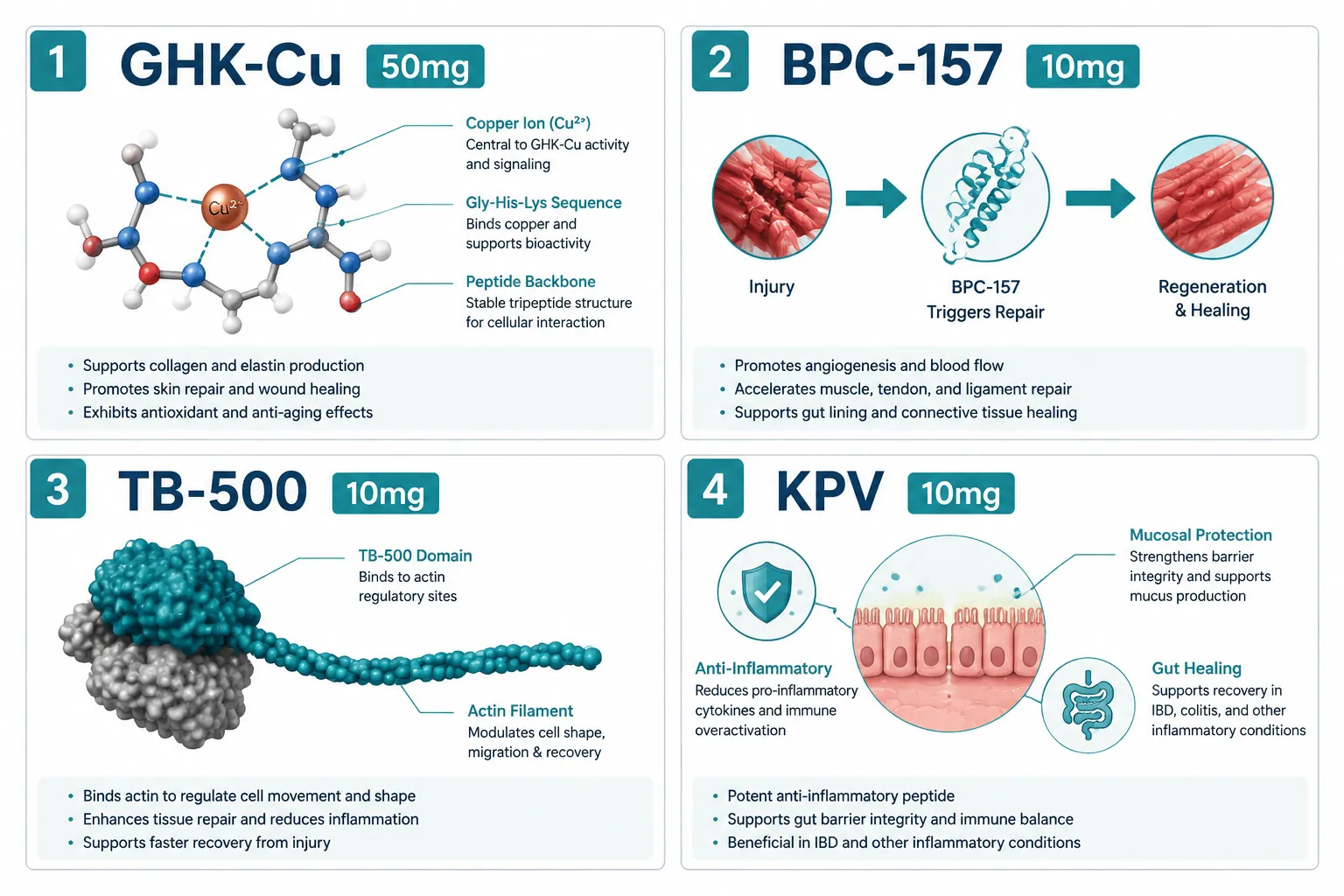
  • Klow is an 80 mg four-peptide research blend containing GHK-Cu, BPC-157, TB-500, and KPV, sold exclusively as a research-use-only product.
  • The blend has no entry in major biomedical trial registries and no peer-reviewed data on the combined intranasal stack.
  • Any mechanistic claims are extrapolated from individual peptide studies, not from Klow-specific trials.
  • Formulation variables, pH, osmolarity, droplet size, and carrier solvent, are critical to reproducible intranasal delivery.
  • Rigorous purity verification through HPLC and mass spectrometry, alongside batch-specific Certificates of Analysis, is the baseline standard for responsible sourcing.

What Klow Peptide Nasal Spray Actually Contains

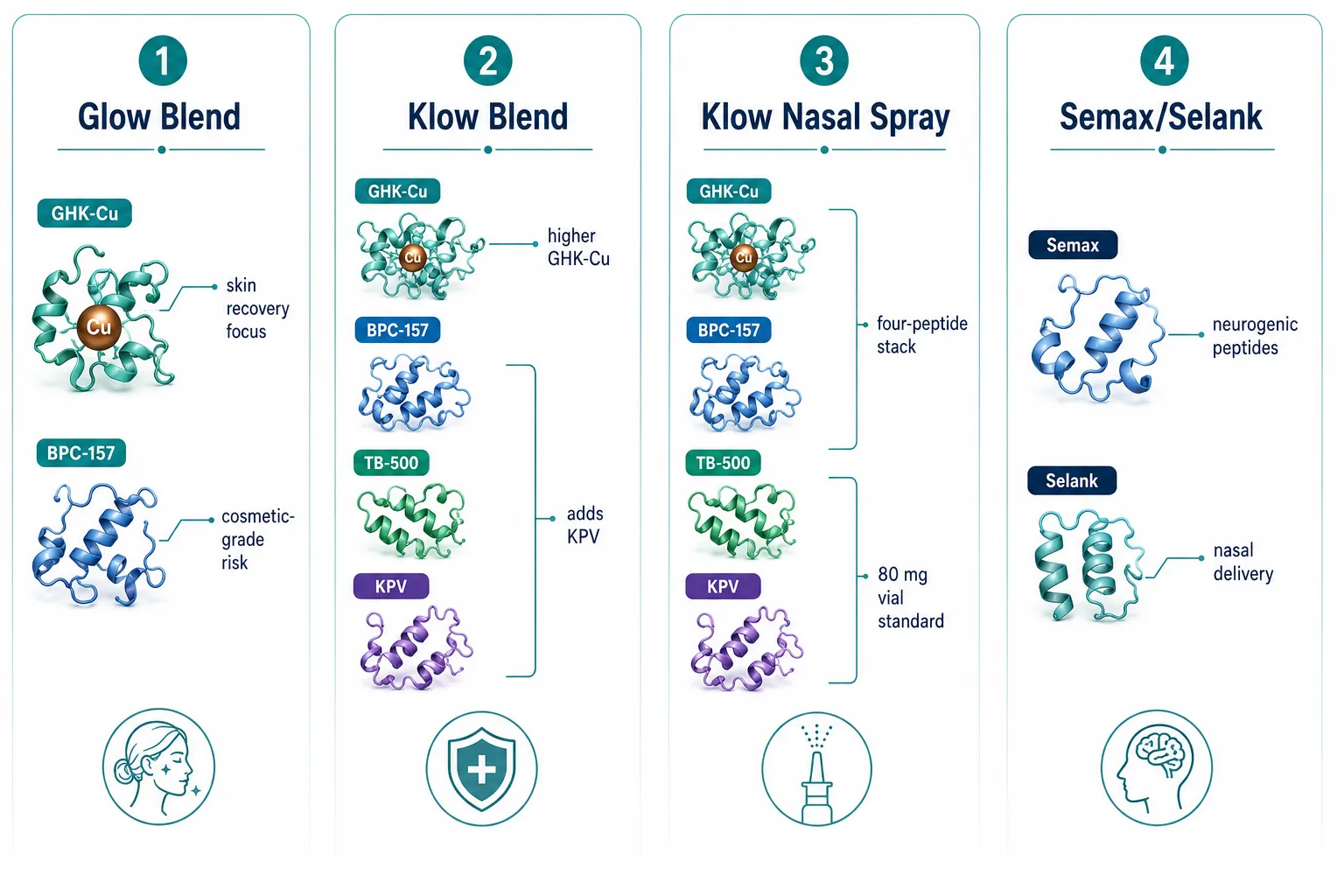
Klow is marketed as an 80 mg multi-peptide research kit, typically formulated as a nasal spray and sometimes as sublingual capsules. The composition reported across multiple vendors breaks down as follows:

Peptide Amount per Vial Primary Research Focus
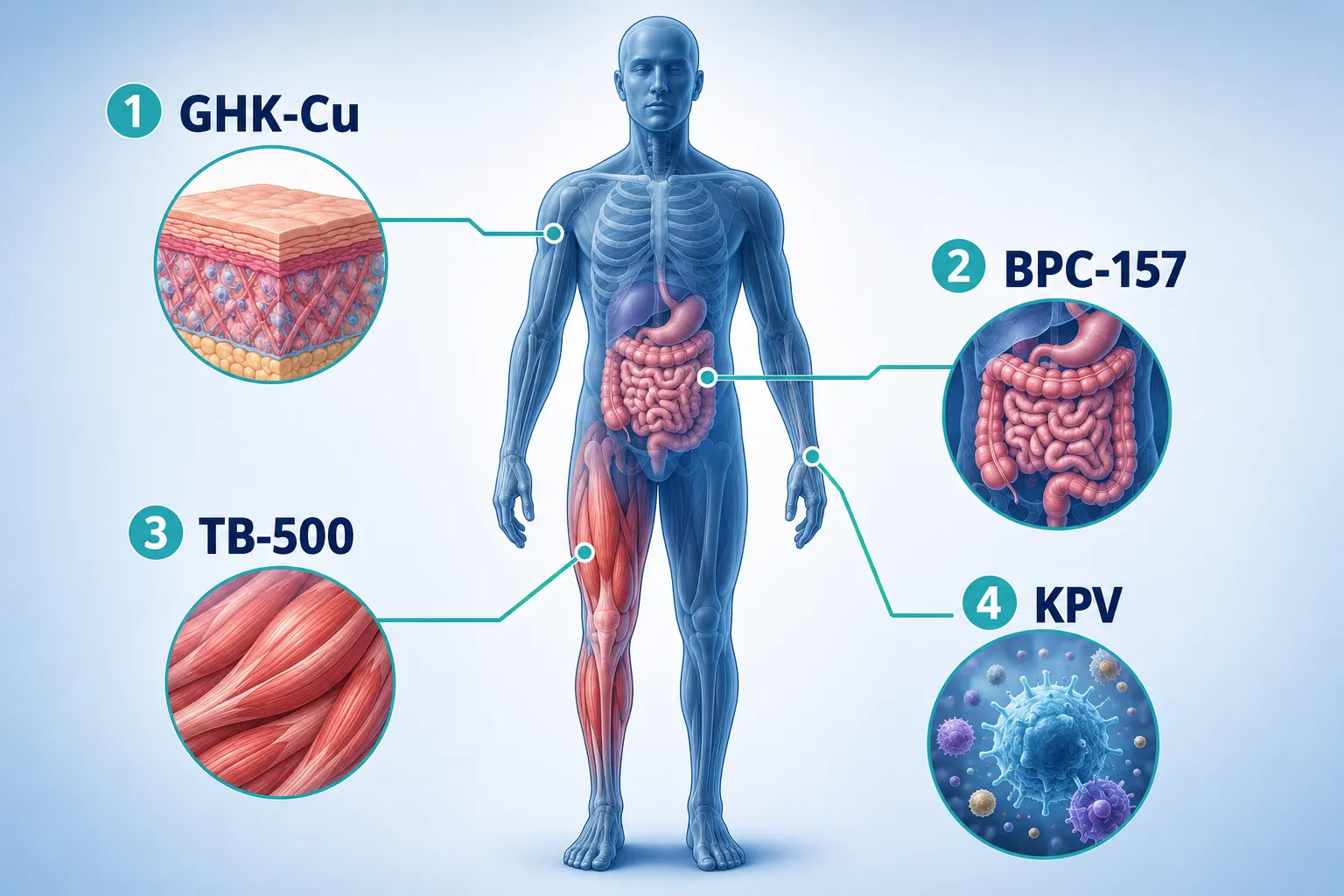
GHK-Cu 50 mg Tissue repair, skin biology, anti-aging models
BPC-157 10 mg Gut integrity, musculoskeletal recovery
TB-500 10 mg Actin-binding, wound healing, inflammation
KPV 10 mg Mucosal anti-inflammation, gut pathways

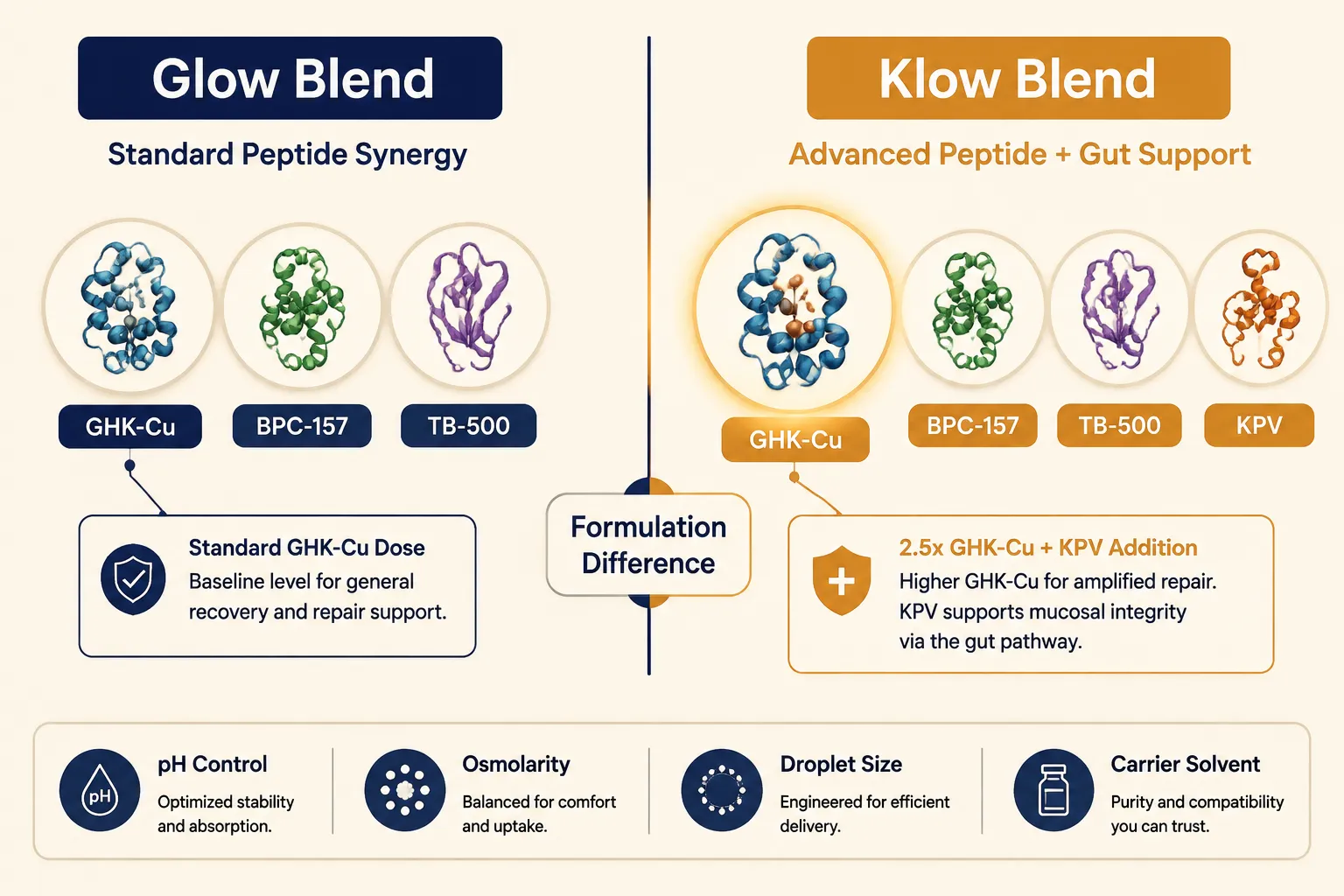
The GHK-Cu component makes up the bulk of the blend at roughly 62.5% of total peptide content. This is notably about 2.5 times higher than the GHK-Cu dose found in the closely related "Glow" blend, which contains the same base trio of GHK-Cu, BPC-157, and TB-500 but omits KPV entirely.

KPV, a tripeptide fragment of alpha-melanocyte-stimulating hormone, is the distinguishing addition. It has been studied primarily for anti-inflammatory activity in gastrointestinal and mucosal models. Its inclusion is intended to extend the blend's putative research utility to systemic inflammatory and gut-related pathways, though no Klow-specific clinical evidence supports this rationale.

What Klow Peptide Nasal Spray Actually Contains

Klow is sold by multiple vendors, including those focused on high purity peptide sourcing, with explicit disclaimers that it is not an approved drug and is not intended for human consumption. It is positioned strictly for controlled, non-human, or in-vitro experimental models.

How Researchers Evaluate Klow Peptide Nasal Spray

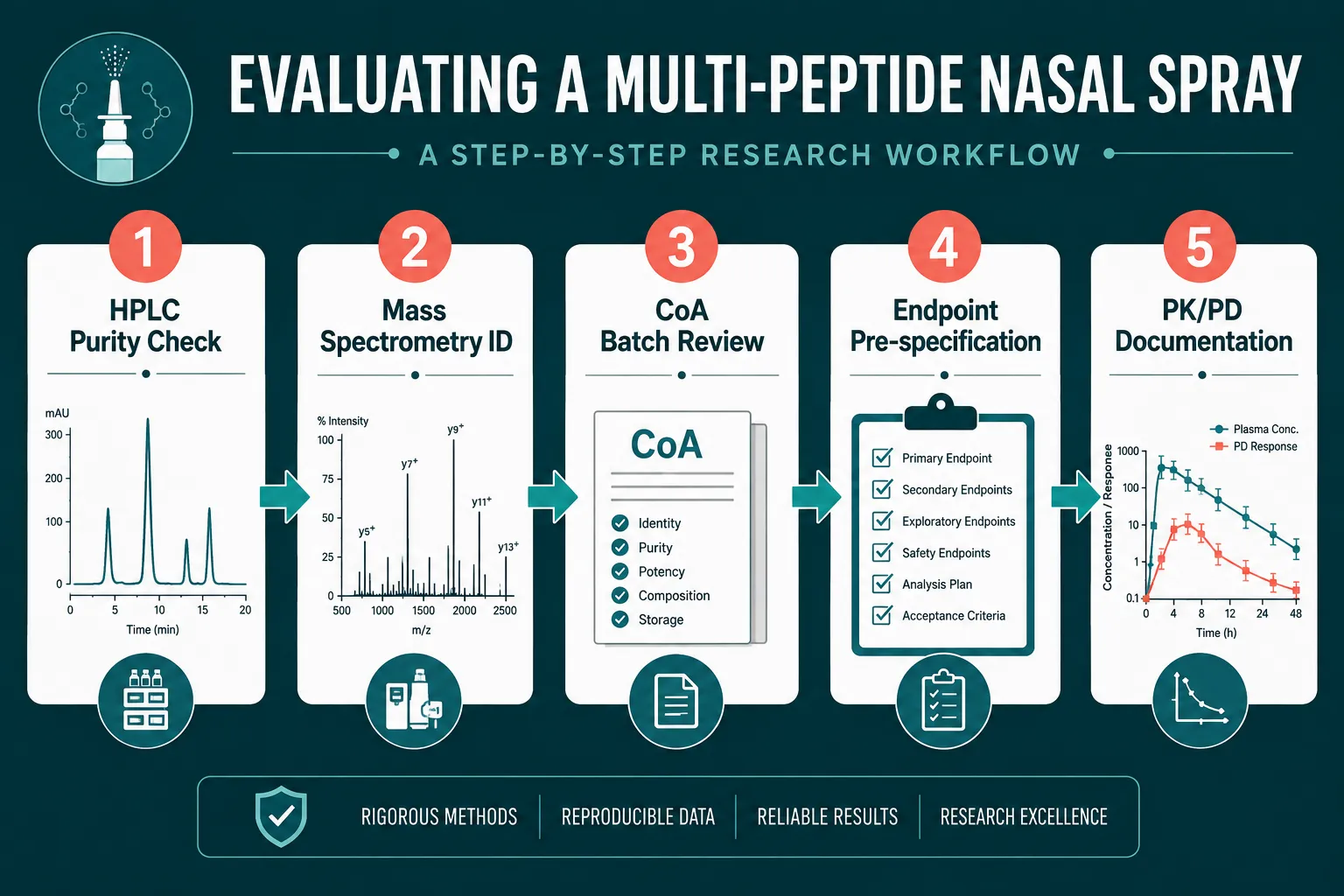
Because Klow as a named blend does not appear in any WHO trial registry or formal pharmacology literature, researchers working with it must apply particularly disciplined evaluation standards. The evaluation process covers three distinct layers.

Analytical Verification

Before any experiment begins, purity confirmation is non-negotiable. Researchers are advised to verify each peptide component by HPLC (high-performance liquid chromatography) and mass spectrometry. A batch-specific Certificate of Analysis (CoA) should document individual peptide identity, purity percentage, and actual weighed content.

Real-world examples from supplier data illustrate why this matters. One European lab reported a KLOW Blend 80 mg batch with 99.87% purity and an actual weighed content of 85.38 mg, a slight overage from the labeled 80 mg that would affect dosing calculations in any quantitative study. Checking Peptide CoA verification standards before purchasing is a practical first step.

For researchers also working with related metabolic or regenerative peptides, the SS-31 10mg research peptide considerations page offers a useful parallel framework for analytical evaluation.

Endpoint and Protocol Design

Because all mechanistic claims for Klow are extrapolated from separate studies on its individual components, researchers must pre-specify endpoints clearly. Key protocol requirements include:

  • Defining cognitive or behavioral endpoints before data collection, particularly if neuroprotective effects are being explored
  • Pre-specifying statistical power based on expected effect sizes from individual peptide literature
  • Documenting all preparation variables in full, including reconstitution solvent, storage temperature, and spray device calibration

No validated pharmacokinetic or pharmacodynamic data exist for this exact multi-peptide nasal combination. Brain-delivery or neurocognitive claims remain speculative until such data are generated.

This mirrors the rigor applied to other complex peptide research programs. The CJC-1295 without DAC half-life research guide demonstrates how half-life and delivery route variables must be explicitly controlled in any growth-related peptide study.

Endpoint and Protocol Design

Safety and Tolerability Documentation

The four peptides in Klow have generally shown acceptable tolerability in preclinical and cosmetic research contexts individually. However, comprehensive intranasal safety profiles for the combined stack are not yet available. Researchers should document and monitor for:

  • Local nasal irritation
  • Headache
  • Fatigue or systemic responses

These observations should be recorded systematically, not dismissed as minor, because the combined mucosal exposure profile of four peptides simultaneously is genuinely unstudied.

Why Formulation Matters for Klow Peptide Nasal Spray

Intranasal delivery is not simply a matter of putting a peptide into a spray bottle. For a blend as compositionally complex as Klow, formulation decisions directly determine whether the research produces reproducible, interpretable results.

Critical Formulation Variables

Researchers and suppliers working with Klow nasal spray must control the following parameters:

pH: Each peptide has a stability range. A pH that preserves GHK-Cu may accelerate degradation of BPC-157 if not carefully balanced. Target pH should be documented per batch.

Osmolarity: Nasal mucosal tissue is sensitive to hypertonic or hypotonic solutions. Osmolarity outside the physiological range (approximately 285-310 mOsm/kg) increases irritation risk and can reduce absorption.

Carrier solvent selection: Each peptide's hydrophobicity differs. Carrier solvents must be chosen to maintain solubility across all four components simultaneously while remaining mucosal-safe.

Droplet size: Nasal spray devices produce droplets across a range of diameters. Droplets that are too large deposit in the anterior nasal cavity; too small and they reach the lungs. For intranasal peptide delivery, a droplet size in the 50-200 micron range is generally targeted.

Viscosity: Affects both spray pattern and mucociliary clearance rate, which influences how long the peptide solution remains in contact with the nasal epithelium.

Critical Formulation Variables

The Klow vs. Glow Formulation Distinction

The comparison between Klow and Glow is frequently raised in vendor educational content. The practical difference is structural:

  • Glow: GHK-Cu + BPC-157 + TB-500 (standard GHK-Cu dose)
  • Klow: GHK-Cu (2.5x dose) + BPC-157 + TB-500 + KPV

No published head-to-head data show one blend to be superior to the other in any model system. Researchers selecting between them should base the choice on which individual peptide's mechanism is most relevant to their specific endpoint, not on marketing positioning.

For context on how peptide families interact in research design, the GLP-3, GLP-1, and GLP-2 researchers guide to the peptide family offers a useful model for thinking about multi-peptide interactions and endpoint specificity.

Conclusion

Klow Peptide Nasal Spray sits at an interesting intersection: commercially active, compositionally defined, but clinically unvalidated as a combined entity. For researchers in 2026 who encounter it, the actionable path forward is straightforward.

Next steps for researchers:

  1. Obtain batch-specific CoA documentation with HPLC and mass spectrometry data before any experiment.
  2. Pre-specify all endpoints, statistical power calculations, and preparation variables in writing before data collection begins.
  3. Treat all mechanistic claims as hypotheses derived from individual peptide literature, not as established effects of the combined stack.
  4. Control formulation variables (pH, osmolarity, droplet size, carrier solvent) rigorously and document them in every protocol iteration.
  5. Monitor and record tolerability observations systematically, even in preclinical models.

The absence of Klow from formal trial registries is not a reason to dismiss it as a research tool, it is a reason to apply higher, not lower, methodological standards when working with it.

https://www.puretestedpeptides.com/wp-content/uploads/2026/08/klow-peptide-nasal-spray-what-it-is-how-researchers-evaluate-it-and-why-formulat.webp 1024 1536 https://www.puretestedpeptides.com/wp-content/uploads/2026/01/buy-peptides-online.jpg 2026-08-21 13:04:212026-08-21 13:04:21Klow Peptide Nasal Spray: What It Is, How Researchers Evaluate It, and Why Formulation Matters
Glow Blend vs Klow Blend Peptides: Ingredient Comparison and Research Applications

Glow Blend vs Klow Blend Peptides: Ingredient Comparison and Research Applications

August 20, 2026/0 Comments/in Uncategorized/by

Two peptide blends with nearly identical names are causing real confusion among researchers in 2026, and that confusion has a cost. Choosing the wrong formulation for a study protocol can skew results, waste materials, and delay timelines. The Glow Blend vs Klow Blend Peptides: Ingredient Comparison and Research Applications question is not just a naming issue; it reflects a meaningful difference in research intent, ingredient composition, and target tissue.

This article breaks down both blends side by side, explains what each is designed to study, and helps researchers make an informed decision.

Key Takeaways

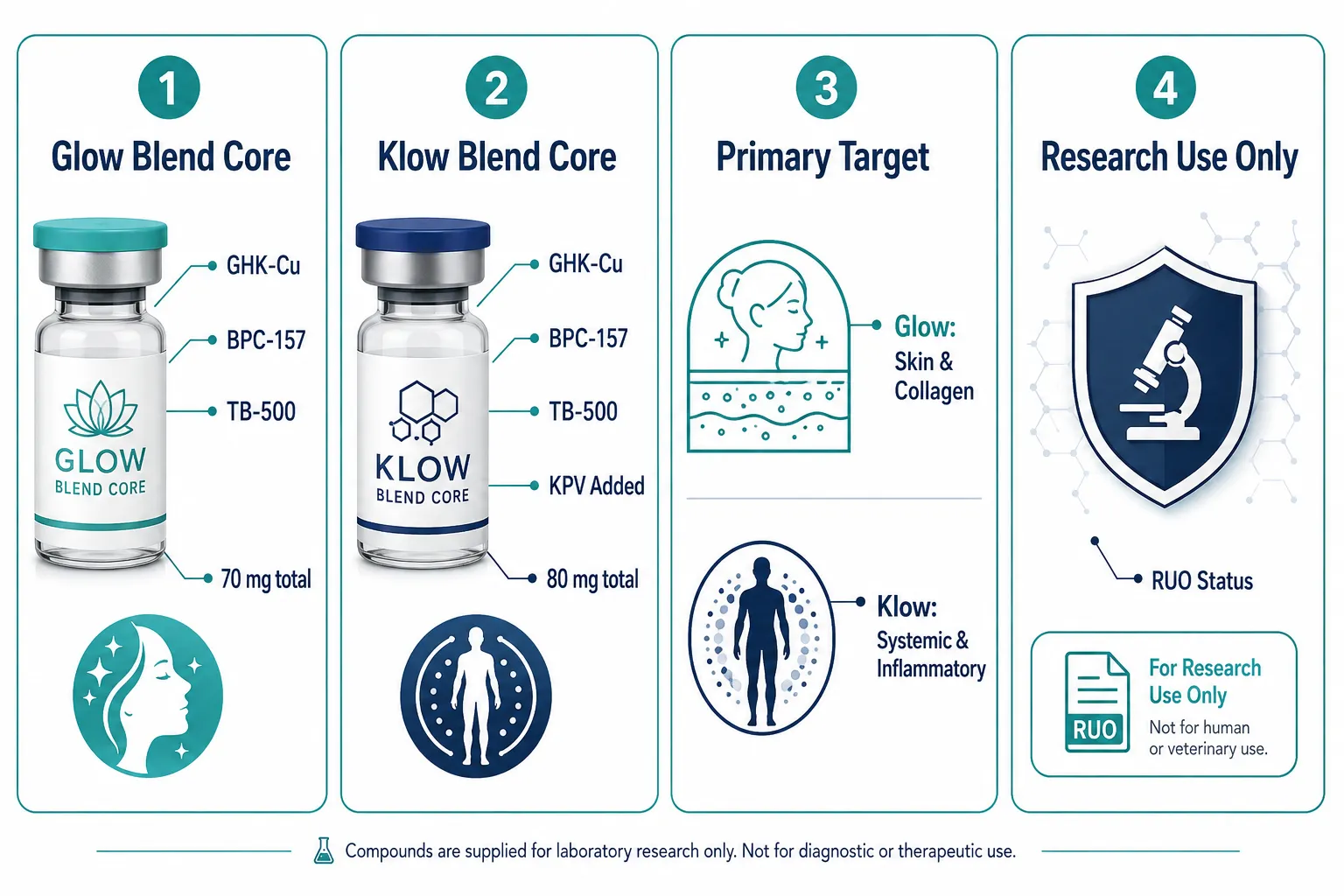
  • Glow Blend and Klow Blend share three core peptides but differ by one critical addition: KPV is exclusive to Klow Blend
  • Klow Blend carries a higher total mass (80 mg) versus Glow Blend (70 mg), reflecting the added KPV component
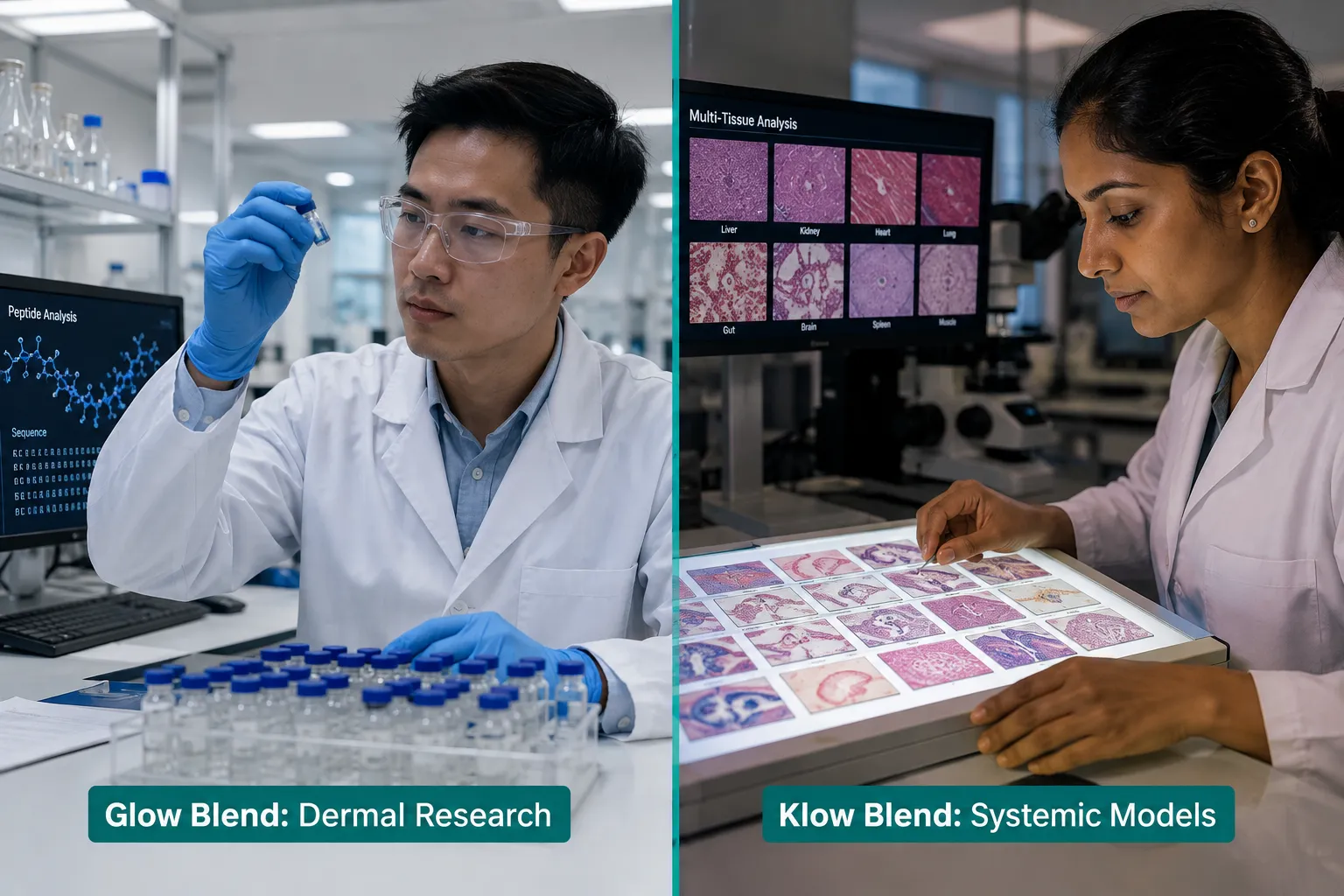
  • Glow Blend is positioned for skin, collagen, and tissue-repair research; Klow Blend targets systemic and inflammatory models
  • Both blends are research-use-only (RUO) compounds and are not approved therapeutic agents
  • Understanding the ingredient-level differences is essential before selecting either blend for a study protocol

What Are Glow Blend and Klow Blend?

Glow Blend and Klow Blend are proprietary multi-peptide research formulations. Both contain a combination of well-documented research peptides, GHK-Cu, BPC-157, and TB-500, in comparable ratios. The core architecture of each blend is nearly identical, which is the primary source of buyer confusion.

What Are Glow Blend and Klow Blend?

The key structural difference is straightforward: Klow Blend adds KPV, a tripeptide fragment derived from alpha-melanocyte-stimulating hormone (alpha-MSH). This single addition shifts the blend's total mass from 70 mg (Glow) to 80 mg (Klow) and meaningfully expands its research scope beyond dermal applications.

Shared Core Ingredients

Ingredient Known Research Focus
GHK-Cu Collagen synthesis, wound healing, antioxidant signaling
BPC-157 Tendon repair, gut mucosal healing, angiogenesis
TB-500 Actin regulation, tissue regeneration, mobility models

All three ingredients appear in both blends at comparable ratios. Researchers already familiar with individual peptide studies, such as those exploring BDNF peptides or growth hormone secretagogue stacks, will recognize these components from adjacent research areas.

Glow Blend vs Klow Blend Peptides: Ingredient Comparison and Research Applications in Detail

The ingredient-level differences between these two blends directly determine which research applications each one fits.

Glow Blend: Skin and Collagen Research Focus

Glow Blend, at 70 mg total, is formulated with dermal and connective tissue research as its primary orientation. The combination of GHK-Cu and BPC-157 is well-suited to studies examining:

  • Collagen remodeling and extracellular matrix repair
  • Wound healing kinetics in skin tissue models
  • Fibroblast activity and dermal regeneration
  • Oxidative stress reduction in aging skin models

GHK-Cu has been studied extensively for its role in upregulating collagen and elastin gene expression. BPC-157 contributes to angiogenic signaling, which supports tissue repair at the vascular level. TB-500 rounds out the blend by addressing actin polymerization, a process relevant to cell migration during wound closure.

For researchers focused on dermatological or cosmetic science applications, Glow Blend offers a clean, targeted formulation without additional systemic variables.

Klow Blend: Systemic and Inflammatory Research Focus

Klow Blend, at 80 mg total, builds on the same core but adds KPV, a tripeptide with documented research interest in inflammatory signaling pathways. This addition repositions the blend for multi-tissue and systemic research models.

KPV has been studied in the context of:

  • Intestinal inflammation and mucosal barrier function
  • Immune modulation via melanocortin receptor pathways
  • Skin inflammation as a secondary application
  • Systemic anti-inflammatory signaling in preclinical models

For researchers comparing intranasal or systemic peptide delivery models, the Klow Blend vs. Semax and Selank: Intranasal Nootropic Peptides resource provides useful context on how Klow fits within the broader nootropic and neuroimmune peptide landscape.

Key distinction: Glow Blend is optimized for localized tissue research. Klow Blend is designed for studies where inflammatory modulation across multiple tissue types is a variable.

Klow Blend: Systemic and Inflammatory Research Focus

Regulatory Status, Sourcing, and Research Considerations

Both Glow Blend and Klow Blend carry research-use-only (RUO) status. Neither is an approved therapeutic, and neither should be represented as such. This classification is consistent with how the broader peptide research market operates in 2026.

Researchers sourcing either blend should prioritize vendors that provide:

  • Certificate of Analysis (COA) from third-party laboratories
  • Documented purity levels above 98%
  • Accurate mass verification per vial

Understanding peptide COA verification is a foundational step before incorporating any blend into a formal study. Similarly, researchers should review peptide measurement standards to ensure accurate reconstitution and dosing in experimental protocols.

For those building broader metabolic or regenerative research panels, the top 5 research peptides for metabolic health guide offers useful comparative context for positioning either blend within a wider stack.

Choosing Between the Two Blends

The decision framework is relatively direct:

  • Choose Glow Blend when the study is focused on dermal tissue, collagen dynamics, or wound repair, and when introducing an inflammatory variable (KPV) would confound results
  • Choose Klow Blend when the study requires an anti-inflammatory component, involves gut or immune tissue models, or is designed to assess multi-system responses

Researchers also exploring growth hormone secretagogue combinations, such as those detailed in the Tesamorelin CJC-1295 Ipamorelin 12mg Blend dosage guide, may find that either blend can serve as a complementary formulation depending on the study's primary endpoint.

Choosing Between the Two Blends

Conclusion

The Glow Blend vs Klow Blend Peptides: Ingredient Comparison and Research Applications comparison ultimately comes down to one ingredient and one research intent. Both blends share a strong core of GHK-Cu, BPC-157, and TB-500. Klow Blend adds KPV, raises the total mass to 80 mg, and opens the door to inflammatory and systemic research models that Glow Blend is not designed to address.

Actionable next steps for researchers:

  1. Define the primary tissue target and whether inflammatory modulation is a study variable before ordering
  2. Request COA documentation from any vendor and verify third-party purity testing
  3. Review reconstitution and measurement protocols specific to multi-peptide blends
  4. Cross-reference with adjacent research literature on individual components before designing dosing protocols
  5. Consult the where to buy peptides resource to identify vendors with verified RUO-grade supply chains

Naming confusion between these two blends is real, but the underlying science is clear. Matching the formulation to the research question is the most important step any investigator can take before beginning a study.

https://www.puretestedpeptides.com/wp-content/uploads/2026/08/glow-blend-vs-klow-blend-peptides-ingredient-comparison-and-research-application.webp 1024 1536 https://www.puretestedpeptides.com/wp-content/uploads/2026/01/buy-peptides-online.jpg 2026-08-20 13:04:592026-08-20 13:04:59Glow Blend vs Klow Blend Peptides: Ingredient Comparison and Research Applications
Where to Buy Glow Blend, Klow Blend, and Klow Nasal Peptide Sprays: Lab-Grade vs Cosmetic-Grade Options

Where to Buy Glow Blend, Klow Blend, and Klow Nasal Peptide Sprays: Lab-Grade vs Cosmetic-Grade Options

August 17, 2026/0 Comments/in Uncategorized/by

Fewer than 15% of peptide products sold online in 2026 carry independently verified purity data, yet demand for nasal peptide sprays like Glow Blend and Klow Blend has surged sharply across research and wellness communities. For anyone navigating where to buy Glow Blend, Klow Blend, and Klow Nasal Peptide Sprays: Lab-Grade vs Cosmetic-Grade Options, the distinction between a rigorously tested research vial and an unverified cosmetic spray is not a minor detail. It is the single most important factor in sourcing decisions.

Key Takeaways

  • Glow Blend and Klow Blend are proprietary multi-peptide research formulations, not FDA-approved or peer-reviewed products.
  • Lab-grade versions come with Certificate of Analysis (COA) documentation and HPLC purity data; cosmetic-grade versions typically do not.
  • Klow Blend is often described as "Glow plus KPV with higher GHK-Cu concentration," making it a more complex research stack.
  • US and international vendors standardize Klow Blend at 80 mg lab-grade vials; cosmetic sprays vary widely in concentration.
  • All components in these blends remain unapproved for human therapeutic use and are sold strictly for research purposes.

Understanding Glow Blend and Klow Blend Formulations

Understanding Glow Blend and Klow Blend Formulations

Glow Blend is a multi-peptide formulation centered on skin and recovery-focused peptides, most commonly including GHK-Cu (copper peptide) and BPC-157. It is positioned by research vendors as a compound of interest for tissue repair and dermal research. Klow Blend extends this profile by adding KPV (a tripeptide fragment of alpha-MSH) and increasing the GHK-Cu concentration. Expert commentary from August 2026 consistently frames Klow as "Glow plus KPV, higher GHK-Cu", a more targeted stack for researchers studying inflammatory response and skin-barrier mechanisms.

The Klow Nasal Peptide Spray delivers this four-peptide stack via intranasal administration. Nasal delivery is chosen by researchers because it bypasses first-pass metabolism and allows faster systemic absorption compared to oral routes. Vendors such as Nova Labs, Research Peptides Europe, and PeptidePowerEU (EU-focused suppliers) have standardized their lab-grade Klow Blend offerings at 80 mg vials with full batch documentation.

It is critical to note that "Klow Blend" carries no regulatory recognition and no peer-reviewed clinical classification as of mid-2026. It is a proprietary research concept. Researchers and clinicians must treat it accordingly.

Comparison: Glow Blend vs Klow Blend

Feature Glow Blend Klow Blend
Core peptides GHK-Cu, BPC-157 GHK-Cu (higher), BPC-157, KPV
Primary research focus Skin recovery, tissue repair Inflammation, skin barrier, recovery
Standard vial size Varies by vendor 80 mg (US/international standard)
Nasal spray format Available (cosmetic risk) Yes, lab-grade framing
COA typically included Lab-grade only Lab-grade only

Lab-Grade vs Cosmetic-Grade: The Core Distinction

Lab-Grade vs Cosmetic-Grade: The Core Distinction

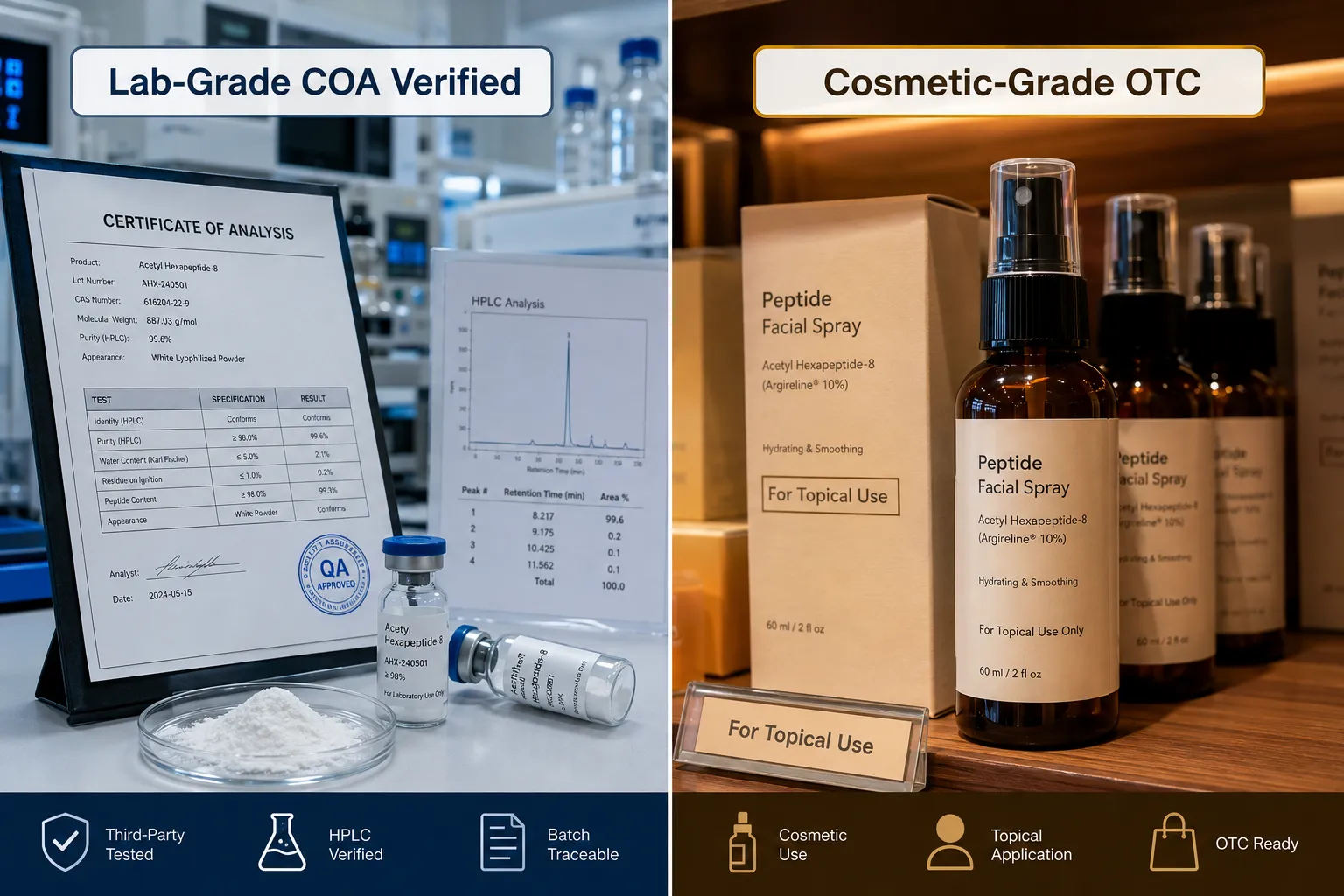
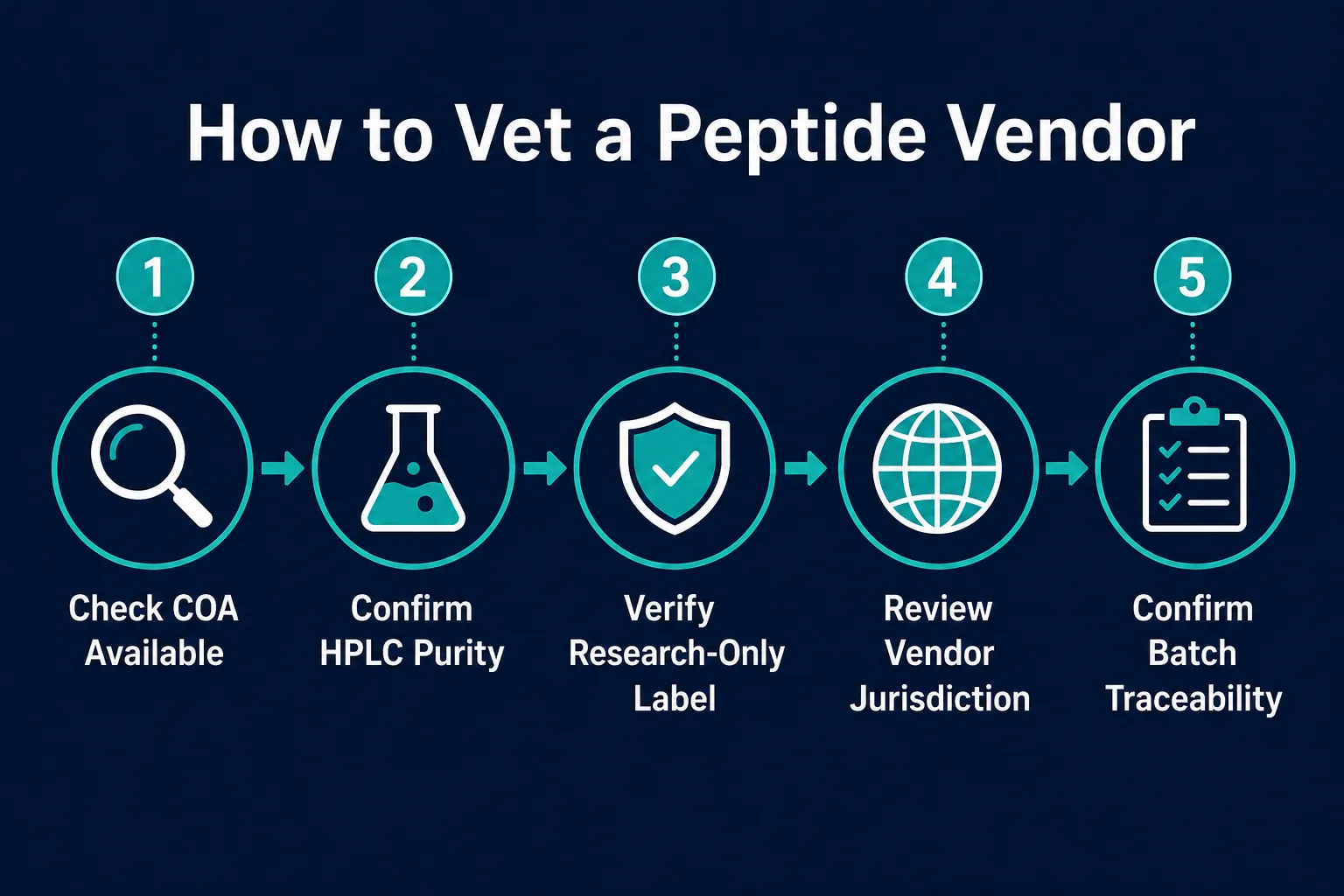
The phrase "lab-grade" in the peptide market refers to products manufactured under controlled conditions, tested by third-party laboratories, and supplied with a peptide COA (Certificate of Analysis). A genuine COA includes HPLC purity data, mass spectrometry confirmation, and batch-specific results. Without this documentation, there is no reliable way to confirm what is actually in the vial.

Cosmetic-grade nasal sprays occupy a legally ambiguous space. Glow nasal sprays marketed for "skin radiance" or "healing recovery" blur the line between research compounds and consumer wellness products. These products may use the same peptide names but offer no COA, no batch traceability, and no standardized concentration. The risk of underdosing, overdosing, or receiving a contaminated product increases significantly.

"A COA is not a marketing badge, it is the minimum evidence standard for any research-grade peptide purchase."

Researchers sourcing Semax, Selank, or complex blends like Glow and Klow should apply the same verification standard across all nasal peptide formats. For context on how rigorous sourcing applies to other peptide categories, the guide to where to buy SS31 and Epithalon online outlines the same COA-first framework.

Key markers of a lab-grade supplier:

  • Third-party HPLC and mass spec data per batch
  • Downloadable COA with lot number
  • "For research use only" labeling
  • Transparent manufacturing location
  • No therapeutic or cosmetic claims

Where to Buy Glow Blend, Klow Blend, and Klow Nasal Peptide Sprays: Lab-Grade vs Cosmetic-Grade Options

Where to Buy Glow Blend, Klow Blend, and Klow Nasal Peptide Sprays: Lab-Grade vs Cosmetic-Grade Options

Sourcing these compounds responsibly requires understanding where to buy Glow Blend, Klow Blend, and Klow Nasal Peptide Sprays across lab-grade vs cosmetic-grade options, and knowing which vendor categories to prioritize or avoid.

Lab-Grade Research Vendors (Recommended for Researchers)

US-based research peptide suppliers and EU-focused vendors including Nova Labs, Research Peptides Europe, and PeptidePowerEU have emerged as primary sources for verified Klow Blend in 2026. These vendors provide:

  • 80 mg standardized vials for Klow Blend
  • Full peptide COA verification with downloadable batch data
  • Research-only labeling with no therapeutic claims
  • Lyophilized powder format for stability

For researchers already familiar with growth hormone-related peptide blends, vendors offering products like the Tesamorelin CJC1295 Ipamorelin 12mg Blend typically apply the same documentation standards to Glow and Klow formulations. This consistency in quality control is a positive signal when evaluating a new supplier. Those seeking higher-dose configurations may also review the Tesamorelin CJC1295 Ipamorelin 12mg Blend Dosage140 as a benchmark for how reputable vendors structure multi-peptide research products.

Cosmetic and Wellness Channels (Use with Caution)

Cosmetic-grade Glow and Klow nasal sprays appear on wellness marketplaces, beauty retailers, and some compounding pharmacy-adjacent platforms. These products are often marketed as "radiance recovery" or "healing peptide therapy." They lack the documentation standards of lab-grade sources and should not be used in formal research contexts.

Nasal Peptide Sprays: Semax and Selank Context

Researchers comparing Glow and Klow to established nasal peptide formats should review the comparative research on Semax and Selank peptides, neurogenesis, and synaptic plasticity for a benchmark on how intranasal peptide delivery is studied. Semax and Selank have a longer research history and provide a useful reference point for evaluating newer nasal spray formulations.

For broader context on multi-peptide research sourcing, the top 5 research peptides for metabolic health buyer's guide covers vendor evaluation criteria applicable across peptide categories.

Regulatory and Safety Positioning

All components in Glow Blend, Klow Blend, and Klow Nasal Peptide Sprays remain unapproved by the FDA and equivalent regulatory bodies as of August 2026. They are not approved for human therapeutic use, diagnosis, or treatment. Every legitimate lab-grade supplier labels these products strictly for in vitro or preclinical research use only. Any vendor making health claims or omitting this labeling is a red flag.

Conclusion

Navigating where to buy Glow Blend, Klow Blend, and Klow Nasal Peptide Sprays: Lab-Grade vs Cosmetic-Grade Options comes down to one non-negotiable standard: documentation. Lab-grade suppliers provide COA data, batch traceability, and research-only labeling. Cosmetic-grade channels offer convenience but sacrifice the verification that research integrity demands.

Actionable next steps for researchers in 2026:

  1. Request a downloadable COA with HPLC data before purchasing any Glow or Klow formulation.
  2. Confirm the vendor uses "research use only" labeling, not cosmetic or therapeutic claims.
  3. Cross-reference batch numbers against the supplier's published documentation.
  4. Treat Klow Blend as a four-peptide research stack requiring the same rigor as any complex multi-peptide formulation.
  5. Avoid any nasal peptide spray that cannot provide independent third-party purity verification.

The peptide research space moves quickly, but quality standards do not change. Verified sourcing is the foundation of credible research outcomes.

https://www.puretestedpeptides.com/wp-content/uploads/2026/08/where-to-buy-glow-blend-klow-blend-and-klow-nasal-peptide-sprays-lab-grade-vs-co-1.webp 1024 1536 https://www.puretestedpeptides.com/wp-content/uploads/2026/01/buy-peptides-online.jpg 2026-08-17 13:05:172026-08-17 13:05:17Where to Buy Glow Blend, Klow Blend, and Klow Nasal Peptide Sprays: Lab-Grade vs Cosmetic-Grade Options
Mesenchymal Stem Cells and Peptide Signaling: Where MOTS-c, BPC-157, and GHK-Cu Fit in Regenerative Research

Mesenchymal Stem Cells and Peptide Signaling: Where MOTS-c, BPC-157, and GHK-Cu Fit in Regenerative Research

August 15, 2026/0 Comments/in Uncategorized/by

Fewer than a dozen peptides have generated as much laboratory interest in regenerative biology as MOTS-c, BPC-157, and GHK-Cu, yet each sits at a very different stage of scientific validation when placed alongside mesenchymal stem cell (MSC) research. Understanding where the evidence is strong, where it is preliminary, and where it is still largely theoretical is essential for any researcher working at the intersection of peptide pharmacology and stem cell biology in 2026.

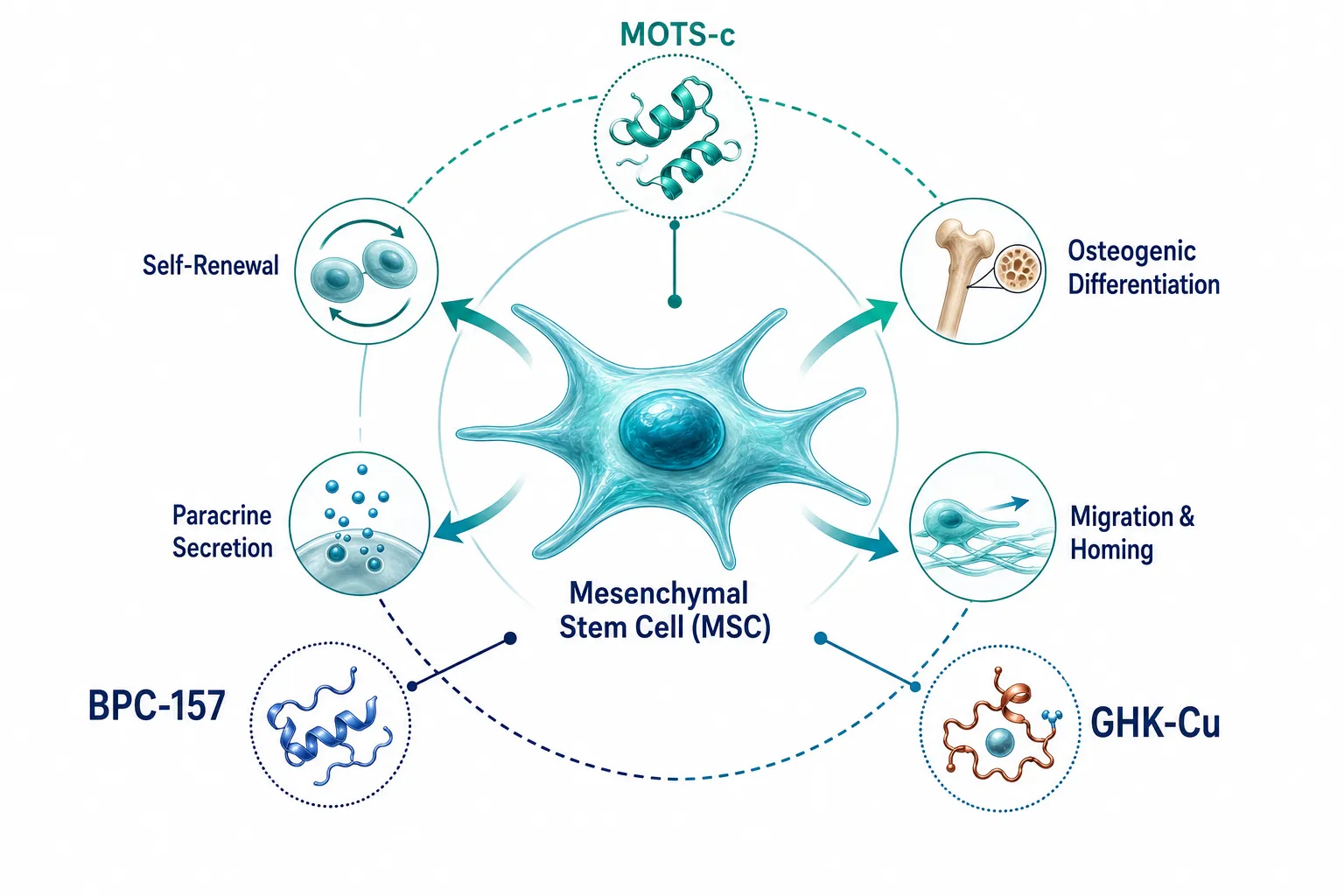
Mesenchymal stem cells and peptide signaling represent one of the most active frontiers in tissue repair science. These multipotent stromal cells, found in bone marrow, adipose tissue, placenta, and other niches, respond dynamically to molecular signals in their environment. Peptides such as MOTS-c, BPC-157, and GHK-Cu appear to modulate that environment in distinct ways, influencing MSC differentiation, migration, survival, and paracrine output. The key word, however, is "appear." Much of this research remains preclinical.

Key Takeaways

  • Mesenchymal stem cells are highly sensitive to peptide signals in their local niche, making them relevant targets for MOTS-c, BPC-157, and GHK-Cu research.
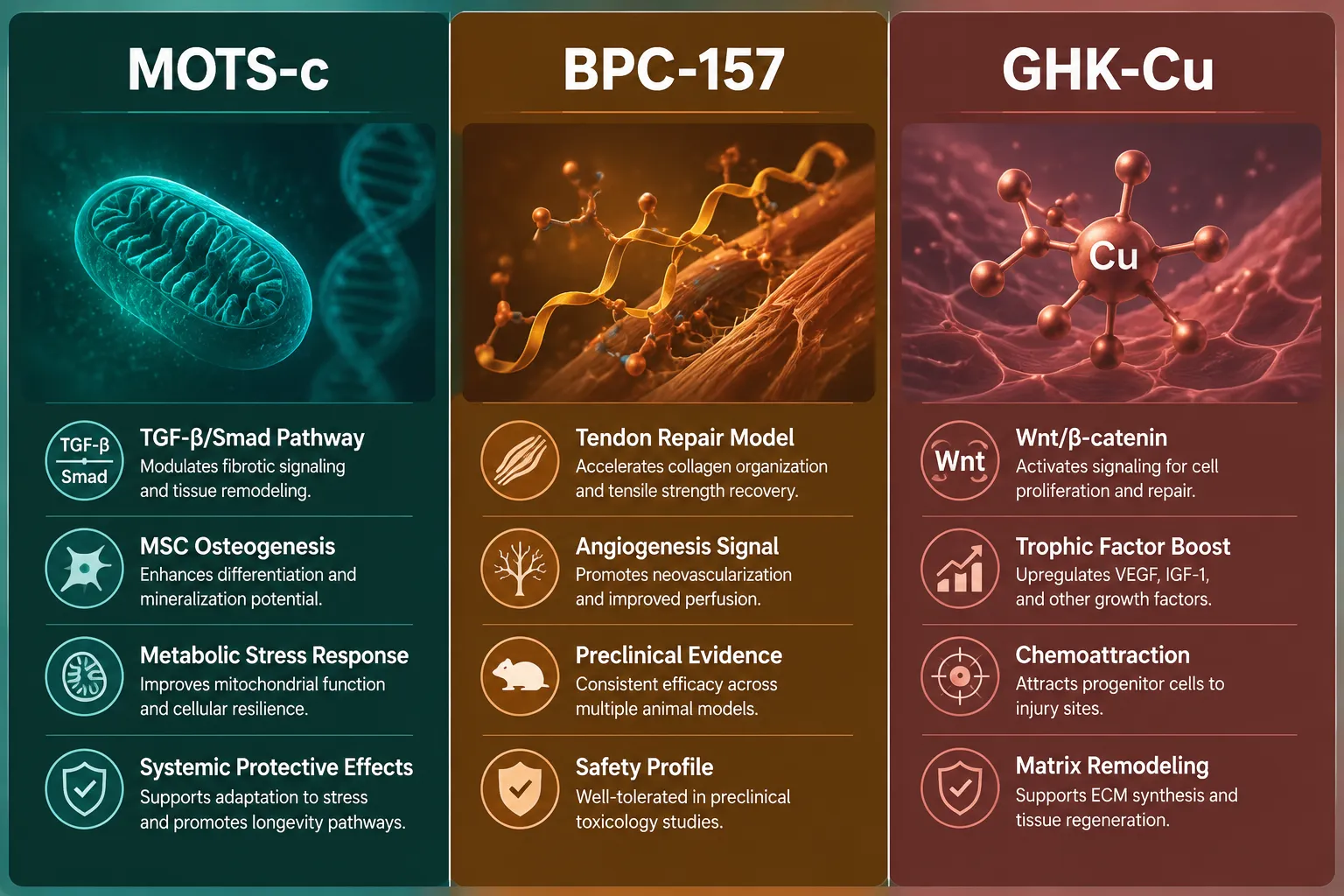
  • MOTS-c shows the most direct MSC-related evidence, including effects on osteogenic differentiation and metabolic homeostasis in stromal cell models.
  • BPC-157 demonstrates strong preclinical musculoskeletal repair data but has limited direct evidence of MSC proliferation effects in vitro.
  • GHK-Cu functions more as a niche modulator, enhancing trophic factor secretion and activating signaling pathways associated with stem cell recruitment.
  • All three peptides remain investigational; none are approved for clinical use in stem cell or regenerative therapies as of 2026.

MSC Biology: Why Peptide Signals Matter

MSC Biology: Why Peptide Signals Matter

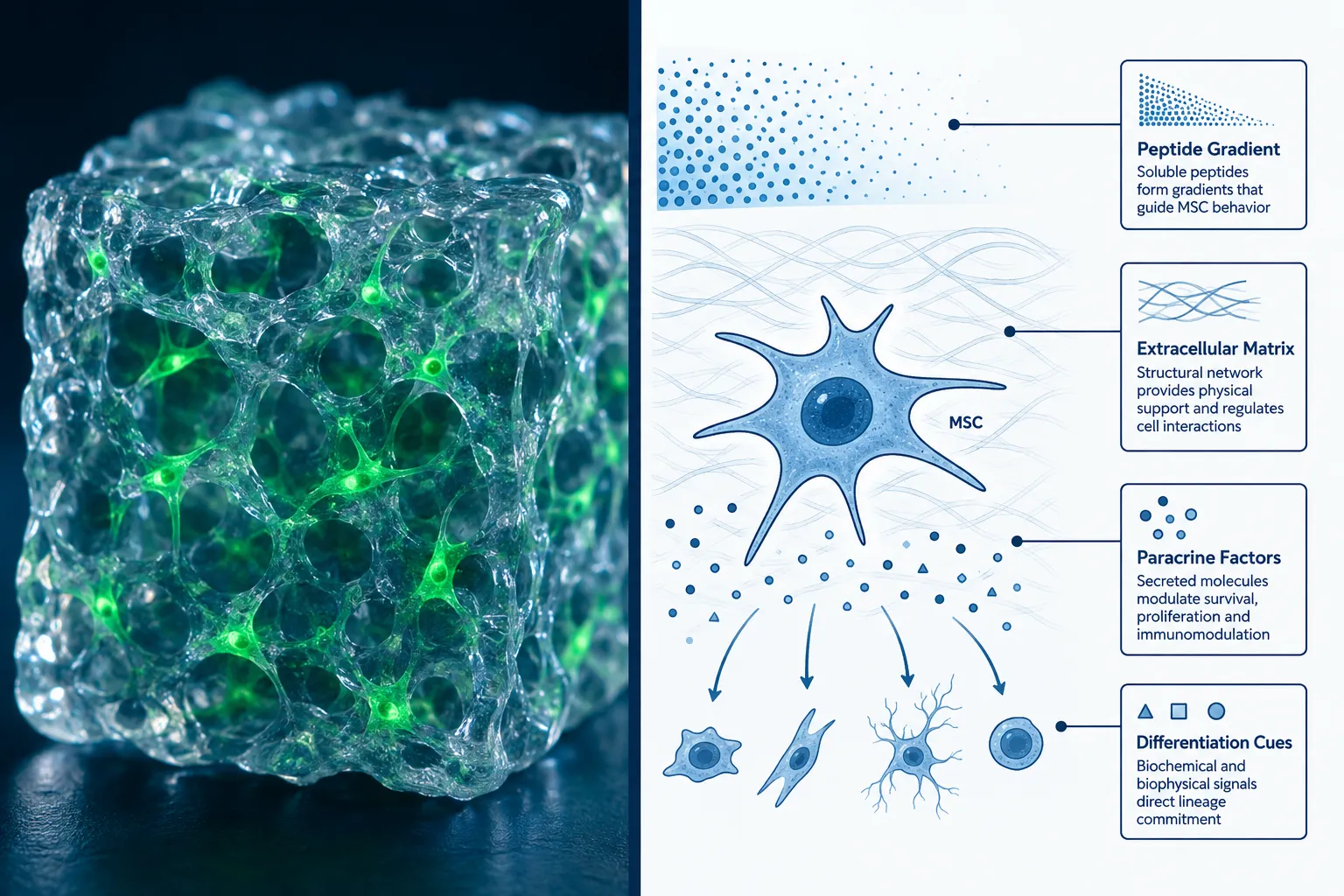
Mesenchymal stem cells are not passive building blocks. They actively sense and respond to biochemical gradients, extracellular matrix cues, and paracrine signals from neighboring cells. This responsiveness is precisely what makes them relevant to peptide signaling research.

MSCs can differentiate into osteoblasts, chondrocytes, adipocytes, and other cell types depending on the signals they receive. They also secrete a broad range of growth factors, cytokines, and extracellular vesicles that influence surrounding tissue. When a peptide alters any part of this signaling environment, whether through receptor binding, metabolic pathway modulation, or matrix interaction, it has the potential to shift MSC behavior in meaningful ways.

Key pathways that govern MSC fate decisions include:

  • TGF-β/Smad signaling, central to osteogenic and chondrogenic differentiation
  • Wnt/β-catenin, regulates self-renewal and lineage commitment
  • PI3K/Akt and MAPK, involved in survival, proliferation, and stress responses
  • p63 and p53 family members, linked to stemness maintenance and aging

Understanding which pathways a given peptide engages, and in what context, is the foundation of responsible regenerative research design.

MOTS-c, BPC-157, and GHK-Cu: Distinct Roles in Regenerative Research

MOTS-c, BPC-157, and GHK-Cu: Distinct Roles in Regenerative Research

MOTS-c and MSC Differentiation

MOTS-c is a mitochondria-derived peptide encoded within the 12S rRNA gene. Its primary research identity is metabolic, it activates AMPK, regulates glucose uptake, and supports mitochondrial homeostasis. What makes it relevant to MSC biology is its demonstrated influence on stromal cell differentiation and survival.

In bone marrow MSC models, MOTS-c has been shown to drive osteogenic differentiation through TGF-β/Smad signaling, making it a candidate of interest in osteoporosis research. In placenta-derived MSC studies, it appears to promote homeostasis under metabolic stress conditions, though the pathway involves stress-response mechanisms rather than straightforward growth promotion. A particularly notable 2025 development involved MOTS-c hydrogel formulations that enhanced disc-derived MSC survival and function in intervertebral disc degeneration models, a direct application of peptide-MSC interface research.

Importantly, MOTS-c effects on human mesenchymal stromal cells appear to be context-dependent. The same peptide can produce different outcomes depending on the MSC source, the culture conditions, and the stress environment. This context-sensitivity is a recurring theme in the broader field of peptide mechanism research from MOTS-c to CJC-1295.

For researchers sourcing this compound, understanding MOTS-c mitochondrial research themes provides useful context on how the peptide's metabolic identity intersects with its emerging stromal cell applications.

"MOTS-c's first Phase 2a human trial (NCT07505745) targets metabolic endpoints, not stem cell outcomes, underscoring how far preclinical MSC findings are from clinical translation."

BPC-157 and Musculoskeletal Repair Models

BPC-157 (Body Protection Compound-157) is a synthetic pentadecapeptide derived from a gastric protein sequence. Its preclinical record in musculoskeletal repair is extensive: tendon healing, bone repair, ligament regeneration, and angiogenesis models have all shown positive signals in animal studies.

The connection to MSC biology is more indirect. A 2025 thesis-level investigation found that BPC-157 does not appear to directly increase MSC proliferation in vitro, which is a meaningful finding for researchers who assumed a direct proliferative mechanism. The peptide's repair-promoting effects are more likely mediated through angiogenic signaling, growth factor upregulation, and inflammatory modulation in the tissue environment, processes that may indirectly support MSC function without acting on MSCs themselves.

The BPC-157 core peptides documentation and research guide covers the mechanistic literature in detail. Researchers should also be aware that BPC-157 carries significant regulatory caution in 2026, including anti-doping scrutiny and non-approval status across major jurisdictions.

GHK-Cu as a Niche Modulator

GHK-Cu (glycyl-L-histidyl-L-lysine copper complex) occupies a different conceptual space. Rather than acting directly on MSC differentiation pathways, GHK-Cu appears to function as a niche modulator, shaping the extracellular environment in ways that support stem cell recruitment and trophic factor secretion.

Research has linked GHK-Cu to activation of Wnt/β-catenin, TGF-β, MAPK, PI3K/Akt, and p63 signaling networks. These are not peripheral pathways; they are core regulators of MSC behavior. By modulating matrix remodeling enzymes, stimulating collagen synthesis, and enhancing chemoattractant gradients, GHK-Cu may create a more permissive environment for endogenous MSC migration and function.

Researchers interested in the copper peptide's broader signaling context can explore GHK-Cu and collagen biology for a detailed look at how classic matrix biology intersects with copper peptide research.

Translational Gaps and Research Design Considerations

Translational Gaps and Research Design Considerations

The gap between preclinical peptide-MSC findings and clinical application is substantial. Several factors complicate direct translation:

Factor Research Implication
MSC source variability Bone marrow, adipose, and placenta-derived MSCs respond differently to the same peptide
Dose and delivery In vivo peptide concentrations rarely match in vitro conditions
Context-dependence Inflammatory, metabolic, or mechanical stress alters peptide-MSC interactions
Regulatory status None of the three peptides are approved for regenerative indications

For researchers designing studies that incorporate these compounds, several principles apply:

  1. Define the MSC source explicitly, findings from one stromal cell population do not automatically transfer to another.
  2. Distinguish direct from indirect effects, a peptide that improves tissue repair may do so without ever acting on an MSC directly.
  3. Use validated reference standards, purity and characterization matter enormously when interpreting signaling data. Resources on building robust peptide benchmarks with reference standards are directly relevant here.
  4. Account for the niche environment, GHK-Cu's effects, in particular, are highly dependent on the extracellular matrix context.

Researchers exploring mitochondrial peptide sourcing for MSC studies should also review quality criteria for research-grade MOTS-c to ensure compound integrity before drawing mechanistic conclusions. Similarly, those working with copper peptide formulations will find sourcing guidance in resources covering GHK-Cu peptides for skin and collagen research.

Conclusion

The intersection of mesenchymal stem cells and peptide signaling, specifically where MOTS-c, BPC-157, and GHK-Cu fit in regenerative research, is a genuinely productive area of inquiry, but one that demands precision and intellectual honesty. MOTS-c has the most direct MSC-related mechanistic evidence, particularly in osteogenic and metabolic stress models. BPC-157 shows compelling tissue repair data that likely operates upstream or in parallel to MSC activity rather than through direct stromal cell stimulation. GHK-Cu presents a compelling case as a niche modulator, activating multiple signaling networks that govern MSC recruitment and function.

Actionable next steps for researchers in 2026:

  • Prioritize mechanistic clarity over outcome assumptions, know whether a peptide acts on MSCs directly or through the niche environment.
  • Select MSC sources deliberately and document them rigorously in study design.
  • Monitor the MOTS-c clinical pipeline (NCT07505745) for translational signals that may inform future MSC-adjacent study designs.
  • Source all three compounds from suppliers with documented purity verification, as impurities can confound signaling data significantly.
  • Treat all three peptides as investigational tools with no approved regenerative indications, design studies accordingly.

The science here is moving fast. Staying grounded in what the evidence actually shows, rather than what it might eventually show, is the mark of rigorous regenerative research.

https://www.puretestedpeptides.com/wp-content/uploads/2026/08/mesenchymal-stem-cells-and-peptide-signaling-where-mots-c-bpc-157-and-ghk-cu-fit.webp 1024 1536 https://www.puretestedpeptides.com/wp-content/uploads/2026/01/buy-peptides-online.jpg 2026-08-15 13:05:182026-08-15 13:05:18Mesenchymal Stem Cells and Peptide Signaling: Where MOTS-c, BPC-157, and GHK-Cu Fit in Regenerative Research
Peptides vs Polypeptides: How Molecular Size and Structure Change Research Questions

Peptides vs Polypeptides: How Molecular Size and Structure Change Research Questions

August 15, 2026/0 Comments/in Uncategorized/by

A single amino acid added to a chain can shift a molecule from one regulatory category to another, and that shift changes the entire research strategy around it. The question of peptides vs polypeptides: how molecular size and structure change research questions is not a matter of academic trivia. It determines how compounds are synthesized, formulated, classified by regulators, and studied in the lab. In 2026, with over 80 FDA- and EMA-approved peptide drugs on the market and more than 650 candidates in development, getting this distinction right has direct consequences for research design and data interpretation.

Key Takeaways

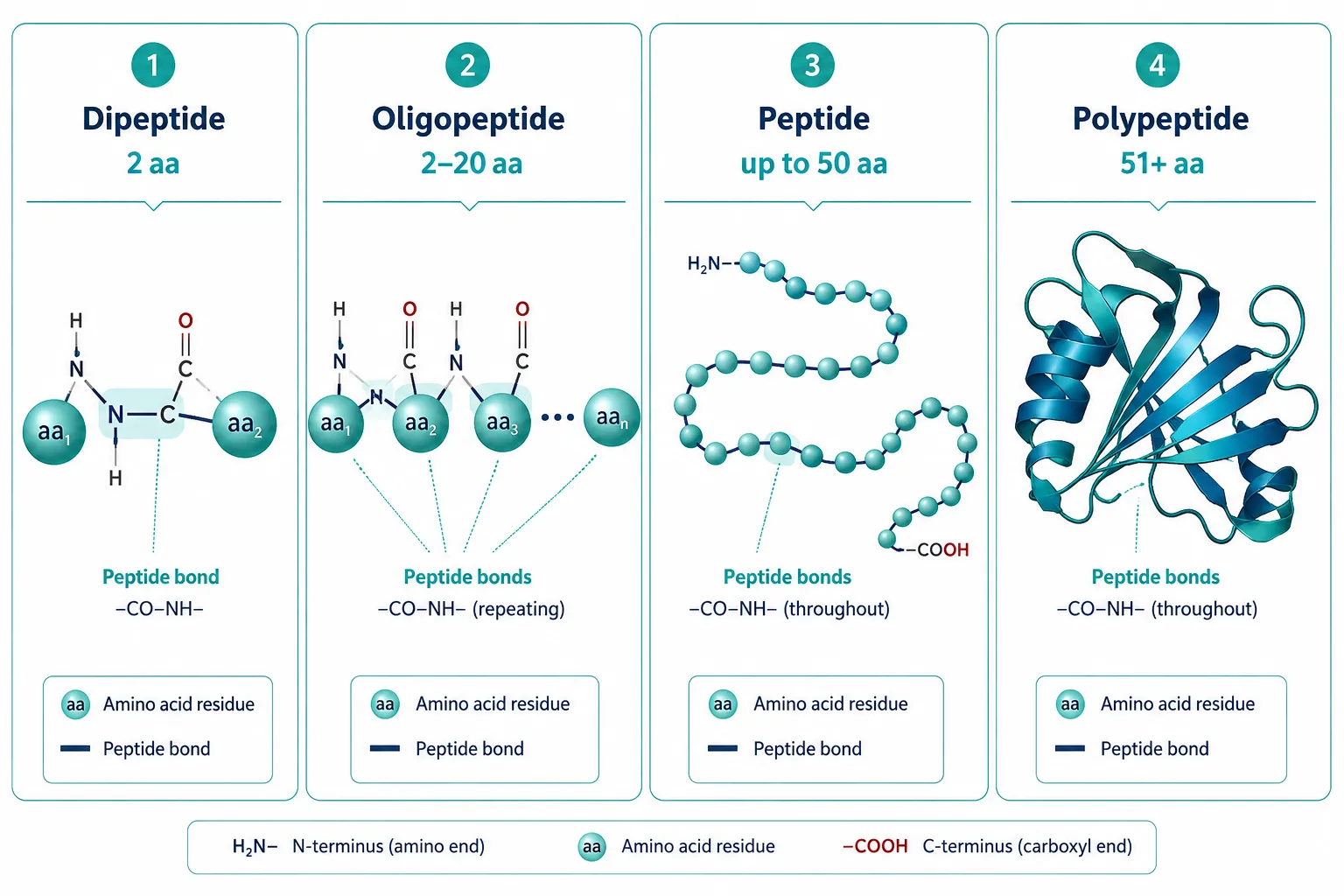
  • Peptides are conventionally defined as chains of 2-50 amino acids; polypeptides contain 51 or more, though some teaching contexts set the boundary at 20 residues.
  • Chain length determines whether research focuses on receptor binding and delivery (peptides) or folding, expression, and immunogenicity (polypeptides).
  • Mid-length molecules, 20 to 50 amino acids, create genuine ambiguity and require researchers to state their classification criteria explicitly.
  • Research-use compounds like BPC-157, MOTS-c, and GLP-3 retatrutide sit at different points on this spectrum, each raising distinct mechanistic questions.
  • Inconsistent cutoffs across publications can distort meta-analyses and comparative studies if researchers do not align definitions before pooling data.

Defining the Boundary: Where Peptides End and Polypeptides Begin

Defining the Boundary: Where Peptides End and Polypeptides Begin

The most widely cited modern definition places peptides at 2-50 amino acids and polypeptides at 51 or more. The NIH-linked Genome.gov genetics glossary encodes this numerical boundary explicitly, making chain length part of the official language of molecular medicine. StatPearls refines the picture further, carving out "oligopeptides" at roughly 10-20 residues, while classifying chains above 20 amino acids as polypeptides in some educational contexts.

That overlap, chains between 20 and 50 amino acids, is where most confusion lives.

"Whether a 32-amino-acid hormone is called a peptide or a polypeptide depends entirely on which publication's definition you are reading."

These boundaries are practical conventions, not strict biochemical laws. They evolved to help researchers, clinicians, and regulators communicate efficiently. Drug-development literature updated in 2026 explicitly advises authors to state the residue range and classification used in any paper, because different cutoffs can change how a candidate is grouped in a meta-analysis or regulatory review.

Category Typical Residue Range Primary Research Context
Dipeptide / Oligopeptide 2-19 aa Signaling, taste, neurotransmission
Peptide 2-50 aa (therapeutic convention) Receptor ligands, hormones, drug candidates
Polypeptide 51+ aa (or 20+ in some teaching contexts) Folded structures, enzymes, biologics
Protein Variable; typically folded polypeptide(s) Multi-domain function, antibody engineering

For researchers working with compounds like MOTS-c and 5-Amino-1MQ, understanding where a molecule falls on this spectrum shapes every downstream decision, from synthesis method to stability testing.

How Molecular Size and Structure Change Research Questions in Practice

How Molecular Size and Structure Change Research Questions in Practice

The core insight in understanding peptides vs polypeptides: how molecular size and structure change research questions is this: chain length changes functional expectation.

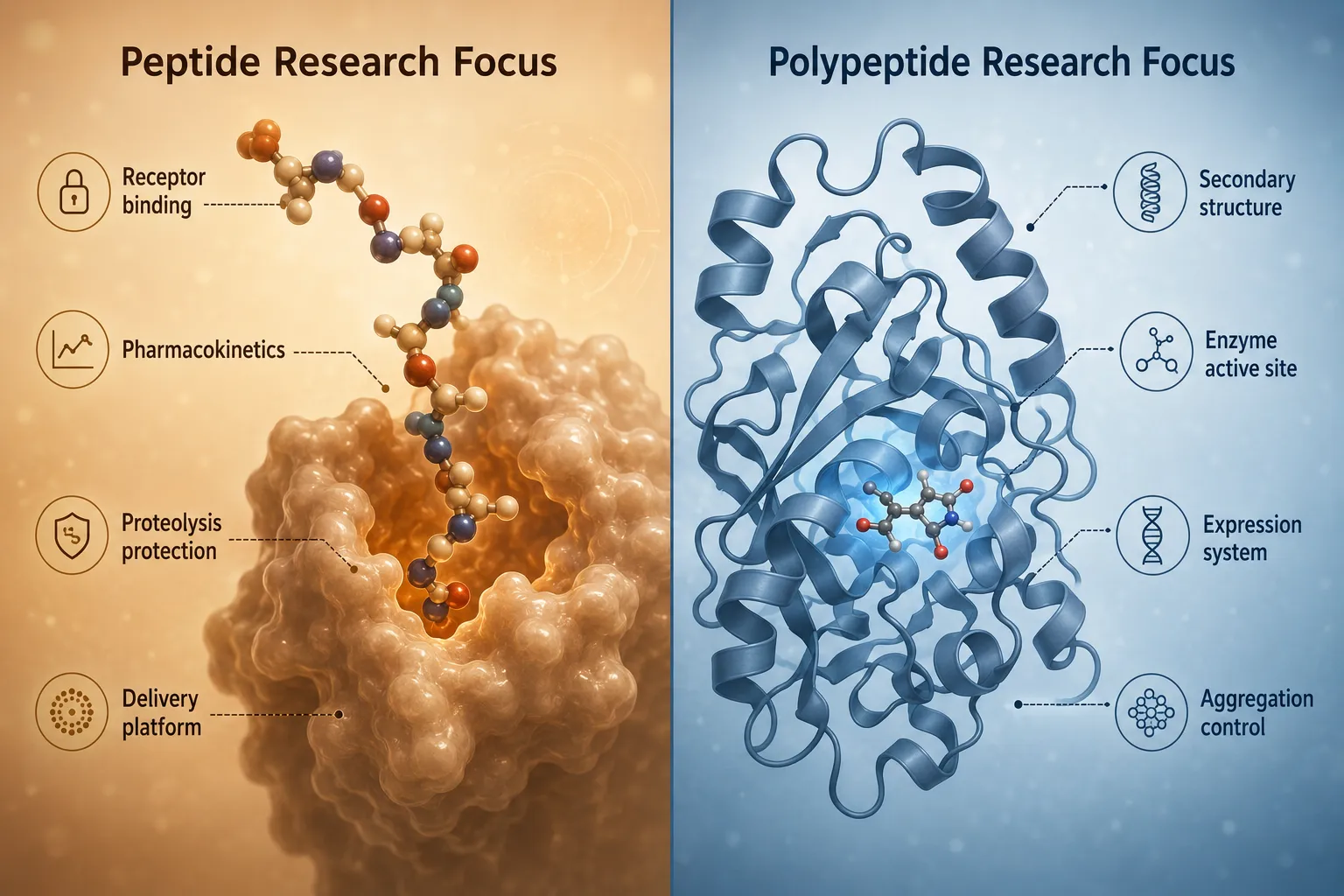
Short peptides, roughly 2 to 50 amino acids, are primarily studied as signaling molecules. They act as receptor ligands, hormones, and short regulatory motifs. Because they are small and flexible, research questions center on:

  • How well does the compound bind its target receptor?
  • How quickly is it degraded by proteases?
  • What delivery platform, nasal spray, nanoparticle, depot injection, best protects it?
  • How can half-life be extended without losing selectivity?

For example, research-use nasal spray peptides like Semax and Selank raise exactly these questions: mucosal absorption, carrier solvent stability, and CNS delivery efficiency.

Longer polypeptides, 51 or more residues, are long enough to fold into stable three-dimensional structures. Research questions shift dramatically:

  • What secondary and tertiary structures does the chain adopt?
  • Can it form an enzyme active site?
  • How is it expressed in a microbial or mammalian system?
  • Does it aggregate or generate immunogenic epitopes?

This is why polypeptide and protein engineering literature is dominated by folding, domain design, and bioprocess optimization, problems that simply do not arise at short chain lengths.

Mid-length molecules (20-50 amino acids) blur the line. Calcitonin (32 aa), glucagon (29 aa), atrial natriuretic peptide (28 aa), and thymosin beta-4 (43 aa) are long enough to adopt distinct conformations and interact with multiple targets, yet still short enough that solid-phase synthesis and peptide-style formulation remain appropriate. Compounds like GHK-Cu, a copper-binding peptide studied in collagen and tissue research, illustrate how even short chains can engage complex structural biology when metal coordination is involved.

Mapping Size Differences onto Modern Research-Use Compounds

Mapping Size Differences onto Modern Research-Use Compounds

Applying peptides vs polypeptides: how molecular size and structure change research questions to specific research-use compounds clarifies why this distinction matters beyond textbooks.

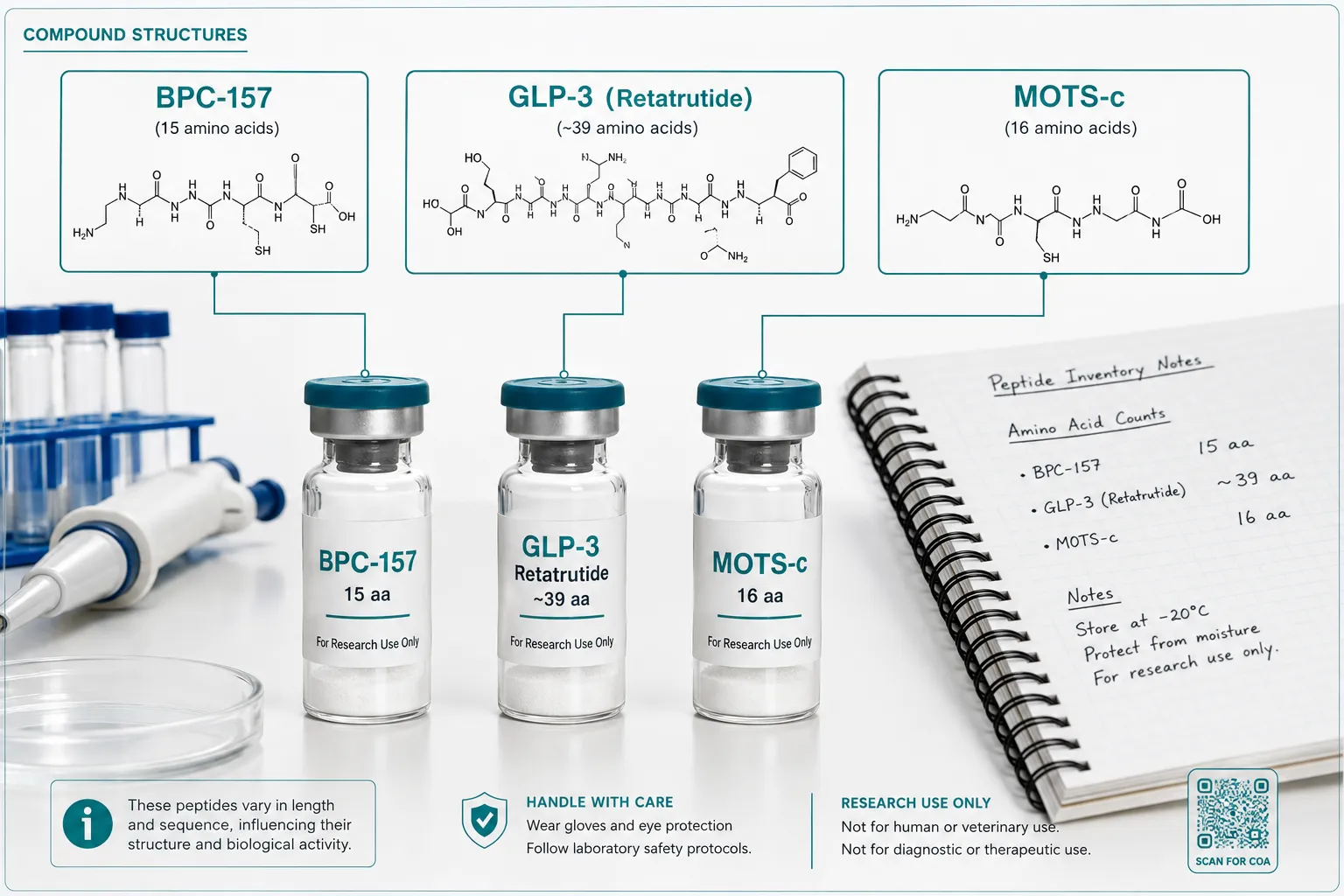
BPC-157 is a 15-amino-acid synthetic peptide. Its short length places it firmly in peptide territory, meaning research priorities are stability in gastric or injectable environments, receptor interaction mapping, and tissue-specific delivery. The peptides and polypeptides framework connecting DNA, mitochondria, and modern research compounds helps contextualize how such short chains can still exert broad biological effects through targeted signaling.

MOTS-c is a 16-amino-acid mitochondria-derived peptide. Despite its small size, it interfaces with genomic and metabolic pathways in ways that raise questions more typically associated with longer regulatory molecules. Research on MOTS-c and its role in mitochondrial biology focuses on ATP production, insulin sensitivity, and cellular energy regulation, mechanistic questions driven by receptor-level signaling rather than folding.

GLP-3 retatrutide, a triple-agonist peptide in late-stage obesity trials, sits in the mid-length range. Its research questions span both categories: receptor selectivity (peptide-type question) and conformational stability at the receptor interface (a question that edges toward polypeptide territory). The emerging data from GLP-3 retatrutide phase 3 trials illustrate how mid-length peptides are reshaping metabolic research priorities in 2026.

CJC-1295, a growth hormone-releasing hormone analog, demonstrates another dimension: how DAC modification changes pharmacokinetics, a quintessentially peptide-focused research question about half-life extension rather than folding architecture.

The industry now treats peptides as a distinct modality sitting between classical small molecules and full biologics. This intermediate status forces unique considerations in:

  • Synthesis: solid-phase peptide synthesis vs. recombinant expression
  • Characterization: mass spectrometry and HPLC purity vs. protein structural assays
  • Regulatory classification: CMC strategy, comparability, and biosimilarity rules differ by size category

Conclusion

The distinction between peptides and polypeptides is not semantic, it is operational. Chain length determines folding capacity, receptor interaction mode, synthesis strategy, delivery requirements, and regulatory classification. Short peptides raise questions about stability, targeting, and pharmacokinetics. Longer polypeptides raise questions about structure, expression, and immunogenicity. Mid-length molecules in the 20-50 amino acid range demand that researchers state their definitions clearly before pooling data or designing comparative studies.

Actionable next steps for researchers in 2026:

  1. Always specify the residue count and the classification convention used in any publication or protocol.
  2. When working with mid-length compounds (20-50 aa), explicitly address whether folding behavior or delivery stability is the primary concern, do not assume one framework applies.
  3. Before integrating datasets from multiple studies, verify that each study uses the same peptide/polypeptide boundary to avoid misclassification errors in meta-analyses.
  4. Match synthesis and formulation strategy to chain length: solid-phase synthesis and peptide-style delivery for shorter chains; expression systems and structural characterization for longer ones.

Understanding where a compound sits on the amino acid chain spectrum is the first step toward asking the right research questions, and getting meaningful answers.

https://www.puretestedpeptides.com/wp-content/uploads/2026/08/peptides-vs-polypeptides-how-molecular-size-and-structure-change-research-questi.webp 1024 1536 https://www.puretestedpeptides.com/wp-content/uploads/2026/01/buy-peptides-online.jpg 2026-08-15 13:05:042026-08-15 13:05:04Peptides vs Polypeptides: How Molecular Size and Structure Change Research Questions
Peptides in Modern Research: From Simple Chains to Complex Polypeptide Hormones

Peptides in Modern Research: From Simple Chains to Complex Polypeptide Hormones

August 15, 2026/0 Comments/in Uncategorized/by

More than 80 peptide-based drugs have received FDA approval to date, covering everything from endocrinology to oncology, and in 2026 alone, the pipeline holds over 150 additional candidates in active clinical development. That scale of activity signals something fundamental: the study of peptides in modern research, from simple chains to complex polypeptide hormones, has moved from a niche biochemical pursuit to one of the most productive frontiers in science.

Key Takeaways

  • Peptides range from two-amino-acid dipeptides to large, folded polypeptide hormones, and their size directly shapes their biological function and research utility.
  • The FDA approved oral semaglutide for chronic weight management in late 2025, and orforglipron followed in April 2026, both driven by polypeptide hormone biology.
  • Research compounds such as BPC-157, GHK-Cu, MOTS-c, and 5-Amino-1MQ represent distinct peptide classes with different mechanisms and experimental profiles.
  • Regulatory policy shifted in 2026, with 12 peptides removed from the FDA's restricted Category 2 compounding list, reshaping access for research applications.
  • Purity and sourcing quality remain critical variables in any peptide research program.

Classifying Peptides: Size, Structure, and Function

Classifying Peptides: Size, Structure, and Function

Understanding peptides in modern research, from simple chains to complex polypeptide hormones, starts with a clear classification framework. Not all peptides are alike. Their length, folding behavior, and receptor interactions differ significantly, and those differences determine what each compound can do in a research model.

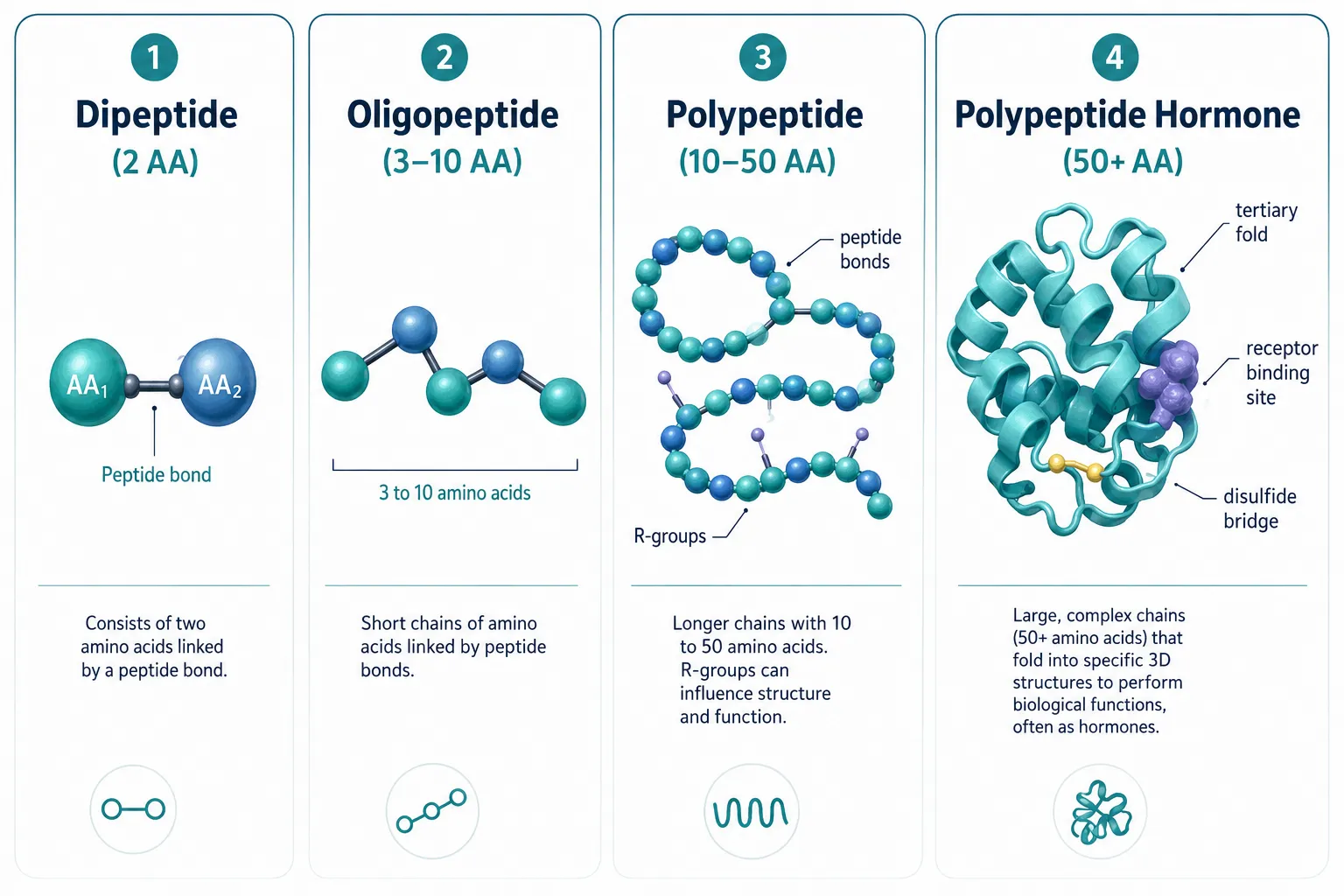
Peptide size categories at a glance:

Category Amino Acid Count Examples
Dipeptide 2 Carnosine
Oligopeptide 3-10 BPC-157 fragment analogs
Polypeptide 10-50 GHK-Cu, MOTS-c
Polypeptide Hormone 50+ Semaglutide, PTH analogs

Short peptides, those with fewer than ten amino acids, tend to be more stable, easier to synthesize, and simpler to study in isolated cellular models. Longer polypeptides and hormone analogs introduce complexity: tertiary folding, disulfide bridges, and receptor-binding domains that require more sophisticated handling and storage protocols.

For a deeper look at how molecular size shapes experimental design, the article on peptides and polypeptides in modern research: how molecular size shapes function, stability, and experimental design provides a detailed structural breakdown.

"Peptide length is not just a chemical detail, it is a primary determinant of how a compound behaves in biological systems, how it is stored, and how it is interpreted in research data."

Key Research Peptide Classes in 2026

Key Research Peptide Classes in 2026

The landscape of peptides in modern research, from simple chains to complex polypeptide hormones, now spans several distinct compound classes. Each class serves different experimental goals.

Short and Mid-Length Research Peptides

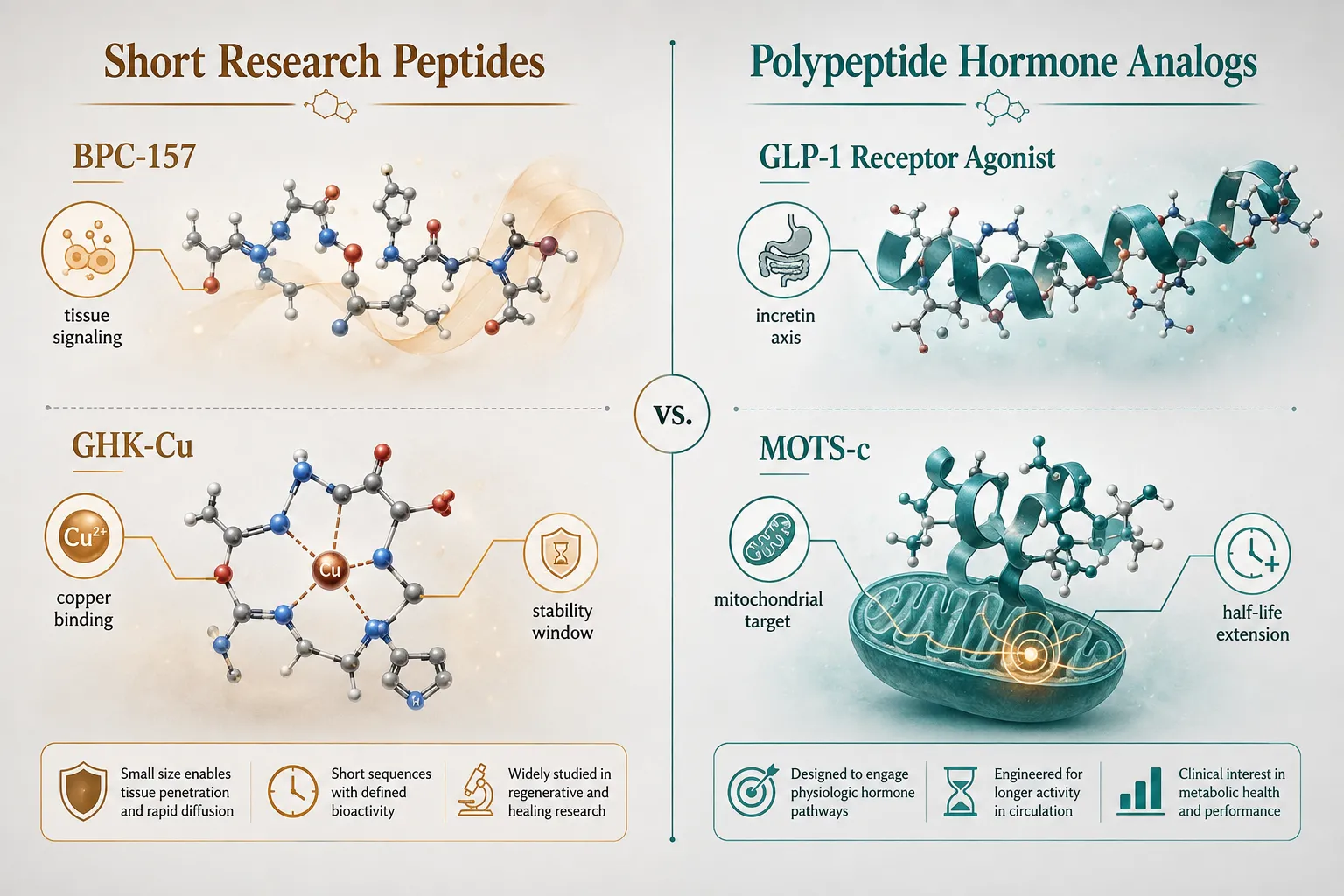
BPC-157 is a synthetic pentadecapeptide derived from a gastric protein sequence. It has been studied extensively in tissue and wound models. Researchers interested in its documented profile can consult the BPC-157 core peptides documentation first research guide for a structured overview of its experimental applications.

GHK-Cu is a copper-binding tripeptide that has attracted attention in skin, collagen, and tissue research. Its copper-complex chemistry gives it unique stability considerations. The GHK-Cu peptide: copper complex chemistry, research stability, and lab use considerations article covers the handling nuances relevant to lab settings.

Mitochondrial Peptides

MOTS-c and 5-Amino-1MQ represent a newer class of metabolically active research compounds. MOTS-c is a mitochondria-derived peptide that influences insulin sensitivity and energy metabolism pathways. 5-Amino-1MQ is a small-molecule NNMT inhibitor often studied alongside MOTS-c in adiposity models. Their combined profile is explored in the article on 5-Amino-1MQ and MOTS-c synergy: how mitochondrial peptides target adiposity and insulin resistance in experimental models.

Polypeptide Hormone Analogs

This is the most clinically advanced category. GLP-1 receptor agonists such as semaglutide and dulaglutide are structurally engineered polypeptide hormones designed to mimic and extend the action of endogenous incretin hormones. Retatrutide, a triple agonist targeting GLP-1, GIP, and glucagon receptors, represents the next generation of multi-target hormone-mimetic design.

Emerging compounds like GLP-3 and GLP-2-T are also entering research discussions, reflecting how the incretin hormone family continues to expand as a research target. For context on how these naming conventions and compound categories are evolving, the GLP-2-T peptide and GLP-2 Tirz peptide: naming confusion, product labels, and research interpretation article addresses common points of confusion.

Regulatory Shifts and the Research Pipeline

Regulatory Shifts and the Research Pipeline

The regulatory environment surrounding peptides in modern research, from simple chains to complex polypeptide hormones, changed materially in 2026. In February 2026, HHS announced that roughly 14 of 19 peptides on the FDA's restricted Category 2 compounding list would be returned to Category 1 status. By April 23, 2026, the FDA formally removed 12 peptides from that restricted list following Federal Register notices issued April 15-16.

However, compounds including BPC-157 and TB-500 remained on the restricted list and were scheduled for review by the FDA Peptide Compounding Advisory Committee in July 2026. These deliberations reflect the ongoing tension between research access and consumer safety in the compounding space.

On the clinical side, several milestones defined the period:

  • Oral semaglutide (25 mg) was approved in December 2025 for chronic weight management, extending polypeptide hormone therapy beyond injectables.
  • Orforglipron (Foundayo) was approved April 1, 2026, as the first oral, non-peptide GLP-1 receptor agonist, a product directly enabled by decades of polypeptide hormone biology research.
  • Palopegteriparatide (Yorvipath), a PEGylated parathyroid hormone prodrug, was approved in 2024 as the first treatment specifically for hypoparathyroidism, illustrating how complex polypeptide engineering enables long-acting endocrine therapies.
  • A peptide-based radiopharmaceutical was among the landmark approvals in Q1 2026, reflecting the growing use of conjugated peptides as diagnostic imaging agents.

Seven Phase 3 trial readouts are expected across 2026 in type 2 diabetes, sleep apnea, liver disease, and cardiovascular outcomes, most driven by incretin and hormone-mimetic peptide analogs.

For researchers evaluating metabolic peptides, the top 5 research peptides for metabolic health: an updated buyer's guide offers a curated overview of compounds with the strongest current research profiles.

Conclusion

The field of peptides in modern research, from simple chains to complex polypeptide hormones, is advancing on multiple fronts simultaneously. Short peptides like BPC-157 and GHK-Cu continue to generate data in tissue and cellular models. Mid-length compounds like MOTS-c are opening new windows into mitochondrial biology. And large polypeptide hormone analogs are reshaping clinical medicine in metabolic disease, endocrinology, and oncology.

Actionable next steps for researchers and professionals:

  1. Audit the peptide compounds in your current research program against the updated 2026 FDA compounding classifications to ensure compliance.
  2. Distinguish clearly between short peptides, polypeptides, and hormone analogs in experimental design, size and structure determine stability, dosing, and data interpretation.
  3. Prioritize purity-verified, lab-tested peptide sources. Compound quality directly affects result reproducibility.
  4. Monitor the FDA Peptide Compounding Advisory Committee outputs from mid-2026 onward, as these will continue to shape access to research compounds.
  5. Explore the growing literature on mitochondrial peptides and multi-agonist hormone analogs, as these represent the most active areas of mechanistic discovery heading into 2027.
https://www.puretestedpeptides.com/wp-content/uploads/2026/08/peptides-in-modern-research-from-simple-chains-to-complex-polypeptide-hormones.webp 1024 1536 https://www.puretestedpeptides.com/wp-content/uploads/2026/01/buy-peptides-online.jpg 2026-08-15 13:04:552026-08-15 13:04:55Peptides in Modern Research: From Simple Chains to Complex Polypeptide Hormones
Complete Guide to Research Peptides: Types, Mechanisms, and Laboratory Use Cases

Complete Guide to Research Peptides: Types, Mechanisms, and Laboratory Use Cases

August 14, 2026/0 Comments/in Uncategorized/by

Over 7,000 naturally occurring peptides have been identified in the human body, yet the global research peptide market continues to expand as scientists uncover new ways these short amino acid chains regulate nearly every biological system. This complete guide to research peptides: types, mechanisms, and laboratory use cases is designed to serve as a foundational reference for researchers, students, and science professionals who need a clear, organized overview of how peptides are classified, how they work, and where they are being studied today.

Key Takeaways

  • Research peptides are short chains of 2 to 50 amino acids studied primarily in preclinical settings, with many lacking formal human approval.
  • Peptides are classified by their mechanism of action, including receptor agonism, membrane targeting, and enzyme modulation.
  • Major research categories include GLP-1 agonists, growth hormone secretagogues, regenerative peptides, neuropeptides, and longevity compounds.
  • Laboratory use cases span tissue repair, metabolic biology, angiogenesis, and mitochondrial function.
  • Formulation and stability challenges remain key areas of active investigation in peptide science.

What Are Research Peptides and How Are They Defined

Research peptides are amino acid chains typically ranging from 2 to 50 residues in length. This size range places them between small-molecule drugs and full-size proteins, giving them a distinct pharmacological profile. Most are studied in preclinical or early-phase settings, and many that appear in research catalogs have not received regulatory approval for human use.

What Are Research Peptides and How Are They Defined

Their appeal in laboratory research comes from several properties. Peptides can be synthesized with high precision, modified to improve stability, and designed to interact with specific receptors or cellular pathways. Unlike many small-molecule drugs, they often mimic endogenous signaling molecules, which makes them valuable tools for studying how biological systems respond to targeted stimulation or inhibition. For a deeper look at how these compounds compare with conventional pharmaceuticals, see Peptides vs Classic Small-Molecule Drugs.

Key structural features of research peptides:

Feature Description
Chain length 2 to 50 amino acids
Molecular weight Typically 500 to 5,000 Da
Synthesis method Solid-phase peptide synthesis (SPPS)
Stability Often sensitive to heat, light, and proteases
Selectivity High receptor or pathway specificity

Major Types and Mechanistic Families in the Complete Guide to Research Peptides

Understanding peptide types requires looking at both structure and function. The most useful classification system in research settings groups peptides by their primary mechanism of action.

GLP-1 Agonists and Metabolic Peptides

GLP-1 receptor agonists are among the most clinically advanced peptide classes. They bind to glucagon-like peptide receptors to regulate insulin secretion, appetite, and energy metabolism. Newer multi-agonist designs, including triple-agonist compounds, are expanding the research scope considerably. The GLP-3 Retatrutide and triple-agonist peptides research overview covers how these next-generation compounds are reshaping metabolic science.

Growth Hormone Secretagogues

These peptides stimulate the pituitary gland to release growth hormone. Common examples include ipamorelin, sermorelin, and CJC-1295. They work primarily through ghrelin receptors or growth hormone-releasing hormone receptors. The CJC-1295 mechanism and pharmacokinetic comparison is a useful resource for understanding how DAC modification changes half-life and receptor interaction.

Regenerative and Tissue Repair Peptides

BPC-157 and TB-500 are the most widely studied compounds in this category. Research suggests they may influence angiogenesis, collagen synthesis, and cellular migration. The BPC-157 vs TB-500 complete research comparison provides a detailed side-by-side analysis of their proposed mechanisms and laboratory applications.

Neuropeptides and Cognitive Research Compounds

Selank, Semax, and BDNF-related peptides are studied for their roles in neuroplasticity, anxiety modulation, and cognitive function. These compounds interact with receptors in the central nervous system and are often administered intranasally in research settings. See the Selank peptide research benefits and mechanism of action for a detailed breakdown.

Longevity and Mitochondrial Peptides

MOTS-c, SS-31, and Epithalon represent a growing class of compounds studied for their effects on cellular aging, mitochondrial efficiency, and senescence pathways. The MOTS-c mitochondrial research themes page covers the current state of this research area.

Laboratory Use Cases Covered in This Complete Guide to Research Peptides

Laboratory Use Cases Covered in This Complete Guide to Research Peptides

The practical applications of research peptides span multiple biological domains. Below are the primary laboratory use cases documented in current preclinical literature.

Tissue Repair and Regenerative Biology
Peptides such as BPC-157 are studied in wound healing models, tendon repair assays, and gut mucosal regeneration. Their proposed effects on nitric oxide pathways and growth factor upregulation make them valuable tools in regenerative biology research.

Metabolic and Endocrine Research
GLP-1 agonists and growth hormone secretagogues are used in metabolic studies examining insulin sensitivity, adipose tissue dynamics, and hormonal feedback loops. The complete guide to peptide mechanisms covering GLP-1 and growth hormone peptides explains the molecular detail behind these pathways.

Neuroprotection and Brain Research
Neuropeptides are used in models of neuroinflammation, cognitive decline, and stress response. Researchers study how these compounds modulate BDNF expression, serotonin signaling, and HPA axis activity.

Skin, Hair, and Connective Tissue Research
GHK-Cu and related copper-binding peptides are studied for their effects on collagen gene expression, antioxidant activity, and dermal repair. The GHK-Cu peptide and collagen research overview covers the current evidence base.

Mitochondrial and Aging Biology
SS-31 and MOTS-c are used in studies examining mitochondrial membrane potential, ROS production, and age-related cellular decline. These compounds are at the frontier of longevity research.

Formulation, Storage, and Administration Challenges

Formulation, Storage, and Administration Challenges

Peptides present unique challenges in research settings that differ significantly from small-molecule compounds.

  • Proteolytic degradation: Peptides are broken down rapidly by enzymes in biological fluids, requiring modified analogs or protective formulations.
  • Reconstitution accuracy: Lyophilized peptides must be reconstituted carefully to ensure dosing precision. Tools like peptide calculators help researchers maintain accuracy.
  • Storage requirements: Most research peptides require storage at -20°C or lower to maintain stability.
  • Routes of administration: Subcutaneous injection is most common in research models, though intranasal and oral routes are being studied for specific compounds.

"Stability and purity are the two most critical variables in peptide research. A compound that degrades before reaching its target cannot produce reliable data."

These formulation considerations are especially relevant when working with multi-peptide stacks or novel delivery systems currently under investigation.

Conclusion

This complete guide to research peptides: types, mechanisms, and laboratory use cases provides a working framework for understanding one of the most dynamic areas in modern biochemistry. As of 2026, hundreds of peptide compounds are under active preclinical and clinical evaluation, spanning metabolic disease, neurological research, regenerative medicine, and aging biology.

Actionable next steps for researchers:

  1. Identify the mechanistic family most relevant to your research question before selecting a compound.
  2. Review published preclinical data for your target peptide, paying close attention to model species and dosing protocols.
  3. Confirm purity and third-party testing documentation before using any research peptide in a laboratory setting.
  4. Consult regulatory guidance in your jurisdiction, as the legal status of research peptides varies by country and application.
  5. Use the internal resources linked throughout this guide to explore specific peptide categories in greater depth.

Peptide science is advancing rapidly. Staying current with mechanistic research and emerging compound classes is essential for anyone working at the intersection of biochemistry, pharmacology, and translational medicine.

https://www.puretestedpeptides.com/wp-content/uploads/2026/08/complete-guide-to-research-peptides-types-mechanisms-and-laboratory-use-cases.webp 1024 1536 https://www.puretestedpeptides.com/wp-content/uploads/2026/01/buy-peptides-online.jpg 2026-08-14 13:06:382026-08-14 13:06:38Complete Guide to Research Peptides: Types, Mechanisms, and Laboratory Use Cases
Research-Use Only BPC-157: What It Is, What It Is Not, and Where It Fits in Tissue-Repair Models

Research-Use Only BPC-157: What It Is, What It Is Not, and Where It Fits in Tissue-Repair Models

August 13, 2026/0 Comments/in Uncategorized/by

More than 100 published animal studies have examined a single synthetic peptide fragment, yet not one completed, published randomized controlled human trial exists to confirm its safety or efficacy in people. That gap sits at the heart of every conversation about Research-Use Only BPC-157: What It Is, What It Is Not, and Where It Fits in Tissue-Repair Models, and it explains why the compound occupies such a contested space in 2026.

Key Takeaways

  • BPC-157 is a synthetic 15-amino-acid peptide derived from a gastric protein, sold strictly as a research-use only (RUO) compound in the United States.
  • It is not an FDA-approved drug, not a legal dietary supplement, and not currently authorized for pharmacy compounding for routine clinical use.
  • On July 23, 2026, an FDA advisory committee voted 8-6 to recommend adding BPC-157 to the 503A Bulks List, but this vote is non-binding and no final FDA decision has been issued.
  • Preclinical models show BPC-157 as a broad tissue-repair modulator, with endpoints spanning tendon, gut, nerve, and vascular healing.
  • Legitimate use in 2026 is confined to bench science and animal models, with RUO labeling explicitly prohibiting human consumption.

What BPC-157 Actually Is

What BPC-157 Actually Is

BPC-157 stands for Body Protection Compound-157. It is a synthetic pentadecapeptide, a chain of 15 amino acids, derived from a larger protective protein found in human gastric juice. The full name is sometimes written as PL 14736, and its molecular weight sits at approximately 1,419 daltons. Because it is synthesized in a laboratory rather than extracted from a biological source, it can be produced with high purity and consistency, which is precisely why it is valued as a reference compound in preclinical research.

Key structural facts:

Property Detail
Amino acid count 15
Origin Partial sequence of gastric BPC protein
Form Synthetic analog
Approximate MW 1,419 Da
Solubility Aqueous (water-soluble)

In the United States, BPC-157 can be purchased and possessed only as an RUO compound, labeled "for laboratory research use only," supplied without dosing instructions, and explicitly prohibited for human consumption or use as a dietary supplement. Suppliers provide it solely as a reference material for in vitro and preclinical work. The receiving laboratory determines the research application; the supplier does not direct therapeutic use.

This classification places BPC-157 alongside other peptides studied in controlled lab environments. For context on how other peptides are handled under similar RUO frameworks, the article on complement-dependent cytotoxicity and peptide-based safety assays for BPC-157 and related compounds outlines how researchers approach safety profiling at the bench level.

What Research-Use Only BPC-157 Is Not

What Research-Use Only BPC-157 Is Not

Understanding the boundaries of this compound is just as important as understanding its properties. Confusion about its legal and regulatory status is widespread, and that confusion carries real consequences.

BPC-157 is not:

  • An FDA-approved drug. No new drug application for BPC-157 has been approved. It has no approved indication for any human condition.
  • A lawful dietary supplement ingredient. It does not meet the definition of a dietary ingredient under the Dietary Supplement Health and Education Act (DSHEA).
  • Currently authorized for pharmacy compounding. As of mid-2026, BPC-157 is not on the FDA's 503A Bulks List, meaning licensed compounding pharmacies cannot legally prepare it for routine prescription use.
  • A scheduled controlled substance. It is not listed under the Controlled Substances Act, which is why it remains broadly accessible online, but unscheduled does not mean legal for personal use.
  • A clinically validated therapy. Despite extensive animal data, no robust published randomized controlled human trials have demonstrated its safety and efficacy for any indication.

"Unscheduled does not mean authorized. The absence of a ban is not the same as permission."

On July 23, 2026, the FDA's Pharmacy Compounding Advisory Committee (PCAC) voted 8-6 (with one abstention) to recommend adding BPC-157 to the 503A Bulks List. This is a meaningful development, it signals that the committee found enough scientific basis to warrant further consideration. However, the vote is advisory and non-binding. The FDA has not issued a final ruling, and analysts caution that the agency often follows its own staff's more conservative briefings. Until a final decision is published, BPC-157 remains in a regulatory gray area: neither banned nor authorized for compounding.

Purchasing BPC-157 marketed as "research use only" for personal self-administration remains unlawful under current FDA enforcement policy.

Where BPC-157 Fits in Tissue-Repair Models

Where BPC-157 Fits in Tissue-Repair Models

The preclinical literature on BPC-157 is substantial. Animal models have examined its effects across a wide range of tissue types, consistently framing it as a broad tissue-repair modulator rather than a compound with a single narrow mechanism.

Documented preclinical research endpoints include:

  • Musculoskeletal repair, tendon, ligament, and muscle healing in rodent injury models
  • Gastrointestinal protection, gut lining repair, ulcer models, and intestinal anastomosis studies
  • Neurological recovery, peripheral nerve regeneration and spinal cord injury models
  • Angiogenesis, formation of new blood vessels, relevant to wound healing
  • Bone and dental tissue, fracture and periodontal repair models
  • Corneal healing, ocular surface repair in animal studies

The proposed mechanisms center on upregulation of growth factors (including VEGF), modulation of nitric oxide pathways, and cytoprotective activity at the cellular level. These pathways make BPC-157 a useful tool for probing regenerative biology, not because it is a proven therapy, but because it allows researchers to interrogate how specific repair cascades respond to a defined molecular signal.

For researchers interested in how BPC-157 is studied alongside other repair-focused peptides in combined formulations, the overview of GHK-Cu, BPC-157, and supporting compounds in skin and hair research provides useful context on multi-peptide laboratory models.

It is also worth noting how BPC-157 compares to other peptides studied for cytoprotective or metabolic endpoints. Researchers working with mitochondrial peptides such as those described in the MOTS-c peptide mitochondrial signaling and metabolic research overview will recognize a shared pattern: strong preclinical signal, active regulatory scrutiny, and a clear RUO boundary in 2026.

The FDA's own briefing documents, prepared ahead of the July 2026 PCAC meeting, acknowledged the volume of animal data, more than 100 studies cited by proponents, while recommending against adding BPC-157 to the bulks list precisely because no completed, published randomized human trials exist. That recommendation reflects the agency's standard evidentiary threshold, and it is the same threshold that separates a promising preclinical tool from a clinically approved compound.

Researchers sourcing BPC-157 for legitimate laboratory work should apply the same quality criteria used for other research-grade peptides. The guide on quality criteria for sourcing research-grade MOTS-c and 5-Amino-1MQ outlines purity verification, certificate of analysis standards, and supplier vetting practices that apply equally to BPC-157 procurement.

Conclusion

Research-Use Only BPC-157: What It Is, What It Is Not, and Where It Fits in Tissue-Repair Models is not a simple question with a simple answer, but the core facts are clear. BPC-157 is a well-characterized synthetic peptide with a robust preclinical profile and a firmly defined regulatory boundary. In 2026, it is a laboratory research tool, not an approved therapy.

Actionable next steps for researchers and informed readers:

  1. Verify RUO labeling. Any legitimate supplier will label BPC-157 explicitly for laboratory use only, with no dosing guidance.
  2. Demand a certificate of analysis. Purity, identity, and sterility data should accompany every research-grade purchase.
  3. Monitor the FDA's response to the July 2026 PCAC vote. A final agency decision on the 503A Bulks List could change the compounding landscape, but has not done so yet.
  4. Distinguish preclinical data from clinical evidence. Animal models are hypothesis-generating, not confirmatory. Treat them accordingly in any research design.
  5. Stay current on regulatory trackers. BPC-157's status has shifted before and may shift again; legal-status guides aimed at laboratories are the most reliable real-time source.

The preclinical science is genuinely interesting. The regulatory picture is genuinely unsettled. Both facts deserve equal weight.

https://www.puretestedpeptides.com/wp-content/uploads/2026/08/research-use-only-bpc-157-what-it-is-what-it-is-not-and-where-it-fits-in-tissue.webp 1024 1536 https://www.puretestedpeptides.com/wp-content/uploads/2026/01/buy-peptides-online.jpg 2026-08-13 13:05:272026-08-13 13:05:27Research-Use Only BPC-157: What It Is, What It Is Not, and Where It Fits in Tissue-Repair Models
Tesofensine, Enclomiphene, and Peptide-Based Approaches: How Small Molecules Fit Alongside GLP-3 and GH Secretagogues in Metabolic Research

Tesofensine, Enclomiphene, and Peptide-Based Approaches: How Small Molecules Fit Alongside GLP-3 and GH Secretagogues in Metabolic Research

August 6, 2026/0 Comments/in Uncategorized/by

"

Professional () hero image with (≤42 chars): 'Small Molecules & Metabolic Research' in crisp white on a deep navy

More than 650 million adults worldwide live with obesity, yet fewer than 5% of available investigational compounds target the full metabolic axis, appetite regulation, hormonal balance, and cellular energy production simultaneously. That gap is precisely where tesofensine, enclomiphene, and peptide-based approaches have drawn sustained research attention, each addressing a distinct but overlapping node in metabolic dysfunction.

This article maps how these small molecules and peptides compare mechanistically, what study endpoints researchers track, and where combination strategies may lead next.

Editorial flat-vector infographic landscape () showing four distinct molecular pathway icons arranged in a 2x2 grid:

Key Takeaways

  • Tesofensine acts as a triple monoamine reuptake inhibitor; enclomiphene restores the hypothalamic-pituitary-gonadal axis, both target metabolic dysfunction through non-peptide mechanisms.
  • GLP-3 and GH secretagogue peptides operate through receptor-mediated signaling, offering complementary rather than redundant pathways.
  • Combining small molecules with peptide-based tools is an active area of preclinical inquiry, with multi-axis targeting as the central hypothesis.
  • Endpoint selection, body composition, insulin sensitivity, hormonal panels, differs meaningfully across compound classes.
  • Sourcing purity and documentation standards remain critical variables in any research protocol involving these agents.

Mechanisms Behind Tesofensine, Enclomiphene, and Peptide-Based Approaches in Metabolic Research

Tesofensine: Triple Reuptake Inhibition

Tesofensine blocks the reuptake of serotonin, dopamine, and norepinephrine. This triple monoamine inhibition reduces appetite signaling in the hypothalamus while increasing energy expenditure through sympathomimetic activity. Phase II clinical data published in The Lancet demonstrated mean weight reductions of 10.6% over 24 weeks at the 1.0 mg dose, a result that positioned tesofensine among the most potent investigational anti-obesity small molecules at the time.

Key research endpoints for tesofensine include:

  • Body weight and BMI reduction
  • Resting metabolic rate changes
  • Appetite hormone panels (ghrelin, leptin)
  • Cardiovascular safety markers (heart rate, blood pressure)

Enclomiphene: Restoring the HPG Axis

Enclomiphene is the trans-isomer of clomiphene citrate. Unlike its cis-counterpart zuclomiphene, enclomiphene has a short half-life and selectively blocks estrogen receptors in the hypothalamus, prompting increased LH and FSH secretion. The downstream result is restored endogenous testosterone production, a mechanism relevant to male hypogonadism and its associated metabolic consequences, including insulin resistance and adiposity.

"Hormonal optimization is not a peripheral concern in metabolic research, testosterone deficiency independently predicts visceral fat accumulation and reduced insulin sensitivity."

Enclomiphene research endpoints typically include:

  • Serum testosterone, LH, and FSH levels
  • Sperm count and morphology (fertility endpoints)
  • Fasting insulin and HOMA-IR scores
  • Body composition via DEXA scan

How GLP-3 and GH Secretagogues Extend the Peptide-Based Landscape

GLP-3 Peptides and Gut-Derived Signaling

GLP-3 (glucagon-like peptide 3) is a lesser-studied member of the proglucagon-derived peptide family. Research into GLP-3 RETA peptide has explored its potential roles in gut motility, nutrient absorption modulation, and metabolic signaling distinct from GLP-1. While GLP-1 agonists dominate clinical pipelines, GLP-3 represents an investigational frontier with a different receptor profile and potentially complementary metabolic effects.

Researchers sourcing GLP-1 peptides for metabolic studies frequently benchmark GLP-3 data against GLP-1 receptor activity to define mechanistic boundaries.

GH Secretagogues: Tesamorelin and the GHRH Axis

Growth hormone secretagogues stimulate endogenous GH release through GHRH receptor agonism or ghrelin receptor activation. Tesamorelin, a stabilized GHRH analog, has FDA approval for HIV-associated lipodystrophy and has been studied for visceral fat reduction in non-HIV populations. Research on tesa side effects and dosing is essential reading for any investigator designing GH secretagogue protocols.

GH secretagogue endpoints differ from small-molecule endpoints in important ways:

Compound Class Primary Endpoint Secondary Endpoints
Tesofensine Body weight reduction Heart rate, appetite hormones
Enclomiphene Serum testosterone HOMA-IR, body composition
GLP-3 peptides Gut metabolic signaling Nutrient absorption markers
GH secretagogues IGF-1 levels, visceral fat Lean mass, lipid panels

Combination Research Possibilities: Where Small Molecules Fit Alongside GLP-3 and GH Secretagogues

Combination Research Possibilities: Where Small Molecules Fit Alongside GLP-3 and GH Secretagogues

The central hypothesis driving combination research is multi-axis targeting: no single compound addresses appetite, hormonal balance, cellular energy, and body composition simultaneously. Small molecules like tesofensine and enclomiphene offer oral bioavailability and defined pharmacokinetic profiles, while peptides provide receptor specificity and physiological signaling patterns.

Preclinical models have begun exploring stacked protocols. For example:

  • Tesofensine + GH secretagogue: appetite suppression paired with lean mass preservation
  • Enclomiphene + GLP-1/GLP-3 peptides: hormonal axis restoration alongside gut-mediated glucose regulation
  • BPC-157 as a recovery adjunct: researchers reviewing BPC-157 core peptides documentation note its cytoprotective properties, which may support tissue integrity during aggressive metabolic interventions

Mitochondrial health is another emerging intersection point. SS-31 mitochondrial research themes suggest that cardiolipin-targeting peptides like SS-31 could support cellular energy efficiency in subjects undergoing metabolic recomposition protocols, a mechanistically distinct but synergistic contribution.

Researchers working with BPC-157 and TB-500 peptide combinations have also documented multi-peptide stacking approaches that inform how combination metabolic protocols might be structured.

Documentation and Sourcing Standards

Regardless of compound class, purity verification and third-party testing are non-negotiable in legitimate research. Certificate of Analysis (CoA) documentation, HPLC purity data, and mass spectrometry confirmation should accompany any research-grade compound. Investigators exploring peptides for research purposes should prioritize suppliers with transparent testing protocols.

Documentation and Sourcing Standards

Conclusion

The integration of tesofensine, enclomiphene, and peptide-based approaches alongside GLP-3 and GH secretagogues represents one of the most mechanistically rich areas in 2026 metabolic research. Each compound class addresses a distinct regulatory axis, neurotransmitter-mediated appetite control, HPG hormonal restoration, gut-derived peptide signaling, and GH-driven body composition, creating a logical framework for combination investigation.

Actionable next steps for researchers:

  1. Map the specific metabolic axis each compound targets before designing multi-agent protocols.
  2. Establish baseline biomarkers, testosterone, IGF-1, fasting insulin, body composition, to measure outcomes across compound classes.
  3. Review published safety and endpoint data for each agent independently before combining.
  4. Source compounds exclusively from suppliers providing verified CoA and third-party purity documentation.
  5. Monitor emerging GLP-3 and mitochondrial peptide literature, as these areas are generating rapid preclinical data in 2026.

The future of metabolic research is integrative. Understanding where small molecules end and peptide-based tools begin, and how they might work together, is the defining question for the next phase of investigation.

https://www.puretestedpeptides.com/wp-content/uploads/2026/08/tesofensine-enclomiphene-and-peptide-based-approaches-how-small-molecules-fit-al.webp 1024 1536 https://www.puretestedpeptides.com/wp-content/uploads/2026/01/buy-peptides-online.jpg 2026-08-06 13:03:502026-08-06 13:03:50Tesofensine, Enclomiphene, and Peptide-Based Approaches: How Small Molecules Fit Alongside GLP-3 and GH Secretagogues in Metabolic Research
Page 2 of 3123
×

Helpful Links

  • My account
  • Cart
  • Checkout
  • Refund and Returns Policy
  • Privacy Policy
  • SMS Privacy Policy
  • Login
  • My Account
  • Logout

USA Made Lab Tested Peptides

All products are sold for research, laboratory, or analytical purposes only, and are not for human consumption


Pure Tested Peptides is a chemical supplier. Pure Tested Peptides is not a compounding / chemical compounding facility as defined under 503A of the Federal Food, Drug, and Cosmetic act. Pure Tested Peptides is not an outsourcing facility as defined under 503B of the Federal Food, Drug, and Cosmetic act.

The statements made within this website have not been evaluated by the US Food and Drug Administration. The products we offer are not intended to diagnose, treat, cure or prevent any disease.

Human/Animal Consumption Prohibited. Laboratory/In-Vitro Experimental Use Only

Scroll to top Scroll to top Scroll to top