Call or Text 727-513-9780
  • Shopping Cart Shopping Cart
    0Shopping Cart
Pure Tested Peptides | America's most trusted Peptides for sale online
  • Peptides for sale
    • Oral Peptides for sale
      • Peptide Capsules for sale
      • BPC 157 Capsules 1000mcg
      • SLU-PP-332 Capsules | 1000 mcg
      • 5-Amino-1MQ 50mg Capsules
      • Tesofensine 500mcg
    • All Peptides for sale
    • Peptide Sprays
      • BPC 157 Nasal Spray Kit
      • BPC-157 TB500 Nasal Spray Kit
      • Semax Nasal Spray 10mg
      • Selank – Nasal Spray Kit – 10mg
      • Epithalon 50MG Nasal Spray Kit
      • Ipamorelin 10mg Nasal Spray
      • Klow Nasal Spray (BPC-157 + TB-500 + GHK-Cu + KPV) | 80mg
      • Hulk Nasal Spray Tesa / Ipa Blend 6/3 MG
      • Klow Nasal Spray
      • NAD + 500 mg Nasal Spray
      • PT-141 Nasal Spray Kit
    • GHRH Peptides
      • Ipa Peptides
      • CJC-1295 Peptides
        • CJC-1295 with DAC 5 mg
        • CJC-1295 without DAC 5 mg
        • CJC-1295 Ipa 10mg
      • Tesa Peptides
        • Tesa Peptide
        • Tesa 20 mg
    • GHK-Cu Peptides
      • All GHK-Cu Peptides
      • GHK-Cu 100mg
      • KLOW Peptide Blend – Buy KLOW blend online
    • BPC Peptides
      • All BPC Peptides
      • BPC-157
      • BPC-157 TB-500
      • BPC 157 capsules 1000mcg
    • SLU-PP-332 Peptides
      • All SLU-PP-332 Peptides
      • SLU-PP-332 5mg
    • GLP3 Peptides
      • GLP3-R
      • GLP3-R CAG 10mg
      • GLP3-R 20mg
    • PT-141 Peptides
      • PT-141 Peptides for sale
      • PT-141 10mg
      • PT-141 Nasal Spray
    • CAG Peptides
      • Lipo-C Peptide Blend
      • CAG 5mg
      • CAG 10mg
    • MOTS-C Peptides
      • MOTS-C Peptides for sale
      • MOTS-c peptide
      • MOTS-c 10mg *6 pack*
    • 5 Amino 1MQ Peptides
      • 5 Amino 1MQ Peptides for sale
      • 5-Amino-1MQ 50mg Capsules
      • 5-Amino-1MQ 5mg
    • Epithalon Peptides
      • Epithalon Peptides for sale
      • Epithalon 10mg
      • Epithalon 50mg
  • Shop
    • GLPs
      • 5-Amino-1MQ 50mg Capsules
      • 5-Amino-1MQ 5mg
      • GLP3-Reta
      • L-Carnitine 500mg/ml
      • Tesofensine 500mcg
      • SLU-PP-332 5mg
      • MOTS-c 10mg *6 pack*
    • Epithalon & BPC Peptides
      • Epithalon 10mg
      • Epithalon 50mg
      • BPC-157
      • BPC 157 capsules 1000mcg
      • BPC-157 TB-500
      • BPC-157 TB500 Nasal Spray Kit
      • BPC 157 Nasal Spray Kit
    • BPC TB-500 & NAD+ Peptides
      • NAD+ 500 mg
      • KLOW Peptide Blend – Buy KLOW blend online
      • GLOW Peptide Blend
      • TB 500 5mg
      • BPC 157 capsules 1000mcg – Supplement
      • BPC 157 Nasal Spray Kit
      • BPC-157
      • BPC-157 TB500 Nasal Spray Kit
      • BPC-157 TB-500
      • BPC 157 capsules 1000mcg
    • LL-37 Peptide
      • LL-37 10 mg
    • MOTS-C & Selank
      • MOTS-c peptide
      • Selank 10mg
    • GHK Peptides
      • GHK-Cu 100mg
      • GLOW Peptide Blend
      • KLOW Peptide Blend – Buy KLOW blend online
  • COAs
  • Wholesale
    • Wholesale Peptides for sale
  • PTP FAQ
  • Affiliates
    • Selank Peptide: Advanced Pharmacological Mechanisms Underlying Its Anxiolytic and Nootropic Effects in Research
      • 5-Amino-1MQ Peptide: Detailed Mechanisms of NNMT Inhibition and Its Impact on Cellular Metabolism Research
        • MOTS-C Peptide: Unraveling Its Role in Mitochondrial Dynamics and Energy Metabolism Research
          • Epithalon Peptide and Telomerase Regulation: Investigating Its Impact on Cellular Senescence and Lifespan Research Models
            • GLP2-T vs GLP2 Tirz Peptide: Understanding the Naming, Mechanistic Nuances, and Research Implications for Gut Health
      • Peptides and Polypeptides in Modern Pharmacology: What Research on Metoprolol, Prednisone, and Amlodipine Reveals
        • Polypeptide Peptides vs NSAIDs: What Naproxen and Diclofenac Teach Tissue-Repair Researchers About BPC‑157 and TB‑500
          • Peptides and Polypeptides in Endocrine Pharmacology: How GLP-1, GLP-2, and GLP-3 Retatrutide Differ From Classic Drugs Like Prednisone and Amlodipine
          • 5‑Amino‑1MQ Peptide and NNMT Inhibition: How It Compares With Statins Like Atorvastatin in Adipose and Lipid Metabolism Research
      • Enclomiphene, Estrogen Receptor Signaling, and Luteinizing Phase Biology: What Hormone Researchers Should Measure
        • Mesenchymal Stem Cells, BPC‑157, and GHK‑Cu: How Tissue Repair Peptides Compare With Classic NSAIDs Like Naproxen in Injury Models
          • Peptide Calculator Use Cases Beyond Growth Hormone: Working Through GLP‑3 Retatrutide, MOTS‑c, and BPC‑157 Research Dosing
        • Polypeptide Peptides in Endocrine and Metabolic Pharmacology: Lessons From Amlodipine, Prednisone, and Metoprolol
        • Peptides Calculator for Advanced Blends: Worked Examples for Tesamorelin, CJC‑1295, and Ipamorelin Stacks
          • Peptides and Polypeptides in Human Physiology: How Molecular Size Shapes Research Applications
            • Selank Peptide: Advanced Pharmacological Mechanisms Underlying Its Anxiolytic and Nootropic Effects in Research
          • 5-Amino-1MQ Peptide: Detailed Mechanisms of NNMT Inhibition and Its Impact on Cellular Metabolism Research
            • MOTS-C Peptide: Unraveling Its Role in Mitochondrial Dynamics and Energy Metabolism Research
              • Epithalon Peptide and Telomerase Regulation: Investigating Its Impact on Cellular Senescence and Lifespan Research Models
                • GLP2-T vs GLP2 Tirz Peptide: Understanding the Naming, Mechanistic Nuances, and Research Implications for Gut Health
                  • Peptides and Polypeptides in Endocrine Pharmacology: How GLP-1, GLP-2, and GLP-3 Retatrutide Differ From Classic Drugs Like Prednisone and Amlodipine
                    • Polypeptide Peptides vs NSAIDs: What Naproxen and Diclofenac Teach Tissue-Repair Researchers About BPC‑157 and TB‑500
                      • Peptides and Polypeptides in Modern Pharmacology: What Research on Metoprolol, Prednisone, and Amlodipine Reveals
                        • 5‑Amino‑1MQ Peptide and NNMT Inhibition: How It Compares With Statins Like Atorvastatin in Adipose and Lipid Metabolism Research
                        • Enclomiphene, Estrogen Receptor Signaling, and Luteinizing Phase Biology: What Hormone Researchers Should Measure
                        • Mesenchymal Stem Cells, BPC‑157, and GHK‑Cu: How Tissue Repair Peptides Compare With Classic NSAIDs Like Naproxen in Injury Models
                        • Peptide Calculator Use Cases Beyond Growth Hormone: Working Through GLP‑3 Retatrutide, MOTS‑c, and BPC‑157 Research Dosing
                        • Polypeptide Peptides in Endocrine and Metabolic Pharmacology: Lessons From Amlodipine, Prednisone, and Metoprolol
                        • Peptides Calculator for Advanced Blends: Worked Examples for Tesamorelin, CJC‑1295, and Ipamorelin Stacks
                        • Peptides and Polypeptides in Human Physiology: How Molecular Size Shapes Research Applications
                        • Selank Peptide: Advanced Pharmacological Mechanisms Underlying Its Anxiolytic and Nootropic Effects in Research
                        • MOTS-C Peptide: Unraveling Its Role in Mitochondrial Dynamics and Energy Metabolism Research
                        • Peptides and Polypeptides in Modern Pharmacology: What Research on Metoprolol, Prednisone, and Amlodipine Reveals
                        • Peptides and Polypeptides in Endocrine Pharmacology: How GLP-1, GLP-2, and GLP-3 Retatrutide Differ From Classic Drugs Like Prednisone and Amlodipine
                        • 5-Amino-1MQ Peptide: Detailed Mechanisms of NNMT Inhibition and Its Impact on Cellular Metabolism Research
                        • Mesenchymal Stem Cells, BPC‑157, and GHK‑Cu: How Tissue Repair Peptides Compare With Classic NSAIDs Like Naproxen in Injury Models
                        • Peptide Calculator Use Cases Beyond Growth Hormone: Working Through GLP‑3 Retatrutide, MOTS‑c, and BPC‑157 Research Dosing
                        • GLP2-T vs GLP2 Tirz Peptide: Understanding the Naming, Mechanistic Nuances, and Research Implications for Gut Health
                        • Polypeptide Peptides in Endocrine and Metabolic Pharmacology: Lessons From Amlodipine, Prednisone, and Metoprolol
                        • Polypeptide Peptides vs NSAIDs: What Naproxen and Diclofenac Teach Tissue-Repair Researchers About BPC‑157 and TB‑500
                        • Peptides and Polypeptides in Human Physiology: How Molecular Size Shapes Research Applications
                        • Peptides Calculator for Advanced Blends: Worked Examples for Tesamorelin, CJC‑1295, and Ipamorelin Stacks
                        • 5‑Amino‑1MQ Peptide and NNMT Inhibition: How It Compares With Statins Like Atorvastatin in Adipose and Lipid Metabolism Research
                        • Enclomiphene, Estrogen Receptor Signaling, and Luteinizing Phase Biology: What Hormone Researchers Should Measure
                        • Epithalon Peptide and Telomerase Regulation: Investigating Its Impact on Cellular Senescence and Lifespan Research Models
                        • Best research protocol Klow blend
                        • best time to take BPC-157
                        • best time to take DSIP (Delta Sleep Inducing Peptide)
                        • best time to take CJC-1295
                        • best time to take AOD-9604
                        • best time to take Follistatin 344
                        • best time to take Ipamorelin
                        • best time to take MK-677 (Ibutamoren)
                        • best time to take Ligandrol (LGD-4033) — research compound
                        • best time to take Ostarine (MK-2866) — research compound
                        • best time to take GHK-CU
                        • best time to take TB-500
                        • best time to take MOTS-c
                        • best time to take Semax
                        • best time to take RAD-140 (Testolone) — research compound
                        • best time to take Thymosin Alpha-1
                        • best time to take PEG-MGF
                        • Biolife Plasma, Octapharma Plasma, and Research Peptides: How Plasma Donation Labs Differ From Peptide Suppliers
                        • best time to take YK-11 — research compound
                        • best time to take PT-141 (Bremelanotide)
                        • Best research protocol Klow blend
  • Contact
    • Contact Customer Service
    • Text Customer Support
  • About US
  • Shop all peptides
  • Affiliate Program
    • Affiliate Signup
  • Login / Register Login / Register Page Link Login / Register Page Link
  • Click to open the search input field Click to open the search input field Search
  • Menu Menu

Tag Archive for: mitochondrial function

5-Amino-1MQ Peptide: Investigating Its Role in NAD+ Metabolism and Sirtuin Activation

5-Amino-1MQ Peptide: Investigating Its Role in NAD+ Metabolism and Sirtuin Activation

July 12, 2026/0 Comments/by Pure Tested

Nicotinamide N-methyltransferase (NNMT) consumes up to 30% of available methyl groups in metabolically active tissues, a biochemical drain that quietly suppresses NAD+ availability and silences longevity-linked sirtuin enzymes. Understanding how 5-Amino-1MQ Peptide: Investigating Its Role in NAD+ Metabolism and Sirtuin Activation has become one of the more compelling areas in metabolic research circles, precisely because this small-molecule inhibitor targets that enzymatic bottleneck at its source.

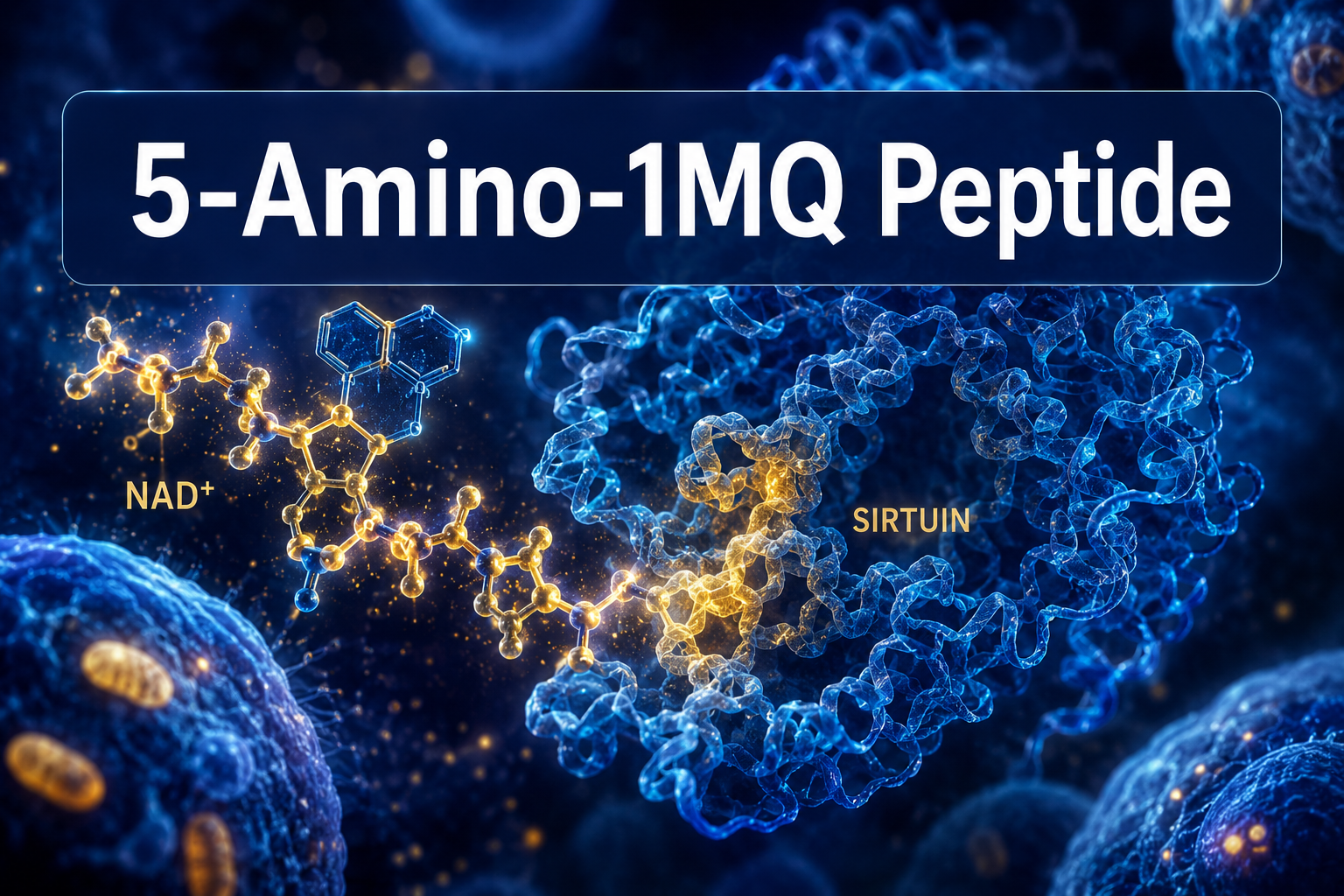
Professional () hero image with '5-Amino-1MQ Peptide' in large white on a deep semi-transparent navy bar, centered in upper

Key Takeaways

  • 5-Amino-1MQ is a selective NNMT inhibitor that works by blocking the enzyme responsible for excess NAD+ precursor consumption.
  • By inhibiting NNMT, the compound raises intracellular NAD+ levels, which directly fuels sirtuin enzyme activity.
  • Sirtuins (SIRT1-SIRT7) depend on NAD+ as a co-substrate; higher NAD+ availability translates to greater deacetylase and metabolic regulatory activity.
  • Preclinical research models suggest downstream effects on fat cell differentiation, mitochondrial function, and cellular energy balance.
  • Purity and sourcing quality are critical variables when evaluating any research-grade compound, including 5-Amino-1MQ.

How 5-Amino-1MQ Inhibits NNMT: The Mechanism Explained

How 5-Amino-1MQ Inhibits NNMT: The Mechanism Explained

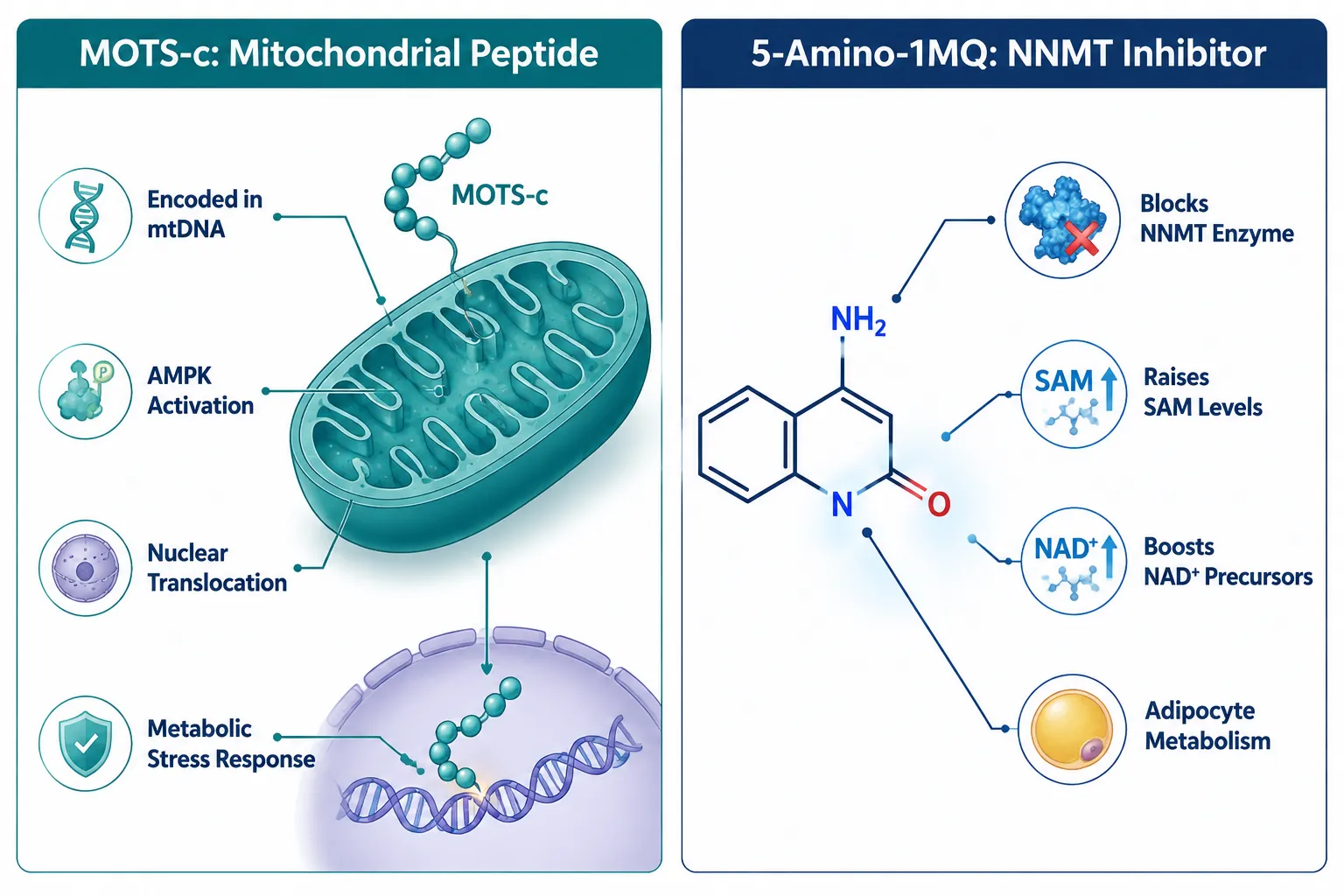
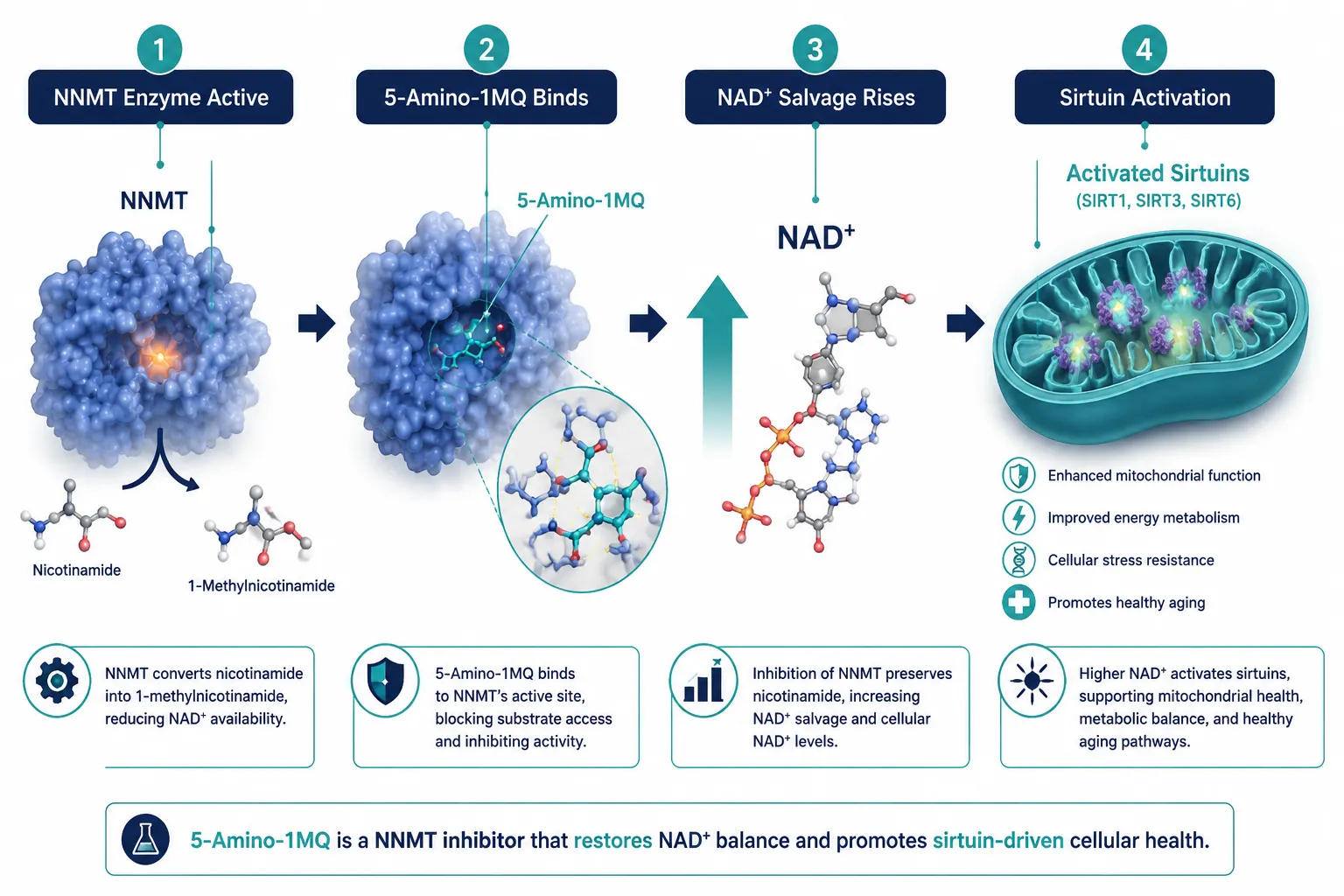
NNMT catalyzes the methylation of nicotinamide, converting it into 1-methylnicotinamide (MNA) using S-adenosylmethionine (SAM) as the methyl donor. This reaction has two costly consequences: it depletes the methyl pool and removes nicotinamide from the NAD+ biosynthesis pathway.

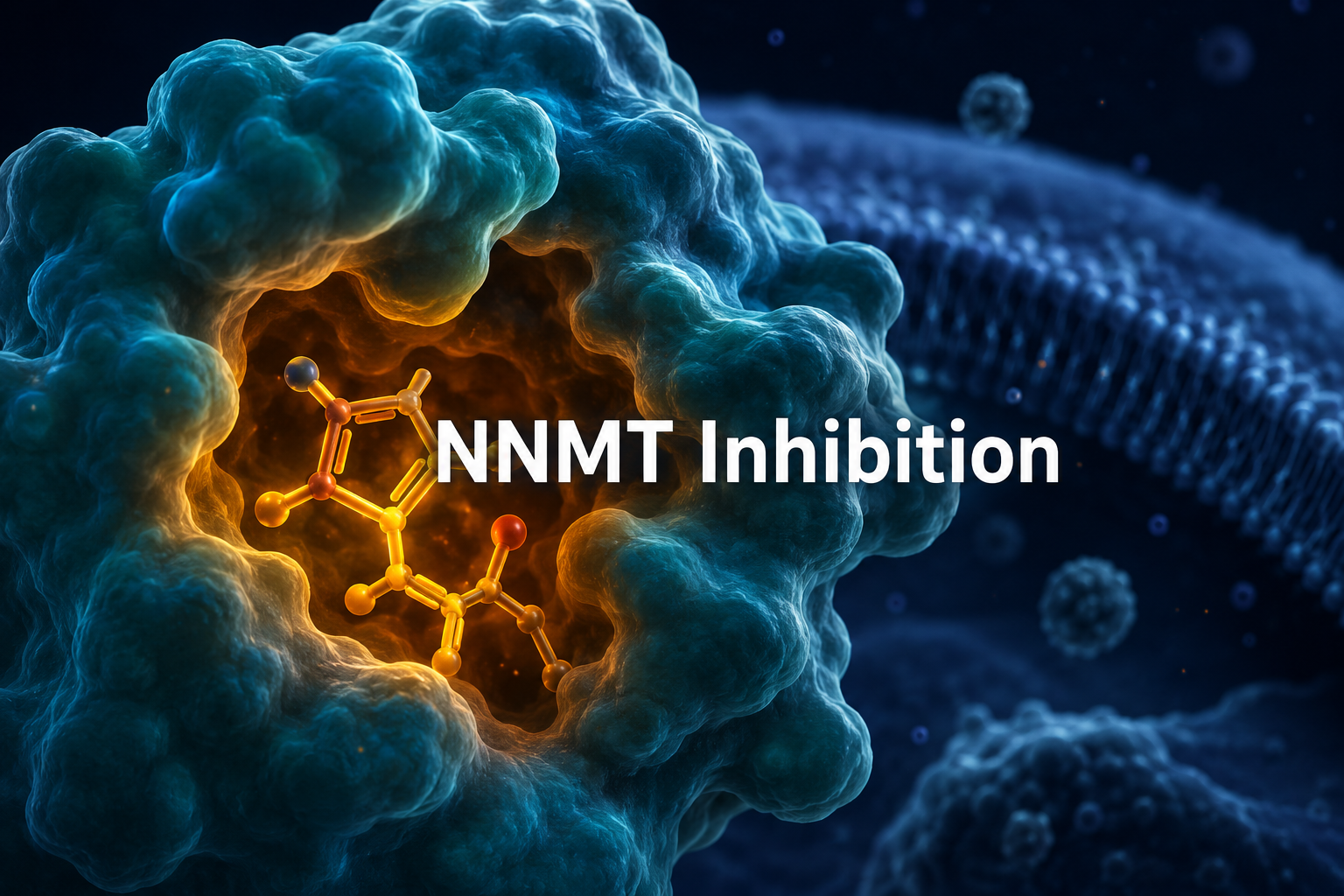
5-Amino-1MQ (5-amino-1-methylquinolinium) is a quaternary ammonium compound designed to fit into the substrate-binding pocket of NNMT. Its structural features allow it to competitively occupy that pocket without being methylated itself, effectively stalling the enzyme's activity.

Key structural advantages include:

  • A quinolinium ring system that mimics nicotinamide's binding geometry
  • A positively charged nitrogen that anchors the molecule within the active site
  • A 5-amino substituent that enhances binding affinity and selectivity for NNMT over related methyltransferases

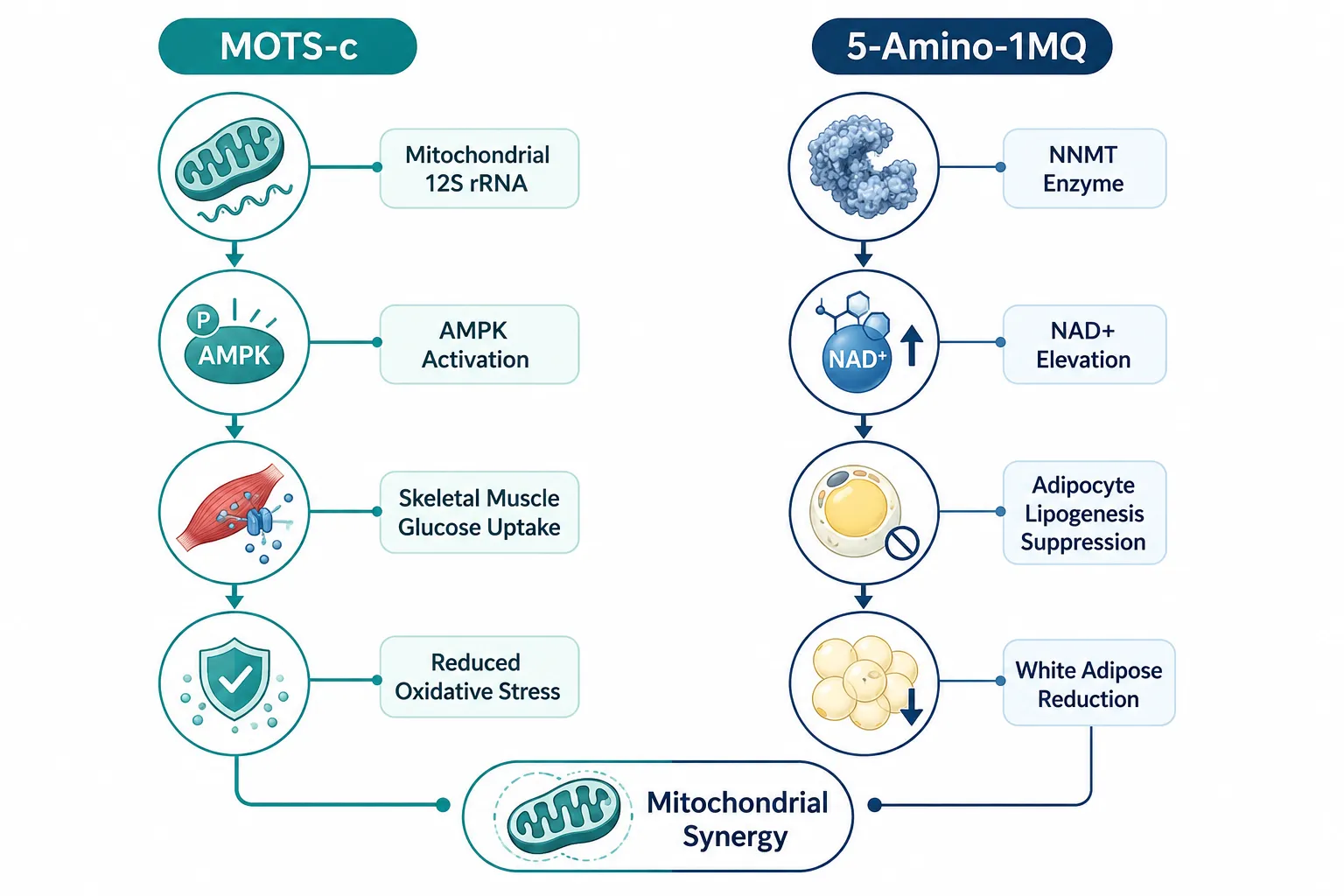
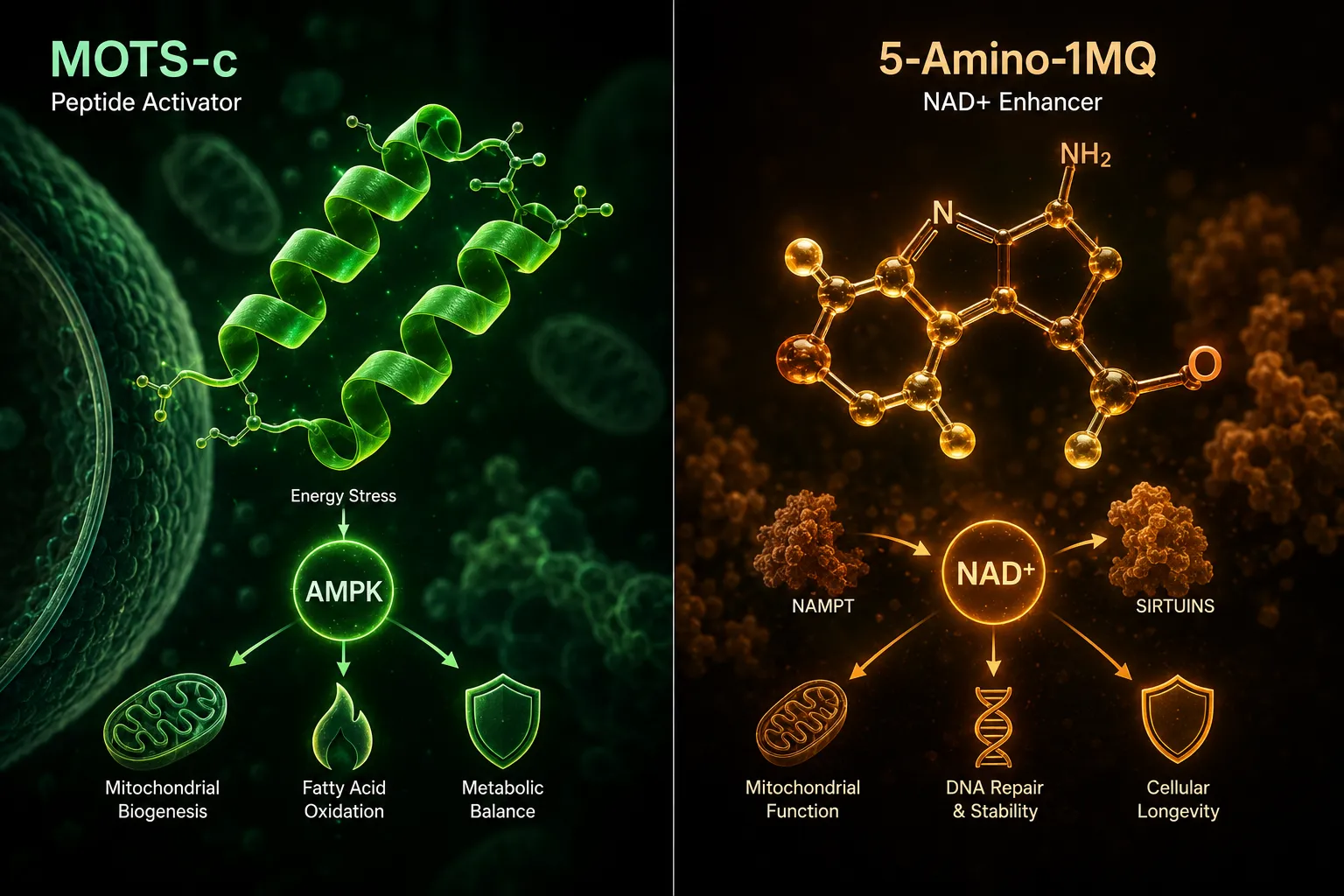
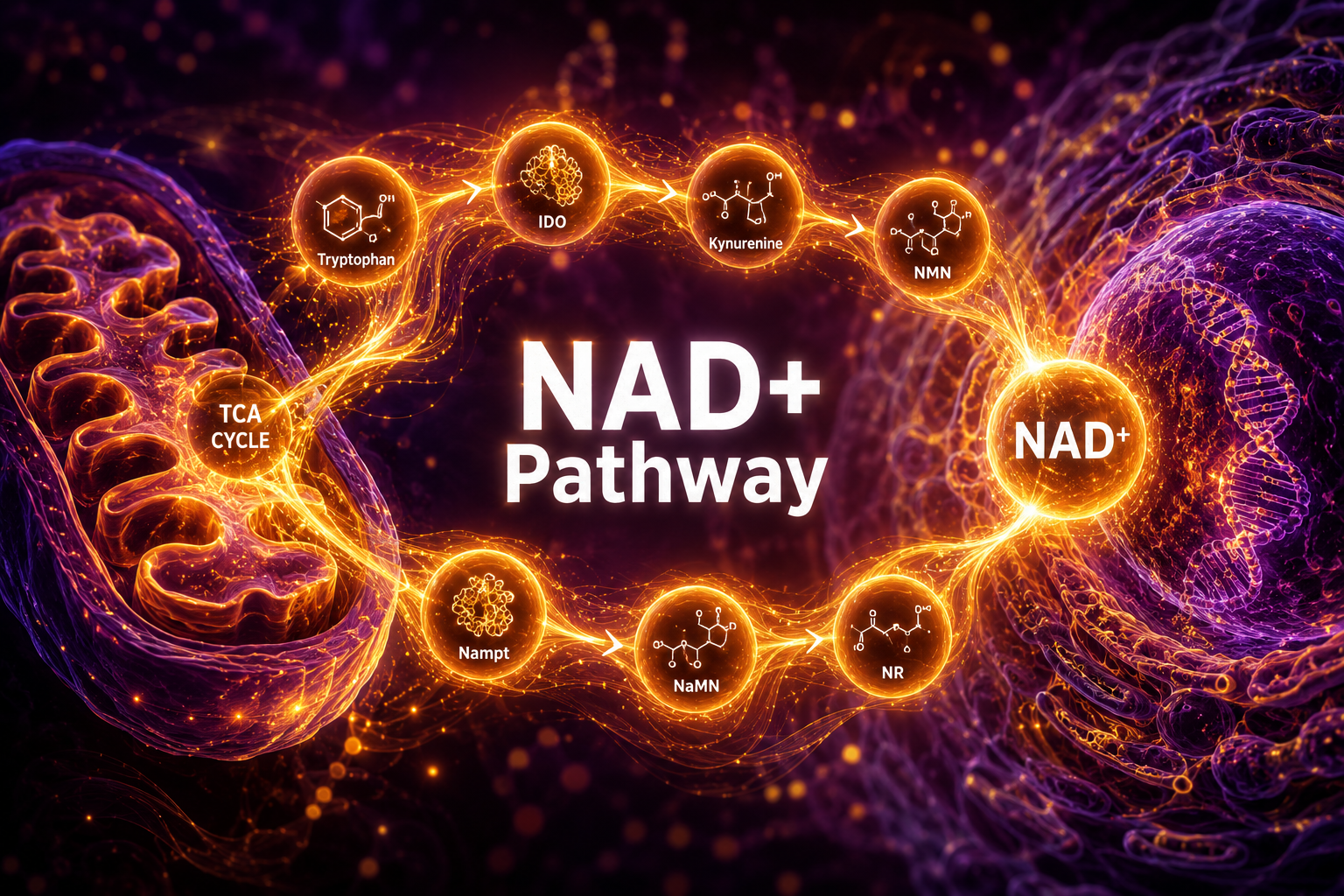
When NNMT is inhibited, nicotinamide is redirected toward the NAD+ salvage pathway, where NAMPT (nicotinamide phosphoribosyltransferase) converts it into NMN and ultimately into NAD+. The result is a measurable rise in intracellular NAD+ concentrations in research cell models.

For researchers exploring related longevity peptide research, this mechanism represents a distinct upstream intervention compared to direct NAD+ precursor supplementation strategies.


NAD+ Metabolism: What Changes Downstream of NNMT Inhibition

NAD+ Metabolism: What Changes Downstream of NNMT Inhibition

Raising NAD+ is not a single-step event, it cascades through multiple metabolic systems. When 5-Amino-1MQ Peptide: Investigating Its Role in NAD+ Metabolism and Sirtuin Activation is studied in preclinical models, researchers observe several downstream shifts:

Downstream Effect Observed Direction Relevant Pathway
Intracellular NAD+ levels Increase Salvage pathway
SAM availability Increase Methyl donor pool
Adipogenesis markers Decrease PPAR-gamma signaling
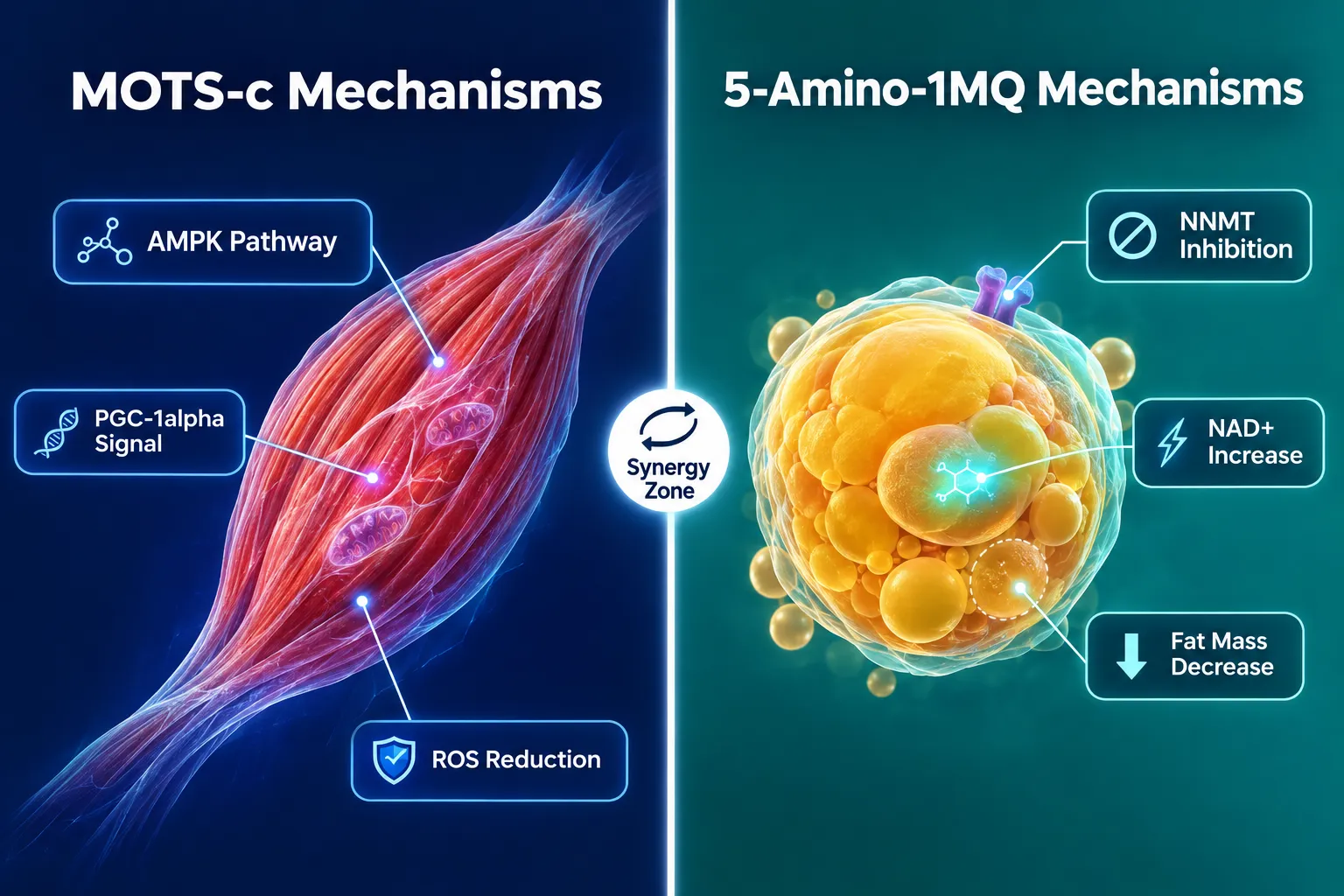
Mitochondrial biogenesis Upregulated PGC-1alpha axis
Cellular energy charge Improved AMPK activation

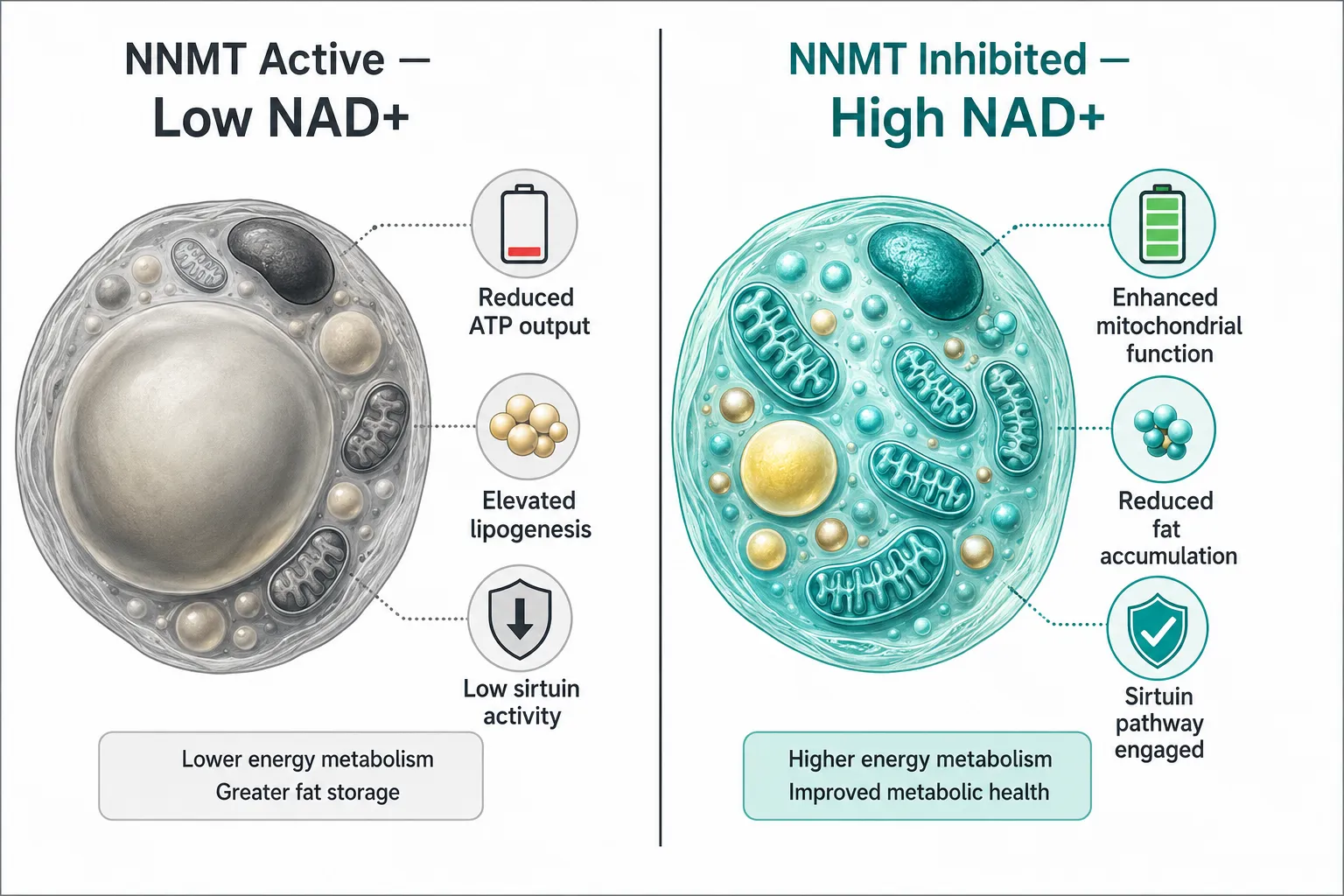
Adipocyte differentiation is one of the most studied downstream targets. NNMT is highly expressed in white adipose tissue, and its inhibition appears to reduce the conversion of precursor cells into mature fat cells in vitro. This links the compound to broader metabolic modulation research programs examining body composition at the cellular level.

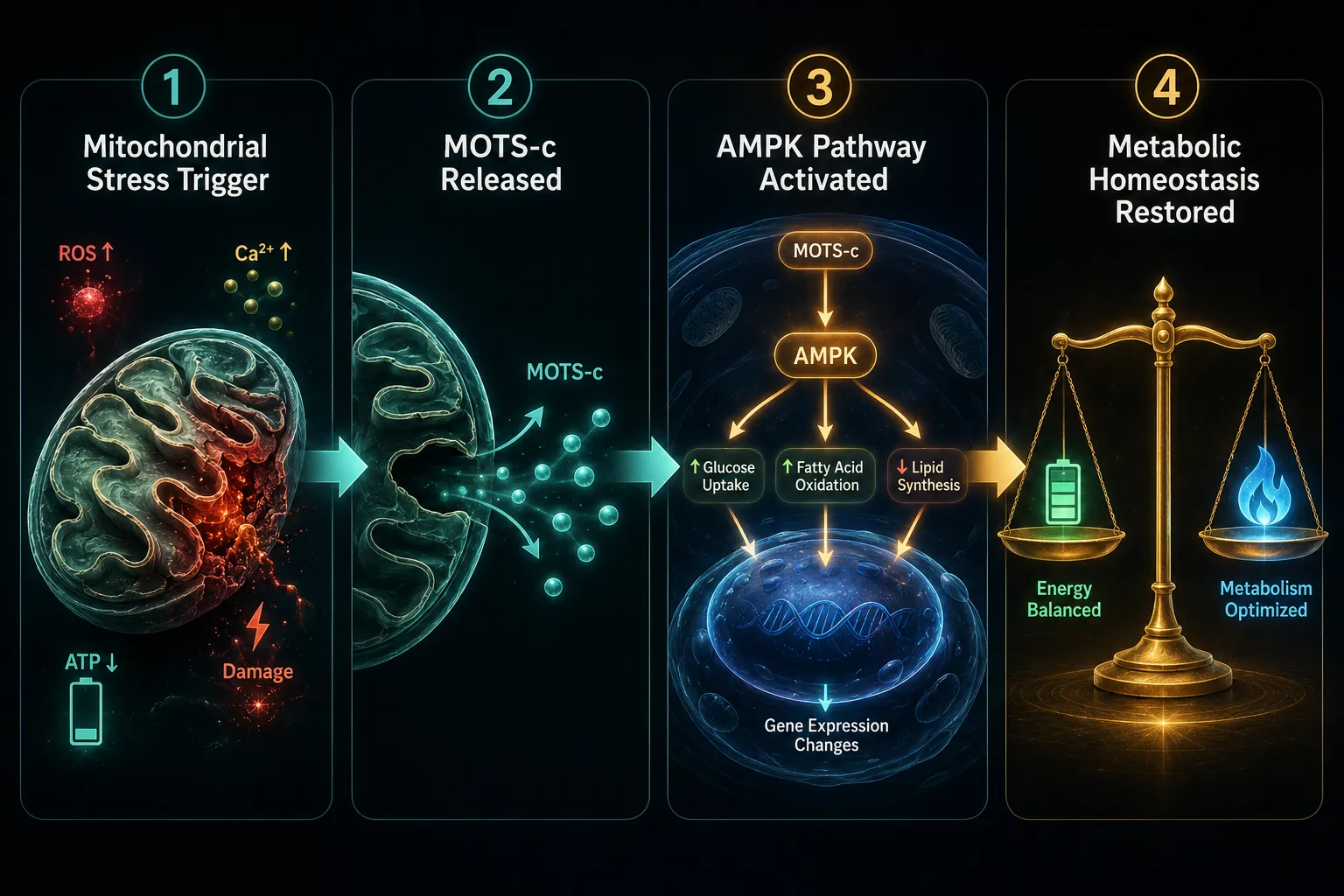
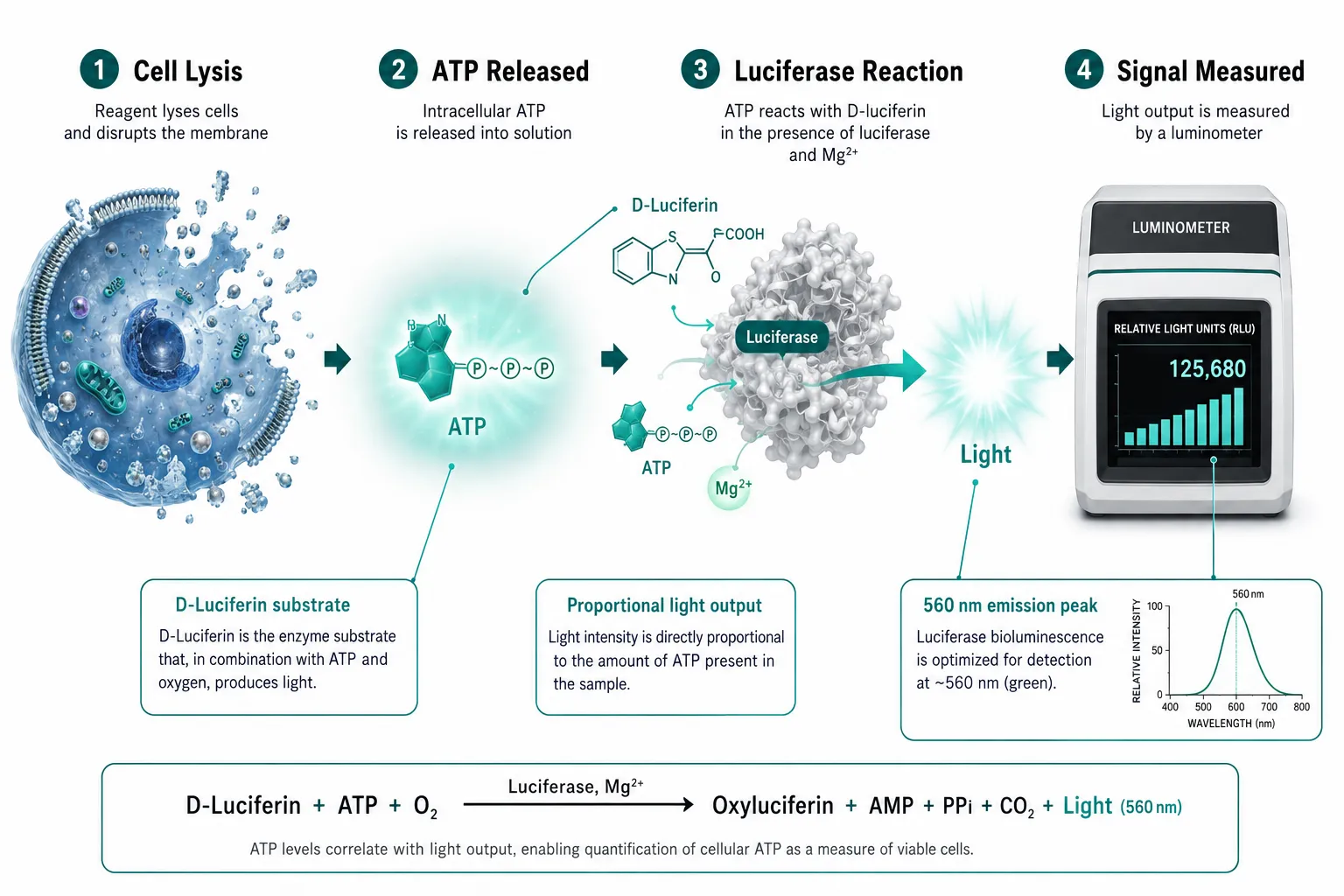
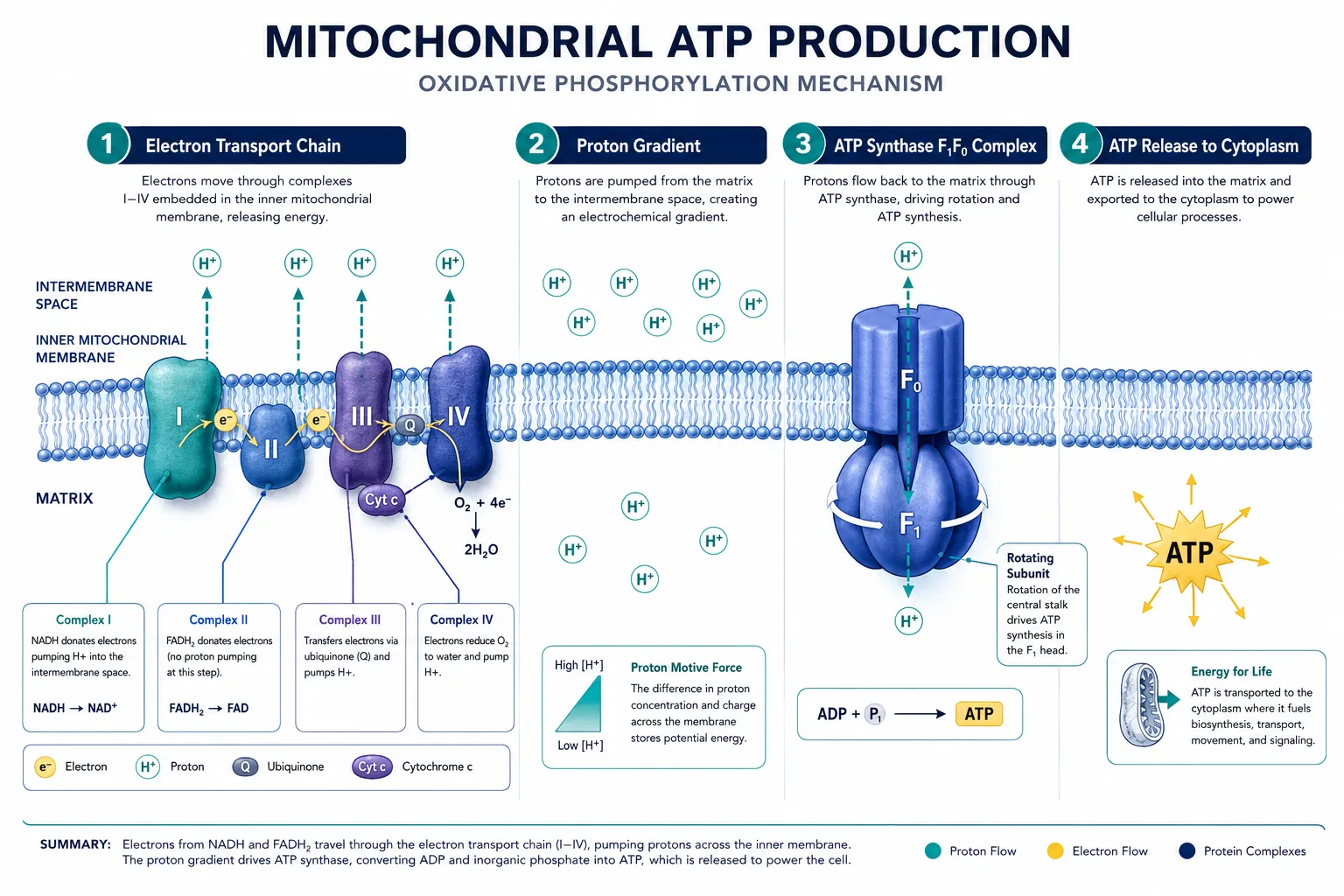
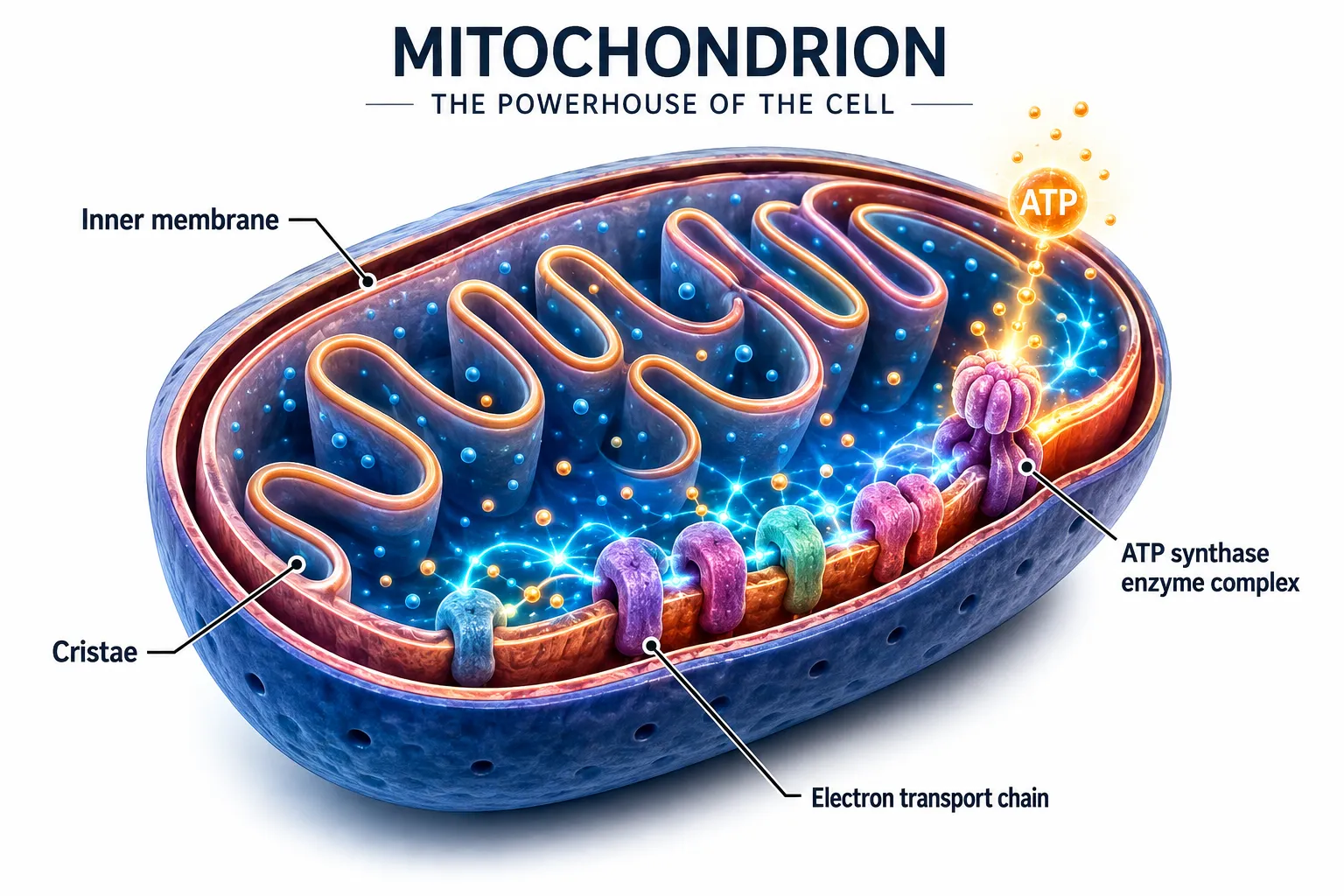
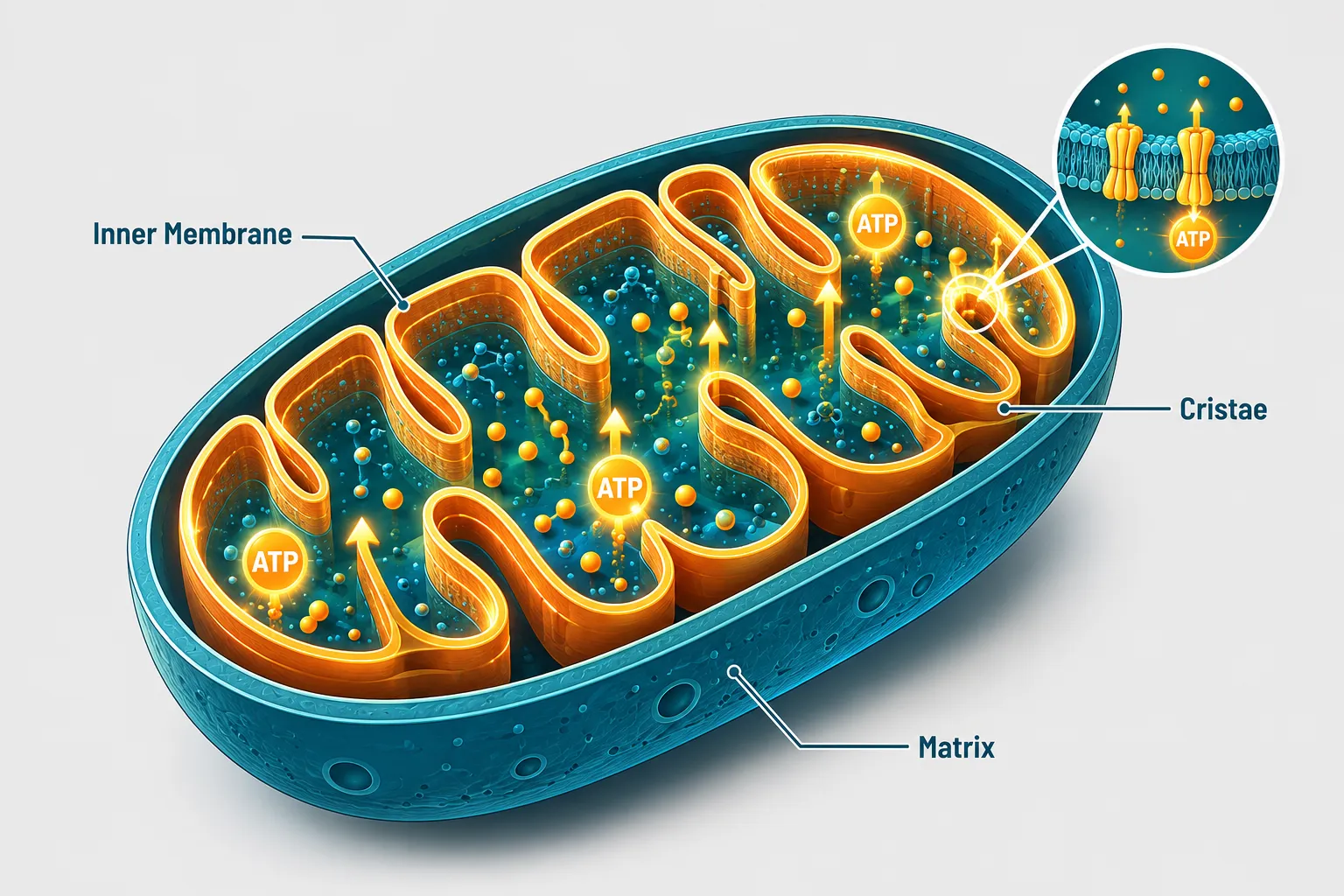
Mitochondrial function is another area of active inquiry. NAD+ is an essential electron carrier in the mitochondrial electron transport chain. Higher NAD+ availability supports more efficient ATP production, which may explain observed improvements in cellular energy markers in treated research models.

"NAD+ is not merely a coenzyme, it is a signaling currency that coordinates metabolism, DNA repair, and gene expression across virtually every cell type."


Sirtuin Activation: The Longevity Pathway Downstream of 5-Amino-1MQ

Sirtuin Activation: The Longevity Pathway Downstream of 5-Amino-1MQ

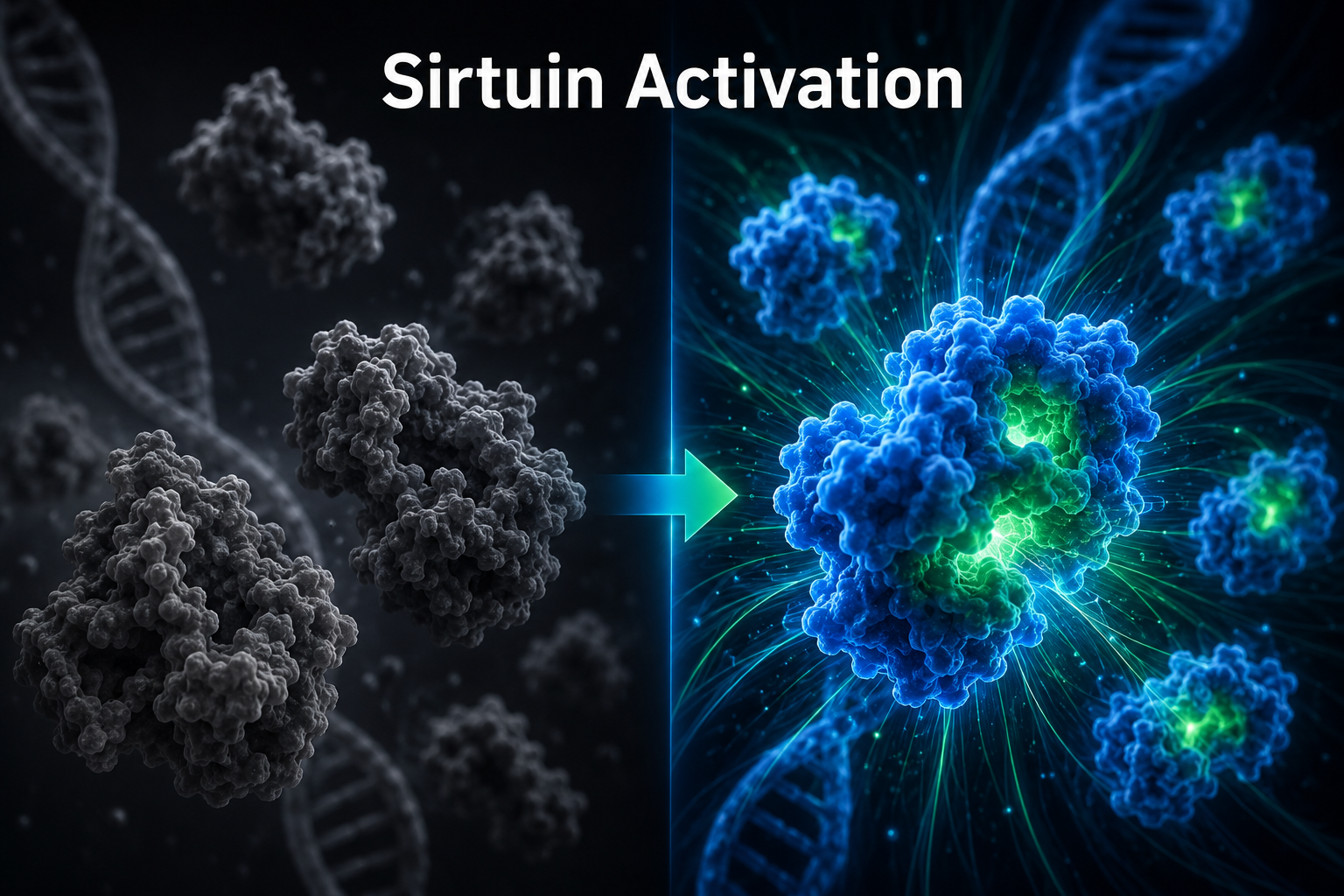
Sirtuins are a family of seven NAD+-dependent deacylase enzymes (SIRT1 through SIRT7). They require NAD+ as a co-substrate, not just a cofactor, meaning they consume one molecule of NAD+ for every deacetylation reaction they catalyze. When NAD+ levels fall, sirtuin activity falls with them.

This is where 5-Amino-1MQ Peptide: Investigating Its Role in NAD+ Metabolism and Sirtuin Activation becomes particularly relevant to longevity-focused research. By restoring NAD+ availability through NNMT inhibition, the compound indirectly reactivates sirtuin pathways that tend to decline with age or metabolic stress.

Sirtuin functions relevant to this mechanism:

  • SIRT1, Regulates glucose and lipid metabolism; activates PGC-1alpha for mitochondrial biogenesis
  • SIRT3, Mitochondria-resident; deacetylates electron transport chain components
  • SIRT6, DNA repair and telomere maintenance
  • SIRT7, Ribosomal gene expression and stress response

Researchers studying aging support compounds often place sirtuin activation alongside other longevity-relevant targets. The NNMT-NAD+-sirtuin axis represents a coherent, mechanistically grounded pathway rather than a speculative one.

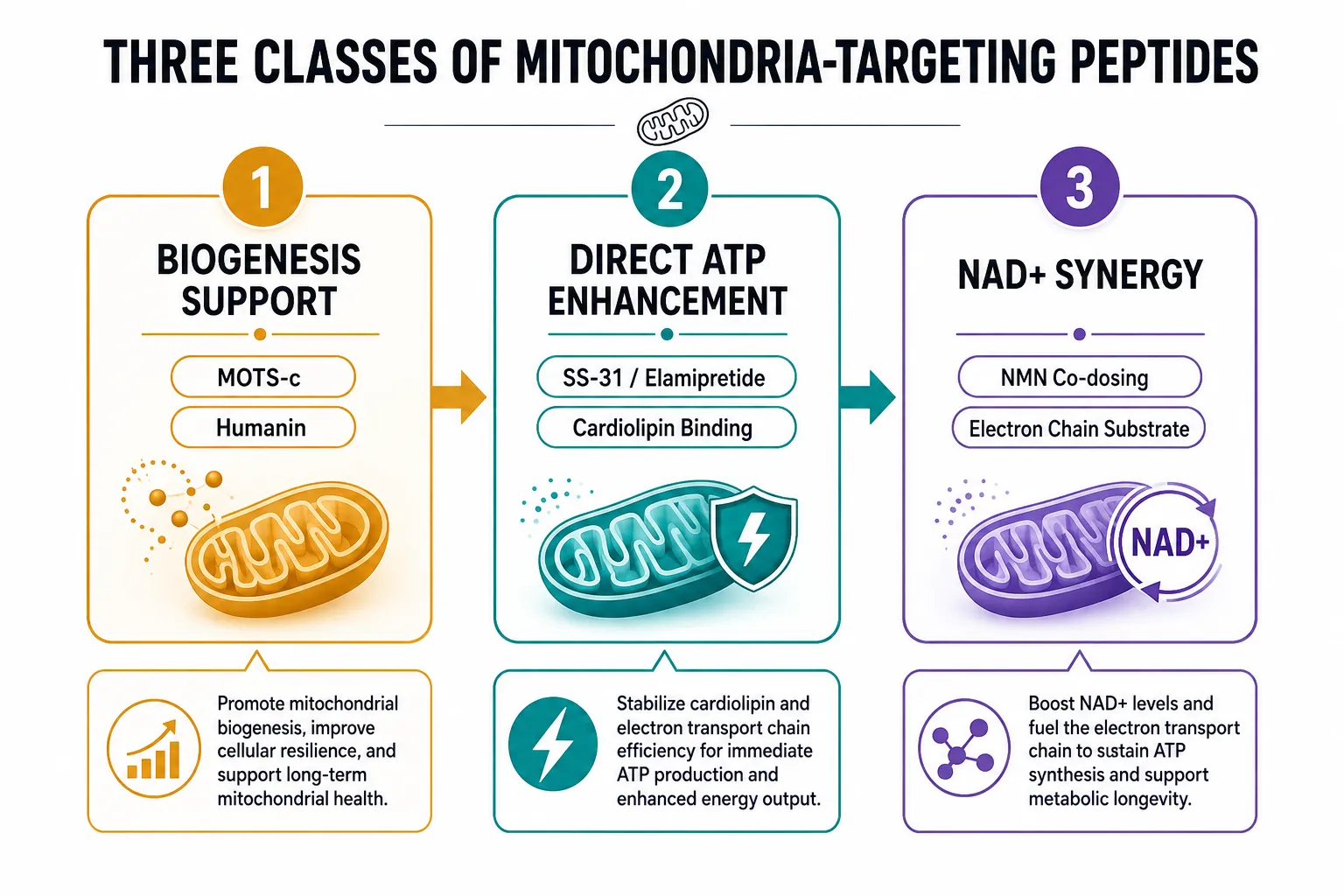
Comparisons with other mitochondria-targeting compounds, such as those reviewed in SS-31 mitochondrial research, illustrate that multiple complementary mechanisms exist for supporting cellular energy homeostasis, each acting at a different node.

For broader context on where 5-Amino-1MQ fits within the research landscape, the 5-Amino-1MQ research overview provides additional background on current investigational directions.

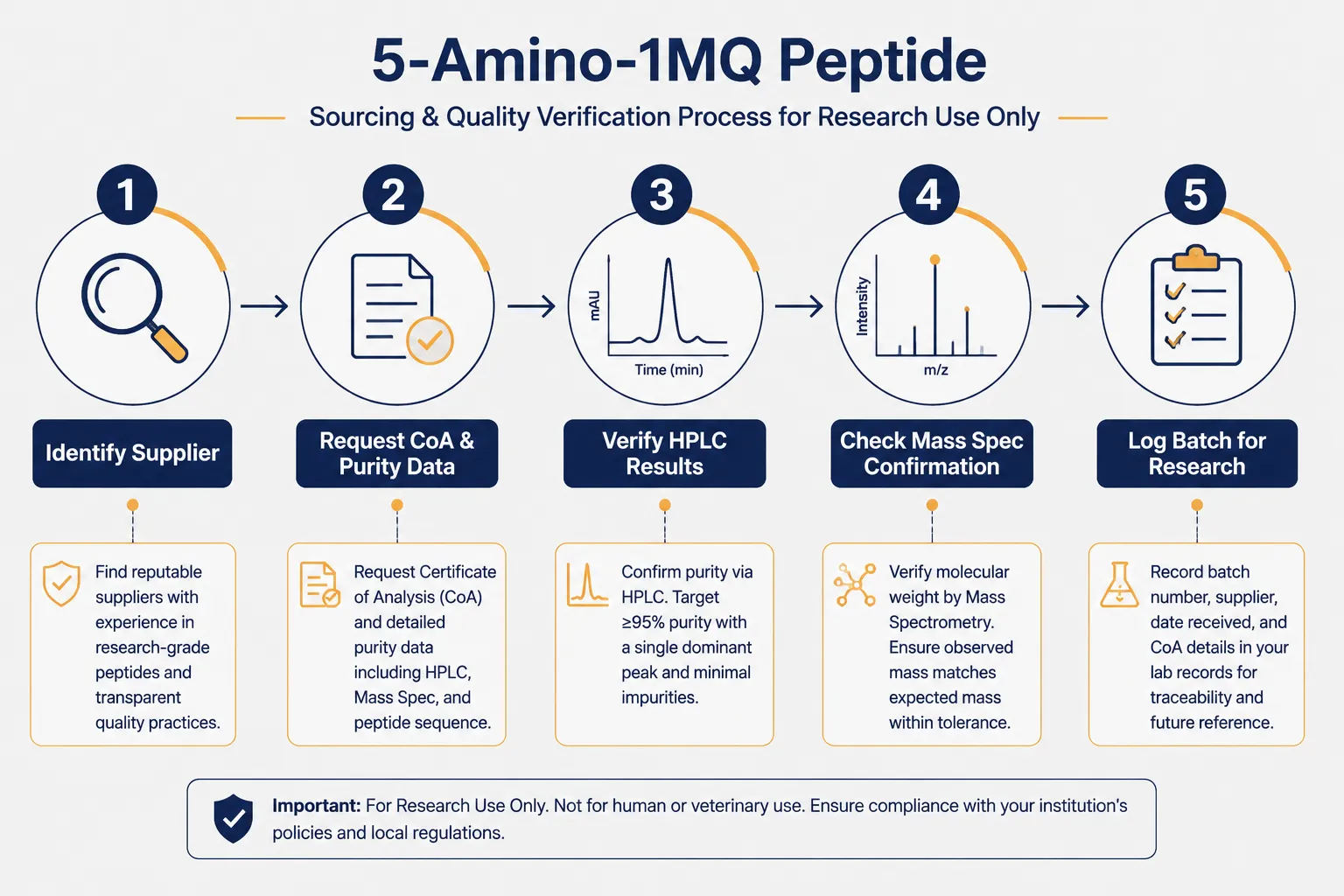
Researchers interested in compound purity, a critical variable in any mechanistic study, should review available peptide purity testing resources before sourcing materials for in vitro or preclinical work.

Those exploring complementary longevity-related compounds may also find the longevity peptide research series a useful reference for situating NNMT inhibition within wider anti-aging research frameworks.


Conclusion

The mechanistic case for 5-Amino-1MQ centers on a precise enzymatic intervention: blocking NNMT to redirect nicotinamide toward NAD+ biosynthesis and restore the co-substrate availability that sirtuin enzymes require to function. Preclinical research models consistently show downstream effects on adipogenesis, mitochondrial efficiency, and cellular energy signaling, making this compound a structurally rational tool for studying the NNMT-NAD+-sirtuin axis.

Actionable next steps for researchers:

  1. Review published NNMT inhibitor studies to establish baseline efficacy parameters before designing experiments.
  2. Confirm compound purity through third-party certificate of analysis documentation before use.
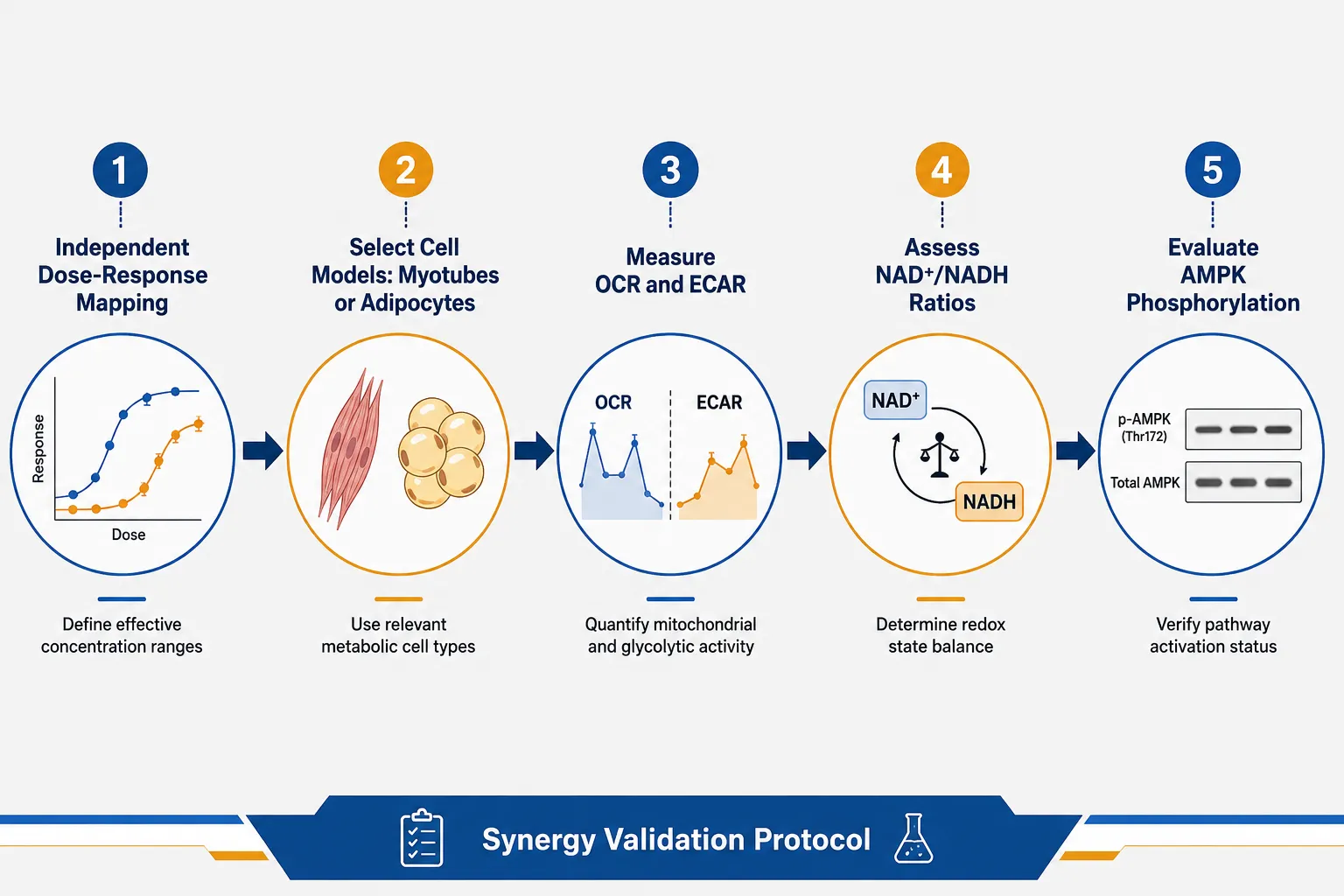
  3. Pair 5-Amino-1MQ investigations with validated NAD+ quantification assays to measure pathway response directly.
  4. Consider complementary mechanistic targets, such as mitochondrial membrane dynamics, when designing multi-pathway longevity research protocols.

The science surrounding this compound is still developing, but the mechanistic foundation is clear enough to justify continued, rigorous preclinical investigation.

https://www.puretestedpeptides.com/wp-content/uploads/2026/07/5-amino-1mq-peptide-investigating-its-role-in-nad-metabolism-and-sirtuin-activat.png 1024 1536 Pure Tested https://www.puretestedpeptides.com/wp-content/uploads/2026/01/buy-peptides-online.jpg Pure Tested2026-07-12 13:02:592026-07-20 15:00:155-Amino-1MQ Peptide: Investigating Its Role in NAD+ Metabolism and Sirtuin Activation
The Role of 5-Amino-1MQ Peptide in Mitochondrial Function and Metabolic Pathways Research

The Role of 5-Amino-1MQ Peptide in Mitochondrial Function and Metabolic Pathways Research

July 2, 2026/0 Comments/by Pure Tested

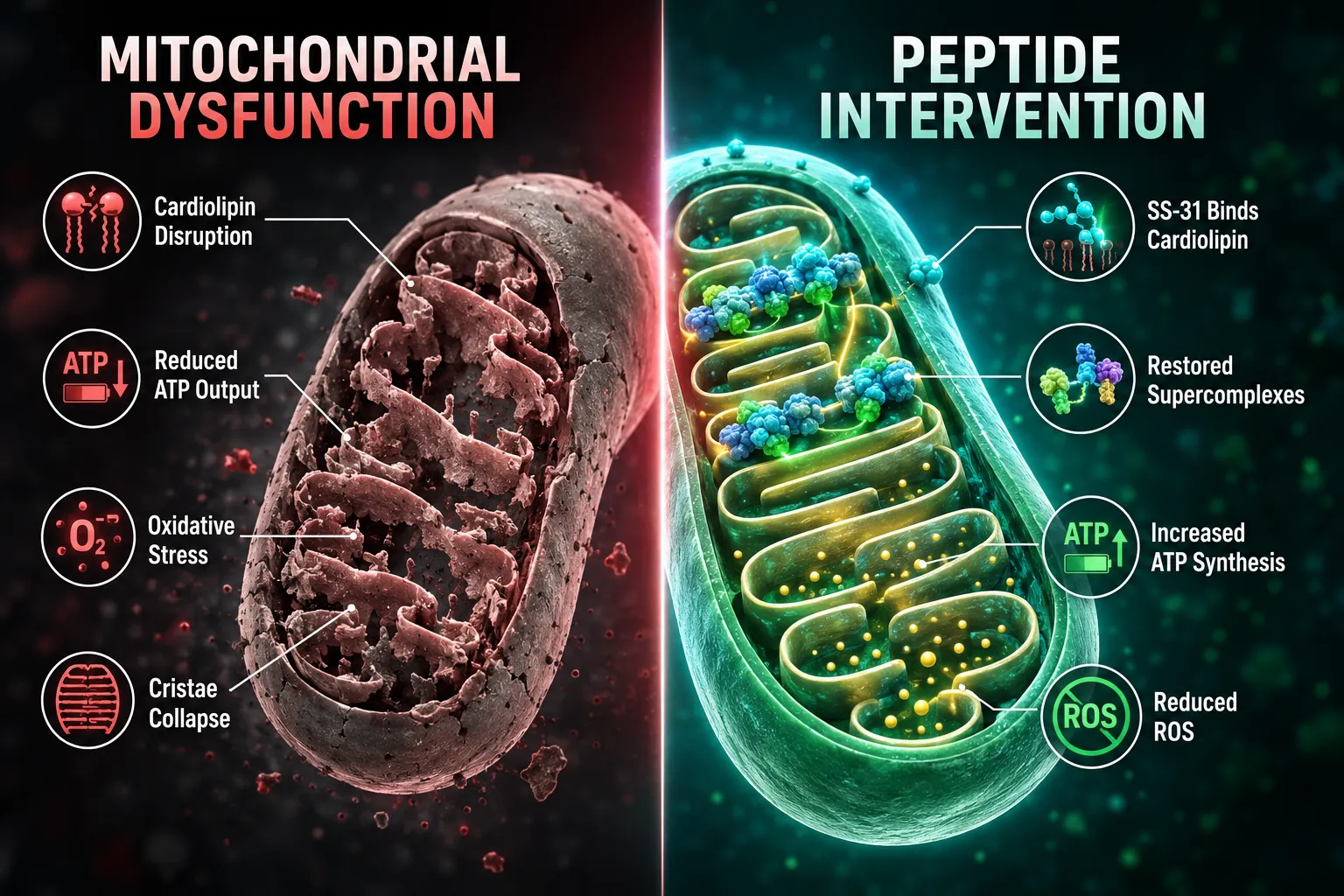
Mitochondrial dysfunction is now linked to more than 50 chronic diseases, yet the molecular tools available to study its root causes remain limited. That gap is precisely why the role of 5-Amino-1MQ peptide in mitochondrial function and metabolic pathways research has attracted growing scientific attention. This small-molecule compound targets a specific enzyme pathway that sits at the intersection of cellular energy production and metabolic regulation, making it a compelling subject for researchers studying obesity, insulin resistance, and age-related metabolic decline.

Key Takeaways

  • 5-Amino-1MQ is a selective inhibitor of the enzyme nicotinamide N-methyltransferase (NNMT), which regulates NAD+ availability and metabolic rate.
  • By inhibiting NNMT, the compound may increase intracellular NAD+ levels, supporting mitochondrial energy production.
  • Preclinical research suggests 5-Amino-1MQ may reduce fat cell size and improve markers of metabolic health.
  • The compound remains in the research phase as of 2026, with no approved human clinical applications.
  • Its mechanism overlaps with other metabolically active peptides, making it relevant to broader longevity and energy research.

How 5-Amino-1MQ Targets NNMT and Influences Mitochondrial Activity

How 5-Amino-1MQ Targets NNMT and Influences Mitochondrial Activity

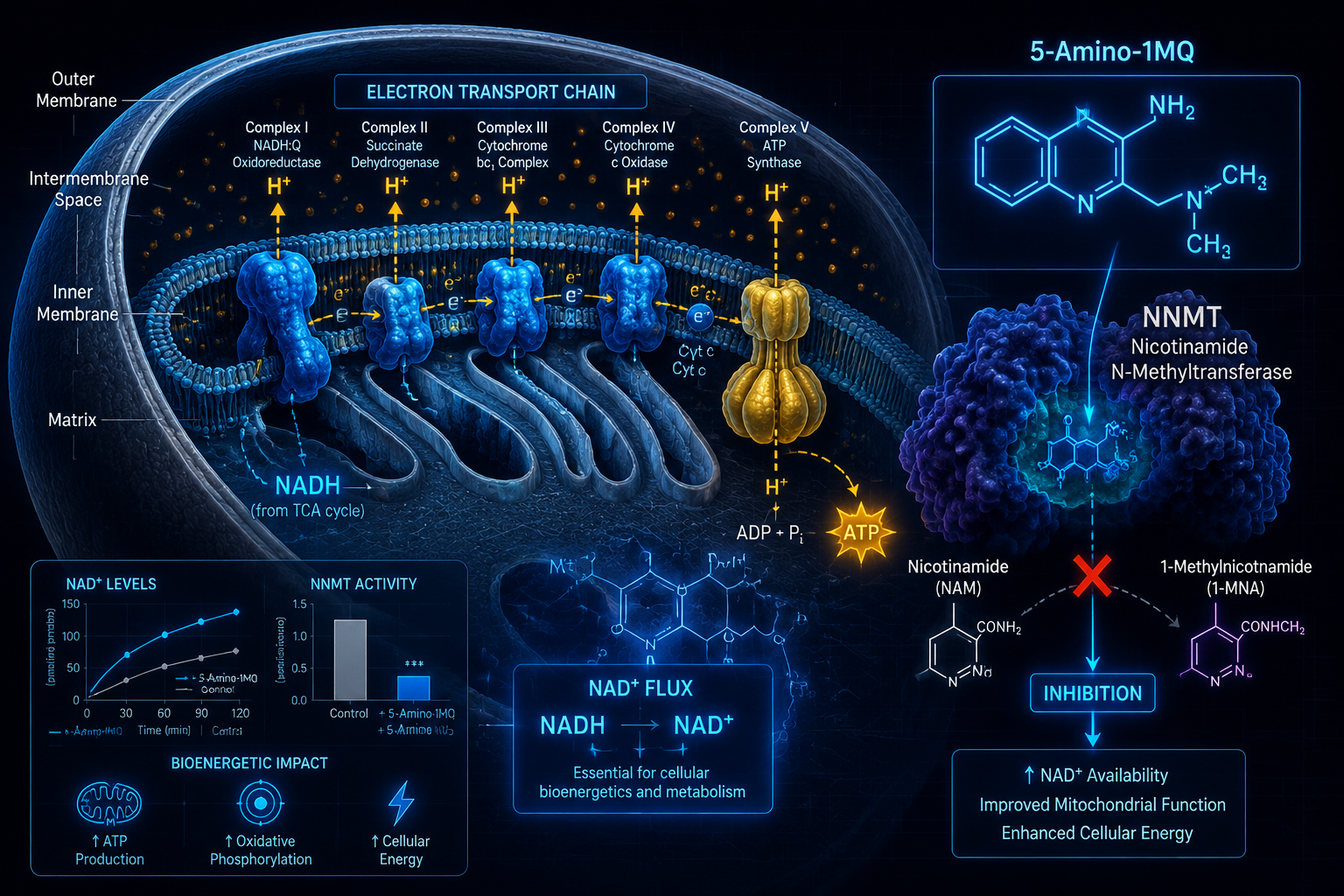
At the core of the role of 5-Amino-1MQ peptide in mitochondrial function and metabolic pathways research is its action on nicotinamide N-methyltransferase (NNMT). This enzyme methylates nicotinamide, a precursor to NAD+, effectively removing it from the pool available for cellular energy metabolism.

When NNMT is overexpressed — a common finding in adipose tissue and certain metabolic disease states — NAD+ availability drops. Lower NAD+ levels impair the function of sirtuins and PARP enzymes, both of which are essential regulators of mitochondrial biogenesis and DNA repair.

5-Amino-1MQ acts as a selective, cell-permeable NNMT inhibitor. By blocking this enzyme, the compound helps preserve nicotinamide availability, which in turn supports NAD+ synthesis and the downstream processes that depend on it.

Key mitochondrial effects observed in preclinical models include:

Effect Mechanism
Increased NAD+ flux NNMT inhibition preserves nicotinamide substrate
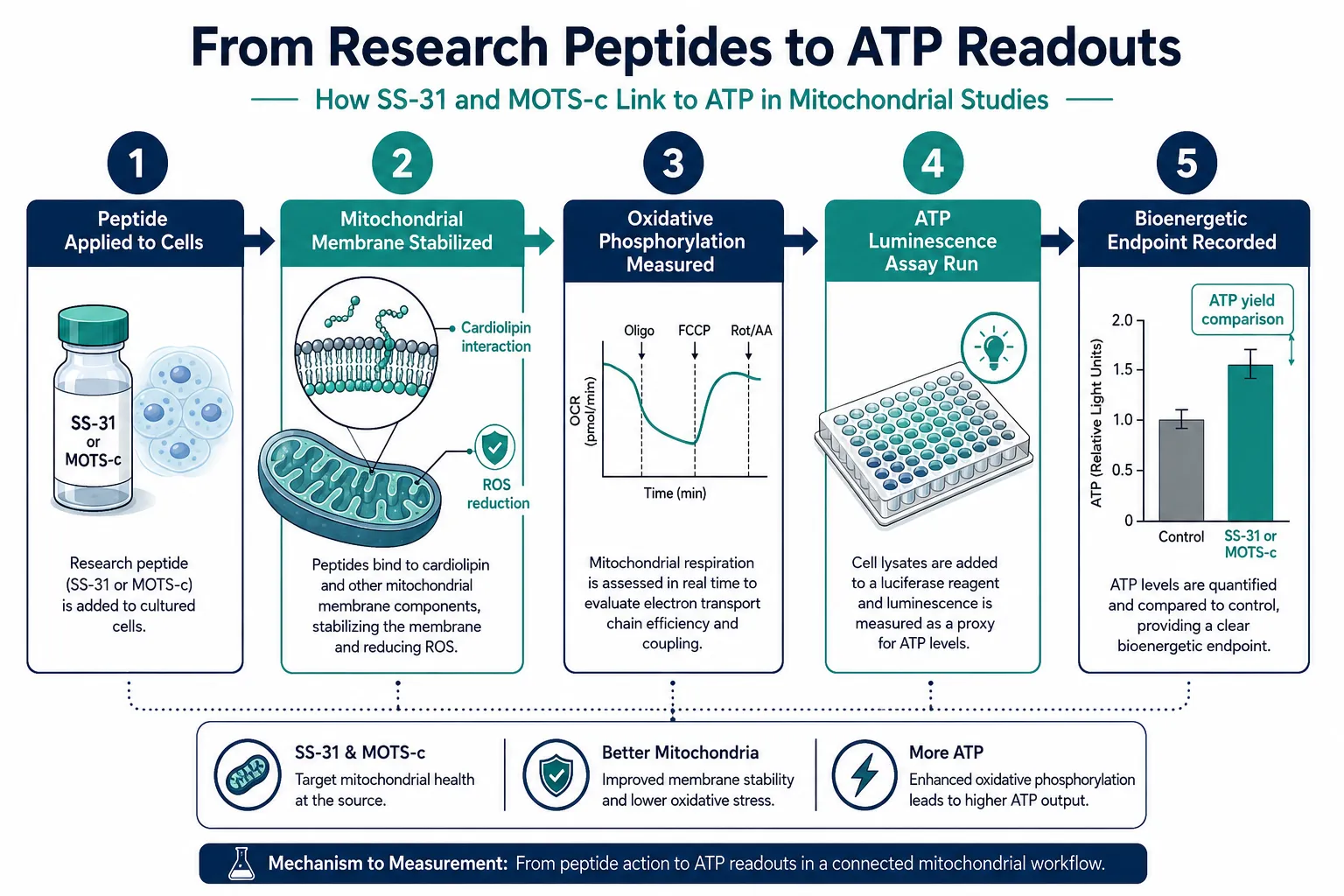
Enhanced oxidative phosphorylation Greater electron transport chain activity
Improved mitochondrial membrane potential Stabilized inner membrane function
Reduced reactive oxygen species (ROS) Better redox balance in metabolically stressed cells

This mechanistic profile places 5-Amino-1MQ alongside other research compounds studied for mitochondrial support, such as those explored in SS-31 peptide research considerations, which also focuses on inner mitochondrial membrane stabilization.


Metabolic Pathway Implications: Fat Metabolism and Energy Expenditure

Metabolic Pathway Implications: Fat Metabolism and Energy Expenditure

Beyond its direct mitochondrial effects, the role of 5-Amino-1MQ peptide in mitochondrial function and metabolic pathways research extends into adipose tissue biology and systemic energy regulation.

Preclinical studies in diet-induced obesity models have shown that NNMT inhibition with 5-Amino-1MQ is associated with:

  • Reduced adipocyte hypertrophy — fat cells become smaller without significant changes in cell number
  • Lower body weight gain — even under high-fat dietary conditions
  • Improved insulin sensitivity markers — suggesting downstream effects on glucose metabolism
  • Elevated resting energy expenditure — consistent with enhanced mitochondrial activity

These findings are particularly relevant when viewed alongside research on other metabolically active peptides. For instance, MOTS-c and metabolic flexibility research explores a mitochondria-derived peptide with overlapping interests in energy substrate switching and insulin signaling. Similarly, longevity peptide research contextualizes how compounds that influence NAD+ metabolism may intersect with aging biology.

"NNMT inhibition represents a novel strategy for targeting the metabolic inefficiencies that accumulate in adipose tissue during chronic energy surplus."

The compound's ability to influence both mitochondrial function and fat cell metabolism makes it a dual-pathway research tool — rare among small molecules at this stage of investigation.

Researchers interested in related lipid mobilization mechanisms may also find value in reviewing TESA lipid mobilization research for comparative pathway context.


Current Research Status and Broader Context in 2026

Current Research Status and Broader Context in 2026

As of 2026, 5-Amino-1MQ remains firmly in the preclinical research phase. No human clinical trials have been completed or approved. All data supporting its metabolic and mitochondrial effects come from in vitro cell studies and rodent models.

This distinction matters. Researchers and institutions working with this compound do so strictly within controlled laboratory settings. The compound is not approved for therapeutic use in any jurisdiction.

That said, the scientific rationale is well-grounded. The NNMT-NAD+ axis is a validated target in metabolic disease research, and the specificity of 5-Amino-1MQ for this pathway gives it a cleaner mechanistic profile than broader NAD+ precursor supplementation strategies.

For those building a broader picture of metabolic and mitochondrial research compounds, the following resources provide useful comparative context:

  • Humanin cellular protection research — another mitochondria-derived peptide with cytoprotective properties
  • Epithalon vs. NAD+ evidence — a direct comparison of NAD+-adjacent research strategies
  • NAD+ scientific evidence overview — foundational context for understanding the NAD+ research landscape

Understanding peptide purity and compound integrity is also essential in this field. Reviewing peptide purity testing protocols helps researchers evaluate the quality standards relevant to any preclinical compound.


Conclusion

The role of 5-Amino-1MQ peptide in mitochondrial function and metabolic pathways research is defined by a precise and scientifically grounded mechanism: selective NNMT inhibition that preserves NAD+ availability, supports mitochondrial energy output, and reduces metabolic dysfunction in preclinical models.

Actionable next steps for researchers and institutions:

  1. Review the current preclinical literature on NNMT inhibition and NAD+ flux before designing study protocols.
  2. Compare 5-Amino-1MQ's mechanism against related mitochondrial research compounds such as SS-31, MOTS-c, and Humanin to identify complementary or overlapping pathways.
  3. Ensure all research-grade compounds are sourced with verified purity documentation.
  4. Monitor for emerging clinical trial registrations, as the preclinical data profile may support future Phase I investigation.

This compound represents a focused, mechanistically coherent tool for advancing the understanding of mitochondrial health and metabolic disease — two of the most pressing research priorities in 2026.

https://www.puretestedpeptides.com/wp-content/uploads/2026/07/The-Role-of-5-Amino-1MQ-Peptide-in-Mitochondrial-Function-and-Metabolic-Pathways-Research.png 1024 1536 Pure Tested https://www.puretestedpeptides.com/wp-content/uploads/2026/01/buy-peptides-online.jpg Pure Tested2026-07-02 13:07:402026-07-20 15:01:16The Role of 5-Amino-1MQ Peptide in Mitochondrial Function and Metabolic Pathways Research
5-Amino-1MQ Peptide: Mechanisms of NNMT Inhibition and Research into Metabolic Disorders

5-Amino-1MQ Peptide: Mechanisms of NNMT Inhibition and Research into Metabolic Disorders

June 21, 2026/0 Comments/by Pure Tested

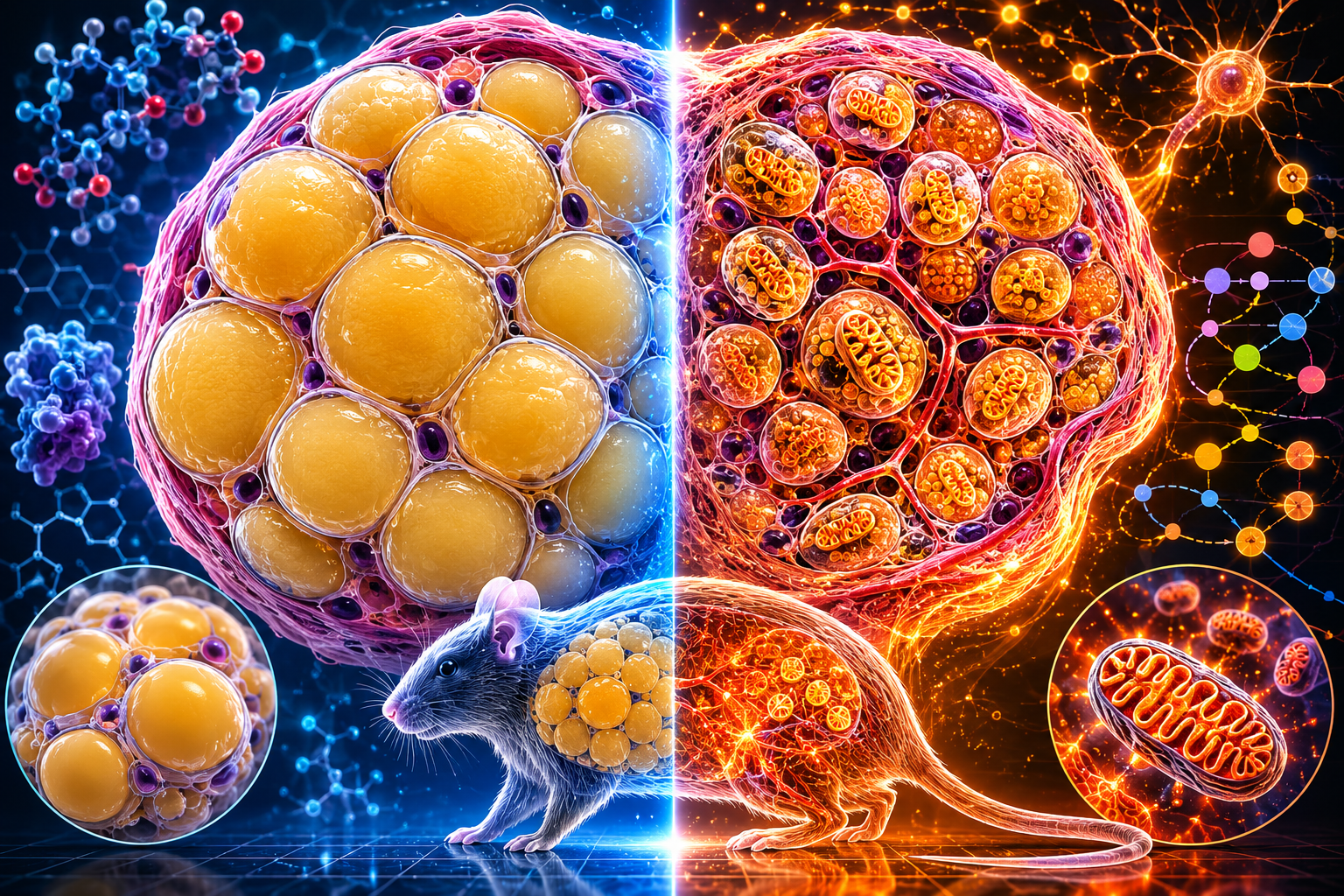
{"cover":"Professional landscape format (1536×1024) hero image with bold text overlay: '5-Amino-1MQ: NNMT Inhibition & Metabolic Research' in extra large 72pt white bold sans-serif font with dark semi-transparent background panel, centered upper third. Background shows a high-resolution 3D molecular structure of the NNMT enzyme with glowing blue and teal energy pathways representing NAD+ biosynthesis, surrounded by abstract mitochondrial networks. Color palette: deep navy, electric teal, white. Editorial magazine cover quality, high contrast, scientific aesthetic.","content":["Detailed landscape format (1536×1024) scientific illustration showing a cross-section molecular diagram of the NNMT enzyme active site with 5-Amino-1MQ small molecule docking into the binding pocket, highlighted in glowing amber. Surrounding elements show the SAM cycle with methyl group transfer arrows blocked by a red inhibition symbol, and NAD+ salvage pathway molecules flowing upward in teal. Clean white background with subtle grid lines, labeled molecular structures, professional biochemistry textbook aesthetic.","Landscape format (1536×1024) split-panel infographic comparing white adipose tissue cell morphology before and after NNMT inhibition. Left panel shows enlarged lipid-filled adipocytes in pale yellow with low mitochondrial density markers. Right panel shows reduced adipocyte size with dense mitochondrial networks glowing orange-red, representing increased energy expenditure. Central dividing line labeled 'NNMT Inhibition by 5-Amino-1MQ'. Clean clinical infographic style, teal and orange color scheme, professional research poster aesthetic.","Landscape format (1536×1024) overhead laboratory research scene showing a researcher in a white lab coat reviewing preclinical data charts on a tablet, with glass vials of compound samples in a rack labeled '5-Amino-1MQ', a metabolic assay plate, and printed graphs showing fat mass reduction curves over time. Soft clinical lighting, shallow depth of field on the compound vials in foreground, blurred researcher in background. Muted blue-gray and white tones with warm amber lab lighting accents, photorealistic editorial quality."]
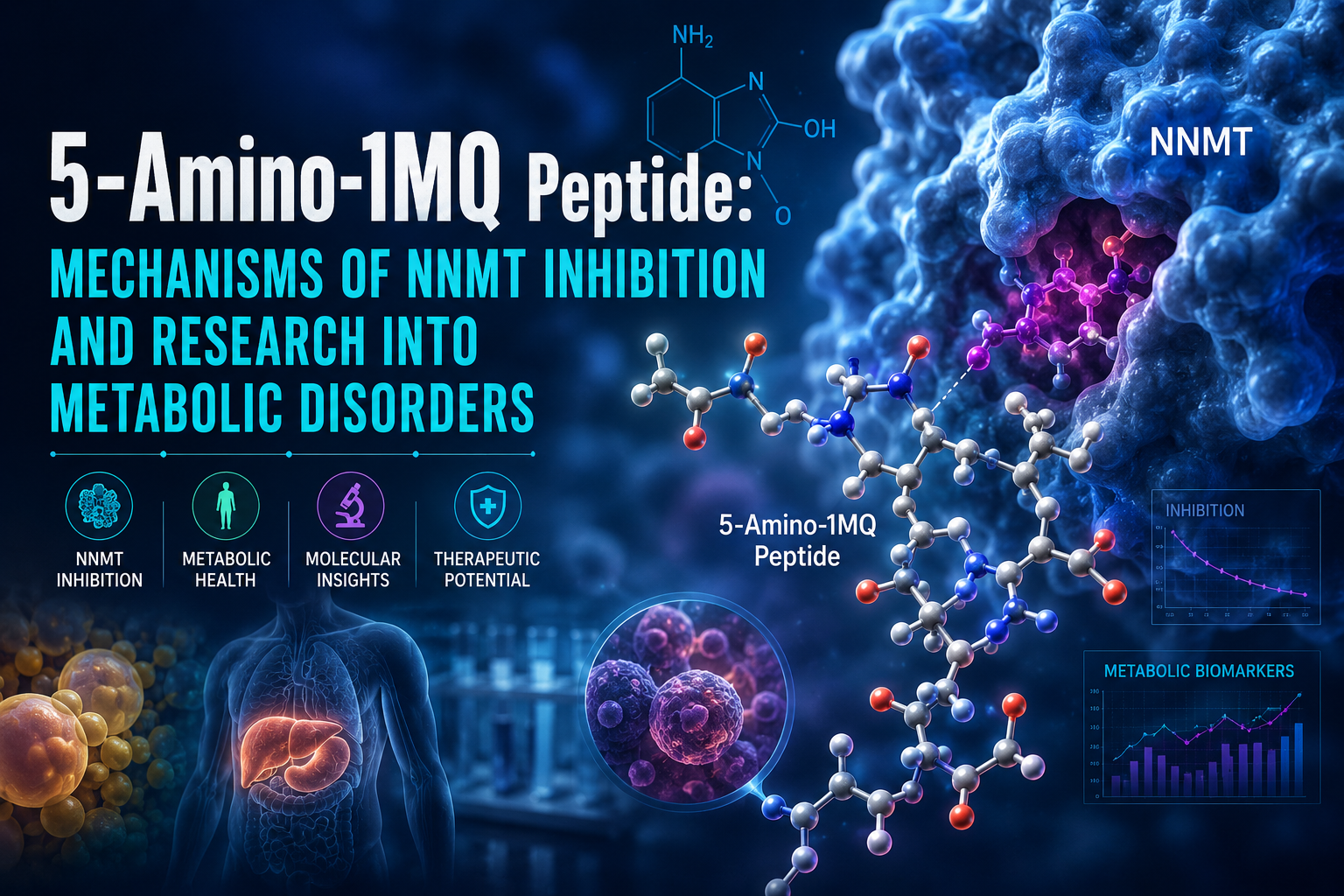
Professional landscape hero image () with : "5-Amino-1MQ Peptide: Mechanisms of NNMT Inhibition and Research into Metabolic

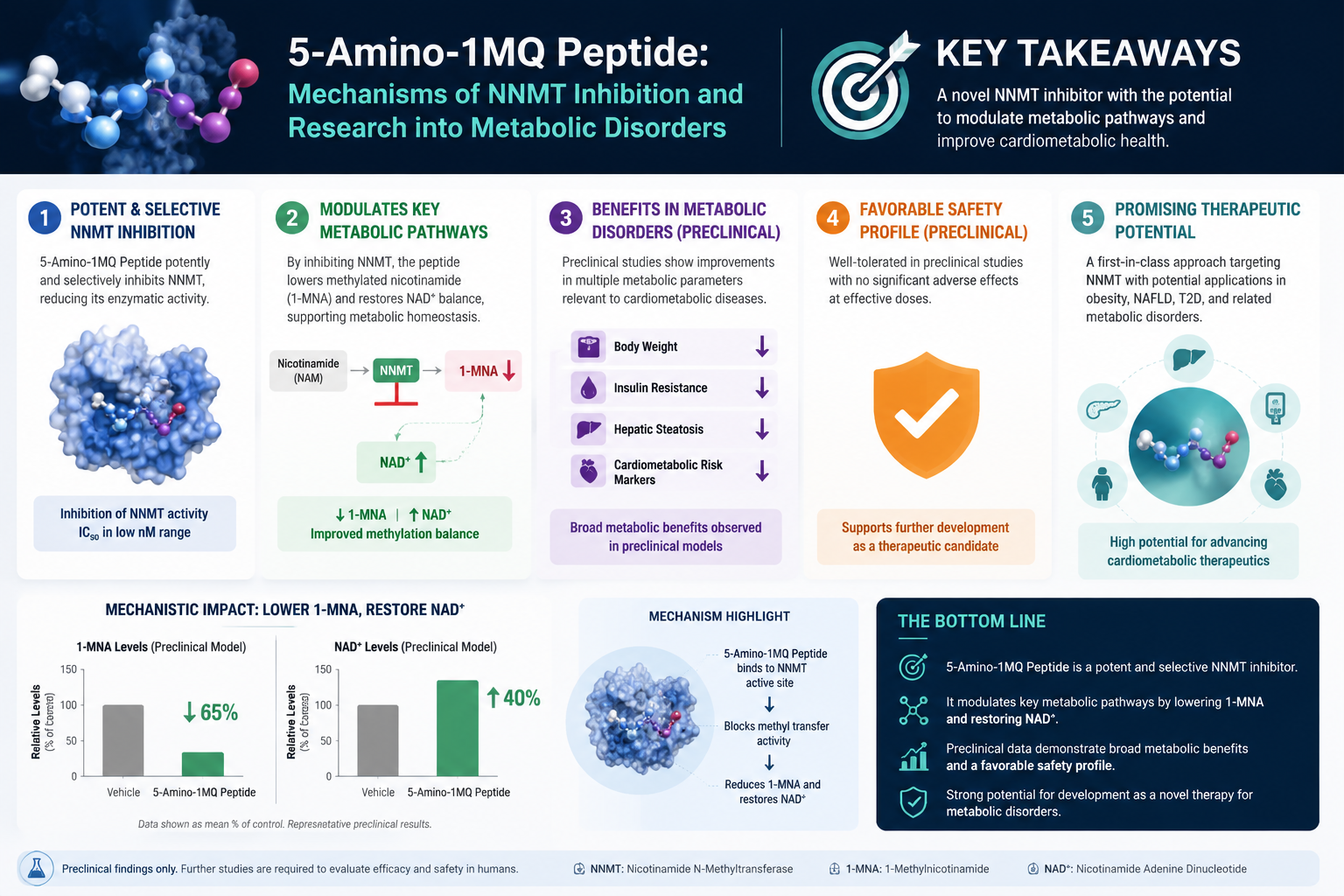
Nicotinamide N-methyltransferase (NNMT) is overexpressed in the fat tissue of obese individuals at rates significantly higher than in lean controls — a detail that has pushed this enzyme to the center of metabolic research. The compound drawing the most attention as a precise NNMT inhibitor is 5-Amino-1MQ, a small molecule with a targeted mechanism that may reshape how researchers approach obesity, insulin resistance, and metabolic syndrome. Understanding the 5-Amino-1MQ Peptide: Mechanisms of NNMT Inhibition and Research into Metabolic Disorders requires a close look at the biochemistry involved and what preclinical data currently shows.

Key Takeaways

  • 5-Amino-1MQ directly inhibits NNMT, redirecting nicotinamide toward NAD+ biosynthesis and improving mitochondrial energy output
  • Preclinical models show reductions in white adipose tissue mass without changes in food intake, suggesting a direct metabolic effect
  • The compound also preserves S-adenosylmethionine (SAM) for essential methylation reactions, influencing gene expression
  • Research is currently limited to animal models; no human clinical trials have been published as of 2026
  • Oral dosing in research settings typically ranges from 50 to 100 mg per day with a half-life of 4 to 7 hours

Key Takeaways

How 5-Amino-1MQ Inhibits NNMT at the Molecular Level

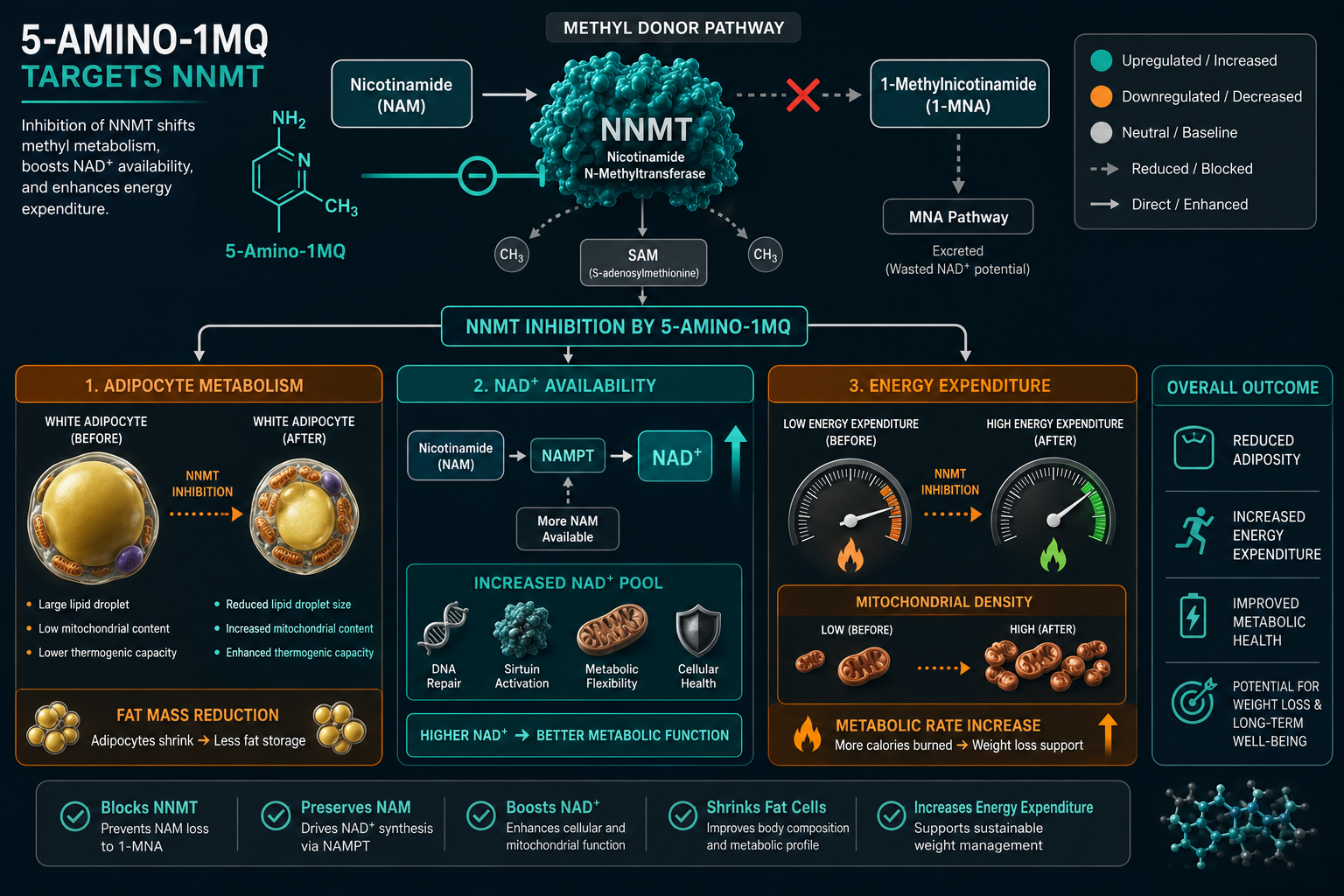
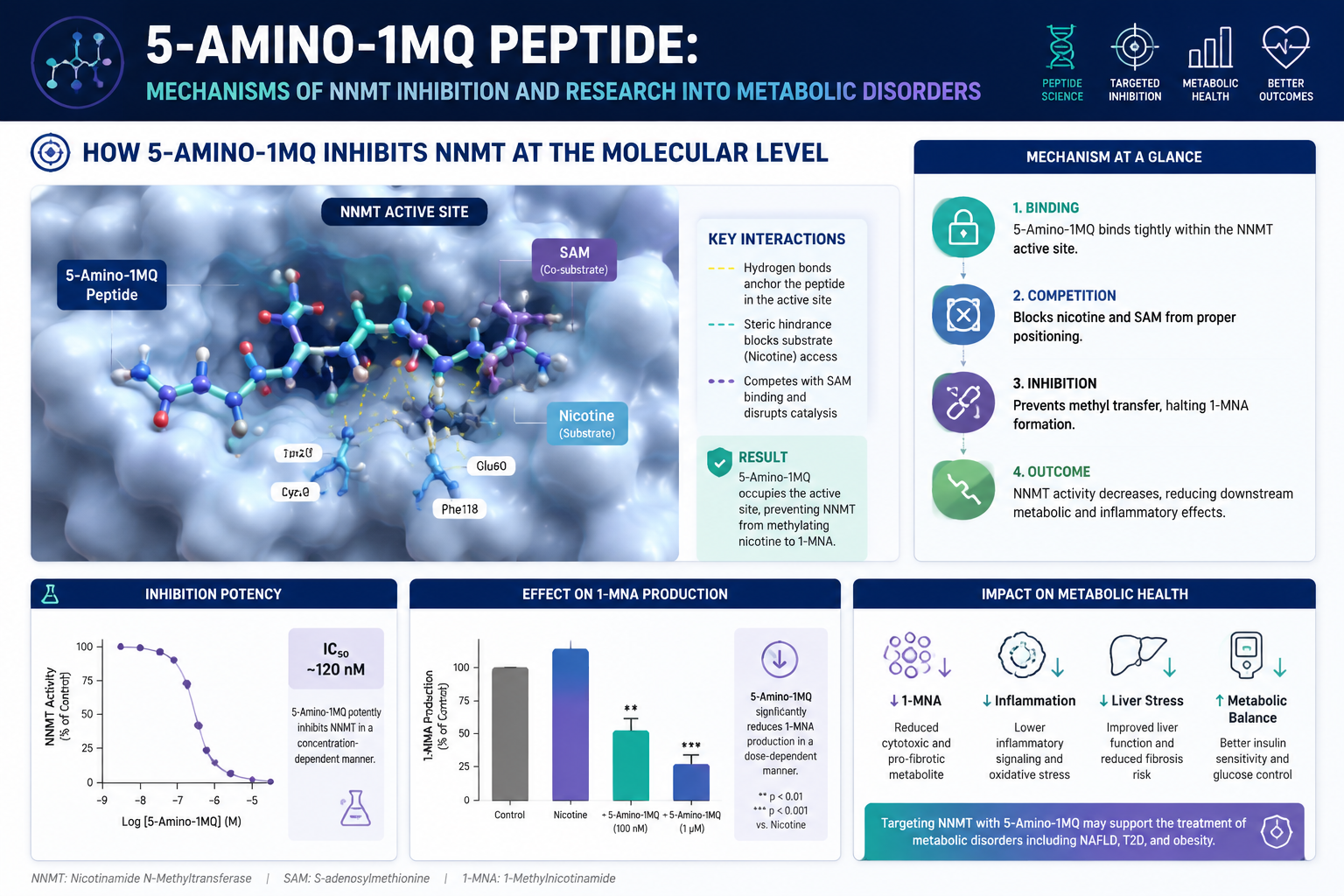
NNMT is an enzyme responsible for methylating nicotinamide, converting it into 1-methylnicotinamide (1-MNA). This reaction consumes both nicotinamide and S-adenosylmethionine (SAM), the body's primary methyl donor. When NNMT activity is high — as it often is in obese or metabolically compromised tissue — this process depletes two critical resources simultaneously.

5-Amino-1MQ blocks the NNMT active site, preventing this methylation reaction from occurring. The downstream effects are significant:

  • Nicotinamide is preserved, making it available for the NAD+ salvage pathway
  • NAD+ levels rise, supporting mitochondrial biogenesis and oxidative phosphorylation
  • SAM is conserved, keeping methyl groups available for DNA methylation, histone modification, and other regulatory processes

This dual preservation of nicotinamide and SAM creates a cascade that improves cellular energy metabolism at a foundational level. Researchers studying metabolic flexibility and mitochondrial function have noted similar upstream effects with other metabolic compounds, but the NNMT-specific targeting of 5-Amino-1MQ makes its mechanism particularly precise.

For a broader look at how peptides interact with metabolic pathways, the ultimate guide to peptide therapy provides useful foundational context.


How 5-Amino-1MQ Inhibits NNMT at the Molecular Level

Preclinical Research: Adipose Tissue and Insulin Sensitivity

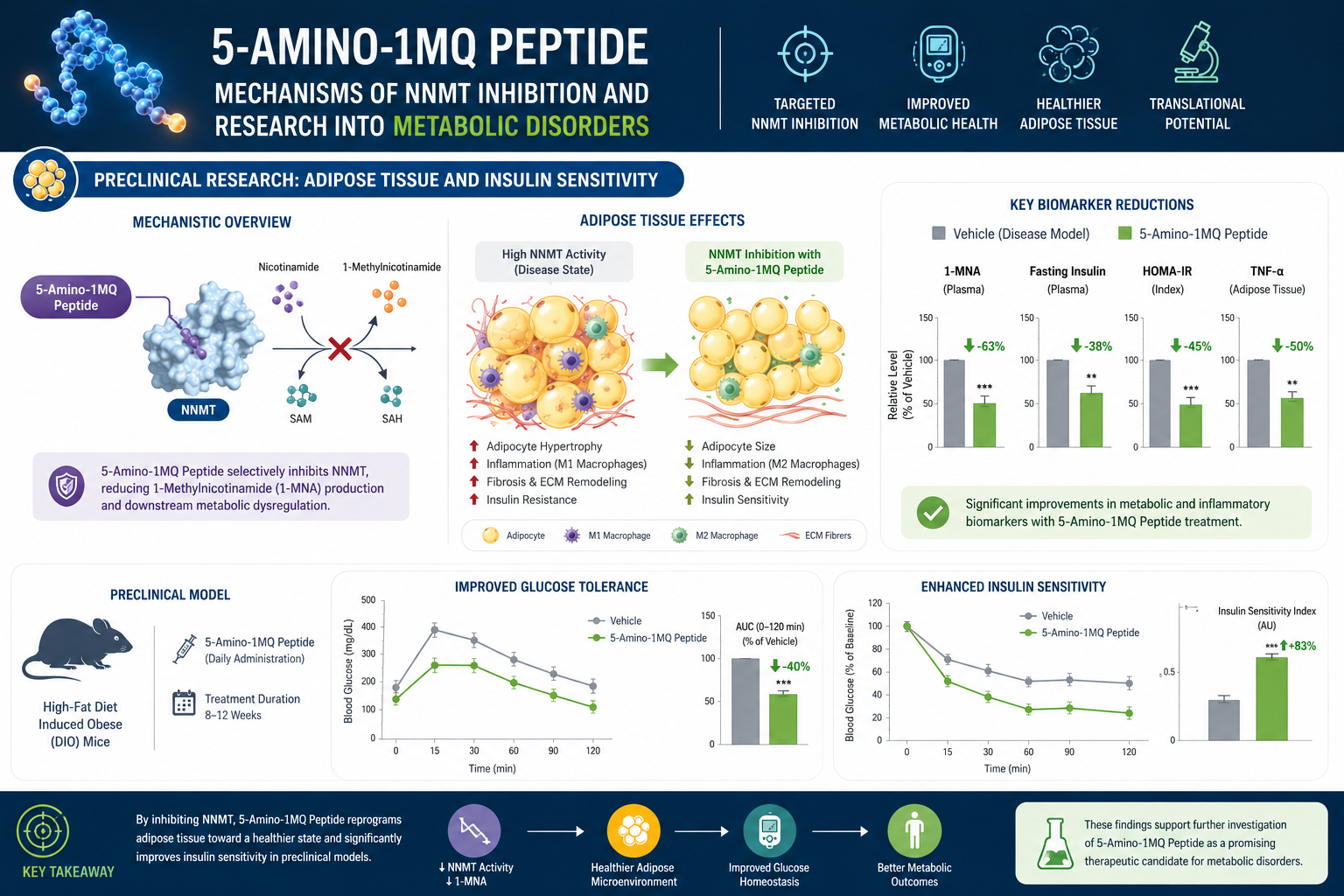
The most compelling data on 5-Amino-1MQ Peptide: Mechanisms of NNMT Inhibition and Research into Metabolic Disorders comes from animal studies examining body composition and metabolic markers.

Key findings from preclinical models include:

Outcome Measured Observed Result
White adipose tissue mass Significant reduction
Food intake No meaningful change
Insulin sensitivity Measurable improvement
Energy expenditure Increased
Mitochondrial function Enhanced

The fact that fat mass decreased without changes in food consumption is a critical detail. It points to a direct metabolic effect rather than an appetite-suppressing one. The compound appears to shift how cells process and expend energy rather than simply reducing caloric input.

This profile makes 5-Amino-1MQ a subject of interest alongside other metabolic research compounds. For comparison, researchers have also examined SLU-PP-332 for metabolic modulation and Tesamorelin for body composition outcomes, both of which target metabolic dysfunction through different mechanisms.

Those interested in exploring the compound itself can review the 5-Amino-1MQ research profile for detailed compound information.


Preclinical Research: Adipose Tissue and Insulin Sensitivity

Research Limitations and Current Status in 2026

Despite promising preclinical results, the research landscape for 5-Amino-1MQ Peptide: Mechanisms of NNMT Inhibition and Research into Metabolic Disorders carries important caveats that any serious reader should weigh.

Current limitations include:

  • All published efficacy data comes from animal models, not human trials
  • Long-term safety data is limited even in preclinical settings
  • Independent replication of findings remains sparse
  • No official clinical trial announcements have been made as of 2026

In research settings, oral dosing protocols typically use 50 to 100 mg per day, with the compound's half-life of approximately 4 to 7 hours supporting once-daily administration. However, these parameters are derived from preclinical work and cannot be extrapolated directly to human use.

Researchers exploring metabolic peptides more broadly may also find value in reviewing mitochondrial longevity research and MOTS-c metabolic research themes, which share mechanistic overlap with NAD+ pathway modulation.


Conclusion

The science behind 5-Amino-1MQ Peptide: Mechanisms of NNMT Inhibition and Research into Metabolic Disorders is precise, biologically grounded, and genuinely compelling. By blocking NNMT, this compound preserves nicotinamide for NAD+ synthesis, protects SAM for essential methylation reactions, and drives measurable improvements in fat mass and insulin sensitivity in animal models — all without altering food intake.

Actionable next steps for researchers and informed readers:

  1. Review the current 5-Amino-1MQ compound data to understand purity standards and research-grade sourcing
  2. Examine how NNMT inhibition compares mechanistically to other metabolic compounds like Tesamorelin and SLU-PP-332
  3. Monitor peer-reviewed literature for human trial announcements, which will be the critical next step in validating preclinical findings
  4. Approach any application outside controlled research settings with caution until human safety and efficacy data are established

The NNMT pathway is a legitimate and underexplored frontier in metabolic science. 5-Amino-1MQ sits at its center — and the research, while early, warrants close attention.

https://www.puretestedpeptides.com/wp-content/uploads/2026/06/5-Amino-1MQ-Peptide-Mechanisms-of-NNMT-Inhibition-and-Research-into-Metabolic-Disorders.png 1024 1536 Pure Tested https://www.puretestedpeptides.com/wp-content/uploads/2026/01/buy-peptides-online.jpg Pure Tested2026-06-21 13:06:042026-07-20 15:02:375-Amino-1MQ Peptide: Mechanisms of NNMT Inhibition and Research into Metabolic Disorders
5-Amino-1MQ Peptide: NNMT Inhibition, NAD+ Preservation, and Metabolic Research Applications

5-Amino-1MQ Peptide: NNMT Inhibition, NAD+ Preservation, and Metabolic Research Applications

June 2, 2026/0 Comments/by Pure Tested

A single enzyme quietly redirects the flow of cellular energy — and blocking it may reshape how researchers think about fat metabolism, muscle aging, and NAD+ biology. That enzyme is nicotinamide N-methyltransferase (NNMT), and the compound drawing the most attention in this space is 5-Amino-1MQ.

As of 2026, the 5-Amino-1MQ peptide — spanning NNMT inhibition, NAD+ preservation, and metabolic research applications — has generated a focused body of preclinical evidence that positions it as one of the more mechanistically interesting small molecules in metabolic science.

Key Takeaways

  • 5-Amino-1MQ selectively inhibits NNMT, an enzyme that consumes methyl groups and depletes NAD+ precursors in metabolically active tissues.
  • Preclinical studies show dose-dependent fat loss, improved insulin sensitivity, and reduced liver fat without changes in food intake.
  • Muscle regeneration data from aged mouse models is compelling, with peak torque improvements near 70% and grip strength gains up to 60% when combined with exercise.
  • No human clinical trials have been published or registered as of 2026; all data remain preclinical.
  • 5-Amino-1MQ is classified as a research compound and is not FDA-approved for any therapeutic use.

Key Takeaways

How NNMT Inhibition Drives NAD+ Preservation

NNMT catalyzes the methylation of nicotinamide, converting it to 1-methylnicotinamide (1-MNA) and effectively removing it from the NAD+ biosynthesis pathway. When NNMT is overactive — as it tends to be in obese and aged tissues — this process accelerates NAD+ precursor depletion, impairing mitochondrial function and energy output.

5-Amino-1MQ works by selectively binding to NNMT's active site, slowing this drain. The result is a measurable increase in intracellular NAD+ levels, which supports mitochondrial respiration, activates sirtuins, and improves overall metabolic efficiency.

"Blocking NNMT is not simply about preserving a molecule — it is about restoring the signaling environment that governs how cells burn fuel and repair themselves."

This mechanism distinguishes 5-Amino-1MQ from direct NAD+ precursor supplementation. Rather than flooding cells with nicotinamide riboside or NMN, it reduces the rate at which NAD+ precursors are diverted away from synthesis. For researchers exploring NAD+ biology and metabolic signaling, this upstream approach offers a distinct angle worth examining.

Key pharmacokinetic data from rat studies:

Parameter Value
Oral bioavailability 38.4%
Half-life 4-7 hours (route-dependent)
Tissue distribution Adipose, muscle, liver confirmed

Preclinical Evidence: Fat Loss, Muscle, and Metabolic Health

Preclinical Evidence: Fat Loss, Muscle, and Metabolic Health

The preclinical record for 5-Amino-1MQ across NNMT inhibition, NAD+ preservation, and metabolic research applications spans several well-designed animal studies.

Obesity and fat metabolism:

A 2018 study found that 20 mg/kg/day of 5-Amino-1MQ reversed diet-induced obesity in mice without reducing food intake. This is significant because it suggests a thermogenic or metabolic shift rather than appetite suppression. A 2024 dose-finding study extended this work, demonstrating 28-day treatment produced dose-dependent weight loss, improved glucose tolerance, better insulin sensitivity, and measurable reductions in hepatic steatosis.

When combined with caloric restriction, NNMT inhibition normalized adiposity faster than either intervention alone and produced a distinct gut microbiome shift enriched in Lactobacillus species.

Muscle regeneration and aging:

  • A 2019 study in aged mice showed NNMT inhibition doubled myofiber cross-sectional area and improved peak muscle torque by approximately 70%.
  • A 2024 follow-up reported a 40% improvement in grip strength in sedentary aged mice, rising to 60% when paired with exercise.

These findings make 5-Amino-1MQ relevant to researchers studying sarcopenia and age-related muscle decline. This complements work being done with compounds like MOTS-c, a mitochondrial peptide that also targets energy metabolism in aging tissue.

Researchers building metabolic stacks may also find value in reviewing the scientific evidence around NAD+ supplementation and how upstream inhibition strategies compare to direct precursor loading.

Research Limitations and Where 5-Amino-1MQ Fits in 2026

Research Limitations and Where 5-Amino-1MQ Fits in 2026

The most important limitation of 5-Amino-1MQ research is straightforward: as of 2026, no human clinical trials have been published or registered. Every data point discussed above comes from rodent models. Translating these findings to human physiology requires controlled trials that do not yet exist.

5-Amino-1MQ is not FDA-approved and is classified strictly as a research compound. Its safety profile in humans is unknown.

That said, its mechanism fits logically into current metabolic research frameworks. Researchers interested in longevity peptide research will recognize NNMT inhibition as a credible target given the enzyme's known upregulation in obesity, aging, and metabolic disease states.

For those sourcing research compounds, peptide purity testing remains a non-negotiable step before any preclinical work begins. Researchers can also explore the full catalog of available research peptides to review current compound specifications.

5-Amino-1MQ may also pair meaningfully with compounds targeting adjacent pathways. Research on SS-31, a mitochondrial-targeted peptide, addresses oxidative stress at the inner mitochondrial membrane — a complementary mechanism to the NAD+ preservation strategy of NNMT inhibition.

Conclusion

5-Amino-1MQ occupies a genuinely interesting position in metabolic research. Its mechanism — reducing NNMT activity to preserve NAD+ precursors and improve mitochondrial function — is well-supported at the molecular level, and preclinical data across obesity, insulin resistance, liver health, and muscle aging are consistent and encouraging.

Actionable next steps for researchers:

  • Review the 2024 dose-finding data carefully before designing rodent study protocols.
  • Pair NNMT inhibition research with gut microbiome analysis, given the Lactobacillus enrichment findings.
  • Prioritize third-party purity verification for all research-grade compounds.
  • Monitor clinical trial registries for the first human studies, which remain the critical missing piece.
  • Consider how 5-Amino-1MQ fits within broader metabolic stacks targeting NAD+ biology, mitochondrial function, and adipose tissue regulation.

The compound is not a clinical solution yet. It is a research priority — and in 2026, that distinction matters.


https://www.puretestedpeptides.com/wp-content/uploads/2026/06/5-Amino-1MQ-Peptide-NNMT-Inhibition-NAD-Preservation-and-Metabolic-Research-Applications.png 1024 1536 Pure Tested https://www.puretestedpeptides.com/wp-content/uploads/2026/01/buy-peptides-online.jpg Pure Tested2026-06-02 22:10:032026-07-20 15:04:135-Amino-1MQ Peptide: NNMT Inhibition, NAD+ Preservation, and Metabolic Research Applications
×

Helpful Links

  • My account
  • Cart
  • Checkout
  • Refund and Returns Policy
  • Privacy Policy
  • SMS Privacy Policy
  • Login
  • My Account
  • Logout

USA Made Lab Tested Peptides

All products are sold for research, laboratory, or analytical purposes only, and are not for human consumption


Pure Tested Peptides is a chemical supplier. Pure Tested Peptides is not a compounding / chemical compounding facility as defined under 503A of the Federal Food, Drug, and Cosmetic act. Pure Tested Peptides is not an outsourcing facility as defined under 503B of the Federal Food, Drug, and Cosmetic act.

The statements made within this website have not been evaluated by the US Food and Drug Administration. The products we offer are not intended to diagnose, treat, cure or prevent any disease.

Human/Animal Consumption Prohibited. Laboratory/In-Vitro Experimental Use Only

Scroll to top Scroll to top Scroll to top