Call or Text 727-513-9780
  • Shopping Cart Shopping Cart
    0Shopping Cart
Pure Tested Peptides | America's most trusted Peptides for sale online
  • Peptides for sale
    • Oral Peptides for sale
      • Peptide Capsules for sale
      • BPC 157 Capsules 1000mcg
      • SLU-PP-332 Capsules | 1000 mcg
      • 5-Amino-1MQ 50mg Capsules
      • Tesofensine 500mcg
    • All Peptides for sale
    • Peptide Sprays
      • BPC 157 Nasal Spray Kit
      • BPC-157 TB500 Nasal Spray Kit
      • Semax Nasal Spray 10mg
      • Selank – Nasal Spray Kit – 10mg
      • Epithalon 50MG Nasal Spray Kit
      • Ipamorelin 10mg Nasal Spray
      • Klow Nasal Spray (BPC-157 + TB-500 + GHK-Cu + KPV) | 80mg
      • Hulk Nasal Spray Tesa / Ipa Blend 6/3 MG
      • Klow Nasal Spray
      • NAD + 500 mg Nasal Spray
      • PT-141 Nasal Spray Kit
    • GHRH Peptides
      • Ipa Peptides
      • CJC-1295 Peptides
        • CJC-1295 with DAC 5 mg
        • CJC-1295 without DAC 5 mg
        • CJC-1295 Ipa 10mg
      • Tesa Peptides
        • Tesa Peptide
        • Tesa 20 mg
    • GHK-Cu Peptides
      • All GHK-Cu Peptides
      • GHK-Cu 100mg
      • KLOW Peptide Blend – Buy KLOW blend online
    • BPC Peptides
      • All BPC Peptides
      • BPC-157
      • BPC-157 TB-500
      • BPC 157 capsules 1000mcg
    • SLU-PP-332 Peptides
      • All SLU-PP-332 Peptides
      • SLU-PP-332 5mg
    • GLP3 Peptides
    • PT-141 Peptides
      • PT-141 Peptides for sale
      • PT-141 10mg
      • PT-141 Nasal Spray
    • CAG Peptides
      • Lipo-C Peptide Blend
      • CAG 5mg
      • CAG 10mg
    • MOTS-C Peptides
      • MOTS-C Peptides for sale
      • MOTS-c peptide
      • MOTS-c 10mg *6 pack*
    • 5 Amino 1MQ Peptides
      • 5 Amino 1MQ Peptides for sale
      • 5-Amino-1MQ 50mg Capsules
      • 5-Amino-1MQ 5mg
    • Epithalon Peptides
      • Epithalon Peptides for sale
      • Epithalon 10mg
      • Epithalon 50mg
  • Shop
    • GLPs
      • 5-Amino-1MQ 50mg Capsules
      • 5-Amino-1MQ 5mg
      • L-Carnitine 500mg/ml
      • Tesofensine 500mcg
      • SLU-PP-332 5mg
      • MOTS-c 10mg *6 pack*
    • Epithalon & BPC Peptides
      • Epithalon 10mg
      • Epithalon 50mg
      • BPC-157
      • BPC 157 capsules 1000mcg
      • BPC-157 TB-500
      • BPC-157 TB500 Nasal Spray Kit
      • BPC 157 Nasal Spray Kit
    • BPC TB-500 & NAD+ Peptides
      • NAD+ 500 mg
      • KLOW Peptide Blend – Buy KLOW blend online
      • GLOW Peptide Blend
      • TB 500 5mg
      • BPC 157 capsules 1000mcg – Supplement
      • BPC 157 Nasal Spray Kit
      • BPC-157
      • BPC-157 TB500 Nasal Spray Kit
      • BPC-157 TB-500
      • BPC 157 capsules 1000mcg
    • LL-37 Peptide
      • LL-37 10 mg
    • MOTS-C & Selank
      • MOTS-c peptide
      • Selank 10mg
    • GHK Peptides
      • GHK-Cu 100mg
      • GLOW Peptide Blend
      • KLOW Peptide Blend – Buy KLOW blend online
  • COAs
  • Wholesale
    • Wholesale Peptides for sale
  • PTP FAQ
  • Affiliates
    • Selank Peptide: Advanced Pharmacological Mechanisms Underlying Its Anxiolytic and Nootropic Effects in Research
      • 5-Amino-1MQ Peptide: Detailed Mechanisms of NNMT Inhibition and Its Impact on Cellular Metabolism Research
        • MOTS-C Peptide: Unraveling Its Role in Mitochondrial Dynamics and Energy Metabolism Research
          • Epithalon Peptide and Telomerase Regulation: Investigating Its Impact on Cellular Senescence and Lifespan Research Models
            • GLP2-T vs GLP2 Tirz Peptide: Understanding the Naming, Mechanistic Nuances, and Research Implications for Gut Health
      • Peptides and Polypeptides in Modern Pharmacology: What Research on Metoprolol, Prednisone, and Amlodipine Reveals
        • Polypeptide Peptides vs NSAIDs: What Naproxen and Diclofenac Teach Tissue-Repair Researchers About BPC‑157 and TB‑500
          • Peptides and Polypeptides in Endocrine Pharmacology: How GLP-1, GLP-2, and GLP-3 Retatrutide Differ From Classic Drugs Like Prednisone and Amlodipine
          • 5‑Amino‑1MQ Peptide and NNMT Inhibition: How It Compares With Statins Like Atorvastatin in Adipose and Lipid Metabolism Research
      • Enclomiphene, Estrogen Receptor Signaling, and Luteinizing Phase Biology: What Hormone Researchers Should Measure
        • Mesenchymal Stem Cells, BPC‑157, and GHK‑Cu: How Tissue Repair Peptides Compare With Classic NSAIDs Like Naproxen in Injury Models
          • Peptide Calculator Use Cases Beyond Growth Hormone: Working Through GLP‑3 Retatrutide, MOTS‑c, and BPC‑157 Research Dosing
        • Polypeptide Peptides in Endocrine and Metabolic Pharmacology: Lessons From Amlodipine, Prednisone, and Metoprolol
        • Peptides Calculator for Advanced Blends: Worked Examples for Tesamorelin, CJC‑1295, and Ipamorelin Stacks
          • Peptides and Polypeptides in Human Physiology: How Molecular Size Shapes Research Applications
            • Selank Peptide: Advanced Pharmacological Mechanisms Underlying Its Anxiolytic and Nootropic Effects in Research
          • 5-Amino-1MQ Peptide: Detailed Mechanisms of NNMT Inhibition and Its Impact on Cellular Metabolism Research
            • MOTS-C Peptide: Unraveling Its Role in Mitochondrial Dynamics and Energy Metabolism Research
              • Epithalon Peptide and Telomerase Regulation: Investigating Its Impact on Cellular Senescence and Lifespan Research Models
                • GLP2-T vs GLP2 Tirz Peptide: Understanding the Naming, Mechanistic Nuances, and Research Implications for Gut Health
                  • Peptides and Polypeptides in Endocrine Pharmacology: How GLP-1, GLP-2, and GLP-3 Retatrutide Differ From Classic Drugs Like Prednisone and Amlodipine
                    • Polypeptide Peptides vs NSAIDs: What Naproxen and Diclofenac Teach Tissue-Repair Researchers About BPC‑157 and TB‑500
                      • Peptides and Polypeptides in Modern Pharmacology: What Research on Metoprolol, Prednisone, and Amlodipine Reveals
                        • 5‑Amino‑1MQ Peptide and NNMT Inhibition: How It Compares With Statins Like Atorvastatin in Adipose and Lipid Metabolism Research
                        • Enclomiphene, Estrogen Receptor Signaling, and Luteinizing Phase Biology: What Hormone Researchers Should Measure
                        • Mesenchymal Stem Cells, BPC‑157, and GHK‑Cu: How Tissue Repair Peptides Compare With Classic NSAIDs Like Naproxen in Injury Models
                        • Peptide Calculator Use Cases Beyond Growth Hormone: Working Through GLP‑3 Retatrutide, MOTS‑c, and BPC‑157 Research Dosing
                        • Polypeptide Peptides in Endocrine and Metabolic Pharmacology: Lessons From Amlodipine, Prednisone, and Metoprolol
                        • Peptides Calculator for Advanced Blends: Worked Examples for Tesamorelin, CJC‑1295, and Ipamorelin Stacks
                        • Peptides and Polypeptides in Human Physiology: How Molecular Size Shapes Research Applications
                        • Selank Peptide: Advanced Pharmacological Mechanisms Underlying Its Anxiolytic and Nootropic Effects in Research
                        • MOTS-C Peptide: Unraveling Its Role in Mitochondrial Dynamics and Energy Metabolism Research
                        • Peptides and Polypeptides in Modern Pharmacology: What Research on Metoprolol, Prednisone, and Amlodipine Reveals
                        • Peptides and Polypeptides in Endocrine Pharmacology: How GLP-1, GLP-2, and GLP-3 Retatrutide Differ From Classic Drugs Like Prednisone and Amlodipine
                        • 5-Amino-1MQ Peptide: Detailed Mechanisms of NNMT Inhibition and Its Impact on Cellular Metabolism Research
                        • Mesenchymal Stem Cells, BPC‑157, and GHK‑Cu: How Tissue Repair Peptides Compare With Classic NSAIDs Like Naproxen in Injury Models
                        • Peptide Calculator Use Cases Beyond Growth Hormone: Working Through GLP‑3 Retatrutide, MOTS‑c, and BPC‑157 Research Dosing
                        • GLP2-T vs GLP2 Tirz Peptide: Understanding the Naming, Mechanistic Nuances, and Research Implications for Gut Health
                        • Polypeptide Peptides in Endocrine and Metabolic Pharmacology: Lessons From Amlodipine, Prednisone, and Metoprolol
                        • Polypeptide Peptides vs NSAIDs: What Naproxen and Diclofenac Teach Tissue-Repair Researchers About BPC‑157 and TB‑500
                        • Peptides and Polypeptides in Human Physiology: How Molecular Size Shapes Research Applications
                        • Peptides Calculator for Advanced Blends: Worked Examples for Tesamorelin, CJC‑1295, and Ipamorelin Stacks
                        • 5‑Amino‑1MQ Peptide and NNMT Inhibition: How It Compares With Statins Like Atorvastatin in Adipose and Lipid Metabolism Research
                        • Enclomiphene, Estrogen Receptor Signaling, and Luteinizing Phase Biology: What Hormone Researchers Should Measure
                        • Epithalon Peptide and Telomerase Regulation: Investigating Its Impact on Cellular Senescence and Lifespan Research Models
                        • Best research protocol Klow blend
                        • best time to take BPC-157
                        • best time to take DSIP (Delta Sleep Inducing Peptide)
                        • best time to take CJC-1295
                        • best time to take AOD-9604
                        • best time to take Follistatin 344
                        • best time to take Ipamorelin
                        • best time to take MK-677 (Ibutamoren)
                        • best time to take Ligandrol (LGD-4033) — research compound
                        • best time to take Ostarine (MK-2866) — research compound
                        • best time to take GHK-CU
                        • best time to take TB-500
                        • best time to take MOTS-c
                        • best time to take Semax
                        • best time to take RAD-140 (Testolone) — research compound
                        • best time to take Thymosin Alpha-1
                        • best time to take PEG-MGF
                        • Biolife Plasma, Octapharma Plasma, and Research Peptides: How Plasma Donation Labs Differ From Peptide Suppliers
                        • best time to take YK-11 — research compound
                        • best time to take PT-141 (Bremelanotide)
                        • Best research protocol Klow blend
                        • 5-Amino-1MQ and MOTS-C Synergy: Metabolic Signaling, Mitochondria, and Research Design
                        • BPC-157 and TB-500: Investigating Their Combined Effects on Angiogenesis and Cellular Migration in Tissue Repair Models
                        • BPC-157 Peptide: Gut Barrier Function, Inflammation, and Tissue-Recovery Research
                        • 5‑Amino‑1MQ and MOTS‑c Synergy in Metabolic Research: Designing NNMT and Mitochondrial Biogenesis Stacks
                        • CJC-1295 with DAC vs. Without DAC: Half-Life, Release Kinetics, and Research Implications
                        • CJC‑1295 with DAC vs. Without DAC: Expanding on Half‑Life Differences Using Tesamorelin and Ipamorelin Blend Case Studies
                        • Collagen Biology and Copper‑Binding Peptides: How GHK‑Cu, Glow Blend, and Klow Blend Interact with Skin and Connective Tissue
                        • Collagen Biology and Regenerative Peptides: How GHK‑Cu, Glow Blend, and Klow Blend Affect Extracellular Matrix Research
                    • DNA, Telomeres, and Longevity Peptides: Positioning Epithalon and MOTS‑c in Genetic Aging Research
                      • Enclomiphene Citrate: serm Mechanism, Testosterone Research, and Stack Compatibility
                        • Enclomiphene vs Enclomiphene Citrate: Formulation, Bioavailability, and Research Distinctions
                        • Epithalon Peptide Research: Telomerase Activation, Aging, and Pineal Gland Function
                        • Estrogen Receptor Signaling and Enclomiphene: How Selective Modulators Compare with Classic Polypeptide Hormones
                        • GHK-Cu Peptide: Advanced Mechanisms in Extracellular Matrix Remodeling and Wound Healing Research
                        • GHK-Cu Peptide: Collagen Synthesis, Wound Repair, and Skin-Barrier Research Models
                        • GLP-1 vs GLP-3 vs GLP-2: Peptide Classification and Research Applications
                        • GLP-2 Peptide Research Guide: Gut Barrier Function, Nutrient Absorption, and Intestinal Recovery Models
                        • GLP-3 Retatrutide vs. GLP-1 Drugs: What Triple-Agonist Biology Changes in Research Models
                        • Ipamorelin and Tesamorelin Combination: Synergistic GH Secretagogue Research and Dosing Protocols
                        • GLP2 Tirz Peptide: What It Is, Why the Name Exists, and How Researchers Should Interpret It
                        • Klow Blend Peptide Nasal Spray: What the Formulation Is Trying to Do in Cognitive Research
                        • Mitochondria, NNMT Inhibition, and Peptide Modulators: Where MOTS‑c and 5‑Amino‑1MQ Fit in Cellular Energy Research
                        • MOTS-c Peptide: Mitochondrial Function, Energy Metabolism, and What Researchers Measure
                        • MOTS-c vs. 5-Amino-1MQ: Which Metabolic Research Questions Each Compound Actually Answers
                        • Nasal Spray Peptides: Bioavailability, Administration, and Semax/Selank Research Applications
                        • PT-141 Peptide Research: Mechanism of Action and Melanocortin Receptor Signaling
                        • Retatrutide for Research: Mechanism, Structure, and GLP-1/GLP-3 Dual Action
                        • Retatrutide for Obesity and Type 2 Diabetes: What the Latest Trial Data Suggest
                        • Tesofensine Peptide Research: Mechanism, Appetite Suppression, and Neuropeptide Y Pathways
  • Contact
    • Contact Customer Service
    • Text Customer Support
  • About US
  • Shop all peptides
  • Affiliate Program
    • Affiliate Signup
  • Login / Register Login / Register Page Link Login / Register Page Link
  • Click to open the search input field Click to open the search input field Search
  • Menu Menu

Tag Archive for: semax research

Peptides and Polypeptides in Nervous System Research: Where Semax, Selank, and Nasal Spray Peptides Fit Alongside Classic Drugs

Peptides and Polypeptides in Nervous System Research: Where Semax, Selank, and Nasal Spray Peptides Fit Alongside Classic Drugs

September 8, 2026/0 Comments/in Uncategorized/by

Fewer than 1% of small-molecule drugs successfully cross the blood-brain barrier, a structural reality that has driven decades of interest in alternative delivery strategies and alternative compound classes. That bottleneck sits at the center of why peptides and polypeptides in nervous system research have drawn sustained attention, and why compounds like Semax, Selank, and related nasal spray peptides are studied alongside classic anxiolytics and antidepressants rather than simply replacing them.

Key Takeaways

  • Semax and Selank are short synthetic peptides studied for neuroprotective and anxiolytic properties, respectively, with mechanisms that differ fundamentally from classic CNS drugs.
  • Intranasal delivery allows peptides to bypass the blood-brain barrier via the olfactory epithelium, making administration route a central variable in research design.
  • Semax research in 2026 spans Alzheimer's disease models, Parkinson's neuroprotection, and next-generation analogues such as N-acetyl Semax-amide.
  • Selank's evidence base is compared against benzodiazepines and SSRIs primarily through GABAergic and serotonergic pathway studies.
  • The broader intranasal neuropeptide landscape, including davunetide, KAFAK, and osteopontin heptamer, frames Semax and Selank as part of a larger research category rather than isolated curiosities.

How Classic CNS Drugs and Neuroactive Peptides Differ in Research Design
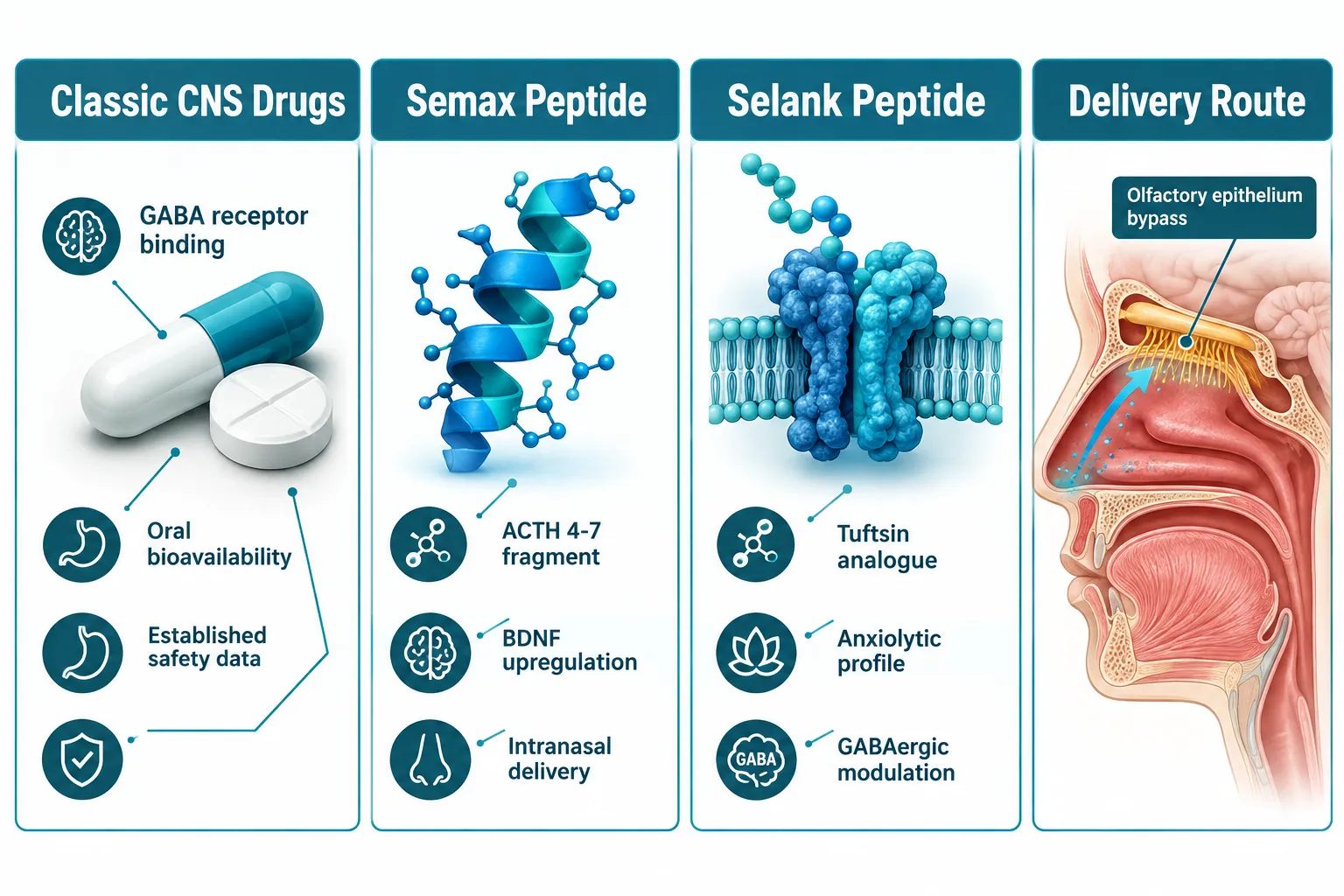
How Classic CNS Drugs and Neuroactive Peptides Differ in Research Design

Standard CNS pharmacology has long relied on small molecules, benzodiazepines, selective serotonin reuptake inhibitors (SSRIs), and monoamine oxidase inhibitors, that act on well-mapped receptor systems. These compounds have decades of clinical trial data, defined pharmacokinetic profiles, and regulatory approval in most major markets.

Peptides operate differently. Rather than occupying a single receptor subtype with high affinity, short neuroactive peptides often modulate signaling cascades, influence neurotrophic factor expression, or mimic endogenous regulatory sequences. This mechanistic breadth is both a research advantage and an interpretive challenge: endpoints that work for a benzodiazepine study may not capture what a peptide is doing at the cellular level.

Feature Classic CNS Drugs Research Peptides (e.g., Semax, Selank)
Molecular size Small molecule Short amino acid chain
Primary target Defined receptor (GABA-A, SERT) Signaling cascade, neurotrophic factors
Delivery route Oral, IV Intranasal, subcutaneous
Regulatory status Approved (most markets) Approved in Russia; research-use in West
Evidence base Large RCT datasets Preclinical + limited human data

Researchers exploring this space benefit from understanding polypeptide peptides: structure, function, and research applications before designing comparative protocols.

Semax and Selank: Mechanisms and Evidence in the Context of Peptides and Polypeptides in Nervous System Research
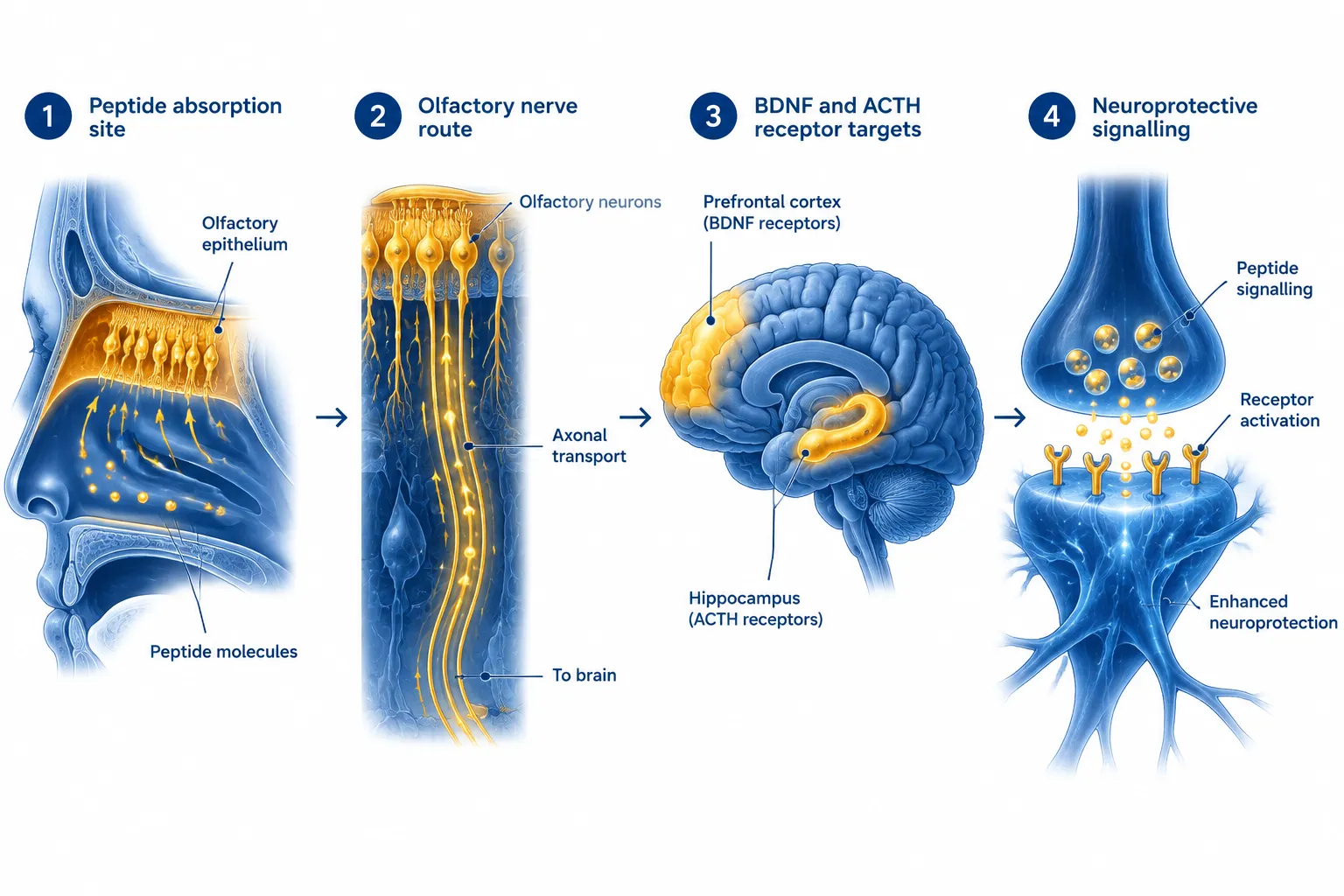
Semax and Selank: Mechanisms and Evidence in the Context of Peptides and Polypeptides in Nervous System Research

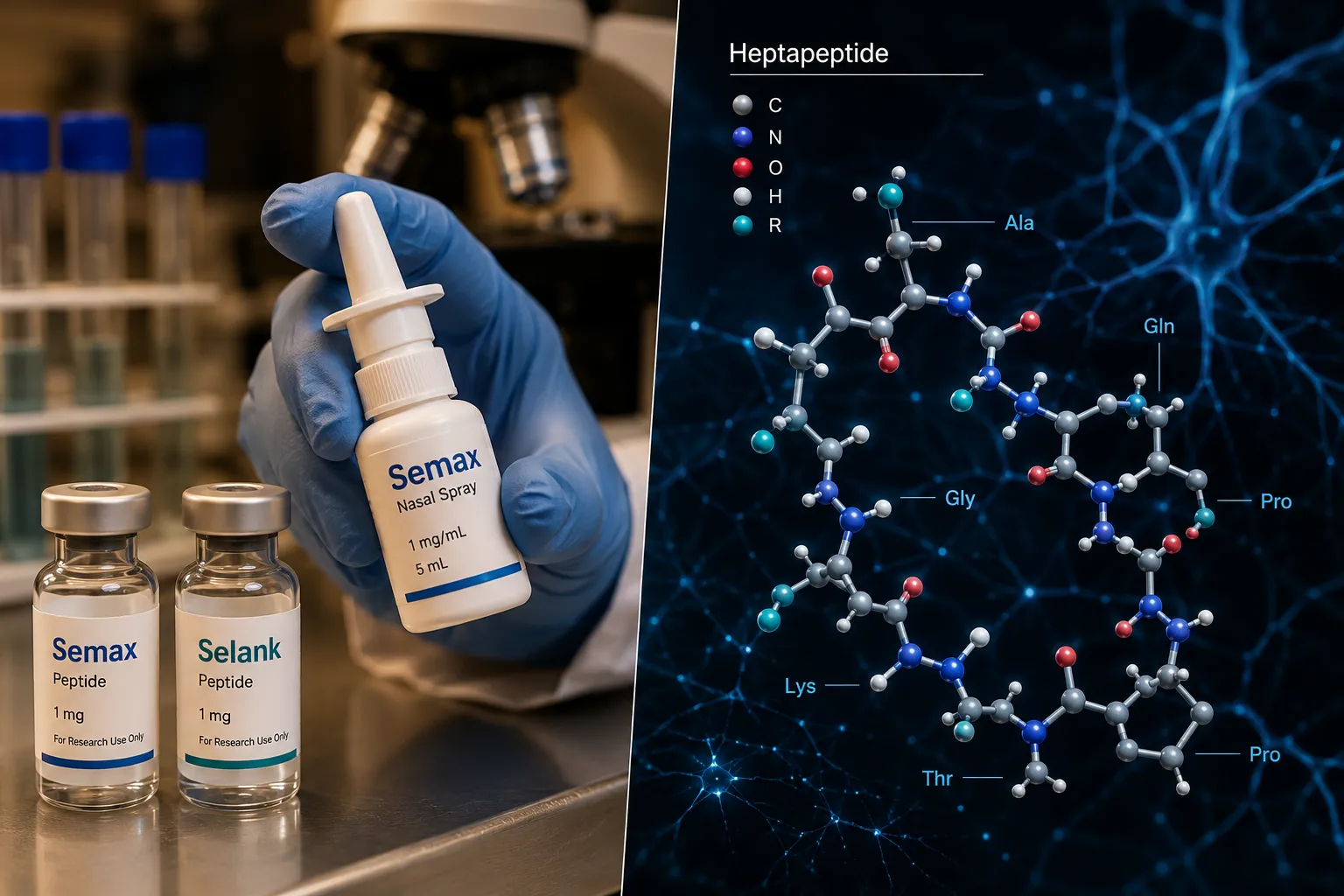
Semax is a heptapeptide derived from the ACTH 4-7 sequence. It does not bind adrenocorticotropic receptors directly; instead, it upregulates brain-derived neurotrophic factor (BDNF), modulates dopaminergic and serotonergic tone, and has shown neuroprotective effects in ischemia models. In Russia, it holds approved status for stroke recovery and cognitive support, a regulatory position that has no equivalent in the United States or European Union, where it remains a research compound.

As of 2026, preclinical Alzheimer's disease data for Semax and its heptapeptide derivative have expanded, with studies examining amyloid-related neurodegeneration endpoints. Parkinson's disease neuroprotection research has also generated academic commentary, focusing on Semax's capacity to reduce oxidative stress in dopaminergic neurons. Next-generation analogues, particularly N-acetyl Semax-amide, are being assessed for improved stability and extended half-life, though human safety data remain limited outside the Russian clinical context.

For researchers comparing these two compounds, the Selank vs Semax nootropic peptide research guide provides a structured breakdown of how each fits different experimental questions.

Selank is a synthetic analogue of the endogenous immunomodulatory peptide tuftsin. Its anxiolytic profile has been studied primarily through GABAergic and serotonergic pathway modulation, positioning it as a mechanistic counterpart, not a replacement, to benzodiazepines. Unlike benzodiazepines, Selank does not appear to produce dependence signals in preclinical models, and it lacks the sedative burden common to GABA-A positive allosteric modulators. A white-paper synthesis circulated in 2026 comparing Selank's evidence base against conventional anxiolytics concluded that while effect size data remain smaller than those for approved drugs, the side-effect profile warrants continued controlled investigation.

"The question in peptide neuroscience research is not whether these compounds replace classic drugs, but what they reveal about pathways that small molecules cannot cleanly isolate."

For detailed mechanistic background on Selank, the Selank peptide research benefits, dosing concepts, and mechanism of action resource offers a thorough foundation.

Intranasal Delivery: Why Administration Route Shapes the Entire Research Framework
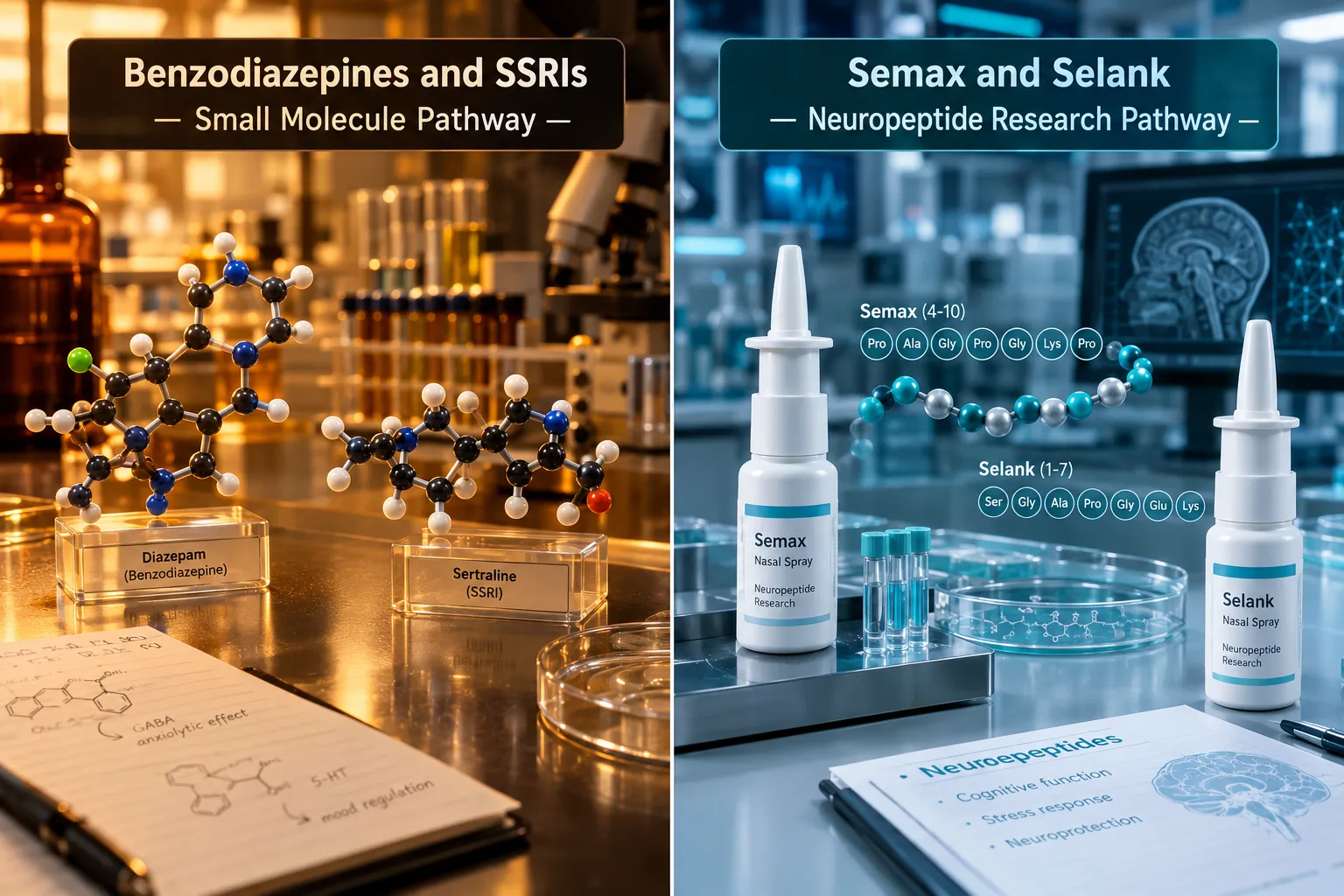
Intranasal Delivery: Why Administration Route Shapes the Entire Research Framework

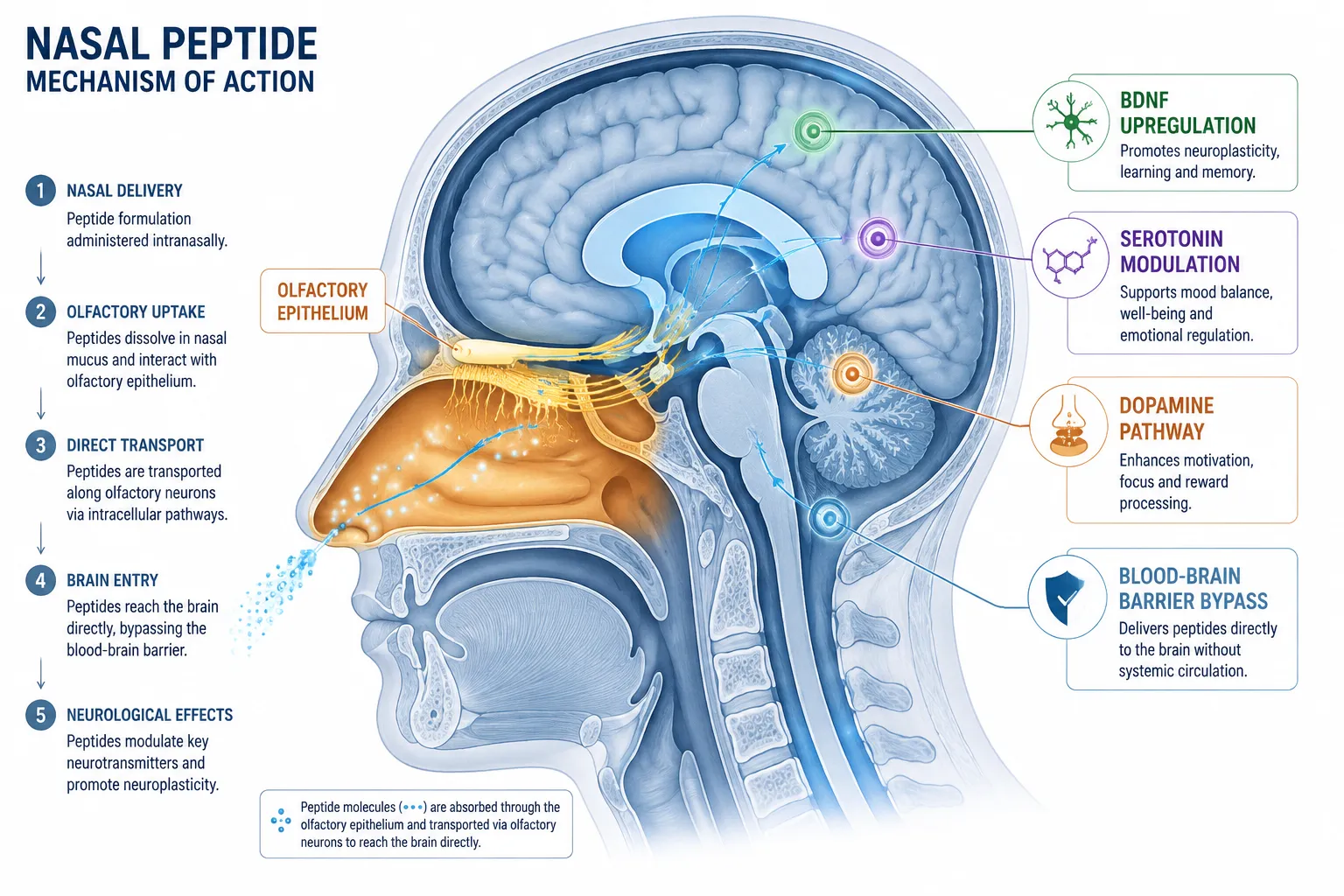
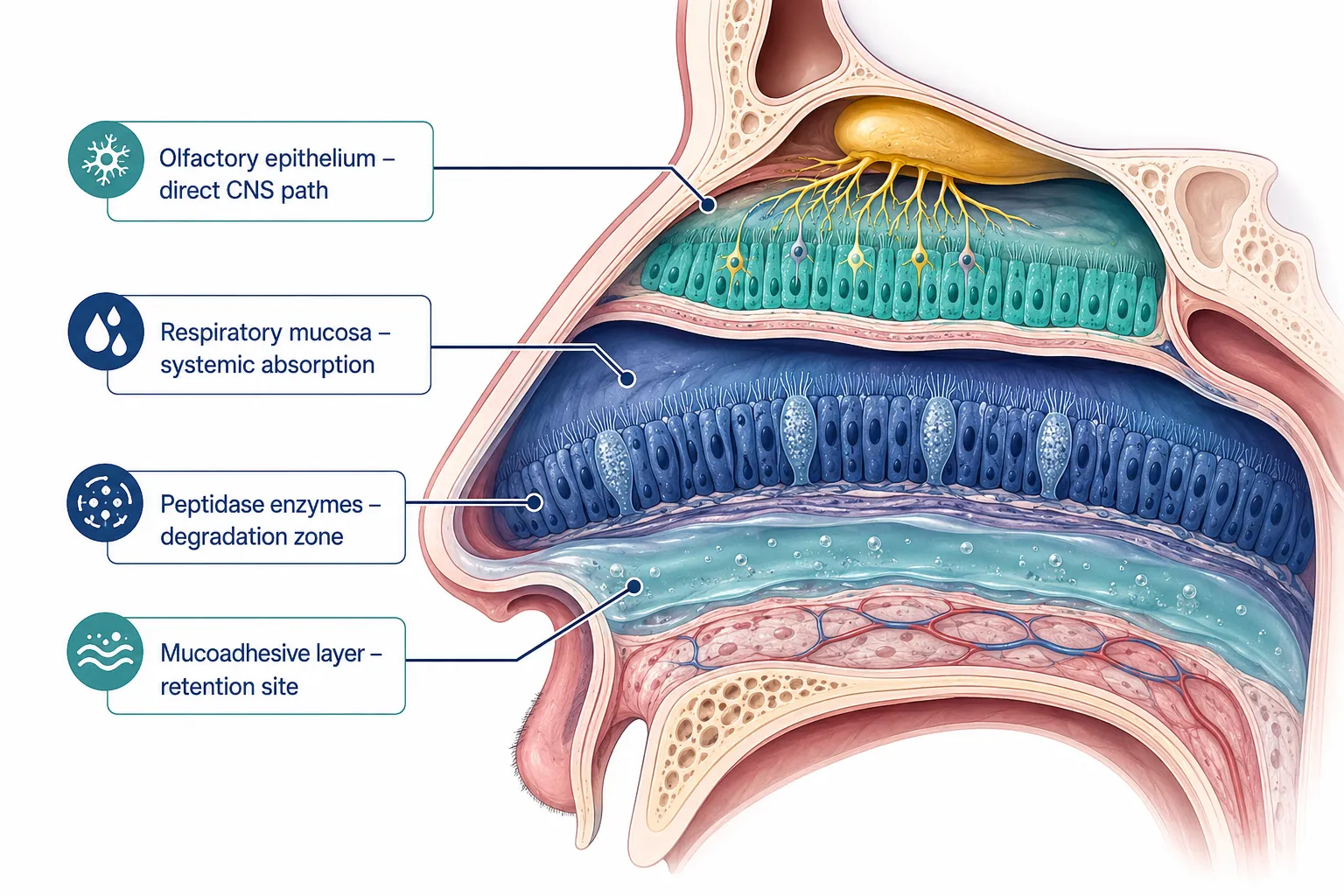
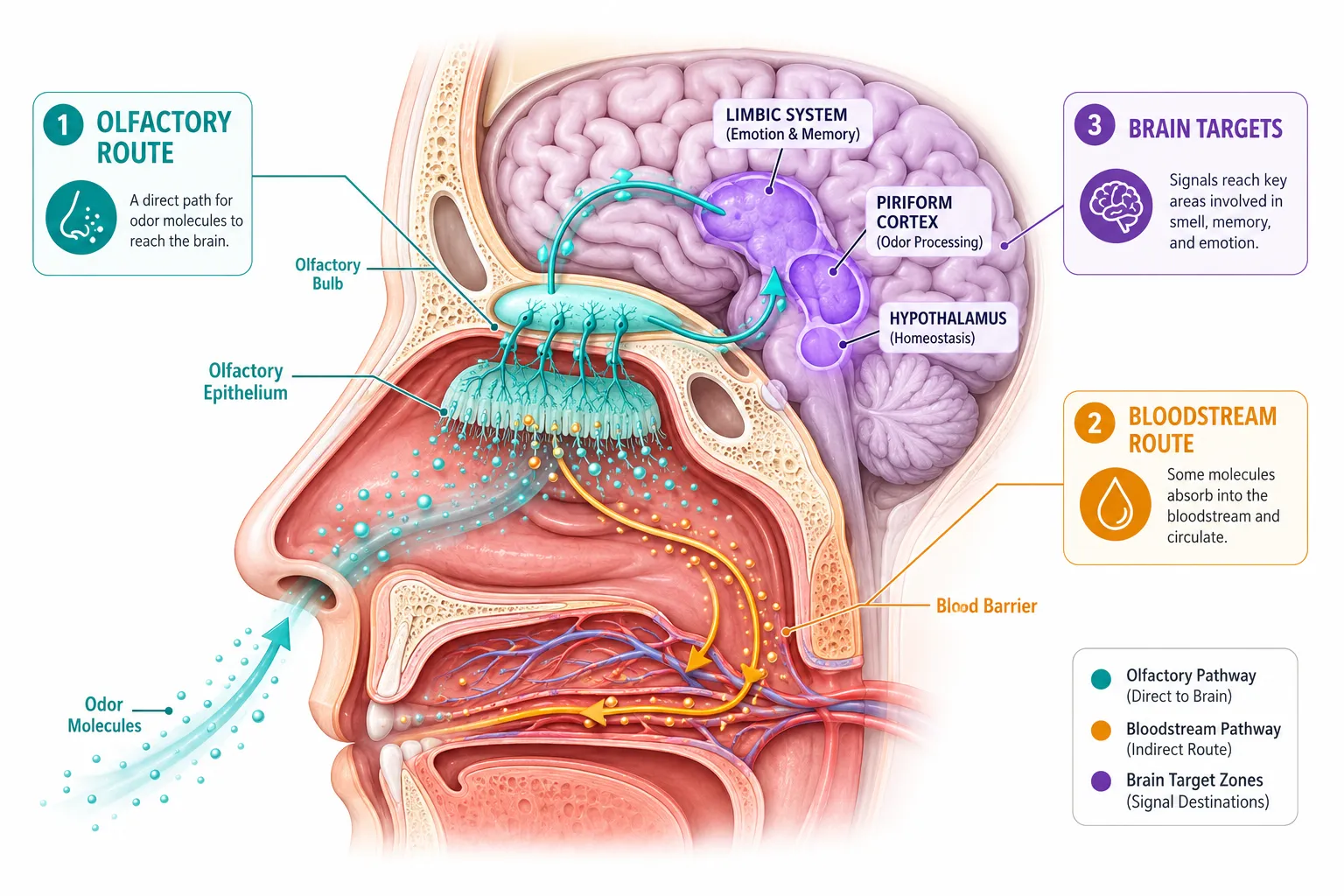
The nasal route is not simply a convenience for peptides, it is a mechanistic necessity for many of them. The olfactory epithelium provides a direct anatomical channel to the central nervous system, bypassing hepatic first-pass metabolism and the blood-brain barrier simultaneously. This makes intranasal delivery the dominant administration route in peptides and polypeptides in nervous system research, and it fundamentally changes how bioavailability, dosing intervals, and tissue distribution are measured.

Researchers studying Semax as a Semax nasal spray formulation must account for variables that do not apply to oral CNS drugs: mucosal absorption efficiency, ciliary clearance rates, and peptide stability in aqueous nasal formulations. A broader treatment of these variables is available in the nasal spray peptides bioavailability, administration routes, and research design considerations resource.

Beyond Semax and Selank, the intranasal neuropeptide landscape in 2026 includes several other compounds under active preclinical investigation:

  • Davunetide (NAP): an eight-amino-acid peptide derived from activity-dependent neuroprotective protein, studied for tau pathology and microtubule stabilization.
  • KAFAK: an anti-inflammatory peptide examined in neuroinflammation models, with intranasal delivery studies showing CNS penetration.
  • Osteopontin heptamer: a fragment studied in stroke and traumatic brain injury models for its role in microglial modulation.

These compounds share the intranasal delivery rationale with Semax and Selank but target distinct pathological mechanisms, illustrating how broad the peptides and polypeptides in nervous system research category has become.

For labs working on dosing precision across these compounds, the peptide calculators in research: how labs estimate dosing, concentration, and reconstitution guide addresses a practical gap that affects experimental reproducibility.

Conclusion

The field of peptides and polypeptides in nervous system research is not positioned to displace classic CNS pharmacology, it is positioned to extend it. Semax and Selank occupy a specific niche: mechanistically distinct from benzodiazepines and SSRIs, delivered through a route that bypasses the blood-brain barrier, and studied against endpoints that small molecules cannot cleanly address.

Actionable next steps for researchers in 2026:

  1. Define experimental endpoints that are appropriate for peptide mechanisms, BDNF expression, GABAergic modulation, and neuroinflammatory markers, rather than borrowing endpoints designed for receptor-occupancy drugs.
  2. Standardize intranasal delivery protocols using validated bioavailability data before comparing results across studies.
  3. Treat Semax analogues (including N-acetyl Semax-amide) and Selank as distinct compounds with distinct evidence bases, not interchangeable nootropic tools.
  4. Monitor the expanding intranasal neuropeptide literature, davunetide, KAFAK, and osteopontin heptamer data, for methodological frameworks transferable to Semax and Selank research.
  5. Consult Semax research protocols and comparative peptide resources when designing studies that need to position findings within the broader neuroactive peptide literature.

The gap between preclinical promise and clinical evidence remains the central challenge for this entire compound class. Closing that gap requires rigorous, reproducible study design, and a clear understanding of where these peptides sit relative to the drugs that already occupy the clinical landscape.

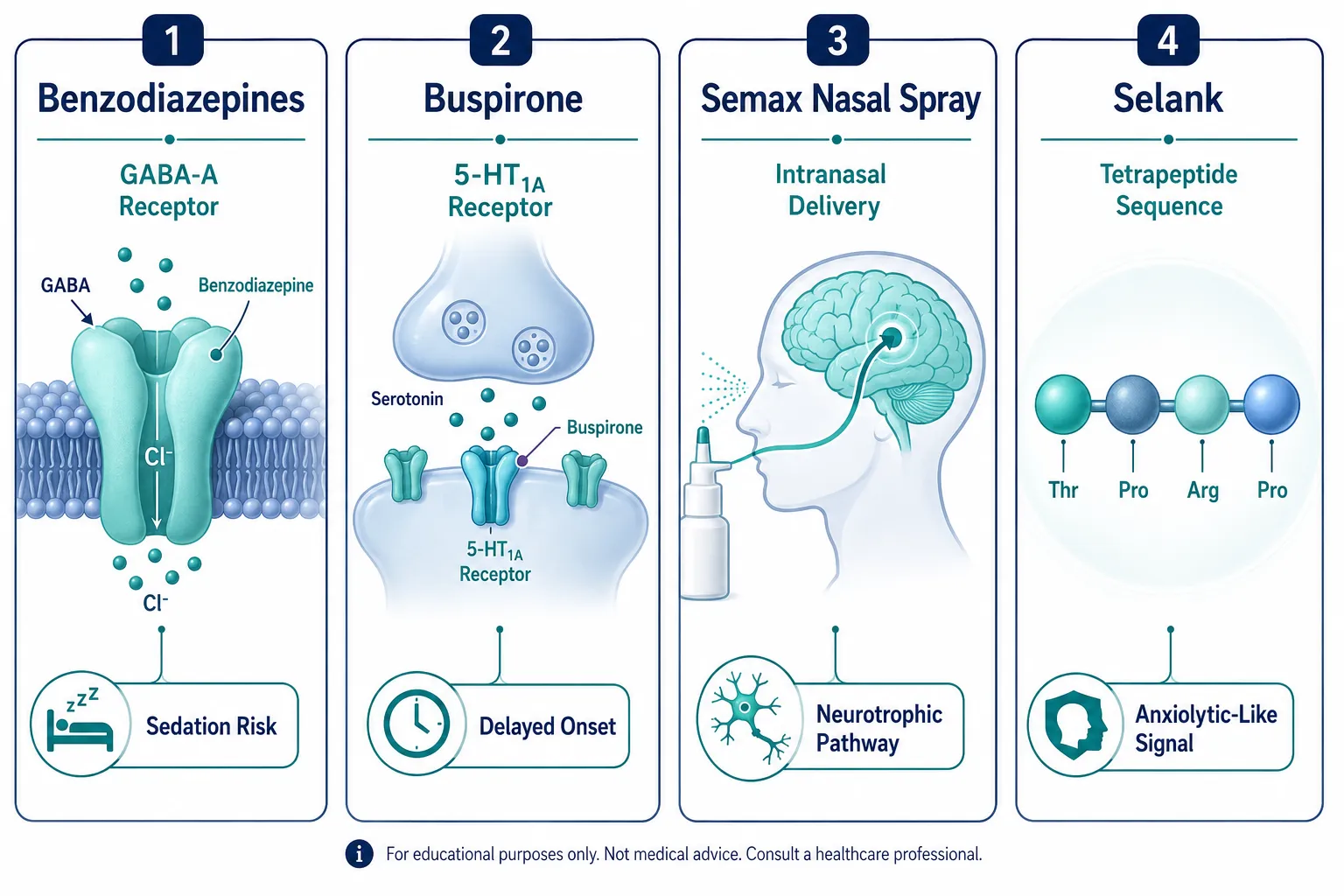
https://www.puretestedpeptides.com/wp-content/uploads/2026/09/peptides-and-polypeptides-in-nervous-system-research-where-semax-selank-and-nasa.webp 1024 1536 https://www.puretestedpeptides.com/wp-content/uploads/2026/01/buy-peptides-online.jpg 2026-09-08 13:11:092026-09-08 13:11:09Peptides and Polypeptides in Nervous System Research: Where Semax, Selank, and Nasal Spray Peptides Fit Alongside Classic Drugs
Semax vs Classic Anxiolytics: How Semax Nasal Spray Research Differs From Buspirone and Benzodiazepine Models

Semax vs Classic Anxiolytics: How Semax Nasal Spray Research Differs From Buspirone and Benzodiazepine Models

September 4, 2026/0 Comments/in Uncategorized/by

Anxiety disorders affect roughly one in three adults at some point in their lifetime, yet the dominant pharmacological tools, benzodiazepines and buspirone, were developed under research frameworks that prioritize direct anxiolysis over neuroplasticity or cognitive preservation. That gap has driven renewed scientific interest in peptide-based compounds, and nowhere is the contrast sharper than in the growing body of Semax research comparing this synthetic neuropeptide to classical anxiolytic drug models.

Understanding Semax vs classic anxiolytics: how Semax nasal spray research differs from buspirone and benzodiazepine models requires examining not just outcomes, but the underlying research frameworks, mechanistic targets, and endpoint definitions that separate these approaches.

Key Takeaways

  • Semax acts primarily on neurotrophic and neuroprotective pathways, not on GABA-A receptors or serotonin 5-HT1A sites like benzodiazepines and buspirone.
  • Preclinical research positions Semax as a stress-resilience agent rather than a direct anxiolytic, a meaningful distinction in research design.
  • Semax nasal spray delivers the peptide intranasally, bypassing first-pass metabolism and raising distinct bioavailability questions compared to oral anxiolytics.
  • As of 2026, Semax holds regulatory approval in Russia and some Eastern European countries but lacks Western clinical trial validation for anxiety indications.
  • Evidence gaps remain significant, and current findings should be interpreted within their preclinical and limited clinical contexts.

Mechanistic Foundations: Where the Research Models Diverge

Mechanistic Foundations: Where the Research Models Diverge

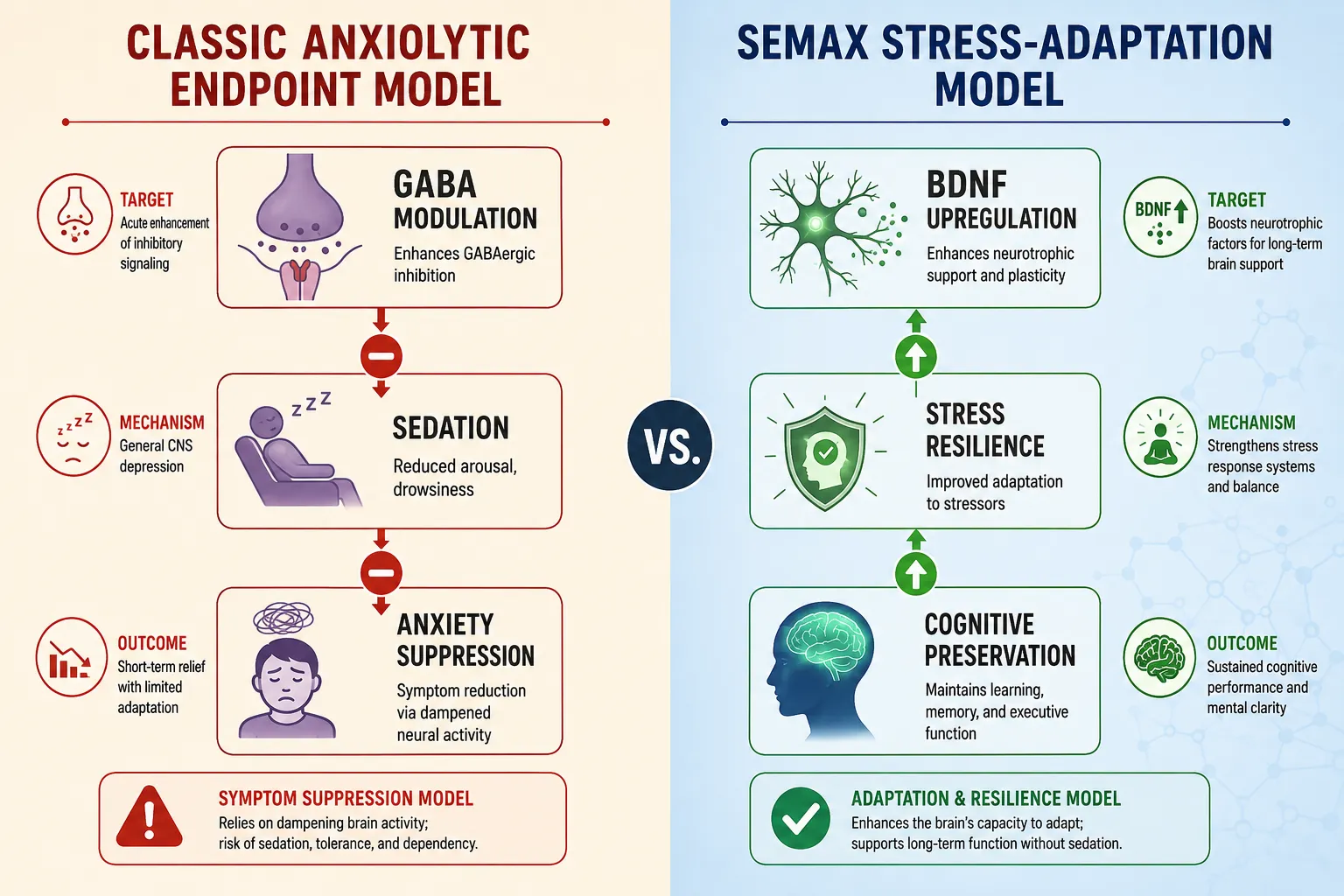
The clearest way to understand Semax vs classic anxiolytics is to start at the receptor level. Benzodiazepines bind to GABA-A receptors, enhancing chloride ion influx and producing rapid sedation alongside anxiolysis. Buspirone, a non-benzodiazepine anxiolytic, acts as a partial agonist at 5-HT1A receptors and takes one to two weeks to produce measurable effects. Both mechanisms target anxiety suppression as a primary endpoint.

Semax, a synthetic heptapeptide derived from adrenocorticotropic hormone (ACTH), works through a fundamentally different pathway. Research models indicate it upregulates brain-derived neurotrophic factor (BDNF) and modulates dopaminergic and serotonergic transmission without direct receptor binding at GABA-A or 5-HT1A sites. This places Semax in a neuroprotective and neurotrophic category rather than a classical anxiolytic one.

"The distinction is not merely pharmacological, it reflects entirely different research questions. Classic anxiolytic models ask: does the compound suppress anxiety signals? Semax research asks: does the compound strengthen the brain's adaptive response to stress?"

This mechanistic separation explains why Semax administration protocols and outcome measures in research settings look so different from standard anxiolytic drug trials.

Key mechanistic differences at a glance:

Feature Benzodiazepines Buspirone Semax
Primary target GABA-A receptor 5-HT1A receptor BDNF / neurotrophic axis
Onset Rapid (minutes) Slow (1-2 weeks) Variable; model-dependent
Sedation risk High Low Minimal in preclinical data
Cognitive effects Impairment common Neutral Potential enhancement
Dependence risk Significant Low Not established

How Semax Nasal Spray Research Differs From Buspirone and Benzodiazepine Models in Preclinical Settings

How Semax Nasal Spray Research Differs From Buspirone and Benzodiazepine Models in Preclinical Settings

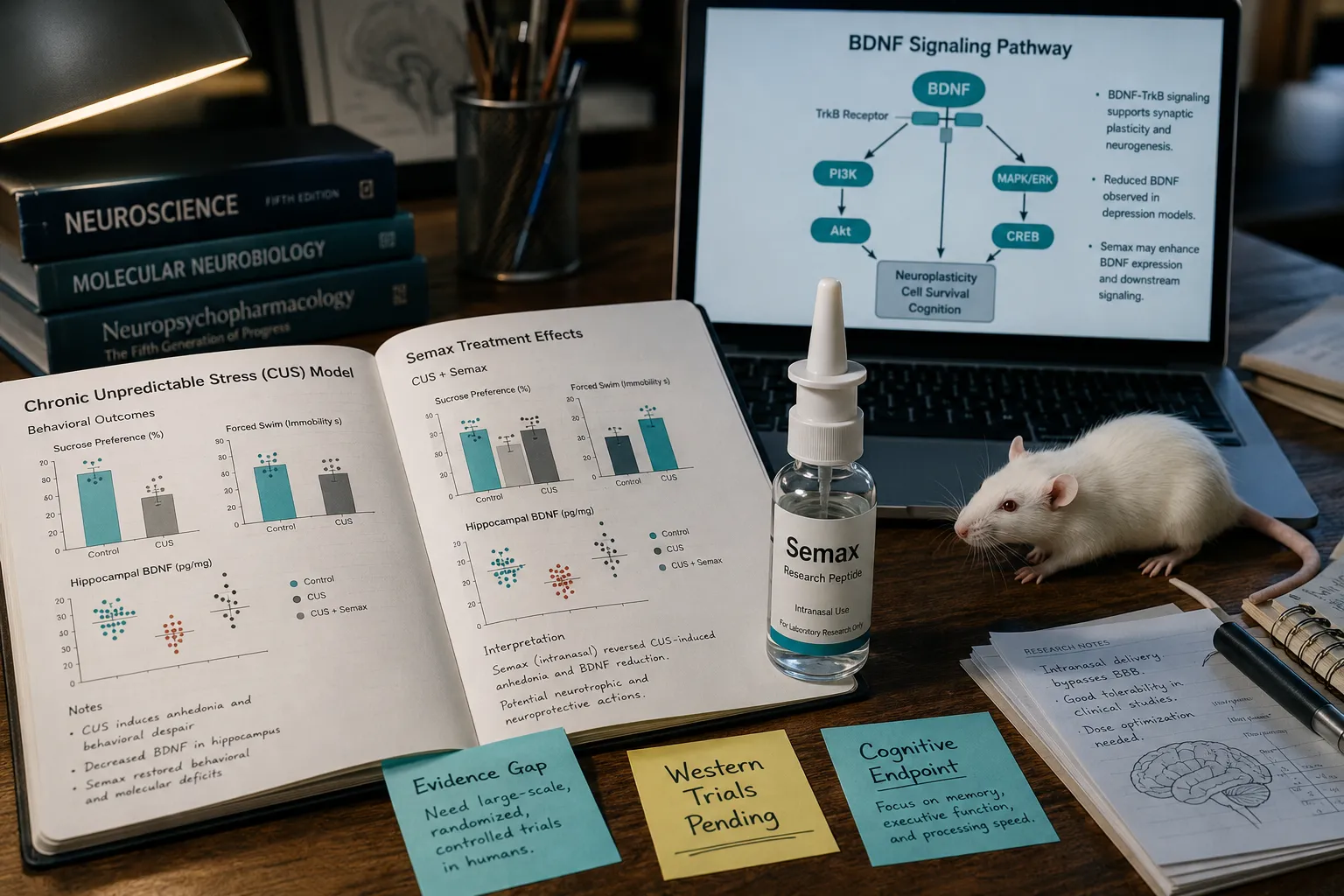
The preclinical landscape reveals how deeply the research designs diverge. A 2024 chronic unpredictable stress (CUS) rat model demonstrated that Semax promoted stress resilience, animals showed preserved cognitive function and reduced depressive-like behavior, rather than direct suppression of anxiety-related behaviors as measured by classic endpoints like the elevated plus maze or open field test.

Older rodent studies did show conditional anxiolytic-like effects, but these were context-dependent and dose-sensitive. Critically, Semax did not produce the sedation or motor impairment that consistently appears in benzodiazepine-treated rodent cohorts.

Buspirone research models, by contrast, are built around 5-HT1A partial agonism and use generalized anxiety disorder (GAD) symptom clusters as primary endpoints. These models do not measure cognitive preservation, neuroplasticity markers, or BDNF expression, endpoints that are central to understanding Semax's profile.

For researchers exploring peptide comparisons, the Selank vs Semax distinction is equally instructive. Selank, another synthetic peptide with anxiolytic-like properties, more closely mirrors classical anxiolytic endpoints in some models, while Semax leans toward neuroprotection and cognitive enhancement. Reviewing Selank research alongside Semax data helps clarify where these compounds overlap and where they diverge.

Three defining differences in research model design:

  1. Endpoint selection, Semax studies measure BDNF levels, cognitive task performance, and stress biomarkers; anxiolytic drug trials measure anxiety symptom scores and sedation thresholds.
  2. Stress model type, Semax research favors chronic stress paradigms; benzodiazepine research often uses acute anxiety provocation models.
  3. Administration route, Semax bioavailability via intranasal delivery bypasses hepatic first-pass metabolism, a pharmacokinetic consideration absent from oral drug models.

Regulatory Status, Evidence Gaps, and the 2026 Research Landscape

Regulatory Status, Evidence Gaps, and the 2026 Research Landscape

As of 2026, the regulatory and clinical picture for Semax remains uneven. The compound holds approval in Russia and select Eastern European countries for neurological and cognitive indications. No Western regulatory agency, including the FDA or EMA, has approved Semax for anxiety or any other indication, and no large-scale randomized controlled trials in Western populations have been completed for anxiety endpoints.

This creates a significant evidence gap when comparing Semax to buspirone or benzodiazepines, both of which have decades of human trial data. Integrative reviews published in 2026 consistently position Semax as a neuroprotective agent with "anxiolytic-like signals" rather than a validated anxiolytic drug, an important distinction for both researchers and clinicians.

The safety profile from available data is notable: Semax shows minimal sedation, no reported physical dependence in preclinical models, and no significant motor impairment, a sharp contrast to benzodiazepine risks. However, long-term human safety data remain limited.

Researchers interested in combined peptide approaches can explore Selank Semax stack models, where the two peptides are studied together for potentially complementary anxiolytic-like and neuroprotective effects. For those examining intranasal delivery specifically, Selank intranasal research provides useful parallel data on peptide absorption and CNS delivery via nasal routes.

Proper Semax dosing protocols in research settings vary considerably from the fixed-dose models used in classic anxiolytic drug trials, further complicating direct comparisons.

Current evidence status summary:

  • Preclinical support: Moderate, with stress-resilience and cognitive endpoints showing consistent signals
  • Human clinical data: Limited; primarily from Russian clinical settings
  • Western RCT data: Absent as of 2026
  • Regulatory approval (Western): None for anxiety indications

Conclusion

The comparison of Semax vs classic anxiolytics: how Semax nasal spray research differs from buspirone and benzodiazepine models ultimately reflects two different scientific philosophies. Classical anxiolytic research targets symptom suppression through well-characterized receptor systems. Semax research targets neuroadaptation, resilience, and cognitive preservation through neurotrophic pathways, a framework that produces different data, different endpoints, and different clinical implications.

Actionable next steps for researchers and informed readers:

  • Review the primary preclinical literature on Semax's BDNF-mediated mechanisms before drawing comparisons to GABAergic or serotonergic drug models.
  • Treat current "anxiolytic-like" findings as hypothesis-generating, not confirmatory, given the absence of Western RCT data.
  • Examine Selank peptide research alongside Semax data for a fuller picture of intranasal peptide anxiolytic-like profiles.
  • Follow Western trial registries for emerging Semax and related peptide studies expected in the 2026-2028 window.
  • Consult qualified research professionals before applying any findings from preclinical or limited clinical models to human health contexts.

The science is evolving. What is clear in 2026 is that Semax occupies a genuinely distinct research category, one that deserves rigorous, independent evaluation rather than direct mapping onto the anxiolytic drug frameworks built for benzodiazepines and buspirone.

https://www.puretestedpeptides.com/wp-content/uploads/2026/09/semax-vs-classic-anxiolytics-how-semax-nasal-spray-research-differs-from-buspiro.webp 1024 1536 https://www.puretestedpeptides.com/wp-content/uploads/2026/01/buy-peptides-online.jpg 2026-09-04 13:04:402026-09-04 13:04:40Semax vs Classic Anxiolytics: How Semax Nasal Spray Research Differs From Buspirone and Benzodiazepine Models
Best Nasal Spray Peptides for Cognitive and Appetite Research: Semax, Selank, Klow Spray, and Tesofensine Compared

Best Nasal Spray Peptides for Cognitive and Appetite Research: Semax, Selank, Klow Spray, and Tesofensine Compared

September 2, 2026/0 Comments/in Uncategorized/by

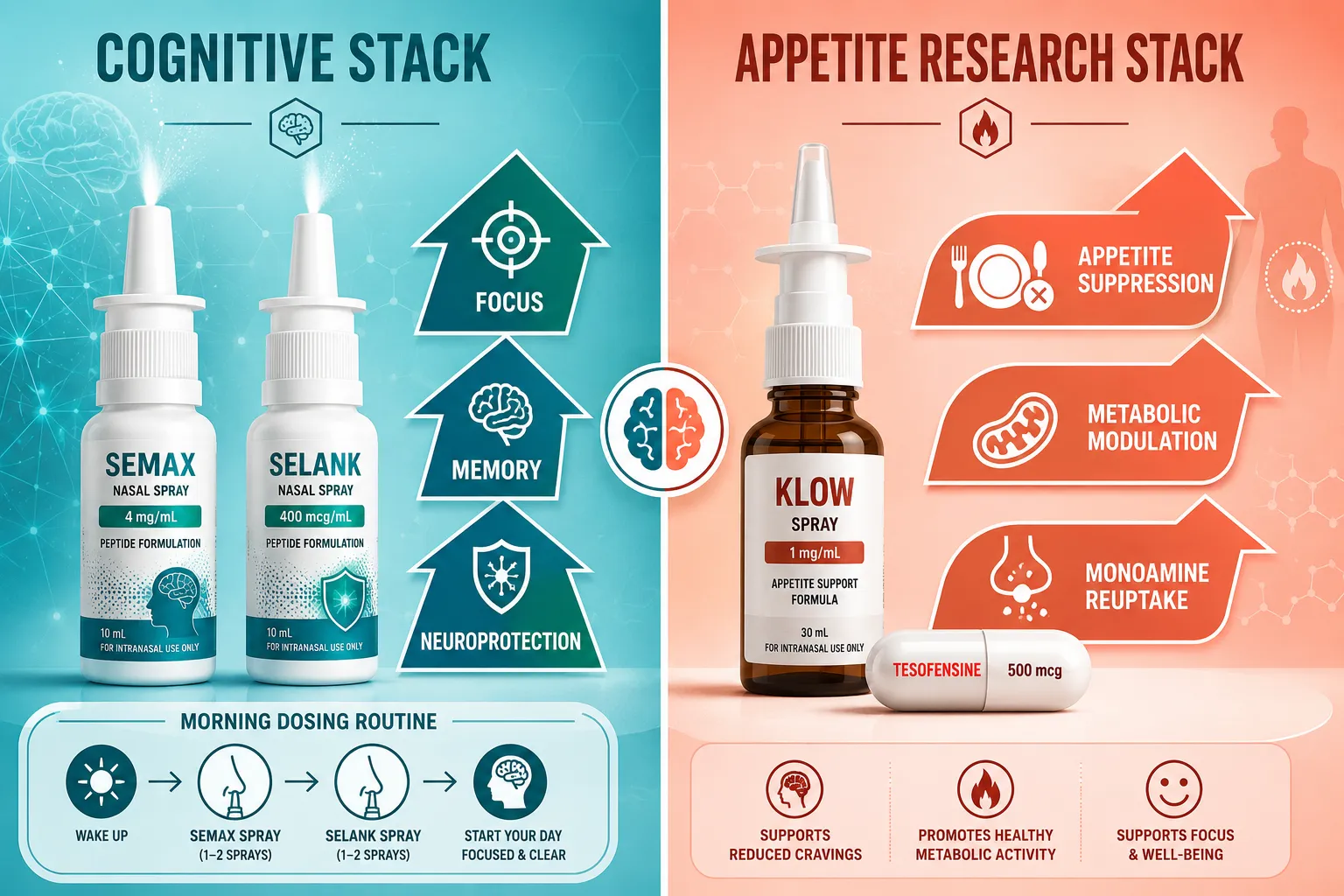
Fewer than one in ten research compounds reach clinical advisory review at the FDA level, yet as of 2026, Semax is formally scheduled before the US Pharmacy Compounding Advisory Committee, a milestone that sets it apart from most peptides still confined to unregulated research markets. For labs evaluating intranasal peptide options, this regulatory asymmetry matters as much as formulation chemistry. This guide to the best nasal spray peptides for cognitive and appetite research: Semax, Selank, Klow Spray, and Tesofensine compared covers formulation details, excipients, dosing schemes, and bioavailability considerations that directly affect ordering decisions.

Key Takeaways

  • Semax and Selank are the dominant intranasal cognitive peptides in 2026, often combined in a single spray for complementary nootropic and anxiolytic effects.
  • Klow Spray is a branded intranasal blend designed for appetite and metabolic research, while Tesofensine is a monoamine reuptake inhibitor studied primarily for appetite suppression.
  • Intranasal delivery bypasses first-pass metabolism and may allow direct olfactory-to-brain transport, making excipient choice and actuation volume critical quality variables.
  • Combined Semax/Selank sprays typically offer lower cost per milligram than separate formulations, a practical factor for multi-week research protocols.
  • Regulatory status differs significantly across these four compounds, which affects sourcing, labeling, and permissible research contexts.

Formulation and Excipient Profiles Across the Four Compounds

Formulation and Excipient Profiles Across the Four Compounds

Understanding what surrounds the active peptide is as important as the peptide itself. Excipients affect stability, mucosal absorption, and shelf life, all critical for reproducible research outcomes.

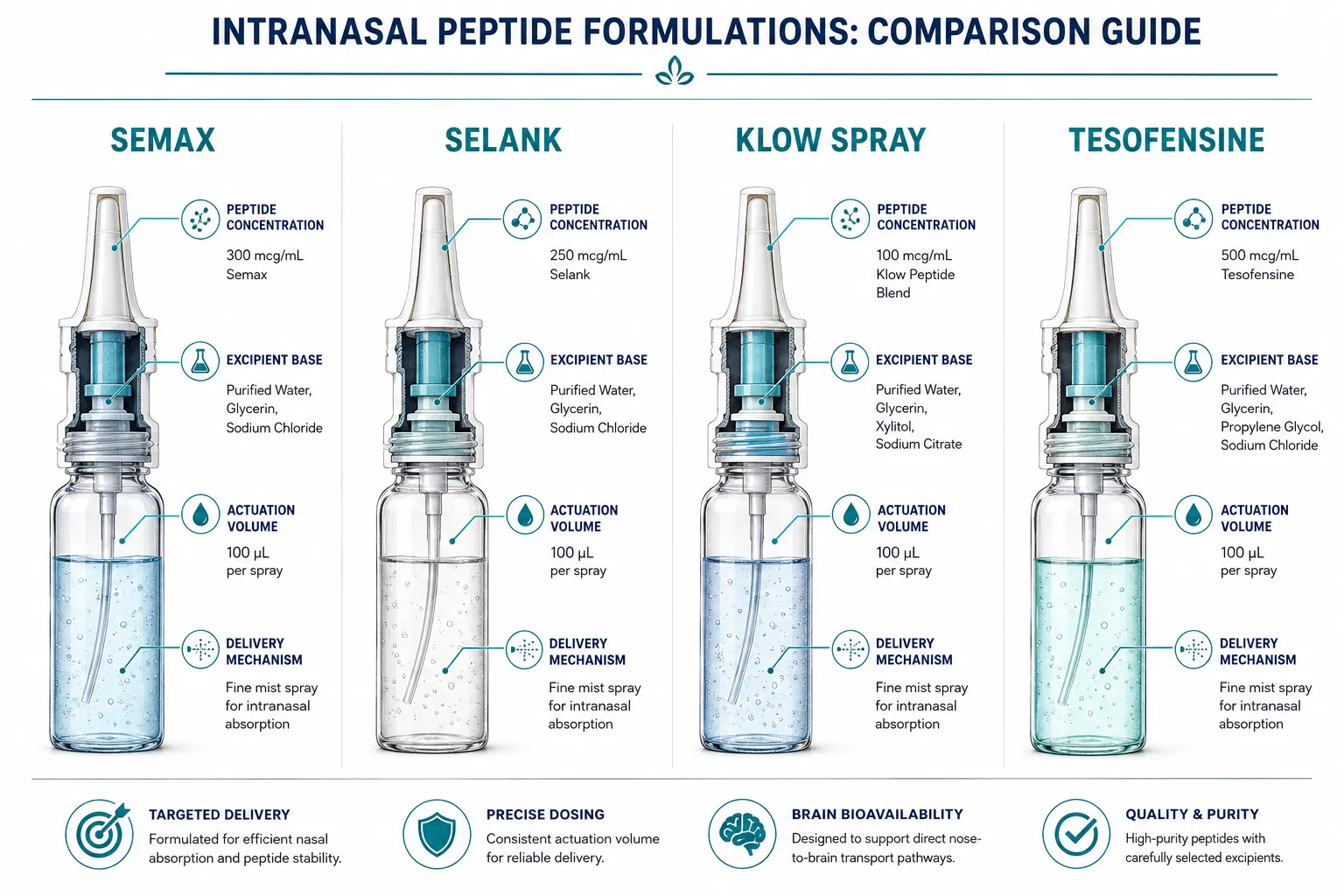
Semax is an ACTH analog heptapeptide typically supplied as an aqueous nasal spray. Standard research formulations use sterile water or saline as the carrier, sometimes with a small amount of preservative such as benzalkonium chloride. Concentrations in research-grade products commonly range from 0.1% (1 mg/mL) to 1% (10 mg/mL). The Semax ACTH analog classification is relevant here because its short peptide chain confers reasonable aqueous stability without requiring lyophilization in most commercial formats.

Selank shares a similar aqueous delivery format. As an intranasal anxiolytic peptide, it is frequently co-formulated with Semax in dual-peptide blends. Research suppliers offer combined sprays at concentrations such as 2.5 mg/mL of each peptide, delivering approximately 250 mcg per actuation. Larger blends of 20 mg Semax plus 20 mg Selank per bottle are marketed for cognition and neuroprotection research. For labs comparing these two compounds, the Selank vs Semax profile is a useful starting reference. The Selank intranasal delivery format is well-documented in research contexts, and its aqueous stability is comparable to Semax.

Klow Spray is a branded intranasal formulation targeting appetite and metabolic pathways. While exact proprietary excipient data varies by supplier, Klow-type sprays typically use a buffered saline base with absorption enhancers designed to improve mucosal uptake of larger or more hydrophilic peptide structures. Labs should request a certificate of analysis confirming pH range (ideally 4.5-6.5 for nasal tolerability) and osmolality.

Tesofensine differs structurally from the peptide trio above. It is a small-molecule monoamine reuptake inhibitor, not a peptide, that inhibits reuptake of serotonin, dopamine, and norepinephrine. Intranasal tesofensine formulations are less standardized than oral capsule formats. Excipient considerations include solubility enhancers and viscosity agents to ensure consistent actuation. Its non-peptide nature means it does not face the same stability challenges as Semax or Selank, but it requires careful pH management to prevent mucosal irritation.

Dosing Schemes and Bioavailability Considerations

Dosing Schemes and Bioavailability Considerations

Bioavailability through the nasal mucosa is generally estimated at 10-30% for peptides, depending on molecular weight, lipophilicity, and formulation. The olfactory epithelium pathway offers a potential direct route to the central nervous system, bypassing the blood-brain barrier, a key reason intranasal delivery is preferred for cognitive peptides over subcutaneous injection in many research protocols.

Semax dosing in current 2026 research guides typically falls between 200 and 600 mcg intranasally, administered one to three times daily. A Semax BDNF upregulation mechanism is frequently cited as the basis for its cognitive-enhancement profile, with BDNF supporting neuroplasticity and memory consolidation.

Selank dosing is generally slightly lower, at 200-400 mcg per session. A well-documented 2026 stack protocol pairs 300 mcg Semax in the morning with 250 mcg Selank in the morning or early afternoon, cycled five days on and two days off. This cycling approach treats both peptides as short-course nootropics rather than continuous therapies. The Selank peptide research profile consistently highlights its anxiolytic and mood-stabilizing properties without sedation, a meaningful distinction from benzodiazepine-class compounds. Labs interested in that comparison can review the Selank vs benzodiazepine literature.

Klow Spray dosing protocols vary by supplier and target pathway. Research designs typically use one to two actuations per session, with sessions spaced to avoid receptor desensitization. Bioavailability data for Klow-type formulations is limited compared to the Semax/Selank literature, which is a consideration for labs designing quantitative outcome studies.

Tesofensine intranasal research doses are generally lower than oral equivalents due to the avoidance of first-pass metabolism. Oral clinical trials used 0.25-1 mg daily; intranasal equivalents require careful titration. The triple monoamine mechanism makes tesofensine relevant to triple agonist peptides research frameworks, even though tesofensine itself is not a peptide.

Key formulation note: For all four compounds, actuation volume consistency, typically 50-100 mcL per spray, directly determines dose reproducibility. Labs should verify actuation volume and pump mechanism before committing to a supplier.

Comparing Research Applications: Cognitive vs. Appetite Targets

Comparing Research Applications: Cognitive vs. Appetite Targets

The four compounds divide naturally into two research categories, though overlap exists.

Compound Primary Research Target Delivery Format Regulatory Note (2026)
Semax Cognition, neuroprotection, BDNF Aqueous nasal spray PCAC review scheduled July 2026
Selank Anxiety reduction, calm focus Aqueous nasal spray Research use only; no US docket
Klow Spray Appetite, metabolic modulation Buffered intranasal blend Research use only
Tesofensine Appetite suppression, monoamine reuptake Small-molecule spray or oral Research use only

For labs focused on cognitive outcomes, the Semax/Selank combination remains the most evidence-supported intranasal option in 2026. The "focus and drive" profile of Semax complements the "calm and steady" anxiolytic character of Selank, and combined sprays reduce both cost and protocol complexity. Separate 30 mg sprays of each typically cost more per milligram than combined 1:1 blends, making dual-peptide formulations a practical choice for multi-week studies.

For appetite and metabolic research, Klow Spray and tesofensine address different mechanistic targets. Klow Spray operates through peptide-based pathways relevant to satiety signaling, while tesofensine's monoamine reuptake inhibition affects appetite through central dopaminergic and serotonergic circuits. Labs should not treat these as interchangeable; study design should reflect the distinct mechanisms. Broader systemic peptide research frameworks can help contextualize how these compounds interact with whole-body metabolic signaling.

Conclusion

For labs evaluating the best nasal spray peptides for cognitive and appetite research, Semax, Selank, Klow Spray, and Tesofensine compared, the ordering decision comes down to three practical priorities: research target alignment, formulation quality, and regulatory awareness.

Actionable next steps for research teams:

  • Verify excipient data before ordering any intranasal peptide. Request certificates of analysis confirming pH, osmolality, preservative type, and actuation volume.
  • Match the compound to the research question. Use Semax and Selank for cognitive and neuroprotective endpoints; use Klow Spray or tesofensine for appetite and metabolic studies.
  • Apply cycling protocols for Semax and Selank (five days on, two days off) to maintain receptor sensitivity across multi-week study designs.
  • Monitor Semax regulatory developments closely. Its July 2026 PCAC review could affect compounding availability and labeling requirements within the US market.
  • Source from suppliers with transparent labeling. Products explicitly marked "for research use only" with full compositional disclosure are the appropriate standard for laboratory procurement.

Selecting the right intranasal peptide formulation is not just a chemistry decision, it is a study design decision. Matching mechanism to endpoint, and formulation to protocol, is what separates reproducible research from inconclusive data.

https://www.puretestedpeptides.com/wp-content/uploads/2026/09/best-nasal-spray-peptides-for-cognitive-and-appetite-research-semax-selank-klow.webp 1024 1536 https://www.puretestedpeptides.com/wp-content/uploads/2026/01/buy-peptides-online.jpg 2026-09-02 13:04:472026-09-02 13:04:47Best Nasal Spray Peptides for Cognitive and Appetite Research: Semax, Selank, Klow Spray, and Tesofensine Compared
Nasal Spray Peptides: Bioavailability, Administration Routes, and Research Design Considerations

Nasal Spray Peptides: Bioavailability, Administration Routes, and Research Design Considerations

August 30, 2026/0 Comments/in Uncategorized/by

Only about 1% of parathyroid hormone (PTH 1-34) administered as a nasal spray reaches systemic circulation compared to subcutaneous injection, a stark reminder that the intranasal route is far from a simple swap for the needle. For researchers studying peptides such as Semax, Selank, or experimental blends, understanding the pharmacokinetic realities of nasal delivery is not optional. It is foundational.

This guide covers the core principles behind Nasal Spray Peptides: Bioavailability, Administration Routes, and Research Design Considerations, giving researchers the framework needed to design rigorous, reproducible studies.

Key Takeaways

  • Nasal bioavailability for most peptides remains in the low single digits, with molecular weight being the primary limiting factor.
  • Small peptides under approximately 1 kDa can achieve meaningfully higher nasal absorption in optimized formulations.
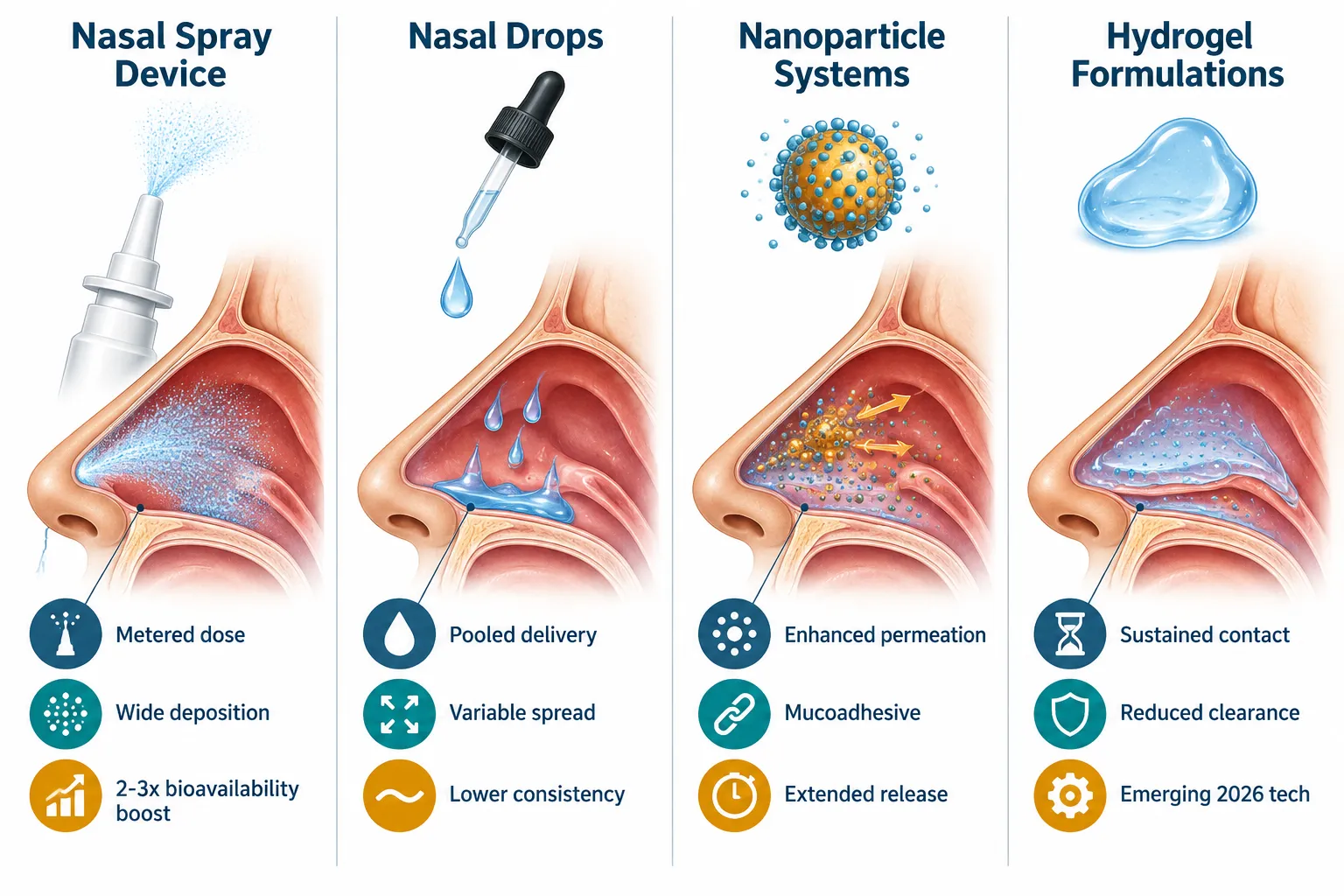
  • Device type and spray deposition can alter bioavailability by two to three times compared to nasal drops.
  • The nose-to-brain pathway offers a unique research advantage: direct CNS exposure without proportionally high systemic levels.
  • Robust study design for intranasal peptides requires specific pharmacokinetic controls, formulation documentation, and safety monitoring of the nasal mucosa.

Bioavailability Fundamentals for Intranasal Peptides

Bioavailability Fundamentals for Intranasal Peptides

The nasal mucosa presents both an opportunity and a barrier. On one hand, it offers a highly vascularized surface with relatively thin epithelium. On the other hand, active peptidase enzymes, rapid mucociliary clearance, and tight epithelial junctions work against peptide absorption.

Molecular weight is the single most predictive factor. Peptides above roughly 1,000 to 2,000 Daltons rarely exceed 10 to 20% nasal bioavailability, even when absorption enhancers are used. Smaller peptides, those under approximately 1 kDa, can be outliers. In optimized spray formulations, some small peptides achieve bioavailability figures that rival alternative non-injectable routes.

The broader consensus, however, is sobering: most nasal peptide sprays available for research lack any published human pharmacokinetic data. This gap makes it difficult to draw firm conclusions about relative bioavailability without controlled study conditions.

"For peptides above 2,000 Da, researchers should treat nasal bioavailability as a variable to be measured, not assumed."

Peptides like Selank, studied for intranasal delivery, illustrate the complexity well. Their small size and neuropeptide profile make them candidates for meaningful nasal absorption, yet precise human PK data remains limited in the published literature. Similarly, Semax research protocols frequently reference intranasal administration as the primary route, underlining the practical importance of understanding these delivery dynamics.

Key bioavailability factors at a glance:

Factor Effect on Nasal Bioavailability
Molecular weight >2,000 Da Strongly reduces absorption
Peptidase activity Degrades peptide before absorption
Mucociliary clearance Removes formulation before uptake
Mucoadhesive excipients Extends contact time, improves uptake
Absorption enhancers Can improve permeation but carry toxicity risk

Administration Routes and Formulation Choices

Administration Routes and Formulation Choices

Not all intranasal delivery is equal. The physical device and formulation together determine how much peptide reaches the absorptive epithelium, and in what condition.

Spray versus drops is the most fundamental choice. Research data consistently shows that a well-calibrated nasal spray device can deliver two to three times the bioavailability of simple nasal drops for the same peptide formulation. Sprays create finer droplets with wider mucosal coverage, while drops tend to pool in the anterior nasal cavity and drain quickly.

Advanced delivery systems are a major focus of 2026 research activity:

  • Nanoparticle systems, Encapsulate the peptide, protect it from peptidases, and improve epithelial permeation.
  • Mucoadhesive hydrogels, Extend residence time on the mucosal surface, reducing the impact of mucociliary clearance.
  • Cyclodextrin complexes, Improve solubility and membrane interaction for hydrophobic peptides.

The nose-to-brain (N2B) pathway deserves special attention. Imaging studies confirm that certain neuropeptides can reach the CNS via olfactory and trigeminal nerve pathways without generating proportionally high systemic plasma levels. This makes intranasal delivery uniquely valuable for signaling peptides targeting neurological endpoints, where systemic exposure may be undesirable.

For researchers exploring systemic peptide research alongside intranasal routes, it is worth noting that the N2B pathway and systemic absorption are not mutually exclusive, both can occur simultaneously, complicating PK interpretation if not controlled for.

Research Design Considerations for Nasal Spray Peptide Studies

Research Design Considerations for Nasal Spray Peptide Studies

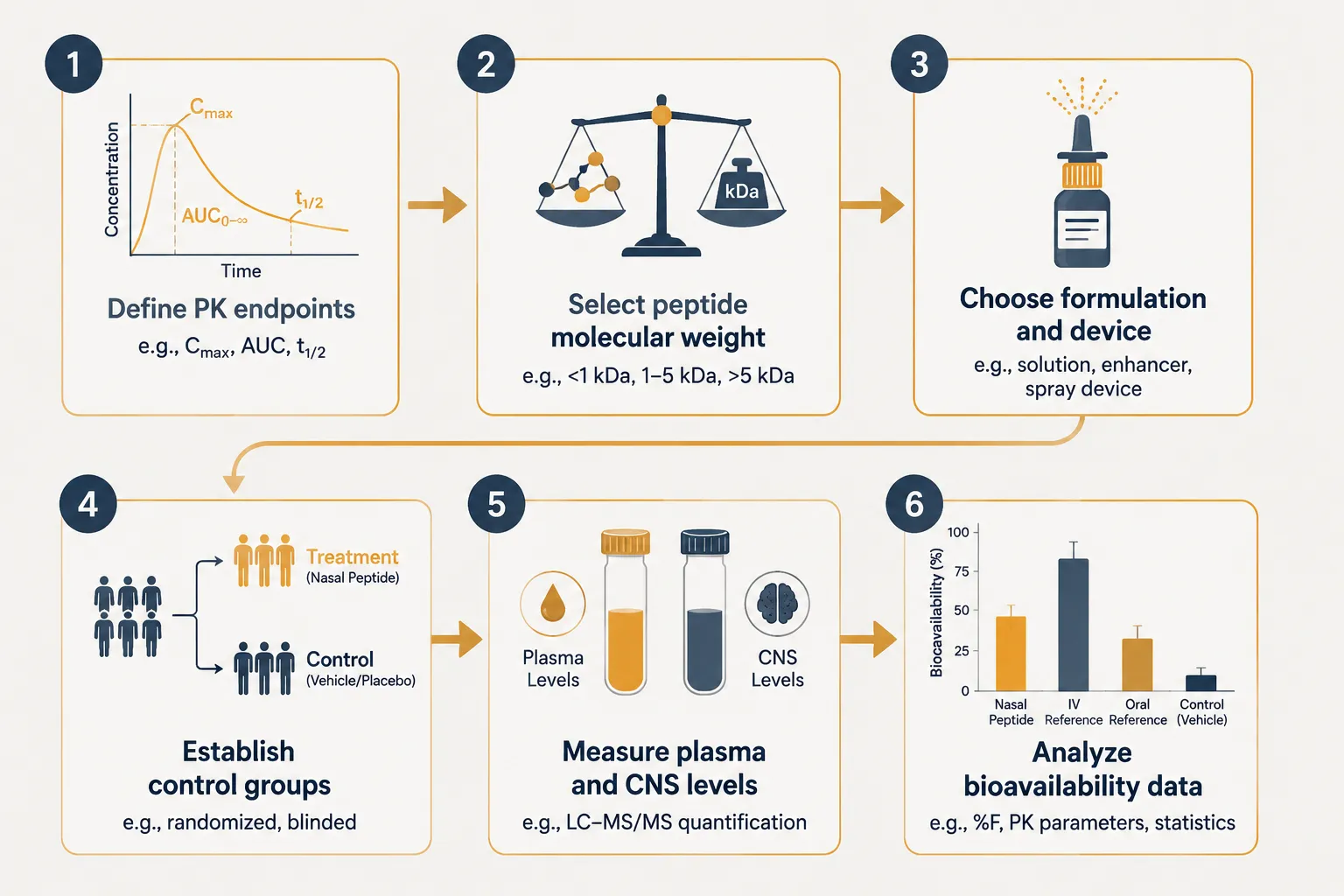
Designing a rigorous study around Nasal Spray Peptides: Bioavailability, Administration Routes, and Research Design Considerations requires attention to variables that injectable peptide studies often ignore.

Critical design elements include:

  1. Pharmacokinetic endpoint selection, Define whether the study measures systemic plasma levels, CNS exposure (via CSF sampling in animal models), or tissue-specific concentrations.
  2. Molecular weight documentation, Record the exact peptide mass and purity. Impurities can alter absorption profiles significantly. Third-party peptide testing is a non-negotiable quality step before any PK study.
  3. Device standardization, Specify the spray device, actuation force, droplet size distribution, and delivered dose per actuation. Variation here destroys reproducibility.
  4. Formulation controls, Document pH, osmolarity, excipient identity, and enhancer concentration. Enhancers such as chitosan or bile salts improve absorption but carry dose-dependent mucosal toxicity risks.
  5. Comparison arms, Include a subcutaneous or intravenous reference arm to calculate relative bioavailability. Without this, absolute absorption data is uninterpretable.
  6. Nasal mucosa safety monitoring, Assess ciliotoxicity, mucosal inflammation, and barrier integrity, particularly in repeat-dose designs.

Researchers working with study design peptides should also account for inter-subject variability in nasal anatomy, mucosal hydration, and baseline peptidase activity. These factors can create wide confidence intervals if sample sizes are not powered appropriately.

For neuropeptide-focused investigations, the Selank research literature provides useful precedent for combining behavioral endpoints with PK measurements in rodent models, a design approach transferable to other intranasal peptide candidates.

Common research design pitfalls:

  • Assuming bioavailability from one peptide applies to another of similar size
  • Failing to control for nasal congestion or mucosal inflammation in subjects
  • Using non-validated spray devices with inconsistent dose delivery
  • Omitting a systemic reference arm, making relative bioavailability calculations impossible

Conclusion

Intranasal peptide delivery sits at the intersection of pharmacology, formulation science, and study design rigor. The core message from available research is clear: bioavailability for most nasal spray peptides is low, highly variable, and heavily dependent on molecular weight, formulation, and device quality.

Actionable next steps for researchers:

  • Confirm peptide molecular weight and purity through third-party peptide testing before initiating any PK study.
  • Select a calibrated, metered-dose spray device and document all device parameters.
  • Design studies with a subcutaneous or IV reference arm to calculate true relative bioavailability.
  • Consider advanced formulation strategies, nanoparticles, mucoadhesive systems, for peptides above 1,000 Da.
  • Monitor nasal mucosal safety in all repeat-dose protocols.

Understanding Nasal Spray Peptides: Bioavailability, Administration Routes, and Research Design Considerations at this level of detail is what separates publishable, reproducible research from inconclusive data. The intranasal route holds genuine promise, but only for researchers who respect its pharmacokinetic constraints.

https://www.puretestedpeptides.com/wp-content/uploads/2026/08/nasal-spray-peptides-bioavailability-administration-routes-and-research-design-c.webp 1024 1536 https://www.puretestedpeptides.com/wp-content/uploads/2026/01/buy-peptides-online.jpg 2026-08-30 13:04:592026-08-30 13:04:59Nasal Spray Peptides: Bioavailability, Administration Routes, and Research Design Considerations
Research-Use Only Nasal Spray Peptides: What Labs Should Know Before Buying Semax, Selank, and Klow Nasal Formulations

Research-Use Only Nasal Spray Peptides: What Labs Should Know Before Buying Semax, Selank, and Klow Nasal Formulations

August 2, 2026/0 Comments/in Uncategorized/by

Fewer than 30% of peptide researchers who order intranasal formulations verify solvent pH before running their first assay, yet pH drift alone can degrade Semax by up to 40% within 72 hours of preparation. For any laboratory sourcing research-use only nasal spray peptides, that single oversight can invalidate weeks of data.

This guide addresses the practical procurement and formulation questions that matter most when working with Semax, Selank, and Klow nasal preparations in 2026, covering solvents, sterility, bioavailability, and supplier verification.

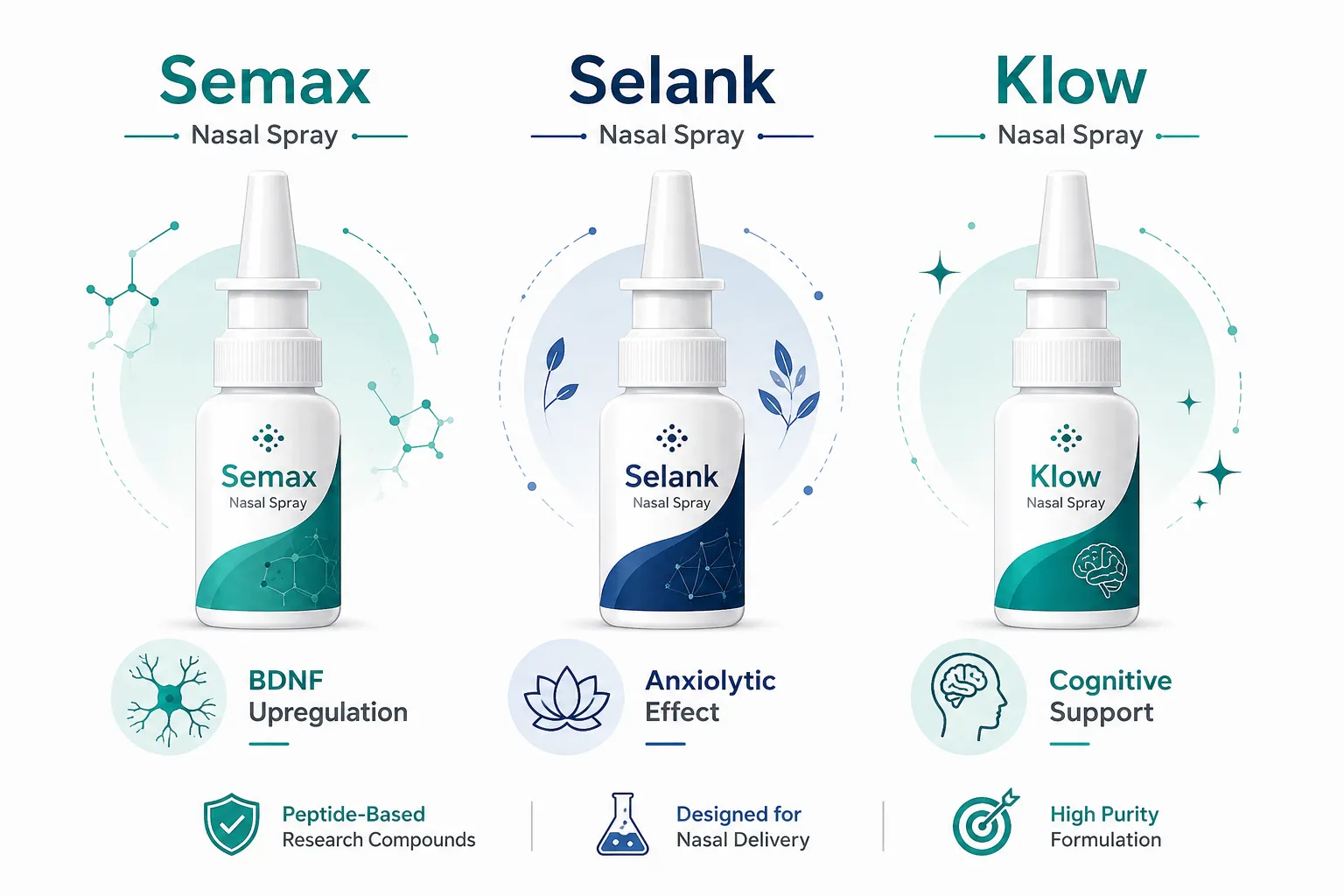
Flat-vector infographic landscape () showing three labeled nasal spray bottles — Semax, Selank, Klow — arranged left to

Key Takeaways

  • Semax, Selank, and Klow are strictly research-use only nasal spray peptides and must not be used in human clinical treatment outside approved trials.
  • Solvent selection, pH range, and preservative choice directly affect peptide stability and transmucosal bioavailability in both rodent and human experimental models.
  • Sterility testing and third-party Certificates of Analysis (CoA) are non-negotiable procurement requirements.
  • Nasal formulations bypass first-pass metabolism, making dose accuracy more critical than with injectable peptides.
  • Supplier transparency, including HPLC purity data and endotoxin testing, is the clearest indicator of formulation quality.

Understanding the Three Peptides: Semax, Selank, and Klow

Before addressing procurement, labs need a clear picture of what each compound is and why nasal delivery is the preferred route in research settings.

Semax (ACTH(4-7)PGP) is a synthetic heptapeptide derived from adrenocorticotropic hormone. Research interest centers on its role in BDNF upregulation and neuroprotective signaling. You can explore related BDNF upregulation research themes for broader context on neurotrophin pathways.

Selank is a synthetic analog of tuftsin (Thr-Lys-Pro-Arg) combined with a stabilizing peptide sequence. Studies in rodent models have examined its anxiolytic and nootropic properties, particularly its interaction with GABAergic and serotonergic systems.

Klow is a newer nasal formulation blend that has attracted attention in 2026 for its proposed role in supporting cognitive and metabolic signaling pathways. Labs interested in related peptide blend research may also find value in reviewing what the Glow peptide does as a comparable blend-formulation reference.

All three are sold exclusively as research-use only compounds. They are not approved for human therapeutic use in most jurisdictions, and procurement must reflect that classification in documentation, storage, and handling protocols.

Formulation Science Behind Research-Use Only Nasal Spray Peptides

The nasal route offers a compelling advantage for peptide research: direct access to the olfactory epithelium and trigeminal nerve pathways, which allows compounds to bypass the blood-brain barrier and first-pass hepatic metabolism. However, this advantage depends entirely on formulation quality.

Formulation Science Behind Research-Use Only Nasal Spray Peptides

Solvent Selection and pH

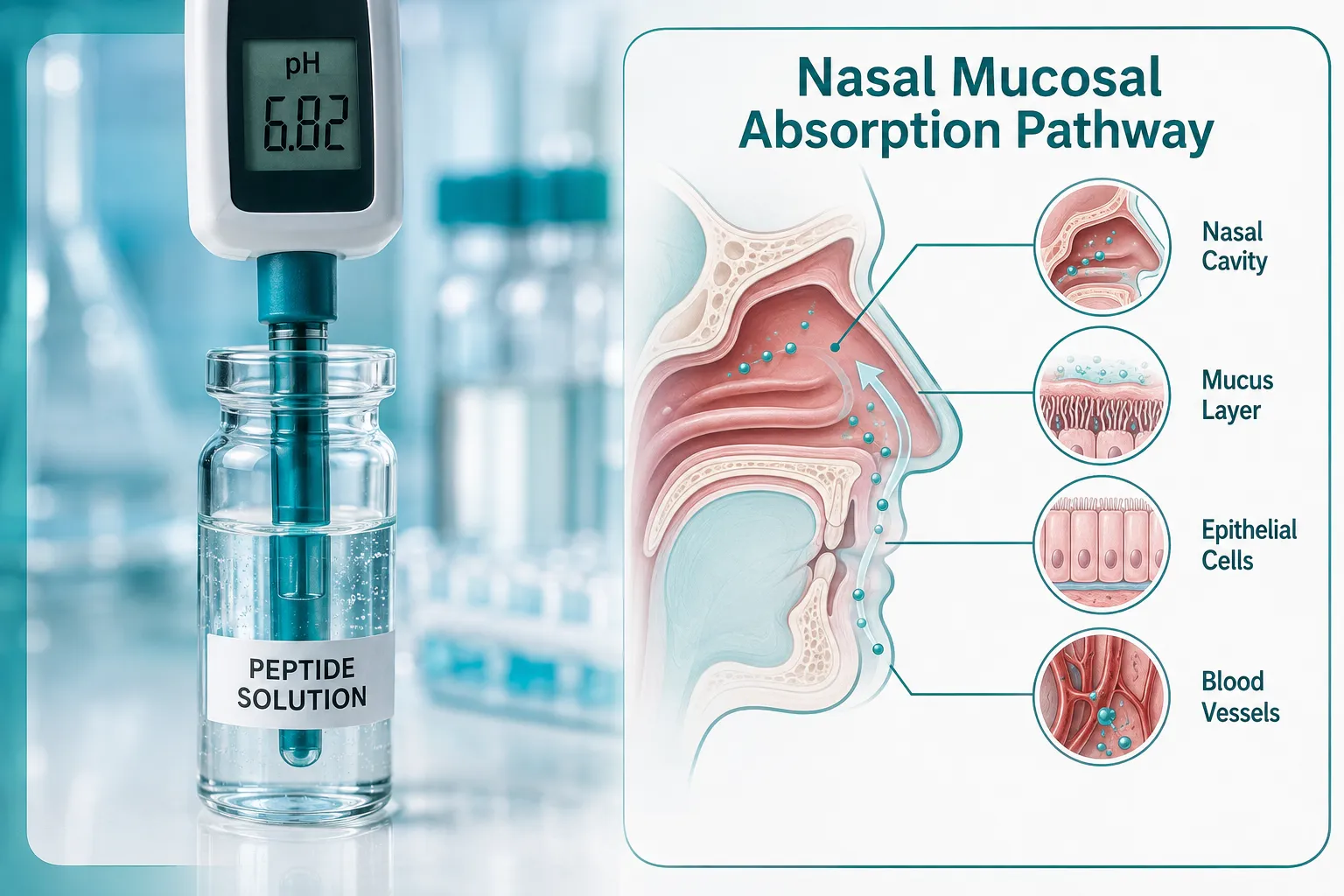
The nasal mucosa maintains a physiological pH between 5.5 and 6.5. Formulations outside this range cause mucosal irritation in rodent models and can reduce absorption by disrupting tight junction permeability. For Semax and Selank specifically:

Parameter Recommended Range Risk if Out of Range
pH 5.5-6.5 Degradation, reduced absorption
Osmolality 285-310 mOsm/kg Mucosal damage in rodent models
Preservative (benzalkonium chloride) 0.01-0.02% Ciliotoxicity above 0.02%

Saline-based vehicles (0.9% NaCl) remain the most common solvent for both Semax and Selank. Some suppliers use phosphate-buffered saline (PBS) to stabilize pH, which is acceptable provided the buffer concentration does not exceed 10 mM.

Preservatives and Sterility

Multi-dose nasal spray vials require antimicrobial preservation. Benzalkonium chloride (BAK) is standard but must be kept below 0.02% to avoid ciliotoxic effects documented in murine nasal epithelium studies. Phenylethanol is an alternative worth specifying when ordering from suppliers.

Sterility is non-negotiable. Labs should require:

  • USP <71> sterility test results or equivalent
  • Endotoxin testing (LAL assay) with results below 1 EU/mL
  • Particulate matter testing per USP <788>

When sourcing from a lab-tested peptide supplier, always request documentation for all three tests before accepting a shipment.

Peptide Stability in Nasal Vehicles

Semax is notably susceptible to enzymatic degradation by nasal mucosal aminopeptidases. Research formulations that include cyclodextrin complexation (particularly hydroxypropyl-beta-cyclodextrin at 5-10%) have shown improved stability in in vitro nasal tissue models. Selank is comparatively more stable but should still be stored at 2-8°C and protected from light.

Procurement Standards: What Labs Should Know Before Buying

Sourcing research-use only nasal spray peptides requires more rigor than ordering standard lyophilized peptides, because the formulation itself introduces additional variables, solvent purity, fill volume accuracy, and container integrity.

Procurement Standards: What Labs Should Know Before Buying

Certificate of Analysis Checklist

A credible CoA for nasal peptide formulations should include:

  • HPLC purity (minimum 98% for research-grade)
  • Mass spectrometry confirmation of molecular weight
  • Endotoxin test result (LAL method)
  • Sterility test result
  • pH at time of manufacture
  • Batch number and manufacture date

Labs reviewing suppliers should also assess whether the vendor offers wholesale peptides for research with consistent batch documentation, which is critical for longitudinal studies requiring reproducibility.

Regulatory and Documentation Requirements

In the United States, research-use only peptides must be purchased by verified research institutions. Labs should maintain purchase records, intended-use declarations, and storage logs. The "not for human use" designation must appear on all internal labels.

For labs also working with injectable peptide research, understanding how nasal bioavailability compares to subcutaneous delivery is valuable. Researchers exploring dual-route protocols may find the TB-500 peptide research overview and BPC-157 and TB-500 combination data useful for cross-route comparison context.

Red Flags When Evaluating Suppliers

Avoid suppliers who:

  • Cannot provide batch-specific CoA (only generic documents)
  • List pH or osmolality as "N/A"
  • Offer no endotoxin testing data
  • Ship nasal formulations without cold-chain packaging

Reputable sources will also direct researchers to broader peptide buying resources that outline quality benchmarks across compound categories.

Conclusion

Research-use only nasal spray peptides, including Semax, Selank, and Klow nasal formulations, offer genuine scientific value when procured and handled correctly. The formulation variables that determine research validity are not abstract: pH, osmolality, preservative concentration, and sterility testing are concrete, measurable, and verifiable before a single assay begins.

Actionable next steps for labs in 2026:

  1. Request batch-specific CoA documents before placing any order, and reject suppliers who cannot provide HPLC purity above 98% with endotoxin results.
  2. Verify solvent pH falls within 5.5-6.5 and confirm osmolality data is included in supplier documentation.
  3. Establish internal cold-chain storage protocols (2-8°C) and log opening dates for all multi-dose vials.
  4. Maintain purchase records and intended-use declarations to satisfy institutional and regulatory requirements.
  5. Cross-reference nasal bioavailability data against injectable route studies where applicable to strengthen experimental design.

Sourcing from a verified peptide store that publishes transparent testing documentation is the single most reliable way to protect both research integrity and institutional compliance.

https://www.puretestedpeptides.com/wp-content/uploads/2026/08/research-use-only-nasal-spray-peptides-what-labs-should-know-before-buying-semax.webp 1024 1536 https://www.puretestedpeptides.com/wp-content/uploads/2026/01/buy-peptides-online.jpg 2026-08-02 13:03:422026-08-02 13:03:42Research-Use Only Nasal Spray Peptides: What Labs Should Know Before Buying Semax, Selank, and Klow Nasal Formulations

Tag Archive for: semax research

Nasal Spray Peptides: Bioavailability, Administration, and Semax/Selank Research Applications

Nasal Spray Peptides: Bioavailability, Administration, and Semax/Selank Research Applications

July 23, 2026/0 Comments/by Pure Tested

Intranasal peptide delivery achieves bioavailability figures that oral routes simply cannot match, recent industry analyses place intranasal Semax bioavailability at roughly 60-70%, compared to less than 5% via oral administration and approximately 95% via injection. That gap is not a minor detail; it fundamentally shapes how researchers design neurocognitive and anxiolytic peptide studies. Understanding nasal spray peptides: bioavailability, administration, and Semax/Selank research applications is therefore essential for any investigator working in this space in 2026.

Key Takeaways

  • Intranasal delivery bypasses first-pass hepatic metabolism, dramatically improving peptide bioavailability compared to oral routes.
  • The olfactory and trigeminal nerve pathways allow certain peptides to reach the central nervous system directly, bypassing the blood-brain barrier.
  • Semax and Selank are among the most well-characterized peptides for intranasal research, with distinct neurocognitive and anxiolytic profiles.
  • Formulation variables, pH, tonicity, preservatives, and droplet size, critically affect absorption efficiency and mucosal tolerability.
  • Purity and third-party testing of research peptides are non-negotiable factors for reproducible experimental outcomes.

Why Intranasal Delivery Changes the Peptide Research Equation

Most peptides are enzymatically degraded in the gastrointestinal tract before they reach systemic circulation. Oral bioavailability for many peptide compounds sits below 5%, making that route impractical for research protocols requiring consistent plasma or CNS concentrations. Subcutaneous or intravenous injection achieves near-complete bioavailability, but the intranasal route offers a compelling middle ground that is less invasive and, for certain peptides, nearly as effective.

Why Intranasal Delivery Changes the Peptide Research Equation

The Nasal Mucosa as an Absorption Gateway

The nasal cavity presents a large surface area, approximately 150 cm² in adults, lined with highly vascularized epithelium. Peptides deposited on this surface can be absorbed through several mechanisms:

  • Transcellular transport: Peptides pass directly through epithelial cells into the bloodstream.
  • Paracellular transport: Smaller molecules move between tight junctions.
  • Olfactory nerve pathway: Peptides travel along olfactory neurons, potentially reaching the brain directly without crossing the blood-brain barrier.
  • Trigeminal nerve pathway: A secondary direct CNS route running through the nasal mucosa.

The olfactory pathway is particularly relevant for neurocognitive peptide research because it offers a direct conduit to the central nervous system. This is one reason why compounds like Semax and Selank have been studied almost exclusively via the intranasal route rather than orally.

"For peptides targeting CNS endpoints, the intranasal route is not simply a convenience, it is a mechanistically distinct delivery strategy."

Researchers interested in a broader overview of intranasal peptide formats can explore the nasal spray peptides resource for additional context on formulation and delivery considerations.

Semax and Selank: Core Research Profiles

Understanding nasal spray peptides: bioavailability, administration, and Semax/Selank research applications requires a close look at the specific pharmacological profiles of these two compounds, which represent the most extensively studied intranasal neuropeptides in the current research literature.

Semax: Structure, Mechanism, and Neurocognitive Research

Semax is a synthetic heptapeptide derived from the ACTH(4-7) sequence, extended with a Pro-Gly-Pro fragment that confers metabolic stability. Its primary research interest centers on:

  • Upregulation of brain-derived neurotrophic factor (BDNF)
  • Modulation of the dopaminergic and serotonergic systems
  • Neuroprotective effects under ischemic conditions
  • Enhancement of memory consolidation and attention in preclinical models

Intranasal bioavailability of approximately 60-70% makes Semax a practical candidate for studies requiring reliable CNS exposure without surgical intervention. The Pro-Gly-Pro extension specifically resists enzymatic cleavage at the nasal mucosa, which helps explain why intranasal delivery is so effective for this compound compared to structurally simpler peptides.

Selank: Anxiolytic and Immunomodulatory Research

Selank is a synthetic analog of the endogenous tetrapeptide tuftsin, extended to a heptapeptide to improve stability. Research has focused on:

  • Anxiolytic activity without sedation or dependence markers
  • Modulation of GABA-A receptor sensitivity
  • Regulation of enkephalin metabolism
  • Potential immunomodulatory effects via tuftsin-related pathways

For researchers designing stress and cognition studies, the Selank stress and cognition research overview provides useful background on experimental models and observed outcomes.

Feature Semax Selank
Base sequence ACTH(4-7) + Pro-Gly-Pro Tuftsin analog
Primary research focus Neurocognition, neuroprotection Anxiolytic, immunomodulation
Intranasal bioavailability ~60-70% Comparable range
CNS pathway Olfactory/trigeminal Olfactory/trigeminal
Metabolic stability High (Pro-Gly-Pro extension) High (extended analog)

Administration Variables That Determine Research Outcomes

Administration Variables That Determine Research Outcomes

Even with well-characterized peptides, nasal spray peptides: bioavailability, administration, and Semax/Selank research applications depend heavily on how the formulation is prepared and delivered. Researchers who overlook these variables introduce significant confounds into their data.

Administration Variables That Determine Research Outcomes

Critical Formulation Parameters

pH and tonicity: The nasal mucosa tolerates a pH range of approximately 4.5-6.5. Solutions outside this range trigger mucociliary clearance, reducing contact time and absorption. Isotonic formulations (around 285-310 mOsm/kg) minimize mucosal irritation.

Preservatives: Benzalkonium chloride, a common preservative, has been shown to impair mucociliary function at higher concentrations. Research formulations should minimize preservative load or use alternatives such as sodium EDTA at low concentrations.

Droplet size: Particles in the 10-50 micron range deposit preferentially in the nasal cavity rather than the lungs. Larger droplets deposit anteriorly with faster clearance; smaller droplets risk pulmonary deposition.

Viscosity enhancers: Agents such as hydroxypropyl methylcellulose can extend mucosal contact time, improving absorption for peptides with slower transcellular transport rates.

Dosing Protocol Considerations

  • Administer with the head tilted slightly forward to maximize posterior nasal deposition
  • Alternate nostrils between doses to reduce local mucosal fatigue
  • Allow 5-10 minutes between sequential doses if split dosing is required
  • Store peptide solutions at 2-8°C; avoid freeze-thaw cycling

Researchers working with other peptide delivery formats, such as BPC-157 nasal spray and capsule evidence, will find that many of these formulation principles apply across peptide classes.

Purity as a Non-Negotiable Variable

Reproducibility in peptide research begins with compound purity. Impurities, whether residual solvents, truncated sequences, or oxidation products, can produce off-target effects that confound results. Reviewing peptide purity testing fundamentals is a practical first step for any researcher establishing a new protocol.

For studies that extend beyond neurocognitive endpoints into metabolic or regenerative domains, exploring metabolic modulation research lines can help contextualize multi-pathway experimental designs.

Conclusion

Intranasal delivery is not simply a convenient alternative to injection, for neuropeptides like Semax and Selank, it is a strategically optimal route that leverages direct CNS access through olfactory and trigeminal pathways while achieving bioavailability that oral administration cannot approach. Researchers designing studies in 2026 should treat formulation variables, pH, tonicity, droplet size, and preservative selection, as primary experimental controls rather than secondary considerations.

Actionable next steps for researchers:

  1. Verify peptide purity via third-party HPLC and mass spectrometry before beginning any protocol.
  2. Standardize formulation pH to the 4.5-6.5 range and confirm isotonicity before use.
  3. Document droplet size specifications for the delivery device to ensure reproducible nasal deposition.
  4. Review existing Semax and Selank literature to align dosing intervals with established pharmacokinetic windows.
  5. Consider how intranasal findings might complement or contrast with data from other administration routes when interpreting results.

Rigorous attention to these variables transforms intranasal peptide research from a loosely controlled experiment into a reproducible, publication-worthy investigation.

https://www.puretestedpeptides.com/wp-content/uploads/2026/07/nasal-spray-peptides-bioavailability-administration-and-semax-selank-research-ap.webp 1024 1536 Pure Tested https://www.puretestedpeptides.com/wp-content/uploads/2026/01/buy-peptides-online.jpg Pure Tested2026-07-23 13:07:112026-07-27 13:32:09Nasal Spray Peptides: Bioavailability, Administration, and Semax/Selank Research Applications
×

Helpful Links

  • My account
  • Cart
  • Checkout
  • Refund and Returns Policy
  • Privacy Policy
  • SMS Privacy Policy
  • Login
  • My Account
  • Logout

USA Made Lab Tested Peptides

All products are sold for research, laboratory, or analytical purposes only, and are not for human consumption


Pure Tested Peptides is a chemical supplier. Pure Tested Peptides is not a compounding / chemical compounding facility as defined under 503A of the Federal Food, Drug, and Cosmetic act. Pure Tested Peptides is not an outsourcing facility as defined under 503B of the Federal Food, Drug, and Cosmetic act.

The statements made within this website have not been evaluated by the US Food and Drug Administration. The products we offer are not intended to diagnose, treat, cure or prevent any disease.

Human/Animal Consumption Prohibited. Laboratory/In-Vitro Experimental Use Only

Scroll to top Scroll to top Scroll to top