Call or Text 727-513-9780
  • Shopping Cart Shopping Cart
    0Shopping Cart
Pure Tested Peptides | America's most trusted Peptides for sale online
  • Peptides for sale
    • Oral Peptides for sale
      • Peptide Capsules for sale
      • BPC 157 Capsules 1000mcg
      • SLU-PP-332 Capsules | 1000 mcg
      • 5-Amino-1MQ 50mg Capsules
      • Tesofensine 500mcg
    • All Peptides for sale
    • Peptide Sprays
      • BPC 157 Nasal Spray Kit
      • BPC-157 TB500 Nasal Spray Kit
      • Semax Nasal Spray 10mg
      • Selank – Nasal Spray Kit – 10mg
      • Epithalon 50MG Nasal Spray Kit
      • Ipamorelin 10mg Nasal Spray
      • Klow Nasal Spray (BPC-157 + TB-500 + GHK-Cu + KPV) | 80mg
      • Hulk Nasal Spray Tesa / Ipa Blend 6/3 MG
      • Klow Nasal Spray
      • NAD + 500 mg Nasal Spray
      • PT-141 Nasal Spray Kit
    • GHRH Peptides
      • Ipa Peptides
      • CJC-1295 Peptides
        • CJC-1295 with DAC 5 mg
        • CJC-1295 without DAC 5 mg
        • CJC-1295 Ipa 10mg
      • Tesa Peptides
        • Tesa Peptide
        • Tesa 20 mg
    • GHK-Cu Peptides
      • All GHK-Cu Peptides
      • GHK-Cu 100mg
      • KLOW Peptide Blend – Buy KLOW blend online
    • BPC Peptides
      • All BPC Peptides
      • BPC-157
      • BPC-157 TB-500
      • BPC 157 capsules 1000mcg
    • SLU-PP-332 Peptides
      • All SLU-PP-332 Peptides
      • SLU-PP-332 5mg
    • GLP3 Peptides
      • GLP3-R
      • GLP3-R CAG 10mg
      • GLP3-R 20mg
    • PT-141 Peptides
      • PT-141 Peptides for sale
      • PT-141 10mg
      • PT-141 Nasal Spray
    • CAG Peptides
      • Lipo-C Peptide Blend
      • CAG 5mg
      • CAG 10mg
    • MOTS-C Peptides
      • MOTS-C Peptides for sale
      • MOTS-c peptide
      • MOTS-c 10mg *6 pack*
    • 5 Amino 1MQ Peptides
      • 5 Amino 1MQ Peptides for sale
      • 5-Amino-1MQ 50mg Capsules
      • 5-Amino-1MQ 5mg
    • Epithalon Peptides
      • Epithalon Peptides for sale
      • Epithalon 10mg
      • Epithalon 50mg
  • Shop
    • GLPs
      • 5-Amino-1MQ 50mg Capsules
      • 5-Amino-1MQ 5mg
      • GLP3-Reta
      • L-Carnitine 500mg/ml
      • Tesofensine 500mcg
      • SLU-PP-332 5mg
      • MOTS-c 10mg *6 pack*
    • Epithalon & BPC Peptides
      • Epithalon 10mg
      • Epithalon 50mg
      • BPC-157
      • BPC 157 capsules 1000mcg
      • BPC-157 TB-500
      • BPC-157 TB500 Nasal Spray Kit
      • BPC 157 Nasal Spray Kit
    • BPC TB-500 & NAD+ Peptides
      • NAD+ 500 mg
      • KLOW Peptide Blend – Buy KLOW blend online
      • GLOW Peptide Blend
      • TB 500 5mg
      • BPC 157 capsules 1000mcg – Supplement
      • BPC 157 Nasal Spray Kit
      • BPC-157
      • BPC-157 TB500 Nasal Spray Kit
      • BPC-157 TB-500
      • BPC 157 capsules 1000mcg
    • LL-37 Peptide
      • LL-37 10 mg
    • MOTS-C & Selank
      • MOTS-c peptide
      • Selank 10mg
    • GHK Peptides
      • GHK-Cu 100mg
      • GLOW Peptide Blend
      • KLOW Peptide Blend – Buy KLOW blend online
  • COAs
  • Wholesale
    • Wholesale Peptides for sale
  • PTP FAQ
  • Affiliates
    • Affiliate Program
    • Affiliate Signup
  • Contact
    • Contact Customer Service
    • Text Customer Support
  • About US
  • Shop all peptides
  • Login / Register Login / Register Page Link Login / Register Page Link
  • Click to open the search input field Click to open the search input field Search
  • Menu Menu

Tag Archive for: neuropeptides

Decoding Polypeptide Peptides: Advanced Structural Analysis and Research Applications

Decoding Polypeptide Peptides: Advanced Structural Analysis and Research Applications

July 11, 2026/0 Comments/in Uncategorized/by

More than half of all approved therapeutic drugs today either are peptides or directly target peptide-mediated pathways, a figure that underscores just how central polypeptide science has become to modern biomedicine. The field of decoding polypeptide peptides: advanced structural analysis and research applications has expanded rapidly in 2026, driven by breakthroughs in sequencing technology, machine learning, and proteomics. Understanding how a peptide's unique three-dimensional configuration shapes its biological activity is no longer an academic exercise; it is the foundation of drug discovery, disease diagnostics, and longevity research.

Key Takeaways

  • Polypeptide structure at every level, primary through quaternary, directly determines biological function and research utility.
  • Transformer-based AI models and nanopore sequencing have transformed how researchers decode peptide sequences with speed and precision.
  • Post-translational modifications add a critical layer of complexity that structural analysis must account for.
  • Advances in data-independent acquisition and proteogenomics are deepening proteome coverage in research workflows.
  • Peptide research in 2026 spans therapeutic development, neuropeptide characterization, mitochondrial biology, and skin science.

The Architecture of Polypeptides: Structure Shapes Function

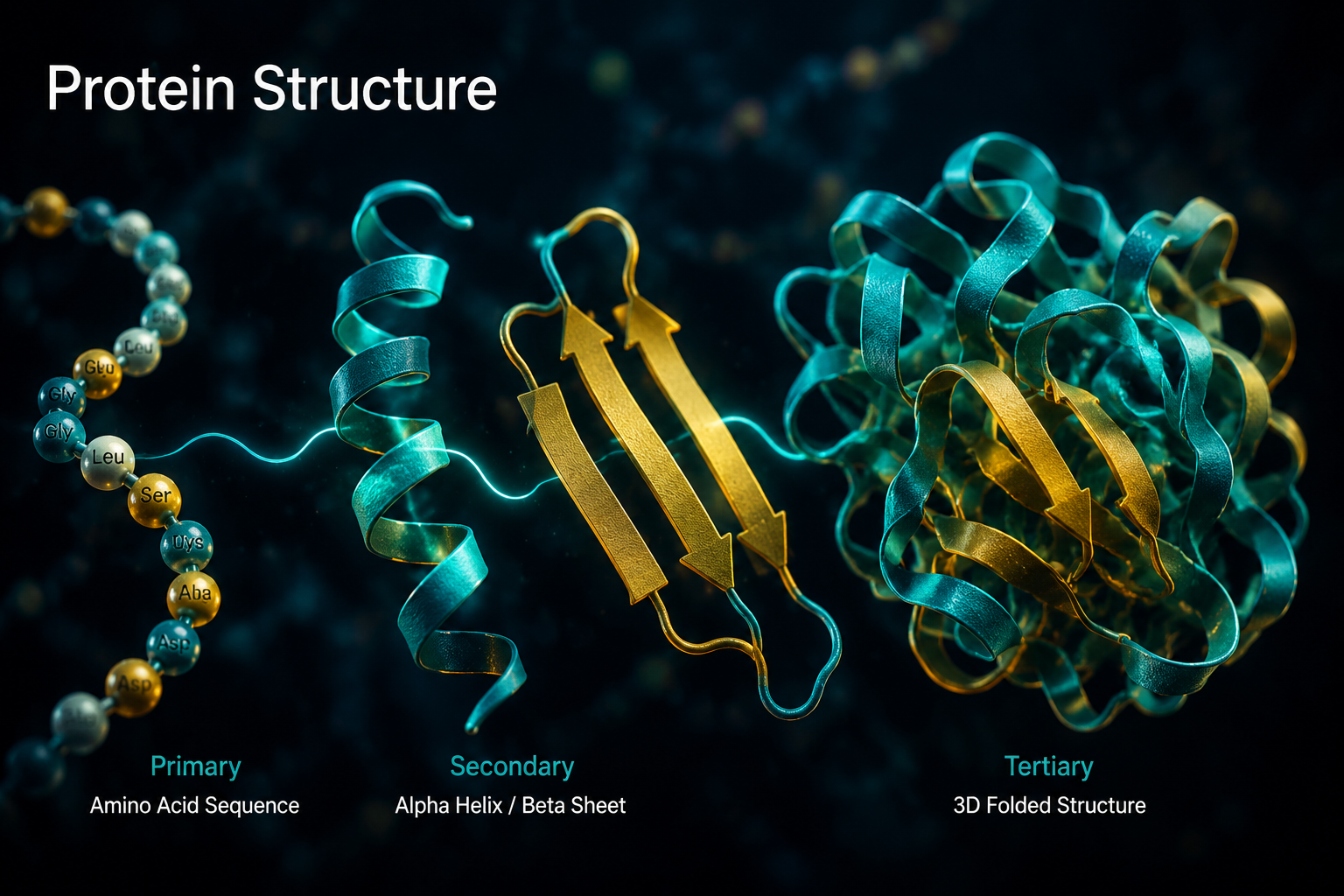
Polypeptides are chains of amino acids linked by peptide bonds. Their structural organization is described across four levels:

Structural Level Description
Primary Linear sequence of amino acids
Secondary Local folding patterns (alpha-helices, beta-sheets)
Tertiary Full three-dimensional shape of a single chain
Quaternary Assembly of multiple polypeptide subunits

Each level profoundly influences how a peptide interacts with receptors, enzymes, and cellular membranes. A single amino acid substitution at the primary level can cascade into altered folding, changed receptor affinity, and entirely different biological outcomes.

Intrinsically disordered proteins (IDPs) complicate this picture further. Unlike globular proteins, IDPs lack a fixed tertiary structure yet remain biologically active. Mass spectrometry-based approaches, including hydrogen-deuterium exchange MS and crosslinking MS, have become essential tools for mapping the conformations and dynamics of these flexible molecules. IDPs are implicated in conditions ranging from neurodegeneration to cancer, making their structural characterization a high-priority research goal.

Post-translational modifications (PTMs) such as phosphorylation, glycosylation, and isomerization add another layer of complexity. A recent analytical workflow combining collision-induced dissociation-trapped ion mobility spectrometry with protein isoaspartyl methyltransferase activity enabled untargeted discovery and precise localization of isomerized residues in neuropeptides, a capability that was simply unavailable a few years ago.

For researchers exploring peptides with mitochondrial relevance, understanding structural precision is especially important. Resources covering SS-31 mechanism and research illustrate how a tetrapeptide's specific charge distribution governs its cardiolipin-binding activity inside mitochondrial membranes.


Advanced Sequencing and Identification Technologies

Advanced Sequencing and Identification Technologies

Decoding polypeptide peptides: advanced structural analysis and research applications now relies on a powerful toolkit of next-generation sequencing and identification methods.

Transformer-Based De Novo Sequencing

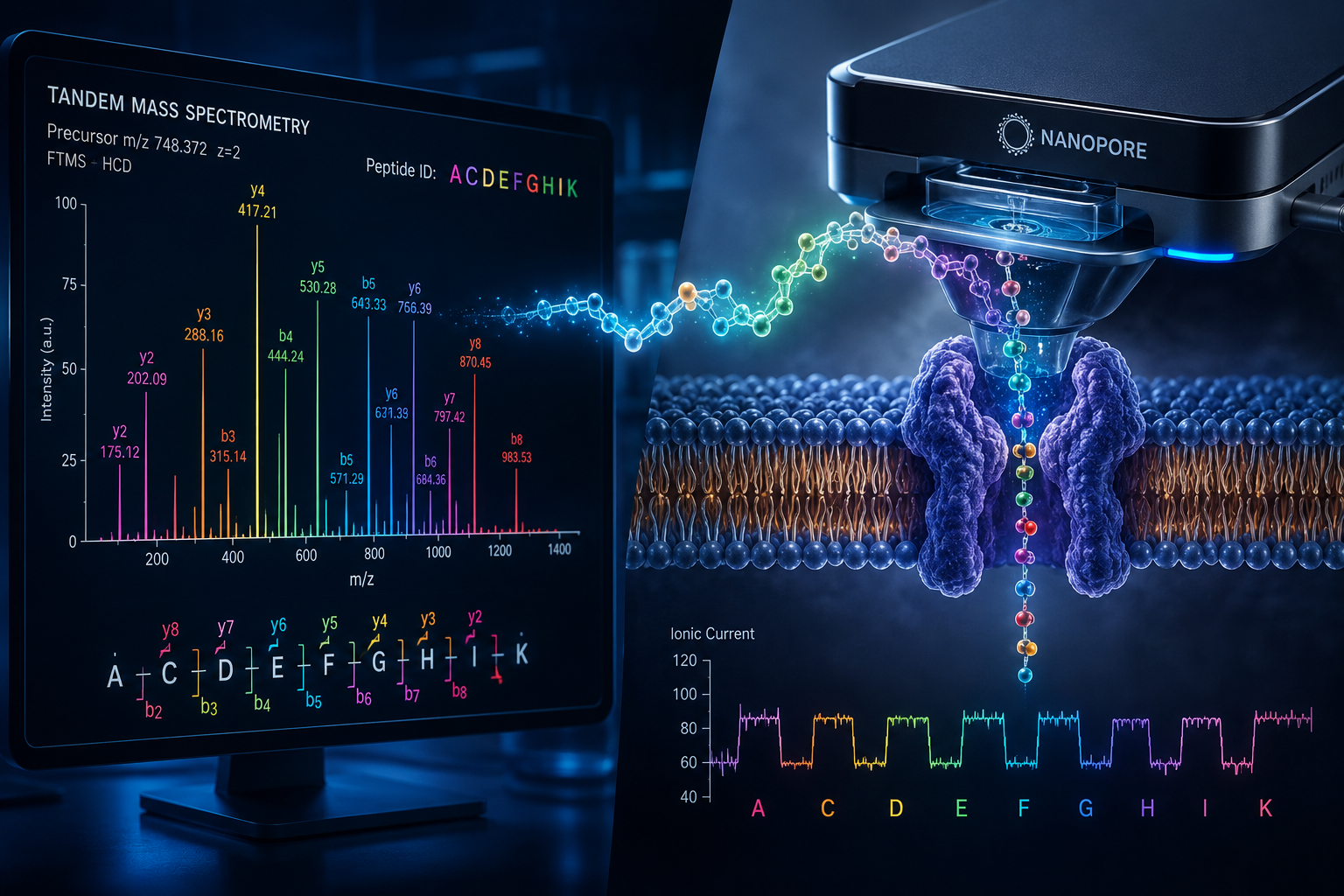
One of the most significant recent advances is the application of deep learning to peptide sequencing. Casanovo, a transformer neural network trained on 30 million labeled tandem mass spectra, translates spectral data directly into peptide sequences without requiring a reference database. This de novo approach outperforms earlier methods in cross-species benchmarks and has proven especially valuable in immunopeptidomics and metaproteomics, where reference databases are incomplete or absent.

Complementing this, rescoring peptide spectrum matches through integrated peptide property predictors, comparing observed versus predicted fragment ion intensities and retention times, has meaningfully improved identification rates and reduced false positives in complex proteomics datasets.

Nanopore Single-Molecule Sequencing

Biological nanopores capable of distinguishing all 20 standard amino acids now enable single-molecule protein sequencing. This technology can detect single-amino acid substitutions and PTMs at sub-attomole concentrations, opening doors to clinical proteomic studies that were previously impractical. High-throughput protein sequencing methods built on this platform are facilitating analysis of biological processes and disease mechanisms at unprecedented resolution.

DIA-LiPA for Conformational Mapping

A pipeline introduced in early 2026, DIA-LiPA, integrates Data-Independent Acquisition with limited proteolysis workflows. The result is improved reproducibility and deeper proteome coverage, enabling detection of conformational changes at the peptide level. This is particularly relevant for researchers studying how peptide structure shifts under different physiological conditions.

Those following what is new in peptide research will recognize these sequencing advances as part of a broader acceleration in the field throughout 2025 and 2026.


Research Applications Across Biology and Medicine

Research Applications Across Biology and Medicine

Research Applications Across Biology and Medicine

Decoding polypeptide peptides: advanced structural analysis and research applications extends across a remarkable range of scientific domains in 2026.

Therapeutic Peptide Development

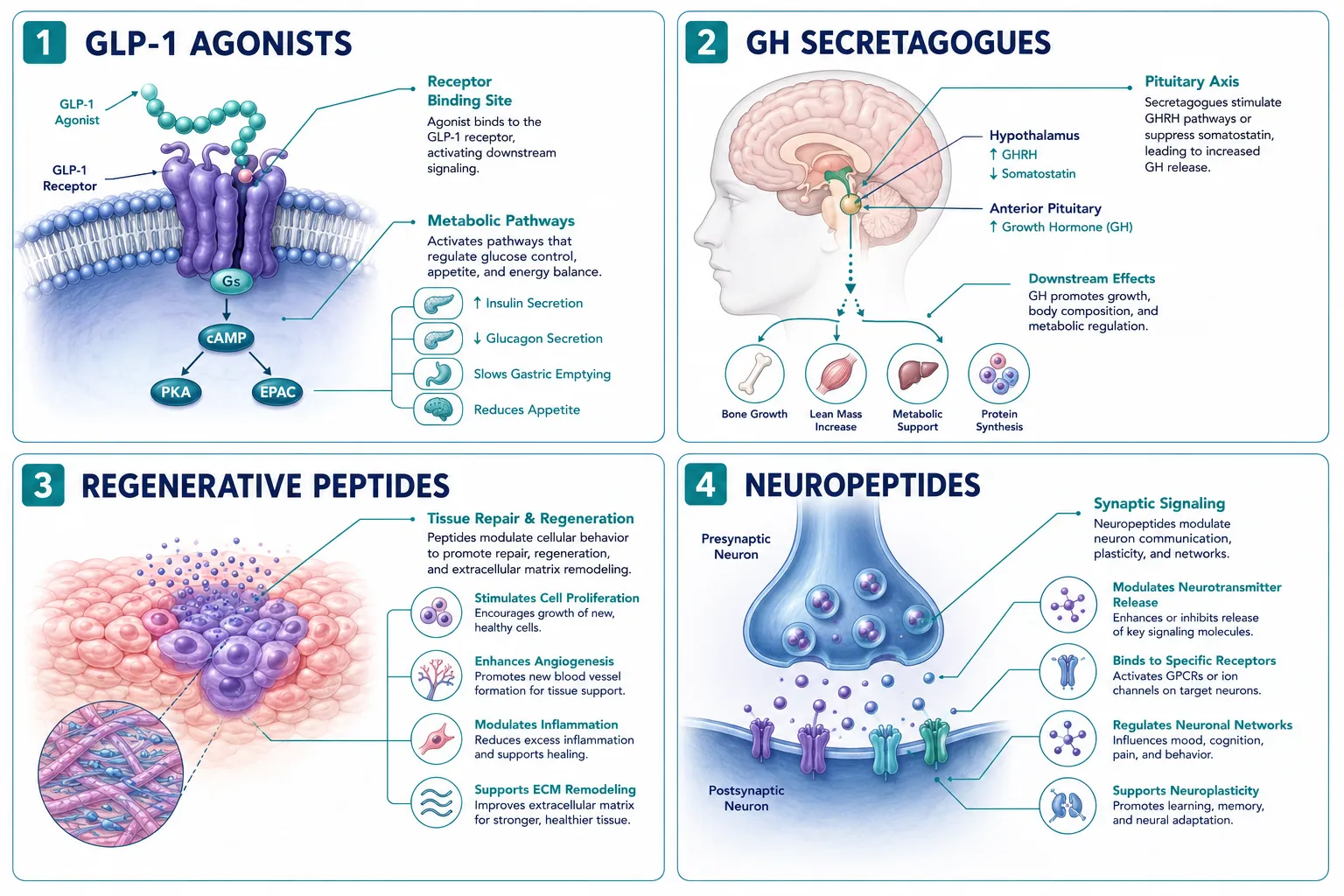
Structural analysis directly informs the design of therapeutic peptides. Growth hormone-releasing peptides like those explored in tesa research depend on precise receptor binding geometries. Similarly, GLP-1 incretin research themes highlight how subtle structural differences between peptide generations produce meaningfully different receptor activation profiles and downstream metabolic effects.

Skin Biology and Structural Peptides

In dermatological research, peptide structure governs interactions with collagen, elastin, and growth factor receptors. The science of peptides in skincare demonstrates how signal peptides, carrier peptides, and neurotransmitter-inhibiting peptides each rely on distinct structural configurations to achieve their effects on the extracellular matrix.

Neuropeptide and Longevity Research

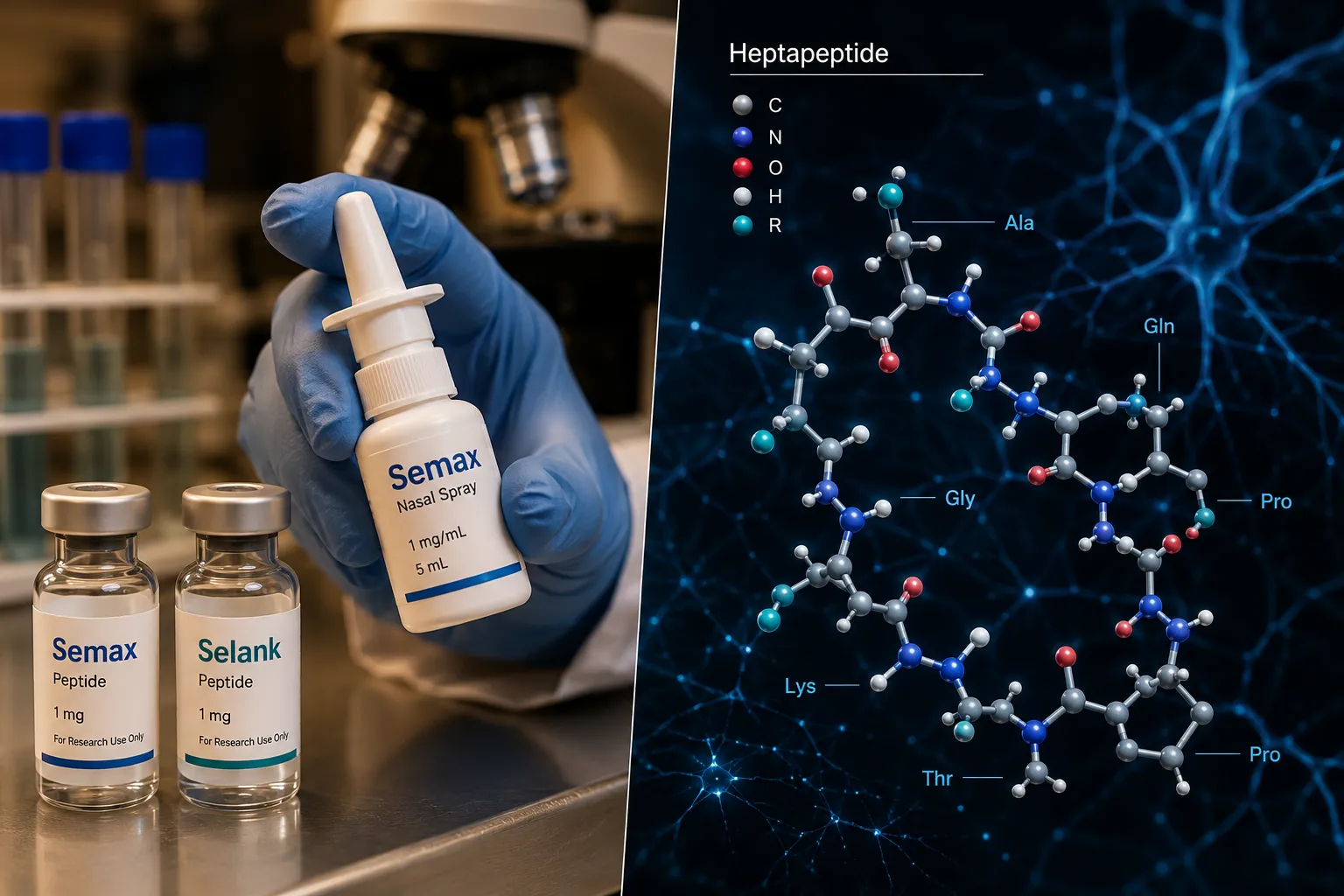
Neuropeptide characterization has benefited enormously from improved isomerization detection workflows. Structural variants of the same peptide sequence can produce entirely different neuromodulatory effects. Research into Selank peptide benefits reflects this principle, a heptapeptide whose anxiolytic and nootropic properties are tied directly to its specific amino acid arrangement and stability.

Longevity-focused research, including work on epithalon and thymic peptides, also depends on structural precision to understand telomerase activation and immune modulation mechanisms.

Proteogenomics Integration

Proteogenomics, the integration of proteomics with genomic and transcriptomic data, uses customized protein sequence databases to identify novel peptides from mass spectrometry data. This approach refines gene models and provides protein-level evidence of gene expression, bridging the gap between genome sequence and functional biology.

Key insight: The most impactful peptide research in 2026 combines structural resolution at the molecular level with systems-level biological context, neither alone is sufficient.


Conclusion

The science of decoding polypeptide peptides: advanced structural analysis and research applications is advancing faster than at any previous point in history. Researchers and institutions working in this space should prioritize three actionable steps:

  1. Adopt AI-assisted sequencing tools such as transformer-based models to accelerate de novo peptide identification, especially in non-model organisms or complex biological matrices.
  2. Integrate DIA-based conformational workflows to capture dynamic structural changes that static sequencing cannot reveal.
  3. Map PTMs systematically using ion mobility spectrometry to ensure that isomerized or modified residues are not misidentified or overlooked in structural datasets.

Structural analysis is not merely a technical step, it is the interpretive lens through which all downstream biological meaning is derived. As sequencing resolution, AI integration, and proteogenomic databases continue to mature, the capacity to decode polypeptide structure and connect it to function will define the next generation of therapeutic and scientific breakthroughs.

https://www.puretestedpeptides.com/wp-content/uploads/2026/07/decoding-polypeptide-peptides-advanced-structural-analysis-and-research-applicat.png 1024 1536 https://www.puretestedpeptides.com/wp-content/uploads/2026/01/buy-peptides-online.jpg 2026-07-11 13:05:172026-07-11 13:05:17Decoding Polypeptide Peptides: Advanced Structural Analysis and Research Applications
Selank Peptide in Research: Anxiolytic Pathways, Intranasal Use, and Study Endpoints

Selank Peptide in Research: Anxiolytic Pathways, Intranasal Use, and Study Endpoints

June 24, 2026/0 Comments/in Uncategorized/by

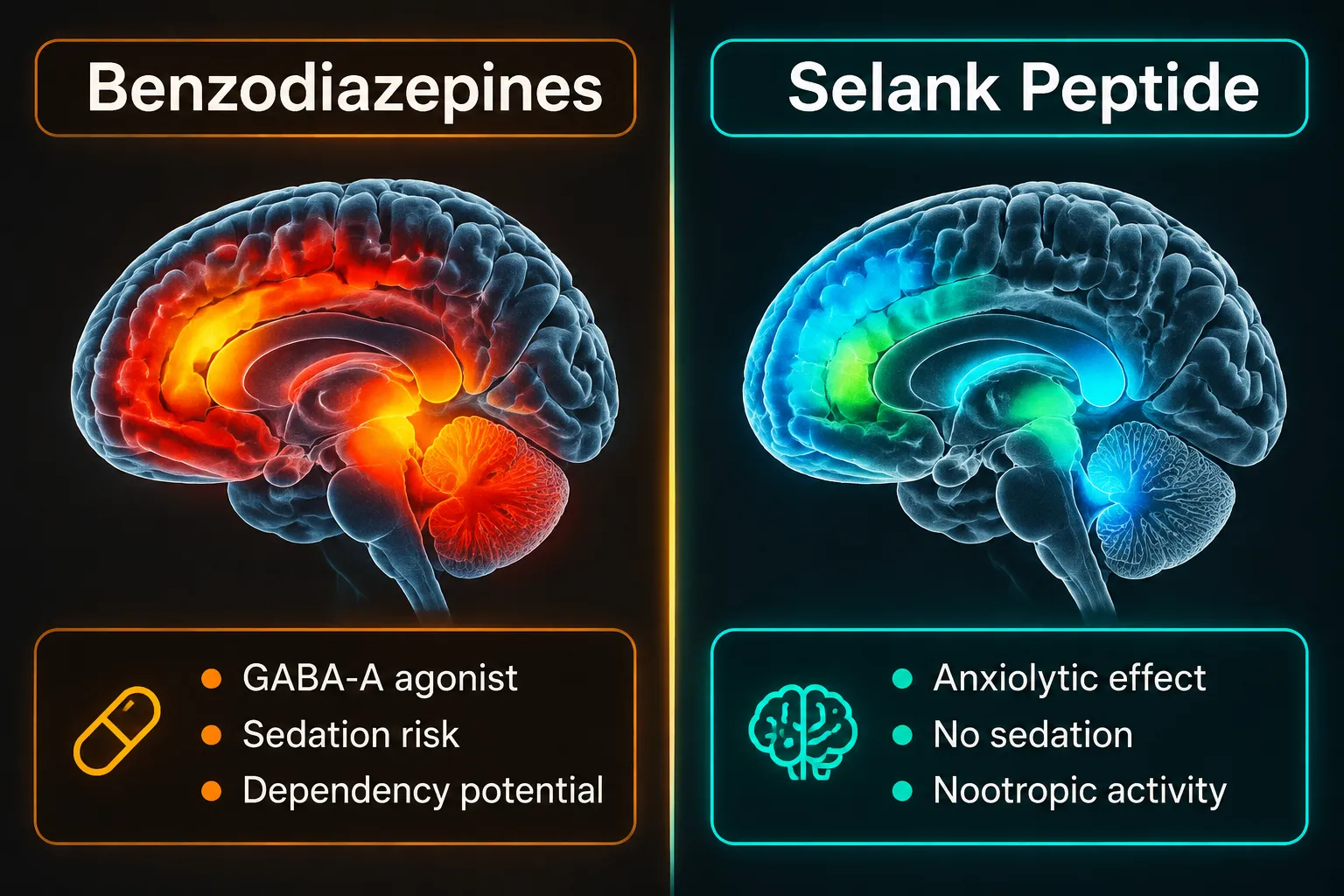
Anxiety disorders affect roughly one in three adults globally over their lifetime, yet the dominant pharmacological tools — benzodiazepines — carry well-documented risks of sedation, cognitive blunting, and physical dependence. Against that backdrop, Selank Peptide in Research: Anxiolytic Pathways, Intranasal Use, and Study Endpoints has emerged as a focused area of scientific inquiry, drawing attention from neurochemists and clinical researchers who want a cleaner mechanistic profile. This article unpacks what the current evidence shows about how Selank works, how it is delivered, and how researchers are measuring its effects.

Key Takeaways

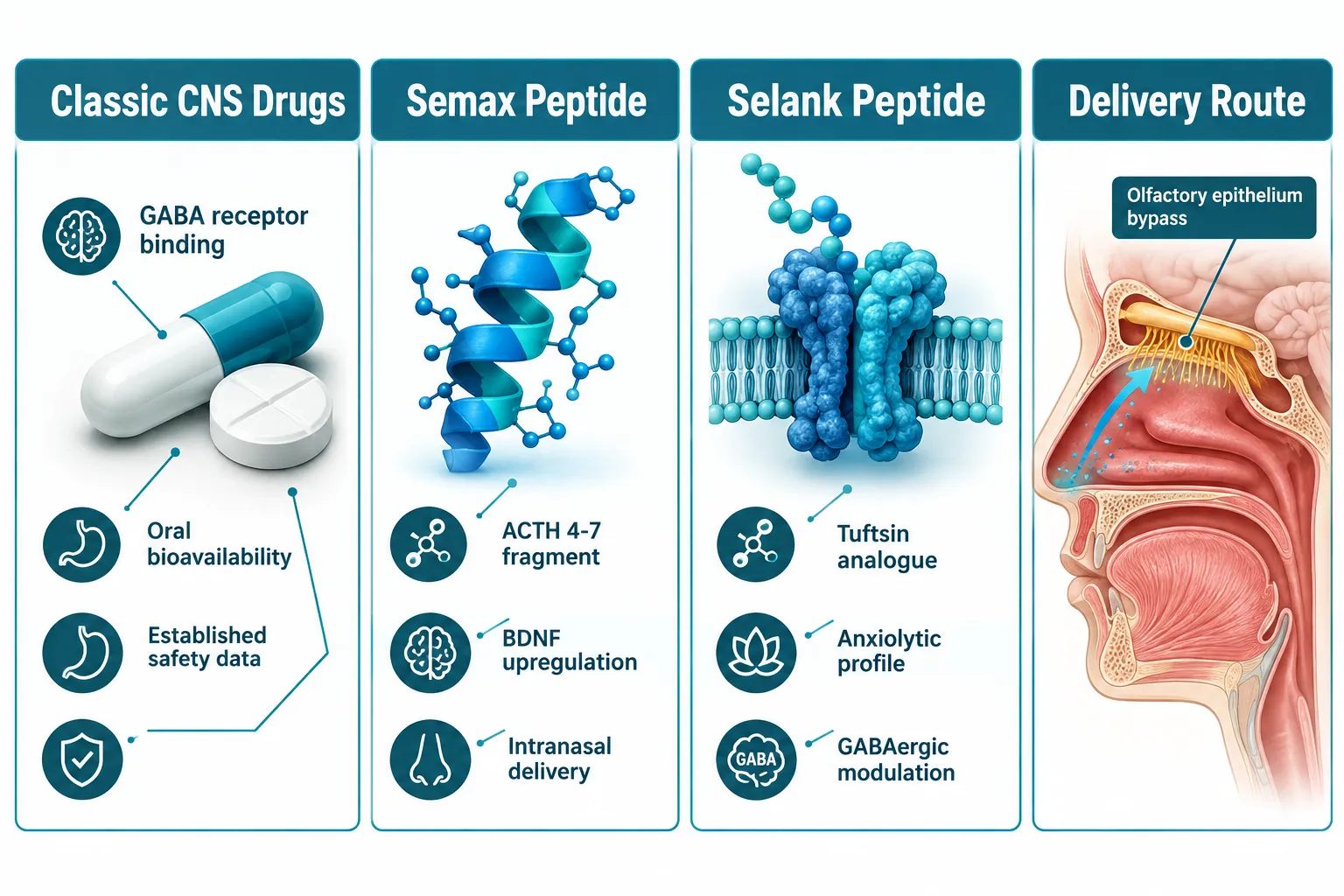
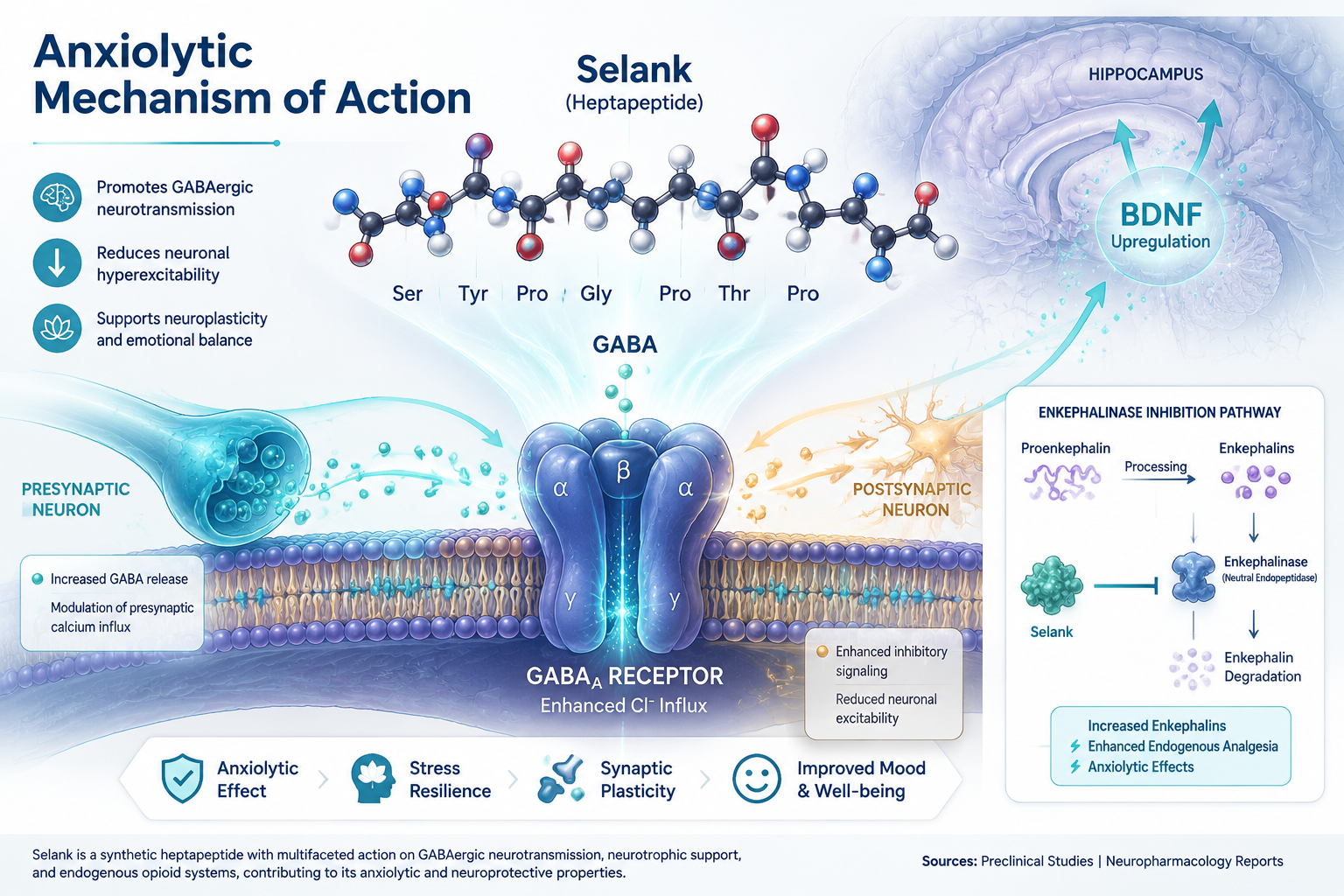
  • Selank is a synthetic heptapeptide derived from tuftsin that modulates GABAergic signaling and inhibits enkephalin-degrading enzymes.
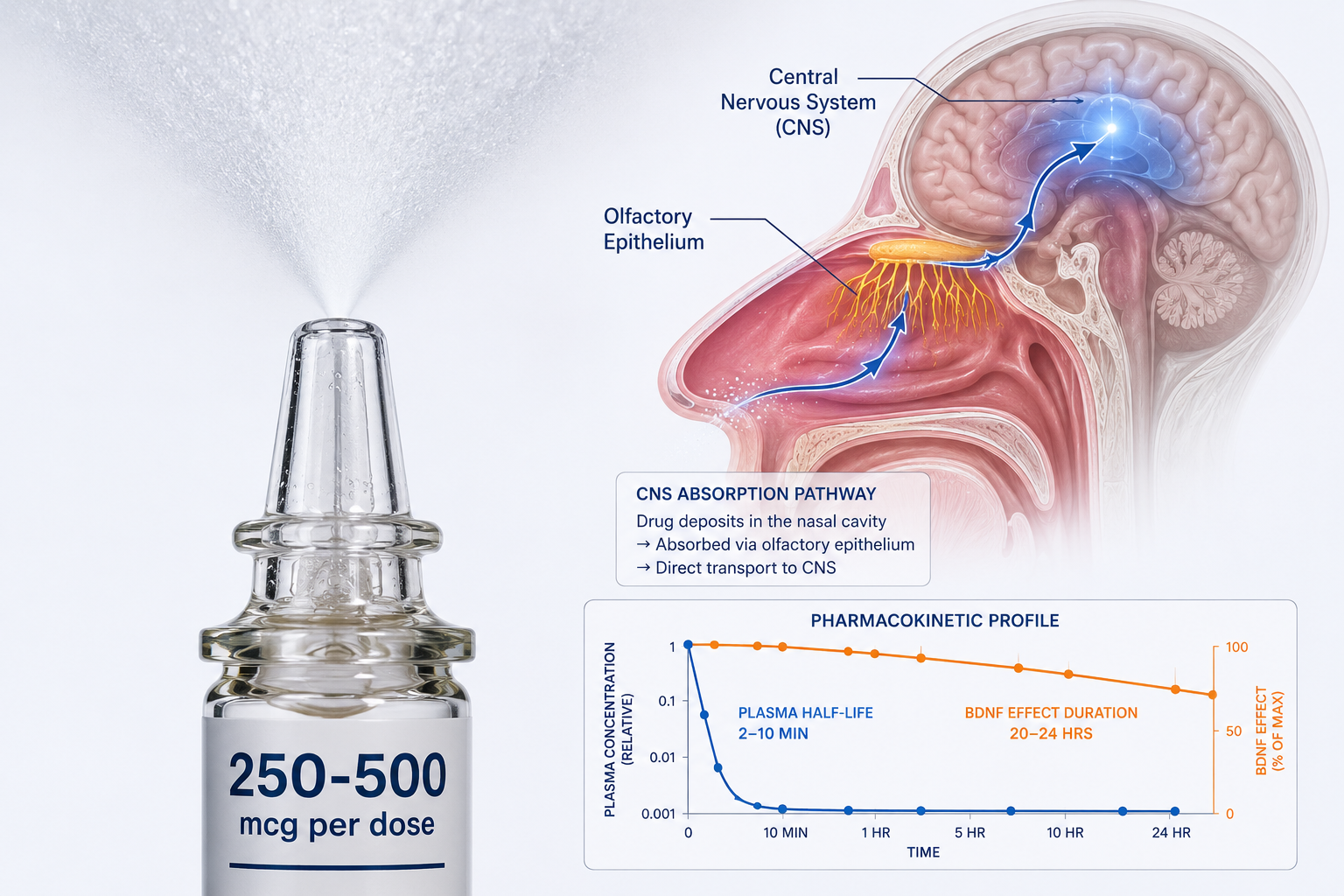
  • Intranasal delivery provides rapid CNS access, with a plasma half-life of roughly 2-10 minutes but pharmacodynamic effects lasting up to 24 hours.
  • Russian clinical trials comparing Selank to benzodiazepines report comparable anxiolytic efficacy without sedation or dependence.
  • The Hamilton Anxiety Rating Scale (HARS) is the primary endpoint used in published trials.
  • Selank is not FDA- or EMA-approved; most clinical data originate from Russian research, and independent Western replication remains limited.

Key Takeaways

Anxiolytic Pathways: How Selank Works at the Molecular Level

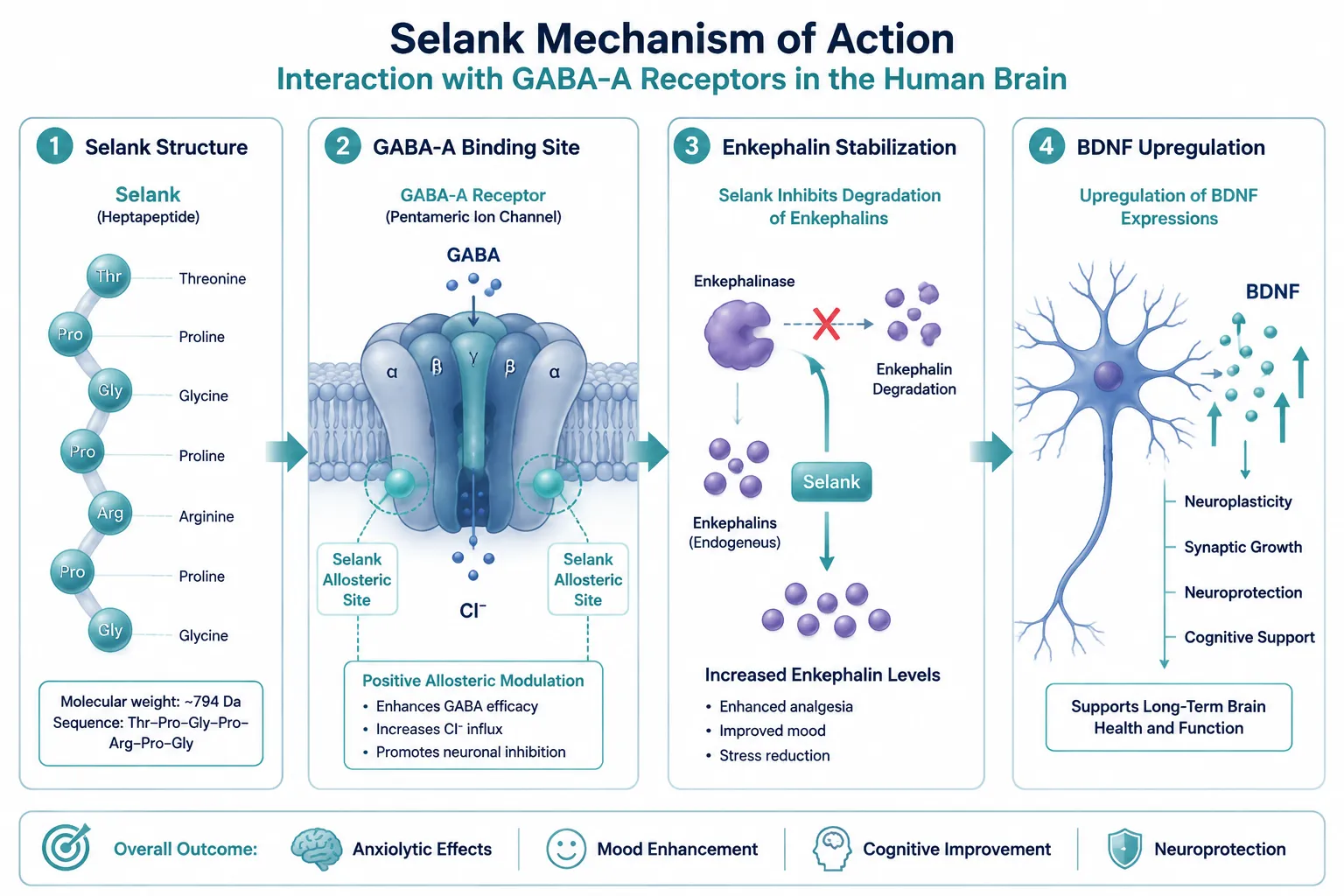
Selank is a seven-amino-acid (heptapeptide) analog of tuftsin, an endogenous tetrapeptide naturally produced in the spleen. Its anxiolytic profile rests on at least three converging mechanisms.

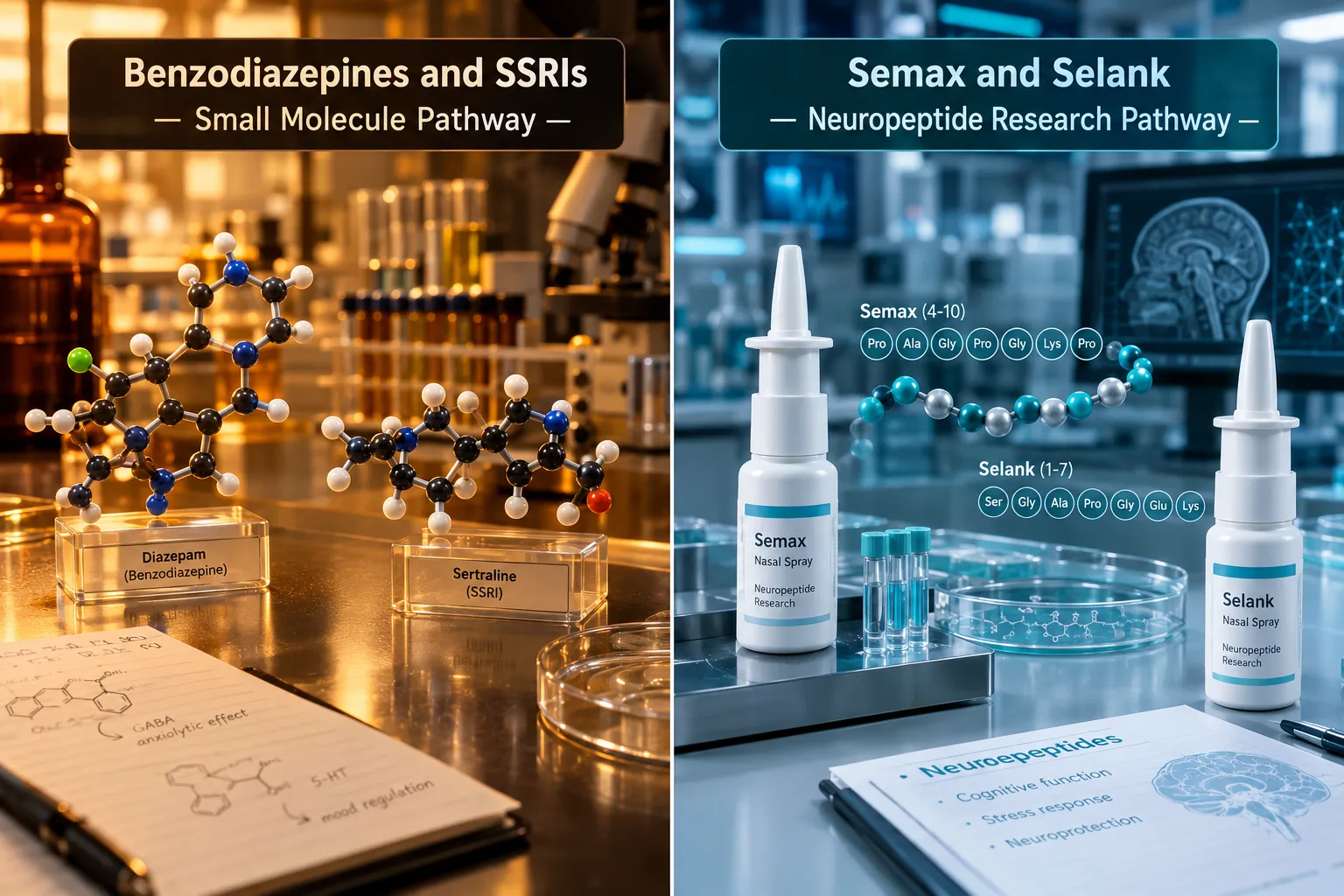
GABAergic modulation is the most studied pathway. Selank appears to enhance the sensitivity of GABA-A receptors, the same receptor class targeted by benzodiazepines. However, unlike benzodiazepines, it does not bind directly to the benzodiazepine allosteric site, which may explain why it avoids the sedation and tolerance seen with classical drugs in that class.

Enkephalin preservation adds a second layer. Selank inhibits enzymes responsible for breaking down enkephalins — endogenous opioid peptides that contribute to stress regulation. By extending enkephalin activity, Selank may reduce the neurochemical "noise" that sustains anxious states.

Monoamine and BDNF effects round out the picture. Research shows upregulation of brain-derived neurotrophic factor (BDNF) in the hippocampus following Selank exposure, a finding relevant to both mood regulation and neuroprotection. Serotonin and dopamine turnover are also modestly influenced, though these effects appear secondary to GABAergic action.

Selank also demonstrates immunomodulatory properties, shifting the balance between T-helper 1 and T-helper 2 cytokines. This neuroimmune dimension connects it to broader research themes explored in areas like neuroendocrine and innate immunity interactions, where peptide signaling bridges the nervous and immune systems.


Anxiolytic Pathways: How Selank Works at the Molecular Level

Intranasal Use: Delivery Rationale and Dosing Parameters

The intranasal route is the defining feature of Selank's research administration protocol, and the choice is mechanistically deliberate.

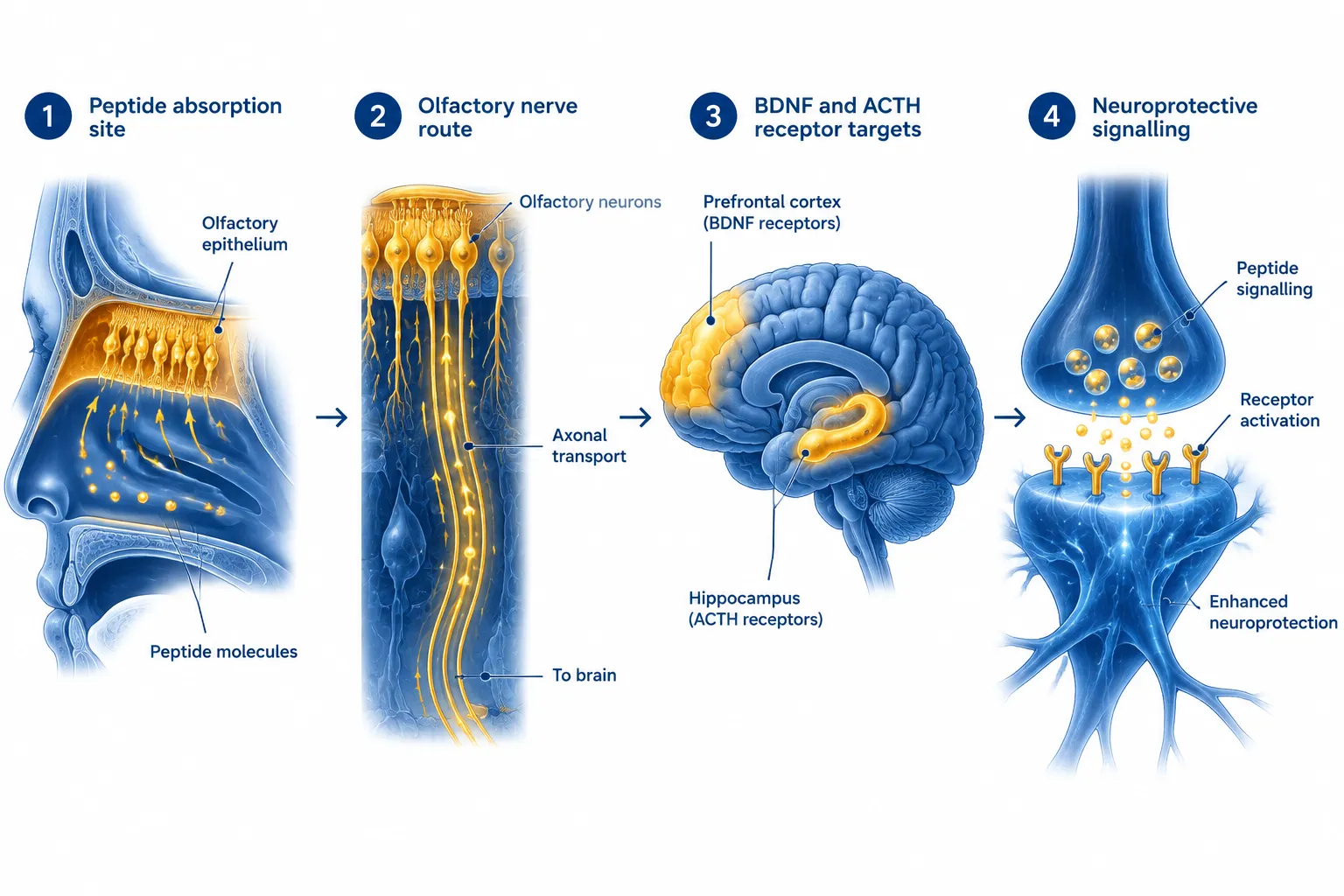
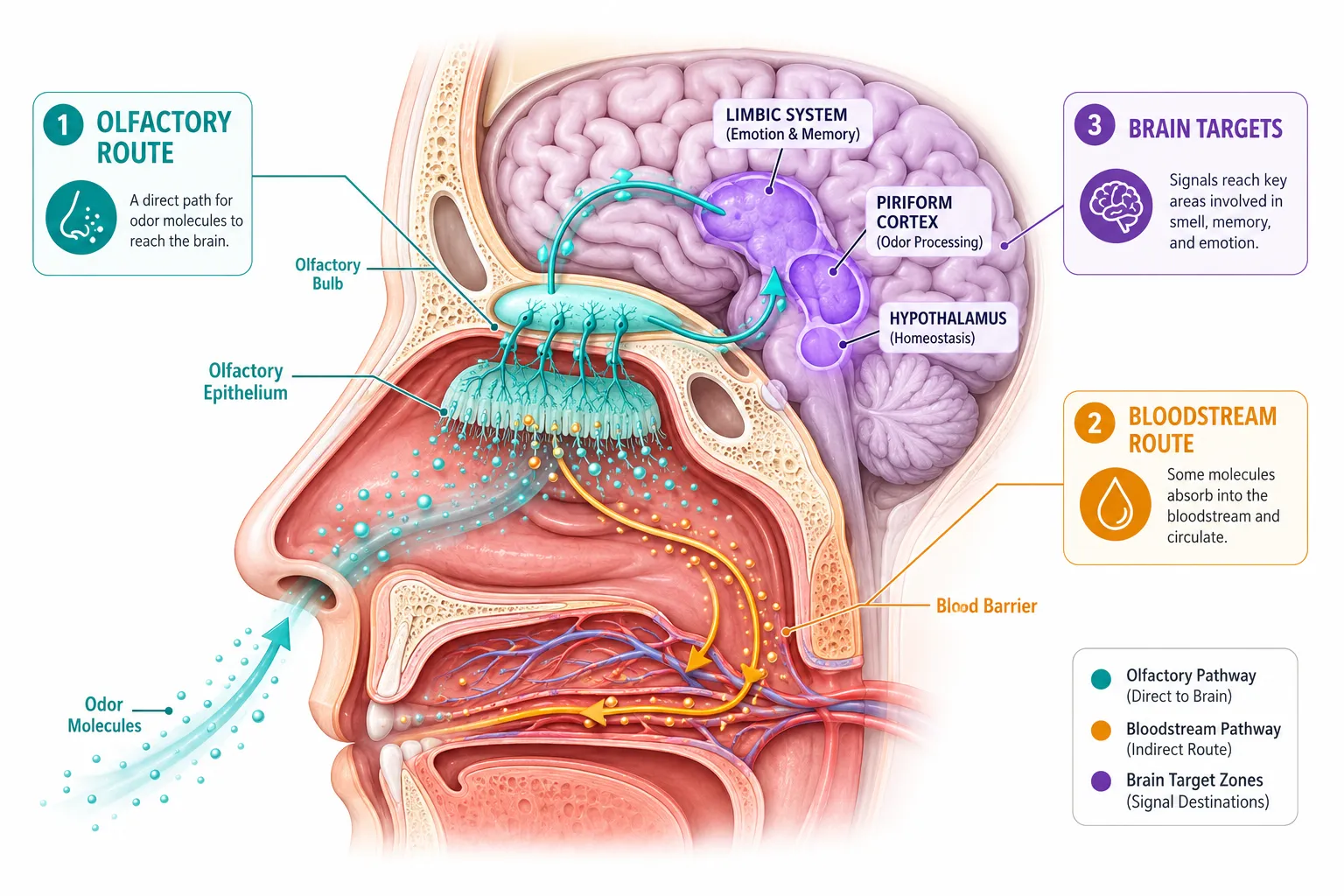
"Intranasal delivery bypasses hepatic first-pass metabolism and provides near-direct access to the central nervous system via the olfactory epithelium — a critical advantage for a peptide with a plasma half-life of just 2-10 minutes."

Despite that brief systemic half-life, Selank's pharmacodynamic footprint is far longer. BDNF upregulation and anxiolytic behavioral effects have been documented to persist for 20-24 hours after a single dose, suggesting receptor-level or transcriptional changes that outlast the peptide's presence in circulation.

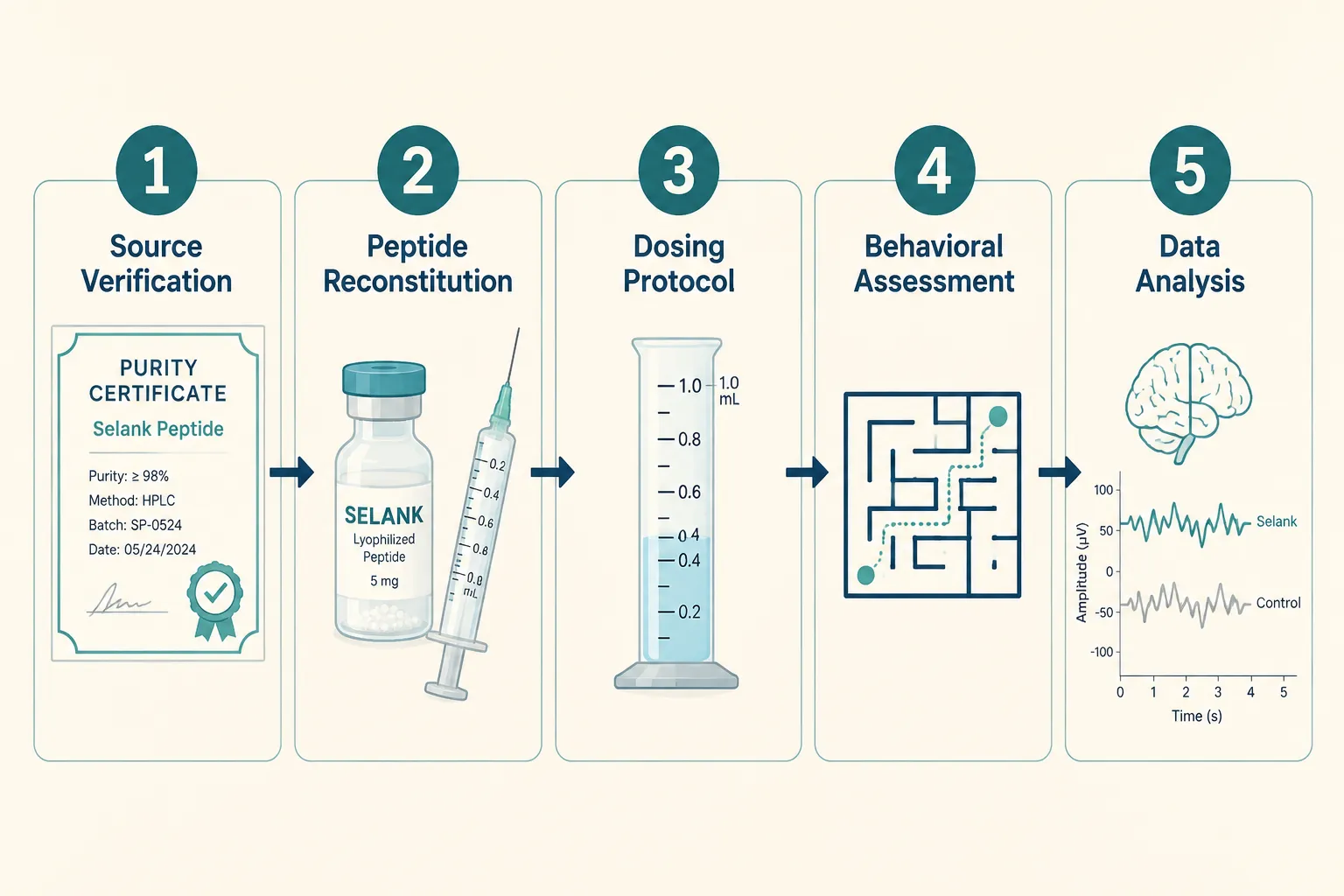
Standard research dosing parameters:

Parameter Typical Range
Dose per administration 250-500 micrograms
Frequency 2-3 times daily
Cycle length 14-21 days
Route Intranasal spray

This delivery model shares conceptual ground with other peptides studied via mucosal or alternative routes. Researchers interested in delivery optimization may also find value in reviewing BPC-157 research themes and oral BPC-157 delivery considerations, where route selection similarly affects bioavailability outcomes.


Intranasal Use: Delivery Rationale and Dosing Parameters

Study Endpoints in Selank Peptide Research

Understanding Selank Peptide in Research: Anxiolytic Pathways, Intranasal Use, and Study Endpoints requires close attention to how trials are actually designed and measured.

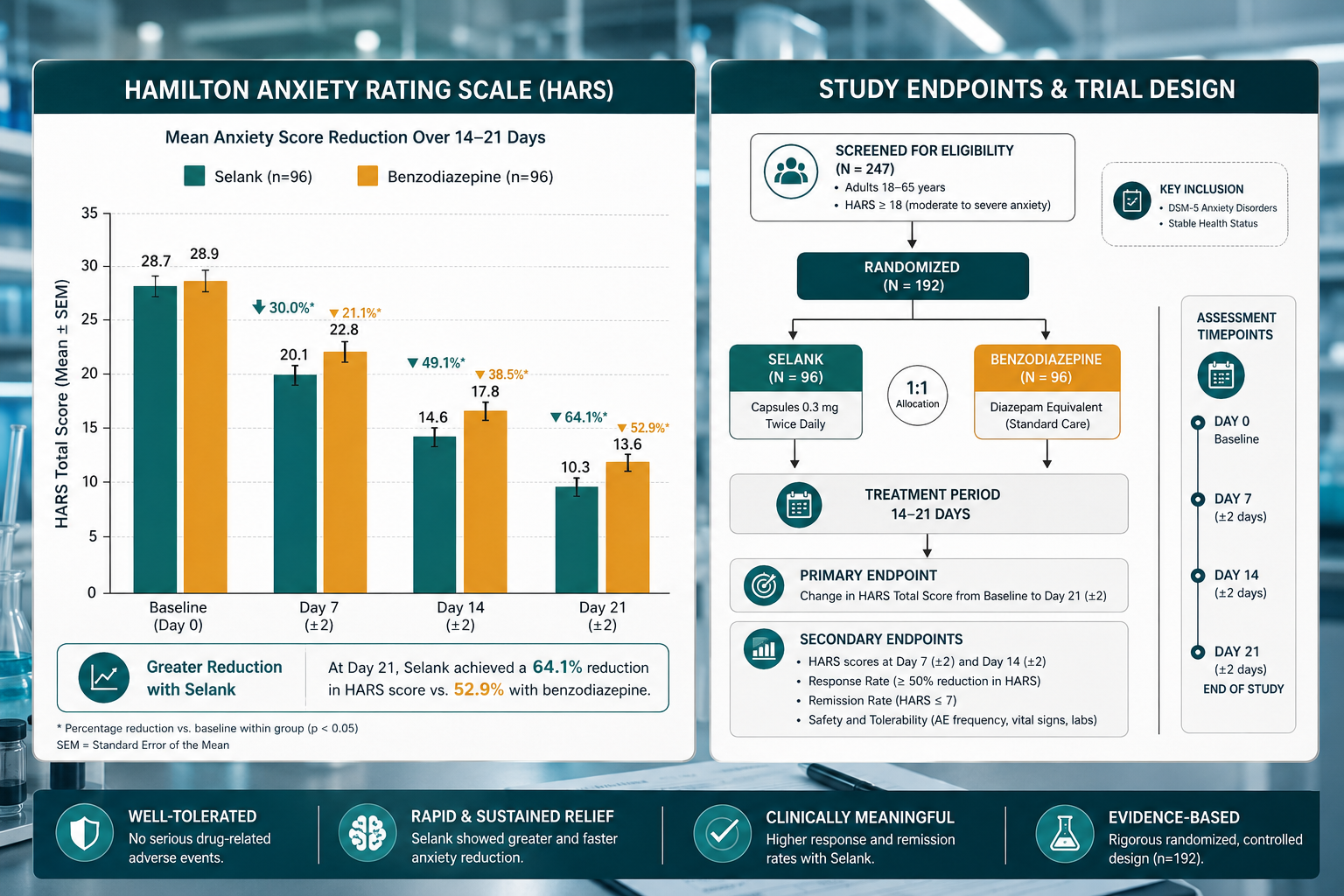
The Hamilton Anxiety Rating Scale (HARS) is the primary psychometric tool used in published Selank trials. HARS scores track somatic and psychological anxiety symptoms across 14 items, giving researchers a validated, quantitative endpoint for comparing treatment arms.

In Russian clinical trials involving approximately 192 patients, Selank produced HARS score reductions comparable to medazepam and phenazepam — two benzodiazepine-class drugs — over 14-21 day treatment periods. Critically, the Selank groups showed no clinically significant sedation, cognitive impairment, or signs of physical dependence, distinguishing it sharply from the comparator drugs.

Key endpoints used in Selank trials:

  • HARS total score reduction
  • Cognitive function assessments (attention, memory tasks)
  • Sedation scales
  • Dependence and withdrawal indicators
  • Immune marker panels (cytokine profiling)

Selank received regulatory approval in Russia in 2009 for generalized anxiety disorder and neurasthenia. It has not received FDA or EMA approval. A brief listing under FDA Category 2 in September 2023 was withdrawn by September 2024 after the nominator pulled the nomination.

The primary limitation of the existing evidence base is geographic concentration. Nearly all controlled data originate from Russian institutions, and independent replication in Western research settings remains sparse. This gap is a recognized priority for the field.

Researchers building multi-peptide experimental frameworks may find it useful to cross-reference metabolic modulation research lines and NAD+ energetics and longevity research themes for comparative endpoint design strategies, as well as reference standard benchmarking practices when establishing assay reliability.


Conclusion

Selank occupies a genuinely distinct position in peptide neuroscience research. Its multi-pathway anxiolytic mechanism — spanning GABAergic modulation, enkephalin preservation, and BDNF upregulation — gives researchers a compound with a cleaner safety signal than classical benzodiazepines, at least within the existing trial data. The intranasal delivery model is well-matched to its short plasma half-life, and the HARS-based endpoint framework provides a replicable measurement structure for future studies.

Actionable next steps for researchers:

  • Prioritize HARS as the primary endpoint alongside cognitive battery tests to capture both efficacy and safety dimensions.
  • Design cycle lengths of 14-21 days with intranasal dosing at 250-500 mcg per administration to align with published protocols.
  • Plan for cytokine profiling as a secondary endpoint to capture immunomodulatory effects.
  • Seek independently verified peptide sourcing with documented purity standards to ensure experimental reproducibility.

The field needs well-designed, independently replicated trials outside Russia to either confirm or refine the current evidence. Until that data exists, Selank remains a compelling but incompletely validated research compound — one that rewards rigorous experimental design.

https://www.puretestedpeptides.com/wp-content/uploads/2026/06/Selank-Peptide-in-Research-Anxiolytic-Pathways-Intranasal-Use-and-Study-Endpoints.png 1024 1536 https://www.puretestedpeptides.com/wp-content/uploads/2026/01/buy-peptides-online.jpg 2026-06-24 13:07:052026-06-24 13:07:05Selank Peptide in Research: Anxiolytic Pathways, Intranasal Use, and Study Endpoints
Selank vs Semax vs PT-141: A Research-Only Guide to Distinct Neuropeptide Mechanisms, Delivery Routes, and Use Cases

Selank vs Semax vs PT-141: A Research-Only Guide to Distinct Neuropeptide Mechanisms, Delivery Routes, and Use Cases

June 9, 2026/0 Comments/in Uncategorized/by

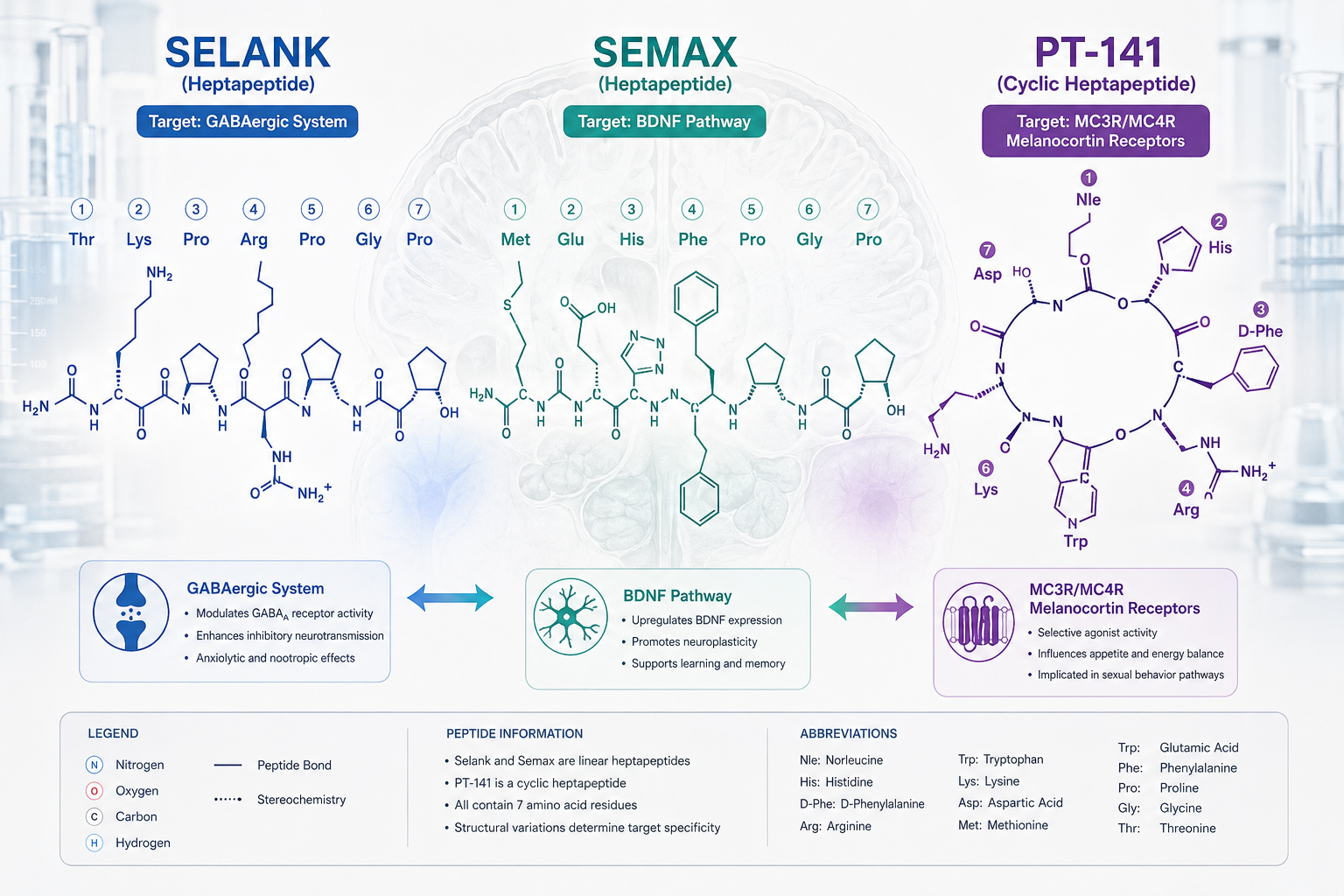
Three synthetic heptapeptides. Three completely different receptor targets. Three delivery strategies that reflect fundamentally different pharmacological goals. Researchers who treat Selank, Semax, and PT-141 as interchangeable nootropic compounds are missing the point entirely — and potentially compromising experimental design in the process.

This guide to Selank vs Semax vs PT-141: A Research-Only Guide to Distinct Neuropeptide Mechanisms, Delivery Routes, and Use Cases breaks down what actually separates these compounds at the mechanistic level, where each one is delivered and why, and which research contexts each one fits.

All three compounds are for research purposes only. None should be used for human self-administration outside of approved clinical settings.


Key Takeaways

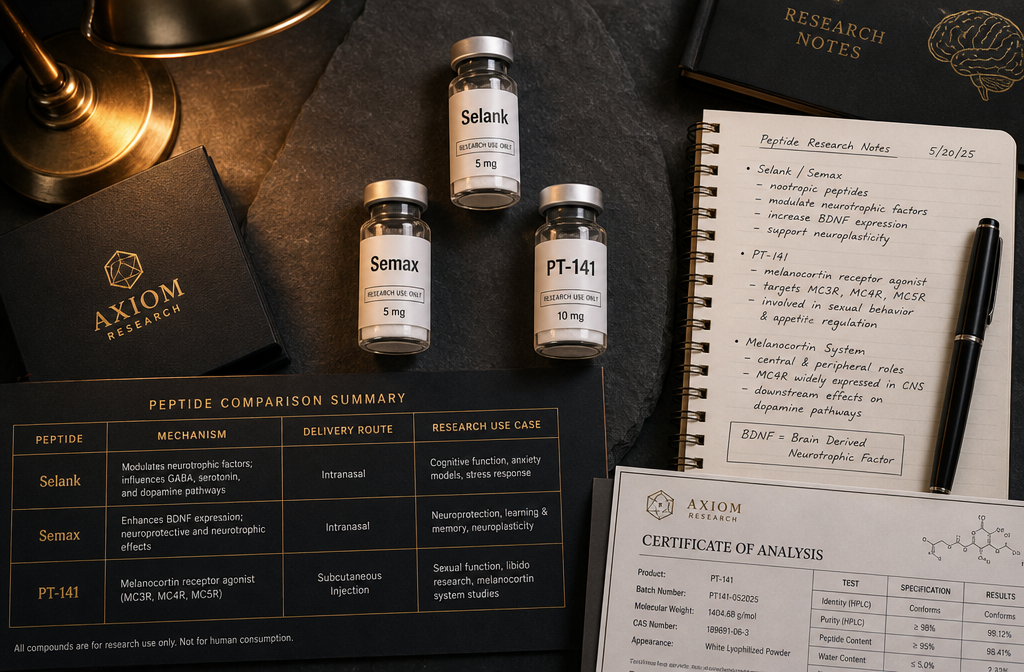
  • Selank targets the GABAergic system for anxiolytic effects without sedation; Semax modulates BDNF and monoamine pathways for cognitive enhancement.
  • PT-141 (bremelanotide) acts on central melanocortin receptors MC3R and MC4R — a mechanism entirely unrelated to the other two peptides.
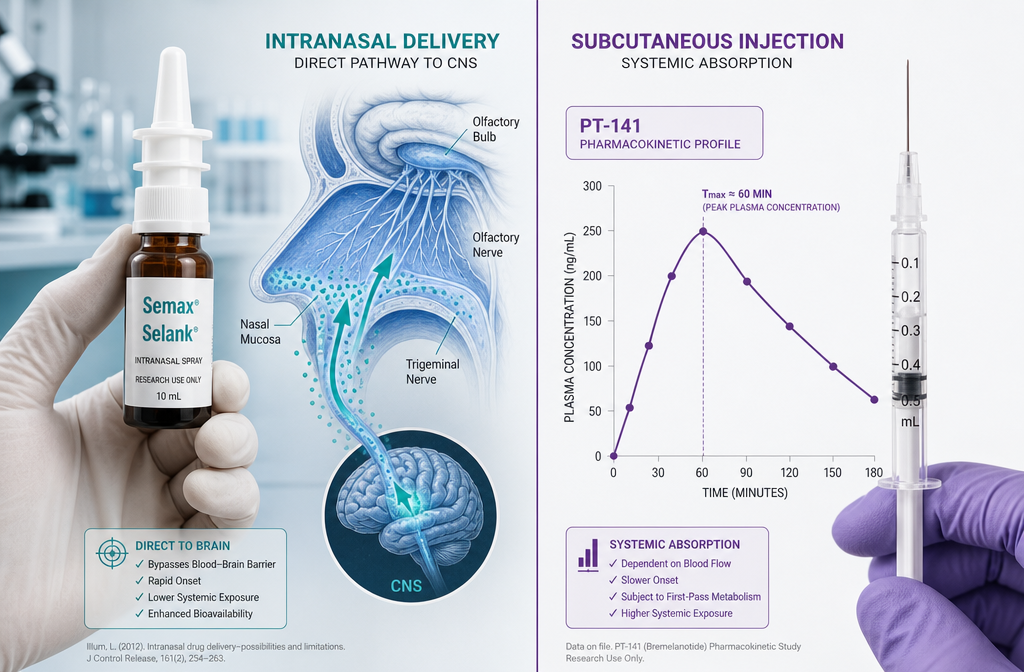
  • Selank and Semax are primarily delivered intranasally; PT-141 is delivered via subcutaneous injection.
  • PT-141 received FDA approval in 2019 for HSDD in premenopausal women; Selank and Semax remain unapproved by the FDA.
  • Choosing the right peptide for a given research model requires understanding receptor specificity, not just general "neuropeptide" classification.

Key Takeaways

Mechanisms: What Each Peptide Actually Does

Understanding this research-only guide to distinct neuropeptide mechanisms starts at the receptor level.

Selank: GABAergic Modulation and Anxiolytic Signaling

Selank is a synthetic analog of the endogenous tetrapeptide tuftsin. Its primary mechanism involves modulating gene expression within the GABAergic system — the same neurotransmitter network targeted by benzodiazepines, but without the sedation or dependence risk associated with those drugs. Research models using Selank focus on anxiety reduction, stress response, and immune-adjacent signaling. For researchers studying the Selank side effects profile, the GABAergic mechanism is central to interpreting observed outcomes.

Semax: BDNF Upregulation and Monoamine Influence

Semax works differently. It is believed to enhance cognitive function by upregulating brain-derived neurotrophic factor (BDNF) and influencing dopaminergic and serotonergic systems. This makes Semax relevant to research on neuroplasticity, attention, and neuroprotection rather than anxiety. The two peptides are frequently compared, but their mechanisms are distinct enough that stacking them in a single model requires careful justification.

PT-141: Central Melanocortin Pathway

PT-141 (bremelanotide) operates through an entirely different system. As a synthetic cyclic heptapeptide, it acts as a melanocortin receptor agonist — specifically targeting MC3R and MC4R in the central nervous system. This distinguishes it sharply from PDE5 inhibitors, which work peripherally. PT-141 enhances sexual desire and arousal through central CNS signaling, not vasodilation. Researchers can explore the PT-141 research context and quality controls for sourcing and experimental design guidance.


Delivery Routes: Why Administration Method Matters

Delivery Routes: Why Administration Method Matters

Delivery route is not a minor detail — it directly affects bioavailability, onset time, and CNS penetration. This section of the Selank vs Semax vs PT-141 guide is where researchers often make consequential decisions.

Intranasal Delivery: Selank and Semax

Both Selank and Semax are administered intranasally in research settings. The nasal mucosa offers rich vascularization and direct neural connections to the CNS via the olfactory pathway. This allows for rapid onset and relatively efficient CNS delivery without requiring injection. The intranasal route is also practical for repeated-dosing protocols.

Peptide Primary Delivery CNS Target Onset
Selank Intranasal GABAergic system Rapid
Semax Intranasal BDNF / Dopamine / Serotonin Rapid
PT-141 Subcutaneous injection MC3R / MC4R ~60 min

Subcutaneous Injection: PT-141

PT-141 follows a different path. The FDA-approved route is subcutaneous injection at 1.75 mg as needed. Following injection, peak plasma concentrations are reached approximately 60 minutes post-administration, with effects lasting 6 to 12 hours. Intranasal PT-141 was explored in early research but showed variable absorption and lower bioavailability, leading to its exclusion from the approved protocol.

Researchers comparing peptide delivery strategies may also find value in reviewing BPC-157 nasal spray and capsule evidence as a parallel case study in route-dependent outcomes.


Research Use Cases and Regulatory Status

Research Use Cases and Regulatory Status

Where Each Peptide Fits in Preclinical Research

Selank is best suited for models examining anxiety, stress resilience, and immune modulation. Its clean anxiolytic profile — without sedation — makes it useful in behavioral paradigms where motor function must remain intact.

Semax fits cognitive enhancement, neuroprotection, and neuroplasticity research. Its BDNF-modulating properties make it relevant in models of neurodegeneration or cognitive decline.

PT-141 belongs in research focused on sexual dysfunction, melanocortin signaling, or CNS-mediated arousal pathways. Its 2019 FDA approval for hypoactive sexual desire disorder (HSDD) in premenopausal women — based on two Phase III trials with 1,247 participants — gives it the strongest clinical validation of the three. Common side effects observed in trials included nausea (approximately 40% of participants), flushing, and headache.

Researchers building multi-peptide protocols may also want to examine how other neuropeptides interact with overlapping systems. The IPA-Sermorelin stack research overview and peptide supplier comparison guide offer useful context for sourcing decisions and protocol design.

Regulatory Landscape in 2026

As of 2026, Semax and Selank remain unapproved by the FDA for any medical use in the United States. They are available for research purposes only. PT-141 holds FDA approval under the brand name Vyleesi, though research-grade material is subject to different handling and documentation standards. Researchers should always verify certificates of analysis — the COA verification resource provides guidance on what to look for.

For those exploring adjacent peptide categories, GHK-Cu copper peptide sourcing guidance and AOD-9604 research method notes illustrate how traceability standards apply across different peptide classes.


Conclusion

The comparison at the heart of Selank vs Semax vs PT-141: A Research-Only Guide to Distinct Neuropeptide Mechanisms, Delivery Routes, and Use Cases reveals three peptides with almost nothing in common beyond their heptapeptide structure. Selank calms through GABAergic modulation. Semax stimulates cognitive pathways via BDNF and monoamines. PT-141 activates melanocortin receptors to influence central arousal signaling.

Actionable next steps for researchers:

  • Match peptide selection to the specific receptor system under investigation — do not group these compounds by structural similarity alone.
  • Account for delivery route when designing dosing intervals and bioavailability assumptions.
  • Verify regulatory status and obtain certificates of analysis before initiating any research protocol.
  • Review published clinical data on PT-141 as a benchmark for what rigorous peptide trial design looks like, then apply those standards to Selank and Semax research where Western-accessible data remains limited.

Precision in peptide research begins with precision in compound selection.

https://www.puretestedpeptides.com/wp-content/uploads/2026/06/Selank-vs-Semax-vs-PT-141-A-Research-Only-Guide-to-Distinct-Neuropeptide-Mechanisms-Delivery-Routes-and-Use-Cases.png 1024 1536 https://www.puretestedpeptides.com/wp-content/uploads/2026/01/buy-peptides-online.jpg 2026-06-09 13:05:202026-06-09 13:05:20Selank vs Semax vs PT-141: A Research-Only Guide to Distinct Neuropeptide Mechanisms, Delivery Routes, and Use Cases
×

Helpful Links

  • My account
  • Cart
  • Checkout
  • Refund and Returns Policy
  • Privacy Policy
  • SMS Privacy Policy
  • Login
  • My Account
  • Logout

USA Made Lab Tested Peptides

All products are sold for research, laboratory, or analytical purposes only, and are not for human consumption


Pure Tested Peptides is a chemical supplier. Pure Tested Peptides is not a compounding / chemical compounding facility as defined under 503A of the Federal Food, Drug, and Cosmetic act. Pure Tested Peptides is not an outsourcing facility as defined under 503B of the Federal Food, Drug, and Cosmetic act.

The statements made within this website have not been evaluated by the US Food and Drug Administration. The products we offer are not intended to diagnose, treat, cure or prevent any disease.

Human/Animal Consumption Prohibited. Laboratory/In-Vitro Experimental Use Only

Scroll to top Scroll to top Scroll to top