Call or Text 727-513-9780
  • Shopping Cart Shopping Cart
    0Shopping Cart
Pure Tested Peptides | America's most trusted Peptides for sale online
  • Peptides for sale
    • Oral Peptides for sale
      • Peptide Capsules for sale
      • BPC 157 Capsules 1000mcg
      • SLU-PP-332 Capsules | 1000 mcg
      • 5-Amino-1MQ 50mg Capsules
      • Tesofensine 500mcg
    • All Peptides for sale
    • Peptide Sprays
      • BPC 157 Nasal Spray Kit
      • BPC-157 TB500 Nasal Spray Kit
      • Semax Nasal Spray 10mg
      • Selank – Nasal Spray Kit – 10mg
      • Epithalon 50MG Nasal Spray Kit
      • Ipamorelin 10mg Nasal Spray
      • Klow Nasal Spray (BPC-157 + TB-500 + GHK-Cu + KPV) | 80mg
      • Hulk Nasal Spray Tesa / Ipa Blend 6/3 MG
      • Klow Nasal Spray
      • NAD + 500 mg Nasal Spray
      • PT-141 Nasal Spray Kit
    • GHRH Peptides
      • Ipa Peptides
      • CJC-1295 Peptides
        • CJC-1295 with DAC 5 mg
        • CJC-1295 without DAC 5 mg
        • CJC-1295 Ipa 10mg
      • Tesa Peptides
        • Tesa Peptide
        • Tesa 20 mg
    • GHK-Cu Peptides
      • All GHK-Cu Peptides
      • GHK-Cu 100mg
      • KLOW Peptide Blend – Buy KLOW blend online
    • BPC Peptides
      • All BPC Peptides
      • BPC-157
      • BPC-157 TB-500
      • BPC 157 capsules 1000mcg
    • SLU-PP-332 Peptides
      • All SLU-PP-332 Peptides
      • SLU-PP-332 5mg
    • GLP3 Peptides
    • PT-141 Peptides
      • PT-141 Peptides for sale
      • PT-141 10mg
      • PT-141 Nasal Spray
    • CAG Peptides
      • Lipo-C Peptide Blend
      • CAG 5mg
      • CAG 10mg
    • MOTS-C Peptides
      • MOTS-C Peptides for sale
      • MOTS-c peptide
      • MOTS-c 10mg *6 pack*
    • 5 Amino 1MQ Peptides
      • 5 Amino 1MQ Peptides for sale
      • 5-Amino-1MQ 50mg Capsules
      • 5-Amino-1MQ 5mg
    • Epithalon Peptides
      • Epithalon Peptides for sale
      • Epithalon 10mg
      • Epithalon 50mg
  • Shop
    • GLPs
      • 5-Amino-1MQ 50mg Capsules
      • 5-Amino-1MQ 5mg
      • L-Carnitine 500mg/ml
      • Tesofensine 500mcg
      • SLU-PP-332 5mg
      • MOTS-c 10mg *6 pack*
    • Epithalon & BPC Peptides
      • Epithalon 10mg
      • Epithalon 50mg
      • BPC-157
      • BPC 157 capsules 1000mcg
      • BPC-157 TB-500
      • BPC-157 TB500 Nasal Spray Kit
      • BPC 157 Nasal Spray Kit
    • BPC TB-500 & NAD+ Peptides
      • NAD+ 500 mg
      • KLOW Peptide Blend – Buy KLOW blend online
      • GLOW Peptide Blend
      • TB 500 5mg
      • BPC 157 capsules 1000mcg – Supplement
      • BPC 157 Nasal Spray Kit
      • BPC-157
      • BPC-157 TB500 Nasal Spray Kit
      • BPC-157 TB-500
      • BPC 157 capsules 1000mcg
    • LL-37 Peptide
      • LL-37 10 mg
    • MOTS-C & Selank
      • MOTS-c peptide
      • Selank 10mg
    • GHK Peptides
      • GHK-Cu 100mg
      • GLOW Peptide Blend
      • KLOW Peptide Blend – Buy KLOW blend online
  • COAs
  • Wholesale
    • Wholesale Peptides for sale
  • PTP FAQ
  • Affiliates
    • Selank Peptide: Advanced Pharmacological Mechanisms Underlying Its Anxiolytic and Nootropic Effects in Research
      • 5-Amino-1MQ Peptide: Detailed Mechanisms of NNMT Inhibition and Its Impact on Cellular Metabolism Research
        • MOTS-C Peptide: Unraveling Its Role in Mitochondrial Dynamics and Energy Metabolism Research
          • Epithalon Peptide and Telomerase Regulation: Investigating Its Impact on Cellular Senescence and Lifespan Research Models
            • GLP2-T vs GLP2 Tirz Peptide: Understanding the Naming, Mechanistic Nuances, and Research Implications for Gut Health
      • Peptides and Polypeptides in Modern Pharmacology: What Research on Metoprolol, Prednisone, and Amlodipine Reveals
        • Polypeptide Peptides vs NSAIDs: What Naproxen and Diclofenac Teach Tissue-Repair Researchers About BPC‑157 and TB‑500
          • Peptides and Polypeptides in Endocrine Pharmacology: How GLP-1, GLP-2, and GLP-3 Retatrutide Differ From Classic Drugs Like Prednisone and Amlodipine
          • 5‑Amino‑1MQ Peptide and NNMT Inhibition: How It Compares With Statins Like Atorvastatin in Adipose and Lipid Metabolism Research
      • Enclomiphene, Estrogen Receptor Signaling, and Luteinizing Phase Biology: What Hormone Researchers Should Measure
        • Mesenchymal Stem Cells, BPC‑157, and GHK‑Cu: How Tissue Repair Peptides Compare With Classic NSAIDs Like Naproxen in Injury Models
          • Peptide Calculator Use Cases Beyond Growth Hormone: Working Through GLP‑3 Retatrutide, MOTS‑c, and BPC‑157 Research Dosing
        • Polypeptide Peptides in Endocrine and Metabolic Pharmacology: Lessons From Amlodipine, Prednisone, and Metoprolol
        • Peptides Calculator for Advanced Blends: Worked Examples for Tesamorelin, CJC‑1295, and Ipamorelin Stacks
          • Peptides and Polypeptides in Human Physiology: How Molecular Size Shapes Research Applications
            • Selank Peptide: Advanced Pharmacological Mechanisms Underlying Its Anxiolytic and Nootropic Effects in Research
          • 5-Amino-1MQ Peptide: Detailed Mechanisms of NNMT Inhibition and Its Impact on Cellular Metabolism Research
            • MOTS-C Peptide: Unraveling Its Role in Mitochondrial Dynamics and Energy Metabolism Research
              • Epithalon Peptide and Telomerase Regulation: Investigating Its Impact on Cellular Senescence and Lifespan Research Models
                • GLP2-T vs GLP2 Tirz Peptide: Understanding the Naming, Mechanistic Nuances, and Research Implications for Gut Health
                  • Peptides and Polypeptides in Endocrine Pharmacology: How GLP-1, GLP-2, and GLP-3 Retatrutide Differ From Classic Drugs Like Prednisone and Amlodipine
                    • Polypeptide Peptides vs NSAIDs: What Naproxen and Diclofenac Teach Tissue-Repair Researchers About BPC‑157 and TB‑500
                      • Peptides and Polypeptides in Modern Pharmacology: What Research on Metoprolol, Prednisone, and Amlodipine Reveals
                        • 5‑Amino‑1MQ Peptide and NNMT Inhibition: How It Compares With Statins Like Atorvastatin in Adipose and Lipid Metabolism Research
                        • Enclomiphene, Estrogen Receptor Signaling, and Luteinizing Phase Biology: What Hormone Researchers Should Measure
                        • Mesenchymal Stem Cells, BPC‑157, and GHK‑Cu: How Tissue Repair Peptides Compare With Classic NSAIDs Like Naproxen in Injury Models
                        • Peptide Calculator Use Cases Beyond Growth Hormone: Working Through GLP‑3 Retatrutide, MOTS‑c, and BPC‑157 Research Dosing
                        • Polypeptide Peptides in Endocrine and Metabolic Pharmacology: Lessons From Amlodipine, Prednisone, and Metoprolol
                        • Peptides Calculator for Advanced Blends: Worked Examples for Tesamorelin, CJC‑1295, and Ipamorelin Stacks
                        • Peptides and Polypeptides in Human Physiology: How Molecular Size Shapes Research Applications
                        • Selank Peptide: Advanced Pharmacological Mechanisms Underlying Its Anxiolytic and Nootropic Effects in Research
                        • MOTS-C Peptide: Unraveling Its Role in Mitochondrial Dynamics and Energy Metabolism Research
                        • Peptides and Polypeptides in Modern Pharmacology: What Research on Metoprolol, Prednisone, and Amlodipine Reveals
                        • Peptides and Polypeptides in Endocrine Pharmacology: How GLP-1, GLP-2, and GLP-3 Retatrutide Differ From Classic Drugs Like Prednisone and Amlodipine
                        • 5-Amino-1MQ Peptide: Detailed Mechanisms of NNMT Inhibition and Its Impact on Cellular Metabolism Research
                        • Mesenchymal Stem Cells, BPC‑157, and GHK‑Cu: How Tissue Repair Peptides Compare With Classic NSAIDs Like Naproxen in Injury Models
                        • Peptide Calculator Use Cases Beyond Growth Hormone: Working Through GLP‑3 Retatrutide, MOTS‑c, and BPC‑157 Research Dosing
                        • GLP2-T vs GLP2 Tirz Peptide: Understanding the Naming, Mechanistic Nuances, and Research Implications for Gut Health
                        • Polypeptide Peptides in Endocrine and Metabolic Pharmacology: Lessons From Amlodipine, Prednisone, and Metoprolol
                        • Polypeptide Peptides vs NSAIDs: What Naproxen and Diclofenac Teach Tissue-Repair Researchers About BPC‑157 and TB‑500
                        • Peptides and Polypeptides in Human Physiology: How Molecular Size Shapes Research Applications
                        • Peptides Calculator for Advanced Blends: Worked Examples for Tesamorelin, CJC‑1295, and Ipamorelin Stacks
                        • 5‑Amino‑1MQ Peptide and NNMT Inhibition: How It Compares With Statins Like Atorvastatin in Adipose and Lipid Metabolism Research
                        • Enclomiphene, Estrogen Receptor Signaling, and Luteinizing Phase Biology: What Hormone Researchers Should Measure
                        • Epithalon Peptide and Telomerase Regulation: Investigating Its Impact on Cellular Senescence and Lifespan Research Models
                        • Best research protocol Klow blend
                        • best time to take BPC-157
                        • best time to take DSIP (Delta Sleep Inducing Peptide)
                        • best time to take CJC-1295
                        • best time to take AOD-9604
                        • best time to take Follistatin 344
                        • best time to take Ipamorelin
                        • best time to take MK-677 (Ibutamoren)
                        • best time to take Ligandrol (LGD-4033) — research compound
                        • best time to take Ostarine (MK-2866) — research compound
                        • best time to take GHK-CU
                        • best time to take TB-500
                        • best time to take MOTS-c
                        • best time to take Semax
                        • best time to take RAD-140 (Testolone) — research compound
                        • best time to take Thymosin Alpha-1
                        • best time to take PEG-MGF
                        • Biolife Plasma, Octapharma Plasma, and Research Peptides: How Plasma Donation Labs Differ From Peptide Suppliers
                        • best time to take YK-11 — research compound
                        • best time to take PT-141 (Bremelanotide)
                        • Best research protocol Klow blend
                        • 5-Amino-1MQ and MOTS-C Synergy: Metabolic Signaling, Mitochondria, and Research Design
                        • BPC-157 and TB-500: Investigating Their Combined Effects on Angiogenesis and Cellular Migration in Tissue Repair Models
                        • BPC-157 Peptide: Gut Barrier Function, Inflammation, and Tissue-Recovery Research
                        • 5‑Amino‑1MQ and MOTS‑c Synergy in Metabolic Research: Designing NNMT and Mitochondrial Biogenesis Stacks
                        • CJC-1295 with DAC vs. Without DAC: Half-Life, Release Kinetics, and Research Implications
                        • CJC‑1295 with DAC vs. Without DAC: Expanding on Half‑Life Differences Using Tesamorelin and Ipamorelin Blend Case Studies
                        • Collagen Biology and Copper‑Binding Peptides: How GHK‑Cu, Glow Blend, and Klow Blend Interact with Skin and Connective Tissue
                        • Collagen Biology and Regenerative Peptides: How GHK‑Cu, Glow Blend, and Klow Blend Affect Extracellular Matrix Research
                    • DNA, Telomeres, and Longevity Peptides: Positioning Epithalon and MOTS‑c in Genetic Aging Research
                      • Enclomiphene Citrate: serm Mechanism, Testosterone Research, and Stack Compatibility
                        • Enclomiphene vs Enclomiphene Citrate: Formulation, Bioavailability, and Research Distinctions
                        • Epithalon Peptide Research: Telomerase Activation, Aging, and Pineal Gland Function
                        • Estrogen Receptor Signaling and Enclomiphene: How Selective Modulators Compare with Classic Polypeptide Hormones
                        • GHK-Cu Peptide: Advanced Mechanisms in Extracellular Matrix Remodeling and Wound Healing Research
                        • GHK-Cu Peptide: Collagen Synthesis, Wound Repair, and Skin-Barrier Research Models
                        • GLP-1 vs GLP-3 vs GLP-2: Peptide Classification and Research Applications
                        • GLP-2 Peptide Research Guide: Gut Barrier Function, Nutrient Absorption, and Intestinal Recovery Models
                        • GLP-3 Retatrutide vs. GLP-1 Drugs: What Triple-Agonist Biology Changes in Research Models
                        • Ipamorelin and Tesamorelin Combination: Synergistic GH Secretagogue Research and Dosing Protocols
                        • GLP2 Tirz Peptide: What It Is, Why the Name Exists, and How Researchers Should Interpret It
                        • Klow Blend Peptide Nasal Spray: What the Formulation Is Trying to Do in Cognitive Research
                        • Mitochondria, NNMT Inhibition, and Peptide Modulators: Where MOTS‑c and 5‑Amino‑1MQ Fit in Cellular Energy Research
                        • MOTS-c Peptide: Mitochondrial Function, Energy Metabolism, and What Researchers Measure
                        • MOTS-c vs. 5-Amino-1MQ: Which Metabolic Research Questions Each Compound Actually Answers
                        • Nasal Spray Peptides: Bioavailability, Administration, and Semax/Selank Research Applications
                        • PT-141 Peptide Research: Mechanism of Action and Melanocortin Receptor Signaling
                        • Retatrutide for Research: Mechanism, Structure, and GLP-1/GLP-3 Dual Action
                        • Retatrutide for Obesity and Type 2 Diabetes: What the Latest Trial Data Suggest
                        • Tesofensine Peptide Research: Mechanism, Appetite Suppression, and Neuropeptide Y Pathways
  • Contact
    • Contact Customer Service
    • Text Customer Support
  • About US
  • Shop all peptides
  • Affiliate Program
    • Affiliate Signup
  • Login / Register Login / Register Page Link Login / Register Page Link
  • Click to open the search input field Click to open the search input field Search
  • Menu Menu

Tag Archive for: polypeptide hormones

Estrogen Receptor Pharmacology, Enclomiphene, and Polypeptide Hormones: A Researcher’s Guide to serm–Peptide Interface

Estrogen Receptor Pharmacology, Enclomiphene, and Polypeptide Hormones: A Researcher’s Guide to serm–Peptide Interface

September 5, 2026/0 Comments/in Uncategorized/by

Fewer than 15% of preclinical endocrine studies formally account for estrogen receptor subtype selectivity when co-administering peptide hormones, a gap that routinely distorts biomarker interpretation and undermines reproducibility. For researchers designing assays at the intersection of selective estrogen receptor modulation and polypeptide signaling, that oversight is costly. This guide to Estrogen Receptor Pharmacology, Enclomiphene, and Polypeptide Hormones: A Researcher's Guide to serm, Peptide Interface bridges that gap, walking through receptor biology, enclomiphene's mechanism, and the practical considerations that arise when serms and peptide hormones share the same experimental model.

Key Takeaways

  • Estrogen receptors ERα, ERβ, and GPER each produce distinct downstream signals that interact differently with polypeptide hormone pathways.
  • Enclomiphene, the trans-isomer of clomiphene, acts as a pure ER antagonist at the hypothalamic, pituitary level without the estrogenic residual activity of its zuclomiphene counterpart.
  • serm activity modulates the HPG axis in ways that directly alter LH, FSH, and downstream peptide hormone output, making receptor subtype mapping essential before assay design.
  • Next-generation ER-targeted agents, including SERDs, PROTACs, and CERANs, introduce new variables when combined with polypeptide research compounds.
  • Rigorous third-party peptide testing and validated biomarker panels are non-negotiable for reliable serm, peptide interface data.

Estrogen Receptor Basics: ERα, ERβ, and GPER
Estrogen Receptor Basics: ERα, ERβ, and GPER

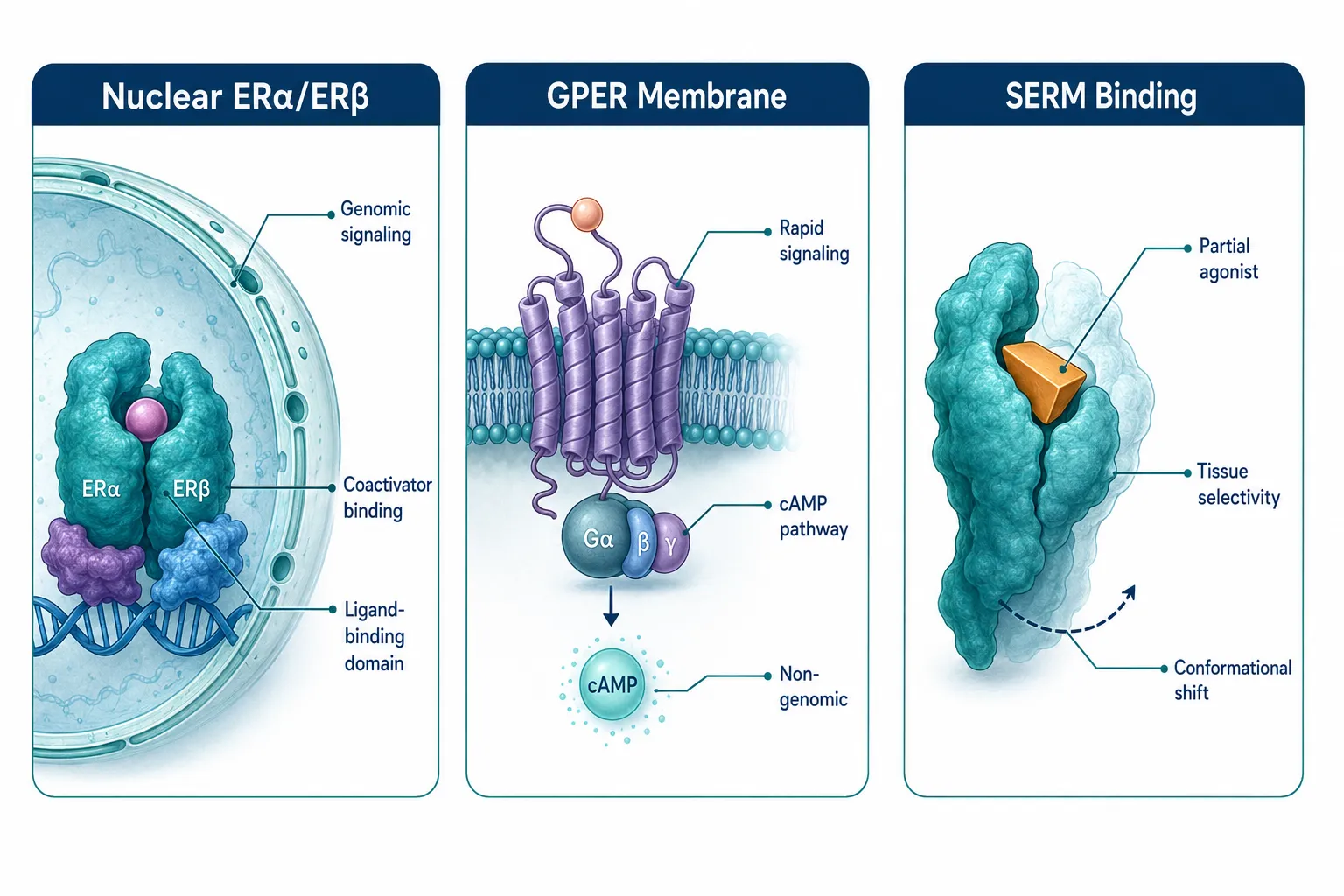
Estrogen receptors are not a single target. Three pharmacologically distinct subtypes govern estrogen signaling across tissues:

Receptor Location Primary Signaling Mode Key Research Relevance
ERα Uterus, breast, liver, bone Genomic (nuclear) Proliferative responses, HPG feedback
ERβ Brain, ovary, vasculature Genomic + non-genomic Neuroprotection, anti-proliferative
GPER (GPR30) Membrane-bound, widespread Rapid non-genomic (cAMP) Fast estrogenic responses, peptide cross-talk

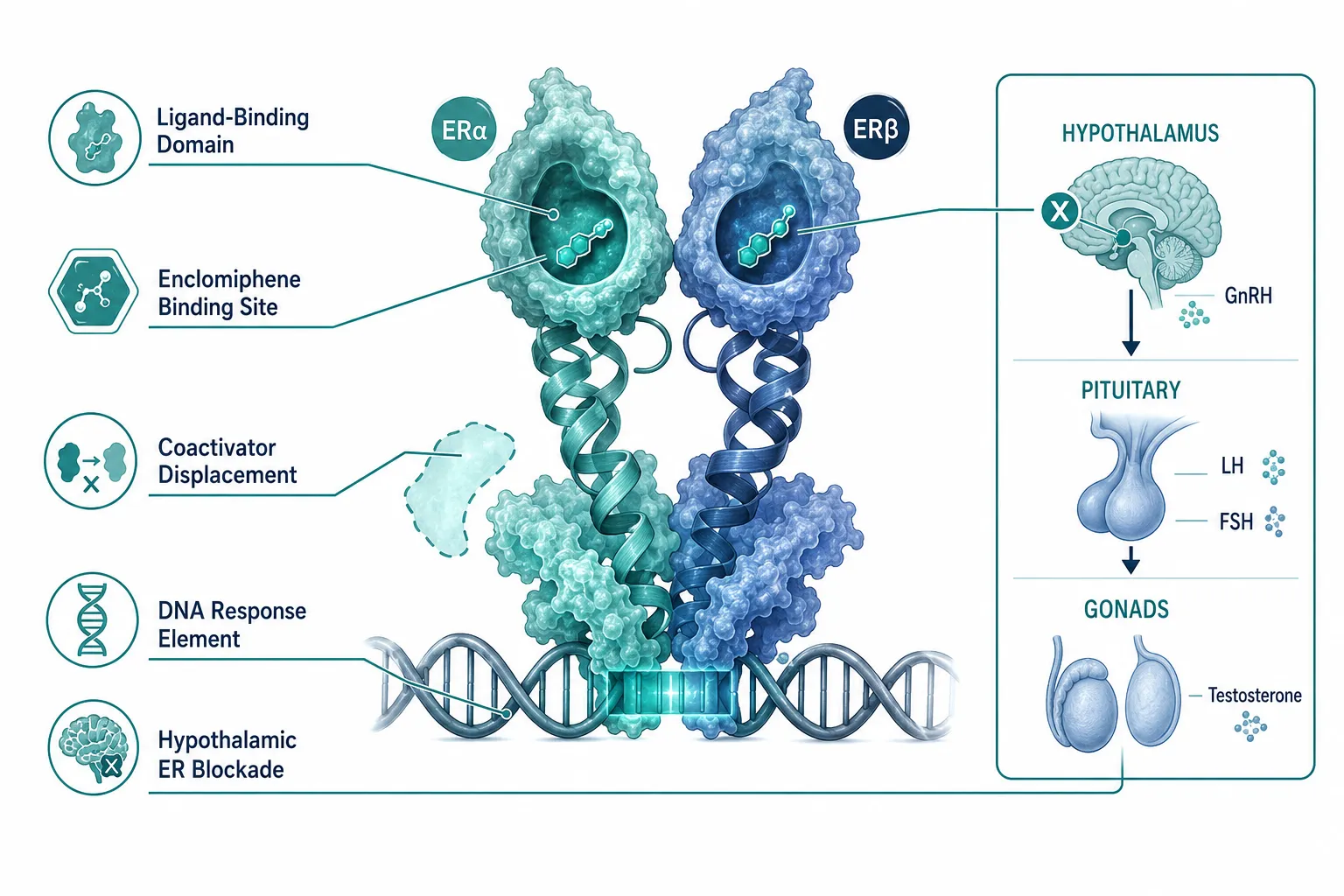
When a serm like enclomiphene binds ERα, it induces a conformational shift in the ligand-binding domain that prevents coactivator recruitment. The result is tissue-selective antagonism, blocking estrogenic negative feedback at the hypothalamus while potentially acting differently at other ERα-expressing sites. ERβ binding profiles vary widely across serm scaffolds, and GPER remains incompletely characterized for most clinical-stage serms as of 2026.

For researchers exploring selective estrogen receptor modulation, understanding which subtype dominates in the target tissue is the first design decision, not an afterthought.

Why this matters for peptide co-administration: Growth hormone (GH), GLP-class peptides, and gonadotropin-releasing hormone (GnRH) analogs all operate within tissues that co-express estrogen receptors. Signal cross-talk is not hypothetical; it is structural.

Enclomiphene Pharmacology and the HPG Axis
Enclomiphene Pharmacology and the HPG Axis

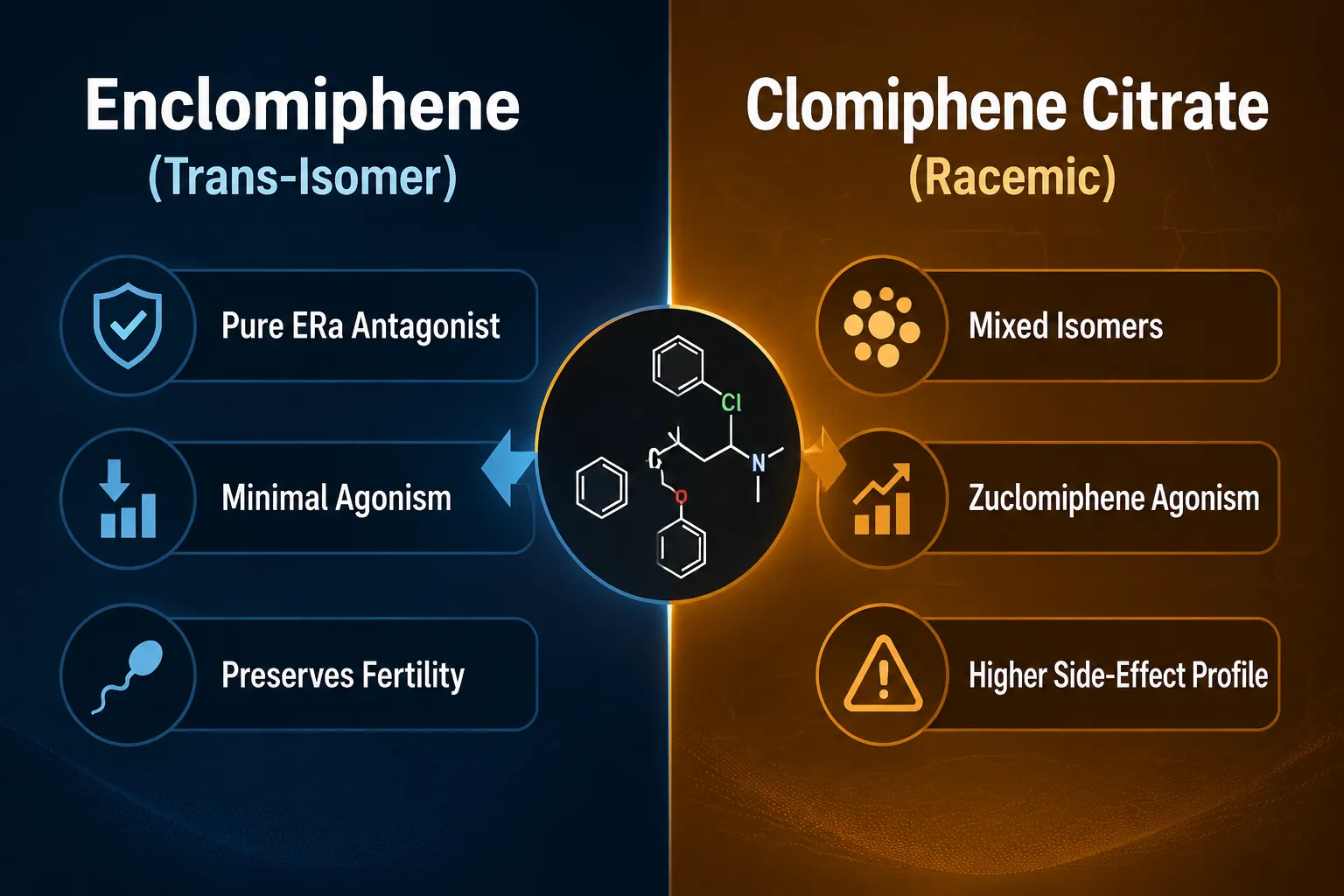
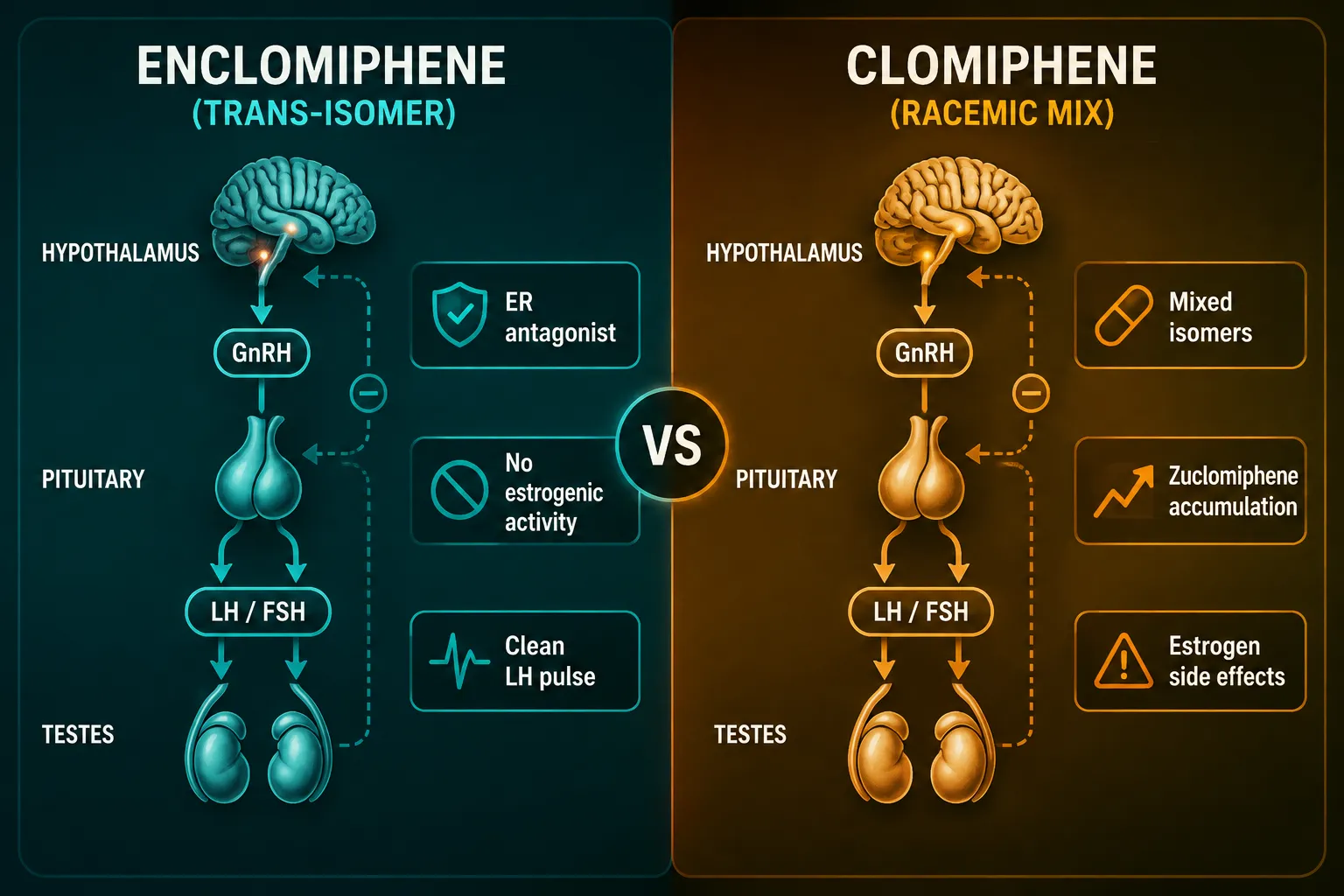
Clomiphene citrate is a racemic mixture of two geometric isomers: zuclomiphene (cis) and enclomiphene (trans). Their pharmacological profiles diverge sharply.

Enclomiphene (trans-isomer):

  • Half-life approximately 10 hours, clears rapidly
  • Pure ER antagonist at hypothalamic ERα
  • Blocks estrogen-mediated suppression of GnRH pulsatility
  • Elevates LH and FSH without residual estrogenic activity

Zuclomiphene (cis-isomer):

  • Half-life exceeding 30 days, accumulates with repeated dosing
  • Partial ER agonist activity
  • Responsible for most estrogen-related side effects attributed to clomiphene

"Isolating the trans-isomer eliminates the pharmacological noise introduced by zuclomiphene accumulation, producing a cleaner HPG axis stimulus for research models."

In male hypogonadism research, enclomiphene has demonstrated the ability to restore LH and testosterone levels while preserving spermatogenesis, an outcome that racemic clomiphene compromises through its estrogenic component. This distinction is central to serm pharmacology research and to any serm comparison study evaluating HPG axis stimulation.

Regulatory status as of 2026 remains investigational for enclomiphene as a standalone agent in most jurisdictions, though research use continues under appropriate institutional frameworks.

The serm, Peptide Interface: Assay Design and Biomarker Interpretation
The serm, Peptide Interface: Assay Design and Biomarker Interpretation

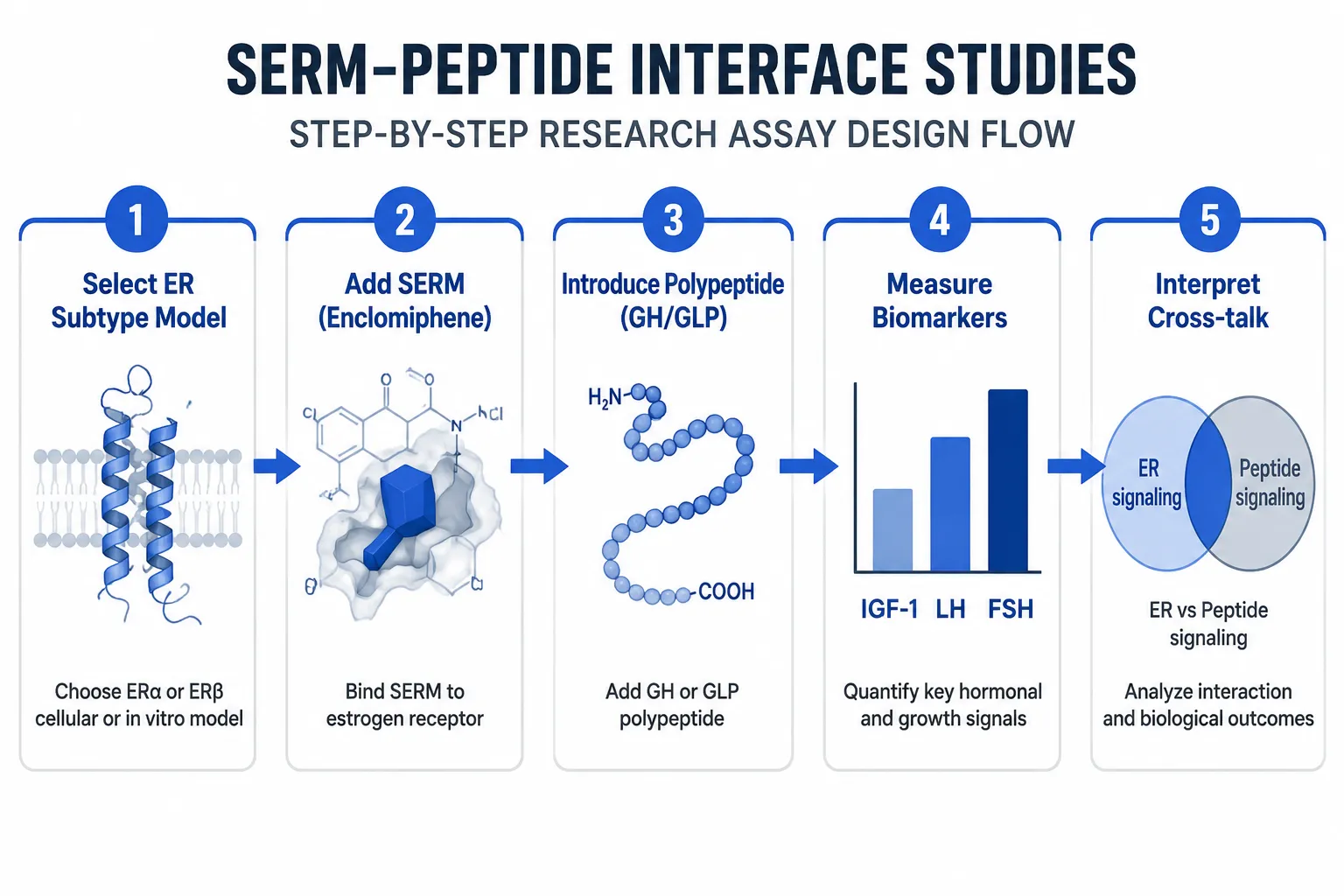
This is where Estrogen Receptor Pharmacology, Enclomiphene, and Polypeptide Hormones: A Researcher's Guide to serm, Peptide Interface becomes most practically demanding. When enclomiphene or any serm is co-administered with polypeptide hormones in a research model, at least three layers of interaction require pre-planned biomarker coverage.

Layer 1, HPG Axis Peptide Output

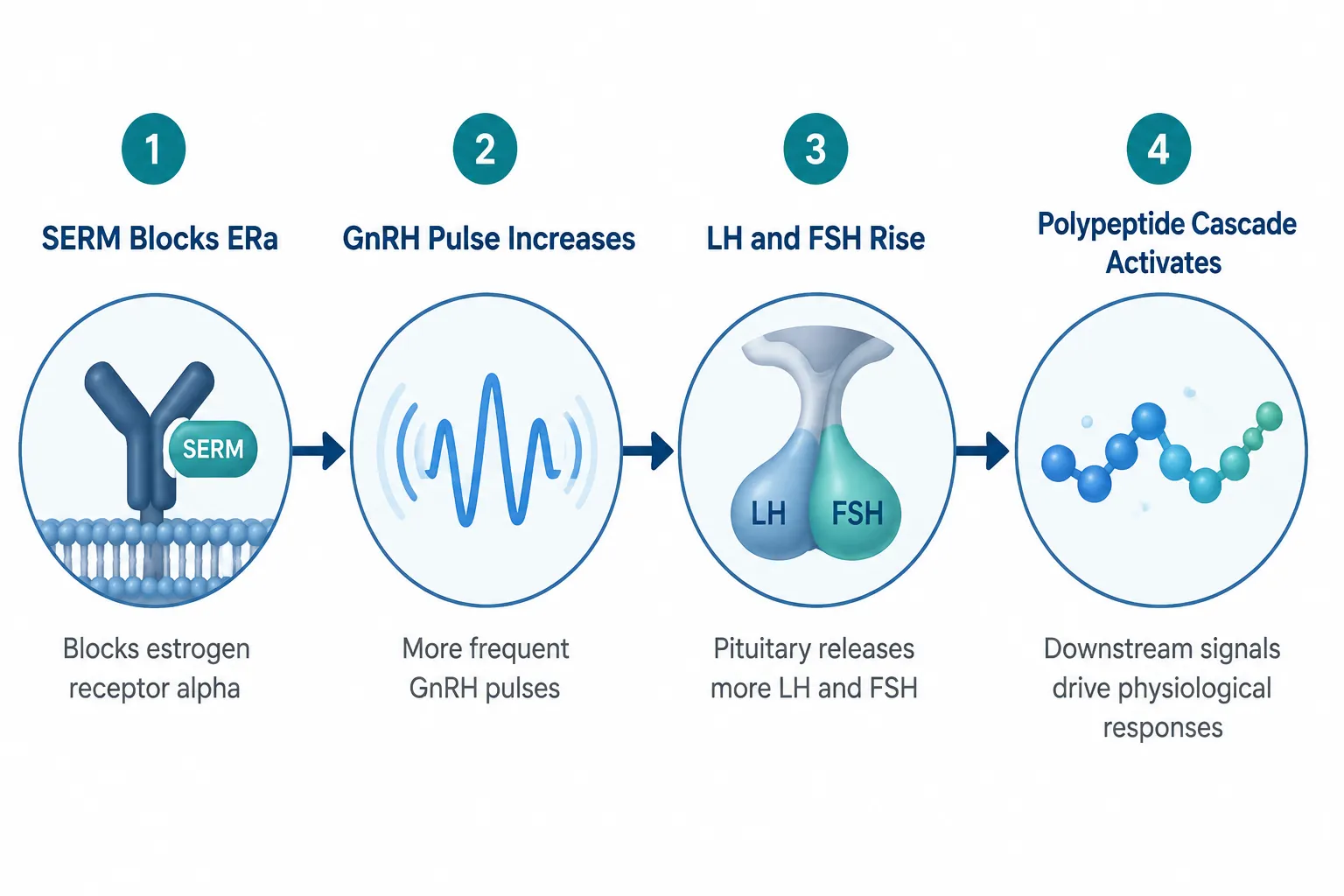
Enclomiphene's antagonism at hypothalamic ERα increases GnRH pulse frequency. This directly elevates LH and FSH, which in turn stimulate testicular steroidogenesis. Researchers co-administering GH secretagogues or systemic peptide research compounds must account for the fact that elevated LH can alter the hormonal milieu in which GH and IGF-1 are being measured.

Recommended baseline biomarkers before serm, peptide co-administration:

  • LH, FSH, total and free testosterone
  • Estradiol (E2), confirms ER blockade efficacy
  • IGF-1, GH axis baseline
  • SHBG, modulates free hormone fractions

Layer 2, Receptor Cross-talk at Target Tissues

Bone, brain, and breast tissue each express combinations of ERα, ERβ, and GPER. GH and GLP-class peptides also act at receptors in these tissues. Overlapping signaling through PI3K/Akt and MAPK pathways means that a serm-induced shift in ER conformation can amplify or attenuate peptide hormone responses at the same downstream node.

For steroidogenesis research models, this cross-talk is especially pronounced in gonadal tissue where both LH-driven steroidogenesis and local ER signaling converge.

Layer 3, Next-Generation ER Agents as Research Variables

SERDs (selective estrogen receptor degraders), PROTACs targeting ER for proteasomal degradation, CERANs (complete estrogen receptor antagonists), and SERCAs (selective ER covalent antagonists) are increasingly present in translational research pipelines as of 2026. Unlike enclomiphene, which modulates receptor conformation, SERDs and PROTACs reduce receptor protein levels entirely. This fundamentally changes baseline ER availability when peptide co-administration begins, requiring separate receptor quantification steps in the assay protocol.

Researchers building multi-compound models should consult translational research design frameworks to pre-specify which ER measurement endpoints will be collected at each timepoint.

Practical Assay Checklist

  • Map ER subtype expression in the target tissue before compound introduction
  • Establish serm washout periods appropriate to the isomer's half-life
  • Use multiplexed immunoassay panels to capture LH, FSH, IGF-1, and E2 simultaneously
  • Include vehicle-only and peptide-only control arms to isolate serm contribution
  • Validate peptide compound purity through independent analysis, compound quality directly affects signal interpretation

Conclusion

Estrogen Receptor Pharmacology, Enclomiphene, and Polypeptide Hormones: A Researcher's Guide to serm, Peptide Interface converges on one central principle: receptor subtype specificity is not optional when peptide hormones share the experimental environment. Enclomiphene's clean ER antagonism at the HPG axis makes it a valuable research tool precisely because it avoids the estrogenic noise of racemic clomiphene, but that advantage is only realized when assay design accounts for downstream peptide hormone interactions.

Actionable next steps for researchers in 2026:

  1. Profile ER subtype expression in your target tissue before any co-administration protocol.
  2. Choose enclomiphene over racemic clomiphene when a pure HPG axis stimulus is required.
  3. Build multiplexed biomarker panels that capture both ER-mediated and peptide-mediated endpoints simultaneously.
  4. Account for next-generation ER agents (SERDs, PROTACs) as distinct variables that alter receptor availability, not just conformation.
  5. Source research compounds with verified purity, impure peptide preparations introduce confounders that no statistical correction can fully remove.

The serm, peptide interface is one of the most mechanistically rich areas in current endocrine research. Rigorous design at this intersection does not just improve data quality, it makes the science translatable.

https://www.puretestedpeptides.com/wp-content/uploads/2026/09/estrogen-receptor-pharmacology-enclomiphene-and-polypeptide-hormones-a-researche.webp 1024 1536 https://www.puretestedpeptides.com/wp-content/uploads/2026/01/buy-peptides-online.jpg 2026-09-05 13:05:572026-09-05 13:05:57Estrogen Receptor Pharmacology, Enclomiphene, and Polypeptide Hormones: A Researcher’s Guide to serm–Peptide Interface
Prostate Specific Antigen, Peptides, and Polypeptide Hormones: What Research Labs Measure in Hormone and serm Studies

Prostate Specific Antigen, Peptides, and Polypeptide Hormones: What Research Labs Measure in Hormone and serm Studies

September 3, 2026/0 Comments/in Uncategorized/by

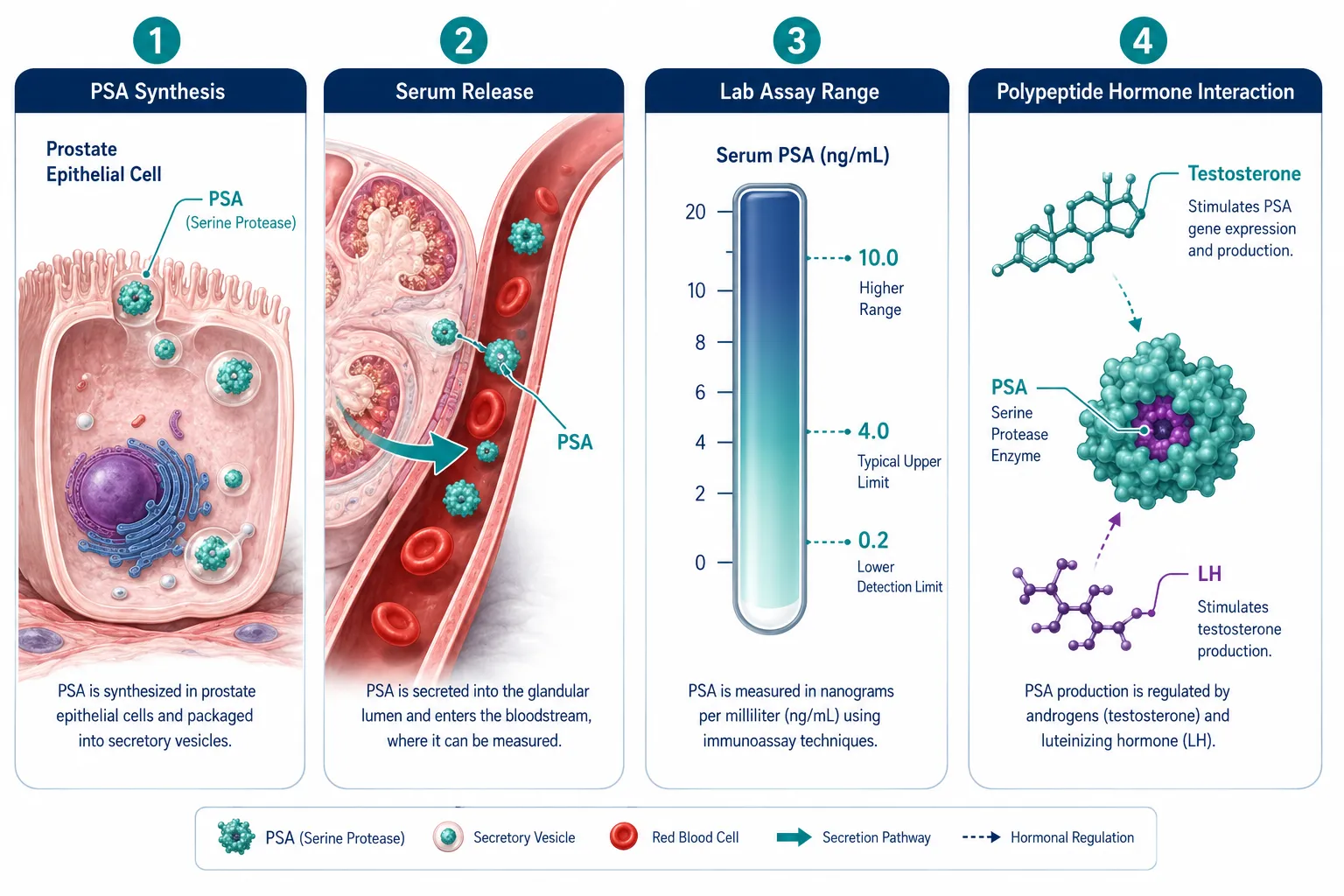
A PSA reading below 0.2 ng/mL within nine months of starting androgen deprivation therapy now ranks as one of the strongest independent predictors of long-term survival in hormone-sensitive prostate cancer research. That single data point illustrates why understanding Prostate Specific Antigen, Peptides, and Polypeptide Hormones: What Research Labs Measure in Hormone and serm Studies matters to anyone working in or following endocrine and oncology research.

Key Takeaways

  • PSA is a serine protease polypeptide and a primary efficacy endpoint in hormone and serm-related prostate research.
  • Research labs routinely pair PSA with testosterone, LH, and FSH to build a complete hormonal picture.
  • serm compounds, including enclomiphene, raise LH and FSH, which in turn elevates testosterone and can influence PSA levels.
  • Novel PSA indices such as the initial-to-nadir PSA ratio are emerging as independent predictors of treatment response.
  • Peptide and polypeptide hormone panels are expanding beyond PSA alone, integrating PSMA metrics and growth hormone secretagogue markers in translational trials.

What PSA Actually Is: A Polypeptide at the Center of Hormone Research

What PSA Actually Is: A Polypeptide at the Center of Hormone Research

Prostate-specific antigen is not merely a cancer screening number. It is a 237-amino-acid serine protease,a polypeptide produced primarily by prostate epithelial cells and regulated by androgenic signaling. Because testosterone and dihydrotestosterone directly stimulate PSA gene transcription via androgen receptor binding, PSA functions as a sensitive downstream readout of androgen activity. This makes it indispensable in any study that manipulates the hormonal axis.

In the context of Prostate Specific Antigen, Peptides, and Polypeptide Hormones: What Research Labs Measure in Hormone and serm Studies, PSA occupies a unique position: it is itself a polypeptide, it responds to polypeptide hormones such as luteinizing hormone (LH) and follicle-stimulating hormone (FSH), and it serves as the primary efficacy biomarker in androgen deprivation therapy (ADT) and androgen receptor pathway inhibitor (ARPI) trials.

Key polypeptide hormones measured alongside PSA in standard research panels include:

  • LH and FSH, pituitary glycoprotein hormones that regulate gonadal testosterone output
  • Testosterone (total and free), the primary androgenic driver of PSA expression
  • Sex hormone-binding globulin (SHBG), a transport protein that modulates free testosterone availability
  • Growth hormone and IGF-1, relevant in systemic peptide research that intersects with prostate biology

How serm Pharmacology Connects to PSA Monitoring

How serm Pharmacology Connects to PSA Monitoring

Selective estrogen receptor modulators (serms) such as enclomiphene, tamoxifen, and clomiphene block estrogen receptors in the hypothalamus and pituitary. This blockade removes negative feedback on GnRH pulsatility, causing a rise in LH and FSH, which then stimulates testicular testosterone production. Because PSA is androgen-sensitive, any intervention that raises testosterone carries the potential to shift PSA levels, a critical consideration in research design.

Understanding serm pharmacology is therefore inseparable from understanding PSA dynamics. Labs conducting serm research on male hypogonadism or testosterone restoration protocols routinely include PSA as a safety and efficacy endpoint precisely because of this hormonal cascade.

"In hormone and serm studies, PSA is not just a prostate cancer marker, it is a functional readout of androgenic activity across the entire hypothalamic-pituitary-gonadal axis."

A well-designed serm comparison study will typically measure:

Biomarker Role in Study
PSA (ng/mL) Primary safety and efficacy endpoint
Total testosterone Confirms androgenic response
LH and FSH Validates serm mechanism of action
Estradiol Monitors estrogenic rebound
SHBG Contextualizes free testosterone changes

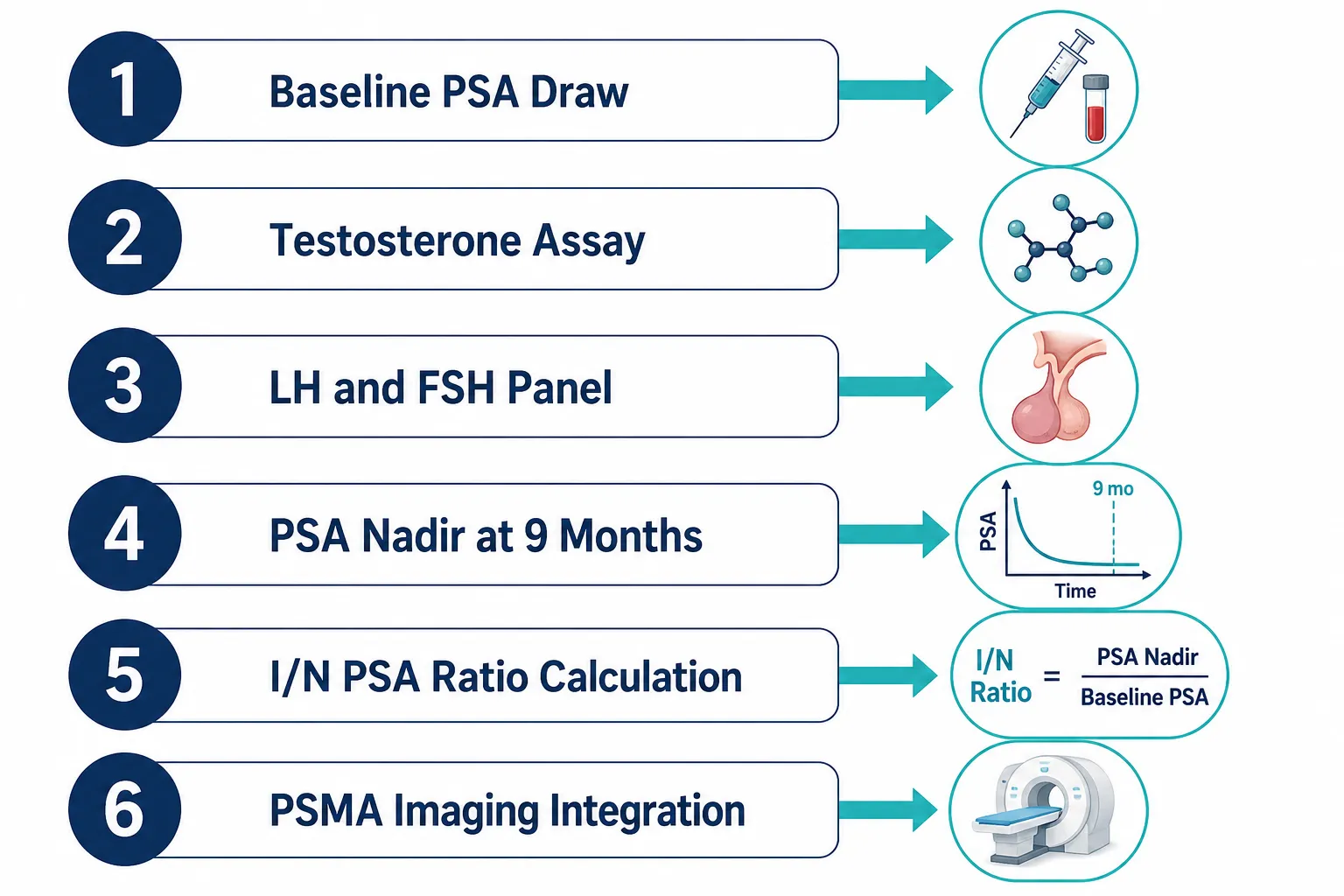
The ARANOTE trial, which evaluated darolutamide combined with ADT, used undetectable PSA (below 0.2 ng/mL) as its key efficacy marker. Real-world cohort data confirm that PSA at six to twelve months of ADT plus ARPI predicts survival outcomes and guides decisions on treatment escalation or de-escalation.

What Research Labs Measure: The Full Panel in Hormone and serm Studies

What Research Labs Measure: The Full Panel in Hormone and serm Studies

The scope of Prostate Specific Antigen, Peptides, and Polypeptide Hormones: What Research Labs Measure in Hormone and serm Studies has expanded considerably in 2026. Beyond the classic PSA-plus-testosterone panel, modern translational trials incorporate several additional metrics.

Novel PSA Indices

The initial-to-nadir PSA ratio (I/N PSA) has emerged as an independent predictor of both treatment response and overall survival. Labs calculate this by dividing the baseline PSA by the lowest PSA achieved during therapy. A steep ratio signals robust androgen suppression and correlates with improved outcomes in ADT-treated cohorts.

PSA variability and repeat testing protocols have also received renewed attention. Screening analyses confirm that a single PSA draw carries meaningful biological variability, making serial measurements and standardized collection intervals essential for reliable research endpoints.

Integrating PSMA Metrics

Prostate-specific membrane antigen (PSMA) radioligand therapy trials such as the ENZA-p study now integrate both PSA and PSMA imaging metrics. PSMA is itself a transmembrane peptide, and its expression correlates with, but is not identical to, PSA levels. Labs running hormone-refractory disease studies must therefore treat PSA and PSMA as complementary rather than interchangeable endpoints.

Peptide Hormones in Growth Axis Research

Researchers exploring growth hormone secretagogues such as those studied in sermorelin, ipamorelin, and CJC-1295 protocols measure IGF-1 and growth hormone pulse amplitude alongside PSA when subjects are older males. This overlap reflects the broader principle that no single peptide or hormone acts in isolation. Translational research design increasingly demands multi-analyte panels that capture hormonal crosstalk.

For labs exploring mitochondria-targeted peptides, resources such as SS-31 mechanism and research highlight how oxidative stress markers can complement hormone panels in aging-related studies.

ADT-Sparing Strategies and PSA Thresholds

Emerging ADT-sparing research uses PSA as the primary marker for determining whether lifelong castration can be avoided. Guideline and cohort data now define specific PSA thresholds for initiating and timing ADT after local treatment relapse. The PSA-response-adapted radiation approach tested in the RANGER phase II trial exemplifies how a single polypeptide biomarker can drive individualized treatment algorithms.

Conclusion

The relationship between Prostate Specific Antigen, Peptides, and Polypeptide Hormones: What Research Labs Measure in Hormone and serm Studies is more integrated than most summaries suggest. PSA is simultaneously a polypeptide product, an androgen-axis readout, and a safety endpoint in serm and hormone research. Labs that treat it as a standalone number miss the broader hormonal narrative.

Actionable next steps for researchers and lab professionals:

  1. Adopt serial PSA measurement protocols with standardized intervals rather than relying on single-draw values.
  2. Pair PSA with LH, FSH, total testosterone, and SHBG to capture the full hormonal axis in serm and ADT studies.
  3. Calculate the I/N PSA ratio as a supplementary predictor of response and survival in ADT-treated cohorts.
  4. Integrate PSMA imaging data in hormone-refractory protocols to avoid over-relying on PSA alone.
  5. Review current serm research and translational research design frameworks to ensure multi-analyte panels reflect 2026 guideline updates.

Staying current with how PSA interacts with the broader peptide and polypeptide hormone landscape is no longer optional, it is the baseline standard for credible hormone and serm research design.

https://www.puretestedpeptides.com/wp-content/uploads/2026/09/prostate-specific-antigen-peptides-and-polypeptide-hormones-what-research-labs-m.webp 1024 1536 https://www.puretestedpeptides.com/wp-content/uploads/2026/01/buy-peptides-online.jpg 2026-09-03 13:05:362026-09-03 13:05:36Prostate Specific Antigen, Peptides, and Polypeptide Hormones: What Research Labs Measure in Hormone and serm Studies
Estrogen Receptors and Enclomiphene: How serm Research Interfaces With Polypeptide Hormones and GLP‑Class Peptides

Estrogen Receptors and Enclomiphene: How serm Research Interfaces With Polypeptide Hormones and GLP‑Class Peptides

August 28, 2026/0 Comments/in Uncategorized/by

Fewer than 15% of men diagnosed with functional hypogonadism in 2026 are offered non-testosterone pharmacological alternatives, yet enclomiphene citrate, a selective estrogen receptor modulator (serm), has quietly accumulated a substantial research record that intersects with some of the most active areas in peptide science. Understanding estrogen receptors and enclomiphene, and how serm research interfaces with polypeptide hormones and GLP-class peptides, is no longer a niche academic exercise. It is a practical framework for clinicians, researchers, and informed patients navigating a rapidly expanding hormonal-optimization landscape.

Key Takeaways

  • Enclomiphene blocks hypothalamic estrogen receptors to amplify GnRH, LH, and FSH output, preserving endogenous testosterone production.
  • Emerging evidence points to a bidirectional crosstalk between estrogen receptor signaling and GLP-1 class peptide pathways, particularly in the arcuate nucleus.
  • Polypeptide hormones such as GHRH analogues and GLP-class peptides operate through distinct receptor families but share downstream metabolic overlap with serm-driven hormonal cascades.
  • As of 2026, enclomiphene remains off-label for male hypogonadism in most jurisdictions, while GLP-1 receptor agonists hold broad regulatory approval.
  • Purity and third-party verification of research peptides are critical variables when studying these interactions at the lab level.

How Enclomiphene Targets Estrogen Receptors

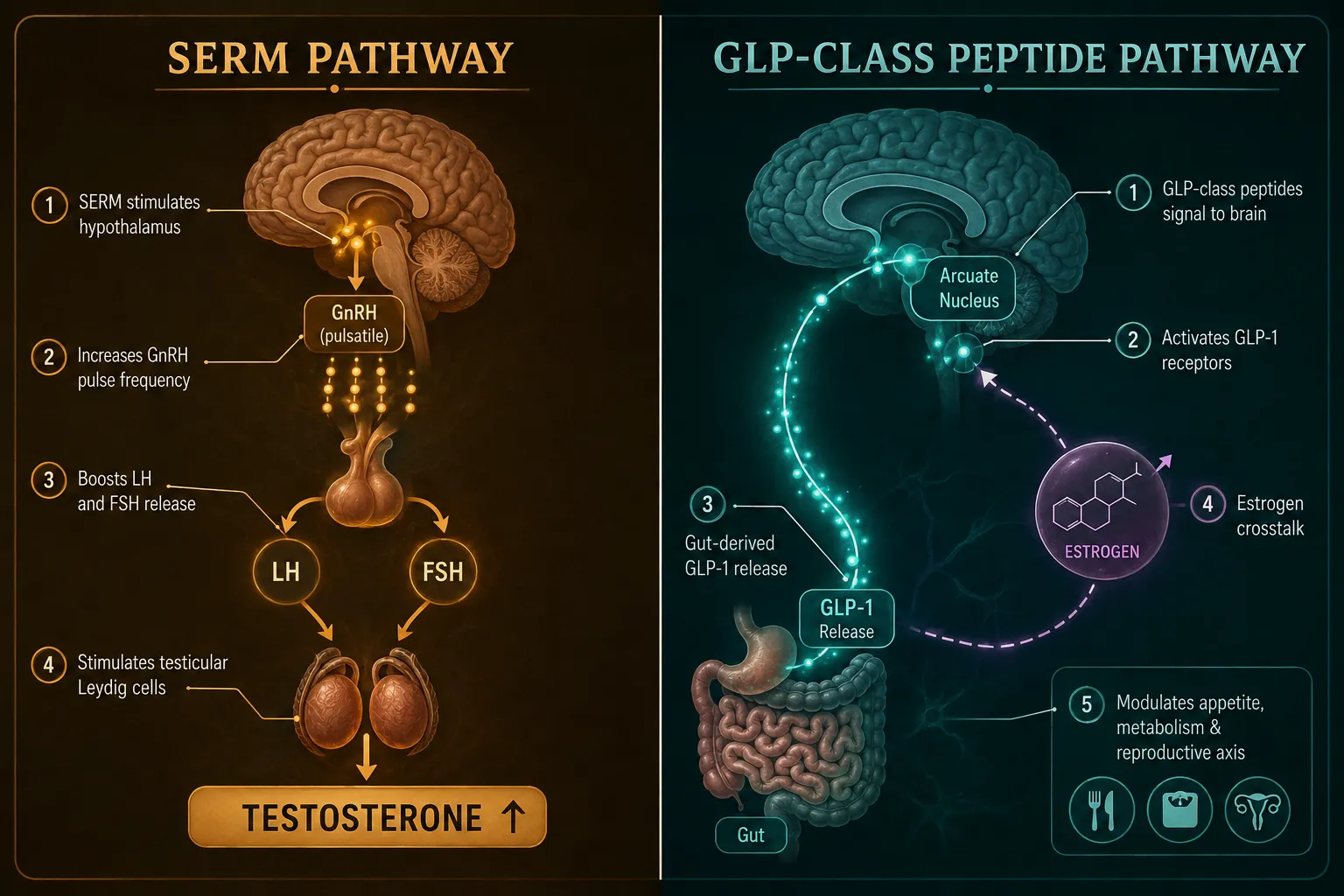
Enclomiphene is the trans-isomer of clomiphene citrate. While clomiphene contains both the zuclomiphene (cis) and enclomiphene (trans) isomers, the trans form carries most of the receptor-antagonist activity at the hypothalamic level. It binds competitively to estrogen receptor alpha (ERa) and estrogen receptor beta (ERb) in the hypothalamus and pituitary, blocking the negative feedback that estradiol normally exerts on gonadotropin-releasing hormone (GnRH) pulsatility.

How Enclomiphene Targets Estrogen Receptors

The result is a measurable increase in GnRH pulse frequency, which drives luteinizing hormone (LH) and follicle-stimulating hormone (FSH) secretion from the anterior pituitary. Elevated LH then stimulates Leydig cell testosterone synthesis in the testes. This mechanism is fundamentally different from exogenous testosterone replacement, which suppresses the hypothalamic-pituitary-gonadal (HPG) axis through negative feedback. Enclomiphene preserves, and actively stimulates, endogenous production.

Key receptor pharmacology points:

  • ERa blockade in the hypothalamus is the primary driver of GnRH disinhibition
  • ERb activity in peripheral tissues influences mood, bone density, and cardiovascular tone
  • Enclomiphene's selectivity profile differs from tamoxifen and raloxifene, making direct class comparisons imprecise

A 2025 systematic review comparing enclomiphene to testosterone replacement in male functional hypogonadism found that enclomiphene produced comparable testosterone normalization while maintaining sperm production, a clinically significant advantage for men of reproductive age.

serm Research Interfaces With Polypeptide Hormones: The HPG-Peptide Connection

The phrase "estrogen receptors and enclomiphene: how serm research interfaces with polypeptide hormones and GLP-class peptides" captures a genuinely complex biological intersection. The HPG axis does not operate in isolation. It is modulated by a network of polypeptide signals, including growth hormone-releasing hormone (GHRH), kisspeptin, and GLP-1 receptor agonists.

serm Research Interfaces With Polypeptide Hormones: The HPG-Peptide Connection

GHRH analogues and the serm context

GHRH analogues such as sermorelin and CJC-1295 stimulate growth hormone (GH) release from the anterior pituitary through GHRH receptor activation. Research into sermorelin and ipamorelin CJC-1295 combinations has shown that GH secretion interacts with sex hormone-binding globulin (SHBG) levels, indirectly influencing free testosterone availability. When enclomiphene raises total testosterone, the concurrent use of GHRH analogues may alter SHBG dynamics, creating a meaningful lab-level variable.

For researchers exploring IPA sermorelin stack protocols, understanding how estrogen receptor modulation affects the downstream hormonal environment is essential for interpreting assay results accurately.

GLP-1 class peptides: the emerging crosstalk

GLP-1 receptor agonists, originally developed for glycemic control, have revealed unexpected neuroendocrine activity. GLP-1 receptors are expressed in the arcuate nucleus of the hypothalamus, a region dense with kisspeptin neurons that directly regulate GnRH pulsatility. Estrogen receptors are co-expressed in the same neuronal populations.

"The arcuate nucleus functions as a convergence point where estrogen signaling, GLP-1 receptor activation, and kisspeptin-driven GnRH control interact in ways that current research is only beginning to map."

This means that a serm like enclomiphene, acting on hypothalamic ERa, may have functional crosstalk with GLP-1 receptor signaling in the same anatomical region. Researchers working with GLP-1 peptides in metabolic or neuroendocrine models should account for this overlap when designing experiments that also involve ER-modulating compounds.

The GLP-2 peptide class, while primarily intestinotrophic, also shows central nervous system expression patterns that warrant attention in multi-peptide research designs.

Research Trajectory and Practical Positioning in 2026

As of 2026, the regulatory landscape remains fragmented. Enclomiphene holds no major market authorization specifically for male hypogonadism in the United States or European Union, though off-label prescribing is common in men's health clinics. GLP-1 receptor agonists, by contrast, carry broad approvals for type 2 diabetes and obesity management, with ongoing trials in cardiovascular and neurodegenerative indications.

Research Trajectory and Practical Positioning in 2026

Positioning comparison at a glance:

Factor Enclomiphene (serm) GLP-1 Class Peptides
Primary target Hypothalamic ERa/ERb GLP-1 receptor (gut, brain)
Regulatory status (2026) Off-label (most jurisdictions) Approved (metabolic indications)
HPG axis effect Stimulatory (raises LH, FSH, T) Indirect (arcuate nucleus crosstalk)
Fertility preservation Yes Not established
Research peptide purity needs High High

For lab-level studies examining these interactions, sourcing lab tested peptides with verified purity documentation is non-negotiable. Contaminants or isomeric impurities can confound receptor-binding assays and produce misleading downstream hormone data.

Researchers interested in the growth hormone axis should also review tesa peptide benefits data, as tesa's effects on visceral fat and IGF-1 levels create additional metabolic variables relevant to any multi-compound hormonal study design.

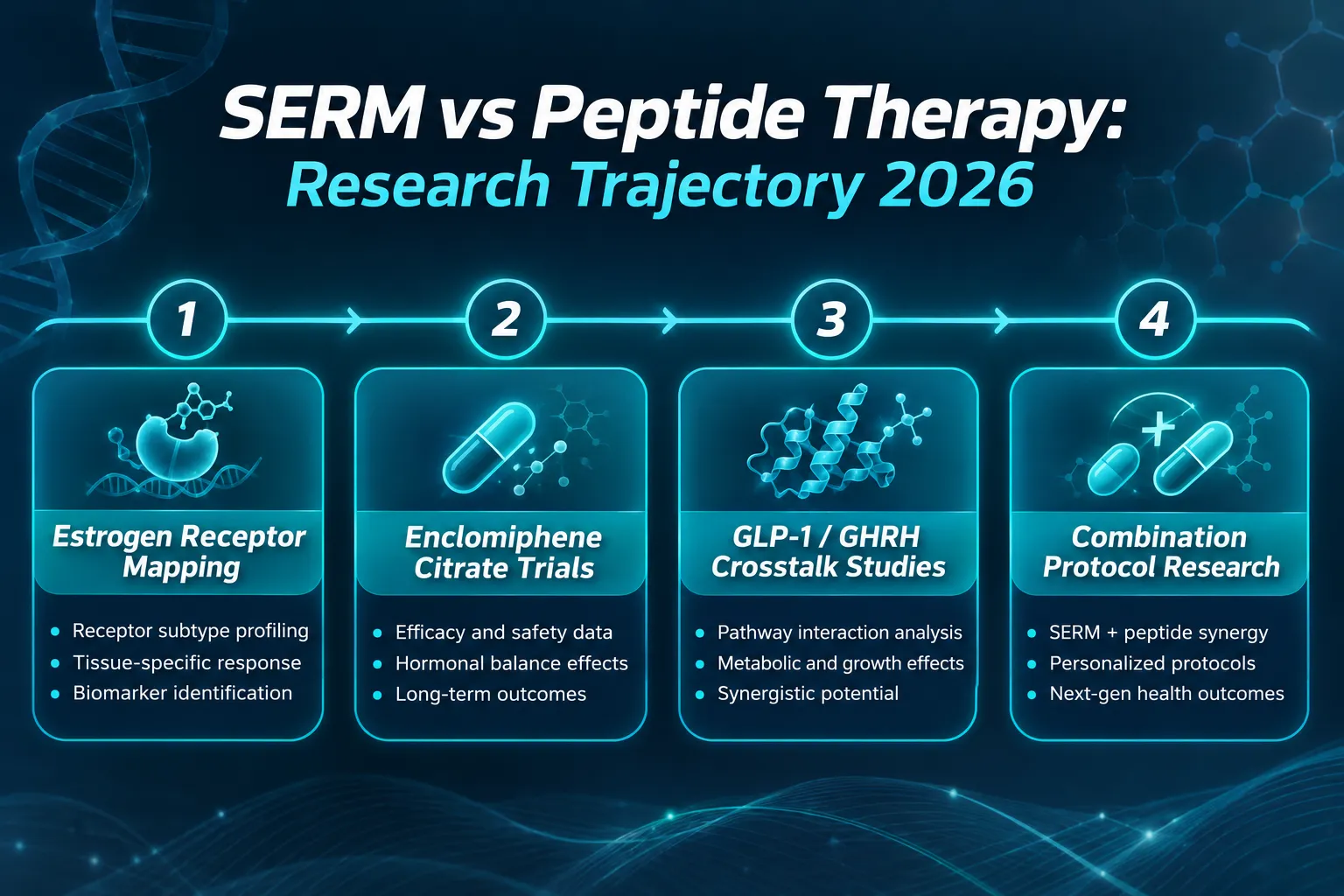
Forward-looking analyst perspective (speculative): The most likely near-term research direction involves combination protocols that pair serm-driven HPG axis stimulation with GLP-1 receptor agonism to address both hypogonadism and metabolic syndrome simultaneously. This is not yet supported by randomized controlled trial data, but mechanistic rationale is strong enough to justify structured pilot studies.

Conclusion

Estrogen receptors and enclomiphene represent a well-characterized pharmacological axis. How serm research interfaces with polypeptide hormones and GLP-class peptides is a newer and more complex question, one that demands rigorous methodology, verified reagents, and a clear understanding of the convergent biology at the hypothalamic level.

Actionable next steps for researchers and clinicians:

  1. Map estrogen receptor expression alongside GLP-1 receptor distribution in any neuroendocrine study design that involves enclomiphene or related serms.
  2. Account for SHBG dynamics when combining GHRH analogues with serm protocols, as free hormone availability will shift.
  3. Use only third-party verified, lab tested peptides to eliminate purity as a confounding variable.
  4. Monitor the regulatory environment closely, enclomiphene's off-label status may shift as trial data accumulates through 2026 and beyond.
  5. Treat GLP-1 and serm crosstalk findings as hypothesis-generating until controlled trial data is available.

The intersection of serm pharmacology and peptide hormone research is not a fringe topic. It is where the next generation of hormonal optimization protocols will be built.

https://www.puretestedpeptides.com/wp-content/uploads/2026/08/estrogen-receptors-and-enclomiphene-how-serm-research-interfaces-with-polypeptid.webp 1024 1536 https://www.puretestedpeptides.com/wp-content/uploads/2026/01/buy-peptides-online.jpg 2026-08-28 13:05:392026-08-28 13:05:39Estrogen Receptors and Enclomiphene: How serm Research Interfaces With Polypeptide Hormones and GLP‑Class Peptides
Estrogen Receptors, Enclomiphene, and Peptide Signaling: How serms Interact With Polypeptide Hormones in Research

Estrogen Receptors, Enclomiphene, and Peptide Signaling: How serms Interact With Polypeptide Hormones in Research

August 25, 2026/0 Comments/in Uncategorized/by

Fewer than 5% of researchers exploring hormonal axis modulation fully map the upstream nuclear receptor events that ultimately govern polypeptide hormone output, yet that upstream layer is precisely where selective estrogen receptor modulators (serms) like enclomiphene operate. Understanding Estrogen Receptors, Enclomiphene, and Peptide Signaling: How serms Interact With Polypeptide Hormones in Research is essential for any investigator studying gonadotropin regulation, HPG-axis dynamics, or the broader intersection of steroid receptor pharmacology and peptide biology.

Key Takeaways

  • Enclomiphene is the trans-isomer of clomiphene citrate and acts primarily as an estrogen receptor-alpha (ERa) antagonist at the hypothalamus and anterior pituitary.
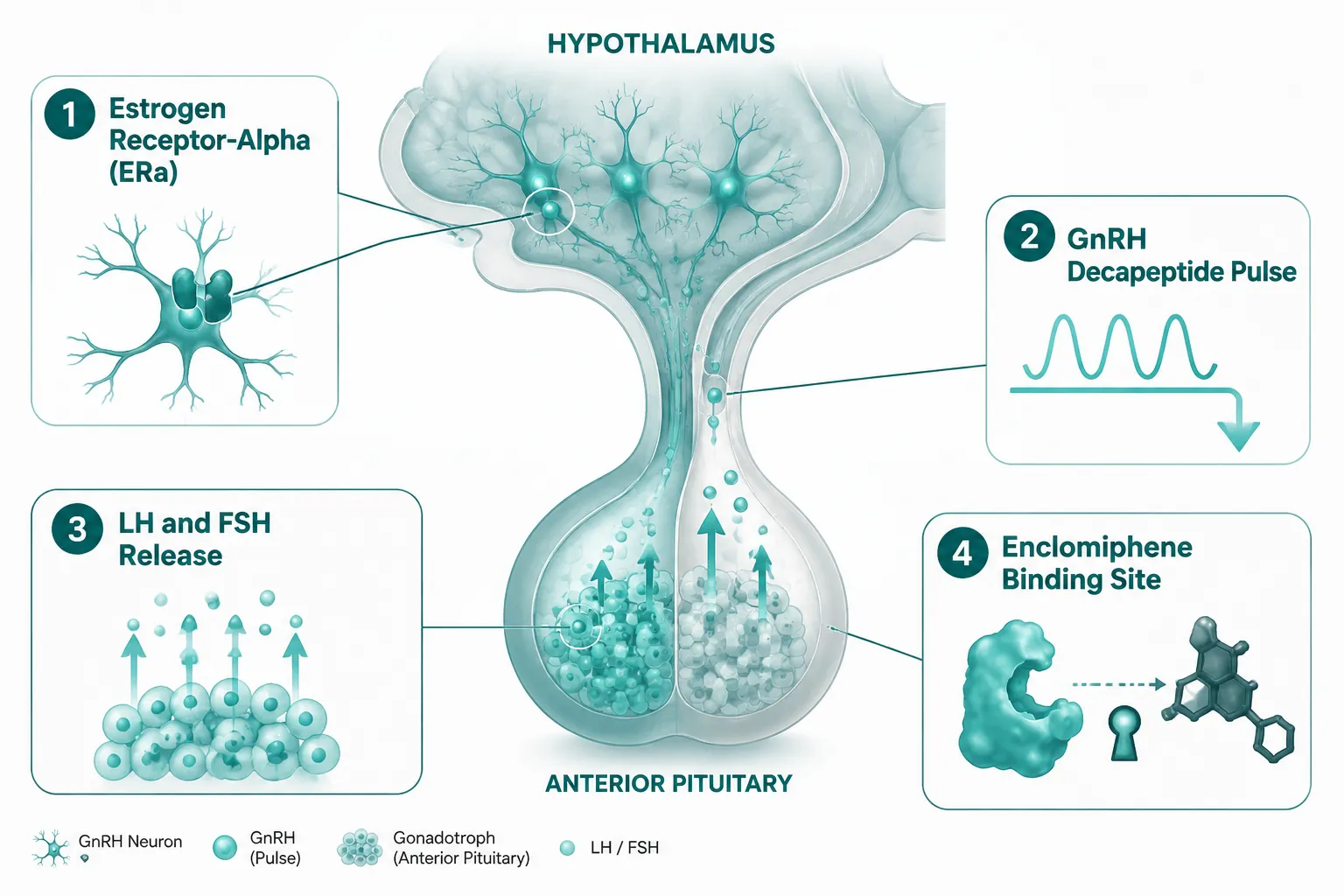
  • By blocking ERa, enclomiphene disrupts estrogen's negative feedback on GnRH neurons, increasing pulsatile release of the decapeptide GnRH and downstream gonadotropins LH and FSH.
  • LH and FSH are glycoprotein polypeptide hormones, making enclomiphene's mechanism a clear example of a serm modulating polypeptide hormone signaling.
  • Enclomiphene is not FDA-approved for any indication as of 2026 and is available only through compounding pharmacies or research channels.
  • No controlled trial data currently confirm direct interactions between enclomiphene and modern peptide therapeutics such as GLP-1 receptor agonists or growth hormone analogues.

How Estrogen Receptors Govern Polypeptide Hormone Cascades

The hypothalamic-pituitary-gonadal (HPG) axis is fundamentally a peptide-signaling network gated by steroid hormone feedback. Estrogen receptor-alpha (ERa) sits at the top of this gate. When endogenous estradiol binds ERa on hypothalamic neurons, it suppresses the pulsatile secretion of gonadotropin-releasing hormone (GnRH), a ten-amino-acid decapeptide that serves as the master upstream signal for reproductive hormone output.

How Estrogen Receptors Govern Polypeptide Hormone Cascades

GnRH travels to the anterior pituitary and stimulates the release of two glycoprotein polypeptide hormones: luteinizing hormone (LH) and follicle-stimulating hormone (FSH). These polypeptides then act on gonadal tissue to regulate testosterone production in men and follicular development in women. This entire cascade, from nuclear receptor to peptide pulse to downstream hormone output, illustrates why estrogen receptor pharmacology is inseparable from polypeptide hormone research.

Kisspeptin-expressing neurons are believed to sit just upstream of GnRH neurons and are highly sensitive to estrogen receptor signaling. Although direct kisspeptin data involving enclomiphene remain sparse in 2026, mechanistic models suggest that ERa antagonism at kisspeptin neurons may amplify GnRH pulse frequency, adding another peptide layer to the signaling story.

"The HPG axis is not a steroid system or a peptide system, it is both, operating in tightly coupled feedback loops."

For researchers exploring hormone research protocols and HPG-axis modulation, understanding this receptor-to-peptide hierarchy is foundational before introducing any serm into an experimental model.

Enclomiphene as a serm: Mechanism, Selectivity, and Research Relevance

Enclomiphene is the trans-isomer of clomiphene citrate. Unlike the racemic mixture, which also contains zuclomiphene (a more estrogenic isomer), enclomiphene behaves as a substantially purer ERa antagonist with minimal agonistic activity. This selectivity is central to understanding Estrogen Receptors, Enclomiphene, and Peptide Signaling: How serms Interact With Polypeptide Hormones in Research in a rigorous way.

Enclomiphene as a serm: Mechanism, Selectivity, and Research Relevance

By occupying ERa without activating it, enclomiphene prevents endogenous estradiol from suppressing GnRH neurons. The result is a measurable increase in GnRH pulse amplitude, followed by elevated pituitary LH and FSH secretion, and ultimately increased endogenous testosterone in male research models. This makes enclomiphene's mechanism a textbook example of a small molecule modulating a polypeptide hormone cascade through nuclear receptor antagonism.

Key pharmacological distinctions between enclomiphene and clomiphene citrate:

Feature Enclomiphene Clomiphene Citrate
Isomer type Trans (pure) Racemic mixture
ERa activity Predominant antagonist Mixed agonist/antagonist
Estrogenic side effects Reduced Higher (due to zuclomiphene)
Fertility preservation Supported in research Less studied
FDA approval status Not approved (2026) Approved for ovulation induction

One clinical review noted an approximately 80% reduction in adverse effects with enclomiphene compared to clomiphene citrate in a secondary hypogonadism study, while achieving comparable improvements in hypogonadal symptoms. This positions enclomiphene as a subject of ongoing interest for researchers working on hormone research compounds and fertility-preserving testosterone optimization models.

Researchers should also note that enclomiphene does not directly bind to peptide hormone receptors. Its effects on LH, FSH, and GnRH are entirely mediated through upstream ERa modulation in neurons and pituitary cells, not through direct peptide receptor interaction. For broader context on how drug mechanisms intersect with peptide pharmacology, see this overview of polypeptide peptides and drug mechanisms.

Research Considerations: Regulatory Status, Safety, and Peptide Co-Administration

As of 2026, enclomiphene carries no FDA-approved indication. Despite Phase 3 development under the name Androxal for secondary hypogonadism, which ended following a complete response letter from the FDA in 2015, no approved standalone product exists. Current access is limited to 503A/503B compounding pharmacies and research-use channels.

Research Considerations: Regulatory Status, Safety, and Peptide Co-Administration

Safety monitoring parameters recommended in research settings include:

  • Serum testosterone and estradiol levels
  • LH and FSH to confirm gonadotropin response
  • Hematocrit and liver function panels
  • Lipid profile monitoring
  • Assessment for mood changes and visual disturbances

Long-term safety data remain limited. While enclomiphene appears to generate fewer estrogen-mediated side effects than clomiphene, systematic outcome data, including live birth rates and cardiovascular endpoints, are not yet available. Anti-doping and military regulatory bodies have classified enclomiphene as a prohibited substance due to its capacity to elevate endogenous testosterone and modify gonadotropin output.

A critical gap exists in the 2026 research landscape: no controlled trial data confirm direct interactions between enclomiphene and modern peptide therapeutics, including GLP-1 receptor agonists, growth hormone analogues, or combination polypeptide protocols. Any discussion of combined serm-peptide regimens remains speculative, grounded in general endocrine physiology rather than direct evidence. Researchers interested in related serm, Ipamorelin, and CJC-1295 dosage interactions should approach such combinations with particular methodological caution.

For investigators sourcing compounds for HPG-axis or peptide signaling studies, peptide CoA verification and working with trusted peptide vendors remain essential quality controls. Researchers exploring metabolic peptide co-administration models may also find value in reviewing MOTS-c peptide and mitochondrial biogenesis pathways, which represent a distinct but mechanistically adjacent area of polypeptide hormone research.

Conclusion

Estrogen Receptors, Enclomiphene, and Peptide Signaling: How serms Interact With Polypeptide Hormones in Research represents a mechanistically rich intersection of nuclear receptor pharmacology and polypeptide hormone biology. Enclomiphene's selective ERa antagonism at the hypothalamus and pituitary drives measurable increases in GnRH, LH, and FSH, a clear demonstration that steroid receptor modulation has direct, quantifiable consequences for peptide hormone output.

Actionable next steps for researchers in 2026:

  1. Map the full HPG-axis peptide hierarchy before designing serm-based experimental protocols.
  2. Confirm enclomiphene sourcing through verified compounding or research-grade channels with documented CoA testing.
  3. Monitor testosterone, estradiol, LH, FSH, and safety markers systematically throughout any research protocol.
  4. Treat any combined serm-plus-peptide therapeutic model as hypothesis-generating until controlled trial data emerge.
  5. Stay current with regulatory classifications, as enclomiphene's status in anti-doping and research frameworks continues to evolve.

The mechanistic clarity of enclomiphene's receptor-to-peptide cascade makes it a valuable research tool, but only when approached with rigorous methodology, verified sourcing, and full awareness of its current regulatory and safety limitations.

https://www.puretestedpeptides.com/wp-content/uploads/2026/08/estrogen-receptors-enclomiphene-and-peptide-signaling-how-serms-interact-with-po.webp 1024 1536 https://www.puretestedpeptides.com/wp-content/uploads/2026/01/buy-peptides-online.jpg 2026-08-25 13:05:192026-08-25 13:05:19Estrogen Receptors, Enclomiphene, and Peptide Signaling: How serms Interact With Polypeptide Hormones in Research
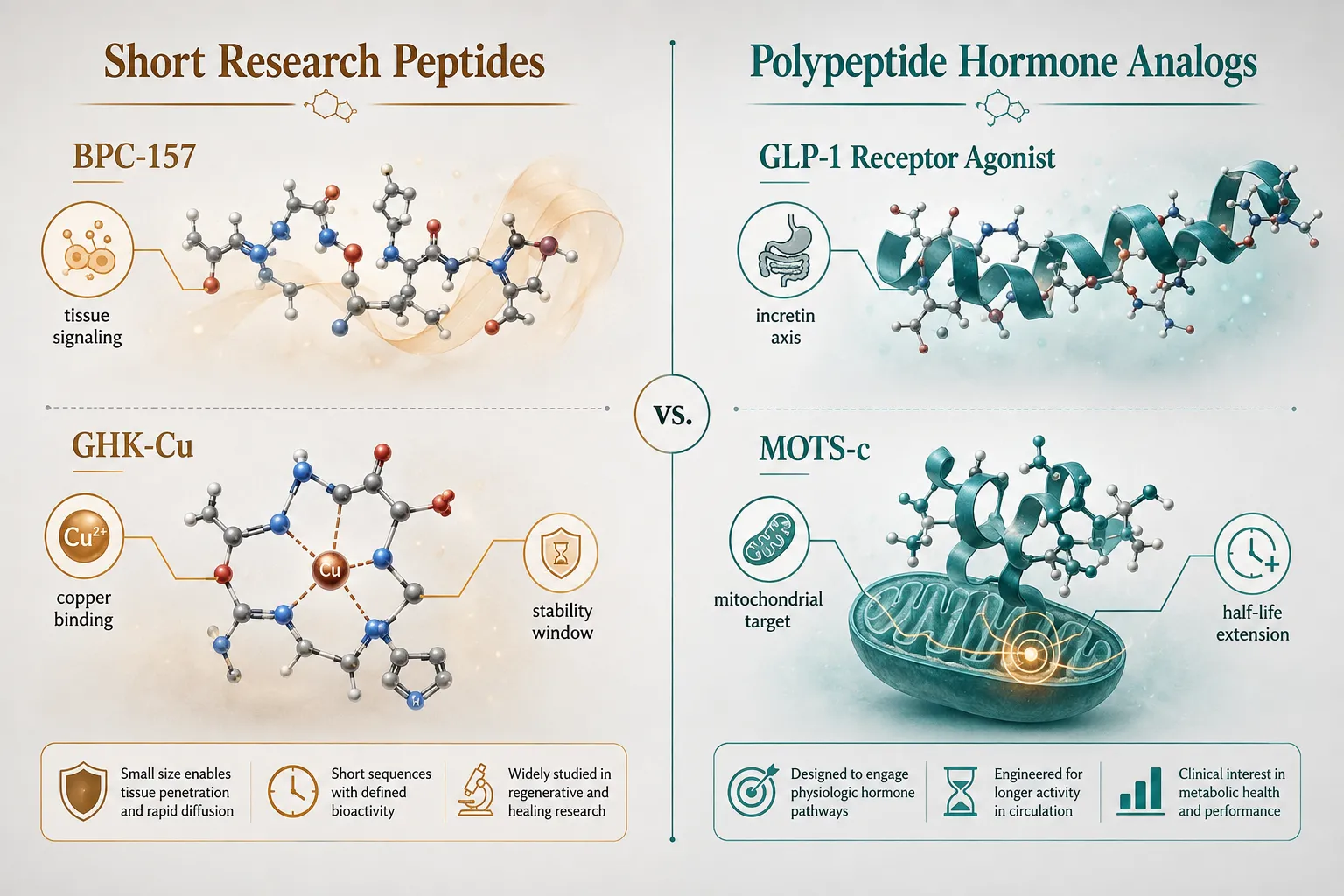
Peptides in Modern Research: From Simple Chains to Complex Polypeptide Hormones

Peptides in Modern Research: From Simple Chains to Complex Polypeptide Hormones

August 15, 2026/0 Comments/in Uncategorized/by

More than 80 peptide-based drugs have received FDA approval to date, covering everything from endocrinology to oncology, and in 2026 alone, the pipeline holds over 150 additional candidates in active clinical development. That scale of activity signals something fundamental: the study of peptides in modern research, from simple chains to complex polypeptide hormones, has moved from a niche biochemical pursuit to one of the most productive frontiers in science.

Key Takeaways

  • Peptides range from two-amino-acid dipeptides to large, folded polypeptide hormones, and their size directly shapes their biological function and research utility.
  • The FDA approved oral semaglutide for chronic weight management in late 2025, and orforglipron followed in April 2026, both driven by polypeptide hormone biology.
  • Research compounds such as BPC-157, GHK-Cu, MOTS-c, and 5-Amino-1MQ represent distinct peptide classes with different mechanisms and experimental profiles.
  • Regulatory policy shifted in 2026, with 12 peptides removed from the FDA's restricted Category 2 compounding list, reshaping access for research applications.
  • Purity and sourcing quality remain critical variables in any peptide research program.

Classifying Peptides: Size, Structure, and Function

Classifying Peptides: Size, Structure, and Function

Understanding peptides in modern research, from simple chains to complex polypeptide hormones, starts with a clear classification framework. Not all peptides are alike. Their length, folding behavior, and receptor interactions differ significantly, and those differences determine what each compound can do in a research model.

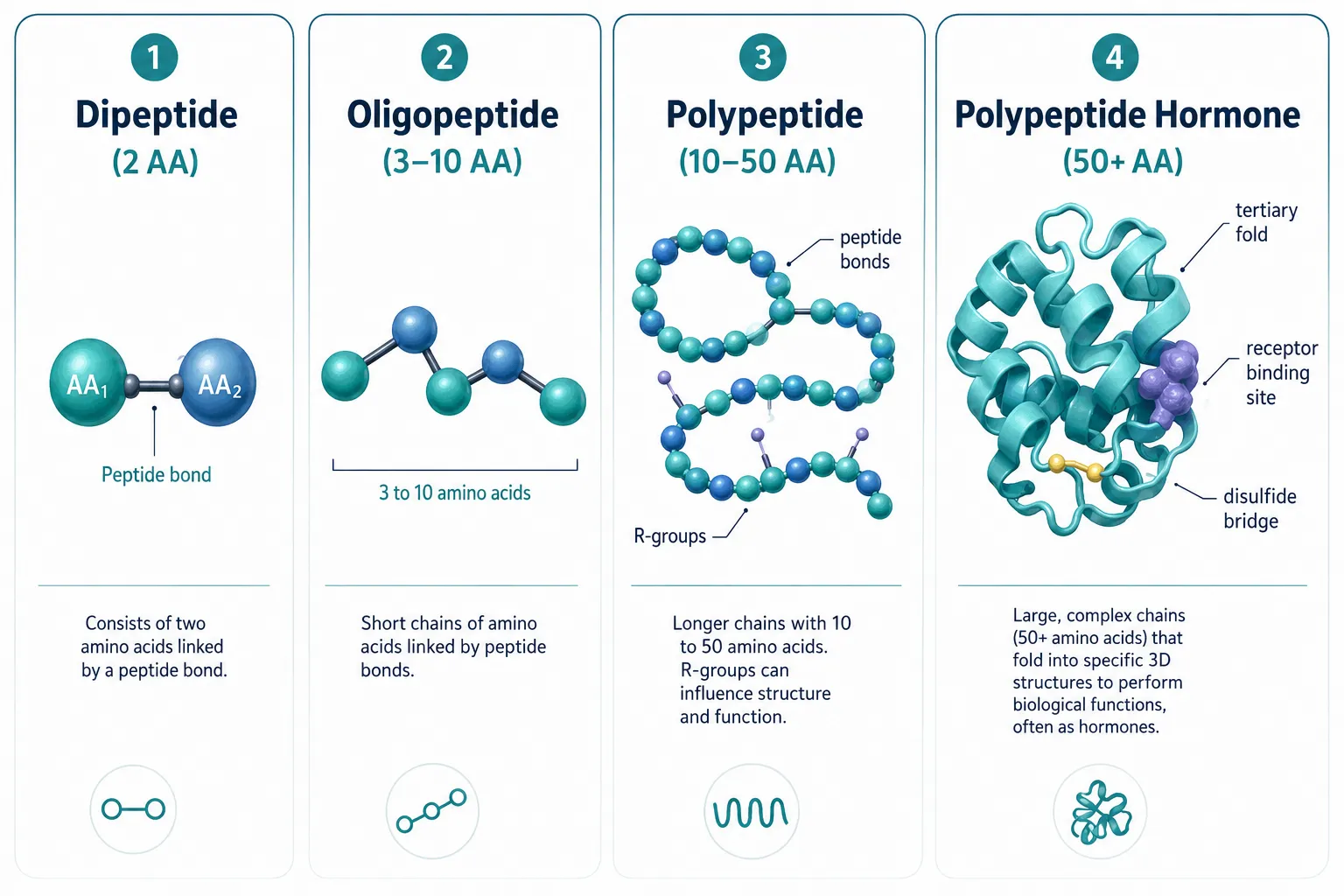
Peptide size categories at a glance:

Category Amino Acid Count Examples
Dipeptide 2 Carnosine
Oligopeptide 3-10 BPC-157 fragment analogs
Polypeptide 10-50 GHK-Cu, MOTS-c
Polypeptide Hormone 50+ Semaglutide, PTH analogs

Short peptides, those with fewer than ten amino acids, tend to be more stable, easier to synthesize, and simpler to study in isolated cellular models. Longer polypeptides and hormone analogs introduce complexity: tertiary folding, disulfide bridges, and receptor-binding domains that require more sophisticated handling and storage protocols.

For a deeper look at how molecular size shapes experimental design, the article on peptides and polypeptides in modern research: how molecular size shapes function, stability, and experimental design provides a detailed structural breakdown.

"Peptide length is not just a chemical detail, it is a primary determinant of how a compound behaves in biological systems, how it is stored, and how it is interpreted in research data."

Key Research Peptide Classes in 2026

Key Research Peptide Classes in 2026

The landscape of peptides in modern research, from simple chains to complex polypeptide hormones, now spans several distinct compound classes. Each class serves different experimental goals.

Short and Mid-Length Research Peptides

BPC-157 is a synthetic pentadecapeptide derived from a gastric protein sequence. It has been studied extensively in tissue and wound models. Researchers interested in its documented profile can consult the BPC-157 core peptides documentation first research guide for a structured overview of its experimental applications.

GHK-Cu is a copper-binding tripeptide that has attracted attention in skin, collagen, and tissue research. Its copper-complex chemistry gives it unique stability considerations. The GHK-Cu peptide: copper complex chemistry, research stability, and lab use considerations article covers the handling nuances relevant to lab settings.

Mitochondrial Peptides

MOTS-c and 5-Amino-1MQ represent a newer class of metabolically active research compounds. MOTS-c is a mitochondria-derived peptide that influences insulin sensitivity and energy metabolism pathways. 5-Amino-1MQ is a small-molecule NNMT inhibitor often studied alongside MOTS-c in adiposity models. Their combined profile is explored in the article on 5-Amino-1MQ and MOTS-c synergy: how mitochondrial peptides target adiposity and insulin resistance in experimental models.

Polypeptide Hormone Analogs

This is the most clinically advanced category. GLP-1 receptor agonists such as semaglutide and dulaglutide are structurally engineered polypeptide hormones designed to mimic and extend the action of endogenous incretin hormones. Retatrutide, a triple agonist targeting GLP-1, GIP, and glucagon receptors, represents the next generation of multi-target hormone-mimetic design.

Emerging compounds like GLP-3 and GLP-2-T are also entering research discussions, reflecting how the incretin hormone family continues to expand as a research target. For context on how these naming conventions and compound categories are evolving, the GLP-2-T peptide and GLP-2 Tirz peptide: naming confusion, product labels, and research interpretation article addresses common points of confusion.

Regulatory Shifts and the Research Pipeline

Regulatory Shifts and the Research Pipeline

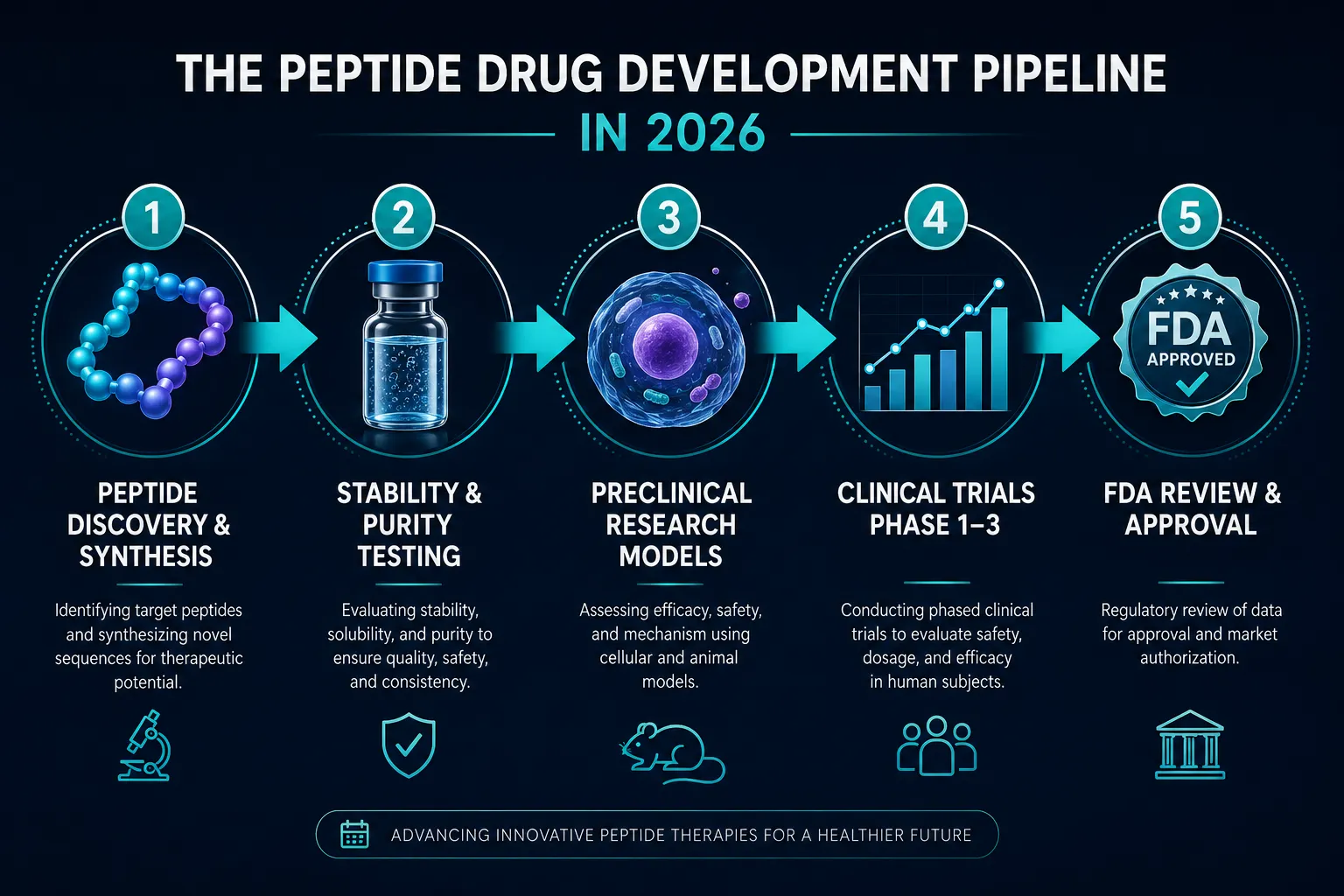
The regulatory environment surrounding peptides in modern research, from simple chains to complex polypeptide hormones, changed materially in 2026. In February 2026, HHS announced that roughly 14 of 19 peptides on the FDA's restricted Category 2 compounding list would be returned to Category 1 status. By April 23, 2026, the FDA formally removed 12 peptides from that restricted list following Federal Register notices issued April 15-16.

However, compounds including BPC-157 and TB-500 remained on the restricted list and were scheduled for review by the FDA Peptide Compounding Advisory Committee in July 2026. These deliberations reflect the ongoing tension between research access and consumer safety in the compounding space.

On the clinical side, several milestones defined the period:

  • Oral semaglutide (25 mg) was approved in December 2025 for chronic weight management, extending polypeptide hormone therapy beyond injectables.
  • Orforglipron (Foundayo) was approved April 1, 2026, as the first oral, non-peptide GLP-1 receptor agonist, a product directly enabled by decades of polypeptide hormone biology research.
  • Palopegteriparatide (Yorvipath), a PEGylated parathyroid hormone prodrug, was approved in 2024 as the first treatment specifically for hypoparathyroidism, illustrating how complex polypeptide engineering enables long-acting endocrine therapies.
  • A peptide-based radiopharmaceutical was among the landmark approvals in Q1 2026, reflecting the growing use of conjugated peptides as diagnostic imaging agents.

Seven Phase 3 trial readouts are expected across 2026 in type 2 diabetes, sleep apnea, liver disease, and cardiovascular outcomes, most driven by incretin and hormone-mimetic peptide analogs.

For researchers evaluating metabolic peptides, the top 5 research peptides for metabolic health: an updated buyer's guide offers a curated overview of compounds with the strongest current research profiles.

Conclusion

The field of peptides in modern research, from simple chains to complex polypeptide hormones, is advancing on multiple fronts simultaneously. Short peptides like BPC-157 and GHK-Cu continue to generate data in tissue and cellular models. Mid-length compounds like MOTS-c are opening new windows into mitochondrial biology. And large polypeptide hormone analogs are reshaping clinical medicine in metabolic disease, endocrinology, and oncology.

Actionable next steps for researchers and professionals:

  1. Audit the peptide compounds in your current research program against the updated 2026 FDA compounding classifications to ensure compliance.
  2. Distinguish clearly between short peptides, polypeptides, and hormone analogs in experimental design, size and structure determine stability, dosing, and data interpretation.
  3. Prioritize purity-verified, lab-tested peptide sources. Compound quality directly affects result reproducibility.
  4. Monitor the FDA Peptide Compounding Advisory Committee outputs from mid-2026 onward, as these will continue to shape access to research compounds.
  5. Explore the growing literature on mitochondrial peptides and multi-agonist hormone analogs, as these represent the most active areas of mechanistic discovery heading into 2027.
https://www.puretestedpeptides.com/wp-content/uploads/2026/08/peptides-in-modern-research-from-simple-chains-to-complex-polypeptide-hormones.webp 1024 1536 https://www.puretestedpeptides.com/wp-content/uploads/2026/01/buy-peptides-online.jpg 2026-08-15 13:04:552026-08-15 13:04:55Peptides in Modern Research: From Simple Chains to Complex Polypeptide Hormones

Tag Archive for: polypeptide hormones

Estrogen Receptor Signaling and Enclomiphene: How Selective Modulators Compare with Classic Polypeptide Hormones

Estrogen Receptor Signaling and Enclomiphene: How Selective Modulators Compare with Classic Polypeptide Hormones

July 24, 2026/0 Comments/by Pure Tested

}

Professional () hero image with (≤42 chars): 'Estrogen Receptor Signaling' in crisp white on a deep navy semi-transparent

Fewer than 15% of men diagnosed with secondary hypogonadism are offered a fertility-preserving treatment option, yet a class of small molecules called selective estrogen receptor modulators (serms) has been reshaping that conversation for over a decade. Understanding estrogen receptor signaling and enclomiphene, and how selective modulators compare with classic polypeptide hormones, is essential for anyone researching the endocrine axis in depth.

Key Takeaways

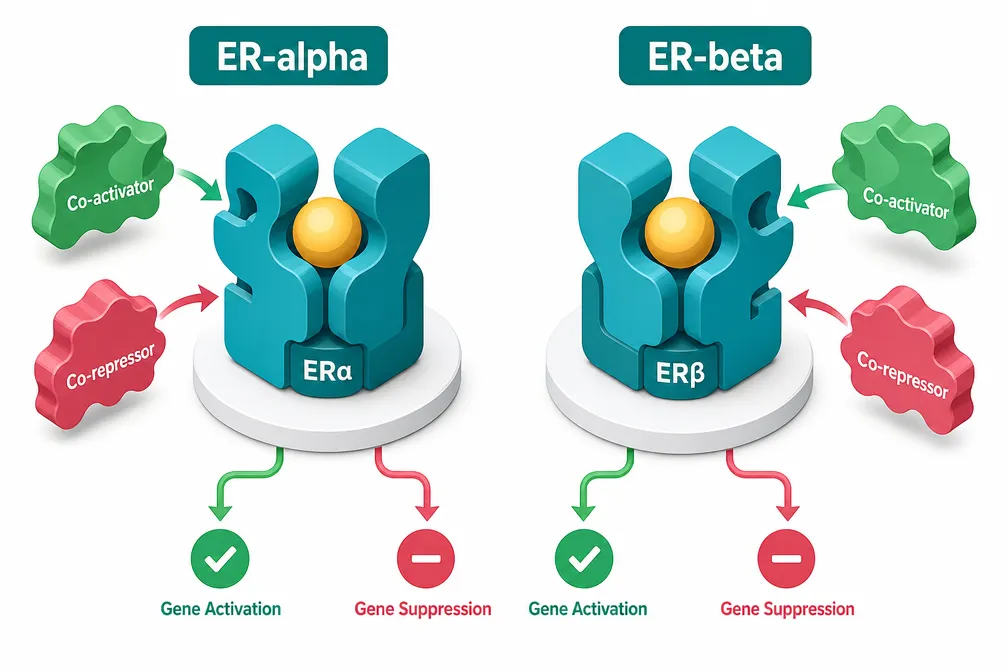
  • Estrogen receptors (ER-alpha and ER-beta) are nuclear transcription factors whose activity depends on ligand type, tissue context, and co-regulator proteins.
  • Enclomiphene is the trans-isomer of clomiphene and acts as a non-steroidal serm, blocking estrogen receptors in the hypothalamus and pituitary to raise GnRH, LH, FSH, and endogenous testosterone.
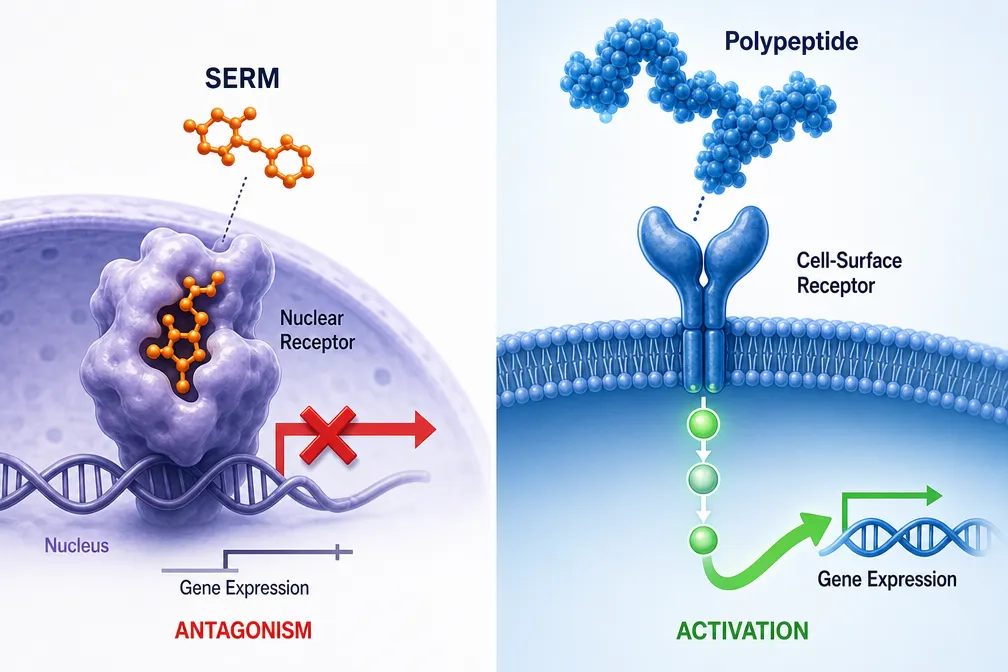
  • Unlike polypeptide hormones, which bind cell-surface receptors and trigger rapid second-messenger cascades, serms enter the nucleus and directly modulate gene transcription.
  • A 2025 systematic review confirmed that serms effectively raise testosterone and preserve spermatogenesis, distinguishing them from exogenous testosterone therapy.
  • Enclomiphene has no FDA approval as of 2026; all clinical use remains off-label, and long-term outcome data are still limited.

Key Takeaways

Estrogen Receptor Biology: Subtypes, Co-Regulators, and Tissue Specificity

To understand estrogen receptor signaling and enclomiphene's place within it, the receptor architecture must come first.

Two primary estrogen receptor subtypes govern most estrogenic signaling:

Receptor Gene Primary Tissues Dominant Role
ER-alpha (ERalpha) ESR1 Uterus, breast, hypothalamus, pituitary Reproductive and metabolic regulation
ER-beta (ERbeta) ESR2 Ovary, prostate, lung, brain Modulation, often opposing ERalpha

Both receptors are ligand-activated transcription factors housed in the nucleus. When estradiol binds, the receptor undergoes a conformational change, dimerizes, and recruits co-regulator proteins, either co-activators or co-repressors, before binding estrogen response elements (EREs) on target gene promoters.

This co-regulator recruitment is the critical variable. The same receptor, in two different tissues, can produce opposite outcomes depending on which co-regulators are present. This tissue selectivity is precisely what serms exploit.

Genomic vs. non-genomic signaling also matters. The classical genomic pathway takes hours; non-genomic estrogen signaling through membrane-associated receptors can activate kinase cascades within minutes. Enclomiphene operates primarily through the genomic pathway at hypothalamic and pituitary ERalpha sites.

How Enclomiphene Modulates the Hypothalamic-Pituitary-Gonadal Axis

Enclomiphene is the trans-isomer of clomiphene citrate. Its mechanism centers on competitive antagonism at ERalpha in the hypothalamus and anterior pituitary.

Under normal physiology, circulating estradiol (converted from testosterone via aromatase) exerts negative feedback on GnRH neurons and gonadotroph cells, suppressing LH and FSH secretion. Enclomiphene blocks this feedback loop:

  1. Enclomiphene occupies ERalpha in the hypothalamus.
  2. GnRH pulse frequency increases.
  3. The pituitary releases more LH and FSH.
  4. The testes respond with increased testosterone synthesis and maintained spermatogenesis.

This is the core distinction in estrogen receptor signaling and enclomiphene research: the drug does not supply testosterone, it restores the body's own signaling cascade. A 2025 systematic review published in Archives of Endocrinology and Metabolism confirmed that serms raise total testosterone, LH, and FSH while preserving sperm parameters, an outcome exogenous testosterone therapy cannot match because it suppresses LH and FSH directly.

Enclomiphene's advantage over its sister isomer (zuclomiphene) lies in binding affinity and clearance. Zuclomiphene has weak estrogenic activity and a longer half-life; enclomiphene is a cleaner antagonist with faster elimination, which some 2026 practice reviews suggest may reduce estrogen-related side effects such as gynecomastia.

For researchers exploring growth hormone secretagogue pathways as a parallel endocrine axis, the IPA GHRH and GRF research overview provides useful mechanistic context on upstream peptide signaling.

Selective Modulators vs. Classic Polypeptide Hormones: A Mechanistic Comparison

This is where estrogen receptor signaling and enclomiphene diverge most sharply from polypeptide hormone biology.

Classic polypeptide hormones, including LH, FSH, GnRH, and growth hormone-releasing peptides, are chains of amino acids that cannot cross the cell membrane. They bind G-protein-coupled receptors or receptor tyrosine kinases on the cell surface, triggering second-messenger cascades (cAMP, IP3, MAPK) that produce effects within seconds to minutes.

serms like enclomiphene, by contrast, are small lipophilic molecules that diffuse across the plasma membrane and directly engage nuclear receptors. Their timeline is hours, not seconds.

Feature Polypeptide Hormones serms (e.g., Enclomiphene)
Receptor location Cell surface Nucleus
Signaling speed Seconds to minutes Hours
Mechanism Second-messenger cascades Direct gene transcription
Tissue selectivity Receptor expression-dependent Co-regulator-dependent
Structural class Amino acid chains Non-steroidal small molecules

Researchers studying peptide-based endocrine tools such as tesa and its growth hormone axis effects or ipamorelin as a GHRH secretagogue are working within the polypeptide paradigm, cell-surface binding, rapid downstream signaling, and short biological half-lives. Enclomiphene operates in an entirely different molecular register.

"The tissue selectivity of a serm is not encoded in the molecule itself, it emerges from the co-regulator landscape of each target cell."

This distinction matters for research design. Polypeptide hormone studies typically measure acute hormonal pulses; serm studies must account for transcriptional latency and tissue-specific gene expression profiles.

For researchers interested in mitochondrial and metabolic peptide pathways that intersect with hormonal regulation, MOTS-c and mitochondrial dynamics represents a complementary area of inquiry. Similarly, 5-amino-1MQ's role in metabolic signaling illustrates how small molecules can modulate endocrine-adjacent pathways without acting through classical receptor mechanisms.

Selective Modulators vs. Classic Polypeptide Hormones: A Mechanistic Comparison

Regulatory Status and Research Considerations in 2026

Enclomiphene (branded as Androxal) advanced to Phase 3 clinical trials for secondary hypogonadism but received an FDA Complete Response Letter in 2015. As of 2026, there is no FDA-approved indication, and formal pharmaceutical development has been discontinued. Military and sports regulatory bodies list it as a prohibited substance, and it does not qualify as a dietary supplement under any regulatory framework.

Off-label use in men with secondary hypogonadism who wish to preserve fertility remains the primary clinical context. Practitioners and researchers in 2026 consistently frame enclomiphene as a fertility-preserving alternative to testosterone replacement therapy, not a substitute for it.

Gaps that remain as of 2026:

  • No large randomized trials measuring live birth rates with enclomiphene alone
  • Limited long-term cardiovascular safety data
  • No head-to-head trials comparing enclomiphene with newer serm formulations

For researchers sourcing research-grade peptides and small molecules, reviewing quality testing protocols is an important step before designing any receptor-signaling study.

Regulatory Status and Research Considerations in 2026

Conclusion

Estrogen receptor signaling and enclomiphene's role as a selective modulator represent a mechanistically distinct pathway from the polypeptide hormone systems that dominate much of endocrine research. The receptor subtype biology, co-regulator dependency, and nuclear transcription mechanism set serms apart from peptide-based tools in both their timeline of action and their tissue-specific outcomes.

Actionable next steps for researchers and clinicians:

  • Map co-regulator expression profiles in target tissues before predicting serm outcomes in novel models.
  • Distinguish clearly between serm-mediated transcriptional effects and polypeptide hormone second-messenger effects when designing multi-pathway studies.
  • Monitor the 2026 literature for emerging randomized trial data on enclomiphene's long-term safety endpoints.
  • Consult current regulatory guidance before including enclomiphene in any human-subjects protocol, given its unapproved status.
  • Pair serm research with complementary polypeptide axis studies, such as GH secretagogue or metabolic peptide research, to build a fuller picture of endocrine cross-talk.

The intersection of nuclear receptor pharmacology and classical peptide endocrinology is one of the most productive areas in translational biology today. Grounding that work in precise mechanistic understanding is the starting point for any high-quality research program.

https://www.puretestedpeptides.com/wp-content/uploads/2026/07/estrogen-receptor-signaling-and-enclomiphene-how-selective-modulators-compare-wi.webp 1024 1536 Pure Tested https://www.puretestedpeptides.com/wp-content/uploads/2026/01/buy-peptides-online.jpg Pure Tested2026-07-24 13:04:272026-07-27 13:32:07Estrogen Receptor Signaling and Enclomiphene: How Selective Modulators Compare with Classic Polypeptide Hormones
×

Helpful Links

  • My account
  • Cart
  • Checkout
  • Refund and Returns Policy
  • Privacy Policy
  • SMS Privacy Policy
  • Login
  • My Account
  • Logout

USA Made Lab Tested Peptides

All products are sold for research, laboratory, or analytical purposes only, and are not for human consumption


Pure Tested Peptides is a chemical supplier. Pure Tested Peptides is not a compounding / chemical compounding facility as defined under 503A of the Federal Food, Drug, and Cosmetic act. Pure Tested Peptides is not an outsourcing facility as defined under 503B of the Federal Food, Drug, and Cosmetic act.

The statements made within this website have not been evaluated by the US Food and Drug Administration. The products we offer are not intended to diagnose, treat, cure or prevent any disease.

Human/Animal Consumption Prohibited. Laboratory/In-Vitro Experimental Use Only

Scroll to top Scroll to top Scroll to top