Call or Text 727-513-9780
  • Shopping Cart Shopping Cart
    0Shopping Cart
Pure Tested Peptides | America's most trusted Peptides for sale online
  • Peptides for sale
    • Oral Peptides for sale
      • Peptide Capsules for sale
      • BPC 157 Capsules 1000mcg
      • SLU-PP-332 Capsules | 1000 mcg
      • 5-Amino-1MQ 50mg Capsules
      • Tesofensine 500mcg
    • All Peptides for sale
    • Peptide Sprays
      • BPC 157 Nasal Spray Kit
      • BPC-157 TB500 Nasal Spray Kit
      • Semax Nasal Spray 10mg
      • Selank – Nasal Spray Kit – 10mg
      • Epithalon 50MG Nasal Spray Kit
      • Ipamorelin 10mg Nasal Spray
      • Klow Nasal Spray (BPC-157 + TB-500 + GHK-Cu + KPV) | 80mg
      • Hulk Nasal Spray Tesa / Ipa Blend 6/3 MG
      • Klow Nasal Spray
      • NAD + 500 mg Nasal Spray
      • PT-141 Nasal Spray Kit
    • GHRH Peptides
      • Ipa Peptides
      • CJC-1295 Peptides
        • CJC-1295 with DAC 5 mg
        • CJC-1295 without DAC 5 mg
        • CJC-1295 Ipa 10mg
      • Tesa Peptides
        • Tesa Peptide
        • Tesa 20 mg
    • GHK-Cu Peptides
      • All GHK-Cu Peptides
      • GHK-Cu 100mg
      • KLOW Peptide Blend – Buy KLOW blend online
    • BPC Peptides
      • All BPC Peptides
      • BPC-157
      • BPC-157 TB-500
      • BPC 157 capsules 1000mcg
    • SLU-PP-332 Peptides
      • All SLU-PP-332 Peptides
      • SLU-PP-332 5mg
    • GLP3 Peptides
      • GLP3-R
      • GLP3-R CAG 10mg
      • GLP3-R 20mg
    • PT-141 Peptides
      • PT-141 Peptides for sale
      • PT-141 10mg
      • PT-141 Nasal Spray
    • CAG Peptides
      • Lipo-C Peptide Blend
      • CAG 5mg
      • CAG 10mg
    • MOTS-C Peptides
      • MOTS-C Peptides for sale
      • MOTS-c peptide
      • MOTS-c 10mg *6 pack*
    • 5 Amino 1MQ Peptides
      • 5 Amino 1MQ Peptides for sale
      • 5-Amino-1MQ 50mg Capsules
      • 5-Amino-1MQ 5mg
    • Epithalon Peptides
      • Epithalon Peptides for sale
      • Epithalon 10mg
      • Epithalon 50mg
  • Shop
    • GLPs
      • 5-Amino-1MQ 50mg Capsules
      • 5-Amino-1MQ 5mg
      • GLP3-Reta
      • L-Carnitine 500mg/ml
      • Tesofensine 500mcg
      • SLU-PP-332 5mg
      • MOTS-c 10mg *6 pack*
    • Epithalon & BPC Peptides
      • Epithalon 10mg
      • Epithalon 50mg
      • BPC-157
      • BPC 157 capsules 1000mcg
      • BPC-157 TB-500
      • BPC-157 TB500 Nasal Spray Kit
      • BPC 157 Nasal Spray Kit
    • BPC TB-500 & NAD+ Peptides
      • NAD+ 500 mg
      • KLOW Peptide Blend – Buy KLOW blend online
      • GLOW Peptide Blend
      • TB 500 5mg
      • BPC 157 capsules 1000mcg – Supplement
      • BPC 157 Nasal Spray Kit
      • BPC-157
      • BPC-157 TB500 Nasal Spray Kit
      • BPC-157 TB-500
      • BPC 157 capsules 1000mcg
    • LL-37 Peptide
      • LL-37 10 mg
    • MOTS-C & Selank
      • MOTS-c peptide
      • Selank 10mg
    • GHK Peptides
      • GHK-Cu 100mg
      • GLOW Peptide Blend
      • KLOW Peptide Blend – Buy KLOW blend online
  • COAs
  • Wholesale
    • Wholesale Peptides for sale
  • PTP FAQ
  • Affiliates
    • Selank Peptide: Advanced Pharmacological Mechanisms Underlying Its Anxiolytic and Nootropic Effects in Research
      • 5-Amino-1MQ Peptide: Detailed Mechanisms of NNMT Inhibition and Its Impact on Cellular Metabolism Research
        • MOTS-C Peptide: Unraveling Its Role in Mitochondrial Dynamics and Energy Metabolism Research
          • Epithalon Peptide and Telomerase Regulation: Investigating Its Impact on Cellular Senescence and Lifespan Research Models
            • GLP2-T vs GLP2 Tirz Peptide: Understanding the Naming, Mechanistic Nuances, and Research Implications for Gut Health
      • Peptides and Polypeptides in Modern Pharmacology: What Research on Metoprolol, Prednisone, and Amlodipine Reveals
        • Polypeptide Peptides vs NSAIDs: What Naproxen and Diclofenac Teach Tissue-Repair Researchers About BPC‑157 and TB‑500
          • Peptides and Polypeptides in Endocrine Pharmacology: How GLP-1, GLP-2, and GLP-3 Retatrutide Differ From Classic Drugs Like Prednisone and Amlodipine
          • 5‑Amino‑1MQ Peptide and NNMT Inhibition: How It Compares With Statins Like Atorvastatin in Adipose and Lipid Metabolism Research
      • Enclomiphene, Estrogen Receptor Signaling, and Luteinizing Phase Biology: What Hormone Researchers Should Measure
        • Mesenchymal Stem Cells, BPC‑157, and GHK‑Cu: How Tissue Repair Peptides Compare With Classic NSAIDs Like Naproxen in Injury Models
          • Peptide Calculator Use Cases Beyond Growth Hormone: Working Through GLP‑3 Retatrutide, MOTS‑c, and BPC‑157 Research Dosing
        • Polypeptide Peptides in Endocrine and Metabolic Pharmacology: Lessons From Amlodipine, Prednisone, and Metoprolol
        • Peptides Calculator for Advanced Blends: Worked Examples for Tesamorelin, CJC‑1295, and Ipamorelin Stacks
          • Peptides and Polypeptides in Human Physiology: How Molecular Size Shapes Research Applications
            • Selank Peptide: Advanced Pharmacological Mechanisms Underlying Its Anxiolytic and Nootropic Effects in Research
          • 5-Amino-1MQ Peptide: Detailed Mechanisms of NNMT Inhibition and Its Impact on Cellular Metabolism Research
            • MOTS-C Peptide: Unraveling Its Role in Mitochondrial Dynamics and Energy Metabolism Research
              • Epithalon Peptide and Telomerase Regulation: Investigating Its Impact on Cellular Senescence and Lifespan Research Models
                • GLP2-T vs GLP2 Tirz Peptide: Understanding the Naming, Mechanistic Nuances, and Research Implications for Gut Health
                  • Peptides and Polypeptides in Endocrine Pharmacology: How GLP-1, GLP-2, and GLP-3 Retatrutide Differ From Classic Drugs Like Prednisone and Amlodipine
                    • Polypeptide Peptides vs NSAIDs: What Naproxen and Diclofenac Teach Tissue-Repair Researchers About BPC‑157 and TB‑500
                      • Peptides and Polypeptides in Modern Pharmacology: What Research on Metoprolol, Prednisone, and Amlodipine Reveals
                        • 5‑Amino‑1MQ Peptide and NNMT Inhibition: How It Compares With Statins Like Atorvastatin in Adipose and Lipid Metabolism Research
                        • Enclomiphene, Estrogen Receptor Signaling, and Luteinizing Phase Biology: What Hormone Researchers Should Measure
                        • Mesenchymal Stem Cells, BPC‑157, and GHK‑Cu: How Tissue Repair Peptides Compare With Classic NSAIDs Like Naproxen in Injury Models
                        • Peptide Calculator Use Cases Beyond Growth Hormone: Working Through GLP‑3 Retatrutide, MOTS‑c, and BPC‑157 Research Dosing
                        • Polypeptide Peptides in Endocrine and Metabolic Pharmacology: Lessons From Amlodipine, Prednisone, and Metoprolol
                        • Peptides Calculator for Advanced Blends: Worked Examples for Tesamorelin, CJC‑1295, and Ipamorelin Stacks
                        • Peptides and Polypeptides in Human Physiology: How Molecular Size Shapes Research Applications
                        • Selank Peptide: Advanced Pharmacological Mechanisms Underlying Its Anxiolytic and Nootropic Effects in Research
                        • MOTS-C Peptide: Unraveling Its Role in Mitochondrial Dynamics and Energy Metabolism Research
                        • Peptides and Polypeptides in Modern Pharmacology: What Research on Metoprolol, Prednisone, and Amlodipine Reveals
                        • Peptides and Polypeptides in Endocrine Pharmacology: How GLP-1, GLP-2, and GLP-3 Retatrutide Differ From Classic Drugs Like Prednisone and Amlodipine
                        • 5-Amino-1MQ Peptide: Detailed Mechanisms of NNMT Inhibition and Its Impact on Cellular Metabolism Research
                        • Mesenchymal Stem Cells, BPC‑157, and GHK‑Cu: How Tissue Repair Peptides Compare With Classic NSAIDs Like Naproxen in Injury Models
                        • Peptide Calculator Use Cases Beyond Growth Hormone: Working Through GLP‑3 Retatrutide, MOTS‑c, and BPC‑157 Research Dosing
                        • GLP2-T vs GLP2 Tirz Peptide: Understanding the Naming, Mechanistic Nuances, and Research Implications for Gut Health
                        • Polypeptide Peptides in Endocrine and Metabolic Pharmacology: Lessons From Amlodipine, Prednisone, and Metoprolol
                        • Polypeptide Peptides vs NSAIDs: What Naproxen and Diclofenac Teach Tissue-Repair Researchers About BPC‑157 and TB‑500
                        • Peptides and Polypeptides in Human Physiology: How Molecular Size Shapes Research Applications
                        • Peptides Calculator for Advanced Blends: Worked Examples for Tesamorelin, CJC‑1295, and Ipamorelin Stacks
                        • 5‑Amino‑1MQ Peptide and NNMT Inhibition: How It Compares With Statins Like Atorvastatin in Adipose and Lipid Metabolism Research
                        • Enclomiphene, Estrogen Receptor Signaling, and Luteinizing Phase Biology: What Hormone Researchers Should Measure
                        • Epithalon Peptide and Telomerase Regulation: Investigating Its Impact on Cellular Senescence and Lifespan Research Models
                        • Best research protocol Klow blend
                        • best time to take BPC-157
                        • best time to take DSIP (Delta Sleep Inducing Peptide)
                        • best time to take CJC-1295
                        • best time to take AOD-9604
                        • best time to take Follistatin 344
                        • best time to take Ipamorelin
                        • best time to take MK-677 (Ibutamoren)
                        • best time to take Ligandrol (LGD-4033) — research compound
                        • best time to take Ostarine (MK-2866) — research compound
                        • best time to take GHK-CU
                        • best time to take TB-500
                        • best time to take MOTS-c
                        • best time to take Semax
                        • best time to take RAD-140 (Testolone) — research compound
                        • best time to take Thymosin Alpha-1
                        • best time to take PEG-MGF
                        • Biolife Plasma, Octapharma Plasma, and Research Peptides: How Plasma Donation Labs Differ From Peptide Suppliers
                        • best time to take YK-11 — research compound
                        • best time to take PT-141 (Bremelanotide)
                        • Best research protocol Klow blend
                        • 5-Amino-1MQ and MOTS-C Synergy: Metabolic Signaling, Mitochondria, and Research Design
                        • BPC-157 and TB-500: Investigating Their Combined Effects on Angiogenesis and Cellular Migration in Tissue Repair Models
                        • BPC-157 Peptide: Gut Barrier Function, Inflammation, and Tissue-Recovery Research
                        • 5‑Amino‑1MQ and MOTS‑c Synergy in Metabolic Research: Designing NNMT and Mitochondrial Biogenesis Stacks
                        • CJC-1295 with DAC vs. Without DAC: Half-Life, Release Kinetics, and Research Implications
                        • CJC‑1295 with DAC vs. Without DAC: Expanding on Half‑Life Differences Using Tesamorelin and Ipamorelin Blend Case Studies
                        • Collagen Biology and Copper‑Binding Peptides: How GHK‑Cu, Glow Blend, and Klow Blend Interact with Skin and Connective Tissue
                        • Collagen Biology and Regenerative Peptides: How GHK‑Cu, Glow Blend, and Klow Blend Affect Extracellular Matrix Research
                    • DNA, Telomeres, and Longevity Peptides: Positioning Epithalon and MOTS‑c in Genetic Aging Research
                      • Enclomiphene Citrate: serm Mechanism, Testosterone Research, and Stack Compatibility
                        • Enclomiphene vs Enclomiphene Citrate: Formulation, Bioavailability, and Research Distinctions
                        • Epithalon Peptide Research: Telomerase Activation, Aging, and Pineal Gland Function
                        • Estrogen Receptor Signaling and Enclomiphene: How Selective Modulators Compare with Classic Polypeptide Hormones
                        • GHK-Cu Peptide: Advanced Mechanisms in Extracellular Matrix Remodeling and Wound Healing Research
                        • GHK-Cu Peptide: Collagen Synthesis, Wound Repair, and Skin-Barrier Research Models
                        • GLP-1 vs GLP-3 vs GLP-2: Peptide Classification and Research Applications
                        • GLP-2 Peptide Research Guide: Gut Barrier Function, Nutrient Absorption, and Intestinal Recovery Models
                        • GLP-3 Retatrutide vs. GLP-1 Drugs: What Triple-Agonist Biology Changes in Research Models
                        • Ipamorelin and Tesamorelin Combination: Synergistic GH Secretagogue Research and Dosing Protocols
                        • GLP2 Tirz Peptide: What It Is, Why the Name Exists, and How Researchers Should Interpret It
                        • Klow Blend Peptide Nasal Spray: What the Formulation Is Trying to Do in Cognitive Research
                        • Mitochondria, NNMT Inhibition, and Peptide Modulators: Where MOTS‑c and 5‑Amino‑1MQ Fit in Cellular Energy Research
                        • MOTS-c Peptide: Mitochondrial Function, Energy Metabolism, and What Researchers Measure
                        • MOTS-c vs. 5-Amino-1MQ: Which Metabolic Research Questions Each Compound Actually Answers
                        • Nasal Spray Peptides: Bioavailability, Administration, and Semax/Selank Research Applications
                        • PT-141 Peptide Research: Mechanism of Action and Melanocortin Receptor Signaling
                        • Retatrutide for Research: Mechanism, Structure, and GLP-1/GLP-3 Dual Action
                        • Retatrutide for Obesity and Type 2 Diabetes: What the Latest Trial Data Suggest
                        • Tesofensine Peptide Research: Mechanism, Appetite Suppression, and Neuropeptide Y Pathways
  • Contact
    • Contact Customer Service
    • Text Customer Support
  • About US
  • Shop all peptides
  • Affiliate Program
    • Affiliate Signup
  • Login / Register Login / Register Page Link Login / Register Page Link
  • Click to open the search input field Click to open the search input field Search
  • Menu Menu

Tag Archive for: selective estrogen receptor modulator

Where Researchers Compare Enclomiphene vs Enclomiphene Citrate in Lab-Use Planning

Where Researchers Compare Enclomiphene vs Enclomiphene Citrate in Lab-Use Planning

August 12, 2026/0 Comments/in Uncategorized/by

Roughly 30% of published peptide and small-molecule research studies report compound identity issues that affect reproducibility, and selective estrogen receptor modulator (serm) research is no exception. When researchers plan experiments around enclomiphene, a naming inconsistency can quietly distort dose calculations, purity expectations, and cross-study comparisons before a single assay runs. Understanding where researchers compare enclomiphene vs enclomiphene citrate in lab-use planning is not a minor administrative detail; it is a foundational step in experimental design.

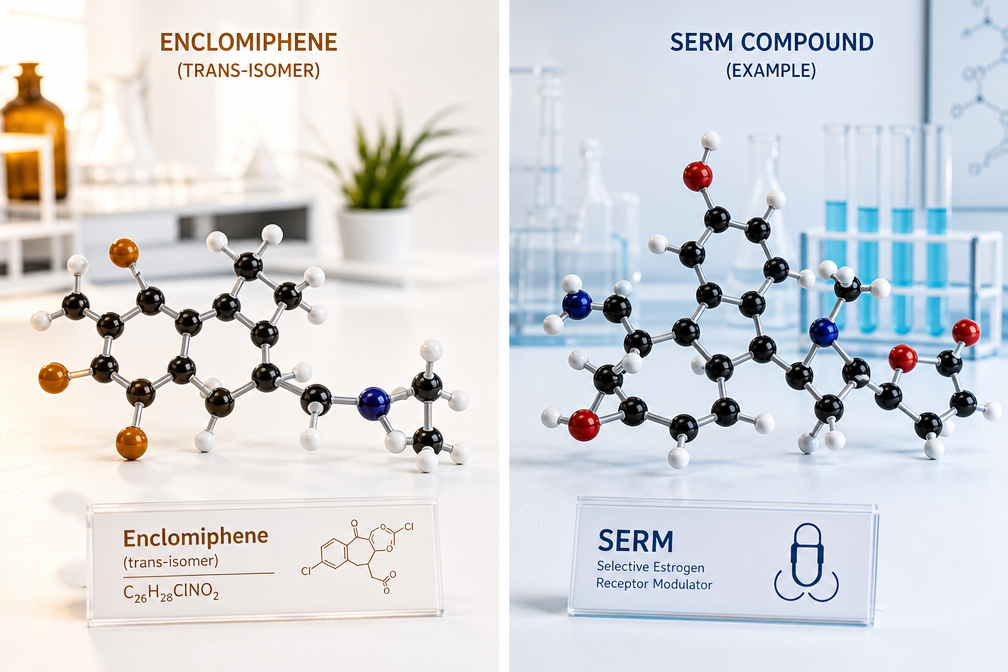
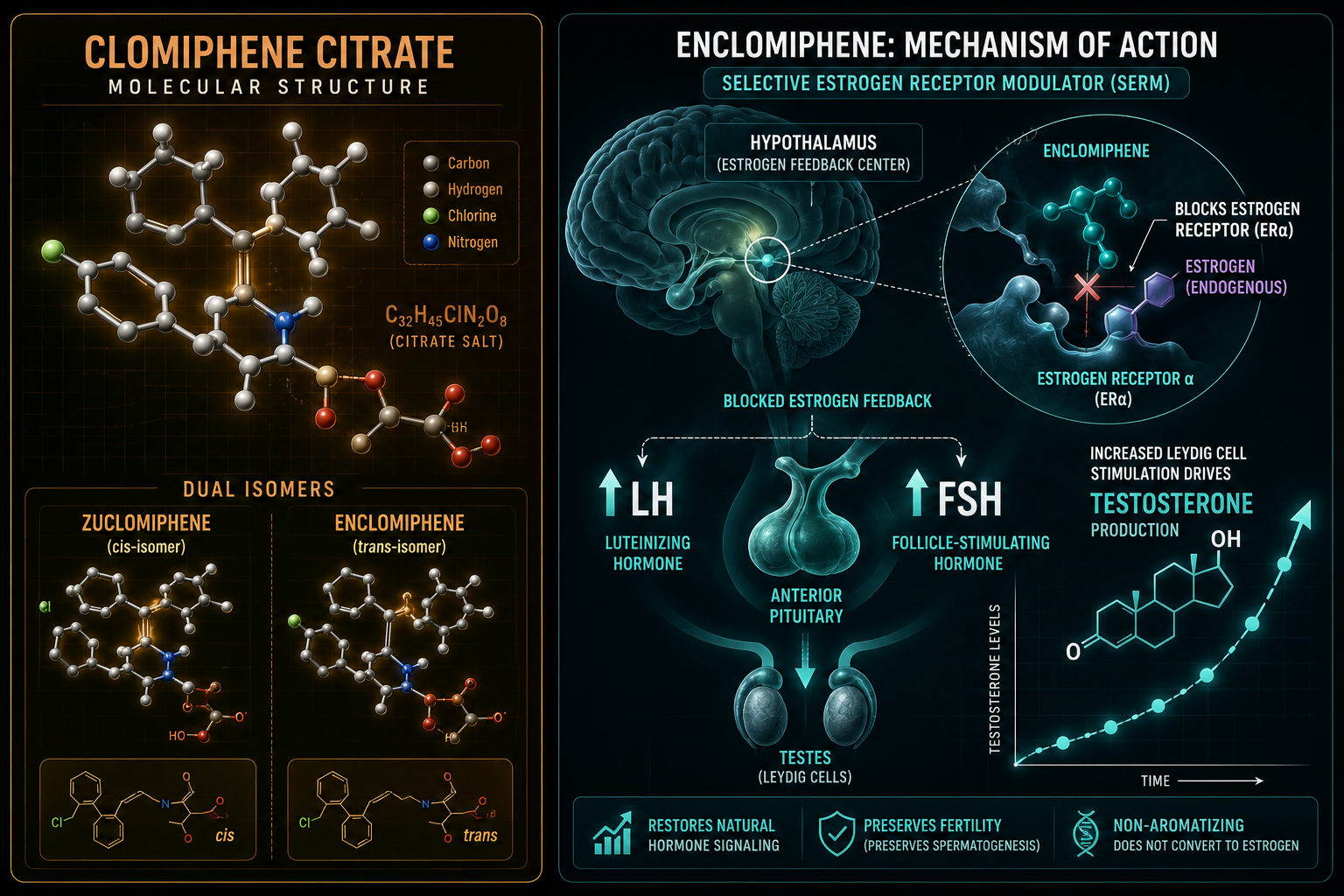
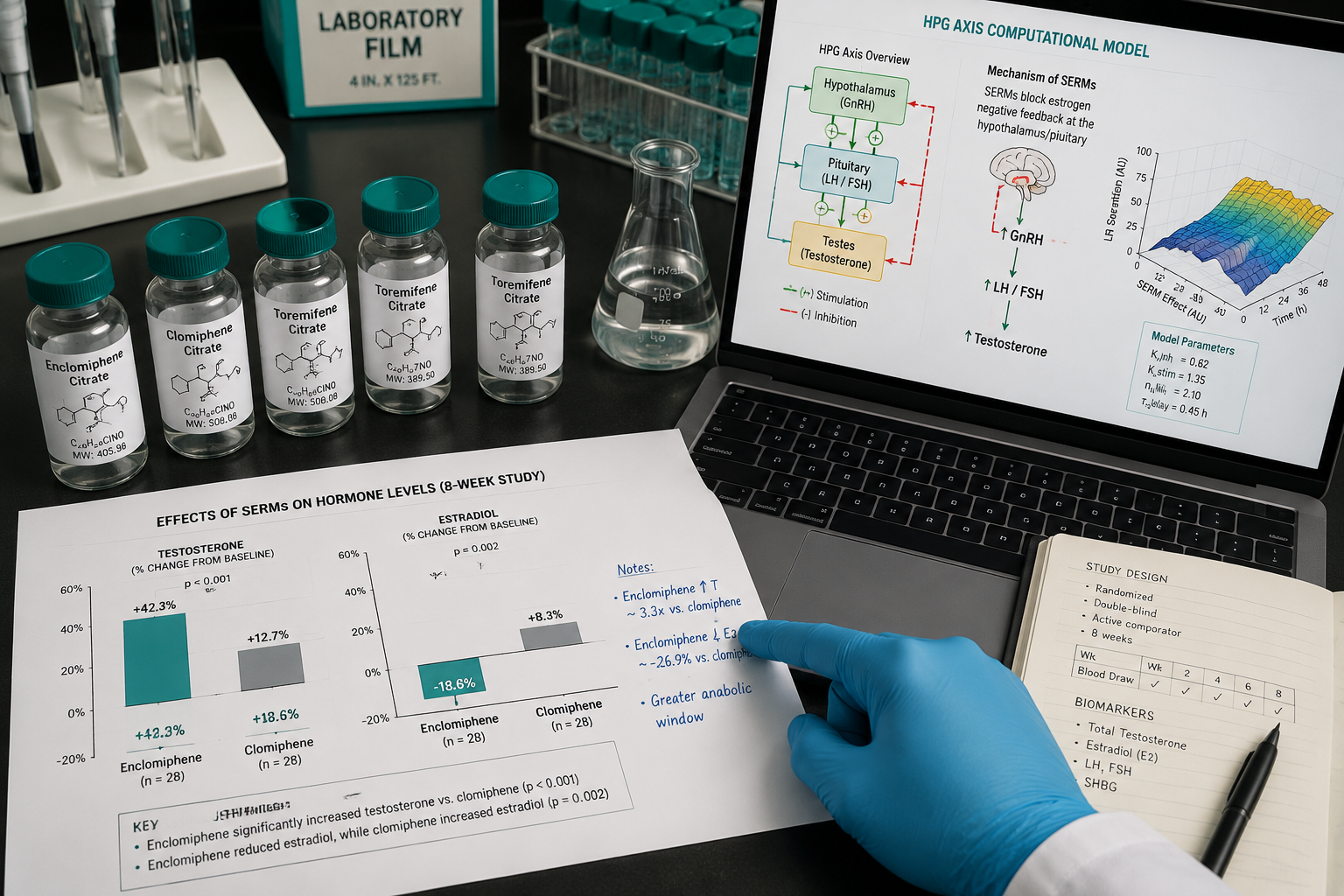
Split-screen editorial illustration (): left half shows a clean molecular diagram of enclomiphene base compound with short

Key Takeaways

  • Enclomiphene is the active trans-isomer base compound; enclomiphene citrate is a salt form that includes citric acid, affecting molecular weight and effective dose calculations.
  • The two names are sometimes used interchangeably by vendors, which can introduce dosing errors in lab-use planning.
  • Researchers should verify the exact chemical form listed on a Certificate of Analysis (CoA) before designing protocols.
  • Salt correction factors must be applied when converting between base and citrate weights to maintain experimental accuracy.
  • Sourcing from suppliers that clearly distinguish form, purity grade, and CoA documentation reduces inter-study variability.

Understanding the Chemical Distinction Between Enclomiphene and Enclomiphene Citrate

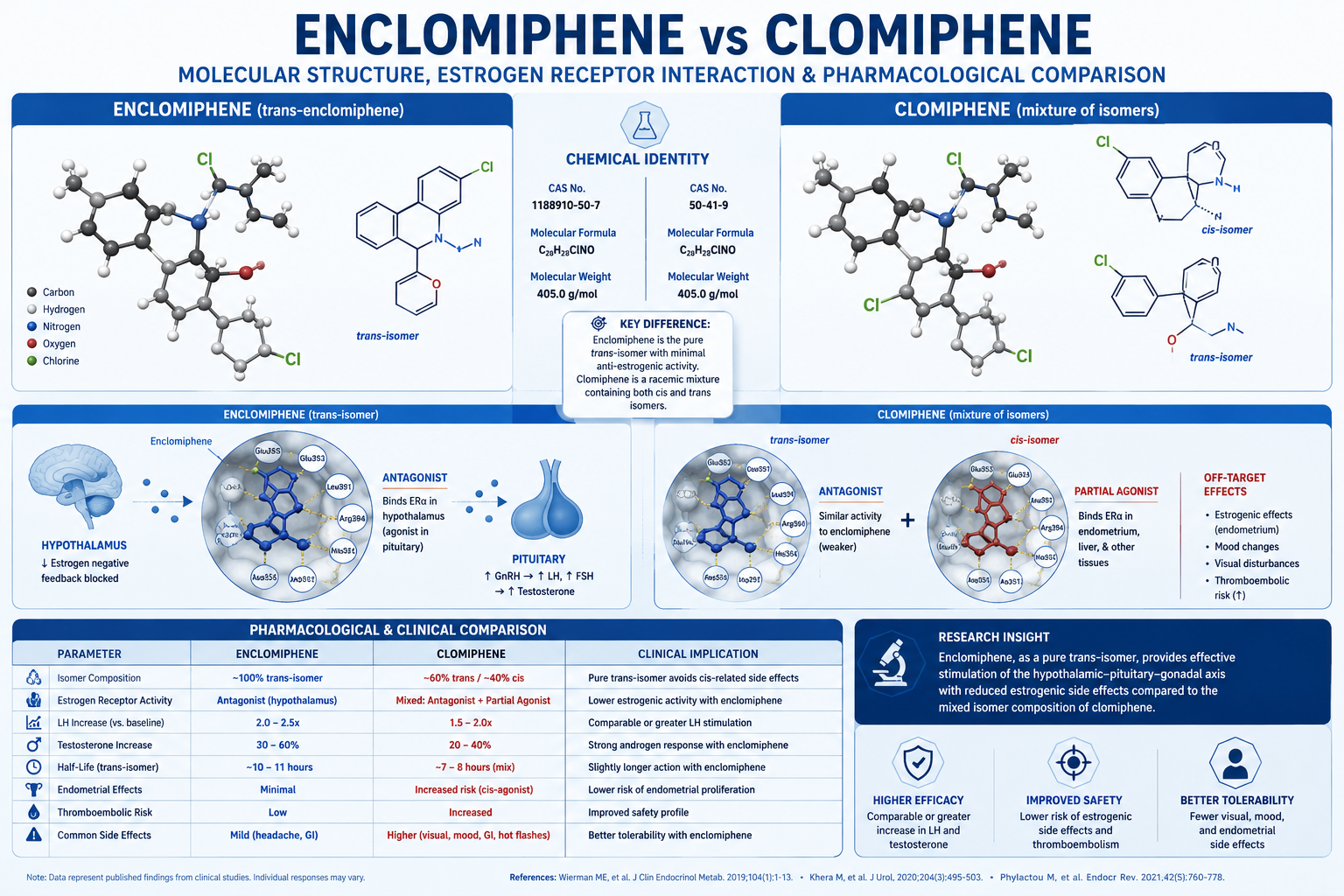
Enclomiphene is the trans-isomer of clomiphene. It acts as a selective estrogen receptor antagonist at the hypothalamic level, which is why it draws interest in research models focused on the hypothalamic-pituitary-gonadal (HPG) axis. For a deeper look at how this compound interfaces with estrogen receptor biology, see Peptides and Polypeptides in Endocrine Pharmacology: How Enclomiphene Interfaces with Estrogen Receptor Biology.

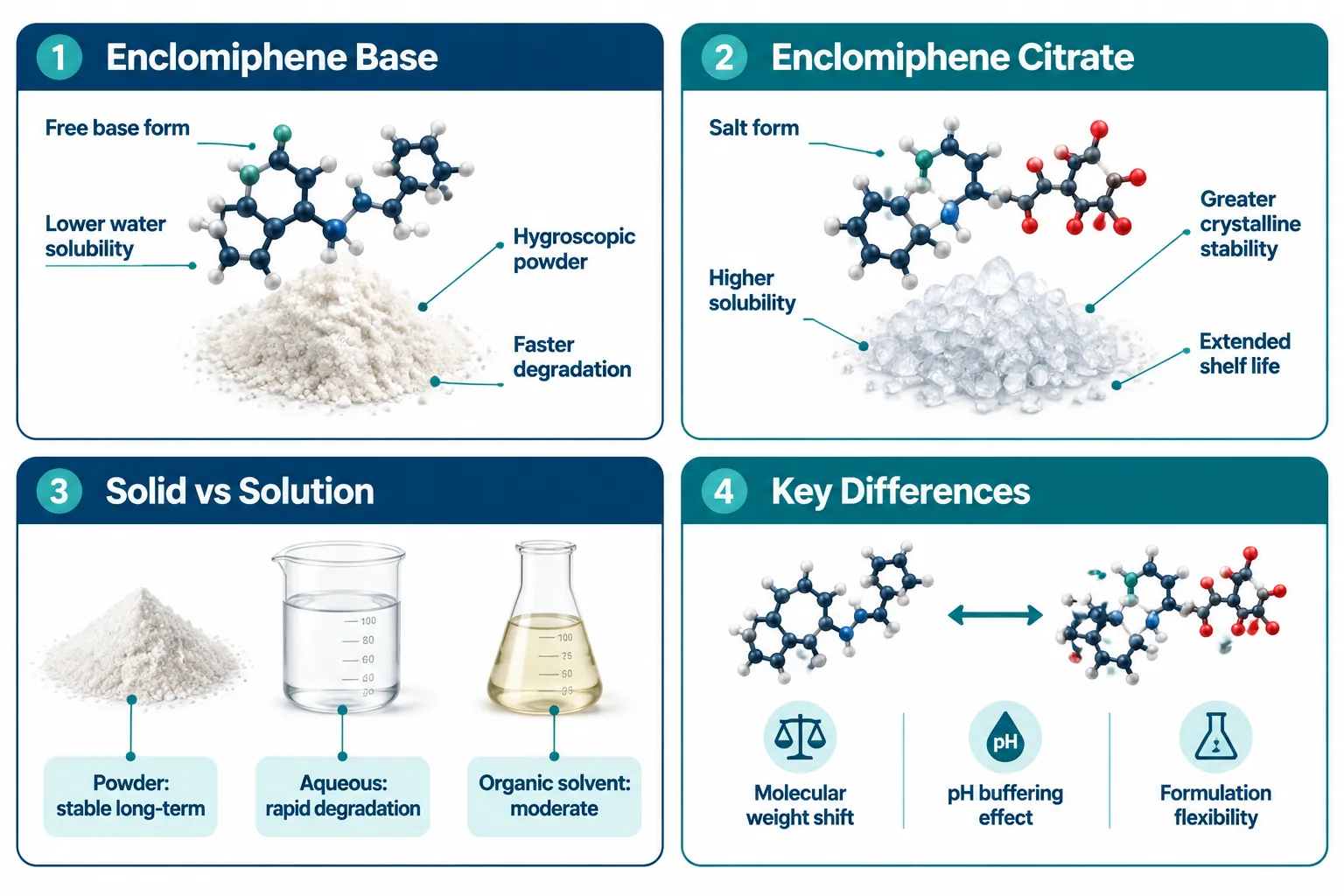
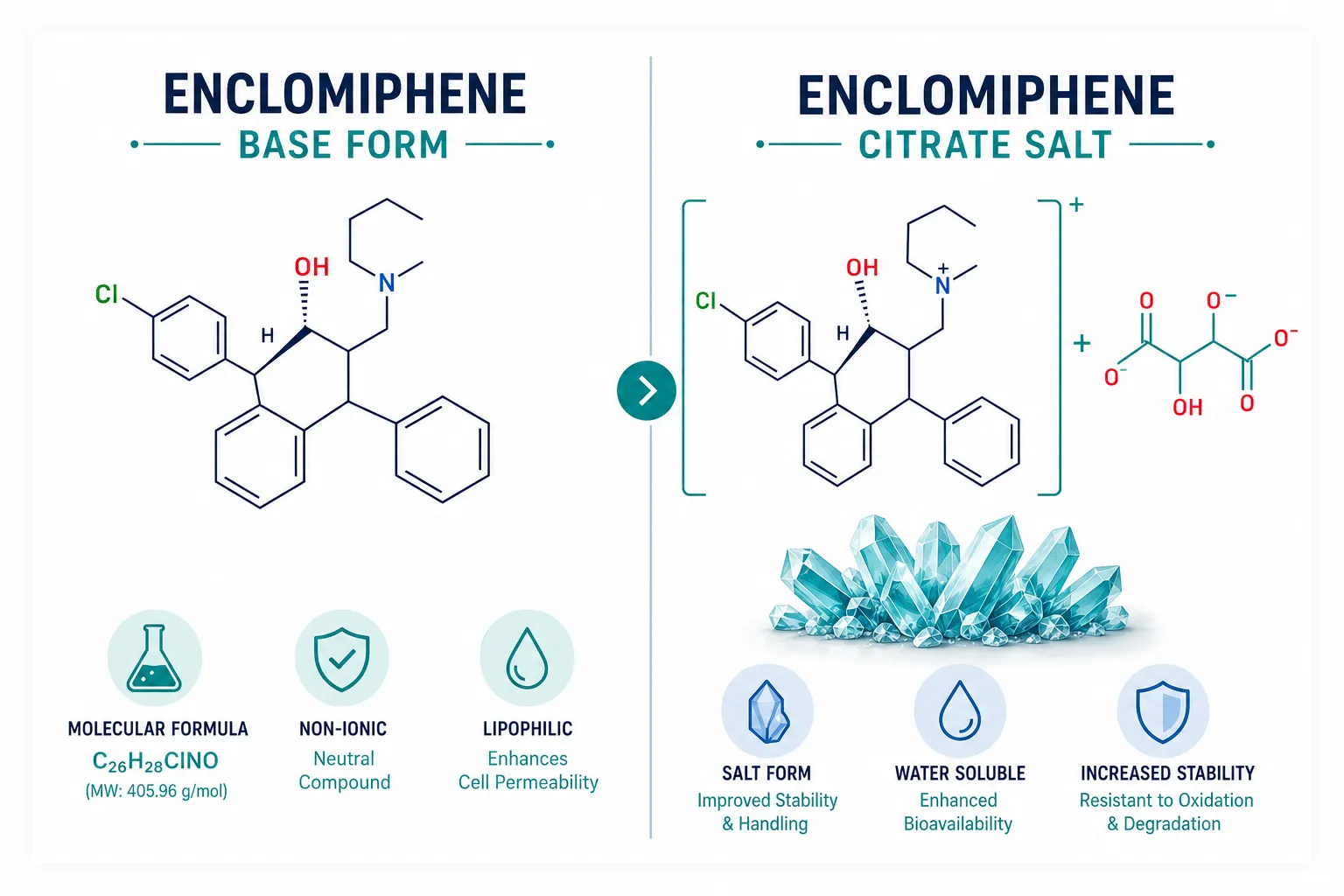
Enclomiphene citrate is the same molecule bound to citric acid as a counter-ion to form a more stable, water-soluble salt. This is a common pharmaceutical formulation strategy. The critical point for researchers: the two forms have different molecular weights.

Form Approximate Molecular Weight
Enclomiphene (free base) ~406 g/mol
Enclomiphene citrate (salt) ~598 g/mol

This difference means that 10 mg of enclomiphene citrate does not deliver 10 mg of active enclomiphene. The free base content is approximately 68% of the citrate salt weight. Ignoring this conversion is one of the most common sources of dosing error in serm-related lab protocols.

Why Vendor Labels Complicate the Comparison

Many research chemical suppliers use the two names without consistent distinction. A product labeled "enclomiphene" may actually be the citrate salt, and vice versa. This is where researchers compare enclomiphene vs enclomiphene citrate in lab-use planning most critically, at the sourcing stage, before any reagent is weighed.

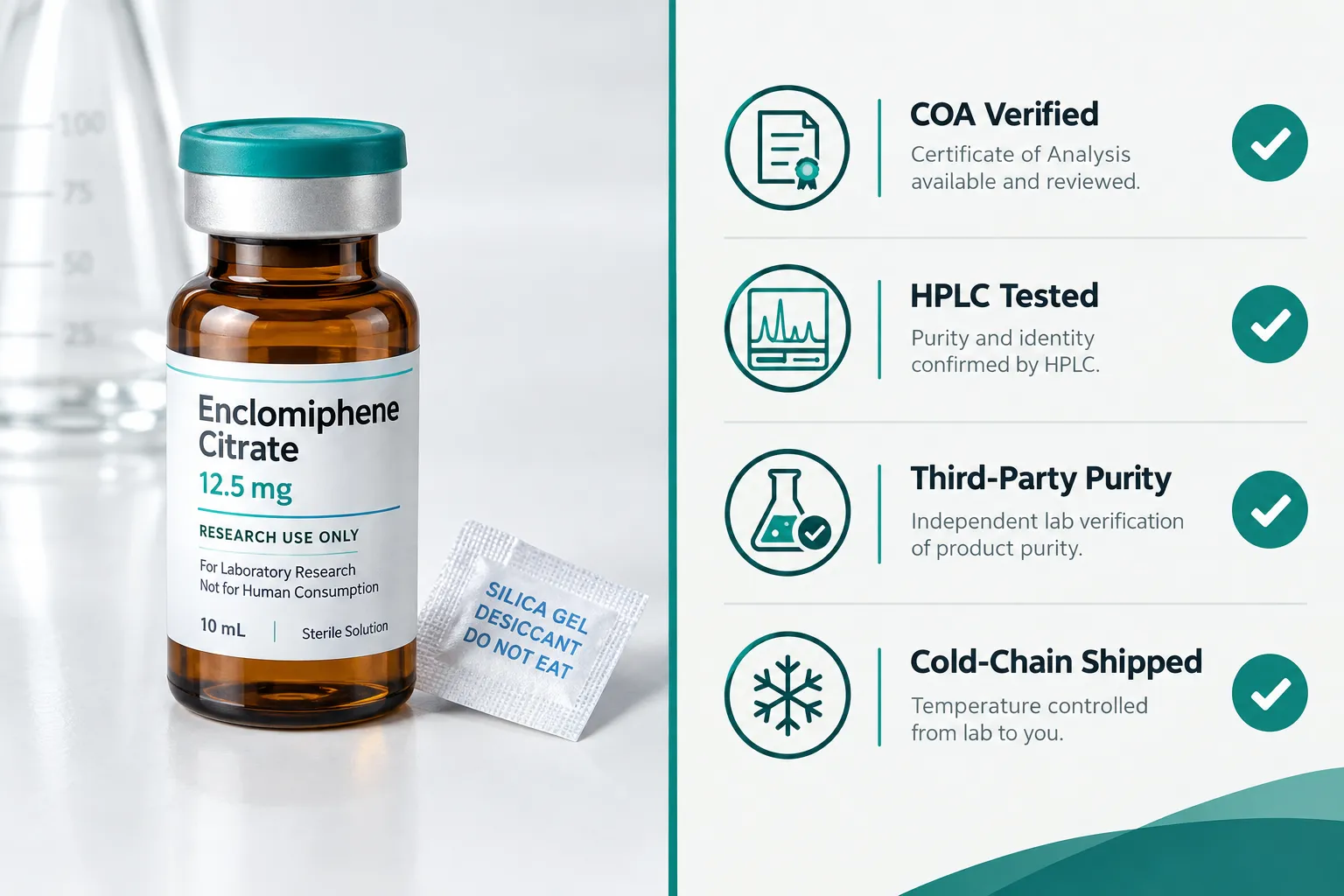
The practical solution is straightforward: always request and review the Certificate of Analysis (CoA) from the supplier. The CoA should state:

  • Exact chemical name (including salt form if applicable)
  • CAS number (enclomiphene free base: 15690-57-0; enclomiphene citrate: 7599-79-3)
  • Purity percentage by HPLC
  • Isomeric ratio confirmation (trans vs. cis content)

For guidance on sourcing compounds with proper purity documentation, Where to Buy Research-Grade Enclomiphene and Enclomiphene Citrate provides a detailed breakdown of what to look for in supplier documentation.

How Form Identification Shapes Lab-Use Planning

How Form Identification Shapes Lab-Use Planning

Once the chemical form is confirmed, researchers can apply the correct salt correction factor to their protocols. This step is not optional, it directly affects:

  • Stock solution concentration calculations
  • In vitro cell culture dosing accuracy
  • Cross-study comparability when referencing published literature

"A compound that is 98% pure as a citrate salt is not the same as 98% pure enclomiphene free base. Both numbers are accurate, but they describe different things."

Most published mechanistic studies on enclomiphene use the free base form or explicitly state the salt form with a correction factor applied. When researchers compare enclomiphene vs enclomiphene citrate in lab-use planning, aligning with the form used in reference literature prevents systematic bias.

Solubility and Stability Considerations

The citrate salt form generally offers better aqueous solubility, which can be advantageous for certain assay formats. The free base may require DMSO or ethanol as a vehicle solvent, which introduces its own set of experimental controls.

Key solubility planning points:

  • Citrate salt: higher aqueous solubility, suitable for buffer-based assays
  • Free base: typically requires organic co-solvents; vehicle controls are essential
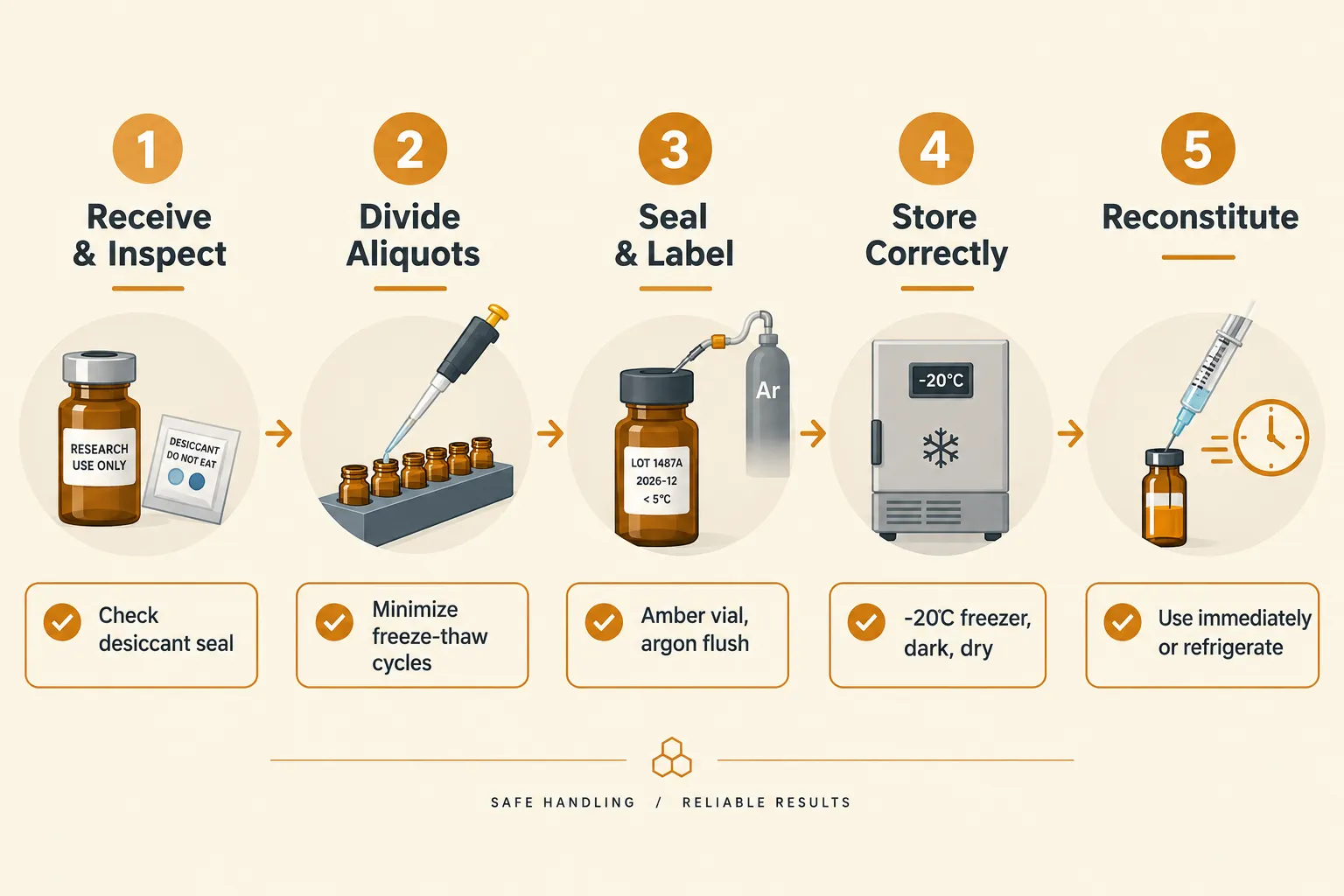
  • Both forms: store desiccated, away from light, at -20°C for long-term stability

Researchers working on related endocrine axis compounds may find useful parallel context in Peptides and Polypeptides in Modern Research: How Molecular Size Shapes Function, Stability, and Experimental Design, which covers how molecular form affects experimental outcomes across compound classes.

Practical Sourcing Decisions: Where Researchers Compare Enclomiphene vs Enclomiphene Citrate in Lab-Use Planning

Practical Sourcing Decisions: Where Researchers Compare Enclomiphene vs Enclomiphene Citrate in Lab-Use Planning

The comparison between forms ultimately becomes a sourcing and documentation decision. Researchers should approach supplier evaluation with a structured checklist:

  1. Confirm the exact chemical form listed on the product page and CoA
  2. Verify the CAS number matches the intended compound
  3. Check isomeric purity, enclomiphene should be predominantly the trans-isomer
  4. Review HPLC data for purity confirmation above 98%
  5. Assess the supplier's testing transparency, third-party testing is a strong indicator of reliability

Researchers planning broader endocrine or metabolic research programs may also find value in reviewing how other research-grade compounds are evaluated for purity and sourcing, such as in Where to Buy Research-Grade Glow Blend Peptide: Evaluating Purity, Copper Complexes, and Skin Model Compatibility, which applies similar CoA evaluation principles to a different compound class.

For researchers building multi-compound protocols, understanding how other small molecules and peptides are characterized can strengthen the overall experimental framework. Resources such as GHK-Cu Peptide: Copper Complex Chemistry, Research Stability, and Lab Use Considerations illustrate how compound-specific chemistry affects storage, stability, and assay design, principles that apply equally to serm research.

Conclusion

The distinction between enclomiphene and enclomiphene citrate is not a branding difference, it is a chemistry difference with direct consequences for experimental accuracy. Researchers who take time to confirm the exact form, apply the appropriate salt correction factor, and source from suppliers with transparent CoA documentation will produce more reproducible, comparable data.

Actionable next steps for researchers:

  • Request the full CoA before purchasing any enclomiphene product
  • Cross-reference the CAS number against the intended form
  • Apply the molecular weight correction factor in all dose calculations
  • Document the exact form used in all experimental records and publications
  • Prioritize suppliers who provide third-party HPLC and isomeric purity data

These steps take minutes but protect months of research effort from silent, form-related errors.

References

  • Wiehle, R., Cunningham, G. R., Pitteloud, N., Wike, J., Hsu, K., Fontenot, G. K., Rosner, M., Dwyer, A., & Podolski, J. (2013). Testosterone restoration by enclomiphene citrate in men with secondary hypogonadism: Pharmacodynamics and pharmacokinetics. BJU International, 112(8), 1188-1200.
  • Kim, E. D., McCullough, A., & Kaminetsky, J. (2016). Oral enclomiphene citrate raises testosterone and preserves sperm counts in obese hypogonadal men, unlike topical testosterone: Restoration instead of replacement. BJU International, 117(4), 677-685.
  • Roth, M. Y., & Amory, J. K. (2011). Beyond the condom: Frontiers in male contraception. Seminars in Reproductive Medicine, 29(3), 233-241.
  • Guay, A. T., Jacobson, J., Perez, J. B., Hodge, M. B., & Velasquez, E. (2003). Clomiphene increases free testosterone levels in men with both secondary hypogonadism and erectile dysfunction: Who does and does not benefit? International Journal of Impotence Research, 15(3), 156-165.
https://www.puretestedpeptides.com/wp-content/uploads/2026/08/where-researchers-compare-enclomiphene-vs-enclomiphene-citrate-in-lab-use-planni.webp 1024 1536 https://www.puretestedpeptides.com/wp-content/uploads/2026/01/buy-peptides-online.jpg 2026-08-12 13:03:522026-08-12 13:03:52Where Researchers Compare Enclomiphene vs Enclomiphene Citrate in Lab-Use Planning
Peptides and Polypeptides in Endocrine Pharmacology: How Enclomiphene Interfaces With Estrogen Receptor Biology

Peptides and Polypeptides in Endocrine Pharmacology: How Enclomiphene Interfaces With Estrogen Receptor Biology

August 1, 2026/0 Comments/in Uncategorized/by

Fewer than 10% of clinicians who prescribe selective estrogen receptor modulators can accurately define the structural difference between a peptide hormone and a small-molecule serm, yet that distinction determines how each drug class reshapes the endocrine axis. Peptides and polypeptides in endocrine pharmacology represent one of the most mechanistically rich areas of modern pharmacology, and understanding where non-peptide agents like enclomiphene fit within that landscape is essential for anyone conducting or interpreting research in this field.

Key Takeaways

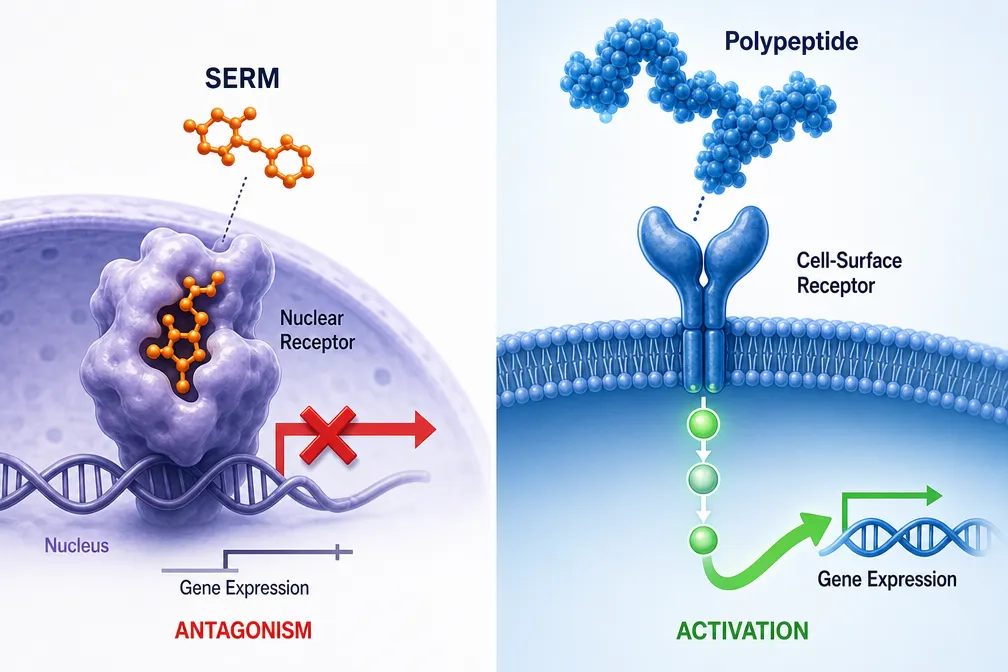
  • Peptide and polypeptide hormones act on cell-surface receptors through second-messenger cascades, while enclomiphene binds directly inside the nucleus at estrogen receptors.
  • Enclomiphene works as an estrogen receptor antagonist at the hypothalamus, disrupting negative feedback and increasing endogenous LH and FSH secretion.
  • The hypothalamic-pituitary-gonadal (HPG) axis is the shared regulatory highway for both peptide-based and small-molecule endocrine modulators.
  • Purity and characterization of research compounds, whether peptide or small molecule, directly affect the reliability of mechanistic data.
  • Combining knowledge of peptide receptor biology with serm pharmacology produces a more complete picture of hormonal signaling networks.

The Structural Divide: Peptide Hormones Versus Small-Molecule Modulators

To appreciate how enclomiphene interfaces with estrogen receptor biology, it helps to first anchor the broader category of peptides and polypeptides in endocrine pharmacology.

Peptide hormones are chains of amino acids. Short chains of 2-50 residues are typically called peptides; longer chains become polypeptides and, eventually, proteins. Examples include gonadotropin-releasing hormone (GnRH), luteinizing hormone (LH), follicle-stimulating hormone (FSH), and growth hormone-releasing hormone (GHRH). These molecules are too large and too hydrophilic to cross the cell membrane, so they bind to surface receptors and trigger intracellular signaling cascades, most commonly through cyclic AMP or phospholipase C pathways.

Research into peptide modulators spans a wide range of targets. For instance, BPC-157 and TB-500 peptide research explores tissue-signaling mechanisms that share conceptual overlap with endocrine feedback loops. Similarly, GLP-1 peptide sourcing and research illustrates how incretin-class peptides modulate metabolic signaling through surface-receptor mechanisms, a useful structural contrast to nuclear receptor pharmacology.

Small-molecule agents like enclomiphene are chemically synthesized, low-molecular-weight compounds. They are lipophilic enough to diffuse across cell membranes and interact directly with intracellular receptors, in this case, the estrogen receptor (ER), a nuclear receptor superfamily member.

"The key pharmacological divide is not potency, it is receptor location. Peptide hormones knock on the cell's front door; small-molecule serms walk straight into the nucleus."

The Structural Divide: Peptide Hormones Versus Small-Molecule Modulators

How Enclomiphene Interfaces With Estrogen Receptor Biology Within the HPG Axis

The hypothalamic-pituitary-gonadal (HPG) axis is the shared regulatory highway where both peptide hormones and small-molecule modulators exert their effects.

Under normal physiology, circulating estradiol binds to estrogen receptors in hypothalamic neurons and pituitary gonadotrophs. This binding suppresses GnRH pulse frequency and reduces LH and FSH secretion, a classic negative-feedback loop mediated by a steroid hormone acting on nuclear receptors.

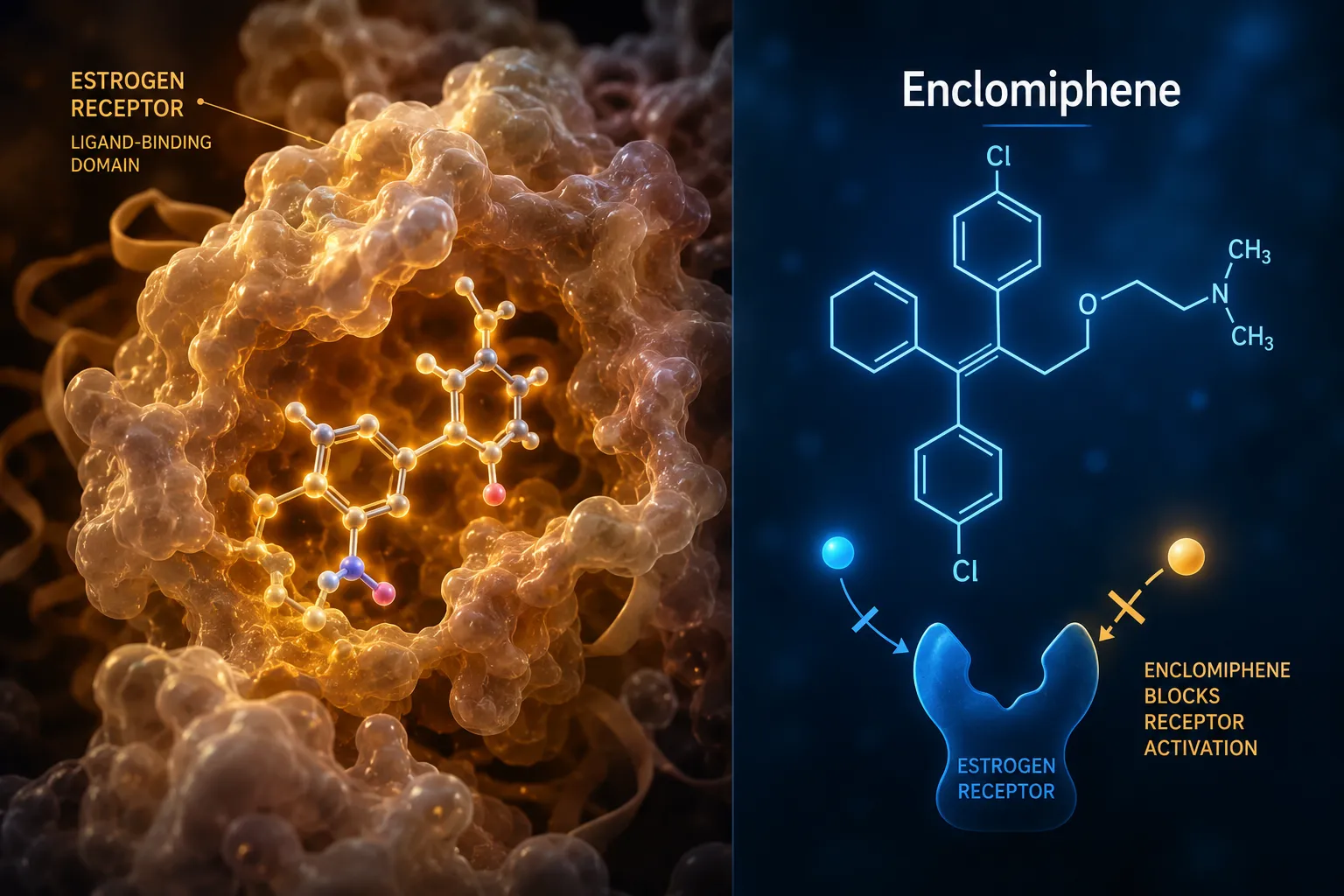
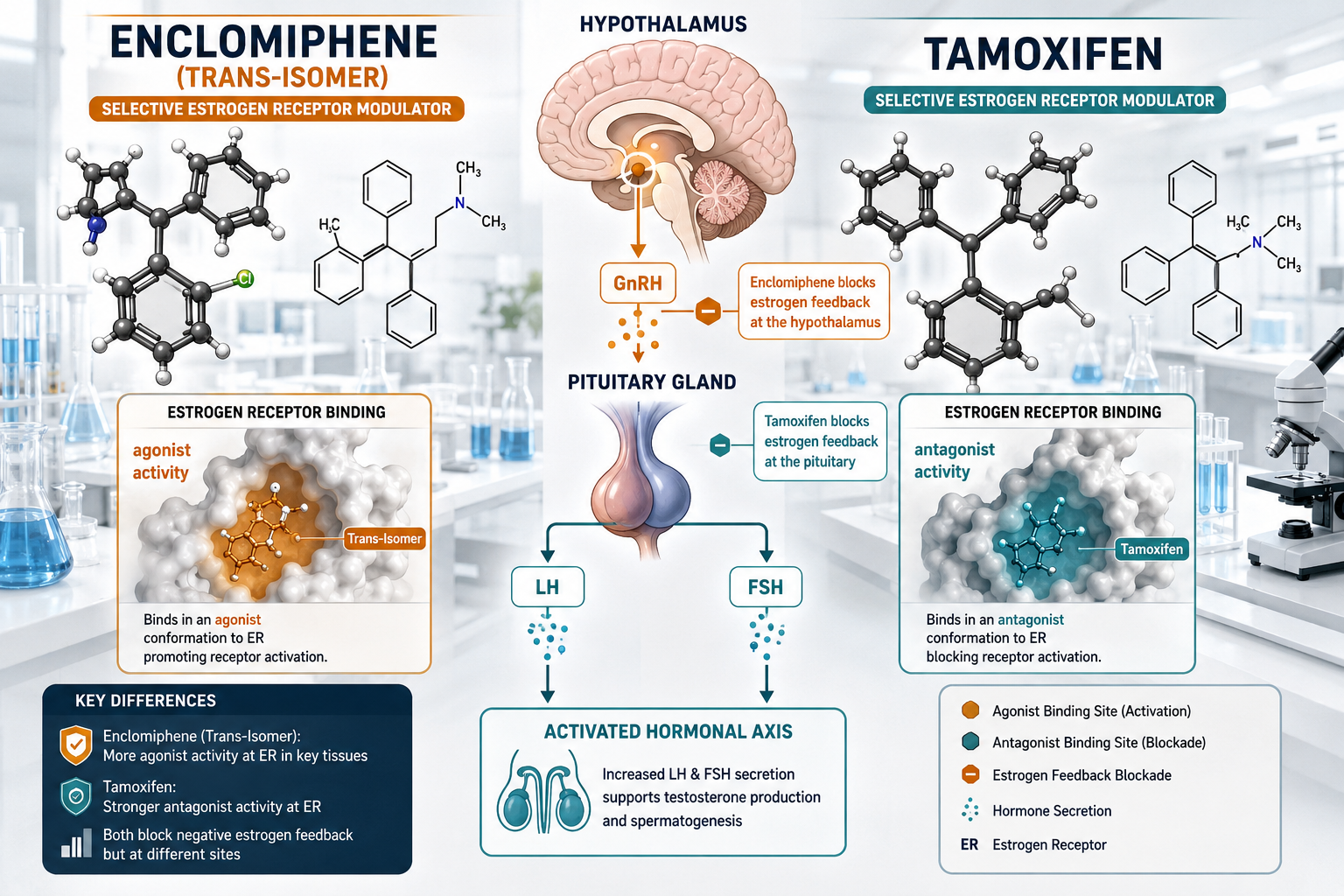
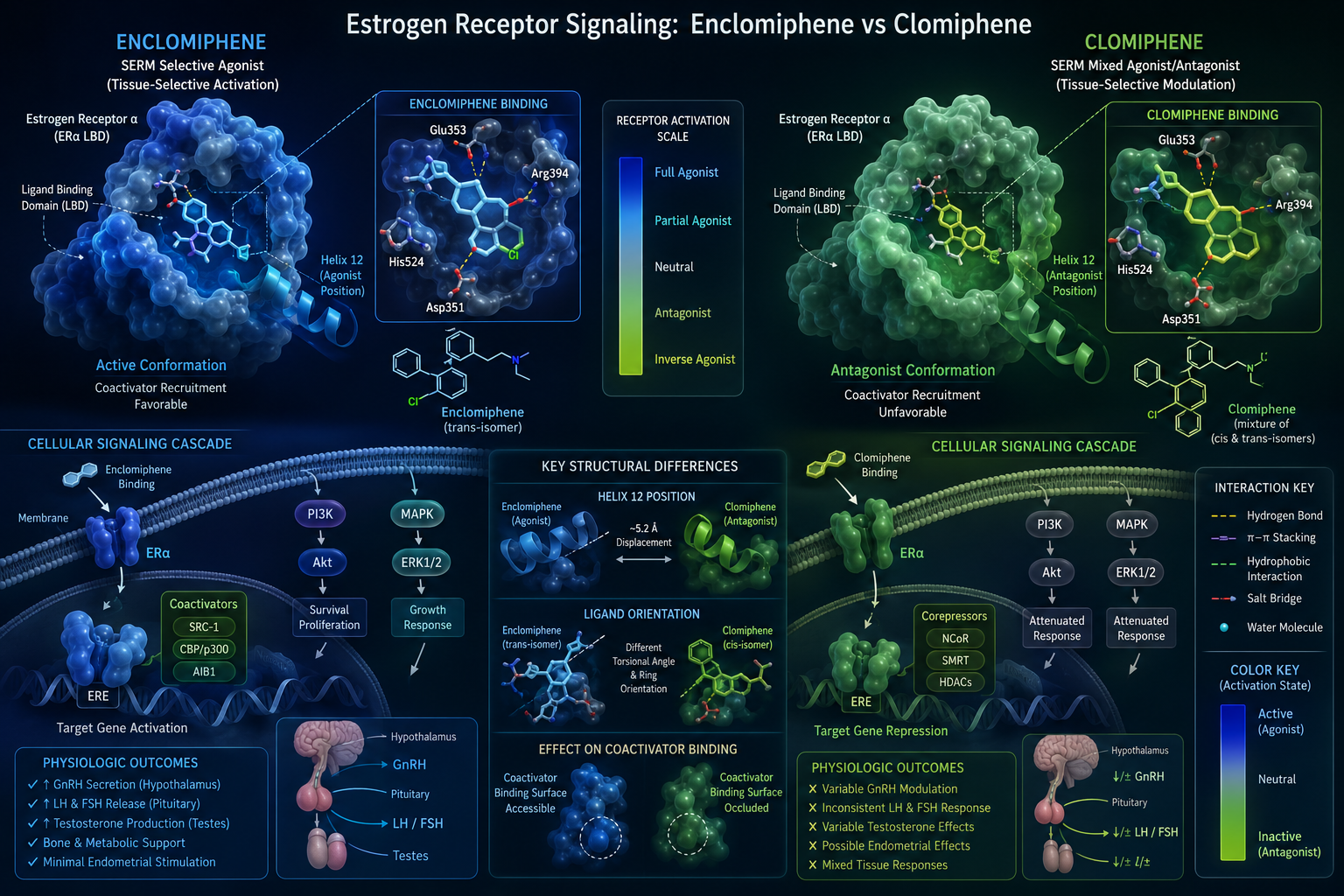
Enclomiphene, the trans-isomer of clomiphene citrate, competitively occupies estrogen receptors at these same hypothalamic and pituitary sites. Because it acts as a selective estrogen receptor antagonist in these tissues, it blocks estradiol's inhibitory signal. The hypothalamus interprets this blockade as low circulating estrogen, responds by increasing GnRH pulse amplitude, and the pituitary responds with elevated LH and FSH output.

The downstream result is stimulation of endogenous gonadal steroidogenesis, a fundamentally different mechanism from direct peptide hormone replacement. Compare this to tesa, a synthetic GHRH analog that binds surface receptors on pituitary somatotrophs to stimulate growth hormone release. Both agents ultimately raise a downstream hormone, but through entirely different receptor classes and cellular compartments.

Tissue-Selective Receptor Modulation

Enclomiphene's selectivity is tissue-dependent. In the hypothalamus and pituitary, it behaves as an antagonist. In other tissues, such as bone, estrogenic agonist activity may be partially preserved. This tissue selectivity is what defines the broader serm class and distinguishes these agents from pure estrogen blockers.

Feature Peptide Hormones Enclomiphene (serm)
Receptor location Cell surface Nuclear (intracellular)
Mechanism Second-messenger cascade Direct DNA transcription modulation
Tissue selectivity Determined by receptor subtype Determined by co-activator expression
Route of action Extracellular binding Intracellular ligand-binding domain

Peptides and Polypeptides in Endocrine Pharmacology: Research Sourcing and Compound Integrity

Peptides and Polypeptides in Endocrine Pharmacology: Research Sourcing and Compound Integrity

Peptides and Polypeptides in Endocrine Pharmacology: Research Sourcing and Compound Integrity

For researchers working across both peptide and small-molecule endocrine pharmacology, compound purity is a non-negotiable variable. Mechanistic studies that use impure or mischaracterized compounds produce data that cannot be replicated or translated.

This principle applies equally to peptide-based endocrine research tools. The GHK-Cu copper peptide research and sourcing guide addresses quality benchmarks relevant to any peptide used in signaling research. Likewise, the BPC-157 core documentation and first research guide outlines documentation standards that set a useful precedent for characterizing any endocrine research compound.

When sourcing peptides for studies that sit adjacent to serm pharmacology research, for example, examining GnRH analog interactions or LH pulse dynamics, researchers benefit from working with lab-tested peptides that carry third-party certificates of analysis. The same rigor should be applied to any small-molecule comparator used in parallel assays.

Three sourcing standards that apply across compound classes:

  1. Certificate of Analysis (CoA), confirms identity and purity by HPLC and mass spectrometry
  2. Sterility testing, essential for any in vivo research application
  3. Stability data, particularly relevant for peptides, which degrade faster than most small molecules under improper storage conditions

For researchers exploring the growth hormone-releasing axis alongside HPG axis modulators, resources on GHRP-2 versus sermorelin provide useful mechanistic context on how peptide secretagogues differ from receptor-level modulators like enclomiphene.

Conclusion

Peptides and polypeptides in endocrine pharmacology and small-molecule agents like enclomiphene occupy different receptor compartments, but they converge on the same hormonal axes. Enclomiphene's antagonism at hypothalamic and pituitary estrogen receptors reshapes the HPG axis through nuclear receptor biology, a mechanism that is structurally and functionally distinct from the surface-receptor signaling used by GnRH, LH, FSH, and synthetic peptide analogs.

Actionable next steps for researchers:

  • Map the receptor class (surface vs. nuclear) of every agent used in an endocrine study before designing assays.
  • Source all peptide and small-molecule research compounds with documented CoA, sterility, and stability data.
  • When studying HPG axis dynamics, consider how serm-mediated changes in gonadotropin output interact with any co-administered peptide modulators.
  • Review mechanistic literature on tissue-selective ER modulation to contextualize enclomiphene's differential effects across target tissues.

Understanding the structural and mechanistic divide between peptide hormones and nuclear receptor modulators is not academic trivia, it is the foundation of reproducible, translatable endocrine pharmacology research.

https://www.puretestedpeptides.com/wp-content/uploads/2026/08/peptides-and-polypeptides-in-endocrine-pharmacology-how-enclomiphene-interfaces.webp 1024 1536 https://www.puretestedpeptides.com/wp-content/uploads/2026/01/buy-peptides-online.jpg 2026-08-01 13:04:512026-08-01 13:04:51Peptides and Polypeptides in Endocrine Pharmacology: How Enclomiphene Interfaces With Estrogen Receptor Biology

Tag Archive for: selective estrogen receptor modulator

Enclomiphene Citrate: serm Mechanism, Testosterone Research, and Stack Compatibility

Enclomiphene Citrate: serm Mechanism, Testosterone Research, and Stack Compatibility

July 26, 2026/0 Comments/by Pure Tested

Low testosterone affects an estimated 2.1% of men under 40 and rises sharply with age, yet the clinical tools for restoring endogenous hormone production without suppressing fertility remain limited. Enclomiphene citrate has emerged as a focused research candidate in this gap. As a selective estrogen receptor modulator (serm), enclomiphene citrate offers a mechanistically distinct approach to endocrine support, and understanding its serm mechanism, testosterone research profile, and stack compatibility is essential for any researcher designing rigorous experimental protocols in 2026.

Key Takeaways

  • Enclomiphene citrate is the trans-isomer of clomiphene and acts as an estrogen receptor antagonist at the hypothalamic-pituitary axis.
  • By blocking negative estrogen feedback, it stimulates LH and FSH release, which drives endogenous testosterone production.
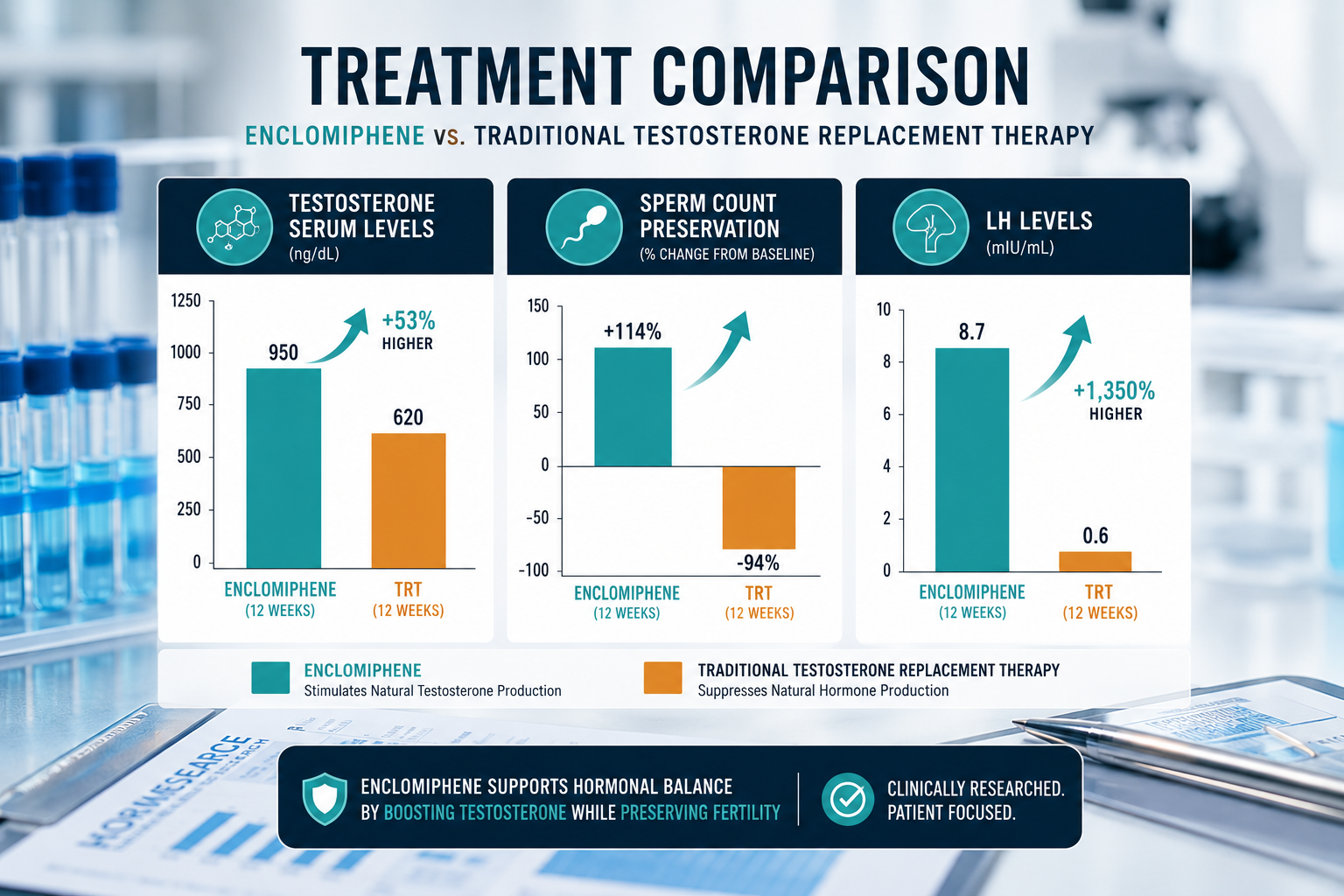
  • Clinical trials show meaningful testosterone elevation without the suppressive effects associated with exogenous androgen replacement.
  • Researchers frequently examine enclomiphene alongside peptide-based compounds to build multi-target experimental stacks.
  • Purity verification and sourcing documentation are critical before any laboratory use.

How Enclomiphene Citrate Works as a serm

The Hypothalamic-Pituitary-Gonadal Axis

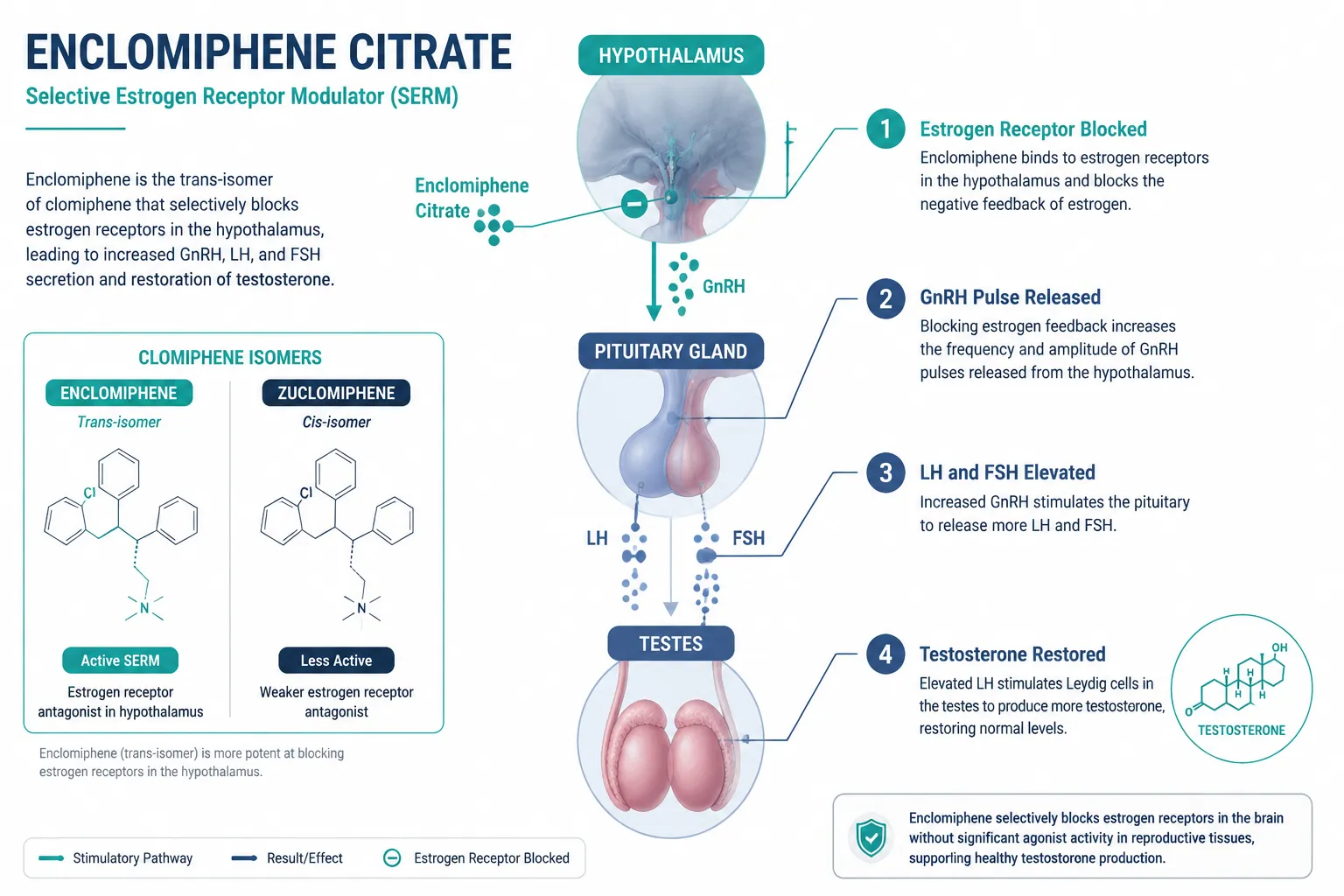
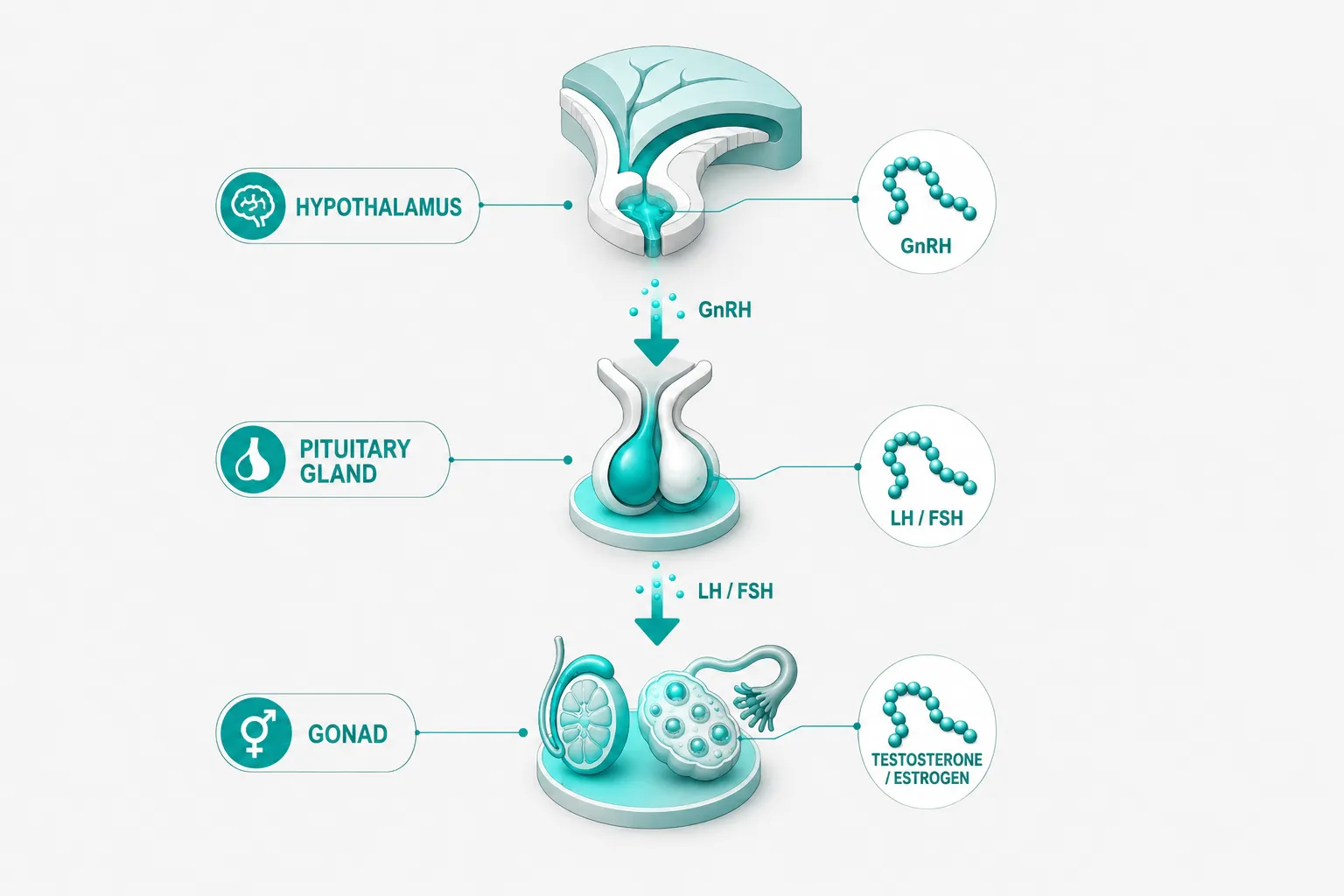
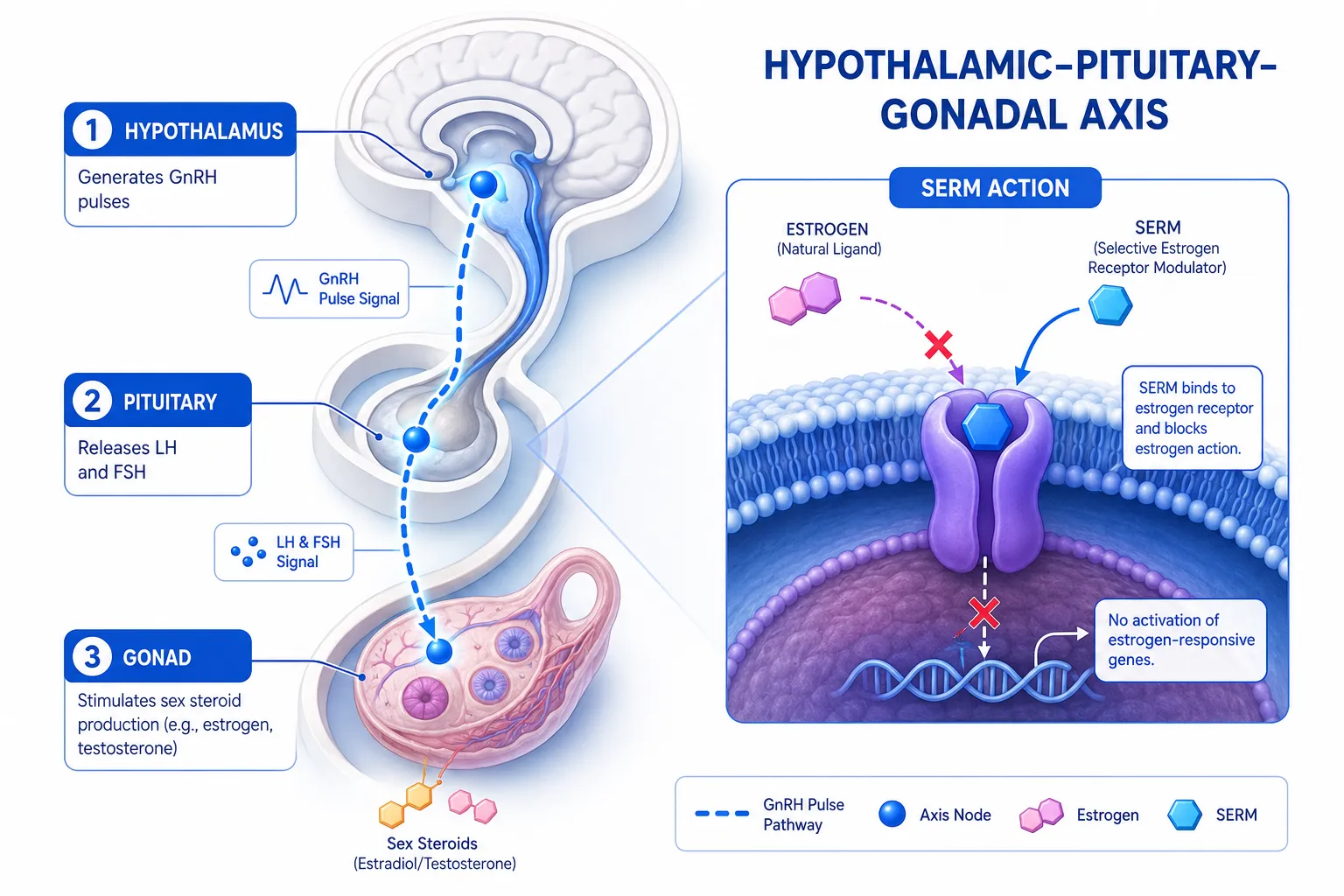
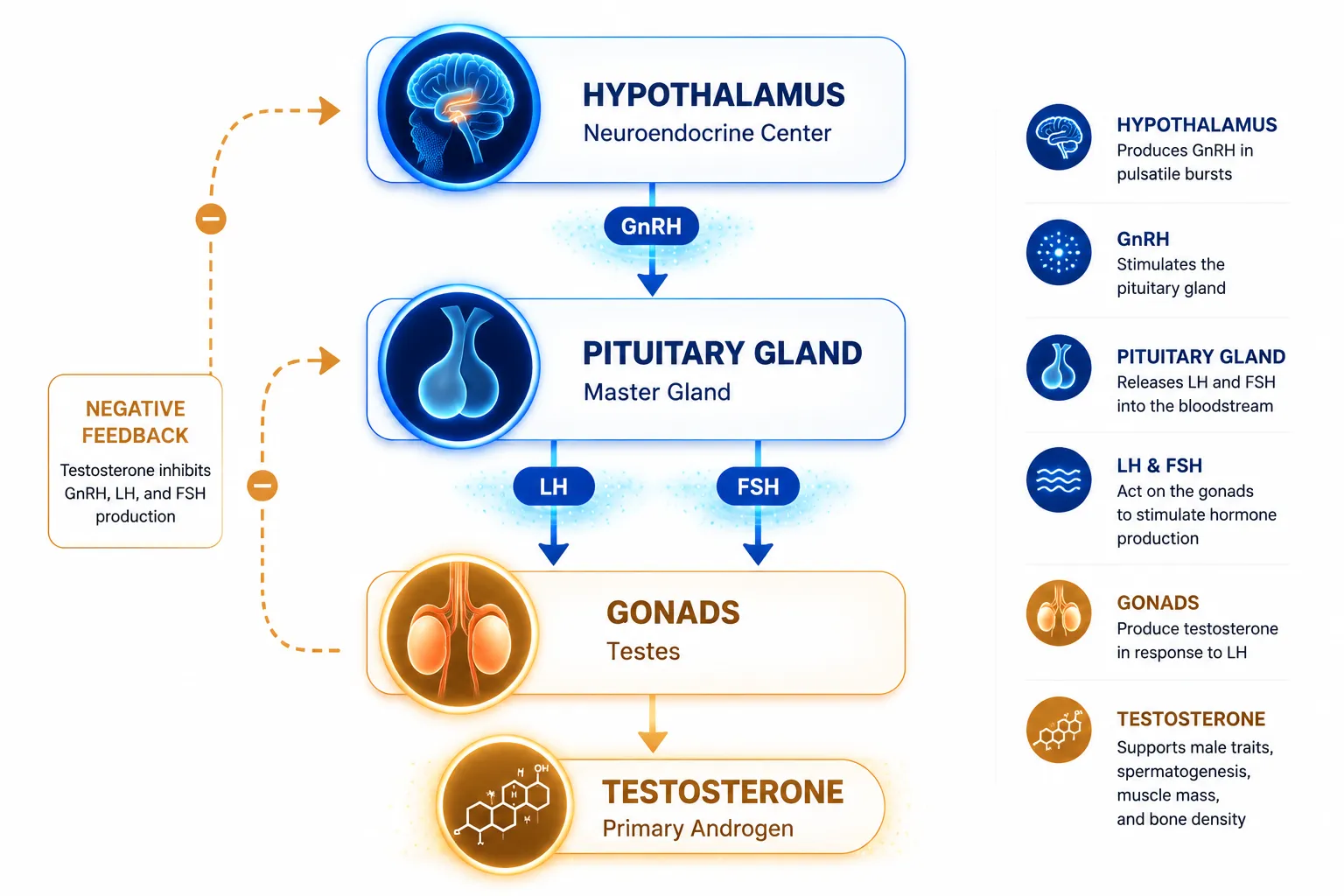
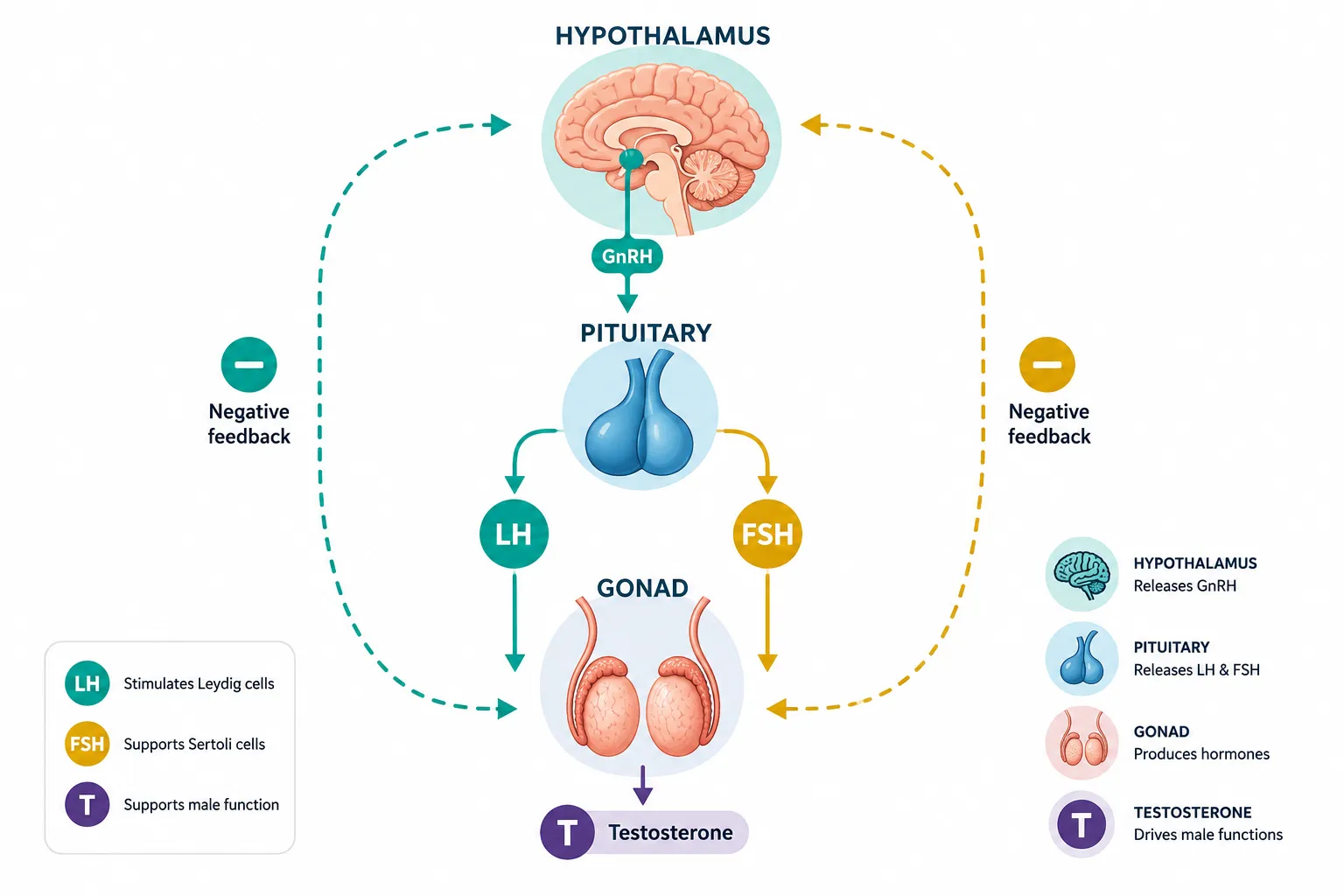
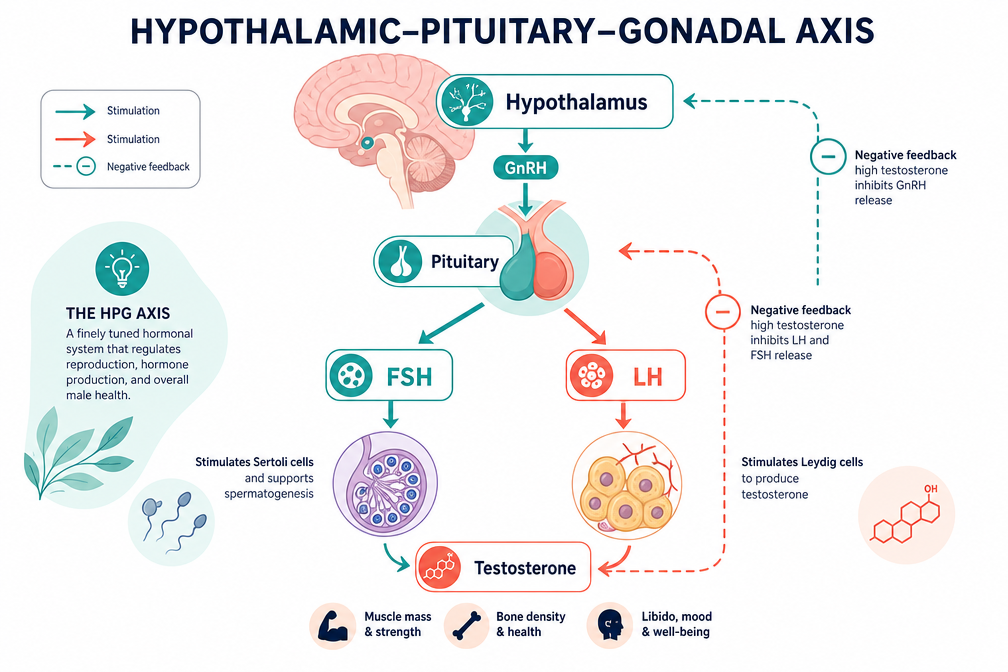
To understand enclomiphene citrate's serm mechanism, one must first understand the feedback loop it targets. The hypothalamic-pituitary-gonadal (HPG) axis regulates testosterone through a tightly controlled signaling chain:

  1. The hypothalamus releases gonadotropin-releasing hormone (GnRH).
  2. GnRH prompts the pituitary to secrete luteinizing hormone (LH) and follicle-stimulating hormone (FSH).
  3. LH signals the Leydig cells in the testes to produce testosterone.
  4. Rising testosterone and estradiol feed back to the hypothalamus and pituitary, suppressing further GnRH and LH release.

Enclomiphene citrate blocks estrogen receptors at the hypothalamus and pituitary. This prevents estradiol from delivering its suppressive feedback signal. The result is sustained or elevated GnRH pulsatility, higher LH output, and increased endogenous testosterone synthesis.

The Hypothalamic-Pituitary-Gonadal Axis

Enclomiphene vs. Zuclomiphene: Why Isomer Separation Matters

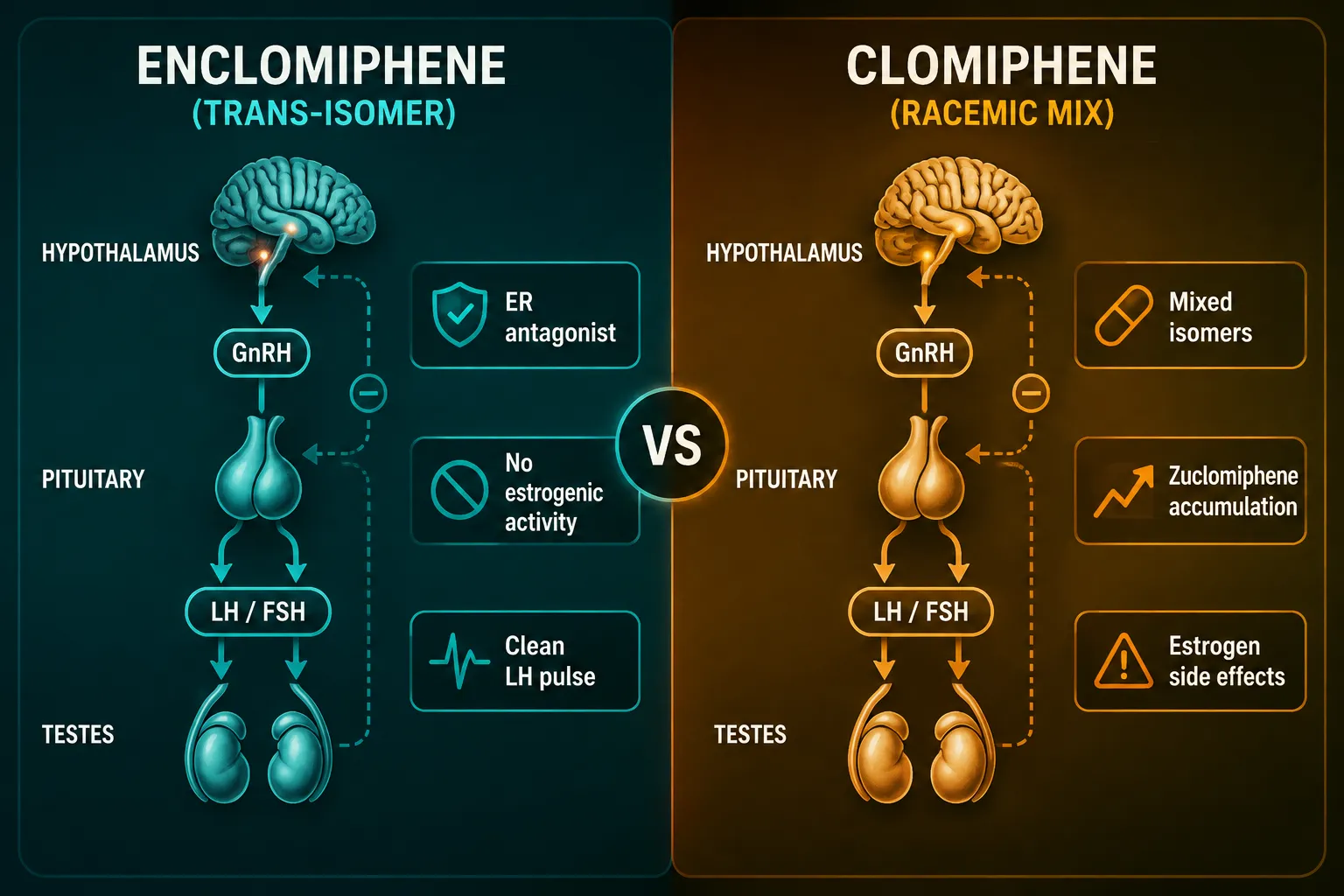
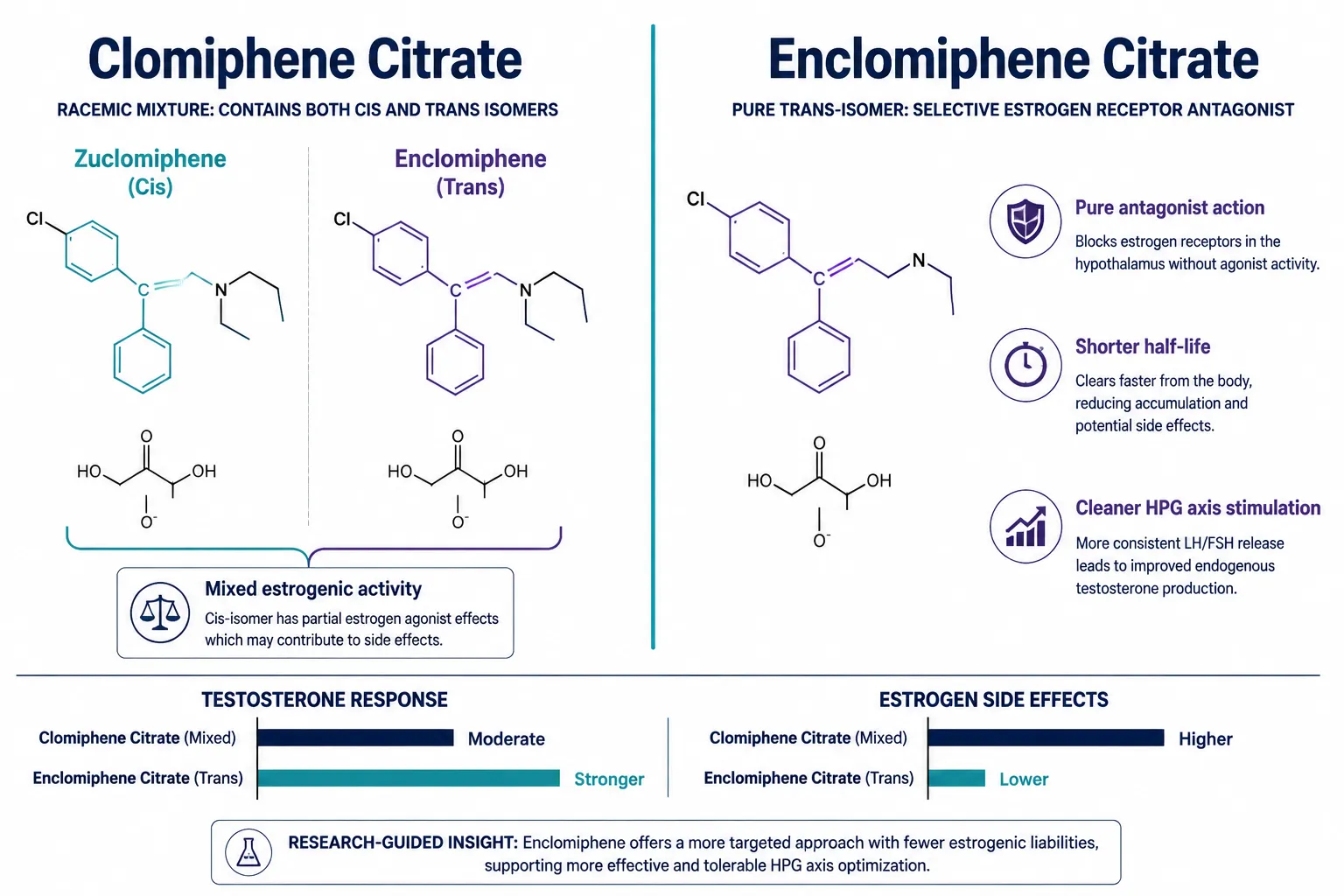
Clomiphene citrate is a 50/50 mixture of two geometric isomers: enclomiphene (trans) and zuclomiphene (cis). Research has clarified that these isomers behave very differently:

Property Enclomiphene (trans) Zuclomiphene (cis)
Receptor activity Antagonist Partial agonist
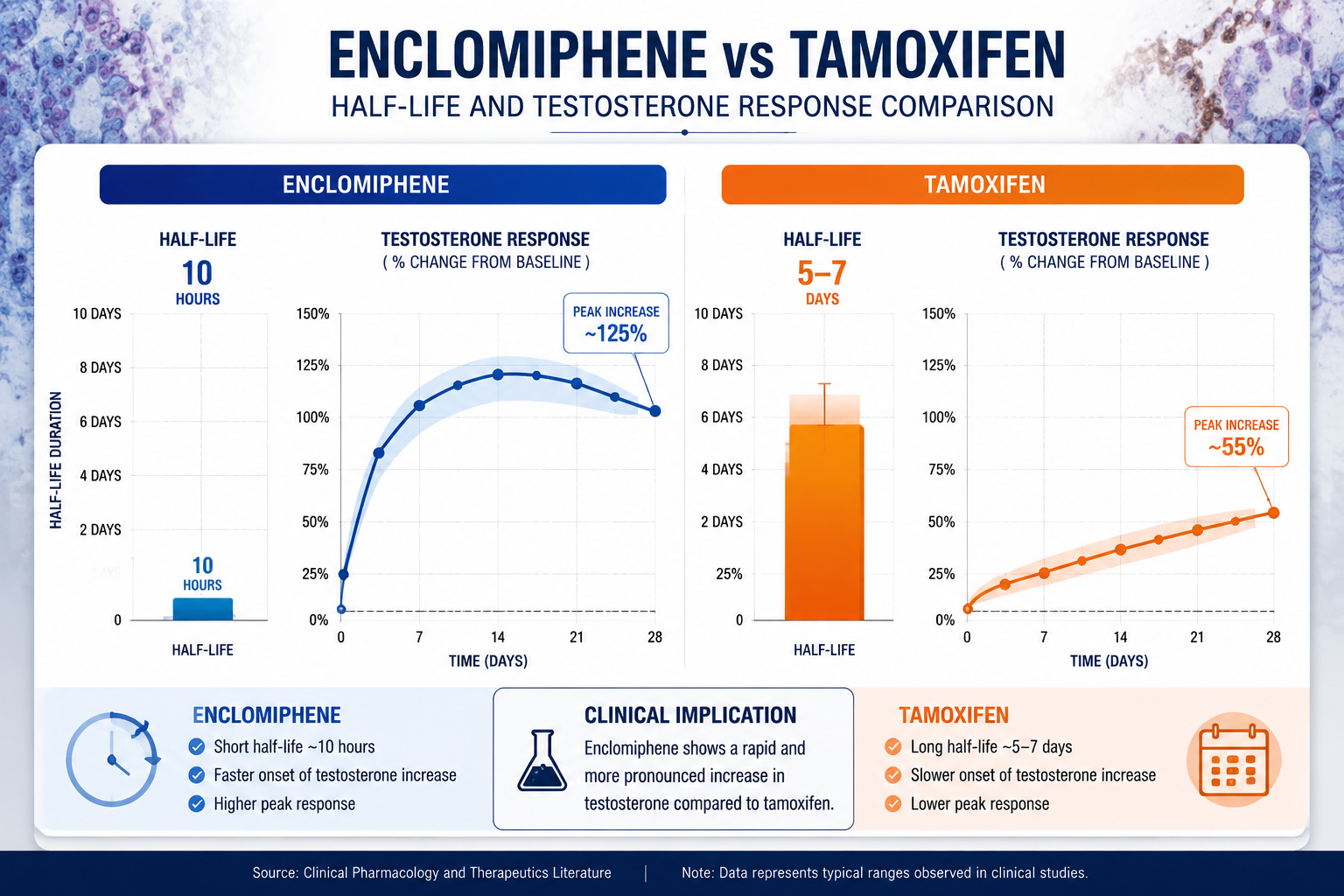
Half-life Short (~10 hours) Long (~30 days)
HPG stimulation Strong Weak or counterproductive
Accumulation risk Low High

Zuclomiphene's long half-life allows it to accumulate and act as a partial estrogen agonist, potentially blunting the very HPG stimulation researchers seek. Isolating the enclomiphene isomer removes this confounding variable and produces cleaner experimental data. For researchers exploring biochemistry-focused endocrine protocols, this mechanistic clarity is a significant advantage.

Testosterone Research: What the Evidence Shows

Clinical Trial Findings

Several Phase II and Phase III trials have examined enclomiphene citrate in men with secondary hypogonadism. Key findings include:

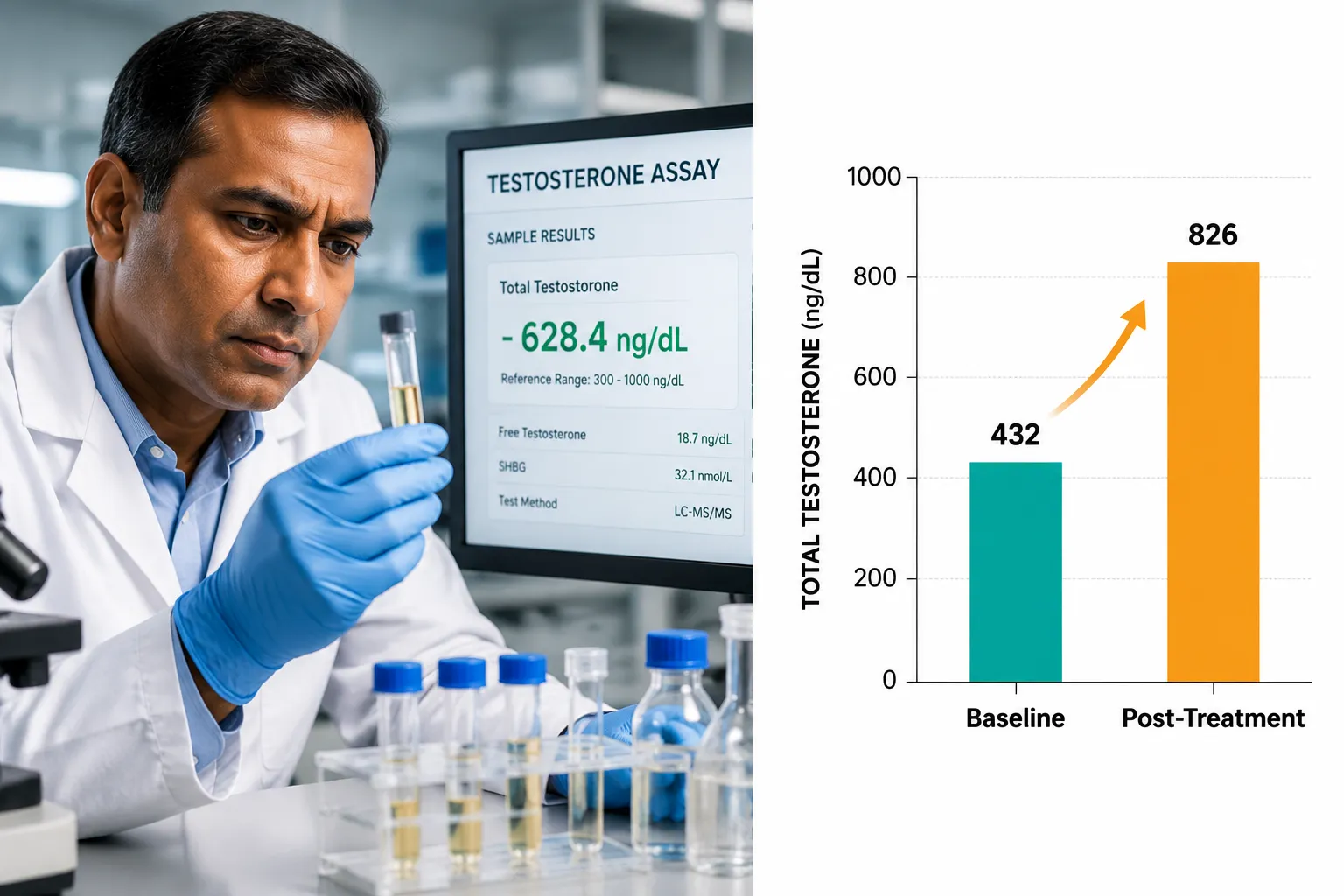
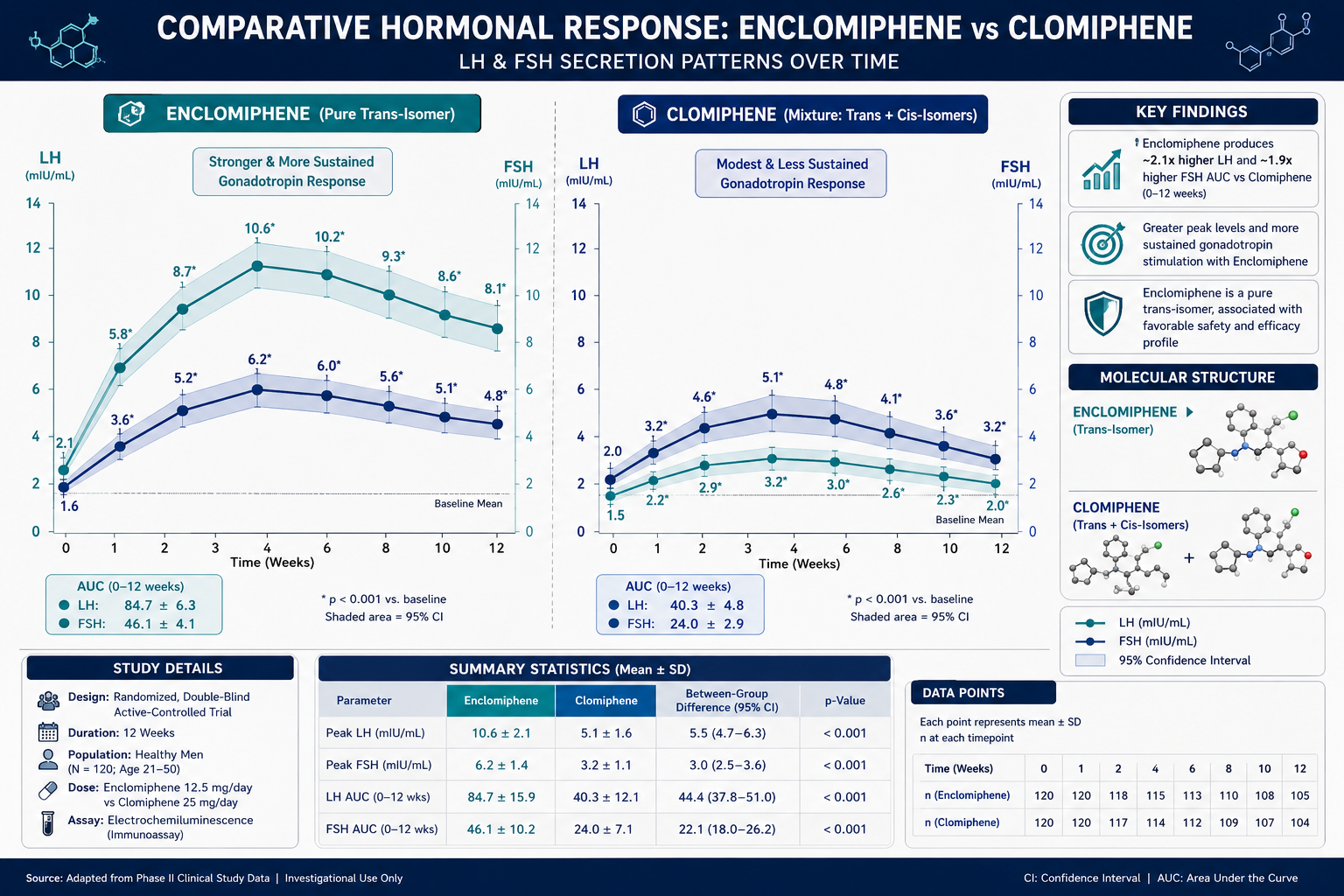
  • Testosterone normalization: Enclomiphene consistently raised serum total testosterone into the normal adult male range (400-700 ng/dL) in men who began with deficient levels.
  • LH and FSH preservation: Unlike exogenous testosterone, enclomiphene maintained or elevated gonadotropin levels, preserving testicular function and sperm parameters.
  • Estradiol management: Because enclomiphene blocks estrogen receptors rather than suppressing aromatase, estradiol levels in trials remained within acceptable ranges for most subjects, though individual variation was noted.

"Enclomiphene citrate restored testosterone without the gonadotropin suppression that defines conventional androgen replacement, a mechanistically important distinction for fertility-conscious research models."

Research Gaps and Limitations

Despite promising data, several areas remain under-studied:

  • Long-term safety data beyond 12 months is sparse.
  • Effects in women and in non-reproductive endocrine contexts are not well characterized.
  • Interactions with aromatase inhibitors and other endocrine-active compounds require further controlled investigation.

Researchers should treat available findings as hypothesis-generating rather than definitive. Protocols should include appropriate controls and validated assay methods.

Research Gaps and Limitations

Stack Compatibility: Enclomiphene Citrate in Multi-Compound Research Protocols

Why Researchers Combine Enclomiphene with Peptides

Research interest in enclomiphene citrate has grown alongside broader multi-target experimental design. Because enclomiphene acts upstream at the HPG axis rather than directly on androgen receptors, it is mechanistically compatible with several peptide classes that operate through entirely different pathways.

Common research combinations include:

  • Growth hormone secretagogues: Compounds like those in serm and Ipamorelin/CJC-1295 research blends are studied alongside serms to evaluate whether GH axis support and HPG axis normalization produce additive or independent effects on body composition and metabolic markers.
  • Tissue repair peptides: Researchers examining recovery contexts may pair enclomiphene with compounds like BPC-157 to study whether hormonal normalization affects tissue repair endpoints.
  • Metabolic peptides: Some protocols incorporate AOD-9604 alongside serms when the research question involves fat metabolism and hormonal context simultaneously.

Designing a Rigorous Stack Protocol

Before combining enclomiphene with any additional compound, researchers should address the following:

  1. Define independent variables clearly. Each compound should have a documented rationale tied to a specific mechanistic pathway.
  2. Establish washout periods. Enclomiphene's short half-life simplifies washout design compared to zuclomiphene, but co-administered peptides may have different clearance timelines.
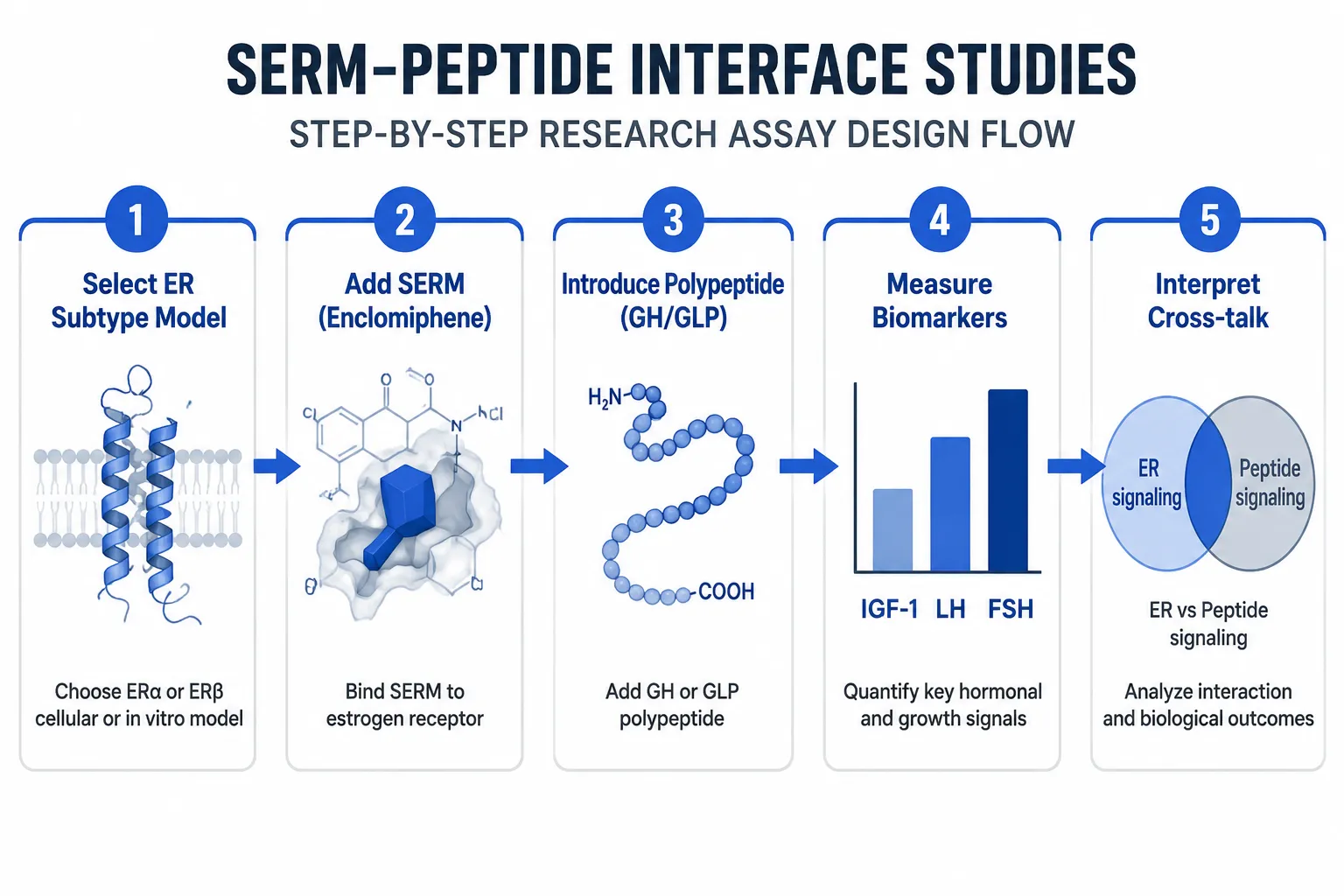
  3. Use validated biomarkers. LH, FSH, total testosterone, free testosterone, estradiol, and SHBG are the minimum assay panel for HPG-focused research. Peptide-specific markers should be added based on the secondary compound.
  4. Source verified materials. Purity documentation is non-negotiable. Researchers sourcing lab-tested peptides for combination studies should require certificates of analysis for every compound in the stack.

For researchers exploring growth hormone axis interactions specifically, reviewing Sermorelin and Ipamorelin/CJC-1295 combination research provides useful context on how multi-peptide stacks are structured and documented.

Designing a Rigorous Stack Protocol

Conclusion

Enclomiphene citrate represents one of the more mechanistically coherent tools available for HPG axis research in 2026. Its selective estrogen receptor antagonism at the hypothalamic-pituitary level drives endogenous LH and FSH output, producing testosterone elevation without the suppressive profile of exogenous androgen therapy. The isomeric separation from zuclomiphene removes a significant confounding variable that has historically complicated clomiphene-based research.

Actionable next steps for researchers:

  • Review published Phase II/III trial data to establish baseline expectations for LH, FSH, and testosterone response curves.
  • Design stack protocols with clear mechanistic rationale for each co-administered compound, using enclomiphene's short half-life as a timing anchor.
  • Source enclomiphene and any co-administered peptides from suppliers providing full purity documentation and third-party testing.
  • Consult the serm 10mg research product documentation for sourcing and traceability standards applicable to experimental use.

Rigorous experimental design, verified sourcing, and mechanistic clarity remain the foundation of credible enclomiphene citrate research.

References

  • Kim ED, Crosnoe L, Bar-Chama N, Khera M, Lipshultz LI. The treatment of hypogonadism in men of reproductive age. Fertility and Sterility. 2013;99(3):718-724.
  • Wiehle R, Cunningham GR, Pitteloud N, et al. Testosterone Restoration by Enclomiphene Citrate in Men with Secondary Hypogonadism. BJU International. 2013;112(8):1188-1200.
  • Krzastek SC, Smith RP. Non-testosterone management of male hypogonadism: an examination of the existing literature. Translational Andrology and Urology. 2020;9(Suppl 2):S160-S170.
  • Shabsigh R, Katz M, Yan G, Makhsida N. Cardiovascular issues in hypogonadism and testosterone therapy. The American Journal of Cardiology. 2005;96(12B):67M-72M.
  • Helo S, Ellen J, Mechlin C, et al. A randomized prospective double-blind comparison trial of clomiphene citrate and anastrozole in raising testosterone in hypogonadal infertile men. Journal of Sexual Medicine. 2015;12(8):1761-1769.
https://www.puretestedpeptides.com/wp-content/uploads/2026/07/enclomiphene-citrate-serm-mechanism-testosterone-research-and-stack-compatibilit.webp 1024 1536 Pure Tested https://www.puretestedpeptides.com/wp-content/uploads/2026/01/buy-peptides-online.jpg Pure Tested2026-07-26 13:05:192026-07-27 13:32:04Enclomiphene Citrate: serm Mechanism, Testosterone Research, and Stack Compatibility
Estrogen Receptor Signaling and Enclomiphene: How Selective Modulators Compare with Classic Polypeptide Hormones

Estrogen Receptor Signaling and Enclomiphene: How Selective Modulators Compare with Classic Polypeptide Hormones

July 24, 2026/0 Comments/by Pure Tested

}

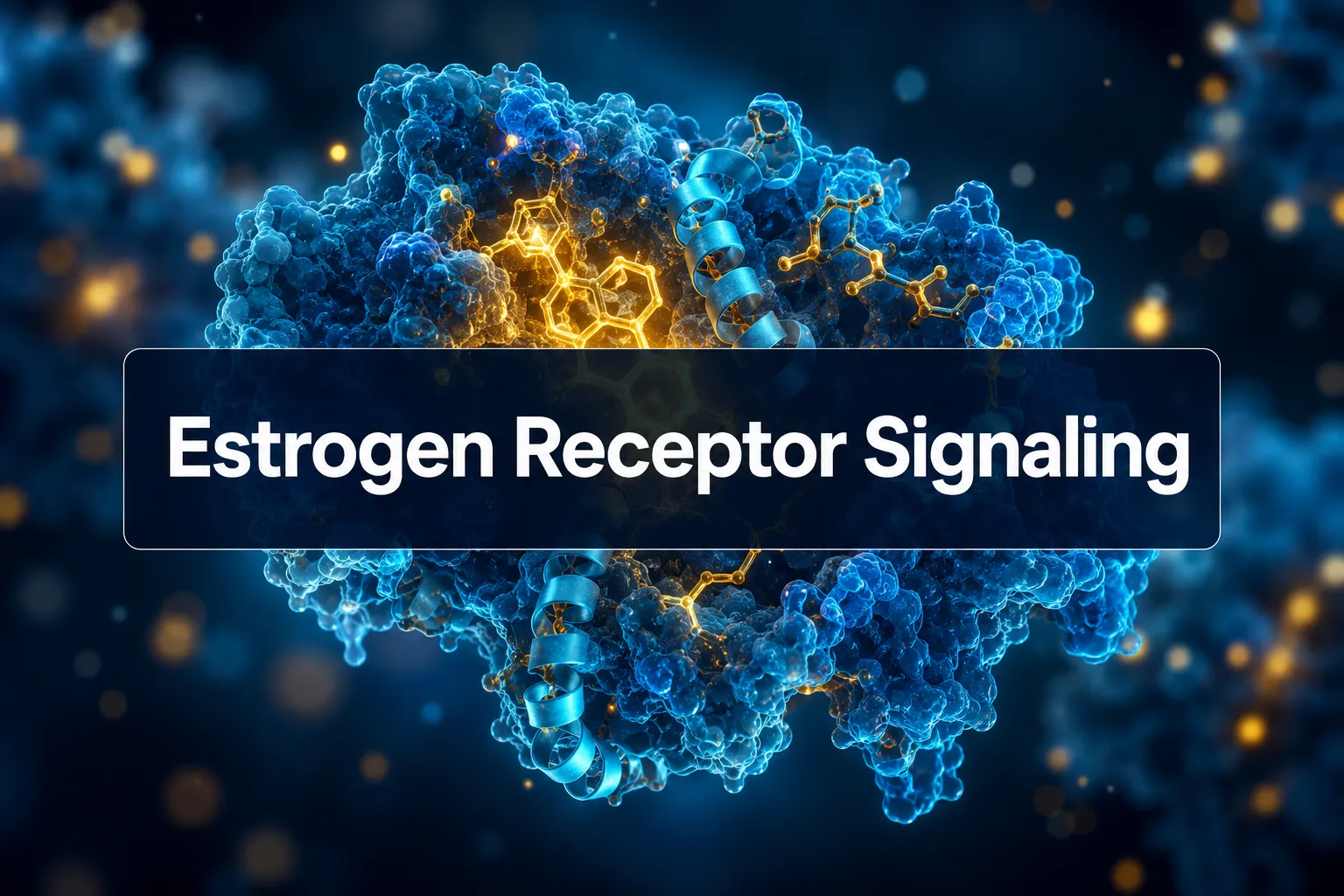
Professional () hero image with (≤42 chars): 'Estrogen Receptor Signaling' in crisp white on a deep navy semi-transparent

Fewer than 15% of men diagnosed with secondary hypogonadism are offered a fertility-preserving treatment option, yet a class of small molecules called selective estrogen receptor modulators (serms) has been reshaping that conversation for over a decade. Understanding estrogen receptor signaling and enclomiphene, and how selective modulators compare with classic polypeptide hormones, is essential for anyone researching the endocrine axis in depth.

Key Takeaways

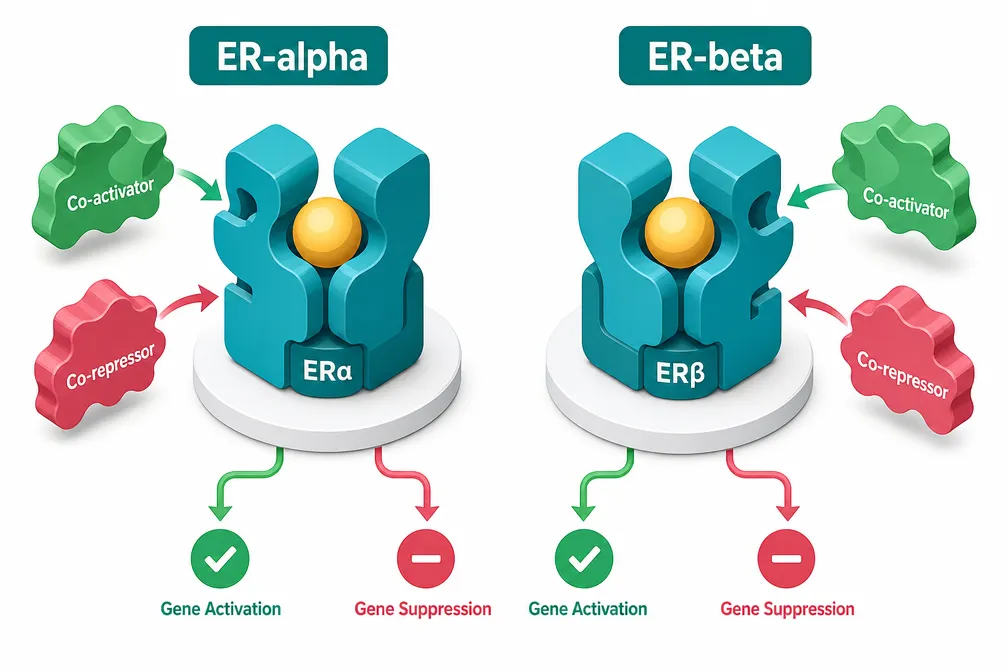
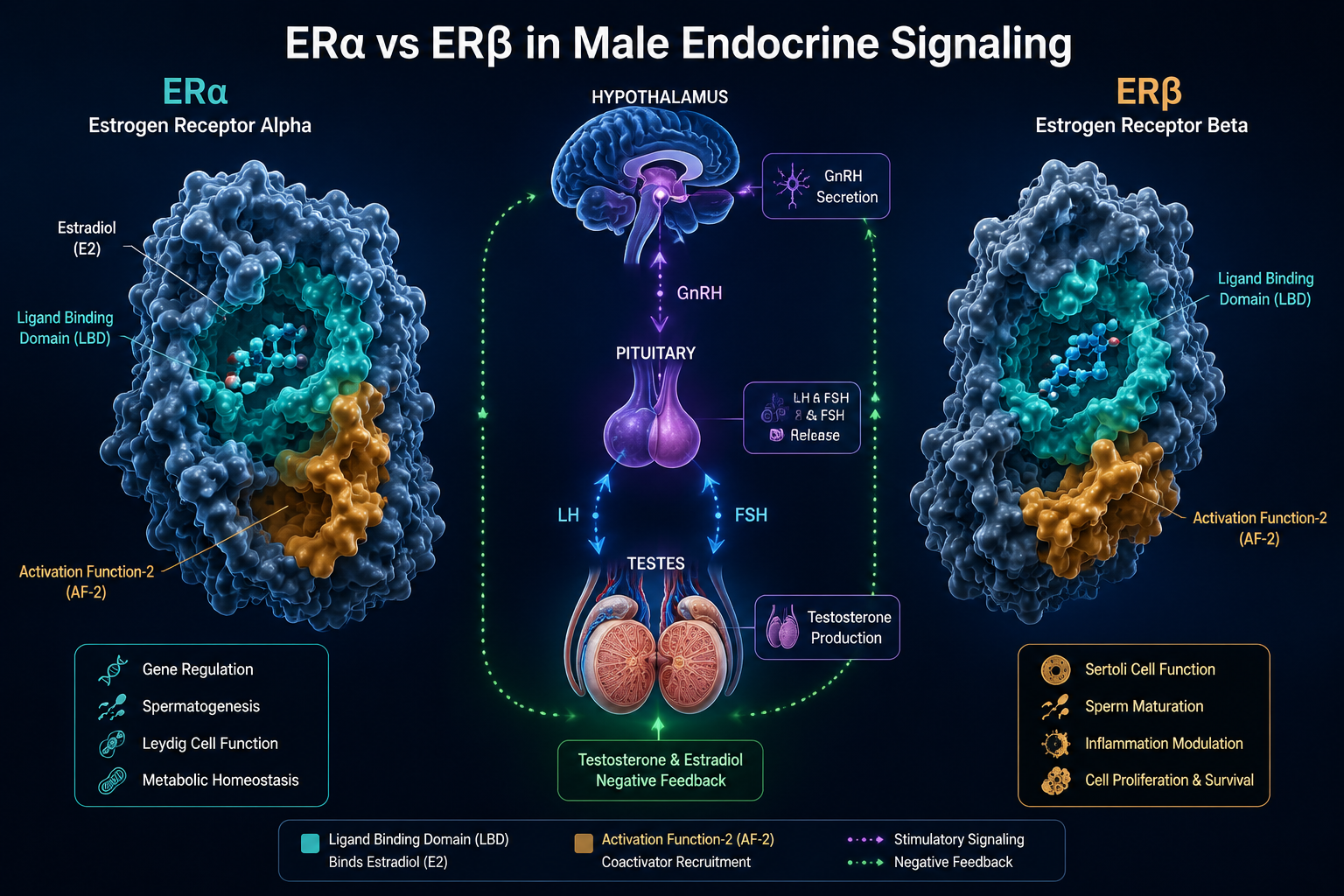
  • Estrogen receptors (ER-alpha and ER-beta) are nuclear transcription factors whose activity depends on ligand type, tissue context, and co-regulator proteins.
  • Enclomiphene is the trans-isomer of clomiphene and acts as a non-steroidal serm, blocking estrogen receptors in the hypothalamus and pituitary to raise GnRH, LH, FSH, and endogenous testosterone.
  • Unlike polypeptide hormones, which bind cell-surface receptors and trigger rapid second-messenger cascades, serms enter the nucleus and directly modulate gene transcription.
  • A 2025 systematic review confirmed that serms effectively raise testosterone and preserve spermatogenesis, distinguishing them from exogenous testosterone therapy.
  • Enclomiphene has no FDA approval as of 2026; all clinical use remains off-label, and long-term outcome data are still limited.

Key Takeaways

Estrogen Receptor Biology: Subtypes, Co-Regulators, and Tissue Specificity

To understand estrogen receptor signaling and enclomiphene's place within it, the receptor architecture must come first.

Two primary estrogen receptor subtypes govern most estrogenic signaling:

Receptor Gene Primary Tissues Dominant Role
ER-alpha (ERalpha) ESR1 Uterus, breast, hypothalamus, pituitary Reproductive and metabolic regulation
ER-beta (ERbeta) ESR2 Ovary, prostate, lung, brain Modulation, often opposing ERalpha

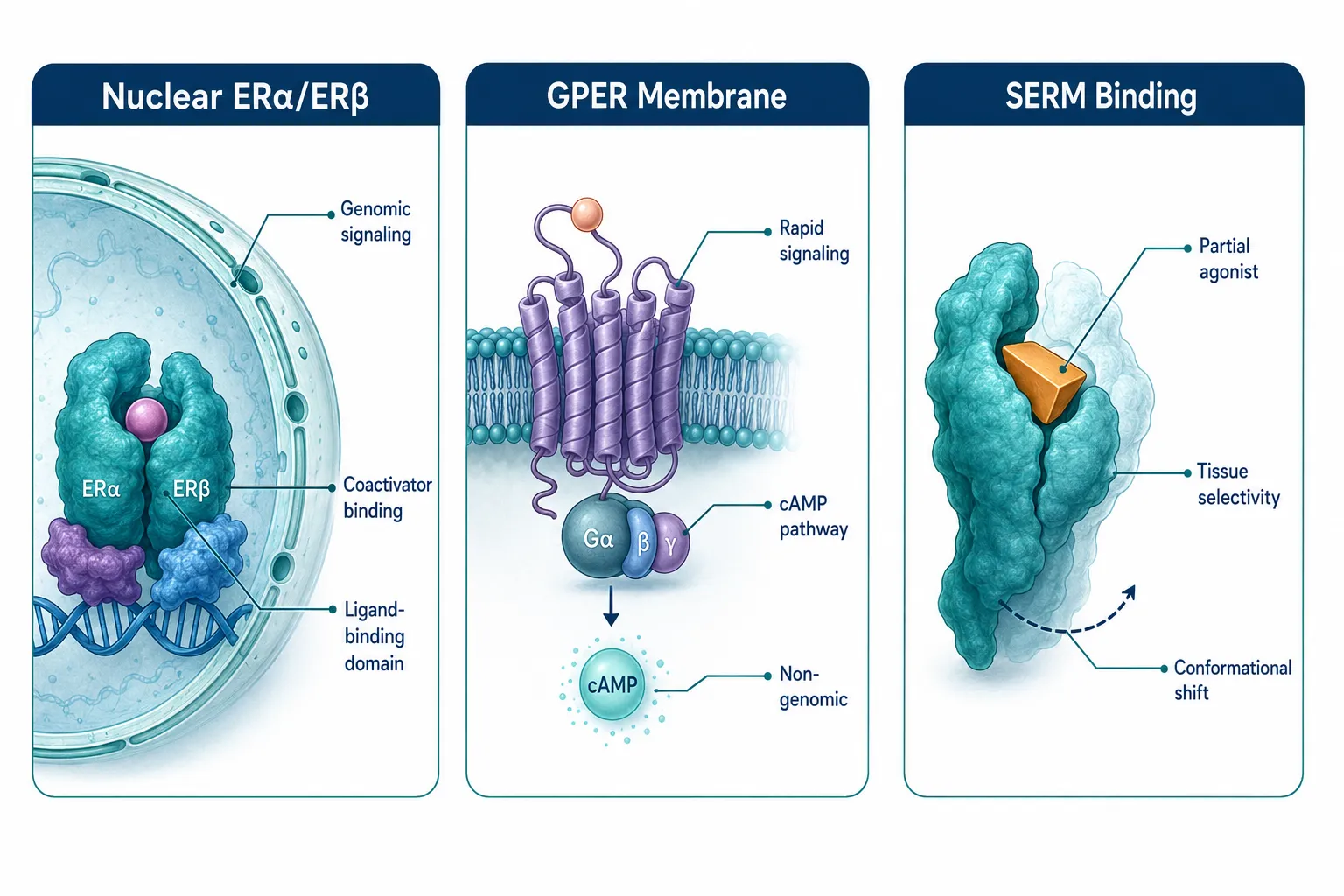
Both receptors are ligand-activated transcription factors housed in the nucleus. When estradiol binds, the receptor undergoes a conformational change, dimerizes, and recruits co-regulator proteins, either co-activators or co-repressors, before binding estrogen response elements (EREs) on target gene promoters.

This co-regulator recruitment is the critical variable. The same receptor, in two different tissues, can produce opposite outcomes depending on which co-regulators are present. This tissue selectivity is precisely what serms exploit.

Genomic vs. non-genomic signaling also matters. The classical genomic pathway takes hours; non-genomic estrogen signaling through membrane-associated receptors can activate kinase cascades within minutes. Enclomiphene operates primarily through the genomic pathway at hypothalamic and pituitary ERalpha sites.

How Enclomiphene Modulates the Hypothalamic-Pituitary-Gonadal Axis

Enclomiphene is the trans-isomer of clomiphene citrate. Its mechanism centers on competitive antagonism at ERalpha in the hypothalamus and anterior pituitary.

Under normal physiology, circulating estradiol (converted from testosterone via aromatase) exerts negative feedback on GnRH neurons and gonadotroph cells, suppressing LH and FSH secretion. Enclomiphene blocks this feedback loop:

  1. Enclomiphene occupies ERalpha in the hypothalamus.
  2. GnRH pulse frequency increases.
  3. The pituitary releases more LH and FSH.
  4. The testes respond with increased testosterone synthesis and maintained spermatogenesis.

This is the core distinction in estrogen receptor signaling and enclomiphene research: the drug does not supply testosterone, it restores the body's own signaling cascade. A 2025 systematic review published in Archives of Endocrinology and Metabolism confirmed that serms raise total testosterone, LH, and FSH while preserving sperm parameters, an outcome exogenous testosterone therapy cannot match because it suppresses LH and FSH directly.

Enclomiphene's advantage over its sister isomer (zuclomiphene) lies in binding affinity and clearance. Zuclomiphene has weak estrogenic activity and a longer half-life; enclomiphene is a cleaner antagonist with faster elimination, which some 2026 practice reviews suggest may reduce estrogen-related side effects such as gynecomastia.

For researchers exploring growth hormone secretagogue pathways as a parallel endocrine axis, the IPA GHRH and GRF research overview provides useful mechanistic context on upstream peptide signaling.

Selective Modulators vs. Classic Polypeptide Hormones: A Mechanistic Comparison

This is where estrogen receptor signaling and enclomiphene diverge most sharply from polypeptide hormone biology.

Classic polypeptide hormones, including LH, FSH, GnRH, and growth hormone-releasing peptides, are chains of amino acids that cannot cross the cell membrane. They bind G-protein-coupled receptors or receptor tyrosine kinases on the cell surface, triggering second-messenger cascades (cAMP, IP3, MAPK) that produce effects within seconds to minutes.

serms like enclomiphene, by contrast, are small lipophilic molecules that diffuse across the plasma membrane and directly engage nuclear receptors. Their timeline is hours, not seconds.

Feature Polypeptide Hormones serms (e.g., Enclomiphene)
Receptor location Cell surface Nucleus
Signaling speed Seconds to minutes Hours
Mechanism Second-messenger cascades Direct gene transcription
Tissue selectivity Receptor expression-dependent Co-regulator-dependent
Structural class Amino acid chains Non-steroidal small molecules

Researchers studying peptide-based endocrine tools such as tesa and its growth hormone axis effects or ipamorelin as a GHRH secretagogue are working within the polypeptide paradigm, cell-surface binding, rapid downstream signaling, and short biological half-lives. Enclomiphene operates in an entirely different molecular register.

"The tissue selectivity of a serm is not encoded in the molecule itself, it emerges from the co-regulator landscape of each target cell."

This distinction matters for research design. Polypeptide hormone studies typically measure acute hormonal pulses; serm studies must account for transcriptional latency and tissue-specific gene expression profiles.

For researchers interested in mitochondrial and metabolic peptide pathways that intersect with hormonal regulation, MOTS-c and mitochondrial dynamics represents a complementary area of inquiry. Similarly, 5-amino-1MQ's role in metabolic signaling illustrates how small molecules can modulate endocrine-adjacent pathways without acting through classical receptor mechanisms.

Selective Modulators vs. Classic Polypeptide Hormones: A Mechanistic Comparison

Regulatory Status and Research Considerations in 2026

Enclomiphene (branded as Androxal) advanced to Phase 3 clinical trials for secondary hypogonadism but received an FDA Complete Response Letter in 2015. As of 2026, there is no FDA-approved indication, and formal pharmaceutical development has been discontinued. Military and sports regulatory bodies list it as a prohibited substance, and it does not qualify as a dietary supplement under any regulatory framework.

Off-label use in men with secondary hypogonadism who wish to preserve fertility remains the primary clinical context. Practitioners and researchers in 2026 consistently frame enclomiphene as a fertility-preserving alternative to testosterone replacement therapy, not a substitute for it.

Gaps that remain as of 2026:

  • No large randomized trials measuring live birth rates with enclomiphene alone
  • Limited long-term cardiovascular safety data
  • No head-to-head trials comparing enclomiphene with newer serm formulations

For researchers sourcing research-grade peptides and small molecules, reviewing quality testing protocols is an important step before designing any receptor-signaling study.

Regulatory Status and Research Considerations in 2026

Conclusion

Estrogen receptor signaling and enclomiphene's role as a selective modulator represent a mechanistically distinct pathway from the polypeptide hormone systems that dominate much of endocrine research. The receptor subtype biology, co-regulator dependency, and nuclear transcription mechanism set serms apart from peptide-based tools in both their timeline of action and their tissue-specific outcomes.

Actionable next steps for researchers and clinicians:

  • Map co-regulator expression profiles in target tissues before predicting serm outcomes in novel models.
  • Distinguish clearly between serm-mediated transcriptional effects and polypeptide hormone second-messenger effects when designing multi-pathway studies.
  • Monitor the 2026 literature for emerging randomized trial data on enclomiphene's long-term safety endpoints.
  • Consult current regulatory guidance before including enclomiphene in any human-subjects protocol, given its unapproved status.
  • Pair serm research with complementary polypeptide axis studies, such as GH secretagogue or metabolic peptide research, to build a fuller picture of endocrine cross-talk.

The intersection of nuclear receptor pharmacology and classical peptide endocrinology is one of the most productive areas in translational biology today. Grounding that work in precise mechanistic understanding is the starting point for any high-quality research program.

https://www.puretestedpeptides.com/wp-content/uploads/2026/07/estrogen-receptor-signaling-and-enclomiphene-how-selective-modulators-compare-wi.webp 1024 1536 Pure Tested https://www.puretestedpeptides.com/wp-content/uploads/2026/01/buy-peptides-online.jpg Pure Tested2026-07-24 13:04:272026-07-27 13:32:07Estrogen Receptor Signaling and Enclomiphene: How Selective Modulators Compare with Classic Polypeptide Hormones
Enclomiphene vs Enclomiphene Citrate: Formulation, Bioavailability, and Research Distinctions

Enclomiphene vs Enclomiphene Citrate: Formulation, Bioavailability, and Research Distinctions

July 23, 2026/0 Comments/by Pure Tested

Fewer than 30% of published studies on selective estrogen receptor modulators clearly distinguish between a compound's free base form and its salt form, a gap that can silently invalidate experimental comparisons. For researchers working with clomiphene isomers, understanding Enclomiphene vs Enclomiphene Citrate: Formulation, Bioavailability, and Research Distinctions is not a minor technical footnote. It is a foundational requirement for designing reproducible, dose-accurate experiments.

Key Takeaways

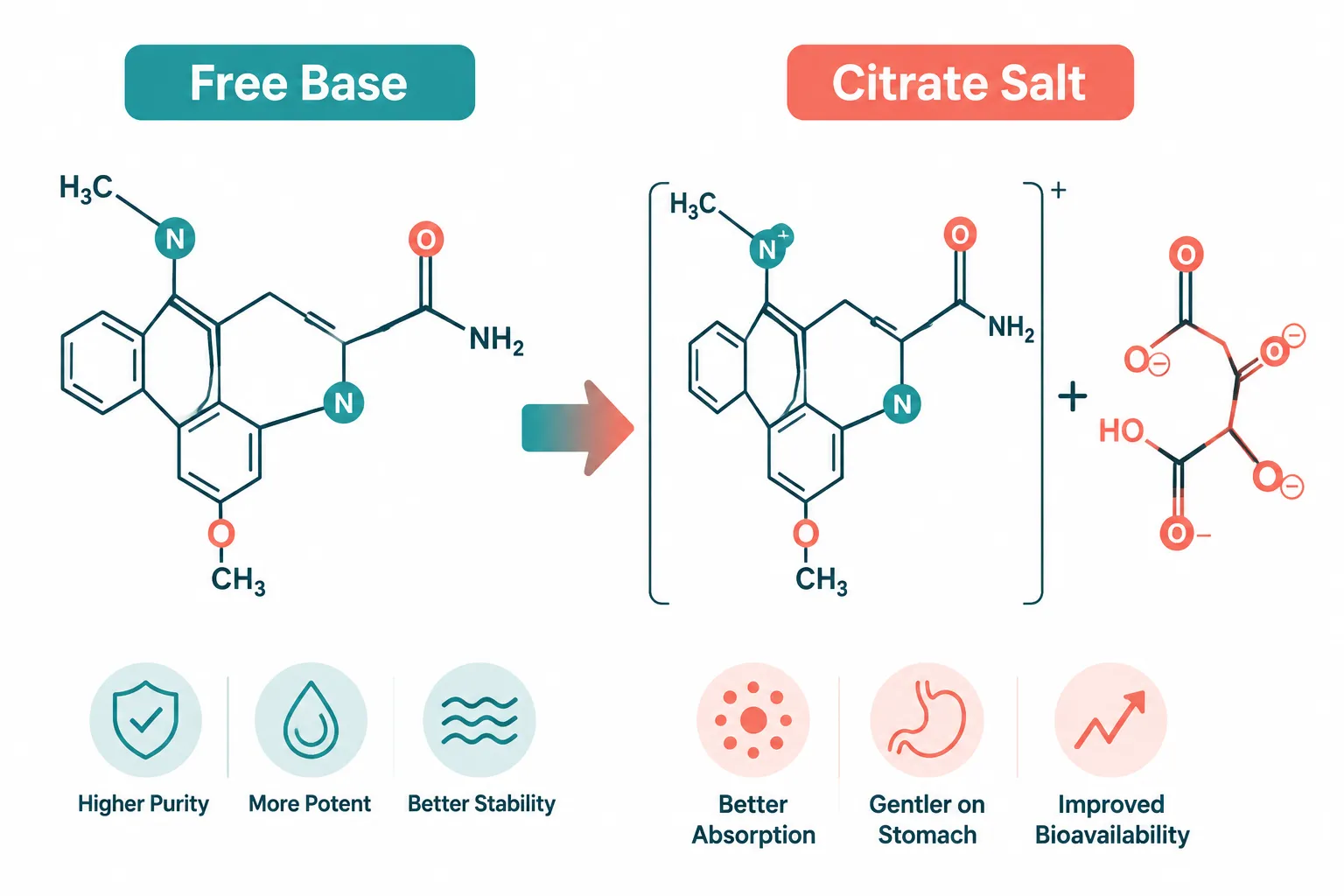
  • Enclomiphene is the trans-isomer free base; Enclomiphene Citrate is its salt form combined with citric acid.
  • The two forms differ in molecular weight, meaning equal mass doses deliver different amounts of active compound.
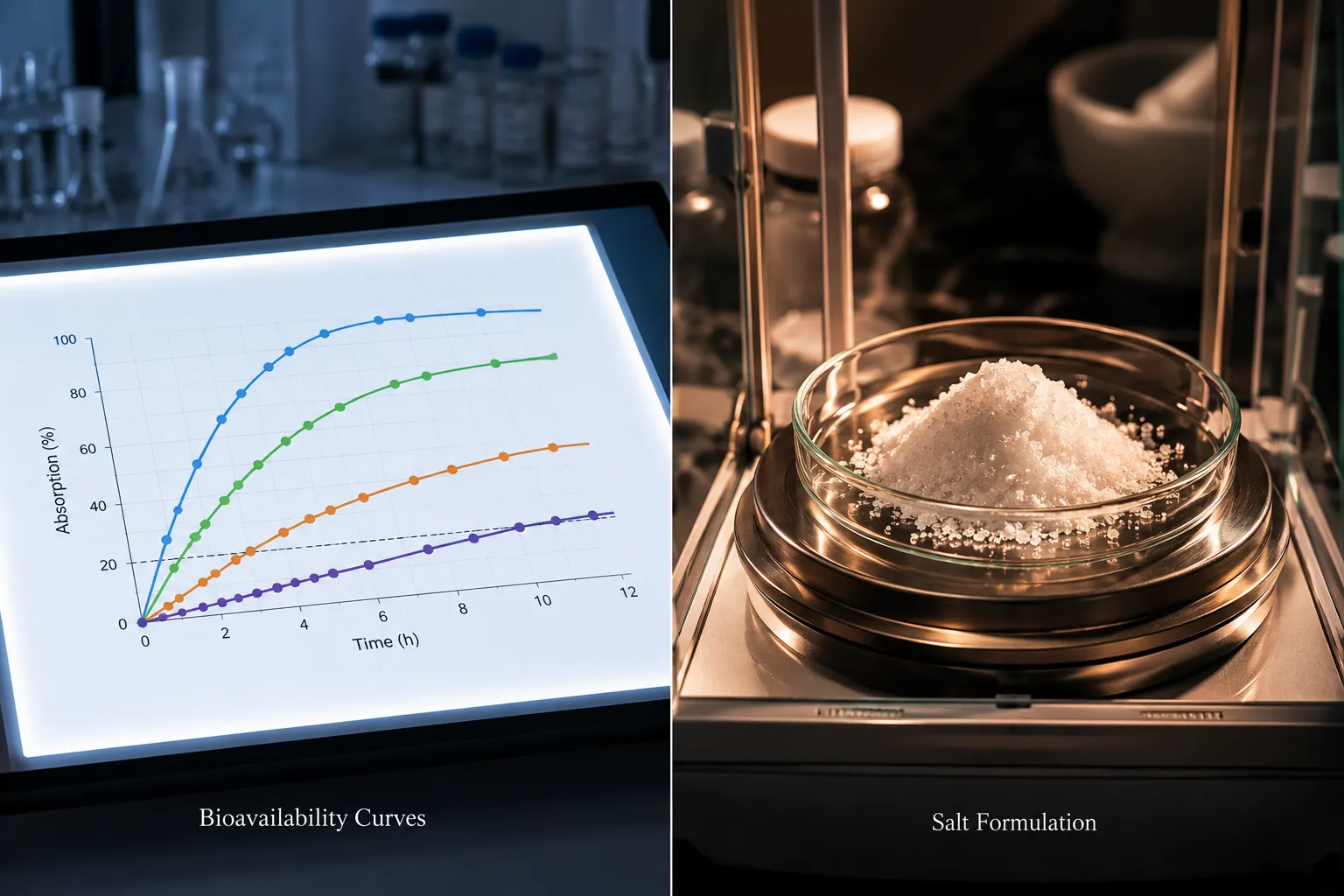
  • Bioavailability and solubility profiles vary between the free base and salt formulation.
  • Research literature does not always specify which form was used, creating cross-study comparison challenges.
  • Accurate experimental design requires knowing the exact form, purity, and molecular weight of the compound used.

Key Takeaways

Understanding the Chemical Identity: Free Base vs Salt Form

At the core of Enclomiphene vs Enclomiphene Citrate: Formulation, Bioavailability, and Research Distinctions is a straightforward but consequential chemical distinction.

Enclomiphene is the trans-isomer of clomiphene. It is the pharmacologically active stereoisomer that functions as a selective estrogen receptor modulator (serm), binding to estrogen receptors in the hypothalamus and pituitary. In its free base form, the compound exists as a neutral molecule without any counterion.

Enclomiphene Citrate is the salt form of the same compound. It is produced by reacting enclomiphene with citric acid, forming an ionic bond between the two molecules. The citrate anion acts as a counterion that improves the compound's physical handling properties and stability.

Why the Salt Form Exists

Pharmaceutical and research-grade compounds are frequently converted to salt forms for practical reasons:

  • Improved stability during storage and shipping
  • Better aqueous solubility, which aids in certain formulation processes
  • Easier handling as a crystalline powder compared to some free base forms

The citrate salt is the form most commonly encountered in both clinical research and commercial supply chains. However, this creates an important calculation problem for researchers.

The Molecular Weight Difference

This is the most critical practical distinction:

Property Enclomiphene (Free Base) Enclomiphene Citrate
Molecular Formula C26H28ClNO C26H28ClNO + C6H8O7
Approximate MW ~405.96 g/mol ~598.08 g/mol
Active Fraction 100% ~67.9%

A 10 mg dose of Enclomiphene Citrate does not deliver 10 mg of active enclomiphene. It delivers approximately 6.8 mg of the active free base. Researchers who do not account for this difference will administer inconsistent effective doses, making cross-study comparisons unreliable.

The Molecular Weight Difference

Bioavailability and Formulation Implications for Research

The bioavailability dimension of Enclomiphene vs Enclomiphene Citrate: Formulation, Bioavailability, and Research Distinctions extends beyond simple dose correction.

Solubility and Absorption Profiles

Salt forms generally exhibit higher aqueous solubility than their free base counterparts. For enclomiphene, the citrate salt dissolves more readily in aqueous media, which has implications for:

  • In vitro assay preparation, stock solutions prepared in aqueous buffers will behave differently depending on the form used
  • Oral bioavailability modeling, dissolution rate in gastrointestinal fluid can influence absorption kinetics
  • Reconstitution protocols, researchers using peptide and serm compounds alongside agents like those explored in growth hormone secretagogue research stacks must account for each compound's solubility characteristics independently

pH Sensitivity

The citrate salt form introduces a weak acid (citric acid) into the formulation environment. In highly buffered biological systems this effect is negligible, but in unbuffered in vitro systems or specific cell culture media, the local pH shift from citrate can influence receptor binding assays. Free base enclomiphene does not carry this variable.

Stability Under Storage Conditions

"The counterion in a pharmaceutical salt is not inert, it actively participates in the compound's stability profile under heat, light, and humidity."

Enclomiphene Citrate tends to be more hygroscopic than the free base form. Improper storage can cause weight gain from moisture absorption, further distorting effective dose calculations. Research facilities storing compounds alongside metabolic modulators such as those studied in GLP-1 incretin research programs should apply the same rigorous storage standards to serm compounds.

Stability Under Storage Conditions

Research Distinctions: Experimental Design and Literature Interpretation

The third pillar of Enclomiphene vs Enclomiphene Citrate: Formulation, Bioavailability, and Research Distinctions concerns how these differences affect the integrity of published research and future experimental design.

The Specification Problem in Published Literature

A recurring issue in the serm research landscape is incomplete compound characterization in methods sections. Studies may report dosing in milligrams without specifying whether the free base or citrate salt was used. When two independent research groups use different forms without disclosure, their dose-response curves become incomparable even when the reported milligram amounts are identical.

Researchers working with compounds that require precise receptor-level dosing, analogous to the precision required in mitochondrial peptide research, understand that small formulation differences produce measurable outcome divergence.

Practical Steps for Accurate Experimental Design

Researchers should apply the following standards when working with either form:

  1. Confirm the exact chemical form from the certificate of analysis (COA) before designing the dose protocol.
  2. Apply the molecular weight correction factor when converting between free base and salt form doses.
  3. Document the form explicitly in all methods sections and data reports.
  4. Verify purity independently, a compound listed as 98% pure Enclomiphene Citrate still contains approximately 32% citrate by mass.
  5. Standardize solvent systems based on the specific solubility profile of the form being used.

Connecting to Broader Hormonal Research Contexts

Enclomiphene research intersects with broader investigations into hypothalamic-pituitary-gonadal axis modulation. Researchers exploring hormonal signaling pathways may also find value in reviewing metabolic modulation research themes and longevity-focused peptide research, as overlapping receptor systems are frequently studied in parallel experimental frameworks.

For researchers sourcing verified serm compounds, reviewing available research-grade serm options with documented purity specifications is a necessary step before initiating any experimental protocol.

Conclusion

The distinction between enclomiphene and enclomiphene citrate is not semantic, it is quantitative, biochemical, and methodologically significant. Every milligram matters when studying receptor-level pharmacology. Researchers must confirm the exact form of their compound, apply the appropriate molecular weight correction, and document their specifications clearly in published work.

Actionable next steps for researchers in 2026:

  • Request a full COA specifying free base or salt form before procurement
  • Calculate effective active compound content using the molecular weight ratio
  • Standardize internal protocols to specify form in all experimental records
  • Cross-reference older literature with awareness that form specification may be absent
  • Consult updated compound databases and peer-reviewed pharmacokinetic data when designing new dose-response studies

Precision at the formulation level is what separates reproducible science from ambiguous data.

https://www.puretestedpeptides.com/wp-content/uploads/2026/07/enclomiphene-vs-enclomiphene-citrate-formulation-bioavailability-and-research-di.webp 1024 1536 Pure Tested https://www.puretestedpeptides.com/wp-content/uploads/2026/01/buy-peptides-online.jpg Pure Tested2026-07-23 13:07:072026-07-27 13:32:09Enclomiphene vs Enclomiphene Citrate: Formulation, Bioavailability, and Research Distinctions
Enclomiphene, Estrogen Receptor Signaling, and Luteinizing Phase Biology: What Hormone Researchers Should Measure

Enclomiphene, Estrogen Receptor Signaling, and Luteinizing Phase Biology: What Hormone Researchers Should Measure

July 18, 2026/0 Comments/by Pure Tested

Only one isomer of clomiphene citrate drives the hypothalamic-pituitary-gonadal (HPG) axis upward, and that isomer is enclomiphene. Understanding Enclomiphene, Estrogen Receptor Signaling, and Luteinizing Phase Biology: What Hormone Researchers Should Measure requires bridging classical reproductive endocrinology with modern selective estrogen receptor modulator (serm) pharmacology. For researchers designing rigorous in vitro or preclinical protocols in 2026, knowing which endpoints to track, and why, is the difference between publishable data and noise.

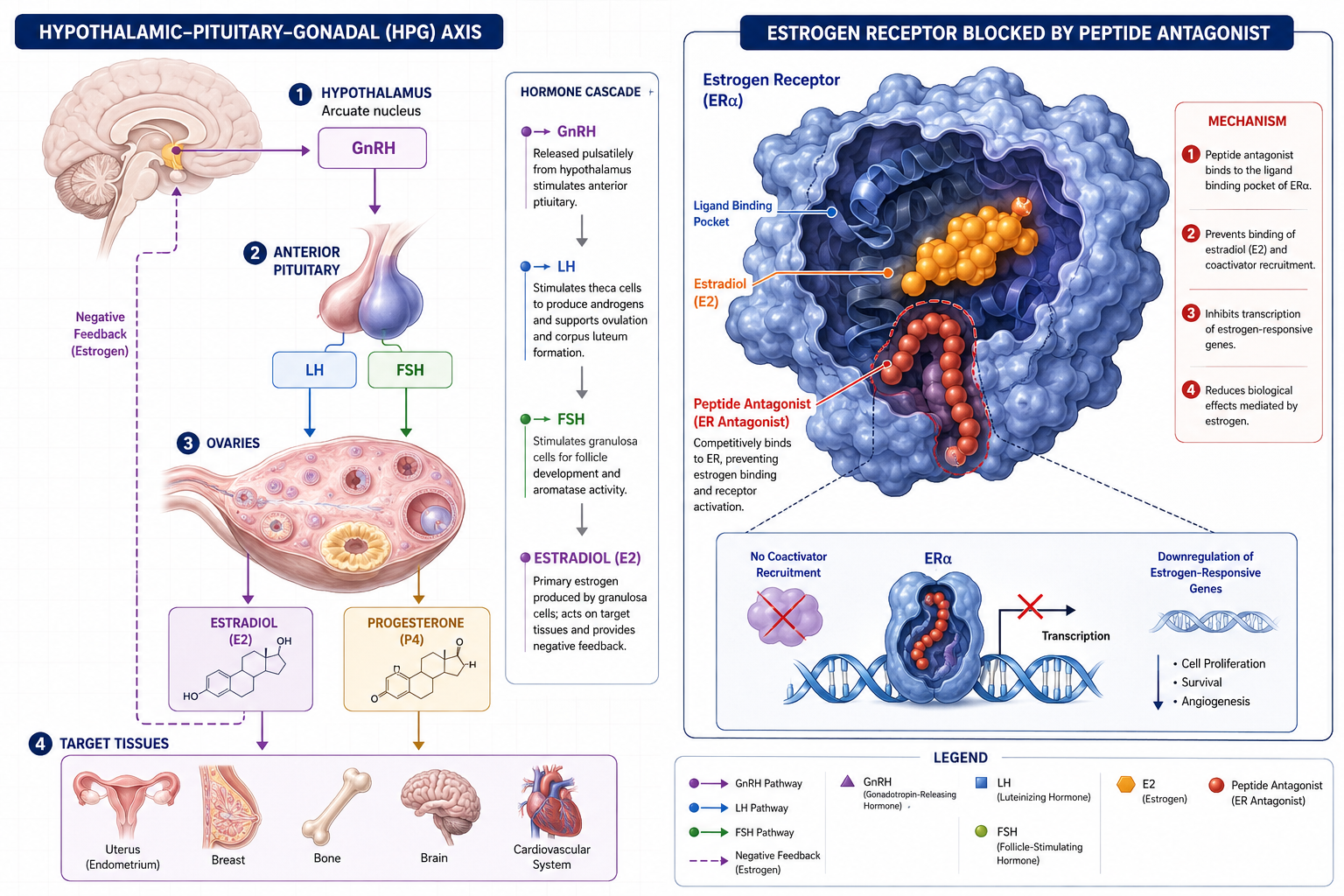
Bright editorial infographic-style landscape image () showing the hypothalamic-pituitary-gonadal axis as a clean vertical

Key Takeaways

  • Enclomiphene is the trans-isomer of clomiphene and acts as a selective estrogen receptor antagonist at the hypothalamic level.
  • Blocking estrogen receptor alpha (ERa) in the hypothalamus removes negative feedback, elevating GnRH pulse frequency and downstream LH and FSH secretion.
  • The luteinizing phase is the primary hormonal window where LH surge dynamics are most measurable and most relevant to serm research.
  • Core endpoints for enclomiphene experiments include LH, FSH, total testosterone, free testosterone, and estradiol (E2).
  • Researchers should also monitor sex hormone-binding globulin (SHBG) and LH pulse frequency as secondary markers.

The HPG Axis and Luteinizing Phase Biology

The HPG axis operates through a precise feedback loop. The hypothalamus releases gonadotropin-releasing hormone (GnRH) in pulses. Those pulses stimulate the anterior pituitary to secrete luteinizing hormone (LH) and follicle-stimulating hormone (FSH). LH then acts on Leydig cells (in males) or theca cells (in females) to drive steroidogenesis.

The luteinizing phase, the period surrounding the LH surge, is the most dynamic window in this cycle. During this phase:

  • LH concentrations can spike 5- to 10-fold above baseline
  • Estradiol peaks just before the LH surge, triggering positive feedback at the pituitary
  • Progesterone begins rising post-surge

This feedback architecture is exactly where enclomiphene exerts its effect. By occupying estrogen receptors at the hypothalamus without activating them, enclomiphene prevents estradiol from signaling "enough hormone, slow down." The result is sustained GnRH pulsatility and elevated gonadotropin output.

Researchers studying body composition peptides, such as those exploring tesa and its somatotropic mechanisms, will recognize this axis-level thinking as foundational to any endocrine research design.


How Enclomiphene Modulates Estrogen Receptor Signaling

How Enclomiphene Modulates Estrogen Receptor Signaling

Enclomiphene's selectivity is its defining research value. Unlike its sister isomer zuclomiphene, which carries partial agonist activity and a longer half-life, enclomiphene acts predominantly as a pure antagonist at hypothalamic ERa receptors.

Receptor-Level Mechanism

Receptor Site Enclomiphene Action Research Implication
Hypothalamic ERa Antagonist Removes negative feedback; raises GnRH pulse rate
Pituitary ER Weak antagonist Amplifies LH and FSH response
Peripheral ER (bone, liver) Minimal activity Reduces confounding estrogenic effects

This tissue-selective profile makes enclomiphene a cleaner research tool than full clomiphene citrate for isolating HPG axis dynamics. Researchers studying mitochondrial and cellular signaling cascades, such as those working with SS-31 and its mitochondrial dynamics, will appreciate how receptor selectivity reduces experimental confounders.

"The value of enclomiphene in preclinical models lies not just in what it activates, but in what it leaves undisturbed."

Because enclomiphene does not strongly activate peripheral estrogen receptors, downstream effects on hepatic SHBG production are less pronounced than with full clomiphene. This is a critical variable to measure in any serm protocol.


Enclomiphene, Estrogen Receptor Signaling, and Luteinizing Phase Biology: What Hormone Researchers Should Measure

Enclomiphene, Estrogen Receptor Signaling, and Luteinizing Phase Biology: What Hormone Researchers Should Measure

Designing a research-grade enclomiphene experiment requires a structured panel of endpoints. Below are the primary and secondary markers researchers should capture.

Primary Endpoints

1. Luteinizing Hormone (LH)
Measure both basal LH and pulsatile LH frequency. Enclomiphene's primary mechanism should produce measurable increases in LH pulse amplitude within 24-72 hours of administration in most preclinical models.

2. Follicle-Stimulating Hormone (FSH)
FSH rises alongside LH but with different kinetics. Tracking FSH independently confirms HPG axis activation rather than isolated LH secretion.

3. Total and Free Testosterone
Downstream steroidogenesis is the functional output of LH signaling. Both total and free testosterone should be measured to account for SHBG-binding changes.

4. Estradiol (E2)
As testosterone rises, aromatase activity converts a fraction to estradiol. Monitoring E2 is essential for understanding the feedback loop's re-equilibration point.

Secondary Endpoints

  • SHBG, Enclomiphene's limited hepatic ER activity means SHBG changes are smaller than with full clomiphene, but still measurable
  • LH pulse frequency, Requires frequent sampling (every 10-20 minutes) over a 4-8 hour window; more informative than single-point LH values
  • Progesterone, Relevant in female models to confirm ovulatory response post-LH surge

Researchers exploring multi-peptide endocrine protocols, including those examining GLP-1 incretin research themes or longevity-focused compound blends, should note that hormonal cross-talk between metabolic and reproductive axes can influence these endpoints.

Timing Considerations

Endpoint timing matters as much as endpoint selection. Recommended sampling windows:

  • Baseline: 7 days pre-administration
  • Acute response: 24, 48, and 72 hours post-first dose
  • Steady-state: Day 14 and Day 28
  • Washout: 14 days post-cessation

For researchers also examining growth hormone secretagogue interactions, resources like tesa body composition research themes offer parallel frameworks for longitudinal hormonal tracking.


Conclusion

Understanding Enclomiphene, Estrogen Receptor Signaling, and Luteinizing Phase Biology: What Hormone Researchers Should Measure is not purely academic, it directly shapes protocol quality. Enclomiphene's clean antagonism at hypothalamic ERa makes it one of the most targeted tools available for studying HPG axis dynamics without the confounding estrogenic noise of full clomiphene.

Actionable next steps for researchers:

  1. Build a baseline hormonal panel (LH, FSH, total testosterone, free testosterone, E2, SHBG) before any serm administration
  2. Use pulsatile LH sampling, not single-point measurements, to capture true axis activation
  3. Track E2 and SHBG in parallel to understand feedback re-equilibration
  4. Pre-register sampling timepoints to prevent post-hoc endpoint selection bias
  5. Cross-reference findings with metabolic axis data, particularly if co-administering peptides that influence GH or insulin signaling

Researchers seeking high-documentation research compounds to pair with endocrine studies can review BPC-157 core peptides documentation and AOD-9604 research method notes for complementary protocol frameworks.

https://www.puretestedpeptides.com/wp-content/uploads/2026/07/enclomiphene-estrogen-receptor-signaling-and-luteinizing-phase-biology-what-horm-1.webp 1024 1536 Pure Tested https://www.puretestedpeptides.com/wp-content/uploads/2026/01/buy-peptides-online.jpg Pure Tested2026-07-18 13:05:052026-07-20 14:59:48Enclomiphene, Estrogen Receptor Signaling, and Luteinizing Phase Biology: What Hormone Researchers Should Measure
Estrogen Receptor Signaling and Enclomiphene: Linking Classic Endocrine Pharmacology to Modern serm Research Models

Estrogen Receptor Signaling and Enclomiphene: Linking Classic Endocrine Pharmacology to Modern serm Research Models

July 15, 2026/0 Comments/by Pure Tested

Fewer than 5% of men diagnosed with secondary hypogonadism are offered alternatives to exogenous testosterone replacement, yet enclomiphene, a single stereoisomer of clomiphene, has drawn sustained attention in research circles precisely because it targets the same estrogen receptor signaling axis that endocrinologists have studied for decades. Understanding estrogen receptor signaling and enclomiphene: linking classic endocrine pharmacology to modern serm research models requires tracing a path from foundational receptor biology to today's selective estrogen receptor modulator (serm) science.

Key Takeaways

  • Enclomiphene is the trans-isomer of clomiphene and acts as an estrogen receptor antagonist at the hypothalamic-pituitary level.
  • By blocking estrogen negative feedback, enclomiphene stimulates LH and FSH release, which in turn supports endogenous testosterone production.
  • Legacy serms such as tamoxifen and raloxifene established the receptor-binding framework that modern enclomiphene research builds upon.
  • Tissue-selective receptor modulation distinguishes serms from both full agonists and pure antagonists.
  • Enclomiphene research fits within a broader landscape of endocrine-modulating compounds studied alongside peptide-based secretagogues and metabolic agents.

Key Takeaways

How Estrogen Receptor Signaling Governs the HPG Axis

The hypothalamic-pituitary-gonadal (HPG) axis operates through a tightly regulated feedback loop. The hypothalamus releases gonadotropin-releasing hormone (GnRH), which prompts the anterior pituitary to secrete luteinizing hormone (LH) and follicle-stimulating hormone (FSH). These gonadotropins then stimulate gonadal steroidogenesis, testosterone production in males, estradiol and progesterone in females.

Estrogen receptor alpha (ERα) plays a central role in this loop. When circulating estradiol binds ERα at hypothalamic neurons, it suppresses GnRH pulse frequency, reducing downstream LH and FSH. This negative feedback is the primary target of serm pharmacology.

Key receptor-level concepts researchers track:

  • Ligand-binding domain (LBD) conformation, determines whether a compound acts as agonist or antagonist
  • Coactivator vs. corepressor recruitment, drives tissue-specific gene transcription
  • ERα vs. ERβ selectivity, explains differential effects across bone, breast, uterine, and neural tissue

This framework, established through decades of tamoxifen and raloxifene research, is the same scaffold used when evaluating enclomiphene in preclinical and clinical models. Researchers exploring related neuroendocrine and innate immunity pathways will recognize how tightly hormonal and immune signaling are intertwined at the receptor level.


Legacy serms vs. Enclomiphene: A Pharmacological Contrast

Legacy serms vs. Enclomiphene: A Pharmacological Contrast

Tamoxifen, introduced in the 1970s, was the first clinically significant serm. Raloxifene followed, offering improved bone and cardiovascular profiles. Clomiphene citrate, a racemic mixture of zuclomiphene (cis) and enclomiphene (trans), became standard for ovulation induction.

"Enclomiphene's pharmacological advantage lies in its shorter half-life and cleaner receptor profile compared to the racemic parent compound."

The table below summarizes key distinctions:

Compound Primary Target Half-Life Key Research Use
Tamoxifen ERα (breast) ~5-7 days Oncology models
Raloxifene ERα/ERβ (bone) ~28 hours Osteoporosis research
Clomiphene (racemic) Hypothalamic ERα ~5-7 days Ovulation induction
Enclomiphene Hypothalamic ERα ~10 hours Male HPG axis research

Enclomiphene's shorter half-life reduces receptor occupancy duration, which researchers hypothesize may lower the risk of prolonged estrogenic side effects seen with zuclomiphene accumulation. Those studying IPA serm stack research will find this receptor-selectivity distinction directly relevant to how serms are combined with growth hormone secretagogues in research protocols.


Enclomiphene in Modern serm Research Models

Enclomiphene in Modern serm Research Models

Modern research into estrogen receptor signaling and enclomiphene: linking classic endocrine pharmacology to modern serm research models has moved beyond simple agonist/antagonist labeling. Current models examine:

  1. Pulse dynamics, how enclomiphene alters GnRH pulse frequency in ex-vivo hypothalamic preparations
  2. Receptor occupancy kinetics, binding affinity data compared to endogenous estradiol
  3. Downstream steroidogenesis, LH-driven Leydig cell testosterone output in preclinical models
  4. Metabolic co-effects, interactions with insulin sensitivity and lipid metabolism markers

This last point connects enclomiphene research to a wider metabolic research landscape. Investigators studying metabolic modulation research lines or AOD-9604 metabolic research often encounter overlapping endpoints, since testosterone and growth hormone axes share downstream metabolic effectors.

Enclomiphene is also being contrasted with small-molecule approaches, including statins, which modestly influence testosterone biosynthesis through cholesterol substrate effects, to isolate receptor-mediated from substrate-mediated hormonal changes. This distinction matters when designing clean research models.

For researchers sourcing reference-grade compounds, the serm 10mg research compound page provides purity and specification data relevant to in-vitro and preclinical study design.

Broader endocrine research often pairs serm compounds with secretagogue stacks. The IPA sermorelin stack research context illustrates how HPG-axis and GH-axis modulation are studied in parallel, since both systems converge on body composition and metabolic outcomes. Similarly, longevity peptide research increasingly incorporates hormonal axis optimization as a foundational variable.


Conclusion

Estrogen receptor signaling and enclomiphene: linking classic endocrine pharmacology to modern serm research models is not a niche academic exercise, it is a convergence point for reproductive endocrinology, metabolic biology, and precision pharmacology. Researchers in 2026 have access to a far richer mechanistic toolkit than the tamoxifen era provided.

Actionable next steps for researchers:

  • Map ERα and ERβ expression profiles in target tissues before designing serm intervention studies
  • Use enclomiphene's short half-life as a variable to study pulse-dependent vs. tonic receptor occupancy effects
  • Compare HPG-axis outcomes alongside metabolic markers to capture full-system responses
  • Review compound purity documentation carefully, as stereoisomer contamination confounds receptor-binding data
  • Consider pairing serm research with secretagogue or metabolic peptide protocols to capture cross-axis interactions

The field is moving rapidly. Grounding new enclomiphene research in the deep literature of estrogen receptor pharmacology ensures that modern findings build on, rather than repeat, the foundational work that made serm science possible.

https://www.puretestedpeptides.com/wp-content/uploads/2026/07/estrogen-receptor-signaling-and-enclomiphene-linking-classic-endocrine-pharmacol.webp 1024 1536 Pure Tested https://www.puretestedpeptides.com/wp-content/uploads/2026/01/buy-peptides-online.jpg Pure Tested2026-07-15 13:06:082026-07-20 15:00:06Estrogen Receptor Signaling and Enclomiphene: Linking Classic Endocrine Pharmacology to Modern serm Research Models
Enclomiphene and Estrogen Receptor Signaling in Research: How It Compares With serm-Based Hormone Studies

Enclomiphene and Estrogen Receptor Signaling in Research: How It Compares With serm-Based Hormone Studies

July 14, 2026/0 Comments/by Pure Tested

Fewer than 5% of selective estrogen receptor modulators studied in preclinical settings reach meaningful clinical endpoints, yet enclomiphene has consistently stood apart from that trend. Research into enclomiphene and estrogen receptor signaling in research: how it compares with serm-based hormone studies reveals a compound with a precise mechanistic profile that challenges older, less selective approaches to hormone axis modulation.

Key Takeaways

  • Enclomiphene is the trans-isomer of clomiphene citrate and functions as a pure estrogen receptor antagonist at the hypothalamic level
  • By blocking estrogen receptors in the hypothalamus, it drives LH and FSH secretion, which in turn stimulates endogenous testosterone production
  • Unlike mixed clomiphene, enclomiphene eliminates the weak estrogenic activity of the zuclomiphene isomer, producing a cleaner receptor signal
  • Compared to classical serms, enclomiphene preserves spermatogenesis, making it distinct in fertility-relevant research contexts
  • Its short half-life of approximately 10 to 15 hours supports daily oral dosing protocols in research models

Mechanistic Foundations: How Enclomiphene Engages Estrogen Receptors

Mechanistic Foundations: How Enclomiphene Engages Estrogen Receptors

Enclomiphene acts as a competitive antagonist at estrogen receptors in the hypothalamus. When estrogen receptors in this region are blocked, the hypothalamus interprets the signal as low circulating estrogen. It responds by releasing more gonadotropin-releasing hormone (GnRH), which then stimulates the pituitary gland to secrete luteinizing hormone (LH) and follicle-stimulating hormone (FSH).

This upstream effect is what separates enclomiphene from direct androgen therapies. Rather than supplying testosterone externally, it restores the signaling chain that produces testosterone endogenously. For researchers studying the hypothalamic-pituitary-gonadal (HPG) axis, this makes enclomiphene a valuable tool for observing how estrogen receptor blockade translates into downstream hormonal change.

Key receptor-level distinctions:

  • Enclomiphene binds estrogen receptor alpha (ERa) with high affinity in hypothalamic tissue
  • It does not carry the residual estrogenic agonist activity seen in its sister isomer, zuclomiphene
  • A 2022 computational study using fragment molecular orbital calculations confirmed that ligand-receptor complementarity at ERa is highly sensitive to isomeric configuration, a finding directly relevant to enclomiphene's clean antagonist profile

For researchers exploring related receptor modulation pathways, serm-based research compounds offer a useful comparative reference point.


Enclomiphene and Estrogen Receptor Signaling in Research: How It Compares With serm-Based Hormone Studies

Enclomiphene and Estrogen Receptor Signaling in Research: How It Compares With serm-Based Hormone Studies

The broader serm category includes compounds like tamoxifen, raloxifene, and toremifene, each with different tissue selectivity profiles. What makes enclomiphene stand out in this landscape is its isomeric purity and its specific action on the HPG axis rather than peripheral estrogen-sensitive tissues.

Comparison Across Key Research Parameters

Parameter Enclomiphene Mixed Clomiphene Tamoxifen
Receptor action Pure antagonist (hypothalamus) Mixed agonist/antagonist Tissue-selective mixed
HPG axis activation Strong LH/FSH increase Moderate Minimal
Estrogenic side effects Low Moderate Variable
Spermatogenesis impact Preserved Partially preserved Not studied for this
Half-life 10-15 hours 5-7 days (zuclomiphene) 5-7 days

In a 2016 clinical study, enclomiphene citrate raised serum testosterone in men with secondary hypogonadism while keeping sperm concentrations within normal ranges. This contrasts sharply with topical testosterone replacement, which suppresses spermatogenesis by shutting down the HPG axis feedback loop entirely.

From a pure research standpoint, this distinction matters. Enclomiphene allows investigators to model testosterone elevation without disrupting the gonadotropin signal, something no exogenous androgen can replicate.

"Enclomiphene's value in receptor research lies not in what it adds to the system, but in what it allows the system to do on its own."

Researchers interested in multi-pathway hormonal signaling may also find value in reviewing longevity peptide research themes and IPA as a GHRH secretagogue, which explore adjacent endocrine signaling mechanisms.


Regulatory Context and the Ongoing Research Landscape in 2026

Regulatory Context and the Ongoing Research Landscape in 2026

Enclomiphene completed Phase III clinical trials and demonstrated strong efficacy data, yet it has not received FDA approval as a standalone therapeutic. As of 2026, it remains an active subject in research settings focused on male hypogonadism, fertility preservation, and serm receptor pharmacology.

Early antitumor research from the 1980s first identified enclomiphene's estrogen receptor affinity, noting its potential in vitro against certain estrogen-dependent cell lines. That foundational work laid the groundwork for the more targeted HPG axis studies that followed decades later.

What current research continues to examine:

  • Dose-response relationships between enclomiphene and LH/FSH output
  • Long-term receptor desensitization at hypothalamic ERa sites
  • Comparative receptor occupancy versus newer generation serms
  • Interaction effects when combined with metabolic or peptide-based research compounds

For researchers working across broader hormonal and metabolic frameworks, related reading on GIP receptor importance, GLP-1 peptide generational research, and NAD+ energetics and longevity provides useful context on how endocrine signaling intersects with metabolic research themes.

Additionally, researchers studying tissue repair and systemic signaling may find BPC-157 research themes and PT-141 neural metabolic research relevant when designing multi-system research protocols.


Conclusion

The study of enclomiphene and estrogen receptor signaling in research: how it compares with serm-based hormone studies highlights a compound that earns its place in receptor pharmacology through precision rather than broad activity. Its isomeric purity, short half-life, and clean hypothalamic antagonism make it a more tractable research tool than mixed clomiphene or classical serms when the goal is to isolate HPG axis dynamics.

Actionable next steps for researchers:

  1. Review published LH/FSH dose-response data before designing enclomiphene-based protocols
  2. Compare receptor binding affinity data across ERa ligands using computational models as a pre-screening step
  3. Consider enclomiphene as a positive control in serm comparison studies focused on hypothalamic signaling
  4. Evaluate its spermatogenesis-preserving profile against exogenous androgen models when fertility endpoints are relevant
  5. Cross-reference findings with adjacent endocrine and metabolic research to build a more complete picture of HPG axis behavior
https://www.puretestedpeptides.com/wp-content/uploads/2026/07/enclomiphene-and-estrogen-receptor-signaling-in-research-how-it-compares-with-se-1.png 1024 1536 Pure Tested https://www.puretestedpeptides.com/wp-content/uploads/2026/01/buy-peptides-online.jpg Pure Tested2026-07-14 13:07:012026-07-20 15:00:10Enclomiphene and Estrogen Receptor Signaling in Research: How It Compares With serm-Based Hormone Studies
The Role of Peptides in Regulating Estrogen Receptor Activity: A Focus on Enclomiphene Research

The Role of Peptides in Regulating Estrogen Receptor Activity: A Focus on Enclomiphene Research

June 30, 2026/0 Comments/by Pure Tested

Secondary hypogonadism affects an estimated 2–4% of adult men, yet a large portion of cases remain undertreated or managed with therapies that compromise fertility. The role of peptides in regulating estrogen receptor activity: a focus on enclomiphene research offers a compelling alternative pathway — one that works with the body's own hormonal architecture rather than bypassing it.

Detailed () scientific illustration showing a cross-sectional diagram of the hypothalamic-pituitary-gonadal axis with

Key Takeaways

  • Enclomiphene is the trans-isomer of clomiphene citrate and acts as a pure estrogen receptor antagonist in the hypothalamus and pituitary.
  • By blocking estradiol's negative feedback signal, enclomiphene triggers a natural cascade that raises GnRH, LH, FSH, and ultimately testosterone.
  • Unlike traditional testosterone replacement therapy (TRT), enclomiphene preserves sperm counts and testicular function.
  • Early research suggests favorable effects on fasting plasma glucose, pointing to potential metabolic benefits.
  • Enclomiphene is currently available through compounding pharmacies and is not FDA-approved as a standalone compound as of 2026.

How Enclomiphene Interacts with Estrogen Receptors

Enclomiphene belongs to a class of compounds called selective estrogen receptor modulators, or serms. Its molecular formula is C26H28ClNO, with a molecular weight of 406.0 g/mol. As the trans-isomer of clomiphene citrate, it functions as a pure estrogen receptor antagonist specifically in the hypothalamus and pituitary gland.

Here is how the mechanism unfolds:

  1. Circulating estradiol normally binds to estrogen receptors in the hypothalamus, sending a negative feedback signal that suppresses GnRH release.
  2. Enclomiphene occupies those same receptors, blocking estradiol from binding.
  3. With the negative feedback removed, the hypothalamus increases GnRH secretion.
  4. Elevated GnRH drives the pituitary to release more luteinizing hormone (LH) and follicle-stimulating hormone (FSH).
  5. Higher LH levels signal the testes to produce more endogenous testosterone.

"Enclomiphene stimulates natural testosterone production while preserving fertility — a key distinction from exogenous testosterone therapies." — Dr. Joe S. Lancaster, MD, board-certified OB-GYN and hormone specialist.

This cascade is precisely why the role of peptides in regulating estrogen receptor activity: a focus on enclomiphene research has gained traction among endocrinology researchers. Researchers exploring related peptide mechanisms, such as those studying epithalon and NAD-based hormonal pathways, have noted similar upstream signaling dynamics worth comparing.


Clinical Evidence and Comparison with Traditional TRT

Clinical Evidence and Comparison with Traditional TRT

A randomized phase II clinical trial demonstrated that enclomiphene citrate successfully raised morning serum testosterone and LH levels in men with secondary hypogonadism — results comparable to those achieved with topical testosterone gel. Critically, participants maintained normal sperm counts throughout the study period.

Enclomiphene vs. Traditional Testosterone Replacement

Parameter Enclomiphene Exogenous TRT
Endogenous testosterone Increased Suppressed
Sperm count Preserved Often reduced
Testicular function Maintained Risk of atrophy
HPG axis activity Stimulated Suppressed
Metabolic effect Favorable glucose data Variable

Traditional TRT introduces testosterone from an external source, which suppresses the hypothalamic-pituitary-gonadal (HPG) axis. This can result in testicular atrophy and oligospermia — a significant concern for men who wish to maintain fertility. Enclomiphene sidesteps this problem entirely.

Short-term safety data for enclomiphene have been satisfactory and broadly comparable to testosterone gels and placebo groups. Additionally, early data showed improved fasting plasma glucose levels, suggesting potential utility in men with secondary hypogonadism linked to obesity or metabolic syndrome.

For researchers exploring related hormonal optimization compounds, resources on MOTS-C peptide research and the IPA-Sermorelin research stack provide useful context on how peptide-based approaches can complement endocrine modulation strategies.


Dosage, Regulatory Status, and Research Outlook

Dosage, Regulatory Status, and Research Outlook

The standard oral dosage studied in research protocols ranges from 12.5 to 25 mg per day. Enclomiphene's half-life of approximately 10 hours supports once-daily dosing, making it practically convenient for research administration.

As of 2026, enclomiphene is not FDA-approved as a standalone drug. It remains accessible through compounding pharmacies. Clomiphene citrate — which contains both the enclomiphene (trans) and zuclomiphene (cis) isomers — holds FDA approval for female ovulatory dysfunction.

Ongoing research is investigating enclomiphene's potential across several areas:

  • Secondary hypogonadism associated with obesity
  • Metabolic syndrome management in men
  • Male infertility where HPG axis preservation is essential

Researchers interested in the broader landscape of serm-adjacent compounds can review the serm 10mg product research page for additional context. Those exploring recovery-oriented peptides may also find value in reviewing top healing peptides and their mechanisms as complementary reading.

For quality benchmarking in peptide research, understanding Bachem reference standards and peptide benchmarks is essential when evaluating compound purity and study reliability.


Conclusion

The role of peptides in regulating estrogen receptor activity: a focus on enclomiphene research represents one of the more nuanced intersections of endocrinology and peptide science available for study in 2026. Enclomiphene's ability to block estrogen receptor activity at the hypothalamic-pituitary level — triggering a natural hormonal cascade without suppressing the HPG axis — sets it apart from conventional testosterone replacement approaches.

Actionable next steps for researchers:

  • Review phase II clinical trial data on enclomiphene citrate and secondary hypogonadism before designing new protocols.
  • Compare enclomiphene's receptor-binding profile against other serms when assessing research scope.
  • Consult compounding pharmacy documentation and current regulatory guidance before sourcing.
  • Explore synergistic peptide research areas, including metabolic and recovery pathways, to build a more complete endocrine research framework.
https://www.puretestedpeptides.com/wp-content/uploads/2026/06/The-Role-of-Peptides-in-Regulating-Estrogen-Receptor-Activity-A-Focus-on-Enclomiphene-Research.png 1024 1536 Pure Tested https://www.puretestedpeptides.com/wp-content/uploads/2026/01/buy-peptides-online.jpg Pure Tested2026-06-30 13:04:582026-07-20 15:01:53The Role of Peptides in Regulating Estrogen Receptor Activity: A Focus on Enclomiphene Research
Enclomiphene vs. Tamoxifen: Comparative Research on serm Peptide Receptor Modulation

Enclomiphene vs. Tamoxifen: Comparative Research on serm Peptide Receptor Modulation

June 22, 2026/0 Comments/by Pure Tested

Only one of these two compounds preserves male fertility while raising testosterone — and the distinction comes down to how each molecule interacts with estrogen receptors at the cellular level. The field of Enclomiphene vs. Tamoxifen: Comparative Research on serm Peptide Receptor Modulation has grown substantially as researchers seek more targeted hormonal interventions that avoid the reproductive suppression caused by conventional testosterone replacement therapy.

Both enclomiphene and tamoxifen belong to the Selective Estrogen Receptor Modulator (serm) class, yet their pharmacological profiles, half-lives, and clinical applications differ in ways that matter deeply for research design and therapeutic strategy.


Key Takeaways

  • Enclomiphene is the trans-isomer of clomiphene citrate and acts as a pure estrogen receptor antagonist in the hypothalamus and pituitary, stimulating endogenous testosterone production.
  • Tamoxifen has a significantly longer half-life (5-7 days) compared to enclomiphene (approximately 10 hours), affecting how quickly dosing adjustments take effect.
  • Enclomiphene shows a cleaner side-effect profile than clomiphene citrate because it lacks the zuclomiphene (cis-isomer) component associated with visual disturbances and mood changes.
  • Tamoxifen remains the preferred serm for gynecomastia management due to its potent antagonism at breast tissue estrogen receptors.
  • Neither compound has received FDA approval as a standalone male hypogonadism treatment as of 2026, though both are used off-label in clinical and research contexts.

Key Takeaways

Mechanisms of Action: How Each serm Engages Estrogen Receptors

Understanding Enclomiphene vs. Tamoxifen: Comparative Research on serm Peptide Receptor Modulation begins at the receptor level. Both compounds bind estrogen receptors but do so in different tissues with different downstream effects.

Enclomiphene is the trans-isomer of clomiphene citrate. It acts as an estrogen receptor antagonist specifically in the hypothalamus and pituitary gland. By blocking estrogen's negative feedback signal at these sites, enclomiphene triggers increased secretion of:

  • Gonadotropin-releasing hormone (GnRH)
  • Luteinizing hormone (LH)
  • Follicle-stimulating hormone (FSH)

This cascade stimulates the testes to produce testosterone endogenously, preserving the hypothalamic-pituitary-testicular (HPT) axis rather than bypassing it.

Tamoxifen operates through a similar upstream mechanism but was originally developed for breast cancer treatment. It competitively blocks estrogen receptors in breast tissue and, when used in male health contexts, also reduces pituitary estrogen feedback — raising LH and FSH levels and, consequently, testosterone output.

"The key distinction is tissue selectivity: enclomiphene's activity is concentrated at the hypothalamic-pituitary axis, while tamoxifen's receptor modulation extends to peripheral tissues including breast, bone, and liver."

For researchers exploring broader receptor modulation frameworks, metabolic modulation research lines provide useful context on how peptide-receptor interactions extend beyond hormonal axes.


Mechanisms of Action: How Each serm Engages Estrogen Receptors

Pharmacokinetics and Clinical Profiles Compared

The pharmacokinetic differences between these two serms are significant for research protocol design.

Parameter Enclomiphene Tamoxifen
Half-life ~10 hours 5-7 days
Active metabolites Minimal Yes (endoxifen)
Dosing frequency Daily (12.5-25 mg) Daily or less frequent
FDA approval (male use) Not approved (2026) Not approved (male use)
Primary research use Secondary hypogonadism Gynecomastia, hypogonadism

Enclomiphene's shorter half-life allows researchers and clinicians to make faster dosing adjustments. Tamoxifen's longer half-life and active metabolite (endoxifen) mean that steady-state concentrations take longer to establish and dissipate.

Side-effect profiles also diverge meaningfully:

  • Enclomiphene: transient headaches, hot flashes; notably absent are the visual disturbances linked to zuclomiphene in standard clomiphene citrate
  • Tamoxifen: risk of thromboembolic events, mood changes, and potential hepatotoxicity with long-term use

Both compounds maintain or enhance spermatogenesis, which gives them a clear advantage over exogenous testosterone therapy for fertility-conscious research subjects. For comparison with other peptide compounds studied in neuroendocrine contexts, neuroendocrine and innate immunity research offers relevant background.

Those researching serm compounds for laboratory use can review the serm 10mg research product for sourcing reference.


Pharmacokinetics and Clinical Profiles Compared

Research Applications and Comparative Utility in 2026

The comparative analysis of Enclomiphene vs. Tamoxifen: Comparative Research on serm Peptide Receptor Modulation reveals distinct niches for each compound in active research programs.

Enclomiphene has completed Phase III clinical trials demonstrating statistically significant increases in testosterone levels alongside preserved spermatogenesis. Researchers studying secondary hypogonadism in younger males favor enclomiphene because it stimulates the natural HPT axis without suppressing it. Its cleaner isomer profile reduces confounding variables in study design.

Tamoxifen remains the more established compound for gynecomastia management research, given its potent and well-documented antagonism at breast tissue estrogen receptors. Its longer half-life also makes it useful in protocols where less frequent dosing is preferred.

Both serms are being examined alongside peptide-based interventions. Researchers comparing hormonal optimization strategies often cross-reference findings with growth hormone secretagogue research, such as ipamorelin vs. tesa comparisons and tesa mechanism and application data, since both categories affect body composition and metabolic signaling.

For researchers interested in longevity and cellular signaling intersections, the Glow Blend longevity research themes and Epithalon vs. NAD evidence pages provide complementary reading on receptor-level interventions.


Conclusion

The comparative research on Enclomiphene vs. Tamoxifen: Comparative Research on serm Peptide Receptor Modulation makes clear that these are not interchangeable compounds. Enclomiphene offers a more targeted hypothalamic-pituitary mechanism, a shorter half-life for flexible dosing, and a favorable side-effect profile — making it the stronger candidate for secondary hypogonadism and fertility-preservation research. Tamoxifen retains its edge in gynecomastia management and longer-duration protocols.

Actionable next steps for researchers:

  1. Define the target tissue and hormonal axis before selecting a serm for a given protocol.
  2. Account for half-life differences when designing washout periods and dosing schedules.
  3. Cross-reference serm data with peptide-based hormonal research to build a more complete picture of receptor modulation strategies.
  4. Monitor regulatory updates, as neither compound holds FDA approval for male hypogonadism treatment as of 2026.
https://www.puretestedpeptides.com/wp-content/uploads/2026/06/Enclomiphene-vs.-Tamoxifen-Comparative-Research-on-serm-Peptide-Receptor-Modulation.png 1024 1536 Pure Tested https://www.puretestedpeptides.com/wp-content/uploads/2026/01/buy-peptides-online.jpg Pure Tested2026-06-22 13:03:462026-07-20 15:02:34Enclomiphene vs. Tamoxifen: Comparative Research on serm Peptide Receptor Modulation
Enclomiphene vs Clomiphene: Estrogen Receptor Signaling, LH/FSH Response, and Research Use Cases

Enclomiphene vs Clomiphene: Estrogen Receptor Signaling, LH/FSH Response, and Research Use Cases

June 17, 2026/0 Comments/by Pure Tested

{"cover":"Professional landscape format (1536×1024) hero image with bold text overlay: 'Enclomiphene vs Clomiphene' in extra large 72pt white sans-serif font with dark semi-transparent overlay box, centered upper third. Background shows a split-panel scientific illustration: left side depicts molecular estrogen receptor binding diagram in deep teal, right side shows a stylized pituitary-hypothalamus axis with LH/FSH hormone cascade arrows in amber. Color scheme: deep navy, clinical white, amber accents. Magazine cover aesthetic, editorial quality, high contrast.","content":["Detailed landscape format (1536×1024) scientific infographic showing a side-by-side molecular comparison of enclomiphene trans-isomer and zuclomiphene cis-isomer chemical structures rendered in 3D ball-and-stick models against a dark navy background. Arrows indicate estrogen receptor binding sites on hypothalamic tissue cross-section. Color-coded labels highlight serm activity zones. Clean clinical aesthetic with white annotation text, teal and amber color accents, editorial research illustration style.","Landscape format (1536×1024) data visualization showing dual bar charts comparing LH and FSH hormone response levels between enclomiphene and clomiphene treatment groups. Chart includes testosterone ng/dL increase annotations (166 vs 98 ng/dL), estradiol pg/mL delta markers, and a timeline axis showing 2-4 week onset. Background is a soft gradient from white to light blue suggesting a clinical research environment. Bold sans-serif axis labels, color-coded bars in teal versus amber, clean medical data aesthetic.","Landscape format (1536×1024) editorial research scene showing a laboratory bench with open scientific journals, molecular model kits, and a digital tablet displaying a fertility preservation diagram with sperm viability graphs. A gloved researcher hand points to a hypothalamic-pituitary-gonadal axis flowchart pinned to a corkboard. Warm lab lighting, shallow depth of field, teal and amber accent colors, professional research environment aesthetic with subtle text overlay reading 'Research Use Cases: Secondary Hypogonadism'."]

Professional landscape hero image () with : "Enclomiphene vs Clomiphene: Estrogen Receptor Signaling, LH/FSH Response, and

Only 38% of clomiphene citrate is the isomer actually responsible for driving testosterone production. That single pharmacological fact is at the center of the growing scientific conversation around enclomiphene vs clomiphene: estrogen receptor signaling, LH/FSH response, and research use cases — and it explains why researchers and clinicians are increasingly treating these two compounds as distinct tools rather than interchangeable options.

Scientific infographic visualizing key differences between Enclomiphene and Clomiphene, featuring side-by-side molecular

Key Takeaways

  • Clomiphene is a mixture of two isomers; enclomiphene is the isolated trans-isomer responsible for anti-estrogenic, testosterone-stimulating activity.
  • Both compounds block estrogen receptors in the hypothalamus, triggering GnRH release and downstream LH/FSH stimulation.
  • Enclomiphene produces a greater median testosterone increase (166 ng/dL vs. 98 ng/dL) with a more favorable side effect profile.
  • Unlike exogenous testosterone therapy, both compounds preserve the hypothalamic-pituitary-gonadal (HPG) axis and support fertility.
  • Enclomiphene is not FDA-approved as a standalone agent but is available through compounding pharmacies and is actively studied for secondary hypogonadism.

How Estrogen Receptor Signaling Differs Between the Two Compounds

Clomiphene citrate is not a single molecule. It is a racemic mixture composed of approximately 62% zuclomiphene (the cis-isomer) and 38% enclomiphene (the trans-isomer). These two isomers behave very differently at the estrogen receptor level.

Enclomiphene acts as a pure estrogen receptor antagonist in the hypothalamus. By occupying estrogen receptors without activating them, it removes the negative feedback signal that estrogen normally sends to the brain. The hypothalamus responds by increasing gonadotropin-releasing hormone (GnRH) pulse frequency.

Zuclomiphene, in contrast, carries weak estrogenic activity and has a significantly longer half-life. It can linger in circulation for weeks, contributing to the mood changes, visual disturbances, and libido complaints that some users associate with clomiphene therapy.

"Isolating the active isomer removes the pharmacological noise introduced by zuclomiphene, giving researchers a cleaner signal at the receptor level."

This distinction is central to understanding the enclomiphene vs clomiphene estrogen receptor signaling debate. When the two isomers are separated, the mechanism becomes more predictable and the side effect profile narrows considerably.


LH/FSH Response and Hormonal Outcomes: What the Data Show

LH/FSH Response and Hormonal Outcomes: What the Data Show

Both compounds stimulate the pituitary gland through the same upstream pathway: hypothalamic GnRH release drives luteinizing hormone (LH) and follicle-stimulating hormone (FSH) secretion, which in turn signals the testes to produce testosterone. The difference lies in the magnitude and cleanliness of that signal.

A retrospective study comparing 66 patients found that enclomiphene produced a median testosterone increase of 166 ng/dL, compared to 98 ng/dL with clomiphene. Enclomiphene also resulted in a statistically lower rise in estradiol and fewer adverse effects including reduced libido, low energy, and mood disturbances.

A separate analysis of 72 patients on enclomiphene and 861 on clomiphene over 12 months found both groups achieved significant increases in testosterone, estradiol, FSH, and LH — with no statistically significant difference between the two therapies at the population level. This suggests enclomiphene is a clinically viable alternative, not merely a theoretical upgrade.

Enclomiphene vs Clomiphene: Key Hormonal Comparison

Parameter Clomiphene Enclomiphene
Median testosterone increase ~98 ng/dL ~166 ng/dL
Estradiol increase Higher Lower
LH/FSH stimulation Yes Yes
Visual disturbance risk Present (zuclomiphene) Minimal
Oral bioavailability Yes Yes
Half-life concern Zuclomiphene accumulates Short, clean clearance

Phase III clinical trials for enclomiphene (marketed as Androxal) showed a mean testosterone increase from 232 to 525 ng/dL at a 12.5 mg/day dosage, supporting its potency as a standalone HPG axis stimulator.

For researchers exploring the GH axis alongside gonadotropin signaling, resources like the CJC-IPA GH axis research overview provide useful context on how different endocrine axes interact in research models.


Research Use Cases: Secondary Hypogonadism, Fertility, and Beyond

Research Use Cases: Secondary Hypogonadism, Fertility, and Beyond

The primary research application for both compounds centers on secondary hypogonadism — a condition where the testes are functional but the HPG axis fails to send adequate stimulation. Unlike primary hypogonadism, this form responds well to upstream signaling interventions.

Fertility Preservation

Exogenous testosterone therapy suppresses spermatogenesis by shutting down endogenous LH and FSH. Both enclomiphene and clomiphene avoid this problem by stimulating natural production rather than replacing it. Enclomiphene is increasingly studied as a preferred option for men with secondary hypogonadism who wish to preserve sperm production.

Comparison with hCG in Research Protocols

Human chorionic gonadotropin (hCG) is another compound used to support fertility during testosterone replacement. The key differences in research context:

  • Enclomiphene acts at the pituitary level, stimulates both LH and FSH, is taken orally, and has minimal estradiol impact.
  • hCG acts directly on testicular Leydig cells, requires injection, and can elevate estradiol.

This distinction matters when designing protocols that target specific nodes of the HPG axis.

Metabolic and Body Composition Research Intersections

Testosterone levels intersect with body composition, metabolic rate, and mitochondrial function. Researchers studying these connections may find value in reviewing related work on MOTS-c and mitochondrial longevity research or TESA body composition research themes, which explore adjacent endocrine and metabolic pathways.

For those examining peptide-based approaches to recovery and tissue biology, the recovery and tissue biology overview provides relevant mechanistic context. Similarly, researchers interested in multi-pathway signaling models may find the KLOW blend multipathway research a useful reference point for understanding how compounds interact across systems.

Enclomiphene vs clomiphene: estrogen receptor signaling, LH/FSH response, and research use cases is a topic that also connects to broader questions about how serms interact with metabolic peptides — a growing area of interest in 2026 research literature. Those exploring peptide synergies in endocrine research can also reference the SLU-PP-332 metabolic research overview for complementary data on receptor-level signaling.


Conclusion

The comparison between enclomiphene and clomiphene is fundamentally a story about pharmacological precision. Clomiphene delivers its effects through a mixture of isomers with competing receptor activities. Enclomiphene isolates the trans-isomer responsible for clean hypothalamic estrogen receptor blockade, producing stronger LH/FSH stimulation, a larger testosterone increase, and a narrower side effect profile.

Actionable next steps for researchers and clinicians:

  • When reviewing HPG axis studies, distinguish whether the protocol used racemic clomiphene or isolated enclomiphene — the distinction changes interpretation of receptor-level data.
  • For fertility-preserving protocols, enclomiphene's dual LH/FSH stimulation makes it a mechanistically superior candidate compared to hCG in oral-administration models.
  • Cross-reference enclomiphene data with adjacent endocrine research, including metabolic peptide work, to build a more complete picture of hormonal axis interactions.
  • Consult compounding pharmacy resources and current regulatory guidance, as enclomiphene's legal status as a non-FDA-approved standalone agent affects study design and sourcing decisions.

The science is clear: understanding the isomer distinction is not a minor detail — it is the foundation of accurate hormone-axis research language.

https://www.puretestedpeptides.com/wp-content/uploads/2026/06/Enclomiphene-vs-Clomiphene-Estrogen-Receptor-Signaling-LHFSH-Response-and-Research-Use-Cases.png 1024 1536 Pure Tested https://www.puretestedpeptides.com/wp-content/uploads/2026/01/buy-peptides-online.jpg Pure Tested2026-06-17 13:04:312026-07-20 15:02:55Enclomiphene vs Clomiphene: Estrogen Receptor Signaling, LH/FSH Response, and Research Use Cases
Estrogen Receptor Signaling and Enclomiphene: How ER and LH Pathways Inform Male Endocrine Research

Estrogen Receptor Signaling and Enclomiphene: How ER and LH Pathways Inform Male Endocrine Research

June 8, 2026/0 Comments/by Pure Tested

Male testosterone levels have declined measurably across populations over the past several decades, yet the molecular machinery governing male hormone regulation remains underappreciated outside specialist circles. At the center of this biology sits a counterintuitive truth: estrogen receptors are not just a female concern. Estrogen receptor signaling and enclomiphene — and how ER and LH pathways inform male endocrine research — represent one of the most productive intersections in modern reproductive endocrinology.

Key Takeaways

  • Estrogen receptors ERα and ERβ both play active roles in male hormonal regulation, particularly within the hypothalamic-pituitary-gonadal (HPG) axis.
  • Enclomiphene is the trans-isomer of clomiphene citrate and functions as a selective estrogen receptor modulator (serm) that blocks hypothalamic ERα to stimulate LH and FSH release.
  • Clinical data show enclomiphene raises testosterone comparably to clomiphene while producing significantly lower estradiol increases and fewer side effects.
  • Membrane-localized estrogen receptor 1 (mESR1) has a distinct, nongenomic role in male fertility that is separate from classical nuclear ER signaling.
  • Research on enclomiphene provides a practical model for studying selective ER modulation without suppressing the HPG axis.

Key Takeaways

ERα and ERβ: The Two Receptors Driving Male Hormonal Balance

Estrogen actions in males are mediated by two primary receptor subtypes: ERα (encoded by the ESR1 gene) and ERβ (encoded by ESR2). These receptors differ in ligand binding affinity, tissue distribution, and transcriptional output.

Receptor Primary Male Tissue Sites Key Function
ERα Hypothalamus, bone, liver Negative feedback on GnRH/LH release
ERβ Testis, epididymis, prostate Local spermatogenesis support

In the hypothalamus, ERα is the dominant subtype mediating estradiol's negative feedback on gonadotropin-releasing hormone (GnRH) pulsatility. When circulating estradiol binds ERα, it suppresses GnRH release, which in turn reduces pituitary output of luteinizing hormone (LH) and follicle-stimulating hormone (FSH). Less LH means less Leydig cell stimulation and lower endogenous testosterone production.

Beyond classical nuclear signaling, research published in 2024 identified membrane-localized estrogen receptor 1 (mESR1) as a separate and critical player. Male mice lacking mESR1 developed progressive infertility due to testicular and reproductive tract abnormalities, even when nuclear ERα signaling remained intact. This finding points to a nongenomic signaling layer that standard receptor models do not fully capture.

Researchers exploring broader endocrine signaling networks — including those studying GLP-1 and dual receptor agonism — recognize that receptor subtype specificity has major implications for how compounds are designed and interpreted.

Enclomiphene Mechanism: Selective ER Blockade and the LH Pathway

Enclomiphene Mechanism: Selective ER Blockade and the LH Pathway

Enclomiphene is the trans-isomer of clomiphene citrate. Its counterpart, zuclomiphene (the cis-isomer), has estrogenic properties and a much longer half-life. By isolating the trans-isomer, researchers gain a cleaner pharmacological tool for studying selective ER modulation in male subjects.

How enclomiphene works:

  1. Binds competitively to ERα in the hypothalamus
  2. Blocks estradiol from suppressing GnRH pulsatility
  3. GnRH pulses increase, driving pituitary LH and FSH secretion
  4. Elevated LH stimulates Leydig cells to produce testosterone
  5. The HPG axis remains intact and functional throughout

This mechanism preserves the body's own hormonal feedback loop — a meaningful distinction from exogenous testosterone replacement, which suppresses the HPG axis and reduces endogenous production.

Enclomiphene has a half-life of approximately 10 to 15 hours and is typically studied at oral doses ranging from 12.5 to 25 mg per day. One study demonstrated measurable testosterone increases within just 14 days of administration, underscoring the speed of HPG axis responsiveness when hypothalamic ER blockade is applied.

This targeted approach to endocrine modulation parallels research on other selective compounds. For example, serm stack research explores how combining receptor-selective agents can produce synergistic hormonal outcomes. Similarly, researchers working with ipamorelin as a GHRH secretagogue are familiar with the principle of stimulating endogenous hormone release rather than replacing it directly.

Clinical Research Findings: What the Data Show in 2026

Clinical Research Findings: What the Data Show in 2026

The clinical picture for enclomiphene in male hypogonadism research has sharpened considerably. A retrospective cohort study found that both enclomiphene and clomiphene significantly increased testosterone, with a mean rise of approximately 210 ng/dL across groups. The two compounds showed no statistically significant difference in testosterone outcomes.

Where enclomiphene diverges from clomiphene:

  • Estradiol increase: Enclomiphene produced a significantly lower estradiol rise (approximately -5.92 pg/mL vs. +17.50 pg/mL for clomiphene, P=0.001)
  • Side effect profile: Fewer reports of decreased libido, reduced energy, and mood changes with enclomiphene
  • Median testosterone gain: Approximately 166 ng/dL in comparative studies

The lower estradiol elevation seen with enclomiphene is directly attributable to the absence of zuclomiphene, which carries estrogenic activity. This makes enclomiphene a more precise research instrument when the goal is to study LH-driven testosterone stimulation without confounding estrogenic effects.

A 2025 systematic review and meta-analysis further evaluated serms against testosterone gel, human chorionic gonadotropin (hCG), anastrozole, and placebo in men with baseline testosterone at or below 300 ng/dL. As of 2026, enclomiphene has accumulated over 190 indexed citations including clinical trials, randomized controlled trials, and meta-analyses — a growing evidence base for a compound that was once considered a secondary isomer.

Researchers interested in how metabolic and hormonal pathways intersect may also find value in reviewing muscle and fat research themes related to ipamorelin and AOD9604 metabolic research, both of which touch on endocrine-metabolic crosstalk. Computational modeling advances have also improved understanding of pituitary gonadotropin signaling dynamics within the HPG axis, offering new tools for interpreting serm research data.

For those tracking broader developments in the field, the latest peptide research updates provide relevant context on how receptor-targeted compounds continue to evolve.

Conclusion

Estrogen receptor signaling and enclomiphene — and how ER and LH pathways inform male endocrine research — offer a precise window into the HPG axis that few other research tools match. The distinction between ERα and ERβ, the newly recognized role of mESR1 in nongenomic male fertility signaling, and enclomiphene's clean pharmacological profile collectively make this an area of high research value.

Actionable next steps for researchers:

  • Prioritize ERα-specific assays when studying hypothalamic feedback in male subjects
  • Use enclomiphene as a mechanistic comparator to isolate LH-driven testosterone responses from estrogenic confounders
  • Track estradiol alongside testosterone in any serm-related endocrine study to capture the full hormonal picture
  • Consult the growing meta-analytic literature to benchmark expected testosterone and estradiol response ranges
  • Consider how nongenomic ER signaling (mESR1) may require separate experimental models beyond standard nuclear receptor assays
https://www.puretestedpeptides.com/wp-content/uploads/2026/06/Estrogen-Receptor-Signaling-and-Enclomiphene-How-ER-and-LH-Pathways-Inform-Male-Endocrine-Research.png 1024 1536 Pure Tested https://www.puretestedpeptides.com/wp-content/uploads/2026/01/buy-peptides-online.jpg Pure Tested2026-06-08 13:03:182026-07-20 15:03:47Estrogen Receptor Signaling and Enclomiphene: How ER and LH Pathways Inform Male Endocrine Research
×

Helpful Links

  • My account
  • Cart
  • Checkout
  • Refund and Returns Policy
  • Privacy Policy
  • SMS Privacy Policy
  • Login
  • My Account
  • Logout

USA Made Lab Tested Peptides

All products are sold for research, laboratory, or analytical purposes only, and are not for human consumption


Pure Tested Peptides is a chemical supplier. Pure Tested Peptides is not a compounding / chemical compounding facility as defined under 503A of the Federal Food, Drug, and Cosmetic act. Pure Tested Peptides is not an outsourcing facility as defined under 503B of the Federal Food, Drug, and Cosmetic act.

The statements made within this website have not been evaluated by the US Food and Drug Administration. The products we offer are not intended to diagnose, treat, cure or prevent any disease.

Human/Animal Consumption Prohibited. Laboratory/In-Vitro Experimental Use Only

Scroll to top Scroll to top Scroll to top