Call or Text 727-513-9780
  • Shopping Cart Shopping Cart
    0Shopping Cart
Pure Tested Peptides | America's most trusted Peptides for sale online
  • Peptides for sale
    • Oral Peptides for sale
      • Peptide Capsules for sale
      • BPC 157 Capsules 1000mcg
      • SLU-PP-332 Capsules | 1000 mcg
      • 5-Amino-1MQ 50mg Capsules
      • Tesofensine 500mcg
    • All Peptides for sale
    • Peptide Sprays
      • BPC 157 Nasal Spray Kit
      • BPC-157 TB500 Nasal Spray Kit
      • Semax Nasal Spray 10mg
      • Selank – Nasal Spray Kit – 10mg
      • Epithalon 50MG Nasal Spray Kit
      • Ipamorelin 10mg Nasal Spray
      • Klow Nasal Spray (BPC-157 + TB-500 + GHK-Cu + KPV) | 80mg
      • Hulk Nasal Spray Tesa / Ipa Blend 6/3 MG
      • Klow Nasal Spray
      • NAD + 500 mg Nasal Spray
      • PT-141 Nasal Spray Kit
    • GHRH Peptides
      • Ipa Peptides
      • CJC-1295 Peptides
        • CJC-1295 with DAC 5 mg
        • CJC-1295 without DAC 5 mg
        • CJC-1295 Ipa 10mg
      • Tesa Peptides
        • Tesa Peptide
        • Tesa 20 mg
    • GHK-Cu Peptides
      • All GHK-Cu Peptides
      • GHK-Cu 100mg
      • KLOW Peptide Blend – Buy KLOW blend online
    • BPC Peptides
      • All BPC Peptides
      • BPC-157
      • BPC-157 TB-500
      • BPC 157 capsules 1000mcg
    • SLU-PP-332 Peptides
      • All SLU-PP-332 Peptides
      • SLU-PP-332 5mg
    • GLP3 Peptides
      • GLP3-R
      • GLP3-R CAG 10mg
      • GLP3-R 20mg
    • PT-141 Peptides
      • PT-141 Peptides for sale
      • PT-141 10mg
      • PT-141 Nasal Spray
    • CAG Peptides
      • Lipo-C Peptide Blend
      • CAG 5mg
      • CAG 10mg
    • MOTS-C Peptides
      • MOTS-C Peptides for sale
      • MOTS-c peptide
      • MOTS-c 10mg *6 pack*
    • 5 Amino 1MQ Peptides
      • 5 Amino 1MQ Peptides for sale
      • 5-Amino-1MQ 50mg Capsules
      • 5-Amino-1MQ 5mg
    • Epithalon Peptides
      • Epithalon Peptides for sale
      • Epithalon 10mg
      • Epithalon 50mg
  • Shop
    • GLPs
      • 5-Amino-1MQ 50mg Capsules
      • 5-Amino-1MQ 5mg
      • GLP3-Reta
      • L-Carnitine 500mg/ml
      • Tesofensine 500mcg
      • SLU-PP-332 5mg
      • MOTS-c 10mg *6 pack*
    • Epithalon & BPC Peptides
      • Epithalon 10mg
      • Epithalon 50mg
      • BPC-157
      • BPC 157 capsules 1000mcg
      • BPC-157 TB-500
      • BPC-157 TB500 Nasal Spray Kit
      • BPC 157 Nasal Spray Kit
    • BPC TB-500 & NAD+ Peptides
      • NAD+ 500 mg
      • KLOW Peptide Blend – Buy KLOW blend online
      • GLOW Peptide Blend
      • TB 500 5mg
      • BPC 157 capsules 1000mcg – Supplement
      • BPC 157 Nasal Spray Kit
      • BPC-157
      • BPC-157 TB500 Nasal Spray Kit
      • BPC-157 TB-500
      • BPC 157 capsules 1000mcg
    • LL-37 Peptide
      • LL-37 10 mg
    • MOTS-C & Selank
      • MOTS-c peptide
      • Selank 10mg
    • GHK Peptides
      • GHK-Cu 100mg
      • GLOW Peptide Blend
      • KLOW Peptide Blend – Buy KLOW blend online
  • COAs
  • Wholesale
    • Wholesale Peptides for sale
  • PTP FAQ
  • Affiliates
    • Selank Peptide: Advanced Pharmacological Mechanisms Underlying Its Anxiolytic and Nootropic Effects in Research
      • 5-Amino-1MQ Peptide: Detailed Mechanisms of NNMT Inhibition and Its Impact on Cellular Metabolism Research
        • MOTS-C Peptide: Unraveling Its Role in Mitochondrial Dynamics and Energy Metabolism Research
          • Epithalon Peptide and Telomerase Regulation: Investigating Its Impact on Cellular Senescence and Lifespan Research Models
            • GLP2-T vs GLP2 Tirz Peptide: Understanding the Naming, Mechanistic Nuances, and Research Implications for Gut Health
      • Peptides and Polypeptides in Modern Pharmacology: What Research on Metoprolol, Prednisone, and Amlodipine Reveals
        • Polypeptide Peptides vs NSAIDs: What Naproxen and Diclofenac Teach Tissue-Repair Researchers About BPC‑157 and TB‑500
          • Peptides and Polypeptides in Endocrine Pharmacology: How GLP-1, GLP-2, and GLP-3 Retatrutide Differ From Classic Drugs Like Prednisone and Amlodipine
          • 5‑Amino‑1MQ Peptide and NNMT Inhibition: How It Compares With Statins Like Atorvastatin in Adipose and Lipid Metabolism Research
      • Enclomiphene, Estrogen Receptor Signaling, and Luteinizing Phase Biology: What Hormone Researchers Should Measure
        • Mesenchymal Stem Cells, BPC‑157, and GHK‑Cu: How Tissue Repair Peptides Compare With Classic NSAIDs Like Naproxen in Injury Models
          • Peptide Calculator Use Cases Beyond Growth Hormone: Working Through GLP‑3 Retatrutide, MOTS‑c, and BPC‑157 Research Dosing
        • Polypeptide Peptides in Endocrine and Metabolic Pharmacology: Lessons From Amlodipine, Prednisone, and Metoprolol
        • Peptides Calculator for Advanced Blends: Worked Examples for Tesamorelin, CJC‑1295, and Ipamorelin Stacks
          • Peptides and Polypeptides in Human Physiology: How Molecular Size Shapes Research Applications
            • Selank Peptide: Advanced Pharmacological Mechanisms Underlying Its Anxiolytic and Nootropic Effects in Research
          • 5-Amino-1MQ Peptide: Detailed Mechanisms of NNMT Inhibition and Its Impact on Cellular Metabolism Research
            • MOTS-C Peptide: Unraveling Its Role in Mitochondrial Dynamics and Energy Metabolism Research
              • Epithalon Peptide and Telomerase Regulation: Investigating Its Impact on Cellular Senescence and Lifespan Research Models
                • GLP2-T vs GLP2 Tirz Peptide: Understanding the Naming, Mechanistic Nuances, and Research Implications for Gut Health
                  • Peptides and Polypeptides in Endocrine Pharmacology: How GLP-1, GLP-2, and GLP-3 Retatrutide Differ From Classic Drugs Like Prednisone and Amlodipine
                    • Polypeptide Peptides vs NSAIDs: What Naproxen and Diclofenac Teach Tissue-Repair Researchers About BPC‑157 and TB‑500
                      • Peptides and Polypeptides in Modern Pharmacology: What Research on Metoprolol, Prednisone, and Amlodipine Reveals
                        • 5‑Amino‑1MQ Peptide and NNMT Inhibition: How It Compares With Statins Like Atorvastatin in Adipose and Lipid Metabolism Research
                        • Enclomiphene, Estrogen Receptor Signaling, and Luteinizing Phase Biology: What Hormone Researchers Should Measure
                        • Mesenchymal Stem Cells, BPC‑157, and GHK‑Cu: How Tissue Repair Peptides Compare With Classic NSAIDs Like Naproxen in Injury Models
                        • Peptide Calculator Use Cases Beyond Growth Hormone: Working Through GLP‑3 Retatrutide, MOTS‑c, and BPC‑157 Research Dosing
                        • Polypeptide Peptides in Endocrine and Metabolic Pharmacology: Lessons From Amlodipine, Prednisone, and Metoprolol
                        • Peptides Calculator for Advanced Blends: Worked Examples for Tesamorelin, CJC‑1295, and Ipamorelin Stacks
                        • Peptides and Polypeptides in Human Physiology: How Molecular Size Shapes Research Applications
                        • Selank Peptide: Advanced Pharmacological Mechanisms Underlying Its Anxiolytic and Nootropic Effects in Research
                        • MOTS-C Peptide: Unraveling Its Role in Mitochondrial Dynamics and Energy Metabolism Research
                        • Peptides and Polypeptides in Modern Pharmacology: What Research on Metoprolol, Prednisone, and Amlodipine Reveals
                        • Peptides and Polypeptides in Endocrine Pharmacology: How GLP-1, GLP-2, and GLP-3 Retatrutide Differ From Classic Drugs Like Prednisone and Amlodipine
                        • 5-Amino-1MQ Peptide: Detailed Mechanisms of NNMT Inhibition and Its Impact on Cellular Metabolism Research
                        • Mesenchymal Stem Cells, BPC‑157, and GHK‑Cu: How Tissue Repair Peptides Compare With Classic NSAIDs Like Naproxen in Injury Models
                        • Peptide Calculator Use Cases Beyond Growth Hormone: Working Through GLP‑3 Retatrutide, MOTS‑c, and BPC‑157 Research Dosing
                        • GLP2-T vs GLP2 Tirz Peptide: Understanding the Naming, Mechanistic Nuances, and Research Implications for Gut Health
                        • Polypeptide Peptides in Endocrine and Metabolic Pharmacology: Lessons From Amlodipine, Prednisone, and Metoprolol
                        • Polypeptide Peptides vs NSAIDs: What Naproxen and Diclofenac Teach Tissue-Repair Researchers About BPC‑157 and TB‑500
                        • Peptides and Polypeptides in Human Physiology: How Molecular Size Shapes Research Applications
                        • Peptides Calculator for Advanced Blends: Worked Examples for Tesamorelin, CJC‑1295, and Ipamorelin Stacks
                        • 5‑Amino‑1MQ Peptide and NNMT Inhibition: How It Compares With Statins Like Atorvastatin in Adipose and Lipid Metabolism Research
                        • Enclomiphene, Estrogen Receptor Signaling, and Luteinizing Phase Biology: What Hormone Researchers Should Measure
                        • Epithalon Peptide and Telomerase Regulation: Investigating Its Impact on Cellular Senescence and Lifespan Research Models
                        • Best research protocol Klow blend
                        • best time to take BPC-157
                        • best time to take DSIP (Delta Sleep Inducing Peptide)
                        • best time to take CJC-1295
                        • best time to take AOD-9604
                        • best time to take Follistatin 344
                        • best time to take Ipamorelin
                        • best time to take MK-677 (Ibutamoren)
                        • best time to take Ligandrol (LGD-4033) — research compound
                        • best time to take Ostarine (MK-2866) — research compound
                        • best time to take GHK-CU
                        • best time to take TB-500
                        • best time to take MOTS-c
                        • best time to take Semax
                        • best time to take RAD-140 (Testolone) — research compound
                        • best time to take Thymosin Alpha-1
                        • best time to take PEG-MGF
                        • Biolife Plasma, Octapharma Plasma, and Research Peptides: How Plasma Donation Labs Differ From Peptide Suppliers
                        • best time to take YK-11 — research compound
                        • best time to take PT-141 (Bremelanotide)
                        • Best research protocol Klow blend
                        • 5-Amino-1MQ and MOTS-C Synergy: Metabolic Signaling, Mitochondria, and Research Design
                        • BPC-157 and TB-500: Investigating Their Combined Effects on Angiogenesis and Cellular Migration in Tissue Repair Models
                        • BPC-157 Peptide: Gut Barrier Function, Inflammation, and Tissue-Recovery Research
                        • 5‑Amino‑1MQ and MOTS‑c Synergy in Metabolic Research: Designing NNMT and Mitochondrial Biogenesis Stacks
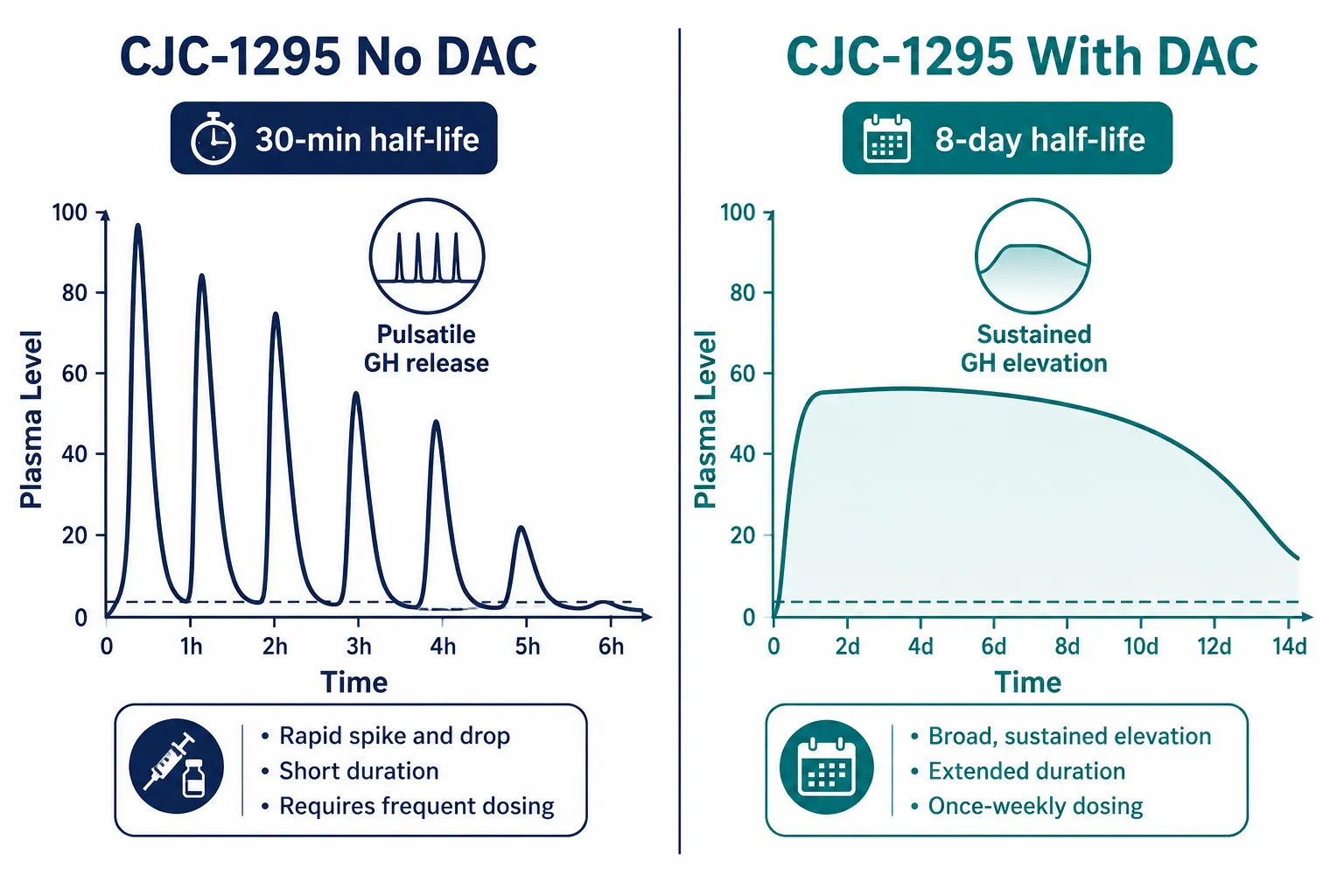
                        • CJC-1295 with DAC vs. Without DAC: Half-Life, Release Kinetics, and Research Implications
                        • CJC‑1295 with DAC vs. Without DAC: Expanding on Half‑Life Differences Using Tesamorelin and Ipamorelin Blend Case Studies
                        • Collagen Biology and Copper‑Binding Peptides: How GHK‑Cu, Glow Blend, and Klow Blend Interact with Skin and Connective Tissue
                        • Collagen Biology and Regenerative Peptides: How GHK‑Cu, Glow Blend, and Klow Blend Affect Extracellular Matrix Research
                    • DNA, Telomeres, and Longevity Peptides: Positioning Epithalon and MOTS‑c in Genetic Aging Research
                      • Enclomiphene Citrate: serm Mechanism, Testosterone Research, and Stack Compatibility
                        • Enclomiphene vs Enclomiphene Citrate: Formulation, Bioavailability, and Research Distinctions
                        • Epithalon Peptide Research: Telomerase Activation, Aging, and Pineal Gland Function
                        • Estrogen Receptor Signaling and Enclomiphene: How Selective Modulators Compare with Classic Polypeptide Hormones
                        • GHK-Cu Peptide: Advanced Mechanisms in Extracellular Matrix Remodeling and Wound Healing Research
                        • GHK-Cu Peptide: Collagen Synthesis, Wound Repair, and Skin-Barrier Research Models
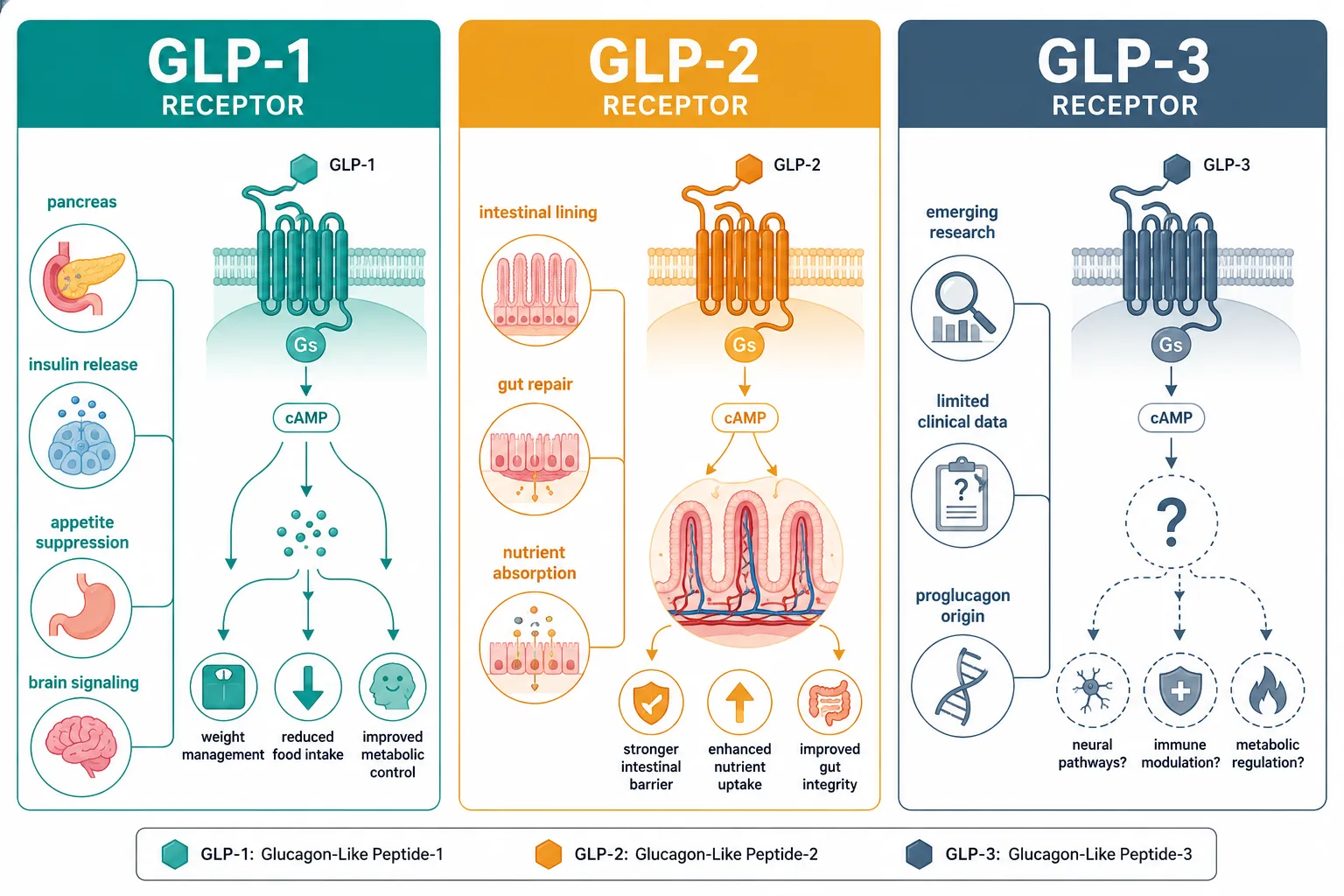
                        • GLP-1 vs GLP-3 vs GLP-2: Peptide Classification and Research Applications
                        • GLP-2 Peptide Research Guide: Gut Barrier Function, Nutrient Absorption, and Intestinal Recovery Models
                        • GLP-3 Retatrutide vs. GLP-1 Drugs: What Triple-Agonist Biology Changes in Research Models
                        • Ipamorelin and Tesamorelin Combination: Synergistic GH Secretagogue Research and Dosing Protocols
                        • GLP2 Tirz Peptide: What It Is, Why the Name Exists, and How Researchers Should Interpret It
                        • Klow Blend Peptide Nasal Spray: What the Formulation Is Trying to Do in Cognitive Research
                        • Mitochondria, NNMT Inhibition, and Peptide Modulators: Where MOTS‑c and 5‑Amino‑1MQ Fit in Cellular Energy Research
                        • MOTS-c Peptide: Mitochondrial Function, Energy Metabolism, and What Researchers Measure
                        • MOTS-c vs. 5-Amino-1MQ: Which Metabolic Research Questions Each Compound Actually Answers
                        • Nasal Spray Peptides: Bioavailability, Administration, and Semax/Selank Research Applications
                        • PT-141 Peptide Research: Mechanism of Action and Melanocortin Receptor Signaling
                        • Retatrutide for Research: Mechanism, Structure, and GLP-1/GLP-3 Dual Action
                        • Retatrutide for Obesity and Type 2 Diabetes: What the Latest Trial Data Suggest
                        • Tesofensine Peptide Research: Mechanism, Appetite Suppression, and Neuropeptide Y Pathways
  • Contact
    • Contact Customer Service
    • Text Customer Support
  • About US
  • Shop all peptides
  • Affiliate Program
    • Affiliate Signup
  • Login / Register Login / Register Page Link Login / Register Page Link
  • Click to open the search input field Click to open the search input field Search
  • Menu Menu
Glow Blend vs Klow Blend: What Researchers Should Know About These Skin-Focused Peptide Formulations

Glow Blend vs Klow Blend: What Researchers Should Know About These Skin-Focused Peptide Formulations

July 1, 2026/0 Comments/by Pure Tested

Fewer than 5% of multi-peptide research blends on the market today include published combination-level safety or efficacy data — yet formulations like Glow Blend and Klow Blend are drawing serious attention from researchers studying skin biology, tissue repair, and inflammation. Understanding the differences between these two products matters before any research protocol is designed.

This guide breaks down the Glow Blend vs Klow Blend: What Researchers Should Know About These Skin-Focused Peptide Formulations comparison with precision — covering ingredient logic, concentration differences, and how to evaluate each blend's research potential.

Key Takeaways

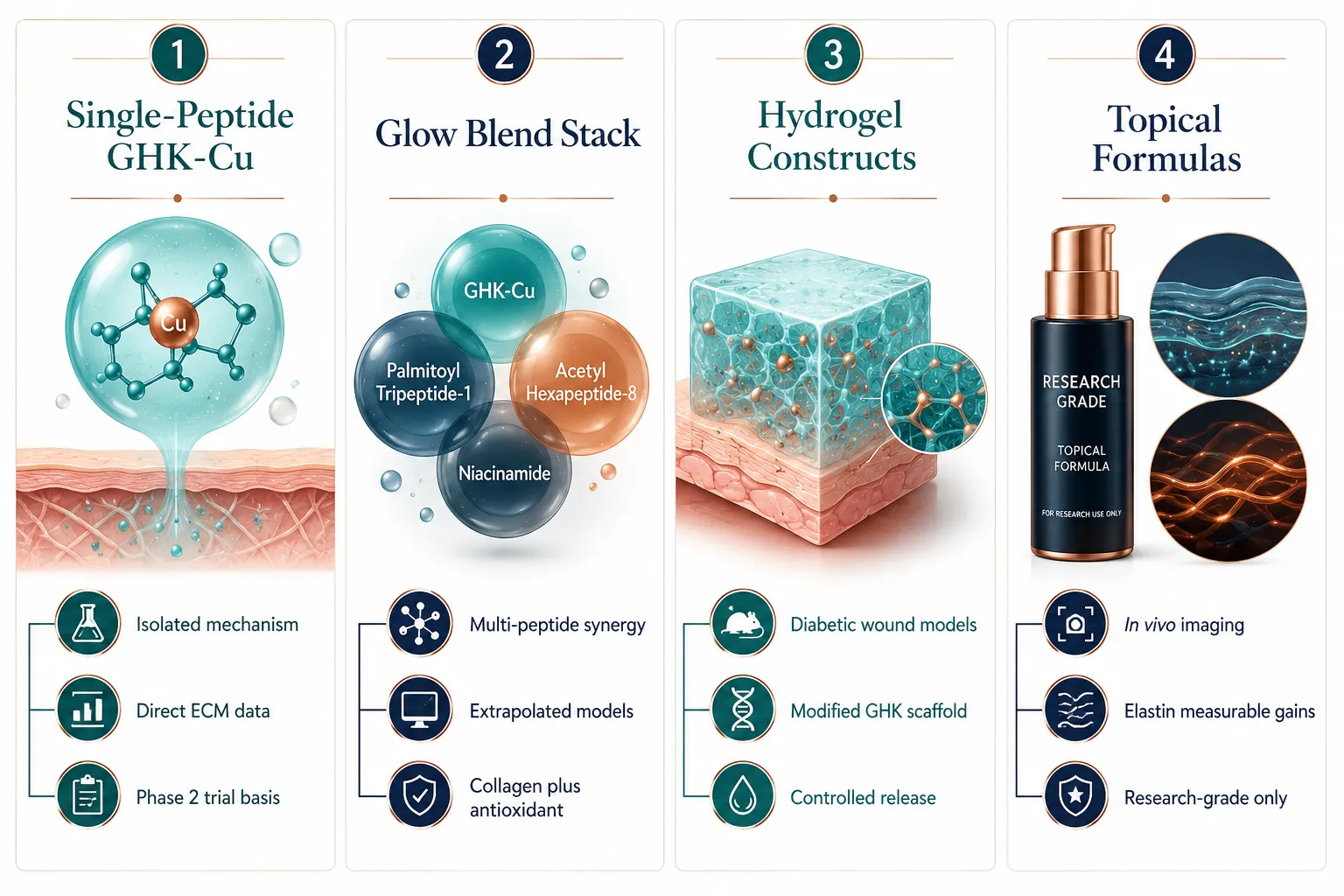
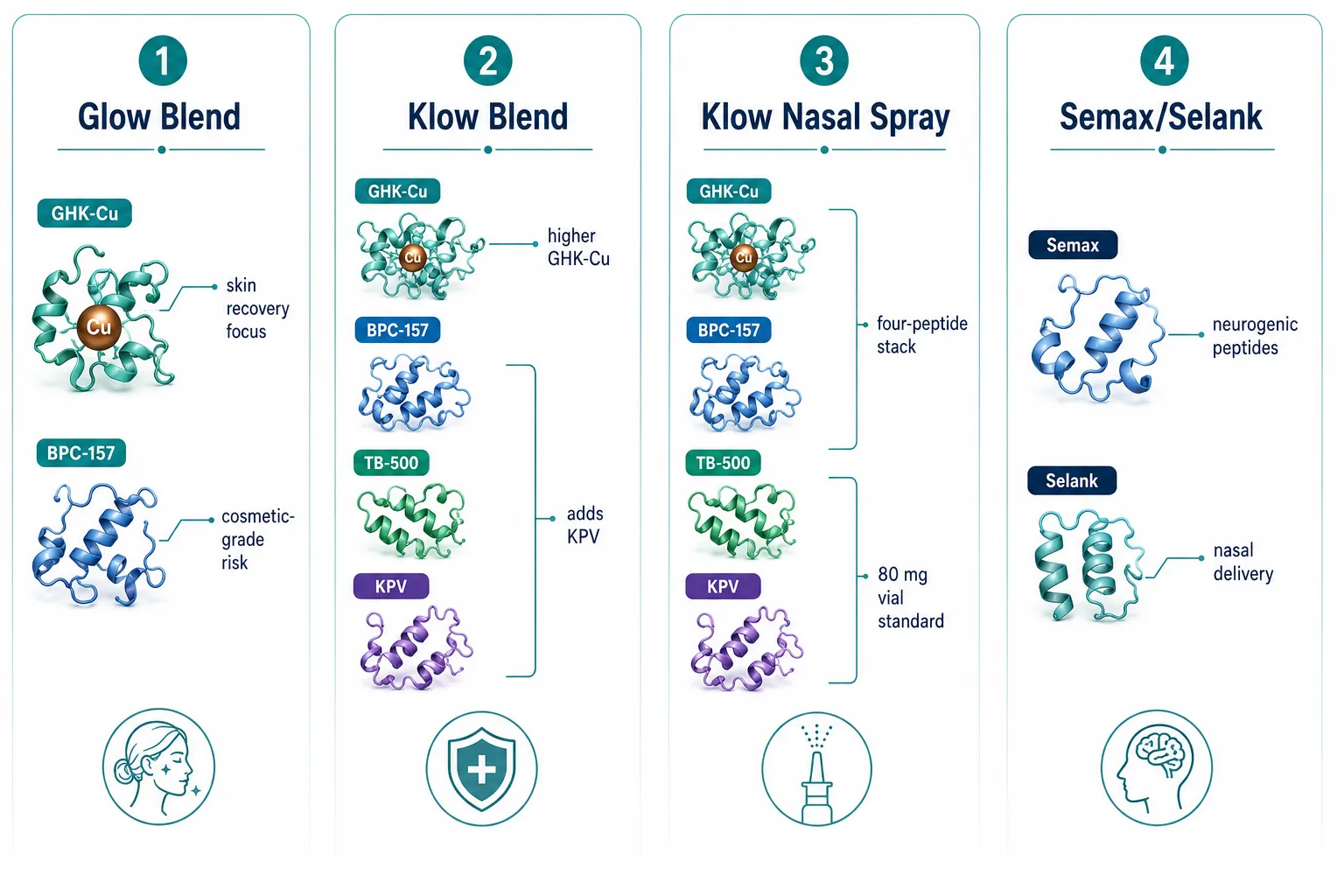
  • Both blends share three core peptides: GHK-Cu, BPC-157, and TB-500
  • Klow Blend adds KPV, a tripeptide with documented anti-inflammatory properties
  • Glow Blend (70 mg total) targets skin enhancement; Klow Blend (80 mg total) targets systemic healing
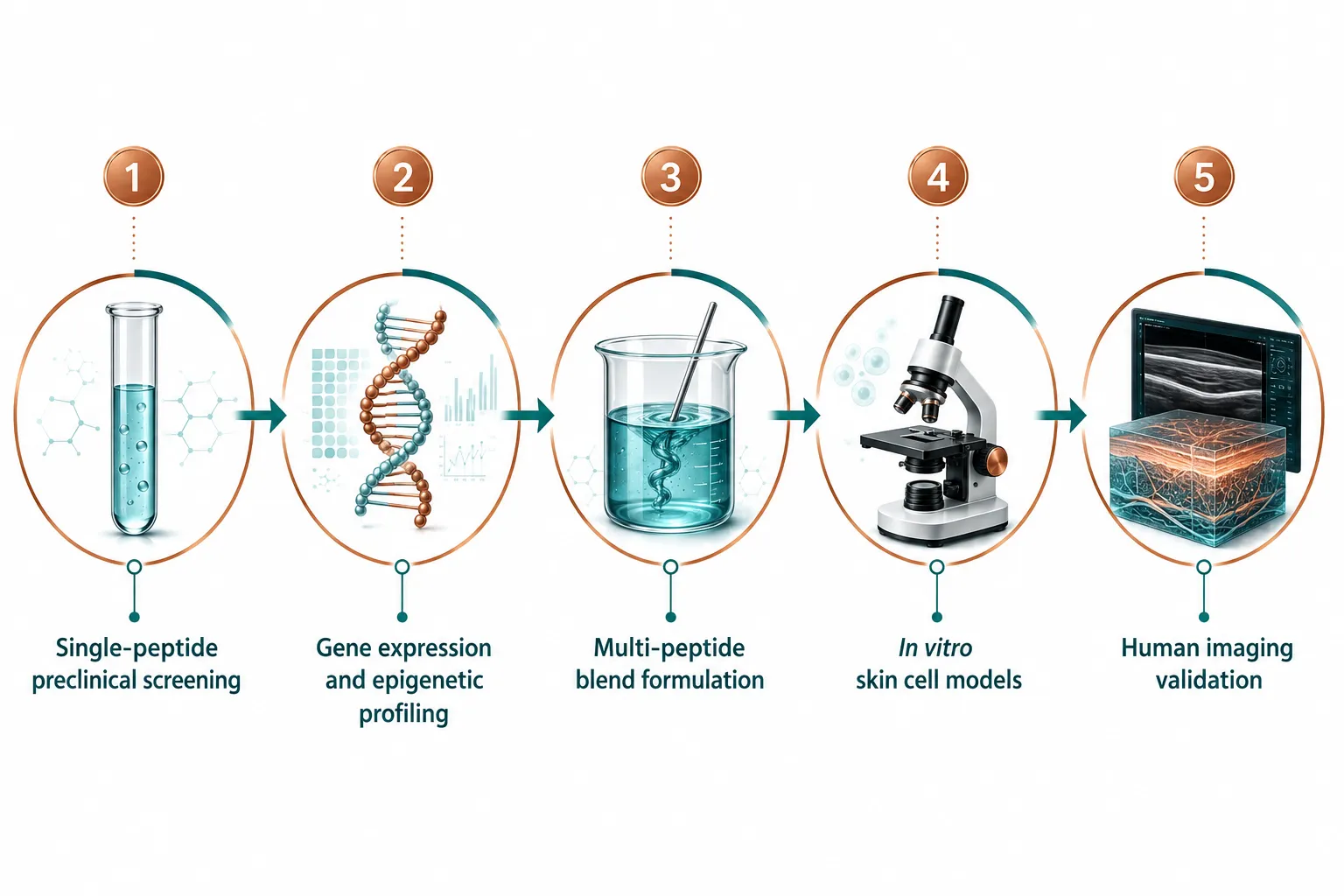
  • Neither blend has been studied as a combined formulation in controlled trials
  • Researchers should evaluate each blend based on the individual peptide evidence available

Key Takeaways

Shared Ingredients and the Logic Behind the Overlap

Both blends are built on the same three-peptide foundation. Researchers familiar with any one of these compounds will recognize the rationale immediately.

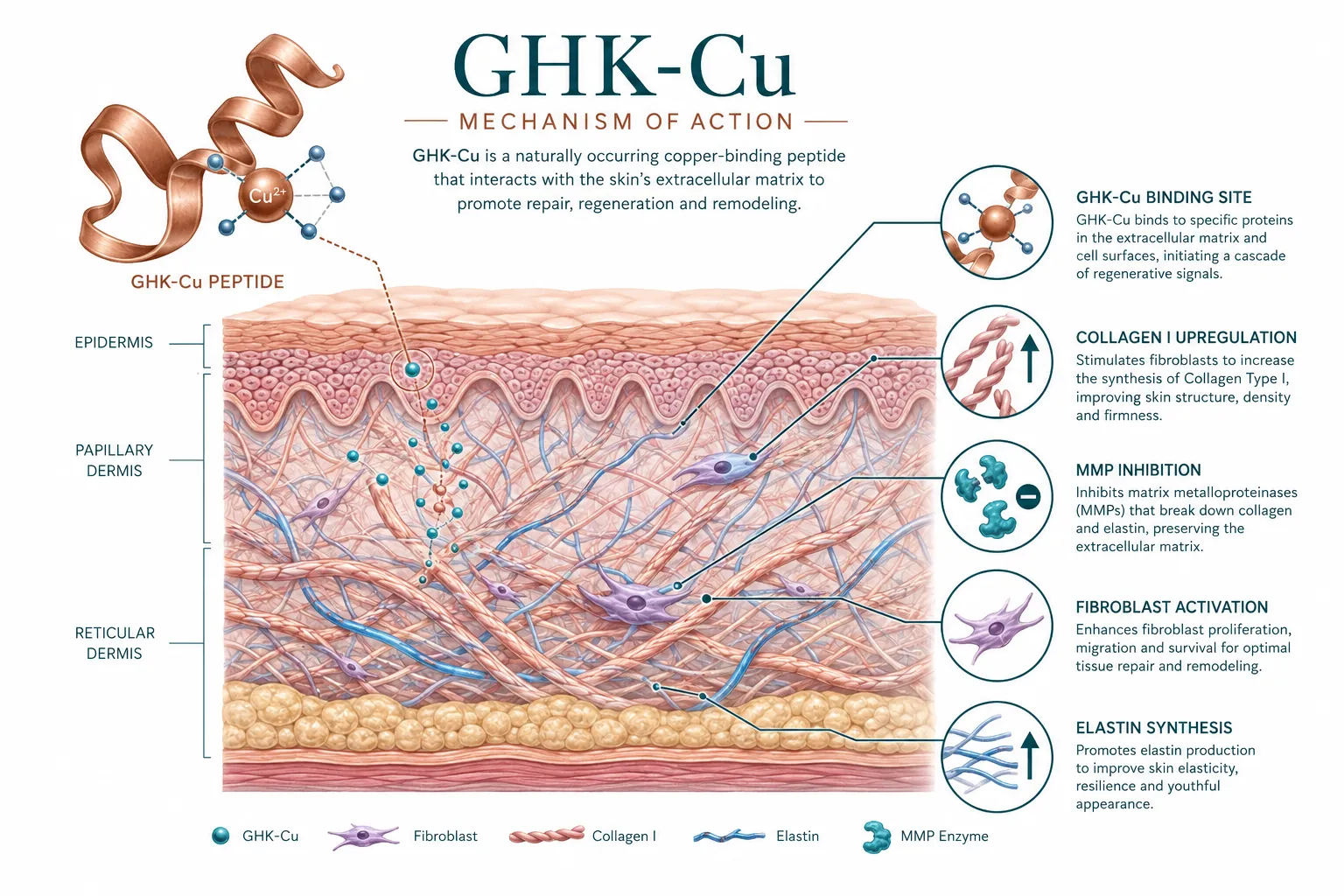
GHK-Cu (Copper Tripeptide-1) is the anchor of both formulations. This copper-binding peptide has been studied extensively for its role in extracellular matrix remodeling. Research on GHK-Cu and extracellular matrix dynamics suggests it may stimulate collagen synthesis and support wound healing at the dermal level. Both blends include 50 mg of GHK-Cu.

BPC-157 is a synthetic peptide derived from a gastric protein. It has been examined in preclinical models for tissue repair, angiogenesis, and tendon recovery. For a deeper look at its research profile, the BPC-157 angiogenesis and tendon research overview provides useful context. Both blends include 10 mg.
TB-500 (Thymosin Beta-4 fragment) supports actin regulation and has been linked to cell migration and tissue repair signaling. Both blends include 10 mg.

"The shared foundation of GHK-Cu, BPC-157, and TB-500 gives both blends overlapping potential in skin and tissue research — but the divergence begins with what Klow Blend adds."

Concentration Breakdown: Glow Blend vs Klow Blend

Peptide Glow Blend Klow Blend
GHK-Cu 50 mg 50 mg
BPC-157 10 mg 10 mg
TB-500 10 mg 10 mg
KPV Not included 10 mg
Total 70 mg 80 mg

The addition of KPV is the defining difference. KPV is a tripeptide fragment of alpha-MSH with a focused anti-inflammatory profile. Research on KPV and epithelial barrier function suggests it may help modulate inflammatory signaling in gut and mucosal tissue — which explains why Klow Blend is positioned toward systemic healing rather than cosmetic endpoints.

Pricing reflects the added ingredient: Glow Blend is approximately $145 per vial, while Klow Blend runs approximately $160 per vial.

Concentration Breakdown: Glow Blend vs Klow Blend

Evaluating Research Applications for Each Formulation

Understanding Glow Blend vs Klow Blend: What Researchers Should Know About These Skin-Focused Peptide Formulations means matching each blend to the right research question.

Glow Blend is best suited for:

  • Collagen production and skin texture studies
  • Anti-aging and dermal remodeling research
  • Hair follicle and scalp biology investigations

Researchers interested in topical peptide delivery may also find value in reviewing topical GHK-Cu research themes as a parallel reference point.

Klow Blend is best suited for:

  • Gut repair and intestinal barrier research
  • Joint inflammation and injury recovery models
  • Systemic anti-inflammatory pathway studies

The inclusion of KPV alongside BPC-157 creates a potentially synergistic anti-inflammatory profile. Researchers studying broader innovative peptide delivery systems may find the Klow formulation particularly relevant for mucosal delivery models.

A critical note on combination research: Neither blend has been tested as a complete formulation in peer-reviewed controlled studies. All available evidence is drawn from individual peptide research. Researchers should treat these blends as hypothesis-generating tools rather than validated combination therapies.

For those building broader research frameworks, the longevity peptide research catalog and comprehensive peptide catalog tour offer useful orientation across related compound categories.

Evaluating Research Applications for Each Formulation

Conclusion

The Glow Blend vs Klow Blend: What Researchers Should Know About These Skin-Focused Peptide Formulations comparison ultimately comes down to research focus. Both blends share a strong three-peptide foundation with documented individual-level evidence. Glow Blend is the cleaner choice for skin-focused and anti-aging research protocols. Klow Blend is the stronger candidate when inflammation, gut repair, or systemic tissue recovery is the primary variable.

Actionable next steps for researchers in 2026:

  1. Define the primary research endpoint before selecting a blend
  2. Review individual peptide literature for GHK-Cu, BPC-157, TB-500, and KPV separately
  3. Document baseline inflammatory markers if using Klow Blend in systemic models
  4. Treat combination-level effects as exploratory until controlled data exists
  5. Source from suppliers with verified purity documentation to ensure data integrity
https://www.puretestedpeptides.com/wp-content/uploads/2026/07/Glow-Blend-vs-Klow-Blend-What-Researchers-Should-Know-About-These-Skin-Focused-Peptide-Formulations.png 1024 1536 Pure Tested https://www.puretestedpeptides.com/wp-content/uploads/2026/01/buy-peptides-online.jpg Pure Tested2026-07-01 13:03:432026-07-20 15:01:19Glow Blend vs Klow Blend: What Researchers Should Know About These Skin-Focused Peptide Formulations
Enclomiphene: A Selective Estrogen Receptor Modulator (serm) for Male Reproductive Health Research

Enclomiphene: A Selective Estrogen Receptor Modulator (serm) for Male Reproductive Health Research

June 30, 2026/0 Comments/by Pure Tested

Testosterone levels in men have declined by roughly 1% per year since the 1980s, yet testosterone replacement therapy (TRT) — the most common intervention — suppresses the very hormonal axis it aims to support. That paradox has pushed researchers toward a different class of compounds. Enclomiphene: A Selective Estrogen Receptor Modulator (serm) for Male Reproductive Health Research represents one of the most studied alternatives, offering a mechanism that stimulates endogenous testosterone production rather than replacing it externally.

Key Takeaways

  • Enclomiphene is the trans-isomer of clomiphene citrate and works by blocking estrogen receptors at the hypothalamus, stimulating the HPT axis.
  • Research shows enclomiphene produces significantly lower estradiol increases compared to clomiphene, reducing common side effects.
  • Unlike TRT, enclomiphene preserves and may enhance spermatogenesis, making it relevant for fertility-focused research.
  • Enclomiphene significantly increased FSH, LH, and total motile sperm count in clinical studies where clomiphene did not.
  • As of 2026, enclomiphene is not FDA-approved as a standalone agent but is accessible through compounding pharmacies for research contexts.

Mechanism of Action: How Enclomiphene Differs From Other serms

Mechanism of Action: How Enclomiphene Differs From Other serms

Clomiphene citrate is a mixture of two geometric isomers: zuclomiphene (the cis-isomer) and enclomiphene (the trans-isomer). These two isomers behave very differently in the body. Zuclomiphene has weak estrogenic activity and a long half-life, while enclomiphene acts as a pure estrogen receptor antagonist with a shorter half-life and cleaner pharmacokinetic profile.

Enclomiphene works by binding to estrogen receptors in the hypothalamus, blocking the normal negative feedback signal that estrogen sends to the brain. When estrogen can no longer signal "enough hormone is present," the hypothalamus releases more gonadotropin-releasing hormone (GnRH). This triggers the pituitary gland to secrete luteinizing hormone (LH) and follicle-stimulating hormone (FSH), which in turn stimulate the testes to produce testosterone and support sperm production.

This is the key distinction from TRT. Testosterone replacement shuts down the hypothalamic-pituitary-testicular (HPT) axis through negative feedback, suppressing LH and FSH and leading to testicular atrophy and infertility. Enclomiphene does the opposite — it amplifies the axis rather than bypassing it.

"Enclomiphene stimulates the body's own testosterone production pathway, preserving the hormonal architecture that TRT dismantles."

For researchers exploring compounds that interact with the endocrine system, understanding this axis is foundational. Related research on neuroendocrine and innate immunity interactions provides useful context for how hormonal signaling intersects with broader physiological systems.


Clinical Research Findings: Enclomiphene as a serm in Male Reproductive Studies

Research comparing enclomiphene directly to clomiphene has produced several meaningful findings.

Testosterone and Estradiol Outcomes

A study involving 66 hypogonadal men found that enclomiphene produced a median testosterone increase of 166 ng/dL compared to 98 ng/dL with clomiphene. While this difference was not statistically significant (P=0.20), the estradiol data was striking. Enclomiphene resulted in a statistically significant lower increase in estradiol levels compared to clomiphene (−5.92 vs. +17.50 pg/mL, P=0.001).

This estradiol difference matters clinically. Elevated estradiol in men is associated with gynecomastia, mood changes, and reduced libido — all common complaints with clomiphene use.

Adverse Effect Profile

The same study found that patients on enclomiphene reported significantly fewer adverse effects:

Adverse Effect Enclomiphene Clomiphene P-value
Decreased libido Lower incidence Higher incidence 0.001
Reduced energy Lower incidence Higher incidence 0.044
Mood changes Lower incidence Higher incidence 0.030

Sperm Parameters and Gonadotropins

A 2023 retrospective study of 78 men found that enclomiphene produced a statistically significant increase in total motile sperm count (TMSC), while clomiphene did not. Enclomiphene also significantly raised both FSH and LH levels — critical markers of HPT axis activation — whereas clomiphene again showed no significant effect on these gonadotropins.

These findings position enclomiphene as a particularly relevant compound for secondary hypogonadism research in younger men who wish to maintain fertility.

Researchers studying related peptide compounds that influence body composition and hormonal balance may find value in reviewing ipamorelin research on muscle and fat metabolism as a complementary area of inquiry.


Research Context, Safety Profile, and Future Directions

Research Context, Safety Profile, and Future Directions

As of 2026, enclomiphene is not FDA-approved as a single-agent therapy in the United States. It is available through compounding pharmacies and is used in research contexts examining secondary hypogonadism, male infertility, and alternatives to TRT.

Its safety profile in current research appears favorable compared to clomiphene, largely due to the absence of the estrogenic zuclomiphene isomer. This cleaner receptor selectivity makes it a useful research model for understanding how pure estrogen receptor antagonism affects the male HPT axis.

Researchers working with serms and related compounds should also consider how other research-grade compounds interact with hormonal and metabolic pathways. For example, PT-141 research in central arousal pathways explores a separate but related dimension of male reproductive health at the neuroendocrine level. Similarly, GLP-1 and incretin research themes highlight how metabolic signaling intersects with hormonal health in male subjects.

For those sourcing research-grade serms, verified compound quality is essential. Reviewing available certificates of analysis and sourcing from suppliers with documented purity testing ensures research integrity. Those specifically looking for serm compounds for research purposes can explore the serm 10mg research compound as a starting reference point.


Conclusion

Enclomiphene: A Selective Estrogen Receptor Modulator (serm) for Male Reproductive Health Research occupies a unique position in endocrinology research. Its targeted mechanism — blocking hypothalamic estrogen receptors to amplify the HPT axis — produces measurable increases in LH, FSH, testosterone, and total motile sperm count, while generating significantly less estrogenic activity than its parent compound, clomiphene.

Actionable next steps for researchers:

  • Review published clinical comparisons between enclomiphene and clomiphene for HPT axis endpoint data.
  • Evaluate estradiol and gonadotropin panels as primary outcome markers in any serm-related male reproductive study design.
  • Source compounds exclusively from suppliers providing third-party purity verification and documented certificates of analysis.
  • Consider enclomiphene alongside complementary research areas such as peptide-based hormonal modulation for a broader picture of male endocrine health.

The research landscape in 2026 continues to support enclomiphene as a compound of significant scientific interest for male reproductive and hormonal health studies.

https://www.puretestedpeptides.com/wp-content/uploads/2026/06/Enclomiphene-A-Selective-Estrogen-Receptor-Modulator-serm-for-Male-Reproductive-Health-Research.png 1024 1536 Pure Tested https://www.puretestedpeptides.com/wp-content/uploads/2026/01/buy-peptides-online.jpg Pure Tested2026-06-30 13:18:122026-07-20 15:01:53Enclomiphene: A Selective Estrogen Receptor Modulator (serm) for Male Reproductive Health Research
The Role of Peptides in Regulating Estrogen Receptor Activity: A Focus on Enclomiphene Research

The Role of Peptides in Regulating Estrogen Receptor Activity: A Focus on Enclomiphene Research

June 30, 2026/0 Comments/by Pure Tested

Secondary hypogonadism affects an estimated 2–4% of adult men, yet a large portion of cases remain undertreated or managed with therapies that compromise fertility. The role of peptides in regulating estrogen receptor activity: a focus on enclomiphene research offers a compelling alternative pathway — one that works with the body's own hormonal architecture rather than bypassing it.

Detailed () scientific illustration showing a cross-sectional diagram of the hypothalamic-pituitary-gonadal axis with

Key Takeaways

  • Enclomiphene is the trans-isomer of clomiphene citrate and acts as a pure estrogen receptor antagonist in the hypothalamus and pituitary.
  • By blocking estradiol's negative feedback signal, enclomiphene triggers a natural cascade that raises GnRH, LH, FSH, and ultimately testosterone.
  • Unlike traditional testosterone replacement therapy (TRT), enclomiphene preserves sperm counts and testicular function.
  • Early research suggests favorable effects on fasting plasma glucose, pointing to potential metabolic benefits.
  • Enclomiphene is currently available through compounding pharmacies and is not FDA-approved as a standalone compound as of 2026.

How Enclomiphene Interacts with Estrogen Receptors

Enclomiphene belongs to a class of compounds called selective estrogen receptor modulators, or serms. Its molecular formula is C26H28ClNO, with a molecular weight of 406.0 g/mol. As the trans-isomer of clomiphene citrate, it functions as a pure estrogen receptor antagonist specifically in the hypothalamus and pituitary gland.

Here is how the mechanism unfolds:

  1. Circulating estradiol normally binds to estrogen receptors in the hypothalamus, sending a negative feedback signal that suppresses GnRH release.
  2. Enclomiphene occupies those same receptors, blocking estradiol from binding.
  3. With the negative feedback removed, the hypothalamus increases GnRH secretion.
  4. Elevated GnRH drives the pituitary to release more luteinizing hormone (LH) and follicle-stimulating hormone (FSH).
  5. Higher LH levels signal the testes to produce more endogenous testosterone.

"Enclomiphene stimulates natural testosterone production while preserving fertility — a key distinction from exogenous testosterone therapies." — Dr. Joe S. Lancaster, MD, board-certified OB-GYN and hormone specialist.

This cascade is precisely why the role of peptides in regulating estrogen receptor activity: a focus on enclomiphene research has gained traction among endocrinology researchers. Researchers exploring related peptide mechanisms, such as those studying epithalon and NAD-based hormonal pathways, have noted similar upstream signaling dynamics worth comparing.


Clinical Evidence and Comparison with Traditional TRT

Clinical Evidence and Comparison with Traditional TRT

A randomized phase II clinical trial demonstrated that enclomiphene citrate successfully raised morning serum testosterone and LH levels in men with secondary hypogonadism — results comparable to those achieved with topical testosterone gel. Critically, participants maintained normal sperm counts throughout the study period.

Enclomiphene vs. Traditional Testosterone Replacement

Parameter Enclomiphene Exogenous TRT
Endogenous testosterone Increased Suppressed
Sperm count Preserved Often reduced
Testicular function Maintained Risk of atrophy
HPG axis activity Stimulated Suppressed
Metabolic effect Favorable glucose data Variable

Traditional TRT introduces testosterone from an external source, which suppresses the hypothalamic-pituitary-gonadal (HPG) axis. This can result in testicular atrophy and oligospermia — a significant concern for men who wish to maintain fertility. Enclomiphene sidesteps this problem entirely.

Short-term safety data for enclomiphene have been satisfactory and broadly comparable to testosterone gels and placebo groups. Additionally, early data showed improved fasting plasma glucose levels, suggesting potential utility in men with secondary hypogonadism linked to obesity or metabolic syndrome.

For researchers exploring related hormonal optimization compounds, resources on MOTS-C peptide research and the IPA-Sermorelin research stack provide useful context on how peptide-based approaches can complement endocrine modulation strategies.


Dosage, Regulatory Status, and Research Outlook

Dosage, Regulatory Status, and Research Outlook

The standard oral dosage studied in research protocols ranges from 12.5 to 25 mg per day. Enclomiphene's half-life of approximately 10 hours supports once-daily dosing, making it practically convenient for research administration.

As of 2026, enclomiphene is not FDA-approved as a standalone drug. It remains accessible through compounding pharmacies. Clomiphene citrate — which contains both the enclomiphene (trans) and zuclomiphene (cis) isomers — holds FDA approval for female ovulatory dysfunction.

Ongoing research is investigating enclomiphene's potential across several areas:

  • Secondary hypogonadism associated with obesity
  • Metabolic syndrome management in men
  • Male infertility where HPG axis preservation is essential

Researchers interested in the broader landscape of serm-adjacent compounds can review the serm 10mg product research page for additional context. Those exploring recovery-oriented peptides may also find value in reviewing top healing peptides and their mechanisms as complementary reading.
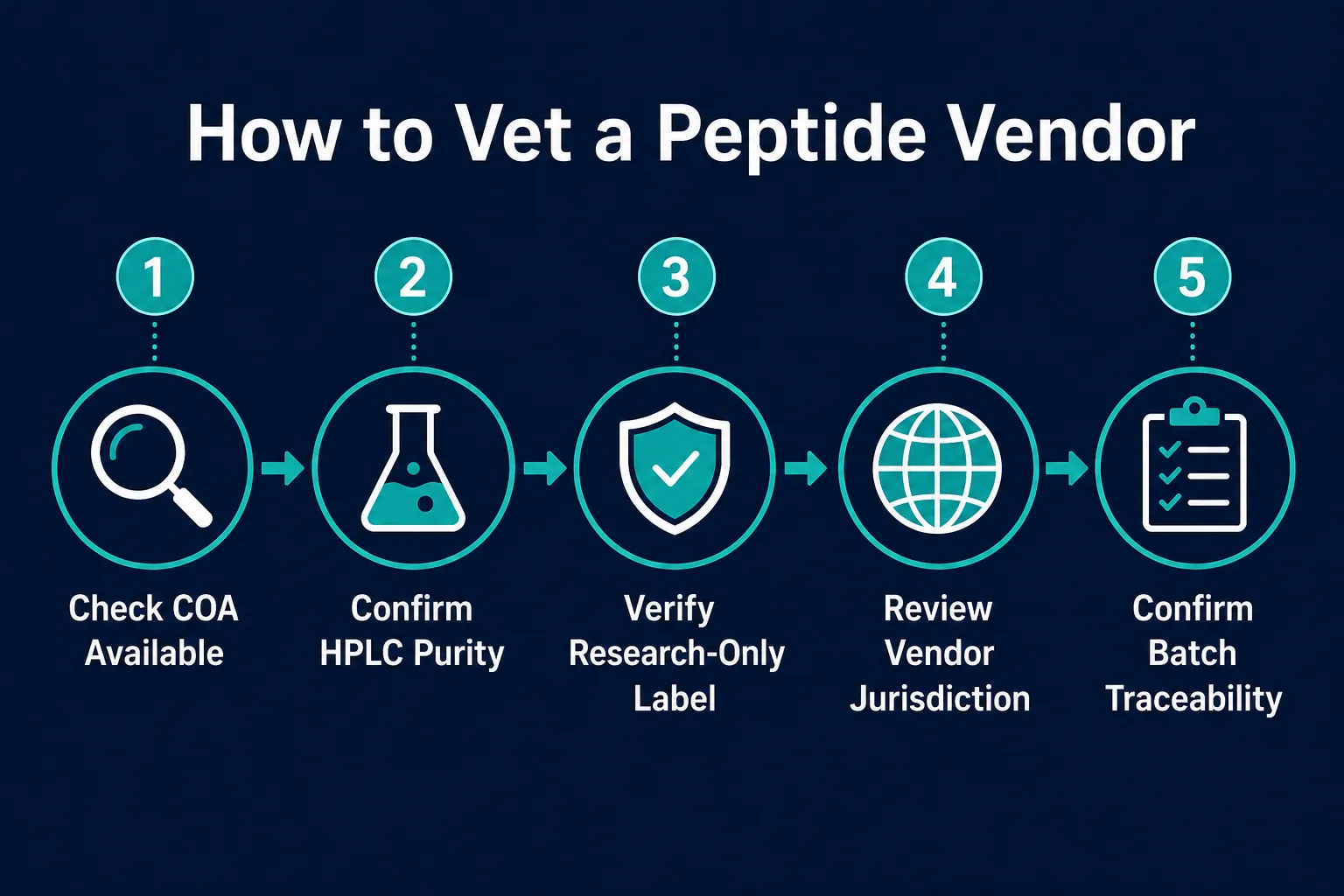
For quality benchmarking in peptide research, understanding Bachem reference standards and peptide benchmarks is essential when evaluating compound purity and study reliability.


Conclusion

The role of peptides in regulating estrogen receptor activity: a focus on enclomiphene research represents one of the more nuanced intersections of endocrinology and peptide science available for study in 2026. Enclomiphene's ability to block estrogen receptor activity at the hypothalamic-pituitary level — triggering a natural hormonal cascade without suppressing the HPG axis — sets it apart from conventional testosterone replacement approaches.

Actionable next steps for researchers:

  • Review phase II clinical trial data on enclomiphene citrate and secondary hypogonadism before designing new protocols.
  • Compare enclomiphene's receptor-binding profile against other serms when assessing research scope.
  • Consult compounding pharmacy documentation and current regulatory guidance before sourcing.
  • Explore synergistic peptide research areas, including metabolic and recovery pathways, to build a more complete endocrine research framework.
https://www.puretestedpeptides.com/wp-content/uploads/2026/06/The-Role-of-Peptides-in-Regulating-Estrogen-Receptor-Activity-A-Focus-on-Enclomiphene-Research.png 1024 1536 Pure Tested https://www.puretestedpeptides.com/wp-content/uploads/2026/01/buy-peptides-online.jpg Pure Tested2026-06-30 13:04:582026-07-20 15:01:53The Role of Peptides in Regulating Estrogen Receptor Activity: A Focus on Enclomiphene Research
Slupp332 with 5-Amino-1MQ: Investigating Synergistic Metabolic Effects in Cellular Models

Slupp332 with 5-Amino-1MQ: Investigating Synergistic Metabolic Effects in Cellular Models

June 30, 2026/0 Comments/by Pure Tested

A 34% rise in cellular NAD+ concentration within just 48 hours — that single preclinical data point hints at why researchers are now pairing two distinct metabolic compounds to explore what neither can achieve alone. The study of Slupp332 with 5-Amino-1MQ: Investigating Synergistic Metabolic Effects in Cellular Models has become one of the more compelling areas of preclinical metabolic research in 2026, drawing attention for its dual-pathway approach to energy regulation and fat metabolism.

Detailed () scientific diagram showing two distinct molecular pathway arrows — one labeled ERR-alpha/gamma activation

Key Takeaways

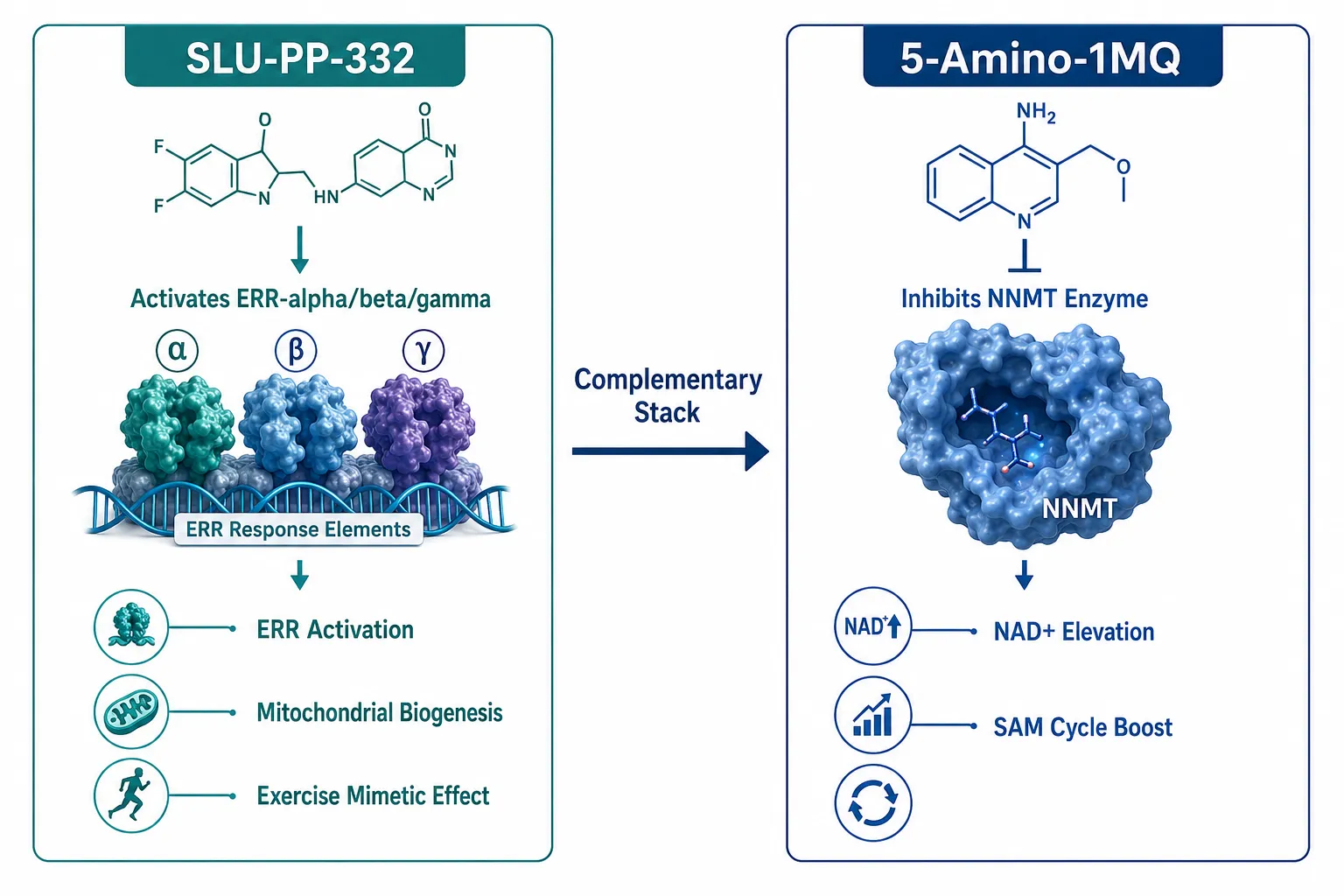
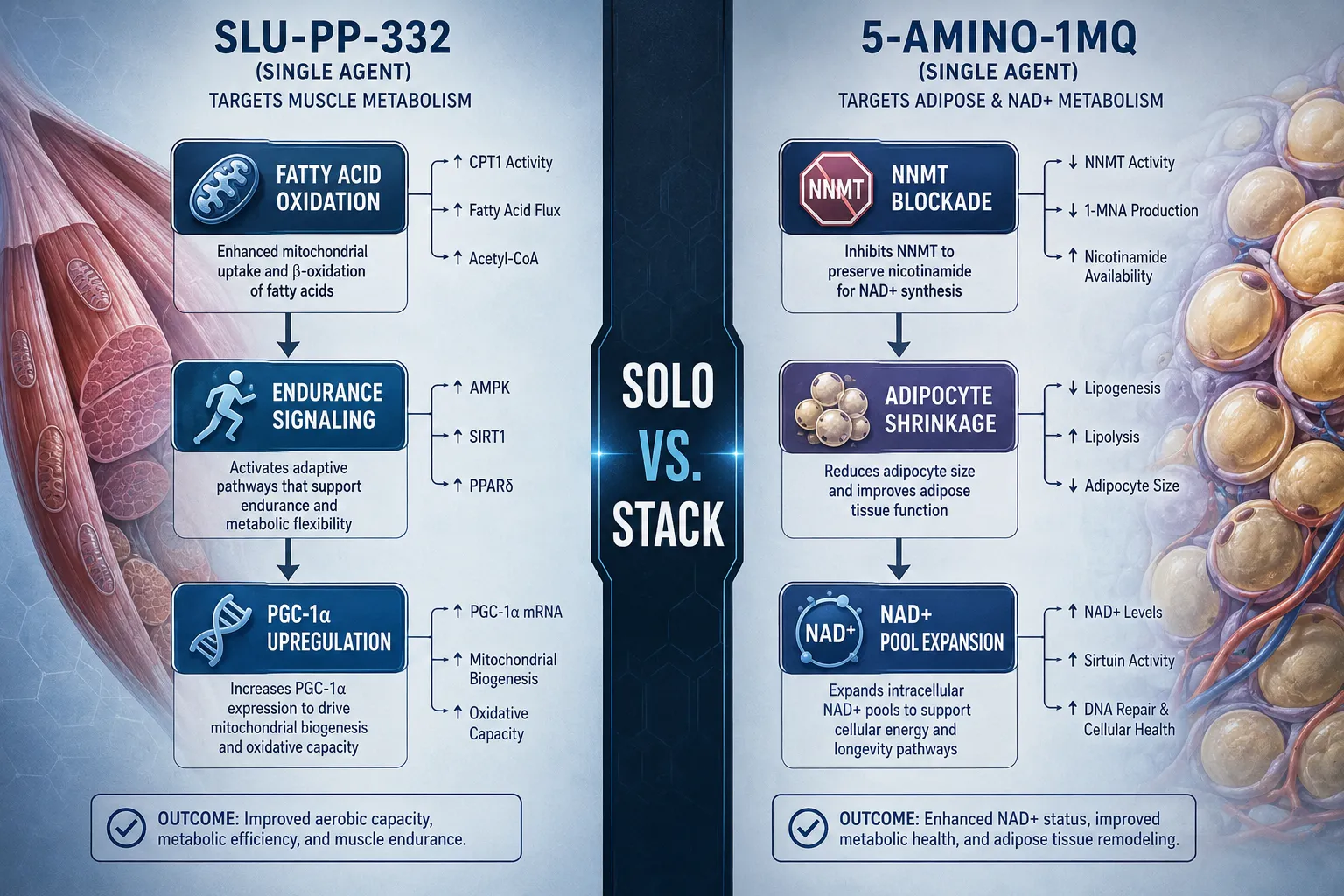
  • Slupp332 activates estrogen-related receptors (ERRa/g), promoting mitochondrial biogenesis and fatty acid oxidation.
  • 5-Amino-1MQ inhibits NNMT, raising intracellular NAD+ levels and boosting mitochondrial function.
  • Combining both compounds targets complementary pathways, potentially amplifying metabolic outcomes beyond what either achieves alone.
  • Preclinical models show meaningful reductions in body weight and white adipose tissue with Slupp332, and significant NAD+ elevation with 5-Amino-1MQ.
  • As of 2026, both remain research-stage compounds with no approved human therapeutic use.

How Each Compound Works at the Cellular Level

Understanding the combination starts with understanding each compound individually.

5-Amino-1MQ is a selective inhibitor of nicotinamide N-methyltransferase (NNMT), an enzyme that consumes SAM (S-adenosylmethionine) and reduces NAD+ availability. By blocking NNMT, 5-Amino-1MQ preserves NAD+ pools within the cell. Elevated NAD+ then fuels sirtuin activity — particularly SIRT1 — which regulates mitochondrial efficiency, glucose homeostasis, and cellular stress responses. For researchers exploring NAD+ and its scientific evidence base, this mechanism is well-documented in preclinical settings.

Slupp332 (SLU-PP-332) takes a different route. It acts as an agonist of estrogen-related receptors ERRa and ERRg — nuclear receptors that govern the transcription of genes tied to mitochondrial biogenesis and fatty acid oxidation. In diet-induced obese mouse models, Slupp332 produced an 18-24% reduction in body weight and a 30-35% decrease in white adipose tissue mass over a 12-28 day period. Detailed background on this compound is available through the SLU-PP-332 research overview.

Compound Primary Target Key Cellular Effect
5-Amino-1MQ NNMT inhibition Raises NAD+, activates SIRT1
Slupp332 ERRa/g agonism Drives mitochondrial biogenesis, fat oxidation

Slupp332 with 5-Amino-1MQ: Investigating Synergistic Metabolic Effects in Cellular Models

The scientific rationale for combining these two compounds rests on pathway complementarity. NNMT inhibition raises NAD+ and activates sirtuins, while ERR agonism drives the structural and transcriptional machinery needed for new mitochondria. Together, they address both the fuel supply (NAD+) and the engine capacity (mitochondrial mass).

"Targeting distinct but complementary metabolic nodes may produce additive or synergistic effects that single-compound approaches cannot replicate."

Preclinical evidence supports this hypothesis. When both pathways are engaged simultaneously, models show amplified mitochondrial activity and energy expenditure compared to either compound used alone. This is consistent with broader research themes around mitochondrial longevity and cellular energy, which increasingly point to multi-target strategies as more effective than single-pathway interventions.

Researchers studying related metabolic peptides such as MOTS-c for metabolic flexibility will recognize the parallel logic: compounds that work on mitochondrial signaling often show greater effect when combined with agents that enhance substrate availability.

Slupp332 with 5-Amino-1MQ: Investigating Synergistic Metabolic Effects in Cellular Models


Research Limitations and What Comes Next

Despite promising preclinical signals, significant gaps remain in the research landscape for Slupp332 with 5-Amino-1MQ: Investigating Synergistic Metabolic Effects in Cellular Models.

Current limitations include:

  • No human clinical trials on the combined use of these compounds
  • Existing data is limited to cellular and animal models
  • Optimal dosing ratios for combination use are not established
  • Long-term safety profiles remain unknown

Both compounds are classified as research-stage molecules as of 2026. Neither has received regulatory approval for human therapeutic use. This places them in a similar category to other investigational metabolic agents, such as those discussed in AOD-9604 research themes and ipamorelin muscle and fat research.

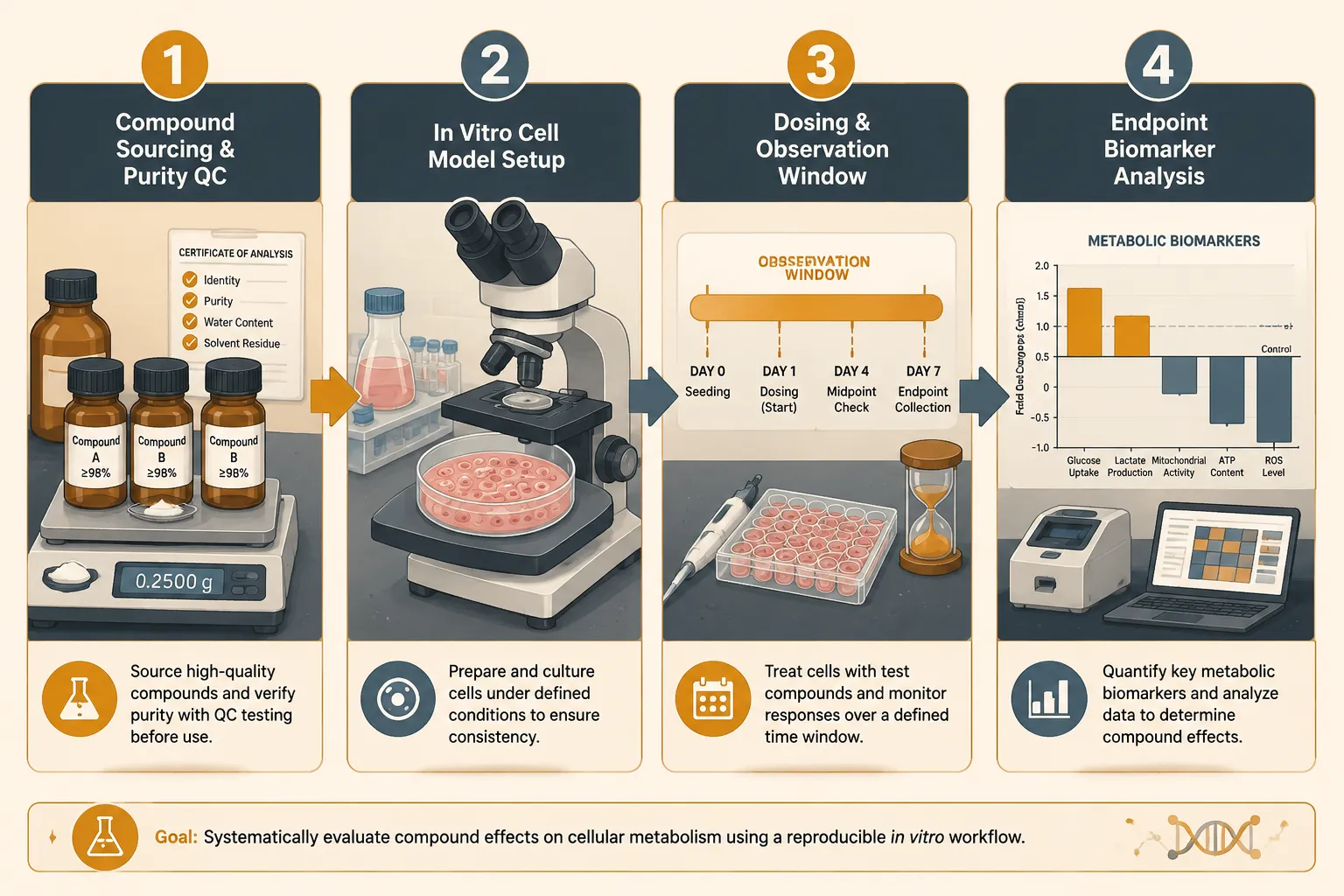
Researchers sourcing these compounds for controlled studies should prioritize verified quality standards. Reviewing quality testing protocols before procurement is an important step in maintaining experimental integrity.

Research Limitations and What Comes Next


Conclusion

The combination of Slupp332 and 5-Amino-1MQ represents a mechanistically sound dual-pathway approach to metabolic research. By pairing ERR agonism with NNMT inhibition, researchers can probe complementary aspects of mitochondrial function and energy metabolism within the same cellular model. Preclinical data — including the 34% NAD+ increase and significant adipose tissue reductions — provide a credible foundation for continued investigation.

Actionable next steps for researchers:

  1. Review existing cellular model data before designing combination studies.
  2. Establish baseline NAD+ and mitochondrial markers to measure compound interaction effects accurately.
  3. Consult verified sources for compound purity and testing documentation.
  4. Monitor emerging literature, as 2026 is an active year for metabolic compound research.
  5. Consider parallel investigation of complementary compounds such as MOTS-c to build a broader metabolic research framework.

The science is early, but the mechanistic logic is compelling. Rigorous cellular model studies remain the essential next step.

https://www.puretestedpeptides.com/wp-content/uploads/2026/06/Slupp332-with-5-Amino-1MQ-Investigating-Synergistic-Metabolic-Effects-in-Cellular-Models.png 1024 1536 Pure Tested https://www.puretestedpeptides.com/wp-content/uploads/2026/01/buy-peptides-online.jpg Pure Tested2026-06-30 13:03:442026-07-20 15:01:54Slupp332 with 5-Amino-1MQ: Investigating Synergistic Metabolic Effects in Cellular Models
Best Research Peptides for Advanced Wound Healing: Comparing BPC-157, TB-500, and GHK-Cu

Best Research Peptides for Advanced Wound Healing: Comparing BPC-157, TB-500, and GHK-Cu

June 30, 2026/0 Comments/by Pure Tested

Chronic wounds affect more than 6.5 million patients in the United States annually, costing the healthcare system upward of $25 billion per year — yet standard-of-care options remain limited. That gap has pushed researchers toward a focused investigation of the best research peptides for advanced wound healing: comparing BPC-157, TB-500, and GHK-Cu as candidates that may address healing at the molecular level.

This article breaks down each peptide's mechanism, compares their individual strengths, and examines the evidence for combining them in research protocols.

Key Takeaways

  • BPC-157, TB-500, and GHK-Cu each target distinct but complementary phases of the wound healing cascade.
  • BPC-157 is notable for its angiogenic and cytoprotective properties; TB-500 promotes cell migration and actin regulation; GHK-Cu drives collagen synthesis and antioxidant activity.
  • Synergistic stacking of these peptides is an active area of preclinical research.
  • Purity and third-party testing are critical variables when sourcing peptides for research use.
  • All three compounds remain research-use-only; none are approved for human therapeutic use outside of clinical trials.

Key Takeaways

Understanding the Three Peptides: Mechanisms and Roles

BPC-157: Angiogenesis and Cytoprotection

Body Protection Compound-157 (BPC-157) is a synthetic pentadecapeptide derived from a protective protein found in gastric juice. Its most well-documented mechanism is the upregulation of vascular endothelial growth factor (VEGF), which drives angiogenesis — the formation of new blood vessels essential for tissue repair.

Preclinical studies show BPC-157 also modulates nitric oxide synthesis, reduces oxidative stress, and accelerates tendon-to-bone healing. For a detailed breakdown of its documented research profile, see this BPC-157 first research guide.

Key research-noted properties of BPC-157:

  • Promotes capillary formation in wound beds
  • Reduces inflammation via nitric oxide pathways
  • Accelerates muscle, tendon, and ligament repair in animal models
  • Demonstrates gastroprotective effects in gastric ulcer models

TB-500: Actin Regulation and Cell Migration

Thymosin Beta-4 (TB-500) is a synthetic analog of a naturally occurring 43-amino-acid peptide. Its primary mechanism involves binding to G-actin, which regulates actin polymerization. This process is fundamental to cell migration — a critical step in the proliferative phase of wound healing.

TB-500 also promotes the upregulation of stem cell recruitment and has shown anti-inflammatory effects in multiple animal models. Researchers interested in its regenerative profile can explore TB-500 research documentation here.

Key research-noted properties of TB-500:

  • Regulates actin dynamics to facilitate keratinocyte and fibroblast migration
  • Promotes stem cell homing to wound sites
  • Reduces scar tissue formation in preclinical models
  • Demonstrates cardioprotective effects in ischemic injury models

GHK-Cu: Collagen Synthesis and Antioxidant Defense

GHK-Cu (Glycyl-L-Histidyl-L-Lysine Copper) is a naturally occurring copper-binding tripeptide. It is one of the most studied peptides in skin biology, with a research record spanning several decades. Its primary wound healing actions include stimulating collagen and glycosaminoglycan synthesis, activating matrix metalloproteinases (MMPs) for tissue remodeling, and exerting potent antioxidant effects.

Topical GHK-Cu formulations are already used in cosmetic research. For more on its longevity and skin-repair research themes, see GHK-Cu longevity research and the topical GHK-Cu product page.


GHK-Cu: Collagen Synthesis and Antioxidant Defense

Side-by-Side Comparison: Best Research Peptides for Advanced Wound Healing

The table below summarizes key differentiators across the three peptides when evaluating them as the best research peptides for advanced wound healing: comparing BPC-157, TB-500, and GHK-Cu.

Feature BPC-157 TB-500 GHK-Cu
Primary Mechanism Angiogenesis, VEGF upregulation Actin regulation, cell migration Collagen synthesis, MMP activation
Wound Healing Phase All phases, especially proliferative Proliferative and remodeling Remodeling and maturation
Delivery Route (Research) Subcutaneous, oral Subcutaneous Topical, subcutaneous
Anti-inflammatory Yes Yes Yes
Antioxidant Activity Moderate Low High
Scar Reduction Evidence Moderate Strong Strong

Key insight: No single peptide covers every phase of wound healing with equal potency. This is precisely why researchers have begun exploring combination protocols.


Synergistic Protocols: Combining BPC-157, TB-500, and GHK-Cu

The most advanced research direction in this space involves stacking these three peptides to address the full wound healing cascade simultaneously. The logic is straightforward: BPC-157 establishes vascular supply, TB-500 drives cellular migration into the wound bed, and GHK-Cu orchestrates collagen deposition and tissue remodeling.

This complementary action across all four healing phases — hemostasis, inflammation, proliferation, and remodeling — makes the combination theoretically superior to any single agent. For a focused look at how BPC-157 and TB-500 work together in regeneration research, see TB-500 and BPC-157 regeneration protocols.

Researchers should also consider the broader landscape of longevity peptide research, as wound healing intersects significantly with cellular aging and tissue maintenance.

Synergistic Protocols: Combining BPC-157, TB-500, and GHK-Cu

Sourcing and Purity Considerations

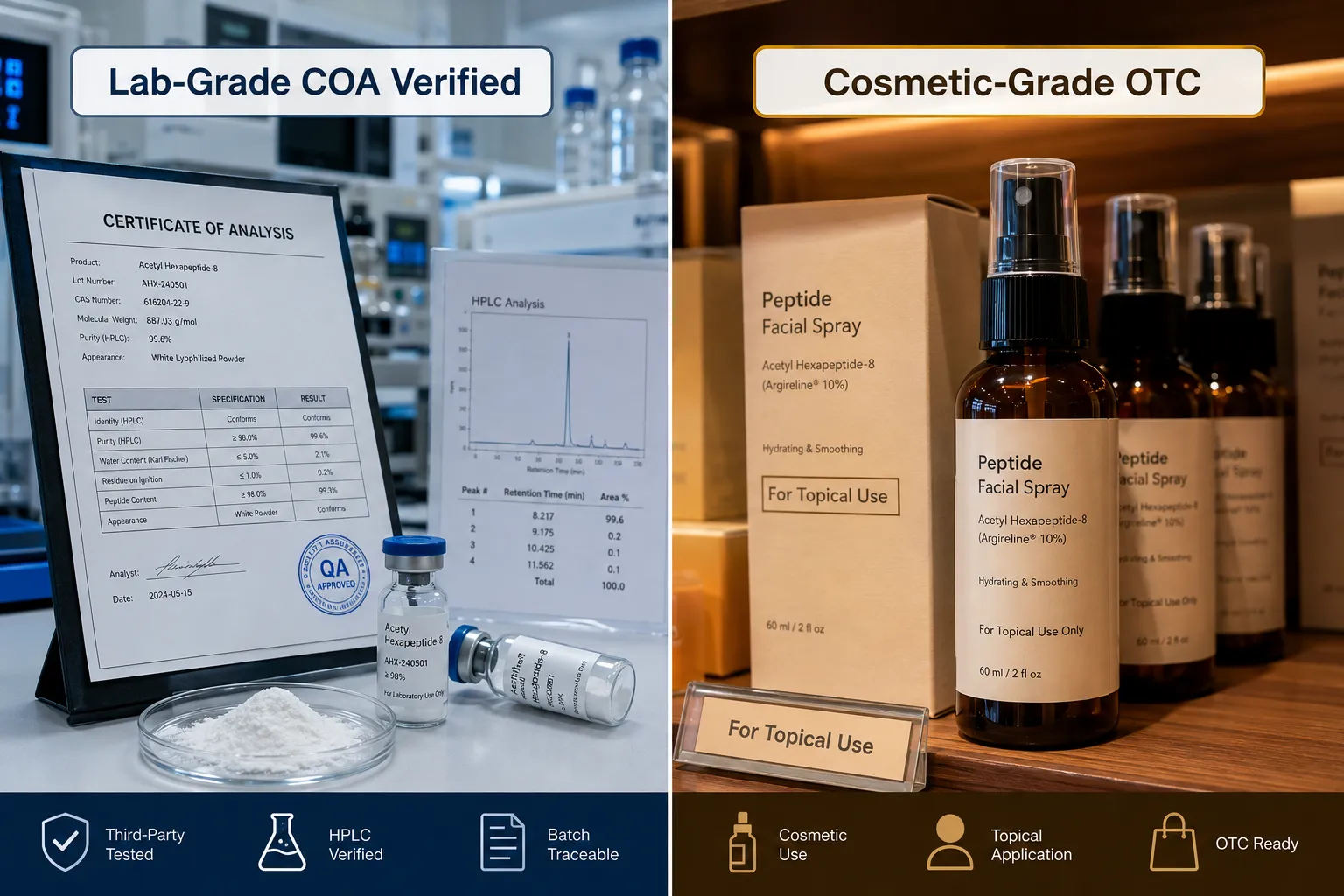
For any research protocol involving these peptides, purity is non-negotiable. Contaminants such as endotoxins or residual solvents can confound results and introduce variables that invalidate findings. Researchers should prioritize suppliers that provide third-party HPLC and mass spectrometry certificates of analysis. A practical overview of what to look for is available in this peptide purity testing guide.

Additionally, understanding how different suppliers compare on documentation standards is essential — see peptide supplier comparisons for a structured evaluation framework.


Conclusion

The best research peptides for advanced wound healing — BPC-157, TB-500, and GHK-Cu — each bring distinct and well-documented mechanisms to the table. BPC-157 drives vascular growth, TB-500 facilitates cellular migration, and GHK-Cu anchors the remodeling phase with collagen synthesis and antioxidant protection. Together, they represent a comprehensive toolkit for researchers designing multi-target wound healing protocols.

Actionable next steps for researchers:

  1. Review the primary literature for each peptide before designing protocols.
  2. Source only from suppliers with verified third-party purity documentation.
  3. Consider combination protocols that address all four wound healing phases.
  4. Document dosing, timing, and delivery routes rigorously for reproducible results.
  5. Stay current with emerging findings through resources like what is new in peptide research.
https://www.puretestedpeptides.com/wp-content/uploads/2026/06/Best-Research-Peptides-for-Advanced-Wound-Healing-Comparing-BPC-157-TB-500-and-GHK-Cu.png 1024 1536 Pure Tested https://www.puretestedpeptides.com/wp-content/uploads/2026/01/buy-peptides-online.jpg Pure Tested2026-06-30 13:03:252026-07-20 15:01:54Best Research Peptides for Advanced Wound Healing: Comparing BPC-157, TB-500, and GHK-Cu
Where to Buy High-Purity Research Peptides: A Guide to Trusted Suppliers and COA Verification

Where to Buy High-Purity Research Peptides: A Guide to Trusted Suppliers and COA Verification

June 30, 2026/0 Comments/by Pure Tested

Roughly 40% of peptide samples purchased from unverified online vendors fail independent purity testing — a figure that should stop any serious researcher before placing an order. For laboratories and research professionals navigating this guide to trusted suppliers and COA verification, the stakes are not just financial. Contaminated or mislabeled peptides can invalidate months of experimental work. This guide to buying high-purity research peptides lays out a systematic, verifiable framework for finding trustworthy sources and confirming the quality documents they provide.

Key Takeaways

  • Supplier verifiability — not marketing language — is the first and most critical filter when sourcing research peptides.
  • A legitimate Certificate of Analysis (COA) must come from an accredited, independent third-party laboratory, not the vendor's in-house team.
  • HPLC purity data, mass spectrometry confirmation, and lot-specific results are the three non-negotiable elements of a credible COA.
  • Red flags include COAs without named testing labs, purity claims above 99.9% with no supporting data, and pricing that is economically implausible for genuine analytical testing.
  • Matching lot numbers between the COA and the product vial is a simple, fast verification step that filters out recycled or fabricated documents.

Key Takeaways

How to Evaluate a Trusted Supplier Before Ordering

When the goal is finding where to buy high-purity research peptides, the evaluation process must begin with the supplier's identity and infrastructure — not its product catalog. In 2026, analytical guides consistently prioritize supplier verifiability over promotional claims.

Start with these supplier-level checks:

  • Physical address and registration: A verifiable business address, not a P.O. box, is a baseline requirement.
  • Transparent manufacturing or sourcing chain: Reputable vendors disclose whether peptides are synthesized in-house or sourced from established GMP-adjacent facilities.
  • Customer service responsiveness: Send a pre-purchase question about a specific COA. A credible supplier answers with technical specificity, not generic reassurance.
  • Peer-reviewed community presence: Look for the supplier's name in researcher forums, published procurement notes, or third-party review platforms — not just testimonials on their own website.
  • Return and dispute policy: A clear, published refund and returns policy signals accountability.

Suppliers who invest in lab-tested peptides will make that testing infrastructure visible and easy to verify. If locating the testing documentation requires more than two clicks, treat that as a warning sign.


How to Evaluate a Trusted Supplier Before Ordering

COA Verification: The Non-Negotiable Steps

A Certificate of Analysis is only as valuable as the process that produced it. Expert procurement protocols now begin by proving the COA is real and economically plausible — not simply present.

A credible COA must include:

Element What to Look For
Testing laboratory name Accredited, independent, named facility
HPLC chromatogram Visible peak data, not just a percentage
Mass spectrometry result Confirms molecular identity of the peptide
Lot or batch number Must match the number printed on the vial
Testing date Recent; ideally within 12 months of purchase
Purity percentage Typically 98%+ for research-grade material

"A COA without a named third-party laboratory is a marketing document, not an analytical one."

Always cross-reference the lot number on the COA against the physical product. Vendors who publish a dedicated COA verification page make this step straightforward. If the COA is a generic document with no lot-specific data, it may have been recycled across multiple batches.

For specific compounds, purity requirements can vary. Researchers sourcing peptides such as BPC-157, CJC-1295 without DAC, or Tesamorelin should request compound-specific COAs rather than accepting a blanket purity certificate for an entire product line.


COA Verification: The Non-Negotiable Steps

Applying This Guide to Specific Research Peptides

The principles above apply universally, but practical sourcing decisions benefit from compound-specific context. Researchers exploring longevity-focused peptide research or metabolic compounds like AOD-9604 should confirm that COA documentation covers the precise analog or salt form being purchased — not just the base peptide name.

For mitochondrial compounds such as SS-31 (Elamipretide), purity verification is especially critical because structural analogs can differ significantly in biological activity. Similarly, researchers working with neuropeptides like Selank should verify sequence fidelity through mass spectrometry data, not HPLC alone.

Pricing as a purity signal: Genuine third-party HPLC and mass spectrometry testing carries real cost. If a vendor's pricing is dramatically lower than the market average, that gap often reflects skipped analytical steps. Economically implausible pricing is a COA red flag before the document is even reviewed.


Conclusion

Sourcing high-purity research peptides in 2026 demands a structured, skeptical approach. The guide to trusted suppliers and COA verification outlined here reduces research risk through a clear sequence: verify the supplier exists and operates transparently, then verify the COA is compound-specific, lot-matched, and produced by a named independent laboratory. Researchers should bookmark their supplier's COA page, save lot-number records alongside purchase receipts, and repeat the verification process with every new batch — not just the first order. Applying these steps consistently protects both experimental integrity and research investment.

https://www.puretestedpeptides.com/wp-content/uploads/2026/06/Where-to-Buy-High-Purity-Research-Peptides-A-Guide-to-Trusted-Suppliers-and-COA-Verification.png 1024 1536 Pure Tested https://www.puretestedpeptides.com/wp-content/uploads/2026/01/buy-peptides-online.jpg Pure Tested2026-06-30 13:03:242026-07-20 15:01:55Where to Buy High-Purity Research Peptides: A Guide to Trusted Suppliers and COA Verification
GLP-2 and GLP-2-T Peptides: Unpacking Their Roles in Gut Microbiome Modulation and Barrier Function Research

GLP-2 and GLP-2-T Peptides: Unpacking Their Roles in Gut Microbiome Modulation and Barrier Function Research

June 29, 2026/0 Comments/by Pure Tested

Roughly 70% of the human immune system resides in the gut — yet the peptide signals that regulate its structural defenses remain underappreciated in mainstream research discourse. Among those signals, GLP-2 and GLP-2-T peptides stand out for their measurable influence on intestinal architecture, microbial balance, and epithelial integrity. For researchers focused on gut biology, unpacking their roles in gut microbiome modulation and barrier function research is increasingly essential.

Key Takeaways

  • GLP-2 is a 33-amino acid peptide secreted by intestinal L-cells that drives intestinal growth, barrier tightening, and nutrient absorption.
  • GLP-2-T is a truncated analog with modified pharmacokinetics, offering researchers a tool for studying receptor-specific and duration-dependent effects.
  • Both peptides upregulate tight junction proteins, including claudin-3 and claudin-7, reducing paracellular permeability.
  • GLP-2 modulates gut microbiota composition and immune crosstalk, influencing the broader mucosal environment.
  • Research models ranging from aged rats to Caco-2 cell cultures confirm consistent barrier-protective effects across experimental conditions.

Key Takeaways

What Are GLP-2 and GLP-2-T Peptides

Glucagon-like peptide-2 (GLP-2) is a 33-amino acid hormone produced and secreted by enteroendocrine L-cells in the distal small intestine and colon. Its release is triggered by nutrient intake, particularly fats and fermentable carbohydrates. GLP-2 acts primarily through the GLP-2 receptor (GLP-2R), which is expressed on enteric neurons, subepithelial myofibroblasts, and enteroendocrine cells.

GLP-2-T refers to truncated or analog variants of GLP-2 engineered to resist dipeptidyl peptidase-4 (DPP-4) cleavage — the enzyme responsible for rapidly degrading native GLP-2. This structural modification extends biological half-life and allows researchers to examine dose-response dynamics with greater precision.

Feature GLP-2 (Native) GLP-2-T (Truncated Analog)
Half-life ~7 minutes Extended (DPP-4 resistant)
Receptor target GLP-2R GLP-2R (modified affinity)
Primary research use Barrier and growth studies Pharmacokinetic modeling
Secretion source Intestinal L-cells Synthetic/research grade

Both forms are central to GLP-2 and GLP-2-T peptides research exploring gut microbiome modulation and barrier function. Researchers studying related metabolic peptide pathways may also find value in reviewing metabolic modulation research lines for broader context.


Barrier Function Research: How GLP-2 and GLP-2-T Peptides Strengthen the Intestinal Wall

Barrier Function Research: How GLP-2 and GLP-2-T Peptides Strengthen the Intestinal Wall

The intestinal barrier is a single-cell-thick epithelial layer that separates luminal contents from systemic circulation. When this barrier is compromised, bacterial endotoxins and antigens can translocate — a process linked to systemic inflammation and metabolic dysfunction.

Research in Regulatory Peptides demonstrated that GLP-2 treatment in mice significantly reduced intestinal conductance and paracellular flux of markers including Na+, Cr-EDTA, and HRP. These findings indicate a measurable tightening of the epithelial barrier at the molecular level.

A key mechanism involves tight junction proteins. Studies published in Endocrinology confirmed that GLP-2 upregulates claudin-3 and claudin-7 — two proteins that form the structural backbone of paracellular seals between epithelial cells. Without adequate claudin expression, gaps in the barrier allow unwanted molecular traffic.

"GLP-2 does not simply stimulate growth — it actively reorganizes the molecular architecture of the intestinal wall."

Caco-2 cell model research further showed that GLP-2 attenuates TNF-alpha-induced barrier disruption, suggesting a protective role during inflammatory challenge. In aged rat models, GLP-2 treatment restored mucosal barrier metrics that had declined with age, pointing toward potential applications in age-related gut dysfunction research.

GLP-2-T analogs replicate these barrier effects while allowing researchers to control exposure duration more precisely — a critical variable in mechanistic studies. For parallel research on peptides with tissue-protective properties, the BPC-157 research themes overview provides useful comparative context.


GLP-2 and GLP-2-T Peptides: Unpacking Their Roles in Gut Microbiome Modulation

GLP-2 and GLP-2-T Peptides: Unpacking Their Roles in Gut Microbiome Modulation

Beyond structural barrier effects, GLP-2 participates in a bidirectional dialogue with the gut microbiome. A review published in Microorganisms highlighted GLP-2's role in maintaining intestinal barrier integrity while simultaneously modulating microbial community composition and immune system interactions.

Key microbiome-related effects observed in research models include:

  • Increased abundance of beneficial bacterial genera associated with mucus layer integrity
  • Reduced translocation of gram-negative bacterial components (lipopolysaccharides)
  • Modulation of mucosal immune cell populations, including intraepithelial lymphocytes
  • Enhanced secretory IgA production in some experimental contexts

The GLP-2 receptor's indirect signaling pathway — operating through enteric neurons and subepithelial cells rather than directly on enterocytes — means that its microbiome effects are likely mediated through multiple downstream intermediaries. This complexity makes GLP-2 a particularly rich subject for systems-level gut research.

GLP-2-T variants allow researchers to isolate receptor-dependent effects from those driven by metabolic byproducts of native peptide degradation. Researchers interested in related GLP-family receptor dynamics may find the GLP-1-T dual receptor agonism breakdown and the GLP-3 triple agonist overview useful for comparative receptor pharmacology.

For researchers building multi-peptide experimental frameworks, the recovery and tissue biology overview and LL-37 innate research themes offer complementary perspectives on mucosal immunity and epithelial defense.


Conclusion

GLP-2 and GLP-2-T peptides represent a well-supported and mechanistically rich area of gut biology research. The evidence base — spanning animal models, cell culture systems, and mechanistic reviews — consistently points to meaningful roles in epithelial barrier tightening, tight junction protein regulation, nutrient absorption enhancement, and microbiome-immune crosstalk.

Actionable next steps for researchers:

  1. Review published dose-response data for GLP-2 and GLP-2-T in relevant model systems before designing experimental protocols.
  2. Consider DPP-4 resistance profiles when selecting between native GLP-2 and truncated analogs for time-course studies.
  3. Pair barrier function assays (TEER measurements, paracellular flux) with microbiome profiling to capture the full scope of peptide effects.
  4. Explore the full peptide research catalog to identify complementary research-grade compounds for multi-target gut studies.

As gut-brain and gut-immune axis research continues to expand in 2026, GLP-2 and GLP-2-T peptides remain foundational tools for researchers seeking to understand how the intestinal environment is regulated at both the structural and microbial level.

https://www.puretestedpeptides.com/wp-content/uploads/2026/06/GLP-2-and-GLP-2-T-Peptides-Unpacking-Their-Roles-in-Gut-Microbiome-Modulation-and-Barrier-Function-Research.png 1024 1536 Pure Tested https://www.puretestedpeptides.com/wp-content/uploads/2026/01/buy-peptides-online.jpg Pure Tested2026-06-29 13:06:382026-07-20 15:01:56GLP-2 and GLP-2-T Peptides: Unpacking Their Roles in Gut Microbiome Modulation and Barrier Function Research
GHK-Cu Peptide: Advancing Research in Extracellular Matrix Remodeling and Tissue Regeneration

GHK-Cu Peptide: Advancing Research in Extracellular Matrix Remodeling and Tissue Regeneration

June 29, 2026/0 Comments/by Pure Tested

A naturally occurring tripeptide found in human plasma at concentrations that decline sharply with age — dropping from roughly 200 ng/mL in young adults to near-undetectable levels in older populations — GHK-Cu has drawn sustained scientific attention for its remarkable ability to modulate the extracellular matrix (ECM). Research into GHK-Cu Peptide: Advancing Research in Extracellular Matrix Remodeling and Tissue Regeneration has accelerated in 2026, driven by growing interest in anti-fibrotic therapies, wound healing, and connective tissue biology.

Key Takeaways

  • GHK-Cu is a copper-binding tripeptide (glycyl-L-histidyl-L-lysine) that declines with age and plays a central role in ECM remodeling.
  • It stimulates collagen, elastin, and glycosaminoglycan synthesis while simultaneously suppressing excessive fibrosis.
  • Anti-fibrotic and stem-cell modulatory properties position it as a candidate for multi-organ regenerative research.
  • Human clinical data in dermatology confirm measurable skin remodeling effects, though large-scale trials remain limited.
  • Researchers sourcing GHK-Cu for preclinical work should prioritize verified purity and documented quality testing.

Key Takeaways

Understanding GHK-Cu and Its Role in Extracellular Matrix Biology

The extracellular matrix is the structural scaffold that surrounds and supports cells in virtually every tissue. It is composed of collagens, fibronectin, laminin, proteoglycans, and a range of signaling molecules that collectively govern cell behavior, tissue stiffness, and repair capacity. When this scaffold is disrupted — through injury, inflammation, or aging — the downstream consequences affect everything from wound closure to organ function.

GHK-Cu (glycyl-L-histidyl-L-lysine complexed with copper) acts at multiple points in this system. Key ECM-related mechanisms identified in preclinical and early clinical research include:

Mechanism Effect on ECM
Collagen synthesis stimulation Increases type I and type III collagen deposition
Elastin upregulation Restores tissue elasticity in aging models
Glycosaminoglycan production Supports hydration and structural integrity
MMP modulation Balances matrix metalloproteinase activity for controlled remodeling
Anti-fibrotic signaling Reduces pathological collagen cross-linking

The copper ion is not merely a carrier. It actively participates in enzymatic reactions critical to collagen cross-linking and antioxidant defense, making the intact GHK-Cu complex functionally distinct from the peptide alone.

For researchers exploring connective tissue biology, the GHK-Cu peptide research catalog provides a useful starting point for sourcing verified material.


Wound Healing, Anti-Fibrosis, and Tissue Regeneration Research

Wound Healing, Anti-Fibrosis, and Tissue Regeneration Research

Among the most compelling themes in GHK-Cu Peptide: Advancing Research in Extracellular Matrix Remodeling and Tissue Regeneration is the compound's dual capacity to accelerate repair while simultaneously preventing the overproduction of scar tissue — a balance that has long challenged wound-healing researchers.

Wound healing phases where GHK-Cu shows activity:

  • Inflammatory phase: Modulates cytokine signaling to limit excessive inflammation without halting the necessary immune response.
  • Proliferative phase: Promotes fibroblast migration and differentiation, accelerating new tissue formation.
  • Remodeling phase: Regulates MMP activity to ensure organized collagen fiber alignment rather than disorganized scar deposition.

The anti-fibrotic dimension is particularly significant. Pathological fibrosis — the excessive accumulation of ECM components — underlies conditions ranging from keloid scarring to pulmonary and hepatic fibrosis. GHK-Cu appears to suppress TGF-beta-driven fibrotic pathways, making it a candidate for research into age-related fibrosis reversal.

Stem-cell modulation adds another layer of interest. Preclinical data suggest GHK-Cu may influence progenitor cell activity in aging tissues, potentially restoring regenerative capacity that diminishes over time. This connects it to broader peptide research themes explored in studies of TB-500 and muscle recovery and BPC-157 tissue repair models.

Researchers interested in comparative peptide profiles may also find value in reviewing LL-37 versus SS-31 mechanistic differences, as these compounds share overlapping tissue-protective themes.


Sourcing and Research Considerations for GHK-Cu in 2026

Sourcing and Research Considerations for GHK-Cu in 2026

Translating mechanistic findings into reliable preclinical data depends heavily on compound quality. Peptide purity, copper chelation integrity, and storage stability all affect experimental reproducibility. Researchers should confirm that any GHK-Cu source undergoes third-party analytical testing, including HPLC purity assessment and mass spectrometry verification.

"Reproducibility in peptide research begins with sourcing — a compound that degrades before use or contains impurities will produce data that cannot be trusted."

For teams building broader ECM-focused research programs, complementary peptides worth examining include Cartalax for cartilage and connective tissue research and GLOW and KLOW peptide blends that incorporate skin matrix-active compounds. Those managing larger research programs can explore wholesale peptide sourcing options to ensure consistent supply.

For a broader view of the supplier's quality standards, the quality testing protocols overview details the verification processes applied to catalog compounds.


Conclusion

GHK-Cu Peptide: Advancing Research in Extracellular Matrix Remodeling and Tissue Regeneration remains one of the most mechanistically rich areas in peptide science as of 2026. The compound's ability to simultaneously stimulate constructive ECM synthesis, suppress pathological fibrosis, and potentially modulate stem-cell activity positions it as a high-value tool for researchers in dermatology, wound healing, and connective tissue biology.

Actionable next steps for research teams:

  1. Review the current GHK-Cu preclinical literature with a focus on TGF-beta pathway studies and fibrosis models.
  2. Source only analytically verified GHK-Cu with documented HPLC purity above 98%.
  3. Design assays that distinguish ECM-stimulatory effects from anti-fibrotic effects, as these may operate through separate signaling nodes.
  4. Consider comparative study designs that include complementary ECM-active peptides to establish relative potency benchmarks.
https://www.puretestedpeptides.com/wp-content/uploads/2026/06/GHK-Cu-Peptide-Advancing-Research-in-Extracellular-Matrix-Remodeling-and-Tissue-Regeneration.png 1024 1536 Pure Tested https://www.puretestedpeptides.com/wp-content/uploads/2026/01/buy-peptides-online.jpg Pure Tested2026-06-29 13:06:332026-07-20 15:01:56GHK-Cu Peptide: Advancing Research in Extracellular Matrix Remodeling and Tissue Regeneration
MOTS-c Peptide and Mitochondrial Biogenesis: Unlocking Cellular Energy Pathways for Research

MOTS-c Peptide and Mitochondrial Biogenesis: Unlocking Cellular Energy Pathways for Research

June 29, 2026/0 Comments/by Pure Tested

{"cover":"Professional landscape format (1536×1024) hero image with bold text overlay: 'MOTS-c Peptide & Mitochondrial Biogenesis: Unlocking Cellular Energy Pathways' in extra large 72pt white bold sans-serif font with dark semi-transparent overlay box, centered upper-third placement. Background shows a stunning macro scientific visualization of a glowing mitochondrion with ATP energy particles radiating outward, deep teal and electric blue color palette with gold energy accents, molecular structures floating in background, editorial magazine cover quality, high contrast, cinematic lighting","content":["Detailed landscape format (1536×1024) scientific diagram illustration showing a cross-section of a mitochondrion with labeled MOTS-c peptide molecular structure (16 amino acid chain) emerging from the 12S rRNA gene region, glowing AMPK pathway activation arrows, PGC-1alpha protein highlighted in gold, cellular energy flow visualization with ATP molecules, dark navy background with bioluminescent teal and white annotation lines, clean infographic style, research-grade editorial quality","Landscape format (1536×1024) split-panel research comparison graphic showing left panel with preclinical animal study icons (mouse silhouettes, metabolic charts, insulin sensitivity graphs trending upward) and right panel showing human clinical trial question marks and pending status indicators, MOTS-c peptide molecular formula overlaid, amber and blue color contrast, clean scientific poster aesthetic, bold typography annotations, laboratory research setting background with blurred microscopes","Landscape format (1536×1024) regulatory and research roadmap timeline visualization showing 2026 FDA PCAC review milestone on a horizontal timeline, MOTS-c peptide safety assessment checkpoints, immunogenicity concern icons, metabolic flexibility research branches extending upward like a decision tree, professional dark charcoal background with white and green pathway lines, government regulatory building silhouette in background, clean data visualization style, editorial quality"]

Professional landscape hero image () with : "MOTS-c Peptide and Mitochondrial Biogenesis: Unlocking Cellular Energy Pathways

Exercise raises endogenous MOTS-c levels in skeletal muscle — a discovery that reframes how researchers think about metabolic signaling at the cellular level. This 16-amino-acid peptide, encoded within the mitochondrial genome itself, sits at the crossroads of energy regulation, aging biology, and metabolic health. Understanding MOTS-c peptide and mitochondrial biogenesis: unlocking cellular energy pathways for research begins with appreciating how a molecule this small can exert such wide-ranging influence on cellular function.

Editorial infographic for 'Key Takeaways' section illustrating MOTS-c Peptide and Mitochondrial Biogenesis research

Key Takeaways

  • MOTS-c is a mitochondria-derived peptide that activates the AMPK pathway to stimulate mitochondrial biogenesis and metabolic regulation.
  • Preclinical studies show promising results for insulin sensitivity, weight management, and exercise capacity, but no completed human efficacy trials exist as of 2026.
  • The FDA removed MOTS-c from the 503A Category 2 list in April 2026; a PCAC review is scheduled for July 2026.
  • MOTS-c is often called an "exercise mimetic," though experts caution this label oversimplifies its effects.
  • All current use of MOTS-c remains strictly within controlled research and investigational settings.

How MOTS-c Drives Mitochondrial Biogenesis at the Molecular Level

MOTS-c originates from the 12S rRNA gene within mitochondrial DNA — making it one of the few known peptides encoded outside the nuclear genome. Once translated, it translocates to the nucleus under conditions of metabolic stress, where it regulates gene expression tied to energy homeostasis.

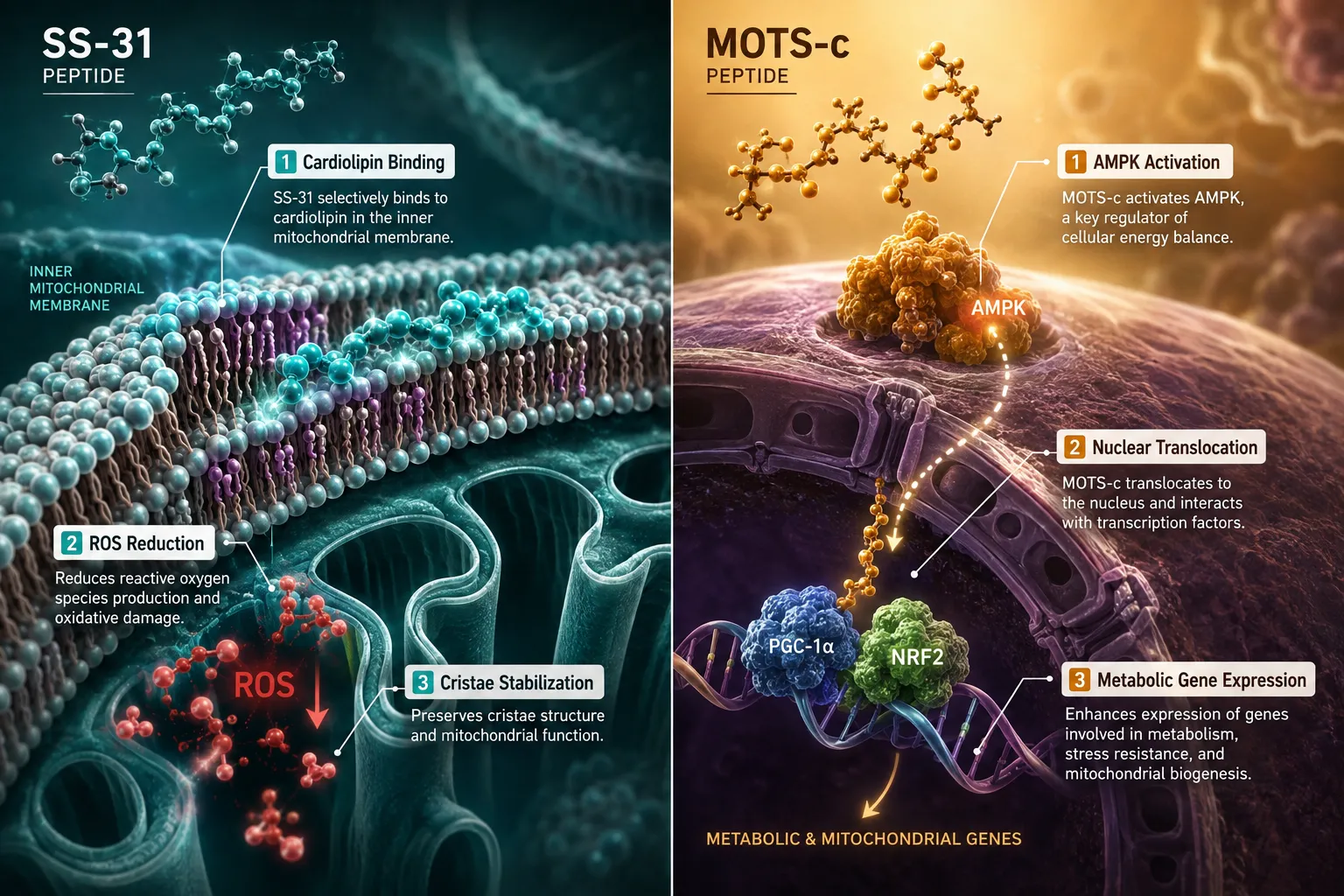
The primary mechanism involves activation of AMP-activated protein kinase (AMPK), a master energy sensor in cells. When AMPK is activated by MOTS-c, a cascade of downstream effects follows:

Effect Biological Outcome
Increased glucose uptake Improved cellular fuel availability
Enhanced fatty acid oxidation Greater metabolic flexibility
PGC-1alpha activation Stimulation of mitochondrial biogenesis
Reduced oxidative stress Improved mitochondrial integrity

PGC-1alpha is the key transcription coactivator here. Its activation by MOTS-c triggers the production of new mitochondria, expands the mitochondrial network, and improves overall oxidative capacity. This is why MOTS-c peptide and mitochondrial biogenesis: unlocking cellular energy pathways for research has become such a compelling area of study — the peptide essentially tells cells to build better energy infrastructure.

For researchers interested in complementary mitochondrial-targeted compounds, the SS-31 peptide research overview offers useful context on how other peptides interact with mitochondrial membranes.

Researchers studying broader metabolic signaling may also find value in exploring NAD+ energetics and longevity research themes, which intersect with MOTS-c's role in cellular energy regulation.


Preclinical Evidence and the Current Research Landscape

Preclinical Evidence and the Current Research Landscape

Animal model studies have produced notable findings. MOTS-c administration in rodent models has demonstrated:

  • Improved insulin sensitivity in diet-induced obesity models
  • Reduced body weight without significant changes to food intake
  • Enhanced exercise capacity and skeletal muscle performance
  • Attenuation of age-related metabolic decline

These results have fueled significant interest in MOTS-c as a potential tool for metabolic research. The peptide is frequently described as an "exercise mimetic" because it activates many of the same pathways engaged during physical activity. However, experts are careful to note that MOTS-c does not replicate the full systemic benefits of exercise, which involve cardiovascular, neurological, and musculoskeletal adaptations far beyond what a single peptide can address.

"Preclinical results are promising, but the absence of completed human trials means all conclusions remain provisional."

As of 2026, no completed human efficacy trials exist. The research community continues to investigate MOTS-c's role in metabolic flexibility, aging, and stress response. For a deeper look at related metabolic research themes, the MOTS-c metabolic flexibility research overview provides additional context.

Researchers exploring longevity-focused peptide research may also benefit from reviewing longevity peptide research themes to understand how MOTS-c fits within a broader aging-biology framework.


Regulatory Status and Safety Considerations in 2026

Regulatory Status and Safety Considerations in 2026

The regulatory picture for MOTS-c shifted notably in 2026. On April 22, 2026, the FDA removed MOTS-c from the 503A Category 2 list following the withdrawal of its nomination. A Pharmacy Compounding Advisory Committee (PCAC) review is scheduled for July 23, 2026, to evaluate its potential inclusion for research applications related to obesity and osteoporosis.

The FDA has flagged several safety concerns that researchers must account for:

  • Immunogenicity risk — potential for immune responses to exogenous peptide administration
  • Peptide-related impurities — quality and purity standards remain under scrutiny
  • Lack of human exposure data — no established safety profile in human subjects

These concerns reinforce why MOTS-c remains strictly investigational. Sourcing quality-verified peptides for research is essential; researchers can explore MOTS-c: the mitochondrial peptide for detailed compound information.

For those examining synergistic mitochondrial research compounds, the synergy of LL-37 and SS-31 peptides article explores how multiple peptides may interact in cellular energy contexts.


Conclusion

MOTS-c peptide and mitochondrial biogenesis: unlocking cellular energy pathways for research represents one of the most mechanistically rich areas in current peptide science. The peptide's ability to activate AMPK, stimulate PGC-1alpha, and promote new mitochondrial formation positions it as a valuable investigational tool for understanding metabolic disease, aging, and cellular energy regulation.

Actionable next steps for researchers:

  1. Review the July 2026 PCAC findings as they become available to assess updated regulatory guidance.
  2. Prioritize sourcing rigorously tested, purity-verified MOTS-c for any preclinical work.
  3. Design studies that pair MOTS-c with validated metabolic biomarkers to build translatable data.
  4. Monitor emerging literature on AMPK pathway modulators and mitochondrial biogenesis to contextualize findings.

All research use of MOTS-c should occur within controlled, ethically approved settings until human safety and efficacy data are established.

https://www.puretestedpeptides.com/wp-content/uploads/2026/06/MOTS-c-Peptide-and-Mitochondrial-Biogenesis-Unlocking-Cellular-Energy-Pathways-for-Research.png 1024 1536 Pure Tested https://www.puretestedpeptides.com/wp-content/uploads/2026/01/buy-peptides-online.jpg Pure Tested2026-06-29 13:05:282026-07-20 15:01:57MOTS-c Peptide and Mitochondrial Biogenesis: Unlocking Cellular Energy Pathways for Research
GLP-3 Retatrutide: The Future of Metabolic Research Beyond GLP-1

GLP-3 Retatrutide: The Future of Metabolic Research Beyond GLP-1

June 29, 2026/0 Comments/by Pure Tested

A single drug achieving nearly 29% body weight reduction in a Phase 3 trial — comparable to bariatric surgery outcomes — marks a turning point in metabolic science. That drug is retatrutide, widely referred to by researchers as "GLP-3," and in 2026 it is reshaping how scientists think about obesity, type 2 diabetes, and metabolic disease at the receptor level.

GLP-3 Retatrutide: The Future of Metabolic Research Beyond GLP-1 represents more than an incremental upgrade over existing therapies. It introduces a fundamentally different mechanism — one that activates three distinct hormone receptors simultaneously — and its early data is forcing a reassessment of what pharmacological intervention can achieve.

Key Takeaways

  • Retatrutide is a triple agonist targeting GLP-1, GIP, and glucagon receptors, setting it apart from all prior GLP-1 therapies.
  • Phase 3 TRIUMPH-4 data from April 2026 showed an average weight loss of 28.7% over 68 weeks — the highest ever recorded in a Phase 3 obesity trial.
  • The informal nickname "GLP-3" reflects its triple-agonist activity, not a third glucagon-like peptide hormone.
  • Eli Lilly plans to submit an NDA to the FDA in late 2026, with potential approval anticipated in 2027.
  • Research interest extends beyond obesity to type 2 diabetes, liver disease (MASLD), and cardiovascular risk reduction.

Understanding the Triple-Agonist Mechanism

Understanding the Triple-Agonist Mechanism

Most GLP-1 receptor agonists work through a single pathway: they mimic the glucagon-like peptide-1 hormone to suppress appetite and regulate blood sugar. Retatrutide goes further by simultaneously activating three receptors:

Receptor Primary Role
GLP-1R Appetite suppression, insulin secretion
GIPR Insulin potentiation, fat metabolism
GCG-R Energy expenditure, hepatic glucose output

This combination does something no single-pathway drug can: it both reduces caloric intake and increases energy expenditure. The glucagon receptor component, in particular, drives thermogenic activity that amplifies fat loss beyond what appetite suppression alone can produce.

It is worth clarifying the "GLP-3" label. There is no third glucagon-like peptide hormone in human biology. The nickname emerged informally to reflect the drug's third-generation, triple-receptor profile. Researchers exploring GLP-1 peptide research concepts and sourcing will find retatrutide represents a clear evolutionary step beyond that class.

For a deeper dive into retatrutide's research profile, the GLP-3 Retatrutide compound overview provides useful context on its structural and pharmacological properties.


Phase 3 Clinical Data: What the Trials Reveal

Phase 3 Clinical Data: What the Trials Reveal

The 2026 trial readouts for retatrutide have been striking across multiple study populations.

TRIUMPH-4 (April 2026): Adults with obesity achieved a mean weight loss of 28.7% over 68 weeks. This figure places retatrutide in territory previously occupied only by surgical interventions.

TRIUMPH-3 (March 2026): Presented at the American College of Cardiology Annual Scientific Session, this trial enrolled participants with obesity and elevated cardiovascular risk. Mean weight loss reached 24.2% at 72 weeks, suggesting meaningful cardiometabolic benefit beyond weight alone.

TRANSCEND-T2D-1 (March 2026): In adults with type 2 diabetes, the 12 mg dose produced HbA1c reductions of 1.7% to 2.0% alongside 16.8% weight loss over 40 weeks — a dual benefit that positions retatrutide as a strong candidate for metabolic disease management.

"The weight loss achieved with retatrutide in recent trials is comparable to outcomes typically associated with bariatric surgery."

Retatrutide is administered as a once-weekly subcutaneous injection, with doses titrated from 2 mg up to 12 mg to manage tolerability. Common side effects include nausea, vomiting, and diarrhea — consistent with the GI profile seen across the incretin drug class, though the glucagon component may amplify these effects at higher doses.

Researchers comparing metabolic peptide approaches may also find value in reviewing AOD-9604 metabolic research and MOTS-C metabolic flexibility research as complementary areas of investigation.


Research Horizons: Beyond Obesity and GLP-1

Research Horizons: Beyond Obesity and GLP-1

The scope of GLP-3 Retatrutide: The Future of Metabolic Research Beyond GLP-1 extends well past weight management. Active investigation includes:

  • Metabolic dysfunction-associated steatotic liver disease (MASLD): The glucagon receptor's role in hepatic lipid metabolism makes retatrutide a logical candidate for liver-focused research.
  • Cardiovascular risk reduction: TRIUMPH-3 data hints at benefits independent of weight loss.
  • Chronic low back pain: An emerging and less-expected indication under early investigation.
  • Broader metabolic syndrome components: Insulin resistance, dyslipidemia, and visceral adiposity all represent potential targets.

Eli Lilly plans to file an NDA with the FDA in late 2026, with approval potentially following in 2027. The broader TRIUMPH program, including TRIUMPH-1 and TRIUMPH-2, continues enrolling participants with primary endpoint data expected between late 2026 and early 2027.

Researchers building multi-pathway metabolic protocols may also want to explore SLU-PP-332 metabolic research, 5-Amino-1MQ research and data, and the NAD research overview for complementary mechanistic angles. For those sourcing research-grade material, Reta 10mg product options are available for qualified research applications.


Conclusion

GLP-3 Retatrutide: The Future of Metabolic Research Beyond GLP-1 is not a theoretical advance — it is a clinically validated shift in what metabolic pharmacology can accomplish. Its triple-agonist mechanism addresses appetite, energy expenditure, and glycemic control through three simultaneous pathways, producing outcomes that single-receptor drugs cannot match.

For researchers in 2026, the actionable priorities are clear:

  1. Monitor TRIUMPH-1 and TRIUMPH-2 data as primary endpoints emerge in late 2026 and early 2027.
  2. Track the FDA NDA submission and anticipated 2027 approval timeline for clinical translation signals.
  3. Explore multi-pathway metabolic research stacks that complement the receptor targets retatrutide engages.
  4. Review the MASLD and cardiovascular trial arms for indications that extend well beyond obesity.

Retatrutide is redefining the ceiling for metabolic intervention. Researchers who engage with its mechanism and emerging data now will be best positioned when the full clinical picture becomes available.

https://www.puretestedpeptides.com/wp-content/uploads/2026/06/GLP-3-Retatrutide-The-Future-of-Metabolic-Research-Beyond-GLP-1.png 1024 1536 Pure Tested https://www.puretestedpeptides.com/wp-content/uploads/2026/01/buy-peptides-online.jpg Pure Tested2026-06-29 13:05:242026-07-20 15:01:57GLP-3 Retatrutide: The Future of Metabolic Research Beyond GLP-1
Page 28 of 57«‹2627282930›»
×

Helpful Links

  • My account
  • Cart
  • Checkout
  • Refund and Returns Policy
  • Privacy Policy
  • SMS Privacy Policy
  • Login
  • My Account
  • Logout

USA Made Lab Tested Peptides

All products are sold for research, laboratory, or analytical purposes only, and are not for human consumption


Pure Tested Peptides is a chemical supplier. Pure Tested Peptides is not a compounding / chemical compounding facility as defined under 503A of the Federal Food, Drug, and Cosmetic act. Pure Tested Peptides is not an outsourcing facility as defined under 503B of the Federal Food, Drug, and Cosmetic act.

The statements made within this website have not been evaluated by the US Food and Drug Administration. The products we offer are not intended to diagnose, treat, cure or prevent any disease.

Human/Animal Consumption Prohibited. Laboratory/In-Vitro Experimental Use Only

Scroll to top Scroll to top Scroll to top