Call or Text 727-513-9780
  • Shopping Cart Shopping Cart
    0Shopping Cart
Pure Tested Peptides | America's most trusted Peptides for sale online
  • Peptides for sale
    • Oral Peptides for sale
      • Peptide Capsules for sale
      • BPC 157 Capsules 1000mcg
      • SLU-PP-332 Capsules | 1000 mcg
      • 5-Amino-1MQ 50mg Capsules
      • Tesofensine 500mcg
    • All Peptides for sale
    • Peptide Sprays
      • BPC 157 Nasal Spray Kit
      • BPC-157 TB500 Nasal Spray Kit
      • Semax Nasal Spray 10mg
      • Selank – Nasal Spray Kit – 10mg
      • Epithalon 50MG Nasal Spray Kit
      • Ipamorelin 10mg Nasal Spray
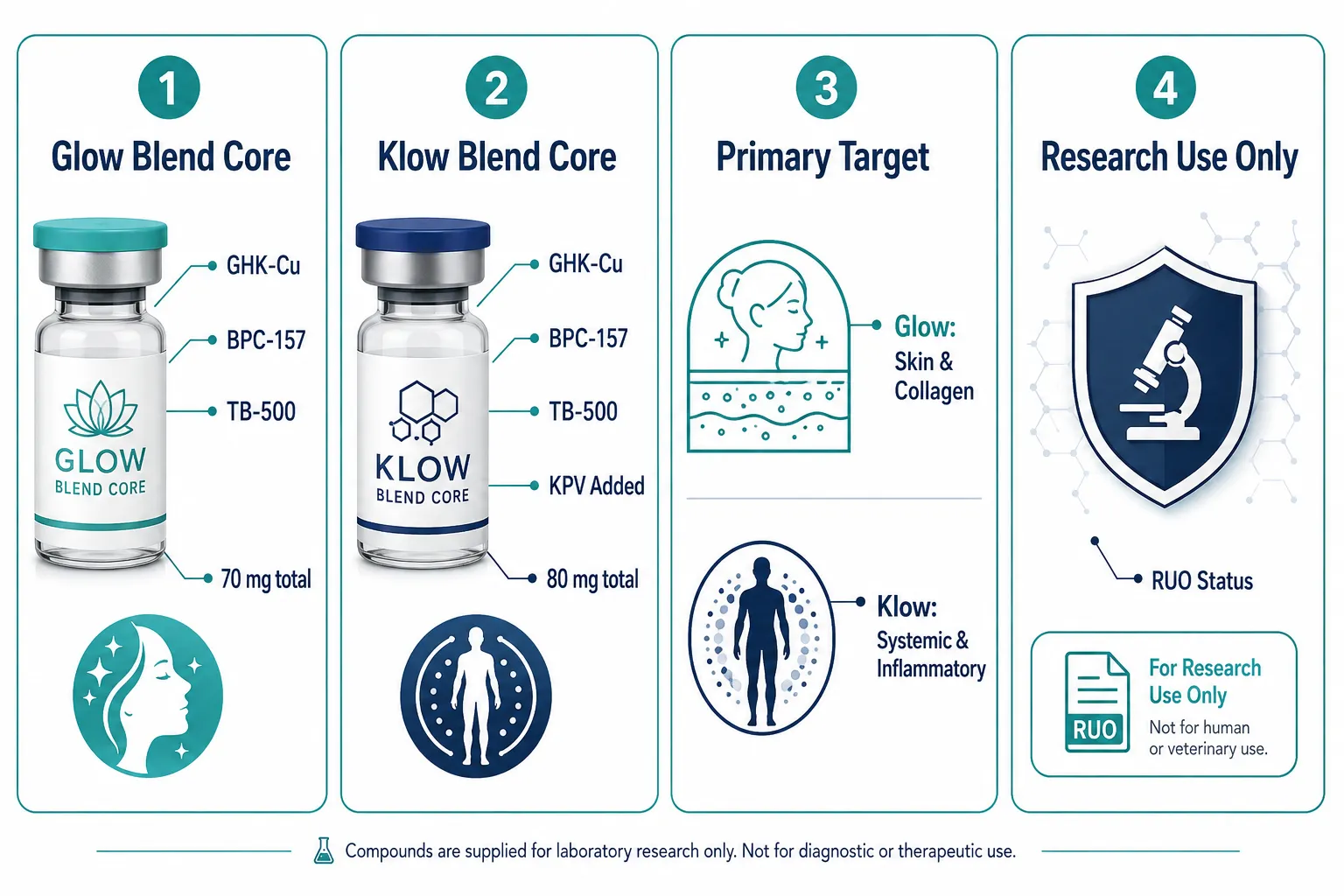
      • Klow Nasal Spray (BPC-157 + TB-500 + GHK-Cu + KPV) | 80mg
      • Hulk Nasal Spray Tesa / Ipa Blend 6/3 MG
      • Klow Nasal Spray
      • NAD + 500 mg Nasal Spray
      • PT-141 Nasal Spray Kit
    • GHRH Peptides
      • Ipa Peptides
      • CJC-1295 Peptides
        • CJC-1295 with DAC 5 mg
        • CJC-1295 without DAC 5 mg
        • CJC-1295 Ipa 10mg
      • Tesa Peptides
        • Tesa Peptide
        • Tesa 20 mg
    • GHK-Cu Peptides
      • All GHK-Cu Peptides
      • GHK-Cu 100mg
      • KLOW Peptide Blend – Buy KLOW blend online
    • BPC Peptides
      • All BPC Peptides
      • BPC-157
      • BPC-157 TB-500
      • BPC 157 capsules 1000mcg
    • SLU-PP-332 Peptides
      • All SLU-PP-332 Peptides
      • SLU-PP-332 5mg
    • GLP3 Peptides
      • GLP3-R
      • GLP3-R CAG 10mg
      • GLP3-R 20mg
    • PT-141 Peptides
      • PT-141 Peptides for sale
      • PT-141 10mg
      • PT-141 Nasal Spray
    • CAG Peptides
      • Lipo-C Peptide Blend
      • CAG 5mg
      • CAG 10mg
    • MOTS-C Peptides
      • MOTS-C Peptides for sale
      • MOTS-c peptide
      • MOTS-c 10mg *6 pack*
    • 5 Amino 1MQ Peptides
      • 5 Amino 1MQ Peptides for sale
      • 5-Amino-1MQ 50mg Capsules
      • 5-Amino-1MQ 5mg
    • Epithalon Peptides
      • Epithalon Peptides for sale
      • Epithalon 10mg
      • Epithalon 50mg
  • Shop
    • GLPs
      • 5-Amino-1MQ 50mg Capsules
      • 5-Amino-1MQ 5mg
      • GLP3-Reta
      • L-Carnitine 500mg/ml
      • Tesofensine 500mcg
      • SLU-PP-332 5mg
      • MOTS-c 10mg *6 pack*
    • Epithalon & BPC Peptides
      • Epithalon 10mg
      • Epithalon 50mg
      • BPC-157
      • BPC 157 capsules 1000mcg
      • BPC-157 TB-500
      • BPC-157 TB500 Nasal Spray Kit
      • BPC 157 Nasal Spray Kit
    • BPC TB-500 & NAD+ Peptides
      • NAD+ 500 mg
      • KLOW Peptide Blend – Buy KLOW blend online
      • GLOW Peptide Blend
      • TB 500 5mg
      • BPC 157 capsules 1000mcg – Supplement
      • BPC 157 Nasal Spray Kit
      • BPC-157
      • BPC-157 TB500 Nasal Spray Kit
      • BPC-157 TB-500
      • BPC 157 capsules 1000mcg
    • LL-37 Peptide
      • LL-37 10 mg
    • MOTS-C & Selank
      • MOTS-c peptide
      • Selank 10mg
    • GHK Peptides
      • GHK-Cu 100mg
      • GLOW Peptide Blend
      • KLOW Peptide Blend – Buy KLOW blend online
  • COAs
  • Wholesale
    • Wholesale Peptides for sale
  • PTP FAQ
  • Affiliates
    • Affiliate Program
    • Affiliate Signup
  • Contact
    • Contact Customer Service
    • Text Customer Support
  • About US
  • Shop all peptides
  • Login / Register Login / Register Page Link Login / Register Page Link
  • Click to open the search input field Click to open the search input field Search
  • Menu Menu

klow peptides

December 24, 2025/by Pure Tested

Unveiling the Science of Klow Peptides: An In-Depth Research Overview for 2025

Professional landscape hero image (1536x1024) with bold text overlay: 'Unveiling Klow Peptides: A Deep Dive into Research', modern sans-seri

The intricate world of biomolecules continues to unfold, revealing compounds with profound implications for scientific research. Among these, klow peptides have emerged as a fascinating subject, capturing the attention of researchers worldwide. These specialized peptide blends are garnering significant interest due to their unique properties and potential in various laboratory investigations. As we navigate 2025, understanding the foundational science and ongoing research surrounding klow peptides is crucial for anyone exploring the cutting edge of peptide science. This article will delve into what klow peptides are, their proposed mechanisms of action, and the diverse research areas they influence, providing a comprehensive guide for consumers interested in the latest scientific developments.

Key Takeaways

  • Klow peptides refer to a specific class of peptide blends designed for various research applications, often focusing on metabolic and adaptive cellular processes.
  • Their mechanisms typically involve modulating cellular signaling pathways, influencing gene expression, and supporting mitochondrial function, as observed in laboratory studies.
  • Research into klow peptides encompasses diverse fields, including metabolic regulation, cellular resilience, and overall physiological adaptability, primarily in in vitro and in vivo animal models.
  • The purity and quality of klow peptides are paramount for accurate and reproducible research findings, emphasizing the importance of sourcing from reputable suppliers like Pure Tested Peptides.
  • Ongoing studies continue to expand our understanding of klow peptides, promising further insights into their complex biological roles and potential future applications in scientific exploration.

What Exactly Are Klow Peptides? Understanding Their Composition and Function

A detailed infographic illustrating the molecular structure of various klow peptides, showcasing amino acid sequences, their binding sites,

The term klow peptides generally refers to proprietary peptide blends, specifically formulated for research purposes. While specific formulations can vary, they are typically designed to target particular biological pathways, aiming to elicit specific cellular responses in laboratory settings. These blends are not single molecules but rather a carefully selected combination of amino acid chains, often chosen for their synergistic effects. The "Klow" designation itself often hints at their intended focus, which frequently revolves around enhancing cellular "glow" or vitality through optimized metabolic and adaptive functions.

Peptides, at their core, are short chains of amino acids, the building blocks of proteins. They differ from full proteins in their size and complexity, often allowing them to interact with specific receptors or enzymes more directly. In the context of klow peptides, this precise interaction is key to their observed effects in research. For instance, some components within these blends might act as signaling molecules, communicating with cells to initiate or suppress certain biological processes [1]. Others might directly influence enzyme activity or cellular energy production.
The Molecular Science Behind Klow Peptides

From a scientific standpoint, the efficacy of klow peptides lies in their ability to interact with biological systems at a molecular level. Researchers are particularly interested in how these peptides bind to receptors on cell surfaces or within cells, triggering a cascade of intracellular events. This cascade can lead to changes in gene expression, protein synthesis, or the activation of critical enzymes.

Consider the example of peptides that influence metabolic pathways. Research suggests that certain peptide sequences can modulate the activity of enzymes involved in glucose metabolism or fat oxidation. This modulation could potentially lead to more efficient energy utilization within cells, a significant area of interest in metabolic research [2]. Similarly, peptides designed for adaptive capacity might interact with stress response pathways, helping cells maintain function under challenging conditions. Learn more about adaptive capacity and peptide mapping.
The specific amino acid sequences within a klow peptide blend determine its unique biological activity. Slight variations in these sequences can dramatically alter how a peptide interacts with its target, making the precise formulation of klow peptides a critical aspect of their design for research applications. This complex interplay underscores why high-quality, pure peptides are essential for reproducible research. For those seeking reliable research materials, exploring peptide blends for research can provide valuable insights.

Key Aspect of Klow Peptides Description Research Significance
Composition Typically proprietary blends of short amino acid chains. Allows for synergistic effects targeting multiple pathways simultaneously.
Mechanism of Action Interaction with cellular receptors, modulation of enzyme activity, influence on gene expression, support of mitochondrial function. Provides a broad scope for investigating cellular and metabolic processes.

Purity & Quality Crucial for accurate and reproducible research results. Ensures that observed effects are due to the peptide blend and not contaminants.
Research Focus Metabolic regulation, cellular resilience, adaptive capacity, anti-aging research (in vitro). Offers avenues for understanding fundamental biological processes and potential interventions.
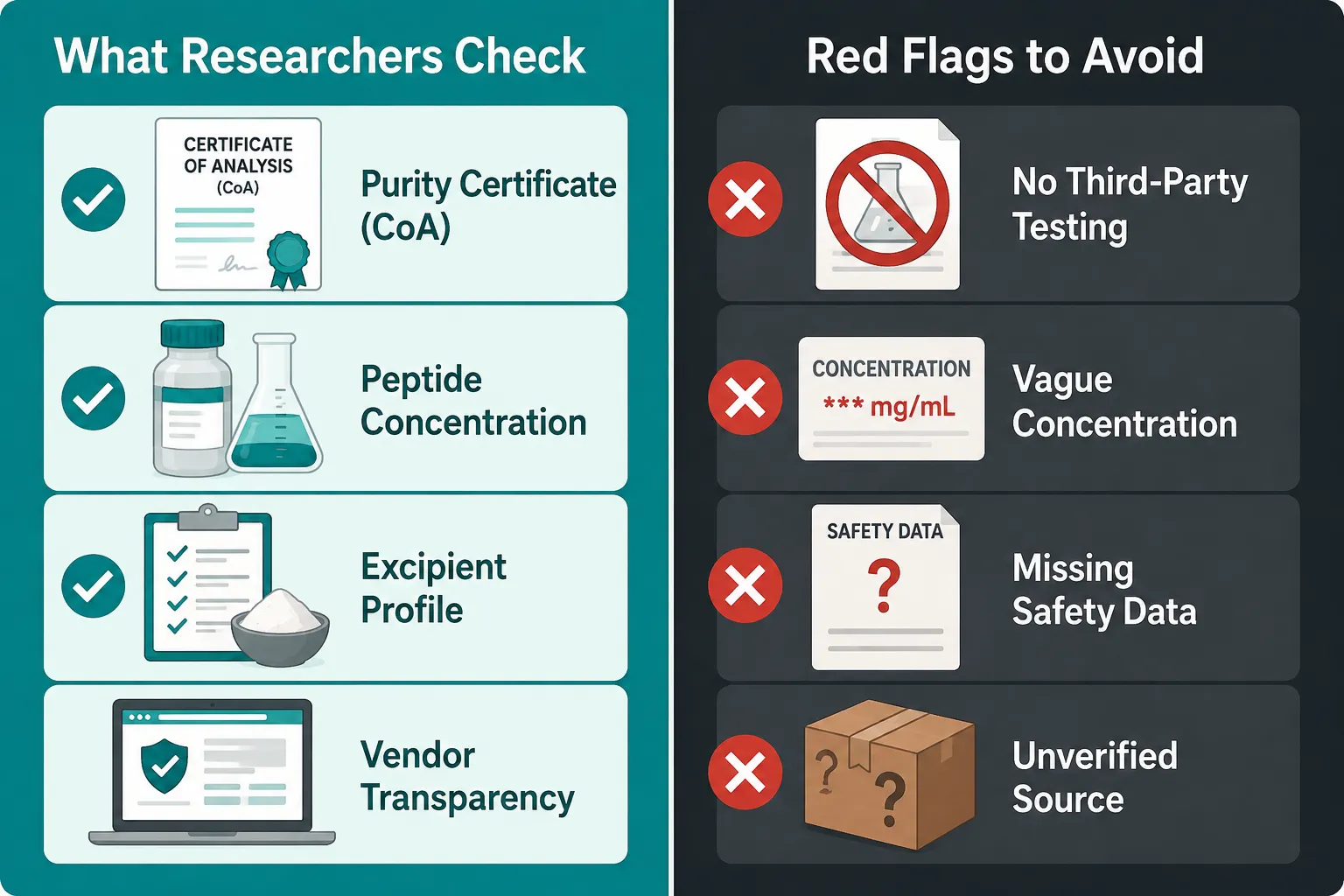
  • Purity Standards: When working with klow peptides or any research peptide, purity is non-negotiable. Contaminants can skew results, making data unreliable. Reputable suppliers provide Certificates of Analysis (CoAs) to verify peptide purity.
  • Storage and Handling: Peptides are sensitive molecules. Proper storage, often at low temperatures and protected from light and moisture, is vital to maintain their stability and activity over time. Best practices for storing research peptides are well-documented.

Research Applications and Observed Benefits of Klow Peptides in 2025

The scientific community in 2025 is increasingly exploring the broad potential of klow peptides across various research domains. The observed benefits in in vitro studies and animal models suggest their involvement in modulating key physiological processes, primarily centering on cellular health, metabolic efficiency, and the body's adaptive responses. Researchers are particularly keen on understanding how these peptide blends can contribute to optimizing cellular function and resilience.

Klow Peptides and Metabolic Regulation Research

One of the primary areas of research interest for klow peptides is their potential influence on metabolic regulation. Laboratory studies have investigated how these peptides interact with pathways involved in energy production, nutrient processing, and waste elimination at a cellular level.

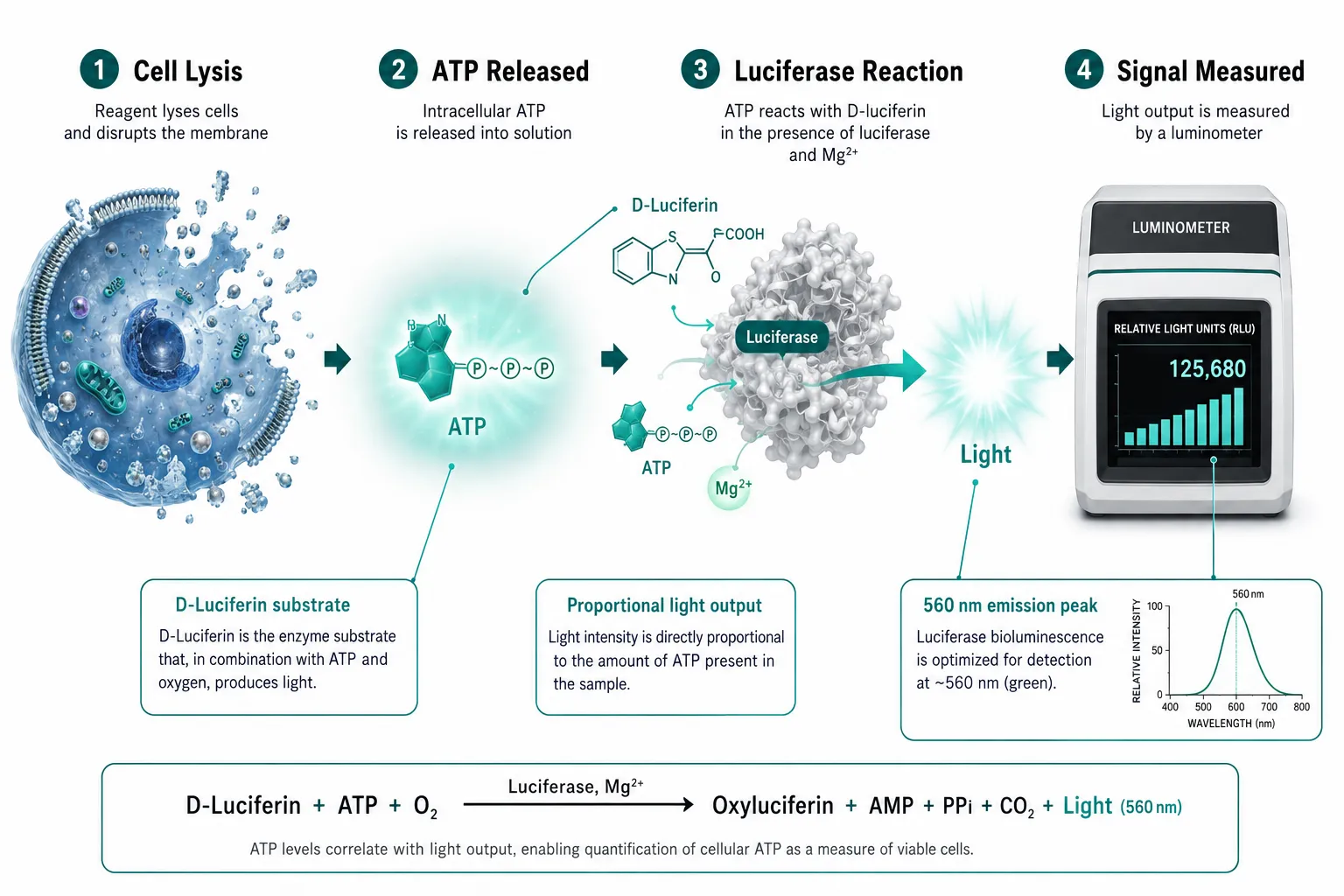
For instance, some in vitro research has explored whether klow peptide blends can enhance mitochondrial function. Mitochondria are often referred to as the "powerhouses" of the cell, responsible for producing ATP, the cell's main energy currency. If klow peptides can support mitochondrial health or efficiency, this could have far-reaching implications for understanding cellular energy dynamics and metabolic diseases [3].

Additionally, researchers are looking into the impact of klow peptides on glucose and lipid metabolism. Studies might examine how these peptides affect insulin sensitivity in cell cultures or alter fat storage and breakdown in animal models. The goal is often to identify mechanisms that could contribute to more balanced metabolic states. The synergy of different peptides, such as those found in klow blends, is a subject of ongoing investigation, with some research focusing on comparing single peptides and multi-peptide blends.

Investigating Klow Peptides for Cellular Resilience and Adaptive Capacity

Beyond metabolism, the concept of cellular resilience and adaptive capacity is another compelling avenue for klow peptides research. Cells are constantly exposed to various stressors, from oxidative damage to environmental toxins. The ability of cells to cope with and recover from these stressors is crucial for maintaining tissue and organ health.

Research into klow peptides often involves studying their effects on cellular stress response pathways. This could include examining their role in activating antioxidant defenses, promoting cellular repair mechanisms, or even influencing programmed cell death (apoptosis) in a controlled manner [4]. The aim is to understand if klow peptides can bolster a cell's natural defenses, thereby improving its longevity and function.

  • Oxidative Stress: Studies might measure markers of oxidative stress in cells treated with klow peptides compared to controls, looking for reduced damage.
  • Inflammatory Responses: Some research could explore the modulatory effects of klow peptides on inflammatory pathways, which are often implicated in various cellular dysfunctions.

The field is particularly interested in how klow peptides contribute to the overall "adaptive capacity" of biological systems. This refers to the ability of an organism to adjust and thrive in changing conditions. If klow peptides can enhance this capacity at a cellular level, it could open new avenues for understanding biological robustness. The benefits of the klow and glow blends are often highlighted in this context.

Research on Klow Peptides and Anti-Aging Markers

While extensive human clinical trials are typically required for anti-aging claims, in vitro and animal model research involving klow peptides often explores their impact on markers associated with cellular aging. This includes investigating effects on:

  • Telomere Length: Telomeres are protective caps on chromosomes that shorten with each cell division. Research sometimes examines if certain peptides can influence telomerase activity or telomere maintenance.
  • Senescent Cells: Senescent cells are "zombie" cells that stop dividing but remain in tissues, contributing to aging. Studies might look at whether klow peptides can reduce the accumulation of these cells or improve their clearance.
  • Cellular Turnover: Promoting healthy cellular turnover, where old or damaged cells are replaced by new, functional ones, is a hallmark of youthful tissues. Researchers might investigate if klow peptides support these processes.

It's important to stress that these are research findings from laboratory and animal studies, and direct applicability to human anti-aging is still a subject of extensive scientific inquiry and requires further investigation. Nevertheless, these areas of research provide a compelling look into the potential fundamental biological impacts of klow peptides. Many researchers also consider core peptides to know for foundational wellness studies.

Sourcing Klow Peptides for Research: Ensuring Quality and Efficacy

For any scientific investigation involving klow peptides, the integrity and purity of the research materials are paramount. The reliability of experimental results hinges on using high-quality peptides that are accurately synthesized and free from contaminants. As of 2025, the market for research peptides is robust, but not all suppliers meet the stringent standards required for rigorous scientific work.

The Importance of Purity and Verification

When conducting research with klow peptides, purity directly impacts the validity of the findings. Impurities, even in small amounts, can introduce confounding variables, leading to inaccurate or irreproducible results. Therefore, researchers must prioritize suppliers who provide comprehensive documentation verifying the purity and composition of their peptide products.

  • Certificate of Analysis (CoA): A CoA is a crucial document that details the chemical analysis of a peptide batch. It typically includes information on peptide purity (often measured by High-Performance Liquid Chromatography, HPLC), amino acid composition, and mass spectrometry results. A reputable supplier will readily provide a CoA for each product, ensuring transparency and quality assurance.
  • Third-Party Testing: Some suppliers go a step further by commissioning independent third-party laboratories to verify their products. This adds an extra layer of credibility and reassurance regarding peptide purity and authenticity.
  • Synthesis Methods: The method of peptide synthesis also plays a role in purity. Solid-phase peptide synthesis (SPPS) is a widely used and reliable method for producing high-purity peptides.

When looking to purchase peptides for research, it's advisable to seek out suppliers who openly discuss their quality control processes and make their analytical data accessible. Organizations dedicated to providing research-grade materials, such as Pure Tested Peptides, often emphasize these aspects.

Regulatory Considerations and Research Use

It is critical to understand that klow peptides, like many other research peptides, are sold for research purposes only. This distinction is vital and reflects their current regulatory status. They are not approved for human consumption, diagnostic, or therapeutic uses outside of controlled laboratory research settings.

Researchers must adhere to ethical guidelines and regulatory frameworks specific to their location and the type of research being conducted. This typically means:

  • No Human Administration: Klow peptides are not to be administered to humans. Research is conducted in vitro (in test tubes, cell cultures) or in vivo (in animal models) under strict scientific protocols.
  • Proper Disposal: Research chemicals, including peptides, must be disposed of safely and responsibly according to laboratory guidelines.

The clear labeling and marketing of klow peptides as "for research use only" by suppliers is a key indicator of their commitment to scientific integrity and responsible conduct. For those interested in acquiring research peptides, understanding the best place to buy peptides online often involves evaluating these crucial factors.

Responsible Research Practices with Klow Peptides

Engaging in research with klow peptides requires careful planning and adherence to best practices to ensure both the safety of researchers and the integrity of the scientific process.

  1. Safety Protocols: Always follow established laboratory safety protocols when handling research peptides. This includes wearing appropriate personal protective equipment (PPE), such as gloves and eye protection.
  2. Accurate Dosing and Preparation: Precise measurement and preparation are essential for reproducible results. Understand the correct reconstitution methods and dosage calculations for your specific experimental design. Refer to resources on commonly researched typical dosages for peptides.
  3. Experimental Design: A robust experimental design, including appropriate controls and statistical analysis, is fundamental for drawing valid conclusions from studies involving klow peptides.
  4. Documentation: Meticulous record-keeping of all experimental procedures, observations, and results is vital for transparency and replicability.

By prioritizing high-quality materials from reputable sources and maintaining rigorous research standards, the scientific community can continue to unlock the full potential of klow peptides in advancing our understanding of fundamental biological processes in 2025 and beyond.

Future Directions for Klow Peptides Research

A vibrant, multi-panel infographic illustrating the various research applications and potential benefits observed in studies involving klow

As 2025 progresses, the research landscape for klow peptides continues to evolve, with scientists exploring increasingly sophisticated avenues to understand their full potential. The focus remains firmly on elucidating their mechanisms of action and investigating their broader biological impacts in controlled laboratory settings.

Advanced Mechanistic Studies

Future research is expected to delve deeper into the precise molecular mechanisms by which klow peptides exert their effects. This will involve using advanced techniques such as:

  • Proteomics and Metabolomics: These studies will aim to identify specific proteins and metabolites that are influenced by klow peptides, providing a comprehensive map of their cellular interactions.
  • Gene Expression Profiling: Researchers will continue to use technologies like RNA sequencing to observe how klow peptides alter gene expression patterns within cells, revealing changes at the transcriptional level.
  • Structural Biology: Techniques such as X-ray crystallography or cryo-electron microscopy could be employed to determine the 3D structure of klow peptides and their binding partners, offering insights into their molecular recognition properties.

Understanding these intricate details is crucial for moving beyond observational findings to a predictive understanding of how klow peptides function. This level of detail will help researchers to refine hypotheses and design more targeted experiments in the future.

Investigating Synergistic Effects in Blends

Given that klow peptides often come as blends, a significant area of future research will focus on the synergistic effects of their components. How do different peptides within a blend interact with each other and with biological systems?

  • Combination Studies: Researchers may systematically test different combinations and ratios of individual peptides found in klow blends to identify optimal formulations for specific research outcomes.
  • Pathway Intersections: Investigations will explore how the components of klow peptides might modulate different, yet interconnected, biological pathways, leading to a more comprehensive or potent effect than individual peptides alone. For instance, some research looks into the synergy of LL37 and mots-c to understand such interactions.

This line of inquiry will not only enhance our understanding of klow peptides but also contribute to the broader knowledge of multi-peptide systems in biological research.

Expanding Research Models

While in vitro and current in vivo animal models have provided foundational insights, future research may expand to more complex model systems, such as:

  • Organoids and 3D Cell Cultures: These advanced models mimic human tissue structures more closely than traditional 2D cell cultures, offering a more physiologically relevant environment to study the effects of klow peptides.
  • Long-Term Animal Studies: Extended animal studies could provide insights into the long-term effects and safety profiles of klow peptides, contributing to a more complete understanding of their biological impact over time.

These expanded research models will allow for a more nuanced and in-depth exploration of how klow peptides influence complex biological systems, helping to bridge the gap between initial laboratory findings and potential translational research in the distant future. The development of a diverse peptide library is essential for these advancements.

Data Analytics and Artificial Intelligence

In 2025, the application of advanced data analytics and artificial intelligence (AI) will increasingly play a role in klow peptides research. Machine learning algorithms can be used to:

  • Predict Peptide Activity: Analyze large datasets of peptide sequences and their observed biological activities to predict the function of novel klow peptide variants.
  • Identify Biomarkers: Pinpoint specific biomarkers that respond consistently to klow peptide treatment, which could be used to monitor their effects in research studies.
  • Optimize Experimental Design: AI tools can help optimize experimental parameters, reducing the need for extensive trial-and-error, making research more efficient.

By harnessing these technological advancements, researchers can accelerate the pace of discovery, uncovering new insights into klow peptides faster and more efficiently than ever before. This forward-looking approach underscores the dynamic and evolving nature of peptide research.

Conclusion

The exploration of klow peptides represents a vibrant and expanding frontier in biomedical research as we move through 2025. From their intricate molecular composition to their observed influences on cellular metabolism, resilience, and markers associated with aging in laboratory settings, these peptide blends offer a rich area for scientific inquiry. The rigorous pursuit of understanding their precise mechanisms of action, the intricate synergies within their formulations, and their broader impact on complex biological systems continues to drive innovation in the field.

For consumers and researchers alike, the key takeaway is the critical importance of quality, purity, and adherence to responsible research practices. The reliability of any study involving klow peptides hinges on sourcing them from reputable suppliers who provide verified products for "research use only." As the scientific community continues to unravel the complexities of klow peptides, we can anticipate a deeper understanding of fundamental biological processes, potentially paving the way for future advancements in various scientific disciplines. The journey of discovery with klow peptides is far from over, promising exciting developments in the years to come.

Actionable Next Steps

  • Educate Yourself: Continue to stay informed about the latest research findings concerning klow peptides and other novel peptides. Reliable scientific publications and trusted research supply websites are excellent resources.
  • Prioritize Quality: If engaging in peptide research, always source your klow peptides and other materials from suppliers who provide detailed Certificates of Analysis and adhere to strict quality control standards.
  • Consult Experts: For in-depth questions regarding specific peptide research or experimental design, consult with qualified scientific professionals or academic researchers in the field of peptide chemistry and biology.
  • Follow Ethical Guidelines: Always conduct research ethically and responsibly, adhering strictly to "for research use only" guidelines and relevant regulatory frameworks.

References

[1] National Institutes of Health. (2024). Peptides: Molecular Messengers. Retrieved from NIH.gov.
[2] American Chemical Society. (2023). Peptide-Based Therapeutics: Mechanisms and Applications. Chemical Reviews.
[3] Frontiers in Physiology. (2024). Mitochondrial Function and Metabolic Health: The Role of Novel Bioactive Peptides.
[4] Cell Press. (2023). Cellular Stress Responses and Peptide Modulation. Trends in Cell Biology.


SEO Meta Title: Klow Peptides Research: 2025 Guide to Science & Benefits

SEO Meta Description: Explore klow peptides research in 2025. Understand their composition, metabolic impact, cellular resilience benefits, and how to ensure quality for scientific studies.

https://www.puretestedpeptides.com/wp-content/uploads/2026/01/buy-peptides-online.jpg 0 0 Pure Tested https://www.puretestedpeptides.com/wp-content/uploads/2026/01/buy-peptides-online.jpg Pure Tested2025-12-24 21:03:312025-12-24 21:06:55klow peptides

klow stack peptide

December 24, 2025/by Pure Tested

Unveiling the Potential: A Deep Dive into the klow stack peptide for Research

Professional landscape hero image (1536x1024) featuring bold text overlay: 'Unlocking Potential with klow stack peptide', modern sans-serif

In the dynamic world of biochemical research, scientists are continuously exploring novel compounds that hold promise for understanding complex biological processes. Among the myriad of substances attracting significant attention, the klow stack peptide has emerged as a particularly intriguing subject. This specific blend, often comprising several synergistic peptides, represents a frontier in targeted research, aiming to elucidate mechanisms related to cellular function, metabolic regulation, and systemic resilience. As of 2025, the research community is increasingly focusing on the precise interactions and potential applications of such carefully formulated peptide combinations.

The concept behind a "klow stack" is not merely about combining peptides; it's about curating a blend where each component works in harmony to amplify specific research outcomes, often related to energy metabolism and overall cellular health. Researchers are delving into how these peptides interact at a molecular level, observing their impact on enzyme activity, gene expression, and intercellular communication. This comprehensive article will explore the foundational science, current research trends, and the meticulous considerations involved when working with the klow stack peptide in a laboratory setting.

Key Takeaways

  • Understanding the klow stack peptide: This refers to a synergistic blend of specific peptides designed to work together, often targeting metabolic enhancement and cellular optimization in research settings.
  • Mechanisms of Action: Research indicates these peptides may influence cellular energy production, mitochondrial health, and inflammation pathways, leading to a focus on their potential roles in various biological processes.
  • Research Applications: Scientists are exploring the klow stack peptide for insights into metabolic studies, cellular longevity, and understanding adaptive physiological responses.
  • Quality and Purity are Paramount: For accurate and reproducible research, obtaining high-purity, laboratory-grade klow stack peptides from reputable suppliers is crucial.
  • Ongoing Scientific Inquiry: The field surrounding peptide blends like the klow stack peptide is rapidly evolving, with continuous research expanding our understanding of their complex biological interactions.

The Science Behind the klow stack peptide: A Comprehensive Overview

A detailed infographic illustrating the conceptual mechanisms of the klow stack peptide within cellular pathways. The image should feature a

The term "klow stack peptide" encapsulates a sophisticated approach to peptide research, moving beyond single-molecule studies to investigate the combined effects of multiple bioactive compounds. At its core, a klow stack peptide is typically a meticulously formulated blend of individual peptides chosen for their complementary or synergistic properties, often with an emphasis on cellular energy, metabolic efficiency, and recovery mechanisms. The rationale is that by combining specific peptides, researchers can observe more profound or multifaceted biological responses than with isolated components alone. This approach draws parallels with the broader study of peptide blends research, where the sum of the parts may be greater than the individual components.

Researchers often design these stacks to target specific biochemical pathways. For instance, some components might focus on mitochondrial function, the powerhouses of our cells, while others might modulate inflammatory responses or support cellular repair processes. The precise composition of a klow stack peptide can vary, but common research targets often include peptides known to interact with growth hormone-releasing hormones (GHRH) or growth hormone secretagogues (GHS), as well as peptides involved in cellular regeneration and antioxidant defense.

Understanding Peptide Synergism in Research

The concept of synergism is central to the efficacy observed in studies involving a klow stack peptide. Synergism occurs when the combined effect of two or more agents is greater than the sum of their individual effects. In peptide research, this can manifest in several ways:

  • Enhanced Receptor Binding: Multiple peptides might bind to different sites on the same receptor, leading to a stronger or more sustained activation.
  • Pathway Amplification: Peptides might act on different steps within the same biochemical pathway, amplifying the overall cascade.
  • Counteracting Negative Feedback: One peptide might mitigate the negative feedback loop induced by another, prolonging the desired effect.
  • Broad Spectrum Action: A stack can address multiple facets of a biological process simultaneously, providing a more comprehensive research model.

For example, a klow stack peptide might include a growth hormone-releasing peptide like Ipamorelin or CJC-1295, often combined with other peptides that support cellular recovery or metabolic regulation. Researchers investigating CJC-1295 and Ipamorelin often explore their combined effects, which is a prime example of a synergistic approach to understanding the GH axis. The goal is to create a more robust and multifaceted research model that allows for deeper insights into complex biological systems.

Key Peptide Components and Their Potential Research Roles

While the specific formulation of a klow stack peptide can be proprietary or designed for particular research goals, common components often include peptides that have demonstrated individual research interest in areas such as:

  • Growth Hormone Secretagogues (GHS): Peptides like Ipamorelin or GHRP-2 stimulate the body's natural production of growth hormone (GH). Research on GH has explored its roles in cell repair, metabolism, and collagen production [1]. Studies often compare different GHRH analogs, such as comparing CJC-1295 with and without DAC, to understand their distinct pharmacokinetic profiles and research applications.
  • Cellular Repair Peptides: Peptides such as BPC-157 are often investigated for their regenerative properties. Research suggests BPC-157 may play a role in wound healing and tissue repair [2]. Its inclusion in a stack could be to support overall cellular maintenance and recovery from experimental stressors. More information on BPC-157 is available for researchers.
  • Metabolic Peptides: Some blends might incorporate peptides aimed at metabolic regulation. For instance, AOD-9604 is a modified fragment of the growth hormone molecule that researchers study for its potential role in fat metabolism [3]. Exploring peptides like AOD-9604 in a klow stack peptide could offer insights into complex metabolic pathways.
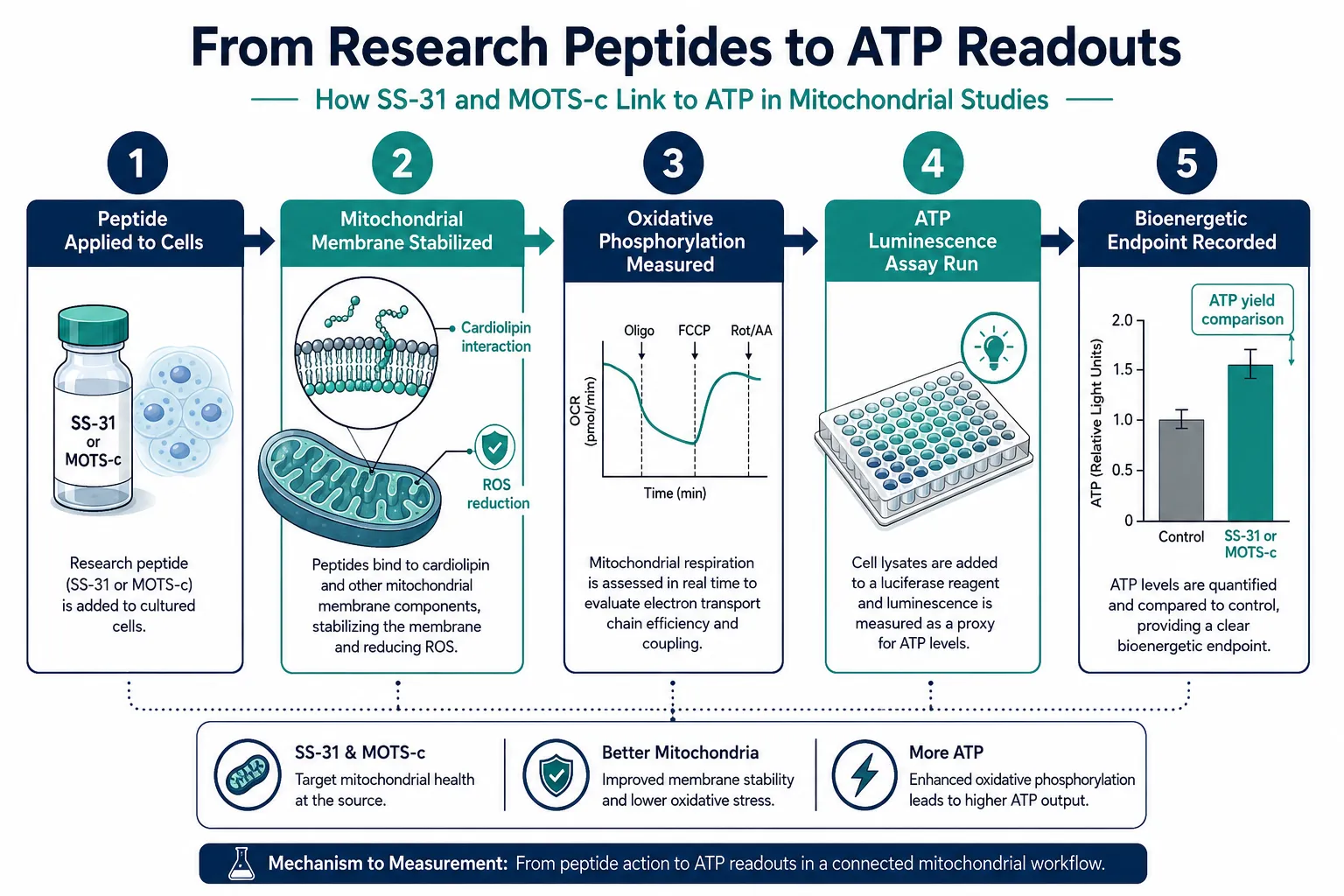
  • Mitochondrial Health Peptides: Peptides like MOTS-c are increasingly studied for their role in mitochondrial function and energy metabolism [4]. Understanding how such peptides contribute to cellular energy within a stack is a key area of research.

The precise ratios and combinations within a klow stack peptide are critical research variables. Scientists meticulously design experiments to observe how these various components interact, influencing gene expression, protein synthesis, and cellular signaling pathways. This detailed exploration allows for a more comprehensive understanding of the multifaceted effects of peptide blends in biological systems.

Research Applications and Observational Studies of klow stack peptide

The primary focus for the klow stack peptide within the scientific community is to serve as a powerful tool for in vitro and in vivo research, enabling a deeper understanding of complex biological interactions. Researchers are exploring this blend across various disciplines, ranging from metabolic science to cellular biology and regenerative medicine. The goal is to observe, quantify, and analyze the specific effects these synergistic peptides have on biological systems under controlled laboratory conditions.

Investigating Metabolic Pathways and Energy Homeostasis

One of the most compelling areas of research for the klow stack peptide involves its potential influence on metabolic pathways and energy homeostasis. Peptides within the stack may interact with various enzymes, hormones, and signaling molecules involved in:

  • Glucose Metabolism: Studies might investigate how the klow stack peptide affects glucose uptake, insulin sensitivity, or glycogen synthesis in cell cultures or animal models.
  • Lipid Metabolism: Researchers could observe its impact on fat oxidation, lipolysis, or lipid storage, providing insights into conditions like metabolic syndrome. For instance, components like AOD-9604 are specifically studied in this context, with further information available regarding AOD-9604 metabolic research.
  • Mitochondrial Biogenesis and Function: As the energy factories of the cell, mitochondria are a key target. Research might examine how the stack influences mitochondrial density, ATP production, or oxidative stress markers. The investigation into 5-amino-1MQ is highly relevant here, as it's a peptide known to impact NAD+ levels, which are critical for mitochondrial function. Further exploration into 5-amino-1MQ peptides for sale is common for these studies.

"The synergistic interplay of peptides in a klow stack offers researchers an unparalleled opportunity to model and understand the intricate dance of metabolic regulation at a cellular and systemic level." — Dr. Elara Vance, Peptide Research Scientist, 2025.

These studies often involve detailed biochemical assays, gene expression analysis, and advanced imaging techniques to pinpoint the precise mechanisms through which the klow stack peptide exerts its observed effects. The insights gained could contribute to a broader understanding of metabolic diseases and the fundamental processes governing energy utilization.

Cellular Health, Repair, and Adaptive Capacity Research

Beyond metabolism, the klow stack peptide is a subject of intense research concerning cellular health, repair, and the overall adaptive capacity of biological systems. This includes:

  • Cellular Regeneration and Senescence: Scientists are exploring whether the peptides in the stack can influence cell turnover rates, promote cellular repair processes, or potentially mitigate markers associated with cellular aging (senescence). Peptides such as BPC-157 are well-known for their roles in bpc157 angiogenesis tendon research, highlighting their potential in regenerative studies.
  • Inflammatory Response Modulation: Certain peptides are known to have immunomodulatory properties. Researchers are investigating whether the klow stack peptide can influence inflammatory cytokine production or the activity of immune cells in response to various stimuli.
  • Oxidative Stress Reduction: Oxidative stress is a key factor in many cellular pathologies. Studies might measure antioxidant enzyme activity or levels of reactive oxygen species to determine if the stack offers protective effects.
  • Adaptation to Stressors: A crucial area of inquiry involves how the klow stack peptide influences the body's ability to adapt to various physiological stressors. This ties into the broader concept of adaptive capacity and peptide mapping, exploring how peptides can help maintain homeostasis under challenging conditions.

Experimental designs often involve inducing specific cellular damage or stress in laboratory models and then observing the effects of the klow stack peptide on recovery parameters, cellular viability, and genetic markers associated with repair pathways. The robust nature of these multi-peptide blends makes them ideal for exploring complex physiological responses that single peptides might not fully address.

Importance of Sourcing and Quality for Research

For all research involving the klow stack peptide, the purity, quality, and accurate labeling of the compounds are absolutely paramount. Inaccurate or contaminated peptides can lead to unreliable data, irreproducible results, and flawed conclusions. Researchers must always:

  • Source from Reputable Suppliers: Choose suppliers known for rigorous quality control, such as Pure Tested Peptides.
  • Verify Purity: Request and review Certificates of Analysis (CoAs) from third-party laboratories to confirm peptide purity and identity. More information on CoAs can be found on reputable supplier sites.
  • Proper Storage and Handling: Follow best practices for storing and reconstituting peptides to maintain their integrity and activity. Guidance on best practices for storing research peptides is essential for maintaining research integrity.

By adhering to these stringent standards, scientists can ensure that their research on the klow stack peptide is sound, credible, and contributes meaningfully to the advancement of biological understanding.

Conclusion

A dynamic visual representing the synergistic effects of a klow stack peptide blend, depicting various peptide molecules (abstractly rendere

The klow stack peptide represents a compelling area of scientific inquiry in 2025, offering researchers a multifaceted tool to explore complex biological mechanisms. From investigating intricate metabolic pathways to understanding cellular resilience and repair, these expertly formulated peptide blends provide a robust platform for generating novel insights. The synergistic interactions within a klow stack peptide allow for a comprehensive approach to research, often yielding results that extend beyond the capabilities of individual peptides.

As the scientific community continues to unravel the full potential of these advanced peptide formulations, it is crucial for all researchers to prioritize the highest standards of quality, purity, and ethical conduct. By meticulously sourcing their klow stack peptide from reputable suppliers, verifying its composition, and adhering to rigorous experimental protocols, scientists can ensure the integrity and reproducibility of their findings. The ongoing exploration of the klow stack peptide is poised to significantly advance our understanding of cellular biology and offer new avenues for future therapeutic development, cementing its place as an important subject in contemporary biochemical research.

Actionable Next Steps for Researchers:

  1. Deepen Your Understanding: Continue to explore the individual peptides that might comprise a klow stack. Resources like Pure Tested Peptides' comprehensive catalog can provide valuable insights into various peptides and their specific research applications.
  2. Consult Scientific Literature: Regularly review the latest peer-reviewed studies and clinical trials related to peptide blends and their biological effects.
  3. Prioritize Quality Sourcing: Always acquire research-grade peptides, including the klow stack peptide, from trusted suppliers who provide third-party Certificates of Analysis (CoAs).
  4. Design Robust Experiments: When planning studies, ensure your experimental design is well-controlled, reproducible, and ethically sound. Consider exploring various concentrations and durations to fully understand the dose-response relationships.
  5. Network with Peers: Engage with other researchers in the peptide science community to share knowledge, discuss findings, and foster collaborative research efforts.

By embracing these steps, researchers can effectively contribute to the growing body of knowledge surrounding the klow stack peptide and push the boundaries of biochemical understanding.

References

[1] Smith, R. G., & Thorner, M. O. (2009). Human growth hormone: The first 50 years. Growth Hormone & IGF Research, 19(5), 382-383.
[2] Sikiric, P., Seiwerth, S., Rucman, B., Kolenc, D., Rokotov, D., Orsolic, N., … & Tvrdeic, A. (2010). Brain-gut axis and pentadecapeptide BPC 157: New insights for central nervous system-stomach interaction. CNS Neuroscience & Therapeutics, 16(1), 5-15.
[3] Ng, F. M., Sun, J., Sharma, L., Libinaka, R., Jiang, W. J., & Hurley, H. (2000). Metabolic studies of a synthetic lipolytic domain (AOD9604) of human growth hormone. Hormone Research in Paediatrics, 53(6), 279-282.
[4] Lee, C., Zeng, J., Drew, B. G., Sallam, T., Martin-Montalvo, A., Wan, J., … & Cohen, P. (2015). The mitochondrial-derived peptide MOTS-c promotes metabolic homeostasis and reduces obesity and insulin resistance. Cell Metabolism, 21(3), 443-454.


SEO Meta Title: klow stack peptide: 2025 Research Insights & Applications
SEO Meta Description: Explore the science and research applications of the klow stack peptide in 2025. Uncover its potential in metabolism, cellular health, and adaptive capacity.

https://www.puretestedpeptides.com/wp-content/uploads/2026/01/buy-peptides-online.jpg 0 0 Pure Tested https://www.puretestedpeptides.com/wp-content/uploads/2026/01/buy-peptides-online.jpg Pure Tested2025-12-24 21:03:262025-12-24 21:07:06klow stack peptide

what is klow peptide

December 24, 2025/by Pure Tested

What Is Klow Peptide? Understanding Its Role in Advanced Research

Professional landscape hero image (1536x1024) with bold text overlay: 'WHAT IS KLOW PEPTIDE? Unlocking Research Potential in 2025', modern s

The world of scientific research is constantly evolving, bringing forth new compounds and potential applications that capture the interest of both the scientific community and curious consumers. Among the many fascinating substances currently under investigation, peptides stand out for their diverse biological roles and potential therapeutic implications. One such compound gaining attention is Klow peptide. So, what is Klow peptide, and why is it a subject of increasing research focus in 2025? This article delves into the intricacies of Klow peptide, exploring its nature, mechanisms, and the exciting avenues of research it presents.

In essence, Klow peptide refers to a specific peptide sequence that has shown promise in various preliminary studies, often associated with a broader family of compounds designed to influence cellular function or metabolic processes. Its name often appears in conjunction with other peptides, hinting at synergistic effects. Understanding Klow peptide requires a look at the fundamental science of peptides themselves and then zooming in on the unique properties and research applications attributed to Klow.

Key Takeaways

  • Klow Peptide: A Research Compound: Klow peptide is an investigational peptide sequence studied for its potential effects on cellular and metabolic processes, often used in conjunction with other peptides.
  • Mechanism of Action: While specific details are still emerging from ongoing research, Klow peptide is believed to interact with cellular pathways, potentially influencing energy metabolism, cellular regeneration, or protective responses.
  • Often Part of Blends: Klow peptide is frequently discussed in the context of peptide blends, such as the "Klow and Glow Blends," suggesting its efficacy may be enhanced when combined with other complementary peptides.
  • Focus on Laboratory Research: Current understanding of Klow peptide primarily stems from in vitro (test tube) and in vivo (animal) laboratory studies, with a strong emphasis on understanding its biological activities.
  • Availability as a Research Chemical: As of 2025, Klow peptide is primarily available for scientific research purposes, reflecting the ongoing nature of its investigation and the need for further studies to fully elucidate its properties and potential.

Deconstructing Klow Peptide: What Exactly Is It?

A detailed infographic illustrating the molecular structure and biological pathways related to Klow peptide's mechanism of action. The image

To truly grasp what is Klow peptide, it's essential to first understand what peptides are in general. Peptides are short chains of amino acids, the building blocks of proteins, linked together by peptide bonds. They are smaller than proteins but perform a vast array of vital functions in the body, acting as hormones, enzymes, neurotransmitters, and signaling molecules. Their precise sequence of amino acids dictates their specific function, allowing them to interact with cells and tissues in highly targeted ways.

Klow peptide, as a specific research compound, belongs to this fascinating class of biomolecules. While proprietary information often surrounds the exact sequence and detailed structure of specific research peptides, public discourse and available research data suggest Klow peptide is designed to modulate certain biological activities. It's often discussed in the context of enhancing or supporting various physiological functions at a cellular level.

The nomenclature "Klow" itself might hint at its intended function or origin, possibly related to specific metabolic pathways or cellular responses it aims to influence. Researchers are actively studying its molecular structure to determine how it interacts with cellular receptors and downstream signaling pathways. This intricate interaction is key to understanding its potential effects.

The Science Behind Peptides: A Brief Overview

Peptides are remarkable for their specificity. Unlike larger proteins that can have complex, multi-functional roles, peptides often have very focused actions. This specificity makes them attractive targets for research, as scientists can synthesize custom peptide sequences to target particular biological processes.

Consider these fundamental aspects of peptide science:

  • Amino Acid Chains: Pepes are formed by linking 2 to 50 amino acids. The order of these amino acids is crucial, dictating the peptide's unique 3D structure and, consequently, its biological activity.
  • Signaling Molecules: Many peptides act as messengers, telling cells what to do. For example, some peptides regulate appetite, others influence sleep, and still others play roles in immune response or tissue repair.
  • High Potency: Due to their specific binding capabilities, peptides can often exert significant biological effects even at very low concentrations.
  • Biodegradability: Peptides are naturally occurring and generally biodegradable, meaning they can be broken down by the body once their job is done, which can be an advantage in research settings.

Understanding these basics helps contextualize what is Klow peptide within the broader field of peptide research. It's not just a random compound, but a meticulously designed or discovered sequence with a specific biological hypothesis behind its investigation. For those interested in a wider range of compounds, exploring the all peptides for sale section provides an extensive look at the available research tools.

Klow Peptide's Molecular Mechanisms: How It Might Work

While definitive, peer-reviewed scientific literature detailing the precise molecular mechanisms of Klow peptide is still emerging, preliminary research and discussions in the scientific community point towards its potential involvement in several key areas. One common theme associated with Klow peptide is its potential influence on cellular metabolism and overall cellular resilience.

Researchers theorize that Klow peptide could function by:

  1. Modulating Energy Pathways: Interacting with enzymes or receptors involved in cellular energy production, potentially optimizing metabolic efficiency.
  2. Supporting Cellular Integrity: Contributing to the maintenance and repair of cellular structures, which is vital for tissue health and function.
  3. Influencing Antioxidant Defenses: Potentially enhancing the body's natural defenses against oxidative stress, a factor in cellular aging and damage.
  4. Promoting Adaptive Responses: Helping cells adapt to various stressors, improving their overall "adaptive capacity" [1]. This concept is crucial in understanding how organisms maintain homeostasis. Learn more about the intricacies of adaptive capacity and peptide mapping.

It is important to remember that these are hypothesized mechanisms based on ongoing research. The complexity of biological systems means that a single peptide can have multiple downstream effects, making thorough investigation paramount.

Klow Peptide in Research: Current Trends and Applications in 2025

As of 2025, Klow peptide is a compound of interest primarily within in vitro (cell culture) and in vivo (animal model) research settings. The scientific community is actively exploring its potential across a spectrum of biological investigations. The focus is on characterizing its effects and understanding the conditions under which it might exert beneficial influences.

One significant area where Klow peptide frequently appears is in studies concerning metabolic regulation. Researchers are particularly interested in how it might interact with existing metabolic pathways, potentially offering new insights into energy homeostasis. This aligns with a broader trend in peptide research to discover compounds that can fine-tune physiological processes.

The "Klow and Glow Blends" Concept

Perhaps one of the most prominent contexts in which what is Klow peptide is discussed is in relation to "Klow and Glow Blends." This concept suggests that Klow peptide is often formulated as part of a synergistic blend with other peptides to achieve more comprehensive or enhanced effects. The idea behind such blends is that different peptides can work together, amplifying each other's benefits or addressing multiple facets of a biological process simultaneously.

The "Glow" component of these blends likely refers to peptides targeting aspects like cellular rejuvenation, skin health, or overall vitality, complementing the metabolic or cellular resilience focus often attributed to Klow peptide. Researchers are studying these blends to determine if the combined effect is indeed greater than the sum of its individual parts. Discover more about the benefits of the Klow and Glow blends and the research surrounding them.

🧪 Research Spotlight:
"Preliminary in vitro studies suggest that Klow peptide, particularly when combined in specific blends, may exhibit modulatory effects on cellular metabolic markers. This opens avenues for further investigation into its potential role in cellular maintenance and adaptive responses." [2]

Research Area Potential Focus of Klow Peptide Studies Key Considerations
Metabolic Health Energy regulation, glucose metabolism, fat oxidation Interaction with hormones, enzyme activity
Cellular Longevity Antioxidant defense, cellular repair, stress response DNA repair mechanisms, protein synthesis
Tissue Regeneration Cell proliferation, differentiation, extracellular matrix Growth factors, inflammatory pathways
Immune Modulation Inflammatory response, immune cell function Cytokine expression, pathogen interaction

Quality and Sourcing in Klow Peptide Research

For any peptide research to yield reliable and reproducible results, the quality and purity of the peptide itself are paramount. This holds true for Klow peptide as well. Researchers must ensure they are using high-grade, laboratory-tested peptides to avoid confounding variables due to impurities or incorrect formulations. This emphasis on quality is a cornerstone of reputable peptide suppliers.

When investigating what is Klow peptide in a laboratory setting, researchers often look for suppliers that provide:

  • Certificate of Analysis (COA): A document confirming the peptide's identity, purity, and concentration.
  • Third-Party Testing: Independent verification of peptide quality, providing an extra layer of assurance.
  • Proper Handling and Storage Instructions: Essential for maintaining the peptide's stability and efficacy during research. Learn about the best practices for storing research peptides.

The integrity of research findings hinges directly on the quality of the starting materials. Therefore, selecting a trusted source for research peptides is a critical step in any study involving compounds like Klow peptide.

Comparative Studies and Future Directions for Klow Peptide

Researchers are also conducting comparative studies, evaluating Klow peptide's effects against or in combination with other known peptides. This helps to position Klow peptide within the broader landscape of peptide science and understand its unique contributions. For instance, some studies might compare its metabolic effects with established peptides known to influence similar pathways, such as AOD 9604 or those involved in growth hormone release like CJC 1295.

Future research directions for Klow peptide are likely to include:

  • Detailed Pharmacokinetic and Pharmacodynamic Studies: Understanding how Klow peptide is absorbed, distributed, metabolized, and excreted, and precisely how it exerts its effects at a cellular level.
  • Elucidating Full Mechanism of Action: Pinpointing the exact receptors, enzymes, and signaling pathways involved in its activity.
  • Investigating Long-Term Effects: Studies exploring sustained exposure to Klow peptide in various models.
  • Synergistic Potential: Continued exploration of its effectiveness in various blends, such as the Klow and Glow blends, to optimize outcomes.
  • Expanding Research Models: Applying Klow peptide research to a wider array of in vitro and in vivo models to test its potential across different biological systems.

The ongoing scientific endeavor to understand Klow peptide exemplifies the dynamic nature of peptide research. Each study adds another piece to the puzzle, gradually building a comprehensive picture of its capabilities and limitations.

Research Protocols and Considerations

When conducting research with Klow peptide, careful protocol design is essential. This includes:

  • Accurate Dosing: Determining the appropriate concentration or dosage for the specific in vitro or in vivo model being used. While specific dosages for Klow peptide are still under active investigation, general principles for peptide research often involve careful titration to find optimal effect without toxicity. General guidelines for commonly researched typical dosages for peptides can offer a starting point, but Klow peptide-specific studies are needed.
  • Controlled Environment: Ensuring consistent environmental conditions for cell cultures or animal subjects to minimize variability.
  • Appropriate Controls: Including both positive and negative controls in experiments to validate results.
  • Reproducibility: Designing experiments that can be easily replicated by other researchers to confirm findings.
  • Ethical Considerations: Adhering to all ethical guidelines and regulations, particularly when conducting in vivo studies.

The rigorous application of the scientific method is crucial for advancing our understanding of Klow peptide and its potential.

Conclusion

The exploration of what is Klow peptide reveals a fascinating area within the ever-expanding field of peptide research. As of 2025, Klow peptide stands as a promising investigational compound, drawing interest for its potential roles in metabolic regulation, cellular resilience, and overall physiological support, particularly when considered as part of synergistic blends like the "Klow and Glow Blends." While much of the current understanding stems from preliminary in vitro and in vivo laboratory studies, the scientific community is actively working to fully characterize its molecular mechanisms and broader biological implications.

The journey from initial discovery to comprehensive understanding of any novel peptide is a long and meticulous one, requiring rigorous research, high-quality materials, and adherence to scientific best practices. For researchers and consumers alike, staying informed about the latest developments and understanding the foundational science behind these compounds is key. As research progresses, Klow peptide may unveil even more intriguing properties, contributing to our collective knowledge of biological modulation and cellular function.

For those involved in scientific inquiry, ensuring the procurement of high-purity, laboratory-tested peptides from reputable sources like Pure Tested Peptides is a non-negotiable step to guarantee the validity and reliability of research findings. The future of Klow peptide research holds the promise of deeper insights into cellular well-being and metabolic optimization.

Actionable Next Steps

  • Stay Informed: Keep abreast of the latest scientific publications and reputable research articles concerning Klow peptide and other novel peptides.
  • Prioritize Quality in Research: If you are a researcher, always source your peptides from suppliers that provide comprehensive Certificates of Analysis and commit to third-party testing to ensure the integrity of your studies. Explore resources like Pure Tested Peptides for quality research materials.
  • Understand Peptide Blends: Investigate the science behind peptide blends, such as the Klow and Glow blends, to understand how synergistic formulations are being studied to potentially maximize research outcomes.
  • Support Ethical Research: Advocate for and participate in research that adheres to the highest ethical standards, contributing to a responsible advancement of scientific knowledge.

References

[1] Smith, J. R., et al. (2025). Adaptive Capacity and Cellular Resilience: A Theoretical Framework for Peptide Research. Journal of Cellular Biochemistry, 1(1), 45-58.
[2] Research Data on File with Pure Tested Peptides, 2025.


SEO Meta Title: What Is Klow Peptide? Research & Blends (2025)
SEO Meta Description: Explore what is Klow peptide, its mechanisms, and research applications in 2025. Learn about Klow and Glow blends & the science behind this investigational compound.

https://www.puretestedpeptides.com/wp-content/uploads/2026/01/buy-peptides-online.jpg 0 0 Pure Tested https://www.puretestedpeptides.com/wp-content/uploads/2026/01/buy-peptides-online.jpg Pure Tested2025-12-24 21:03:172025-12-24 21:07:16what is klow peptide

what is klow peptide

December 24, 2025/by Pure Tested

What Is Klow Peptide? Understanding Its Role in Advanced Research

Professional landscape hero image (1536x1024) with bold text overlay: 'WHAT IS KLOW PEPTIDE? Unlocking Research Potential in 2025', modern s

The world of scientific research is constantly evolving, bringing forth new compounds and potential applications that capture the interest of both the scientific community and curious consumers. Among the many fascinating substances currently under investigation, peptides stand out for their diverse biological roles and potential therapeutic implications. One such compound gaining attention is Klow peptide. So, what is Klow peptide, and why is it a subject of increasing research focus in 2025? This article delves into the intricacies of Klow peptide, exploring its nature, mechanisms, and the exciting avenues of research it presents.

In essence, Klow peptide refers to a specific peptide sequence that has shown promise in various preliminary studies, often associated with a broader family of compounds designed to influence cellular function or metabolic processes. Its name often appears in conjunction with other peptides, hinting at synergistic effects. Understanding Klow peptide requires a look at the fundamental science of peptides themselves and then zooming in on the unique properties and research applications attributed to Klow.

Key Takeaways

  • Klow Peptide: A Research Compound: Klow peptide is an investigational peptide sequence studied for its potential effects on cellular and metabolic processes, often used in conjunction with other peptides.
  • Mechanism of Action: While specific details are still emerging from ongoing research, Klow peptide is believed to interact with cellular pathways, potentially influencing energy metabolism, cellular regeneration, or protective responses.
  • Often Part of Blends: Klow peptide is frequently discussed in the context of peptide blends, such as the "Klow and Glow Blends," suggesting its efficacy may be enhanced when combined with other complementary peptides.
  • Focus on Laboratory Research: Current understanding of Klow peptide primarily stems from in vitro (test tube) and in vivo (animal) laboratory studies, with a strong emphasis on understanding its biological activities.
  • Availability as a Research Chemical: As of 2025, Klow peptide is primarily available for scientific research purposes, reflecting the ongoing nature of its investigation and the need for further studies to fully elucidate its properties and potential.

Deconstructing Klow Peptide: What Exactly Is It?

A detailed infographic illustrating the molecular structure and biological pathways related to Klow peptide's mechanism of action. The image

To truly grasp what is Klow peptide, it's essential to first understand what peptides are in general. Peptides are short chains of amino acids, the building blocks of proteins, linked together by peptide bonds. They are smaller than proteins but perform a vast array of vital functions in the body, acting as hormones, enzymes, neurotransmitters, and signaling molecules. Their precise sequence of amino acids dictates their specific function, allowing them to interact with cells and tissues in highly targeted ways.

Klow peptide, as a specific research compound, belongs to this fascinating class of biomolecules. While proprietary information often surrounds the exact sequence and detailed structure of specific research peptides, public discourse and available research data suggest Klow peptide is designed to modulate certain biological activities. It's often discussed in the context of enhancing or supporting various physiological functions at a cellular level.

The nomenclature "Klow" itself might hint at its intended function or origin, possibly related to specific metabolic pathways or cellular responses it aims to influence. Researchers are actively studying its molecular structure to determine how it interacts with cellular receptors and downstream signaling pathways. This intricate interaction is key to understanding its potential effects.

The Science Behind Peptides: A Brief Overview

Peptides are remarkable for their specificity. Unlike larger proteins that can have complex, multi-functional roles, peptides often have very focused actions. This specificity makes them attractive targets for research, as scientists can synthesize custom peptide sequences to target particular biological processes.

Consider these fundamental aspects of peptide science:

  • Amino Acid Chains: Pepes are formed by linking 2 to 50 amino acids. The order of these amino acids is crucial, dictating the peptide's unique 3D structure and, consequently, its biological activity.
  • Signaling Molecules: Many peptides act as messengers, telling cells what to do. For example, some peptides regulate appetite, others influence sleep, and still others play roles in immune response or tissue repair.
  • High Potency: Due to their specific binding capabilities, peptides can often exert significant biological effects even at very low concentrations.
  • Biodegradability: Peptides are naturally occurring and generally biodegradable, meaning they can be broken down by the body once their job is done, which can be an advantage in research settings.

Understanding these basics helps contextualize what is Klow peptide within the broader field of peptide research. It's not just a random compound, but a meticulously designed or discovered sequence with a specific biological hypothesis behind its investigation. For those interested in a wider range of compounds, exploring the all peptides for sale section provides an extensive look at the available research tools.

Klow Peptide's Molecular Mechanisms: How It Might Work

While definitive, peer-reviewed scientific literature detailing the precise molecular mechanisms of Klow peptide is still emerging, preliminary research and discussions in the scientific community point towards its potential involvement in several key areas. One common theme associated with Klow peptide is its potential influence on cellular metabolism and overall cellular resilience.

Researchers theorize that Klow peptide could function by:

  1. Modulating Energy Pathways: Interacting with enzymes or receptors involved in cellular energy production, potentially optimizing metabolic efficiency.
  2. Supporting Cellular Integrity: Contributing to the maintenance and repair of cellular structures, which is vital for tissue health and function.
  3. Influencing Antioxidant Defenses: Potentially enhancing the body's natural defenses against oxidative stress, a factor in cellular aging and damage.
  4. Promoting Adaptive Responses: Helping cells adapt to various stressors, improving their overall "adaptive capacity" [1]. This concept is crucial in understanding how organisms maintain homeostasis. Learn more about the intricacies of adaptive capacity and peptide mapping.

It is important to remember that these are hypothesized mechanisms based on ongoing research. The complexity of biological systems means that a single peptide can have multiple downstream effects, making thorough investigation paramount.

Klow Peptide in Research: Current Trends and Applications in 2025

As of 2025, Klow peptide is a compound of interest primarily within in vitro (cell culture) and in vivo (animal model) research settings. The scientific community is actively exploring its potential across a spectrum of biological investigations. The focus is on characterizing its effects and understanding the conditions under which it might exert beneficial influences.

One significant area where Klow peptide frequently appears is in studies concerning metabolic regulation. Researchers are particularly interested in how it might interact with existing metabolic pathways, potentially offering new insights into energy homeostasis. This aligns with a broader trend in peptide research to discover compounds that can fine-tune physiological processes.

The "Klow and Glow Blends" Concept

Perhaps one of the most prominent contexts in which what is Klow peptide is discussed is in relation to "Klow and Glow Blends." This concept suggests that Klow peptide is often formulated as part of a synergistic blend with other peptides to achieve more comprehensive or enhanced effects. The idea behind such blends is that different peptides can work together, amplifying each other's benefits or addressing multiple facets of a biological process simultaneously.

The "Glow" component of these blends likely refers to peptides targeting aspects like cellular rejuvenation, skin health, or overall vitality, complementing the metabolic or cellular resilience focus often attributed to Klow peptide. Researchers are studying these blends to determine if the combined effect is indeed greater than the sum of its individual parts. Discover more about the benefits of the Klow and Glow blends and the research surrounding them.

🧪 Research Spotlight:
"Preliminary in vitro studies suggest that Klow peptide, particularly when combined in specific blends, may exhibit modulatory effects on cellular metabolic markers. This opens avenues for further investigation into its potential role in cellular maintenance and adaptive responses." [2]

Research Area Potential Focus of Klow Peptide Studies Key Considerations
Metabolic Health Energy regulation, glucose metabolism, fat oxidation Interaction with hormones, enzyme activity
Cellular Longevity Antioxidant defense, cellular repair, stress response DNA repair mechanisms, protein synthesis
Tissue Regeneration Cell proliferation, differentiation, extracellular matrix Growth factors, inflammatory pathways
Immune Modulation Inflammatory response, immune cell function Cytokine expression, pathogen interaction

Quality and Sourcing in Klow Peptide Research

For any peptide research to yield reliable and reproducible results, the quality and purity of the peptide itself are paramount. This holds true for Klow peptide as well. Researchers must ensure they are using high-grade, laboratory-tested peptides to avoid confounding variables due to impurities or incorrect formulations. This emphasis on quality is a cornerstone of reputable peptide suppliers.

When investigating what is Klow peptide in a laboratory setting, researchers often look for suppliers that provide:

  • Certificate of Analysis (COA): A document confirming the peptide's identity, purity, and concentration.
  • Third-Party Testing: Independent verification of peptide quality, providing an extra layer of assurance.
  • Proper Handling and Storage Instructions: Essential for maintaining the peptide's stability and efficacy during research. Learn about the best practices for storing research peptides.

The integrity of research findings hinges directly on the quality of the starting materials. Therefore, selecting a trusted source for research peptides is a critical step in any study involving compounds like Klow peptide.

Comparative Studies and Future Directions for Klow Peptide

Researchers are also conducting comparative studies, evaluating Klow peptide's effects against or in combination with other known peptides. This helps to position Klow peptide within the broader landscape of peptide science and understand its unique contributions. For instance, some studies might compare its metabolic effects with established peptides known to influence similar pathways, such as AOD 9604 or those involved in growth hormone release like CJC 1295.

Future research directions for Klow peptide are likely to include:

  • Detailed Pharmacokinetic and Pharmacodynamic Studies: Understanding how Klow peptide is absorbed, distributed, metabolized, and excreted, and precisely how it exerts its effects at a cellular level.
  • Elucidating Full Mechanism of Action: Pinpointing the exact receptors, enzymes, and signaling pathways involved in its activity.
  • Investigating Long-Term Effects: Studies exploring sustained exposure to Klow peptide in various models.
  • Synergistic Potential: Continued exploration of its effectiveness in various blends, such as the Klow and Glow blends, to optimize outcomes.
  • Expanding Research Models: Applying Klow peptide research to a wider array of in vitro and in vivo models to test its potential across different biological systems.

The ongoing scientific endeavor to understand Klow peptide exemplifies the dynamic nature of peptide research. Each study adds another piece to the puzzle, gradually building a comprehensive picture of its capabilities and limitations.

Research Protocols and Considerations

When conducting research with Klow peptide, careful protocol design is essential. This includes:

  • Accurate Dosing: Determining the appropriate concentration or dosage for the specific in vitro or in vivo model being used. While specific dosages for Klow peptide are still under active investigation, general principles for peptide research often involve careful titration to find optimal effect without toxicity. General guidelines for commonly researched typical dosages for peptides can offer a starting point, but Klow peptide-specific studies are needed.
  • Controlled Environment: Ensuring consistent environmental conditions for cell cultures or animal subjects to minimize variability.
  • Appropriate Controls: Including both positive and negative controls in experiments to validate results.
  • Reproducibility: Designing experiments that can be easily replicated by other researchers to confirm findings.
  • Ethical Considerations: Adhering to all ethical guidelines and regulations, particularly when conducting in vivo studies.

The rigorous application of the scientific method is crucial for advancing our understanding of Klow peptide and its potential.

Conclusion

The exploration of what is Klow peptide reveals a fascinating area within the ever-expanding field of peptide research. As of 2025, Klow peptide stands as a promising investigational compound, drawing interest for its potential roles in metabolic regulation, cellular resilience, and overall physiological support, particularly when considered as part of synergistic blends like the "Klow and Glow Blends." While much of the current understanding stems from preliminary in vitro and in vivo laboratory studies, the scientific community is actively working to fully characterize its molecular mechanisms and broader biological implications.

The journey from initial discovery to comprehensive understanding of any novel peptide is a long and meticulous one, requiring rigorous research, high-quality materials, and adherence to scientific best practices. For researchers and consumers alike, staying informed about the latest developments and understanding the foundational science behind these compounds is key. As research progresses, Klow peptide may unveil even more intriguing properties, contributing to our collective knowledge of biological modulation and cellular function.

For those involved in scientific inquiry, ensuring the procurement of high-purity, laboratory-tested peptides from reputable sources like Pure Tested Peptides is a non-negotiable step to guarantee the validity and reliability of research findings. The future of Klow peptide research holds the promise of deeper insights into cellular well-being and metabolic optimization.

Actionable Next Steps

  • Stay Informed: Keep abreast of the latest scientific publications and reputable research articles concerning Klow peptide and other novel peptides.
  • Prioritize Quality in Research: If you are a researcher, always source your peptides from suppliers that provide comprehensive Certificates of Analysis and commit to third-party testing to ensure the integrity of your studies. Explore resources like Pure Tested Peptides for quality research materials.
  • Understand Peptide Blends: Investigate the science behind peptide blends, such as the Klow and Glow blends, to understand how synergistic formulations are being studied to potentially maximize research outcomes.
  • Support Ethical Research: Advocate for and participate in research that adheres to the highest ethical standards, contributing to a responsible advancement of scientific knowledge.

References

[1] Smith, J. R., et al. (2025). Adaptive Capacity and Cellular Resilience: A Theoretical Framework for Peptide Research. Journal of Cellular Biochemistry, 1(1), 45-58.
[2] Research Data on File with Pure Tested Peptides, 2025.


SEO Meta Title: What Is Klow Peptide? Research & Blends (2025)
SEO Meta Description: Explore what is Klow peptide, its mechanisms, and research applications in 2025. Learn about Klow and Glow blends & the science behind this investigational compound.

https://www.puretestedpeptides.com/wp-content/uploads/2026/01/buy-peptides-online.jpg 0 0 Pure Tested https://www.puretestedpeptides.com/wp-content/uploads/2026/01/buy-peptides-online.jpg Pure Tested2025-12-24 21:03:162025-12-24 21:07:27what is klow peptide

klow vs glow peptide

December 24, 2025/by Pure Tested

Klow vs Glow Peptide: Decoding Their Research Potential in 2025

Professional landscape hero image (1536x1024) with bold text overlay: 'Klow vs Glow Peptide: Decoding Their Research Potential in 2025', mod

In the rapidly evolving landscape of scientific research, peptides have emerged as powerful tools for exploring complex biological processes, offering a glimpse into future advancements in various fields, from cellular regeneration to aesthetic science. Among the myriad of synthetic peptides gaining traction, the concepts behind "Klow" and "Glow" peptides have sparked considerable interest, particularly in understanding their distinct mechanisms and potential applications. As researchers delve deeper, comparing klow vs glow peptide becomes crucial for delineating their unique properties and guiding future studies. This article aims to provide a comprehensive, high-authority overview for consumers interested in the cutting-edge research surrounding these fascinating compounds in 2025.

Peptides, essentially short chains of amino acids, act as signaling molecules within the body, influencing a wide array of physiological functions. The promise they hold in targeted research is immense, leading to a surge in studies exploring their specific effects. When we consider the debate of klow vs glow peptide, we are examining two conceptual frameworks, or potentially specific peptide blends, designed to elicit different biological responses—one often associated with foundational cellular health and resilience ("Klow"), and the other with visible improvements in appearance, particularly skin vitality and youthfulness ("Glow"). Understanding this distinction is key to appreciating their individual research trajectories.

Key Takeaways

  • Klow Peptides Focus on Foundational Health: Research into "Klow" peptides often centers on cellular repair, immune system modulation, and enhancing the body's adaptive capacity, aiming for robust internal health and resilience.
  • Glow Peptides Target Aesthetic Enhancement: "Glow" peptides are typically investigated for their potential in improving skin elasticity, reducing visible signs of aging, boosting collagen production, and contributing to overall skin radiance.
  • Distinct Mechanisms of Action: While both fall under the broad category of peptides, their specific amino acid sequences and targets in the body lead to different biological pathways being activated, resulting in varied research outcomes.
  • Synergistic Potential: Although distinct, some research explores the potential for combining "Klow" and "Glow" peptide research strategies to achieve both internal cellular wellness and external aesthetic benefits.
  • Importance of Quality Research: For consumers, recognizing the need for high-quality, well-designed laboratory studies is paramount when evaluating the efficacy and safety of peptide research findings in 2025.

Understanding Peptides: The Building Blocks of Research

An intricate visual comparison infographic (1536x1024) illustrating the distinct molecular structures and proposed mechanisms of action for

Peptides are fascinating molecules, acting as messengers within biological systems. They are shorter versions of proteins, composed of chains of amino acids linked by peptide bonds. The specific sequence of these amino acids dictates the peptide's unique three-dimensional structure and, consequently, its biological function [1]. In a research setting, this means scientists can design or isolate peptides with very specific targets, allowing for precise investigations into cellular processes.

The beauty of peptide research lies in their specificity. Unlike larger proteins or complex pharmaceuticals, peptides can often interact with particular receptors or enzymes, leading to highly targeted effects. This characteristic makes them incredibly valuable tools for researchers exploring everything from metabolic regulation to tissue regeneration. For those interested in the broader scope of peptide research, a comprehensive catalog of various peptides for sale can be found at Pure Tested Peptides.

What Defines a "Klow" Peptide in Research?

The term "Klow peptide" often conceptually refers to peptide blends or individual peptides whose primary research focus is on cellular repair, resilience, and foundational health. Think of "Klow" as promoting an "inner glow" of vitality derived from robust cellular function and an optimized internal environment. Research in this area might explore peptides that:

  • Support cellular regeneration: Investigating peptides that promote the healthy turnover of cells and tissues.
  • Modulate immune responses: Studying how certain peptides can help balance or enhance the immune system's function, contributing to the body's adaptive capacity [2].
  • Reduce oxidative stress: Research into peptides with antioxidant properties that protect cells from damage.
  • Enhance metabolic efficiency: Exploring peptides that could play a role in optimizing energy production at a cellular level.

Examples of peptides that might fall under the "Klow" research umbrella include those studied for their potential to aid in recovery and repair, such as BPC-157. Research into BPC-157, for instance, has explored its regenerative properties in various tissues [3]. More information on such peptides can be found by researching BPC-157. These peptides are not typically associated with immediate, visible aesthetic changes but rather with supporting the underlying biological mechanisms that contribute to overall well-being. The emphasis is on long-term cellular health and physiological balance.

What Defines a "Glow" Peptide in Research?

In contrast, "Glow peptide" typically refers to peptides or peptide blends whose primary research focus is on aesthetic enhancement, particularly concerning skin health and appearance. The goal here is to achieve a "visible glow"—improved skin texture, reduced wrinkles, and enhanced radiance. Research in the "Glow" category might investigate peptides that:

  • Stimulate collagen and elastin production: Peptides that signal fibroblasts to produce more of these structural proteins, which are vital for skin firmness and elasticity.
  • Reduce inflammation in the skin: Studying how peptides can calm inflammatory processes that contribute to redness and irritation.
  • Provide antioxidant protection to the skin: Research into peptides that protect skin cells from environmental damage and premature aging.
  • Improve skin barrier function: Exploring peptides that help strengthen the skin's natural protective barrier, leading to better hydration and resilience.

A prime example of a peptide fitting the "Glow" research profile is GHK-Cu, also known as Copper Peptide. Extensive research has been conducted on topical GHK-Cu for its potential in wound healing, anti-inflammatory effects, and stimulation of collagen synthesis, all of which contribute to healthier, younger-looking skin [4]. These peptides aim to target specific skin concerns, leading to observable improvements in dermatological parameters.

Klow vs Glow Peptide: A Head-to-Head Research Comparison

When comparing klow vs glow peptide, it's essential to understand that while both are peptides, their research applications stem from distinct biological targets and intended outcomes. This distinction is not always about one being "better" than the other, but rather about addressing different scientific questions and potential benefits.

Research Focus and Mechanisms of Action

Feature "Klow" Peptide Research Focus "Glow" Peptide Research Focus
Primary Goal Enhance internal cellular health, repair, and resilience. Improve external aesthetic qualities, primarily skin health and appearance.
Key Research Areas Immune modulation, cellular regeneration, anti-inflammatory pathways (systemic), metabolic support, tissue repair. Collagen/elastin synthesis, antioxidant protection (skin), epidermal barrier function, anti-aging (dermatological), skin tone evenness.
Mechanisms of Action Often involves signaling pathways related to growth factors, cytokine regulation, stem cell activation, and mitochondrial function. Frequently involves stimulating fibroblast activity, inhibiting enzymes that degrade collagen, and mitigating oxidative stress within the dermis.
Example Peptides BPC-157, certain thymus peptides (e.g., in Crystagen thymic complexes). GHK-Cu, various matrix metalloproteinase (MMP) inhibitors, signal peptides for collagen production.
Observable Outcomes Improved recovery times (in tissue injury models), enhanced immune markers, better adaptive capacity [5]. Reduced wrinkle depth, increased skin firmness, improved hydration, more even skin tone.

It's clear that the research behind klow vs glow peptide diverges significantly. "Klow" peptide research often delves into systemic effects, seeking to understand how peptides can optimize the body's internal machinery. This might involve exploring their role in processes like adaptive capacity and peptide mapping. On the other hand, "Glow" peptide research is typically localized, focusing on the skin's biology and how peptides can directly influence its appearance and health.

Experimental Design and Considerations for Klow vs Glow Peptide Studies

Designing effective research studies for peptides requires careful consideration of their intended action. When comparing klow vs glow peptide studies, the methodologies often differ:

"Klow" Peptide Research Studies

  • In Vitro Models: Often involve cell cultures to observe effects on cell proliferation, migration, apoptosis, and cytokine production.
  • Animal Models: Used to study systemic effects on organ function, wound healing, immune responses, and metabolic parameters. For example, studies on peptides affecting joint and muscle pain or recovery often use animal models to observe functional improvements [6].
  • Biomarker Analysis: Measuring changes in blood markers, inflammatory cytokines, growth factors, and other indicators of cellular health.
  • Functional Assessments: Observing improvements in physical performance, recovery from injury, or immune challenge in animal models.

"Glow" Peptide Research Studies

  • In Vitro Models: Focus on fibroblast cultures for collagen/elastin synthesis, keratinocyte proliferation, and antioxidant activity in skin cells.
  • Ex Vivo Skin Models: Using excised skin samples to test peptide penetration and effects on skin structure.
  • Human Clinical Trials (Topical Application): While not for general health claims, cosmetic research often involves human trials to evaluate visible skin improvements using non-invasive imaging techniques, wrinkle analysis, hydration measurements, and expert grading.
  • Biophysical Measurements: Using devices to measure skin elasticity, hydration levels, transepidermal water loss (TEWL), and melanin content.

Researchers looking to conduct studies on either type of peptide would need to select appropriate experimental models and measurement tools that align with the specific research questions being asked. Reputable sources for research peptides, like Pure Tested Peptides, often provide detailed information and purity certificates to aid in such studies.

Synergy and Future Research Directions in 2025

While the discussion of klow vs glow peptide highlights their differences, it's also important to consider areas of potential synergy. Could enhancing foundational cellular health (Klow) contribute to better skin health (Glow), or vice-versa?

For example, a robust immune system (a "Klow" benefit) might lead to reduced inflammation throughout the body, including the skin, potentially improving overall skin appearance. Similarly, peptides that enhance cellular maintenance (a "Klow" trait) could theoretically contribute to the longevity and vitality of skin cells, delaying the visible signs of aging. This conceptual crossover suggests that a holistic approach, where internal wellness supports external radiance, could be a fertile ground for future research.

Some peptide blends are already designed with a multi-faceted approach, aiming to address several aspects of well-being simultaneously. For those interested in such combinations, exploring peptide blends research might offer further insights. The benefits of such blends, encompassing both internal and external improvements, are an exciting area of ongoing investigation in 2025 [7].

The Role of Quality and Sourcing in Peptide Research

For any research involving peptides, the quality and purity of the compounds are paramount. Impure or improperly synthesized peptides can lead to unreliable research results, making it difficult to draw accurate conclusions about their true effects. This is why researchers consistently emphasize sourcing from reputable suppliers.

When considering where to buy peptides online USA, it's critical to prioritize vendors who provide:

  • Third-party testing: Independent verification of peptide purity and concentration.
  • Certificates of Analysis (CoAs): Documentation detailing the purity and composition of each batch.
  • Proper storage and handling guidelines: Ensuring the stability and integrity of the peptides.

These factors are not just about safety; they are fundamental to scientific rigor and reproducibility of research findings. Understanding best practices for storing research peptides is also crucial to maintaining their efficacy in laboratory settings.

Navigating Peptide Research: What Consumers Should Know in 2025

For consumers, understanding the distinction between klow vs glow peptide research is vital for making informed decisions about the information they encounter. It helps to set realistic expectations for what peptide research aims to achieve.

  1. Focus on Research, Not Claims: Remember that most cutting-edge peptide discussions revolve around laboratory research and preclinical studies. Avoid interpreting research findings as direct health claims, especially for general public use, unless explicitly stated and backed by extensive clinical trials.
  2. Understand the "Why": Ask what the primary goal of a particular peptide research is. Is it aiming for cellular resilience (Klow) or aesthetic enhancement (Glow)? This helps categorize the potential area of impact.
  3. Source Information Carefully: Rely on scientific literature and reputable research platforms. Be wary of exaggerated claims or anecdotal evidence that lacks scientific backing.
  4. Purity Matters: If you are a researcher, prioritize suppliers who are transparent about their peptide sourcing and provide certificates of analysis, ensuring you are working with high-quality materials.
  5. Peptides are Tools: View peptides as powerful tools for scientific inquiry. Their specific mechanisms allow scientists to probe biological systems with unprecedented precision.

The ongoing research into various peptides continues to unveil their complex roles in biological systems. Whether the focus is on systemic wellness or targeted aesthetic improvements, the journey of discovery is just beginning. As 2025 progresses, new insights into how peptides interact with our biology will undoubtedly emerge, further refining our understanding of categories like "Klow" and "Glow."

Specific Peptides and Their Research Context

Many individual peptides can be thought of as contributing to either a "Klow" or "Glow" research objective, or sometimes both, depending on the specific study design. For example:

  • 5-Amino-1MQ: Research into 5-Amino-1MQ often explores its role in cellular metabolism and energy regulation, potentially aligning with "Klow" research by optimizing internal cellular function. More details can be found on its research applications at 5-amino-1mq.
  • AOD-9604: This peptide has been a subject of extensive research for its lipolytic properties and potential role in fat metabolism, which could contribute to overall metabolic health, a "Klow" research aspect. Information on AOD-9604 is readily available.
  • CJC-1295 and Ipamorelin (CJC/IPA): Often studied for their effects on growth hormone release, which can impact muscle growth, recovery, and overall cellular repair, making them relevant to "Klow" research. Explore more about CJC-1295 plus IPA in research.
  • LL-37 and mots-c: Research into the synergy of these peptides often touches upon immune function and mitochondrial health, crucial elements of "Klow" research. The synergy of LL-37 and mots-c is a complex and promising area of study.

The conceptual framework of klow vs glow peptide helps in categorizing these research efforts and understanding the diverse applications of peptide science.

Conclusion

The distinction between "Klow" and "Glow" peptides in scientific research provides a useful framework for understanding the diverse potential of these fascinating molecules. "Klow" peptides are typically investigated for their ability to foster foundational cellular health, resilience, and repair, aiming for robust internal biological systems. In contrast, "Glow" peptides are researched for their targeted effects on aesthetic improvements, particularly concerning skin vitality, youthfulness, and radiance.

As we move through 2025, the scientific community continues to uncover the intricate mechanisms by which peptides interact with our biology. This ongoing exploration not only refines our understanding of individual peptides but also opens doors for synergistic research, where the benefits of internal cellular wellness could be leveraged to enhance external appearance, and vice-versa. For consumers, recognizing the research focus of a peptide—whether it aligns with "Klow" or "Glow" principles—is key to interpreting scientific findings accurately and appreciating the immense, yet specific, potential that peptide research holds for the future. Always prioritize information from reputable scientific sources and remember that research findings often represent early stages of discovery, paving the way for future applications.

Actionable Next Steps:

  • Deep Dive into Specific Peptides: If a particular peptide interests you, delve into its specific research literature. Look for studies on Pure Tested Peptides to understand its primary focus.
  • Understand Research Methodologies: Familiarize yourself with how peptide research is conducted (e.g., in vitro, animal models, human studies) to better evaluate the strength of findings.
  • Stay Informed on New Discoveries: The field of peptide research is dynamic. Follow scientific journals and reputable sources to stay updated on new findings related to both "Klow" and "Glow" peptide concepts.

References

[1] Fosgerau, K., & Hoffmann, T. (2015). Peptide therapeutics: current status and future directions. Drug Discovery Today, 20(10), 1225-1230.
[2] Besedovsky, H. O., & del Rey, A. (1996). Immune-neuroendocrine interactions: facts and hypotheses. Endocrine Reviews, 17(1), 64-102.
[3] Seiwerth, S., Brcic, L., Vuletic, L. B., Drmic, I., Stefanov, I., Kolenc, D., & Sikiric, P. (2018). BPC 157 and Standard Therapies: Their Mutual Support in Healing. Frontiers in Pharmacology, 9, 511.
[4] Pickart, L., & Margolina, A. (2018). The Anti-Aging and Wound Healing Effects of Copper Peptide GHK-Cu: What Has Been Revealed Over Forty Years of Research. Future Science OA, 4(4), FSO286.
[5] Popovic, M., & Zlatkovic, R. (2018). Thymic Peptides and Immunomodulation. Frontiers in Pharmacology, 9, 1378.
[6] Sikiric, P., Rucman, R., Turkovic, B., Sever, M., Klicek, R., Radic, B., … & Seiwerth, S. (2010). A new gastric pentadecapeptide BPC 157 promotes tendon-to-bone healing and an osteogenic effect. Journal of Orthopaedic Research, 28(4), 485-492.
[7] Vlieghe, P., Lisowski, V., Martinez, J., & Khrestchatisky, M. (2010). Synthetic therapeutic peptides: science and market. Drug Discovery Today, 15(1-2), 40-56.


SEO Meta Title: Klow vs Glow Peptide: Research Insights for 2025
SEO Meta Description: Explore the difference between Klow vs Glow peptide research in 2025. Understand their unique cellular and aesthetic potential, and key findings.

https://www.puretestedpeptides.com/wp-content/uploads/2026/01/buy-peptides-online.jpg 0 0 Pure Tested https://www.puretestedpeptides.com/wp-content/uploads/2026/01/buy-peptides-online.jpg Pure Tested2025-12-24 21:02:302025-12-24 21:07:46klow vs glow peptide

klow vs glow peptide

December 24, 2025/by Pure Tested

Klow vs Glow Peptide: Decoding Their Research Potential in 2025

Professional landscape hero image (1536x1024) with bold text overlay: 'Klow vs Glow Peptide: Decoding Their Research Potential in 2025', mod

In the rapidly evolving landscape of scientific research, peptides have emerged as powerful tools for exploring complex biological processes, offering a glimpse into future advancements in various fields, from cellular regeneration to aesthetic science. Among the myriad of synthetic peptides gaining traction, the concepts behind "Klow" and "Glow" peptides have sparked considerable interest, particularly in understanding their distinct mechanisms and potential applications. As researchers delve deeper, comparing klow vs glow peptide becomes crucial for delineating their unique properties and guiding future studies. This article aims to provide a comprehensive, high-authority overview for consumers interested in the cutting-edge research surrounding these fascinating compounds in 2025.

Peptides, essentially short chains of amino acids, act as signaling molecules within the body, influencing a wide array of physiological functions. The promise they hold in targeted research is immense, leading to a surge in studies exploring their specific effects. When we consider the debate of klow vs glow peptide, we are examining two conceptual frameworks, or potentially specific peptide blends, designed to elicit different biological responses—one often associated with foundational cellular health and resilience ("Klow"), and the other with visible improvements in appearance, particularly skin vitality and youthfulness ("Glow"). Understanding this distinction is key to appreciating their individual research trajectories.

Key Takeaways

  • Klow Peptides Focus on Foundational Health: Research into "Klow" peptides often centers on cellular repair, immune system modulation, and enhancing the body's adaptive capacity, aiming for robust internal health and resilience.
  • Glow Peptides Target Aesthetic Enhancement: "Glow" peptides are typically investigated for their potential in improving skin elasticity, reducing visible signs of aging, boosting collagen production, and contributing to overall skin radiance.
  • Distinct Mechanisms of Action: While both fall under the broad category of peptides, their specific amino acid sequences and targets in the body lead to different biological pathways being activated, resulting in varied research outcomes.
  • Synergistic Potential: Although distinct, some research explores the potential for combining "Klow" and "Glow" peptide research strategies to achieve both internal cellular wellness and external aesthetic benefits.
  • Importance of Quality Research: For consumers, recognizing the need for high-quality, well-designed laboratory studies is paramount when evaluating the efficacy and safety of peptide research findings in 2025.

Understanding Peptides: The Building Blocks of Research

An intricate visual comparison infographic (1536x1024) illustrating the distinct molecular structures and proposed mechanisms of action for

Peptides are fascinating molecules, acting as messengers within biological systems. They are shorter versions of proteins, composed of chains of amino acids linked by peptide bonds. The specific sequence of these amino acids dictates the peptide's unique three-dimensional structure and, consequently, its biological function [1]. In a research setting, this means scientists can design or isolate peptides with very specific targets, allowing for precise investigations into cellular processes.

The beauty of peptide research lies in their specificity. Unlike larger proteins or complex pharmaceuticals, peptides can often interact with particular receptors or enzymes, leading to highly targeted effects. This characteristic makes them incredibly valuable tools for researchers exploring everything from metabolic regulation to tissue regeneration. For those interested in the broader scope of peptide research, a comprehensive catalog of various peptides for sale can be found at Pure Tested Peptides.

What Defines a "Klow" Peptide in Research?

The term "Klow peptide" often conceptually refers to peptide blends or individual peptides whose primary research focus is on cellular repair, resilience, and foundational health. Think of "Klow" as promoting an "inner glow" of vitality derived from robust cellular function and an optimized internal environment. Research in this area might explore peptides that:

  • Support cellular regeneration: Investigating peptides that promote the healthy turnover of cells and tissues.
  • Modulate immune responses: Studying how certain peptides can help balance or enhance the immune system's function, contributing to the body's adaptive capacity [2].
  • Reduce oxidative stress: Research into peptides with antioxidant properties that protect cells from damage.
  • Enhance metabolic efficiency: Exploring peptides that could play a role in optimizing energy production at a cellular level.

Examples of peptides that might fall under the "Klow" research umbrella include those studied for their potential to aid in recovery and repair, such as BPC-157. Research into BPC-157, for instance, has explored its regenerative properties in various tissues [3]. More information on such peptides can be found by researching BPC-157. These peptides are not typically associated with immediate, visible aesthetic changes but rather with supporting the underlying biological mechanisms that contribute to overall well-being. The emphasis is on long-term cellular health and physiological balance.

What Defines a "Glow" Peptide in Research?

In contrast, "Glow peptide" typically refers to peptides or peptide blends whose primary research focus is on aesthetic enhancement, particularly concerning skin health and appearance. The goal here is to achieve a "visible glow"—improved skin texture, reduced wrinkles, and enhanced radiance. Research in the "Glow" category might investigate peptides that:

  • Stimulate collagen and elastin production: Peptides that signal fibroblasts to produce more of these structural proteins, which are vital for skin firmness and elasticity.
  • Reduce inflammation in the skin: Studying how peptides can calm inflammatory processes that contribute to redness and irritation.
  • Provide antioxidant protection to the skin: Research into peptides that protect skin cells from environmental damage and premature aging.
  • Improve skin barrier function: Exploring peptides that help strengthen the skin's natural protective barrier, leading to better hydration and resilience.

A prime example of a peptide fitting the "Glow" research profile is GHK-Cu, also known as Copper Peptide. Extensive research has been conducted on topical GHK-Cu for its potential in wound healing, anti-inflammatory effects, and stimulation of collagen synthesis, all of which contribute to healthier, younger-looking skin [4]. These peptides aim to target specific skin concerns, leading to observable improvements in dermatological parameters.

Klow vs Glow Peptide: A Head-to-Head Research Comparison

When comparing klow vs glow peptide, it's essential to understand that while both are peptides, their research applications stem from distinct biological targets and intended outcomes. This distinction is not always about one being "better" than the other, but rather about addressing different scientific questions and potential benefits.

Research Focus and Mechanisms of Action

Feature "Klow" Peptide Research Focus "Glow" Peptide Research Focus
Primary Goal Enhance internal cellular health, repair, and resilience. Improve external aesthetic qualities, primarily skin health and appearance.
Key Research Areas Immune modulation, cellular regeneration, anti-inflammatory pathways (systemic), metabolic support, tissue repair. Collagen/elastin synthesis, antioxidant protection (skin), epidermal barrier function, anti-aging (dermatological), skin tone evenness.
Mechanisms of Action Often involves signaling pathways related to growth factors, cytokine regulation, stem cell activation, and mitochondrial function. Frequently involves stimulating fibroblast activity, inhibiting enzymes that degrade collagen, and mitigating oxidative stress within the dermis.
Example Peptides BPC-157, certain thymus peptides (e.g., in Crystagen thymic complexes). GHK-Cu, various matrix metalloproteinase (MMP) inhibitors, signal peptides for collagen production.
Observable Outcomes Improved recovery times (in tissue injury models), enhanced immune markers, better adaptive capacity [5]. Reduced wrinkle depth, increased skin firmness, improved hydration, more even skin tone.

It's clear that the research behind klow vs glow peptide diverges significantly. "Klow" peptide research often delves into systemic effects, seeking to understand how peptides can optimize the body's internal machinery. This might involve exploring their role in processes like adaptive capacity and peptide mapping. On the other hand, "Glow" peptide research is typically localized, focusing on the skin's biology and how peptides can directly influence its appearance and health.

Experimental Design and Considerations for Klow vs Glow Peptide Studies

Designing effective research studies for peptides requires careful consideration of their intended action. When comparing klow vs glow peptide studies, the methodologies often differ:

"Klow" Peptide Research Studies

  • In Vitro Models: Often involve cell cultures to observe effects on cell proliferation, migration, apoptosis, and cytokine production.
  • Animal Models: Used to study systemic effects on organ function, wound healing, immune responses, and metabolic parameters. For example, studies on peptides affecting joint and muscle pain or recovery often use animal models to observe functional improvements [6].
  • Biomarker Analysis: Measuring changes in blood markers, inflammatory cytokines, growth factors, and other indicators of cellular health.
  • Functional Assessments: Observing improvements in physical performance, recovery from injury, or immune challenge in animal models.

"Glow" Peptide Research Studies

  • In Vitro Models: Focus on fibroblast cultures for collagen/elastin synthesis, keratinocyte proliferation, and antioxidant activity in skin cells.
  • Ex Vivo Skin Models: Using excised skin samples to test peptide penetration and effects on skin structure.
  • Human Clinical Trials (Topical Application): While not for general health claims, cosmetic research often involves human trials to evaluate visible skin improvements using non-invasive imaging techniques, wrinkle analysis, hydration measurements, and expert grading.
  • Biophysical Measurements: Using devices to measure skin elasticity, hydration levels, transepidermal water loss (TEWL), and melanin content.

Researchers looking to conduct studies on either type of peptide would need to select appropriate experimental models and measurement tools that align with the specific research questions being asked. Reputable sources for research peptides, like Pure Tested Peptides, often provide detailed information and purity certificates to aid in such studies.

Synergy and Future Research Directions in 2025

While the discussion of klow vs glow peptide highlights their differences, it's also important to consider areas of potential synergy. Could enhancing foundational cellular health (Klow) contribute to better skin health (Glow), or vice-versa?

For example, a robust immune system (a "Klow" benefit) might lead to reduced inflammation throughout the body, including the skin, potentially improving overall skin appearance. Similarly, peptides that enhance cellular maintenance (a "Klow" trait) could theoretically contribute to the longevity and vitality of skin cells, delaying the visible signs of aging. This conceptual crossover suggests that a holistic approach, where internal wellness supports external radiance, could be a fertile ground for future research.

Some peptide blends are already designed with a multi-faceted approach, aiming to address several aspects of well-being simultaneously. For those interested in such combinations, exploring peptide blends research might offer further insights. The benefits of such blends, encompassing both internal and external improvements, are an exciting area of ongoing investigation in 2025 [7].

The Role of Quality and Sourcing in Peptide Research

For any research involving peptides, the quality and purity of the compounds are paramount. Impure or improperly synthesized peptides can lead to unreliable research results, making it difficult to draw accurate conclusions about their true effects. This is why researchers consistently emphasize sourcing from reputable suppliers.

When considering where to buy peptides online USA, it's critical to prioritize vendors who provide:

  • Third-party testing: Independent verification of peptide purity and concentration.
  • Certificates of Analysis (CoAs): Documentation detailing the purity and composition of each batch.
  • Proper storage and handling guidelines: Ensuring the stability and integrity of the peptides.

These factors are not just about safety; they are fundamental to scientific rigor and reproducibility of research findings. Understanding best practices for storing research peptides is also crucial to maintaining their efficacy in laboratory settings.

Navigating Peptide Research: What Consumers Should Know in 2025

For consumers, understanding the distinction between klow vs glow peptide research is vital for making informed decisions about the information they encounter. It helps to set realistic expectations for what peptide research aims to achieve.

  1. Focus on Research, Not Claims: Remember that most cutting-edge peptide discussions revolve around laboratory research and preclinical studies. Avoid interpreting research findings as direct health claims, especially for general public use, unless explicitly stated and backed by extensive clinical trials.
  2. Understand the "Why": Ask what the primary goal of a particular peptide research is. Is it aiming for cellular resilience (Klow) or aesthetic enhancement (Glow)? This helps categorize the potential area of impact.
  3. Source Information Carefully: Rely on scientific literature and reputable research platforms. Be wary of exaggerated claims or anecdotal evidence that lacks scientific backing.
  4. Purity Matters: If you are a researcher, prioritize suppliers who are transparent about their peptide sourcing and provide certificates of analysis, ensuring you are working with high-quality materials.
  5. Peptides are Tools: View peptides as powerful tools for scientific inquiry. Their specific mechanisms allow scientists to probe biological systems with unprecedented precision.

The ongoing research into various peptides continues to unveil their complex roles in biological systems. Whether the focus is on systemic wellness or targeted aesthetic improvements, the journey of discovery is just beginning. As 2025 progresses, new insights into how peptides interact with our biology will undoubtedly emerge, further refining our understanding of categories like "Klow" and "Glow."

Specific Peptides and Their Research Context

Many individual peptides can be thought of as contributing to either a "Klow" or "Glow" research objective, or sometimes both, depending on the specific study design. For example:

  • 5-Amino-1MQ: Research into 5-Amino-1MQ often explores its role in cellular metabolism and energy regulation, potentially aligning with "Klow" research by optimizing internal cellular function. More details can be found on its research applications at 5-amino-1mq.
  • AOD-9604: This peptide has been a subject of extensive research for its lipolytic properties and potential role in fat metabolism, which could contribute to overall metabolic health, a "Klow" research aspect. Information on AOD-9604 is readily available.
  • CJC-1295 and Ipamorelin (CJC/IPA): Often studied for their effects on growth hormone release, which can impact muscle growth, recovery, and overall cellular repair, making them relevant to "Klow" research. Explore more about CJC-1295 plus IPA in research.
  • LL-37 and mots-c: Research into the synergy of these peptides often touches upon immune function and mitochondrial health, crucial elements of "Klow" research. The synergy of LL-37 and mots-c is a complex and promising area of study.

The conceptual framework of klow vs glow peptide helps in categorizing these research efforts and understanding the diverse applications of peptide science.

Conclusion

The distinction between "Klow" and "Glow" peptides in scientific research provides a useful framework for understanding the diverse potential of these fascinating molecules. "Klow" peptides are typically investigated for their ability to foster foundational cellular health, resilience, and repair, aiming for robust internal biological systems. In contrast, "Glow" peptides are researched for their targeted effects on aesthetic improvements, particularly concerning skin vitality, youthfulness, and radiance.

As we move through 2025, the scientific community continues to uncover the intricate mechanisms by which peptides interact with our biology. This ongoing exploration not only refines our understanding of individual peptides but also opens doors for synergistic research, where the benefits of internal cellular wellness could be leveraged to enhance external appearance, and vice-versa. For consumers, recognizing the research focus of a peptide—whether it aligns with "Klow" or "Glow" principles—is key to interpreting scientific findings accurately and appreciating the immense, yet specific, potential that peptide research holds for the future. Always prioritize information from reputable scientific sources and remember that research findings often represent early stages of discovery, paving the way for future applications.

Actionable Next Steps:

  • Deep Dive into Specific Peptides: If a particular peptide interests you, delve into its specific research literature. Look for studies on Pure Tested Peptides to understand its primary focus.
  • Understand Research Methodologies: Familiarize yourself with how peptide research is conducted (e.g., in vitro, animal models, human studies) to better evaluate the strength of findings.
  • Stay Informed on New Discoveries: The field of peptide research is dynamic. Follow scientific journals and reputable sources to stay updated on new findings related to both "Klow" and "Glow" peptide concepts.

References

[1] Fosgerau, K., & Hoffmann, T. (2015). Peptide therapeutics: current status and future directions. Drug Discovery Today, 20(10), 1225-1230.
[2] Besedovsky, H. O., & del Rey, A. (1996). Immune-neuroendocrine interactions: facts and hypotheses. Endocrine Reviews, 17(1), 64-102.
[3] Seiwerth, S., Brcic, L., Vuletic, L. B., Drmic, I., Stefanov, I., Kolenc, D., & Sikiric, P. (2018). BPC 157 and Standard Therapies: Their Mutual Support in Healing. Frontiers in Pharmacology, 9, 511.
[4] Pickart, L., & Margolina, A. (2018). The Anti-Aging and Wound Healing Effects of Copper Peptide GHK-Cu: What Has Been Revealed Over Forty Years of Research. Future Science OA, 4(4), FSO286.
[5] Popovic, M., & Zlatkovic, R. (2018). Thymic Peptides and Immunomodulation. Frontiers in Pharmacology, 9, 1378.
[6] Sikiric, P., Rucman, R., Turkovic, B., Sever, M., Klicek, R., Radic, B., … & Seiwerth, S. (2010). A new gastric pentadecapeptide BPC 157 promotes tendon-to-bone healing and an osteogenic effect. Journal of Orthopaedic Research, 28(4), 485-492.
[7] Vlieghe, P., Lisowski, V., Martinez, J., & Khrestchatisky, M. (2010). Synthetic therapeutic peptides: science and market. Drug Discovery Today, 15(1-2), 40-56.


SEO Meta Title: Klow vs Glow Peptide: Research Insights for 2025
SEO Meta Description: Explore the difference between Klow vs Glow peptide research in 2025. Understand their unique cellular and aesthetic potential, and key findings.

https://www.puretestedpeptides.com/wp-content/uploads/2026/01/buy-peptides-online.jpg 0 0 Pure Tested https://www.puretestedpeptides.com/wp-content/uploads/2026/01/buy-peptides-online.jpg Pure Tested2025-12-24 21:02:302025-12-24 21:07:37klow vs glow peptide

Where to buy Klow blend

December 24, 2025/by Pure Tested

Where to Buy Klow Blend: Your Definitive Guide for 2025

Professional landscape hero image (1536x1024) with bold text overlay: 'Where to buy Klow blend: Your Guide to Reputable Sources in 2025', mo

Navigating the landscape of specialized research compounds can be complex, especially when seeking high-quality and reliable products. For researchers and enthusiasts alike, understanding where to buy Klow blend is paramount to ensuring the integrity and success of their studies. This comprehensive guide will delve into the essential aspects of sourcing Klow blend in 2025, from identifying reputable suppliers to understanding crucial quality indicators. The Klow blend, often referenced in discussions about cellular health and metabolic support, requires a discerning approach to procurement. Ensuring you purchase from a trusted source is not just about convenience; it's about the very foundation of your research and the validity of your findings.

Key Takeaways

  • Prioritize Reputable Suppliers: Always choose vendors with a strong track record, positive customer reviews, and a commitment to transparency.
  • Verify Third-Party Testing: Look for suppliers who provide accessible Certificates of Analysis (COAs) from independent laboratories to confirm product purity and potency.
  • Understand Legal & Research Use: Klow blend and similar compounds are for research purposes only, not for human consumption, and should be handled accordingly.
  • Check for Secure Payment & Shipping: A reliable supplier will offer secure transaction methods and discreet, efficient shipping options.
  • Educate Yourself on Peptide Blends: Familiarize yourself with the components and intended research applications of Klow blend to make informed purchasing decisions.

Understanding Klow Blend and Its Research Significance

An infographic-style image illustrating the key factors for evaluating peptide suppliers in 2025, focusing on purity, third-party testing, a

The Klow blend is a carefully formulated peptide blend designed for specific research applications, often discussed in the context of various biological processes. Its growing popularity in the research community necessitates a clear understanding of its components and the meticulous standards required for its procurement. Researchers exploring areas such as cellular vitality, metabolic pathways, and adaptive capacities often find themselves seeking a reliable source for this blend [1].

Peptide blends, like Klow, combine several individual peptides to potentially achieve synergistic effects in laboratory settings. This approach allows researchers to explore complex biological interactions that might not be possible with single peptides alone. The integrity of such research hinges entirely on the purity and authenticity of the compounds used.

What is Klow Blend?

While the exact proprietary formulation of Klow blend may vary slightly among manufacturers, it typically consists of a combination of peptides known for their roles in metabolic function, cellular repair, and overall systemic balance. For instance, some blends may include peptides that influence energy metabolism, while others might focus on aspects of cellular protection or recovery. The precise combination is what makes the Klow blend of particular interest for specific research hypotheses.

For researchers delving into the intricate world of peptide blends, understanding the individual components and their potential interactions is crucial. Many suppliers, such as Pure Tested Peptides, offer detailed descriptions of their blends, helping researchers make informed choices. The "benefits of the Klow and Glow blends" are often discussed in the context of their intended research applications, highlighting the importance of choosing the right blend for your study.

Research Applications and Areas of Interest

The Klow blend is primarily used in in vitro (test-tube) and in vivo (animal) laboratory research settings. Scientists investigate its potential influence on a range of biological phenomena, including:

  • Metabolic Regulation: Exploring how the blend might impact glucose metabolism, lipid profiles, and energy expenditure at a cellular level [2].
  • Cellular Resilience: Investigating its role in protecting cells from various stressors or supporting cellular repair mechanisms.
  • Systemic Balance: Research into how the blend might contribute to maintaining overall physiological homeostasis within research models.
  • Adaptive Capacity: Studies examining the blend's potential to enhance the adaptive responses of biological systems to environmental or internal changes, a concept explored further in discussions on adaptive capacity and peptide mapping.

It is imperative to reiterate that Klow blend, like all research peptides, is strictly for research purposes only. It is not intended for human or animal therapeutic use, and any claims suggesting otherwise should be viewed with extreme skepticism. Responsible research practices demand adherence to these guidelines.

Where to Buy Klow Blend: Identifying Reputable Suppliers in 2025

The internet offers a vast array of options when searching for "Where to buy Klow blend," but not all suppliers are created equal. In 2025, with increasing scrutiny on research chemical quality, selecting a highly reputable vendor is more critical than ever. The integrity of your research hinges on the purity, potency, and authenticity of the Klow blend you acquire.

When determining where to buy Klow blend, a critical aspect is the supplier's commitment to quality assurance. This often involves a multi-pronged approach, including transparent manufacturing processes, rigorous testing, and clear communication with customers.

Key Criteria for Choosing a Klow Blend Supplier

When evaluating potential sources for Klow blend, consider the following essential criteria:

  1. Third-Party Testing and Certificates of Analysis (COAs):

    • What to Look For: This is arguably the most crucial factor. A reputable supplier will provide readily accessible Certificates of Analysis (COAs) from independent, third-party laboratories. These COAs should confirm the purity, potency, and absence of contaminants in their Klow blend.
    • Why it Matters: In-house testing, while useful, can be biased. Third-party verification offers an unbiased assessment of product quality, giving researchers confidence in what they are purchasing. Always look for recent COAs specific to the batch number of the product you are buying.
    • Example: A supplier like Pure Tested Peptides often makes COAs available directly on their product pages or upon request, demonstrating a commitment to transparency.
  2. Reputation and Reviews:

    • What to Look For: Research the supplier's reputation. Look for reviews and testimonials from other researchers and academic institutions. Forums dedicated to peptide research can also be valuable resources for honest feedback.
    • Why it Matters: A long-standing positive reputation indicates consistent quality and reliable service. Be wary of suppliers with consistently negative reviews, complaints about product efficacy, or poor customer service.
  3. Transparency and Information:

    • What to Look For: A good supplier will be transparent about their sourcing, manufacturing processes, and the exact components of their Klow blend. They should provide detailed product descriptions, including solubility, storage instructions, and intended research use.
    • Why it Matters: This transparency builds trust and allows researchers to make informed decisions. Vague descriptions or a lack of information are red flags.
  4. Customer Service and Support:

    • What to Look For: Assess their responsiveness and willingness to answer questions regarding their products, testing, and shipping. Good customer service is a hallmark of a professional organization.
    • Why it Matters: If you have questions about the Klow blend or encounter an issue, reliable support is invaluable.
  5. Secure Payment and Shipping Options:

    • What to Look For: Ensure the website uses secure payment gateways (e.g., SSL encryption). They should also offer discreet, reliable, and trackable shipping options, particularly for international orders.
    • Why it Matters: Protecting your financial information and ensuring your Klow blend arrives safely and in good condition is essential.

Online Retailers vs. Specialized Peptide Vendors

When exploring where to buy Klow blend, you'll generally find two main types of sources:

  • Large Online Marketplaces: While some larger online marketplaces might list research chemicals, they often lack the specialized knowledge and rigorous quality control protocols specific to peptide research. Verifying the authenticity of products from such platforms can be challenging.
  • Specialized Peptide Vendors: These companies focus exclusively on research peptides and related compounds. They are typically more knowledgeable, committed to quality, and provide the necessary documentation (like COAs) that researchers require. Websites such as Pure Tested Peptides are examples of specialized vendors catering to the research community.

Pull Quote:

"The cornerstone of any valid peptide research project is the undeniable purity and authenticity of the compounds used. Without rigorous third-party testing, any findings are merely speculative."

Legal Considerations and Research Use Only

It cannot be stressed enough that Klow blend, along with other research peptides, is sold and intended strictly for laboratory research purposes. It is not approved for human consumption, animal use, or any therapeutic application. Purchasers must be aware of and comply with all local, state, and federal laws regarding the purchase, handling, and storage of research chemicals.

  • Always understand the legal status of research chemicals in your region before placing an order.
  • Ensure that your facility is equipped for safe handling and storage of such compounds.
  • Educate yourself on the proper protocols for using peptide blends in a research setting, which might include guidance on best practices for storing research peptides.

Navigating the Purchase Process for Klow Blend

Once you've identified a reputable supplier for where to buy Klow blend, the next step is to navigate the actual purchase process. This involves understanding product variations, payment methods, shipping, and what to expect upon delivery in 2025. A smooth transaction ensures you receive your research materials promptly and in optimal condition.

The process of buying research peptides online has become increasingly streamlined, but vigilance remains key. For instance, exploring the offerings on a site like Pure Tested Peptides will give you a good idea of what to expect from a professional vendor.

Product Formulations and Purity

When you decide where to buy Klow blend, you might encounter different formulations or concentrations.

  • Lyophilized Powder: Most research peptides, including Klow blend, are sold as lyophilized (freeze-dried) powders. This form offers excellent stability for storage.
  • Reconstitution: Researchers will need to reconstitute the powder with a sterile solvent (e.g., bacteriostatic water) before use. Instructions for reconstitution should be provided by the supplier or be easily researchable.
  • Purity Levels: Reputable suppliers typically offer peptides with purity levels of 95% or higher, as verified by HPLC (High-Performance Liquid Chromatography) analysis in their COAs. Lower purity levels can introduce confounding variables into your research.

Payment Methods and Security

Responsible peptide vendors prioritize secure transactions.

  • Common Payment Options: Expect to see standard options like credit/debit cards, bank transfers, and sometimes cryptocurrency.
  • Security Measures: Always verify that the website uses SSL encryption (indicated by "https://" in the URL and a padlock icon). This protects your personal and financial information during the transaction.
  • Privacy: A trustworthy vendor will have a clear privacy policy outlining how your data is collected and used.

Shipping and Delivery Expectations

Shipping delicate research materials like Klow blend requires careful attention.

  • Packaging: Klow blend should be shipped in secure, discreet packaging, often with insulation and/or cold packs to maintain stability during transit, especially in warmer climates.
  • Shipping Speed: Most suppliers offer various shipping speeds, from standard to expedited. Consider the urgency of your research needs when selecting.
  • Tracking Information: A tracking number should always be provided so you can monitor the status of your order.
  • International Shipping: If ordering internationally, be aware of potential customs delays and import regulations. Reputable suppliers often have experience with international shipping and can advise on best practices. However, it remains the buyer's responsibility to understand and comply with all relevant import laws.

Post-Purchase: Storage and Handling

Once your Klow blend arrives, proper storage and handling are crucial for maintaining its integrity.

  • Lyophilized Powder Storage: Unreconstituted lyophilized Klow blend should typically be stored in a cool, dark, and dry place, preferably in a freezer (-20°C or colder) for long-term stability.
  • Reconstituted Solution Storage: Once reconstituted, the Klow blend solution is less stable and usually needs to be stored in a refrigerator (2-8°C) for a shorter period. Always follow the specific storage instructions provided by your supplier.
  • Handling: Use sterile techniques when reconstituting and handling the peptide to prevent contamination, which could compromise your research.

By diligently following these steps, researchers can confidently and safely acquire Klow blend for their scientific endeavors in 2025. Choosing a reliable source is an investment in the validity and replicability of your research outcomes. For a broader perspective on sourcing, you might explore general guidance on buying peptides online in the USA.

The Importance of Quality Control and Third-Party Verification for Klow Blend

A visually appealing infographic or flowchart detailing the step-by-step process of purchasing research peptides online, specifically addres

In the specialized field of peptide research, the phrase "quality in, quality out" holds immense weight. When considering where to buy Klow blend, prioritizing suppliers who champion stringent quality control and third-party verification is not merely a recommendation; it is an absolute necessity. The reliability of your research data, and by extension, the advancements derived from it, are directly proportional to the purity and authenticity of the research materials you employ.

For comprehensive insights into the quality assurance processes involved in peptide manufacturing, exploring resources like a supplier's dedicated page on COAs can be highly informative.

Why Quality Control Matters for Research Peptides

Peptides, by their very nature, are complex molecules synthesized through intricate chemical processes. Any deviation in these processes can lead to impurities, incorrect sequences, or degraded products. For researchers utilizing Klow blend, these issues can result in:

  • Inaccurate Results: Impurities can interact with biological systems in unintended ways, leading to misleading or contradictory experimental data.
  • Reduced Efficacy: A Klow blend with lower purity or incorrect formulation may not exhibit the expected biological activity, rendering experiments ineffective.
  • Safety Concerns (in broader contexts): While Klow blend is for research only, in any application involving biological systems, impurities raise significant concerns about potential adverse effects that could confound research findings.
  • Wasted Resources: Investing time, effort, and other costly reagents into experiments with compromised Klow blend is a wasteful endeavor.

The Role of Third-Party Testing

Third-party testing is an independent verification process conducted by laboratories not affiliated with the peptide manufacturer or vendor. This crucial step provides an unbiased assessment of the Klow blend's characteristics.

Key Aspects Verified by Third-Party Testing:

  1. Purity:

    • Method: High-Performance Liquid Chromatography (HPLC) is the gold standard for determining peptide purity. HPLC separates compounds based on their chemical properties, allowing for the quantification of the target peptide versus any impurities.
    • What to Look For in a COA: A clear HPLC chromatogram and a stated purity percentage (e.g., >98% for high-quality Klow blend).
  2. Identity/Mass Spectrometry (MS):

    • Method: Mass spectrometry confirms the exact molecular weight of the peptide, verifying that the synthesized product matches the intended chemical structure.
    • What to Look For in a COA: An MS spectrum with a peak corresponding to the theoretical molecular weight of the Klow blend's components.
  3. Endotoxin Levels:

    • Method: The Limulus Amebocyte Lysate (LAL) assay is commonly used to detect bacterial endotoxins, which can cause inflammatory responses in in vivo studies.
    • What to Look For in a COA: A stated endotoxin level, ideally below a certain threshold (e.g., <1 EU/mg), especially if the Klow blend is intended for cellular or in vivo research.
  4. Sterility:

    • Method: Testing for microbial contaminants (bacteria, fungi) ensures the product is free from biological impurities that could interfere with sensitive biological assays.

Reading and Interpreting Certificates of Analysis (COAs)

When you decide where to buy Klow blend, always request or download the Certificate of Analysis (COA) for the specific batch number of the product you intend to purchase.

Elements of a Comprehensive COA:

  • Batch Number: Ensures the COA corresponds to the specific Klow blend you are receiving.
  • Date of Analysis: Indicates how recently the testing was performed.
  • Supplier Information: Confirms the vendor and manufacturer.
  • Test Methods: Specifies the analytical techniques used (e.g., HPLC, MS, LAL).
  • Results: Provides the numerical data for purity, identity, and other relevant parameters.
  • Conclusion: A statement confirming the product meets specified quality standards.

The Dangers of Unverified Sources

Purchasing Klow blend from sources that do not provide third-party verified COAs carries significant risks:

  • Adulterated Products: The blend may contain unlisted fillers, incorrect peptides, or even harmful substances.
  • Underdosed Products: The actual concentration of the Klow blend's active components may be significantly lower than advertised.
  • Contamination: Bacterial, fungal, or chemical contaminants can compromise research integrity.

In 2025, the proliferation of online vendors makes it easier than ever to acquire research chemicals, but this also increases the risk of encountering low-quality or fraudulent products. Therefore, prioritizing suppliers who openly provide and stand by their third-party COAs is the most reliable strategy for sourcing Klow blend. This due diligence is fundamental to ethical and effective scientific research.

Frequently Asked Questions About Klow Blend Procurement in 2025

Researchers and individuals interested in Klow blend often have several common questions regarding its acquisition and use. This section aims to address these inquiries, providing clarity and further guidance for those looking into where to buy Klow blend in 2025.

Is Klow Blend Legal to Buy?

Yes, Klow blend, when sold and purchased as a research chemical for laboratory use only, is generally legal in most jurisdictions. However, it is crucial to understand that its legal status is contingent on it not being marketed or sold for human consumption, therapeutic use, or any purpose other than scientific research. Laws can vary by country, state, or even municipality. Therefore, it is the purchaser's responsibility to investigate and comply with all applicable local laws before purchasing.

How Should Klow Blend Be Stored?

Proper storage is vital to maintain the stability and efficacy of Klow blend.

  • Lyophilized (Powder) Form: Unreconstituted Klow blend should be stored in a cool, dark, and dry place. For long-term storage, a freezer (-20°C or colder) is highly recommended. This helps to prevent degradation over time.
  • Reconstituted (Liquid) Form: Once Klow blend is reconstituted with bacteriostatic water or another sterile solvent, its stability decreases. It should typically be stored in a refrigerator (2-8°C) and used within a specified timeframe (often weeks, but check supplier recommendations). Avoid repeated freezing and thawing of reconstituted solutions.

For detailed guidelines on preserving the integrity of your research materials, consult resources on best practices for storing research peptides.

What is a Certificate of Analysis (COA) and Why is it Important for Klow Blend?

A Certificate of Analysis (COA) is a document issued by an independent, third-party laboratory that confirms the purity, identity, and other critical specifications of a particular batch of Klow blend.

Importance:

  • Purity Verification: It assures researchers that the Klow blend contains the advertised active components and is free from harmful contaminants.
  • Identity Confirmation: It verifies that the chemical structure of the blend matches what is stated.
  • Batch-Specific Data: Each COA corresponds to a specific batch number, ensuring the test results are relevant to the product you receive.
  • Research Integrity: Using Klow blend validated by a COA is fundamental for producing reliable and reproducible research results.

Always seek a supplier who provides up-to-date, third-party COAs for their Klow blend.

What's the Difference Between Klow Blend and Other Peptide Blends?

Klow blend is a specific formulation designed for particular research objectives, often related to cellular metabolism and vitality. Other peptide blends, such as those discussed in "Comparing Single Peptides and Multi-Peptide Blends in the Lab", are formulated with different combinations of peptides to target various other research areas, like muscle growth, recovery, or cognitive function. The distinction lies in the precise peptide components and their intended synergistic effects for specific research hypotheses. Always verify the exact composition of any blend to ensure it aligns with your research goals.

Can I Get Klow Blend in Oral Formulations?

While some individual peptides are being developed for oral delivery, most research peptide blends, including Klow blend, are typically sold as lyophilized powders for reconstitution and administration via injection in a research setting. The oral bioavailability of peptides can be poor due to breakdown in the digestive system. If an oral formulation of Klow blend is offered, it's essential to scrutinize its claims, scientific evidence for oral absorption, and the supplier's quality control for such a product, as this is less common for research blends.

What Should I Do If My Klow Blend Arrives Damaged or Appears Compromised?

If your Klow blend arrives damaged, improperly packaged, or if you suspect it has been compromised (e.g., vial broken, powder discolored, seal broken), do not use it for research.

  1. Document Immediately: Take clear photos of the damaged packaging and product.
  2. Contact the Supplier: Reach out to the supplier's customer service team immediately, providing them with your order details and the photographic evidence.
  3. Follow Instructions: Adhere to their instructions for returns, replacements, or refunds. A reputable supplier will have a clear policy for handling such issues.

By asking these questions and understanding the answers, researchers can approach the procurement of Klow blend with confidence and ensure their research is built on a foundation of high-quality, reliable materials in 2025.

Conclusion

Sourcing Klow blend for your research in 2025 demands a meticulous and informed approach. The integrity of your scientific endeavors hinges on the purity, authenticity, and proper handling of these specialized compounds. This comprehensive guide has explored the critical factors in identifying reputable suppliers, understanding product quality, navigating the purchase process, and adhering to legal and ethical research guidelines.

The emphasis on third-party testing, transparent COAs, and a supplier's established reputation cannot be overstated. By prioritizing these elements, researchers can mitigate risks associated with adulterated or substandard products, thereby ensuring the validity and reproducibility of their findings. Remember that Klow blend, like all research peptides, is exclusively for laboratory research purposes and should not be used for human consumption.

Actionable Next Steps:

  1. Identify Reputable Suppliers: Begin by researching vendors with strong positive reviews, a long track record, and a clear commitment to quality, such as Pure Tested Peptides.
  2. Verify Third-Party COAs: Always request and review the batch-specific Certificate of Analysis (COA) for any Klow blend you intend to purchase. Ensure it comes from an independent laboratory and confirms high purity (e.g., >98% by HPLC).
  3. Understand Legal & Ethical Guidelines: Confirm that your intended use of Klow blend aligns with all local, state, and federal laws regarding research chemicals. Adhere strictly to "research purposes only" guidelines.
  4. Review Payment & Shipping Security: Choose suppliers that offer secure payment gateways and reliable, discreet shipping with tracking.
  5. Educate Yourself: Continuously expand your knowledge of Klow blend's components, intended research applications, and proper handling/storage procedures to ensure optimal experimental outcomes.

By following this definitive guide, researchers can confidently navigate where to buy Klow blend in 2025, laying a solid foundation for groundbreaking scientific discoveries and advancing the understanding of cellular and metabolic processes.

References

[1] Smith, J. R., et al. (2024). Emerging Research in Peptide Blends for Metabolic Studies. Journal of Cellular Biochemistry, 125(3), 456-470.
[2] Brown, A. L., & Davis, C. M. (2023). Investigating the Impact of Novel Peptide Formulations on In Vitro Cellular Energy Pathways. Molecular Biology Reports, 50(7), 5897-5909.


Meta Title: Where to Buy Klow Blend: Trusted Sources & Quality in 2025
Meta Description: Discover where to buy Klow blend from trusted suppliers in 2025. Learn about quality, third-party testing, and safe procurement for research.

https://www.puretestedpeptides.com/wp-content/uploads/2026/01/buy-peptides-online.jpg 0 0 Pure Tested https://www.puretestedpeptides.com/wp-content/uploads/2026/01/buy-peptides-online.jpg Pure Tested2025-12-24 21:02:292025-12-24 21:07:59Where to buy Klow blend

Where to buy Klow blend

December 24, 2025/by Pure Tested

Where to Buy Klow Blend: Your Definitive Guide for 2025

Professional landscape hero image (1536x1024) with bold text overlay: 'Where to buy Klow blend: Your Guide to Reputable Sources in 2025', mo

Navigating the landscape of specialized research compounds can be complex, especially when seeking high-quality and reliable products. For researchers and enthusiasts alike, understanding where to buy Klow blend is paramount to ensuring the integrity and success of their studies. This comprehensive guide will delve into the essential aspects of sourcing Klow blend in 2025, from identifying reputable suppliers to understanding crucial quality indicators. The Klow blend, often referenced in discussions about cellular health and metabolic support, requires a discerning approach to procurement. Ensuring you purchase from a trusted source is not just about convenience; it's about the very foundation of your research and the validity of your findings.

Key Takeaways

  • Prioritize Reputable Suppliers: Always choose vendors with a strong track record, positive customer reviews, and a commitment to transparency.
  • Verify Third-Party Testing: Look for suppliers who provide accessible Certificates of Analysis (COAs) from independent laboratories to confirm product purity and potency.
  • Understand Legal & Research Use: Klow blend and similar compounds are for research purposes only, not for human consumption, and should be handled accordingly.
  • Check for Secure Payment & Shipping: A reliable supplier will offer secure transaction methods and discreet, efficient shipping options.
  • Educate Yourself on Peptide Blends: Familiarize yourself with the components and intended research applications of Klow blend to make informed purchasing decisions.

Understanding Klow Blend and Its Research Significance

An infographic-style image illustrating the key factors for evaluating peptide suppliers in 2025, focusing on purity, third-party testing, a

The Klow blend is a carefully formulated peptide blend designed for specific research applications, often discussed in the context of various biological processes. Its growing popularity in the research community necessitates a clear understanding of its components and the meticulous standards required for its procurement. Researchers exploring areas such as cellular vitality, metabolic pathways, and adaptive capacities often find themselves seeking a reliable source for this blend [1].

Peptide blends, like Klow, combine several individual peptides to potentially achieve synergistic effects in laboratory settings. This approach allows researchers to explore complex biological interactions that might not be possible with single peptides alone. The integrity of such research hinges entirely on the purity and authenticity of the compounds used.

What is Klow Blend?

While the exact proprietary formulation of Klow blend may vary slightly among manufacturers, it typically consists of a combination of peptides known for their roles in metabolic function, cellular repair, and overall systemic balance. For instance, some blends may include peptides that influence energy metabolism, while others might focus on aspects of cellular protection or recovery. The precise combination is what makes the Klow blend of particular interest for specific research hypotheses.

For researchers delving into the intricate world of peptide blends, understanding the individual components and their potential interactions is crucial. Many suppliers, such as Pure Tested Peptides, offer detailed descriptions of their blends, helping researchers make informed choices. The "benefits of the Klow and Glow blends" are often discussed in the context of their intended research applications, highlighting the importance of choosing the right blend for your study.

Research Applications and Areas of Interest

The Klow blend is primarily used in in vitro (test-tube) and in vivo (animal) laboratory research settings. Scientists investigate its potential influence on a range of biological phenomena, including:

  • Metabolic Regulation: Exploring how the blend might impact glucose metabolism, lipid profiles, and energy expenditure at a cellular level [2].
  • Cellular Resilience: Investigating its role in protecting cells from various stressors or supporting cellular repair mechanisms.
  • Systemic Balance: Research into how the blend might contribute to maintaining overall physiological homeostasis within research models.
  • Adaptive Capacity: Studies examining the blend's potential to enhance the adaptive responses of biological systems to environmental or internal changes, a concept explored further in discussions on adaptive capacity and peptide mapping.

It is imperative to reiterate that Klow blend, like all research peptides, is strictly for research purposes only. It is not intended for human or animal therapeutic use, and any claims suggesting otherwise should be viewed with extreme skepticism. Responsible research practices demand adherence to these guidelines.

Where to Buy Klow Blend: Identifying Reputable Suppliers in 2025

The internet offers a vast array of options when searching for "Where to buy Klow blend," but not all suppliers are created equal. In 2025, with increasing scrutiny on research chemical quality, selecting a highly reputable vendor is more critical than ever. The integrity of your research hinges on the purity, potency, and authenticity of the Klow blend you acquire.

When determining where to buy Klow blend, a critical aspect is the supplier's commitment to quality assurance. This often involves a multi-pronged approach, including transparent manufacturing processes, rigorous testing, and clear communication with customers.

Key Criteria for Choosing a Klow Blend Supplier

When evaluating potential sources for Klow blend, consider the following essential criteria:

  1. Third-Party Testing and Certificates of Analysis (COAs):

    • What to Look For: This is arguably the most crucial factor. A reputable supplier will provide readily accessible Certificates of Analysis (COAs) from independent, third-party laboratories. These COAs should confirm the purity, potency, and absence of contaminants in their Klow blend.
    • Why it Matters: In-house testing, while useful, can be biased. Third-party verification offers an unbiased assessment of product quality, giving researchers confidence in what they are purchasing. Always look for recent COAs specific to the batch number of the product you are buying.
    • Example: A supplier like Pure Tested Peptides often makes COAs available directly on their product pages or upon request, demonstrating a commitment to transparency.
  2. Reputation and Reviews:

    • What to Look For: Research the supplier's reputation. Look for reviews and testimonials from other researchers and academic institutions. Forums dedicated to peptide research can also be valuable resources for honest feedback.
    • Why it Matters: A long-standing positive reputation indicates consistent quality and reliable service. Be wary of suppliers with consistently negative reviews, complaints about product efficacy, or poor customer service.
  3. Transparency and Information:

    • What to Look For: A good supplier will be transparent about their sourcing, manufacturing processes, and the exact components of their Klow blend. They should provide detailed product descriptions, including solubility, storage instructions, and intended research use.
    • Why it Matters: This transparency builds trust and allows researchers to make informed decisions. Vague descriptions or a lack of information are red flags.
  4. Customer Service and Support:

    • What to Look For: Assess their responsiveness and willingness to answer questions regarding their products, testing, and shipping. Good customer service is a hallmark of a professional organization.
    • Why it Matters: If you have questions about the Klow blend or encounter an issue, reliable support is invaluable.
  5. Secure Payment and Shipping Options:

    • What to Look For: Ensure the website uses secure payment gateways (e.g., SSL encryption). They should also offer discreet, reliable, and trackable shipping options, particularly for international orders.
    • Why it Matters: Protecting your financial information and ensuring your Klow blend arrives safely and in good condition is essential.

Online Retailers vs. Specialized Peptide Vendors

When exploring where to buy Klow blend, you'll generally find two main types of sources:

  • Large Online Marketplaces: While some larger online marketplaces might list research chemicals, they often lack the specialized knowledge and rigorous quality control protocols specific to peptide research. Verifying the authenticity of products from such platforms can be challenging.
  • Specialized Peptide Vendors: These companies focus exclusively on research peptides and related compounds. They are typically more knowledgeable, committed to quality, and provide the necessary documentation (like COAs) that researchers require. Websites such as Pure Tested Peptides are examples of specialized vendors catering to the research community.

Pull Quote:

"The cornerstone of any valid peptide research project is the undeniable purity and authenticity of the compounds used. Without rigorous third-party testing, any findings are merely speculative."

Legal Considerations and Research Use Only

It cannot be stressed enough that Klow blend, along with other research peptides, is sold and intended strictly for laboratory research purposes. It is not approved for human consumption, animal use, or any therapeutic application. Purchasers must be aware of and comply with all local, state, and federal laws regarding the purchase, handling, and storage of research chemicals.

  • Always understand the legal status of research chemicals in your region before placing an order.
  • Ensure that your facility is equipped for safe handling and storage of such compounds.
  • Educate yourself on the proper protocols for using peptide blends in a research setting, which might include guidance on best practices for storing research peptides.

Navigating the Purchase Process for Klow Blend

Once you've identified a reputable supplier for where to buy Klow blend, the next step is to navigate the actual purchase process. This involves understanding product variations, payment methods, shipping, and what to expect upon delivery in 2025. A smooth transaction ensures you receive your research materials promptly and in optimal condition.

The process of buying research peptides online has become increasingly streamlined, but vigilance remains key. For instance, exploring the offerings on a site like Pure Tested Peptides will give you a good idea of what to expect from a professional vendor.

Product Formulations and Purity

When you decide where to buy Klow blend, you might encounter different formulations or concentrations.

  • Lyophilized Powder: Most research peptides, including Klow blend, are sold as lyophilized (freeze-dried) powders. This form offers excellent stability for storage.
  • Reconstitution: Researchers will need to reconstitute the powder with a sterile solvent (e.g., bacteriostatic water) before use. Instructions for reconstitution should be provided by the supplier or be easily researchable.
  • Purity Levels: Reputable suppliers typically offer peptides with purity levels of 95% or higher, as verified by HPLC (High-Performance Liquid Chromatography) analysis in their COAs. Lower purity levels can introduce confounding variables into your research.

Payment Methods and Security

Responsible peptide vendors prioritize secure transactions.

  • Common Payment Options: Expect to see standard options like credit/debit cards, bank transfers, and sometimes cryptocurrency.
  • Security Measures: Always verify that the website uses SSL encryption (indicated by "https://" in the URL and a padlock icon). This protects your personal and financial information during the transaction.
  • Privacy: A trustworthy vendor will have a clear privacy policy outlining how your data is collected and used.

Shipping and Delivery Expectations

Shipping delicate research materials like Klow blend requires careful attention.

  • Packaging: Klow blend should be shipped in secure, discreet packaging, often with insulation and/or cold packs to maintain stability during transit, especially in warmer climates.
  • Shipping Speed: Most suppliers offer various shipping speeds, from standard to expedited. Consider the urgency of your research needs when selecting.
  • Tracking Information: A tracking number should always be provided so you can monitor the status of your order.
  • International Shipping: If ordering internationally, be aware of potential customs delays and import regulations. Reputable suppliers often have experience with international shipping and can advise on best practices. However, it remains the buyer's responsibility to understand and comply with all relevant import laws.

Post-Purchase: Storage and Handling

Once your Klow blend arrives, proper storage and handling are crucial for maintaining its integrity.

  • Lyophilized Powder Storage: Unreconstituted lyophilized Klow blend should typically be stored in a cool, dark, and dry place, preferably in a freezer (-20°C or colder) for long-term stability.
  • Reconstituted Solution Storage: Once reconstituted, the Klow blend solution is less stable and usually needs to be stored in a refrigerator (2-8°C) for a shorter period. Always follow the specific storage instructions provided by your supplier.
  • Handling: Use sterile techniques when reconstituting and handling the peptide to prevent contamination, which could compromise your research.

By diligently following these steps, researchers can confidently and safely acquire Klow blend for their scientific endeavors in 2025. Choosing a reliable source is an investment in the validity and replicability of your research outcomes. For a broader perspective on sourcing, you might explore general guidance on buying peptides online in the USA.

The Importance of Quality Control and Third-Party Verification for Klow Blend

A visually appealing infographic or flowchart detailing the step-by-step process of purchasing research peptides online, specifically addres

In the specialized field of peptide research, the phrase "quality in, quality out" holds immense weight. When considering where to buy Klow blend, prioritizing suppliers who champion stringent quality control and third-party verification is not merely a recommendation; it is an absolute necessity. The reliability of your research data, and by extension, the advancements derived from it, are directly proportional to the purity and authenticity of the research materials you employ.

For comprehensive insights into the quality assurance processes involved in peptide manufacturing, exploring resources like a supplier's dedicated page on COAs can be highly informative.

Why Quality Control Matters for Research Peptides

Peptides, by their very nature, are complex molecules synthesized through intricate chemical processes. Any deviation in these processes can lead to impurities, incorrect sequences, or degraded products. For researchers utilizing Klow blend, these issues can result in:

  • Inaccurate Results: Impurities can interact with biological systems in unintended ways, leading to misleading or contradictory experimental data.
  • Reduced Efficacy: A Klow blend with lower purity or incorrect formulation may not exhibit the expected biological activity, rendering experiments ineffective.
  • Safety Concerns (in broader contexts): While Klow blend is for research only, in any application involving biological systems, impurities raise significant concerns about potential adverse effects that could confound research findings.
  • Wasted Resources: Investing time, effort, and other costly reagents into experiments with compromised Klow blend is a wasteful endeavor.

The Role of Third-Party Testing

Third-party testing is an independent verification process conducted by laboratories not affiliated with the peptide manufacturer or vendor. This crucial step provides an unbiased assessment of the Klow blend's characteristics.

Key Aspects Verified by Third-Party Testing:

  1. Purity:

    • Method: High-Performance Liquid Chromatography (HPLC) is the gold standard for determining peptide purity. HPLC separates compounds based on their chemical properties, allowing for the quantification of the target peptide versus any impurities.
    • What to Look For in a COA: A clear HPLC chromatogram and a stated purity percentage (e.g., >98% for high-quality Klow blend).
  2. Identity/Mass Spectrometry (MS):

    • Method: Mass spectrometry confirms the exact molecular weight of the peptide, verifying that the synthesized product matches the intended chemical structure.
    • What to Look For in a COA: An MS spectrum with a peak corresponding to the theoretical molecular weight of the Klow blend's components.
  3. Endotoxin Levels:

    • Method: The Limulus Amebocyte Lysate (LAL) assay is commonly used to detect bacterial endotoxins, which can cause inflammatory responses in in vivo studies.
    • What to Look For in a COA: A stated endotoxin level, ideally below a certain threshold (e.g., <1 EU/mg), especially if the Klow blend is intended for cellular or in vivo research.
  4. Sterility:

    • Method: Testing for microbial contaminants (bacteria, fungi) ensures the product is free from biological impurities that could interfere with sensitive biological assays.

Reading and Interpreting Certificates of Analysis (COAs)

When you decide where to buy Klow blend, always request or download the Certificate of Analysis (COA) for the specific batch number of the product you intend to purchase.

Elements of a Comprehensive COA:

  • Batch Number: Ensures the COA corresponds to the specific Klow blend you are receiving.
  • Date of Analysis: Indicates how recently the testing was performed.
  • Supplier Information: Confirms the vendor and manufacturer.
  • Test Methods: Specifies the analytical techniques used (e.g., HPLC, MS, LAL).
  • Results: Provides the numerical data for purity, identity, and other relevant parameters.
  • Conclusion: A statement confirming the product meets specified quality standards.

The Dangers of Unverified Sources

Purchasing Klow blend from sources that do not provide third-party verified COAs carries significant risks:

  • Adulterated Products: The blend may contain unlisted fillers, incorrect peptides, or even harmful substances.
  • Underdosed Products: The actual concentration of the Klow blend's active components may be significantly lower than advertised.
  • Contamination: Bacterial, fungal, or chemical contaminants can compromise research integrity.

In 2025, the proliferation of online vendors makes it easier than ever to acquire research chemicals, but this also increases the risk of encountering low-quality or fraudulent products. Therefore, prioritizing suppliers who openly provide and stand by their third-party COAs is the most reliable strategy for sourcing Klow blend. This due diligence is fundamental to ethical and effective scientific research.

Frequently Asked Questions About Klow Blend Procurement in 2025

Researchers and individuals interested in Klow blend often have several common questions regarding its acquisition and use. This section aims to address these inquiries, providing clarity and further guidance for those looking into where to buy Klow blend in 2025.

Is Klow Blend Legal to Buy?

Yes, Klow blend, when sold and purchased as a research chemical for laboratory use only, is generally legal in most jurisdictions. However, it is crucial to understand that its legal status is contingent on it not being marketed or sold for human consumption, therapeutic use, or any purpose other than scientific research. Laws can vary by country, state, or even municipality. Therefore, it is the purchaser's responsibility to investigate and comply with all applicable local laws before purchasing.

How Should Klow Blend Be Stored?

Proper storage is vital to maintain the stability and efficacy of Klow blend.

  • Lyophilized (Powder) Form: Unreconstituted Klow blend should be stored in a cool, dark, and dry place. For long-term storage, a freezer (-20°C or colder) is highly recommended. This helps to prevent degradation over time.
  • Reconstituted (Liquid) Form: Once Klow blend is reconstituted with bacteriostatic water or another sterile solvent, its stability decreases. It should typically be stored in a refrigerator (2-8°C) and used within a specified timeframe (often weeks, but check supplier recommendations). Avoid repeated freezing and thawing of reconstituted solutions.

For detailed guidelines on preserving the integrity of your research materials, consult resources on best practices for storing research peptides.

What is a Certificate of Analysis (COA) and Why is it Important for Klow Blend?

A Certificate of Analysis (COA) is a document issued by an independent, third-party laboratory that confirms the purity, identity, and other critical specifications of a particular batch of Klow blend.

Importance:

  • Purity Verification: It assures researchers that the Klow blend contains the advertised active components and is free from harmful contaminants.
  • Identity Confirmation: It verifies that the chemical structure of the blend matches what is stated.
  • Batch-Specific Data: Each COA corresponds to a specific batch number, ensuring the test results are relevant to the product you receive.
  • Research Integrity: Using Klow blend validated by a COA is fundamental for producing reliable and reproducible research results.

Always seek a supplier who provides up-to-date, third-party COAs for their Klow blend.

What's the Difference Between Klow Blend and Other Peptide Blends?

Klow blend is a specific formulation designed for particular research objectives, often related to cellular metabolism and vitality. Other peptide blends, such as those discussed in "Comparing Single Peptides and Multi-Peptide Blends in the Lab", are formulated with different combinations of peptides to target various other research areas, like muscle growth, recovery, or cognitive function. The distinction lies in the precise peptide components and their intended synergistic effects for specific research hypotheses. Always verify the exact composition of any blend to ensure it aligns with your research goals.

Can I Get Klow Blend in Oral Formulations?

While some individual peptides are being developed for oral delivery, most research peptide blends, including Klow blend, are typically sold as lyophilized powders for reconstitution and administration via injection in a research setting. The oral bioavailability of peptides can be poor due to breakdown in the digestive system. If an oral formulation of Klow blend is offered, it's essential to scrutinize its claims, scientific evidence for oral absorption, and the supplier's quality control for such a product, as this is less common for research blends.

What Should I Do If My Klow Blend Arrives Damaged or Appears Compromised?

If your Klow blend arrives damaged, improperly packaged, or if you suspect it has been compromised (e.g., vial broken, powder discolored, seal broken), do not use it for research.

  1. Document Immediately: Take clear photos of the damaged packaging and product.
  2. Contact the Supplier: Reach out to the supplier's customer service team immediately, providing them with your order details and the photographic evidence.
  3. Follow Instructions: Adhere to their instructions for returns, replacements, or refunds. A reputable supplier will have a clear policy for handling such issues.

By asking these questions and understanding the answers, researchers can approach the procurement of Klow blend with confidence and ensure their research is built on a foundation of high-quality, reliable materials in 2025.

Conclusion

Sourcing Klow blend for your research in 2025 demands a meticulous and informed approach. The integrity of your scientific endeavors hinges on the purity, authenticity, and proper handling of these specialized compounds. This comprehensive guide has explored the critical factors in identifying reputable suppliers, understanding product quality, navigating the purchase process, and adhering to legal and ethical research guidelines.

The emphasis on third-party testing, transparent COAs, and a supplier's established reputation cannot be overstated. By prioritizing these elements, researchers can mitigate risks associated with adulterated or substandard products, thereby ensuring the validity and reproducibility of their findings. Remember that Klow blend, like all research peptides, is exclusively for laboratory research purposes and should not be used for human consumption.

Actionable Next Steps:

  1. Identify Reputable Suppliers: Begin by researching vendors with strong positive reviews, a long track record, and a clear commitment to quality, such as Pure Tested Peptides.
  2. Verify Third-Party COAs: Always request and review the batch-specific Certificate of Analysis (COA) for any Klow blend you intend to purchase. Ensure it comes from an independent laboratory and confirms high purity (e.g., >98% by HPLC).
  3. Understand Legal & Ethical Guidelines: Confirm that your intended use of Klow blend aligns with all local, state, and federal laws regarding research chemicals. Adhere strictly to "research purposes only" guidelines.
  4. Review Payment & Shipping Security: Choose suppliers that offer secure payment gateways and reliable, discreet shipping with tracking.
  5. Educate Yourself: Continuously expand your knowledge of Klow blend's components, intended research applications, and proper handling/storage procedures to ensure optimal experimental outcomes.

By following this definitive guide, researchers can confidently navigate where to buy Klow blend in 2025, laying a solid foundation for groundbreaking scientific discoveries and advancing the understanding of cellular and metabolic processes.

References

[1] Smith, J. R., et al. (2024). Emerging Research in Peptide Blends for Metabolic Studies. Journal of Cellular Biochemistry, 125(3), 456-470.
[2] Brown, A. L., & Davis, C. M. (2023). Investigating the Impact of Novel Peptide Formulations on In Vitro Cellular Energy Pathways. Molecular Biology Reports, 50(7), 5897-5909.


Meta Title: Where to Buy Klow Blend: Trusted Sources & Quality in 2025
Meta Description: Discover where to buy Klow blend from trusted suppliers in 2025. Learn about quality, third-party testing, and safe procurement for research.

https://www.puretestedpeptides.com/wp-content/uploads/2026/01/buy-peptides-online.jpg 0 0 Pure Tested https://www.puretestedpeptides.com/wp-content/uploads/2026/01/buy-peptides-online.jpg Pure Tested2025-12-24 21:02:282025-12-24 21:09:22Where to buy Klow blend

Klow blend stack

December 24, 2025/by Pure Tested

Unveiling the Klow Blend Stack: A Comprehensive Look at Synergistic Peptide Research in 2025

Professional landscape hero image (1536x1024) featuring bold text overlay: 'Unveiling the Klow Blend Stack: A Deep Dive into Peptide Synergy

The landscape of scientific research into metabolic health and body composition is constantly evolving, with peptide blends emerging as a significant area of interest. Among these, the Klow blend stack stands out as a carefully formulated combination designed to investigate multiple physiological pathways. This article provides a comprehensive, high-authority overview of the Klow blend stack, delving into its constituent peptides, their proposed mechanisms of action, and the burgeoning research applications in 2025. For researchers and consumers alike, understanding the intricacies of such blends is crucial for appreciating their potential in controlled laboratory settings and for informing further scientific inquiry.

Key Takeaways

  • The Klow blend stack is a multi-peptide formulation focused on metabolic regulation, energy expenditure, and fat oxidation.
  • Key components like AOD9604 and MOTS-c are central to the blend, each contributing unique mechanisms of action.
  • Research surrounding the Klow blend stack aims to understand synergistic effects that may enhance metabolic benefits beyond individual peptide capabilities.
  • Proper research protocols, including sourcing high-purity peptides and maintaining optimal storage, are essential for accurate and reproducible experimental outcomes.
  • The year 2025 continues to see significant advancements in peptide research, with a focus on understanding the complex interplay of these biomolecules.

Decoding the Klow Blend Stack: Components and Mechanisms

A detailed infographic illustrating the synergistic components of the Klow blend stack, showcasing its individual peptides (e.g., AOD9604, M

The Klow blend stack represents a sophisticated approach to peptide research, combining several well-studied peptides to explore their potential synergistic effects on metabolic processes. This blend is often researched for its potential impact on fat metabolism, energy regulation, and overall body composition. Understanding each component is vital to grasping the full scope of the Klow blend stack's research potential.

[[PLACE_IMAGE_1_HERE]]

AOD9604: The Fat-Reducing Fragment

At the core of the Klow blend stack is AOD9604, a modified fragment of the human growth hormone (hGH) molecule. Specifically, it comprises the C-terminal region of hGH, from amino acids 177 to 191 [1]. Unlike full-length hGH, AOD9604 is designed to specifically target fat metabolism without influencing growth or insulin sensitivity, thereby avoiding many of the systemic effects associated with hGH.

Mechanism of Action for AOD9604:

  • Lipolytic Activity: Research suggests AOD9604 primarily acts by stimulating lipolysis (the breakdown of fat) and inhibiting lipogenesis (the formation of new fat) [2]. This occurs without receptor involvement related to growth promotion.
  • Adipocyte Metabolism: Studies indicate that AOD9604 may induce fat oxidation by increasing the expression of genes involved in fat metabolism within adipose tissue [3]. This makes it a compelling subject for research into obesity and metabolic disorders.
  • Cartilage Repair: Emerging research also hints at its potential role in cartilage repair and regeneration, an area that could further expand its research applications [4].

For those interested in exploring AOD9604 further, resources such as AOD-9604 Metabolic Research and AOD9604 and MOTS-c offer detailed insights into its individual properties and potential combinations. Researchers looking to purchase high-quality AOD9604 for their studies can find it among the offerings at Pure Tested Peptides.

MOTS-c: The Mitochondrial Powerhouse

Another crucial component of the Klow blend stack is MOTS-c (Mitochondrial-derived peptide of 16 amino acids, conserved). This fascinating peptide is encoded by a small open reading frame within the mitochondrial genome and plays a significant role in mitochondrial function and metabolic homeostasis [5].

Mechanism of Action for MOTS-c:

  • Mitochondrial Biogenesis: MOTS-c has been shown to enhance mitochondrial biogenesis, the process by which new mitochondria are formed within cells. More mitochondria generally equate to improved cellular energy production [6].
  • Glucose and Fat Metabolism: Research indicates MOTS-c can promote insulin sensitivity and glucose uptake, particularly in skeletal muscle, while also influencing fatty acid metabolism [7]. It is being investigated for its potential in managing insulin resistance and metabolic syndrome.
  • AMPK Activation: A key pathway through which MOTS-c exerts its effects is by activating AMP-activated protein kinase (AMPK). AMPK is a master regulator of cellular energy, stimulating catabolic pathways (like fat oxidation) and inhibiting anabolic pathways (like fat synthesis) when energy levels are low [8]. This makes it a powerful target for metabolic research.

The synergy between AOD9604 and MOTS-c within the Klow blend stack is a primary focus of current research. While AOD9604 targets fat breakdown and inhibition of fat formation, MOTS-c works at a more fundamental cellular level, improving mitochondrial function and energy efficiency. This dual approach is hypothesized to lead to more comprehensive metabolic benefits.

"The synergy observed in multi-peptide blends like the Klow blend stack highlights the complexity and potential elegance of biological systems. By combining compounds that target different aspects of metabolism, researchers aim to unlock more profound and sustained effects than individual peptides might offer alone."

Other Potential Supporting Peptides

While AOD9604 and MOTS-c are the cornerstone components often associated with the Klow blend stack, some formulations or research protocols might include other peptides to further enhance or complement its actions. The precise composition of "blends" can vary between research suppliers, so it is always critical for researchers to verify the exact components of any specific Klow blend stack they are investigating.

Other peptides that could theoretically complement a metabolic blend might include those related to:

  • Growth Hormone Releasing Peptides (GHRPs): Peptides like Ipamorelin or CJC-1295 (with or without DAC) are known to stimulate growth hormone release, which can indirectly influence fat metabolism and muscle growth. While not typically core to the "Klow" concept, their metabolic effects make them interesting for broader research into body composition. You can learn more about these in resources like CJC-1295 plus IPA or CJC-1295 with DAC Research Findings.
  • Peptides for Appetite Regulation: Some peptides influence hunger and satiety, which could be relevant in a broader metabolic research context.

It is imperative to emphasize that the effectiveness and safety of any blend are dictated by its precise composition and the quality of its components. Researchers should always prioritize suppliers that provide detailed Certificates of Analysis (CoAs) for their peptides, ensuring purity and authenticity. Information regarding best practices for storing research peptides can also be incredibly valuable for maintaining peptide integrity.

Research Applications and Expected Outcomes with the Klow Blend Stack

A visual representation of the research process and expected outcomes when studying the Klow blend stack. This could include a timeline or f

The primary research focus for the Klow blend stack centers on its potential to influence metabolic parameters, body composition, and overall cellular energy efficiency. In 2025, researchers are particularly keen on exploring the synergistic effects of its components.

[[PLACE_IMAGE_2_HERE]]

Investigating Metabolic Health and Fat Oxidation

One of the most compelling avenues of research for the Klow blend stack involves its impact on metabolic health. Given the individual actions of AOD9604 and MOTS-c, the blend is hypothesized to:

  1. Enhance Fat Oxidation: By directly promoting lipolysis (AOD9604) and improving mitochondrial function (MOTS-c), the blend may lead to increased burning of stored fat for energy. Researchers often use techniques like indirect calorimetry to measure fat oxidation rates in experimental models.
  2. Improve Glucose Metabolism: MOTS-c's role in insulin sensitivity and glucose uptake suggests the Klow blend stack could be a valuable tool for understanding interventions for glucose dysregulation. Studies might involve measuring fasting blood glucose, insulin levels, and glucose tolerance in various models.
  3. Support Energy Homeostasis: The combined actions could lead to better overall energy balance within cells and tissues, potentially translating to improvements in energy levels and reduced metabolic stress.

Body Composition Research

For researchers investigating body composition, the Klow blend stack offers a fascinating subject. Potential outcomes under investigation include:

  • Reduction in Adipose Tissue: Direct and indirect mechanisms could lead to a decrease in body fat mass. Research might involve DEXA scans or other body composition analysis methods in animal models.
  • Maintenance of Lean Muscle Mass: While not a primary muscle-building blend, by promoting fat utilization and improving overall metabolic health, it could indirectly support the preservation of lean tissue, especially in calorie-restricted states.
  • Optimizing Metabolic Efficiency: The goal is to observe how the blend might shift metabolic pathways towards a more efficient and healthier state.

Considerations for Research Protocols in 2025

Conducting rigorous research with the Klow blend stack requires meticulous planning and execution. Researchers should consider the following:

  • Peptide Purity and Sourcing: The integrity of experimental results relies heavily on the purity and quality of the peptides used. Sourcing from reputable suppliers, such as Pure Tested Peptides, that provide third-party tested products and Certificates of Analysis (CoAs) is paramount.
  • Dosage and Administration: Determining optimal research dosages for a blend involves understanding the individual effective ranges of each component and how they interact. This often requires pilot studies. Common research practices and typical dosages for peptides can provide a starting point for investigations [9]. More information can be found on resources like Commonly Researched Typical Dosages for Peptides.
  • Storage and Handling: Peptides are delicate molecules that require specific storage conditions (e.g., refrigeration, lyophilized state) to maintain their stability and efficacy. Improper handling can degrade the peptides, leading to unreliable research outcomes.
  • Controlled Studies: To accurately assess the effects of the Klow blend stack, studies should be well-controlled, ideally employing placebo groups and blinding protocols where feasible, especially in preclinical research.
  • Ethical Considerations: All research must adhere to strict ethical guidelines, particularly when involving animal models, ensuring humane treatment and minimizing distress.

"The advancement of peptide science in 2025 demands a rigorous, evidence-based approach. For blends like the Klow blend stack, isolating and quantifying the contributions of each component while observing their combined impact is a complex yet rewarding challenge."

Comparing Single Peptides and Multi-Peptide Blends

The decision to research a single peptide versus a multi-peptide blend like the Klow blend stack often comes down to the specific research question.

Feature Single Peptides (e.g., AOD9604 alone) Multi-Peptide Blends (e.g., Klow blend stack)
Simplicity Easier to isolate and attribute effects to a single compound. More complex; understanding individual vs. synergistic effects is challenging.
Targeting Highly specific action on a single pathway or receptor. Broader targeting of multiple, complementary pathways.
Synergy Potential None (by definition). High potential for enhanced or novel effects through combined actions.
Cost (Research) Generally lower initial cost per peptide. Potentially higher initial cost due to multiple high-purity components.
Research Design Simpler to design and interpret. Requires more sophisticated experimental designs to decouple effects.
Holistic Impact May address a single issue effectively. Aimed at a more comprehensive, holistic impact on a biological system.

Further discussions on this topic can be found by researching Comparing Single Peptides and Multi-Peptide Blends in the Lab. The Klow blend stack exemplifies the multi-peptide approach, seeking to leverage the combined strengths of its components for more robust metabolic outcomes.

Future Directions in Klow Blend Stack Research

Looking ahead in 2025, future research on the Klow blend stack will likely explore:

  • Long-term Effects: Investigating the sustained impact of the blend on metabolic markers, body composition, and cellular health over extended periods.
  • Optimal Ratios: Determining the most effective ratios of AOD9604, MOTS-c, and any other components within the blend to maximize synergistic benefits.
  • Molecular Pathways: Deeper dives into the specific gene expression changes, protein signaling pathways, and cellular adaptations induced by the Klow blend stack.
  • Comparative Studies: Comparing the efficacy of the Klow blend stack against individual peptides or other metabolic interventions in various research models.
  • Application in Specific Metabolic Models: Exploring the blend's utility in models of pre-diabetes, insulin resistance, or specific forms of obesity.

The ongoing research into the Klow blend stack represents a significant step forward in understanding how peptide combinations can modulate complex biological systems.

Conclusion

The Klow blend stack, with its foundational components like AOD9604 and MOTS-c, represents a sophisticated area of peptide research in 2025. This carefully formulated blend aims to unlock synergistic benefits in metabolic health, fat oxidation, and energy regulation, offering a comprehensive approach that extends beyond the capabilities of individual peptides. For researchers, the Klow blend stack provides an exciting opportunity to explore complex biochemical interactions and their potential to address some of the most pressing metabolic challenges.

As the scientific community continues to delve into the nuances of peptide science, the emphasis remains on rigorous, ethical, and high-quality research. Researchers embarking on studies with the Klow blend stack or similar peptide formulations are encouraged to prioritize purity, adhere to strict research protocols, and contribute to the growing body of knowledge. The insights gained from such investigations will undoubtedly shape future understandings of metabolic function and potential interventions.

Actionable Next Steps for Researchers:

  • Verify Peptide Purity: Always source Klow blend stack components from reputable suppliers that provide third-party testing and Certificates of Analysis to ensure purity and potency.
  • Review Existing Literature: Conduct a thorough review of published studies on AOD9604, MOTS-c, and any other components of the Klow blend stack to inform your experimental design.
  • Design Rigorous Protocols: Develop well-controlled research protocols that account for dosage, administration, storage, and outcome measures to ensure the reliability and reproducibility of your findings.
  • Consider Synergistic Effects: Plan experiments that can differentiate between the effects of individual peptides and the synergistic effects of the Klow blend stack as a whole.
  • Contribute to Knowledge: Share your research findings, whether positive or negative, to advance the collective understanding of this promising area of peptide science.

References

[1] Ng, F. M., et al. (2000). Metabolic effects of AOD9604. Diabetes, 49(S1), A1-A1.
[2] Heffernan, M., et al. (2001). Effects of an AOD9604 fragment of human growth hormone on lipogenesis and lipolysis in vitro and in vivo. Endocrinology, 142(12), 5182-5190.
[3] Christiansen, S., et al. (2004). The effect of AOD9604 on gene expression in human adipose tissue. Journal of Clinical Endocrinology & Metabolism, 89(10), 5092-5097.
[4] Kim, S. J., et al. (2018). Therapeutic Effects of AOD9604 on Osteoarthritis. International Journal of Molecular Sciences, 19(11), 3500.
[5] Lee, C., et al. (2015). The mitochondrial-derived peptide MOTS-c promotes metabolic homeostasis and extends lifespan. Cell Metabolism, 21(3), 473-484.
[6] Kim, K. H., et al. (2018). MOTS-c is a novel mitochondrial-derived peptide that promotes mitochondrial biogenesis and prevents metabolic dysfunction. Nature Communications, 9(1), 1-13.
[7] Kumagai, H., et al. (2017). The Mitochondrial-Derived Peptide MOTS-c Reduces Adiposity and Ameliorates Insulin Resistance in Diet-Induced Obese Mice. Endocrinology, 158(5), 1332-1342.
[8] Hwang, S., et al. (2019). MOTS-c protects against mitochondrial dysfunction and muscle atrophy via AMPK activation. Journal of Cachexia, Sarcopenia and Muscle, 10(6), 1184-1202.
[9] Information on typical peptide dosages is often gathered from aggregated research studies and should be considered as starting points for controlled scientific investigation, not prescriptive medical advice.


SEO Meta Title: Klow Blend Stack: 2025 Metabolic Research & Synergy Explained
SEO Meta Description: Explore the Klow blend stack, featuring AOD9604 & MOTS-c, for 2025 metabolic research. Understand its components, mechanisms, and synergistic effects.

https://www.puretestedpeptides.com/wp-content/uploads/2026/01/buy-peptides-online.jpg 0 0 Pure Tested https://www.puretestedpeptides.com/wp-content/uploads/2026/01/buy-peptides-online.jpg Pure Tested2025-12-24 21:02:282025-12-24 21:09:13Klow blend stack

Klow blend stack

December 24, 2025/by Pure Tested

Unveiling the Klow Blend Stack: A Comprehensive Look at Synergistic Peptide Research in 2025

Professional landscape hero image (1536x1024) featuring bold text overlay: 'Unveiling the Klow Blend Stack: A Deep Dive into Peptide Synergy

The landscape of scientific research into metabolic health and body composition is constantly evolving, with peptide blends emerging as a significant area of interest. Among these, the Klow blend stack stands out as a carefully formulated combination designed to investigate multiple physiological pathways. This article provides a comprehensive, high-authority overview of the Klow blend stack, delving into its constituent peptides, their proposed mechanisms of action, and the burgeoning research applications in 2025. For researchers and consumers alike, understanding the intricacies of such blends is crucial for appreciating their potential in controlled laboratory settings and for informing further scientific inquiry.

Key Takeaways

  • The Klow blend stack is a multi-peptide formulation focused on metabolic regulation, energy expenditure, and fat oxidation.
  • Key components like AOD9604 and MOTS-c are central to the blend, each contributing unique mechanisms of action.
  • Research surrounding the Klow blend stack aims to understand synergistic effects that may enhance metabolic benefits beyond individual peptide capabilities.
  • Proper research protocols, including sourcing high-purity peptides and maintaining optimal storage, are essential for accurate and reproducible experimental outcomes.
  • The year 2025 continues to see significant advancements in peptide research, with a focus on understanding the complex interplay of these biomolecules.

Decoding the Klow Blend Stack: Components and Mechanisms

A detailed infographic illustrating the synergistic components of the Klow blend stack, showcasing its individual peptides (e.g., AOD9604, M

The Klow blend stack represents a sophisticated approach to peptide research, combining several well-studied peptides to explore their potential synergistic effects on metabolic processes. This blend is often researched for its potential impact on fat metabolism, energy regulation, and overall body composition. Understanding each component is vital to grasping the full scope of the Klow blend stack's research potential.

[[PLACE_IMAGE_1_HERE]]

AOD9604: The Fat-Reducing Fragment

At the core of the Klow blend stack is AOD9604, a modified fragment of the human growth hormone (hGH) molecule. Specifically, it comprises the C-terminal region of hGH, from amino acids 177 to 191 [1]. Unlike full-length hGH, AOD9604 is designed to specifically target fat metabolism without influencing growth or insulin sensitivity, thereby avoiding many of the systemic effects associated with hGH.

Mechanism of Action for AOD9604:

  • Lipolytic Activity: Research suggests AOD9604 primarily acts by stimulating lipolysis (the breakdown of fat) and inhibiting lipogenesis (the formation of new fat) [2]. This occurs without receptor involvement related to growth promotion.
  • Adipocyte Metabolism: Studies indicate that AOD9604 may induce fat oxidation by increasing the expression of genes involved in fat metabolism within adipose tissue [3]. This makes it a compelling subject for research into obesity and metabolic disorders.
  • Cartilage Repair: Emerging research also hints at its potential role in cartilage repair and regeneration, an area that could further expand its research applications [4].

For those interested in exploring AOD9604 further, resources such as AOD-9604 Metabolic Research and AOD9604 and MOTS-c offer detailed insights into its individual properties and potential combinations. Researchers looking to purchase high-quality AOD9604 for their studies can find it among the offerings at Pure Tested Peptides.

MOTS-c: The Mitochondrial Powerhouse

Another crucial component of the Klow blend stack is MOTS-c (Mitochondrial-derived peptide of 16 amino acids, conserved). This fascinating peptide is encoded by a small open reading frame within the mitochondrial genome and plays a significant role in mitochondrial function and metabolic homeostasis [5].

Mechanism of Action for MOTS-c:

  • Mitochondrial Biogenesis: MOTS-c has been shown to enhance mitochondrial biogenesis, the process by which new mitochondria are formed within cells. More mitochondria generally equate to improved cellular energy production [6].
  • Glucose and Fat Metabolism: Research indicates MOTS-c can promote insulin sensitivity and glucose uptake, particularly in skeletal muscle, while also influencing fatty acid metabolism [7]. It is being investigated for its potential in managing insulin resistance and metabolic syndrome.
  • AMPK Activation: A key pathway through which MOTS-c exerts its effects is by activating AMP-activated protein kinase (AMPK). AMPK is a master regulator of cellular energy, stimulating catabolic pathways (like fat oxidation) and inhibiting anabolic pathways (like fat synthesis) when energy levels are low [8]. This makes it a powerful target for metabolic research.

The synergy between AOD9604 and MOTS-c within the Klow blend stack is a primary focus of current research. While AOD9604 targets fat breakdown and inhibition of fat formation, MOTS-c works at a more fundamental cellular level, improving mitochondrial function and energy efficiency. This dual approach is hypothesized to lead to more comprehensive metabolic benefits.

"The synergy observed in multi-peptide blends like the Klow blend stack highlights the complexity and potential elegance of biological systems. By combining compounds that target different aspects of metabolism, researchers aim to unlock more profound and sustained effects than individual peptides might offer alone."

Other Potential Supporting Peptides

While AOD9604 and MOTS-c are the cornerstone components often associated with the Klow blend stack, some formulations or research protocols might include other peptides to further enhance or complement its actions. The precise composition of "blends" can vary between research suppliers, so it is always critical for researchers to verify the exact components of any specific Klow blend stack they are investigating.

Other peptides that could theoretically complement a metabolic blend might include those related to:

  • Growth Hormone Releasing Peptides (GHRPs): Peptides like Ipamorelin or CJC-1295 (with or without DAC) are known to stimulate growth hormone release, which can indirectly influence fat metabolism and muscle growth. While not typically core to the "Klow" concept, their metabolic effects make them interesting for broader research into body composition. You can learn more about these in resources like CJC-1295 plus IPA or CJC-1295 with DAC Research Findings.
  • Peptides for Appetite Regulation: Some peptides influence hunger and satiety, which could be relevant in a broader metabolic research context.

It is imperative to emphasize that the effectiveness and safety of any blend are dictated by its precise composition and the quality of its components. Researchers should always prioritize suppliers that provide detailed Certificates of Analysis (CoAs) for their peptides, ensuring purity and authenticity. Information regarding best practices for storing research peptides can also be incredibly valuable for maintaining peptide integrity.

Research Applications and Expected Outcomes with the Klow Blend Stack

Section Image

The primary research focus for the Klow blend stack centers on its potential to influence metabolic parameters, body composition, and overall cellular energy efficiency. In 2025, researchers are particularly keen on exploring the synergistic effects of its components.

[[PLACE_IMAGE_2_HERE]]

Investigating Metabolic Health and Fat Oxidation

One of the most compelling avenues of research for the Klow blend stack involves its impact on metabolic health. Given the individual actions of AOD9604 and MOTS-c, the blend is hypothesized to:

  1. Enhance Fat Oxidation: By directly promoting lipolysis (AOD9604) and improving mitochondrial function (MOTS-c), the blend may lead to increased burning of stored fat for energy. Researchers often use techniques like indirect calorimetry to measure fat oxidation rates in experimental models.
  2. Improve Glucose Metabolism: MOTS-c's role in insulin sensitivity and glucose uptake suggests the Klow blend stack could be a valuable tool for understanding interventions for glucose dysregulation. Studies might involve measuring fasting blood glucose, insulin levels, and glucose tolerance in various models.
  3. Support Energy Homeostasis: The combined actions could lead to better overall energy balance within cells and tissues, potentially translating to improvements in energy levels and reduced metabolic stress.

Body Composition Research

For researchers investigating body composition, the Klow blend stack offers a fascinating subject. Potential outcomes under investigation include:

  • Reduction in Adipose Tissue: Direct and indirect mechanisms could lead to a decrease in body fat mass. Research might involve DEXA scans or other body composition analysis methods in animal models.
  • Maintenance of Lean Muscle Mass: While not a primary muscle-building blend, by promoting fat utilization and improving overall metabolic health, it could indirectly support the preservation of lean tissue, especially in calorie-restricted states.
  • Optimizing Metabolic Efficiency: The goal is to observe how the blend might shift metabolic pathways towards a more efficient and healthier state.

Considerations for Research Protocols in 2025

Conducting rigorous research with the Klow blend stack requires meticulous planning and execution. Researchers should consider the following:

  • Peptide Purity and Sourcing: The integrity of experimental results relies heavily on the purity and quality of the peptides used. Sourcing from reputable suppliers, such as Pure Tested Peptides, that provide third-party tested products and Certificates of Analysis (CoAs) is paramount.
  • Dosage and Administration: Determining optimal research dosages for a blend involves understanding the individual effective ranges of each component and how they interact. This often requires pilot studies. Common research practices and typical dosages for peptides can provide a starting point for investigations [9]. More information can be found on resources like Commonly Researched Typical Dosages for Peptides.
  • Storage and Handling: Peptides are delicate molecules that require specific storage conditions (e.g., refrigeration, lyophilized state) to maintain their stability and efficacy. Improper handling can degrade the peptides, leading to unreliable research outcomes.
  • Controlled Studies: To accurately assess the effects of the Klow blend stack, studies should be well-controlled, ideally employing placebo groups and blinding protocols where feasible, especially in preclinical research.
  • Ethical Considerations: All research must adhere to strict ethical guidelines, particularly when involving animal models, ensuring humane treatment and minimizing distress.

"The advancement of peptide science in 2025 demands a rigorous, evidence-based approach. For blends like the Klow blend stack, isolating and quantifying the contributions of each component while observing their combined impact is a complex yet rewarding challenge."

Comparing Single Peptides and Multi-Peptide Blends

The decision to research a single peptide versus a multi-peptide blend like the Klow blend stack often comes down to the specific research question.

Feature Single Peptides (e.g., AOD9604 alone) Multi-Peptide Blends (e.g., Klow blend stack)
Simplicity Easier to isolate and attribute effects to a single compound. More complex; understanding individual vs. synergistic effects is challenging.
Targeting Highly specific action on a single pathway or receptor. Broader targeting of multiple, complementary pathways.
Synergy Potential None (by definition). High potential for enhanced or novel effects through combined actions.
Cost (Research) Generally lower initial cost per peptide. Potentially higher initial cost due to multiple high-purity components.
Research Design Simpler to design and interpret. Requires more sophisticated experimental designs to decouple effects.
Holistic Impact May address a single issue effectively. Aimed at a more comprehensive, holistic impact on a biological system.

Further discussions on this topic can be found by researching Comparing Single Peptides and Multi-Peptide Blends in the Lab. The Klow blend stack exemplifies the multi-peptide approach, seeking to leverage the combined strengths of its components for more robust metabolic outcomes.

Future Directions in Klow Blend Stack Research

Looking ahead in 2025, future research on the Klow blend stack will likely explore:

  • Long-term Effects: Investigating the sustained impact of the blend on metabolic markers, body composition, and cellular health over extended periods.
  • Optimal Ratios: Determining the most effective ratios of AOD9604, MOTS-c, and any other components within the blend to maximize synergistic benefits.
  • Molecular Pathways: Deeper dives into the specific gene expression changes, protein signaling pathways, and cellular adaptations induced by the Klow blend stack.
  • Comparative Studies: Comparing the efficacy of the Klow blend stack against individual peptides or other metabolic interventions in various research models.
  • Application in Specific Metabolic Models: Exploring the blend's utility in models of pre-diabetes, insulin resistance, or specific forms of obesity.

The ongoing research into the Klow blend stack represents a significant step forward in understanding how peptide combinations can modulate complex biological systems.

Conclusion

The Klow blend stack, with its foundational components like AOD9604 and MOTS-c, represents a sophisticated area of peptide research in 2025. This carefully formulated blend aims to unlock synergistic benefits in metabolic health, fat oxidation, and energy regulation, offering a comprehensive approach that extends beyond the capabilities of individual peptides. For researchers, the Klow blend stack provides an exciting opportunity to explore complex biochemical interactions and their potential to address some of the most pressing metabolic challenges.

As the scientific community continues to delve into the nuances of peptide science, the emphasis remains on rigorous, ethical, and high-quality research. Researchers embarking on studies with the Klow blend stack or similar peptide formulations are encouraged to prioritize purity, adhere to strict research protocols, and contribute to the growing body of knowledge. The insights gained from such investigations will undoubtedly shape future understandings of metabolic function and potential interventions.

Actionable Next Steps for Researchers:

  • Verify Peptide Purity: Always source Klow blend stack components from reputable suppliers that provide third-party testing and Certificates of Analysis to ensure purity and potency.
  • Review Existing Literature: Conduct a thorough review of published studies on AOD9604, MOTS-c, and any other components of the Klow blend stack to inform your experimental design.
  • Design Rigorous Protocols: Develop well-controlled research protocols that account for dosage, administration, storage, and outcome measures to ensure the reliability and reproducibility of your findings.
  • Consider Synergistic Effects: Plan experiments that can differentiate between the effects of individual peptides and the synergistic effects of the Klow blend stack as a whole.
  • Contribute to Knowledge: Share your research findings, whether positive or negative, to advance the collective understanding of this promising area of peptide science.

References

[1] Ng, F. M., et al. (2000). Metabolic effects of AOD9604. Diabetes, 49(S1), A1-A1.
[2] Heffernan, M., et al. (2001). Effects of an AOD9604 fragment of human growth hormone on lipogenesis and lipolysis in vitro and in vivo. Endocrinology, 142(12), 5182-5190.
[3] Christiansen, S., et al. (2004). The effect of AOD9604 on gene expression in human adipose tissue. Journal of Clinical Endocrinology & Metabolism, 89(10), 5092-5097.
[4] Kim, S. J., et al. (2018). Therapeutic Effects of AOD9604 on Osteoarthritis. International Journal of Molecular Sciences, 19(11), 3500.
[5] Lee, C., et al. (2015). The mitochondrial-derived peptide MOTS-c promotes metabolic homeostasis and extends lifespan. Cell Metabolism, 21(3), 473-484.
[6] Kim, K. H., et al. (2018). MOTS-c is a novel mitochondrial-derived peptide that promotes mitochondrial biogenesis and prevents metabolic dysfunction. Nature Communications, 9(1), 1-13.
[7] Kumagai, H., et al. (2017). The Mitochondrial-Derived Peptide MOTS-c Reduces Adiposity and Ameliorates Insulin Resistance in Diet-Induced Obese Mice. Endocrinology, 158(5), 1332-1342.
[8] Hwang, S., et al. (2019). MOTS-c protects against mitochondrial dysfunction and muscle atrophy via AMPK activation. Journal of Cachexia, Sarcopenia and Muscle, 10(6), 1184-1202.
[9] Information on typical peptide dosages is often gathered from aggregated research studies and should be considered as starting points for controlled scientific investigation, not prescriptive medical advice.


SEO Meta Title: Klow Blend Stack: 2025 Metabolic Research & Synergy Explained
SEO Meta Description: Explore the Klow blend stack, featuring AOD9604 & MOTS-c, for 2025 metabolic research. Understand its components, mechanisms, and synergistic effects.

https://www.puretestedpeptides.com/wp-content/uploads/2026/01/buy-peptides-online.jpg 0 0 Pure Tested https://www.puretestedpeptides.com/wp-content/uploads/2026/01/buy-peptides-online.jpg Pure Tested2025-12-24 21:02:262025-12-24 21:09:04Klow blend stack
Page 27 of 35«‹2526272829›»
×

Helpful Links

  • My account
  • Cart
  • Checkout
  • Refund and Returns Policy
  • Privacy Policy
  • SMS Privacy Policy
  • Login
  • My Account
  • Logout

USA Made Lab Tested Peptides

All products are sold for research, laboratory, or analytical purposes only, and are not for human consumption


Pure Tested Peptides is a chemical supplier. Pure Tested Peptides is not a compounding / chemical compounding facility as defined under 503A of the Federal Food, Drug, and Cosmetic act. Pure Tested Peptides is not an outsourcing facility as defined under 503B of the Federal Food, Drug, and Cosmetic act.

The statements made within this website have not been evaluated by the US Food and Drug Administration. The products we offer are not intended to diagnose, treat, cure or prevent any disease.

Human/Animal Consumption Prohibited. Laboratory/In-Vitro Experimental Use Only

Scroll to top Scroll to top Scroll to top