Call or Text 727-513-9780
  • Shopping Cart Shopping Cart
    0Shopping Cart
Pure Tested Peptides | America's most trusted Peptides for sale online
  • Peptides for sale
    • Oral Peptides for sale
      • Peptide Capsules for sale
      • BPC 157 Capsules 1000mcg
      • SLU-PP-332 Capsules | 1000 mcg
      • 5-Amino-1MQ 50mg Capsules
      • Tesofensine 500mcg
    • All Peptides for sale
    • Peptide Sprays
      • BPC 157 Nasal Spray Kit
      • BPC-157 TB500 Nasal Spray Kit
      • Semax Nasal Spray 10mg
      • Selank – Nasal Spray Kit – 10mg
      • Epithalon 50MG Nasal Spray Kit
      • Ipamorelin 10mg Nasal Spray
      • Klow Nasal Spray (BPC-157 + TB-500 + GHK-Cu + KPV) | 80mg
      • Hulk Nasal Spray Tesa / Ipa Blend 6/3 MG
      • Klow Nasal Spray
      • NAD + 500 mg Nasal Spray
      • PT-141 Nasal Spray Kit
    • GHRH Peptides
      • Ipa Peptides
      • CJC-1295 Peptides
        • CJC-1295 with DAC 5 mg
        • CJC-1295 without DAC 5 mg
        • CJC-1295 Ipa 10mg
      • Tesa Peptides
        • Tesa Peptide
        • Tesa 20 mg
    • GHK-Cu Peptides
      • All GHK-Cu Peptides
      • GHK-Cu 100mg
      • KLOW Peptide Blend – Buy KLOW blend online
    • BPC Peptides
      • All BPC Peptides
      • BPC-157
      • BPC-157 TB-500
      • BPC 157 capsules 1000mcg
    • SLU-PP-332 Peptides
      • All SLU-PP-332 Peptides
      • SLU-PP-332 5mg
    • GLP3 Peptides
      • GLP3-R
      • GLP3-R CAG 10mg
      • GLP3-R 20mg
    • PT-141 Peptides
      • PT-141 Peptides for sale
      • PT-141 10mg
      • PT-141 Nasal Spray
    • CAG Peptides
      • Lipo-C Peptide Blend
      • CAG 5mg
      • CAG 10mg
    • MOTS-C Peptides
      • MOTS-C Peptides for sale
      • MOTS-c peptide
      • MOTS-c 10mg *6 pack*
    • 5 Amino 1MQ Peptides
      • 5 Amino 1MQ Peptides for sale
      • 5-Amino-1MQ 50mg Capsules
      • 5-Amino-1MQ 5mg
    • Epithalon Peptides
      • Epithalon Peptides for sale
      • Epithalon 10mg
      • Epithalon 50mg
  • Shop
    • GLPs
      • 5-Amino-1MQ 50mg Capsules
      • 5-Amino-1MQ 5mg
      • GLP3-Reta
      • L-Carnitine 500mg/ml
      • Tesofensine 500mcg
      • SLU-PP-332 5mg
      • MOTS-c 10mg *6 pack*
    • Epithalon & BPC Peptides
      • Epithalon 10mg
      • Epithalon 50mg
      • BPC-157
      • BPC 157 capsules 1000mcg
      • BPC-157 TB-500
      • BPC-157 TB500 Nasal Spray Kit
      • BPC 157 Nasal Spray Kit
    • BPC TB-500 & NAD+ Peptides
      • NAD+ 500 mg
      • KLOW Peptide Blend – Buy KLOW blend online
      • GLOW Peptide Blend
      • TB 500 5mg
      • BPC 157 capsules 1000mcg – Supplement
      • BPC 157 Nasal Spray Kit
      • BPC-157
      • BPC-157 TB500 Nasal Spray Kit
      • BPC-157 TB-500
      • BPC 157 capsules 1000mcg
    • LL-37 Peptide
      • LL-37 10 mg
    • MOTS-C & Selank
      • MOTS-c peptide
      • Selank 10mg
    • GHK Peptides
      • GHK-Cu 100mg
      • GLOW Peptide Blend
      • KLOW Peptide Blend – Buy KLOW blend online
  • COAs
  • Wholesale
    • Wholesale Peptides for sale
  • PTP FAQ
  • Affiliates
    • Selank Peptide: Advanced Pharmacological Mechanisms Underlying Its Anxiolytic and Nootropic Effects in Research
      • 5-Amino-1MQ Peptide: Detailed Mechanisms of NNMT Inhibition and Its Impact on Cellular Metabolism Research
        • MOTS-C Peptide: Unraveling Its Role in Mitochondrial Dynamics and Energy Metabolism Research
          • Epithalon Peptide and Telomerase Regulation: Investigating Its Impact on Cellular Senescence and Lifespan Research Models
            • GLP2-T vs GLP2 Tirz Peptide: Understanding the Naming, Mechanistic Nuances, and Research Implications for Gut Health
      • Peptides and Polypeptides in Modern Pharmacology: What Research on Metoprolol, Prednisone, and Amlodipine Reveals
        • Polypeptide Peptides vs NSAIDs: What Naproxen and Diclofenac Teach Tissue-Repair Researchers About BPC‑157 and TB‑500
          • Peptides and Polypeptides in Endocrine Pharmacology: How GLP-1, GLP-2, and GLP-3 Retatrutide Differ From Classic Drugs Like Prednisone and Amlodipine
          • 5‑Amino‑1MQ Peptide and NNMT Inhibition: How It Compares With Statins Like Atorvastatin in Adipose and Lipid Metabolism Research
      • Enclomiphene, Estrogen Receptor Signaling, and Luteinizing Phase Biology: What Hormone Researchers Should Measure
        • Mesenchymal Stem Cells, BPC‑157, and GHK‑Cu: How Tissue Repair Peptides Compare With Classic NSAIDs Like Naproxen in Injury Models
          • Peptide Calculator Use Cases Beyond Growth Hormone: Working Through GLP‑3 Retatrutide, MOTS‑c, and BPC‑157 Research Dosing
        • Polypeptide Peptides in Endocrine and Metabolic Pharmacology: Lessons From Amlodipine, Prednisone, and Metoprolol
        • Peptides Calculator for Advanced Blends: Worked Examples for Tesamorelin, CJC‑1295, and Ipamorelin Stacks
          • Peptides and Polypeptides in Human Physiology: How Molecular Size Shapes Research Applications
            • Selank Peptide: Advanced Pharmacological Mechanisms Underlying Its Anxiolytic and Nootropic Effects in Research
          • 5-Amino-1MQ Peptide: Detailed Mechanisms of NNMT Inhibition and Its Impact on Cellular Metabolism Research
            • MOTS-C Peptide: Unraveling Its Role in Mitochondrial Dynamics and Energy Metabolism Research
              • Epithalon Peptide and Telomerase Regulation: Investigating Its Impact on Cellular Senescence and Lifespan Research Models
                • GLP2-T vs GLP2 Tirz Peptide: Understanding the Naming, Mechanistic Nuances, and Research Implications for Gut Health
                  • Peptides and Polypeptides in Endocrine Pharmacology: How GLP-1, GLP-2, and GLP-3 Retatrutide Differ From Classic Drugs Like Prednisone and Amlodipine
                    • Polypeptide Peptides vs NSAIDs: What Naproxen and Diclofenac Teach Tissue-Repair Researchers About BPC‑157 and TB‑500
                      • Peptides and Polypeptides in Modern Pharmacology: What Research on Metoprolol, Prednisone, and Amlodipine Reveals
                        • 5‑Amino‑1MQ Peptide and NNMT Inhibition: How It Compares With Statins Like Atorvastatin in Adipose and Lipid Metabolism Research
                        • Enclomiphene, Estrogen Receptor Signaling, and Luteinizing Phase Biology: What Hormone Researchers Should Measure
                        • Mesenchymal Stem Cells, BPC‑157, and GHK‑Cu: How Tissue Repair Peptides Compare With Classic NSAIDs Like Naproxen in Injury Models
                        • Peptide Calculator Use Cases Beyond Growth Hormone: Working Through GLP‑3 Retatrutide, MOTS‑c, and BPC‑157 Research Dosing
                        • Polypeptide Peptides in Endocrine and Metabolic Pharmacology: Lessons From Amlodipine, Prednisone, and Metoprolol
                        • Peptides Calculator for Advanced Blends: Worked Examples for Tesamorelin, CJC‑1295, and Ipamorelin Stacks
                        • Peptides and Polypeptides in Human Physiology: How Molecular Size Shapes Research Applications
                        • Selank Peptide: Advanced Pharmacological Mechanisms Underlying Its Anxiolytic and Nootropic Effects in Research
                        • MOTS-C Peptide: Unraveling Its Role in Mitochondrial Dynamics and Energy Metabolism Research
                        • Peptides and Polypeptides in Modern Pharmacology: What Research on Metoprolol, Prednisone, and Amlodipine Reveals
                        • Peptides and Polypeptides in Endocrine Pharmacology: How GLP-1, GLP-2, and GLP-3 Retatrutide Differ From Classic Drugs Like Prednisone and Amlodipine
                        • 5-Amino-1MQ Peptide: Detailed Mechanisms of NNMT Inhibition and Its Impact on Cellular Metabolism Research
                        • Mesenchymal Stem Cells, BPC‑157, and GHK‑Cu: How Tissue Repair Peptides Compare With Classic NSAIDs Like Naproxen in Injury Models
                        • Peptide Calculator Use Cases Beyond Growth Hormone: Working Through GLP‑3 Retatrutide, MOTS‑c, and BPC‑157 Research Dosing
                        • GLP2-T vs GLP2 Tirz Peptide: Understanding the Naming, Mechanistic Nuances, and Research Implications for Gut Health
                        • Polypeptide Peptides in Endocrine and Metabolic Pharmacology: Lessons From Amlodipine, Prednisone, and Metoprolol
                        • Polypeptide Peptides vs NSAIDs: What Naproxen and Diclofenac Teach Tissue-Repair Researchers About BPC‑157 and TB‑500
                        • Peptides and Polypeptides in Human Physiology: How Molecular Size Shapes Research Applications
                        • Peptides Calculator for Advanced Blends: Worked Examples for Tesamorelin, CJC‑1295, and Ipamorelin Stacks
                        • 5‑Amino‑1MQ Peptide and NNMT Inhibition: How It Compares With Statins Like Atorvastatin in Adipose and Lipid Metabolism Research
                        • Enclomiphene, Estrogen Receptor Signaling, and Luteinizing Phase Biology: What Hormone Researchers Should Measure
                        • Epithalon Peptide and Telomerase Regulation: Investigating Its Impact on Cellular Senescence and Lifespan Research Models
                        • Best research protocol Klow blend
                        • best time to take BPC-157
                        • best time to take DSIP (Delta Sleep Inducing Peptide)
                        • best time to take CJC-1295
                        • best time to take AOD-9604
                        • best time to take Follistatin 344
                        • best time to take Ipamorelin
                        • best time to take MK-677 (Ibutamoren)
                        • best time to take Ligandrol (LGD-4033) — research compound
                        • best time to take Ostarine (MK-2866) — research compound
                        • best time to take GHK-CU
                        • best time to take TB-500
                        • best time to take MOTS-c
                        • best time to take Semax
                        • best time to take RAD-140 (Testolone) — research compound
                        • best time to take Thymosin Alpha-1
                        • best time to take PEG-MGF
                        • Biolife Plasma, Octapharma Plasma, and Research Peptides: How Plasma Donation Labs Differ From Peptide Suppliers
                        • best time to take YK-11 — research compound
                        • best time to take PT-141 (Bremelanotide)
                        • Best research protocol Klow blend
                        • 5-Amino-1MQ and MOTS-C Synergy: Metabolic Signaling, Mitochondria, and Research Design
                        • BPC-157 and TB-500: Investigating Their Combined Effects on Angiogenesis and Cellular Migration in Tissue Repair Models
                        • BPC-157 Peptide: Gut Barrier Function, Inflammation, and Tissue-Recovery Research
                        • 5‑Amino‑1MQ and MOTS‑c Synergy in Metabolic Research: Designing NNMT and Mitochondrial Biogenesis Stacks
                        • CJC-1295 with DAC vs. Without DAC: Half-Life, Release Kinetics, and Research Implications
                        • CJC‑1295 with DAC vs. Without DAC: Expanding on Half‑Life Differences Using Tesamorelin and Ipamorelin Blend Case Studies
                        • Collagen Biology and Copper‑Binding Peptides: How GHK‑Cu, Glow Blend, and Klow Blend Interact with Skin and Connective Tissue
                        • Collagen Biology and Regenerative Peptides: How GHK‑Cu, Glow Blend, and Klow Blend Affect Extracellular Matrix Research
                    • DNA, Telomeres, and Longevity Peptides: Positioning Epithalon and MOTS‑c in Genetic Aging Research
                      • Enclomiphene Citrate: serm Mechanism, Testosterone Research, and Stack Compatibility
                        • Enclomiphene vs Enclomiphene Citrate: Formulation, Bioavailability, and Research Distinctions
                        • Epithalon Peptide Research: Telomerase Activation, Aging, and Pineal Gland Function
                        • Estrogen Receptor Signaling and Enclomiphene: How Selective Modulators Compare with Classic Polypeptide Hormones
                        • GHK-Cu Peptide: Advanced Mechanisms in Extracellular Matrix Remodeling and Wound Healing Research
                        • GHK-Cu Peptide: Collagen Synthesis, Wound Repair, and Skin-Barrier Research Models
                        • GLP-1 vs GLP-3 vs GLP-2: Peptide Classification and Research Applications
                        • GLP-2 Peptide Research Guide: Gut Barrier Function, Nutrient Absorption, and Intestinal Recovery Models
                        • GLP-3 Retatrutide vs. GLP-1 Drugs: What Triple-Agonist Biology Changes in Research Models
                        • Ipamorelin and Tesamorelin Combination: Synergistic GH Secretagogue Research and Dosing Protocols
                        • GLP2 Tirz Peptide: What It Is, Why the Name Exists, and How Researchers Should Interpret It
                        • Klow Blend Peptide Nasal Spray: What the Formulation Is Trying to Do in Cognitive Research
                        • Mitochondria, NNMT Inhibition, and Peptide Modulators: Where MOTS‑c and 5‑Amino‑1MQ Fit in Cellular Energy Research
                        • MOTS-c Peptide: Mitochondrial Function, Energy Metabolism, and What Researchers Measure
                        • MOTS-c vs. 5-Amino-1MQ: Which Metabolic Research Questions Each Compound Actually Answers
                        • Nasal Spray Peptides: Bioavailability, Administration, and Semax/Selank Research Applications
                        • PT-141 Peptide Research: Mechanism of Action and Melanocortin Receptor Signaling
                        • Retatrutide for Research: Mechanism, Structure, and GLP-1/GLP-3 Dual Action
                        • Retatrutide for Obesity and Type 2 Diabetes: What the Latest Trial Data Suggest
                        • Tesofensine Peptide Research: Mechanism, Appetite Suppression, and Neuropeptide Y Pathways
  • Contact
    • Contact Customer Service
    • Text Customer Support
  • About US
  • Shop all peptides
  • Affiliate Program
    • Affiliate Signup
  • Login / Register Login / Register Page Link Login / Register Page Link
  • Click to open the search input field Click to open the search input field Search
  • Menu Menu
Understanding DNA, Telomeres, and Epithalon: How Genetic and Telomeric Markers Are Used in Peptide Longevity Research

Understanding DNA, Telomeres, and Epithalon: How Genetic and Telomeric Markers Are Used in Peptide Longevity Research

July 7, 2026/0 Comments/by Pure Tested

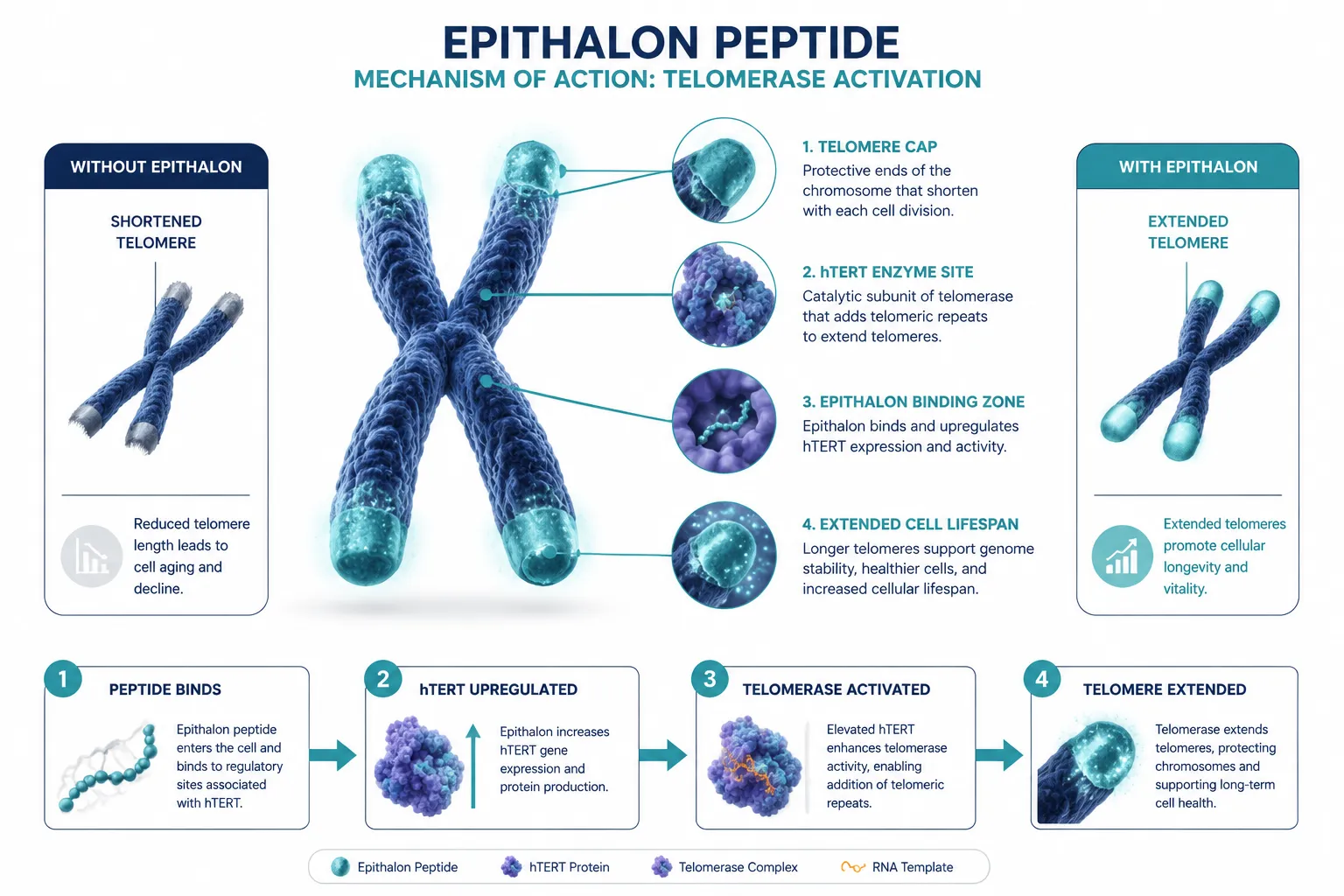
Every time a human cell divides, it loses a small segment of its chromosomal tips, and that countdown may be one of the most measurable clocks in biology. This article explores understanding DNA, telomeres, and Epithalon: how genetic and telomeric markers are used in peptide longevity research, tracing the science from chromosome structure all the way to preclinical peptide trials.

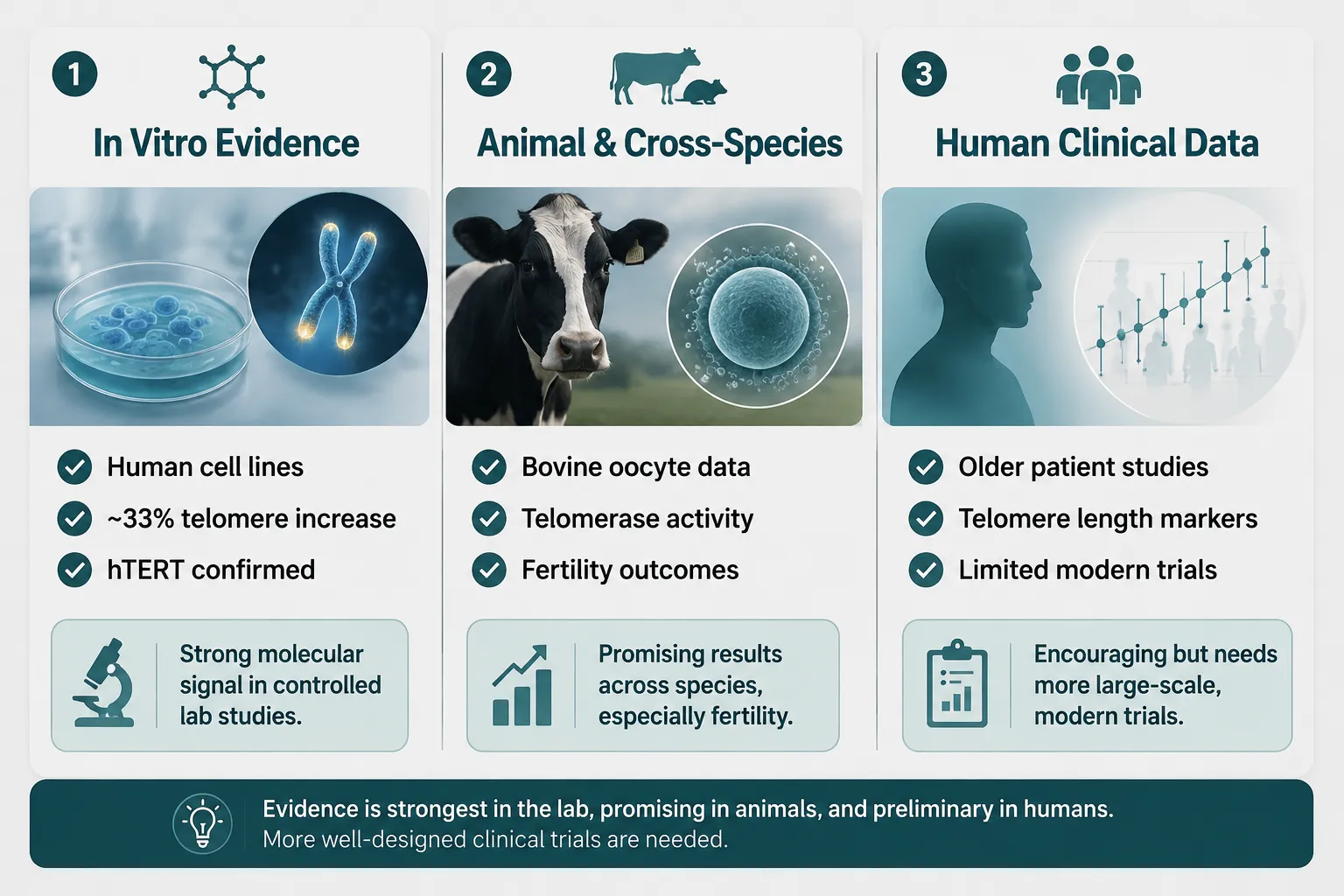
Detailed () scientific illustration showing a close-up cross-section of a human chromosome with telomere caps glowing in

Key Takeaways

  • Telomeres are protective DNA caps that shorten with each cell division, serving as measurable biological aging markers.
  • Epithalon is a synthetic tetrapeptide studied for its ability to activate telomerase, the enzyme that rebuilds telomere length.
  • Preclinical and early human observational data suggest Epithalon may influence lifespan and immune markers, though independent large-scale trials are lacking.
  • Genetic and epigenetic endpoints, including telomere length assays, are central tools in modern peptide longevity research.
  • Epithalon remains a research compound with no FDA approval; its findings should be interpreted within strict scientific context.

What Are Telomeres and Why Do They Matter in Longevity Research

Telomeres are repetitive nucleotide sequences (TTAGGG) that cap the ends of every chromosome, functioning much like the plastic tips on shoelaces. Their job is structural: they prevent chromosome ends from being recognized as damaged DNA and stop chromosomes from fusing with one another.

With each round of cell replication, telomeres shorten. When they become critically short, the cell enters a state called senescence, it stops dividing and begins secreting inflammatory signals. This process is now recognized as a core driver of tissue aging.

Why this matters for research:

  • Telomere length can be measured in blood samples using quantitative PCR or flow-FISH techniques.
  • Short telomeres correlate with increased risk of cardiovascular disease, immune dysfunction, and all-cause mortality.
  • Telomerase, the enzyme that adds telomeric repeats back onto chromosome ends, is normally suppressed in adult somatic cells but active in stem cells and cancer cells.

Researchers studying longevity peptides use telomere length as a quantifiable genomic endpoint. This makes it possible to compare treated versus untreated cell cultures and animal cohorts in a standardized, reproducible way.


How Epithalon Targets Telomerase: The Molecular Mechanism

Epithalon (Ala-Glu-Asp-Gly) is a synthetic four-amino-acid peptide derived from epithalamin, a natural compound produced by the pineal gland. Its primary studied mechanism centers on activating telomerase by upregulating hTERT, the catalytic subunit that drives telomere elongation.

How Epithalon Targets Telomerase: The Molecular Mechanism

A 2025 study demonstrated dose-dependent telomere elongation in normal human cell lines following Epithalon exposure, supporting the hTERT upregulation hypothesis. In animal models, monthly Epithalon injections in female SHR mice increased mean lifespan and inhibited leukemia development sixfold compared to controls.

A 6-to-8-year observational study of 266 elderly patients treated with epithalamin reported a 1.6-to-1.8-fold decrease in mortality and a 2.0-to-2.4-fold reduction in acute respiratory disease incidence. These are notable figures, though the study design limits causal conclusions.

Additional effects observed in research settings include:

  • Improved sleep quality and circadian rhythm regulation, likely mediated through melatonin pathway interactions
  • Modulation of neuroendocrine signaling consistent with pineal gland activity
  • Potential synergies with tissue-repair peptides such as GHK-Cu, though this remains speculative

For a broader comparison of Epithalon against other longevity-focused compounds, the Epithalon vs. NAD evidence review provides useful context on mechanism differences.

"Telomere length is not destiny, but it is data. Peptide researchers treat it as one genomic signal among many, not a standalone verdict on biological age."


Understanding DNA, Telomeres, and Epithalon in the Context of Research Limitations and Comparisons

No honest account of understanding DNA, telomeres, and Epithalon, how genetic and telomeric markers are used in peptide longevity research, is complete without addressing the evidence gaps.

Key limitations of current Epithalon research:

Limitation Detail
Source concentration Most findings originate from a single laboratory group
Trial design No large-scale, double-blind, placebo-controlled human trials
Regulatory status Not FDA-approved for any indication
Reproducibility Independent replication remains limited

By contrast, SS-31 (Elamipretide), a peptide that targets cardiolipin stabilization in the mitochondrial inner membrane, received FDA approval for Barth syndrome in 2025. Researchers interested in mitochondrial longevity focus will find the mechanistic contrast between these two compounds instructive.

For those exploring broader peptide families, the Vesugen, Vilon, and Chonluten longevity peptide series and Epithalon longevity signals research offer additional genomic and tissue-level endpoints worth examining.

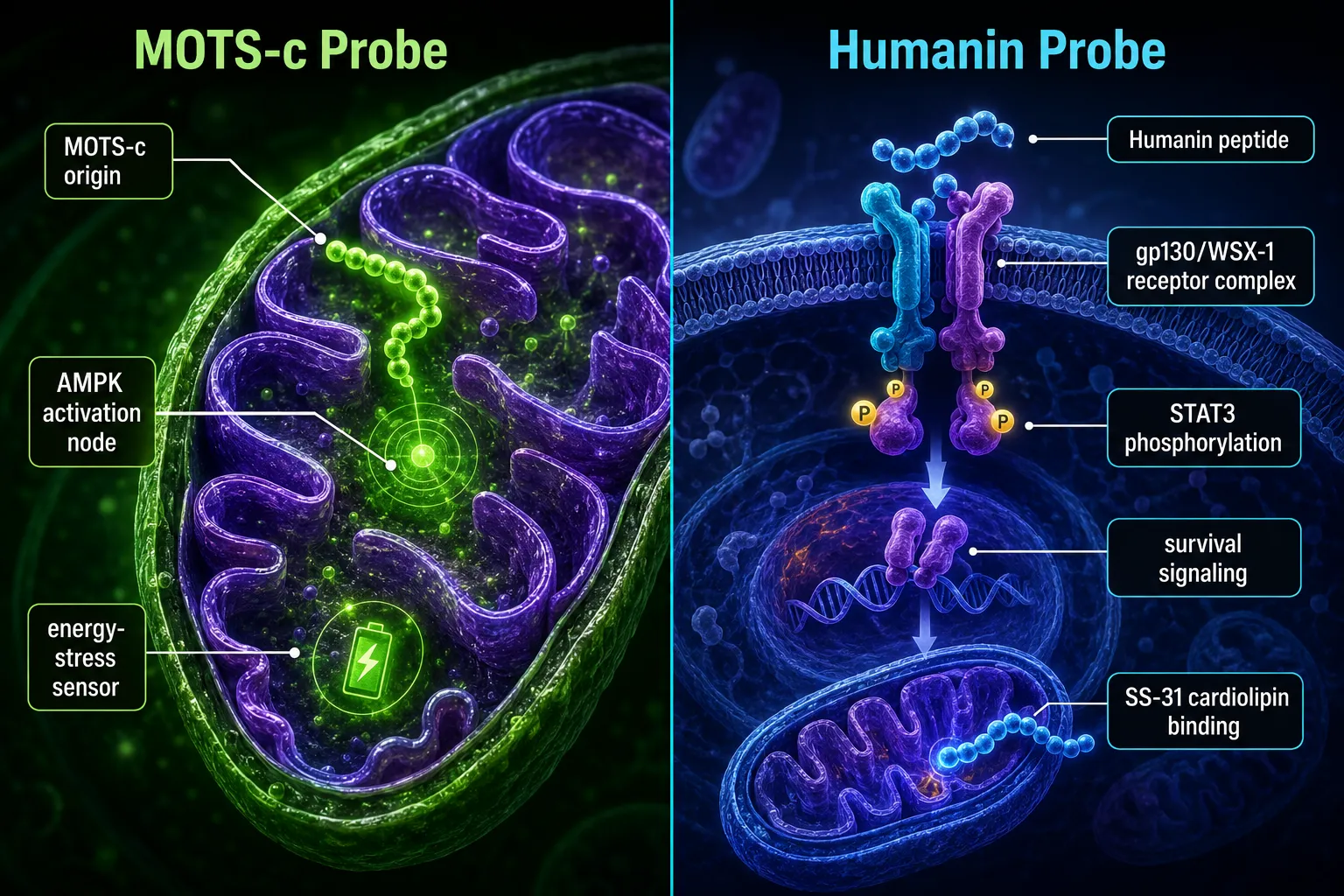
Researchers also studying cellular protection pathways may find the Humanin cellular protection research relevant, as Humanin interacts with mitochondrial stress pathways that overlap with telomere-associated senescence signaling.

For a wider view of research-grade compounds available in this space, the simple peptides overview provides a structured starting point.


Conclusion

Understanding DNA, telomeres, and Epithalon, how genetic and telomeric markers are used in peptide longevity research, requires holding two ideas simultaneously: the science is genuinely compelling, and the evidence base is still maturing.

Actionable next steps for researchers and informed readers in 2026:

  1. Prioritize endpoint clarity. When evaluating any longevity peptide study, confirm which genomic markers were measured, telomere length, hTERT expression, or epigenetic clocks, and how they were validated.
  2. Assess study independence. Single-group findings, however promising, require independent replication before conclusions can be generalized.
  3. Compare mechanisms across peptide classes. Telomerase activation (Epithalon), mitochondrial membrane stabilization (SS-31), and tissue remodeling (GHK-Cu) address different nodes of the aging process and may eventually be studied in combination.
  4. Follow regulatory developments. The FDA approval landscape for longevity peptides is evolving; monitoring approval status is essential for any responsible research framework.

The telomere clock is one of biology's most measurable aging signals. Peptides like Epithalon represent a serious, if still early-stage, attempt to influence that clock at the molecular level.

https://www.puretestedpeptides.com/wp-content/uploads/2026/07/Understanding-DNA-Telomeres-and-Epithalon-How-Genetic-and-Telomeric-Markers-Are-Used-in-Peptide-Longevity-Research.png 1024 1536 Pure Tested https://www.puretestedpeptides.com/wp-content/uploads/2026/01/buy-peptides-online.jpg Pure Tested2026-07-07 13:15:332026-07-20 15:00:52Understanding DNA, Telomeres, and Epithalon: How Genetic and Telomeric Markers Are Used in Peptide Longevity Research
The Best Research Peptides for Metabolic Health: A Comparative Guide to 5-Amino-1MQ, MOTS-c, and GLP-3 Retatrutide

The Best Research Peptides for Metabolic Health: A Comparative Guide to 5-Amino-1MQ, MOTS-c, and GLP-3 Retatrutide

July 6, 2026/0 Comments/by Pure Tested

}

Professional () hero image with : 'Best Research Peptides for Metabolic Health: 5-Amino-1MQ, MOTS-c & Retatrutide Compared'

Participants receiving the highest dose of Retatrutide in a Phase 2 clinical trial lost an average of 24.2% of their body weight over 48 weeks, a result that has reshaped how researchers think about metabolic intervention. Yet Retatrutide is only one of several compounds drawing serious attention in 2026. This comparative guide to the best research peptides for metabolic health covers 5-Amino-1MQ, MOTS-c, and GLP-3 Retatrutide, helping researchers understand where each compound stands, what mechanisms drive it, and how to select the most appropriate tool for a given study design.

Key Takeaways

  • Retatrutide is a triple receptor agonist (GIP, GLP-1, glucagon) with robust Phase 2 human clinical data supporting significant weight and visceral fat reduction.
  • MOTS-c is a mitochondrial-derived peptide that activates AMPK; human evidence is emerging but limited to observational data.
  • 5-Amino-1MQ inhibits NNMT and may raise NAD+ levels, but all current evidence is preclinical, no human trials exist.
  • Evidence strength varies dramatically across the three compounds, which should directly inform research protocol design.
  • Combination approaches are being explored but lack human safety and efficacy data.

Key Takeaways

Understanding the Mechanisms: A Comparative Guide to 5-Amino-1MQ, MOTS-c, and GLP-3 Retatrutide

Each compound operates through a distinct biological pathway, which is why comparing them side by side is so valuable for research planning.

Retatrutide (GLP-3) is a triple agonist targeting GIP, GLP-1, and glucagon receptors simultaneously. This triple activation drives enhanced insulin secretion, increased energy expenditure, and lipolysis. Preclinical evidence also suggests Retatrutide may prevent metabolic adaptation during weight loss by promoting thermogenesis through mitochondrial uncoupling, though direct human confirmation of this mechanism is still pending. For researchers interested in the broader GLP-1 receptor agonist landscape, the GLP-1 peptide research and sourcing overview provides useful context.

MOTS-c is a mitochondrial-derived peptide encoded in mitochondrial DNA. It activates AMPK in muscle tissue, promoting metabolic homeostasis and reducing insulin resistance in preclinical models. Researchers studying its synergistic potential with other compounds may find the MOTS-c and SLU-PP-332 combination research and the LL-37 and MOTS-c synergy overview particularly relevant.

5-Amino-1MQ inhibits nicotinamide N-methyltransferase (NNMT), an enzyme involved in fat storage regulation. By blocking NNMT, the compound may increase NAD+ levels and activate SIRT1 in adipose tissue. Its oral route of administration is a practical advantage. However, all evidence remains preclinical. Its effects are subtle, and it should not be treated as a substitute for validated metabolic therapies.


Comparing Evidence Levels Across the Three Compounds

The most important variable separating these compounds is not mechanism, it is the quality and depth of supporting evidence.

Compound Evidence Stage Key Metabolic Target Human Data?
Retatrutide Phase 2/3 Clinical Trials GIP, GLP-1, Glucagon Receptors Yes, robust
MOTS-c Preclinical + Observational AMPK / Mitochondria Limited
5-Amino-1MQ Preclinical Only NNMT / NAD+ / SIRT1 None

Retatrutide's Phase 2 data also showed a 42% reduction in visceral fat and approximately a 50% decrease in liver fat at the 12 mg weekly dose over 48 weeks, figures that place it well ahead of the other two compounds in terms of demonstrated metabolic impact. Retatrutide is currently in Phase 3 trials and is projected for FDA approval no earlier than late 2027.

Key distinction: Researchers designing human-applicable protocols should weight Retatrutide's evidence base far above the preclinical profiles of MOTS-c and 5-Amino-1MQ.

For a deeper look at Retatrutide's triple agonist profile, the GLP-3 triple agonist research and catalog guide and the GLP-3 newest triple agonist overview are strong starting points.


Comparing Evidence Levels Across the Three Compounds

Selecting the Right Compound: Practical Guidance for Metabolic Research

Choosing among the best research peptides for metabolic health requires aligning compound selection with research objectives, available evidence, and safety considerations.

For studies targeting measurable fat loss and insulin sensitivity with human-applicable endpoints, Retatrutide is the strongest candidate. Common side effects mirror those of GLP-1 receptor agonists, primarily gastrointestinal, and protocols should include monitoring of protein intake, resistance training variables, and heart rate.

For mitochondrial and cellular energy research, MOTS-c offers a compelling mechanistic angle. Researchers interested in its standalone profile can review the dedicated MOTS-c mitochondrial research themes resource.

For exploratory NAD+ pathway and adipose tissue studies, 5-Amino-1MQ remains experimental. Its oral bioavailability makes it logistically convenient, but researchers must design protocols with full acknowledgment of its preclinical-only status.

Some researchers are exploring combinations, for example, pairing Retatrutide's appetite suppression and fat loss effects with MOTS-c's potential to enhance cellular glucose handling. No human studies have evaluated this stack, and safety data is absent. Any combination protocol should be treated as highly exploratory.

For researchers building broader longevity and metabolic panels, the longevity peptide research overview and the NAD+ energetics and longevity research themes provide useful complementary context.


Selecting the Right Compound: Practical Guidance for Metabolic Research

Conclusion

The best research peptides for metabolic health, 5-Amino-1MQ, MOTS-c, and GLP-3 Retatrutide, each occupy a different position on the evidence spectrum. Retatrutide leads with Phase 2 clinical data showing dramatic reductions in body weight, visceral fat, and liver fat. MOTS-c presents a biologically compelling mitochondrial mechanism with early human signals. 5-Amino-1MQ offers an accessible oral option for NAD+ pathway research, but remains entirely preclinical.

Actionable next steps for researchers in 2026:

  • Match compound selection to evidence tier, do not apply preclinical compounds to human-outcome research designs without appropriate controls.
  • Review Retatrutide's GIP receptor contribution through the GIP receptor importance overview before finalizing triple agonist protocols.
  • Treat any combination stacking as exploratory and document safety monitoring rigorously.
  • Consult quality and purity documentation before sourcing any compound for research use.

Understanding where each compound stands today is the foundation of responsible, productive metabolic research.

https://www.puretestedpeptides.com/wp-content/uploads/2026/07/The-Best-Research-Peptides-for-Metabolic-Health-A-Comparative-Guide-to-5-Amino-1MQ-MOTS-c-and-GLP-3-Retatrutide.png 1024 1536 Pure Tested https://www.puretestedpeptides.com/wp-content/uploads/2026/01/buy-peptides-online.jpg Pure Tested2026-07-06 13:05:292026-07-20 15:00:52The Best Research Peptides for Metabolic Health: A Comparative Guide to 5-Amino-1MQ, MOTS-c, and GLP-3 Retatrutide
Semax Peptide Nasal Spray: Optimizing Delivery and Research Outcomes for Neurocognitive Studies

Semax Peptide Nasal Spray: Optimizing Delivery and Research Outcomes for Neurocognitive Studies

July 6, 2026/0 Comments/by Pure Tested

Intranasal administration of Semax achieves approximately 60-70% bioavailability to central compartments, compared to under 5% via oral routes. That single data point explains why researchers consistently choose the nasal spray format when designing neurocognitive studies with this synthetic ACTH(4-7) analogue.

For investigators working with Semax peptide nasal spray: optimizing delivery and research outcomes for neurocognitive studies is not a secondary concern, it is the foundation of reproducible, meaningful data.

Key Takeaways

  • Intranasal delivery of Semax achieves dramatically higher CNS bioavailability than oral administration, making spray format the preferred research vehicle.
  • Semax upregulates brain-derived neurotrophic factor (BDNF), a mechanism central to its observed neurocognitive effects in preclinical and clinical models.
  • Formulation stability, pH balance, and spray volume directly affect absorption consistency across study subjects.
  • Most published clinical evidence originates from Russian research programs; Western regulatory approval remains absent, and further large-scale trials are needed.
  • Proper storage, reconstitution protocols, and administration technique are critical variables for reliable research outcomes.

Key Takeaways

Why Intranasal Delivery Defines Semax Research

The olfactory epithelium and nasal mucosa offer a direct, low-barrier pathway to the central nervous system. Peptide molecules administered intranasally bypass first-pass hepatic metabolism entirely, allowing a significantly higher fraction of the active compound to reach neural tissue. This pharmacokinetic advantage is the primary reason nasal spray peptides have become a preferred format in neuroscience research settings.

Semax, a heptapeptide derived from the adrenocorticotropic hormone fragment, is particularly well-suited to this route. Its molecular weight and structural properties facilitate rapid mucosal absorption. Researchers working on focus, neuroprotection, and mood regulation protocols benefit from the predictable CNS exposure this route provides.

For comparison, consider how innovative peptide delivery systems have reshaped expectations around bioavailability across the broader peptide research landscape. Semax nasal spray sits at the leading edge of that shift.

Key delivery advantages of the intranasal route:

Factor Intranasal Oral
CNS Bioavailability ~60-70% Under 5%
Onset of Action Rapid (minutes) Slow (variable)
Hepatic First-Pass Bypassed Significant
Consistency High Low

Why Intranasal Delivery Defines Semax Research

Optimizing Delivery and Research Outcomes for Neurocognitive Studies: Formulation and Protocol Factors

Achieving consistent results with Semax peptide nasal spray: optimizing delivery and research outcomes for neurocognitive studies requires attention to several formulation variables that are often underestimated.

pH and Tonicity
Nasal mucosal tissue is sensitive to pH extremes. Formulations outside the 5.5-6.5 pH range can trigger mucociliary clearance, reducing contact time and absorption. Researchers should verify that reconstitution solutions maintain appropriate tonicity to avoid irritation artifacts that could confound behavioral or cognitive endpoints.

Spray Volume and Droplet Size
Optimal intranasal delivery typically uses volumes between 100-200 microliters per nostril. Droplet size matters equally, particles in the 10-50 micron range deposit in the olfactory region rather than draining into the nasopharynx. Standardizing spray device actuation force across subjects reduces inter-subject variability.

Storage Conditions
Semax peptide solutions are susceptible to degradation at room temperature. Refrigeration at 2-8°C is standard for short-term storage; lyophilized forms extend stability significantly. Researchers should document freeze-thaw cycles, as repeated cycling degrades peptide integrity and undermines dose accuracy.

Protocols that apply similar rigor to formulation quality are reflected in related research on BPC-157 nasal spray evidence, where delivery consistency proved critical to outcome reproducibility.


Neurocognitive Mechanisms and Research Outcomes

The primary mechanism driving interest in Semax for neurocognitive research is its upregulation of brain-derived neurotrophic factor (BDNF). BDNF supports neuronal survival, synaptic plasticity, and long-term potentiation, processes directly linked to learning, memory consolidation, and executive function.

In a study involving 110 stroke patients, Semax administration correlated with increased plasma BDNF levels and measurable improvements in motor performance and functional independence. This positions the compound as a candidate for neuroprotection and post-injury recovery research models.

Researchers also note Semax's interaction with serotonergic and dopaminergic systems, which may explain observed effects on anhedonia and motivational states in animal models. These properties make it a relevant comparator in studies examining Selank peptide benefits, another neuropeptide with anxiolytic and cognitive-enhancing properties.

Neurocognitive Mechanisms and Research Outcomes

Research areas where Semax shows documented activity:

  • Neuroprotection following ischemic events
  • BDNF upregulation and neuroplasticity support
  • Attention and working memory enhancement
  • Mood regulation and anhedonia reduction
  • Stroke rehabilitation functional recovery

Regulatory context matters. Semax is approved in Russia for cognitive enhancement and stroke recovery but carries no FDA approval in the United States. The FDA has categorized it as a Category 2 substance, meaning it is not sanctioned for compounding due to insufficient safety and efficacy evidence under Western standards. Researchers should design studies accordingly and consult applicable institutional review frameworks.

Experts consistently note that most clinical evidence originates from Russian studies, and large-scale, randomized, placebo-controlled trials in diverse Western populations remain necessary. This gap represents both a limitation and a significant research opportunity in 2026.

For teams exploring broader neuroendocrine and cognitive research themes, the intersection of peptide biology and neural signaling is further explored in resources covering neuroendocrine and innate immunity pathways.


Conclusion

Semax peptide nasal spray stands as one of the more rigorously studied intranasal peptides in the neurocognitive research space, yet its full potential remains constrained by a limited body of Western clinical data. For researchers aiming to close that gap, actionable next steps include:

  1. Standardize formulation protocols, document pH, tonicity, spray volume, and storage conditions in every study design.
  2. Select validated spray devices, actuation consistency directly affects dose reproducibility across subjects.
  3. Design BDNF-inclusive endpoints, plasma BDNF measurement strengthens mechanistic claims and aligns with existing literature.
  4. Acknowledge regulatory boundaries, ensure institutional compliance given the compound's current FDA classification.
  5. Engage with the broader peptide delivery literature, advances in peptide delivery system innovation continue to offer translatable insights for Semax-specific protocols.

Rigorous attention to delivery optimization is not peripheral to neurocognitive research with Semax, it is the variable that separates meaningful data from noise.

https://www.puretestedpeptides.com/wp-content/uploads/2026/07/Semax-Peptide-Nasal-Spray-Optimizing-Delivery-and-Research-Outcomes-for-Neurocognitive-Studies.png 1024 1536 Pure Tested https://www.puretestedpeptides.com/wp-content/uploads/2026/01/buy-peptides-online.jpg Pure Tested2026-07-06 13:04:462026-07-20 15:00:53Semax Peptide Nasal Spray: Optimizing Delivery and Research Outcomes for Neurocognitive Studies
Understanding Peptide Stability: A Guide to Optimizing Storage and Handling for Research Purity

Understanding Peptide Stability: A Guide to Optimizing Storage and Handling for Research Purity

July 6, 2026/0 Comments/by Pure Tested

A single improper storage decision can reduce a peptide's purity from over 98% to below 90% in less than four weeks. For researchers who depend on precise, reproducible results, that loss is not just inconvenient, it can invalidate entire experimental protocols. This guide to understanding peptide stability covers the essential storage and handling practices that protect research-grade compounds from the most common degradation threats.

Key Takeaways

  • Lyophilized peptides stored at -20°C or below can remain stable for 2 to 3 years; reconstituted peptides degrade far more quickly.
  • Five primary degradation pathways, hydrolysis, oxidation, deamidation, aggregation, and racemization, threaten purity at every stage.
  • Aliquoting reconstituted peptides into single-use portions dramatically reduces freeze-thaw damage.
  • Bacteriostatic water extends the usable life of reconstituted peptides compared to sterile water alone.
  • HPLC and mass spectrometry remain the gold-standard methods for verifying purity after storage.

Key Takeaways

The Five Degradation Pathways Every Researcher Must Know

A foundational part of understanding peptide stability is recognizing how compounds break down. Peptides degrade through five main chemical and physical pathways:

Degradation Pathway Primary Trigger Key Prevention Strategy
Hydrolysis Moisture exposure Sealed vials, low-humidity handling
Oxidation Oxygen, light Amber containers, inert atmosphere
Deamidation Heat, alkaline pH Cold storage, correct solvent pH
Aggregation Freeze-thaw cycling Single-use aliquots
Racemization Heat, extreme pH Stable temperature, proper solvent

Each pathway can occur independently or in combination. Hydrolysis is among the most common, triggered by even trace moisture entering a vial. Oxidation is accelerated by light exposure, which is why amber or opaque containers are standard in professional research settings. Aggregation, where peptide chains clump together and lose bioactivity, is most often caused by repeated freeze-thaw cycles.

Researchers working with sensitive compounds such as those explored in longevity peptide research or mitochondria-targeted molecules like those covered in the MOTS-C mitochondrial peptide overview must be especially attentive to these pathways, as structural integrity directly affects experimental outcomes.


The Five Degradation Pathways Every Researcher Must Know

Storage Conditions: Lyophilized vs. Reconstituted Peptides

Understanding peptide stability requires treating lyophilized and reconstituted peptides as two distinct categories with very different requirements.

Lyophilized (freeze-dried) peptides are the more stable form. When stored at -20°C or below in sealed, moisture-protected vials, they can remain viable for 2 to 3 years. The freeze-drying process removes water, which is the primary driver of hydrolytic breakdown. Handling lyophilized peptides in low-humidity environments and ensuring vials are tightly sealed before returning them to cold storage is essential.

Reconstituted peptides are considerably more vulnerable. Research monitoring eight common peptides in bacteriostatic water at 4°C over 30 days found average purity retention of 98.2% at day 7, dropping to 91.3% by day 28. This decline underscores the importance of using reconstituted peptides promptly and storing them correctly.

"Bacteriostatic water extends the usable life of reconstituted peptides by inhibiting microbial growth, a meaningful advantage over sterile water for short-term research use."

Standard short-term storage for reconstituted peptides is 2 to 8°C, typically supporting a usable window of 30 to 60 days depending on the specific compound. For peptides like those discussed in the TB-500 muscle recovery research overview or GHK-Cu longevity research themes, following these guidelines helps ensure data reliability.


Storage Conditions: Lyophilized vs. Reconstituted Peptides

Practical Handling Protocols for Maintaining Research Purity

Optimizing storage and handling for research purity extends beyond temperature settings. The physical act of reconstitution matters.

Best practices for reconstitution:

  • Add solvent slowly along the inside wall of the vial rather than directly onto the lyophilized cake.
  • Swirl gently, never vortex, to dissolve the peptide without causing mechanical denaturation.
  • Allow the vial to reach room temperature before opening to prevent condensation from entering.

Aliquoting strategy is equally important. Dividing a reconstituted batch into single-use portions before freezing eliminates the need to repeatedly thaw and refreeze the same vial. Each freeze-thaw cycle risks aggregation and structural damage.

For researchers sourcing compounds, peptide purity testing provides a clear framework for evaluating quality before storage even begins. Verifying purity at the point of purchase using HPLC and mass spectrometry data ensures the baseline is sound. Those exploring newer compounds can also review what is new in peptide research for evolving best practices.

Light protection is another often-overlooked factor. Peptides susceptible to photodegradation, including many aromatic amino acid-containing sequences, should be stored in amber containers and handled away from direct light sources.

For those interested in sourcing verified compounds, lab-tested peptides with documented purity certificates reduce the variables that compromise downstream research integrity.


Conclusion

Protecting peptide purity is not a passive process. It requires deliberate decisions at every stage, from the moment a lyophilized vial arrives to the final use of a reconstituted aliquot. The core actions are clear: store lyophilized peptides at -20°C or below, reconstitute with bacteriostatic water, aliquot before freezing, shield from light and moisture, and verify purity with HPLC or mass spectrometry before critical experiments. Researchers who treat these protocols as non-negotiable will see more consistent, reproducible results and fewer compromised data sets. Start by auditing current storage conditions, identify any gaps against the guidelines above, and implement changes systematically to build a more reliable research workflow.


https://www.puretestedpeptides.com/wp-content/uploads/2026/07/Understanding-Peptide-Stability-A-Guide-to-Optimizing-Storage-and-Handling-for-Research-Purity.png 1024 1536 Pure Tested https://www.puretestedpeptides.com/wp-content/uploads/2026/01/buy-peptides-online.jpg Pure Tested2026-07-06 13:04:302026-07-20 15:00:53Understanding Peptide Stability: A Guide to Optimizing Storage and Handling for Research Purity
Selank Peptide: Uncovering Its Nootropic Potential and Anxiolytic Pathways in Cognitive Research

Selank Peptide: Uncovering Its Nootropic Potential and Anxiolytic Pathways in Cognitive Research

July 6, 2026/0 Comments/by Pure Tested

A synthetic heptapeptide derived from tuftsin, a naturally occurring immunomodulatory compound, Selank has quietly accumulated a body of research suggesting it can reduce anxiety and sharpen cognition without the sedation or dependency risks tied to conventional treatments. That combination is rare enough to merit serious scientific attention.

Selank peptide: uncovering its nootropic potential and anxiolytic pathways in cognitive research has become an increasingly relevant pursuit as researchers seek safer alternatives to benzodiazepines and more targeted tools for cognitive enhancement.

Detailed () scientific illustration showing a heptapeptide molecular chain labeled 'Selank' floating above a cross-section

Key Takeaways

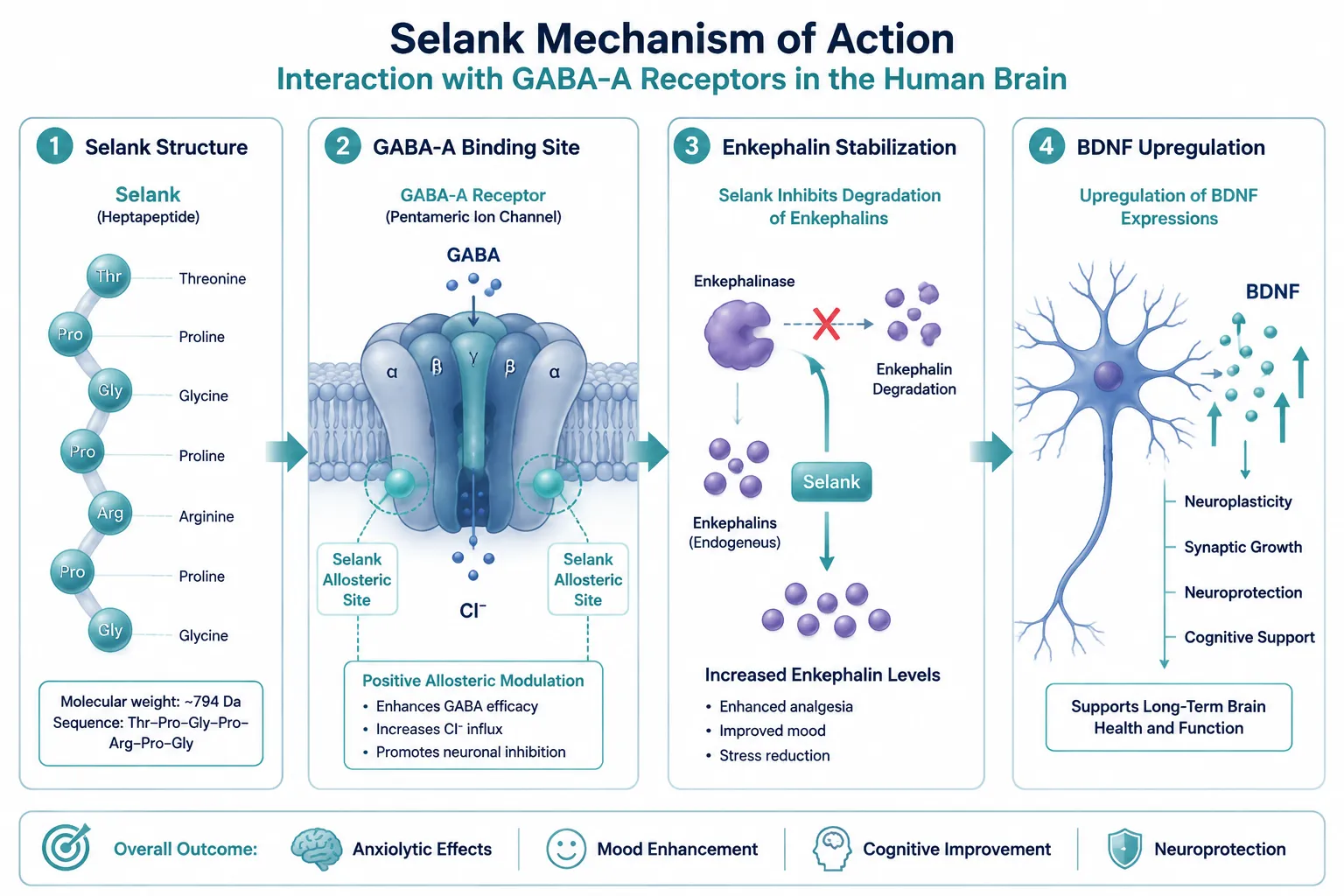
  • Selank modulates GABA-A receptors, boosts BDNF expression, and influences enkephalin and monoamine systems to produce anxiolytic and nootropic effects.
  • In a clinical study of 62 patients with generalized anxiety disorder, Selank matched the efficacy of the benzodiazepine medazepam while avoiding sedation and dependence.
  • 40% of patients in one study experienced measurable anxiety reduction within just 1 to 3 days of administration.
  • Selank demonstrates immunomodulatory activity by influencing IL-6 expression and T helper cell cytokine balance.
  • It is approved as a nasal spray in Russia but remains unapproved by the FDA as of 2026.

Mechanism of Action: How Selank Works in the Brain

Understanding Selank peptide: uncovering its nootropic potential and anxiolytic pathways in cognitive research begins at the molecular level. Selank operates through several overlapping biological pathways that distinguish it from single-target compounds.

Key mechanisms include:

  • GABA-A receptor modulation: Selank acts on allosteric sites of the GABA-A receptor, producing calming effects similar to benzodiazepines but without triggering the same dependency pathways.
  • BDNF upregulation: It increases brain-derived neurotrophic factor expression, a protein critical for neuroplasticity, learning, and long-term memory formation.
  • Enkephalin and monoamine balance: Selank influences the metabolism of enkephalins and modulates serotonin, dopamine, and norepinephrine signaling, contributing to mood stabilization and alertness.
  • Immune gene expression: The peptide affects IL-6 production and alters expression of genes tied to neuroplasticity and immune regulation.

"Selank's multi-target profile, touching GABA, BDNF, monoamines, and immune signaling simultaneously, positions it as a genuinely novel compound in neuropharmacology research."

This multi-pathway activity is what separates Selank from narrower anxiolytics and makes it a compelling subject for researchers exploring metabolic modulation and neuropeptide research themes.


Clinical Findings: Anxiolytic Efficacy Without the Drawbacks

Clinical Findings: Anxiolytic Efficacy Without the Drawbacks

The clinical data on Selank is more robust than many researchers expect. In a controlled study involving 62 patients diagnosed with generalized anxiety disorder, Selank produced anxiolytic effects comparable to medazepam, a standard benzodiazepine. Critically, it also demonstrated antiasthenic and psychostimulant properties, meaning patients felt more energized and mentally clear, not sedated.

A separate study found that 40% of participants experienced a rapid reduction in anxiety symptoms within just 1 to 3 days, as measured by significant decreases in Hamilton Anxiety Rating Scale scores.

Selank vs. Traditional Benzodiazepines, Key Differences:

Feature Selank Benzodiazepines
Sedation None reported Common
Dependence risk Not observed Significant
Cognitive effects Enhancing Impairing
Onset of action 1-3 days (in some patients) Hours

Researchers interested in comparing Selank's profile with related neuropeptides may also find value in reviewing Selank and Semax research comparisons and documented Selank side effects data.


Nootropic Properties, Pharmacokinetics, and Research Limitations

Selank peptide: uncovering its nootropic potential and anxiolytic pathways in cognitive research extends beyond anxiety relief into measurable cognitive enhancement. In rodent passive avoidance models, Selank-treated subjects showed significantly longer retention latencies, indicating improved memory consolidation and retrieval.

Pharmacokinetic profile at a glance:

  • Half-life in serum: 2 to 10 minutes
  • Duration of effects: Several hours despite short serum half-life
  • Primary route: Intranasal administration
  • Bioavailability: Sufficient for therapeutic application via nasal spray

The short serum half-life but prolonged effect window suggests Selank triggers downstream biological cascades, particularly BDNF upregulation, that outlast its direct presence in circulation.

Immunomodulatory potential adds another dimension. Selank influences IL-6 expression and shifts T helper cell cytokine balance, suggesting possible applications in conditions involving immune dysregulation. This overlaps with research on other immunomodulatory peptides such as Thymosin Alpha-1 mechanism studies and LL-37 peptide research.

Nootropic Properties, Pharmacokinetics, and Research Limitations

Regulatory status as of 2026:
Selank is approved in Russia as a nasal spray for anxiolytic and nootropic use. It has not received FDA approval and remains outside mainstream clinical use in Western countries.

Research limitations to note:

  • Most clinical data originates from Russian research settings
  • Large-scale, placebo-controlled Western trials are lacking
  • Generalizability to broader global populations is not yet established

For researchers evaluating compound purity and sourcing standards, understanding quality testing protocols for peptides and reference standards in peptide benchmarking is essential before drawing conclusions from any preclinical or clinical data.


Conclusion

Selank stands out in the peptide research landscape because it addresses two goals simultaneously, reducing anxiety and enhancing cognitive function, without the liabilities of conventional anxiolytics. Its multi-target mechanism, favorable safety profile, and rapid onset in a meaningful subset of patients make it a compound worth continued investigation.

Actionable next steps for researchers:

  1. Review existing clinical data with attention to study design and population specifics before extrapolating findings.
  2. Compare Selank's BDNF-modulating properties alongside other neuropeptides to identify potential synergies.
  3. Prioritize sourcing compounds that meet verified purity standards, as research-grade quality directly affects data reliability.
  4. Monitor emerging Western trials that may close the current gap in large-scale placebo-controlled evidence.

The intersection of anxiolytic and nootropic activity in a single peptide compound remains one of the more compelling frontiers in 2026 neuroscience research, and Selank sits squarely at its center.

https://www.puretestedpeptides.com/wp-content/uploads/2026/07/Selank-Peptide-Uncovering-Its-Nootropic-Potential-and-Anxiolytic-Pathways-in-Cognitive-Research.png 1024 1536 Pure Tested https://www.puretestedpeptides.com/wp-content/uploads/2026/01/buy-peptides-online.jpg Pure Tested2026-07-06 13:04:252026-07-20 15:00:54Selank Peptide: Uncovering Its Nootropic Potential and Anxiolytic Pathways in Cognitive Research
CJC-1295 with Ipamorelin: Synergistic Effects and Optimized Protocols in Growth Hormone Research

CJC-1295 with Ipamorelin: Synergistic Effects and Optimized Protocols in Growth Hormone Research

July 6, 2026/0 Comments/by Pure Tested

Growth hormone pulse amplitudes reaching 340% above baseline from a single timed dosing sequence, that figure alone explains why researchers studying CJC-1295 with Ipamorelin: Synergistic Effects and Optimized Protocols in Growth Hormone Research have made this peptide pairing one of the most actively investigated combinations in endocrinology today.

Neither compound achieves that magnitude alone. CJC-1295 (no-DAC) activates GHRH receptors, while Ipamorelin targets ghrelin/GHSR-1a receptors, two separate pathways that, when triggered in sequence, produce a larger yet still pulsatile growth hormone release. That pulsatility matters because it more closely mirrors natural GH physiology than flat, supraphysiologic exposure.

Wide-angle laboratory research scene showing two distinct molecular structures labeled CJC-1295 and Ipamorelin converging

Key Takeaways

  • Combining CJC-1295 no-DAC with Ipamorelin within a 30-minute dosing window produces GH pulses approximately 340% above baseline, significantly higher than either peptide alone.
  • The synergy stems from dual receptor activation: GHRH receptors (CJC-1295) and ghrelin/GHSR-1a receptors (Ipamorelin), preserving natural pulsatility.
  • Co-administration in research settings has produced IGF-1 elevations of roughly 1.8-2.3 times baseline compared with single-agent protocols.
  • Phase II and Phase III trials in 2026 are actively investigating this pairing for age-related GH deficiency, metabolic dysfunction, and body-composition outcomes.
  • As of 2026, neither peptide holds FDA approval; both remain strictly research-use compounds.

Mechanism Behind the Synergistic Effects

The core reason researchers prioritize CJC-1295 with Ipamorelin: Synergistic Effects and Optimized Protocols in Growth Hormone Research lies in complementary receptor biology.

CJC-1295 no-DAC is a modified GHRH analogue. It binds GHRH receptors on somatotroph cells in the anterior pituitary, stimulating GH synthesis and release. Its relatively short active window, compared with the DAC version, makes it well-suited for protocols that aim to replicate natural pulsatile GH secretion. For a deeper look at the structural differences, the CJC-1295 with DAC deeper dive resource provides useful mechanistic context.

Ipamorelin is a selective growth hormone secretagogue and ghrelin receptor agonist. It stimulates GH release through GHSR-1a receptors while showing minimal effect on cortisol or prolactin, a selectivity profile that makes it a preferred research tool. Researchers exploring the broader secretagogue landscape will find the Ipamorelin as the most important GHRH secretagogue overview informative.

When both peptides are administered within a 30-minute window, the two receptor systems amplify each other's downstream signaling. The result is a GH pulse that is substantially larger than additive effects would predict, a true pharmacological synergy.

"Sequential activation of GHRH and ghrelin receptors generates a larger yet still pulsatile GH release, preserving physiological rhythm while amplifying amplitude."


Optimized Protocols in Growth Hormone Research Settings

Optimized Protocols in Growth Hormone Research Settings

Translating receptor biology into practical research protocols requires attention to timing, frequency, and cycle structure. Current data from ongoing Phase II and Phase III trials in 2026 point toward several consistent design principles.

Timing and Sequencing

Administering CJC-1295 no-DAC first, followed by Ipamorelin within a 30-minute window, consistently outperforms simultaneous injection in terms of peak GH amplitude. The sequential approach allows GHRH receptor priming before ghrelin receptor activation compounds the signal.

Dosing Frequency

Most active research protocols use twice-daily administration, once in the morning and once before sleep, to align with natural GH secretory patterns. Sleep-time dosing is particularly relevant because endogenous GH pulses are largest during slow-wave sleep.

Cycle Length and IGF-1 Outcomes

Protocol Variable Research Finding
Dosing window Sequential, within 30 minutes
GH pulse amplitude ~340% above baseline
IGF-1 elevation 1.8-2.3x baseline (co-administration)
Frequency Twice daily in most active trials

Researchers combining these peptides with broader metabolic interventions have also explored Tesamorelin, CJC-1295, and Ipamorelin blend protocols to address body-composition endpoints more comprehensively.

For those examining metabolic outcomes specifically, the Tesamorelin body composition research themes page offers relevant parallel data.


2026 Clinical Trial Landscape and Regulatory Considerations

2026 Clinical Trial Landscape and Regulatory Considerations

Active Phase II and Phase III trials in 2026 are examining CJC-1295 with Ipamorelin: Synergistic Effects and Optimized Protocols in Growth Hormone Research across three primary indications: age-related GH deficiency, metabolic dysfunction, and body-composition optimization.

Investigators are specifically studying:

  • Sequential vs. simultaneous dosing to determine which produces superior IGF-1 outcomes with fewer desensitization effects
  • Injection frequency optimization, balancing pulse amplitude against receptor downregulation over extended cycles
  • Cycle length variables to identify the minimum effective duration for meaningful IGF-1 and lean-mass endpoints

Much of this trial data remains unpublished, though secondary summaries from 2026 trial overviews confirm the dual-peptide design as the central mechanistic feature.

Regulatory status as of 2026: Neither CJC-1295 nor Ipamorelin holds FDA approval for any clinical indication. Both remain research-use compounds subject to increasingly strict compounding guidance. Researchers and institutions should review current regulatory frameworks before initiating any protocol. For context on related peptide regulatory considerations, the Ipamorelin and Sermorelin stack research page addresses comparable compliance questions.

Researchers interested in expanding their GH axis investigation may also find value in reviewing what is somatotropin for foundational context, or exploring NAD+ energetics and longevity research themes for adjacent metabolic pathways.


Conclusion

The evidence base for CJC-1295 with Ipamorelin: Synergistic Effects and Optimized Protocols in Growth Hormone Research continues to strengthen in 2026, with mechanistic data confirming 340% GH pulse amplification and IGF-1 elevations nearly 2.3 times baseline under optimized sequential protocols. The dual receptor mechanism, GHRH and GHSR-1a activation in sequence, represents a reproducible and physiologically coherent research strategy.

Actionable next steps for researchers:

  • Prioritize sequential dosing with a 30-minute window between CJC-1295 no-DAC and Ipamorelin administration
  • Design protocols around twice-daily injection schedules aligned with natural GH secretory rhythms
  • Monitor IGF-1 at regular intervals to detect desensitization before it affects endpoint data
  • Stay current with FDA and compounding regulatory updates, as guidance continues to evolve in 2026
  • Review active trial registries for emerging dose and cycle-length data as Phase III results are published
https://www.puretestedpeptides.com/wp-content/uploads/2026/07/CJC-1295-with-Ipamorelin-Synergistic-Effects-and-Optimized-Protocols-in-Growth-Hormone-Research.png 1024 1536 Pure Tested https://www.puretestedpeptides.com/wp-content/uploads/2026/01/buy-peptides-online.jpg Pure Tested2026-07-06 13:03:562026-07-20 15:00:55CJC-1295 with Ipamorelin: Synergistic Effects and Optimized Protocols in Growth Hormone Research
GLP-2-T Peptide: Exploring Its Unique Role in Intestinal Barrier Function and Nutrient Absorption Research

GLP-2-T Peptide: Exploring Its Unique Role in Intestinal Barrier Function and Nutrient Absorption Research

July 5, 2026/0 Comments/by Pure Tested

The intestinal barrier covers roughly 400 square meters of surface area, yet a single disruption in its tight junction proteins can cascade into systemic inflammation, malabsorption, and chronic disease. Researchers studying gut-derived peptides have increasingly turned their attention to GLP-2-T peptide, a modified analog within the glucagon-like peptide-2 family, as a potential tool for understanding how the gut wall maintains its integrity and how nutrient uptake can be optimized at a cellular level.

GLP-2-T Peptide: Exploring Its Unique Role in Intestinal Barrier Function and Nutrient Absorption Research sits at the intersection of peptide biochemistry and gastrointestinal physiology, making it one of the more compelling subjects in preclinical research in 2026.

Key Takeaways

  • GLP-2-T peptide is a modified analog of native GLP-2, engineered for greater resistance to enzymatic degradation by DPP-4.
  • Its primary research focus centers on reinforcing tight junction proteins that form the intestinal barrier.
  • Preclinical data suggest GLP-2-T may support mucosal growth and enhance the absorption of glucose, amino acids, and fatty acids.
  • The peptide activates the GLP-2 receptor (GLP-2R) on enteric neurons and intestinal epithelial cells, triggering downstream signaling cascades.
  • Research-grade purity and proper sourcing are essential for generating reliable experimental data.

Key Takeaways

What Is GLP-2-T Peptide and How Does It Work

Native GLP-2 is a 33-amino acid peptide secreted by L-cells in the distal small intestine and colon in response to nutrient intake. Its biological half-life is short, approximately 7 minutes, because the enzyme dipeptidyl peptidase-4 (DPP-4) rapidly cleaves it at the N-terminal alanine residue.

GLP-2-T refers to a modified version of this peptide in which the alanine at position 2 is substituted with another amino acid (commonly glycine or threonine), rendering it resistant to DPP-4 cleavage. This structural change dramatically extends its active half-life, making it a more practical tool for sustained receptor activation in research settings.

Mechanism of action at a glance:

Feature Native GLP-2 GLP-2-T Analog
Half-life ~7 minutes Significantly extended
DPP-4 resistance Low High
Receptor binding GLP-2R GLP-2R
Research utility Limited duration Sustained activation

Once GLP-2-T binds to the GLP-2 receptor, expressed on enteric neurons, subepithelial myofibroblasts, and epithelial cells, it triggers cAMP-mediated signaling that promotes crypt cell proliferation, reduces enterocyte apoptosis, and stimulates mucosal growth.

Researchers exploring the broader landscape of gut-active peptides will find useful context in this GLP-1 generations overview, which outlines how incretin family peptides have evolved across research generations.


What Is GLP-2-T Peptide and How Does It Work

GLP-2-T Peptide: Exploring Its Unique Role in Intestinal Barrier Function

The intestinal barrier is maintained by a network of tight junction proteins, including claudin, occludin, and ZO-1, that seal the spaces between epithelial cells. When these proteins are disrupted, the result is increased intestinal permeability, often called "leaky gut," which allows bacterial endotoxins and undigested antigens to enter systemic circulation.

Preclinical research on GLP-2-T and related DPP-4-resistant analogs suggests several barrier-protective mechanisms:

  • Upregulation of tight junction proteins: GLP-2R activation has been linked to increased expression of claudin-3 and occludin, physically reinforcing the epithelial seal.
  • Reduction of apoptosis: The peptide appears to suppress programmed cell death in intestinal epithelial cells, preserving barrier continuity.
  • Mucosal hypertrophy: Crypt cell proliferation increases villus height, expanding the functional surface area of the gut lining.
  • Anti-inflammatory signaling: Downstream effects include reduced pro-inflammatory cytokine expression in the intestinal mucosa.

"The structural integrity of the intestinal epithelium is not passive, it is actively maintained by signaling peptides that respond to nutritional and inflammatory cues."

For researchers comparing gut-protective peptides, BPC-157 research themes offer a complementary perspective on angiogenesis and mucosal repair pathways.


GLP-2-T Peptide: Exploring Its Unique Role in Intestinal Barrier Function

GLP-2-T Peptide: Exploring Its Unique Role in Nutrient Absorption Research

Beyond barrier protection, GLP-2-T peptide research has focused on its capacity to enhance nutrient absorption, a function directly tied to villus morphology and transporter expression.

Key findings from preclinical models include:

  • Glucose transport: GLP-2R activation has been associated with upregulation of SGLT-1 (sodium-glucose cotransporter 1) and GLUT2 in the brush border membrane, increasing glucose uptake efficiency.
  • Amino acid absorption: Enhanced villus surface area and transporter density may improve uptake of essential amino acids, relevant in short bowel syndrome models.
  • Lipid processing: Increased expression of fatty acid binding proteins in enterocytes supports improved lipid absorption.

These findings make GLP-2-T particularly relevant to research on intestinal failure and conditions involving compromised absorptive capacity. Researchers interested in metabolic peptide interactions may also find value in reviewing NAD research and GLP-3 peptide sourcing for a broader metabolic context.

For those investigating multi-target approaches to gut health, the GLP-1-T dual receptor agonism research breakdown provides relevant comparative data on incretin-based peptide strategies.


Research Considerations and Sourcing Standards

Reliable experimental outcomes with GLP-2-T peptide depend heavily on compound purity. Contaminants or degraded peptide fractions can produce inconsistent receptor activation and confound results. Researchers should prioritize vendors that provide third-party verified purity data.

For guidance on evaluating peptide quality standards, peptide purity testing made simple outlines the key benchmarks researchers should apply when sourcing compounds for gastrointestinal studies.

Those building broader research protocols may also benefit from reviewing what is new in peptide research to understand how GLP-2-T fits within the evolving landscape of gut-targeted peptide science.


Conclusion

GLP-2-T peptide represents a focused and mechanistically rich area of gastrointestinal research. Its DPP-4-resistant structure enables sustained GLP-2 receptor activation, supporting tight junction reinforcement, mucosal growth, and enhanced transporter-mediated nutrient uptake. For researchers investigating intestinal barrier dysfunction, malabsorption syndromes, or gut epithelial signaling, GLP-2-T offers a well-defined pharmacological tool with a growing preclinical evidence base.

Actionable next steps for researchers:

  1. Review current preclinical models using DPP-4-resistant GLP-2 analogs to establish baseline comparisons.
  2. Source research-grade GLP-2-T from vendors with documented purity testing and certificates of analysis.
  3. Design in vitro tight junction assays (TEER measurements) alongside in vivo mucosal morphometry studies.
  4. Consider combination protocols that pair GLP-2-T with complementary gut-protective peptides to evaluate synergistic barrier effects.
https://www.puretestedpeptides.com/wp-content/uploads/2026/07/GLP-2-T-Peptide-Exploring-Its-Unique-Role-in-Intestinal-Barrier-Function-and-Nutrient-Absorption-Research.png 1024 1536 Pure Tested https://www.puretestedpeptides.com/wp-content/uploads/2026/01/buy-peptides-online.jpg Pure Tested2026-07-05 13:08:142026-07-20 15:00:55GLP-2-T Peptide: Exploring Its Unique Role in Intestinal Barrier Function and Nutrient Absorption Research
GLP-3 Retatrutide vs. GLP-1 Receptor Agonists: A Comprehensive Research Review

GLP-3 Retatrutide vs. GLP-1 Receptor Agonists: A Comprehensive Research Review

July 5, 2026/0 Comments/by Pure Tested

A 28% average body weight reduction over 18 months, that figure, emerging from Phase 3 clinical data on retatrutide, rivals outcomes typically seen only with bariatric surgery. For researchers tracking the evolution of metabolic peptide science, this GLP-3 Retatrutide vs. GLP-1 Receptor Agonists: A Comprehensive Research Review examines what sets retatrutide apart from established GLP-1 therapies, how their mechanisms diverge, and what the latest trial data reveals about their comparative potential.

Key Takeaways

  • Retatrutide is a triple agonist targeting GIP, GLP-1, and glucagon receptors, a fundamentally different mechanism from single GLP-1 receptor agonists.
  • Phase 3 data shows retatrutide achieving approximately 28% body weight reduction, surpassing current GLP-1 benchmarks.
  • A network meta-analysis found retatrutide 12 mg produced a 22.10% body weight reduction, outperforming all compared GLP-1 receptor agonists.
  • Phase 2 trials reported HbA1c reductions of up to 1.94% and body weight reductions up to 15.3% over 40 weeks in type 2 diabetes subjects.
  • Gastrointestinal side effects were mild to moderate and diminished over time, with no severe hypoglycemia reported.

Key Takeaways

Mechanism of Action: How Retatrutide Differs from GLP-1 Receptor Agonists

Understanding the GLP-3 Retatrutide vs. GLP-1 Receptor Agonists: A Comprehensive Research Review begins at the receptor level. Standard GLP-1 receptor agonists, such as semaglutide and liraglutide, work by binding exclusively to glucagon-like peptide-1 receptors. This drives insulin secretion, suppresses glucagon release, and slows gastric emptying, producing meaningful but bounded metabolic effects.

Retatrutide operates on an entirely different scale. It is a 39-amino acid peptide engineered as a triple agonist, simultaneously activating three receptor types:

  • GIP (Glucose-dependent Insulinotropic Polypeptide) receptors, enhancing insulin sensitivity and fat metabolism
  • GLP-1 receptors, regulating appetite, glucose, and gastric motility
  • Glucagon receptors, increasing energy expenditure and promoting hepatic fat oxidation

"The inclusion of glucagon receptor agonism is considered a significant advancement, it adds a thermogenic and lipolytic dimension that single-target GLP-1 agents simply cannot replicate."

This multi-receptor engagement is why researchers exploring GLP-3 retatrutide research are paying close attention. The glucagon component, in particular, drives enhanced energy expenditure, which may explain retatrutide's outsized weight loss results compared to dual or single agonists. Researchers interested in related metabolic peptide mechanisms may also find value in reviewing AOD9604 metabolic research themes for comparative context on fat-targeted peptide signaling.


Mechanism of Action: How Retatrutide Differs from GLP-1 Receptor Agonists

Clinical Trial Data: What the Research Shows

The clinical evidence in this GLP-3 Retatrutide vs. GLP-1 Receptor Agonists: A Comprehensive Research Review paints a compelling picture across multiple trial phases.

Phase 2 Findings

In a Phase 2 trial focused on individuals with type 2 diabetes, retatrutide demonstrated:

Outcome Measure Result
Mean HbA1c reduction Up to 1.94%
Mean body weight reduction Up to 15.3%
Trial duration 40 weeks
Severe hypoglycemia events None reported

These results were notable not only for their magnitude but for the absence of serious glycemic complications, a key safety consideration in diabetic populations.

Phase 3 Findings

The Phase 3 trial expanded the scope to a broader population with obesity or overweight conditions. The headline result, approximately 28% average weight loss over 18 months, placed retatrutide in a category previously occupied only by surgical interventions.

A separate systematic review and network meta-analysis reinforced these findings, reporting that retatrutide 12 mg produced a 22.10% reduction in body weight and a 17.00 cm decrease in waist circumference, outperforming all other GLP-1 receptor agonists and polyagonists included in the analysis.

For researchers also studying body composition peptides, the TESA body composition research themes and IPA muscle and fat research themes offer relevant comparative frameworks.

Safety Profile

The most frequently reported adverse events were mild to moderate gastrointestinal symptoms, nausea, vomiting, and diarrhea, consistent with the GLP-1 class profile. Importantly, these effects tended to subside as the trial progressed. No severe hypoglycemia was observed across the trials reviewed.


Safety Profile

Comparative Efficacy and Research Implications

When mapping the landscape of incretin-based therapies, the data consistently positions retatrutide above current GLP-1 benchmarks. The table below summarizes the key comparative differences:

Feature GLP-1 Agonists Retatrutide (Triple Agonist)
Receptor targets GLP-1 only GIP + GLP-1 + Glucagon
Average weight loss 10-15% Up to 28%
Thermogenic effect Minimal Enhanced via glucagon axis
Regulatory status (2026) FDA approved (various) Late-stage trials; FDA submission anticipated

As of 2026, Eli Lilly continues late-stage trials with an anticipated FDA submission by year-end. Analysts project that approval could position retatrutide as a leading therapy across obesity, type 2 diabetes, and metabolic liver disease.

Researchers exploring the broader peptide landscape may find useful context in what is new in peptide research and the GLP-1 Retatrutide research product page. Those interested in metabolic synergy combinations may also review CJC and IPA synergy research themes for adjacent growth hormone axis considerations.

For researchers sourcing verified research-grade material, the GLP-3 Retatrutide 10mg product listing provides specification details relevant to preclinical study design.


Conclusion

The evidence reviewed here makes a clear case: retatrutide represents a meaningful step beyond conventional GLP-1 receptor agonist therapy. Its triple-receptor mechanism, particularly the addition of glucagon receptor agonism, produces weight loss outcomes that current single-target agents cannot match. Phase 2 and Phase 3 data both support its superior efficacy in reducing body weight and improving glycemic control, with a manageable safety profile.

Actionable next steps for researchers:

  • Review the full Phase 2 and Phase 3 trial datasets to assess applicability to specific research populations.
  • Compare retatrutide's glucagon receptor activity against established metabolic peptides to identify potential synergy or overlap.
  • Monitor FDA submission timelines closely, as approval would significantly expand the translational research landscape.
  • Explore innovative peptide delivery systems to understand how formulation advances may affect retatrutide's future clinical utility.

The gap between GLP-1 agonists and triple agonists like retatrutide is not incremental, it is structural. Researchers who map that gap now will be best positioned when the regulatory landscape shifts.

https://www.puretestedpeptides.com/wp-content/uploads/2026/07/GLP-3-Retatrutide-vs.-GLP-1-Receptor-Agonists-A-Comprehensive-Research-Review.png 1024 1536 Pure Tested https://www.puretestedpeptides.com/wp-content/uploads/2026/01/buy-peptides-online.jpg Pure Tested2026-07-05 13:07:052026-07-20 15:00:56GLP-3 Retatrutide vs. GLP-1 Receptor Agonists: A Comprehensive Research Review
PT-141 Peptide: Exploring Melanocortin Receptor Agonism and Its Diverse Research Applications

PT-141 Peptide: Exploring Melanocortin Receptor Agonism and Its Diverse Research Applications

July 5, 2026/0 Comments/by Pure Tested

A synthetic peptide that bypasses the vascular system entirely and acts directly on the brain to influence desire, that distinction alone sets PT-141 apart from nearly every other compound in its class. PT-141 Peptide: Exploring Melanocortin Receptor Agonism and Its Diverse Research Applications reveals a compound whose scientific profile extends well beyond its FDA-approved indication, touching inflammatory biology, metabolic signaling, and neuropeptide research in ways that continue to attract serious laboratory interest in 2026.

Key Takeaways

  • PT-141 (bremelanotide) is a cyclic heptapeptide that acts as a melanocortin receptor agonist, primarily targeting MC4R and MC3R in the central nervous system.
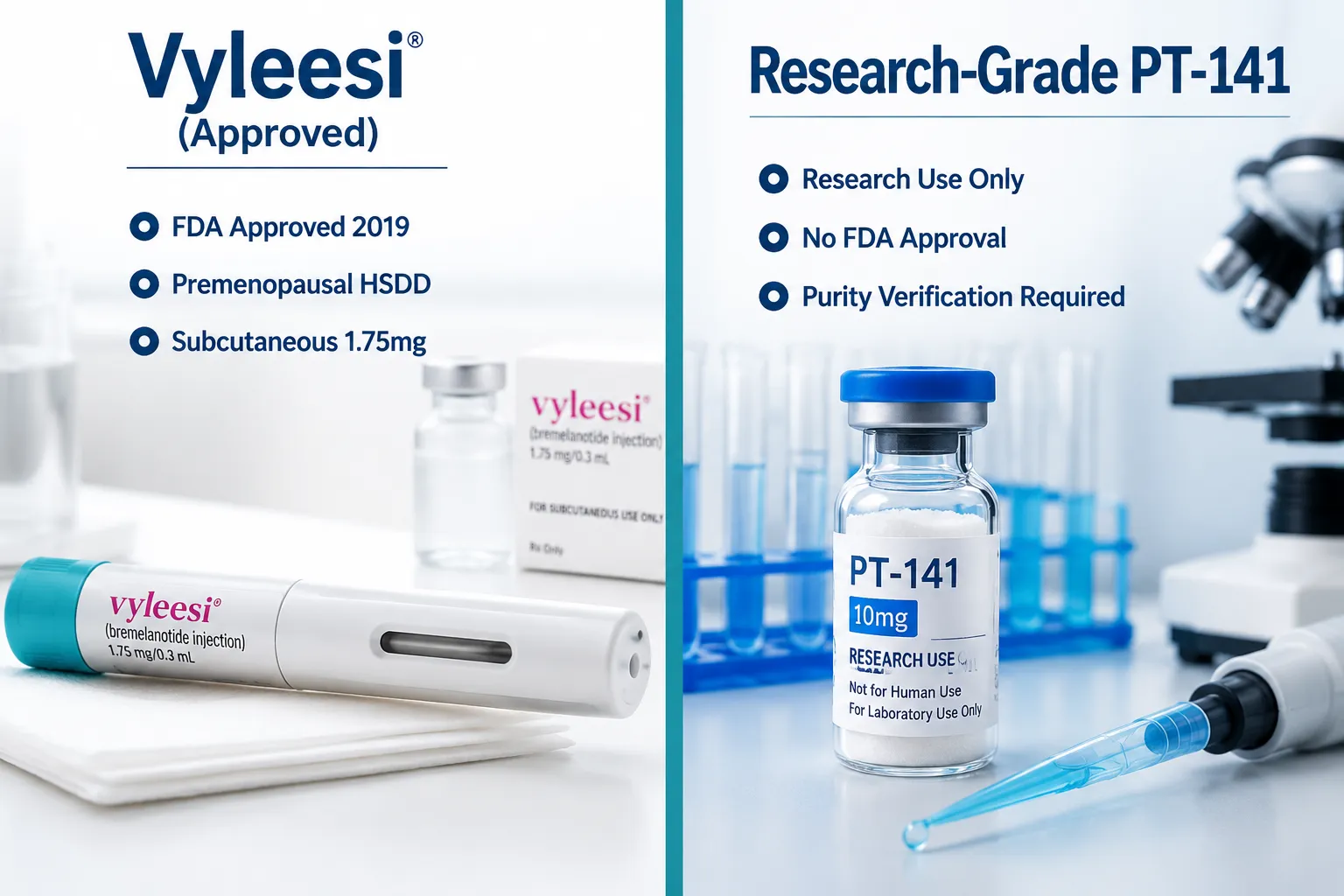
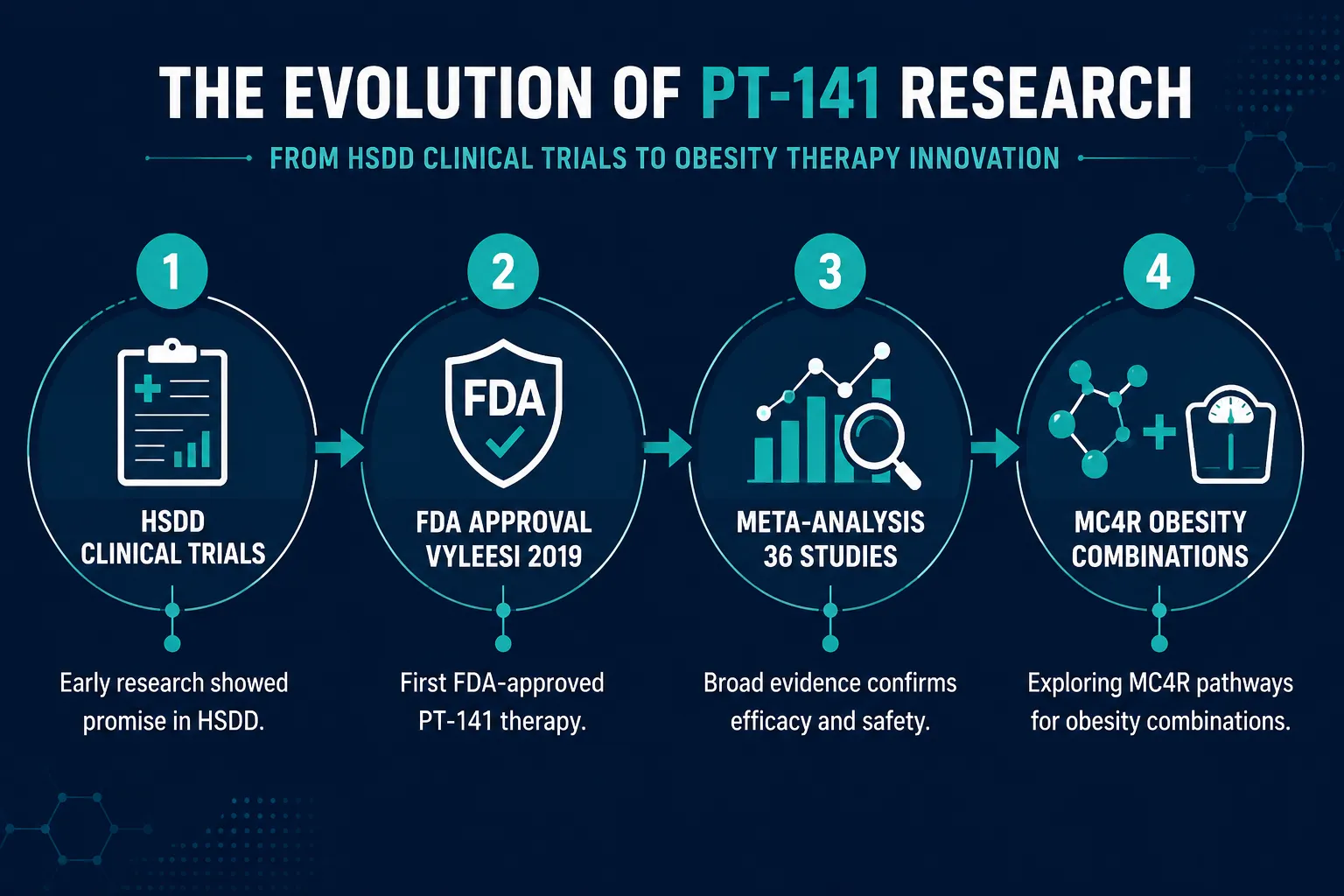
  • The FDA approved PT-141 as Vyleesi in June 2019 for hypoactive sexual desire disorder (HSDD) in premenopausal women.
  • Its central mechanism of action distinguishes it fundamentally from PDE5 inhibitors, which work peripherally on vascular smooth muscle.
  • Emerging research explores PT-141's role in inflammatory modulation, metabolic pathways, and male sexual dysfunction.
  • As of 2026, PT-141 maintains a stable regulatory position due to its FDA-approved drug status.

Key Takeaways

Mechanism of Action: How PT-141 Engages Melanocortin Receptors

Understanding PT-141 Peptide: Exploring Melanocortin Receptor Agonism and Its Diverse Research Applications begins with its receptor pharmacology. PT-141, also known as bremelanotide, is a synthetic cyclic heptapeptide derived from the naturally occurring alpha-melanocyte-stimulating hormone (alpha-MSH). It binds selectively to melanocortin receptors, primarily MC4R and MC3R, located within the central nervous system.

This central activity is the defining feature that separates PT-141 from older sexual dysfunction therapies. PDE5 inhibitors such as sildenafil act peripherally on vascular smooth muscle to increase blood flow. PT-141, by contrast, engages neurological circuits that initiate and sustain sexual desire upstream of vascular events. The result is a fundamentally different pharmacological approach, one rooted in neuromodulation rather than hemodynamic manipulation.

Key pharmacokinetic facts:

Parameter Value
Peptide structure Cyclic heptapeptide
Primary receptors MC4R, MC3R
Route of administration Subcutaneous injection
Elimination half-life Approximately 2.7 hours
FDA approval year 2019 (Vyleesi)

The subcutaneous route delivers the compound efficiently, and the relatively short half-life supports predictable dosing windows in both clinical and research settings. Researchers interested in broader peptide receptor pharmacology may also find value in reviewing what is new in peptide research for context on evolving receptor agonism studies.

Clinical Evidence and the RECONNECT Trial

Clinical Evidence and the RECONNECT Trial

The RECONNECT Phase III clinical program enrolled more than 1,200 premenopausal women diagnosed with acquired, generalized HSDD. Results demonstrated statistically significant improvements in desire domain scores and approximately 0.4 additional satisfying sexual events per month over placebo at the approved dose. These findings supported FDA approval in June 2019, making PT-141 the first non-hormonal, centrally acting treatment for HSDD.

Safety data from clinical trials confirmed no significant hemodynamic changes or severe adverse events, a meaningful finding given the cardiovascular concerns historically associated with sexual dysfunction treatments. Nausea and flushing were the most commonly reported side effects, both transient in nature.

"PT-141's central nervous system activity represents a significant advancement in treating sexual dysfunctions, offering a mechanism distinct from all previously approved therapies."

Research into male erectile dysfunction has also shown early promise. Preliminary studies suggest MC4R agonism can facilitate erectile response through central pathways, independent of peripheral vascular status, an area of ongoing investigation. Those following longevity peptide research themes will recognize the broader pattern of CNS-targeted peptides gaining traction across multiple therapeutic categories.

For researchers sourcing the compound, PT-141 10mg peptide is available through specialized peptide suppliers, and the PT-141 research overview provides additional context on current catalog options.

Diverse Research Applications Beyond Sexual Function

PT-141 Peptide: Exploring Melanocortin Receptor Agonism and Its Diverse Research Applications extends meaningfully into territory beyond HSDD. The melanocortin receptor system, particularly MC3R, plays a documented role in inflammatory regulation. Preclinical models have examined MC3R agonism as a pathway for modulating pro-inflammatory cytokine release, positioning PT-141 as a potential research tool in inflammatory biology studies.

Diverse Research Applications Beyond Sexual Function

Emerging research areas include:

  • Inflammatory modulation: MC3R activation has been linked to suppression of inflammatory signaling cascades, making PT-141 relevant to studies of autoimmune and neuroinflammatory conditions.
  • Metabolic signaling: MC4R is well-established in energy homeostasis and appetite regulation; PT-141's receptor affinity creates natural overlap with metabolic research, particularly in obesity-adjacent studies.
  • Neuroprotection: Central melanocortin pathways intersect with stress response and neuroprotective signaling, areas of growing interest in longevity-focused peptide research.

Researchers exploring metabolic peptide interactions may find parallel themes in MOTS-C mitochondrial research and GLP-1 dual receptor agonism studies, where receptor selectivity similarly drives diverse downstream effects. For those comparing metabolic flexibility compounds, MOTS-C metabolic flexibility research themes offer useful comparative context.

Regulatory note for 2026: PT-141 retains a stable legal position as an FDA-approved drug, meaning it benefits from more predictable compounding regulations than many investigational peptides currently under review. Access routes in 2026 include branded Vyleesi, compounded nasal spray formulations, and research-grade suppliers, with monthly costs ranging from approximately $60 to over $300 depending on source and formulation.

Conclusion

PT-141's value to the research community in 2026 rests on three pillars: a well-characterized central mechanism, robust clinical validation through the RECONNECT program, and an expanding frontier of applications in inflammatory and metabolic biology. Researchers and clinicians should prioritize sourcing from suppliers who provide verified purity documentation, given the compound's CNS activity profile. Those building broader peptide research programs should consider how MC4R and MC3R agonism intersects with other receptor systems under active study. Reviewing the all peptides for sale catalog and staying current with peptide supplier comparisons are practical next steps for any serious investigator working with melanocortin receptor agonists.

https://www.puretestedpeptides.com/wp-content/uploads/2026/07/PT-141-Peptide-Exploring-Melanocortin-Receptor-Agonism-and-Its-Diverse-Research-Applications.png 1024 1536 Pure Tested https://www.puretestedpeptides.com/wp-content/uploads/2026/01/buy-peptides-online.jpg Pure Tested2026-07-05 13:06:592026-07-20 15:00:56PT-141 Peptide: Exploring Melanocortin Receptor Agonism and Its Diverse Research Applications
Epithalon Peptide and Telomerase Activation: Unraveling Its Potential in Longevity Research Models

Epithalon Peptide and Telomerase Activation: Unraveling Its Potential in Longevity Research Models

July 5, 2026/0 Comments/by Pure Tested

A tetrapeptide composed of just four amino acids, alanine, glutamic acid, aspartic acid, and glycine, has generated more longevity research interest than compounds many times its size. Epithalon peptide and telomerase activation: unraveling its potential in longevity research models has become one of the most discussed topics in cellular aging science, and for measurable reasons. Research models show telomerase enzyme activity increasing by 33 to 45% following Epithalon exposure, with actual telomere lengthening of 20 to 40% recorded over six-month study periods. For researchers focused on the biology of cellular aging, those numbers demand serious attention.

Scientific illustration () showing a detailed cross-section diagram of a cell nucleus with telomeres highlighted in glowing

Key Takeaways

  • Epithalon activates telomerase enzyme activity by 33 to 45% in experimental models, with tissue-specific variation across hippocampal, cardiac, and skeletal muscle cells
  • Telomere lengthening of 20 to 40% has been observed over six-month periods in treated cell lines, alongside a 40 to 60% reduction in pro-inflammatory SASP cytokine production
  • Animal longevity studies show meaningful lifespan extension and reduced disease incidence, though most findings originate from a single research group
  • Epithalon also restores melatonin production and circadian gene cycling, suggesting systemic anti-aging effects beyond telomere biology
  • No large-scale, independent human clinical trials exist, and the FDA has not approved Epithalon for any medical use as of 2026

How Epithalon Activates Telomerase at the Molecular Level

Telomeres are the protective caps at the ends of chromosomes. With each cell division, they shorten. When they become critically short, cells enter senescence or die. Telomerase is the enzyme that can rebuild these caps, but in most adult somatic cells, it is largely inactive.

Epithalon appears to change that. Studies in normal human cell lines demonstrate that the peptide upregulates hTERT expression, the catalytic subunit of telomerase, in a dose-dependent manner. In vitro, this activation occurs at concentrations of 1 to 5 micromolar. The result is a molecular cascade that slows the rate of telomere attrition and, in some models, reverses it.

Tissue-specific responses vary:

Tissue Type Telomerase Activation Increase
Hippocampal neurons ~45%
Cardiac tissue 25 to 30%
Skeletal muscle 15 to 35%

Alongside telomere lengthening, treated cells show a 40 to 60% reduction in pro-inflammatory senescence-associated secretory phenotype (SASP) cytokines. This suggests that Epithalon's effects extend beyond simple telomere maintenance into broader cellular health regulation. Researchers exploring Epithalon longevity signals have noted these multi-pathway effects as particularly compelling for aging biology frameworks.


Longevity Research Models: What Animal and Human Studies Reveal

Longevity Research Models: What Animal and Human Studies Reveal

Animal research provides some of the strongest evidence available. In female SHR mice receiving monthly Epithalon injections, mean lifespan increased measurably and leukemia development was inhibited sixfold compared to untreated controls. These are not trivial findings in a longevity model.

Beyond lifespan, Epithalon demonstrates systemic regulatory effects:

  • Melatonin restoration: Aged animal models treated with Epithalon showed peak melatonin concentrations increasing 2.5 to 3.2 times compared to age-matched controls, through modulation of N-acetyltransferase activity
  • Circadian gene cycling: The peptide restores Clock, Bmal1, and Period gene expression patterns in peripheral tissues, rhythms that deteriorate significantly with age
  • Reduced mortality: A 6 to 8-year observational study of 266 elderly patients treated with epithalamin reported a 1.6 to 1.8-fold decrease in mortality; combined treatment with thymalin produced a 2.5-fold decrease

These findings connect Epithalon to broader longevity research themes. For context on how peptides interact with mitochondrial longevity pathways, the overlap between energy metabolism and cellular aging becomes increasingly relevant. Similarly, researchers comparing compounds like MOTS-c and its mitochondrial dynamics often reference Epithalon as a complementary telomere-focused intervention.

"The convergence of telomere biology, circadian restoration, and inflammatory reduction in a single tetrapeptide makes Epithalon one of the more structurally interesting compounds in current longevity research."


Critical Limitations and the Current Research Landscape in 2026

Critical Limitations and the Current Research Landscape in 2026

Honest evaluation of Epithalon peptide and telomerase activation: unraveling its potential in longevity research models requires acknowledging significant gaps. The most pressing concern is research concentration: the majority of published Epithalon studies originate from a single laboratory group, raising legitimate questions about reproducibility and independence.

Large-scale, double-blind, placebo-controlled human trials by independent investigators do not yet exist. Without this evidence tier, drawing definitive conclusions about human efficacy remains premature. The FDA has not approved Epithalon for any medical use and has restricted compounding pharmacies from producing it.

For researchers sourcing compounds for preclinical study, understanding quality testing protocols is essential. Purity verification matters significantly when working with bioactive peptides at the concentrations used in telomerase research. Those also investigating complementary compounds may find value in reviewing NAD+ energetics and longevity research themes alongside Epithalon data, as both pathways intersect in cellular aging models.

Animal dosing in published studies ranges from 0.1 to 1.0 mg/kg, with consistent biological activity and no apparent adverse effects reported at these levels. In vitro parameters remain the most reproducible data points currently available.

Researchers also examining innovative peptide delivery systems may find that bioavailability optimization represents a key variable in translating preclinical Epithalon findings toward more robust human study designs.


Conclusion

Epithalon peptide and telomerase activation: unraveling its potential in longevity research models remains a scientifically grounded but incomplete story. The mechanistic evidence, telomerase upregulation, telomere lengthening, SASP reduction, circadian restoration, is specific and measurable. Animal models show meaningful lifespan effects. Observational human data, while limited, points in a consistent direction.

Actionable next steps for researchers and longevity scientists in 2026:

  1. Review existing preclinical literature with attention to dosing parameters and tissue-specific response data
  2. Prioritize independent replication studies to address the single-laboratory concentration problem
  3. Evaluate Epithalon alongside complementary longevity compounds such as MOTS-c and NAD+ precursors for multi-pathway research designs
  4. Source only verified, purity-tested peptides for any research application
  5. Monitor the pipeline for independent human trial registrations, which represent the critical next evidence tier

The biology is compelling. The research infrastructure still needs to catch up.

https://www.puretestedpeptides.com/wp-content/uploads/2026/07/Epithalon-Peptide-and-Telomerase-Activation-Unraveling-Its-Potential-in-Longevity-Research-Models.png 1024 1536 Pure Tested https://www.puretestedpeptides.com/wp-content/uploads/2026/01/buy-peptides-online.jpg Pure Tested2026-07-05 13:06:432026-07-20 15:00:57Epithalon Peptide and Telomerase Activation: Unraveling Its Potential in Longevity Research Models
Page 25 of 57«‹2324252627›»
×

Helpful Links

  • My account
  • Cart
  • Checkout
  • Refund and Returns Policy
  • Privacy Policy
  • SMS Privacy Policy
  • Login
  • My Account
  • Logout

USA Made Lab Tested Peptides

All products are sold for research, laboratory, or analytical purposes only, and are not for human consumption


Pure Tested Peptides is a chemical supplier. Pure Tested Peptides is not a compounding / chemical compounding facility as defined under 503A of the Federal Food, Drug, and Cosmetic act. Pure Tested Peptides is not an outsourcing facility as defined under 503B of the Federal Food, Drug, and Cosmetic act.

The statements made within this website have not been evaluated by the US Food and Drug Administration. The products we offer are not intended to diagnose, treat, cure or prevent any disease.

Human/Animal Consumption Prohibited. Laboratory/In-Vitro Experimental Use Only

Scroll to top Scroll to top Scroll to top