Call or Text 727-513-9780
  • Shopping Cart Shopping Cart
    0Shopping Cart
Pure Tested Peptides | America's most trusted Peptides for sale online
  • Peptides for sale
    • Oral Peptides for sale
      • Peptide Capsules for sale
      • BPC 157 Capsules 1000mcg
      • SLU-PP-332 Capsules | 1000 mcg
      • 5-Amino-1MQ 50mg Capsules
      • Tesofensine 500mcg
    • All Peptides for sale
    • Peptide Sprays
      • BPC 157 Nasal Spray Kit
      • BPC-157 TB500 Nasal Spray Kit
      • Semax Nasal Spray 10mg
      • Selank – Nasal Spray Kit – 10mg
      • Epithalon 50MG Nasal Spray Kit
      • Ipamorelin 10mg Nasal Spray
      • Klow Nasal Spray (BPC-157 + TB-500 + GHK-Cu + KPV) | 80mg
      • Hulk Nasal Spray Tesa / Ipa Blend 6/3 MG
      • Klow Nasal Spray
      • NAD + 500 mg Nasal Spray
      • PT-141 Nasal Spray Kit
    • GHRH Peptides
      • Ipa Peptides
      • CJC-1295 Peptides
        • CJC-1295 with DAC 5 mg
        • CJC-1295 without DAC 5 mg
        • CJC-1295 Ipa 10mg
      • Tesa Peptides
        • Tesa Peptide
        • Tesa 20 mg
    • GHK-Cu Peptides
      • All GHK-Cu Peptides
      • GHK-Cu 100mg
      • KLOW Peptide Blend – Buy KLOW blend online
    • BPC Peptides
      • All BPC Peptides
      • BPC-157
      • BPC-157 TB-500
      • BPC 157 capsules 1000mcg
    • SLU-PP-332 Peptides
      • All SLU-PP-332 Peptides
      • SLU-PP-332 5mg
    • GLP3 Peptides
      • GLP3-R
      • GLP3-R CAG 10mg
      • GLP3-R 20mg
    • PT-141 Peptides
      • PT-141 Peptides for sale
      • PT-141 10mg
      • PT-141 Nasal Spray
    • CAG Peptides
      • Lipo-C Peptide Blend
      • CAG 5mg
      • CAG 10mg
    • MOTS-C Peptides
      • MOTS-C Peptides for sale
      • MOTS-c peptide
      • MOTS-c 10mg *6 pack*
    • 5 Amino 1MQ Peptides
      • 5 Amino 1MQ Peptides for sale
      • 5-Amino-1MQ 50mg Capsules
      • 5-Amino-1MQ 5mg
    • Epithalon Peptides
      • Epithalon Peptides for sale
      • Epithalon 10mg
      • Epithalon 50mg
  • Shop
    • GLPs
      • 5-Amino-1MQ 50mg Capsules
      • 5-Amino-1MQ 5mg
      • GLP3-Reta
      • L-Carnitine 500mg/ml
      • Tesofensine 500mcg
      • SLU-PP-332 5mg
      • MOTS-c 10mg *6 pack*
    • Epithalon & BPC Peptides
      • Epithalon 10mg
      • Epithalon 50mg
      • BPC-157
      • BPC 157 capsules 1000mcg
      • BPC-157 TB-500
      • BPC-157 TB500 Nasal Spray Kit
      • BPC 157 Nasal Spray Kit
    • BPC TB-500 & NAD+ Peptides
      • NAD+ 500 mg
      • KLOW Peptide Blend – Buy KLOW blend online
      • GLOW Peptide Blend
      • TB 500 5mg
      • BPC 157 capsules 1000mcg – Supplement
      • BPC 157 Nasal Spray Kit
      • BPC-157
      • BPC-157 TB500 Nasal Spray Kit
      • BPC-157 TB-500
      • BPC 157 capsules 1000mcg
    • LL-37 Peptide
      • LL-37 10 mg
    • MOTS-C & Selank
      • MOTS-c peptide
      • Selank 10mg
    • GHK Peptides
      • GHK-Cu 100mg
      • GLOW Peptide Blend
      • KLOW Peptide Blend – Buy KLOW blend online
  • COAs
  • Wholesale
    • Wholesale Peptides for sale
  • PTP FAQ
  • Affiliates
    • Selank Peptide: Advanced Pharmacological Mechanisms Underlying Its Anxiolytic and Nootropic Effects in Research
      • 5-Amino-1MQ Peptide: Detailed Mechanisms of NNMT Inhibition and Its Impact on Cellular Metabolism Research
        • MOTS-C Peptide: Unraveling Its Role in Mitochondrial Dynamics and Energy Metabolism Research
          • Epithalon Peptide and Telomerase Regulation: Investigating Its Impact on Cellular Senescence and Lifespan Research Models
            • GLP2-T vs GLP2 Tirz Peptide: Understanding the Naming, Mechanistic Nuances, and Research Implications for Gut Health
      • Peptides and Polypeptides in Modern Pharmacology: What Research on Metoprolol, Prednisone, and Amlodipine Reveals
        • Polypeptide Peptides vs NSAIDs: What Naproxen and Diclofenac Teach Tissue-Repair Researchers About BPC‑157 and TB‑500
          • Peptides and Polypeptides in Endocrine Pharmacology: How GLP-1, GLP-2, and GLP-3 Retatrutide Differ From Classic Drugs Like Prednisone and Amlodipine
          • 5‑Amino‑1MQ Peptide and NNMT Inhibition: How It Compares With Statins Like Atorvastatin in Adipose and Lipid Metabolism Research
      • Enclomiphene, Estrogen Receptor Signaling, and Luteinizing Phase Biology: What Hormone Researchers Should Measure
        • Mesenchymal Stem Cells, BPC‑157, and GHK‑Cu: How Tissue Repair Peptides Compare With Classic NSAIDs Like Naproxen in Injury Models
          • Peptide Calculator Use Cases Beyond Growth Hormone: Working Through GLP‑3 Retatrutide, MOTS‑c, and BPC‑157 Research Dosing
        • Polypeptide Peptides in Endocrine and Metabolic Pharmacology: Lessons From Amlodipine, Prednisone, and Metoprolol
        • Peptides Calculator for Advanced Blends: Worked Examples for Tesamorelin, CJC‑1295, and Ipamorelin Stacks
          • Peptides and Polypeptides in Human Physiology: How Molecular Size Shapes Research Applications
            • Selank Peptide: Advanced Pharmacological Mechanisms Underlying Its Anxiolytic and Nootropic Effects in Research
          • 5-Amino-1MQ Peptide: Detailed Mechanisms of NNMT Inhibition and Its Impact on Cellular Metabolism Research
            • MOTS-C Peptide: Unraveling Its Role in Mitochondrial Dynamics and Energy Metabolism Research
              • Epithalon Peptide and Telomerase Regulation: Investigating Its Impact on Cellular Senescence and Lifespan Research Models
                • GLP2-T vs GLP2 Tirz Peptide: Understanding the Naming, Mechanistic Nuances, and Research Implications for Gut Health
                  • Peptides and Polypeptides in Endocrine Pharmacology: How GLP-1, GLP-2, and GLP-3 Retatrutide Differ From Classic Drugs Like Prednisone and Amlodipine
                    • Polypeptide Peptides vs NSAIDs: What Naproxen and Diclofenac Teach Tissue-Repair Researchers About BPC‑157 and TB‑500
                      • Peptides and Polypeptides in Modern Pharmacology: What Research on Metoprolol, Prednisone, and Amlodipine Reveals
                        • 5‑Amino‑1MQ Peptide and NNMT Inhibition: How It Compares With Statins Like Atorvastatin in Adipose and Lipid Metabolism Research
                        • Enclomiphene, Estrogen Receptor Signaling, and Luteinizing Phase Biology: What Hormone Researchers Should Measure
                        • Mesenchymal Stem Cells, BPC‑157, and GHK‑Cu: How Tissue Repair Peptides Compare With Classic NSAIDs Like Naproxen in Injury Models
                        • Peptide Calculator Use Cases Beyond Growth Hormone: Working Through GLP‑3 Retatrutide, MOTS‑c, and BPC‑157 Research Dosing
                        • Polypeptide Peptides in Endocrine and Metabolic Pharmacology: Lessons From Amlodipine, Prednisone, and Metoprolol
                        • Peptides Calculator for Advanced Blends: Worked Examples for Tesamorelin, CJC‑1295, and Ipamorelin Stacks
                        • Peptides and Polypeptides in Human Physiology: How Molecular Size Shapes Research Applications
                        • Selank Peptide: Advanced Pharmacological Mechanisms Underlying Its Anxiolytic and Nootropic Effects in Research
                        • MOTS-C Peptide: Unraveling Its Role in Mitochondrial Dynamics and Energy Metabolism Research
                        • Peptides and Polypeptides in Modern Pharmacology: What Research on Metoprolol, Prednisone, and Amlodipine Reveals
                        • Peptides and Polypeptides in Endocrine Pharmacology: How GLP-1, GLP-2, and GLP-3 Retatrutide Differ From Classic Drugs Like Prednisone and Amlodipine
                        • 5-Amino-1MQ Peptide: Detailed Mechanisms of NNMT Inhibition and Its Impact on Cellular Metabolism Research
                        • Mesenchymal Stem Cells, BPC‑157, and GHK‑Cu: How Tissue Repair Peptides Compare With Classic NSAIDs Like Naproxen in Injury Models
                        • Peptide Calculator Use Cases Beyond Growth Hormone: Working Through GLP‑3 Retatrutide, MOTS‑c, and BPC‑157 Research Dosing
                        • GLP2-T vs GLP2 Tirz Peptide: Understanding the Naming, Mechanistic Nuances, and Research Implications for Gut Health
                        • Polypeptide Peptides in Endocrine and Metabolic Pharmacology: Lessons From Amlodipine, Prednisone, and Metoprolol
                        • Polypeptide Peptides vs NSAIDs: What Naproxen and Diclofenac Teach Tissue-Repair Researchers About BPC‑157 and TB‑500
                        • Peptides and Polypeptides in Human Physiology: How Molecular Size Shapes Research Applications
                        • Peptides Calculator for Advanced Blends: Worked Examples for Tesamorelin, CJC‑1295, and Ipamorelin Stacks
                        • 5‑Amino‑1MQ Peptide and NNMT Inhibition: How It Compares With Statins Like Atorvastatin in Adipose and Lipid Metabolism Research
                        • Enclomiphene, Estrogen Receptor Signaling, and Luteinizing Phase Biology: What Hormone Researchers Should Measure
                        • Epithalon Peptide and Telomerase Regulation: Investigating Its Impact on Cellular Senescence and Lifespan Research Models
                        • Best research protocol Klow blend
                        • best time to take BPC-157
                        • best time to take DSIP (Delta Sleep Inducing Peptide)
                        • best time to take CJC-1295
                        • best time to take AOD-9604
                        • best time to take Follistatin 344
                        • best time to take Ipamorelin
                        • best time to take MK-677 (Ibutamoren)
                        • best time to take Ligandrol (LGD-4033) — research compound
                        • best time to take Ostarine (MK-2866) — research compound
                        • best time to take GHK-CU
                        • best time to take TB-500
                        • best time to take MOTS-c
                        • best time to take Semax
                        • best time to take RAD-140 (Testolone) — research compound
                        • best time to take Thymosin Alpha-1
                        • best time to take PEG-MGF
                        • Biolife Plasma, Octapharma Plasma, and Research Peptides: How Plasma Donation Labs Differ From Peptide Suppliers
                        • best time to take YK-11 — research compound
                        • best time to take PT-141 (Bremelanotide)
                        • Best research protocol Klow blend
  • Contact
    • Contact Customer Service
    • Text Customer Support
  • About US
  • Shop all peptides
  • Affiliate Program
    • Affiliate Signup
  • Login / Register Login / Register Page Link Login / Register Page Link
  • Click to open the search input field Click to open the search input field Search
  • Menu Menu

Tag Archive for: amino acid chains

Decoding the Molecular Language: Peptides vs. Polypeptides in Advanced Research

Decoding the Molecular Language: Peptides vs. Polypeptides in Advanced Research

July 16, 2026/0 Comments/by Pure Tested

Fewer than 50 amino acids or more than 50, that single threshold separates two classes of molecules that are reshaping modern biochemistry, drug design, and therapeutic development in 2026. The distinction sounds simple, yet decoding the molecular language: peptides vs. polypeptides in advanced research reveals a world of structural complexity, functional diversity, and rapidly evolving applications that every serious researcher needs to understand.

Key Takeaways

  • Peptides typically contain 2-50 amino acid residues; polypeptides exceed that threshold and approach protein-level complexity.
  • Chain length directly determines folding behavior, receptor selectivity, and pharmacokinetic profile.
  • Polypeptides are driving innovation in nano-drug delivery systems and as potential replacements for PEG in biopharmaceuticals.
  • Circular RNA-encoded polypeptides represent one of the most exciting emerging frontiers in 2026 peptide science.
  • Researchers must select compounds based on size, stability, and target pathway, not just perceived potency.

Defining the Boundary: What Separates Peptides from Polypeptides

Defining the Boundary: What Separates Peptides from Polypeptides

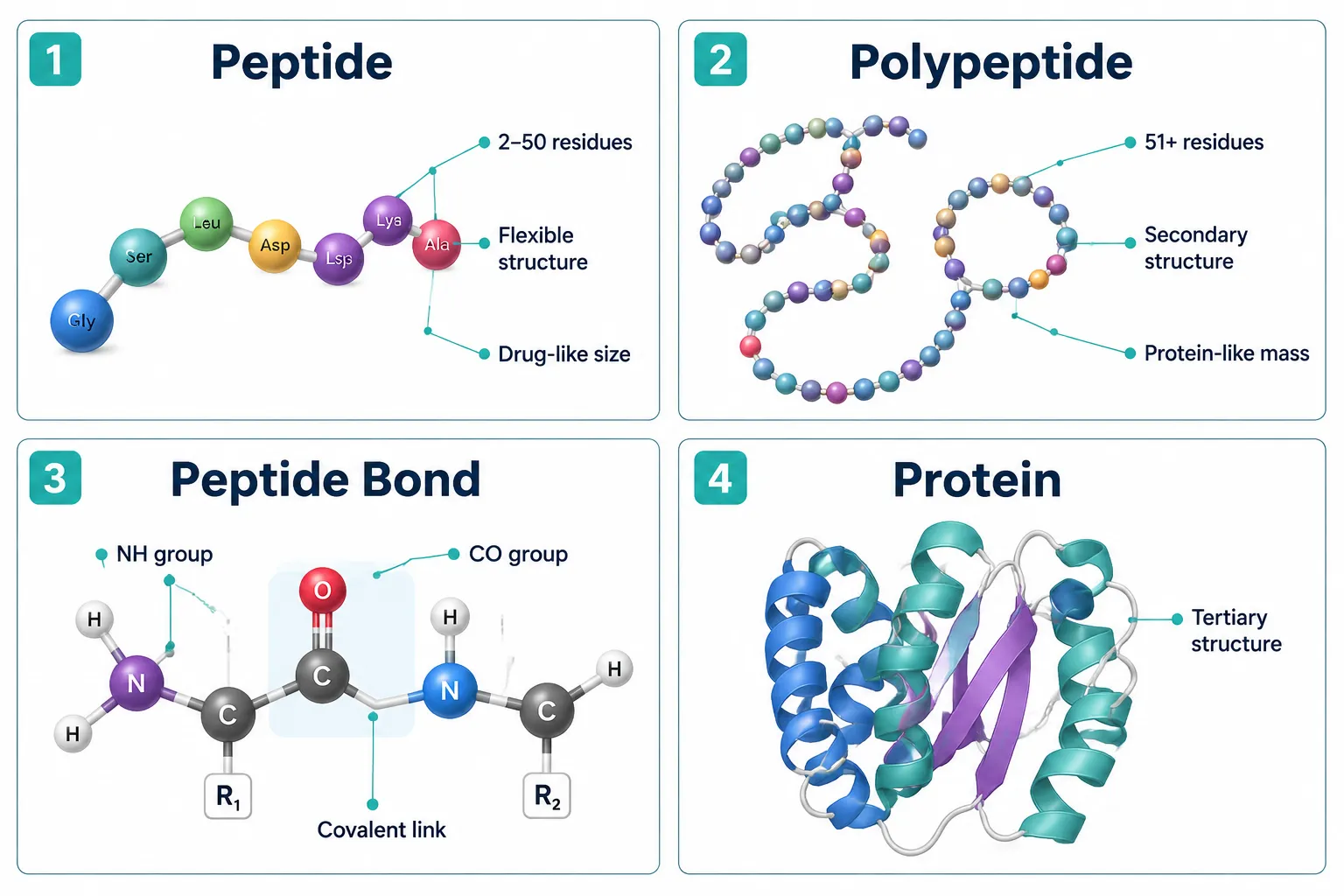
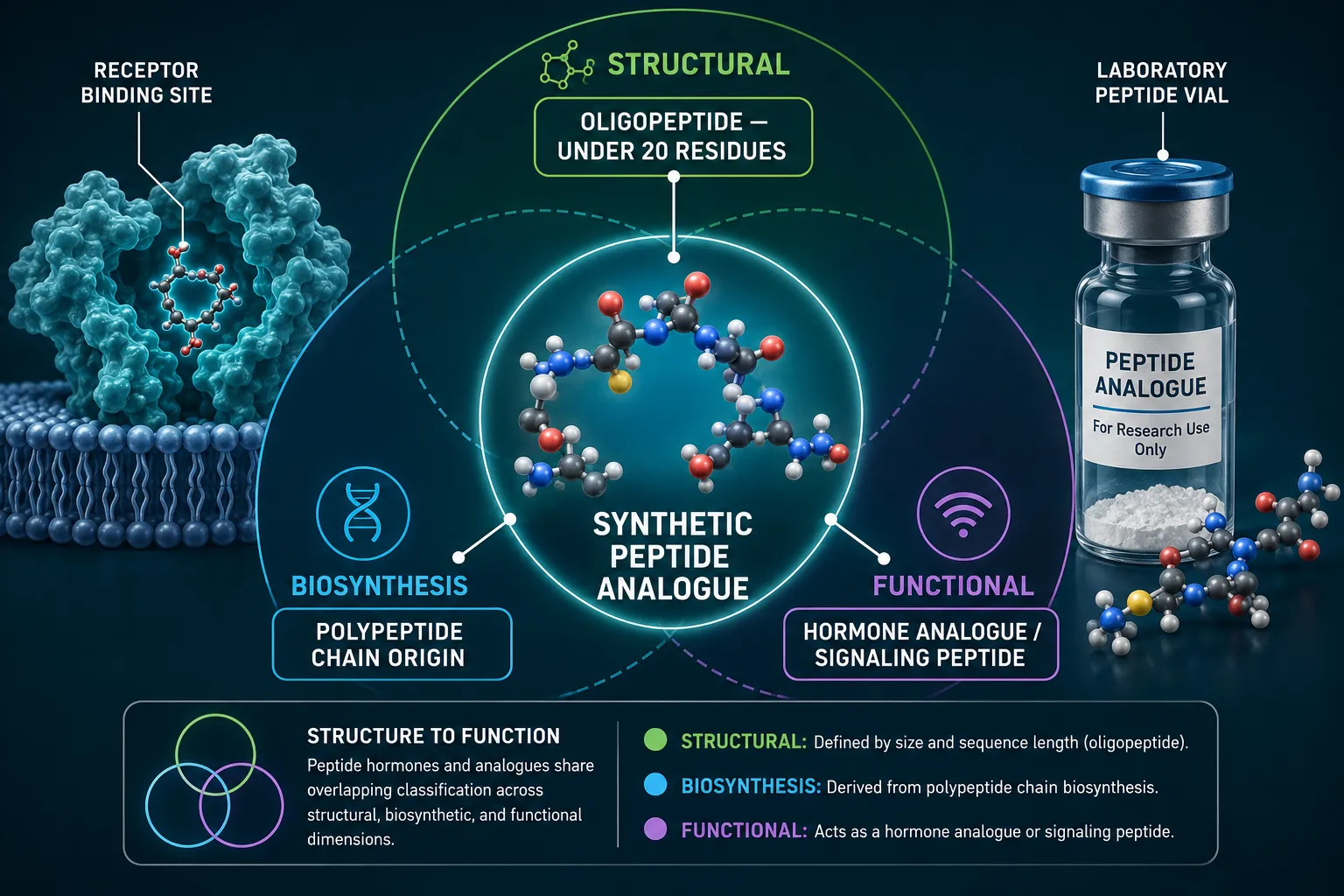
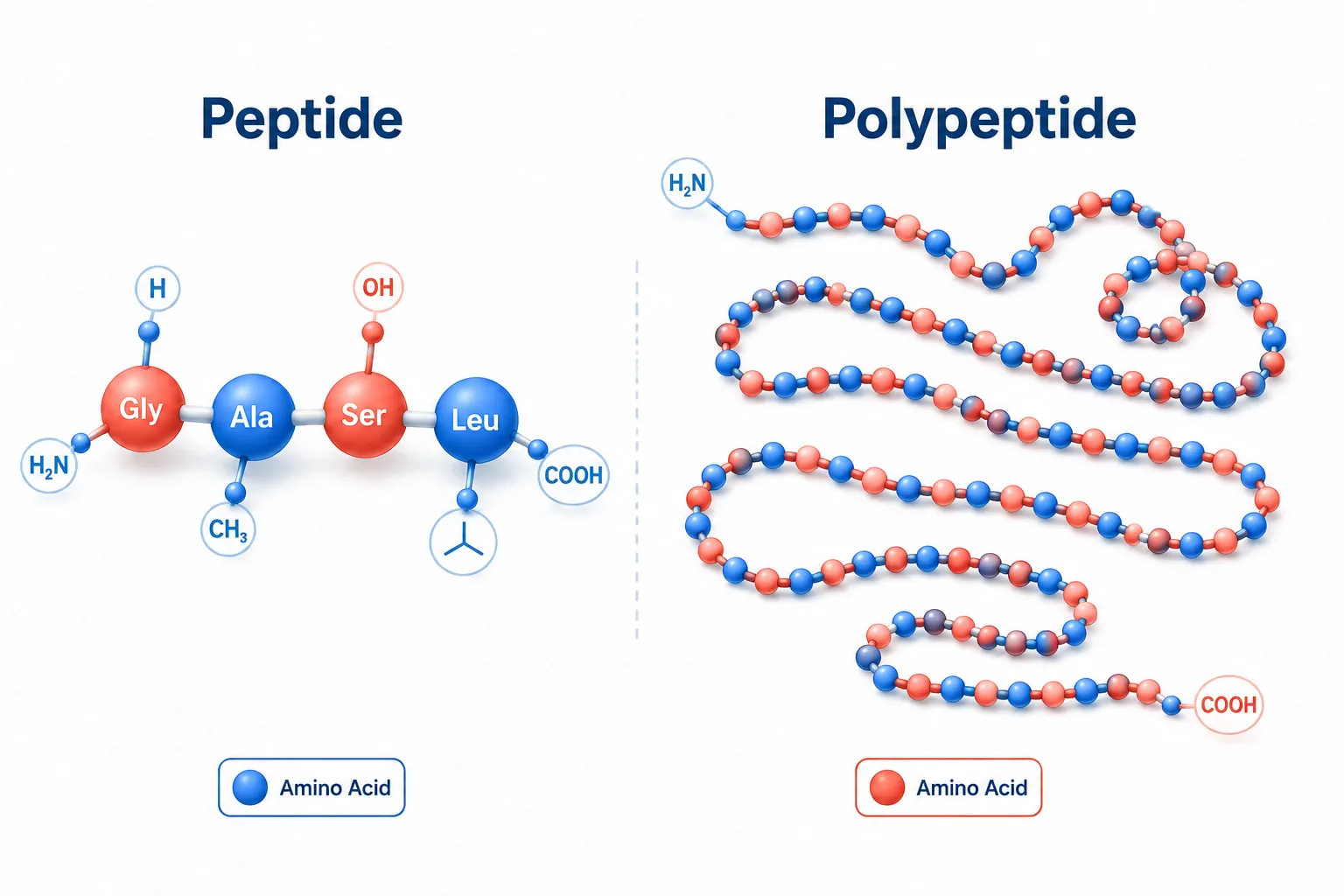
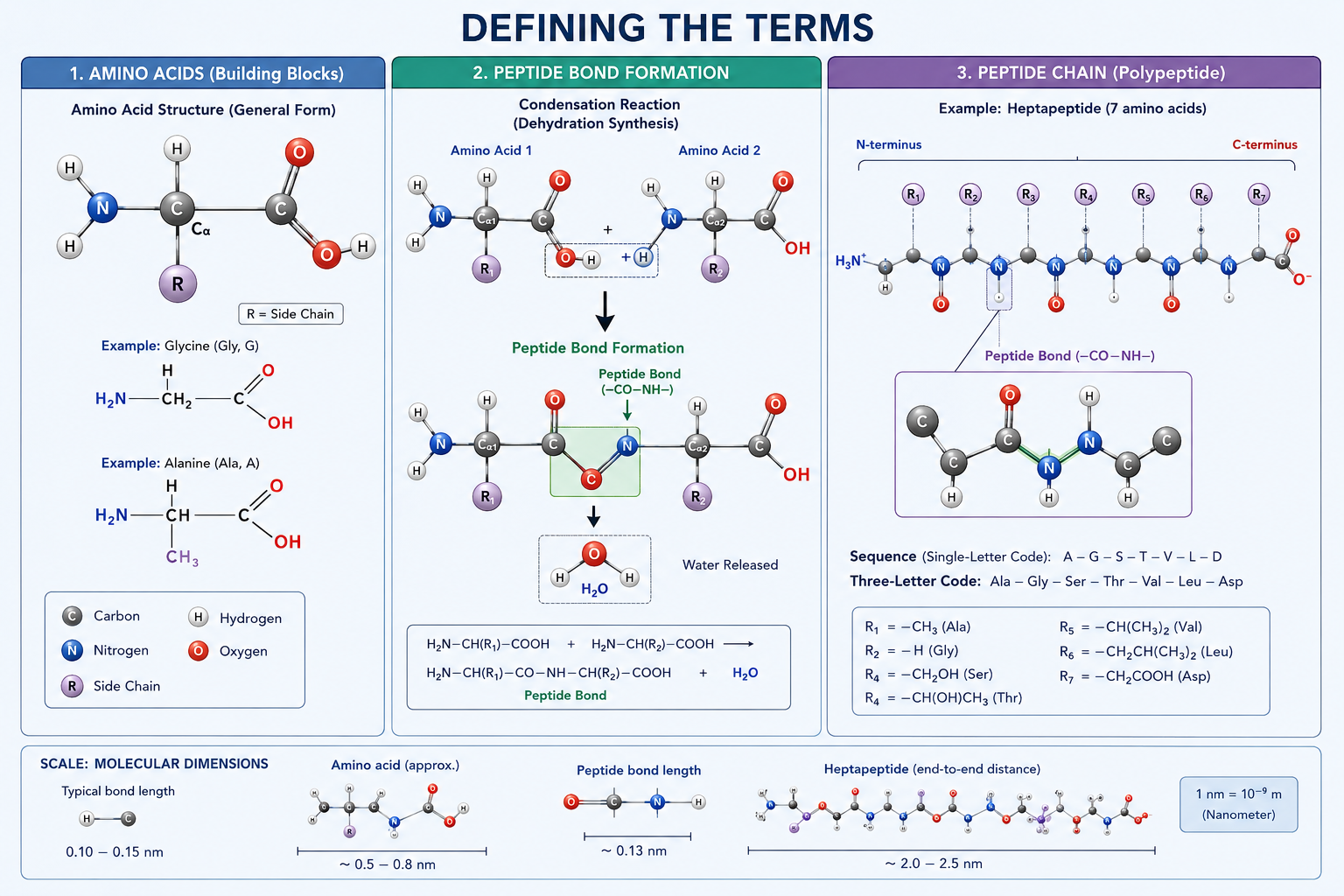
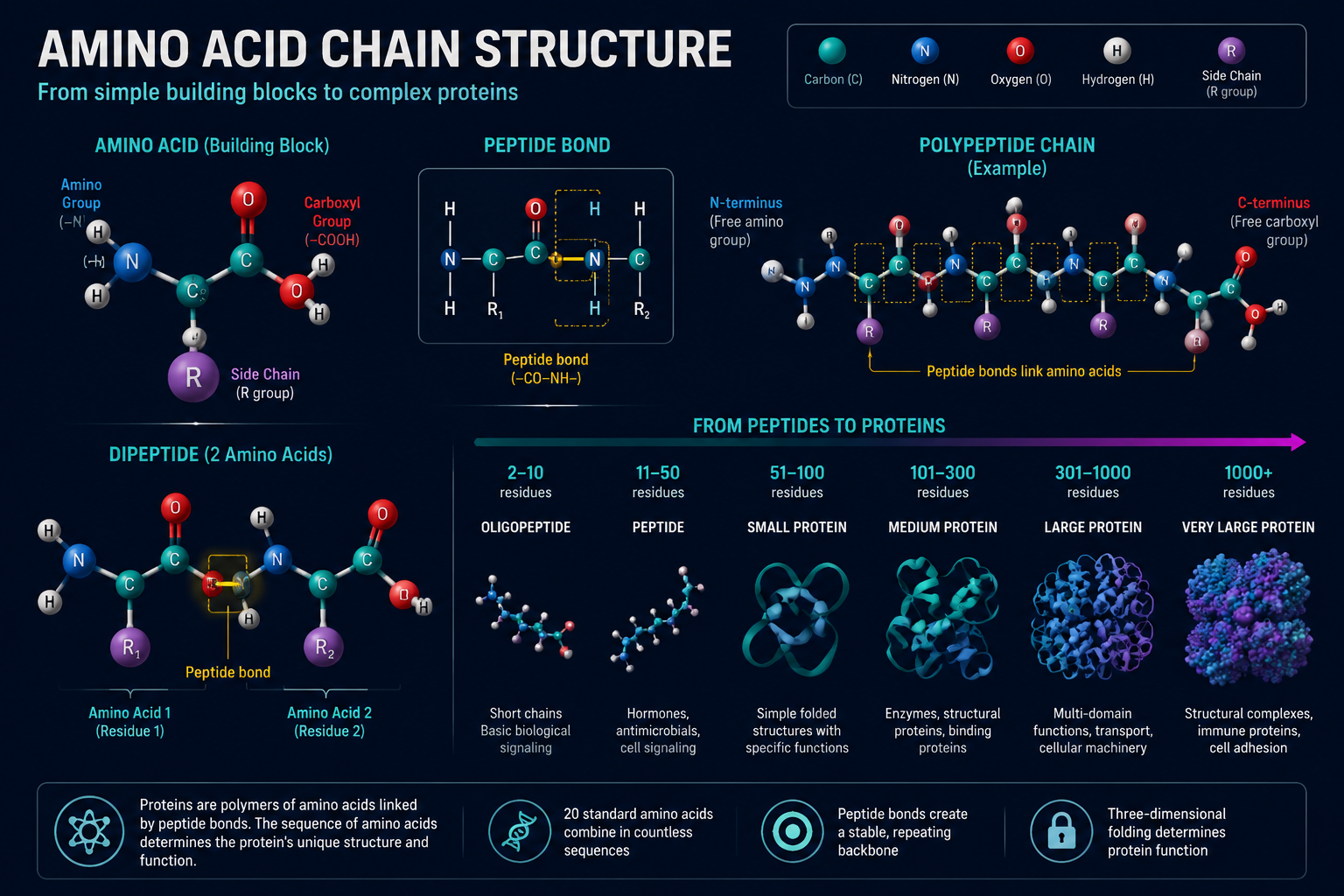
At the most fundamental level, both peptides and polypeptides are chains of amino acids linked by peptide bonds. The difference lies in chain length and the structural consequences that follow.

Peptides are generally defined as chains containing 2 to approximately 50 amino acid residues. Within this category, researchers further distinguish:

  • Dipeptides and tripeptides, 2 to 3 residues, often used as signaling fragments
  • Oligopeptides, up to roughly 10 residues
  • Polypeptides, chains exceeding ~50 residues, though some classifications place this threshold at 100

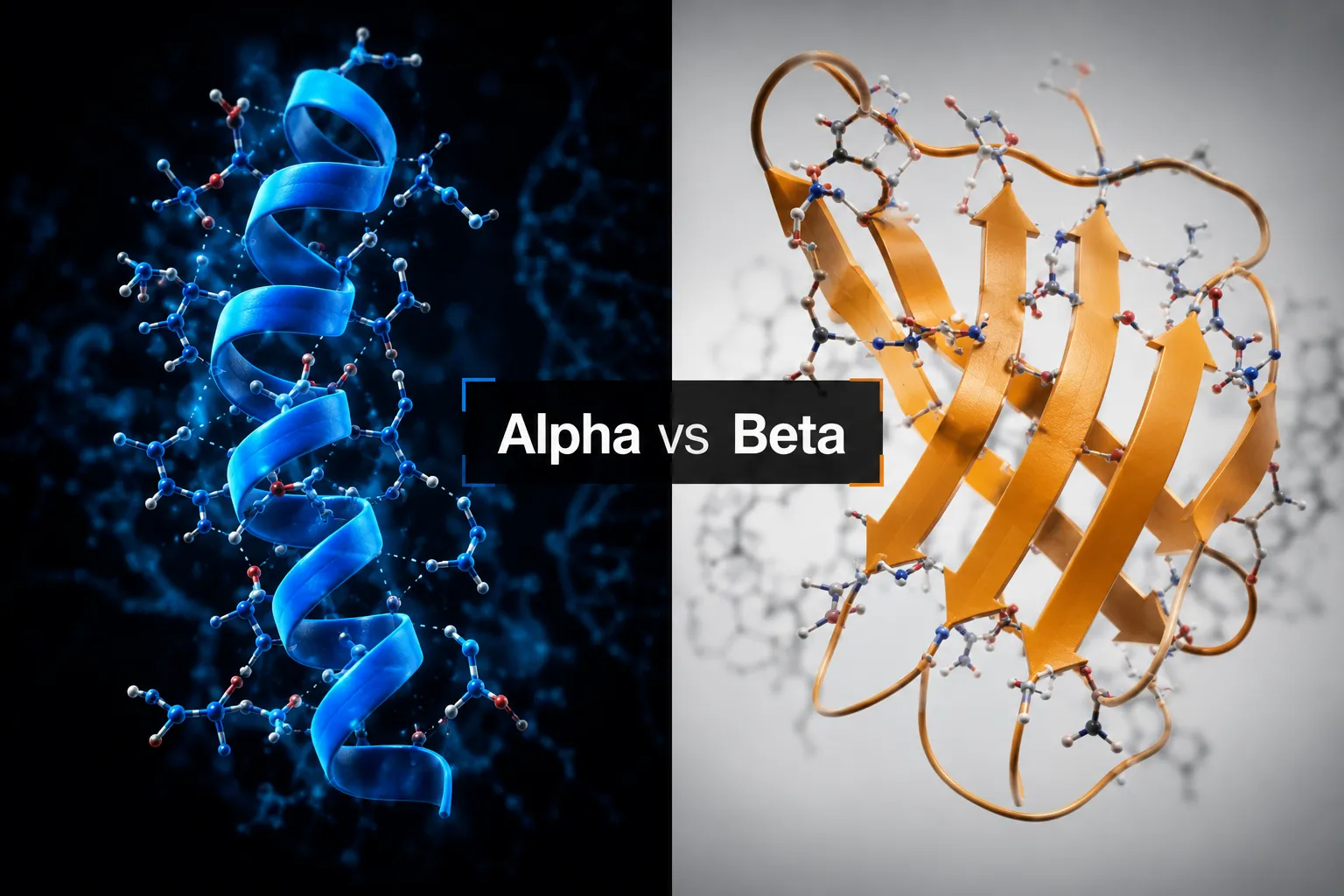
Polypeptides occupy the structural space between short peptides and full proteins. A single polypeptide chain can fold into secondary structures such as alpha-helices and beta-sheets, giving it far greater three-dimensional complexity than a short peptide.

"Chain length is not merely a counting exercise, it determines how a molecule folds, how long it survives in circulation, and which cellular targets it can reach."

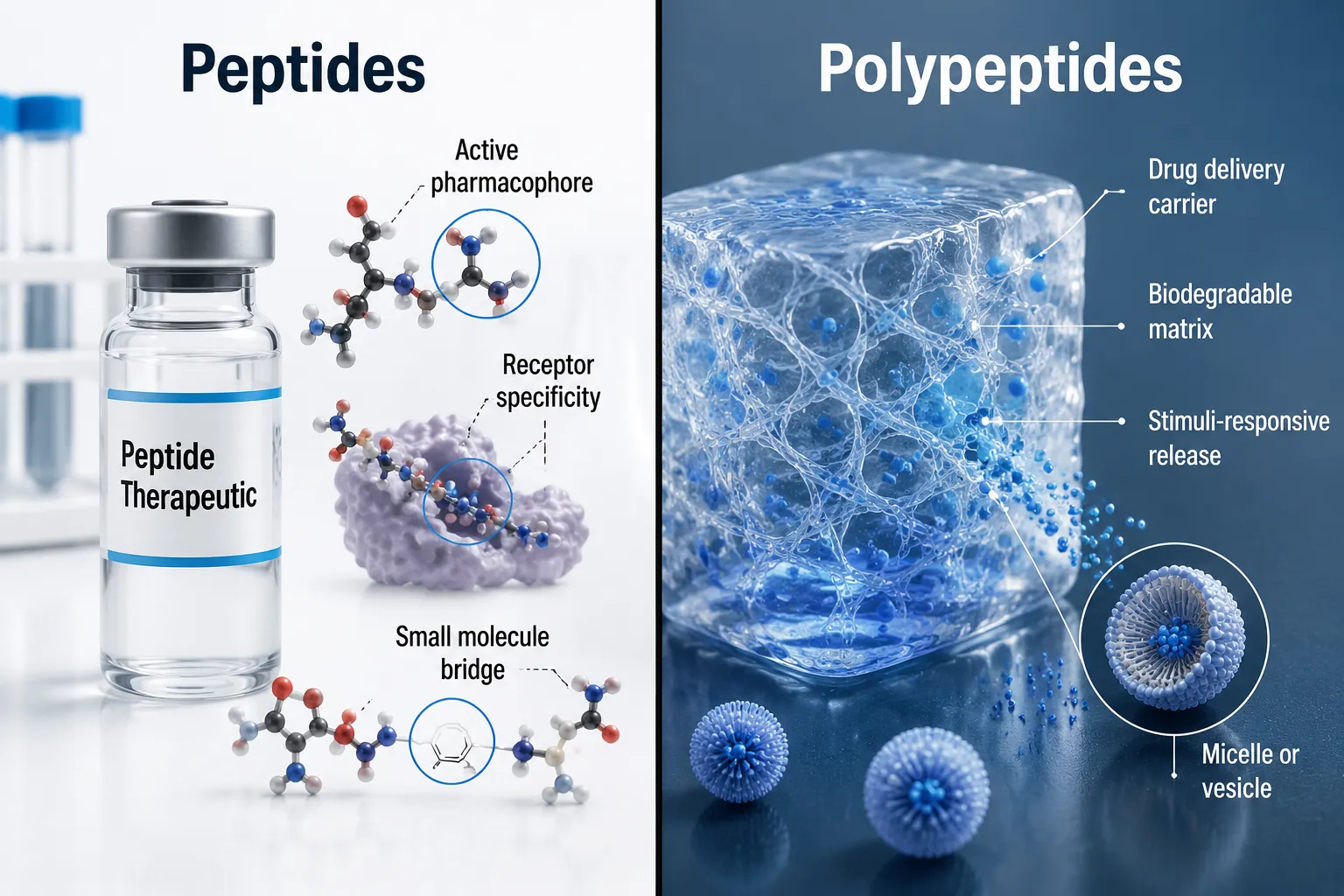
This structural distinction has direct research implications. Short peptides such as BPC-157 and TB-500 are studied for their targeted receptor interactions and favorable tissue-penetration profiles. Longer polypeptide chains, by contrast, are being engineered as sophisticated drug-delivery scaffolds.


Why Chain Length Matters in Advanced Research Applications

Why Chain Length Matters in Advanced Research Applications

Decoding the molecular language: peptides vs. polypeptides in advanced research requires understanding how size affects every stage of a compound's research lifecycle, from synthesis to biological activity.

Stability and Half-Life

Short peptides are metabolically fragile. Proteolytic enzymes cleave them rapidly, which limits their circulation time but also makes them easier to control in research settings. Polypeptides, with their more complex folding, can resist enzymatic degradation more effectively, a property that researchers are actively engineering into next-generation therapeutics.

Receptor Selectivity

Smaller peptides tend to interact with specific receptors through well-defined binding motifs. Compounds like GHK-Cu and Epithalon demonstrate how even short sequences can trigger precise biological responses. Polypeptides, with their larger surface area, can engage multiple receptor sites simultaneously, a double-edged quality that demands careful experimental design.

Synthesis Complexity

Feature Peptides Polypeptides
Chain length 2-50 residues 50+ residues
Synthesis method Solid-phase peptide synthesis (SPPS) SPPS or recombinant expression
Folding complexity Minimal to moderate Significant secondary structure
Metabolic stability Lower Higher
Drug delivery use Direct receptor targeting Nano-carrier scaffolding

Researchers sourcing compounds for precise studies should prioritize lab-tested peptides to ensure purity data supports valid experimental conclusions.


Emerging Frontiers: Polypeptides in Drug Delivery and Beyond

Emerging Frontiers: Polypeptides in Drug Delivery and Beyond

The most consequential area where decoding the molecular language: peptides vs. polypeptides in advanced research pays dividends is drug delivery innovation.

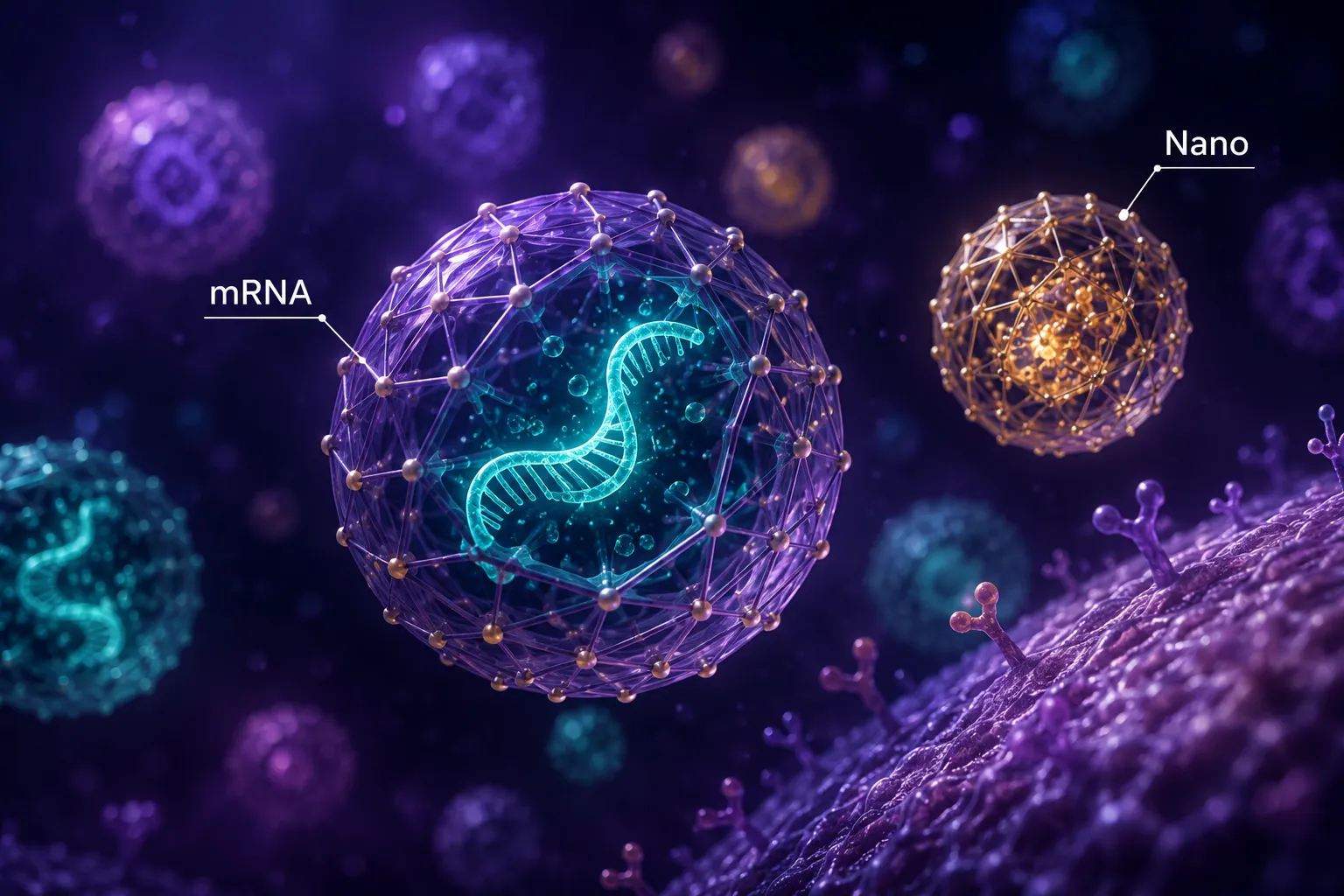
Recent work on polypeptide-based nano-drug carriers has demonstrated that engineered polypeptide chains can self-assemble into nanoparticles capable of encapsulating therapeutic cargo, including mRNA sequences. While no polypeptide-based mRNA delivery systems have received regulatory approval as of 2026, the pipeline is intensely active.

Three key trends shaping this space:

  1. Unstructured polypeptides as PEG alternatives, Polyethylene glycol (PEG) has long been used to extend drug circulation time, but immunogenicity concerns have driven interest in intrinsically disordered polypeptide sequences as biocompatible replacements.
  2. CircRNA-encoded polypeptides, Circular RNA molecules can encode short polypeptide sequences with unusual stability, opening a new design space for peptide drug candidates.
  3. Multi-pathway research blends, Combinations of peptides targeting complementary pathways, such as those explored in MOTS-c metabolic flexibility research, illustrate how layered molecular strategies are becoming standard.

Researchers exploring recovery and tissue biology can also consult the recovery and tissue biology overview for context on how peptide size influences regenerative applications.


Conclusion

The boundary between peptides and polypeptides is not arbitrary, it reflects genuine differences in structure, stability, receptor engagement, and research utility. As the field advances into nano-delivery systems, circular RNA biology, and multi-target therapeutic design, researchers who understand these molecular distinctions will be better positioned to design rigorous experiments and interpret results accurately.

Actionable next steps for researchers in 2026:

  • Audit current compound selections against chain-length data to ensure the right molecule class is matched to the target pathway.
  • Review quality-testing documentation before sourcing, consult resources on quality testing protocols to establish purity baselines.
  • Explore the full range of peptides available for research to identify compounds aligned with specific molecular weight and stability requirements.
  • Stay current with polypeptide nano-carrier literature, as this area is advancing faster than any other segment of the field.

Mastering the molecular language is the foundation of credible, reproducible peptide research.

https://www.puretestedpeptides.com/wp-content/uploads/2026/07/decoding-the-molecular-language-peptides-vs-polypeptides-in-advanced-research.webp 1024 1536 Pure Tested https://www.puretestedpeptides.com/wp-content/uploads/2026/01/buy-peptides-online.jpg Pure Tested2026-07-16 13:06:082026-07-20 14:59:53Decoding the Molecular Language: Peptides vs. Polypeptides in Advanced Research
Peptides vs Polypeptides: A Simple Scientific Guide for Research Buyers and Lab Readers

Peptides vs Polypeptides: A Simple Scientific Guide for Research Buyers and Lab Readers

July 1, 2026/0 Comments/by Pure Tested

{"cover":"Professional landscape format (1536×1024) hero image with bold text overlay: 'Peptides vs Polypeptides: A Simple Scientific Guide' in extra large 72pt white sans-serif font with dark semi-transparent background panel, centered upper-third composition. Background shows a high-resolution molecular biology scene: glowing amino acid chain structures in blue and teal against a dark navy laboratory backdrop, with subtle helix formations and scientific data overlays. Color palette: deep navy, electric teal, crisp white. Magazine cover aesthetic, editorial quality, high contrast.","content":["Detailed landscape format (1536×1024) scientific infographic illustration showing two side-by-side molecular chain diagrams: a short peptide chain of 3-5 amino acids labeled 'Peptide' in bold teal text, and a longer polypeptide chain of 50+ amino acids labeled 'Polypeptide' in bold navy text. Clean white background with amino acid nodes shown as colored spheres connected by peptide bond lines. Size comparison arrows, numerical labels (2-49 residues vs 50+ residues), and a simple ruler graphic emphasizing chain length differences. Clinical, educational infographic style with modern sans-serif typography.","Detailed landscape format (1536×1024) overhead laboratory bench scene showing a researcher's gloved hands examining two labeled vials: one marked 'Short-Chain Peptide' and one marked 'Polypeptide Compound', with a lab notebook open showing a comparison table, a digital scale, and a HPLC chromatography printout in the background. Soft clinical lighting, white and stainless steel surfaces, teal accent lighting from lab equipment screens. Focus on the contrast between the two sample types. Photorealistic, editorial quality, research laboratory aesthetic.","Detailed landscape format (1536×1024) split-screen concept illustration: left panel shows a clean e-commerce product page wireframe for a peptide research compound with structured data fields, purity percentage badge, and chain-length specification callout; right panel shows a molecular 3D ribbon structure of a polypeptide folding into a protein shape with annotation arrows. Connected by a central dividing line labeled 'Research Buyer Decision Point'. Dark charcoal background with white and gold typography, modern UI design aesthetic, editorial quality."]

Professional landscape hero image () with : "Peptides vs Polypeptides: A Simple Scientific Guide for Research Buyers and Lab

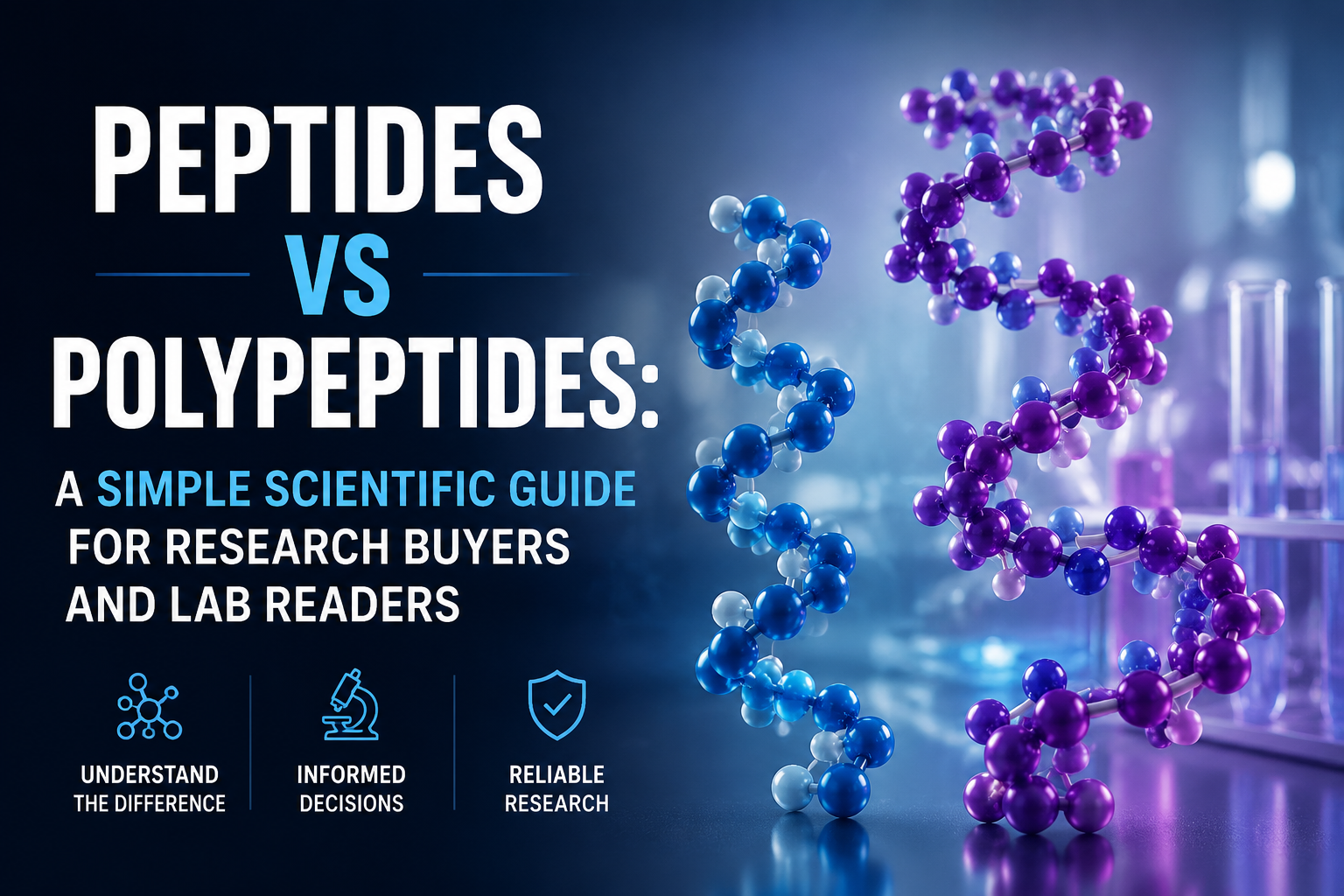
Peptide and polypeptide molecular chain comparison diagram

Only two amino acids separate a dipeptide from a tripeptide — yet that single bond can change how a compound is classified, priced, and regulated across the entire research supply chain. For anyone sourcing compounds or interpreting lab data, understanding the distinction covered in this Peptides vs Polypeptides: A Simple Scientific Guide for Research Buyers and Lab Readers is not a matter of academic curiosity. It directly affects purchasing decisions, product labeling, and how compound pages should be structured for search visibility.

Key Takeaways

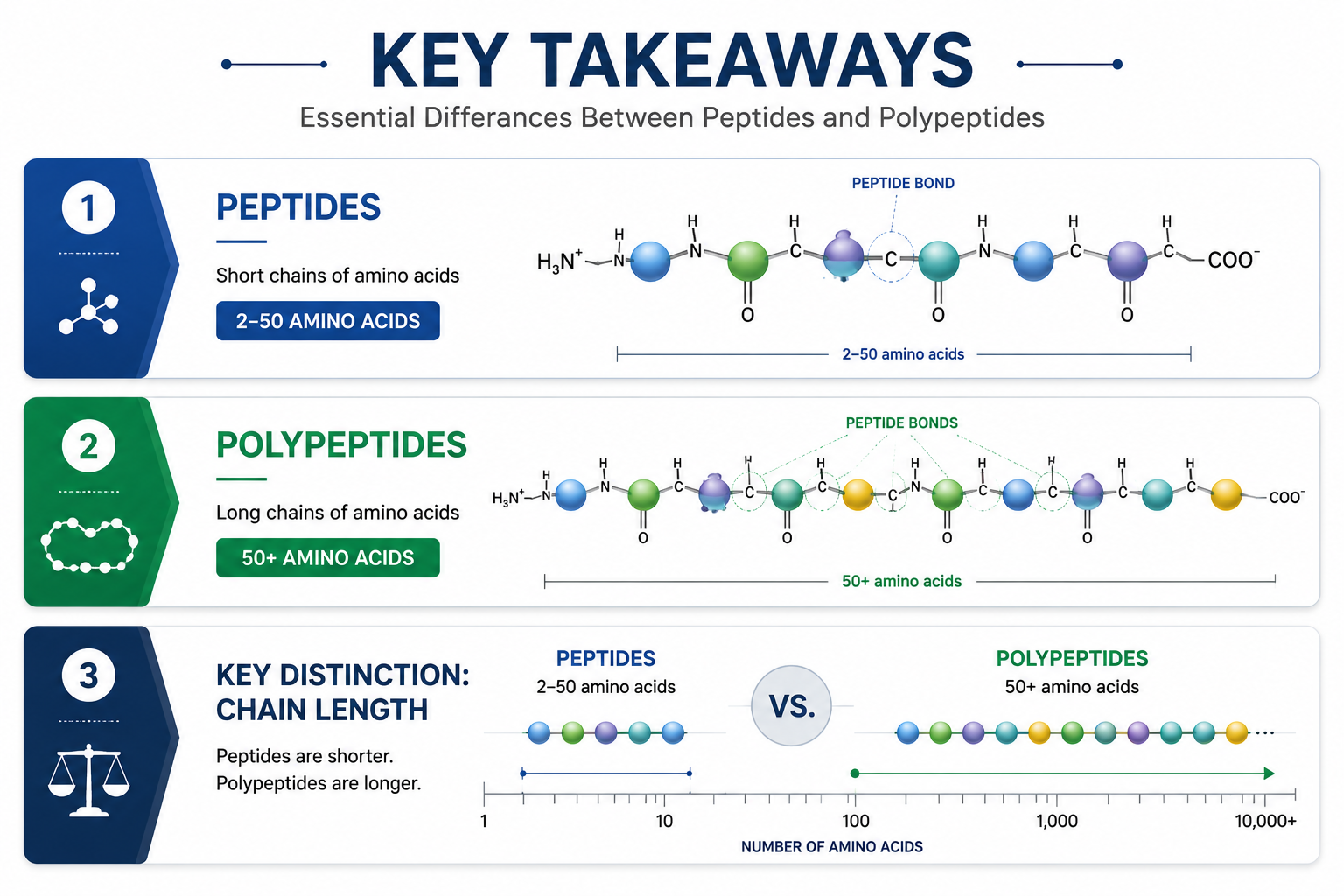
  • A peptide contains 2 to 49 amino acid residues; a polypeptide contains 50 or more.
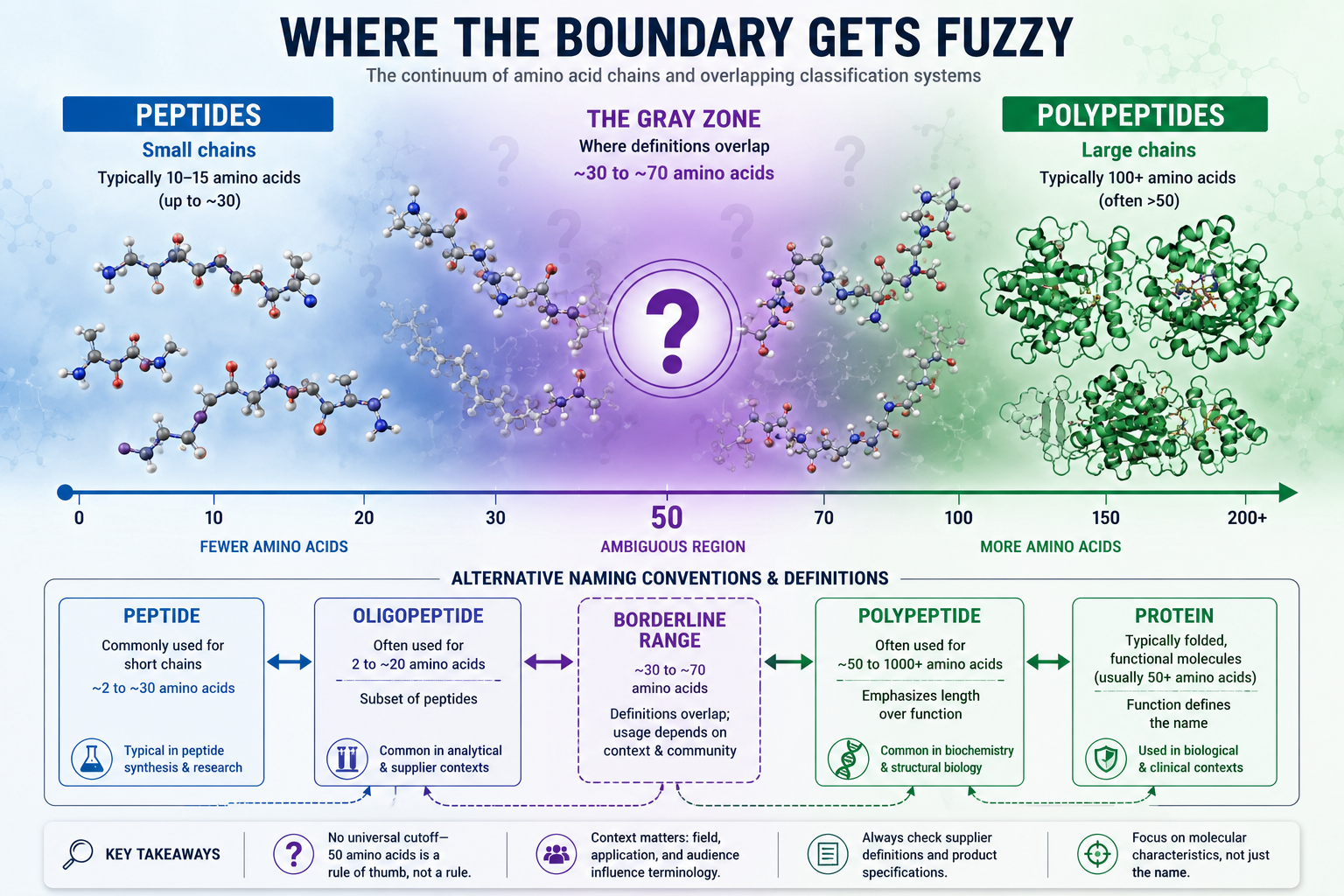
  • The boundary between the two terms is scientifically fuzzy and context-dependent.
  • Chain length affects stability, bioavailability, synthesis method, and research application.
  • Research buyers should verify chain length specifications before ordering any compound.
  • Proper classification on product pages improves both user trust and search engine relevance.

Defining the Terms: Where the Science Starts

At the most basic level, both peptides and polypeptides are chains of amino acids linked by peptide bonds. The difference is size.

Term Amino Acid Residues Common Examples
Dipeptide 2 Carnosine
Oligopeptide 3-10 BPC-157 (15 residues)
Peptide 2-49 Ipamorelin, Selank
Polypeptide 50+ Growth hormone fragments
Protein 100+ Insulin (51 residues, borderline)

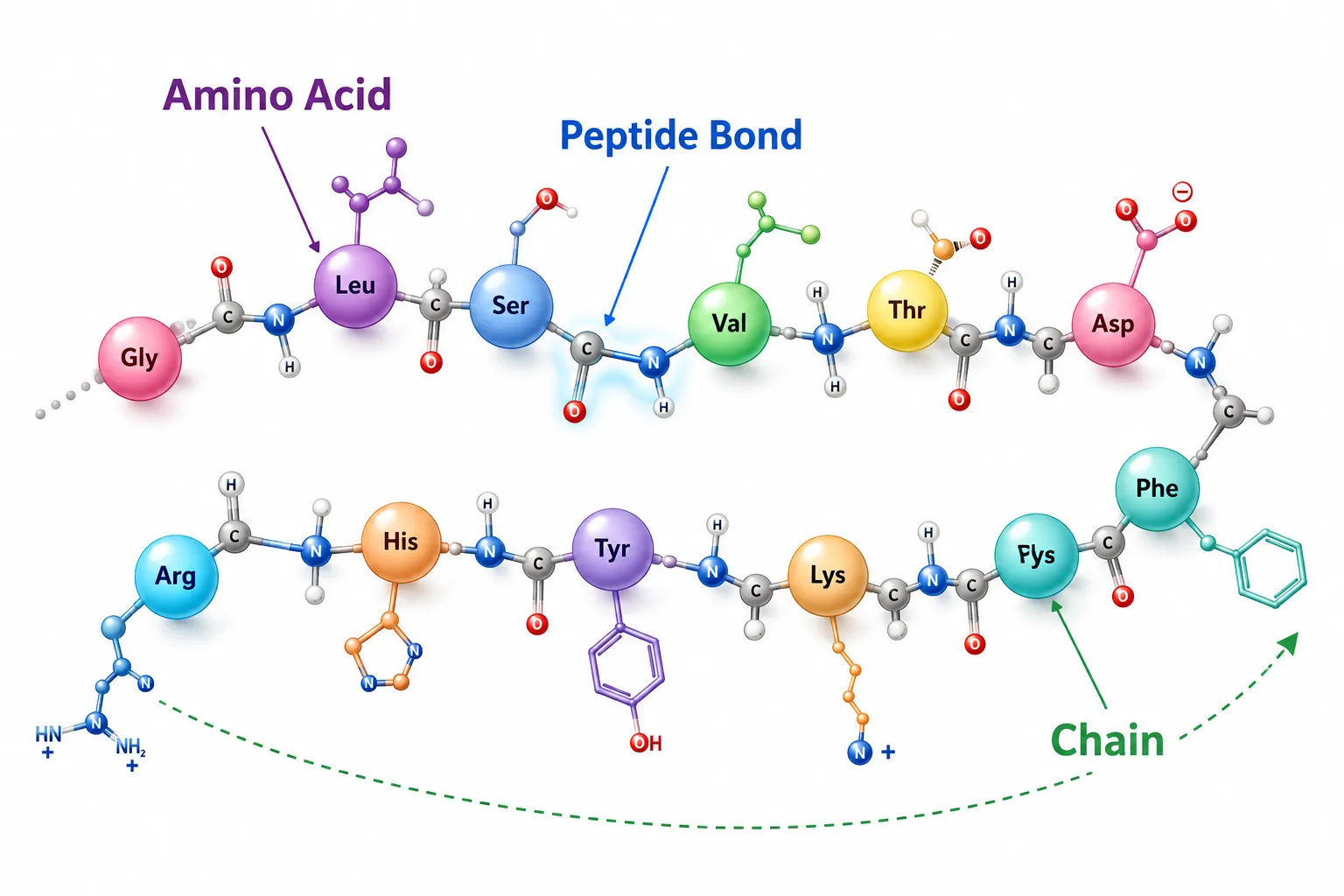
Peptide bonds form when the carboxyl group of one amino acid reacts with the amino group of another, releasing water. This reaction repeats along the chain. The longer the chain, the more complex the folding behavior and the greater the potential for biological activity — but also the greater the synthesis challenge.

Short-chain peptides like BPC-157 and Selank are relatively stable, easy to synthesize via solid-phase methods, and well-suited for research use. Longer polypeptides require more advanced manufacturing and are more sensitive to degradation.

Defining the Terms: Where the Science Starts


Where the Boundary Gets Fuzzy

Here is where this Peptides vs Polypeptides: A Simple Scientific Guide for Research Buyers and Lab Readers must be honest: the scientific community does not agree on a single cutoff number.

Some biochemistry textbooks place the peptide-polypeptide boundary at 50 residues. Others use 30. Insulin — one of the most studied molecules in medicine — sits at 51 residues and is variously called a polypeptide, a small protein, and simply a peptide depending on the source.

"The terms peptide, polypeptide, and protein are used somewhat loosely." — Berg, Tymoczko & Stryer, Biochemistry, 8th Edition

This ambiguity has real consequences for research buyers:

  • A compound listed as a "peptide" on one supplier's site may appear as a "polypeptide" on another.
  • Chain length affects bioavailability — shorter chains are generally absorbed more readily.
  • Stability under storage conditions varies significantly with molecular weight.
  • Synthesis purity standards differ between short and long chains.

Compounds like Tesamorelin (44 residues) and MOTS-c (16 residues) illustrate how diverse the peptide category is even before crossing into polypeptide territory. Reviewing quality testing protocols from a supplier helps confirm that chain length and purity are properly verified.

Where the Boundary Gets Fuzzy


What This Means for Research Buyers and Product Pages

This is the practical core of any Peptides vs Polypeptides: A Simple Scientific Guide for Research Buyers and Lab Readers discussion: classification shapes how compounds are found, evaluated, and trusted.

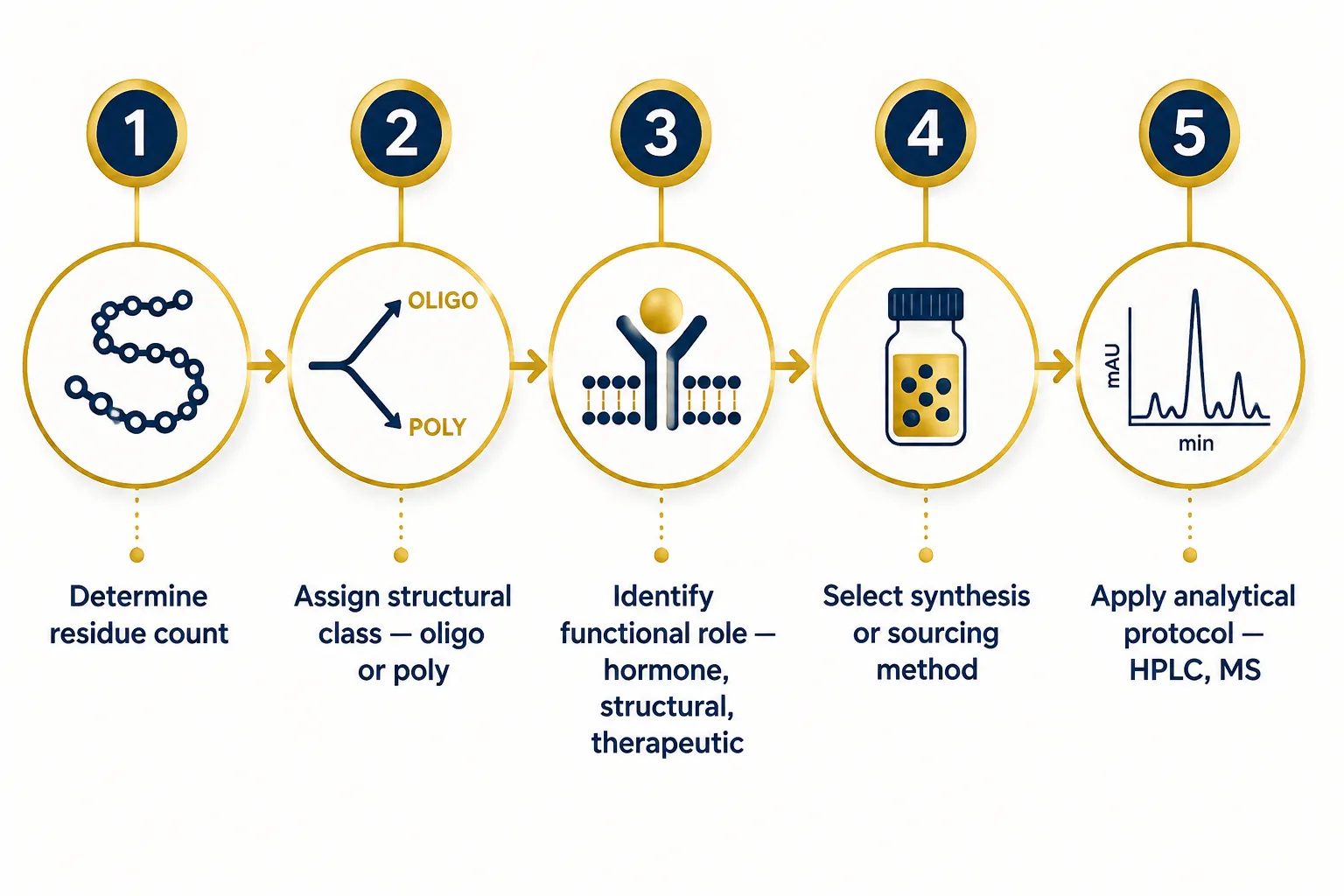
For research buyers, check these specifications before ordering:

  • Molecular weight (Daltons) — a reliable proxy for chain length
  • Number of amino acid residues — listed in the certificate of analysis
  • Synthesis method — SPPS (solid-phase) for shorter chains, recombinant for longer ones
  • Purity percentage — HPLC-verified purity above 98% is the research standard

For product pages and SEO structure, the distinction matters equally. A page for a short-chain compound like GHK-Cu should use "peptide" terminology throughout, while a page covering larger growth hormone fragments should accurately reflect polypeptide classification. Misclassification confuses both search engines and buyers.

Structured compound pages that include residue count, molecular weight, and synthesis method in the body copy tend to rank better for specific research queries. Buyers searching for peptides available for research benefit from this specificity because it reduces guesswork and supports informed purchasing.

Suppliers who publish certificates of analysis — accessible through a COA verification page — give buyers the data needed to confirm classification independently.

What This Means for Research Buyers and Product Pages


Conclusion

The peptide-polypeptide distinction comes down to chain length, but the exact boundary remains context-dependent. For research buyers, the actionable takeaway is straightforward: always request residue count and molecular weight data before purchasing. For content creators and lab communicators, accurate classification on product pages builds credibility with both readers and search engines.

Start by reviewing the certificate of analysis for any compound under consideration. Compare residue counts across supplier listings. Use precise terminology — "oligopeptide," "polypeptide," or "short-chain peptide" — rather than defaulting to generic labels. That precision is what separates a trusted research source from a vague catalog entry.

https://www.puretestedpeptides.com/wp-content/uploads/2026/07/Peptides-vs-Polypeptides-A-Simple-Scientific-Guide-for-Research-Buyers-and-Lab-Readers.png 1024 1536 Pure Tested https://www.puretestedpeptides.com/wp-content/uploads/2026/01/buy-peptides-online.jpg Pure Tested2026-07-01 13:03:452026-07-20 15:01:18Peptides vs Polypeptides: A Simple Scientific Guide for Research Buyers and Lab Readers
Peptides and Polypeptides: A Complete Research Guide to Structure, Signaling, and Therapeutic Classes

Peptides and Polypeptides: A Complete Research Guide to Structure, Signaling, and Therapeutic Classes

June 16, 2026/0 Comments/by Pure Tested

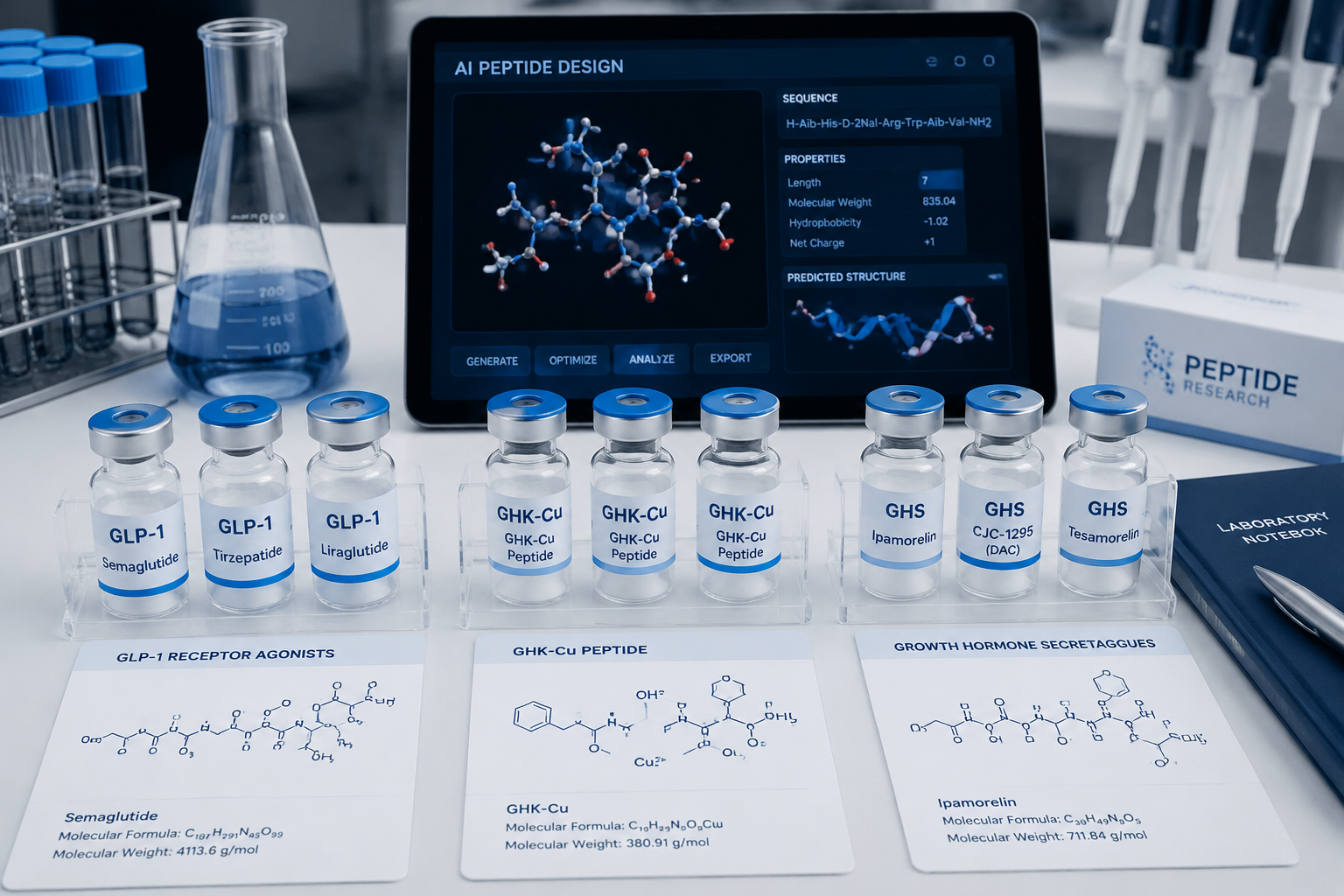
Over 80 peptide-based drugs are currently approved for clinical use worldwide, and that number is accelerating rapidly as manufacturing infrastructure and AI-driven design tools reshape what is possible. For researchers and science-curious readers alike, understanding the foundational biology behind these molecules is the essential first step. This guide to Peptides and Polypeptides: A Complete Research Guide to Structure, Signaling, and Therapeutic Classes builds that foundation — covering molecular structure, receptor signaling, and the major therapeutic categories active in research today.

Key Takeaways

  • Peptides are short amino acid chains (typically 2-50 residues); polypeptides are longer chains that may fold into functional proteins.
  • Peptide bonds form the backbone of all these molecules, and chain length determines biological behavior.
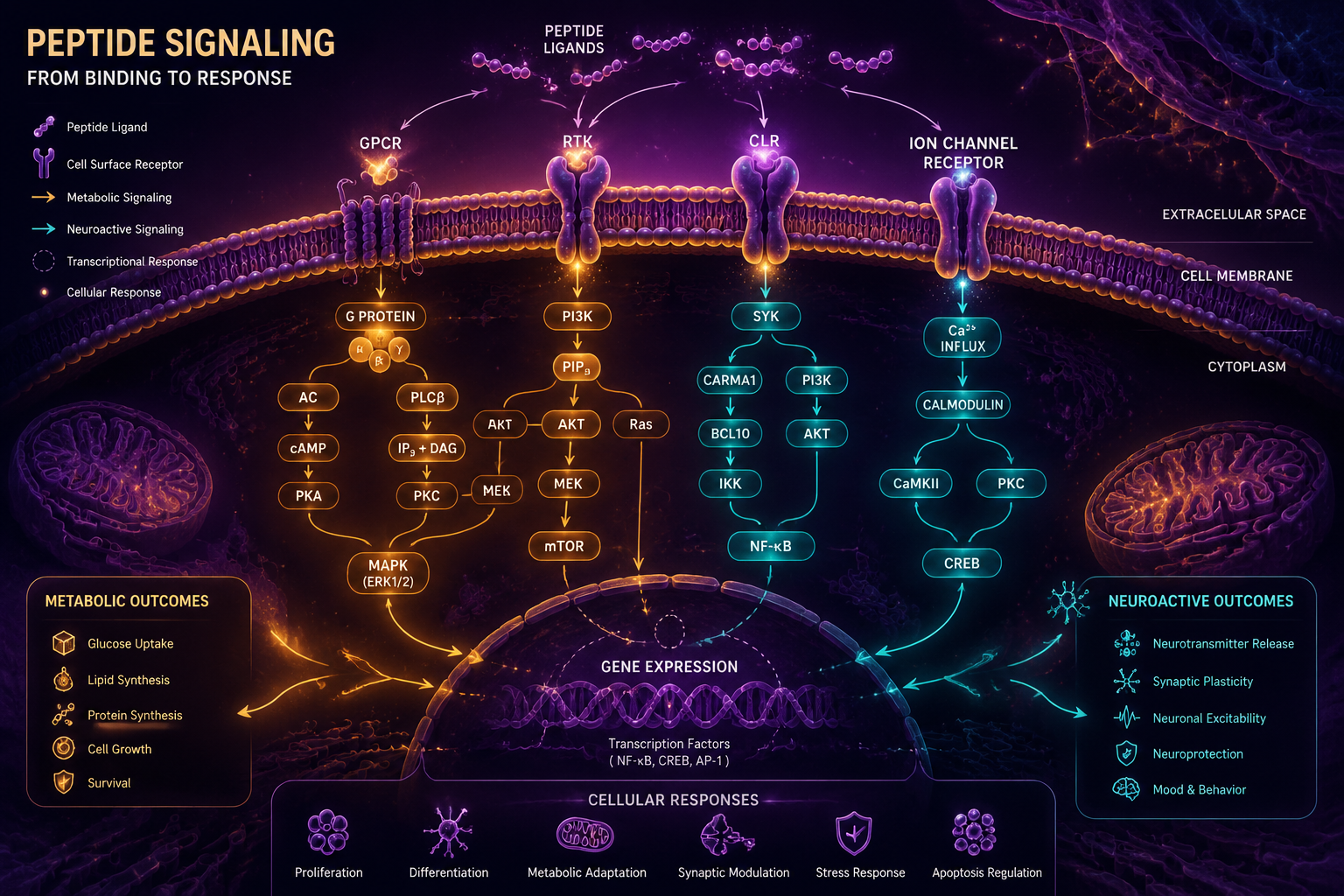
  • Peptides act as signaling molecules, binding receptors to trigger metabolic, regenerative, and neuroactive responses.
  • Major research classes include growth hormone secretagogues, GLP-family metabolic peptides, mitochondrial peptides, and tissue-repair compounds.
  • The global peptide drug pipeline is expanding fast, with new oral delivery formats and AI design tools entering the field in 2026.

Key Takeaways

Structure Basics: What Separates Peptides from Proteins

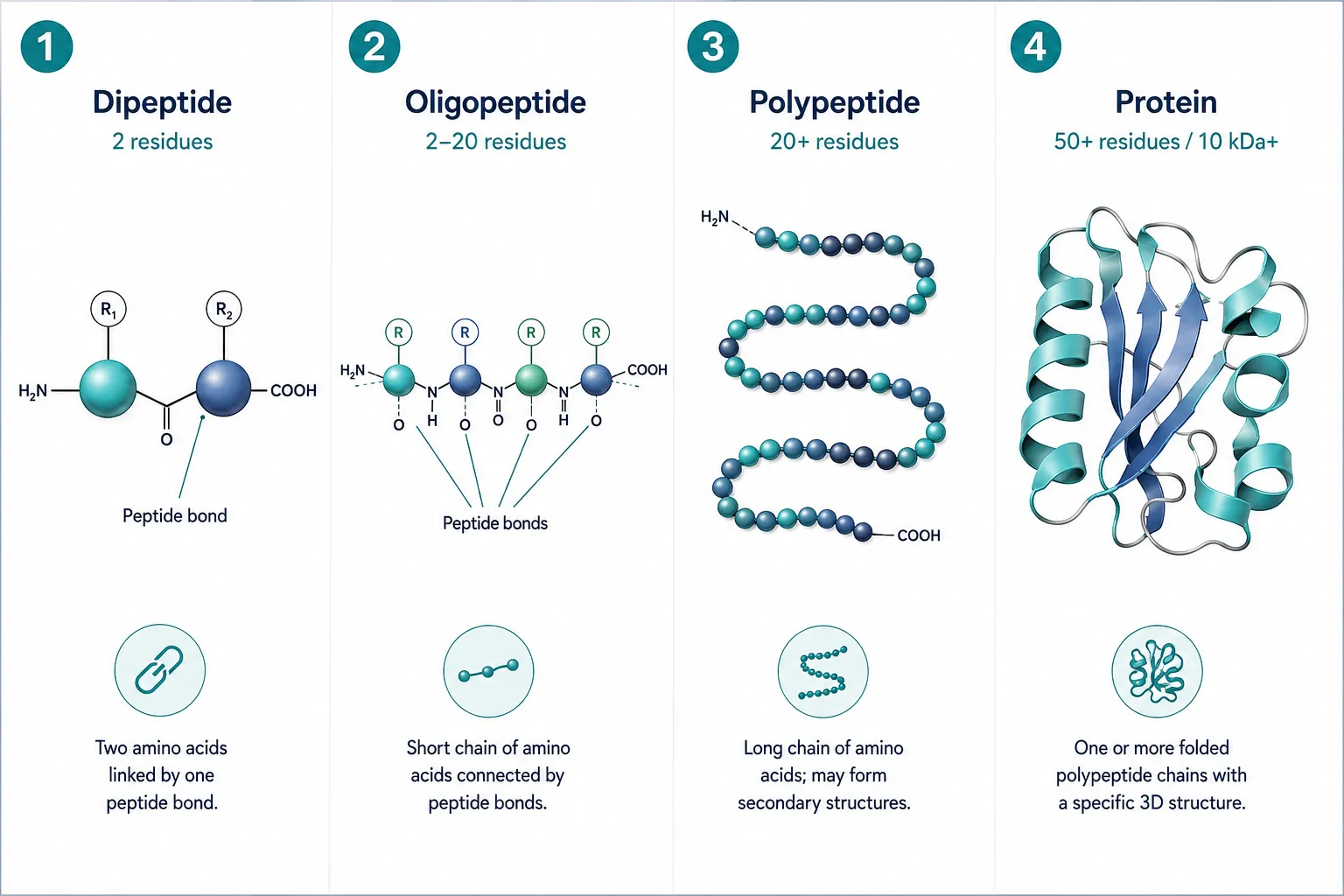
A peptide is a molecule made of two or more amino acids joined by peptide bonds. Each bond forms when the carboxyl group of one amino acid reacts with the amino group of the next, releasing water. The resulting chain is called a polypeptide.

The size distinction matters:

Category Residue Count Example
Dipeptide 2 Carnosine
Oligopeptide 3-10 Glutathione (tripeptide)
Polypeptide 10-50+ GLP-1, BPC-157
Protein 50+ (folded) Insulin, Growth Hormone

Chain length shapes function. Short peptides often act as direct signaling molecules. Longer polypeptides may fold into three-dimensional structures that enable enzymatic or structural roles. Researchers working with simple peptides often start with this size framework to predict solubility, stability, and receptor compatibility.

The primary structure (amino acid sequence) encodes all downstream behavior. Small changes in sequence — even a single residue swap — can dramatically alter receptor binding, half-life, and tissue targeting.


Structure Basics: What Separates Peptides from Proteins

How Peptides Signal: Receptors, Cascades, and Tissue Targets

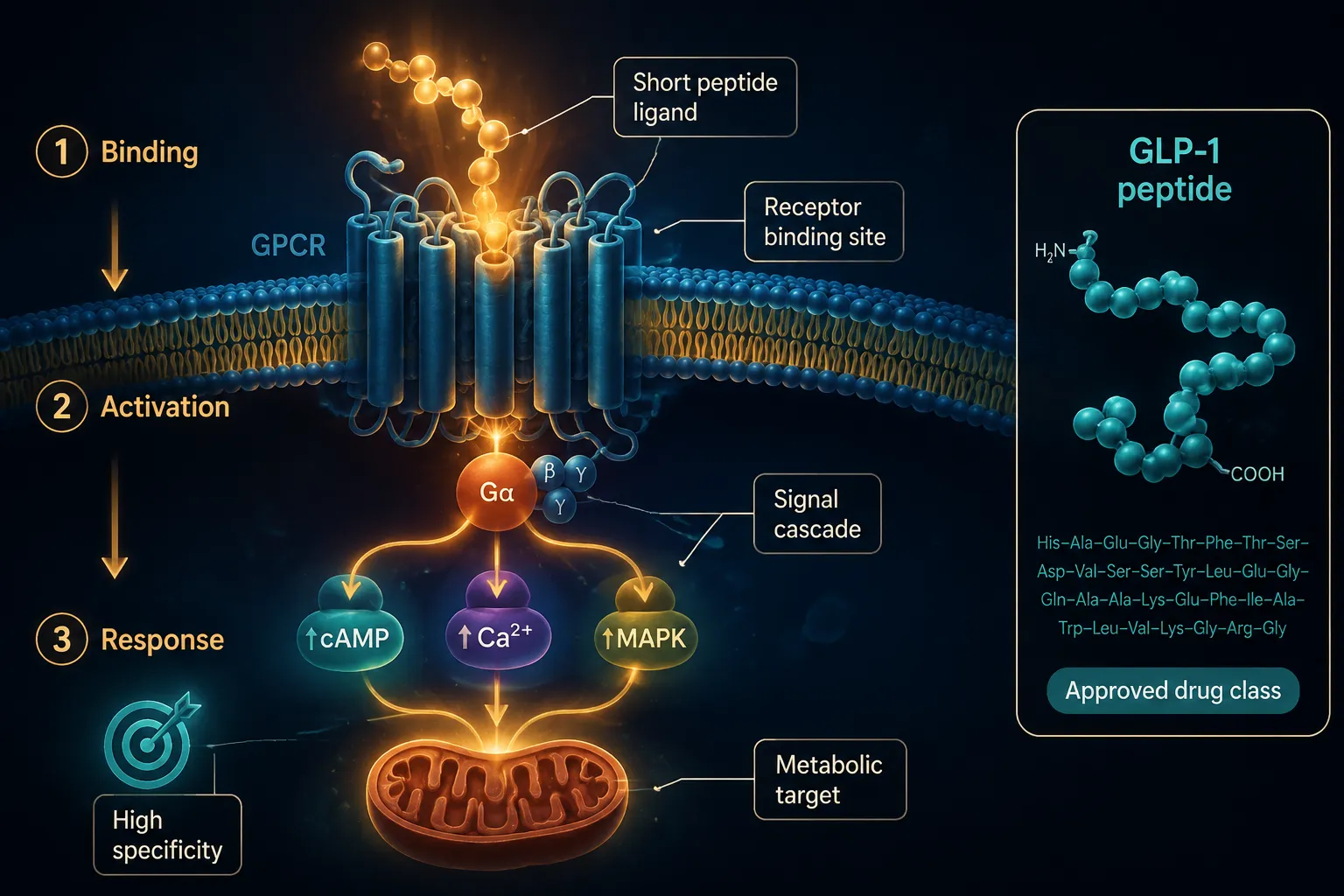
Peptides do not act randomly. They bind specific G protein-coupled receptors (GPCRs) or receptor tyrosine kinases on cell surfaces, triggering intracellular cascades that regulate gene expression, metabolism, and repair.

"A single peptide molecule binding its receptor can initiate a cascade affecting hundreds of downstream proteins — amplification is built into the system."

Key signaling categories in current research include:

  • Metabolic signaling: GLP-1 receptor agonists modulate insulin secretion and appetite. Research into GLP-1 peptide concepts and sourcing reflects intense interest in this pathway.
  • Growth hormone axis: Secretagogues like CJC-1295 and Ipamorelin stimulate pituitary GHRH receptors. The CJC-1295 plus Ipamorelin stack is one of the most studied combinations in this category.
  • Mitochondrial signaling: Peptides such as SS-31 and MOTS-c act on mitochondrial membranes to reduce oxidative stress. Detailed research themes for SS-31 mitochondrial research and MOTS-c metabolic flexibility explore these pathways.
  • Tissue repair: Compounds like BPC-157 and TB-500 influence angiogenesis and cytoskeletal remodeling. The BPC-157 core documentation guide provides a detailed starting point.
  • Neuroactive peptides: Selank and related compounds modulate anxiety and cognition pathways through GABAergic and serotonergic interactions.

Delivery format affects how well a peptide reaches its target receptor. Injectable routes preserve bioavailability, while newer sublingual and nasal spray peptide formats are being developed to improve compliance and absorption.


How Peptides Signal: Receptors, Cascades, and Tissue Targets

Major Therapeutic Classes in 2026 Research

This section of the Peptides and Polypeptides: A Complete Research Guide to Structure, Signaling, and Therapeutic Classes maps the primary research categories active today.

Growth Hormone Secretagogues
These peptides stimulate natural GH release rather than replacing it directly. Tesamorelin, CJC-1295, and Ipamorelin are the most studied. Research themes around body composition and tesa highlight visceral fat reduction as a key area.

GLP-Family Metabolic Peptides
GLP-1, GLP-3/retatrutide, and dual-receptor agonists represent a rapidly evolving class. The GLP-3 and retatrutide incretin research themes page covers next-generation variants.

Mitochondrial and Longevity Peptides
SS-31 and MOTS-c target mitochondrial function and metabolic flexibility. These compounds are gaining traction in aging research.

Regenerative and Skin Matrix Peptides
GHK-Cu is a copper-binding tripeptide studied for collagen synthesis and wound healing. Research into skin matrix biology connects peptide signaling to dermal repair mechanisms.

Industry momentum reinforces the importance of understanding these classes. In early 2026, Lifecore Biomedical and PolyPeptide Laboratories formed a GMP alliance linking domestic API production with fill-finish capacity. SK pharmteco invested $6.1 million to expand U.S. peptide manufacturing. Pinnacle Medicines raised $89 million for oral peptide development targeting asthma and COPD. AI tools like PepTune now generate optimized peptide sequences using diffusion models, compressing design timelines significantly.


Conclusion

Peptides and polypeptides are not a single category — they are a broad molecular language the body uses to coordinate metabolism, repair, and cognition. Understanding chain length, receptor specificity, and signaling class is the prerequisite for evaluating any specific compound.

Actionable next steps for researchers:

  1. Start with structural basics before evaluating any specific peptide compound.
  2. Identify the target receptor class (GPCR, mitochondrial, nuclear) before comparing delivery formats.
  3. Use foundational guides for individual compounds — such as those covering BPC-157, GLP-family peptides, or SS-31 — to move from general understanding to specific research design.
  4. Monitor the rapidly evolving oral and sublingual delivery landscape, as bioavailability improvements are changing research protocols in 2026.

The field is moving fast. A solid structural and signaling foundation makes every subsequent research decision more precise.

https://www.puretestedpeptides.com/wp-content/uploads/2026/06/Peptides-and-Polypeptides-A-Complete-Research-Guide-to-Structure-Signaling-and-Therapeutic-Classes.png 1024 1536 Pure Tested https://www.puretestedpeptides.com/wp-content/uploads/2026/01/buy-peptides-online.jpg Pure Tested2026-06-16 13:04:522026-07-20 15:02:59Peptides and Polypeptides: A Complete Research Guide to Structure, Signaling, and Therapeutic Classes
Understanding Polypeptide Peptides: Essential Building Blocks for Research Use Only

Understanding Polypeptide Peptides: Essential Building Blocks for Research Use Only

June 3, 2026/0 Comments/by Pure Tested

Roughly 22% of commercially available research peptides fail basic quality checks — a sobering figure that underscores why researchers must understand exactly what polypeptides are, how they are made, and what standards govern their use. Understanding polypeptide peptides: essential building blocks for research use only begins with grasping their molecular identity and the strict boundaries that define legitimate scientific application.

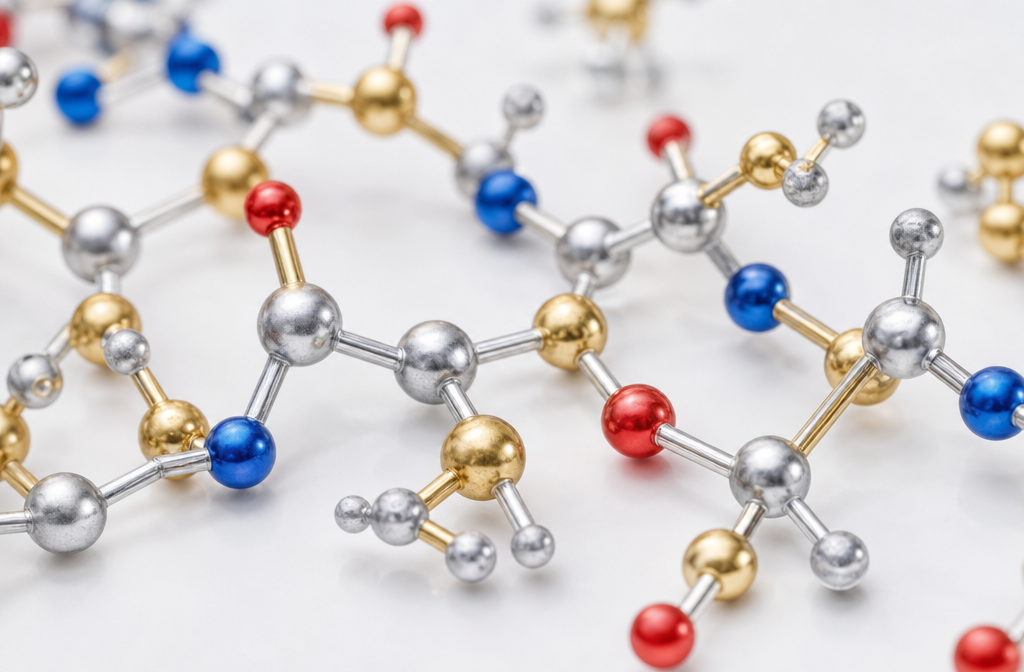
Close-up macro photograph of a molecular model of amino acid chains linked by peptide bonds, rendered in three-dimensional

Key Takeaways

  • Polypeptides are chains of more than 20 amino acids linked by peptide bonds, making them structurally distinct from shorter peptides.
  • They serve as hormones, signaling molecules, and structural components in biological systems.
  • Research-grade polypeptides are synthesized for laboratory use only and are not approved for human or animal administration.
  • Purity standards of 98% or higher are the benchmark for credible research peptide suppliers.
  • Regulatory classification as "For Research Use Only" (RUO) carries significant legal and ethical implications.

What Are Polypeptides and Why Do They Matter in Research

At the most fundamental level, a polypeptide is a polymer — a long chain of amino acids connected end-to-end through peptide bonds. The threshold that separates a polypeptide from a simpler peptide is generally accepted as 20 or more amino acids in sequence. Once a chain reaches sufficient length and folds into a defined three-dimensional shape, it becomes a functional protein.

This structural distinction is not merely academic. In laboratory settings, the length and sequence of an amino acid chain directly determines how a molecule behaves, what receptors it interacts with, and what biological pathways it may influence. Researchers studying metabolic regulation, tissue repair, or cellular signaling must select compounds with precision.

Why polypeptides are central to biological research:

Property Significance
Chain length (20+ amino acids) Enables complex folding and receptor specificity
Peptide bond stability Allows predictable behavior in controlled assays
Sequence variability Supports diverse research targets
Hormonal activity Models endogenous signaling for study

Polypeptides function as hormones, enzymes, and signaling molecules throughout living systems. Compounds such as BPC-157 and GHK-Cu are studied precisely because their amino acid sequences mimic or modulate naturally occurring biological activity, making them valuable tools for in-vitro investigation.


Synthesis, Purity, and the Research Use Only Framework

Synthesis, Purity, and the Research Use Only Framework

Understanding polypeptide peptides: essential building blocks for research use only requires a clear view of how these compounds are produced and what quality standards apply.

How Research Peptides Are Made

The dominant manufacturing method is Solid-Phase Peptide Synthesis (SPPS). In this process, amino acids are added one at a time to a growing chain anchored to a solid resin support. This sequential approach allows chemists to build highly specific sequences with controlled accuracy. After synthesis, the peptide is cleaved from the resin, purified, and analyzed.

High-quality research peptides should achieve a purity level of at least 98%, with premium-tier suppliers reaching 99% or above. Purity directly affects experimental reliability. A peptide with significant impurities introduces variables that can compromise data integrity.

"Purity is not a marketing claim — it is the foundation of reproducible science."

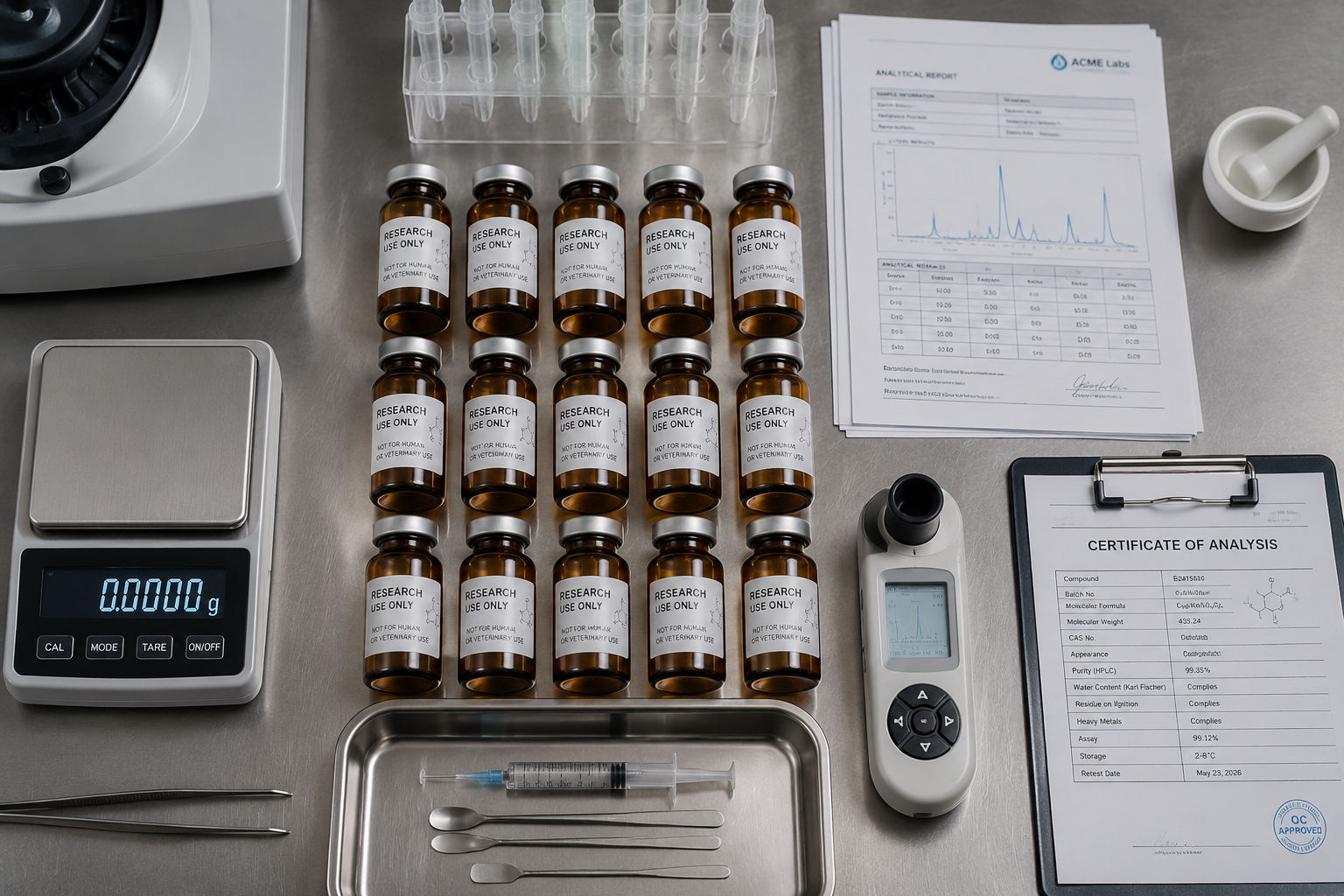
Researchers sourcing compounds such as Tesamorelin or CJC-1295 should request certificates of analysis (CoA) that confirm third-party purity testing before use.

The "For Research Use Only" Designation

The RUO label is not a formality. Peptides classified as research use only have not undergone the clinical trials, sterility testing, or manufacturing controls required for pharmaceutical approval. They are intended exclusively for in-vitro laboratory research — meaning controlled experiments outside of living organisms.

Key distinctions between research-grade and pharmaceutical-grade peptides:

  • Research-grade: synthesized for laboratory assays, no sterility mandate for human use
  • Pharmaceutical-grade: manufactured under strict Good Manufacturing Practice (GMP) standards, approved for clinical administration
  • RUO products: not tested or approved by the FDA for human or animal consumption

Compounds like MOTS-c and Epithalon are actively studied in research contexts, but their RUO status means they remain outside the scope of approved therapeutic use.


Selecting Quality Polypeptides for Legitimate Research Applications

Understanding polypeptide peptides: essential building blocks for research use only also means knowing how to evaluate suppliers and avoid substandard products. Independent analyses have found dose inaccuracies exceeding 20% in a meaningful share of commercially available research peptides — a risk that can invalidate entire study protocols.

Selecting Quality Polypeptides for Legitimate Research Applications

Checklist for evaluating a research peptide supplier:

  • Published certificates of analysis from independent third-party laboratories
  • Clearly stated purity percentages per batch
  • Transparent synthesis methods and storage recommendations
  • Compliance with RUO labeling requirements
  • No claims suggesting human or animal use

Researchers exploring innovative peptide delivery systems should also consider how formulation affects compound stability and bioavailability in experimental models. For those comparing sourcing options, reviewing peptide supplier comparisons can provide useful context for making informed procurement decisions.


Conclusion

Polypeptides are far more than long chains of amino acids — they are the molecular tools that drive some of the most important questions in modern biological research. A clear understanding of their structure, synthesis, purity requirements, and regulatory classification is essential for any researcher working with these compounds in 2026.

Actionable next steps for researchers:

  1. Verify the purity and CoA documentation of any polypeptide before incorporating it into a study protocol.
  2. Confirm that all compounds are sourced from suppliers who clearly label products as research use only.
  3. Review the specific amino acid sequence and known biological activity of a polypeptide to ensure it aligns with the research objective.
  4. Stay current with regulatory updates affecting the RUO classification in your jurisdiction.
  5. Consult peer-reviewed literature to contextualize in-vitro findings before drawing broader conclusions.

Rigorous sourcing and a firm grasp of the research use only framework are not optional — they are the baseline for credible, reproducible science.


https://www.puretestedpeptides.com/wp-content/uploads/2026/06/Understanding-Polypeptide-Peptides-Essential-Building-Blocks-for-Research-Use-Only.png 672 1024 Pure Tested https://www.puretestedpeptides.com/wp-content/uploads/2026/01/buy-peptides-online.jpg Pure Tested2026-06-03 13:03:422026-07-20 15:04:12Understanding Polypeptide Peptides: Essential Building Blocks for Research Use Only
×

Helpful Links

  • My account
  • Cart
  • Checkout
  • Refund and Returns Policy
  • Privacy Policy
  • SMS Privacy Policy
  • Login
  • My Account
  • Logout

USA Made Lab Tested Peptides

All products are sold for research, laboratory, or analytical purposes only, and are not for human consumption


Pure Tested Peptides is a chemical supplier. Pure Tested Peptides is not a compounding / chemical compounding facility as defined under 503A of the Federal Food, Drug, and Cosmetic act. Pure Tested Peptides is not an outsourcing facility as defined under 503B of the Federal Food, Drug, and Cosmetic act.

The statements made within this website have not been evaluated by the US Food and Drug Administration. The products we offer are not intended to diagnose, treat, cure or prevent any disease.

Human/Animal Consumption Prohibited. Laboratory/In-Vitro Experimental Use Only

Scroll to top Scroll to top Scroll to top