Call or Text 727-513-9780
  • Shopping Cart Shopping Cart
    0Shopping Cart
Pure Tested Peptides | America's most trusted Peptides for sale online
  • Peptides for sale
    • Oral Peptides for sale
      • Peptide Capsules for sale
      • BPC 157 Capsules 1000mcg
      • SLU-PP-332 Capsules | 1000 mcg
      • 5-Amino-1MQ 50mg Capsules
      • Tesofensine 500mcg
    • All Peptides for sale
    • Peptide Sprays
      • BPC 157 Nasal Spray Kit
      • BPC-157 TB500 Nasal Spray Kit
      • Semax Nasal Spray 10mg
      • Selank – Nasal Spray Kit – 10mg
      • Epithalon 50MG Nasal Spray Kit
      • Ipamorelin 10mg Nasal Spray
      • Klow Nasal Spray (BPC-157 + TB-500 + GHK-Cu + KPV) | 80mg
      • Hulk Nasal Spray Tesa / Ipa Blend 6/3 MG
      • Klow Nasal Spray
      • NAD + 500 mg Nasal Spray
      • PT-141 Nasal Spray Kit
    • GHRH Peptides
      • Ipa Peptides
      • CJC-1295 Peptides
        • CJC-1295 with DAC 5 mg
        • CJC-1295 without DAC 5 mg
        • CJC-1295 Ipa 10mg
      • Tesa Peptides
        • Tesa Peptide
        • Tesa 20 mg
    • GHK-Cu Peptides
      • All GHK-Cu Peptides
      • GHK-Cu 100mg
      • KLOW Peptide Blend – Buy KLOW blend online
    • BPC Peptides
      • All BPC Peptides
      • BPC-157
      • BPC-157 TB-500
      • BPC 157 capsules 1000mcg
    • SLU-PP-332 Peptides
      • All SLU-PP-332 Peptides
      • SLU-PP-332 5mg
    • GLP3 Peptides
      • GLP3-R
      • GLP3-R CAG 10mg
      • GLP3-R 20mg
    • PT-141 Peptides
      • PT-141 Peptides for sale
      • PT-141 10mg
      • PT-141 Nasal Spray
    • CAG Peptides
      • Lipo-C Peptide Blend
      • CAG 5mg
      • CAG 10mg
    • MOTS-C Peptides
      • MOTS-C Peptides for sale
      • MOTS-c peptide
      • MOTS-c 10mg *6 pack*
    • 5 Amino 1MQ Peptides
      • 5 Amino 1MQ Peptides for sale
      • 5-Amino-1MQ 50mg Capsules
      • 5-Amino-1MQ 5mg
    • Epithalon Peptides
      • Epithalon Peptides for sale
      • Epithalon 10mg
      • Epithalon 50mg
  • Shop
    • GLPs
      • 5-Amino-1MQ 50mg Capsules
      • 5-Amino-1MQ 5mg
      • GLP3-Reta
      • L-Carnitine 500mg/ml
      • Tesofensine 500mcg
      • SLU-PP-332 5mg
      • MOTS-c 10mg *6 pack*
    • Epithalon & BPC Peptides
      • Epithalon 10mg
      • Epithalon 50mg
      • BPC-157
      • BPC 157 capsules 1000mcg
      • BPC-157 TB-500
      • BPC-157 TB500 Nasal Spray Kit
      • BPC 157 Nasal Spray Kit
    • BPC TB-500 & NAD+ Peptides
      • NAD+ 500 mg
      • KLOW Peptide Blend – Buy KLOW blend online
      • GLOW Peptide Blend
      • TB 500 5mg
      • BPC 157 capsules 1000mcg – Supplement
      • BPC 157 Nasal Spray Kit
      • BPC-157
      • BPC-157 TB500 Nasal Spray Kit
      • BPC-157 TB-500
      • BPC 157 capsules 1000mcg
    • LL-37 Peptide
      • LL-37 10 mg
    • MOTS-C & Selank
      • MOTS-c peptide
      • Selank 10mg
    • GHK Peptides
      • GHK-Cu 100mg
      • GLOW Peptide Blend
      • KLOW Peptide Blend – Buy KLOW blend online
  • COAs
  • Wholesale
    • Wholesale Peptides for sale
  • PTP FAQ
  • Affiliates
    • Affiliate Program
    • Affiliate Signup
  • Contact
    • Contact Customer Service
    • Text Customer Support
  • About US
  • Shop all peptides
  • Login / Register Login / Register Page Link Login / Register Page Link
  • Click to open the search input field Click to open the search input field Search
  • Menu Menu

Tag Archive for: epithalon

Epithalon and Telomere Biology: What the Research Actually Suggests About Longevity Signaling

Epithalon and Telomere Biology: What the Research Actually Suggests About Longevity Signaling

June 17, 2026/0 Comments/in Uncategorized/by

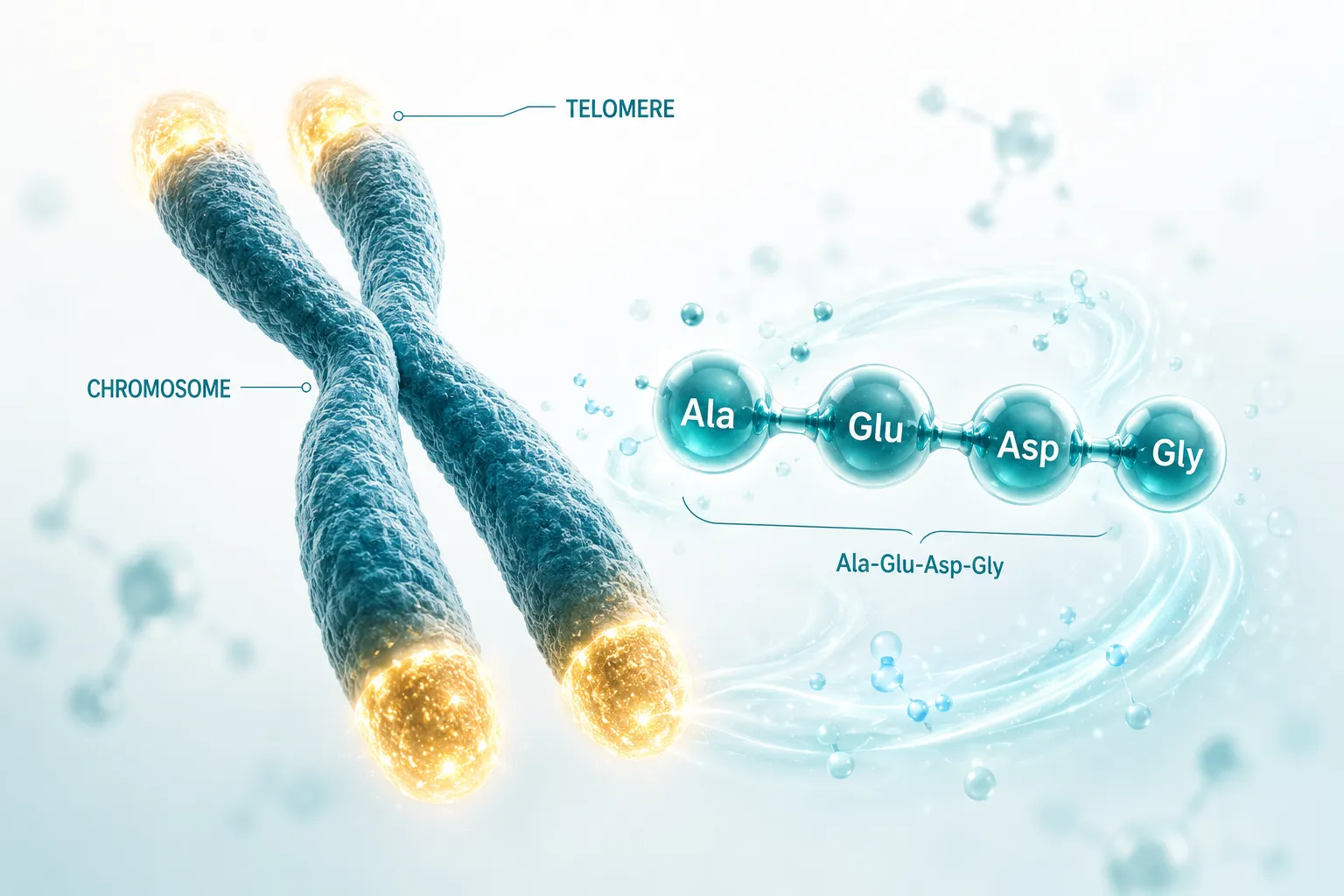
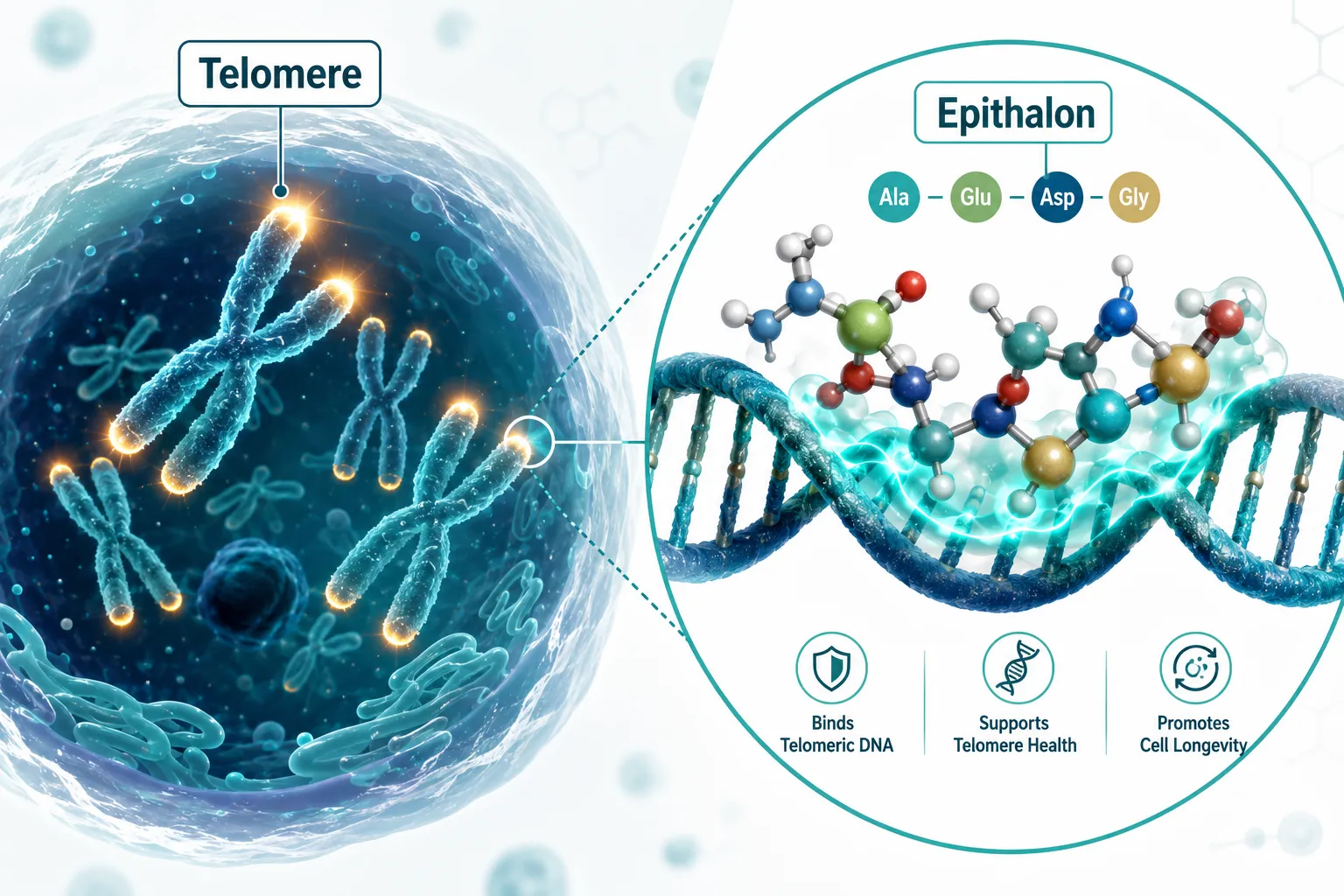
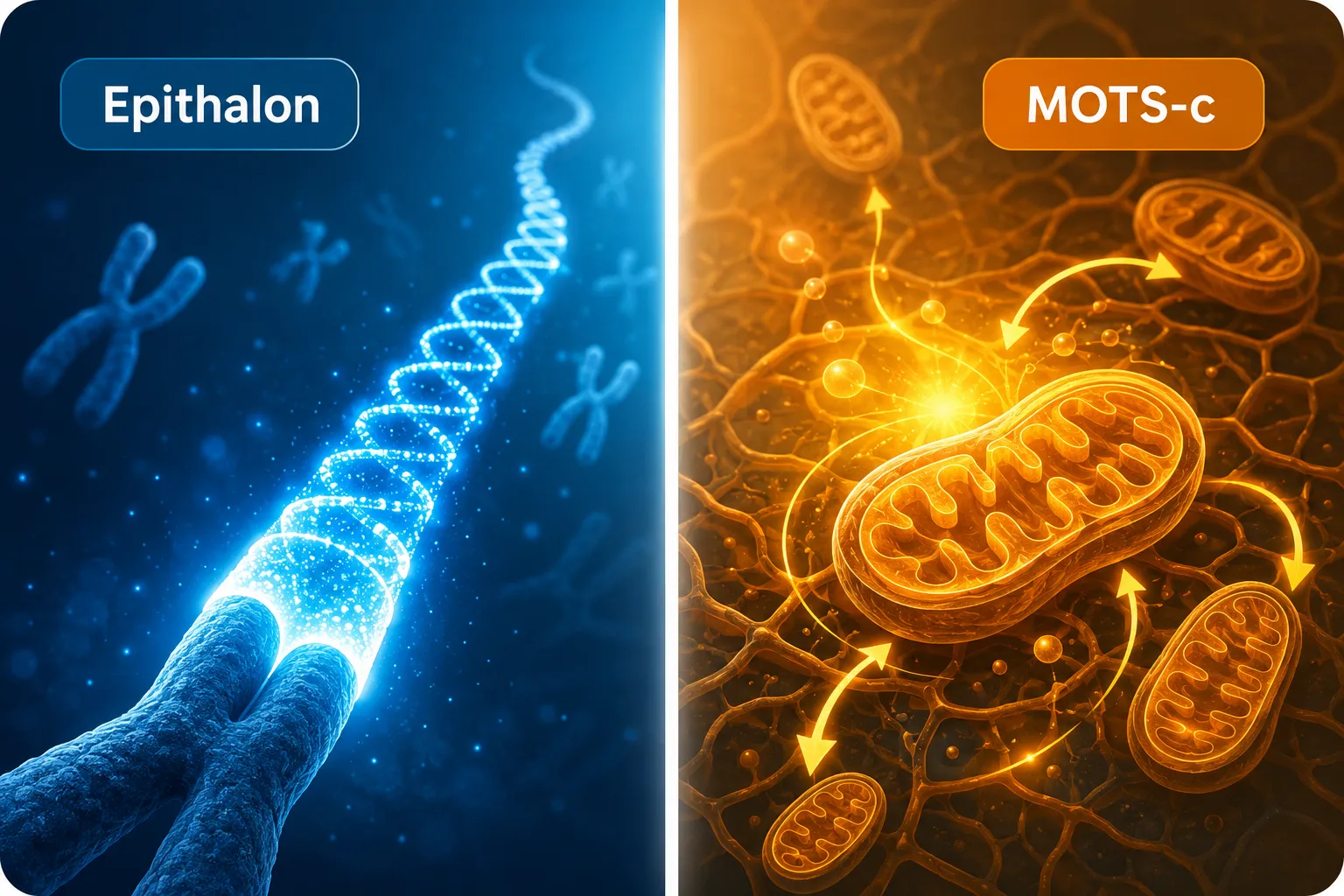
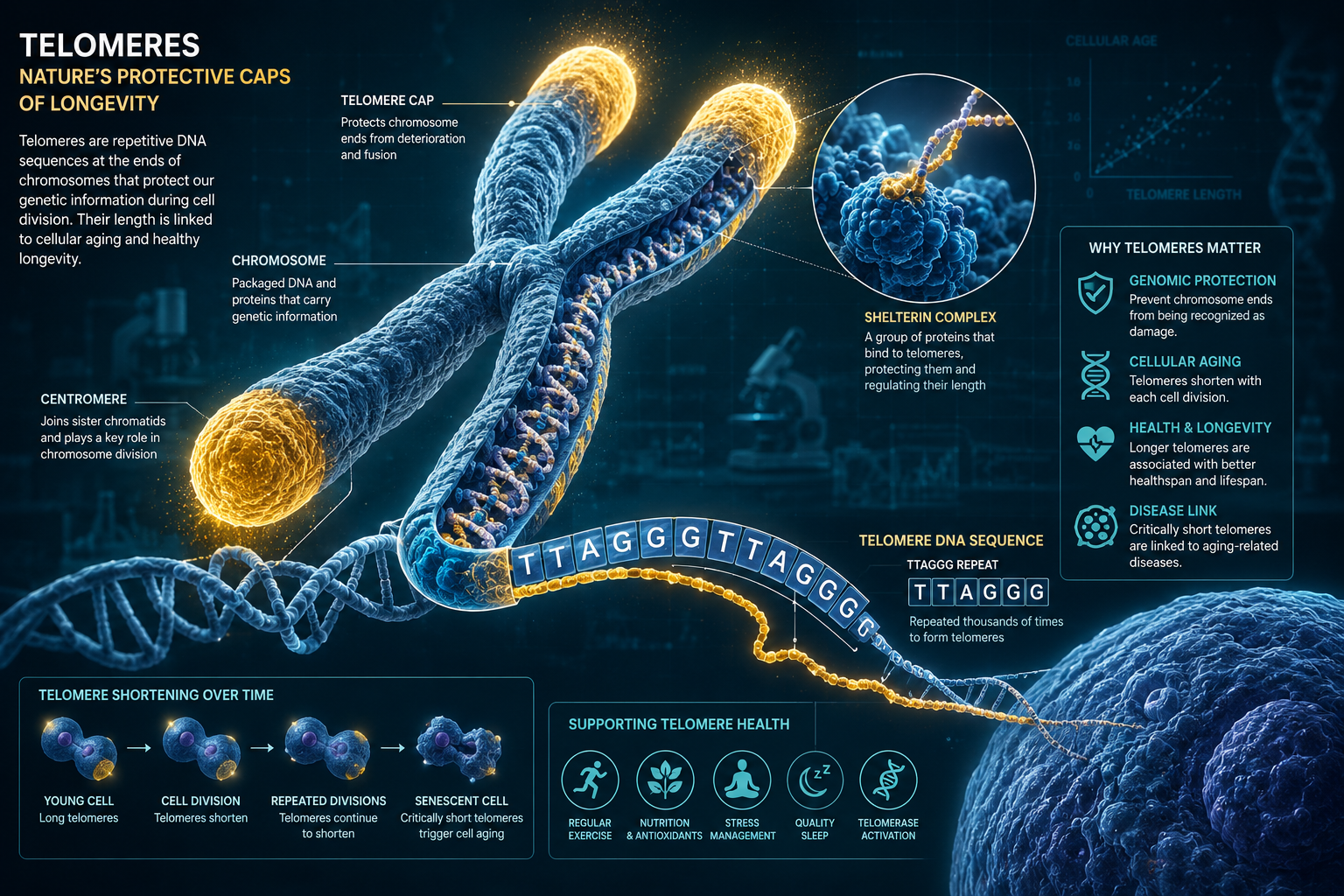
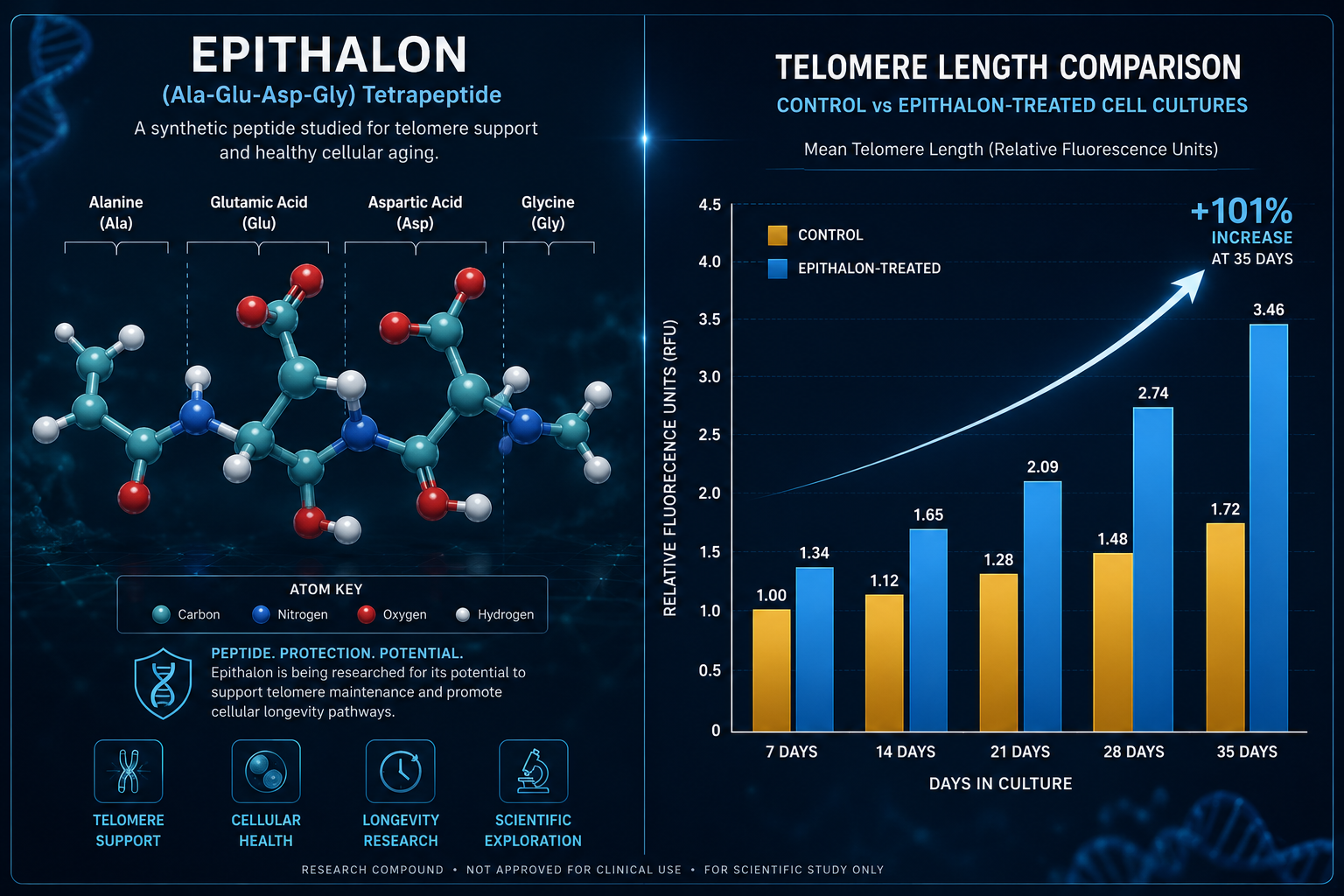
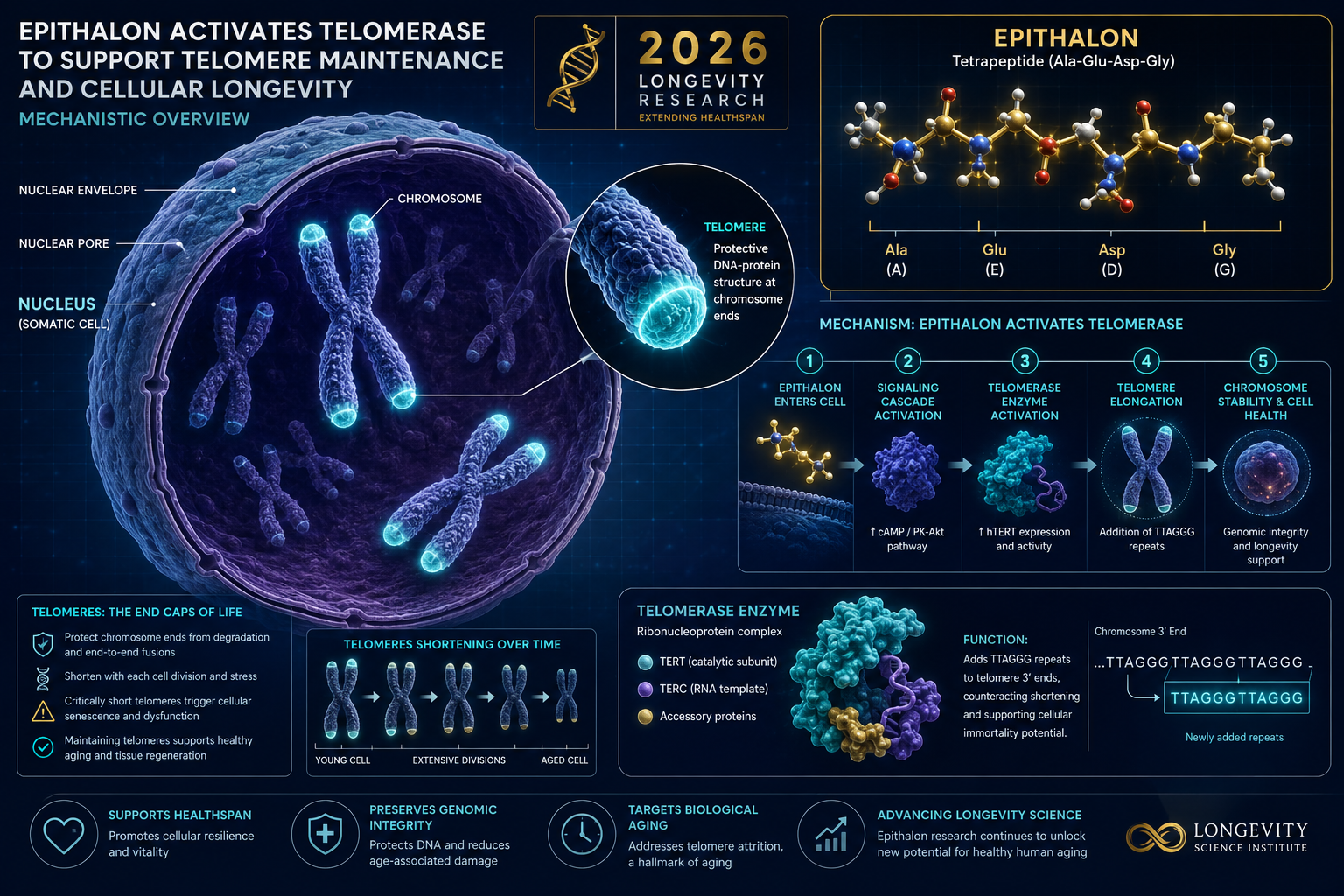
Telomeres shorten with every cell division — and when they become critically short, cells stop dividing or die. That single biological fact has made telomere biology one of the most intensely studied areas in longevity science. Into this space steps Epithalon, a synthetic tetrapeptide (Ala-Glu-Asp-Gly) derived from the pineal gland peptide epithalamin. The conversation around Epithalon and telomere biology: what the research actually suggests about longevity signaling is more nuanced than most popular sources admit. This article separates mechanistic hypotheses from what experimental systems have actually demonstrated.

Detailed () scientific illustration showing a cross-section diagram of a human somatic cell nucleus with highlighted

Key Takeaways

  • Epithalon activates telomerase and elongates telomeres in cell culture, but most evidence comes from a single research group.
  • Animal studies report a 24-38% increase in mean lifespan, but these findings have not been independently replicated at scale.
  • Human observational data on mortality reduction is promising yet methodologically limited.
  • Epithalon lacks FDA approval and comprehensive safety data as of 2026.
  • Independent replication and randomized controlled trials remain the critical next step.

The Mechanistic Case: How Epithalon Is Proposed to Influence Telomere Biology

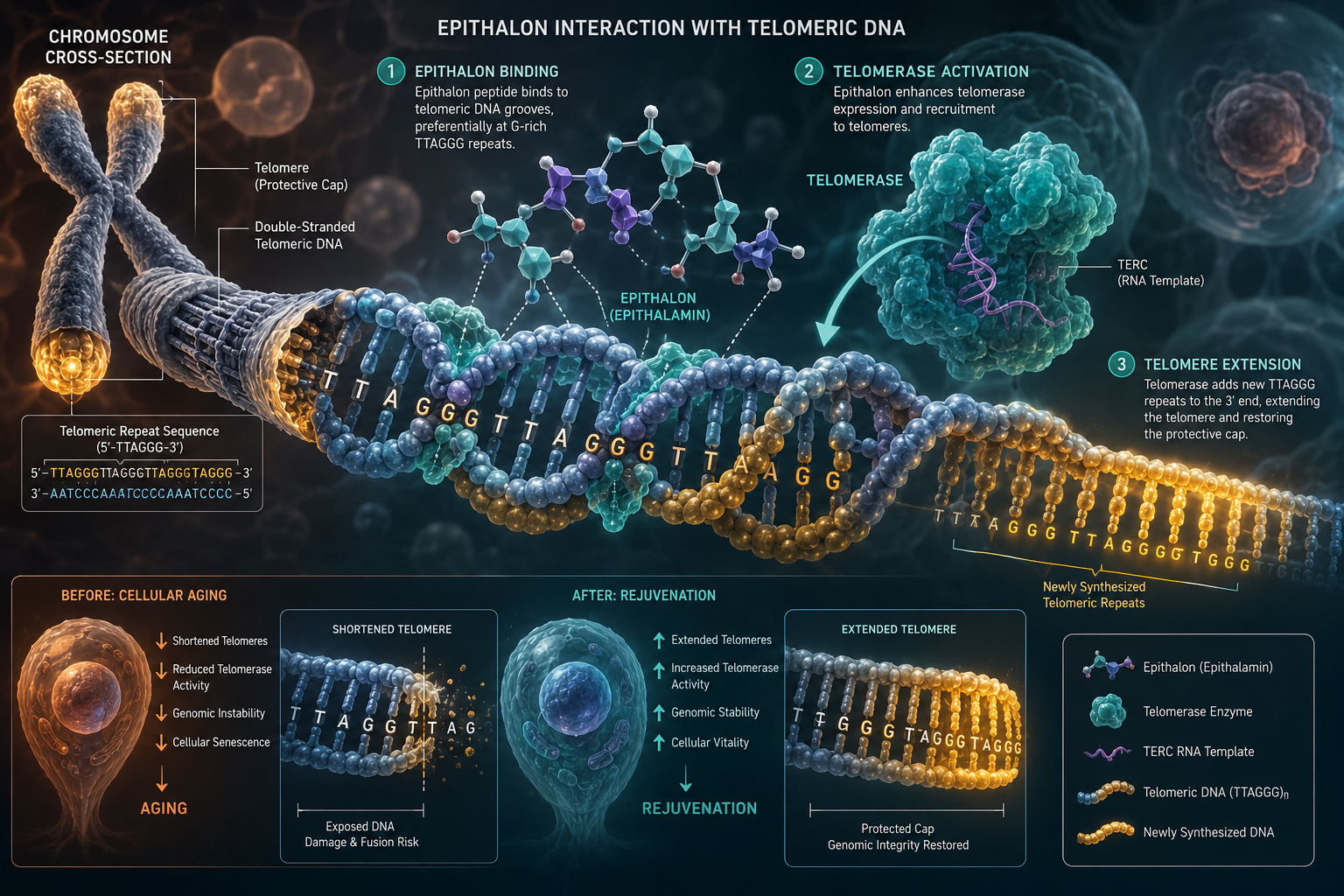
The core hypothesis is straightforward. Epithalon is proposed to upregulate hTERT expression — the catalytic subunit of telomerase — thereby activating the enzyme that rebuilds telomere sequences. In vitro studies support this model. A 2025 study demonstrated telomerase induction and measurable telomere elongation in both normal and cancer human somatic cell lines. Notably, normal cells required roughly three weeks of incubation to show the effect, while cancer cells responded within four days. This difference likely reflects the already-elevated baseline telomerase activity in malignant cells.

"The mechanistic rationale for Epithalon is biologically plausible — but plausibility is not the same as demonstrated efficacy."

What makes this relevant to longevity signaling is the broader context. Telomere attrition is linked to cellular senescence, chronic inflammation, and age-related tissue dysfunction. A peptide that reliably activates telomerase could, in theory, slow these downstream processes. For researchers also exploring mitochondrial aging pathways, SS-31 mitochondrial research themes offer a complementary lens on cellular energy decline in aging.

The mechanistic picture is incomplete, however. The hTERT upregulation pathway has been validated primarily in cell culture. In vivo confirmation — particularly in human tissue — is still lacking.


What Animal and Human Studies Have and Have Not Shown

What Animal and Human Studies Have and Have Not Shown

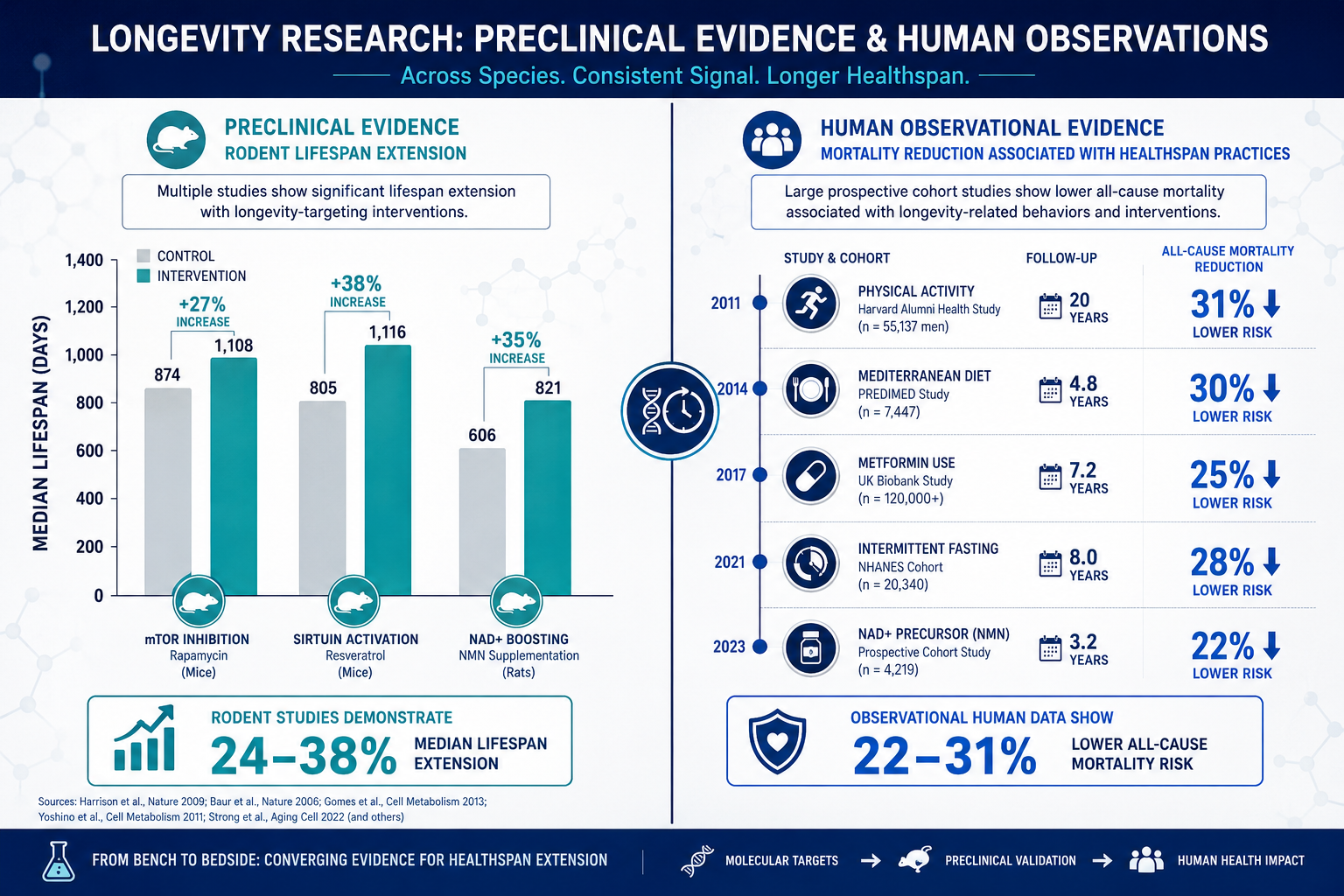
Rodent studies represent the strongest body of preclinical evidence. Long-term chronic administration of Epithalon has been associated with a 24 to 38% increase in mean lifespan relative to control groups. Treated animals also showed reduced tumor incidence, particularly mammary and hepatic tumors. These are meaningful effect sizes by any standard.

Human data is more limited. A 6-to-8-year observational study involving 266 elderly patients reported a 1.6-to-1.8-fold decrease in mortality among those receiving epithalamin, the natural peptide extract from which Epithalon is derived. That is a striking number. But these were not randomized controlled trials, and the absence of proper controls makes causal interpretation difficult.

For researchers building a broader longevity research framework, it is useful to compare evidence quality across compounds. NAD+ energetics and longevity research themes and NAD scientific evidence illustrate how compounds with more diverse research pipelines are evaluated.

Evidence Type Finding Limitation
In vitro (human cells) Telomerase activation confirmed Single lab, no independent replication
Animal models (rodents) 24-38% lifespan extension Not replicated across independent groups
Human observational 1.6-1.8x mortality reduction No randomization, small cohort

Critical Gaps: What Epithalon Research Still Needs to Establish

Critical Gaps: What Epithalon Research Still Needs to Establish

The most significant limitation in the entire Epithalon literature is concentration of origin. The majority of key studies trace back to a single Russian research group. Independent replication — the bedrock of scientific confidence — has not occurred at the scale needed to validate the reported effects.

Safety data is another gap. Comprehensive information on genotoxicity, carcinogenic potential, and long-term organ-level effects is not yet available. This matters especially given that telomerase activation in cancer cells is a known driver of tumor progression. Researchers should weigh this carefully.

As of 2026, Epithalon holds no approval from major regulatory agencies including the FDA. It remains a research compound. For those sourcing it for experimental purposes, reviewing where to buy SS-31 and Epithalon online provides useful procurement context. The Epithalon product page also outlines current catalog specifications.

When benchmarked against SS-31 (Elamipretide), which has completed Phase 2/3 clinical trials and received FDA approval for specific indications, Epithalon's evidence base is considerably less mature. Researchers interested in peptide delivery innovations may also find value in innovative peptide delivery systems as the field evolves.

Future research priorities include randomized controlled trials, independent replication of animal findings, and systematic safety profiling across diverse populations.


Conclusion

The science of Epithalon and telomere biology: what the research actually suggests about longevity signaling points to a compound with a credible mechanistic hypothesis and intriguing early data — but one that has not yet cleared the evidentiary bar required for clinical confidence. Telomerase activation in cell culture is real. Lifespan extension in rodents is notable. Human mortality data is suggestive. None of these, however, constitute proof of efficacy or safety in humans.

Actionable next steps for researchers:

  • Prioritize sourcing Epithalon only from verified, analytically tested suppliers.
  • Design experiments with appropriate controls and document outcomes rigorously.
  • Monitor the literature for independent replication studies, which will be the decisive factor in evaluating this compound.
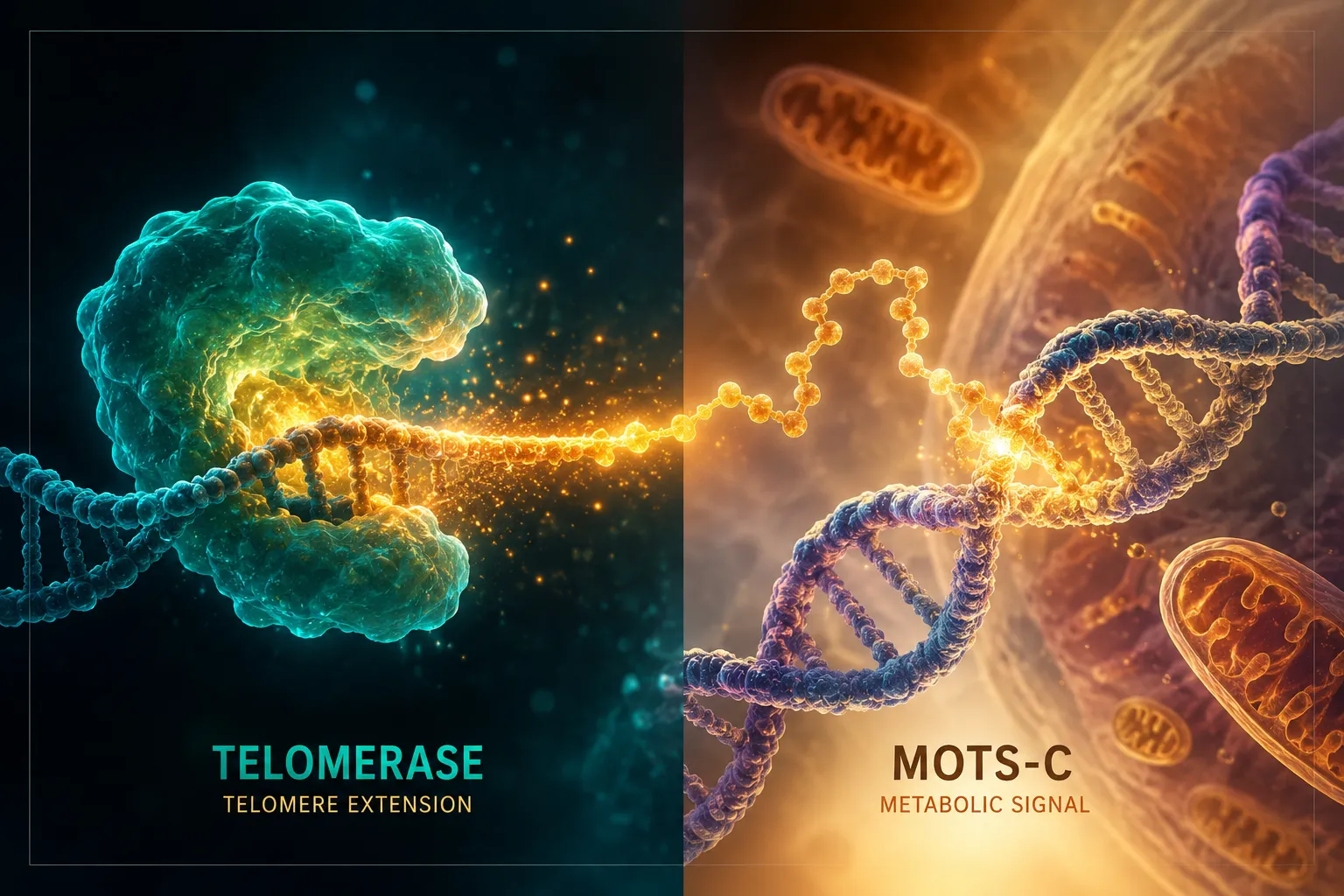
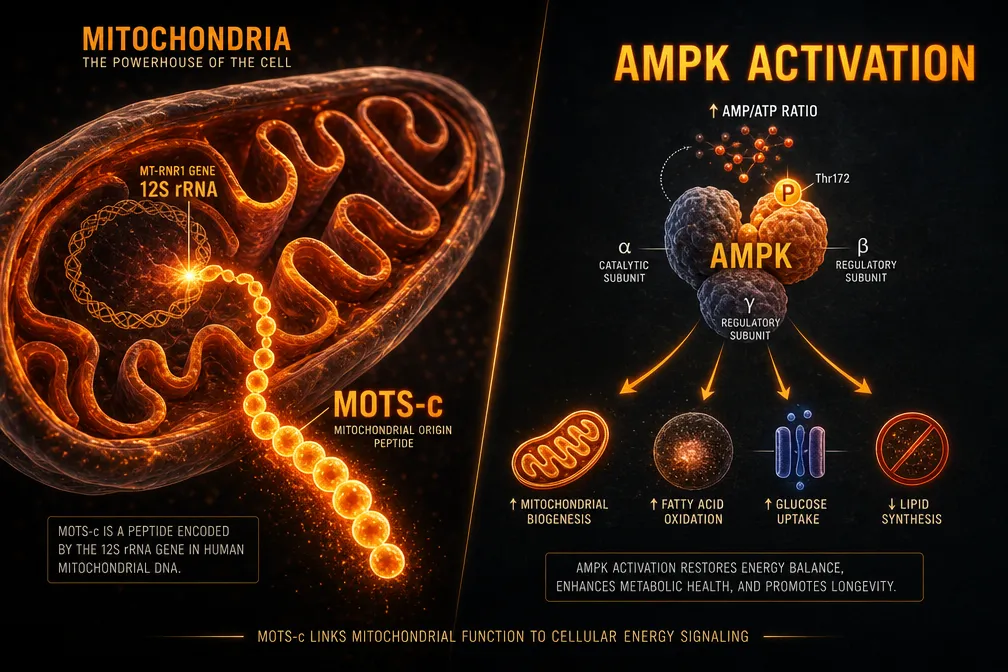
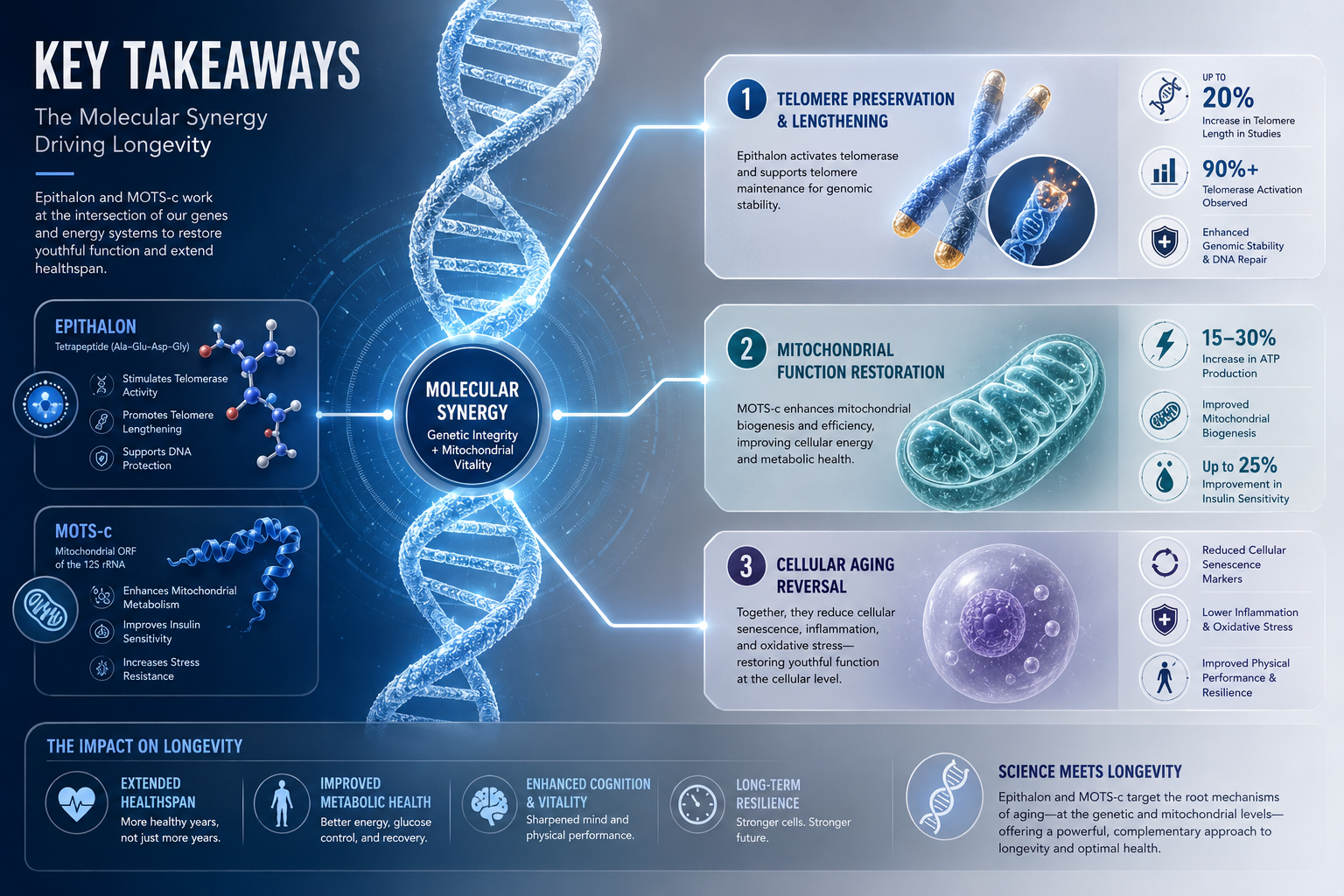
  • Consider pairing Epithalon research with complementary longevity pathways such as MOTS-c mitochondrial signaling or GHK-Cu peptide research for a broader experimental framework.

The biology is compelling. The evidence, for now, demands caution.

https://www.puretestedpeptides.com/wp-content/uploads/2026/06/Epithalon-and-Telomere-Biology-What-the-Research-Actually-Suggests-About-Longevity-Signaling.png 1024 1536 https://www.puretestedpeptides.com/wp-content/uploads/2026/01/buy-peptides-online.jpg 2026-06-17 13:03:502026-06-17 13:03:50Epithalon and Telomere Biology: What the Research Actually Suggests About Longevity Signaling
Epithalon, Selank, and Semax: How ‘Longevity’ and Nootropic Peptides Intersect With Telomere Biology and Neurotrophic Pathways

Epithalon, Selank, and Semax: How ‘Longevity’ and Nootropic Peptides Intersect With Telomere Biology and Neurotrophic Pathways

June 14, 2026/0 Comments/in Uncategorized/by

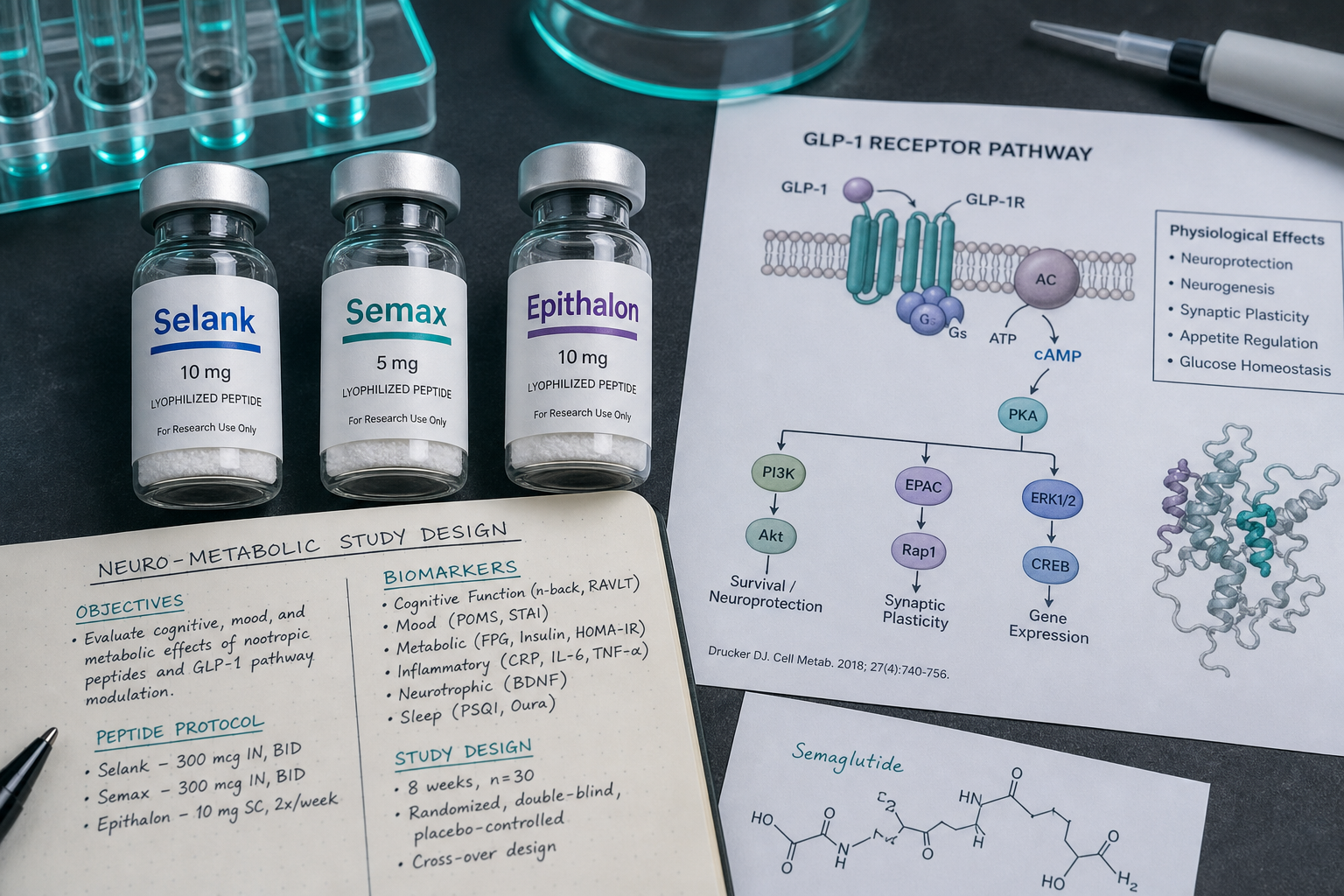
Telomere length has been linked to biological age in over 200 peer-reviewed studies, yet most longevity conversations treat cellular aging and cognitive decline as separate problems. Epithalon, Selank, and Semax challenge that separation. Research into these three peptides reveals a striking overlap: the same biological machinery that governs how long cells live also shapes how well the brain learns, adapts, and recovers.

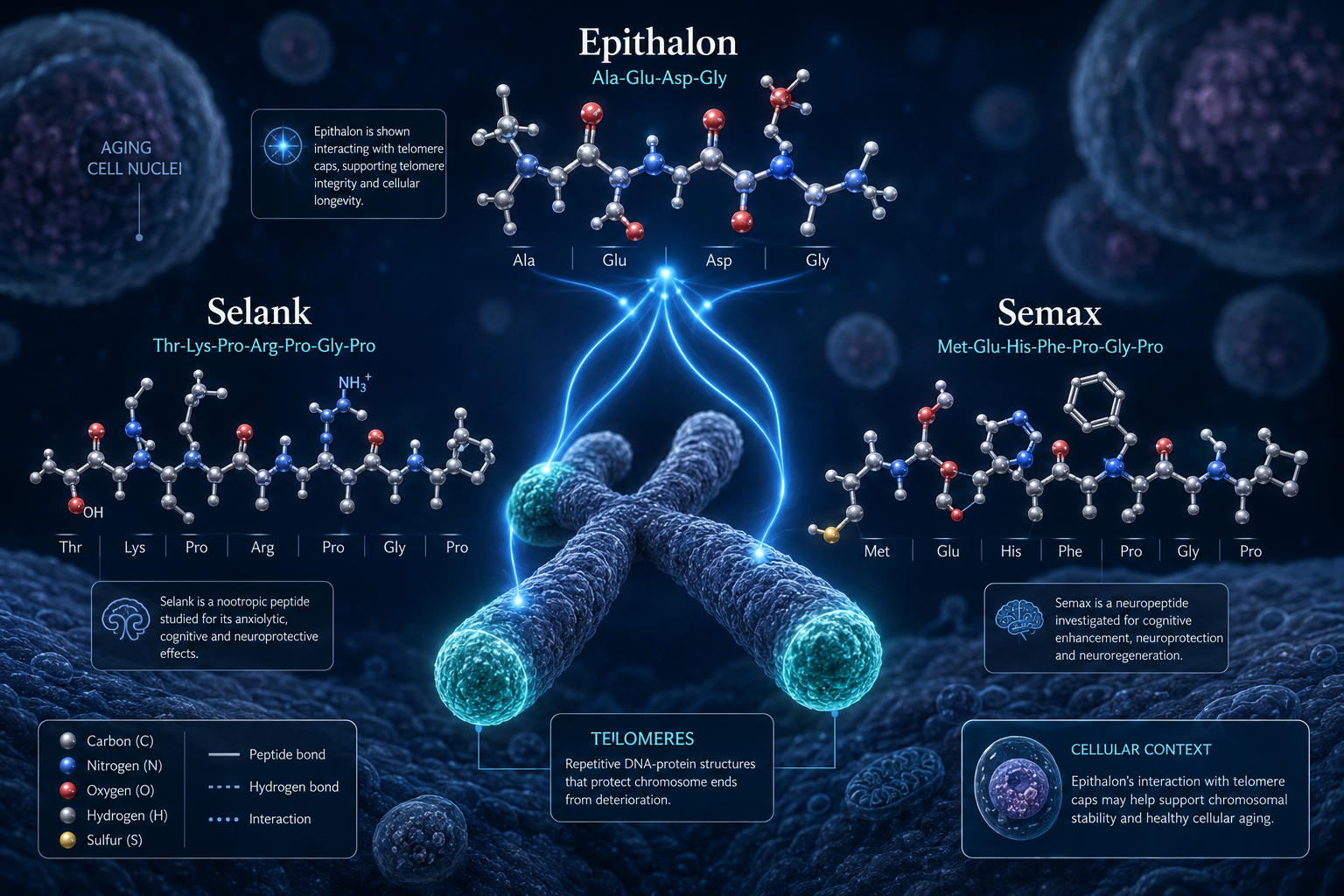
Detailed () scientific illustration showing three peptide molecular structures labeled Epithalon, Selank, and Semax arranged

Key Takeaways

  • Epithalon is a tetrapeptide studied for its ability to activate telomerase, the enzyme that rebuilds telomere caps on chromosomes.
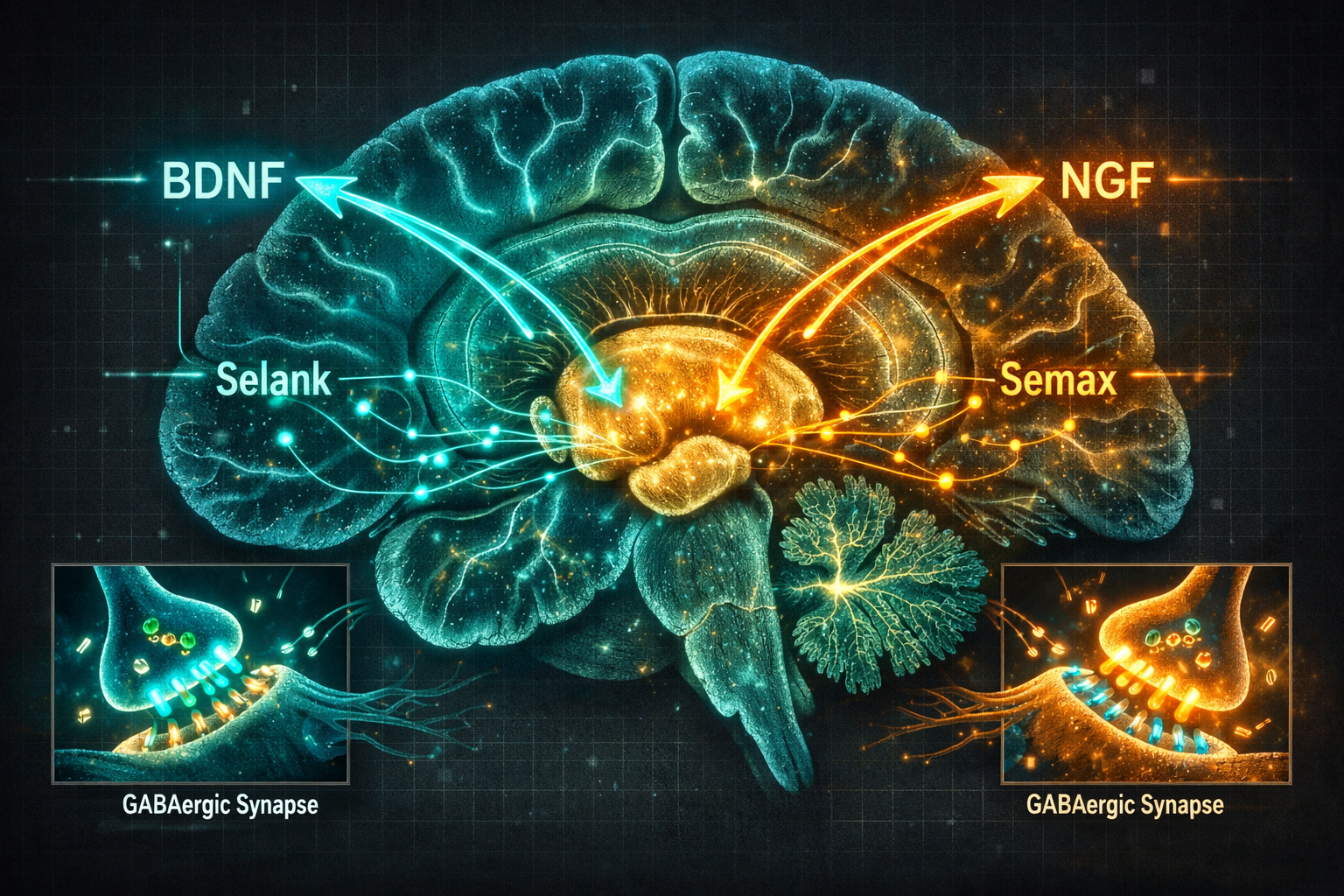
  • Selank and Semax are neuropeptides developed in Russia with documented effects on BDNF, NGF, and GABAergic signaling.
  • Telomere shortening and neurotrophic decline share upstream regulators, meaning anti-aging and nootropic peptides may act on overlapping pathways.
  • Preclinical data suggests these peptides influence oxidative stress, a common driver of both cellular aging and neurodegeneration.
  • Purity and sourcing quality are critical variables when evaluating research outcomes for any of these compounds.

Epithalon and Telomere Biology: The Anti-Aging Foundation

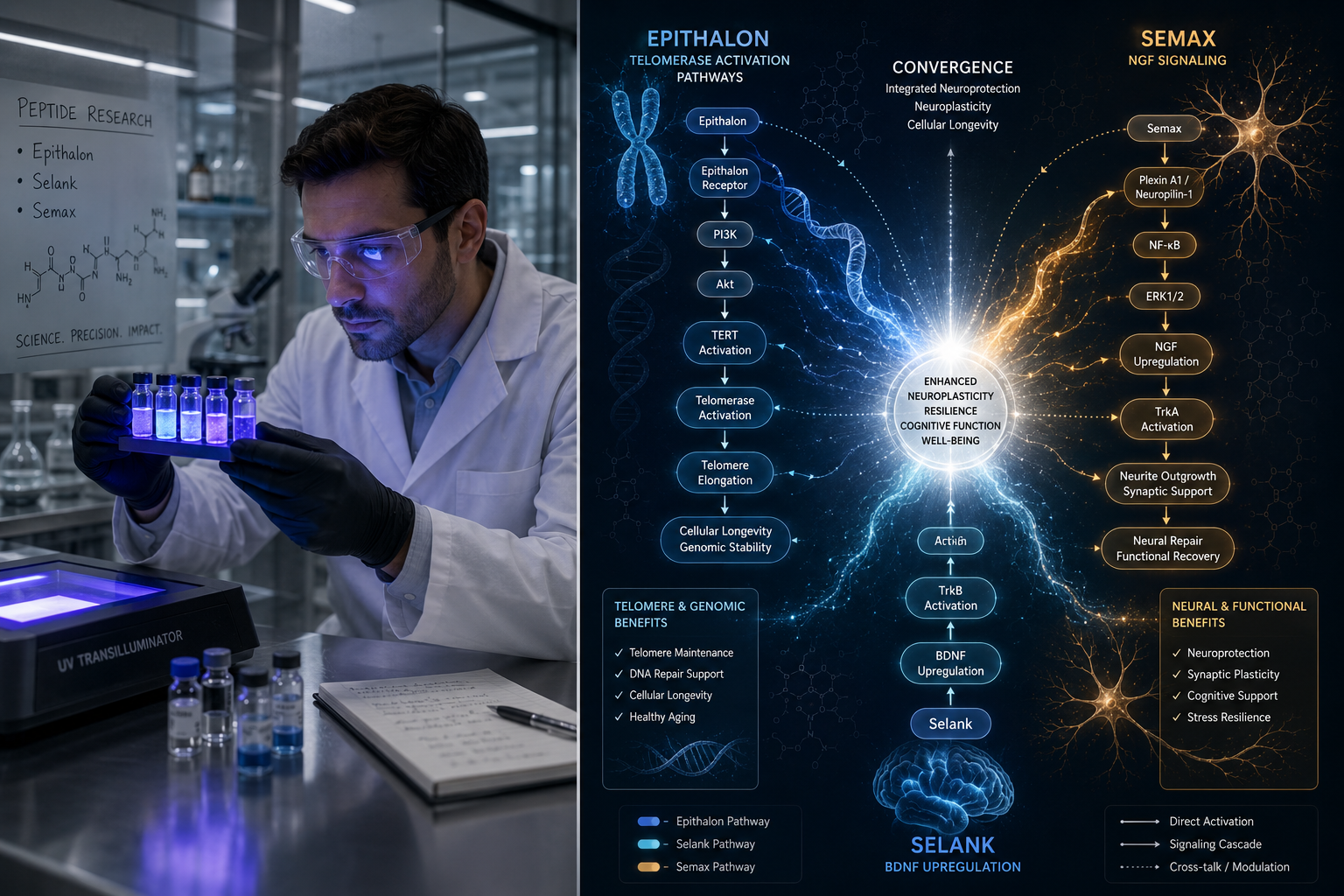
Epithalon (Ala-Glu-Asp-Gly) is a synthetic tetrapeptide derived from epithalamin, a natural extract of the pineal gland. Its primary claim in longevity research rests on telomerase activation. Telomerase is the enzyme responsible for adding protective nucleotide sequences back onto chromosome ends. Without it, telomeres shorten with each cell division until the cell enters senescence or apoptosis.

Key findings from preclinical models include:

  • Increased telomerase activity in somatic cells
  • Extended lifespan in animal studies compared to controls
  • Reduced markers of oxidative DNA damage
  • Restored melatonin secretion patterns linked to circadian regulation

Explore the Epithalon research overview for a detailed breakdown of these findings.

What makes Epithalon particularly relevant to the broader longevity conversation is its downstream effect on reactive oxygen species (ROS). Oxidative stress accelerates telomere erosion and simultaneously damages mitochondria. This creates a direct mechanistic bridge to the mitochondrial longevity research that has gained significant traction in 2026.

"Telomere shortening and mitochondrial dysfunction are not parallel tracks — they are intersecting highways, and peptides like Epithalon may operate at the junction."


Selank and Semax: Nootropic Peptides and Neurotrophic Pathways

Selank and Semax: Nootropic Peptides and Neurotrophic Pathways

While Epithalon targets cellular longevity, Selank and Semax operate primarily in the central nervous system. Understanding how these compounds work helps clarify why researchers increasingly study them alongside anti-aging peptides.

Selank: Anxiety, BDNF, and GABAergic Modulation

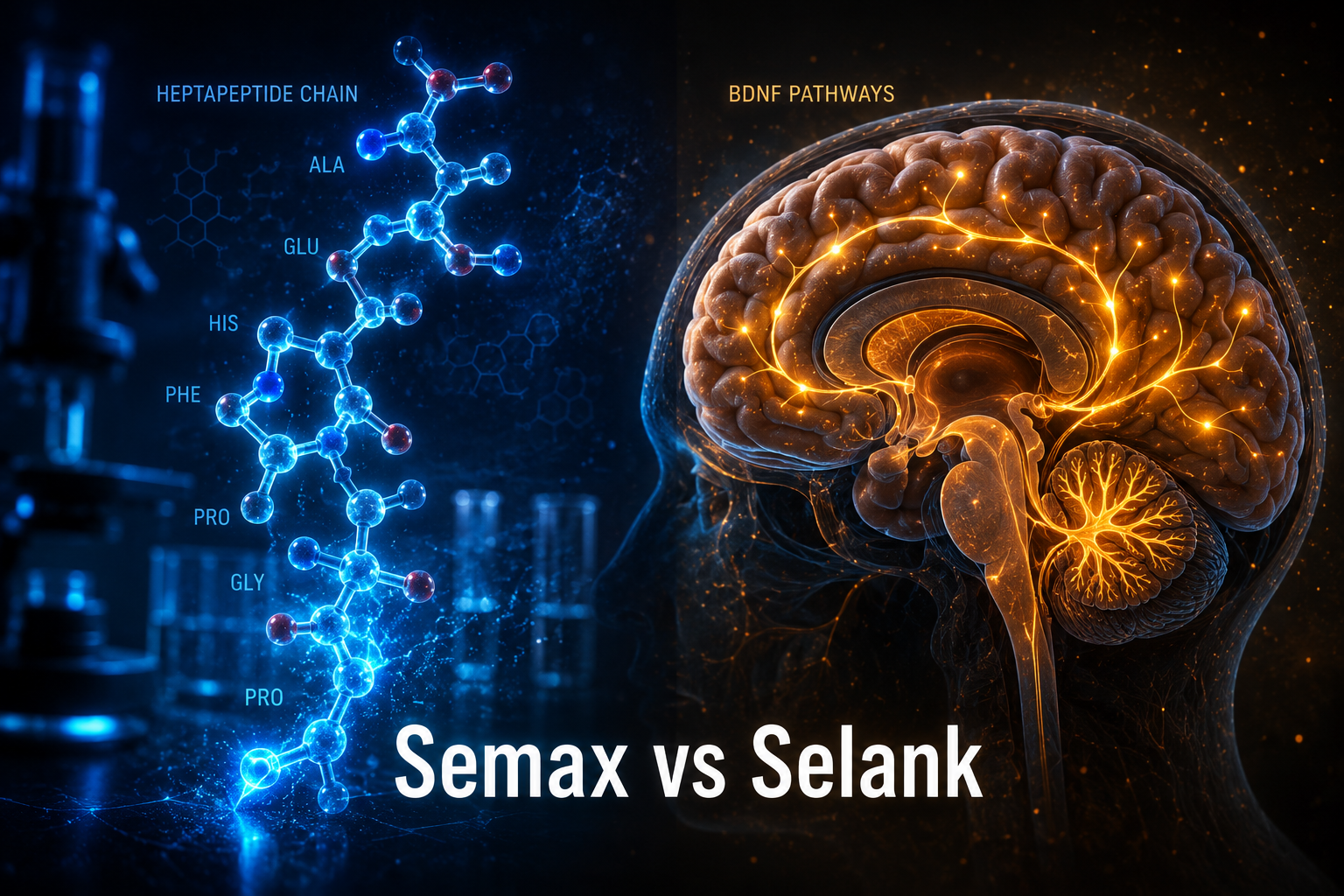
Selank (Thr-Lys-Pro-Arg-Pro-Gly-Pro) is a heptapeptide analog of the immunomodulatory peptide tuftsin. Research models show it:

  • Upregulates brain-derived neurotrophic factor (BDNF), which supports neuronal survival and synaptic plasticity
  • Modulates GABAergic transmission, producing anxiolytic effects without sedation
  • Reduces enkephalin degradation, extending the activity of endogenous opioid peptides

For a thorough look at the research profile, see the Selank peptide benefits overview and the Selank side effects research summary.

Semax: NGF Upregulation and Neuroprotection

Semax (Met-Glu-His-Phe-Pro-Gly-Pro) is an ACTH(4-7) analog developed by the Russian Academy of Sciences. Its most studied mechanism involves nerve growth factor (NGF) upregulation in the hippocampus and frontal cortex. NGF is essential for the maintenance of cholinergic neurons, which are among the first casualties of age-related cognitive decline.

Peptide Primary Mechanism Key Neurotrophic Target
Selank GABAergic + enkephalin modulation BDNF
Semax ACTH analog signaling NGF
Epithalon Telomerase activation Indirect via oxidative stress reduction

The Selank and Semax comparison resource provides side-by-side research context for both compounds.


Where Longevity and Nootropic Peptides Converge

The intersection of Epithalon, Selank, and Semax with telomere biology and neurotrophic pathways becomes clearest when examining shared upstream regulators.

Where Longevity and Nootropic Peptides Converge

Three convergence points stand out:

  1. Oxidative stress reduction — Epithalon lowers ROS; Semax and Selank reduce neuroinflammatory markers. Both processes protect telomeres and neurons simultaneously.
  2. Pineal-hypothalamic axis — Epithalon restores melatonin rhythms; Semax modulates ACTH-related pathways. Both touch the neuroendocrine system that governs aging rate.
  3. Neuroplasticity and cellular repair — BDNF and NGF upregulation by Selank and Semax mirrors the cellular maintenance role Epithalon plays at the chromosomal level.

Researchers interested in the broader peptide landscape may also find value in the recovery and tissue biology overview and the aging support product category for context on how these compounds fit within a wider research framework.

Purity remains a non-negotiable variable. Contaminated or underdosed peptides produce unreliable data. Reviewing quality testing protocols before sourcing any research compound is an essential step.


Conclusion

The study of Epithalon, Selank, and Semax illustrates that longevity and nootropic peptides intersect with telomere biology and neurotrophic pathways at multiple, mechanistically meaningful points. Epithalon's telomerase activation reduces the oxidative damage that also undermines BDNF and NGF signaling. Selank and Semax, in turn, support the neuronal health that depends on the same cellular integrity Epithalon aims to preserve.

Actionable next steps for researchers:

  • Review primary literature on telomerase activity and BDNF co-regulation before designing multi-peptide protocols.
  • Prioritize verified, purity-tested sources to ensure data integrity.
  • Examine the Selank and Semax combined research resource alongside Epithalon data to map pathway overlaps.
  • Consider oxidative stress biomarkers as shared endpoints when evaluating outcomes across all three peptides.

The convergence of anti-aging and cognitive research is no longer speculative. The mechanistic evidence in 2026 points toward a unified biology of healthy aging — one where telomere length and neurotrophic signaling are two sides of the same coin.

https://www.puretestedpeptides.com/wp-content/uploads/2026/06/Epithalon-Selank-and-Semax-How-‘Longevity-and-Nootropic-Peptides-Intersect-With-Telomere-Biology-and-Neurotrophic-Pathways.png 1024 1536 https://www.puretestedpeptides.com/wp-content/uploads/2026/01/buy-peptides-online.jpg 2026-06-14 13:04:032026-06-14 13:04:03Epithalon, Selank, and Semax: How ‘Longevity’ and Nootropic Peptides Intersect With Telomere Biology and Neurotrophic Pathways
×

Helpful Links

  • My account
  • Cart
  • Checkout
  • Refund and Returns Policy
  • Privacy Policy
  • SMS Privacy Policy
  • Login
  • My Account
  • Logout

USA Made Lab Tested Peptides

All products are sold for research, laboratory, or analytical purposes only, and are not for human consumption


Pure Tested Peptides is a chemical supplier. Pure Tested Peptides is not a compounding / chemical compounding facility as defined under 503A of the Federal Food, Drug, and Cosmetic act. Pure Tested Peptides is not an outsourcing facility as defined under 503B of the Federal Food, Drug, and Cosmetic act.

The statements made within this website have not been evaluated by the US Food and Drug Administration. The products we offer are not intended to diagnose, treat, cure or prevent any disease.

Human/Animal Consumption Prohibited. Laboratory/In-Vitro Experimental Use Only

Scroll to top Scroll to top Scroll to top