Call or Text 727-513-9780
  • Shopping Cart Shopping Cart
    0Shopping Cart
Pure Tested Peptides | America's most trusted Peptides for sale online
  • Peptides for sale
    • Oral Peptides for sale
      • Peptide Capsules for sale
      • BPC 157 Capsules 1000mcg
      • SLU-PP-332 Capsules | 1000 mcg
      • 5-Amino-1MQ 50mg Capsules
      • Tesofensine 500mcg
    • All Peptides for sale
    • Peptide Sprays
      • BPC 157 Nasal Spray Kit
      • BPC-157 TB500 Nasal Spray Kit
      • Semax Nasal Spray 10mg
      • Selank – Nasal Spray Kit – 10mg
      • Epithalon 50MG Nasal Spray Kit
      • Ipamorelin 10mg Nasal Spray
      • Klow Nasal Spray (BPC-157 + TB-500 + GHK-Cu + KPV) | 80mg
      • Hulk Nasal Spray Tesa / Ipa Blend 6/3 MG
      • Klow Nasal Spray
      • NAD + 500 mg Nasal Spray
      • PT-141 Nasal Spray Kit
    • GHRH Peptides
      • Ipa Peptides
      • CJC-1295 Peptides
        • CJC-1295 with DAC 5 mg
        • CJC-1295 without DAC 5 mg
        • CJC-1295 Ipa 10mg
      • Tesa Peptides
        • Tesa Peptide
        • Tesa 20 mg
    • GHK-Cu Peptides
      • All GHK-Cu Peptides
      • GHK-Cu 100mg
      • KLOW Peptide Blend – Buy KLOW blend online
    • BPC Peptides
      • All BPC Peptides
      • BPC-157
      • BPC-157 TB-500
      • BPC 157 capsules 1000mcg
    • SLU-PP-332 Peptides
      • All SLU-PP-332 Peptides
      • SLU-PP-332 5mg
    • GLP3 Peptides
    • PT-141 Peptides
      • PT-141 Peptides for sale
      • PT-141 10mg
      • PT-141 Nasal Spray
    • CAG Peptides
      • Lipo-C Peptide Blend
      • CAG 5mg
      • CAG 10mg
    • MOTS-C Peptides
      • MOTS-C Peptides for sale
      • MOTS-c peptide
      • MOTS-c 10mg *6 pack*
    • 5 Amino 1MQ Peptides
      • 5 Amino 1MQ Peptides for sale
      • 5-Amino-1MQ 50mg Capsules
      • 5-Amino-1MQ 5mg
    • Epithalon Peptides
      • Epithalon Peptides for sale
      • Epithalon 10mg
      • Epithalon 50mg
  • Shop
    • GLPs
      • 5-Amino-1MQ 50mg Capsules
      • 5-Amino-1MQ 5mg
      • L-Carnitine 500mg/ml
      • Tesofensine 500mcg
      • SLU-PP-332 5mg
      • MOTS-c 10mg *6 pack*
    • Epithalon & BPC Peptides
      • Epithalon 10mg
      • Epithalon 50mg
      • BPC-157
      • BPC 157 capsules 1000mcg
      • BPC-157 TB-500
      • BPC-157 TB500 Nasal Spray Kit
      • BPC 157 Nasal Spray Kit
    • BPC TB-500 & NAD+ Peptides
      • NAD+ 500 mg
      • KLOW Peptide Blend – Buy KLOW blend online
      • GLOW Peptide Blend
      • TB 500 5mg
      • BPC 157 capsules 1000mcg – Supplement
      • BPC 157 Nasal Spray Kit
      • BPC-157
      • BPC-157 TB500 Nasal Spray Kit
      • BPC-157 TB-500
      • BPC 157 capsules 1000mcg
    • LL-37 Peptide
      • LL-37 10 mg
    • MOTS-C & Selank
      • MOTS-c peptide
      • Selank 10mg
    • GHK Peptides
      • GHK-Cu 100mg
      • GLOW Peptide Blend
      • KLOW Peptide Blend – Buy KLOW blend online
  • COAs
  • Wholesale
    • Wholesale Peptides for sale
  • PTP FAQ
  • Affiliates
    • Selank Peptide: Advanced Pharmacological Mechanisms Underlying Its Anxiolytic and Nootropic Effects in Research
      • 5-Amino-1MQ Peptide: Detailed Mechanisms of NNMT Inhibition and Its Impact on Cellular Metabolism Research
        • MOTS-C Peptide: Unraveling Its Role in Mitochondrial Dynamics and Energy Metabolism Research
          • Epithalon Peptide and Telomerase Regulation: Investigating Its Impact on Cellular Senescence and Lifespan Research Models
            • GLP2-T vs GLP2 Tirz Peptide: Understanding the Naming, Mechanistic Nuances, and Research Implications for Gut Health
      • Peptides and Polypeptides in Modern Pharmacology: What Research on Metoprolol, Prednisone, and Amlodipine Reveals
        • Polypeptide Peptides vs NSAIDs: What Naproxen and Diclofenac Teach Tissue-Repair Researchers About BPC‑157 and TB‑500
          • Peptides and Polypeptides in Endocrine Pharmacology: How GLP-1, GLP-2, and GLP-3 Retatrutide Differ From Classic Drugs Like Prednisone and Amlodipine
          • 5‑Amino‑1MQ Peptide and NNMT Inhibition: How It Compares With Statins Like Atorvastatin in Adipose and Lipid Metabolism Research
      • Enclomiphene, Estrogen Receptor Signaling, and Luteinizing Phase Biology: What Hormone Researchers Should Measure
        • Mesenchymal Stem Cells, BPC‑157, and GHK‑Cu: How Tissue Repair Peptides Compare With Classic NSAIDs Like Naproxen in Injury Models
          • Peptide Calculator Use Cases Beyond Growth Hormone: Working Through GLP‑3 Retatrutide, MOTS‑c, and BPC‑157 Research Dosing
        • Polypeptide Peptides in Endocrine and Metabolic Pharmacology: Lessons From Amlodipine, Prednisone, and Metoprolol
        • Peptides Calculator for Advanced Blends: Worked Examples for Tesamorelin, CJC‑1295, and Ipamorelin Stacks
          • Peptides and Polypeptides in Human Physiology: How Molecular Size Shapes Research Applications
            • Selank Peptide: Advanced Pharmacological Mechanisms Underlying Its Anxiolytic and Nootropic Effects in Research
          • 5-Amino-1MQ Peptide: Detailed Mechanisms of NNMT Inhibition and Its Impact on Cellular Metabolism Research
            • MOTS-C Peptide: Unraveling Its Role in Mitochondrial Dynamics and Energy Metabolism Research
              • Epithalon Peptide and Telomerase Regulation: Investigating Its Impact on Cellular Senescence and Lifespan Research Models
                • GLP2-T vs GLP2 Tirz Peptide: Understanding the Naming, Mechanistic Nuances, and Research Implications for Gut Health
                  • Peptides and Polypeptides in Endocrine Pharmacology: How GLP-1, GLP-2, and GLP-3 Retatrutide Differ From Classic Drugs Like Prednisone and Amlodipine
                    • Polypeptide Peptides vs NSAIDs: What Naproxen and Diclofenac Teach Tissue-Repair Researchers About BPC‑157 and TB‑500
                      • Peptides and Polypeptides in Modern Pharmacology: What Research on Metoprolol, Prednisone, and Amlodipine Reveals
                        • 5‑Amino‑1MQ Peptide and NNMT Inhibition: How It Compares With Statins Like Atorvastatin in Adipose and Lipid Metabolism Research
                        • Enclomiphene, Estrogen Receptor Signaling, and Luteinizing Phase Biology: What Hormone Researchers Should Measure
                        • Mesenchymal Stem Cells, BPC‑157, and GHK‑Cu: How Tissue Repair Peptides Compare With Classic NSAIDs Like Naproxen in Injury Models
                        • Peptide Calculator Use Cases Beyond Growth Hormone: Working Through GLP‑3 Retatrutide, MOTS‑c, and BPC‑157 Research Dosing
                        • Polypeptide Peptides in Endocrine and Metabolic Pharmacology: Lessons From Amlodipine, Prednisone, and Metoprolol
                        • Peptides Calculator for Advanced Blends: Worked Examples for Tesamorelin, CJC‑1295, and Ipamorelin Stacks
                        • Peptides and Polypeptides in Human Physiology: How Molecular Size Shapes Research Applications
                        • Selank Peptide: Advanced Pharmacological Mechanisms Underlying Its Anxiolytic and Nootropic Effects in Research
                        • MOTS-C Peptide: Unraveling Its Role in Mitochondrial Dynamics and Energy Metabolism Research
                        • Peptides and Polypeptides in Modern Pharmacology: What Research on Metoprolol, Prednisone, and Amlodipine Reveals
                        • Peptides and Polypeptides in Endocrine Pharmacology: How GLP-1, GLP-2, and GLP-3 Retatrutide Differ From Classic Drugs Like Prednisone and Amlodipine
                        • 5-Amino-1MQ Peptide: Detailed Mechanisms of NNMT Inhibition and Its Impact on Cellular Metabolism Research
                        • Mesenchymal Stem Cells, BPC‑157, and GHK‑Cu: How Tissue Repair Peptides Compare With Classic NSAIDs Like Naproxen in Injury Models
                        • Peptide Calculator Use Cases Beyond Growth Hormone: Working Through GLP‑3 Retatrutide, MOTS‑c, and BPC‑157 Research Dosing
                        • GLP2-T vs GLP2 Tirz Peptide: Understanding the Naming, Mechanistic Nuances, and Research Implications for Gut Health
                        • Polypeptide Peptides in Endocrine and Metabolic Pharmacology: Lessons From Amlodipine, Prednisone, and Metoprolol
                        • Polypeptide Peptides vs NSAIDs: What Naproxen and Diclofenac Teach Tissue-Repair Researchers About BPC‑157 and TB‑500
                        • Peptides and Polypeptides in Human Physiology: How Molecular Size Shapes Research Applications
                        • Peptides Calculator for Advanced Blends: Worked Examples for Tesamorelin, CJC‑1295, and Ipamorelin Stacks
                        • 5‑Amino‑1MQ Peptide and NNMT Inhibition: How It Compares With Statins Like Atorvastatin in Adipose and Lipid Metabolism Research
                        • Enclomiphene, Estrogen Receptor Signaling, and Luteinizing Phase Biology: What Hormone Researchers Should Measure
                        • Epithalon Peptide and Telomerase Regulation: Investigating Its Impact on Cellular Senescence and Lifespan Research Models
                        • Best research protocol Klow blend
                        • best time to take BPC-157
                        • best time to take DSIP (Delta Sleep Inducing Peptide)
                        • best time to take CJC-1295
                        • best time to take AOD-9604
                        • best time to take Follistatin 344
                        • best time to take Ipamorelin
                        • best time to take MK-677 (Ibutamoren)
                        • best time to take Ligandrol (LGD-4033) — research compound
                        • best time to take Ostarine (MK-2866) — research compound
                        • best time to take GHK-CU
                        • best time to take TB-500
                        • best time to take MOTS-c
                        • best time to take Semax
                        • best time to take RAD-140 (Testolone) — research compound
                        • best time to take Thymosin Alpha-1
                        • best time to take PEG-MGF
                        • Biolife Plasma, Octapharma Plasma, and Research Peptides: How Plasma Donation Labs Differ From Peptide Suppliers
                        • best time to take YK-11 — research compound
                        • best time to take PT-141 (Bremelanotide)
                        • Best research protocol Klow blend
                        • 5-Amino-1MQ and MOTS-C Synergy: Metabolic Signaling, Mitochondria, and Research Design
                        • BPC-157 and TB-500: Investigating Their Combined Effects on Angiogenesis and Cellular Migration in Tissue Repair Models
                        • BPC-157 Peptide: Gut Barrier Function, Inflammation, and Tissue-Recovery Research
                        • 5‑Amino‑1MQ and MOTS‑c Synergy in Metabolic Research: Designing NNMT and Mitochondrial Biogenesis Stacks
                        • CJC-1295 with DAC vs. Without DAC: Half-Life, Release Kinetics, and Research Implications
                        • CJC‑1295 with DAC vs. Without DAC: Expanding on Half‑Life Differences Using Tesamorelin and Ipamorelin Blend Case Studies
                        • Collagen Biology and Copper‑Binding Peptides: How GHK‑Cu, Glow Blend, and Klow Blend Interact with Skin and Connective Tissue
                        • Collagen Biology and Regenerative Peptides: How GHK‑Cu, Glow Blend, and Klow Blend Affect Extracellular Matrix Research
                    • DNA, Telomeres, and Longevity Peptides: Positioning Epithalon and MOTS‑c in Genetic Aging Research
                      • Enclomiphene Citrate: serm Mechanism, Testosterone Research, and Stack Compatibility
                        • Enclomiphene vs Enclomiphene Citrate: Formulation, Bioavailability, and Research Distinctions
                        • Epithalon Peptide Research: Telomerase Activation, Aging, and Pineal Gland Function
                        • Estrogen Receptor Signaling and Enclomiphene: How Selective Modulators Compare with Classic Polypeptide Hormones
                        • GHK-Cu Peptide: Advanced Mechanisms in Extracellular Matrix Remodeling and Wound Healing Research
                        • GHK-Cu Peptide: Collagen Synthesis, Wound Repair, and Skin-Barrier Research Models
                        • GLP-1 vs GLP-3 vs GLP-2: Peptide Classification and Research Applications
                        • GLP-2 Peptide Research Guide: Gut Barrier Function, Nutrient Absorption, and Intestinal Recovery Models
                        • GLP-3 Retatrutide vs. GLP-1 Drugs: What Triple-Agonist Biology Changes in Research Models
                        • Ipamorelin and Tesamorelin Combination: Synergistic GH Secretagogue Research and Dosing Protocols
                        • GLP2 Tirz Peptide: What It Is, Why the Name Exists, and How Researchers Should Interpret It
                        • Klow Blend Peptide Nasal Spray: What the Formulation Is Trying to Do in Cognitive Research
                        • Mitochondria, NNMT Inhibition, and Peptide Modulators: Where MOTS‑c and 5‑Amino‑1MQ Fit in Cellular Energy Research
                        • MOTS-c Peptide: Mitochondrial Function, Energy Metabolism, and What Researchers Measure
                        • MOTS-c vs. 5-Amino-1MQ: Which Metabolic Research Questions Each Compound Actually Answers
                        • Nasal Spray Peptides: Bioavailability, Administration, and Semax/Selank Research Applications
                        • PT-141 Peptide Research: Mechanism of Action and Melanocortin Receptor Signaling
                        • Retatrutide for Research: Mechanism, Structure, and GLP-1/GLP-3 Dual Action
                        • Retatrutide for Obesity and Type 2 Diabetes: What the Latest Trial Data Suggest
                        • Tesofensine Peptide Research: Mechanism, Appetite Suppression, and Neuropeptide Y Pathways
  • Contact
    • Contact Customer Service
    • Text Customer Support
  • About US
  • Shop all peptides
  • Affiliate Program
    • Affiliate Signup
  • Login / Register Login / Register Page Link Login / Register Page Link
  • Click to open the search input field Click to open the search input field Search
  • Menu Menu

Tag Archive for: non-hdl cholesterol

LDL Cholesterol and Peptide Research: How to Interpret Lipid Changes When Weight Loss and Food Intake Also Shift

LDL Cholesterol and Peptide Research: How to Interpret Lipid Changes When Weight Loss and Food Intake Also Shift

October 9, 2026/0 Comments/in Uncategorized/by

Across tirzepatide trials, LDL cholesterol falls by roughly 10 to 20 percent at therapeutic doses, yet in at least one large obesity trial, LDL-C actually rose slightly while every other atherogenic marker improved. That apparent contradiction is not a flaw in the data. It is a signal that standard LDL-C readings during active weight loss and dietary change are notoriously difficult to interpret without a causal framework. For anyone working in LDL cholesterol and peptide research, understanding how to interpret lipid changes when weight loss and food intake also shift is the difference between drawing the right conclusion and acting on noise.

Key Takeaways

  • LDL-C alone is an unreliable endpoint during active weight loss; ApoB and non-HDL cholesterol are more informative markers of atherogenic risk.
  • Peptide-driven lipid improvements are mediated partly by direct receptor signaling and partly by caloric restriction and body-fat reduction, separating these effects requires baseline stratification.
  • Triglycerides and HDL-C tend to respond most strongly to weight loss, while LDL-C changes are smaller and more variable.
  • Diet quality independently shapes the lipid response to peptides; Mediterranean-style eating amplifies favorable shifts.
  • Re-evaluating statin intensity after weight stabilizes, not during active loss, produces more accurate clinical decisions.

Why LDL-C Behaves Differently During Peptide-Driven Weight Loss

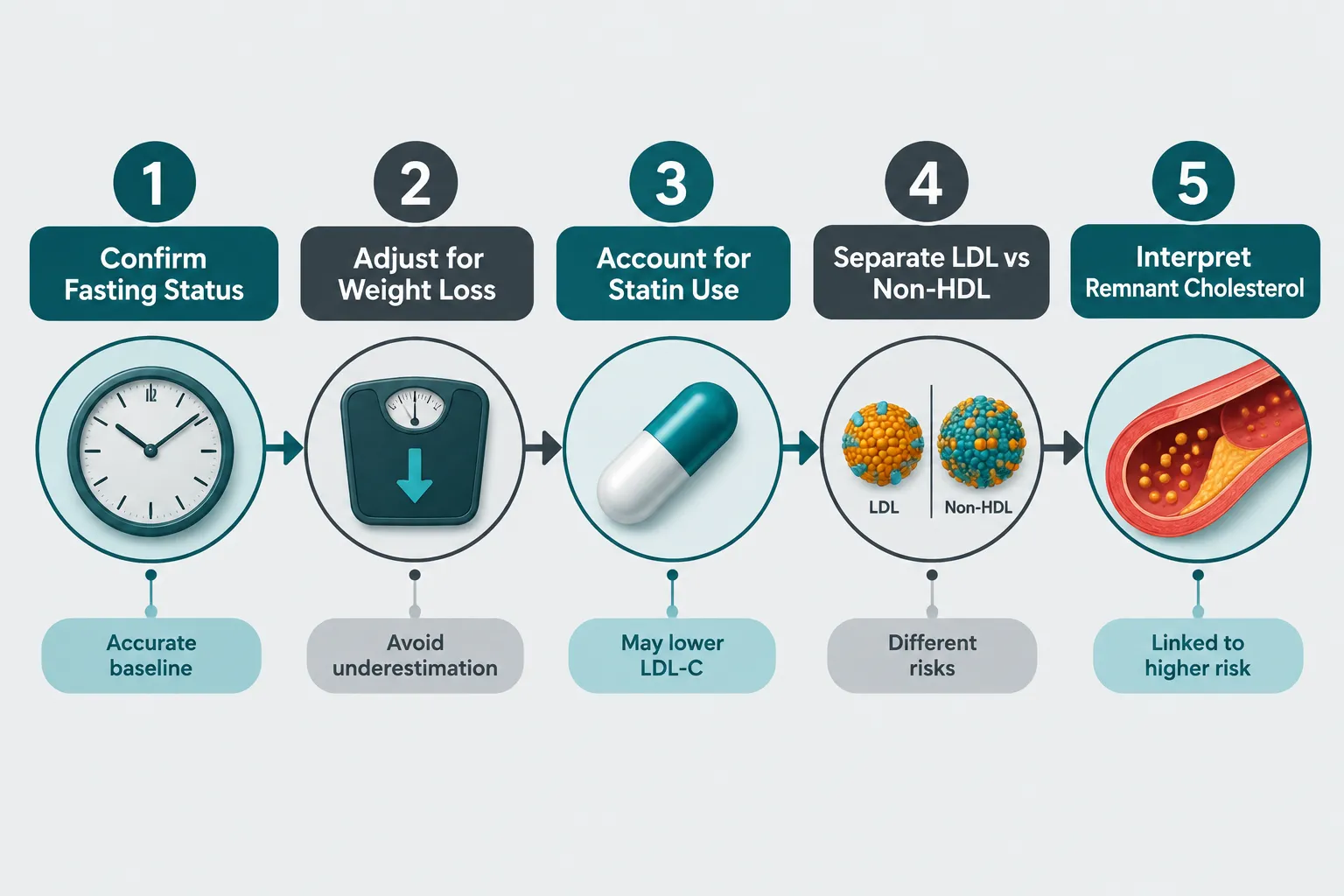
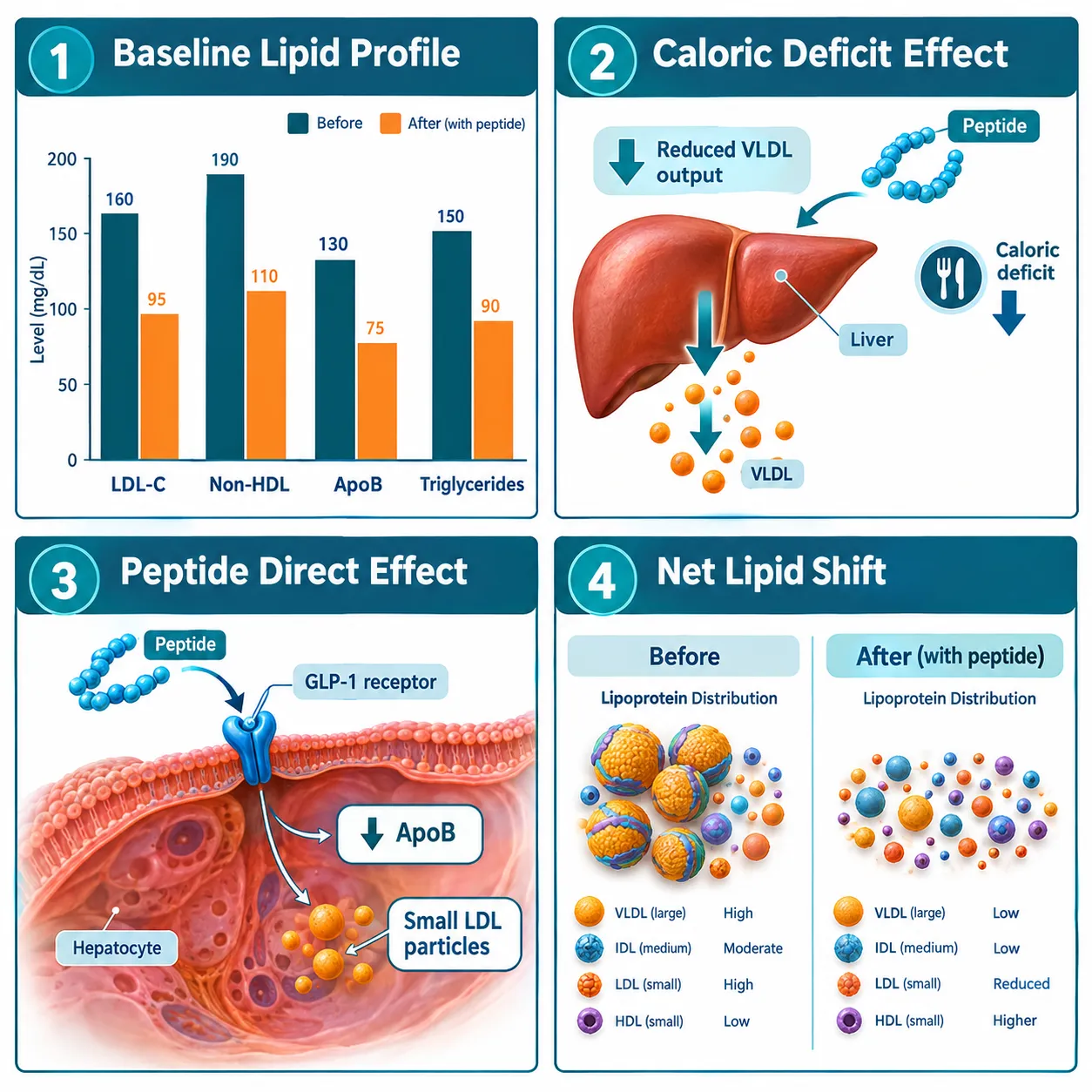
When a research subject or patient loses significant body weight through a peptide protocol, several metabolic processes change at once. Hepatic VLDL secretion decreases as visceral fat mass shrinks. Postprandial triglyceride clearance improves. Insulin sensitivity rises, reducing the liver's drive to overproduce atherogenic lipoproteins. All of these shifts affect the lipoprotein pool in ways that do not always move LDL-C in a straight line.
Why LDL-C Behaves Differently During Peptide-Driven Weight Loss

The cholesterol-ester transfer protein (CETP) pathway partly explains the paradox. As triglycerides fall sharply, a consistent finding across GLP-1 and dual GIP/GLP-1 agonist studies, CETP-mediated exchange between VLDL and LDL particles slows. This can temporarily raise LDL-C on a standard panel even as the actual number of atherogenic particles, measured by ApoB, falls. The SURMOUNT-2 obesity trial observed a small LDL-C increase of roughly 2 to 3 percent at certain doses, yet post-hoc particle analysis showed reduced ApoB, fewer small dense LDL particles, and lower remnant cholesterol, a genuinely less atherogenic profile hidden behind a misleading headline number.

This is why researchers exploring what is the strongest peptide for weight loss must pair efficacy data with a full lipoprotein panel rather than relying on LDL-C alone.

Key principle: A rising LDL-C during rapid weight loss does not automatically indicate increased cardiovascular risk. Context is everything.


A Causal-Analysis Framework for LDL Cholesterol and Peptide Research

Interpreting lipid changes when weight loss and food intake also shift requires treating the lipid panel as an outcome with multiple upstream causes, not a single drug effect. The following framework applies mediation-analysis thinking to practical research settings.

Step 1: Stratify Baseline Risk Before Intervention

Lipid responses to peptides are not uniform. Participants with elevated baseline triglycerides (above 150 mg/dL) and low HDL-C show the largest improvements, while those with near-normal baseline values show modest or negligible shifts. This is consistent with regression to the mean, but it also reflects the metabolic phenotype driving the abnormality in the first place.

Baseline stratification categories:

Baseline Profile Expected LDL-C Response Priority Marker
High TG, low HDL-C Moderate LDL-C fall TG and ApoB
Isolated high LDL-C Small or variable change ApoB and non-HDL
Mixed dyslipidemia Broad improvement Non-HDL cholesterol
Near-normal lipids Minimal change Particle size

Step 2: Separate Weight-Loss Mediation from Direct Peptide Effects

Real-world data show that combining Mediterranean diet adherence with a GLP-1/GIP agonist produces total cholesterol reductions from roughly 194 to 184 mg/dL and LDL-C drops from about 116 to 109 mg/dL, modest numbers that reflect the additive contribution of diet quality. Without controlling for dietary change, attributing the entire LDL shift to the peptide overstates the pharmacological effect.

Researchers using compounds such as GLP-3R peptide formulations or studying GLP-3 peptide signaling pathways should record dietary intake changes alongside lipid panels to allow proper mediation analysis.

Step 3: Prioritize ApoB and Non-HDL Cholesterol Over LDL-C

"Non-HDL cholesterol functions as a practical integrator of all atherogenic lipoprotein fractions, it captures remnant particles that LDL-C misses entirely."

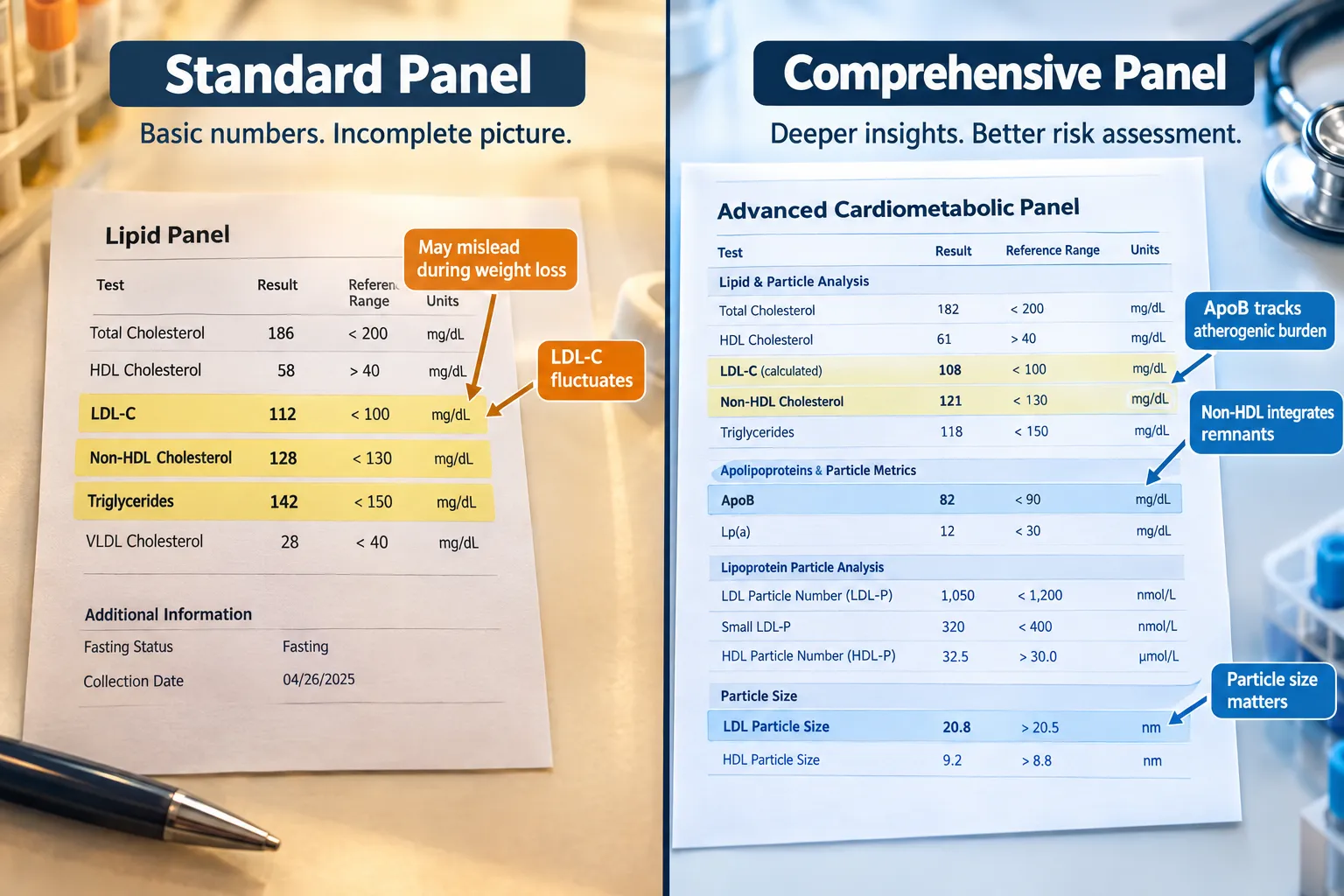
Post-hoc analysis of the three-year SURMOUNT-1 trial found that tirzepatide significantly increased the proportion of participants achieving more than 10 percent non-HDL cholesterol reduction alongside meaningful weight loss and blood pressure improvements. Non-HDL cholesterol captures VLDL remnants, IDL, and Lp(a) contributions that a standard LDL-C calculation ignores, making it far more reliable when the lipoprotein pool is actively reshaping during weight loss.

ApoB is even more precise. A dose-dependent reduction in ApoB, large triglyceride-rich lipoproteins, and small LDL particles has been documented across tirzepatide dose ranges from 5 to 15 mg, confirming a genuinely less atherogenic profile even when LDL-C moves inconsistently.

For foundational context on how peptide classes interact with metabolic pathways, see Peptides 101 for research-use-only buyers.


Applying the Framework: Practical Interpretation of Lipid Panels
Applying the Framework: Practical Interpretation of Lipid Panels

When LDL-C and peptide research intersect with active weight loss, a structured interpretation protocol prevents misclassification of results.

Interpreting common scenarios:

  • LDL-C falls, ApoB falls: Genuine atherogenic improvement. Weight loss and peptide effects are aligned.
  • LDL-C rises slightly, ApoB falls: Likely CETP-mediated redistribution. Risk has not increased; do not escalate lipid therapy.
  • LDL-C unchanged, TG falls sharply: Weight-loss-driven improvement dominant. Recheck after weight stabilizes.
  • LDL-C unchanged, ApoB unchanged: Consider underlying familial hypercholesterolemia or poor dietary adherence. Peptide effect on LDL is modest by design.

Oral peptide formulations such as orforglipron at higher doses produce cardiometabolic improvements on composite indices including LDL-C, HDL-C, and triglycerides that are comparable to injectable semaglutide, but these improvements are driven predominantly by changes in energy intake and body weight rather than direct potent LDL-lowering. This distinction matters for setting realistic expectations in research protocols.

For researchers studying metabolic peptides with overlapping mechanisms, MOTS-C peptide and 5-amino-1MQ combinations offer additional context on energy metabolism pathways that intersect with lipid regulation.

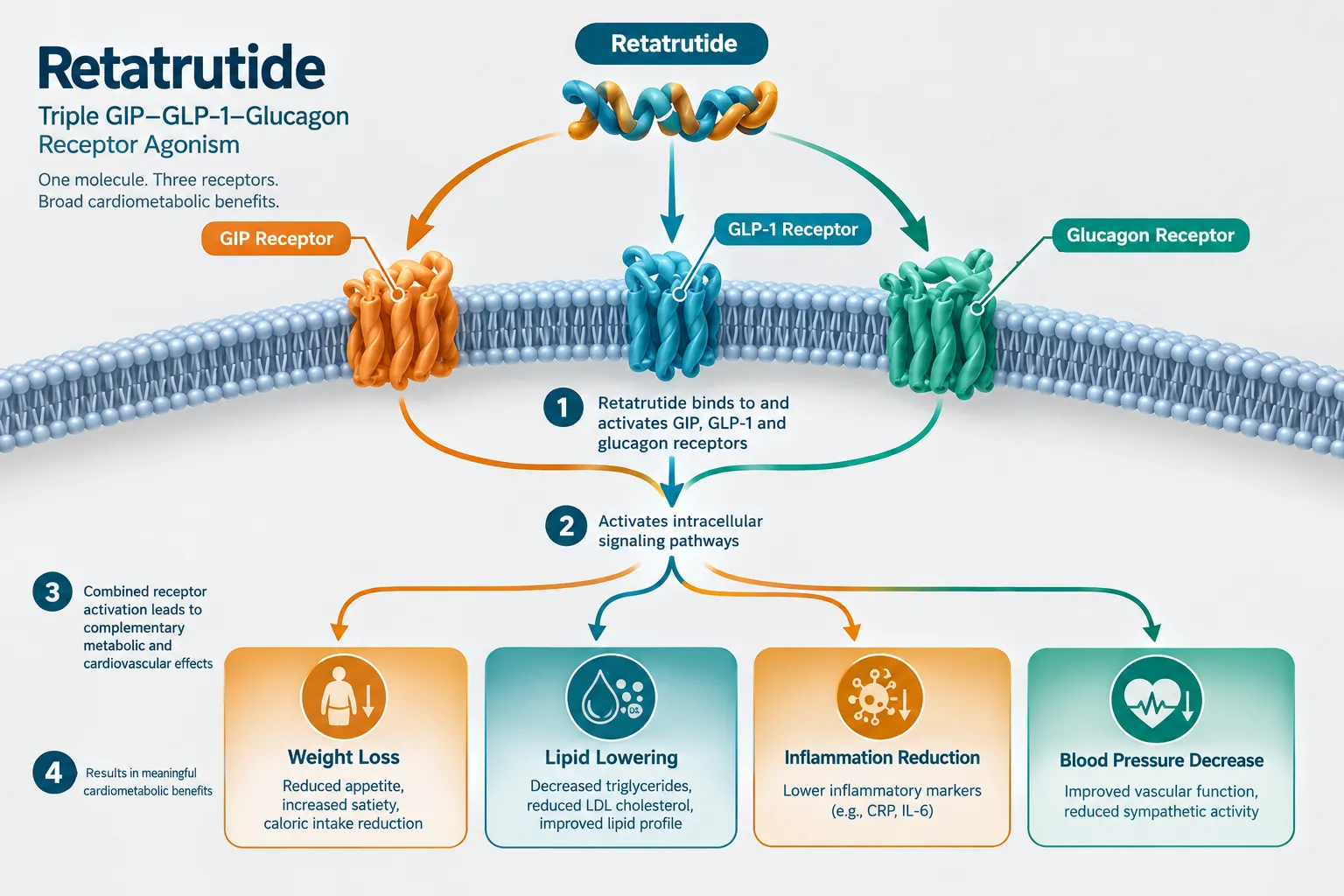
Triple agonists such as retatrutide, which targets GIP, GLP-1, and glucagon receptors simultaneously, have produced mean weight losses exceeding 25 percent in recent trials. At that magnitude of fat loss, LDL-C, triglycerides, and blood pressure all improve, but re-evaluating statin intensity should wait until weight stabilizes, since ongoing lipoprotein remodeling during active loss creates a moving target.

Important note on statin therapy: French consensus guidance and NIH-linked reviews both emphasize that statins remain first-line therapy for LDL-C and ApoB targets. Peptide-induced lipid improvements complement statin therapy; they do not replace it for high-risk individuals.


Timing, Dosing, and Re-Evaluation Checkpoints
Timing, Dosing, and Re-Evaluation Checkpoints

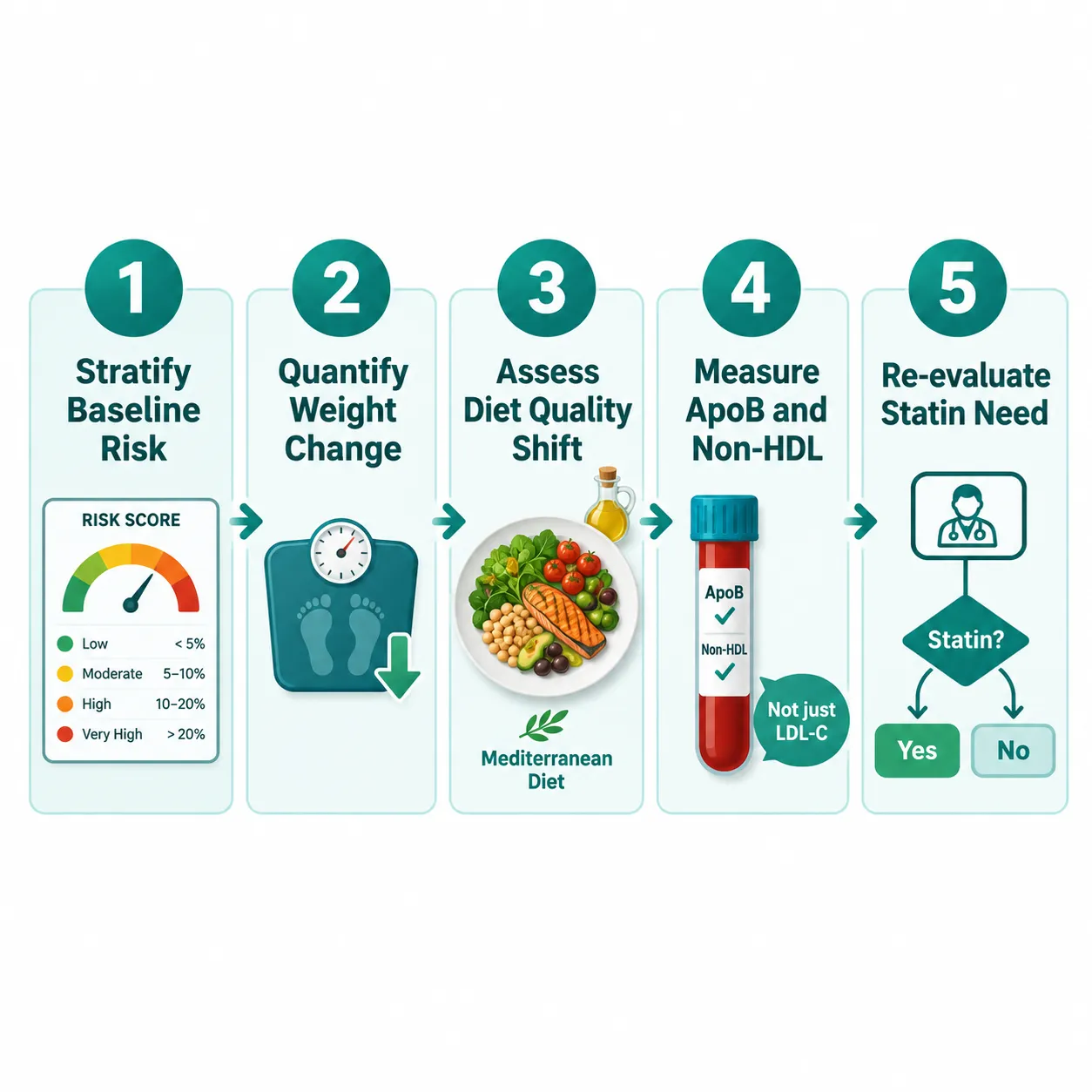
The timing of lipid measurements relative to weight-loss trajectory matters considerably. Early measurements at 12 weeks reflect initial metabolic disruption and may not represent steady-state lipoprotein levels. A 2026 real-world study found that lipid improvements at low doses of 2.5 to 5 mg weekly tracked closely with the rate of weight change rather than cumulative weight lost, meaning that a plateau in lipid improvement does not indicate loss of drug effect, but rather stabilization of the weight-loss-mediated pathway.

Recommended measurement checkpoints:

  1. Baseline (fasting, before peptide initiation)
  2. 12 weeks (early metabolic response, note active weight-loss phase)
  3. 6 months (partial weight stabilization)
  4. 12 months (near steady-state for most protocols)
  5. Post-stabilization (definitive lipid re-evaluation for statin decisions)

For researchers interested in peptide dosing protocols and their relationship to metabolic outcomes, aligning lipid measurement timing with dosing escalation schedules improves interpretive accuracy.

A meta-analysis pooling six randomized controlled trials of tirzepatide in type 2 diabetes confirmed consistent reductions in total cholesterol, triglycerides, LDL-C, and VLDL-C versus baseline or comparators, confirming that observed LDL changes reflect a real class effect rather than measurement noise, provided the analysis accounts for concurrent weight and dietary shifts.


Conclusion

LDL cholesterol and peptide research presents a genuine interpretive challenge when weight loss and food intake are simultaneously changing. The core takeaway for 2026 research practice is straightforward: treat LDL-C as one data point in a broader causal picture, not the primary endpoint. Prioritize ApoB and non-HDL cholesterol as the anchoring markers of atherogenic burden. Stratify participants by baseline lipid phenotype before drawing conclusions about drug effect size. Account for dietary quality as an independent variable. And time definitive lipid re-evaluations to coincide with weight stabilization, not active loss.

Actionable next steps for researchers and clinicians:

  • Add ApoB and non-HDL cholesterol to every lipid panel in peptide weight-loss protocols.
  • Document dietary pattern changes alongside pharmacological interventions.
  • Apply baseline stratification to set realistic expectations for LDL-C response magnitude.
  • Defer statin intensity adjustments until body weight has plateaued for at least 8 to 12 weeks.
  • Use non-HDL cholesterol reduction of more than 10 percent as a composite success marker rather than LDL-C alone.
https://www.puretestedpeptides.com/wp-content/uploads/2026/10/ldl-cholesterol-and-peptide-research-how-to-interpret-lipid-changes-when-weight.webp 1024 1536 https://www.puretestedpeptides.com/wp-content/uploads/2026/01/buy-peptides-online.jpg 2026-10-09 13:07:342026-10-09 13:07:34LDL Cholesterol and Peptide Research: How to Interpret Lipid Changes When Weight Loss and Food Intake Also Shift
Retatrutide Phase 3 Cardiometabolic Endpoints: How to Interpret Triglycerides, Non-HDL Cholesterol, Blood Pressure, and hsCRP Together

Retatrutide Phase 3 Cardiometabolic Endpoints: How to Interpret Triglycerides, Non-HDL Cholesterol, Blood Pressure, and hsCRP Together

October 8, 2026/0 Comments/in Uncategorized/by

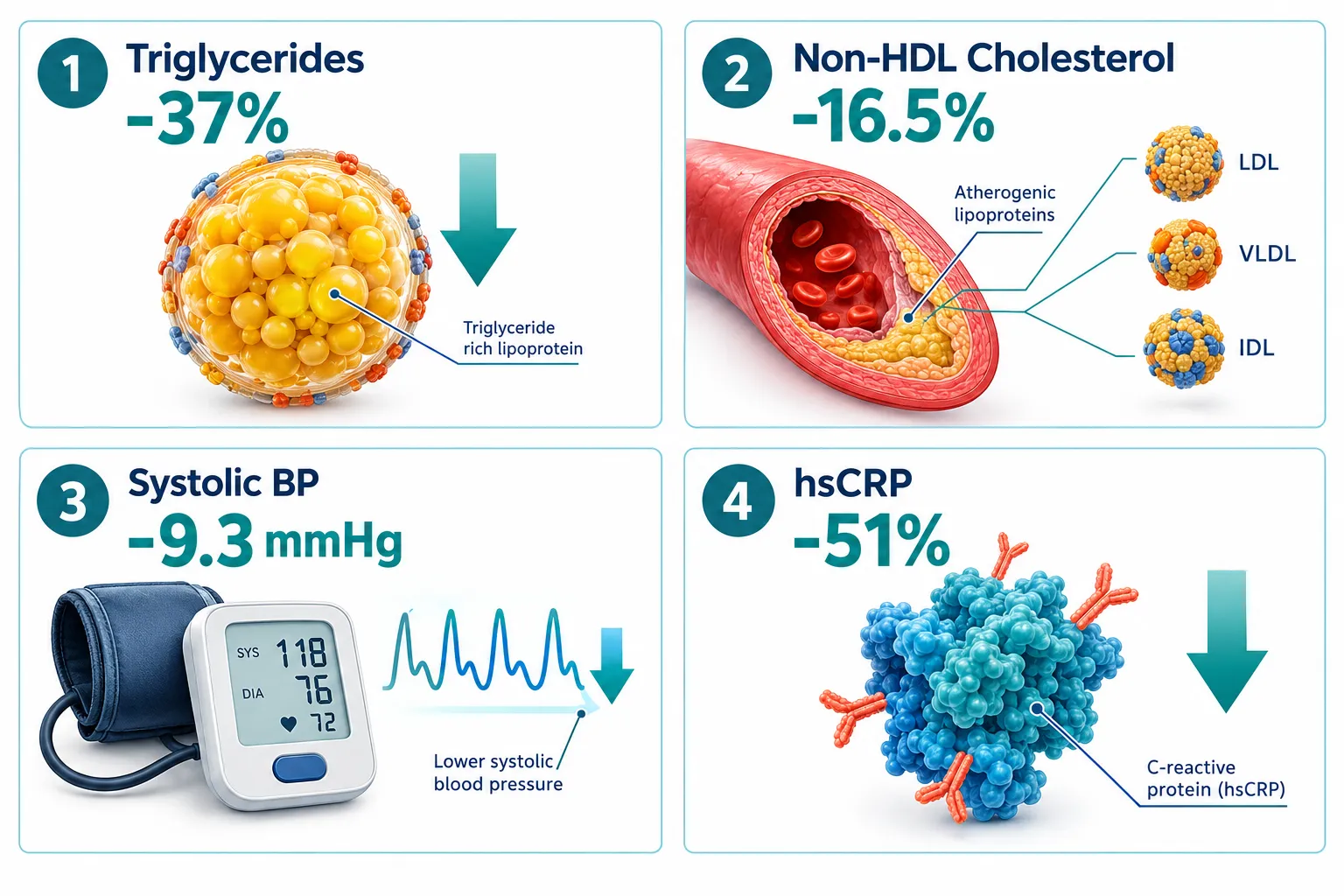
A 51% drop in high-sensitivity C-reactive protein alongside a 37% reduction in triglycerides, recorded in the same patients, at the same 80-week timepoint, is not a coincidence. It is a signal that demands careful interpretation. The TRIUMPH phase 3 program has now generated a dense cardiometabolic dataset around retatrutide, and understanding how to read Retatrutide Phase 3 Cardiometabolic Endpoints: How to Interpret Triglycerides, Non-HDL Cholesterol, Blood Pressure, and hsCRP Together requires separating what the numbers show from what they can, and cannot, prove about cardiovascular outcomes.

Key Takeaways

  • Retatrutide 12 mg produced mean weight loss of 22.6% in TRIUMPH-3, alongside reductions of 37% in triglycerides, 16.5% in non-HDL cholesterol, 9.3 mmHg in systolic blood pressure, and 51.2% in hsCRP at 80 weeks.
  • Across broader obesity populations in TRIUMPH-1 and TRIUMPH-4, these cardiometabolic effects were even larger, reaching 39.5% triglyceride reduction and 58.3% hsCRP reduction.
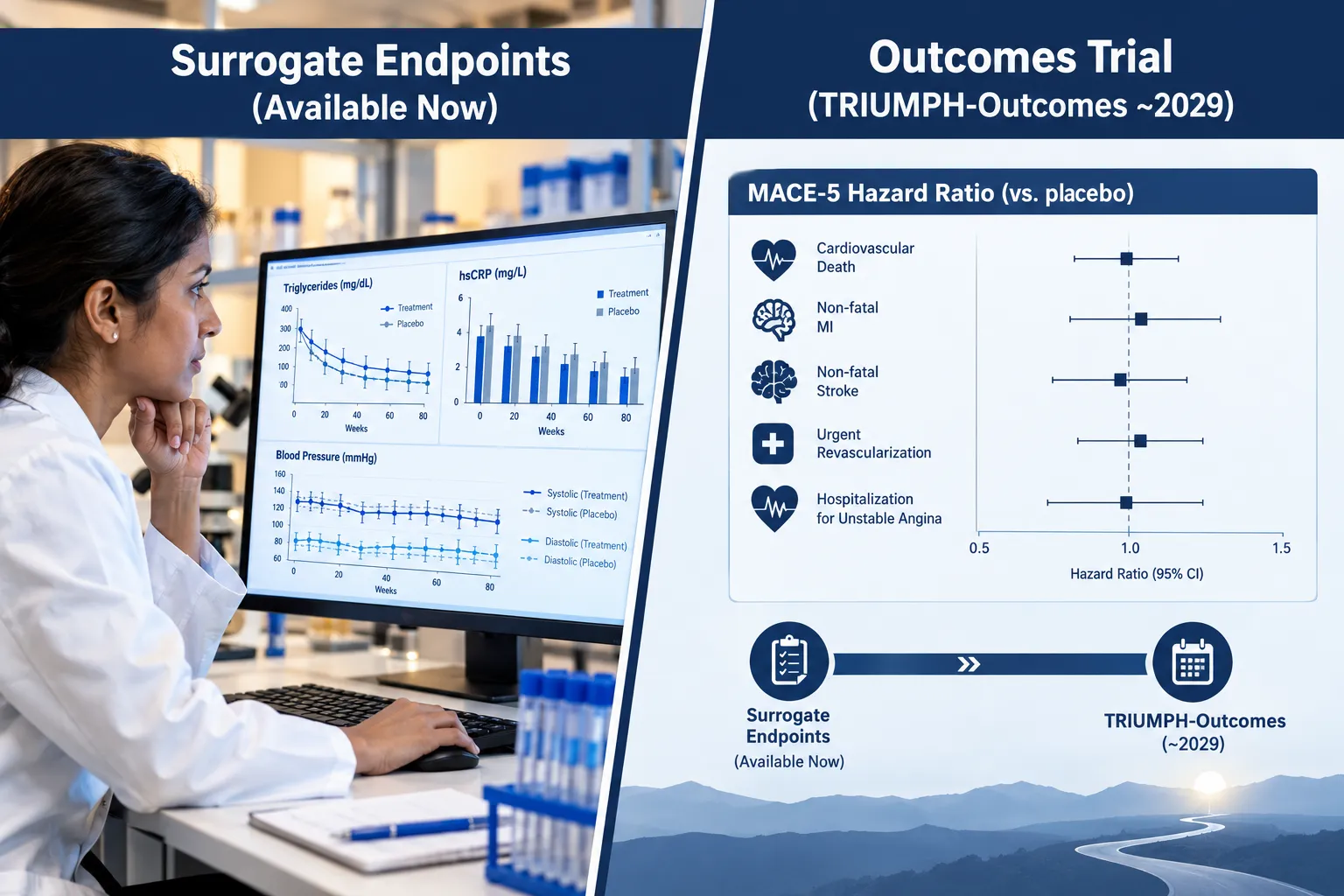
  • All four endpoints are surrogate markers, not clinical event data. The composite MACE-5 hazard ratio in TRIUMPH-3 was 0.82 but did not reach statistical significance.
  • Interpreting correlated endpoints requires understanding covariate adjustment, endpoint timing, and the distinction between weight-mediated and weight-independent effects.
  • The dedicated TRIUMPH-Outcomes cardiovascular trial is underway, with results not expected until approximately 2029 or later.

What the TRIUMPH Phase 3 Data Actually Show

The TRIUMPH program spans multiple pivotal trials. TRIUMPH-3 enrolled 1,949 adults with a BMI of 35 or higher and established cardiovascular disease. Over 80 weeks, retatrutide 12 mg delivered mean weight loss of 22.6% versus 3.2% in the control group. The cardiometabolic secondary endpoints moved in parallel:

What the TRIUMPH Phase 3 Data Actually Show

Endpoint TRIUMPH-3 (12 mg) TRIUMPH-1/TRIUMPH-4 (High Dose)
Triglycerides -37.0% -39.5%
Non-HDL Cholesterol -16.5% -19.6%
Systolic Blood Pressure -9.3 mmHg -10.8 mmHg
hsCRP -51.2% -58.3%
Waist Circumference -19.0 cm Significant reduction

In TRIUMPH-2, which studied adults with obesity or overweight and type 2 diabetes, retatrutide at 4, 9, and 12 mg produced weight losses of 12.7%, 19.1%, and 20.8%, respectively, with A1C reductions up to 1.6 percentage points. At the highest dose, systolic blood pressure fell by up to 14.0 mmHg, reinforcing that the blood pressure effect is dose-dependent and present even in a metabolically distinct population.

These findings are consistent with phase 2 data published in the NEJM, where retatrutide showed dose-dependent improvements in triglycerides, LDL cholesterol, HbA1c, and blood pressure, foreshadowing the larger phase 3 reductions across the full TRIUMPH program. Researchers following Retatrutide Clinical Trials have noted the reproducibility of these signals across different obesity phenotypes.


How to Interpret Correlated Endpoints: Separating Weight Loss from Direct Effects

This is the central interpretive challenge in Retatrutide Phase 3 Cardiometabolic Endpoints: How to Interpret Triglycerides, Non-HDL Cholesterol, Blood Pressure, and hsCRP Together. Because weight loss itself improves all four markers, it is tempting to attribute every improvement to fat mass reduction. The data suggest a more nuanced picture.

How to Interpret Correlated Endpoints: Separating Weight Loss from Direct Effects

Three interpretive principles matter here:

1. Endpoint timing relative to weight loss trajectory. Triglyceride reductions in GLP-1-class agents tend to appear early, often before peak weight loss is achieved. hsCRP reductions, by contrast, may continue to deepen as adipose-driven inflammation resolves over months. When all four endpoints are measured at the same 80-week timepoint, early and late responders are collapsed into a single number.

2. Covariate adjustment for weight change. Phase 3 secondary analyses that adjust for weight loss as a covariate can isolate the weight-independent component of each effect. Retatrutide is a triple agonist at GIP, GLP-1, and glucagon receptors. The glucagon receptor pathway has independent effects on hepatic lipid metabolism, particularly relevant to triglyceride clearance, that are not fully explained by adiposity reduction alone. Understanding GLP-1 retatrutide receptor pharmacology helps contextualize why lipid effects may exceed what weight loss alone would predict.

3. Correlation among endpoints does not imply redundancy. A patient showing large triglyceride reduction, moderate non-HDL reduction, meaningful blood pressure lowering, and substantial hsCRP reduction is experiencing improvements across three distinct cardiovascular risk axes simultaneously: atherogenic dyslipidemia, hemodynamic stress, and systemic inflammation. These are additive risk factors in atherosclerotic cardiovascular disease, and their simultaneous reduction is clinically meaningful, even before outcomes data are available.

Key distinction: Non-HDL cholesterol captures all atherogenic lipoproteins (LDL, VLDL, IDL, Lp(a)-associated particles), making it a broader risk marker than LDL alone. A 16.5% to 19.6% reduction in non-HDL represents a meaningful shift in atherogenic burden, particularly relevant in patients with residual risk despite statin therapy.


The Surrogate-to-Outcomes Gap: What the MACE Data Mean for 2026

Understanding Retatrutide Phase 3 Cardiometabolic Endpoints: How to Interpret Triglycerides, Non-HDL Cholesterol, Blood Pressure, and hsCRP Together requires honest engagement with the limits of surrogate data.

The Surrogate-to-Outcomes Gap: What the MACE Data Mean for 2026

In TRIUMPH-3, the composite MACE-5 hazard ratio was 0.82 versus control. This is a numerically encouraging signal. However, it did not reach statistical significance at 80 weeks. This means retatrutide cannot yet be claimed to reduce clinical cardiovascular events, heart attacks, strokes, or cardiovascular deaths, even in a very high-risk population with established cardiovascular disease.

All cardiovascular data available as of 2026 are based on surrogate markers. The dedicated TRIUMPH-Outcomes trial is currently underway to test whether retatrutide lowers major adverse cardiovascular events in adults with overweight or obesity and established cardiovascular disease. Results are not expected until approximately 2029 or later.

What this means for interpretation:

  • Triglyceride, non-HDL, blood pressure, and hsCRP reductions are secondary endpoints in trials designed primarily around weight management and glycemic control.
  • Expert commentaries frame the multi-axis profile as targeting atherogenic lipoproteins, hemodynamic stress, and systemic inflammation simultaneously, a potentially important profile for residual cardiovascular risk.
  • Any expectation of event reduction remains speculative pending the outcomes trial.
  • If TRIUMPH-Outcomes demonstrates meaningful MACE reduction, formal cardiovascular risk-reduction labeling would likely not be possible before the early 2030s.

Researchers tracking Retatrutide Clinical Trial developments should note that the consistency of surrogate endpoint data across TRIUMPH-1, TRIUMPH-2, TRIUMPH-3, and TRIUMPH-4 strengthens confidence in the reliability of these secondary findings, even as the outcomes question remains open. Those interested in the combination pipeline can also review data on Cagrilintide and Retatrutide for context on next-generation cardiometabolic approaches.


Conclusion

The TRIUMPH phase 3 program has produced one of the most comprehensive cardiometabolic secondary endpoint datasets in obesity pharmacology to date. Triglycerides falling 37-39%, non-HDL cholesterol declining 16-20%, systolic blood pressure dropping 9-14 mmHg, and hsCRP reducing by more than half, all at 80 weeks, represent a reproducible, multi-axis cardiometabolic signal across different obesity phenotypes and comorbidity profiles.

Actionable next steps for researchers and clinicians reviewing this data:

  • Examine covariate-adjusted analyses that isolate weight-independent lipid and inflammatory effects before attributing all improvement to fat mass reduction.
  • Treat the four endpoints as complementary axes, not redundant measures, each captures a distinct cardiovascular risk pathway.
  • Apply appropriate interpretive caution: surrogate improvements do not confirm event reduction until TRIUMPH-Outcomes reports.
  • Monitor Eli Lilly's ongoing regulatory submissions and TRIUMPH-Outcomes enrollment milestones, expected to be decisive around 2029.

The cardiometabolic profile of retatrutide is now a central part of its value proposition, not an exploratory footnote. Reading it correctly, with attention to endpoint timing, covariate structure, and the surrogate-to-outcomes gap, is essential for any rigorous assessment of this triple agonist's place in cardiovascular risk management.

https://www.puretestedpeptides.com/wp-content/uploads/2026/10/retatrutide-phase-3-cardiometabolic-endpoints-how-to-interpret-triglycerides-non.webp 1024 1536 https://www.puretestedpeptides.com/wp-content/uploads/2026/01/buy-peptides-online.jpg 2026-10-08 13:12:122026-10-08 13:12:12Retatrutide Phase 3 Cardiometabolic Endpoints: How to Interpret Triglycerides, Non-HDL Cholesterol, Blood Pressure, and hsCRP Together
LDL Cholesterol, Triglycerides, and Non-HDL Cholesterol: Building a Complete Metabolic Peptide Readout

LDL Cholesterol, Triglycerides, and Non-HDL Cholesterol: Building a Complete Metabolic Peptide Readout

October 3, 2026/0 Comments/in Uncategorized/by

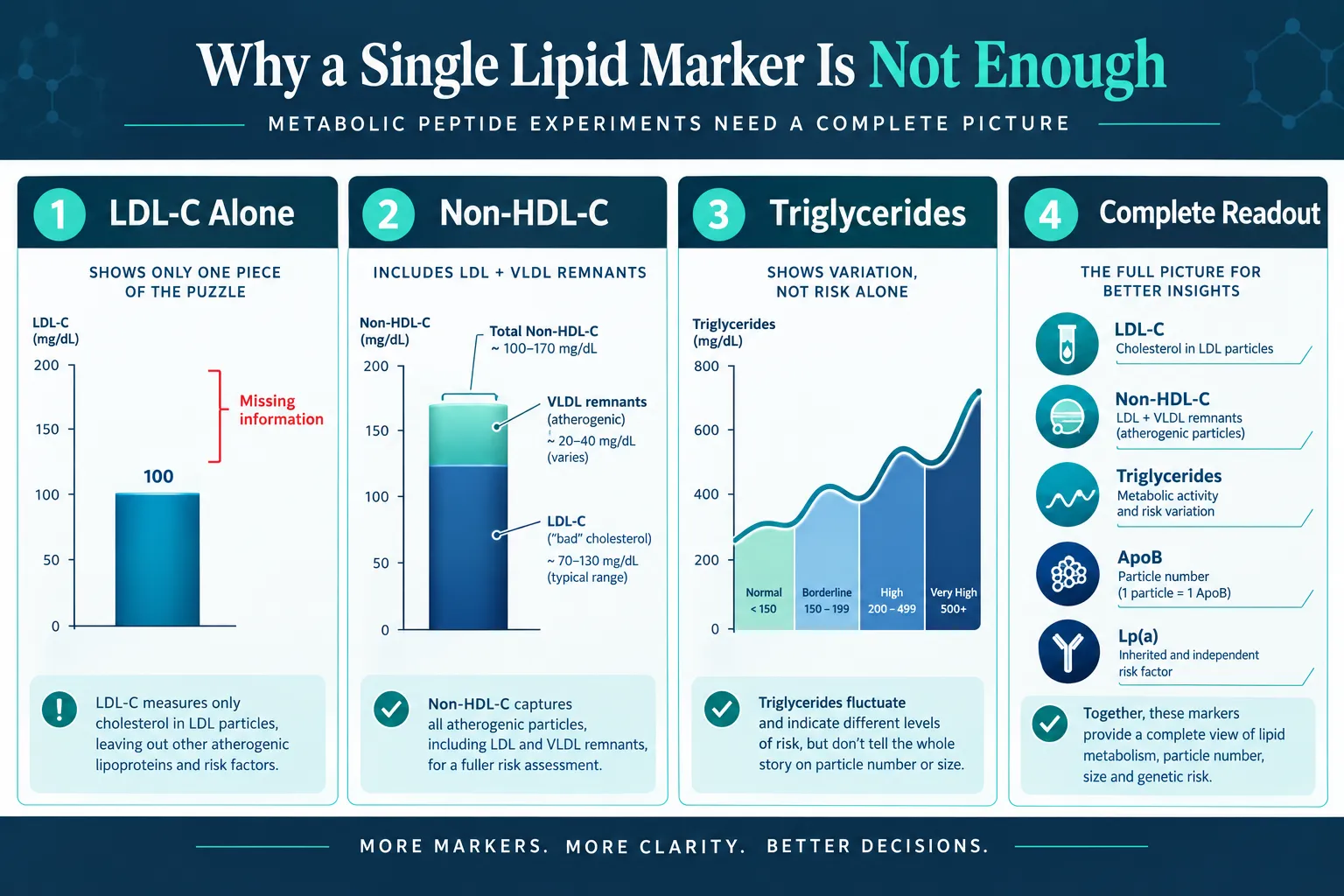
Nearly half of adults who experience a first cardiovascular event have LDL cholesterol levels that fall within the "normal" range, a sobering fact that exposes the core weakness of relying on a single lipid marker. For researchers designing metabolic peptide experiments, that gap is not a minor inconvenience; it is a fundamental flaw in study design. Building a complete metabolic peptide readout around LDL cholesterol, triglycerides, and non-HDL cholesterol closes that gap and delivers a far more accurate picture of atherogenic particle burden.

Key Takeaways

  • LDL-C alone misses a significant portion of cardiovascular risk, especially in individuals with elevated triglycerides or metabolic syndrome.
  • Non-HDL cholesterol captures all atherogenic particles, LDL plus triglyceride-rich remnants, making it a superior global risk marker.
  • Current 2026 guidelines set paired goals: LDL-C and non-HDL-C must both be assessed and treated to target.
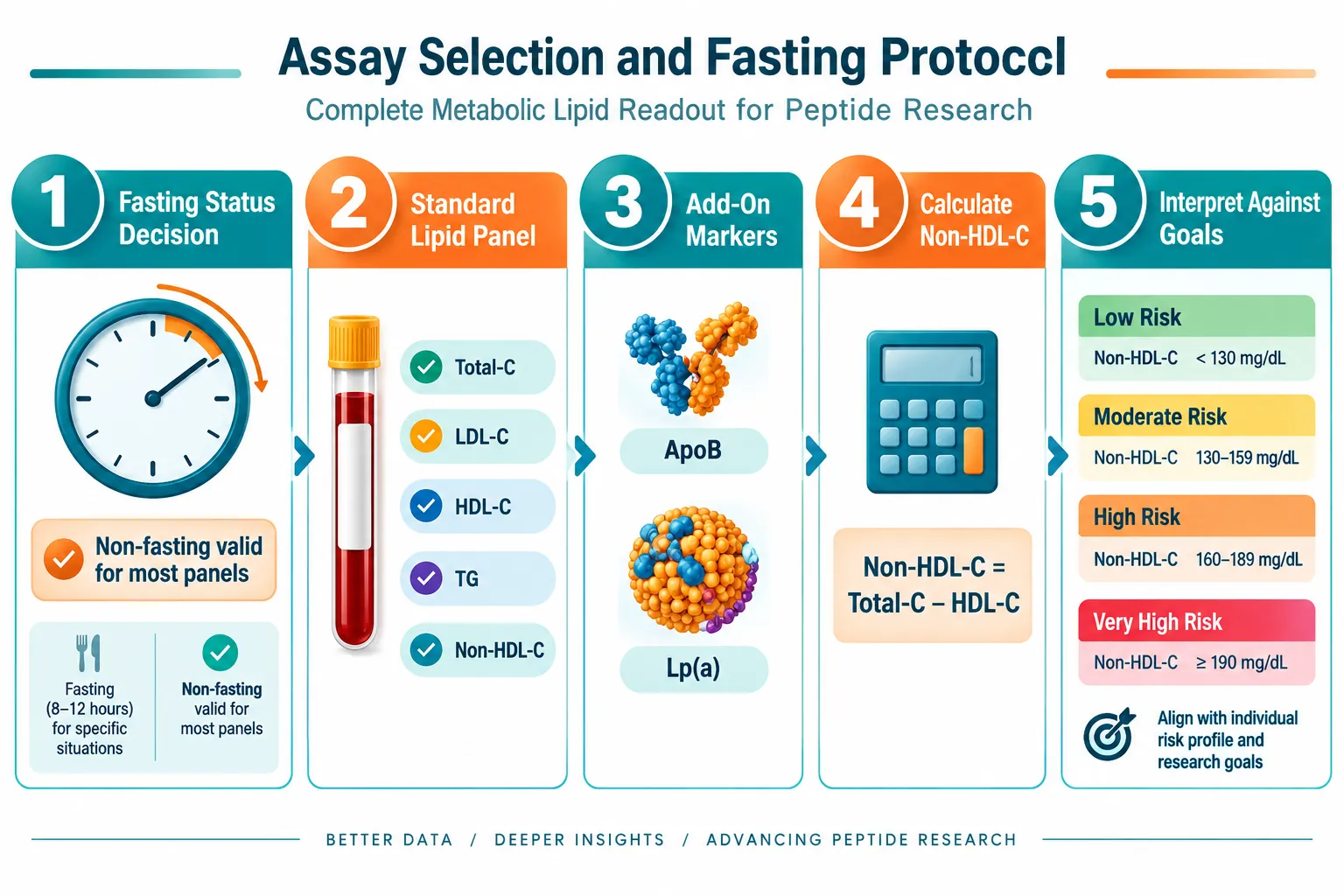
  • A complete metabolic lipid panel includes total cholesterol, LDL-C, HDL-C, triglycerides, and non-HDL-C, with optional apolipoprotein B and Lp(a) for high-risk or complex cases.
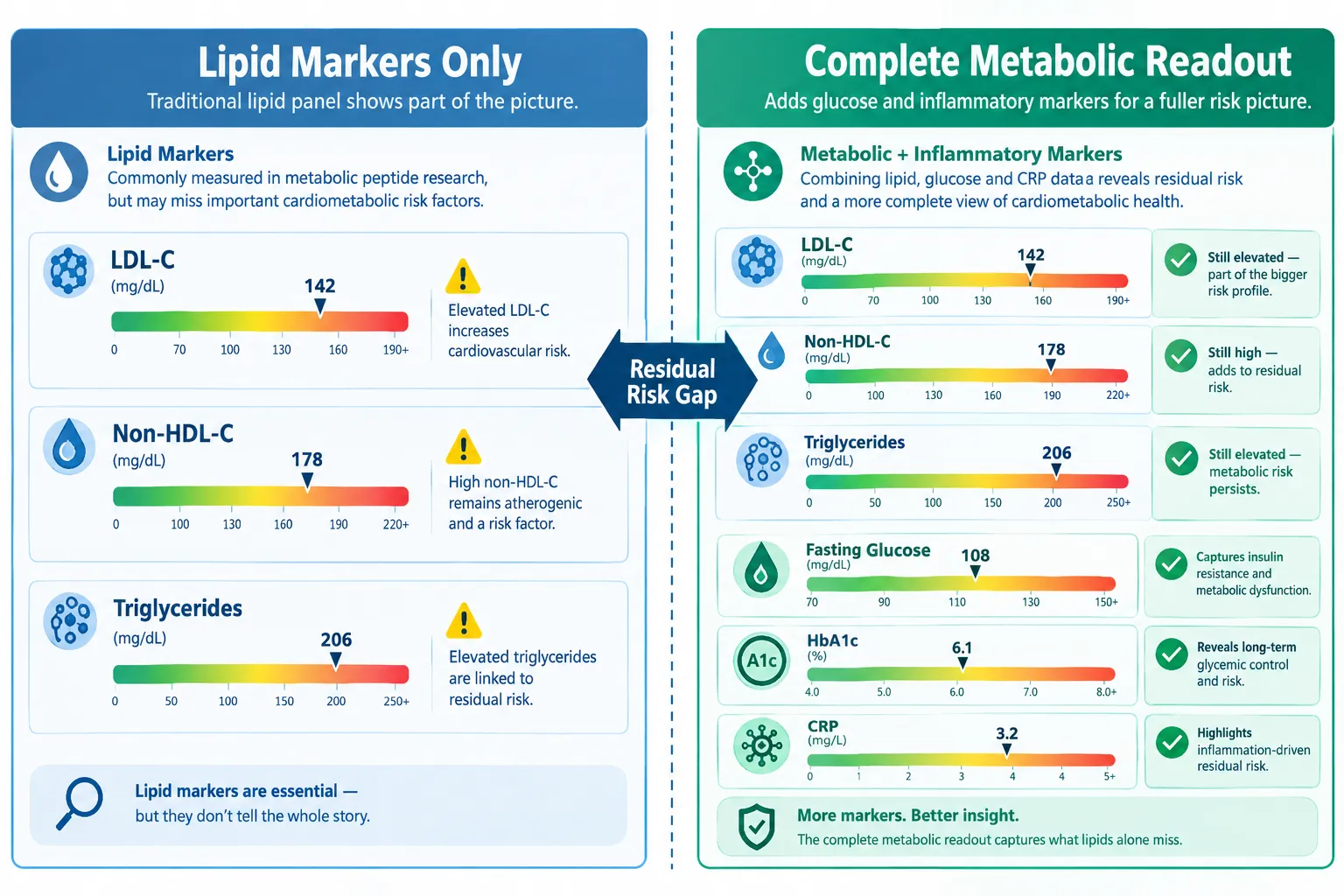
  • Lipid results gain the most interpretive power when paired with glucose and inflammatory endpoints in peptide research protocols.

Why One Lipid Marker Is Never Enough

The tradition of treating LDL-C as the sole lipid target made clinical sense when it was the best available tool. In 2026, that rationale no longer holds. Researchers now understand that triglyceride-rich lipoproteins, very-low-density lipoprotein (VLDL) and its remnants, drive atherosclerotic plaque independently of LDL-C. A patient or research subject can achieve an LDL-C below 100 mg/dL and still carry a dangerous burden of remnant cholesterol that a standard LDL reading will never detect.

Why One Lipid Marker Is Never Enough

This is where non-HDL cholesterol becomes indispensable. Calculated simply as total cholesterol minus HDL cholesterol, non-HDL-C captures every atherogenic particle in circulation, LDL, VLDL, IDL, and remnants. In populations with high triglycerides, obesity, type 2 diabetes, or metabolic syndrome, non-HDL-C consistently outperforms LDL-C as a predictor of cardiovascular outcomes. Research in patients with chronic kidney disease reinforces this point: non-HDL-C and remnant cholesterol show stronger, more consistent associations with adverse events than LDL-C alone.

For metabolic peptide experiments, this distinction matters enormously. Peptides that influence insulin signaling, energy metabolism, or inflammatory pathways, such as those explored in GLP-3 peptide research or Cagrilintide peptide studies, can shift triglyceride and remnant cholesterol levels without meaningfully moving LDL-C. A readout built on LDL alone would miss those effects entirely.

Key principle: Non-HDL-C should be no more than 30 mg/dL above the LDL-C goal. For a subject with an LDL target below 100 mg/dL, the non-HDL-C goal is below 130 mg/dL.


Assay Selection, Fasting Status, and Triglyceride Categories

A complete metabolic lipid readout in 2026 includes five core components:

Marker What It Measures Clinical Goal (High Risk)
Total Cholesterol All cholesterol fractions Context-dependent
LDL-C Primary atherogenic particle <70 mg/dL
HDL-C Protective lipoprotein >40 mg/dL (men), >50 mg/dL (women)
Triglycerides TG-rich lipoprotein burden <150 mg/dL
Non-HDL-C All atherogenic particles <100 mg/dL

Optional add-ons, apolipoprotein B (apoB) and lipoprotein(a) [Lp(a)], are now recommended at least once in a lifetime by major guidelines and are especially valuable in metabolically complex subjects.

Assay Selection, Fasting Status, and Triglyceride Categories

Fasting status is a practical decision point. Non-fasting samples are acceptable for most lipid panels and are now endorsed by major guidelines for routine screening. However, triglyceride measurements are most accurate in a fasted state (typically 9-12 hours), and when triglycerides are the primary endpoint in a peptide study, fasting samples are strongly preferred. Researchers should document fasting status consistently across all time points.

Triglyceride categories used clinically follow ATP III criteria that remain in active use:

  • Normal: below 150 mg/dL
  • Borderline-high: 150-199 mg/dL
  • High: 200-499 mg/dL
  • Very high: 500 mg/dL or above

Triglycerides at or above 200 mg/dL automatically trigger a non-HDL-C secondary goal. Levels at or above 500 mg/dL require urgent triglyceride-lowering intervention to prevent pancreatitis, a threshold relevant when studying peptides with metabolic or lipolytic activity, including those available through Mot-C peptide research lines.

"When triglycerides are elevated, non-HDL-C becomes the more reliable guide to atherogenic risk, not LDL-C."

For researchers sourcing study compounds, working with a verified best peptide supplier ensures purity standards that support reproducible lipid endpoint data.


Pairing Lipid Results With Glucose and Inflammatory Endpoints

Lipid data in isolation tells only part of the metabolic story. The 2026 ACC/AHA dyslipidemia guidelines explicitly incorporate the PREVENT-ASCVD equations, which account for cardiometabolic syndrome, type 2 diabetes, and chronic kidney disease, conditions where glucose dysregulation and systemic inflammation amplify lipid-driven risk. This is directly applicable to peptide research design.

Pairing Lipid Results With Glucose and Inflammatory Endpoints

When designing a complete metabolic peptide readout, researchers should pair lipid endpoints with:

  • Fasting glucose and HbA1c, to detect insulin resistance that elevates VLDL and triglycerides
  • High-sensitivity CRP (hsCRP), a marker of vascular inflammation that interacts with remnant cholesterol pathways
  • Fasting insulin or HOMA-IR, to quantify insulin resistance independent of glucose levels

This multi-marker approach is especially relevant when studying peptides with dual metabolic and anti-inflammatory mechanisms. For example, SS31 peptide research targeting mitochondrial oxidative stress may show effects on inflammatory markers alongside lipid shifts that would be invisible in a lipid-only readout. Similarly, IPA peptides with insulin-sensitizing properties may reduce triglycerides and non-HDL-C through glucose-mediated pathways that require concurrent glucose endpoint tracking to interpret correctly.

Practical checklist for a complete metabolic peptide readout:

  1. Collect fasting lipid panel: total cholesterol, LDL-C, HDL-C, triglycerides, non-HDL-C
  2. Add apoB and Lp(a) for high-risk or metabolically complex subjects
  3. Record fasting glucose, HbA1c, and fasting insulin
  4. Measure hsCRP as an inflammatory co-endpoint
  5. Calculate non-HDL-C and compare against the LDL-C goal plus 30 mg/dL
  6. Apply risk-stratified targets: LDL-C below 55 mg/dL and non-HDL-C below 85 mg/dL for very-high-risk profiles

When a subject reaches the LDL-C target but non-HDL-C remains elevated, current guidelines direct escalation of therapy, a principle that translates directly into peptide study design: if a compound lowers LDL-C without reducing non-HDL-C, residual atherogenic burden persists and must be addressed. Researchers seeking verified compounds for such protocols can explore options through a trusted best peptide website to ensure compound integrity across multi-endpoint studies.


Conclusion

Building a complete metabolic peptide readout is not optional for rigorous research, it is the standard. LDL cholesterol, triglycerides, and non-HDL cholesterol together capture the full spectrum of atherogenic particle burden that a single marker will always underestimate. The actionable steps are clear: use a five-marker fasting lipid panel as the baseline, add apoB and Lp(a) where risk complexity warrants it, document fasting status consistently, and pair every lipid endpoint with glucose and inflammatory markers. Apply the 2026 guideline targets, LDL-C below 70 mg/dL and non-HDL-C below 100 mg/dL for high-risk profiles, and more stringent thresholds for very-high-risk subjects, as interpretive anchors. Researchers who adopt this multi-marker framework will extract more meaningful, publishable, and clinically translatable data from every metabolic peptide experiment they run.

https://www.puretestedpeptides.com/wp-content/uploads/2026/10/ldl-cholesterol-triglycerides-and-non-hdl-cholesterol-building-a-complete-metabo.webp 1024 1536 https://www.puretestedpeptides.com/wp-content/uploads/2026/01/buy-peptides-online.jpg 2026-10-03 13:04:422026-10-03 13:04:42LDL Cholesterol, Triglycerides, and Non-HDL Cholesterol: Building a Complete Metabolic Peptide Readout
Cholesterol and Research Peptides: Separating LDL, Triglyceride, and Non-HDL Effects in Metabolic Models

Cholesterol and Research Peptides: Separating LDL, Triglyceride, and Non-HDL Effects in Metabolic Models

September 27, 2026/0 Comments/in Uncategorized/by

Residual cardiovascular risk persists in roughly half of statin-treated patients, not because LDL-cholesterol remains uncontrolled, but because triglycerides, remnant cholesterol, and non-HDL-C continue to drive atherogenesis in the background. This gap is precisely where the science of cholesterol and research peptides: separating LDL, triglyceride, and non-HDL effects in metabolic models has become one of the most active areas of preclinical and translational investigation in 2026.

Understanding how specific peptide-like agents shift individual lipoprotein fractions, rather than the lipid panel as a whole, is essential for any researcher designing or interpreting metabolic studies involving GLP-class compounds, MOTS-c, 5-Amino-1MQ, tesofensine, or growth-hormone-related peptides.

Key Takeaways

  • LDL-C, triglycerides, and non-HDL-C are pharmacologically separable endpoints; different peptide classes move each fraction differently and to different magnitudes.
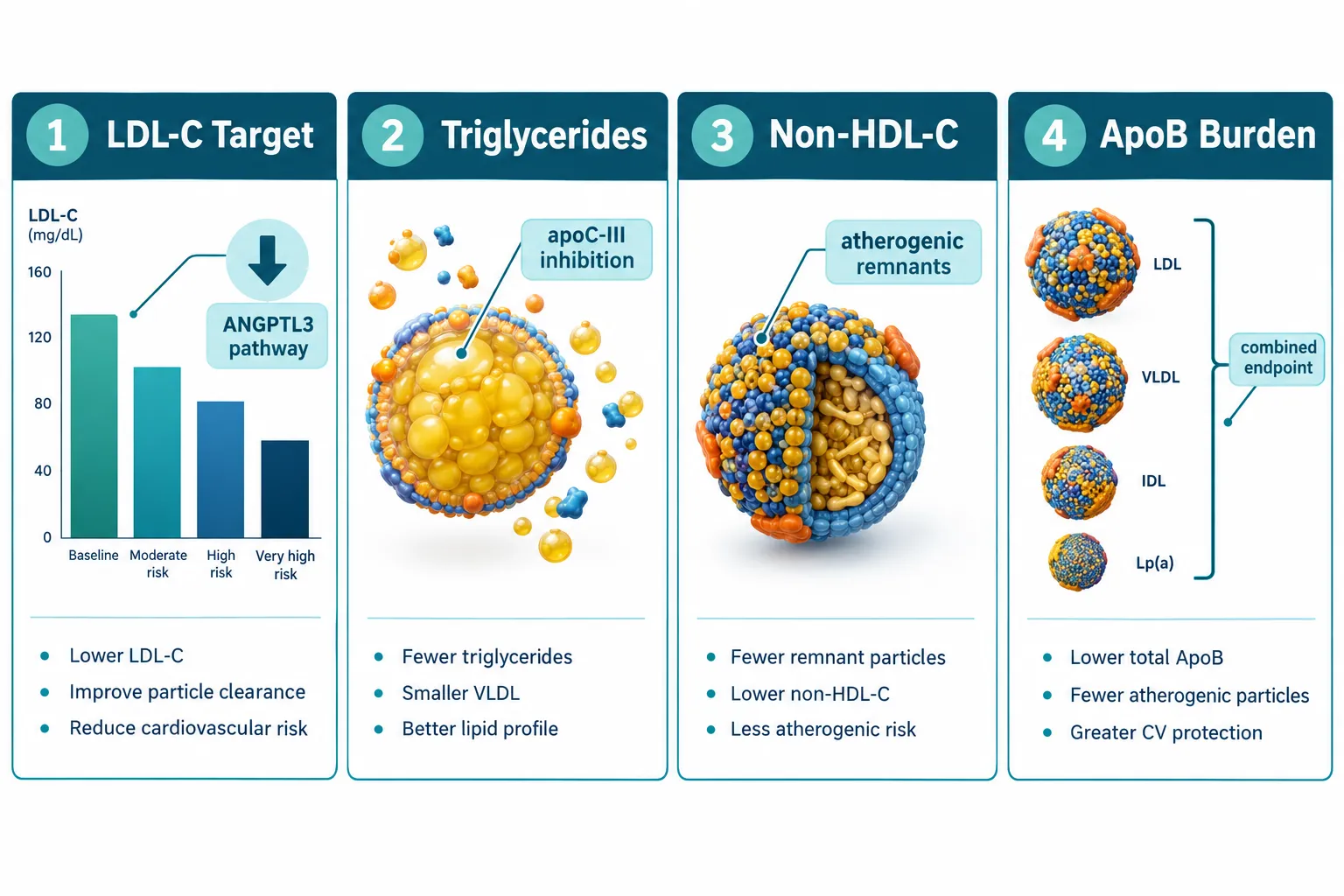
  • ANGPTL3-targeted agents reduce all three major atherogenic fractions, while apoC-III inhibitors primarily lower triglycerides and remnant cholesterol with minimal LDL-C effect.
  • Diet, fasting state, weight loss magnitude, and background statin exposure are major confounders that must be controlled when interpreting lipid panels in peptide research models.
  • The 2026 ACC/AHA guidelines set LDL-C goals of less than 70 mg/dL for high-risk subjects, providing a clinical threshold against which novel peptide-driven lipid changes should be benchmarked.
  • Non-HDL-C is a practical surrogate for total apoB-containing particle burden and should be reported alongside LDL-C in all metabolic peptide studies.

Why Lipoprotein Fractions Cannot Be Treated as One Endpoint

Why Lipoprotein Fractions Cannot Be Treated as One Endpoint

The standard lipid panel reports four numbers, but those numbers do not respond uniformly to peptide interventions. LDL-C reflects cholesterol carried in low-density particles. Triglycerides reflect the flux of very-low-density lipoprotein (VLDL) and chylomicron remnants. Non-HDL-C captures cholesterol in all atherogenic particles, LDL, VLDL, IDL, and remnants combined, making it a broader measure of apoB-containing burden.

Research into RNA interference (RNAi) and antisense platforms has quantified this separation precisely. ANGPTL3-targeted programs produce mean LDL-C reductions near 13%, while apoC-III-targeted programs show essentially neutral effects on LDL-C (mean difference approximately 0.6%) despite suppressing plasma triglycerides by up to 50%. A 2026 meta-analysis of siRNA dyslipidemia therapies reported a pooled non-HDL-C reduction of nearly 22% versus placebo, a composite result that masked dramatically different contributions from LDL versus triglyceride-rich fractions depending on the molecular target.

For researchers working with polypeptide peptides in cardiometabolic models, this distinction is not academic, it determines which endpoint is the most meaningful readout for a given compound class.

The practical implication: always pre-specify which fraction is the primary endpoint before running a metabolic peptide study. Reporting only total cholesterol or only LDL-C will obscure the mechanism of action.


How GLP-Class, MOTS-c, and Metabolic Peptides Shift Lipid Fractions

How GLP-Class, MOTS-c, and Metabolic Peptides Shift Lipid Fractions

Different peptide classes interact with lipid metabolism through distinct mechanisms, and those mechanisms predict which fraction will move most.

GLP-Class Compounds

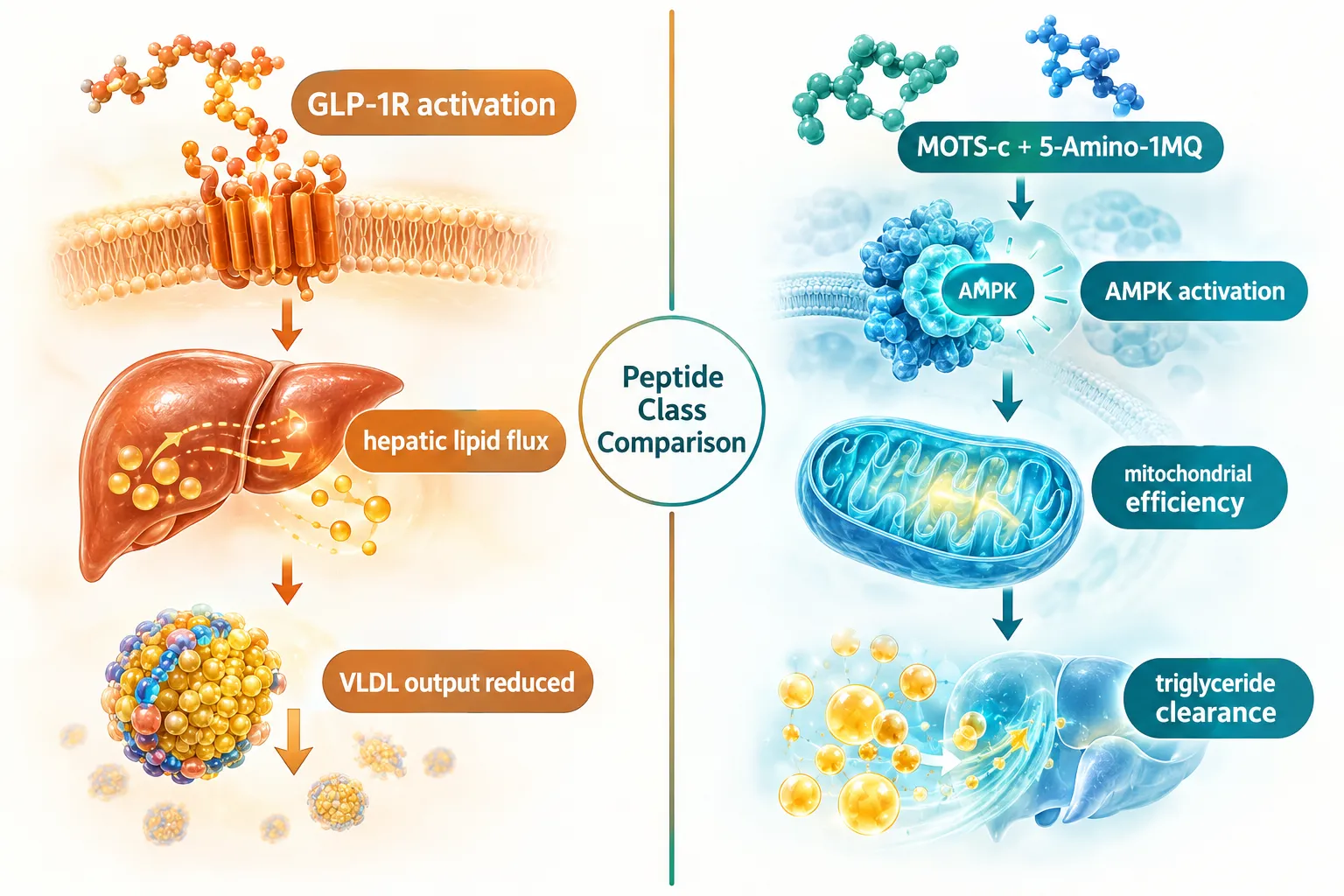
GLP-1 receptor agonists and newer dual/triple agonists (including retatrutide and GLP-3 variants) reduce hepatic VLDL secretion and accelerate triglyceride clearance. In metabolic models, the dominant lipid signal is a triglyceride reduction of 15-30%, with modest non-HDL-C improvements that are partly attributable to weight loss rather than direct receptor signaling. LDL-C changes are typically small and sometimes paradoxically increase in early phases due to enhanced lipolysis of VLDL particles. Researchers can explore the mechanistic basis of these differences through the Peptides 101 overview of GLP-3 and related structures.

MOTS-c and Mitochondrial Peptides

MOTS-c is a mitochondria-derived peptide that activates AMPK signaling, improving fatty acid oxidation and reducing ectopic lipid accumulation. In animal models, MOTS-c primarily lowers triglycerides and VLDL-C by enhancing skeletal muscle lipid uptake. Non-HDL-C improvements follow but are secondary. LDL-C is largely unaffected in short-duration studies.

5-Amino-1MQ and Tesofensine

5-Amino-1MQ inhibits NNMT (nicotinamide N-methyltransferase), shifting cellular metabolism toward fat oxidation. Tesofensine acts as a triple monoamine reuptake inhibitor with weight-loss-driven lipid effects. Both compounds primarily reduce triglycerides and non-HDL-C in proportion to visceral fat loss. Research on visceral fat and metabolic endpoints is directly relevant to interpreting these signals.

Growth Hormone-Related Peptides

Sermorelin, ipamorelin, and related secretagogues elevate GH pulsatility, which increases lipolysis and can transiently raise free fatty acids and LDL-C before improving the overall lipoprotein profile. Researchers using these compounds should note that early-timepoint lipid panels may show misleading LDL-C elevations. The IPA Sermorelin stack research overview covers relevant study design considerations.

“In peptide metabolic models, the direction of LDL-C change is often the least informative signal. Triglyceride and non-HDL-C trajectories carry more mechanistic weight.”

Practical Endpoint Guide: Controlling Confounders in Peptide Lipid Studies

Practical Endpoint Guide: Controlling Confounders in Peptide Lipid Studies

Accurate interpretation of cholesterol and research peptides, separating LDL, triglyceride, and non-HDL effects in metabolic models, requires systematic control of four major confounders.

1. Fasting State

Triglycerides are exquisitely sensitive to recent food intake. A non-fasting sample can inflate triglycerides by 30-50 mg/dL, masking a genuine peptide-driven reduction. All lipid panels in metabolic models should be collected after a minimum 10-hour fast. Non-HDL-C is more stable in non-fasting conditions but still benefits from standardized collection.

2. Weight Loss Magnitude

Weight loss itself, independent of any peptide mechanism, reduces triglycerides by approximately 1-2% per kilogram of body weight lost and modestly lowers LDL-C. In studies using GLP-class or tesofensine compounds where body weight changes significantly, researchers must use statistical adjustment or weight-matched controls to isolate the direct lipoprotein effect from the indirect weight-loss effect.

3. Background Statin Exposure

Statins suppress LDL-C by 30-55% depending on dose and agent. In subjects or animal models on background statin therapy, the LDL-C floor effect limits the measurable peptide contribution to LDL lowering. In these settings, non-HDL-C and apoB become the more sensitive endpoints because they capture triglyceride-rich particle changes that statins do not fully address.

4. Diet Composition

High-carbohydrate diets elevate VLDL secretion and triglycerides independently of peptide exposure. Standardizing macronutrient intake across study arms is essential. In rodent models, the choice between chow diet and high-fat diet dramatically changes the baseline lipoprotein profile and the magnitude of peptide-driven changes.

Peptide Class Primary Lipid Signal Key Confounder
GLP-class agonists Triglycerides, VLDL-C Weight loss magnitude
MOTS-c Triglycerides, non-HDL-C Diet carbohydrate load
5-Amino-1MQ Non-HDL-C, triglycerides Visceral fat change
Tesofensine Non-HDL-C, triglycerides Caloric restriction effect
GH secretagogues LDL-C (early, transient) Lipolysis timing

Researchers sourcing compounds for these study designs should ensure purity and batch consistency. Resources on research-grade peptide purity standards and wholesale peptide procurement are relevant starting points for laboratory procurement decisions.


Conclusion

Interpreting lipid panels in peptide metabolic research requires moving beyond the single-number mindset. Cholesterol and research peptides: separating LDL, triglyceride, and non-HDL effects in metabolic models is not a theoretical exercise, it is a prerequisite for generating data that translates meaningfully across study designs and species.

Actionable next steps for researchers:

  • Pre-specify LDL-C, triglycerides, and non-HDL-C as separate co-primary endpoints in study protocols.
  • Standardize fasting duration (minimum 10 hours) and diet composition across all arms.
  • Include weight-matched control groups when studying compounds with significant weight-loss activity.
  • Report apoB alongside non-HDL-C to capture total atherogenic particle burden.
  • Benchmark results against the 2026 ACC/AHA thresholds (LDL-C less than 70 mg/dL for high-risk models) to contextualize the clinical relevance of observed changes.

The field is moving rapidly. ANGPTL3 inhibitors, apoC-III-targeted siRNAs, and gene-editing constructs now demonstrate that all three major atherogenic fractions can be moved simultaneously, or selectively, depending on the molecular target. Peptide researchers who build this fractionation logic into their endpoint selection will generate far more interpretable and publishable data.

https://www.puretestedpeptides.com/wp-content/uploads/2026/09/cholesterol-and-research-peptides-separating-ldl-triglyceride-and-non-hdl-effect.webp 1024 1536 https://www.puretestedpeptides.com/wp-content/uploads/2026/01/buy-peptides-online.jpg 2026-09-27 13:03:312026-09-27 13:03:31Cholesterol and Research Peptides: Separating LDL, Triglyceride, and Non-HDL Effects in Metabolic Models
×

Helpful Links

  • My account
  • Cart
  • Checkout
  • Refund and Returns Policy
  • Privacy Policy
  • SMS Privacy Policy
  • Login
  • My Account
  • Logout

USA Made Lab Tested Peptides

All products are sold for research, laboratory, or analytical purposes only, and are not for human consumption


Pure Tested Peptides is a chemical supplier. Pure Tested Peptides is not a compounding / chemical compounding facility as defined under 503A of the Federal Food, Drug, and Cosmetic act. Pure Tested Peptides is not an outsourcing facility as defined under 503B of the Federal Food, Drug, and Cosmetic act.

The statements made within this website have not been evaluated by the US Food and Drug Administration. The products we offer are not intended to diagnose, treat, cure or prevent any disease.

Human/Animal Consumption Prohibited. Laboratory/In-Vitro Experimental Use Only

Scroll to top Scroll to top Scroll to top