Call or Text 727-513-9780
  • Shopping Cart Shopping Cart
    0Shopping Cart
Pure Tested Peptides | America's most trusted Peptides for sale online
  • Peptides for sale
    • Oral Peptides for sale
      • Peptide Capsules for sale
      • BPC 157 Capsules 1000mcg
      • SLU-PP-332 Capsules | 1000 mcg
      • 5-Amino-1MQ 50mg Capsules
      • Tesofensine 500mcg
    • All Peptides for sale
    • Peptide Sprays
      • BPC 157 Nasal Spray Kit
      • BPC-157 TB500 Nasal Spray Kit
      • Semax Nasal Spray 10mg
      • Selank – Nasal Spray Kit – 10mg
      • Epithalon 50MG Nasal Spray Kit
      • Ipamorelin 10mg Nasal Spray
      • Klow Nasal Spray (BPC-157 + TB-500 + GHK-Cu + KPV) | 80mg
      • Hulk Nasal Spray Tesa / Ipa Blend 6/3 MG
      • Klow Nasal Spray
      • NAD + 500 mg Nasal Spray
      • PT-141 Nasal Spray Kit
    • GHRH Peptides
      • Ipa Peptides
      • CJC-1295 Peptides
        • CJC-1295 with DAC 5 mg
        • CJC-1295 without DAC 5 mg
        • CJC-1295 Ipa 10mg
      • Tesa Peptides
        • Tesa Peptide
        • Tesa 20 mg
    • GHK-Cu Peptides
      • All GHK-Cu Peptides
      • GHK-Cu 100mg
      • KLOW Peptide Blend – Buy KLOW blend online
    • BPC Peptides
      • All BPC Peptides
      • BPC-157
      • BPC-157 TB-500
      • BPC 157 capsules 1000mcg
    • SLU-PP-332 Peptides
      • All SLU-PP-332 Peptides
      • SLU-PP-332 5mg
    • GLP3 Peptides
      • GLP3-R
      • GLP3-R CAG 10mg
      • GLP3-R 20mg
    • PT-141 Peptides
      • PT-141 Peptides for sale
      • PT-141 10mg
      • PT-141 Nasal Spray
    • CAG Peptides
      • Lipo-C Peptide Blend
      • CAG 5mg
      • CAG 10mg
    • MOTS-C Peptides
      • MOTS-C Peptides for sale
      • MOTS-c peptide
      • MOTS-c 10mg *6 pack*
    • 5 Amino 1MQ Peptides
      • 5 Amino 1MQ Peptides for sale
      • 5-Amino-1MQ 50mg Capsules
      • 5-Amino-1MQ 5mg
    • Epithalon Peptides
      • Epithalon Peptides for sale
      • Epithalon 10mg
      • Epithalon 50mg
  • Shop
    • GLPs
      • 5-Amino-1MQ 50mg Capsules
      • 5-Amino-1MQ 5mg
      • GLP3-Reta
      • L-Carnitine 500mg/ml
      • Tesofensine 500mcg
      • SLU-PP-332 5mg
      • MOTS-c 10mg *6 pack*
    • Epithalon & BPC Peptides
      • Epithalon 10mg
      • Epithalon 50mg
      • BPC-157
      • BPC 157 capsules 1000mcg
      • BPC-157 TB-500
      • BPC-157 TB500 Nasal Spray Kit
      • BPC 157 Nasal Spray Kit
    • BPC TB-500 & NAD+ Peptides
      • NAD+ 500 mg
      • KLOW Peptide Blend – Buy KLOW blend online
      • GLOW Peptide Blend
      • TB 500 5mg
      • BPC 157 capsules 1000mcg – Supplement
      • BPC 157 Nasal Spray Kit
      • BPC-157
      • BPC-157 TB500 Nasal Spray Kit
      • BPC-157 TB-500
      • BPC 157 capsules 1000mcg
    • LL-37 Peptide
      • LL-37 10 mg
    • MOTS-C & Selank
      • MOTS-c peptide
      • Selank 10mg
    • GHK Peptides
      • GHK-Cu 100mg
      • GLOW Peptide Blend
      • KLOW Peptide Blend – Buy KLOW blend online
  • COAs
  • Wholesale
    • Wholesale Peptides for sale
  • PTP FAQ
  • Affiliates
    • Selank Peptide: Advanced Pharmacological Mechanisms Underlying Its Anxiolytic and Nootropic Effects in Research
      • 5-Amino-1MQ Peptide: Detailed Mechanisms of NNMT Inhibition and Its Impact on Cellular Metabolism Research
        • MOTS-C Peptide: Unraveling Its Role in Mitochondrial Dynamics and Energy Metabolism Research
          • Epithalon Peptide and Telomerase Regulation: Investigating Its Impact on Cellular Senescence and Lifespan Research Models
            • GLP2-T vs GLP2 Tirz Peptide: Understanding the Naming, Mechanistic Nuances, and Research Implications for Gut Health
      • Peptides and Polypeptides in Modern Pharmacology: What Research on Metoprolol, Prednisone, and Amlodipine Reveals
        • Polypeptide Peptides vs NSAIDs: What Naproxen and Diclofenac Teach Tissue-Repair Researchers About BPC‑157 and TB‑500
          • Peptides and Polypeptides in Endocrine Pharmacology: How GLP-1, GLP-2, and GLP-3 Retatrutide Differ From Classic Drugs Like Prednisone and Amlodipine
          • 5‑Amino‑1MQ Peptide and NNMT Inhibition: How It Compares With Statins Like Atorvastatin in Adipose and Lipid Metabolism Research
      • Enclomiphene, Estrogen Receptor Signaling, and Luteinizing Phase Biology: What Hormone Researchers Should Measure
        • Mesenchymal Stem Cells, BPC‑157, and GHK‑Cu: How Tissue Repair Peptides Compare With Classic NSAIDs Like Naproxen in Injury Models
          • Peptide Calculator Use Cases Beyond Growth Hormone: Working Through GLP‑3 Retatrutide, MOTS‑c, and BPC‑157 Research Dosing
        • Polypeptide Peptides in Endocrine and Metabolic Pharmacology: Lessons From Amlodipine, Prednisone, and Metoprolol
        • Peptides Calculator for Advanced Blends: Worked Examples for Tesamorelin, CJC‑1295, and Ipamorelin Stacks
          • Peptides and Polypeptides in Human Physiology: How Molecular Size Shapes Research Applications
            • Selank Peptide: Advanced Pharmacological Mechanisms Underlying Its Anxiolytic and Nootropic Effects in Research
          • 5-Amino-1MQ Peptide: Detailed Mechanisms of NNMT Inhibition and Its Impact on Cellular Metabolism Research
            • MOTS-C Peptide: Unraveling Its Role in Mitochondrial Dynamics and Energy Metabolism Research
              • Epithalon Peptide and Telomerase Regulation: Investigating Its Impact on Cellular Senescence and Lifespan Research Models
                • GLP2-T vs GLP2 Tirz Peptide: Understanding the Naming, Mechanistic Nuances, and Research Implications for Gut Health
                  • Peptides and Polypeptides in Endocrine Pharmacology: How GLP-1, GLP-2, and GLP-3 Retatrutide Differ From Classic Drugs Like Prednisone and Amlodipine
                    • Polypeptide Peptides vs NSAIDs: What Naproxen and Diclofenac Teach Tissue-Repair Researchers About BPC‑157 and TB‑500
                      • Peptides and Polypeptides in Modern Pharmacology: What Research on Metoprolol, Prednisone, and Amlodipine Reveals
                        • 5‑Amino‑1MQ Peptide and NNMT Inhibition: How It Compares With Statins Like Atorvastatin in Adipose and Lipid Metabolism Research
                        • Enclomiphene, Estrogen Receptor Signaling, and Luteinizing Phase Biology: What Hormone Researchers Should Measure
                        • Mesenchymal Stem Cells, BPC‑157, and GHK‑Cu: How Tissue Repair Peptides Compare With Classic NSAIDs Like Naproxen in Injury Models
                        • Peptide Calculator Use Cases Beyond Growth Hormone: Working Through GLP‑3 Retatrutide, MOTS‑c, and BPC‑157 Research Dosing
                        • Polypeptide Peptides in Endocrine and Metabolic Pharmacology: Lessons From Amlodipine, Prednisone, and Metoprolol
                        • Peptides Calculator for Advanced Blends: Worked Examples for Tesamorelin, CJC‑1295, and Ipamorelin Stacks
                        • Peptides and Polypeptides in Human Physiology: How Molecular Size Shapes Research Applications
                        • Selank Peptide: Advanced Pharmacological Mechanisms Underlying Its Anxiolytic and Nootropic Effects in Research
                        • MOTS-C Peptide: Unraveling Its Role in Mitochondrial Dynamics and Energy Metabolism Research
                        • Peptides and Polypeptides in Modern Pharmacology: What Research on Metoprolol, Prednisone, and Amlodipine Reveals
                        • Peptides and Polypeptides in Endocrine Pharmacology: How GLP-1, GLP-2, and GLP-3 Retatrutide Differ From Classic Drugs Like Prednisone and Amlodipine
                        • 5-Amino-1MQ Peptide: Detailed Mechanisms of NNMT Inhibition and Its Impact on Cellular Metabolism Research
                        • Mesenchymal Stem Cells, BPC‑157, and GHK‑Cu: How Tissue Repair Peptides Compare With Classic NSAIDs Like Naproxen in Injury Models
                        • Peptide Calculator Use Cases Beyond Growth Hormone: Working Through GLP‑3 Retatrutide, MOTS‑c, and BPC‑157 Research Dosing
                        • GLP2-T vs GLP2 Tirz Peptide: Understanding the Naming, Mechanistic Nuances, and Research Implications for Gut Health
                        • Polypeptide Peptides in Endocrine and Metabolic Pharmacology: Lessons From Amlodipine, Prednisone, and Metoprolol
                        • Polypeptide Peptides vs NSAIDs: What Naproxen and Diclofenac Teach Tissue-Repair Researchers About BPC‑157 and TB‑500
                        • Peptides and Polypeptides in Human Physiology: How Molecular Size Shapes Research Applications
                        • Peptides Calculator for Advanced Blends: Worked Examples for Tesamorelin, CJC‑1295, and Ipamorelin Stacks
                        • 5‑Amino‑1MQ Peptide and NNMT Inhibition: How It Compares With Statins Like Atorvastatin in Adipose and Lipid Metabolism Research
                        • Enclomiphene, Estrogen Receptor Signaling, and Luteinizing Phase Biology: What Hormone Researchers Should Measure
                        • Epithalon Peptide and Telomerase Regulation: Investigating Its Impact on Cellular Senescence and Lifespan Research Models
                        • Best research protocol Klow blend
                        • best time to take BPC-157
                        • best time to take DSIP (Delta Sleep Inducing Peptide)
                        • best time to take CJC-1295
                        • best time to take AOD-9604
                        • best time to take Follistatin 344
                        • best time to take Ipamorelin
                        • best time to take MK-677 (Ibutamoren)
                        • best time to take Ligandrol (LGD-4033) — research compound
                        • best time to take Ostarine (MK-2866) — research compound
                        • best time to take GHK-CU
                        • best time to take TB-500
                        • best time to take MOTS-c
                        • best time to take Semax
                        • best time to take RAD-140 (Testolone) — research compound
                        • best time to take Thymosin Alpha-1
                        • best time to take PEG-MGF
                        • Biolife Plasma, Octapharma Plasma, and Research Peptides: How Plasma Donation Labs Differ From Peptide Suppliers
                        • best time to take YK-11 — research compound
                        • best time to take PT-141 (Bremelanotide)
                        • Best research protocol Klow blend
  • Contact
    • Contact Customer Service
    • Text Customer Support
  • About US
  • Shop all peptides
  • Affiliate Program
    • Affiliate Signup
  • Login / Register Login / Register Page Link Login / Register Page Link
  • Click to open the search input field Click to open the search input field Search
  • Menu Menu

Tag Archive for: research peptides

Selank Peptide Mechanism: Anxiolytic Signaling, Intranasal Delivery, and Research Endpoints

Selank Peptide Mechanism: Anxiolytic Signaling, Intranasal Delivery, and Research Endpoints

June 27, 2026/0 Comments/by Pure Tested

{"cover":"Professional landscape format (1536×1024) hero image with bold text overlay: 'Selank Peptide Mechanism: Anxiolytic Signaling, Intranasal Delivery & Research Endpoints' in extra large 72pt white bold sans-serif font with dark semi-transparent background bar for contrast, centered upper-third composition. Background shows a high-resolution macro photograph of a human brain neural network rendered in glowing blue and teal tones with synaptic connections visible, overlaid with faint molecular peptide chain diagrams. Color palette: deep navy blue, electric teal, clean white text. Magazine cover aesthetic, editorial quality, cinematic lighting.","content":["Detailed landscape format (1536×1024) scientific illustration showing a cross-sectional diagram of GABA receptor signaling in the brain, with labeled neural pathways highlighted in teal and gold. Foreground features a molecular model of the Selank heptapeptide chain with labeled amino acid nodes. Background shows a softly blurred neuron network in deep blue. Include small inset showing enkephalin enzyme inhibition pathway with arrows. Clean infographic style, clinical research aesthetic, white labels on dark background, no emojis.","Detailed landscape format (1536×1024) showing a close-up anatomical cross-section illustration of the human nasal cavity and olfactory pathway, with a highlighted delivery route from nasal mucosa through the cribriform plate to the brain. A translucent blue droplet representing intranasal peptide solution is shown entering the nasal passage. Overlay includes a bioavailability percentage callout (92.8%) in bold teal text. Background is a clean medical white-to-navy gradient. Clinical diagram style, precise anatomical labels, editorial quality.","Detailed landscape format (1536×1024) showing a research laboratory scene from an elevated angle, featuring a scientist in a white lab coat reviewing data charts on a large monitor displaying bar graphs of BDNF expression levels and anxiety scale scores. Foreground shows peptide vials, lab notebooks, and a molecular structure model. Color palette: cool grey, white, electric blue accents. Subtle overlay text reads 'Research Endpoints' in 36pt bold teal sans-serif. High contrast, professional editorial style, depth of field effect."]

Professional landscape hero image () with : "Selank Peptide Mechanism: Anxiolytic Signaling, Intranasal Delivery, and

A synthetic peptide achieving 92.8% intranasal bioavailability while producing anxiolytic effects comparable to benzodiazepines — without sedation or dependence — is a remarkable pharmacological profile. That is precisely what decades of Russian research have documented for Selank. Understanding the Selank peptide mechanism: anxiolytic signaling, intranasal delivery, and research endpoints requires a close look at its molecular design, its multi-target neurochemical activity, and the measurable outcomes researchers use to evaluate it.

Key Takeaways

  • Selank is a synthetic heptapeptide derived from tuftsin, engineered for metabolic stability and extended pharmacological activity.
  • It modulates GABA receptors, inhibits enkephalin-degrading enzymes, and influences monoamine neurotransmitters across several brain regions.
  • Intranasal administration delivers approximately 92.8% bioavailability with a pharmacodynamic window of 20 to 24 hours.
  • Selank upregulates BDNF in the hippocampus, supporting both neuroprotection and cognitive function in preclinical models.
  • It is approved in Russia for generalized anxiety disorder but remains a research chemical outside that regulatory framework.

Key Takeaways

Anxiolytic Signaling: How Selank Acts on the Brain

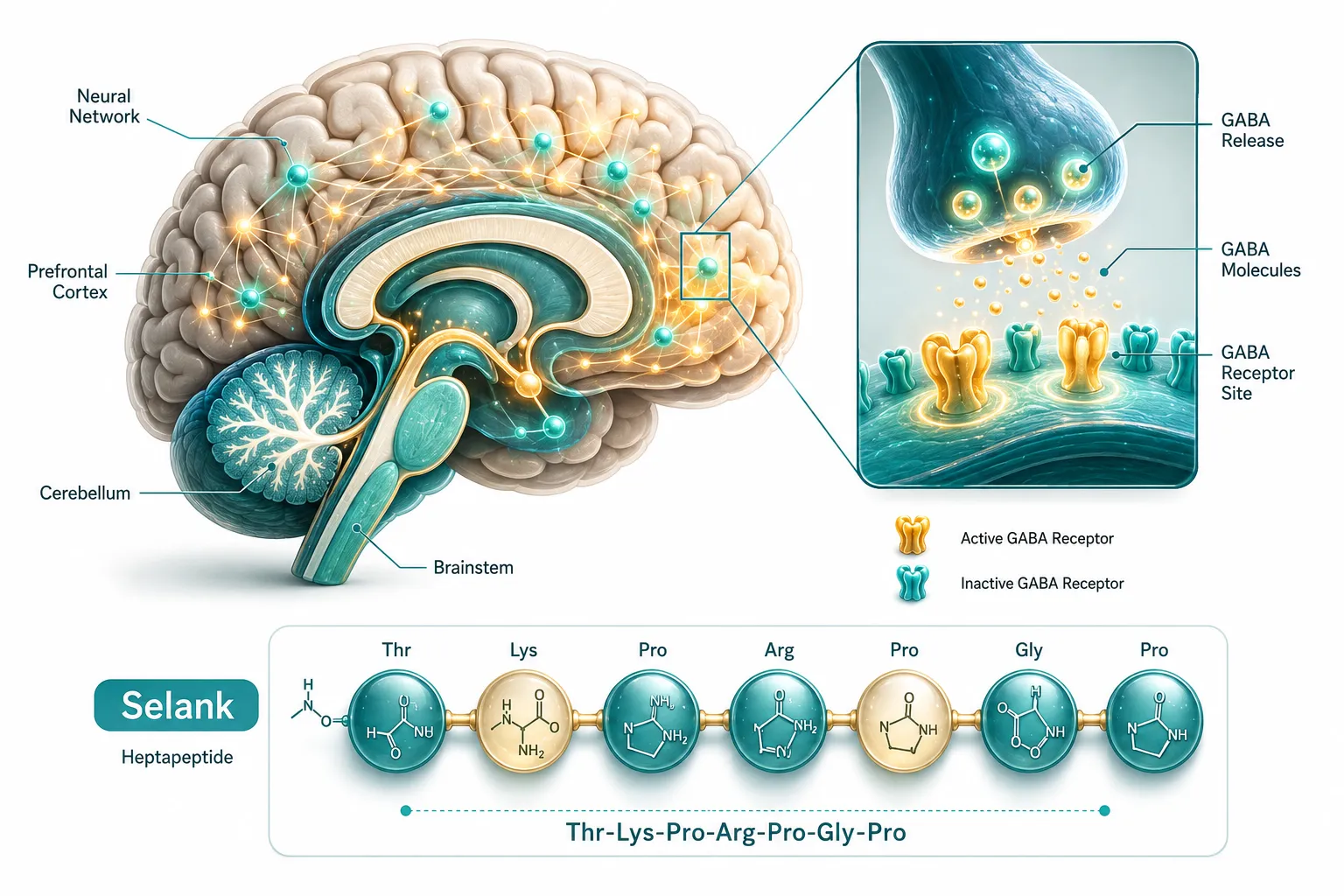
The Selank peptide mechanism: anxiolytic signaling, intranasal delivery, and research endpoints begins at the molecular level. Selank is a seven-amino-acid peptide derived from tuftsin, a naturally occurring immunomodulatory tetrapeptide. Researchers added a proline-glycine-proline sequence to the tuftsin backbone to dramatically slow enzymatic degradation, extending its biological half-life and making it viable for pharmacological study.

GABAergic Modulation

Selank's most studied anxiolytic pathway involves the GABAergic system. Rather than binding directly to GABA-A receptors the way benzodiazepines do, Selank modulates GABA metabolism and receptor sensitivity indirectly. This distinction is critical: it produces meaningful anxiety reduction without the sedation, motor impairment, tolerance development, or physical dependence that accompany classical GABA-A agonists.

"Selank produces anxiolytic effects equivalent to classical benzodiazepines without causing sedation, cognitive impairment, motor dysfunction, tolerance, or physical dependence."

Enkephalin Pathway

Selank also inhibits enkephalinase, the enzyme responsible for breaking down endogenous enkephalins. By slowing enkephalin degradation, Selank prolongs the activity of these naturally calming opioid peptides, contributing an additional layer of anxiolytic signaling that operates independently of the GABAergic axis.

Monoamine Neurotransmitter Effects

Research has documented Selank's influence on serotonin, norepinephrine, and dopamine levels across multiple brain regions, including the hippocampus, hypothalamus, striatum, and frontal cortex. This broad monoamine modulation is thought to underlie both its anxiety-reducing properties and its observed cognitive-enhancing effects in preclinical models.

BDNF Upregulation

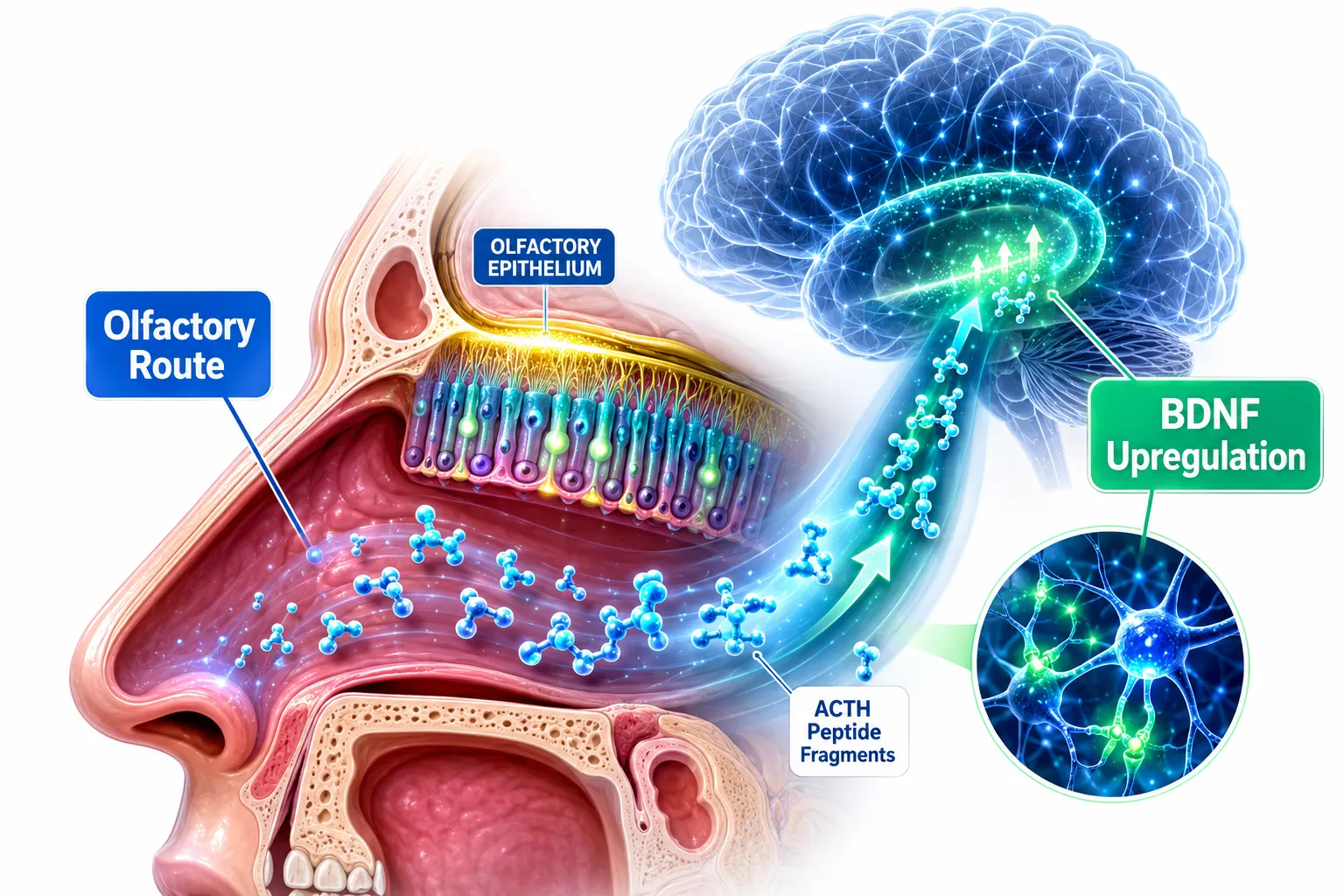
One of the most clinically significant findings in Selank research is its ability to increase brain-derived neurotrophic factor (BDNF) expression in the hippocampus. BDNF supports neuronal survival, synaptic plasticity, and memory consolidation. Elevated BDNF is associated with resilience to stress-related neurodegeneration, making this pathway a key research endpoint. Researchers interested in neuroprotective peptide signaling may also find relevant context in studies on GHK-Cu longevity and neurotrophic research themes and NAD+ energetics and longevity research themes.


BDNF Upregulation

Intranasal Delivery: Pharmacokinetics and Practical Advantages

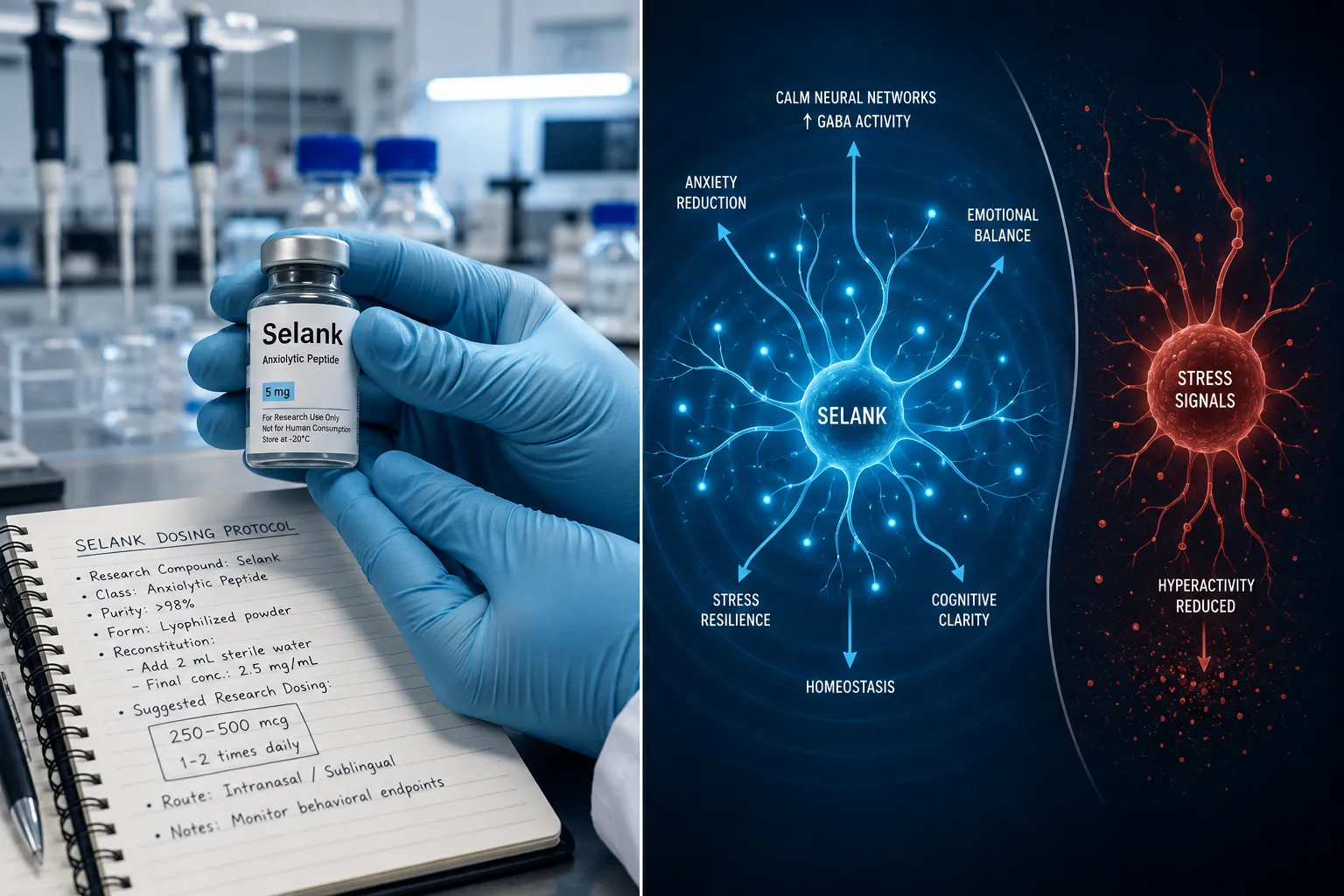
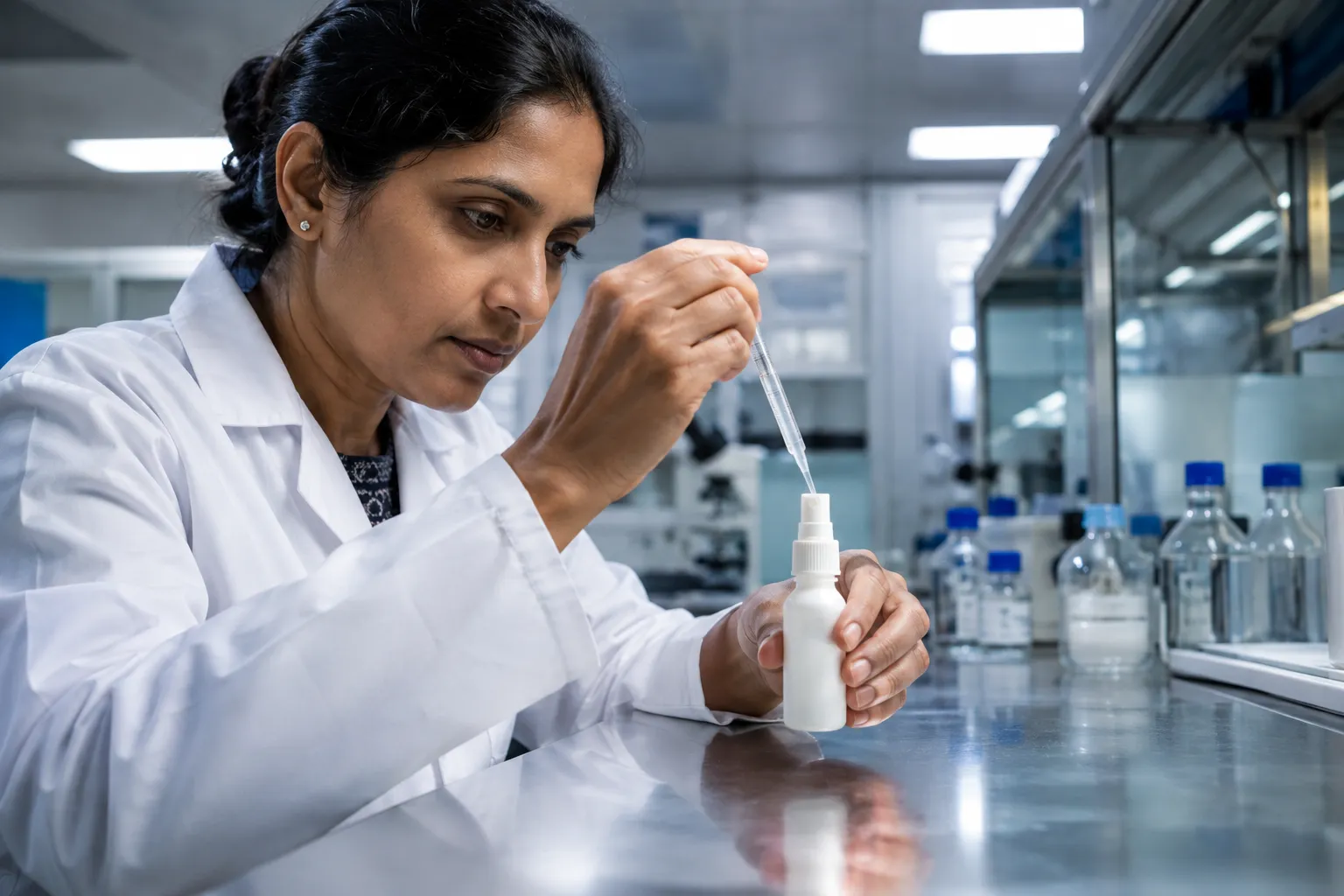
The delivery method is inseparable from the Selank peptide mechanism: anxiolytic signaling, intranasal delivery, and research endpoints. Selank's intranasal bioavailability has been measured at approximately 92.8%, a figure that far exceeds what most peptides achieve via this route. The olfactory epithelium and nasal mucosa provide a direct pathway to the central nervous system, bypassing the blood-brain barrier and hepatic first-pass metabolism.

Parameter Value
Intranasal bioavailability ~92.8%
Pharmacodynamic duration 20 to 24 hours
Route of administration Intranasal spray
Regulatory approval (Russia) 2009 (GAD, neurasthenia)

This extended pharmacodynamic window of 20 to 24 hours is particularly notable for anxiety research, as it suggests sustained receptor engagement from a single administration. For researchers comparing peptide delivery strategies, the Selank side effects research profile provides additional context on tolerability data from existing studies.


Intranasal Delivery: Pharmacokinetics and Practical Advantages

Research Endpoints and Regulatory Context

Selank received regulatory approval in the Russian Federation in 2009 for the treatment of generalized anxiety disorder and neurasthenia. As of 2026, however, no large placebo-controlled trials have been conducted outside Russia, and neither the FDA nor the EMA has reviewed or approved the compound. Outside Russia and select CIS countries, Selank is classified as a research chemical.

Common research endpoints used in Selank studies include:

  • Anxiety scale scores (Hamilton Anxiety Rating Scale, elevated plus maze in animal models)
  • BDNF expression levels in hippocampal tissue
  • Monoamine metabolite concentrations in cerebrospinal fluid
  • Enkephalin degradation rates
  • Cognitive performance metrics (working memory, attention tasks)
  • Neuroimmune markers, including interleukin profiles

Researchers exploring overlapping neuroimmune and peptide signaling topics may find useful comparative data in studies on LL-37 innate immunity research themes and KPV epithelial barrier research. For those cataloging peptide research by biological theme, the full peptide catalog organized by research theme offers a structured reference point.


Conclusion

The Selank peptide mechanism: anxiolytic signaling, intranasal delivery, and research endpoints represents a convergence of elegant molecular engineering and multi-pathway neurochemical activity. Its indirect GABAergic modulation, enkephalinase inhibition, monoamine regulation, and BDNF upregulation give researchers several distinct measurable targets. Its near-complete intranasal bioavailability and long pharmacodynamic duration make it a practical subject for CNS peptide delivery studies.

Actionable next steps for researchers:

  • Define primary endpoints (BDNF expression, anxiety scale scores, or monoamine profiling) before study design.
  • Review existing Russian clinical literature on GAD and neurasthenia outcomes as a baseline.
  • Confirm regulatory classification in your jurisdiction before procurement or use.
  • Cross-reference neuroimmune endpoints with related peptide research to build a broader mechanistic picture.
https://www.puretestedpeptides.com/wp-content/uploads/2026/06/Selank-Peptide-Mechanism-Anxiolytic-Signaling-Intranasal-Delivery-and-Research-Endpoints.png 1024 1536 Pure Tested https://www.puretestedpeptides.com/wp-content/uploads/2026/01/buy-peptides-online.jpg Pure Tested2026-06-27 13:04:442026-07-20 15:02:03Selank Peptide Mechanism: Anxiolytic Signaling, Intranasal Delivery, and Research Endpoints
GHK-Cu Peptide: Collagen Synthesis, Wound Healing & Anti-Aging Research

GHK-Cu Peptide: Collagen Synthesis, Wound Healing & Anti-Aging Research

June 26, 2026/0 Comments/by Pure Tested

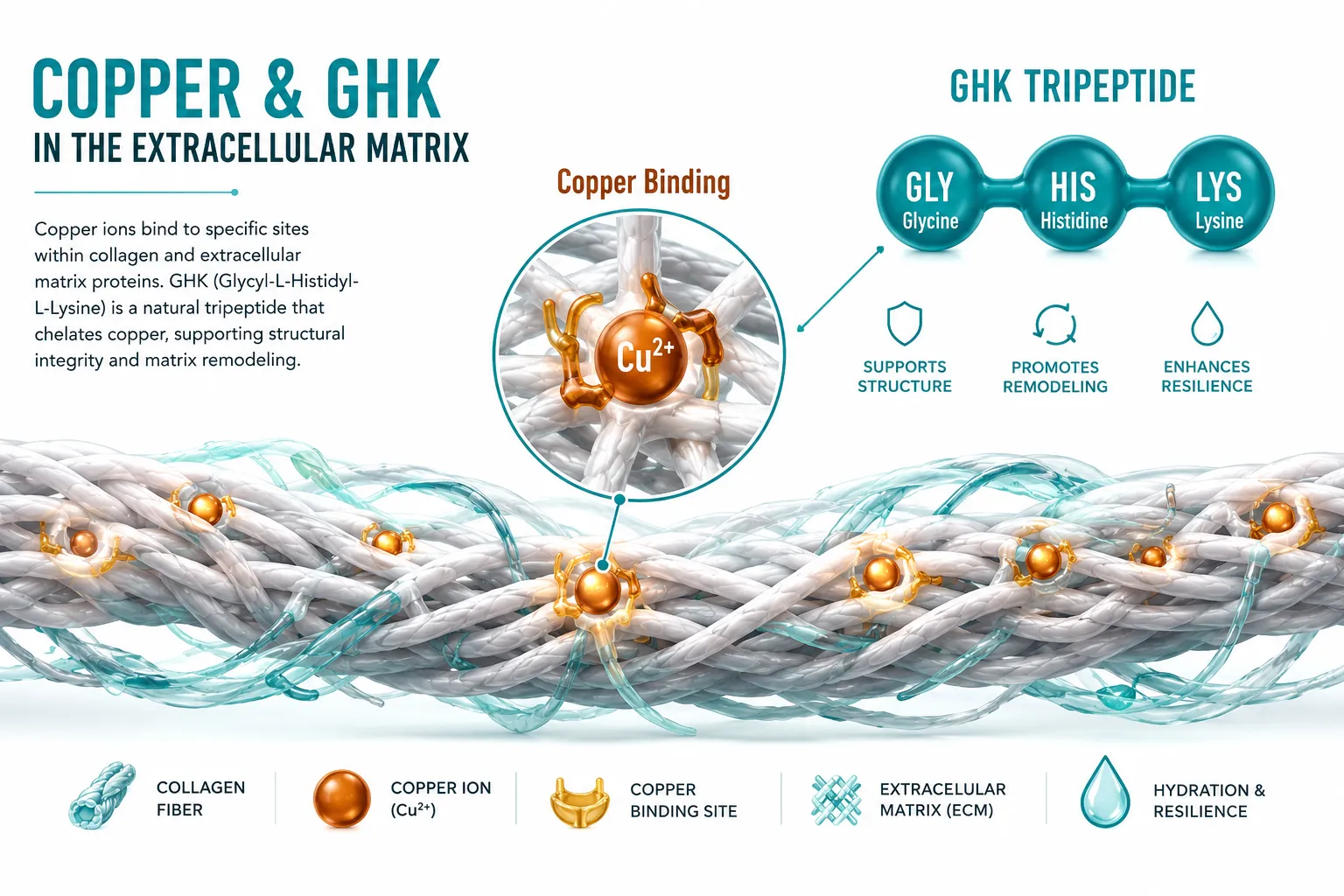
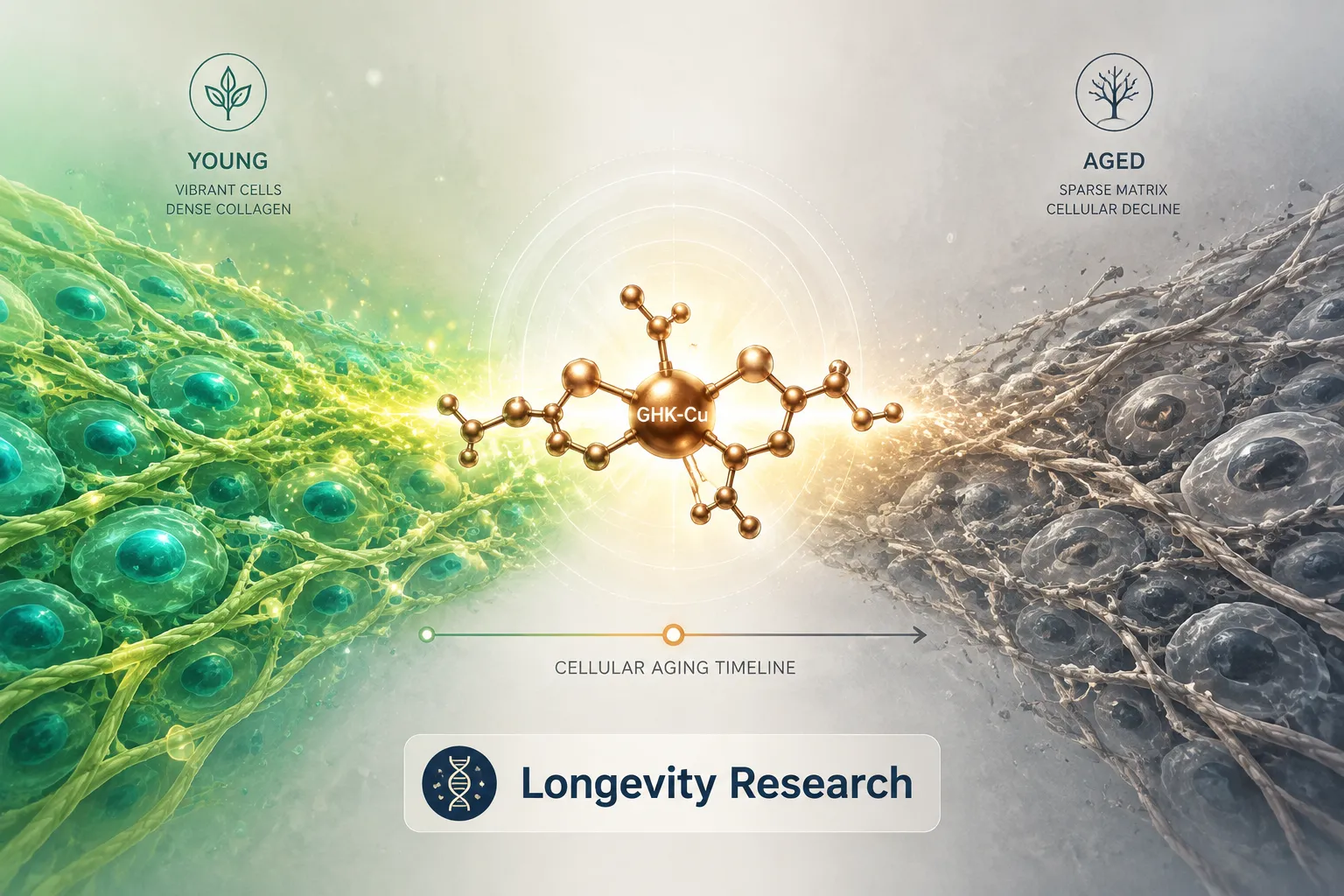
Copper is one of the most biologically active trace metals in the human body, and a tiny three-amino-acid sequence called GHK (glycyl-L-histidyl-L-lysine) has a remarkable ability to bind it. First isolated from human plasma in 1973, GHK-Cu was found to stimulate liver tissue regeneration — a discovery that launched decades of research into its role as a tissue-signaling molecule. Today, GHK-Cu Peptide: Collagen Synthesis, Wound Healing & Anti-Aging Research sits at the intersection of dermatology, wound biology, and longevity science, attracting growing attention from researchers worldwide.

Key Takeaways

  • GHK-Cu is a naturally occurring copper-binding tripeptide with documented roles in collagen synthesis and tissue repair.
  • Preclinical research shows it activates fibroblasts, upregulates collagen and elastin production, and modulates inflammatory pathways.
  • It has demonstrated wound-healing potential in animal models, including accelerated closure and reduced scar formation.
  • As of 2026, GHK-Cu remains classified as a cosmetic ingredient and experimental research peptide — no FDA-approved prescription formulation exists.
  • Ongoing research explores its anti-aging, antioxidant, and gene-expression-modulating properties.

Key Takeaways

How GHK-Cu Works: Fibroblast Activation and Collagen Pathways

The central mechanism behind GHK-Cu Peptide: Collagen Synthesis, Wound Healing & Anti-Aging Research involves its interaction with fibroblasts — the cells responsible for producing structural proteins in connective tissue.

Key biological actions observed in preclinical studies include:

Mechanism Observed Effect
Fibroblast stimulation Increased collagen I and III synthesis
Elastin upregulation Improved tissue elasticity markers
MMP modulation Balanced matrix metalloproteinase activity
Antioxidant activity Reduced oxidative stress markers
Gene expression Activation of over 30 tissue-repair genes

When GHK-Cu binds copper ions, it delivers them directly to enzymes like lysyl oxidase, which cross-links collagen and elastin fibers. This cross-linking is essential for structural integrity in skin, tendons, and vascular tissue.

"GHK-Cu does not simply add collagen — it appears to recalibrate the entire remodeling environment."

Research also shows GHK-Cu modulates transforming growth factor beta (TGF-beta) signaling, which governs both scar formation and normal tissue repair. This dual action — promoting repair while limiting excessive scarring — makes it particularly interesting for wound biology research. For a broader look at how peptides are reshaping tissue science, the latest peptide research updates provide useful context.


How GHK-Cu Works: Fibroblast Activation and Collagen Pathways

GHK-Cu in Wound Healing and Tissue Remodeling Research

Animal model studies have consistently shown that topical or injected GHK-Cu accelerates wound closure. In rodent excision models, treated wounds demonstrated faster re-epithelialization, denser collagen deposition, and reduced inflammatory cell infiltration compared to controls.

Three wound-healing properties highlighted in preclinical research:

  1. Angiogenesis support — GHK-Cu promotes the formation of new blood vessels, improving nutrient delivery to healing tissue.
  2. Nerve outgrowth — Early studies suggest it may support peripheral nerve regeneration at wound sites.
  3. Anti-inflammatory signaling — It appears to downregulate NF-kB pathways, reducing chronic inflammation that delays healing.

These findings place GHK-Cu alongside other tissue-repair peptides currently under investigation. Researchers interested in comparing repair-focused compounds may also find value in reviewing BPC-157 research themes and TB-500 research, both of which target overlapping tissue remodeling pathways.

The GHK-Cu longevity research overview explores additional preclinical data on systemic aging markers, including its effects on oxidative damage and cellular senescence.


GHK-Cu in Wound Healing and Tissue Remodeling Research

Anti-Aging Research: Gene Expression and Systemic Implications

Beyond skin and wounds, GHK-Cu Peptide: Collagen Synthesis, Wound Healing & Anti-Aging Research has expanded into the field of gene modulation. A landmark analysis found that GHK-Cu reversed the gene expression signature of aged human tissue, activating pathways associated with DNA repair, proteasome function, and mitochondrial activity.

This positions GHK-Cu as more than a topical ingredient. Researchers now classify it as a systemic signaling molecule that may influence:

  • Cellular senescence markers
  • Oxidative stress response genes
  • Tissue regeneration networks across multiple organ systems

The peptide's role in skin aging has been studied in both in vitro and clinical settings. Topical formulations have shown measurable improvements in skin density and fine-line depth in small human trials, though large randomized controlled trials remain limited.

For researchers exploring peptide delivery formats, nasal spray peptide delivery systems and innovative peptide delivery research address how bioavailability affects outcomes for compounds like GHK-Cu. The broader science of peptides in skincare also provides relevant background for understanding topical application research.

Regulatory status in 2026: GHK-Cu is classified as a cosmetic ingredient and research peptide. No FDA-approved prescription formulation exists for any indication — skin, hair, wound, or systemic. NIH-linked sources continue to describe it as experimental, and researchers should distinguish it from approved therapies when designing studies.


Conclusion

GHK-Cu is one of the most studied naturally occurring peptides in tissue biology, with a research profile spanning collagen synthesis, wound repair, antioxidant activity, and gene expression modulation. Its ability to activate fibroblasts, balance matrix remodeling enzymes, and influence aging-related gene signatures makes it a compelling subject for continued preclinical and clinical investigation.

Actionable next steps for researchers:

  • Review preclinical wound-healing models to identify gaps where GHK-Cu data could be applied.
  • Examine gene expression datasets comparing GHK-Cu-treated versus untreated aged tissue.
  • Source research-grade GHK-Cu only from verified, tested suppliers — purity directly affects experimental validity. Reviewing best peptide manufacturer standards is a practical starting point.
  • Stay current with evolving regulatory classifications before designing human-subject protocols.

The compound's transition from a plasma-isolated curiosity to a multi-pathway research target reflects the broader maturation of peptide science — and its most significant findings may still be ahead.

https://www.puretestedpeptides.com/wp-content/uploads/2026/06/GHK-Cu-Peptide-Collagen-Synthesis-Wound-Healing-Anti-Aging-Research.png 1024 1536 Pure Tested https://www.puretestedpeptides.com/wp-content/uploads/2026/01/buy-peptides-online.jpg Pure Tested2026-06-26 13:04:512026-07-20 15:02:15GHK-Cu Peptide: Collagen Synthesis, Wound Healing & Anti-Aging Research
PT-141 in Research: Mechanism, Receptor Targets, and How It Differs from PDE5 Inhibitors

PT-141 in Research: Mechanism, Receptor Targets, and How It Differs from PDE5 Inhibitors

June 25, 2026/0 Comments/by Pure Tested

Most compounds studied for sexual dysfunction work from the outside in — targeting blood vessels, smooth muscle, and nitric oxide signaling. PT-141 takes the opposite approach, working from the brain down. That fundamental difference is what makes PT-141 in research: mechanism, receptor targets, and how it differs from PDE5 inhibitors such a compelling area of scientific inquiry in 2026.

PT-141 (bremelanotide) is a synthetic analog of alpha-melanocyte-stimulating hormone (alpha-MSH). Rather than acting on peripheral vasculature, it engages central melanocortin pathways — a mechanism that places it in an entirely different research category than sildenafil or tadalafil.

Key Takeaways

  • PT-141 activates melanocortin-4 receptors (MC4R) in the hypothalamus and limbic system, driving sexual desire centrally.
  • Unlike PDE5 inhibitors, PT-141 does not depend on nitric oxide or vascular function to produce its effects.
  • The FDA approved PT-141 (Vyleesi) in 2019 for hypoactive sexual desire disorder (HSDD) in premenopausal women.
  • Early research suggests PT-141 may benefit individuals who do not respond to PDE5 inhibitors.
  • Emerging studies point to potential roles in obesity management and renal protection.

The Central Mechanism Behind PT-141 in Research

PT-141 binds primarily to melanocortin-4 receptors (MC4R), which are densely expressed in the hypothalamus and limbic system — regions governing motivation, emotion, and sexual behavior. This central action is the defining feature of PT-141 in research: mechanism, receptor targets, and how it differs from PDE5 inhibitors.

When MC4R is activated, it modulates two key downstream pathways:

  • Dopaminergic signaling — increasing motivation and reward-seeking behavior linked to sexual arousal
  • Oxytocinergic signaling — promoting bonding and desire responses

This neurochemical cascade produces sexual motivation without requiring external stimulation or intact vascular function. That is a meaningful distinction from every major PDE5 inhibitor currently on the market.

PT-141 also binds to MC1R and MC3R, though MC4R activation is considered the primary driver of its pro-sexual effects. Researchers studying peptide-based neuromodulation — including work on compounds like BPC-157 and its tissue-level signaling — recognize that central receptor targeting opens research doors that peripheral compounds simply cannot.


How PT-141 Differs from PDE5 Inhibitors

How PT-141 Differs from PDE5 Inhibitors

Understanding PT-141 in research: mechanism, receptor targets, and how it differs from PDE5 inhibitors requires a clear comparison of their pharmacological targets.

Feature PT-141 (Bremelanotide) PDE5 Inhibitors (e.g., Sildenafil)
Primary target MC4R in hypothalamus PDE5 enzyme in vascular smooth muscle
Site of action Central nervous system Peripheral vasculature
Requires nitric oxide? No Yes
Affects sexual desire? Yes, directly No
Requires sexual stimulation? Not necessarily Yes

PDE5 inhibitors block the enzyme that breaks down cyclic GMP, which relaxes smooth muscle and increases genital blood flow. They are entirely dependent on the nitric oxide pathway. If that pathway is compromised — as it often is in diabetic or cardiovascular patients — PDE5 inhibitors lose effectiveness.

PT-141 bypasses this limitation entirely. Early clinical studies showed it could induce erections in men who had not responded adequately to PDE5 inhibitors, which strongly supports its mechanistic independence. This makes PT-141 a subject of serious interest alongside other centrally acting peptides such as Selank, which also modulates neurochemical signaling.


Expanding Research Frontiers for PT-141

Expanding Research Frontiers for PT-141

The FDA approved PT-141 as Vyleesi in 2019 for HSDD in premenopausal women, based on Phase 3 trial data showing significant improvements in sexual desire scores and reductions in distress. That approval validated the melanocortin pathway as a legitimate therapeutic target.

Research has since expanded beyond sexual dysfunction:

Obesity and metabolic regulation: A Phase 2 trial combining PT-141 with tirzepatide produced a 4.4% weight reduction versus 1.6% with placebo, suggesting MC4R activation may influence appetite and energy balance. This parallels metabolic research themes seen in compounds like GLP-1 dual receptor agonism studies.

Renal protection: The BREAKOUT Phase 2b study found that 71% of patients with type 2 diabetic kidney disease achieved more than a 30% reduction in urine protein/creatinine ratio with PT-141 treatment — a striking finding that researchers are still working to fully explain.

Female sexual dysfunction beyond HSDD: Ongoing studies are evaluating PT-141 for broader female sexual dysfunction categories, building on the established HSDD approval.

Safety profile: Common adverse effects include nausea and transient flushing. Long-term safety data collection is ongoing, but current profiles are considered manageable in research contexts.

Researchers interested in peptide purity and quality for controlled studies can review lab-tested peptide research options and the site's quality testing protocols for sourcing considerations.

For broader context on how peptides engage receptor systems at the cellular level, the research themes around MOTS-c and mitochondrial dynamics offer a useful comparative framework for understanding receptor-driven peptide biology.


Conclusion

PT-141 occupies a unique position in peptide research precisely because it does not follow the vascular playbook. Its activation of MC4R in the hypothalamus and limbic system drives sexual desire through dopaminergic and oxytocinergic pathways — mechanisms that PDE5 inhibitors never touch. The 2019 FDA approval for HSDD confirmed the clinical relevance of this pathway, while emerging data on obesity and renal protection suggest the research scope is still widening.

Actionable next steps for researchers:

  1. Review published Phase 2 and Phase 3 trial data on MC4R agonism to understand dose-response relationships.
  2. Compare PT-141's central mechanism against other neuromodulatory peptides to identify synergy opportunities.
  3. Prioritize sourcing from suppliers with verified purity documentation and transparent quality testing protocols before initiating any controlled study.

The melanocortin system is proving to be far more than a sexual function switch — and PT-141 is the compound that opened that research door.

https://www.puretestedpeptides.com/wp-content/uploads/2026/06/PT-141-in-Research-Mechanism-Receptor-Targets-and-How-It-Differs-from-PDE5-Inhibitors.png 1024 1536 Pure Tested https://www.puretestedpeptides.com/wp-content/uploads/2026/01/buy-peptides-online.jpg Pure Tested2026-06-25 13:19:112026-07-20 15:02:16PT-141 in Research: Mechanism, Receptor Targets, and How It Differs from PDE5 Inhibitors
Biolife Plasma, Octapharma Plasma, and Research Peptides: How Plasma Donation Labs Differ From Peptide Suppliers

Biolife Plasma, Octapharma Plasma, and Research Peptides: How Plasma Donation Labs Differ From Peptide Suppliers

June 25, 2026/0 Comments/by Pure Tested

More than 50 million plasma donations are collected annually in the United States alone, making plasma centers among the most visited medical facilities in the country. That high public awareness has created an unexpected source of confusion: many researchers and consumers searching for compounds like BPC-157, MOTS-c, or GLP-3 analogs land on information about BioLife Plasma or Octapharma Plasma, assuming these organizations operate in the same space as research peptide suppliers. They do not. Understanding the distinction between Biolife Plasma, Octapharma Plasma, and Research Peptides — and how plasma donation labs differ from peptide suppliers — is essential for anyone navigating either field in 2026.

Key Takeaways

  • BioLife Plasma and Octapharma Plasma are FDA-regulated human plasma collection centers, not peptide manufacturers or suppliers.
  • Research peptide suppliers synthesize short-chain amino acid compounds in laboratory settings under entirely different regulatory and quality frameworks.
  • Plasma-derived therapies (PDTs) are processed from donated human blood; research peptides are synthetically produced compounds.
  • Quality benchmarks for peptide suppliers — including purity certificates and third-party testing — differ significantly from blood establishment regulations.
  • Researchers sourcing compounds such as GLP-3, MOTS-c, or BPC-157 should evaluate peptide suppliers on criteria that have no parallel in plasma donation.

Key Takeaways

What BioLife Plasma and Octapharma Plasma Actually Do

BioLife Plasma Services operates as the plasma-collection arm of Takeda Pharmaceutical, supporting Takeda's plasma-derived therapies (PDT) business. Donors visit BioLife centers to undergo plasmapheresis — a process that separates plasma from whole blood and returns red cells to the donor. The collected plasma feeds downstream manufacturing of immunoglobulins, albumin, clotting factors, and other protein-based therapies used in hospitals and clinics worldwide.

Octapharma follows a vertically integrated model. The company owns collection centers, fractionation plants, and the final manufacturing pipeline for protein therapeutics. Its plasma centers collect source plasma that is later fractionated into licensed medical products. Both organizations operate under FDA blood establishment regulations, which govern donor eligibility, testing protocols, storage, and traceability.

Key characteristics of plasma donation centers:

Feature Plasma Donation Centers
Raw material Human blood plasma from donors
Regulatory body FDA (21 CFR Part 606, Part 640)
End products Immunoglobulins, albumin, clotting factors
Donor compensation Yes, per session
Research peptide supply No

These organizations are not in the business of supplying synthetic peptides to researchers. The confusion arises largely because both sectors use the word "plasma" and both involve biological or biochemical science.


What BioLife Plasma and Octapharma Plasma Actually Do

How Research Peptide Suppliers Operate Under a Different Framework

Research peptide suppliers synthesize short-chain amino acid sequences in controlled laboratory environments using solid-phase peptide synthesis (SPPS) or similar chemical methods. There is no human donor involved. The compounds — ranging from metabolic peptides like MOTS-c for mitochondrial research to cardioprotective candidates like SS-31 (elamipretide) — are produced, purified, and tested before being sold strictly for laboratory and preclinical research purposes.

Quality benchmarks for reputable peptide suppliers include:

  • Purity verification via high-performance liquid chromatography (HPLC), typically targeting 98%+ purity
  • Mass confirmation through mass spectrometry to verify molecular identity
  • Certificate of Analysis (CoA) provided with each batch
  • Third-party testing from independent laboratories
  • Sterile filtration for injectable-format research compounds

Suppliers offering compounds such as GLP-3 triple agonist peptides, BPC-157 and TB-500 blends, or nasal spray peptide formats must maintain these standards independently, because no single federal agency currently governs research peptide synthesis the way the FDA governs plasma collection.

"The absence of a unified regulatory body for research peptides makes third-party testing and transparent documentation the most reliable proxies for quality assurance."

This is why researchers sourcing compounds like epithalon or PT-141 must evaluate suppliers on documentation standards rather than FDA licensure status.


How Research Peptide Suppliers Operate Under a Different Framework

Why the Distinction Matters for Labs Sourcing GLP-3, MOTS-c, or BPC-157

When a research team searches for MOTS-c or CJC-1295 with ipamorelin and encounters BioLife or Octapharma in search results, the mismatch can waste significant time. More importantly, the quality criteria that matter for each sector are fundamentally different.

For plasma donation, donor health screening and viral inactivation steps are paramount. For research peptides, the critical variables are synthetic purity, sequence fidelity, and batch-to-batch consistency. A researcher evaluating a supplier for GLP-1 and incretin-related peptides should ask for HPLC data and CoAs — documents that plasma centers simply do not produce because they are irrelevant to their operations.

Practical checklist for evaluating a research peptide supplier:

  1. Is a CoA available for every product batch?
  2. Does the supplier use third-party HPLC and mass spectrometry?
  3. Are storage and shipping conditions clearly specified?
  4. Is the compound labeled explicitly for research use only?
  5. Does the supplier maintain transparent contact and return policies?

Researchers can browse verified peptides for sale from suppliers that publish this documentation openly, which remains the clearest differentiator from unverified sources in 2026.


Conclusion

The overlap in public search behavior between plasma donation centers and research peptide suppliers reflects genuine curiosity about biological science — but the two sectors serve entirely different purposes under entirely different frameworks. BioLife Plasma and Octapharma Plasma collect human plasma to manufacture licensed protein therapies. Research peptide suppliers synthesize compounds like MOTS-c, GLP-3, and BPC-157 for preclinical investigation, governed by quality standards built around chemical purity rather than donor safety.

Actionable next steps:

  • If the goal is plasma donation, visit BioLife or Octapharma's official center locators.
  • If the goal is sourcing research peptides, prioritize suppliers that publish third-party CoAs, HPLC data, and clear research-use labeling.
  • Review the full catalog of research peptides from verified suppliers and request documentation before any purchase.
  • Bookmark regulatory guidance from the FDA's blood establishment resources separately from peptide supplier evaluation criteria.

Keeping these two worlds clearly separated protects research integrity and ensures the right questions are asked of the right organizations.

https://www.puretestedpeptides.com/wp-content/uploads/2026/06/Biolife-Plasma-Octapharma-Plasma-and-Research-Peptides-How-Plasma-Donation-Labs-Differ-From-Peptide-Suppliers.png 1024 1536 Pure Tested https://www.puretestedpeptides.com/wp-content/uploads/2026/01/buy-peptides-online.jpg Pure Tested2026-06-25 13:03:382026-07-20 15:02:17Biolife Plasma, Octapharma Plasma, and Research Peptides: How Plasma Donation Labs Differ From Peptide Suppliers
Best Research Peptides for Weight Management: Comparing GLP-3 Retatrutide, MOTS-c, and 5-Amino-1MQ

Best Research Peptides for Weight Management: Comparing GLP-3 Retatrutide, MOTS-c, and 5-Amino-1MQ

June 22, 2026/0 Comments/by Pure Tested

Obesity affects more than one billion people worldwide, yet fewer than five percent of those with clinically significant excess weight achieve durable fat loss through lifestyle changes alone. That gap has pushed researchers toward a new generation of metabolic compounds. Among the most closely watched are three distinct agents: Retatrutide, MOTS-c, and 5-Amino-1MQ. This comparative guide on the best research peptides for weight management — comparing GLP-3 Retatrutide, MOTS-c, and 5-Amino-1MQ — examines what each compound does, how far the science has advanced, and what distinguishes them from one another.

Key Takeaways

  • Retatrutide is a triple agonist (GLP-1, GIP, glucagon) that produced roughly 28% average weight loss over 18 months in Phase 3 trials — comparable to bariatric surgery outcomes.
  • MOTS-c is a mitochondria-derived peptide that activates the AMPK pathway, improving insulin sensitivity and metabolic flexibility in preclinical models.
  • 5-Amino-1MQ inhibits the NNMT enzyme to enhance cellular metabolism, but human trial data remain limited.
  • All three compounds are currently research-stage agents; none carries full FDA approval for weight management as of 2026.
  • Mechanism, research maturity, and target pathway differ significantly across the three, making direct comparison essential for informed research planning.

Key Takeaways

Retatrutide: The Triple Agonist Redefining Weight Loss Research

Retatrutide represents the most clinically advanced entry among the best research peptides for weight management. It functions as a triple agonist, simultaneously activating GLP-1, GIP, and glucagon receptors. This three-pronged approach does something no single-receptor agent can match: it enhances satiety through GLP-1 signaling, boosts energy expenditure via glucagon activation, and improves glycemic control through GIP engagement.

The clinical data behind Retatrutide are striking. In a Phase 3 trial conducted by Eli Lilly, participants achieved an average body weight reduction of approximately 28% over 18 months. That figure places Retatrutide in the same efficacy range as bariatric surgery — a threshold no oral or injectable anti-obesity medication had previously crossed. Eli Lilly is pursuing FDA approval, with late-stage trial completion targeted for 2026.
Side effects reported in trials were primarily gastrointestinal: nausea, vomiting, and diarrhea. These effects were dose-dependent and generally mild to moderate, consistent with the GLP-1 drug class profile.

For researchers sourcing this compound, the GLP-3 Retatrutide product page provides catalog navigation and research planning context. Additional receptor-level background is available through the GIP receptor mechanism overview.

"A 28% average weight reduction over 18 months positions Retatrutide as potentially the most efficacious pharmacological weight loss agent studied to date."

MOTS-c and 5-Amino-1MQ: Mitochondrial and Enzymatic Pathways

MOTS-c and 5-Amino-1MQ: Mitochondrial and Enzymatic Pathways

MOTS-c: Mitochondria-Derived Metabolic Regulation

MOTS-c is a 16-amino-acid peptide encoded within mitochondrial DNA — an unusual origin that sets it apart from conventional peptide therapeutics. Under metabolic stress, it translocates from the mitochondria to the cell nucleus, where it activates the AMPK pathway and modulates mTOR and folate-cycle-linked processes.

In animal models, MOTS-c has demonstrated:

  • Approximately 30% improvement in insulin sensitivity
  • 12-15% enhancement in exercise performance
  • Improved mitochondrial function and lipid metabolism

These findings make MOTS-c a compelling candidate for metabolic research, particularly in contexts involving insulin resistance or age-related metabolic decline. Researchers can explore detailed mechanistic studies through the MOTS-c mitochondrial dynamics research page and the MOTS-c metabolic stress research overview.

However, MOTS-c has not received FDA approval. Human trial data remain limited to early-phase studies, meaning its efficacy and safety profile in clinical populations are not yet fully established.

5-Amino-1MQ: NNMT Inhibition and Cellular Metabolism

5-Amino-1MQ takes a fundamentally different approach. Rather than acting on gut hormones or mitochondrial signaling, it inhibits nicotinamide N-methyltransferase (NNMT) — an enzyme that plays a regulatory role in cellular energy metabolism. By blocking NNMT, 5-Amino-1MQ is theorized to raise intracellular NAD+ precursor availability and shift cells toward greater metabolic activity.

Preclinical data suggest potential for fat cell reduction and improved metabolic rate, but published human trial data for 5-Amino-1MQ remain sparse as of 2026. Researchers interested in this compound can find sourcing and research context at the 5-Amino-1MQ research page. For broader NAD+ pathway context, the NAD+ energetics and longevity research overview offers relevant background.

Comparing the Three: A Research-Stage Summary

Comparing the Three: A Research-Stage Summary

The table below summarizes the key distinctions across the best research peptides for weight management: comparing GLP-3 Retatrutide, MOTS-c, and 5-Amino-1MQ.

Feature Retatrutide MOTS-c 5-Amino-1MQ
Primary Target GLP-1, GIP, Glucagon receptors AMPK / mitochondrial pathway NNMT enzyme inhibition
Research Stage Phase 3 clinical trials Early-phase human trials Preclinical / limited human data
Key Efficacy Signal 28% weight loss (18 months) 30% insulin sensitivity gain (animal) Metabolic rate improvement (preclinical)
FDA Status Approval pending Not approved Not approved
Side Effect Profile GI-related, dose-dependent Not well established in humans Limited data

Researchers evaluating these compounds should also consider how they fit within broader metabolic research stacks. For context on GLP-1 class compounds more broadly, the GLP-1 peptide research and sourcing guide provides useful framing. Those exploring what is emerging across the peptide research landscape can consult the latest peptide research updates.

Conclusion

The comparison of GLP-3 Retatrutide, MOTS-c, and 5-Amino-1MQ reveals three agents at very different stages of scientific maturity. Retatrutide leads on clinical evidence, with Phase 3 data showing surgery-level weight loss and a near-term FDA approval pathway. MOTS-c offers a compelling mitochondrial mechanism with strong preclinical signals but requires more human data. 5-Amino-1MQ presents an intriguing enzymatic target, though its research base is the thinnest of the three.

Actionable next steps for researchers:

  1. Review the full mechanistic profiles of each compound before designing protocols.
  2. Source compounds exclusively from verified, tested suppliers to ensure purity and research integrity.
  3. Monitor ongoing trial registries for MOTS-c and Retatrutide updates throughout 2026.
  4. Cross-reference metabolic pathway research — particularly AMPK and NAD+ signaling — to identify potential complementary compounds.
  5. Consult the comprehensive peptide catalog to assess current availability and documentation standards.
https://www.puretestedpeptides.com/wp-content/uploads/2026/06/Best-Research-Peptides-for-Weight-Management-Comparing-GLP-3-Retatrutide-MOTS-c-and-5-Amino-1MQ.png 1024 1536 Pure Tested https://www.puretestedpeptides.com/wp-content/uploads/2026/01/buy-peptides-online.jpg Pure Tested2026-06-22 13:04:242026-07-20 15:02:33Best Research Peptides for Weight Management: Comparing GLP-3 Retatrutide, MOTS-c, and 5-Amino-1MQ
BPC-157 and TB-500 Stack: Synergistic Mechanisms in Experimental Tendon and Ligament Repair

BPC-157 and TB-500 Stack: Synergistic Mechanisms in Experimental Tendon and Ligament Repair

June 22, 2026/0 Comments/by Pure Tested

}

Professional () hero image with : 'BPC-157 & TB-500 Stack: Synergistic Mechanisms in Tendon & Ligament Repair' in extra

Tendon and ligament injuries account for roughly 45% of all musculoskeletal injuries treated in sports medicine clinics worldwide, yet conventional recovery timelines remain stubbornly long. Against that backdrop, preclinical research into the BPC-157 and TB-500 stack: synergistic mechanisms in experimental tendon and ligament repair has drawn serious attention from researchers studying peptide-based recovery models.
Detailed () scientific illustration showing two distinct peptide molecules labeled BPC-157 and TB-500 approaching a damaged

Key Takeaways

  • BPC-157 promotes localized repair through angiogenesis and growth factor modulation; TB-500 drives systemic healing via actin regulation and cell migration.
  • When combined, the two peptides target complementary biological pathways, suggesting additive or synergistic effects in preclinical tendon and ligament models.
  • Animal studies report improved tensile strength and faster recovery timelines compared to single-agent protocols.
  • Neither peptide holds FDA approval; both are classified as research chemicals and are prohibited by WADA under the S0 category.
  • No large-scale human clinical trials exist as of 2026, making all dosing and efficacy data preliminary.

How Each Peptide Works: Distinct but Complementary Pathways

Understanding why researchers pair these two compounds begins with their individual mechanisms.

BPC-157 (Body Protection Compound-157) is a synthetic pentadecapeptide derived from a protective gastric protein. In experimental models, it consistently stimulates:

  • Angiogenesis – the formation of new blood vessels that deliver oxygen and nutrients to injured tissue
  • Growth factor upregulation – particularly VEGF and EGF signaling
  • Fibroblast activation – accelerating collagen scaffold formation at the injury site

TB-500 (Thymosin Beta-4) works through a fundamentally different route. Its primary action involves binding G-actin, which reorganizes the cytoskeleton and enables rapid cell migration to wound sites. This systemic mobility effect means TB-500 can mobilize repair cells from distant tissues, not just the local injury zone.

Feature BPC-157 TB-500
Primary action Angiogenesis, growth factor boost Actin regulation, cell migration
Scope Localized Systemic
Key target tissue Tendon, gut lining Muscle, tendon, cardiac tissue
Origin Gastric protein fragment Thymosin Beta-4 derivative

This distinction is critical. BPC-157 builds the local vascular and structural environment; TB-500 recruits the cellular workforce to populate it. For a broader look at how peptides interact with tissue biology, the recovery and tissue biology overview provides useful context.


Preclinical Evidence for the BPC-157 and TB-500 Stack: Synergistic Mechanisms in Experimental Tendon and Ligament Repair

Preclinical Evidence for the BPC-157 and TB-500 Stack: Synergistic Mechanisms in Experimental Tendon and Ligament Repair

Animal studies examining the combined protocol have produced encouraging, though preliminary, data. Rodent models of Achilles tendon transection and medial collateral ligament damage showed that subjects receiving both peptides demonstrated:

  • Greater tensile strength recovery at the repair site compared to either agent alone
  • Faster collagen fiber alignment, indicating more organized tissue remodeling
  • Reduced inflammatory markers in the peri-tendinous tissue during early recovery phases

The mechanistic logic behind these findings is straightforward. BPC-157 creates a well-vascularized, growth-factor-rich local environment. TB-500 simultaneously accelerates the migration of tenocytes and fibroblasts into that environment. The result is a faster, more organized repair cascade than either peptide can produce independently.

"The complementary nature of localized angiogenesis and systemic cell mobilization represents one of the more scientifically coherent rationales for combining two research peptides."

Researchers studying related peptide stacking strategies, such as those examining TB-500 and cytoskeletal remodeling, note that actin-binding activity is central to understanding why TB-500 contributes uniquely to connective tissue repair. Similarly, detailed BPC-157 research profiles outline the growth factor pathways that make it effective in isolation and potentially more powerful in combination.

For those exploring other peptide combinations in research contexts, resources on simple peptide frameworks and vilon tissue homeostasis models offer comparative mechanistic reading.


Regulatory Status, Safety, and Research Limitations

Regulatory Status, Safety, and Research Limitations

The BPC-157 and TB-500 stack: synergistic mechanisms in experimental tendon and ligament repair remains firmly in the preclinical research category as of 2026. Key facts researchers and informed readers should understand:

  • No FDA approval exists for either compound in any therapeutic indication
  • WADA prohibition: Both are listed under the S0 Non-Approved Substances category, making them banned in competitive sport
  • No large-scale RCTs: All human data comes from anecdotal reports and small observational accounts
  • Unregulated supply chain risks: Products from unverified sources carry contamination and dosing accuracy concerns

Experimental protocols in the literature reference BPC-157 at approximately 500 mcg to 1 mg daily and TB-500 at 2.5 to 5 mg twice weekly during a loading phase, followed by reduced maintenance dosing. These figures are derived from animal-to-human extrapolation and anecdotal reports, not validated clinical trials.

Medical professionals consistently advise that use outside controlled research settings carries unknown long-term risks. The absence of comprehensive safety data is not a minor caveat – it is the defining limitation of this entire research area. Researchers sourcing compounds for legitimate study should prioritize verified, lab-tested peptide suppliers and review available certificates of analysis before procurement.


Conclusion

The scientific rationale for the BPC-157 and TB-500 stack: synergistic mechanisms in experimental tendon and ligament repair is genuinely compelling. Localized angiogenesis paired with systemic cell mobilization addresses tendon and ligament healing from two distinct and complementary angles. Preclinical data supports improved tensile strength and faster tissue remodeling when both peptides are administered together.

However, the gap between animal models and validated human therapy remains wide. Actionable next steps for those engaged in this research area include:

  1. Review primary preclinical literature before drawing conclusions about human applicability
  2. Monitor regulatory updates from FDA and WADA, as classification can shift
  3. Advocate for well-designed Phase I and Phase II human trials to generate the safety and efficacy data this field urgently needs
  4. Source only from verified, tested suppliers with transparent quality documentation

The promise is real. The evidence base, as of 2026, is not yet sufficient for clinical recommendation.

https://www.puretestedpeptides.com/wp-content/uploads/2026/06/BPC-157-and-TB-500-Stack-Synergistic-Mechanisms-in-Experimental-Tendon-and-Ligament-Repair.png 1024 1536 Pure Tested https://www.puretestedpeptides.com/wp-content/uploads/2026/01/buy-peptides-online.jpg Pure Tested2026-06-22 13:03:422026-07-20 15:02:34BPC-157 and TB-500 Stack: Synergistic Mechanisms in Experimental Tendon and Ligament Repair
Peptide Reconstitution, Storage, and Stability: A Complete Research Protocol Guide

Peptide Reconstitution, Storage, and Stability: A Complete Research Protocol Guide

June 22, 2026/0 Comments/by Pure Tested

Roughly 30% of research setbacks involving peptide compounds trace back not to flawed experimental design, but to improper handling before the experiment even begins. For researchers working with sensitive biological molecules in 2026, mastering the fundamentals of this Peptide Reconstitution, Storage, and Stability: A Complete Research Protocol Guide is not optional — it is the foundation of reproducible, reliable results.

Key Takeaways

  • Lyophilized peptides remain stable at 2-8 degrees Celsius for 12-24 months; long-term storage requires -20 degrees Celsius.
  • Always use bacteriostatic water for reconstitution to extend solution stability to 4-6 weeks under refrigeration.
  • Reconstituted peptides should be used within approximately 28 days and never left at room temperature for more than a few hours.
  • Divide reconstituted solutions into single-use aliquots to avoid damaging freeze-thaw cycles.
  • Visual inspection alone cannot confirm peptide integrity — degraded peptides often look identical to intact ones.

Key Takeaways

Reconstitution Best Practices for Research-Grade Peptides

Proper reconstitution is the first critical step in any peptide research protocol. Done incorrectly, it can denature the compound before a single experiment runs.

Choosing the right diluent matters enormously. Bacteriostatic water — containing 0.9% benzyl alcohol — is the preferred choice for most research peptides. The benzyl alcohol inhibits microbial growth, extending the stability of the reconstituted solution to 4-6 weeks under refrigeration. Sterile water is an acceptable alternative but offers no antimicrobial protection, shortening the usable window significantly.

Reconstitution technique:

  1. Allow the lyophilized vial to reach room temperature before opening to reduce condensation risk.
  2. Draw the appropriate volume of diluent into a clean syringe.
  3. Inject the diluent slowly along the inner glass wall of the vial — never directly onto the peptide powder.
  4. Gently swirl (do not shake) until the peptide fully dissolves.
  5. Avoid foaming, which can cause denaturation and compromise yield.

This slow-wall technique is especially important for fragile sequences. Researchers exploring compounds like GHK-Cu or TB-500 and BPC-157 blends should pay particular attention to gentle handling during this step, as both are sensitive to mechanical agitation.

For those working with multi-peptide formulations, the Tesamorelin/CJC-1295/Ipamorelin blend reconstitution guide provides compound-specific volume and diluent recommendations.


Reconstitution Best Practices for Research-Grade Peptides

Storage Protocols: Temperature, Location, and Aliquoting

Following this Peptide Reconstitution, Storage, and Stability: A Complete Research Protocol Guide means understanding that storage is not a passive step — it is an active variable that determines outcome quality.

Lyophilized (Unreconstituted) Peptides

Storage Condition Temperature Stability Window
Short-term / Room Temp 15-25 degrees Celsius Days to weeks
Refrigerated 2-8 degrees Celsius 12-24 months
Frozen (long-term) -20 degrees Celsius Beyond 12 months

Keep lyophilized vials sealed, dry, and away from light. Moisture is the primary enemy at this stage.

Reconstituted Peptide Solutions

Once reconstituted, the stability window narrows considerably:

  • Refrigerate immediately at 2-8 degrees Celsius after reconstitution.
  • Use within 28 days under standard refrigerated conditions.
  • Never store at room temperature for more than a few hours — degradation accelerates sharply above 10 degrees Celsius.
  • Store vials in the main body of the refrigerator, not the door, to avoid temperature swings from repeated opening.

"Consistent temperature is not a convenience — it is a research variable. Fluctuations above 10 degrees Celsius can accelerate peptide degradation in ways that are invisible to the naked eye."

Aliquoting to Prevent Freeze-Thaw Damage

Repeated freeze-thaw cycles are one of the most common causes of peptide degradation in research settings. The solution is straightforward: divide reconstituted solutions into single-use aliquots immediately after reconstitution. Thaw each portion only once when needed, then discard any unused volume.

This practice is particularly relevant for longer research cycles involving compounds studied through resources like the longevity peptide research overview or MOTS-C metabolic flexibility research, where consistency across multiple sessions is essential.


Aliquoting to Prevent Freeze-Thaw Damage

Stability Monitoring and Quality Assurance in Peptide Research

This section of the Peptide Reconstitution, Storage, and Stability: A Complete Research Protocol Guide addresses a widely misunderstood risk: assuming a peptide is still viable based on appearance alone.

Degraded peptides often look identical to intact ones. Clarity, color, and consistency do not confirm biological activity. Researchers must rely on documented storage timelines, proper labeling, and sourcing from suppliers with verified quality testing protocols.

Practical stability checklist:

  • Label every vial with reconstitution date and diluent used.
  • Track cumulative freeze-thaw events per aliquot.
  • Discard any solution stored beyond its recommended window, regardless of appearance.
  • Source peptides from suppliers who provide third-party purity verification.

For researchers sourcing compounds such as AOD-9604 for metabolic research or GLP-1 peptides, purity documentation at the point of purchase directly affects downstream stability outcomes.


Conclusion

Applying the principles outlined in this Peptide Reconstitution, Storage, and Stability: A Complete Research Protocol Guide protects both the integrity of the research and the investment in high-quality compounds. The actionable next steps are clear: use bacteriostatic water for reconstitution, store reconstituted solutions at 2-8 degrees Celsius in the main refrigerator body, aliquot immediately to avoid freeze-thaw damage, and never rely on visual inspection as a stability indicator. Source peptides from suppliers who provide transparent purity testing, label every vial with date and diluent, and adhere strictly to the 28-day reconstituted use window. Rigorous handling at every stage is what separates reproducible research from wasted resources.

https://www.puretestedpeptides.com/wp-content/uploads/2026/06/Peptide-Reconstitution-Storage-and-Stability-A-Complete-Research-Protocol-Guide.png 1024 1536 Pure Tested https://www.puretestedpeptides.com/wp-content/uploads/2026/01/buy-peptides-online.jpg Pure Tested2026-06-22 13:03:092026-07-20 15:02:36Peptide Reconstitution, Storage, and Stability: A Complete Research Protocol Guide
Selank and Semax Nasal Spray: Comparative Research on Anxiolytic and Nootropic Effects

Selank and Semax Nasal Spray: Comparative Research on Anxiolytic and Nootropic Effects

June 21, 2026/0 Comments/by Pure Tested

Two peptides developed in Russia now sit at the center of a growing body of preclinical research: one primarily quiets anxiety, the other sharpens cognition — and their mechanisms could not be more different. Understanding the comparative research on Selank and Semax nasal spray: comparative research on anxiolytic and nootropic effects gives researchers and informed readers a clearer picture of how each compound works, where they overlap, and why combining them has attracted scientific interest.

Key Takeaways

  • Selank modulates the GABAergic system to produce rapid anxiolytic effects without sedation or dependence risk.
  • Semax upregulates BDNF and influences dopaminergic and serotonergic pathways, driving cognitive enhancement over time.
  • Both peptides are delivered intranasally, offering high bioavailability and fast central nervous system access.
  • Research suggests the two compounds may complement each other when used together in experimental models.
  • Both have favorable safety profiles in research settings, with minimal reported side effects.

Key Takeaways

Mechanisms of Action: How Each Peptide Works

Selank: GABAergic Modulation and Anxiety Relief

Selank is a synthetic analog of tuftsin, a naturally occurring immunomodulatory tetrapeptide. Its primary mechanism involves modulation of the GABAergic system — the same inhibitory network targeted by benzodiazepines — but without triggering the sedation, tolerance, or withdrawal risks associated with those drugs.

In preclinical models, Selank produces anxiolytic effects within minutes of intranasal administration. It also demonstrates mild immunomodulatory activity and has been shown to stabilize enkephalin levels, which play a role in mood regulation. For researchers exploring peptide-based approaches to anxiety, the Selank peptide benefits overview provides a useful starting point.

Semax: BDNF Upregulation and Cognitive Enhancement

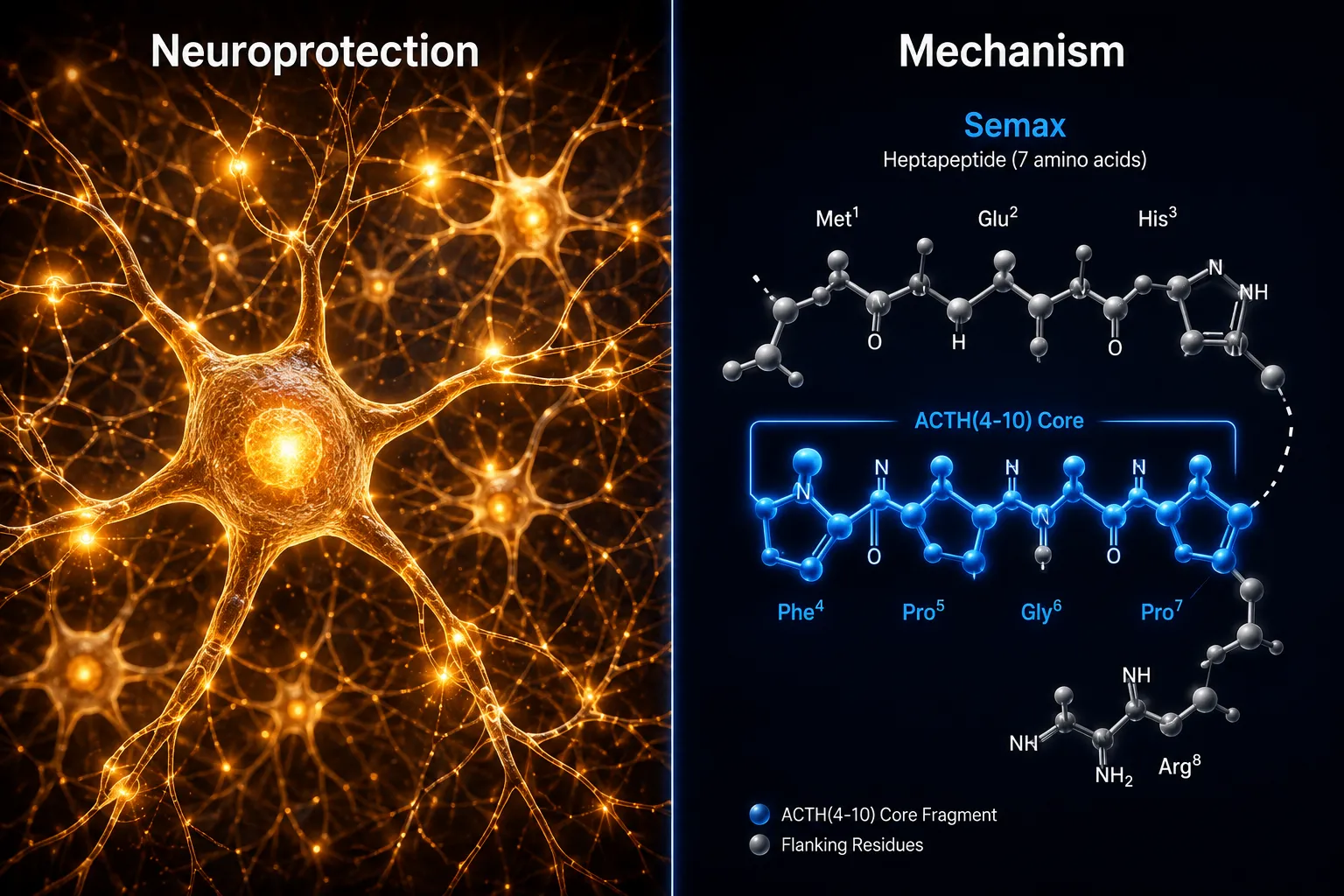
Semax is derived from the ACTH(4–10) fragment of adrenocorticotropic hormone. Its standout feature in research is the upregulation of brain-derived neurotrophic factor (BDNF), a protein critical for neuronal survival, synaptic plasticity, and learning. Semax also modulates dopaminergic and serotonergic pathways, contributing to improved focus, memory consolidation, and neuroprotection.

Unlike Selank's rapid onset, Semax's cognitive benefits tend to build over time as BDNF levels rise and synaptic remodeling occurs. This slower but sustained profile makes it particularly relevant in neuroprotection research, including post-stroke recovery models.

"Selank calms the system quickly; Semax builds the system over time — two distinct timelines serving two distinct research goals."


Comparative Research on Anxiolytic and Nootropic Effects

Comparative Research on Anxiolytic and Nootropic Effects

The heart of the Selank and Semax nasal spray: comparative research on anxiolytic and nootropic effects debate lies in how their pharmacological profiles differ — and where they intersect.

Head-to-Head Profile Comparison

Feature Selank Semax
Primary mechanism GABAergic modulation BDNF upregulation
Primary effect Anxiolytic Cognitive enhancement
Onset of action Minutes Days to weeks
Typical research dosage 300–900 mcg/day 200–1,000 mcg/day
Administration route Intranasal Intranasal
Sedation risk None reported None reported
Regulatory status (Russia) Approved for anxiety Approved for cognition/neuroprotection

Both compounds are administered intranasally, which bypasses first-pass metabolism and allows direct transport along olfactory pathways to the brain. This delivery method is a key advantage shared by both peptides and explains their relatively high bioavailability compared to oral alternatives.

Complementary Research Applications

Research has explored whether combining Selank and Semax produces additive or synergistic effects. Early findings suggest the pairing may offer simultaneous anxiety reduction and cognitive enhancement — without the sedation or dependence concerns tied to conventional pharmacological approaches. This is particularly relevant for researchers studying stress-induced cognitive impairment, where anxiety and reduced mental performance co-occur.

Researchers interested in multi-peptide stacking strategies may also find value in reviewing simple peptides research frameworks and broader peptide supplier quality considerations when sourcing compounds for controlled models.

Both peptides show favorable safety profiles in research settings. The most commonly noted side effect is mild nasal irritation at the administration site — a minor and typically transient finding. Neither compound has demonstrated significant toxicity, addiction potential, or withdrawal effects in available preclinical data.


Research Considerations and Practical Notes

Research Considerations and Practical Notes

Dosage Windows in Preclinical Models

Selank research typically operates within a 300–900 mcg/day window, while Semax protocols range from 200–1,000 mcg/day depending on the model and outcome being measured. These ranges reflect the flexibility each compound offers across different experimental designs.

Researchers working with other peptide compounds may draw useful parallels from dosage structuring resources such as the SS-31 research peptide considerations guide or the epithalon peptides research overview, which address similar precision-dosing challenges. For those exploring broader neurological peptide research, NAD scientific evidence reviews also offer relevant context on neuroprotective pathways.

Regulatory and Research Context

In Russia, both peptides hold approved clinical status — Selank for generalized anxiety disorder and Semax for cognitive enhancement and neuroprotection. Outside Russia, both remain research compounds not approved for human therapeutic use in most jurisdictions. Researchers should ensure compliance with applicable regulations and source compounds only from verified, tested suppliers.


Conclusion

The Selank and Semax nasal spray: comparative research on anxiolytic and nootropic effects reveals two peptides with distinct but potentially complementary roles. Selank offers fast-acting GABAergic anxiolysis; Semax delivers sustained cognitive enhancement through BDNF-driven neuroplasticity. Together, they represent a compelling research pairing for models examining the intersection of mood regulation and cognitive performance.

Actionable next steps for researchers:

  • Define the primary endpoint before selecting a compound — anxiety reduction favors Selank; cognitive output favors Semax.
  • Consider combination protocols only in controlled settings with clear outcome metrics.
  • Source compounds with documented purity testing and certificates of analysis.
  • Review current literature on intranasal peptide bioavailability to optimize dosing windows.
  • Monitor for nasal irritation as the primary tolerability variable in any administration protocol.
https://www.puretestedpeptides.com/wp-content/uploads/2026/06/Selank-and-Semax-Nasal-Spray-Comparative-Research-on-Anxiolytic-and-Nootropic-Effects.png 1024 1536 Pure Tested https://www.puretestedpeptides.com/wp-content/uploads/2026/01/buy-peptides-online.jpg Pure Tested2026-06-21 13:05:022026-07-20 15:02:38Selank and Semax Nasal Spray: Comparative Research on Anxiolytic and Nootropic Effects
Retatrutide (GLP-1/GIP/GCG) Mechanism of Action: A Triple Agonist Research Guide for Metabolic Studies

Retatrutide (GLP-1/GIP/GCG) Mechanism of Action: A Triple Agonist Research Guide for Metabolic Studies

June 19, 2026/0 Comments/by Pure Tested

Obesity affects more than one billion adults worldwide as of 2026, yet most pharmacological tools target only a single metabolic receptor. Retatrutide breaks from that pattern entirely. This investigational peptide simultaneously activates three distinct receptor systems, making the Retatrutide (GLP-1/GIP/GCG) Mechanism of Action: A Triple Agonist Research Guide for Metabolic Studies one of the most pharmacologically rich subjects in current metabolic research.

Detailed () scientific diagram showing Retatrutide peptide structure as a 3D ribbon model binding simultaneously to three

Key Takeaways

  • Retatrutide is a unimolecular triple agonist that activates GLP-1, GIP, and glucagon receptors simultaneously.
  • Each receptor arm contributes a distinct and complementary metabolic effect, including insulin secretion, lipid regulation, and hepatic glucose control.
  • The compound's design allows coordinated signaling that may exceed the efficacy of single or dual agonists in preclinical metabolic models.
  • Peptide purity and sourcing quality are critical variables when using Retatrutide in controlled research settings.
  • Researchers should treat Retatrutide strictly as a laboratory research compound and not for human therapeutic use outside of clinical trials.

Understanding the Triple Agonist Architecture

The central innovation behind Retatrutide is its unimolecular design. Rather than combining separate peptides into a mixture, Retatrutide is engineered as a single molecule capable of binding three G-protein coupled receptors: the glucagon-like peptide-1 receptor (GLP-1R), the glucose-dependent insulinotropic polypeptide receptor (GIPR), and the glucagon receptor (GCGR).

This architecture matters because each receptor sits in a different tissue and drives a different downstream effect. The molecule must balance agonist activity across all three without allowing one arm to dominate and produce undesirable off-target signaling.

GLP-1 Receptor Arm

GLP-1R activation is the most well-characterized component. When stimulated, this receptor:

  • Promotes glucose-dependent insulin secretion from pancreatic beta cells
  • Suppresses glucagon release from alpha cells
  • Slows gastric emptying, which reduces postprandial glucose spikes
  • Acts on hypothalamic satiety centers to reduce caloric intake

GIP Receptor Arm

GIPR activation adds a complementary layer. GIP works synergistically with GLP-1 to amplify insulin secretion and also plays a direct role in adipose tissue metabolism. In preclinical models, GIPR agonism has been associated with improved lipid handling and reduced lipotoxicity in peripheral tissues.

Glucagon Receptor Arm

GCGR activation is the most counterintuitive component. Glucagon is classically associated with raising blood glucose, so why include it? At calibrated activity levels, GCGR stimulation drives hepatic fat oxidation and increases energy expenditure. When balanced against GLP-1R-mediated insulin secretion, the net glycemic effect remains controlled while thermogenic output increases. This balance is the pharmacological core of the triple agonist strategy.


Receptor Interaction Table

Receptor Primary Tissue Key Research Effect
GLP-1R Pancreas, Brain Insulin secretion, satiety signaling
GIPR Pancreas, Adipose Insulin amplification, lipid regulation
GCGR Liver Hepatic fat oxidation, energy expenditure

Retatrutide (GLP-1/GIP/GCG) Mechanism of Action in Metabolic Research Contexts

Researchers studying metabolic flexibility, adiposity, and hepatic lipid accumulation find the triple agonist framework particularly useful. The compound allows simultaneous interrogation of multiple pathways within a single experimental variable, which simplifies study design compared to combining three separate agents.

Retatrutide (GLP-1/GIP/GCG) Mechanism of Action in Metabolic Research Contexts

For labs already exploring mitochondrial and energy metabolism themes, Retatrutide complements research on compounds like MOTS-c and metabolic flexibility and MOTS-c mitochondrial dynamics, where cellular energy regulation is a shared axis of investigation.

Researchers interested in the GH axis and body composition may also find value in comparing Retatrutide's lipid-mobilizing effects to those studied in tesa lipid mobilization research or AOD-9604 fat metabolism studies.

"The value of a triple agonist is not simply additive — it is architecturally synergistic, with each receptor arm modifying the physiological context in which the others operate."

For direct access to Retatrutide research material, labs can review the GLP-3 Retatrutide product page and the GLP-1 Reta research tag for sourcing context.


Research Quality and Sourcing Considerations

The complexity of a triple agonist peptide demands exceptional synthesis quality. Impurities in any segment of the molecule can distort receptor binding ratios and invalidate experimental results. Researchers should prioritize suppliers with documented quality testing protocols and verifiable purity data.

Research Quality and Sourcing Considerations

When evaluating peptide suppliers, key criteria include:

  • High-performance liquid chromatography (HPLC) purity reports above 98%
  • Mass spectrometry confirmation of molecular weight
  • Sterility and endotoxin testing for injectable-grade research use
  • Batch-specific certificates of analysis

Researchers working across multiple metabolic peptide classes can also explore GLP-1 peptides for research to contextualize Retatrutide within the broader incretin research landscape.


Conclusion

The Retatrutide (GLP-1/GIP/GCG) Mechanism of Action: A Triple Agonist Research Guide for Metabolic Studies reveals a compound that operates at the intersection of endocrinology, metabolic biology, and peptide pharmacology. Its three-receptor architecture offers researchers a powerful tool for studying coordinated metabolic signaling in ways that single or dual agonists cannot replicate.

Actionable next steps for research teams:

  1. Review published preclinical data on GLP-1R/GIPR/GCGR co-activation to establish baseline hypotheses.
  2. Source Retatrutide only from suppliers with full analytical documentation and batch-level purity verification.
  3. Design studies that isolate each receptor contribution using selective antagonists as controls.
  4. Cross-reference findings with parallel research in metabolic flexibility peptides to build a broader mechanistic picture.

Retatrutide represents a frontier in metabolic peptide research. Approaching it with rigorous methodology and verified materials will yield the most meaningful data.

https://www.puretestedpeptides.com/wp-content/uploads/2026/06/Retatrutide-GLP-1GIPGCG-Mechanism-of-Action-A-Triple-Agonist-Research-Guide-for-Metabolic-Studies.png 1024 1536 Pure Tested https://www.puretestedpeptides.com/wp-content/uploads/2026/01/buy-peptides-online.jpg Pure Tested2026-06-19 13:07:222026-07-20 15:02:42Retatrutide (GLP-1/GIP/GCG) Mechanism of Action: A Triple Agonist Research Guide for Metabolic Studies
5-Amino-1MQ Peptide: Exploring its Metabolic Pathway and Emerging Research Applications

5-Amino-1MQ Peptide: Exploring its Metabolic Pathway and Emerging Research Applications

June 19, 2026/0 Comments/by Pure Tested

Obesity affects more than one billion people worldwide, yet the enzyme at the center of its cellular machinery — nicotinamide N-methyltransferase (NNMT) — remains largely outside mainstream awareness. Research into 5-Amino-1MQ Peptide: Exploring its Metabolic Pathway and Emerging Research Applications has placed this small molecule at the forefront of metabolic science, offering a targeted approach to fat regulation and cellular energy that differs fundamentally from conventional strategies.

Key Takeaways

  • 5-Amino-1MQ selectively inhibits NNMT, an enzyme overexpressed in the fat tissue of obese individuals, raising intracellular NAD+ levels and activating key metabolic regulators.
  • Preclinical studies in obese mice show significant reductions in body weight and white adipose tissue without changes in food intake.
  • Aged mice treated with 5-Amino-1MQ demonstrated up to a 60% improvement in muscle function when combined with exercise, suggesting anti-sarcopenia potential.
  • The compound also appears to alter gut microbiome composition, adding another layer to its metabolic influence.
  • As of 2026, 5-Amino-1MQ remains a research compound with no approved human clinical trials, requiring further validation before any therapeutic conclusions can be drawn.

Key Takeaways

How 5-Amino-1MQ Targets the Metabolic Pathway

The core mechanism of 5-Amino-1MQ centers on NNMT inhibition. NNMT is an enzyme found at elevated levels in the adipose tissue of obese individuals. It consumes SAM (S-adenosylmethionine) and diverts it away from NAD+ biosynthesis, effectively slowing the cell's energy machinery.

By selectively blocking NNMT, 5-Amino-1MQ redirects metabolic resources. Within 48 hours of administration in diet-induced obese mice, researchers observed a 34% increase in intracellular NAD+ concentrations. This surge in NAD+ then activates sirtuins — particularly SIRT1 — which are proteins that regulate mitochondrial biogenesis, fat oxidation, and energy expenditure.

Key metabolic effects observed in preclinical models:

Effect Observation
NAD+ increase 34% within 48 hours
Body weight reduction Significant vs. control
White adipose tissue mass Measurably reduced
Food intake change None observed
Muscle function (aged mice + exercise) 60% improvement

This cascade — NNMT inhibition leading to NAD+ elevation, sirtuin activation, and mitochondrial enhancement — forms the backbone of 5-Amino-1MQ's proposed metabolic pathway. For researchers interested in related mitochondrial energy research, MOTS-c mitochondrial research themes offer a useful comparative framework.

"Raising NAD+ through NNMT inhibition represents a fundamentally different strategy than caloric restriction — it targets the enzyme machinery directly."

The compound also shows promise for metabolic syndrome components, including insulin resistance and dyslipidemia, in preclinical models. This positions it alongside other metabolically active compounds such as those explored in SLU-PP-332 metabolic research.


How 5-Amino-1MQ Targets the Metabolic Pathway

Emerging Research Applications of 5-Amino-1MQ Peptide

Beyond fat metabolism, 5-Amino-1MQ Peptide: Exploring its Metabolic Pathway and Emerging Research Applications reveals several compelling research directions.

Muscle Function and Aging

A 2024 preclinical study found that aged mice receiving 5-Amino-1MQ showed a 40% improvement in grip strength — double the 20% improvement seen with exercise alone. When treatment was combined with exercise, muscle function improved by 60%. This finding positions 5-Amino-1MQ as a candidate for research into age-related sarcopenia, a field also explored through mitochondrial longevity-focused compounds.

Gut Microbiome Modulation

Research in obese mice indicates that 5-Amino-1MQ treatment increases the abundance of Lactobacillus species — bacteria associated with favorable metabolic outcomes. This gut-metabolism connection adds a systemic dimension to what was initially viewed as a purely cellular mechanism.

Pharmacokinetics

  • Oral half-life: approximately 6.9 hours
  • Typical research dose range: 50–100 mg daily
  • Supports once-daily dosing regimens

This oral bioavailability profile distinguishes 5-Amino-1MQ from many peptide compounds that require injection. Researchers comparing delivery methods may also find value in reviewing NAD+ scientific evidence for related pathway context.

Safety and Regulatory Status

Preclinical studies report no significant adverse effects at therapeutic doses. However, no published human clinical trials exist as of 2026, and the compound remains classified as a research chemical — not approved by the FDA for therapeutic use. Independent replication of existing findings is also limited, which is a meaningful caveat for any research team evaluating this compound.

For those sourcing compounds for research, peptide purity testing and working with a best peptide manufacturer are critical steps in ensuring data integrity.


Emerging Research Applications of 5-Amino-1MQ Peptide

Research Limitations and the Road Ahead

The science behind 5-Amino-1MQ Peptide: Exploring its Metabolic Pathway and Emerging Research Applications is promising, but it carries important caveats. Most studies originate from a small number of research groups, and independent replication remains sparse. All data are preclinical, meaning translation to human physiology is unconfirmed.

Future research directions may include:

  • Muscle regeneration therapy models
  • Synergistic protocols combining 5-Amino-1MQ with structured exercise in aging populations
  • Gut microbiome interaction studies in metabolic syndrome models
  • Long-term safety profiling across diverse preclinical models

Researchers exploring adjacent metabolic pathways may also benefit from reviewing Tesamorelin peptide research and AOD-9604 fat metabolism research for comparative context.


Conclusion

5-Amino-1MQ occupies a genuinely unique space in metabolic research. Its selective inhibition of NNMT, downstream elevation of NAD+, and activation of sirtuin pathways create a multi-layered mechanism that addresses fat storage, energy regulation, and potentially muscle aging from a single molecular target. The gut microbiome findings add further depth to an already compelling preclinical profile.

Actionable next steps for researchers:

  1. Review the existing preclinical literature critically, noting the limited number of independent replication studies.
  2. Ensure any research-grade compound is sourced from verified, purity-tested suppliers and review quality testing protocols before procurement.
  3. Design studies that pair 5-Amino-1MQ with exercise interventions, given the synergistic muscle function data.
  4. Monitor regulatory updates, as the compound's status may evolve as human trial data emerge.
  5. Cross-reference findings with related NAD+ and mitochondrial pathway research to build a more complete metabolic picture.

The compound is not a clinical therapy — it is a research tool with significant potential. Treating it as such, with rigorous methodology and appropriate sourcing standards, is the most responsible path forward.

https://www.puretestedpeptides.com/wp-content/uploads/2026/06/5-Amino-1MQ-Peptide-Exploring-its-Metabolic-Pathway-and-Emerging-Research-Applications.png 1024 1536 Pure Tested https://www.puretestedpeptides.com/wp-content/uploads/2026/01/buy-peptides-online.jpg Pure Tested2026-06-19 13:07:122026-07-20 15:02:435-Amino-1MQ Peptide: Exploring its Metabolic Pathway and Emerging Research Applications
Page 4 of 6«‹23456›»
×

Helpful Links

  • My account
  • Cart
  • Checkout
  • Refund and Returns Policy
  • Privacy Policy
  • SMS Privacy Policy
  • Login
  • My Account
  • Logout

USA Made Lab Tested Peptides

All products are sold for research, laboratory, or analytical purposes only, and are not for human consumption


Pure Tested Peptides is a chemical supplier. Pure Tested Peptides is not a compounding / chemical compounding facility as defined under 503A of the Federal Food, Drug, and Cosmetic act. Pure Tested Peptides is not an outsourcing facility as defined under 503B of the Federal Food, Drug, and Cosmetic act.

The statements made within this website have not been evaluated by the US Food and Drug Administration. The products we offer are not intended to diagnose, treat, cure or prevent any disease.

Human/Animal Consumption Prohibited. Laboratory/In-Vitro Experimental Use Only

Scroll to top Scroll to top Scroll to top