Call or Text 727-513-9780
  • Shopping Cart Shopping Cart
    0Shopping Cart
Pure Tested Peptides | America's most trusted Peptides for sale online
  • Peptides for sale
    • Oral Peptides for sale
      • Peptide Capsules for sale
      • BPC 157 Capsules 1000mcg
      • SLU-PP-332 Capsules | 1000 mcg
      • 5-Amino-1MQ 50mg Capsules
      • Tesofensine 500mcg
    • All Peptides for sale
    • Peptide Sprays
      • BPC 157 Nasal Spray Kit
      • BPC-157 TB500 Nasal Spray Kit
      • Semax Nasal Spray 10mg
      • Selank – Nasal Spray Kit – 10mg
      • Epithalon 50MG Nasal Spray Kit
      • Ipamorelin 10mg Nasal Spray
      • Klow Nasal Spray (BPC-157 + TB-500 + GHK-Cu + KPV) | 80mg
      • Hulk Nasal Spray Tesa / Ipa Blend 6/3 MG
      • Klow Nasal Spray
      • NAD + 500 mg Nasal Spray
      • PT-141 Nasal Spray Kit
    • GHRH Peptides
      • Ipa Peptides
      • CJC-1295 Peptides
        • CJC-1295 with DAC 5 mg
        • CJC-1295 without DAC 5 mg
        • CJC-1295 Ipa 10mg
      • Tesa Peptides
        • Tesa Peptide
        • Tesa 20 mg
    • GHK-Cu Peptides
      • All GHK-Cu Peptides
      • GHK-Cu 100mg
      • KLOW Peptide Blend – Buy KLOW blend online
    • BPC Peptides
      • All BPC Peptides
      • BPC-157
      • BPC-157 TB-500
      • BPC 157 capsules 1000mcg
    • SLU-PP-332 Peptides
      • All SLU-PP-332 Peptides
      • SLU-PP-332 5mg
    • GLP3 Peptides
      • GLP3-R
      • GLP3-R CAG 10mg
      • GLP3-R 20mg
    • PT-141 Peptides
      • PT-141 Peptides for sale
      • PT-141 10mg
      • PT-141 Nasal Spray
    • CAG Peptides
      • Lipo-C Peptide Blend
      • CAG 5mg
      • CAG 10mg
    • MOTS-C Peptides
      • MOTS-C Peptides for sale
      • MOTS-c peptide
      • MOTS-c 10mg *6 pack*
    • 5 Amino 1MQ Peptides
      • 5 Amino 1MQ Peptides for sale
      • 5-Amino-1MQ 50mg Capsules
      • 5-Amino-1MQ 5mg
    • Epithalon Peptides
      • Epithalon Peptides for sale
      • Epithalon 10mg
      • Epithalon 50mg
  • Shop
    • GLPs
      • 5-Amino-1MQ 50mg Capsules
      • 5-Amino-1MQ 5mg
      • GLP3-Reta
      • L-Carnitine 500mg/ml
      • Tesofensine 500mcg
      • SLU-PP-332 5mg
      • MOTS-c 10mg *6 pack*
    • Epithalon & BPC Peptides
      • Epithalon 10mg
      • Epithalon 50mg
      • BPC-157
      • BPC 157 capsules 1000mcg
      • BPC-157 TB-500
      • BPC-157 TB500 Nasal Spray Kit
      • BPC 157 Nasal Spray Kit
    • BPC TB-500 & NAD+ Peptides
      • NAD+ 500 mg
      • KLOW Peptide Blend – Buy KLOW blend online
      • GLOW Peptide Blend
      • TB 500 5mg
      • BPC 157 capsules 1000mcg – Supplement
      • BPC 157 Nasal Spray Kit
      • BPC-157
      • BPC-157 TB500 Nasal Spray Kit
      • BPC-157 TB-500
      • BPC 157 capsules 1000mcg
    • LL-37 Peptide
      • LL-37 10 mg
    • MOTS-C & Selank
      • MOTS-c peptide
      • Selank 10mg
    • GHK Peptides
      • GHK-Cu 100mg
      • GLOW Peptide Blend
      • KLOW Peptide Blend – Buy KLOW blend online
  • COAs
  • Wholesale
    • Wholesale Peptides for sale
  • PTP FAQ
  • Affiliates
    • Selank Peptide: Advanced Pharmacological Mechanisms Underlying Its Anxiolytic and Nootropic Effects in Research
      • 5-Amino-1MQ Peptide: Detailed Mechanisms of NNMT Inhibition and Its Impact on Cellular Metabolism Research
        • MOTS-C Peptide: Unraveling Its Role in Mitochondrial Dynamics and Energy Metabolism Research
          • Epithalon Peptide and Telomerase Regulation: Investigating Its Impact on Cellular Senescence and Lifespan Research Models
            • GLP2-T vs GLP2 Tirz Peptide: Understanding the Naming, Mechanistic Nuances, and Research Implications for Gut Health
      • Peptides and Polypeptides in Modern Pharmacology: What Research on Metoprolol, Prednisone, and Amlodipine Reveals
        • Polypeptide Peptides vs NSAIDs: What Naproxen and Diclofenac Teach Tissue-Repair Researchers About BPC‑157 and TB‑500
          • Peptides and Polypeptides in Endocrine Pharmacology: How GLP-1, GLP-2, and GLP-3 Retatrutide Differ From Classic Drugs Like Prednisone and Amlodipine
          • 5‑Amino‑1MQ Peptide and NNMT Inhibition: How It Compares With Statins Like Atorvastatin in Adipose and Lipid Metabolism Research
      • Enclomiphene, Estrogen Receptor Signaling, and Luteinizing Phase Biology: What Hormone Researchers Should Measure
        • Mesenchymal Stem Cells, BPC‑157, and GHK‑Cu: How Tissue Repair Peptides Compare With Classic NSAIDs Like Naproxen in Injury Models
          • Peptide Calculator Use Cases Beyond Growth Hormone: Working Through GLP‑3 Retatrutide, MOTS‑c, and BPC‑157 Research Dosing
        • Polypeptide Peptides in Endocrine and Metabolic Pharmacology: Lessons From Amlodipine, Prednisone, and Metoprolol
        • Peptides Calculator for Advanced Blends: Worked Examples for Tesamorelin, CJC‑1295, and Ipamorelin Stacks
          • Peptides and Polypeptides in Human Physiology: How Molecular Size Shapes Research Applications
            • Selank Peptide: Advanced Pharmacological Mechanisms Underlying Its Anxiolytic and Nootropic Effects in Research
          • 5-Amino-1MQ Peptide: Detailed Mechanisms of NNMT Inhibition and Its Impact on Cellular Metabolism Research
            • MOTS-C Peptide: Unraveling Its Role in Mitochondrial Dynamics and Energy Metabolism Research
              • Epithalon Peptide and Telomerase Regulation: Investigating Its Impact on Cellular Senescence and Lifespan Research Models
                • GLP2-T vs GLP2 Tirz Peptide: Understanding the Naming, Mechanistic Nuances, and Research Implications for Gut Health
                  • Peptides and Polypeptides in Endocrine Pharmacology: How GLP-1, GLP-2, and GLP-3 Retatrutide Differ From Classic Drugs Like Prednisone and Amlodipine
                    • Polypeptide Peptides vs NSAIDs: What Naproxen and Diclofenac Teach Tissue-Repair Researchers About BPC‑157 and TB‑500
                      • Peptides and Polypeptides in Modern Pharmacology: What Research on Metoprolol, Prednisone, and Amlodipine Reveals
                        • 5‑Amino‑1MQ Peptide and NNMT Inhibition: How It Compares With Statins Like Atorvastatin in Adipose and Lipid Metabolism Research
                        • Enclomiphene, Estrogen Receptor Signaling, and Luteinizing Phase Biology: What Hormone Researchers Should Measure
                        • Mesenchymal Stem Cells, BPC‑157, and GHK‑Cu: How Tissue Repair Peptides Compare With Classic NSAIDs Like Naproxen in Injury Models
                        • Peptide Calculator Use Cases Beyond Growth Hormone: Working Through GLP‑3 Retatrutide, MOTS‑c, and BPC‑157 Research Dosing
                        • Polypeptide Peptides in Endocrine and Metabolic Pharmacology: Lessons From Amlodipine, Prednisone, and Metoprolol
                        • Peptides Calculator for Advanced Blends: Worked Examples for Tesamorelin, CJC‑1295, and Ipamorelin Stacks
                        • Peptides and Polypeptides in Human Physiology: How Molecular Size Shapes Research Applications
                        • Selank Peptide: Advanced Pharmacological Mechanisms Underlying Its Anxiolytic and Nootropic Effects in Research
                        • MOTS-C Peptide: Unraveling Its Role in Mitochondrial Dynamics and Energy Metabolism Research
                        • Peptides and Polypeptides in Modern Pharmacology: What Research on Metoprolol, Prednisone, and Amlodipine Reveals
                        • Peptides and Polypeptides in Endocrine Pharmacology: How GLP-1, GLP-2, and GLP-3 Retatrutide Differ From Classic Drugs Like Prednisone and Amlodipine
                        • 5-Amino-1MQ Peptide: Detailed Mechanisms of NNMT Inhibition and Its Impact on Cellular Metabolism Research
                        • Mesenchymal Stem Cells, BPC‑157, and GHK‑Cu: How Tissue Repair Peptides Compare With Classic NSAIDs Like Naproxen in Injury Models
                        • Peptide Calculator Use Cases Beyond Growth Hormone: Working Through GLP‑3 Retatrutide, MOTS‑c, and BPC‑157 Research Dosing
                        • GLP2-T vs GLP2 Tirz Peptide: Understanding the Naming, Mechanistic Nuances, and Research Implications for Gut Health
                        • Polypeptide Peptides in Endocrine and Metabolic Pharmacology: Lessons From Amlodipine, Prednisone, and Metoprolol
                        • Polypeptide Peptides vs NSAIDs: What Naproxen and Diclofenac Teach Tissue-Repair Researchers About BPC‑157 and TB‑500
                        • Peptides and Polypeptides in Human Physiology: How Molecular Size Shapes Research Applications
                        • Peptides Calculator for Advanced Blends: Worked Examples for Tesamorelin, CJC‑1295, and Ipamorelin Stacks
                        • 5‑Amino‑1MQ Peptide and NNMT Inhibition: How It Compares With Statins Like Atorvastatin in Adipose and Lipid Metabolism Research
                        • Enclomiphene, Estrogen Receptor Signaling, and Luteinizing Phase Biology: What Hormone Researchers Should Measure
                        • Epithalon Peptide and Telomerase Regulation: Investigating Its Impact on Cellular Senescence and Lifespan Research Models
                        • Best research protocol Klow blend
                        • best time to take BPC-157
                        • best time to take DSIP (Delta Sleep Inducing Peptide)
                        • best time to take CJC-1295
                        • best time to take AOD-9604
                        • best time to take Follistatin 344
                        • best time to take Ipamorelin
                        • best time to take MK-677 (Ibutamoren)
                        • best time to take Ligandrol (LGD-4033) — research compound
                        • best time to take Ostarine (MK-2866) — research compound
                        • best time to take GHK-CU
                        • best time to take TB-500
                        • best time to take MOTS-c
                        • best time to take Semax
                        • best time to take RAD-140 (Testolone) — research compound
                        • best time to take Thymosin Alpha-1
                        • best time to take PEG-MGF
                        • Biolife Plasma, Octapharma Plasma, and Research Peptides: How Plasma Donation Labs Differ From Peptide Suppliers
                        • best time to take YK-11 — research compound
                        • best time to take PT-141 (Bremelanotide)
                        • Best research protocol Klow blend
  • Contact
    • Contact Customer Service
    • Text Customer Support
  • About US
  • Shop all peptides
  • Affiliate Program
    • Affiliate Signup
  • Login / Register Login / Register Page Link Login / Register Page Link
  • Click to open the search input field Click to open the search input field Search
  • Menu Menu

Tag Archive for: research peptides

PT-141 Peptide: Melanocortin Receptor Agonist Research and its Mechanism of Action

PT-141 Peptide: Melanocortin Receptor Agonist Research and its Mechanism of Action

June 19, 2026/0 Comments/by Pure Tested

Only one FDA-approved peptide targets sexual desire directly at the level of the brain rather than the body's vascular system — and that peptide is bremelanotide, better known as PT-141. This distinction makes PT-141 peptide: melanocortin receptor agonist research and its mechanism of action one of the most scientifically compelling areas in modern peptide pharmacology. Unlike conventional approaches that work downstream of arousal, PT-141 engages the central nervous system at the motivational level, opening research pathways that extend well beyond its approved indication.

Detailed () scientific diagram illustration showing a cross-sectional view of the human brain hypothalamus with labeled MC3R

Key Takeaways

  • PT-141 is a synthetic cyclic heptapeptide that activates MC3R and MC4R receptors in the hypothalamus and limbic brain regions.
  • Its central mechanism distinguishes it from PDE5 inhibitors, which act peripherally on vascular tissue.
  • PT-141 received FDA approval in 2019 as Vyleesi for hypoactive sexual desire disorder (HSDD) in premenopausal women.
  • Purity standards matter significantly: batches below 97% purity show up to 24% variance in receptor binding affinity.
  • Active research in 2026 continues to map MC4R receptor density in previously uncharted hypothalamic regions.

How PT-141 Engages the Melanocortin System

PT-141 is a cyclic heptapeptide derived from Melanotan II. Its cyclic lactam structure resists enzymatic breakdown, giving it an elimination half-life of approximately 2.7 hours. Importantly, its biological effects persist well beyond plasma clearance, a feature that distinguishes it from linear peptides with similar receptor targets.

The compound functions as a non-selective agonist at melanocortin receptors, with primary activity at MC3R and MC4R. It bypasses MC1R (which governs pigmentation) and MC2R (which regulates cortisol) almost entirely. This selectivity is central to understanding PT-141 peptide: melanocortin receptor agonist research and its mechanism of action, because it means the compound's effects are routed through neural circuits rather than hormonal or pigmentation pathways.

A multi-institution study published in Nature Communications in early 2026 mapped MC4R receptor density across the paraventricular nucleus (PVN) and the lateral hypothalamic area (LHA) — regions previously under-characterized in melanocortin research. These findings provide a more precise anatomical map of where PT-141 exerts its influence, which has significant implications for targeted research design.

Researchers exploring other neuropeptide systems, such as those studying PT-141 neural and metabolic research themes, will find these receptor mapping results directly applicable to experimental design.


Central vs. Peripheral: A Mechanistic Distinction That Matters

Central vs. Peripheral: A Mechanistic Distinction That Matters

Understanding PT-141 peptide: melanocortin receptor agonist research and its mechanism of action requires a clear comparison with existing pharmacological tools.

PDE5 inhibitors such as sildenafil act peripherally. They enhance the vascular nitric oxide response once sexual stimulation has already occurred. They do not influence desire or motivation — they only amplify the downstream vascular response.

PT-141 operates upstream of arousal, working at the level of desire and motivation by modulating dopaminergic pathways within the hypothalamus and limbic system. This makes it effective in cases where vascular drugs fail or are contraindicated.

Feature PT-141 (Bremelanotide) PDE5 Inhibitors
Site of action Central nervous system Peripheral vasculature
Target receptors MC3R, MC4R Phosphodiesterase-5 enzyme
Requires stimulation No Yes
Primary effect Desire and motivation Vascular response
FDA approval Yes (HSDD in women) Yes (erectile dysfunction)

For researchers interested in how other peptides interact with neuroendocrine systems, the article on neuroendocrine and innate immunity offers useful comparative context.


Clinical Research, Purity Standards, and Emerging Applications

Clinical Research, Purity Standards, and Emerging Applications

The FDA approved PT-141 in 2019 under the brand name Vyleesi, based on the RECONNECT trials — two Phase 3 randomized controlled trials enrolling over 1,200 premenopausal women with HSDD. Women receiving 1.75 mg subcutaneous PT-141 reported a mean increase of 0.7 satisfying sexual events per month compared to 0.3 in the placebo group. Common side effects included nausea, flushing, and headache, with approximately 40% of participants discontinuing due to adverse effects or lack of efficacy.

Off-label research in men has also produced notable data. A 2024 observational study of 318 men using compounded bremelanotide found that 52% at 1.75 mg reported a strong response, defined as noticeable increases in spontaneous desire and sustained erectile quality. Another 23% reported mild benefit.

Purity is a critical research variable. Research published in the Journal of Peptide Science in early 2026 demonstrated that PT-141 batches below 97% purity showed 18-24% variance in receptor binding affinity compared to pharmaceutical-grade bremelanotide. This finding has driven stricter synthesis and batch testing protocols across the research supply chain. Researchers sourcing peptides should review quality testing protocols before selecting a supplier.

Those comparing PT-141 to other peptides with central or metabolic activity may also find value in reviewing research on MOTS-c, the mitochondrial peptide, or exploring nasal spray peptide delivery formats as alternative administration routes under investigation.

For researchers seeking PT-141 specifically, the PT-141 for sale research page and the PT-141 central arousal research themes page provide additional sourcing and study context.


Conclusion

PT-141 peptide: melanocortin receptor agonist research and its mechanism of action represents a genuinely distinct class of pharmacological investigation. By targeting MC3R and MC4R centrally rather than acting on peripheral vasculature, PT-141 addresses desire and motivation at their neurological source. The 2026 receptor mapping data from the PVN and LHA adds anatomical precision to existing mechanistic models, while updated purity standards reinforce the importance of sourcing high-quality, rigorously tested material.

Actionable next steps for researchers:

  • Prioritize peptide batches verified at 97% purity or above to ensure consistent receptor binding data.
  • Review the latest MC4R receptor density mapping literature when designing hypothalamic stimulation protocols.
  • Compare PT-141's central mechanism against PDE5 inhibitor data in mixed-population study designs.
  • Monitor regulatory developments, as PT-141's FDA-approved status provides a relatively stable compliance baseline heading into any future reclassification reviews.
https://www.puretestedpeptides.com/wp-content/uploads/2026/06/PT-141-Peptide-Melanocortin-Receptor-Agonist-Research-and-its-Mechanism-of-Action.png 1024 1536 Pure Tested https://www.puretestedpeptides.com/wp-content/uploads/2026/01/buy-peptides-online.jpg Pure Tested2026-06-19 13:07:062026-07-20 15:02:51PT-141 Peptide: Melanocortin Receptor Agonist Research and its Mechanism of Action
The Peptide Craze: What Human Evidence Exists for Research-Only Peptides and Why That Matters for Search Intent

The Peptide Craze: What Human Evidence Exists for Research-Only Peptides and Why That Matters for Search Intent

June 18, 2026/0 Comments/by Pure Tested

Only about 60 peptide drugs hold full FDA approval — yet thousands of peptide compounds are actively discussed, searched, and sourced online every day in 2026. That gap between approved science and widespread curiosity is exactly what makes understanding The Peptide Craze: What Human Evidence Exists for Research-Only Peptides and Why That Matters for Search Intent so important for researchers, clinicians, and content professionals alike.

The enthusiasm is real. So is the confusion. Separating mechanism-level biology from actual human clinical data is the credibility challenge at the center of this conversation.

Detailed () editorial illustration showing a tiered pyramid diagram comparing three evidence levels: 'FDA-Approved Peptides'

Key Takeaways

  • Fewer than 60 peptides have full FDA approval; most discussed compounds exist in a regulatory gray area
  • Human clinical evidence for research-only peptides is sparse — most data comes from animal or in vitro studies
  • Some peptides, like tesa and bremelanotide, have crossed the threshold into approved or compounded status
  • In April 2026, the FDA reclassified 12 peptides, including CJC-1295 and ipamorelin, back to legal compounding status
  • Search intent around peptides ranges from educational curiosity to purchase-ready queries — content must match both accurately

The Regulatory Spectrum: From Approved to Research-Only

Not all peptides occupy the same legal or scientific ground. Understanding the spectrum is essential before evaluating any evidence claim.

Three broad categories exist:

Category Examples Human Evidence Level
FDA-Approved Semaglutide, Tirzepatide, Tesamorelin Extensive RCT data
Compounded (503A/503B) CJC-1295, Ipamorelin, BPC-157 Limited to moderate
Research-Only GHK-Cu, many novel peptides Preclinical only

Semaglutide (Ozempic, Wegovy) and tirzepatide (Mounjaro, Zepbound) represent the gold standard — multi-phase clinical trials, thousands of human participants, and confirmed safety profiles. Tesamorelin, sold as Egrifta for HIV-associated lipodystrophy, also carries full approval. Bremelanotide (PT-141/Vyleesi) received approval for hypoactive sexual desire disorder.

In April 2026, the FDA reclassified 12 peptides — including CJC-1295, ipamorelin, selank, semax, and epithalon — from Category 2 (banned from compounding) back to Category 1, making them legally compoundable with a valid prescription through licensed 503A and 503B pharmacies. This was a significant regulatory shift that directly affects sourcing and search behavior.

Research-only peptides like GHK-Cu topical compounds and LL-37 sit at the far end of the spectrum. Their mechanisms are well-described in cell and animal models, but controlled human trials remain scarce.


What Human Evidence Actually Exists for Research-Only Peptides

This is the core of The Peptide Craze: What Human Evidence Exists for Research-Only Peptides and Why That Matters for Search Intent — and the answer requires honesty.

BPC-157 has generated significant preclinical excitement. Animal models show tissue repair signals, gut protection, and tendon healing activity. Human trials, however, are nearly absent from the peer-reviewed literature. The compound remains classified as a research chemical, and the FDA has issued warnings against products sold without prescription oversight.
GHK-Cu shows compelling in vitro data on collagen synthesis and wound healing. Human skin studies exist but are limited in scale and rigor. The mechanism is biologically plausible; the clinical confirmation is incomplete.

MOTS-c, a mitochondrial-derived peptide, has attracted longevity researchers. Preclinical data on metabolic flexibility and mitochondrial dynamics is promising. Human pharmacokinetic studies are early-stage.

SS-31 (Elamipretide) targets mitochondrial membrane integrity. Some early human trials in heart failure populations have been conducted, making it one of the more advanced research-only peptides in terms of human data.

"Preclinical signals are hypothesis generators, not clinical conclusions. The distance between a rat model and a human outcome is often larger than the peptide community acknowledges."

NAD+ and related energetics compounds follow a similar pattern — strong mechanistic rationale, growing but still limited human trial data.

What Human Evidence Actually Exists for Research-Only Peptides

The honest summary: most research-only peptides have strong preclinical signals, plausible mechanisms, and thin human evidence. That is not a dismissal — it is a calibration.


Why Search Intent Makes This Distinction Critical

The Peptide Craze: What Human Evidence Exists for Research-Only Peptides and Why That Matters for Search Intent is not just a scientific question — it is a content strategy question.

Search queries around peptides fall into distinct intent categories:

  • Informational: "How does ipamorelin work?" or "What is MOTS-c?"
  • Navigational: "Where to buy tesa" or "pure tested peptides catalog"
  • Transactional: "Buy BPC-157 research peptide"
  • Investigational: "Is there human evidence for GHK-Cu?"

Each intent requires a different content response. Informational queries demand accurate mechanism explanations. Investigational queries — the fastest-growing segment in 2026 — demand honest evidence grading. Conflating preclinical animal data with human clinical outcomes in content written for investigational searchers destroys credibility and risks regulatory scrutiny.

For GLP-1 peptide research themes and newer compounds like retatrutide, the human evidence base is actively expanding — making real-time accuracy even more important.

Content that clearly labels evidence tiers — approved, compounded, preclinical — serves both the reader and search algorithms that increasingly reward expertise, authoritativeness, and trustworthiness (E-E-A-T).

Why Search Intent Makes This Distinction Critical

Researchers exploring ipamorelin mechanisms or tesa body composition data deserve content that distinguishes what is known in humans from what is extrapolated from animal models.


Conclusion

The peptide craze is not going away — and neither is the demand for accurate, evidence-graded information about it. The actionable path forward is straightforward:

  • Grade every claim by evidence tier: FDA-approved, compounded, or preclinical research
  • Match content to search intent — investigational queries require honest evidence summaries, not marketing language
  • Monitor regulatory changes — the April 2026 FDA reclassification shows the landscape shifts quickly
  • Prioritize sourcing transparency by reviewing quality testing protocols before engaging with any research compound

The researchers and content creators who build authority in this space will be those who resist overstating the evidence — and who help their audience understand exactly where on the spectrum each peptide sits.

https://www.puretestedpeptides.com/wp-content/uploads/2026/06/The-Peptide-Craze-What-Human-Evidence-Exists-for-Research-Only-Peptides-and-Why-That-Matters-for-Search-Intent.png 1024 1536 Pure Tested https://www.puretestedpeptides.com/wp-content/uploads/2026/01/buy-peptides-online.jpg Pure Tested2026-06-18 13:04:242026-07-20 15:02:52The Peptide Craze: What Human Evidence Exists for Research-Only Peptides and Why That Matters for Search Intent
CJC-1295 With Ipamorelin: Why Researchers Pair Them, What Pulsatile GH Signaling Looks Like, and What to Measure

CJC-1295 With Ipamorelin: Why Researchers Pair Them, What Pulsatile GH Signaling Looks Like, and What to Measure

June 18, 2026/0 Comments/by Pure Tested

{"cover":"Professional landscape format (1536×1024) hero image with bold text overlay: 'CJC-1295 With Ipamorelin: Pulsatile GH Signaling Explained' in extra large 72pt white bold sans-serif font with deep shadow and semi-transparent dark overlay bar, centered upper-third composition. Background shows a dramatic close-up of a molecular double-helix structure transitioning into a glowing pituitary gland cross-section rendered in deep teal and electric blue tones, with subtle waveform graphs suggesting hormonal pulse patterns. Color palette: deep navy, teal, white accents. Magazine cover aesthetic, editorial quality, high contrast.","content":["Detailed landscape format (1536×1024) scientific illustration showing two distinct molecular receptor pathways side by side — one labeled GHRH receptor pathway glowing in blue, the other labeled GHSR ghrelin receptor pathway glowing in amber — converging at a central pituitary gland diagram. Molecular peptide chain structures of CJC-1295 and Ipamorelin float near their respective receptors. Clean white lab background with subtle grid lines, annotated arrows showing signal amplification, professional research diagram aesthetic, high contrast, editorial quality.","Detailed landscape format (1536×1024) data visualization showing a stylized oscilloscope-style waveform graph representing pulsatile GH secretion over a 24-hour period, with clearly labeled amplitude peaks marked 'Combined CJC-1295 + Ipamorelin' in teal versus a lower flatter line labeled 'Baseline' in gray. The graph sits on a dark navy background with glowing neon-teal pulse lines, subtle clock icons at the x-axis, and a secondary smaller IGF-1 rise curve in amber. Scientific infographic style, professional, high contrast, editorial quality.","Detailed landscape format (1536×1024) flat-lay laboratory bench scene photographed from directly above showing research measurement tools: a serum IGF-1 ELISA assay plate, printed GH pulse amplitude data charts, a digital caliper, a body composition DEXA scan printout, and a researcher's gloved hand annotating results with a red pen. Warm clinical white lighting, organized composition, subtle teal and navy color accents on printed materials, research laboratory aesthetic, editorial quality, high contrast."]

Professional landscape hero image () with : "CJC-1295 With Ipamorelin: Why Researchers Pair Them, What Pulsatile GH

Growth hormone secretion is not continuous — it fires in discrete pulses, and that architecture matters enormously for how researchers design experiments. Understanding CJC-1295 with Ipamorelin: why researchers pair them, what pulsatile GH signaling looks like, and what to measure starts with a single insight: these two peptides activate entirely different receptor classes, and combining them produces a synergistic amplification that neither achieves alone.

Key Takeaways

  • CJC-1295 acts on GHRH receptors; Ipamorelin acts on GHSR (ghrelin) receptors — two distinct pathways.
  • Combining them amplifies GH pulse amplitude more than additive effects would predict.
  • Pulsatile GH output preserves downstream receptor sensitivity in a way that continuous infusion does not.
  • Primary research readouts are serum GH pulse amplitude, IGF-1 levels, and body composition markers.
  • Regulatory status for these peptides has tightened in several jurisdictions since the mid-2020s; researchers must verify local compliance before sourcing.

Key Takeaways

The Dual-Pathway Rationale Behind Pairing CJC-1295 With Ipamorelin

The pituitary releases growth hormone through two primary input signals. The first is growth hormone-releasing hormone (GHRH), which binds to GHRH receptors on somatotroph cells and drives GH synthesis and release. The second is ghrelin, which binds to the growth hormone secretagogue receptor (GHSR-1a) and independently stimulates GH release through a separate intracellular cascade.

CJC-1295 is a modified GHRH analogue. The version without a Drug Affinity Complex (DAC) produces a shorter, cleaner pulse, making it the preferred form in most research designs. For a deeper look at how this analogue behaves in isolation, the CJC-1295 no-DAC research themes overview covers the mechanistic literature in detail.

Ipamorelin is a selective GHSR agonist. It is considered one of the cleaner secretagogues because it produces minimal cortisol or prolactin co-release — a significant confound in earlier ghrelin-mimetic research. The Ipamorelin muscle and fat research themes page summarizes its downstream metabolic effects.

"Two keys, one lock system" is a useful mental model: CJC-1295 primes the somatotroph cell while Ipamorelin simultaneously triggers it through a separate gate. The result is a GH pulse that is substantially larger than either peptide produces independently.

This synergistic amplification has been documented in human pharmacokinetic data for CJC-1295, where mean GH peak concentrations rose several-fold above baseline. When a GHSR agonist is added, the amplitude rises further because both intracellular pathways converge on the same exocytotic machinery.


The Dual-Pathway Rationale Behind Pairing CJC-1295 With Ipamorelin

What Pulsatile GH Signaling Looks Like in This Research Context

Normal physiological GH secretion occurs in roughly 6-12 pulses per 24 hours, with the largest pulse occurring during slow-wave sleep. Between pulses, serum GH falls to near-undetectable levels. This on-off pattern is not incidental — it is the mechanism that keeps GH receptors sensitive.

When CJC-1295 with Ipamorelin are administered together, the resulting GH pulse mimics this natural architecture rather than producing a sustained elevation. The key features researchers observe are:

  • Higher peak amplitude — the combined pulse reaches concentrations that single-agent protocols rarely achieve
  • Normal inter-pulse trough — GH returns toward baseline between doses, preserving receptor sensitivity
  • Downstream IGF-1 rise — hepatic IGF-1 production responds to the amplified pulses, with measurable increases appearing within days to weeks of consistent dosing

This is the fundamental reason the combination is preferred over continuous GHRH infusion in research models. Sustained GH elevation causes receptor downregulation; pulsatile delivery avoids it.

For researchers considering how this combination fits within a broader GH-axis research framework, the GH axis product line overview and the CJC-IPA GH axis research page provide useful context.


What Pulsatile GH Signaling Looks Like in This Research Context

What to Measure: Key Readouts for CJC-1295 With Ipamorelin Research

Selecting the right endpoints is as important as the pairing rationale itself. Researchers working with this combination in 2026 typically track the following:

Readout Method Typical Timeframe
Serum GH pulse amplitude Serial blood sampling + ELISA Acute (hours post-dose)
Serum IGF-1 Single fasting blood draw 2-6 weeks of dosing
Lean mass / fat mass DEXA scan 8-16 weeks
Fasting glucose and insulin Standard metabolic panel Ongoing
Sleep architecture Polysomnography or actigraphy 4-8 weeks

IGF-1 remains the most practical chronic marker because it integrates GH pulsatility over days rather than requiring timed serial sampling. Emerging 2025 human-oriented data suggest modest improvements in lean body mass and reductions in visceral fat with combined secretagogue protocols, though evidence quality remains low-to-moderate and most studies are small.

Sleep-stage data are increasingly included in research designs because GH pulse amplitude during slow-wave sleep is a sensitive indicator of somatotroph responsiveness. Blunted nocturnal GH is one of the earliest measurable signs of somatopause, making it a meaningful endpoint in aging-focused studies.

For researchers planning assay selection and sourcing logistics, the CJC-1295 Ipamorelin assay planning and sourcing checklist is a practical starting resource. Those evaluating dosing frameworks can also review the Sermorelin, Ipamorelin, and CJC-1295 dosage research guide for comparative context.

Regulatory and Safety Considerations in 2026

Regulatory scrutiny of peptide secretagogues has intensified. Several major jurisdictions, including the United States and Australia, have moved to restrict or reclassify compounded GHRH analogues and GHSRs since the mid-2020s. Researchers must confirm current local regulatory status before sourcing. Purity verification through third-party analytical testing — including HPLC and mass spectrometry — is a non-negotiable step in any credible research protocol.


Conclusion

The logic behind pairing CJC-1295 with Ipamorelin is mechanistically sound: two distinct receptor pathways converge to produce a GH pulse that is larger, cleaner, and more physiologically faithful than either agent generates alone. For researchers, the actionable next steps are straightforward. First, confirm that the research design requires pulsatile GH amplification rather than sustained elevation. Second, select the right biomarkers — IGF-1 for chronic tracking, serial GH sampling for acute pharmacokinetic work, and body composition endpoints for longer studies. Third, verify peptide purity and local regulatory compliance before any experiment begins. Researchers interested in how this combination compares to other secretagogue options can explore the Tesamorelin vs Ipamorelin comparison or review CJC-1295 plus Ipamorelin combination research for additional design considerations. The science is compelling; the rigor of execution determines whether the data are meaningful.

https://www.puretestedpeptides.com/wp-content/uploads/2026/06/CJC-1295-With-Ipamorelin-Why-Researchers-Pair-Them-What-Pulsatile-GH-Signaling-Looks-Like-and-What-to-Measure.png 1024 1536 Pure Tested https://www.puretestedpeptides.com/wp-content/uploads/2026/01/buy-peptides-online.jpg Pure Tested2026-06-18 13:03:292026-07-20 15:02:54CJC-1295 With Ipamorelin: Why Researchers Pair Them, What Pulsatile GH Signaling Looks Like, and What to Measure
Epithalon and Telomere Biology: What the Research Actually Suggests About Longevity Signaling

Epithalon and Telomere Biology: What the Research Actually Suggests About Longevity Signaling

June 17, 2026/0 Comments/by Pure Tested

Telomeres shorten with every cell division — and when they become critically short, cells stop dividing or die. That single biological fact has made telomere biology one of the most intensely studied areas in longevity science. Into this space steps Epithalon, a synthetic tetrapeptide (Ala-Glu-Asp-Gly) derived from the pineal gland peptide epithalamin. The conversation around Epithalon and telomere biology: what the research actually suggests about longevity signaling is more nuanced than most popular sources admit. This article separates mechanistic hypotheses from what experimental systems have actually demonstrated.

Detailed () scientific illustration showing a cross-section diagram of a human somatic cell nucleus with highlighted

Key Takeaways

  • Epithalon activates telomerase and elongates telomeres in cell culture, but most evidence comes from a single research group.
  • Animal studies report a 24-38% increase in mean lifespan, but these findings have not been independently replicated at scale.
  • Human observational data on mortality reduction is promising yet methodologically limited.
  • Epithalon lacks FDA approval and comprehensive safety data as of 2026.
  • Independent replication and randomized controlled trials remain the critical next step.

The Mechanistic Case: How Epithalon Is Proposed to Influence Telomere Biology

The core hypothesis is straightforward. Epithalon is proposed to upregulate hTERT expression — the catalytic subunit of telomerase — thereby activating the enzyme that rebuilds telomere sequences. In vitro studies support this model. A 2025 study demonstrated telomerase induction and measurable telomere elongation in both normal and cancer human somatic cell lines. Notably, normal cells required roughly three weeks of incubation to show the effect, while cancer cells responded within four days. This difference likely reflects the already-elevated baseline telomerase activity in malignant cells.

"The mechanistic rationale for Epithalon is biologically plausible — but plausibility is not the same as demonstrated efficacy."

What makes this relevant to longevity signaling is the broader context. Telomere attrition is linked to cellular senescence, chronic inflammation, and age-related tissue dysfunction. A peptide that reliably activates telomerase could, in theory, slow these downstream processes. For researchers also exploring mitochondrial aging pathways, SS-31 mitochondrial research themes offer a complementary lens on cellular energy decline in aging.

The mechanistic picture is incomplete, however. The hTERT upregulation pathway has been validated primarily in cell culture. In vivo confirmation — particularly in human tissue — is still lacking.


What Animal and Human Studies Have and Have Not Shown

What Animal and Human Studies Have and Have Not Shown

Rodent studies represent the strongest body of preclinical evidence. Long-term chronic administration of Epithalon has been associated with a 24 to 38% increase in mean lifespan relative to control groups. Treated animals also showed reduced tumor incidence, particularly mammary and hepatic tumors. These are meaningful effect sizes by any standard.

Human data is more limited. A 6-to-8-year observational study involving 266 elderly patients reported a 1.6-to-1.8-fold decrease in mortality among those receiving epithalamin, the natural peptide extract from which Epithalon is derived. That is a striking number. But these were not randomized controlled trials, and the absence of proper controls makes causal interpretation difficult.

For researchers building a broader longevity research framework, it is useful to compare evidence quality across compounds. NAD+ energetics and longevity research themes and NAD scientific evidence illustrate how compounds with more diverse research pipelines are evaluated.

Evidence Type Finding Limitation
In vitro (human cells) Telomerase activation confirmed Single lab, no independent replication
Animal models (rodents) 24-38% lifespan extension Not replicated across independent groups
Human observational 1.6-1.8x mortality reduction No randomization, small cohort

Critical Gaps: What Epithalon Research Still Needs to Establish

Critical Gaps: What Epithalon Research Still Needs to Establish

The most significant limitation in the entire Epithalon literature is concentration of origin. The majority of key studies trace back to a single Russian research group. Independent replication — the bedrock of scientific confidence — has not occurred at the scale needed to validate the reported effects.

Safety data is another gap. Comprehensive information on genotoxicity, carcinogenic potential, and long-term organ-level effects is not yet available. This matters especially given that telomerase activation in cancer cells is a known driver of tumor progression. Researchers should weigh this carefully.

As of 2026, Epithalon holds no approval from major regulatory agencies including the FDA. It remains a research compound. For those sourcing it for experimental purposes, reviewing where to buy SS-31 and Epithalon online provides useful procurement context. The Epithalon product page also outlines current catalog specifications.

When benchmarked against SS-31 (Elamipretide), which has completed Phase 2/3 clinical trials and received FDA approval for specific indications, Epithalon's evidence base is considerably less mature. Researchers interested in peptide delivery innovations may also find value in innovative peptide delivery systems as the field evolves.
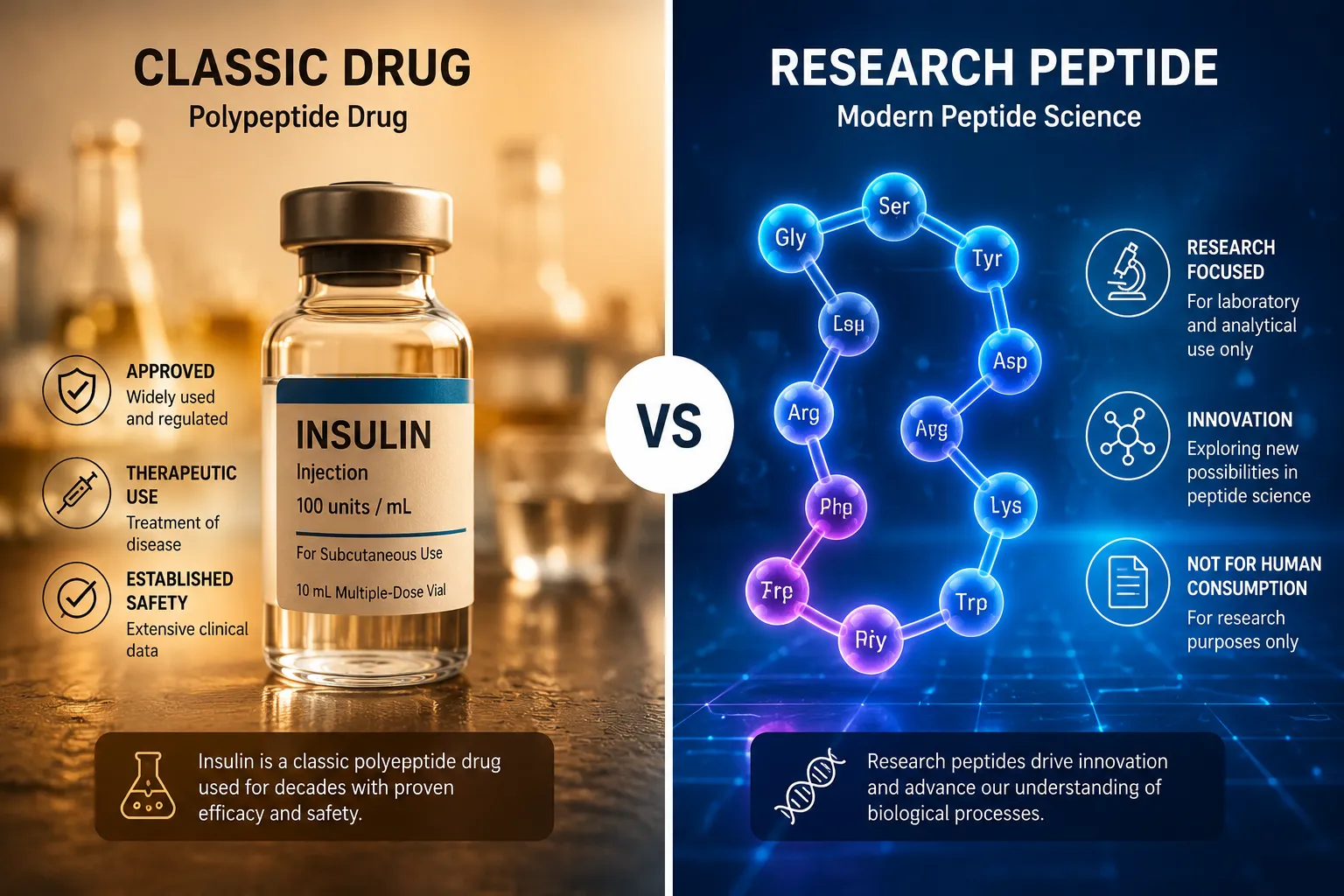
Future research priorities include randomized controlled trials, independent replication of animal findings, and systematic safety profiling across diverse populations.


Conclusion

The science of Epithalon and telomere biology: what the research actually suggests about longevity signaling points to a compound with a credible mechanistic hypothesis and intriguing early data — but one that has not yet cleared the evidentiary bar required for clinical confidence. Telomerase activation in cell culture is real. Lifespan extension in rodents is notable. Human mortality data is suggestive. None of these, however, constitute proof of efficacy or safety in humans.

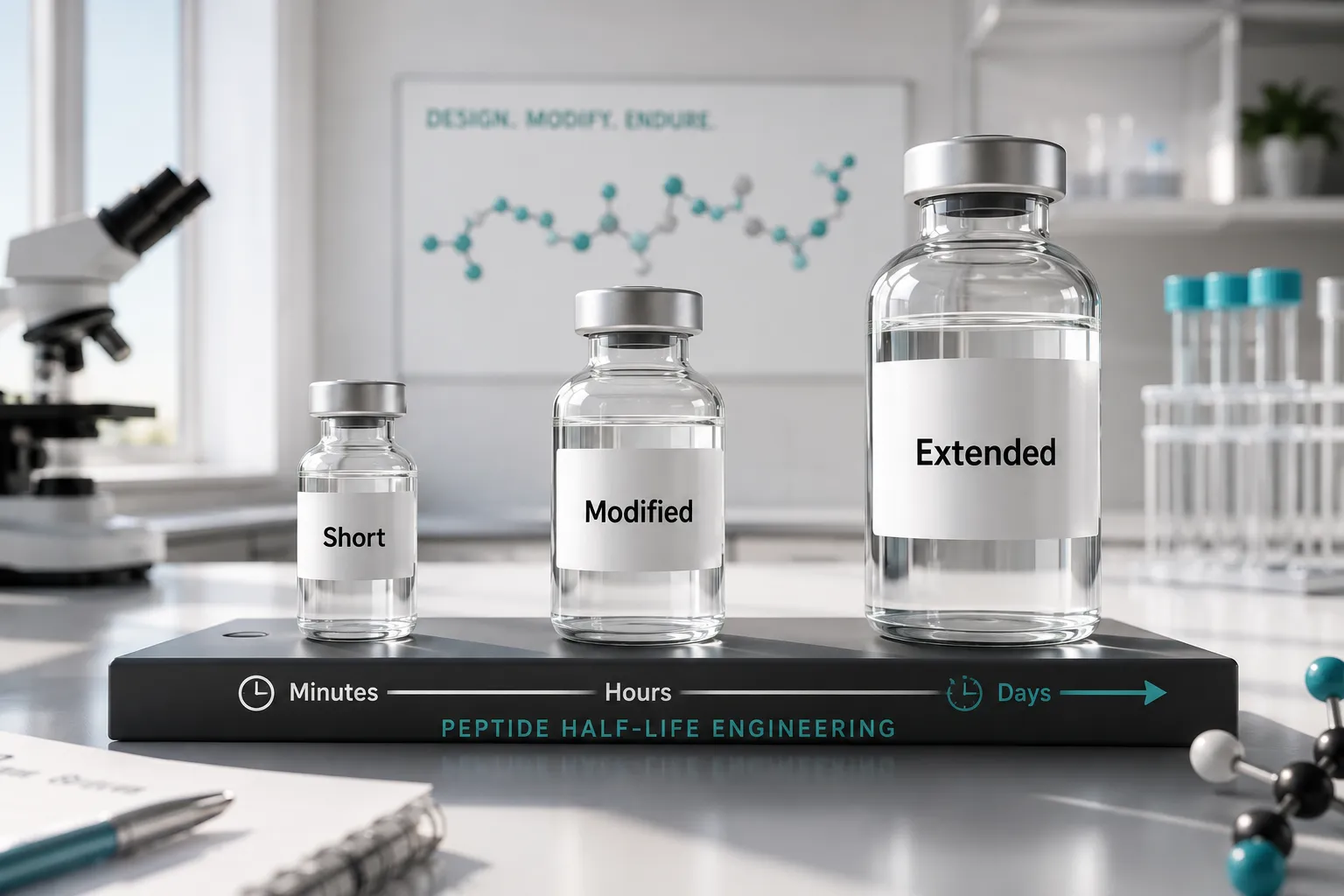
Actionable next steps for researchers:

  • Prioritize sourcing Epithalon only from verified, analytically tested suppliers.
  • Design experiments with appropriate controls and document outcomes rigorously.
  • Monitor the literature for independent replication studies, which will be the decisive factor in evaluating this compound.
  • Consider pairing Epithalon research with complementary longevity pathways such as MOTS-c mitochondrial signaling or GHK-Cu peptide research for a broader experimental framework.

The biology is compelling. The evidence, for now, demands caution.

https://www.puretestedpeptides.com/wp-content/uploads/2026/06/Epithalon-and-Telomere-Biology-What-the-Research-Actually-Suggests-About-Longevity-Signaling.png 1024 1536 Pure Tested https://www.puretestedpeptides.com/wp-content/uploads/2026/01/buy-peptides-online.jpg Pure Tested2026-06-17 13:03:502026-07-20 15:02:57Epithalon and Telomere Biology: What the Research Actually Suggests About Longevity Signaling
BPC-157 vs TB-500: What Each Peptide Does in Tissue-Repair Research and When Comparison Makes Sense

BPC-157 vs TB-500: What Each Peptide Does in Tissue-Repair Research and When Comparison Makes Sense

June 16, 2026/0 Comments/by Pure Tested

Over 100 preclinical studies have examined BPC-157 alone — yet researchers still routinely pair it with TB-500 in comparative models. Understanding why requires looking at what each peptide actually does at the biological level. This article examines the BPC-157 vs TB-500 question from an experimental logic standpoint: what each compound is believed to do, where their mechanisms overlap, and when a side-by-side comparison genuinely adds scientific value in tissue-repair research.

Key Takeaways

  • BPC-157 is a 15-amino-acid synthetic peptide that primarily drives localized repair through angiogenesis and nitric oxide signaling.
  • TB-500 is a synthetic fragment of Thymosin Beta-4 that promotes systemic healing by regulating actin polymerization and cell migration.
  • Their tissue targets differ: BPC-157 favors tendons, ligaments, and gut tissue; TB-500 shows stronger signals in muscle, skin, and cardiac tissue.
  • Neither peptide is FDA-approved; both are prohibited by WADA under the S0 category for non-approved substances.
  • Combination research suggests complementary, potentially synergistic effects — making the comparison scientifically meaningful rather than arbitrary.

Key Takeaways

Distinct Mechanisms: Where the Biology Diverges

The BPC-157 vs TB-500 comparison starts with fundamentally different molecular strategies. BPC-157 is a synthetic 15-amino-acid sequence derived from human gastric juice protein. Its primary repair actions are believed to operate through angiogenesis — the formation of new blood vessels — and upregulation of nitric oxide pathways. This makes its effects highly localized. When administered near an injury site, it appears to accelerate the vascular supply that damaged tissue needs to regenerate.

TB-500, by contrast, is a synthetic fragment of Thymosin Beta-4, a naturally occurring protein found throughout the body. Its core mechanism involves regulating actin polymerization — the process by which cells build their internal scaffolding. By influencing actin dynamics, TB-500 enhances cell migration, which is essential for systemic wound repair. Because it distributes broadly after administration, its effects are not limited to the injection site.

Key mechanistic differences at a glance:

Feature BPC-157 TB-500
Origin Gastric juice protein fragment Thymosin Beta-4 fragment
Primary mechanism Angiogenesis, nitric oxide signaling Actin polymerization, cell migration
Distribution Localized Systemic
Half-life (IV, animal models) Under 30 minutes Not precisely established

For researchers exploring BPC-157 angiogenesis and tendon repair mechanisms, this localized vascular focus is the defining biological signature.


Tissue Targets and Preclinical Evidence

Tissue specificity is where the BPC-157 vs TB-500 comparison becomes most practically useful for research design. BPC-157 has shown the strongest preclinical signals in tendon, ligament, and gastrointestinal tissue. Its gastric origin may partly explain its documented activity in gut-lining repair models. TB-500, on the other hand, demonstrates more consistent effects in muscle, skin, and cardiac tissue — areas where widespread cell migration drives recovery.

This tissue-level divergence is important because it shapes which model a researcher would choose when designing an experiment. A tendon repair study and a cardiac wound model are asking very different biological questions, and selecting the wrong peptide as a comparator can produce misleading null results.

Both peptides have been studied in the context of inflammation reduction, which creates a genuine area of mechanistic overlap. This overlap is part of why top healing peptides in research contexts are often discussed together. Researchers interested in broader repair biology may also find value in examining GHK-Cu longevity and tissue research themes as a complementary reference point.

Tissue Targets and Preclinical Evidence


When the BPC-157 vs TB-500 Comparison Makes Sense in Research

Not every study benefits from comparing these two peptides directly. The comparison makes the most experimental sense under three conditions:

  1. Overlapping injury context — When the target tissue receives input from both vascular supply (BPC-157's domain) and cell migration (TB-500's domain), a head-to-head model can isolate which mechanism contributes more.
  2. Combination hypothesis testing — Preclinical data suggest that using both peptides together may produce synergistic repair outcomes. Testing this requires understanding each compound's independent effect first.
  3. Systemic vs. localized repair questions — When a study needs to distinguish between localized and body-wide healing responses, these two peptides serve as useful biological contrasts.

Regulatory context matters here. Neither BPC-157 nor TB-500 is FDA-approved. BPC-157 holds a Category 2 bulk drug substance classification, and both are prohibited under WADA's S0 category. Any research use must account for these regulatory boundaries.

For context on how other repair-relevant peptides are positioned in research, the oral BPC-157 research overview and longevity peptide research themes offer useful framing. Researchers sourcing verified compounds may also want to review lab-tested peptides to ensure research-grade purity standards.

When the BPC-157 vs TB-500 Comparison Makes Sense in Research


Conclusion

The BPC-157 vs TB-500 comparison is not a matter of which peptide is "better." It is a question of biological fit. BPC-157 operates locally through vascular and nitric oxide pathways; TB-500 acts systemically through actin dynamics and cell migration. Their tissue targets differ, their pharmacokinetics differ, and their research applications reflect those differences.

Actionable next steps for researchers:

  • Define the target tissue and injury type before selecting a comparator model.
  • Review the preclinical literature for each peptide's specific tissue signals before designing combination studies.
  • Confirm regulatory classification in the relevant jurisdiction before initiating any research protocol.
  • Prioritize verified, purity-tested compounds to ensure data integrity across experimental runs.

The comparison makes scientific sense when the research question genuinely spans both localized and systemic repair biology. In those contexts, studying these two peptides together is not redundant — it is the most informative approach available.

https://www.puretestedpeptides.com/wp-content/uploads/2026/06/BPC-157-vs-TB-500-What-Each-Peptide-Does-in-Tissue-Repair-Research-and-When-Comparison-Makes-Sense.png 1024 1536 Pure Tested https://www.puretestedpeptides.com/wp-content/uploads/2026/01/buy-peptides-online.jpg Pure Tested2026-06-16 13:05:062026-07-20 15:02:59BPC-157 vs TB-500: What Each Peptide Does in Tissue-Repair Research and When Comparison Makes Sense
Semax Nasal Spray and Selank Nasal Spray: Administration, Absorption, and Research Practicalities

Semax Nasal Spray and Selank Nasal Spray: Administration, Absorption, and Research Practicalities

June 15, 2026/0 Comments/by Pure Tested

Selank achieves an intranasal bioavailability of approximately 92.8% — a figure that rivals many injectable peptides and makes delivery method selection a genuinely consequential variable for research design. For anyone working with Semax nasal spray and Selank nasal spray, understanding administration, absorption, and research practicalities is not background knowledge; it is the foundation of reproducible results.

Key Takeaways

  • Both Semax and Selank use the nasal mucosa as a direct CNS delivery pathway, bypassing the blood-brain barrier.
  • Semax reaches peak cerebrospinal fluid concentrations within 3-10 minutes; Selank's plasma half-life is only 2-3 minutes yet its effects extend well beyond clearance.
  • Selank's intranasal bioavailability (92.8%) is notably higher than Semax's (60-70%), which affects dosing calculations in structured protocols.
  • Proper spray technique, nostril rotation, and cold-chain storage directly influence experimental consistency.
  • Oral administration is not viable for either peptide due to rapid enzymatic degradation in the gastrointestinal tract.

How Intranasal Delivery Works for These Peptides

How Intranasal Delivery Works for These Peptides

The nasal mucosa offers two primary nerve pathways to the central nervous system: the olfactory nerve and the trigeminal nerve. Both Semax and Selank exploit these routes, allowing peptide molecules to reach the brain without crossing the blood-brain barrier through systemic circulation.

This is a meaningful distinction. Subcutaneous injection delivers peptides into the bloodstream first, where enzymatic degradation begins immediately. Intranasal delivery sends a significant fraction of the dose directly toward CNS tissue, which is why researchers consistently favor this route for neuropeptide work.

Oral administration is not a viable alternative. Gastrointestinal enzymes break down both peptides before meaningful absorption can occur. For research requiring CNS-targeted delivery, intranasal remains the gold standard for these compounds.

Researchers interested in how other peptides navigate delivery challenges can review PT-141 neural and metabolic research themes for a comparative perspective on CNS-adjacent peptide work.


Absorption Profiles: Semax vs. Selank Side by Side

Absorption Profiles: Semax vs. Selank Side by Side

Understanding the absorption differences between these two peptides is central to Semax nasal spray and Selank nasal spray administration, absorption, and research practicalities.

Parameter Semax Selank
Intranasal Bioavailability ~60-70% ~92.8%
Peak CNS Concentration 3-10 minutes Rapid, within minutes
Plasma Half-Life 15-25 minutes 2-3 minutes
Pharmacodynamic Duration 24+ hours Extended beyond clearance
Cleared From Plasma ~90 minutes Very rapid

Semax induces brain-derived neurotrophic factor (BDNF) and nerve growth factor (NGF) expression. These downstream effects persist for over 24 hours after a single dose, even though the peptide itself clears plasma within 90 minutes. This dissociation between pharmacokinetics and pharmacodynamics is a critical variable when designing washout periods in research protocols.

Selank's short plasma half-life of 2-3 minutes is actually a structural achievement. Its parent peptide, tuftsin, degrades far faster. A C-terminal Pro-Gly-Pro extension was added specifically to improve metabolic stability — a detail that matters when comparing formulation batches for purity and structural integrity.

"The pharmacodynamic window of Semax extends far beyond its plasma half-life, meaning dosing frequency calculations cannot rely on clearance time alone."

For researchers also working with other neuropeptides, the Selank peptide benefits overview and the detailed Selank research profile provide useful mechanistic context.


Administration Technique, Dosing, and Storage for Research Protocols

Administration Technique, Dosing, and Storage for Research Protocols

Consistent technique is where many research protocols introduce unnecessary variability. For both Semax and Selank nasal spray administration, absorption, and research practicalities depend heavily on how the spray is delivered.

Recommended spray technique:

  • Tilt the head slightly forward, not back
  • Insert the tip gently into one nostril
  • Deliver the spray while inhaling gently
  • Alternate nostrils between administrations to reduce local irritation

Dosing reference for research use:

  • Semax: 200-300 mcg per nostril, typically administered twice daily at 8-hour intervals
  • Selank: Conservative starting point is 250 mcg once daily; standard anxiolytic research doses are 500 mcg once daily

Selank received regulatory approval in Russia in 2009 as a clinical anxiolytic, with trial data showing efficacy comparable to benzodiazepines — without sedation, dependence, or cognitive impairment. This clinical history gives researchers a useful benchmark when structuring behavioral endpoints.

Storage is non-negotiable for data integrity. Reconstituted solutions for both peptides must be refrigerated at 2-8 degrees Celsius and remain stable for approximately four weeks. Deviations from cold-chain storage introduce degradation variables that compromise reproducibility.

Common side effects observed in research subjects include mild nasal irritation, transient sleep disturbances, and occasional anxiety at higher doses. Serious adverse events are rare but possible with excessive neurological stimulation or co-administration of psychoactive compounds.

Researchers sourcing verified peptides for structured protocols can review lab-tested peptide options to ensure formulation standards meet experimental requirements. Those interested in related neuropeptide delivery work may also find value in reviewing KPV peptide research and GHK-Cu peptide sourcing guidance for broader formulation context.


Conclusion

Semax nasal spray and Selank nasal spray administration, absorption, and research practicalities converge on one core principle: delivery method is not a secondary consideration. The nasal route offers direct CNS access, high bioavailability, and rapid onset — but only when technique, dosing, and storage are handled with precision.

Actionable next steps for researchers:

  1. Standardize spray technique across all subjects using the forward-tilt, gentle-inhalation method.
  2. Account for Semax's 24-hour pharmacodynamic window when designing washout periods.
  3. Verify cold-chain storage compliance before each experimental session.
  4. Source peptides with documented purity testing to eliminate formulation variability as a confounding factor.
  5. Review Selank's clinical approval history as a baseline for anxiolytic endpoint calibration.

Reproducibility in peptide research begins with delivery. Getting the administration variables right is the first step toward data that holds up.

https://www.puretestedpeptides.com/wp-content/uploads/2026/06/Semax-Nasal-Spray-and-Selank-Nasal-Spray-Administration-Absorption-and-Research-Practicalities.png 1024 1536 Pure Tested https://www.puretestedpeptides.com/wp-content/uploads/2026/01/buy-peptides-online.jpg Pure Tested2026-06-15 13:03:422026-07-20 15:03:01Semax Nasal Spray and Selank Nasal Spray: Administration, Absorption, and Research Practicalities
Retatrutide Clinical Trial Landscape: How GLP-3 Obesity Studies Are Designed and Where Research Peptides Fit

Retatrutide Clinical Trial Landscape: How GLP-3 Obesity Studies Are Designed and Where Research Peptides Fit

June 14, 2026/0 Comments/by Pure Tested

{"cover":"Professional landscape format (1536×1024) hero image with bold text overlay: 'Retatrutide Clinical Trial Landscape: GLP-3 Obesity Studies & Research Peptides' in extra large 72pt white bold sans-serif font with dark semi-transparent overlay box, centered upper-third composition. Background shows a high-tech clinical research laboratory with scientists in white coats reviewing molecular structure diagrams on large screens, blue and teal lighting, peptide molecule renderings floating in background. Color scheme: deep navy blue, crisp white, electric teal accents. Magazine cover aesthetic, editorial quality, high contrast.","content":["Wide-angle editorial illustration (1536×1024) of a clinical trial design flowchart for obesity research, showing randomized double-blind study phases labeled Phase 2 and Phase 3, participant icons arranged in multicenter trial grid, endpoint metrics panels showing percentage weight loss bars and HbA1c reduction graphs, TRIUMPH program branding elements, clean medical infographic style with navy blue and white color palette, professional scientific publication aesthetic","Detailed molecular diagram (1536×1024) showing triple-receptor agonist mechanism with three distinct G-protein coupled receptor pathways labeled GLP-1R, GIPR, and GCGR, color-coded binding arrows, peptide chain illustration in center, surrounding panels showing insulin secretion and hepatic glucose regulation icons, dark background with glowing teal and gold molecular bonds, scientific visualization style, editorial medical illustration quality","Split-composition editorial image (1536×1024) showing a clear visual divide between a formal FDA-regulated clinical trial setting on the left — researchers in lab coats with official documentation and controlled drug vials — and a research laboratory setting on the right with research-use-only peptide vials, analytical testing equipment, and purity certification documents. Bold dividing line with text 'Clinical Trial vs Research Use Only', professional blue and amber color contrast, documentary photography style"}

Professional landscape hero image () with : "Retatrutide Clinical Trial Landscape: How GLP-3 Obesity Studies Are Designed

A single drug achieving 28% average body weight loss over 18 months — results previously seen only with bariatric surgery — has placed retatrutide at the center of obesity pharmacotherapy in 2026. Understanding the Retatrutide Clinical Trial Landscape: How GLP-3 Obesity Studies Are Designed and Where Research Peptides Fit requires looking closely at how these trials are structured, what endpoints they measure, and how research-use peptides relate to regulated clinical compounds.

Key Takeaways

  • Retatrutide is a triple-agonist peptide targeting GLP-1R, GIPR, and GCGR receptors simultaneously
  • The TRIUMPH Phase 3 program enrolls over 5,800 participants across four multicenter, randomized, double-blind studies
  • Phase 2 data showed up to 24.2% mean weight reduction at 48 weeks
  • Primary endpoints include percentage body weight loss, HbA1c reduction, and complication-specific outcomes
  • Research peptides and clinical-trial drugs occupy entirely separate regulatory and scientific categories

How the TRIUMPH Phase 3 Program Is Structured

How the TRIUMPH Phase 3 Program Is Structured

The TRIUMPH program is the backbone of the current Retatrutide clinical trial landscape. It consists of four multicenter, randomized, double-blind, placebo-controlled studies enrolling more than 5,800 participants. This scale places it among the largest obesity drug programs ever conducted.

What makes TRIUMPH notable is its basket trial design. Rather than studying a single condition in isolation, the program simultaneously evaluates retatrutide across multiple adiposity-related disease states:

Study Focus Primary Endpoint
General obesity Percentage body weight loss
Obstructive sleep apnea (OSA) Apnea-hypopnea index reduction
Knee osteoarthritis (OA) Pain and function scores
Cardiovascular risk Major adverse cardiac events

This design generates efficiency. Researchers can assess whether weight loss translates into measurable improvements in comorbidities — a critical question for regulatory review and real-world clinical value.

Standard endpoints tracked across studies include:

  • Percentage body weight reduction from baseline
  • HbA1c change (a marker of blood glucose control)
  • Waist circumference reduction
  • Adverse event frequency and severity grading

Phase 2 Results That Justified Phase 3 Investment

In a Phase 2 trial of 338 adults with obesity or overweight, retatrutide produced a mean weight reduction of up to 24.2% at 48 weeks. Gastrointestinal side effects were the most common adverse events, described as dose-related and mostly mild to moderate. These results gave Eli Lilly sufficient confidence to launch the full TRIUMPH program, with FDA approval potentially targeted by the end of 2026.


The Triple-Receptor Mechanism Behind the Numbers

The Triple-Receptor Mechanism Behind the Numbers

Retatrutide is often loosely called a "GLP-3" compound in popular media, but its pharmacology is more precise. It is a triple agonist binding three distinct G-protein coupled receptors:

  1. GLP-1R (glucagon-like peptide-1 receptor) — stimulates insulin secretion and reduces appetite
  2. GIPR (glucose-dependent insulinotropic polypeptide receptor) — enhances insulin response and supports fat metabolism
  3. GCGR (glucagon receptor) — regulates hepatic glucose output and increases energy expenditure

The glucagon receptor component is what differentiates retatrutide from dual GLP-1/GIP agonists like tirzepatide. Industry experts suggest this third pathway may be the key driver behind the surgery-level weight loss numbers. For broader context on how incretin-based mechanisms work in obesity research, the GLP-1 and incretin research themes page provides useful background.

Researchers studying related metabolic pathways may also find value in reviewing body composition research themes involving tesa and IPA muscle and fat research themes, which explore adjacent hormonal axes in preclinical models.


Where Research Peptides Fit — and Where They Do Not

Where Research Peptides Fit — and Where They Do Not

This is the most important distinction in the Retatrutide clinical trial landscape: how GLP-3 obesity studies are designed and where research peptides fit.

Retatrutide is an investigational drug. It is not FDA-approved. It is manufactured under strict Good Manufacturing Practice (GMP) conditions, administered only within regulated trial protocols, and tracked through rigorous pharmacovigilance systems.

Research peptides occupy a completely separate category. They are synthesized compounds supplied strictly for laboratory and preclinical research purposes — not for human administration. Their value lies in enabling scientists to study receptor biology, metabolic pathways, and molecular mechanisms before and alongside clinical programs.

"The clinical trial pipeline and the research peptide ecosystem serve different scientific functions — one generates regulatory evidence, the other generates foundational knowledge."

For researchers exploring the GLP-3 and retatrutide space at the preclinical level, the dedicated GLP-3 retatrutide research page and the retatrutide compound overview offer relevant compound information. Those studying complementary metabolic pathways may also consult resources on cagrilintide synergy with GLP-1 and longevity peptide research.

Key distinctions at a glance:

Feature Clinical Trial Drug Research Peptide
Regulatory status IND/NDA pathway Research use only
Human administration Protocol-controlled Not permitted
Purity standards GMP-certified Analytical grade
Purpose Generate efficacy/safety data Preclinical mechanistic study

Conclusion

The retatrutide clinical trial landscape represents one of the most ambitious obesity drug programs in pharmaceutical history. The TRIUMPH Phase 3 program's basket design, rigorous endpoints, and triple-receptor mechanism all point toward a potential paradigm shift in how obesity and its complications are treated medically.

Actionable next steps for researchers and science-informed readers:

  • Follow TRIUMPH trial updates through ClinicalTrials.gov for endpoint data as it becomes available
  • Review Phase 2 published data in peer-reviewed journals to understand dose-response relationships
  • Clearly distinguish between FDA-regulated investigational drugs and research-use-only peptides when discussing or sourcing compounds
  • Explore adjacent metabolic research areas — such as incretin biology and body composition pathways — to build a fuller mechanistic picture

The science is advancing rapidly. Staying grounded in trial design fundamentals and regulatory boundaries is the most reliable way to engage with it responsibly.

https://www.puretestedpeptides.com/wp-content/uploads/2026/06/Retatrutide-Clinical-Trial-Landscape-How-GLP-3-Obesity-Studies-Are-Designed-and-Where-Research-Peptides-Fit.png 1024 1536 Pure Tested https://www.puretestedpeptides.com/wp-content/uploads/2026/01/buy-peptides-online.jpg Pure Tested2026-06-14 13:05:082026-07-20 15:03:15Retatrutide Clinical Trial Landscape: How GLP-3 Obesity Studies Are Designed and Where Research Peptides Fit
CJC-1295 Without DAC for Pulsatile GH Research: Why Shorter Half-Life Can Be an Advantage

CJC-1295 Without DAC for Pulsatile GH Research: Why Shorter Half-Life Can Be an Advantage

June 14, 2026/0 Comments/by Pure Tested

A 30-minute plasma half-life sounds like a weakness. In the world of growth hormone research, it is one of the most useful properties a peptide can have.

CJC-1295 without DAC, also known as Modified GRF (1-29), clears the bloodstream rapidly after administration. That rapid clearance is not a flaw in the molecule's design — it is the feature that makes CJC-1295 Without DAC for Pulsatile GH Research: Why Shorter Half-Life Can Be an Advantage such a compelling area of study. When the goal is to replicate the body's natural growth hormone (GH) secretion patterns rather than override them, timing matters more than duration.

Detailed () scientific infographic illustration showing two side-by-side pharmacokinetic curves: one steep short-duration

Key Takeaways

  • CJC-1295 without DAC has a plasma half-life of approximately 30 minutes, enabling discrete, pulsatile GH release.
  • Pulsatile GH secretion more closely mirrors natural physiology than continuous elevation.
  • The absence of the Drug Affinity Complex (DAC) prevents albumin binding, causing rapid clearance.
  • Pairing the peptide with ghrelin receptor agonists like Ipamorelin is a common research protocol.
  • The short duration of action helps preserve natural feedback mechanisms and may reduce desensitization risk.

The Structural Difference That Changes Everything

The DAC (Drug Affinity Complex) modification in the longer-acting CJC-1295 variant allows the peptide to bind to albumin in the bloodstream, extending its half-life to 5.8–8.1 days. Remove that complex, and the peptide loses its anchor. Without albumin binding, Modified GRF (1-29) is cleared within roughly 30 minutes.

This structural distinction creates two fundamentally different research tools. For a deeper look at how the DAC variant behaves, the CJC-1295 with DAC deeper dive provides useful context. The key point for researchers is that neither form is universally superior — the right choice depends entirely on what the study is designed to measure.

The no-DAC form is the tool of choice when the research question centers on GH pulse dynamics.


Why Pulsatile GH Release Matters in Research

The pituitary gland does not release GH in a steady stream. It fires in discrete pulses, typically peaking during deep sleep and in response to exercise or fasting. These pulses are not random — they are tightly regulated by a feedback loop involving growth hormone-releasing hormone (GHRH), somatostatin, and IGF-1.

Continuous GH elevation disrupts this loop. It can blunt receptor sensitivity, promote insulin resistance, and trigger fluid retention. Pulsatile release, by contrast, preserves the natural rhythm that keeps these feedback mechanisms functional.

This is precisely why CJC-1295 Without DAC for Pulsatile GH Research: Why Shorter Half-Life Can Be an Advantage as a research model. Each administration produces a discrete GH pulse and then clears, allowing the system to reset before the next dose. The body's regulatory architecture remains largely intact.

"The transient activity of short-acting GHRH analogs allows for the preservation of natural feedback systems — a critical variable in physiologically valid GH research."


Experimental Use Cases and Protocol Design

Experimental Use Cases and Protocol Design

Because the peptide requires multiple daily administrations to sustain GH pulsatility, research protocols using the no-DAC form tend to be more granular and time-sensitive than those using the DAC variant. This is not a disadvantage — it is what makes the molecule suitable for specific experimental designs.

Common Research Applications

Research Area Why No-DAC Is Preferred
GH pulse frequency studies Short half-life allows discrete, measurable pulses
Metabolic function research Avoids chronic GH elevation that skews metabolic markers
Receptor sensitivity studies Reduces desensitization risk between doses
Aging and GH axis research Mimics natural age-related GH secretion patterns

Pairing with Ghrelin Receptor Agonists

Research protocols frequently combine CJC-1295 without DAC with Ipamorelin, a selective ghrelin receptor agonist. The two peptides act on complementary pathways — one stimulates GHRH receptors, the other activates ghrelin receptors — producing a synergistic GH release without significantly elevating cortisol or prolactin. The CJC-1295 plus Ipamorelin research model outlines how this combination is structured in preclinical settings.

For researchers exploring broader GH-axis stacks, the Sermorelin, Ipamorelin, and CJC-1295 combination offers another framework that incorporates multiple secretagogues.

Researchers interested in metabolic endpoints may also find the Ipamorelin and GHRH/GRF research overview useful for understanding how these pathways interact in experimental models.


Feedback Preservation and Safety Profile Considerations

Feedback Preservation and Safety Profile Considerations

One of the most important — and often underappreciated — advantages of CJC-1295 Without DAC for Pulsatile GH Research: Why Shorter Half-Life Can Be an Advantage is what it does not do. It does not sustain GH elevation long enough to significantly suppress somatostatin feedback. It does not bind albumin and accumulate over days. It does not force the pituitary into a state of chronic stimulation.

This makes it a more conservative tool for studies where receptor desensitization would confound results. Research comparing Tesamorelin versus Ipamorelin highlights how half-life and receptor selectivity interact in GH secretagogue research — a useful parallel for understanding the no-DAC model.

For broader context on how GH-adjacent peptides are being studied in metabolic and longevity research, the AOD-9604 metabolic research overview provides relevant background on downstream GH pathway targets.

It is important to note that CJC-1295 without DAC remains classified as a research chemical as of 2026. It is not approved for therapeutic use in humans, and all studies must be conducted within appropriate regulatory and institutional frameworks.


Conclusion

The short half-life of CJC-1295 without DAC is not a limitation to work around — it is a precision instrument for researchers who need controlled, physiologically relevant GH pulses. When the experimental goal is to study GH dynamics without overriding the body's own regulatory systems, the no-DAC form offers a level of control that longer-acting variants simply cannot provide.

Actionable next steps for researchers:

  • Define whether the study requires sustained GH elevation or discrete pulsatile events before selecting a variant.
  • Consider pairing with Ipamorelin to target complementary GH-release pathways.
  • Design dosing schedules that account for the 30-minute half-life to achieve consistent pulse modeling.
  • Review institutional guidelines to ensure all protocols meet current regulatory standards.

For researchers building multi-peptide GH-axis protocols, exploring Ipamorelin and Sermorelin stack research can provide additional design considerations relevant to pulsatile GH study models.

https://www.puretestedpeptides.com/wp-content/uploads/2026/06/CJC-1295-Without-DAC-for-Pulsatile-GH-Research-Why-Shorter-Half-Life-Can-Be-an-Advantage.png 1024 1536 Pure Tested https://www.puretestedpeptides.com/wp-content/uploads/2026/01/buy-peptides-online.jpg Pure Tested2026-06-14 13:04:302026-07-20 15:03:16CJC-1295 Without DAC for Pulsatile GH Research: Why Shorter Half-Life Can Be an Advantage
Slupp332 With 5-Amino-1MQ: How Researchers Think About Pairing NNMT Modulation With Metabolic Peptides

Slupp332 With 5-Amino-1MQ: How Researchers Think About Pairing NNMT Modulation With Metabolic Peptides

June 12, 2026/0 Comments/by Pure Tested

NAD+ depletion and impaired mitochondrial biogenesis rarely occur in isolation — which is exactly why researchers studying metabolic dysfunction have begun examining compound pairings rather than single-agent approaches. The question of Slupp332 with 5-Amino-1MQ: how researchers think about pairing NNMT modulation with metabolic peptides sits at the intersection of two distinct but overlapping biological mechanisms, and understanding the logic behind that pairing requires unpacking each compound's role before examining where they converge.

Both SLU-PP-332 and 5-Amino-1MQ are designated for research use only and are not approved for human therapeutic use. All data discussed here comes from preclinical studies.

Key Takeaways

  • SLU-PP-332 activates estrogen-related receptors (ERRalpha/gamma) to drive mitochondrial biogenesis and fat oxidation.
  • 5-Amino-1MQ inhibits the NNMT enzyme, preserving NAD+ precursors and raising intracellular NAD+ levels.
  • The two compounds target different but overlapping metabolic pathways, which is the core rationale for studying them together.
  • Preclinical data shows promise for fat reduction and energy metabolism enhancement, but no human clinical trials exist as of 2026.
  • Stacking research compounds increases protocol complexity and requires careful experimental design.

Key Takeaways

Distinct Mechanisms: Why Each Compound Earns Its Place

Before exploring the stack logic, it helps to understand what each compound does independently.

SLU-PP-332 acts as an agonist for ERRalpha and ERRgamma — nuclear receptors that regulate genes involved in mitochondrial biogenesis and fatty acid oxidation. When these receptors are activated, cells respond by producing more mitochondria and increasing their capacity to burn fat for fuel. Researchers studying SLU-PP-332 and metabolic research describe it as a tool for probing how nuclear receptor signaling shapes whole-body energy expenditure.

5-Amino-1MQ, by contrast, works upstream in the NAD+ biosynthesis pathway. It inhibits nicotinamide N-methyltransferase (NNMT), an enzyme that methylates nicotinamide and effectively removes it from the NAD+ recycling pool. By blocking NNMT, 5-Amino-1MQ conserves NAD+ precursors, raising intracellular NAD+ in tissues where NNMT activity is highest — particularly adipose tissue. Preclinical animal studies have shown that this inhibition reduces adipocyte size, suggesting a role in fat cell regulation independent of caloric restriction.

Compound Primary Target Key Effect
SLU-PP-332 ERRalpha/gamma receptors Mitochondrial biogenesis, fat oxidation
5-Amino-1MQ NNMT enzyme NAD+ preservation, adipocyte reduction

Distinct Mechanisms: Why Each Compound Earns Its Place

The Stack Rationale Behind Slupp332 With 5-Amino-1MQ and NNMT Modulation

The core logic of pairing these two compounds rests on a straightforward observation: mitochondrial function requires both structural capacity and metabolic fuel. SLU-PP-332 addresses the structural side by stimulating the production of new mitochondria. 5-Amino-1MQ addresses the fuel side by ensuring NAD+ — a critical cofactor in mitochondrial energy production — is available in sufficient quantities.

Researchers describe this as a complementary pathway approach. Rather than pushing a single lever harder, the pairing attempts to remove two separate bottlenecks simultaneously:

  • SLU-PP-332 increases the number and activity of mitochondria via ERR signaling.
  • 5-Amino-1MQ ensures those mitochondria have the NAD+ substrate needed to operate efficiently.

This is similar in concept to how researchers studying MOTS-c and metabolic flexibility examine mitochondrially-derived peptides alongside other metabolic modulators — the goal is always to understand how multiple signals interact rather than studying each in a vacuum.

The hypothesized result is amplified metabolic output — greater fat oxidation and energy efficiency than either compound could produce alone. However, this synergy hypothesis has not yet been validated in human clinical trials as of 2026.

"Stacking compounds increases complexity and the potential for unknown interactions; careful protocol design is essential." — Consistent position across preclinical research literature.

Researchers also note parallels with other dual-mechanism approaches. For example, work on mitochondrial longevity and compounds like SS-31 and mitochondrial dynamics demonstrates that targeting mitochondrial health from multiple angles is a recurring theme in metabolic research.


The Stack Rationale Behind Slupp332 With 5-Amino-1MQ and NNMT Modulation

Safety Considerations and Research Boundaries

Understanding the rationale for pairing NNMT modulation with metabolic peptides also means acknowledging what is not yet known.

Key research boundaries as of 2026:

  • No human clinical trials have evaluated this combination's safety or efficacy.
  • All evidence comes from animal models and in vitro studies.
  • Both compounds remain unapproved research chemicals with no FDA-cleared therapeutic indication.
  • Combining compounds introduces the possibility of additive or unexpected interactions that single-compound studies cannot predict.

Researchers approaching this pairing are advised to treat it with the same rigor applied to any novel combination protocol — establishing baseline measurements, controlling variables, and avoiding assumptions that preclinical results will translate directly to other biological systems.

This principle applies broadly across the peptide research space. Whether examining IPA muscle and fat research themes or CJC-1295 plus IPA combinations, responsible research design demands that mechanism overlap be understood before conclusions about efficacy are drawn.


Conclusion

The discussion around Slupp332 with 5-Amino-1MQ: how researchers think about pairing NNMT modulation with metabolic peptides is ultimately a discussion about mechanism logic. SLU-PP-332 builds mitochondrial capacity through ERR receptor activation; 5-Amino-1MQ fuels that capacity by preserving NAD+ availability through NNMT inhibition. The two pathways are distinct enough to avoid redundancy and overlapping enough to suggest genuine complementarity.

Actionable next steps for researchers:

  1. Review the preclinical literature on ERRalpha/gamma agonism and NNMT inhibition independently before designing combination protocols.
  2. Establish clear outcome metrics — adipocyte size, NAD+ levels, mitochondrial density — to measure each pathway's contribution separately.
  3. Consult current regulatory guidance; both compounds are research-use-only and require appropriate institutional oversight.
  4. Explore related metabolic research themes, including MOTS-c peptides and SLU-PP-332 research, to build a fuller picture of the metabolic signaling landscape.

The science is early, but the mechanistic rationale is sound — and that is precisely where rigorous research begins.

https://www.puretestedpeptides.com/wp-content/uploads/2026/06/Slupp332-With-5-Amino-1MQ-How-Researchers-Think-About-Pairing-NNMT-Modulation-With-Metabolic-Peptides.png 1024 1536 Pure Tested https://www.puretestedpeptides.com/wp-content/uploads/2026/01/buy-peptides-online.jpg Pure Tested2026-06-12 13:03:542026-07-20 15:03:20Slupp332 With 5-Amino-1MQ: How Researchers Think About Pairing NNMT Modulation With Metabolic Peptides
Glow Blend Peptide vs. Klow Blend Peptide: A Research Formulation Analysis

Glow Blend Peptide vs. Klow Blend Peptide: A Research Formulation Analysis

June 12, 2026/0 Comments/by Pure Tested

Fewer than 12% of multi-peptide research blends on the market today publish full ingredient transparency alongside third-party purity data — a gap that makes direct formulation comparisons both rare and critically important. This Glow Blend Peptide vs. Klow Blend Peptide: A Research Formulation Analysis examines both formulations side by side, breaking down their constituent peptides, proposed mechanisms of action, and the distinct research territories each blend is designed to explore.

Key Takeaways

  • The Glow Blend is primarily oriented toward skin-related and regenerative research pathways, anchored by peptides with documented roles in collagen synthesis and oxidative defense.
  • The Klow Blend targets cellular energy and mitochondrial function, drawing on peptides associated with metabolic regulation and antioxidant activity at the organelle level.
  • Ingredient overlap between the two blends is minimal, making them complementary rather than interchangeable for research planning.
  • Purity verification and sourcing standards are decisive factors when evaluating either formulation for controlled study use.
  • Researchers should align blend selection with specific biological endpoints rather than treating either formulation as a general-purpose option.

Key Takeaways

Formulation Breakdown: Ingredients and Proposed Mechanisms

Glow Blend Peptide: Core Components

The Glow Blend is structured around peptides with established research interest in dermal and connective tissue biology. Its anchor ingredients typically include:

  • GHK-Cu (Copper Tripeptide-1): Studied for its role in fibroblast activation and collagen remodeling. Researchers exploring wound healing and skin matrix repair frequently reference this compound. A detailed GHK-Cu sourcing and research guide outlines purity benchmarks relevant to controlled studies.
  • BPC-157: A pentadecapeptide with a broad literature base covering tissue repair, angiogenesis, and cytoprotective signaling. For foundational documentation, the BPC-157 research guide provides a structured starting point.
  • Epithalon (Epitalon): A tetrapeptide investigated in the context of telomere biology and cellular longevity markers.

The proposed mechanism across these components centers on upregulating growth factor expression, reducing local oxidative stress, and supporting extracellular matrix integrity. For a broader overview of documented benefits, the Glow Peptide Blend benefits page provides additional context.

Klow Blend Peptide: Core Components

The Klow Blend takes a fundamentally different approach, targeting intracellular and mitochondrial research pathways. Its formulation typically features:

  • SS-31 (Elamipretide): A mitochondria-targeted antioxidant peptide with a robust preclinical literature base. Research themes around SS-31 mitochondrial dynamics highlight its role in reducing reactive oxygen species at the inner mitochondrial membrane.
  • MOTS-c: A mitochondrial-derived peptide studied for metabolic regulation and insulin sensitivity pathways. Researchers interested in combined mitochondrial approaches often reference MOTS-c and Elamipretide synergy.
  • LL-37: An antimicrobial and immunomodulatory peptide with emerging research interest in cellular defense signaling.

The Klow Blend's mechanism centers on bioenergetic support, mitochondrial membrane stabilization, and systemic antioxidant capacity — areas distinct from the dermal focus of the Glow formulation.

Comparative Research Formulation Analysis: Target Areas and Study Design Implications

Comparative Research Formulation Analysis: Target Areas and Study Design Implications

A structured comparison reveals clear divergence in research utility:

Feature Glow Blend Klow Blend
Primary target Dermal and connective tissue Mitochondrial and metabolic function
Key mechanism Collagen synthesis, angiogenesis Antioxidant, bioenergetic support
Oxidative stress role Extracellular/local Intracellular/organelle-level
Typical research model Skin, wound healing, aging Cellular energy, metabolic disease
Ingredient overlap Minimal Minimal

"Selecting a peptide blend without aligning its mechanism to a defined biological endpoint introduces confounding variables that undermine study validity."

For researchers designing multi-arm studies, understanding how individual peptides within each blend interact is essential. The LL-37 versus SS-31 comparison offers a useful reference for parsing overlapping antioxidant claims between the two formulations.

Quality Standards and Sourcing Considerations

Quality Standards and Sourcing Considerations

Regardless of which blend a research program selects, quality control benchmarks are non-negotiable. Key standards include:

  • HPLC purity: Minimum 98% is the accepted threshold for research-grade peptides.
  • Mass spectrometry confirmation: Verifies molecular identity, not just purity percentage.
  • Sterility and endotoxin testing: Critical for any in vitro or in vivo application.
  • Reference standard alignment: Comparing formulations against established benchmarks, as outlined in the Bachem and reference standards guide, strengthens data reliability.

Researchers sourcing either blend should also review the aging support peptide category to identify complementary compounds that may enhance study design without introducing mechanistic overlap.

Conclusion

The Glow Blend Peptide vs. Klow Blend Peptide: A Research Formulation Analysis confirms that these two formulations serve distinct and largely non-overlapping research purposes. The Glow Blend is the stronger candidate for studies focused on skin regeneration, collagen biology, and extracellular repair. The Klow Blend is better suited to investigations of mitochondrial function, cellular energy metabolism, and systemic antioxidant pathways.

Actionable next steps for researchers in 2026:

  1. Define the primary biological endpoint before selecting either blend.
  2. Request full certificate of analysis documentation, including HPLC and mass spectrometry data, from any supplier.
  3. Cross-reference individual peptide mechanisms against your study's control variables to avoid confounding outcomes.
  4. Consider whether a sequential or parallel study design better captures the distinct pathways each blend targets.
https://www.puretestedpeptides.com/wp-content/uploads/2026/06/Glow-Blend-Peptide-vs.-Klow-Blend-Peptide-A-Research-Formulation-Analysis.png 1024 1536 Pure Tested https://www.puretestedpeptides.com/wp-content/uploads/2026/01/buy-peptides-online.jpg Pure Tested2026-06-12 13:03:512026-07-20 15:03:20Glow Blend Peptide vs. Klow Blend Peptide: A Research Formulation Analysis
Page 5 of 6«‹3456›
×

Helpful Links

  • My account
  • Cart
  • Checkout
  • Refund and Returns Policy
  • Privacy Policy
  • SMS Privacy Policy
  • Login
  • My Account
  • Logout

USA Made Lab Tested Peptides

All products are sold for research, laboratory, or analytical purposes only, and are not for human consumption


Pure Tested Peptides is a chemical supplier. Pure Tested Peptides is not a compounding / chemical compounding facility as defined under 503A of the Federal Food, Drug, and Cosmetic act. Pure Tested Peptides is not an outsourcing facility as defined under 503B of the Federal Food, Drug, and Cosmetic act.

The statements made within this website have not been evaluated by the US Food and Drug Administration. The products we offer are not intended to diagnose, treat, cure or prevent any disease.

Human/Animal Consumption Prohibited. Laboratory/In-Vitro Experimental Use Only

Scroll to top Scroll to top Scroll to top