Call or Text 727-513-9780
  • Shopping Cart Shopping Cart
    0Shopping Cart
Pure Tested Peptides | America's most trusted Peptides for sale online
  • Peptides for sale
    • Oral Peptides for sale
      • Peptide Capsules for sale
      • BPC 157 Capsules 1000mcg
      • SLU-PP-332 Capsules | 1000 mcg
      • 5-Amino-1MQ 50mg Capsules
      • Tesofensine 500mcg
    • All Peptides for sale
    • Peptide Sprays
      • BPC 157 Nasal Spray Kit
      • BPC-157 TB500 Nasal Spray Kit
      • Semax Nasal Spray 10mg
      • Selank – Nasal Spray Kit – 10mg
      • Epithalon 50MG Nasal Spray Kit
      • Ipamorelin 10mg Nasal Spray
      • Klow Nasal Spray (BPC-157 + TB-500 + GHK-Cu + KPV) | 80mg
      • Hulk Nasal Spray Tesa / Ipa Blend 6/3 MG
      • Klow Nasal Spray
      • NAD + 500 mg Nasal Spray
      • PT-141 Nasal Spray Kit
    • GHRH Peptides
      • Ipa Peptides
      • CJC-1295 Peptides
        • CJC-1295 with DAC 5 mg
        • CJC-1295 without DAC 5 mg
        • CJC-1295 Ipa 10mg
      • Tesa Peptides
        • Tesa Peptide
        • Tesa 20 mg
    • GHK-Cu Peptides
      • All GHK-Cu Peptides
      • GHK-Cu 100mg
      • KLOW Peptide Blend – Buy KLOW blend online
    • BPC Peptides
      • All BPC Peptides
      • BPC-157
      • BPC-157 TB-500
      • BPC 157 capsules 1000mcg
    • SLU-PP-332 Peptides
      • All SLU-PP-332 Peptides
      • SLU-PP-332 5mg
    • GLP3 Peptides
      • GLP3-R
      • GLP3-R CAG 10mg
      • GLP3-R 20mg
    • PT-141 Peptides
      • PT-141 Peptides for sale
      • PT-141 10mg
      • PT-141 Nasal Spray
    • CAG Peptides
      • Lipo-C Peptide Blend
      • CAG 5mg
      • CAG 10mg
    • MOTS-C Peptides
      • MOTS-C Peptides for sale
      • MOTS-c peptide
      • MOTS-c 10mg *6 pack*
    • 5 Amino 1MQ Peptides
      • 5 Amino 1MQ Peptides for sale
      • 5-Amino-1MQ 50mg Capsules
      • 5-Amino-1MQ 5mg
    • Epithalon Peptides
      • Epithalon Peptides for sale
      • Epithalon 10mg
      • Epithalon 50mg
  • Shop
    • GLPs
      • 5-Amino-1MQ 50mg Capsules
      • 5-Amino-1MQ 5mg
      • GLP3-Reta
      • L-Carnitine 500mg/ml
      • Tesofensine 500mcg
      • SLU-PP-332 5mg
      • MOTS-c 10mg *6 pack*
    • Epithalon & BPC Peptides
      • Epithalon 10mg
      • Epithalon 50mg
      • BPC-157
      • BPC 157 capsules 1000mcg
      • BPC-157 TB-500
      • BPC-157 TB500 Nasal Spray Kit
      • BPC 157 Nasal Spray Kit
    • BPC TB-500 & NAD+ Peptides
      • NAD+ 500 mg
      • KLOW Peptide Blend – Buy KLOW blend online
      • GLOW Peptide Blend
      • TB 500 5mg
      • BPC 157 capsules 1000mcg – Supplement
      • BPC 157 Nasal Spray Kit
      • BPC-157
      • BPC-157 TB500 Nasal Spray Kit
      • BPC-157 TB-500
      • BPC 157 capsules 1000mcg
    • LL-37 Peptide
      • LL-37 10 mg
    • MOTS-C & Selank
      • MOTS-c peptide
      • Selank 10mg
    • GHK Peptides
      • GHK-Cu 100mg
      • GLOW Peptide Blend
      • KLOW Peptide Blend – Buy KLOW blend online
  • COAs
  • Wholesale
    • Wholesale Peptides for sale
  • PTP FAQ
  • Affiliates
    • Selank Peptide: Advanced Pharmacological Mechanisms Underlying Its Anxiolytic and Nootropic Effects in Research
      • 5-Amino-1MQ Peptide: Detailed Mechanisms of NNMT Inhibition and Its Impact on Cellular Metabolism Research
        • MOTS-C Peptide: Unraveling Its Role in Mitochondrial Dynamics and Energy Metabolism Research
          • Epithalon Peptide and Telomerase Regulation: Investigating Its Impact on Cellular Senescence and Lifespan Research Models
            • GLP2-T vs GLP2 Tirz Peptide: Understanding the Naming, Mechanistic Nuances, and Research Implications for Gut Health
      • Peptides and Polypeptides in Modern Pharmacology: What Research on Metoprolol, Prednisone, and Amlodipine Reveals
        • Polypeptide Peptides vs NSAIDs: What Naproxen and Diclofenac Teach Tissue-Repair Researchers About BPC‑157 and TB‑500
          • Peptides and Polypeptides in Endocrine Pharmacology: How GLP-1, GLP-2, and GLP-3 Retatrutide Differ From Classic Drugs Like Prednisone and Amlodipine
          • 5‑Amino‑1MQ Peptide and NNMT Inhibition: How It Compares With Statins Like Atorvastatin in Adipose and Lipid Metabolism Research
      • Enclomiphene, Estrogen Receptor Signaling, and Luteinizing Phase Biology: What Hormone Researchers Should Measure
        • Mesenchymal Stem Cells, BPC‑157, and GHK‑Cu: How Tissue Repair Peptides Compare With Classic NSAIDs Like Naproxen in Injury Models
          • Peptide Calculator Use Cases Beyond Growth Hormone: Working Through GLP‑3 Retatrutide, MOTS‑c, and BPC‑157 Research Dosing
        • Polypeptide Peptides in Endocrine and Metabolic Pharmacology: Lessons From Amlodipine, Prednisone, and Metoprolol
        • Peptides Calculator for Advanced Blends: Worked Examples for Tesamorelin, CJC‑1295, and Ipamorelin Stacks
          • Peptides and Polypeptides in Human Physiology: How Molecular Size Shapes Research Applications
            • Selank Peptide: Advanced Pharmacological Mechanisms Underlying Its Anxiolytic and Nootropic Effects in Research
          • 5-Amino-1MQ Peptide: Detailed Mechanisms of NNMT Inhibition and Its Impact on Cellular Metabolism Research
            • MOTS-C Peptide: Unraveling Its Role in Mitochondrial Dynamics and Energy Metabolism Research
              • Epithalon Peptide and Telomerase Regulation: Investigating Its Impact on Cellular Senescence and Lifespan Research Models
                • GLP2-T vs GLP2 Tirz Peptide: Understanding the Naming, Mechanistic Nuances, and Research Implications for Gut Health
                  • Peptides and Polypeptides in Endocrine Pharmacology: How GLP-1, GLP-2, and GLP-3 Retatrutide Differ From Classic Drugs Like Prednisone and Amlodipine
                    • Polypeptide Peptides vs NSAIDs: What Naproxen and Diclofenac Teach Tissue-Repair Researchers About BPC‑157 and TB‑500
                      • Peptides and Polypeptides in Modern Pharmacology: What Research on Metoprolol, Prednisone, and Amlodipine Reveals
                        • 5‑Amino‑1MQ Peptide and NNMT Inhibition: How It Compares With Statins Like Atorvastatin in Adipose and Lipid Metabolism Research
                        • Enclomiphene, Estrogen Receptor Signaling, and Luteinizing Phase Biology: What Hormone Researchers Should Measure
                        • Mesenchymal Stem Cells, BPC‑157, and GHK‑Cu: How Tissue Repair Peptides Compare With Classic NSAIDs Like Naproxen in Injury Models
                        • Peptide Calculator Use Cases Beyond Growth Hormone: Working Through GLP‑3 Retatrutide, MOTS‑c, and BPC‑157 Research Dosing
                        • Polypeptide Peptides in Endocrine and Metabolic Pharmacology: Lessons From Amlodipine, Prednisone, and Metoprolol
                        • Peptides Calculator for Advanced Blends: Worked Examples for Tesamorelin, CJC‑1295, and Ipamorelin Stacks
                        • Peptides and Polypeptides in Human Physiology: How Molecular Size Shapes Research Applications
                        • Selank Peptide: Advanced Pharmacological Mechanisms Underlying Its Anxiolytic and Nootropic Effects in Research
                        • MOTS-C Peptide: Unraveling Its Role in Mitochondrial Dynamics and Energy Metabolism Research
                        • Peptides and Polypeptides in Modern Pharmacology: What Research on Metoprolol, Prednisone, and Amlodipine Reveals
                        • Peptides and Polypeptides in Endocrine Pharmacology: How GLP-1, GLP-2, and GLP-3 Retatrutide Differ From Classic Drugs Like Prednisone and Amlodipine
                        • 5-Amino-1MQ Peptide: Detailed Mechanisms of NNMT Inhibition and Its Impact on Cellular Metabolism Research
                        • Mesenchymal Stem Cells, BPC‑157, and GHK‑Cu: How Tissue Repair Peptides Compare With Classic NSAIDs Like Naproxen in Injury Models
                        • Peptide Calculator Use Cases Beyond Growth Hormone: Working Through GLP‑3 Retatrutide, MOTS‑c, and BPC‑157 Research Dosing
                        • GLP2-T vs GLP2 Tirz Peptide: Understanding the Naming, Mechanistic Nuances, and Research Implications for Gut Health
                        • Polypeptide Peptides in Endocrine and Metabolic Pharmacology: Lessons From Amlodipine, Prednisone, and Metoprolol
                        • Polypeptide Peptides vs NSAIDs: What Naproxen and Diclofenac Teach Tissue-Repair Researchers About BPC‑157 and TB‑500
                        • Peptides and Polypeptides in Human Physiology: How Molecular Size Shapes Research Applications
                        • Peptides Calculator for Advanced Blends: Worked Examples for Tesamorelin, CJC‑1295, and Ipamorelin Stacks
                        • 5‑Amino‑1MQ Peptide and NNMT Inhibition: How It Compares With Statins Like Atorvastatin in Adipose and Lipid Metabolism Research
                        • Enclomiphene, Estrogen Receptor Signaling, and Luteinizing Phase Biology: What Hormone Researchers Should Measure
                        • Epithalon Peptide and Telomerase Regulation: Investigating Its Impact on Cellular Senescence and Lifespan Research Models
                        • Best research protocol Klow blend
                        • best time to take BPC-157
                        • best time to take DSIP (Delta Sleep Inducing Peptide)
                        • best time to take CJC-1295
                        • best time to take AOD-9604
                        • best time to take Follistatin 344
                        • best time to take Ipamorelin
                        • best time to take MK-677 (Ibutamoren)
                        • best time to take Ligandrol (LGD-4033) — research compound
                        • best time to take Ostarine (MK-2866) — research compound
                        • best time to take GHK-CU
                        • best time to take TB-500
                        • best time to take MOTS-c
                        • best time to take Semax
                        • best time to take RAD-140 (Testolone) — research compound
                        • best time to take Thymosin Alpha-1
                        • best time to take PEG-MGF
                        • Biolife Plasma, Octapharma Plasma, and Research Peptides: How Plasma Donation Labs Differ From Peptide Suppliers
                        • best time to take YK-11 — research compound
                        • best time to take PT-141 (Bremelanotide)
                        • Best research protocol Klow blend
                        • 5-Amino-1MQ and MOTS-C Synergy: Metabolic Signaling, Mitochondria, and Research Design
                        • BPC-157 and TB-500: Investigating Their Combined Effects on Angiogenesis and Cellular Migration in Tissue Repair Models
                        • BPC-157 Peptide: Gut Barrier Function, Inflammation, and Tissue-Recovery Research
                        • 5‑Amino‑1MQ and MOTS‑c Synergy in Metabolic Research: Designing NNMT and Mitochondrial Biogenesis Stacks
                        • CJC-1295 with DAC vs. Without DAC: Half-Life, Release Kinetics, and Research Implications
                        • CJC‑1295 with DAC vs. Without DAC: Expanding on Half‑Life Differences Using Tesamorelin and Ipamorelin Blend Case Studies
                        • Collagen Biology and Copper‑Binding Peptides: How GHK‑Cu, Glow Blend, and Klow Blend Interact with Skin and Connective Tissue
                        • Collagen Biology and Regenerative Peptides: How GHK‑Cu, Glow Blend, and Klow Blend Affect Extracellular Matrix Research
                    • DNA, Telomeres, and Longevity Peptides: Positioning Epithalon and MOTS‑c in Genetic Aging Research
                      • Enclomiphene Citrate: serm Mechanism, Testosterone Research, and Stack Compatibility
                        • Enclomiphene vs Enclomiphene Citrate: Formulation, Bioavailability, and Research Distinctions
                        • Epithalon Peptide Research: Telomerase Activation, Aging, and Pineal Gland Function
                        • Estrogen Receptor Signaling and Enclomiphene: How Selective Modulators Compare with Classic Polypeptide Hormones
                        • GHK-Cu Peptide: Advanced Mechanisms in Extracellular Matrix Remodeling and Wound Healing Research
                        • GHK-Cu Peptide: Collagen Synthesis, Wound Repair, and Skin-Barrier Research Models
                        • GLP-1 vs GLP-3 vs GLP-2: Peptide Classification and Research Applications
                        • GLP-2 Peptide Research Guide: Gut Barrier Function, Nutrient Absorption, and Intestinal Recovery Models
                        • GLP-3 Retatrutide vs. GLP-1 Drugs: What Triple-Agonist Biology Changes in Research Models
                        • Ipamorelin and Tesamorelin Combination: Synergistic GH Secretagogue Research and Dosing Protocols
                        • GLP2 Tirz Peptide: What It Is, Why the Name Exists, and How Researchers Should Interpret It
                        • Klow Blend Peptide Nasal Spray: What the Formulation Is Trying to Do in Cognitive Research
                        • Mitochondria, NNMT Inhibition, and Peptide Modulators: Where MOTS‑c and 5‑Amino‑1MQ Fit in Cellular Energy Research
                        • MOTS-c Peptide: Mitochondrial Function, Energy Metabolism, and What Researchers Measure
                        • MOTS-c vs. 5-Amino-1MQ: Which Metabolic Research Questions Each Compound Actually Answers
                        • Nasal Spray Peptides: Bioavailability, Administration, and Semax/Selank Research Applications
                        • PT-141 Peptide Research: Mechanism of Action and Melanocortin Receptor Signaling
                        • Retatrutide for Research: Mechanism, Structure, and GLP-1/GLP-3 Dual Action
                        • Retatrutide for Obesity and Type 2 Diabetes: What the Latest Trial Data Suggest
                        • Tesofensine Peptide Research: Mechanism, Appetite Suppression, and Neuropeptide Y Pathways
  • Contact
    • Contact Customer Service
    • Text Customer Support
  • About US
  • Shop all peptides
  • Affiliate Program
    • Affiliate Signup
  • Login / Register Login / Register Page Link Login / Register Page Link
  • Click to open the search input field Click to open the search input field Search
  • Menu Menu
Mesenchymal Stem Cells and Peptide-Based Modulators: How BPC‑157, GHK‑Cu, and Glow Blend Are Used in Regenerative Research Models

Mesenchymal Stem Cells and Peptide-Based Modulators: How BPC‑157, GHK‑Cu, and Glow Blend Are Used in Regenerative Research Models

July 29, 2026/0 Comments/in Uncategorized/by

Fewer than 5% of injured tissue sites in adult mammals achieve full structural restoration without external intervention, a gap that has pushed regenerative biology toward combining cellular and molecular strategies. Mesenchymal stem cells and peptide-based modulators, including BPC‑157, GHK‑Cu, and Glow Blend, have emerged as a paired research focus precisely because peptides can influence the signaling environment that determines whether transplanted or resident MSCs differentiate, survive, and remodel damaged tissue effectively.

Key Takeaways

  • Mesenchymal stem cells (MSCs) are multipotent stromal cells central to injury repair, fibrosis modulation, and wound-healing research.
  • BPC‑157 supports angiogenesis and tendon-fibroblast signaling in preclinical models, making it a frequent co-investigative agent alongside MSC studies.
  • GHK‑Cu is a copper-binding tripeptide studied for its role in collagen remodeling and anti-fibrotic gene expression.
  • Glow Blend combines multiple peptide actives to target overlapping pathways relevant to skin and connective tissue regeneration.
  • Purity and documentation of research compounds are critical variables when designing reproducible MSC-peptide co-culture experiments.
Key Takeaways

Understanding Mesenchymal Stem Cells in Regenerative Research

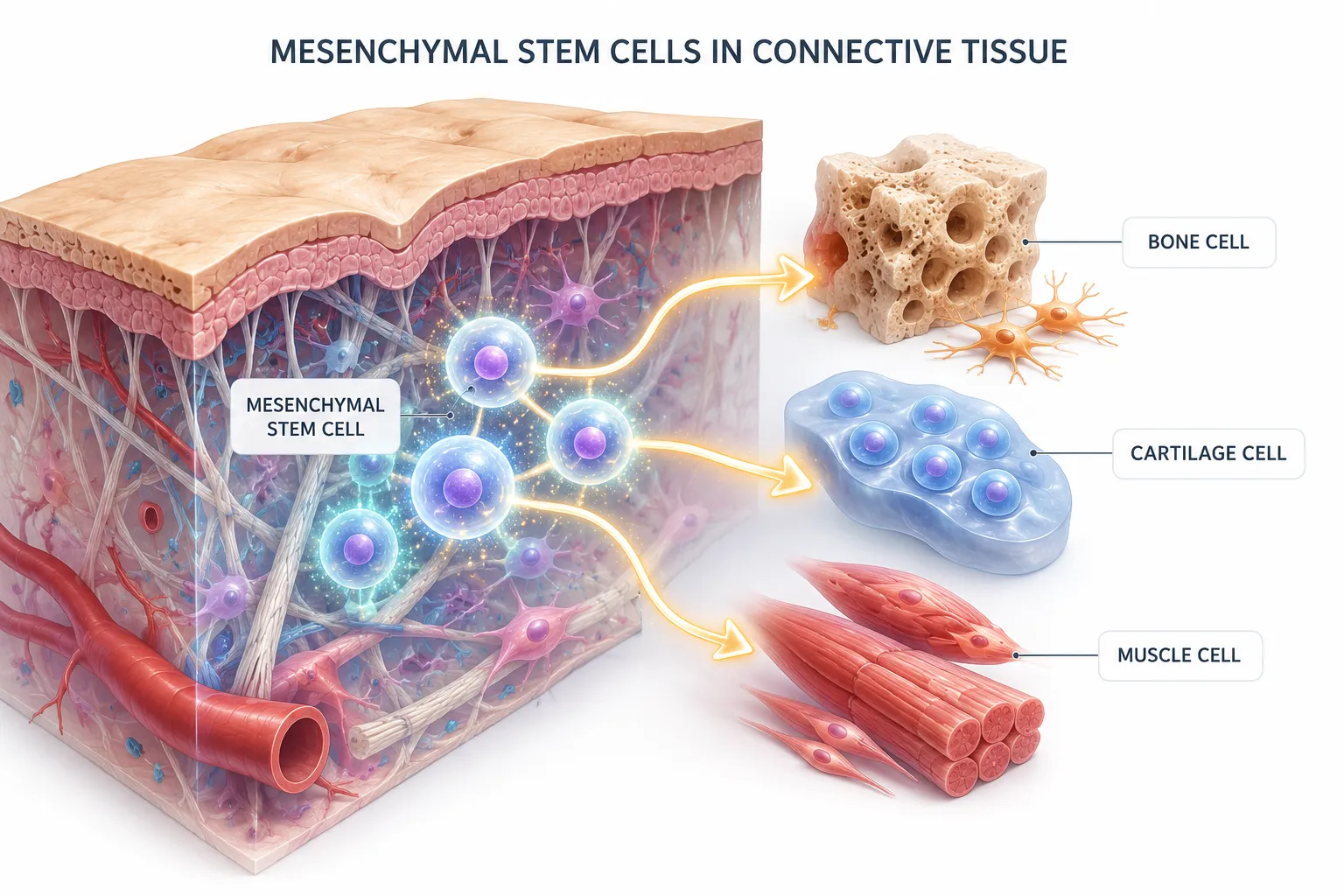
Mesenchymal stem cells are multipotent stromal progenitors found in bone marrow, adipose tissue, umbilical cord, and several other niches. In research models, they are valued for three core properties:

  1. Multilineage differentiation, capacity to become osteoblasts, chondrocytes, adipocytes, and myofibroblasts under appropriate stimuli.
  2. Paracrine secretion, release of growth factors (VEGF, TGF-beta, HGF) that modulate the local repair microenvironment.
  3. Immunomodulation, suppression of pro-inflammatory T-cell and macrophage activity, relevant in fibrosis and autoimmune injury models.

Because MSC behavior is highly context-dependent, researchers often introduce exogenous signaling molecules, including bioactive peptides, to steer differentiation or amplify paracrine output. This is where the study of mesenchymal stem cells and peptide-based modulators becomes particularly productive as a combined research framework.

"The peptide microenvironment does not replace MSC biology, it shapes the conditions under which that biology expresses itself."

Why Peptide Co-Treatment Matters in MSC Models

Peptides are short amino acid chains that interact with receptors, ion channels, and transcription cofactors at low concentrations. Compared to small-molecule drugs, they tend to exhibit higher target specificity and lower off-target cytotoxicity in cell culture settings, two properties that make them attractive as adjuncts in MSC co-culture and in vivo implantation studies.

BPC‑157, GHK‑Cu, and Glow Blend: Mechanisms in Tissue-Repair Models
BPC‑157, GHK‑Cu, and Glow Blend: Mechanisms in Tissue-Repair Models

BPC‑157 in Injury and Angiogenesis Research

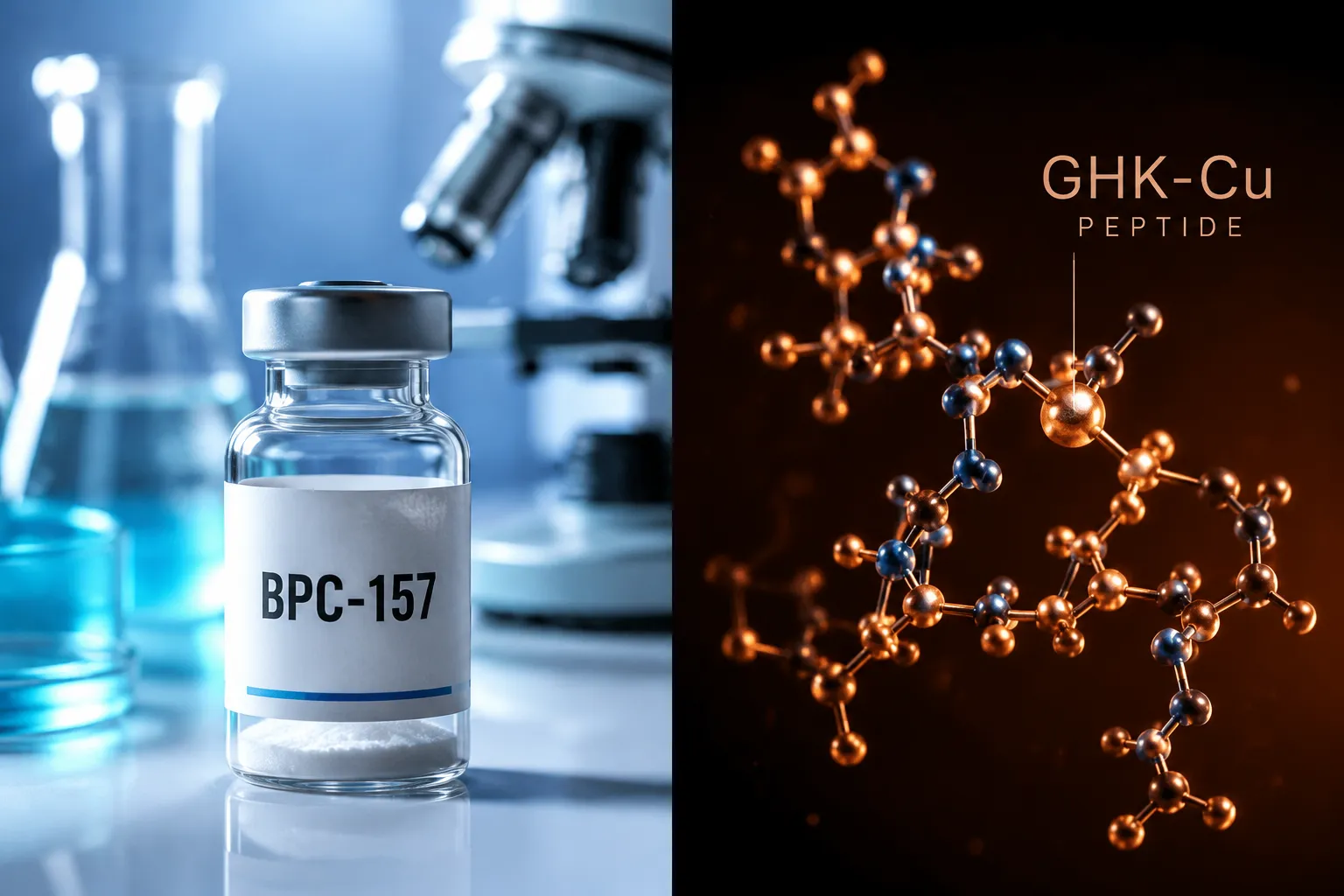
BPC‑157 (Body Protection Compound-157) is a synthetic 15-amino-acid peptide derived from a gastric protein sequence. In preclinical rodent models, it has been studied in the context of:

  • Tendon and ligament repair, upregulation of collagen type I synthesis and fibroblast migration.
  • Angiogenesis, interaction with the VEGFR2 pathway to promote new vessel formation at injury sites.
  • Gut mucosal healing, reduction of inflammatory cytokines in intestinal epithelial models.

When MSCs are seeded into scaffolds pre-treated with BPC‑157 analogs, early data from in vitro wound-scratch assays suggest accelerated cell migration rates. Researchers sourcing compounds for these protocols often consult BPC‑157 core documentation and research guides to verify sequence integrity and purity certificates before designing experiments.

For studies that combine BPC‑157 with another widely researched peptide, the BPC‑157 and TB‑500 combination resource provides useful background on complementary mechanisms in musculoskeletal models.

GHK‑Cu: Copper Peptide Signaling and Collagen Remodeling

GHK‑Cu (glycyl-L-histidyl-L-lysine copper complex) is a naturally occurring tripeptide with high affinity for copper(II) ions. Its research profile in regenerative models includes:

Pathway Observed Effect in Preclinical Models
Collagen synthesis Upregulation of collagen I and III gene expression
MMP regulation Modulation of matrix metalloproteinases to reduce fibrosis
Antioxidant defense Activation of superoxide dismutase pathways
Stem cell niche Potential enhancement of MSC adhesion to extracellular matrix

The anti-fibrotic dimension of GHK‑Cu is especially relevant to MSC research because excessive fibrosis represents a failure mode in many repair models. Researchers looking to source this compound for laboratory use often review GHK‑Cu peptide research sourcing guides to confirm chelation stability and storage requirements.

Glow Blend: Multi-Component Peptide Formulations

Glow Blend represents a category of multi-peptide research formulations designed to engage several regenerative pathways simultaneously. Rather than isolating a single mechanism, blended peptide preparations allow researchers to study synergistic or additive effects on tissue remodeling endpoints. Typical targets in skin and connective tissue models include:

  • Fibroblast proliferation and ECM deposition
  • Melanocyte signaling and pigmentation normalization
  • Keratinocyte migration in wound-closure assays

The Glow Blend product documentation outlines the component profile relevant to researchers designing multi-pathway co-culture experiments.

Applying Mesenchymal Stem Cells and Peptide-Based Modulators in Experimental Protocols

Applying Mesenchymal Stem Cells and Peptide-Based Modulators in Experimental Protocols

Fibrosis and Wound-Healing Model Design

When designing experiments that integrate mesenchymal stem cells and peptide-based modulators, three protocol variables consistently affect data quality:

  1. Peptide concentration windows, Most bioactive peptides show bell-curve dose-response relationships; concentrations that stimulate MSC activity at nanomolar levels may become inhibitory at micromolar levels.
  2. Timing of peptide introduction, Pre-conditioning MSCs with peptides before seeding versus co-administration at implantation produces different differentiation outcomes in fibrosis models.
  3. Compound purity, Contaminated peptide batches introduce confounding variables. Researchers should prioritize suppliers offering third-party mass spectrometry and HPLC certificates. Resources like quality peptide sourcing references help laboratories establish baseline procurement standards.

Complementary Peptide Agents in MSC Research

Beyond BPC‑157, GHK‑Cu, and Glow Blend, several other peptides appear in the broader MSC research literature:

  • TB‑500 (Thymosin Beta-4), studied for actin-cytoskeleton regulation and cell migration; see the TB‑500 research documentation for experimental context.
  • Epithalon, a tetrapeptide investigated in telomere-related aging models alongside MSC longevity assays.
  • GLP-1 analogs, relevant to MSC studies in metabolic tissue contexts; background available in GLP-1 generational research sourcing notes.

Reproducibility and Documentation Standards

Reproducibility in MSC-peptide research depends on rigorous batch documentation. Every compound introduced into a co-culture system should carry:

  • Certificate of Analysis (CoA) with HPLC purity percentage
  • Mass spectrometry confirmation of molecular weight
  • Endotoxin testing results (critical for cell viability assays)
  • Storage and reconstitution records

Researchers working across multiple peptide classes can use consolidated sourcing platforms that provide lab-tested peptide documentation to maintain chain-of-custody records.

Conclusion

The intersection of mesenchymal stem cell biology and peptide-based modulators represents one of the most active areas in preclinical regenerative research as of 2026. BPC‑157 offers a well-characterized angiogenic and fibroblast-signaling profile; GHK‑Cu contributes copper-mediated collagen remodeling and anti-fibrotic gene regulation; and multi-component formulations like Glow Blend allow researchers to probe synergistic pathway interactions in wound-healing and connective tissue models.

Actionable next steps for research teams:

  • Audit current peptide suppliers for third-party purity documentation before initiating MSC co-culture studies.
  • Design dose-response pilot experiments to establish the optimal peptide concentration window for the specific MSC lineage under investigation.
  • Incorporate both single-peptide and blended-peptide conditions in parallel to isolate mechanistic contributions.
  • Review published preclinical literature on BPC‑157 and GHK‑Cu to align experimental endpoints with established assay standards.

Rigorous compound sourcing, careful protocol design, and systematic documentation remain the foundation on which reproducible MSC-peptide research is built.

Tags: bpc-157 research, collagen remodeling, fibrosis research, ghk-cu peptide, glow blend, mesenchymal stem cells, peptide-based modulators, preclinical research, regenerative research models, stem cell biology, tissue repair peptides, wound healing peptides
https://www.puretestedpeptides.com/wp-content/uploads/2026/07/mesenchymal-stem-cells-and-peptide-based-modulators-how-bpc-157-ghk-cu-and-glow.webp 1024 1536 https://www.puretestedpeptides.com/wp-content/uploads/2026/01/buy-peptides-online.jpg 2026-07-29 13:05:512026-07-29 13:05:51Mesenchymal Stem Cells and Peptide-Based Modulators: How BPC‑157, GHK‑Cu, and Glow Blend Are Used in Regenerative Research Models
You might also like
Peptides 101 for Research-Use Only Buyers: Structure, Mechanisms, and Where GLP-3, MOTS-c, and 5-Amino-1MQ Fit In Peptides 101 for Research-Use Only Buyers: Structure, Mechanisms, and Where GLP-3, MOTS-c, and 5-Amino-1MQ Fit In
GHK-Cu Peptide and Collagen: How Copper-Binding Polypeptides Interact With Classic Collagen Pathways in Skin and Tissue Research GHK-Cu Peptide and Collagen: How Copper-Binding Polypeptides Interact With Classic Collagen Pathways in Skin and Tissue Research
Collagen, GHK-Cu, and Glow Blend: How Classic Collagen Biology Intersects With Copper Peptide Research Collagen, GHK-Cu, and Glow Blend: How Classic Collagen Biology Intersects With Copper Peptide Research
Peptides vs Classic Small-Molecule Drugs: How Compounds Like Prednisone, Amlodipine, and Metoprolol Differ From Modern Research-Use Peptides Peptides vs Classic Small-Molecule Drugs: How Compounds Like Prednisone, Amlodipine, and Metoprolol Differ From Modern Research-Use Peptides
Polypeptide Peptides and Drug Mechanisms: What Common Medications Reveal About Research-Use Peptide Pharmacology Polypeptide Peptides and Drug Mechanisms: What Common Medications Reveal About Research-Use Peptide Pharmacology
GHK-Cu vs Glow Blend vs Klow Blend: What Each Copper- and Skin-Focused Formula Is Used For in Research GHK-Cu vs Glow Blend vs Klow Blend: What Each Copper- and Skin-Focused Formula Is Used For in Research
GHK-Cu Peptide: Collagen Synthesis, Tissue Repair, and Longevity Research Applications GHK-Cu Peptide: Collagen Synthesis, Tissue Repair, and Longevity Research Applications
Complement-Dependent Cytotoxicity and Peptide-Based Assays: Safety Considerations for BPC-157, GHK-Cu, and Glow Blend Research Complement-Dependent Cytotoxicity and Peptide-Based Assays: Safety Considerations for BPC-157, GHK-Cu, and Glow Blend Research
0 replies

Leave a Reply

Want to join the discussion?
Feel free to contribute!

Leave a Reply Cancel reply

Your email address will not be published. Required fields are marked *

×

Helpful Links

  • My account
  • Cart
  • Checkout
  • Refund and Returns Policy
  • Privacy Policy
  • SMS Privacy Policy
  • Login
  • My Account
  • Logout

USA Made Lab Tested Peptides

All products are sold for research, laboratory, or analytical purposes only, and are not for human consumption


Pure Tested Peptides is a chemical supplier. Pure Tested Peptides is not a compounding / chemical compounding facility as defined under 503A of the Federal Food, Drug, and Cosmetic act. Pure Tested Peptides is not an outsourcing facility as defined under 503B of the Federal Food, Drug, and Cosmetic act.

The statements made within this website have not been evaluated by the US Food and Drug Administration. The products we offer are not intended to diagnose, treat, cure or prevent any disease.

Human/Animal Consumption Prohibited. Laboratory/In-Vitro Experimental Use Only

Link to: Peptides Mechanism 101: From GLP‑3 Retatrutide to CJC‑1295 and MOTS‑c in Cellular and Receptor-Level Research Link to: Peptides Mechanism 101: From GLP‑3 Retatrutide to CJC‑1295 and MOTS‑c in Cellular and Receptor-Level Research Peptides Mechanism 101: From GLP‑3 Retatrutide to CJC‑1295 and MOTS‑c...Peptides Mechanism 101: From GLP‑3 Retatrutide to CJC‑1295 and MOTS‑c in Cellular and Receptor-Level Research Link to: Peptides and Polypeptides in Modern Research: How Molecular Size Shapes Function, Stability, and Experimental Design Link to: Peptides and Polypeptides in Modern Research: How Molecular Size Shapes Function, Stability, and Experimental Design Peptides and Polypeptides in Modern Research: How Molecular Size Shapes Function, Stability, and Experimental DesignPeptides and Polypeptides in Modern Research: How Molecular Size Shapes Function,...
Scroll to top Scroll to top Scroll to top