Prednisone and Peptide Immunomodulation: How Classic Steroids Compare With BPC-157, GHK-Cu, and GLP-Class Peptides in Inflammatory Research
More than 30 million prescriptions for oral corticosteroids are written annually in the United States alone, yet a growing body of bench research is asking whether peptide-based compounds might one day complement or refine how science approaches inflammatory signaling. The field of prednisone and peptide immunomodulation: how classic steroids compare with BPC-157, GHK-Cu, and GLP-class peptides in inflammatory research sits at an important crossroads between established pharmacology and early-stage discovery science.
This article examines the mechanistic differences between glucocorticoid immunosuppression and peptide-mediated tissue modulation, strictly within the context of preclinical and translational research models.
Key Takeaways
- Prednisone is a well-characterized glucocorticoid with a defined mechanism, extensive clinical data, and regulatory approval for dozens of inflammatory conditions.
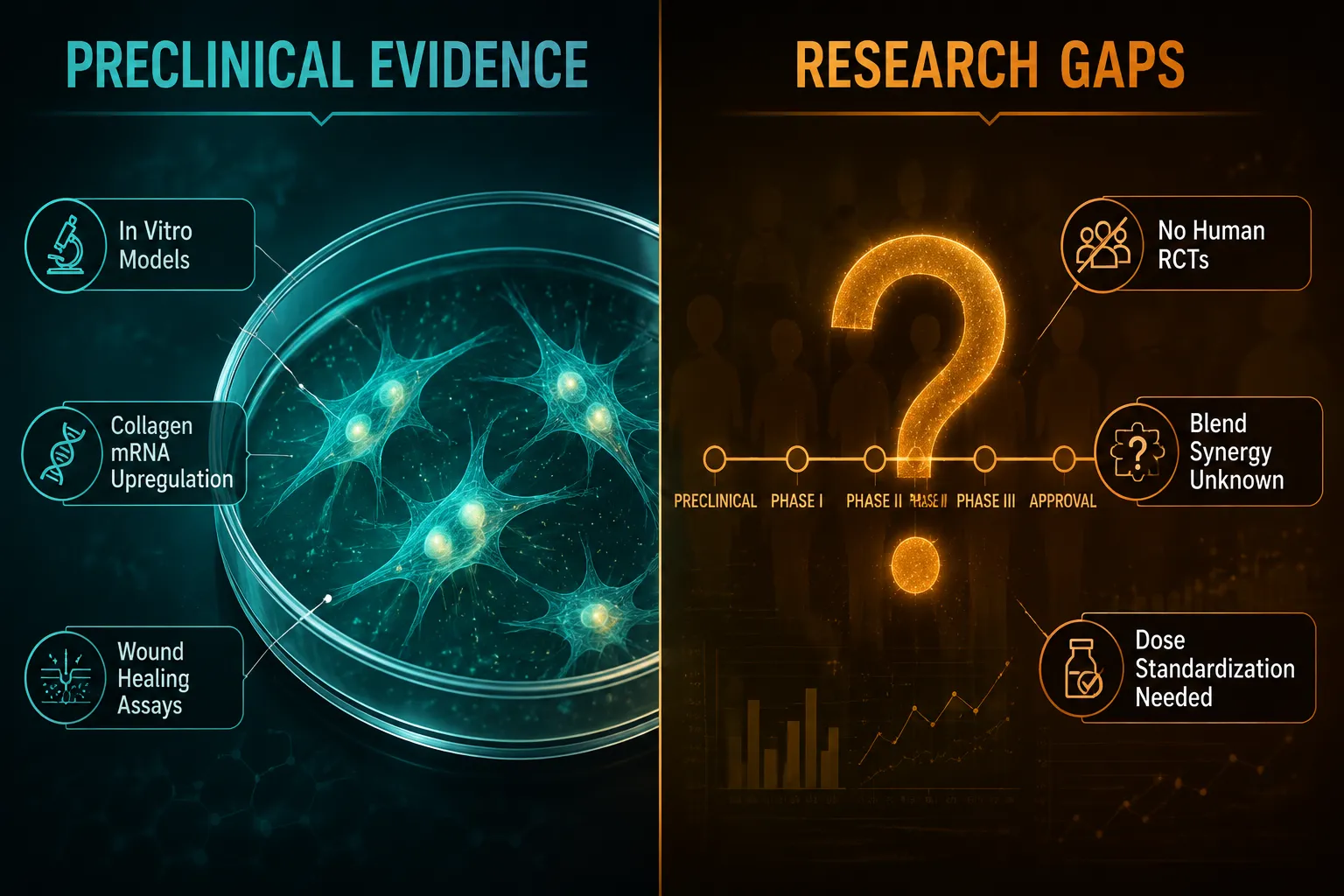
- BPC-157 shows consistent anti-inflammatory signals in animal models but has zero completed, peer-reviewed human efficacy trials as of 2026.
- GHK-Cu demonstrates immunomodulatory activity in zebrafish and mouse models, with no human randomized trial data for inflammatory indications.
- GLP-class peptides intersect metabolic and inflammatory pathways in emerging research, representing a distinct mechanistic category from classical steroids.
- Evidence gaps between preclinical promise and clinical validation remain the defining challenge across all peptide candidates reviewed here.
How Prednisone Suppresses Inflammation: The Glucocorticoid Benchmark
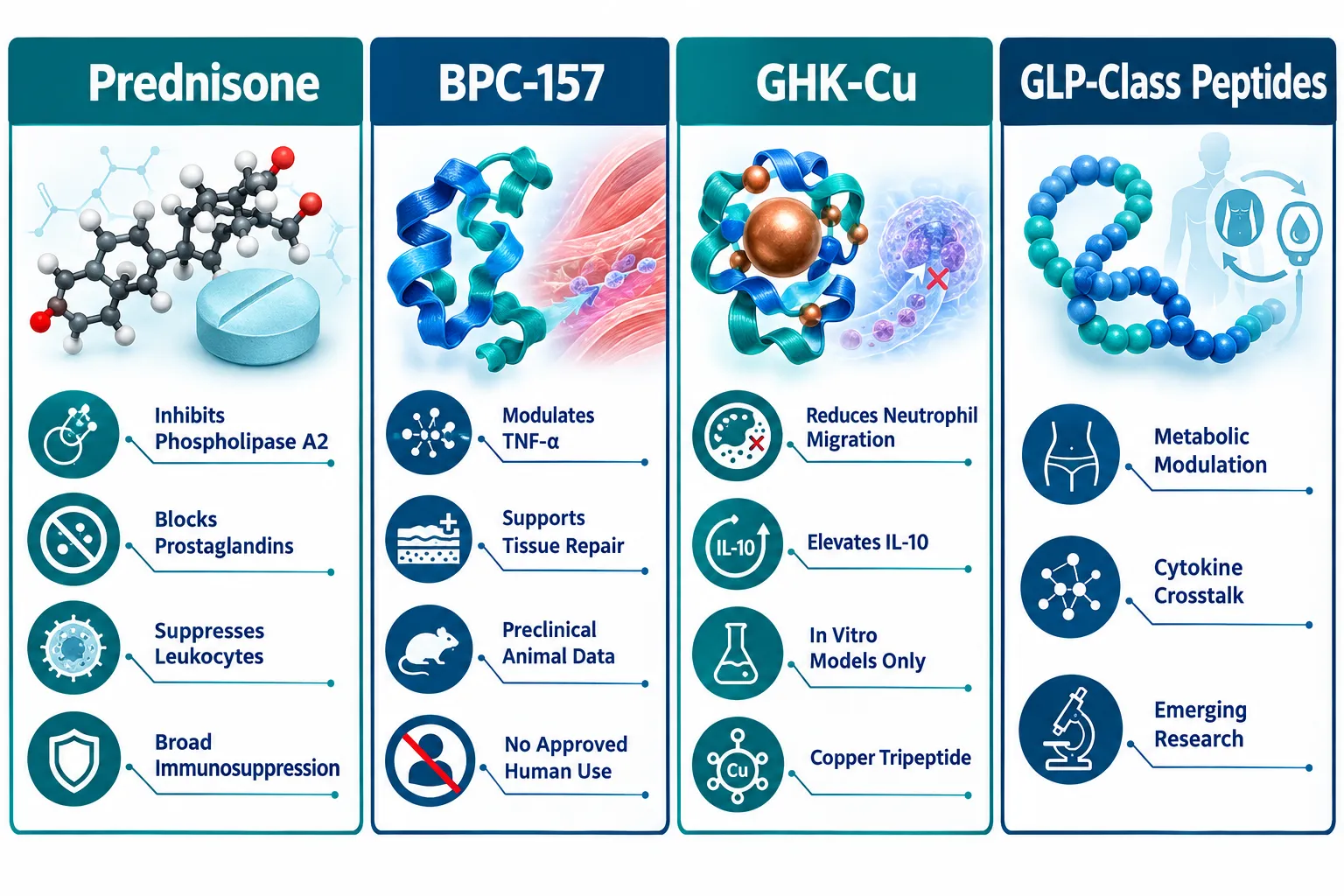
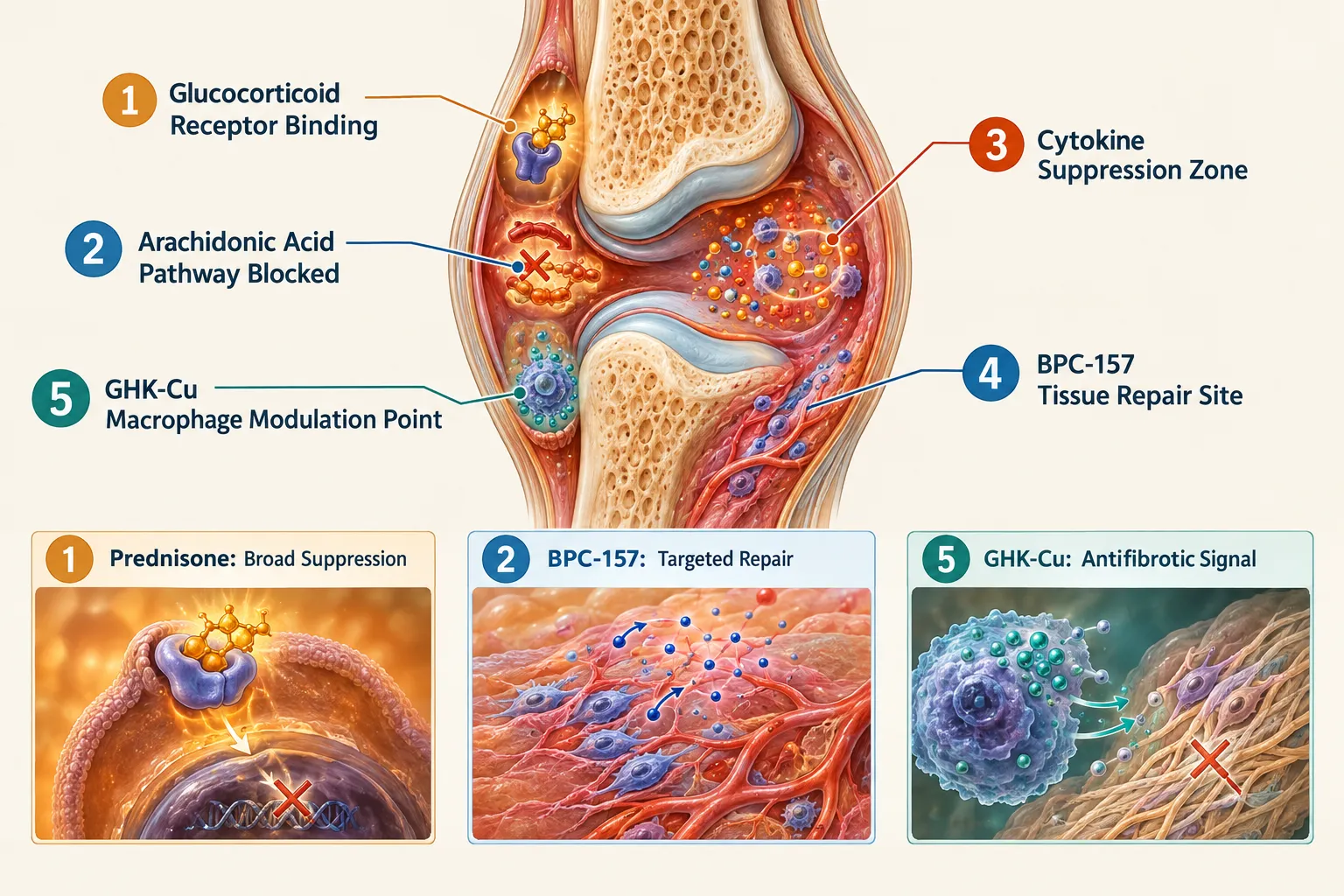
Prednisone functions as a prodrug, converting to prednisolone in the liver before exerting its effects. As a prototypical glucocorticoid, it suppresses inflammation through several well-documented pathways. It inhibits phospholipase A2, blocking the release of arachidonic acid and thereby reducing downstream production of both prostaglandins and leukotrienes. It also suppresses polymorphonuclear leukocyte migration and reverses increased capillary permeability, two hallmarks of acute tissue inflammation.
These mechanisms are broad by design. Prednisone does not selectively target one cytokine or one tissue type; it modulates the inflammatory response systemically. A 2025 translational analysis published in Theranostics added important nuance: RNA-sequencing data showed that prednisolone was most effective at reducing brain inflammatory signaling pathways in a CNS inflammation model, while prednisone itself had no significant effect on inflammation-related signaling in that specific tissue context. This finding underscores that even within the glucocorticoid class, tissue-specific immunomodulation varies considerably.
What makes prednisone the benchmark for comparison?
- Decades of pharmacokinetic and pharmacodynamic data
- Defined dose-response relationships across multiple inflammatory conditions
- Established risk-benefit frameworks including adrenal suppression, bone density effects, and metabolic consequences
- Regulatory approval and clinical guideline integration worldwide
This depth of evidence is precisely what makes it a useful comparator when evaluating emerging peptide candidates.
BPC-157 and GHK-Cu: Preclinical Signals and Evidence Gaps
BPC-157: Tissue Repair Peptide With a Thin Human Evidence Base
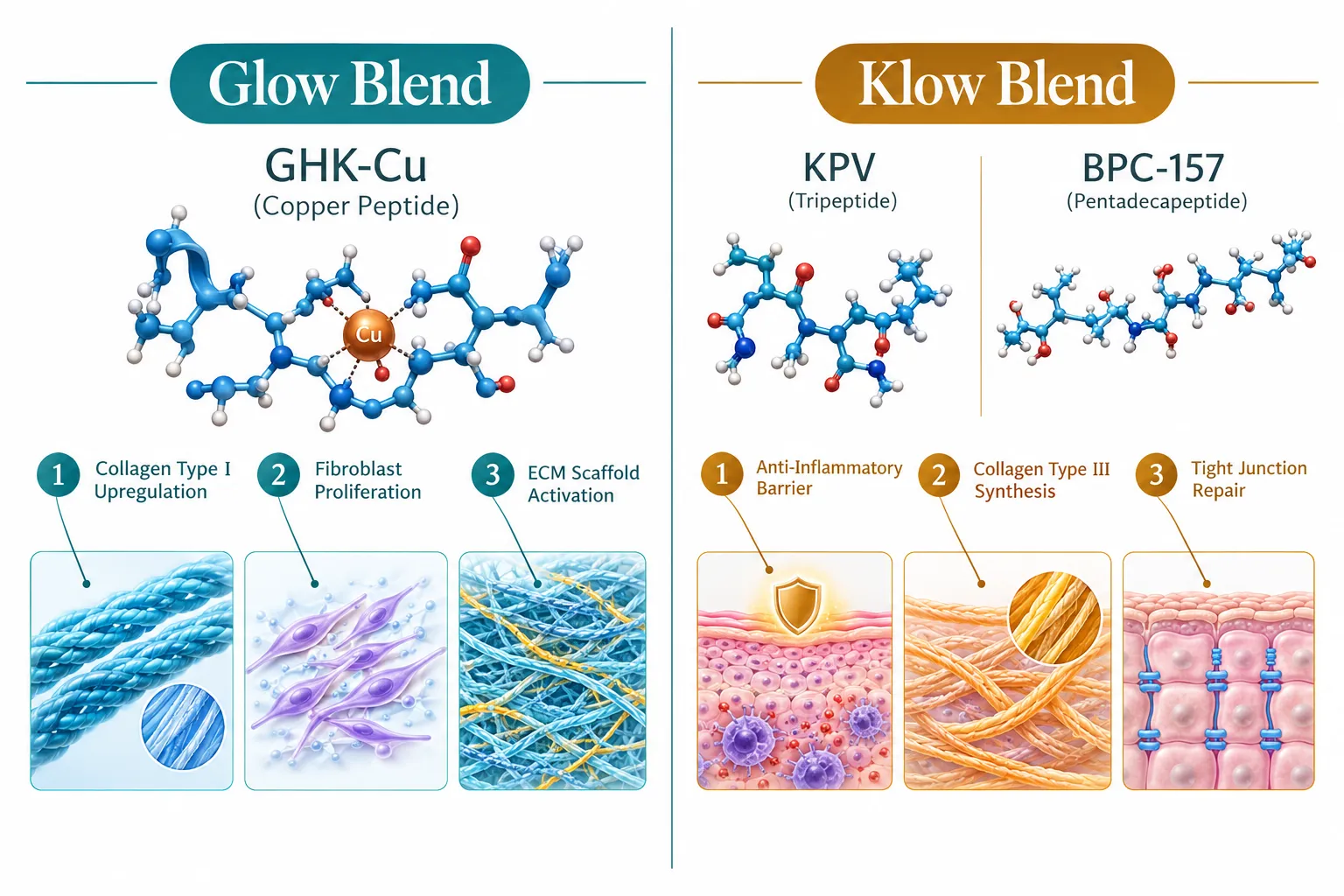
BPC-157 is a synthetic 15-amino-acid peptide derived from a protein found in gastric juice. In preclinical models, it has demonstrated the ability to significantly decrease pro-inflammatory cytokines including TNF-α, IL-6, and IFN-γ, while also supporting tissue repair across musculoskeletal, gastrointestinal, and neurological animal models. More than 100 animal studies have explored its properties.
However, the human evidence picture is starkly different. A 2025 systematic review synthesized 36 studies, 35 of which were animal studies and one was an uncontrolled human chart review, and found zero completed controlled human efficacy trials. Available human data consist of three small pilot studies covering intra-articular knee pain, interstitial cystitis, and an intravenous safety and pharmacokinetics study in two healthy adults at doses up to 20 mg. These studies primarily demonstrate short-term tolerability rather than proven efficacy.
The most notable human signal comes from an unpublished Croatian Phase II study in 53 adults with mild-to-moderate ulcerative colitis. A 40 mL enema containing 80 mg BPC-157 once daily for 14 days reportedly yielded 38% clinical remission at week 4 versus 13% with placebo. Because the full study report, statistical analysis plan, and longer-term follow-up data were never published, regulators classify this evidence as "very low certainty." BPC-157 currently holds no FDA approval for any indication and no publicly listed IND authorization for inflammation. Researchers interested in peptide dosing protocols should note that optimal dosing, systemic adverse effects, and comparative effectiveness versus glucocorticoids remain undefined in humans.
One active development is a 120-patient Phase 2 double-blind, placebo-controlled study of injectable BPC-157 for grade II hamstring strain, but no efficacy outcomes have been reported publicly as of mid-2026.
GHK-Cu: Copper Tripeptide With Antifibrotic and Anti-Inflammatory Signals
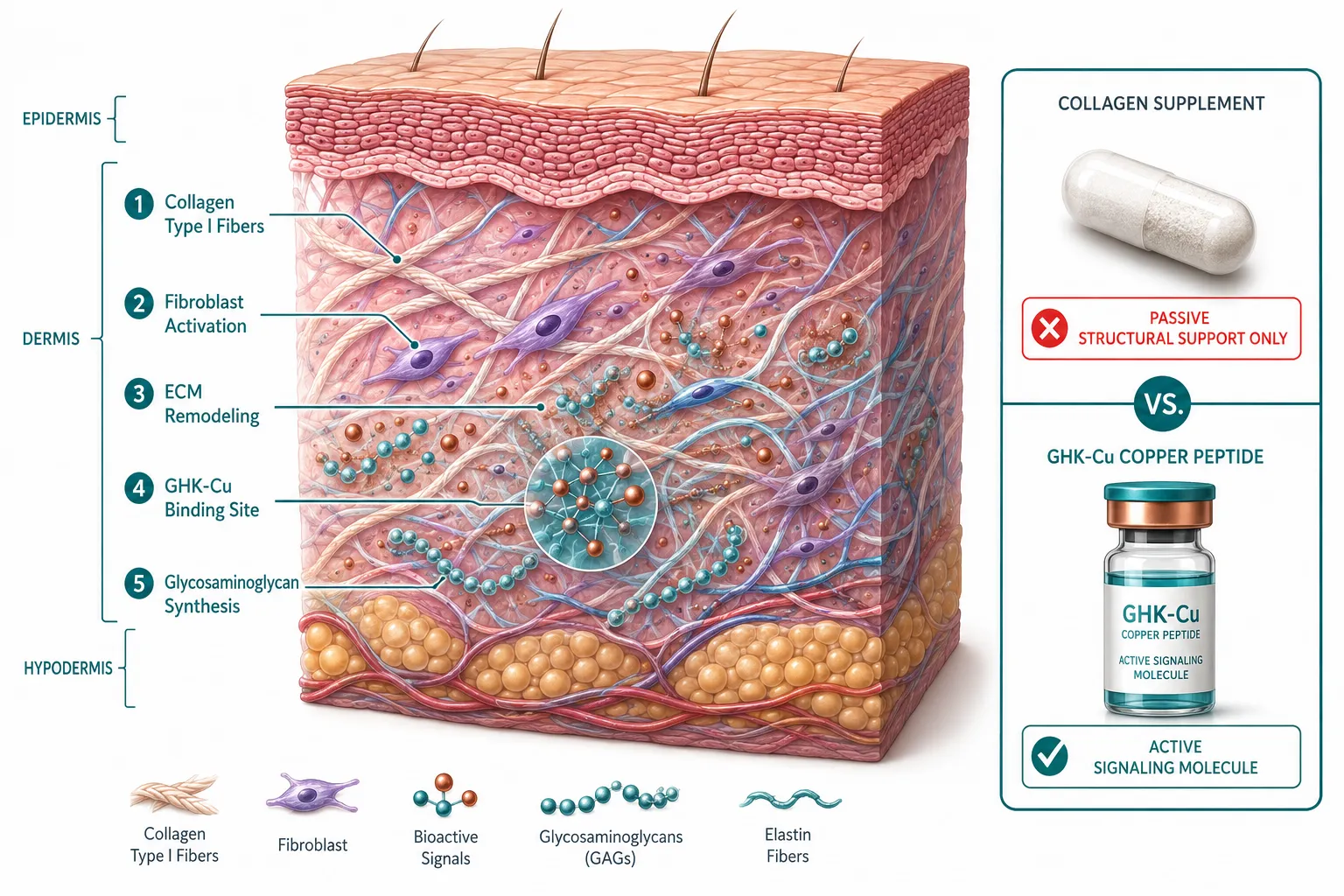
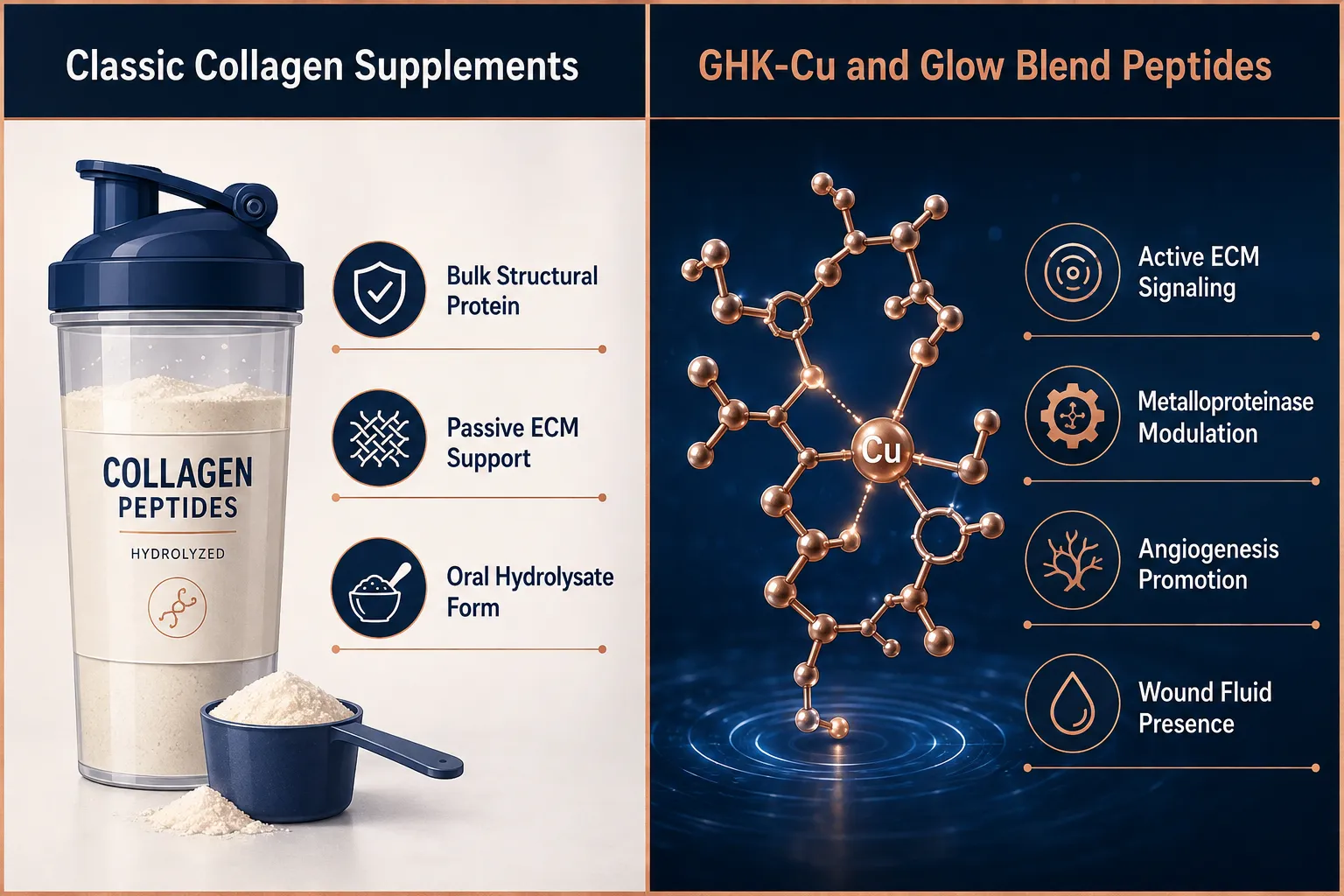
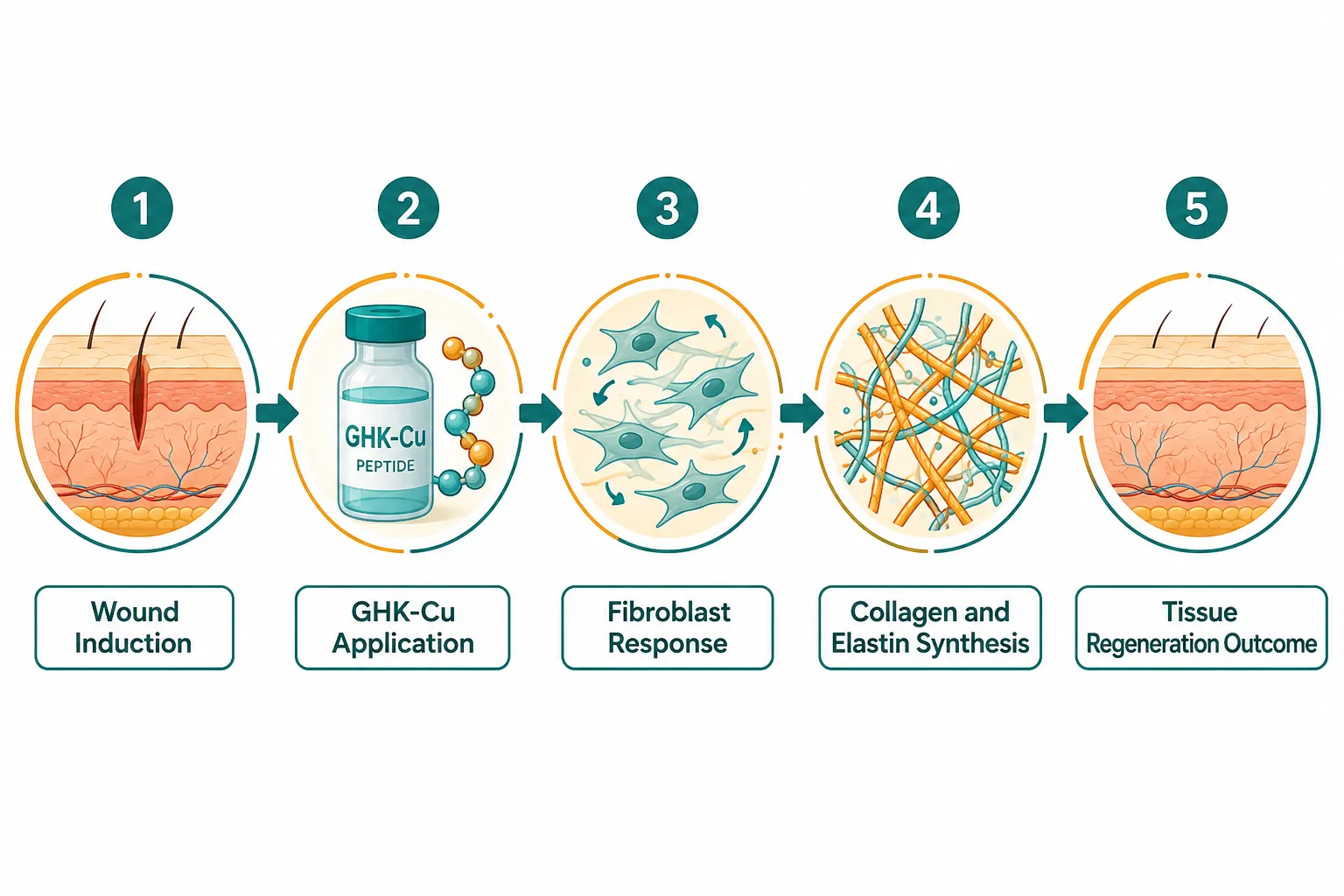
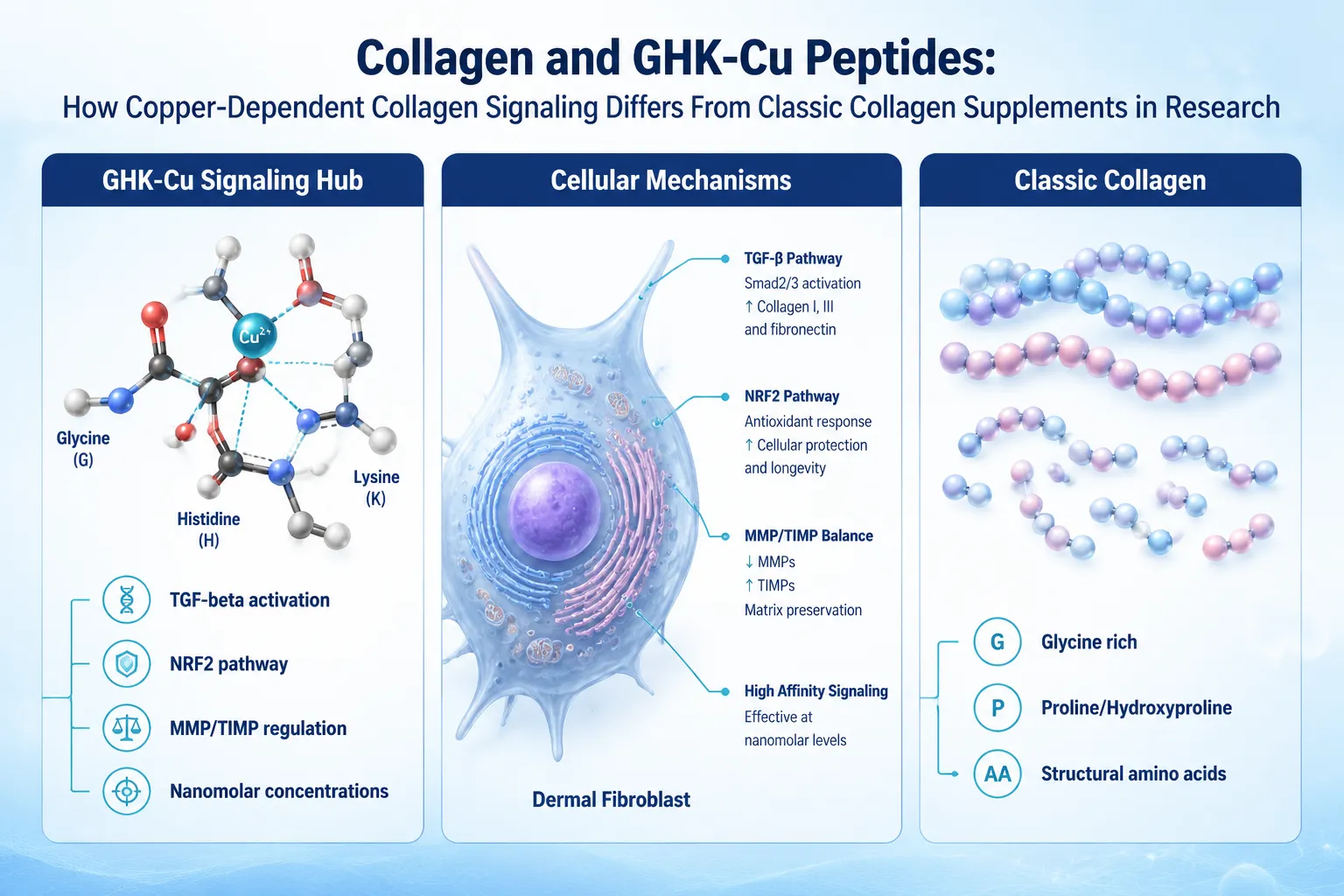
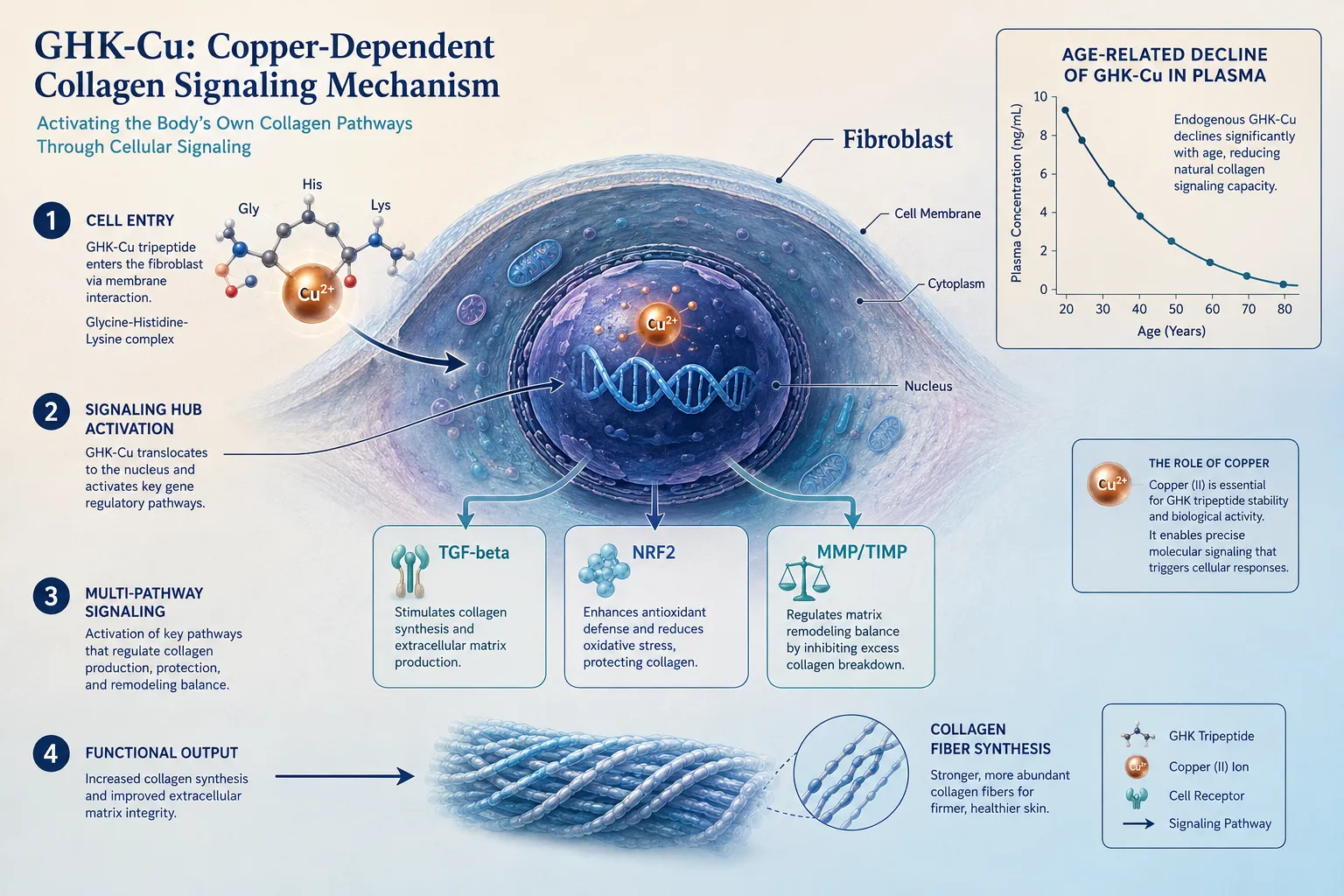
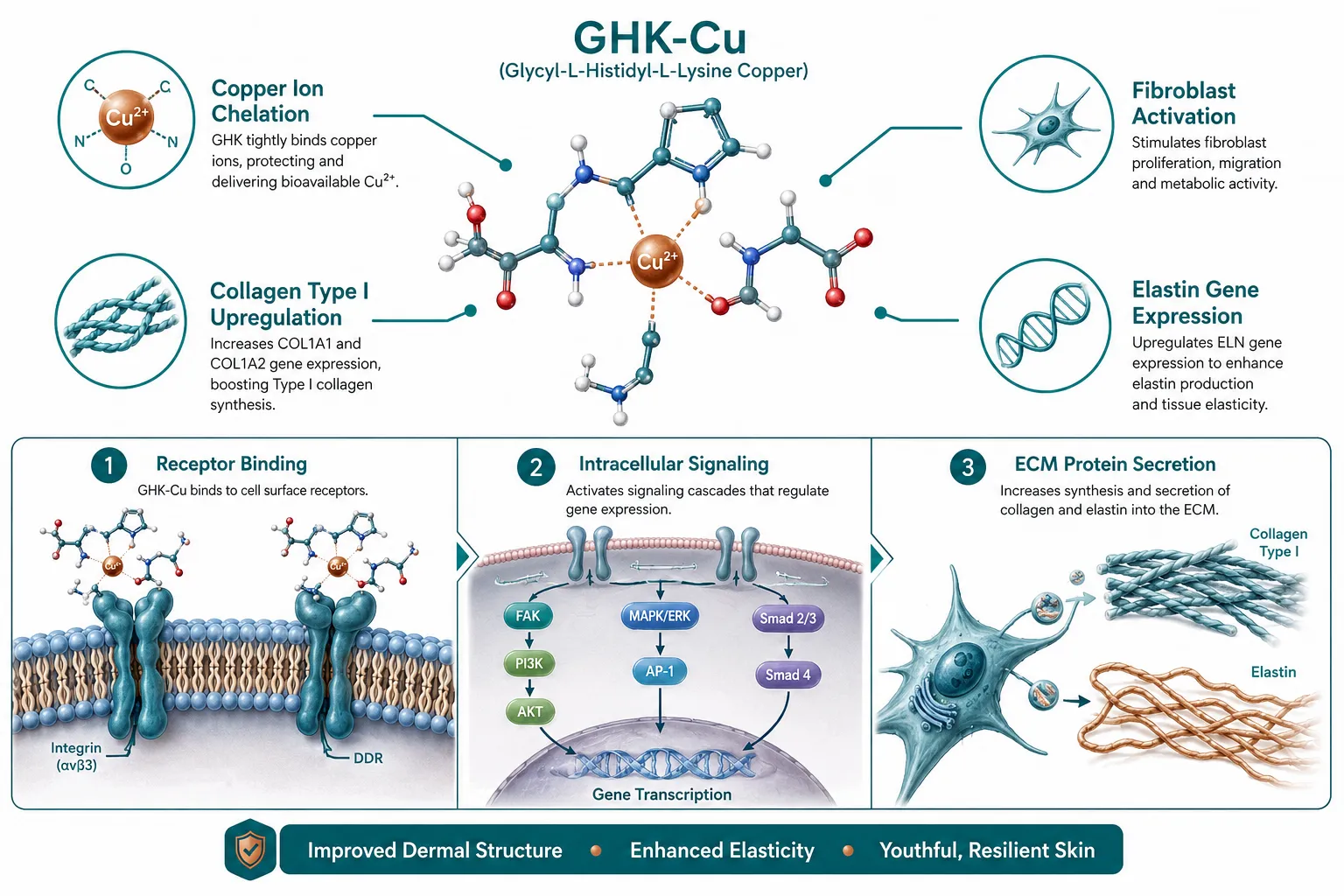
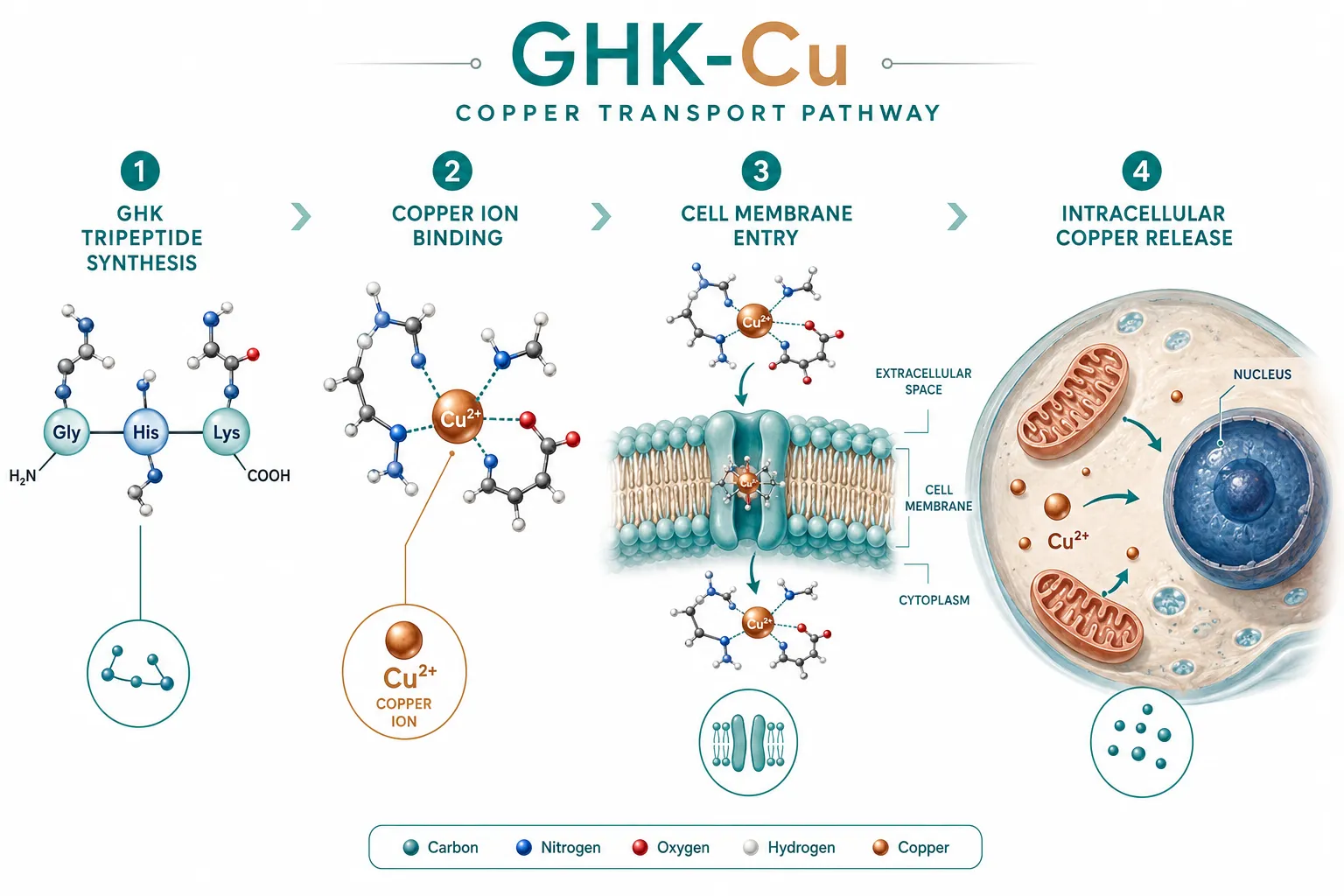
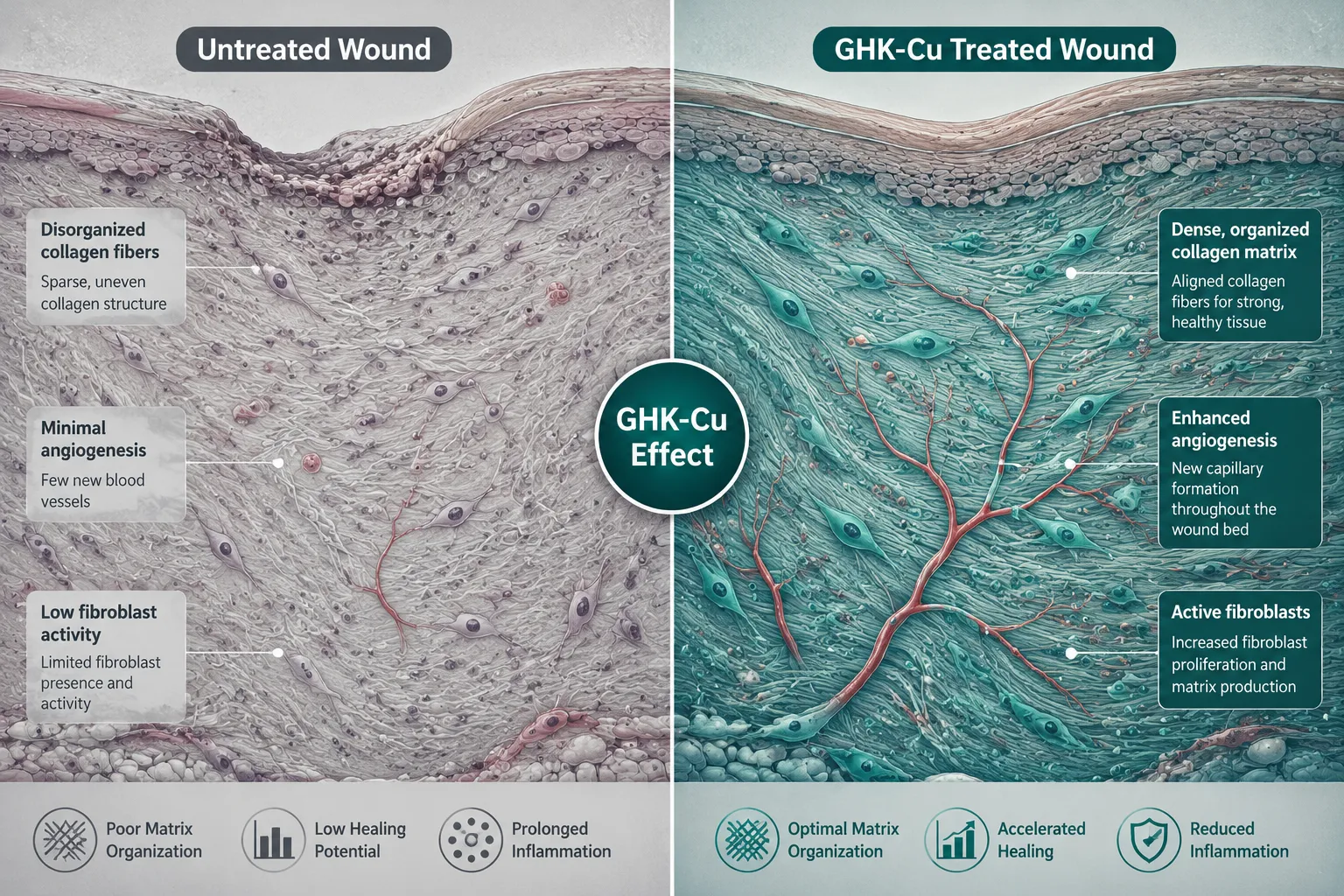
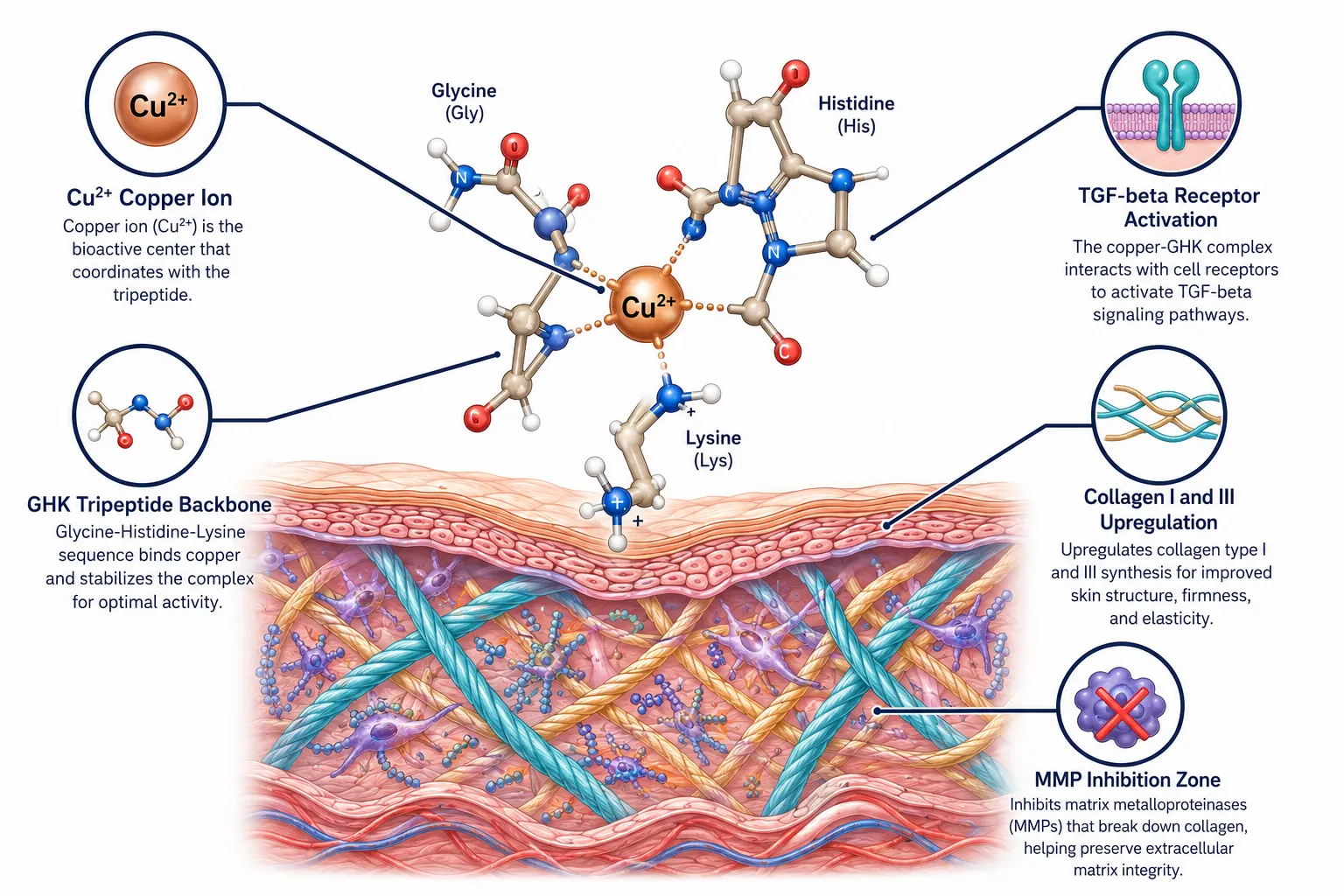
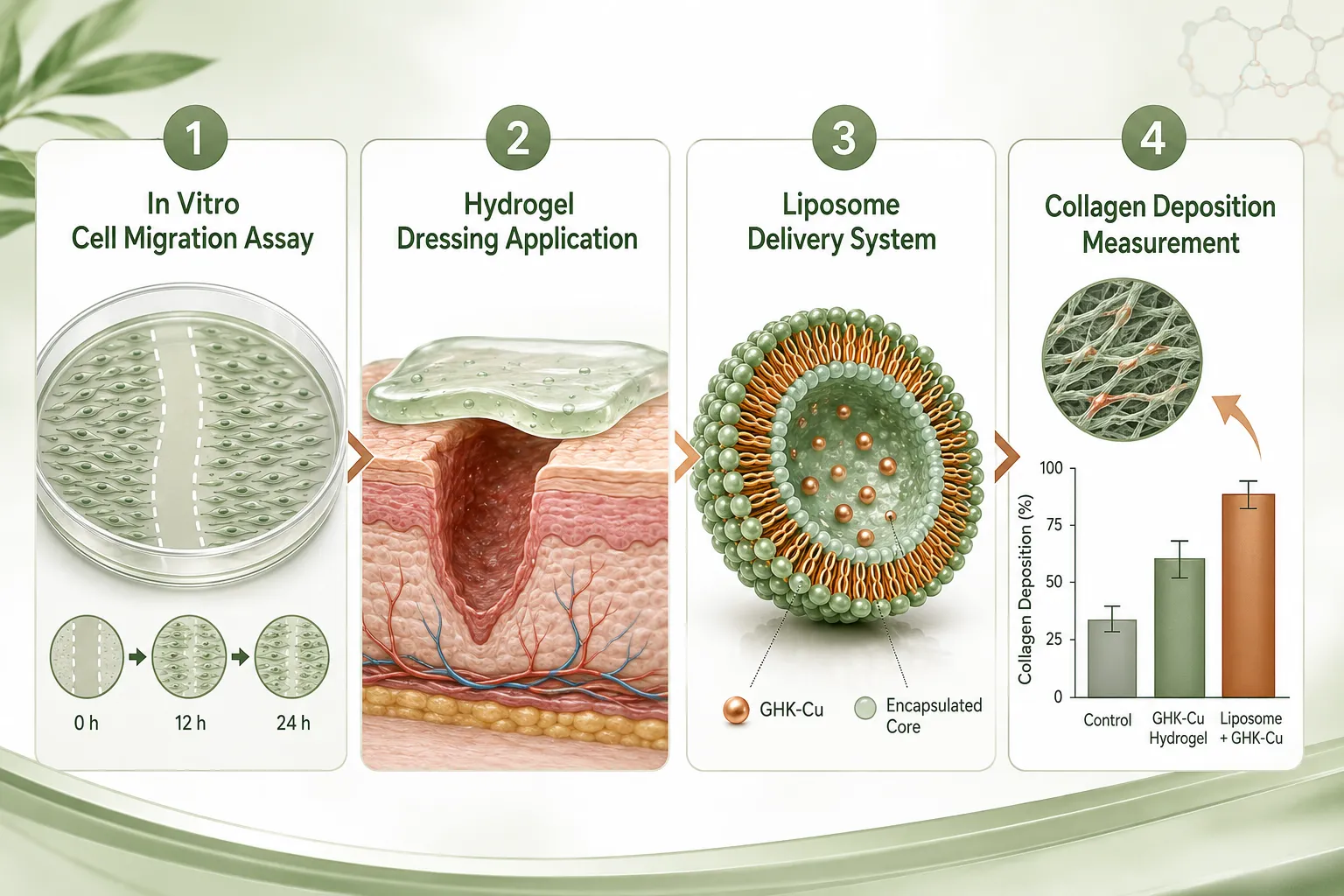
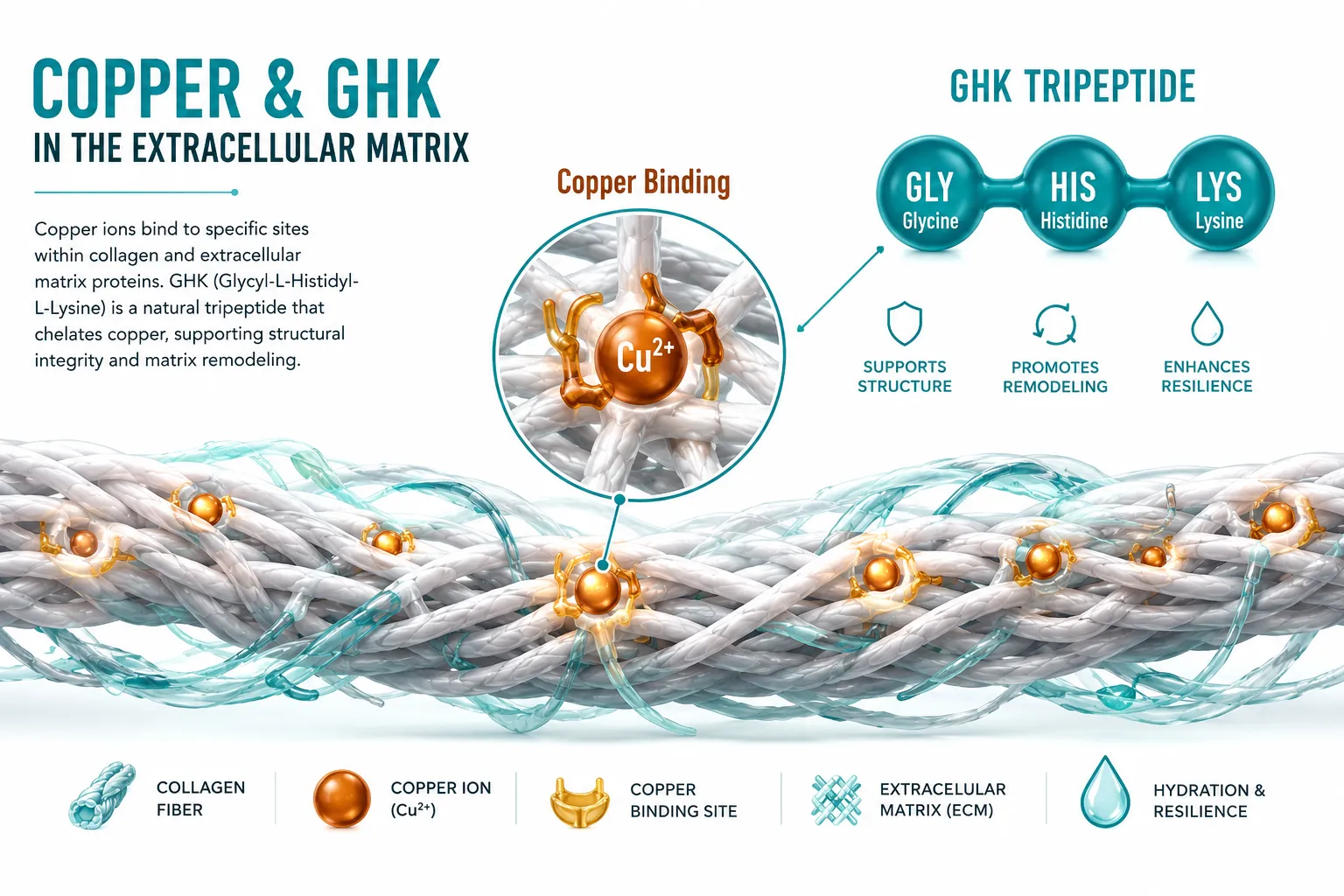
GHK-Cu (glycine-histidine-lysine copper) offers a mechanistically distinct profile. A 2026 zebrafish larvae model of chemically induced inflammation showed that GHK-Cu reduced both neutrophil and macrophage migration, lowered pro-inflammatory cytokines, and increased the anti-inflammatory cytokine IL-10. A 2024 mouse model of silicosis found that GHK-Cu attenuated lung inflammation and fibrosis, identifying peroxiredoxin-6 (PRDX6) as a molecular binding target, with no significant systemic toxicity at tested doses.
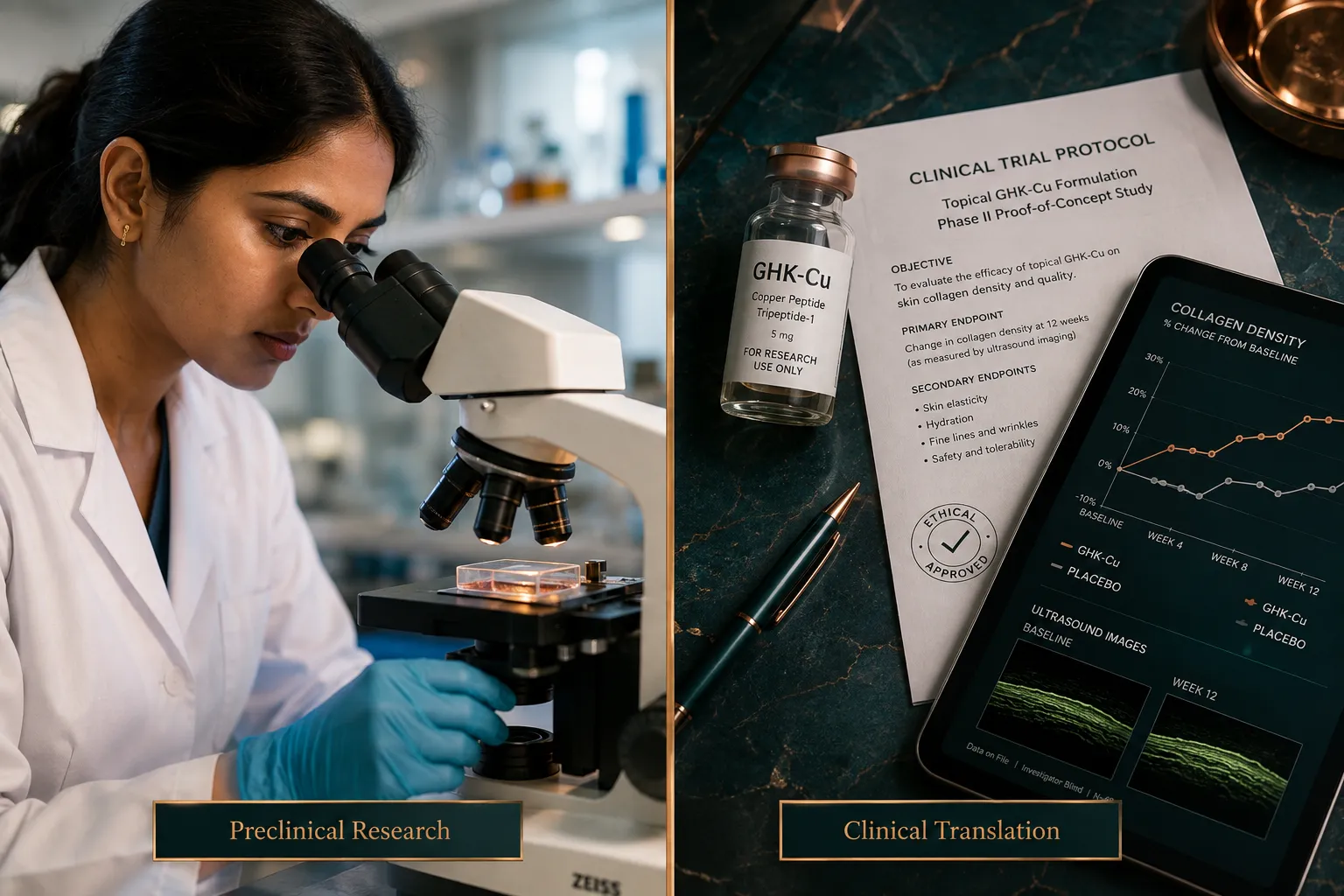
Researchers exploring GHK-Cu peptides for sale for laboratory use should understand that current evidence remains restricted to animal and in vitro models. No human randomized trials or dose-finding studies exist for inflammatory indications.
GLP-Class Peptides and the Broader Landscape of Peptide Immunomodulation

GLP-class peptides represent a distinct mechanistic category within the broader field of prednisone and peptide immunomodulation: how classic steroids compare with BPC-157, GHK-Cu, and GLP-class peptides in inflammatory research. Originally characterized for their metabolic roles in glucose homeostasis and satiety signaling, GLP-class compounds are now being studied for their intersection with inflammatory cytokine networks. Research models suggest that GLP receptor activation can modulate macrophage polarization and reduce systemic inflammatory markers, creating a potential bridge between metabolic and immune regulation.
Those following developments in this space can explore research-grade options such as GLP-3 peptide for sale or the GLP-3R 10mg peptide GA10 for laboratory investigation. Additional GLP-class compounds are catalogued under GLP-3 peptides for sale for researchers tracking this category.
Comparing the Evidence Tiers
| Compound | Primary Mechanism | Human Trial Data | Regulatory Status |
|---|---|---|---|
| Prednisone | Phospholipase A2 inhibition, broad immunosuppression | Extensive RCT database | FDA-approved, multiple indications |
| BPC-157 | Cytokine modulation, tissue repair | 3 pilot studies, no efficacy RCTs | No approval, experimental |
| GHK-Cu | Neutrophil/macrophage modulation, antifibrotic | None (animal/in vitro only) | No approval, research stage |
| GLP-class | Metabolic-immune crosstalk | Metabolic indications only | Approved for metabolic use; inflammatory use experimental |
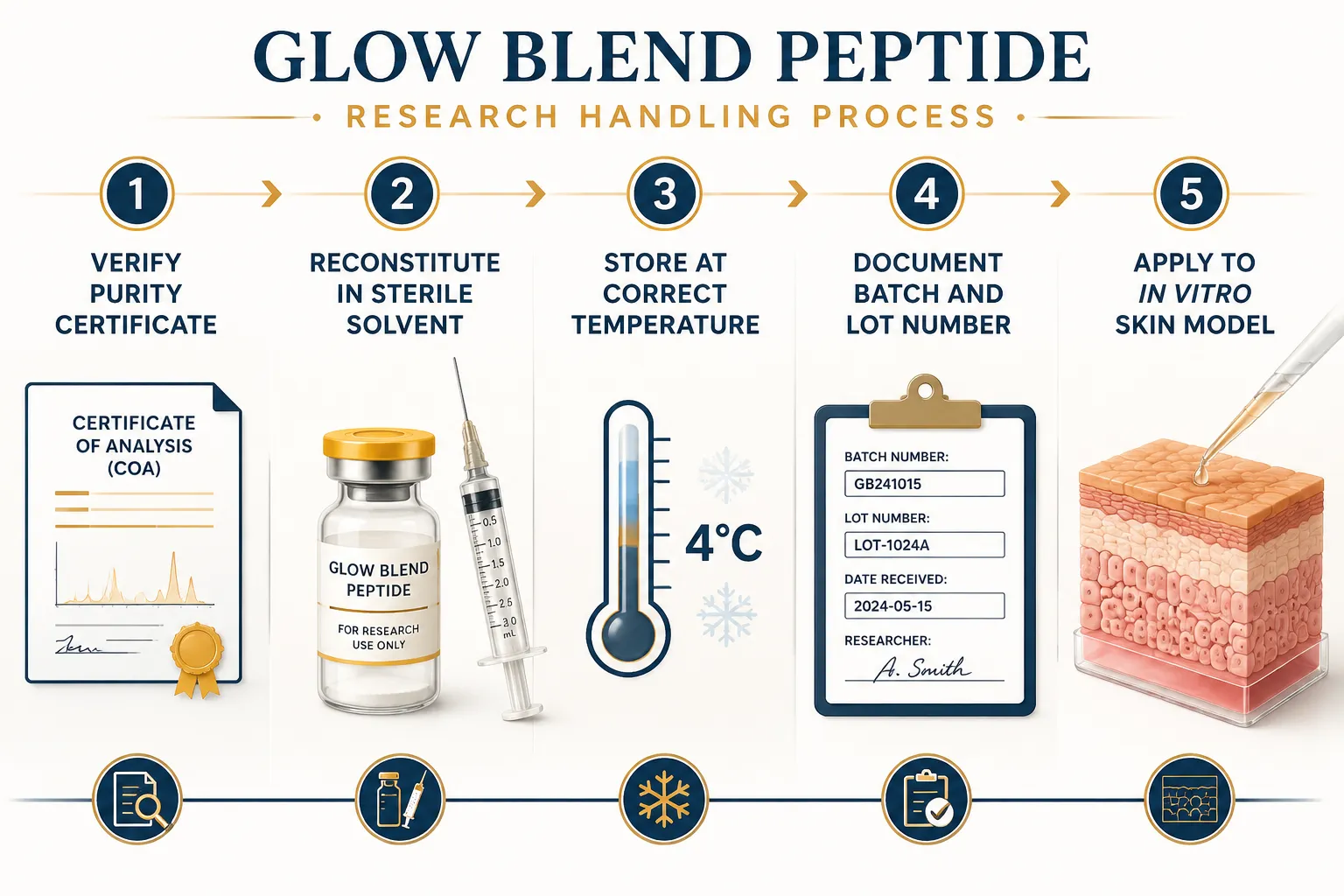
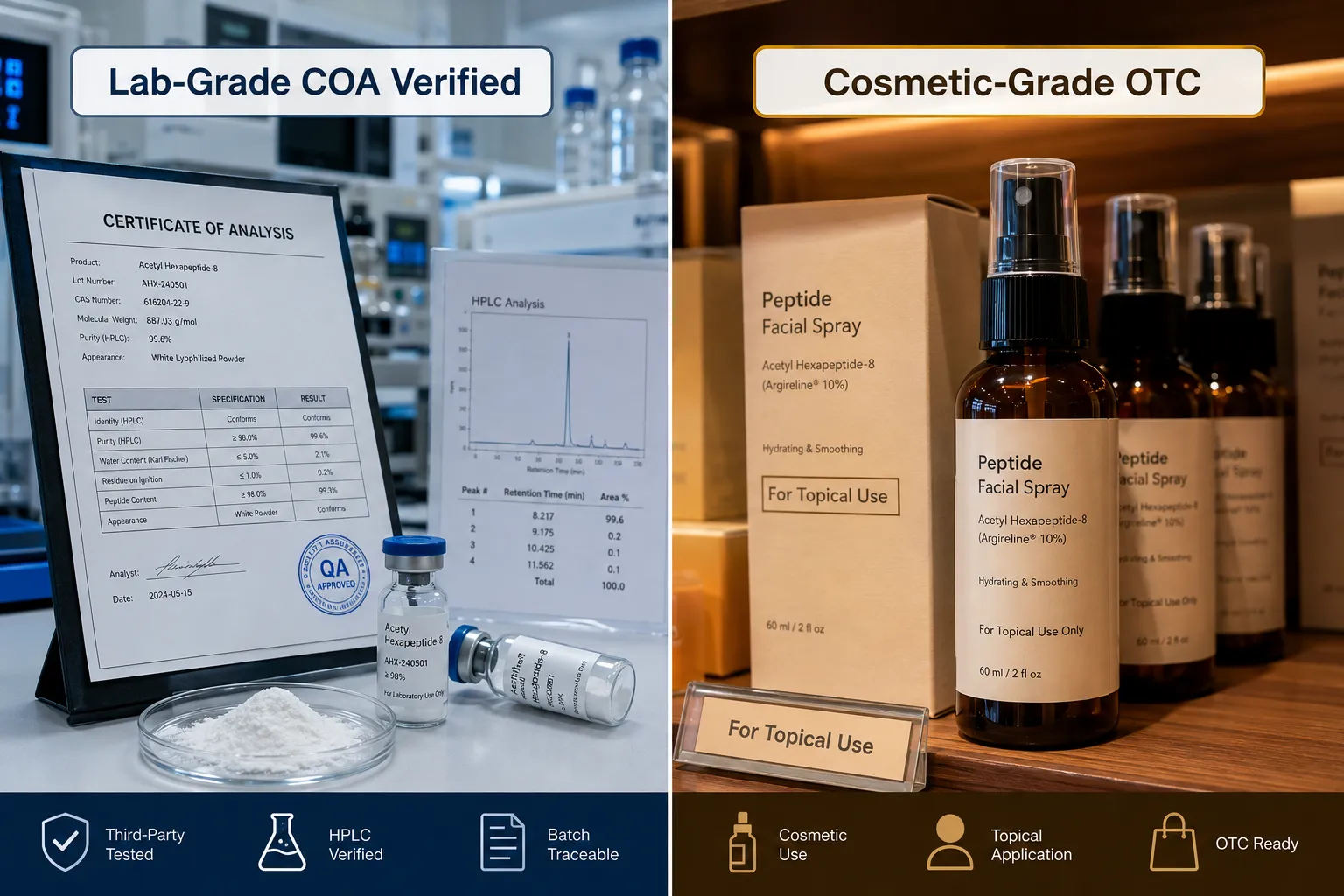
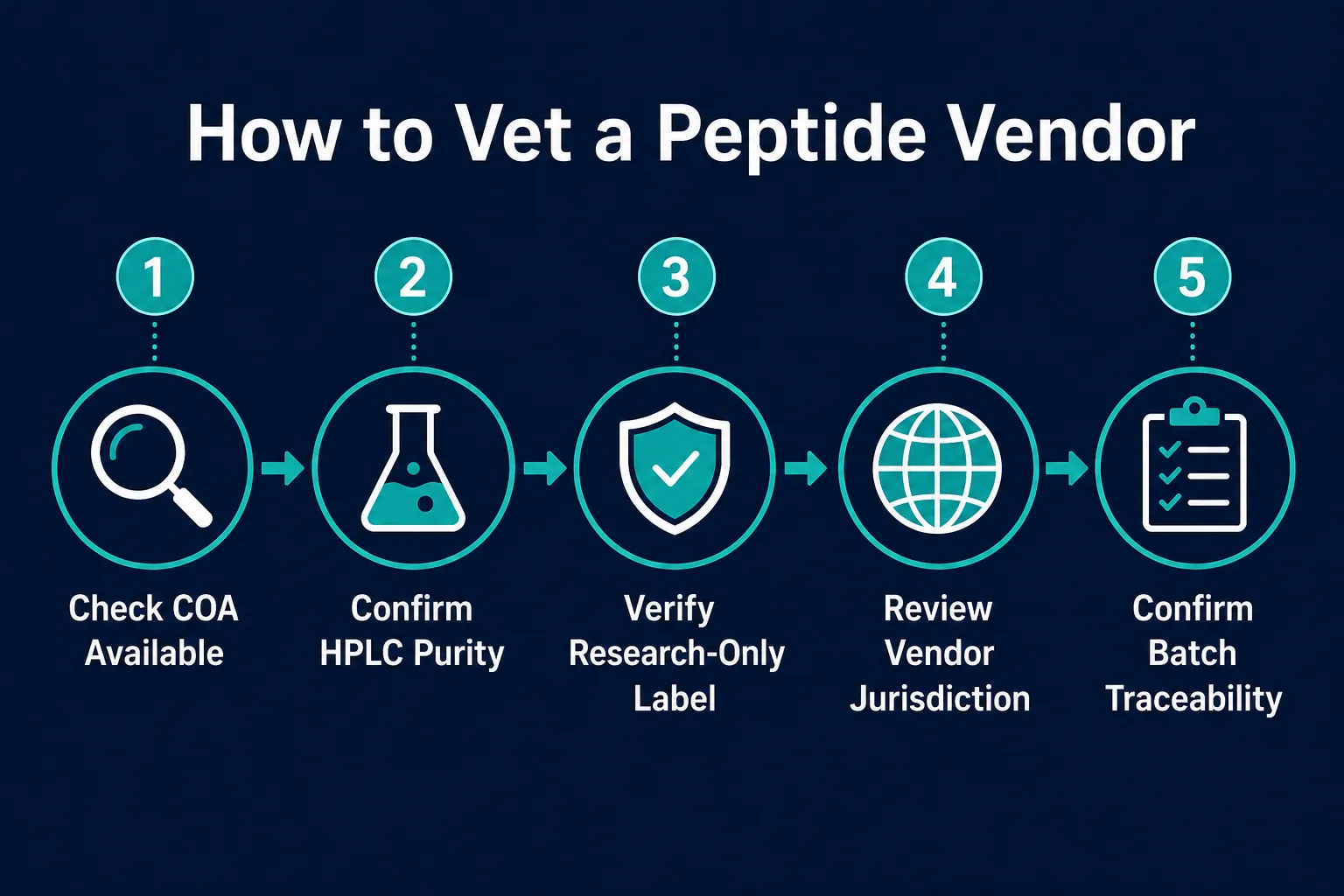
For researchers sourcing compounds across multiple peptide categories, working with a best peptide supplier that provides verified purity documentation is essential for maintaining experimental integrity.
Conclusion
The comparison at the heart of prednisone and peptide immunomodulation: how classic steroids compare with BPC-157, GHK-Cu, and GLP-class peptides in inflammatory research reveals a fundamental asymmetry in the evidence base. Prednisone operates within a thoroughly characterized pharmacological framework built over decades of clinical research. BPC-157 and GHK-Cu show genuine mechanistic interest in preclinical models, but neither has cleared the threshold of controlled human efficacy data. GLP-class peptides occupy a third lane, metabolically validated but with inflammatory applications still in early research phases.
Actionable next steps for researchers and science communicators:
- Treat BPC-157 and GHK-Cu findings as hypothesis-generating, not practice-defining, until controlled human trials are completed and published.
- Monitor the ClinicalTrials.gov registry for emerging Phase 2 and Phase 3 peptide trials that may shift the evidence landscape in the next three to five years.
- When sourcing research-grade peptides, prioritize suppliers with third-party purity verification and transparent certificates of analysis.
- Recognize that mechanistic novelty in animal models does not translate automatically to clinical equivalence with established agents like prednisone.
The science is moving, but the evidence must lead.