Call or Text 727-513-9780
  • Shopping Cart Shopping Cart
    0Shopping Cart
Pure Tested Peptides | America's most trusted Peptides for sale online
  • Peptides for sale
    • Oral Peptides for sale
      • Peptide Capsules for sale
      • BPC 157 Capsules 1000mcg
      • SLU-PP-332 Capsules | 1000 mcg
      • 5-Amino-1MQ 50mg Capsules
      • Tesofensine 500mcg
    • All Peptides for sale
    • Peptide Sprays
      • BPC 157 Nasal Spray Kit
      • BPC-157 TB500 Nasal Spray Kit
      • Semax Nasal Spray 10mg
      • Selank – Nasal Spray Kit – 10mg
      • Epithalon 50MG Nasal Spray Kit
      • Ipamorelin 10mg Nasal Spray
      • Klow Nasal Spray (BPC-157 + TB-500 + GHK-Cu + KPV) | 80mg
      • Hulk Nasal Spray Tesa / Ipa Blend 6/3 MG
      • Klow Nasal Spray
      • NAD + 500 mg Nasal Spray
      • PT-141 Nasal Spray Kit
    • GHRH Peptides
      • Ipa Peptides
      • CJC-1295 Peptides
        • CJC-1295 with DAC 5 mg
        • CJC-1295 without DAC 5 mg
        • CJC-1295 Ipa 10mg
      • Tesa Peptides
        • Tesa Peptide
        • Tesa 20 mg
    • GHK-Cu Peptides
      • All GHK-Cu Peptides
      • GHK-Cu 100mg
      • KLOW Peptide Blend – Buy KLOW blend online
    • BPC Peptides
      • All BPC Peptides
      • BPC-157
      • BPC-157 TB-500
      • BPC 157 capsules 1000mcg
    • SLU-PP-332 Peptides
      • All SLU-PP-332 Peptides
      • SLU-PP-332 5mg
    • GLP3 Peptides
      • GLP3-R
      • GLP3-R CAG 10mg
      • GLP3-R 20mg
    • PT-141 Peptides
      • PT-141 Peptides for sale
      • PT-141 10mg
      • PT-141 Nasal Spray
    • CAG Peptides
      • Lipo-C Peptide Blend
      • CAG 5mg
      • CAG 10mg
    • MOTS-C Peptides
      • MOTS-C Peptides for sale
      • MOTS-c peptide
      • MOTS-c 10mg *6 pack*
    • 5 Amino 1MQ Peptides
      • 5 Amino 1MQ Peptides for sale
      • 5-Amino-1MQ 50mg Capsules
      • 5-Amino-1MQ 5mg
    • Epithalon Peptides
      • Epithalon Peptides for sale
      • Epithalon 10mg
      • Epithalon 50mg
  • Shop
    • GLPs
      • 5-Amino-1MQ 50mg Capsules
      • 5-Amino-1MQ 5mg
      • GLP3-Reta
      • L-Carnitine 500mg/ml
      • Tesofensine 500mcg
      • SLU-PP-332 5mg
      • MOTS-c 10mg *6 pack*
    • Epithalon & BPC Peptides
      • Epithalon 10mg
      • Epithalon 50mg
      • BPC-157
      • BPC 157 capsules 1000mcg
      • BPC-157 TB-500
      • BPC-157 TB500 Nasal Spray Kit
      • BPC 157 Nasal Spray Kit
    • BPC TB-500 & NAD+ Peptides
      • NAD+ 500 mg
      • KLOW Peptide Blend – Buy KLOW blend online
      • GLOW Peptide Blend
      • TB 500 5mg
      • BPC 157 capsules 1000mcg – Supplement
      • BPC 157 Nasal Spray Kit
      • BPC-157
      • BPC-157 TB500 Nasal Spray Kit
      • BPC-157 TB-500
      • BPC 157 capsules 1000mcg
    • LL-37 Peptide
      • LL-37 10 mg
    • MOTS-C & Selank
      • MOTS-c peptide
      • Selank 10mg
    • GHK Peptides
      • GHK-Cu 100mg
      • GLOW Peptide Blend
      • KLOW Peptide Blend – Buy KLOW blend online
  • COAs
  • Wholesale
    • Wholesale Peptides for sale
  • PTP FAQ
  • Affiliates
    • Affiliate Program
    • Affiliate Signup
  • Contact
    • Contact Customer Service
    • Text Customer Support
  • About US
  • Shop all peptides
  • Login / Register Login / Register Page Link Login / Register Page Link
  • Click to open the search input field Click to open the search input field Search
  • Menu Menu

Tag Archive for: anti-aging peptides

Epithalon Peptide: Telomerase Activation and its Role in Cellular Aging Research

Epithalon Peptide: Telomerase Activation and its Role in Cellular Aging Research

June 19, 2026/0 Comments/in Uncategorized/by

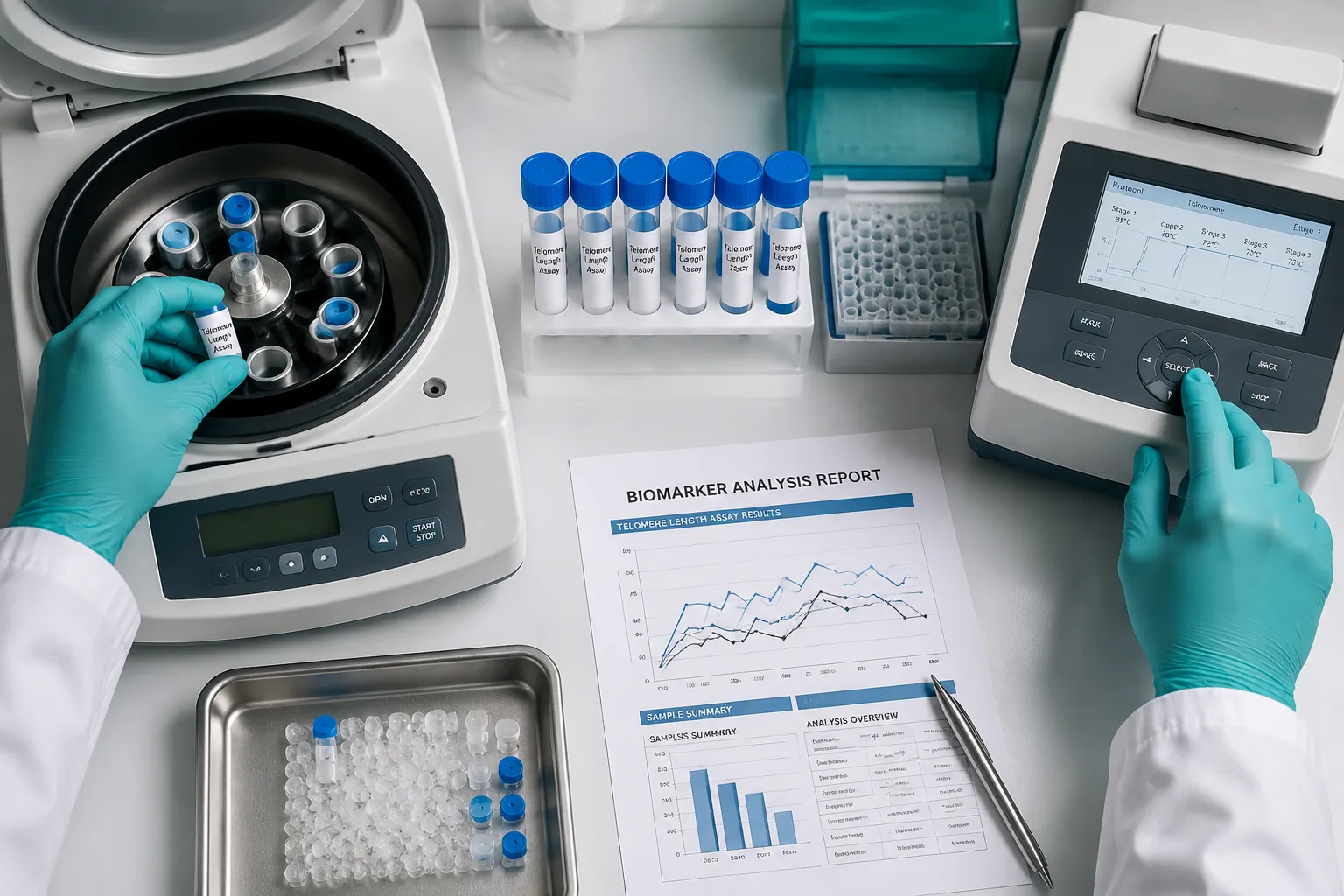
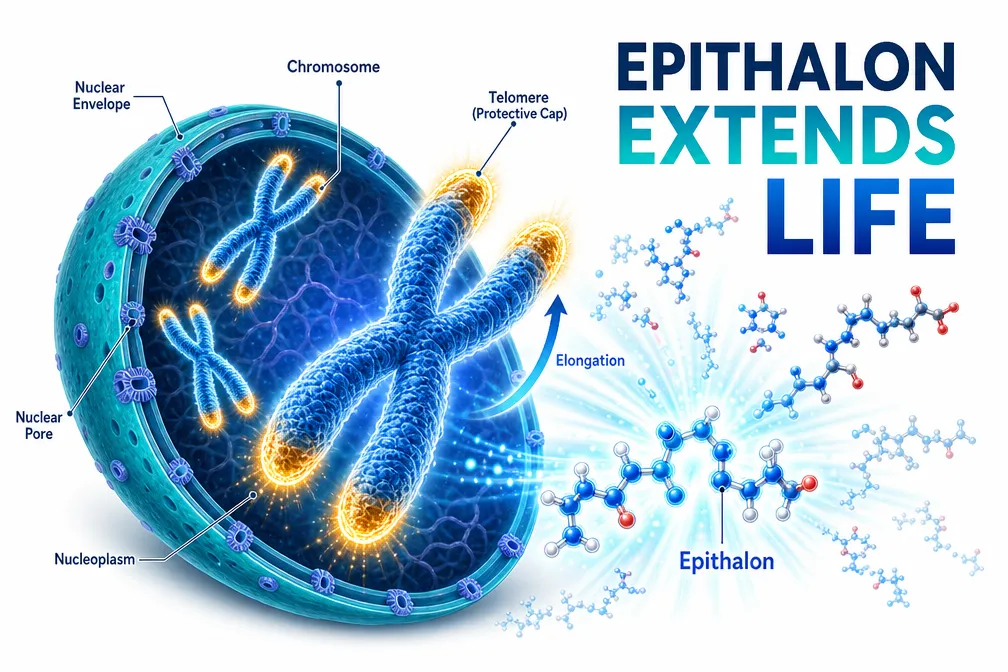
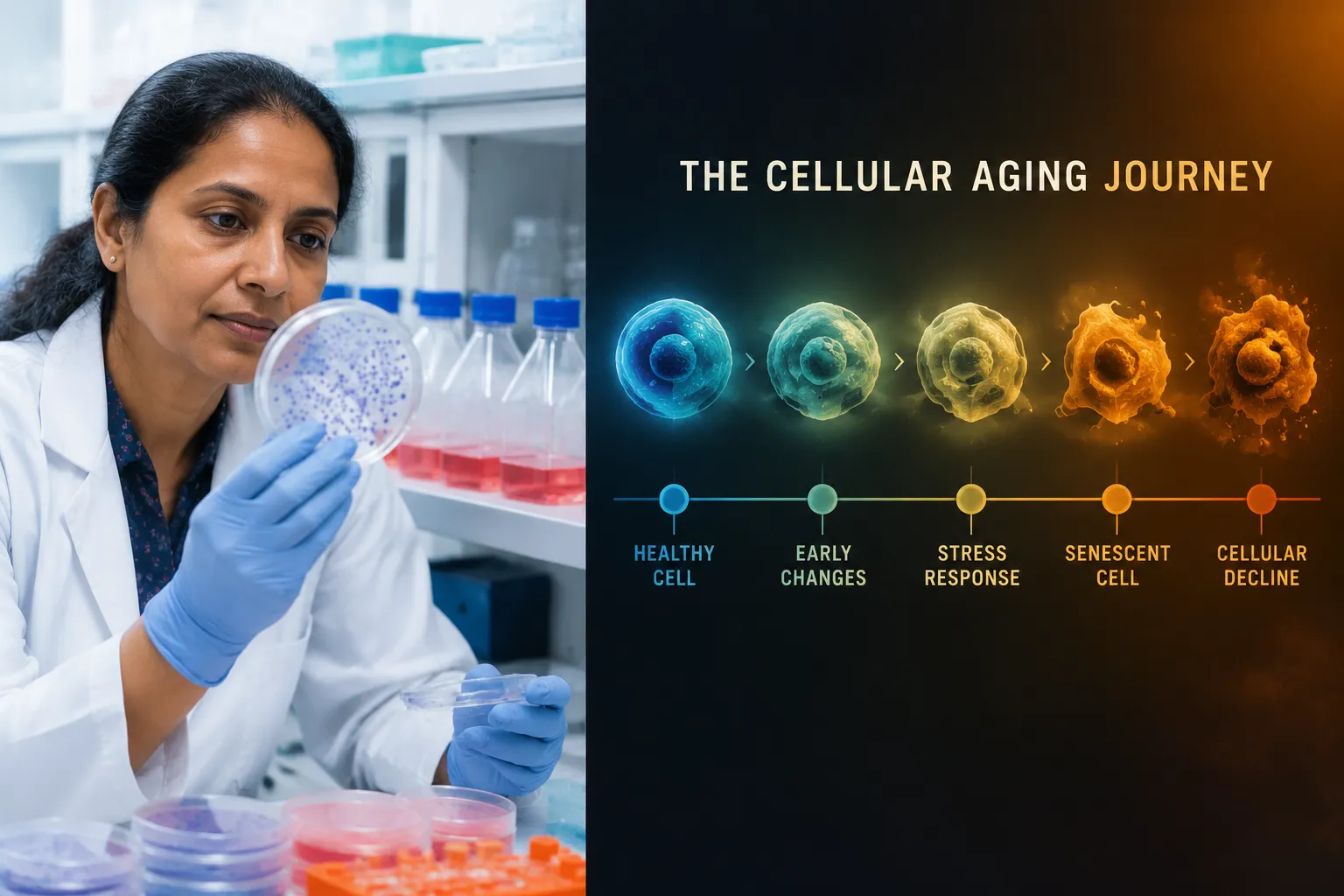
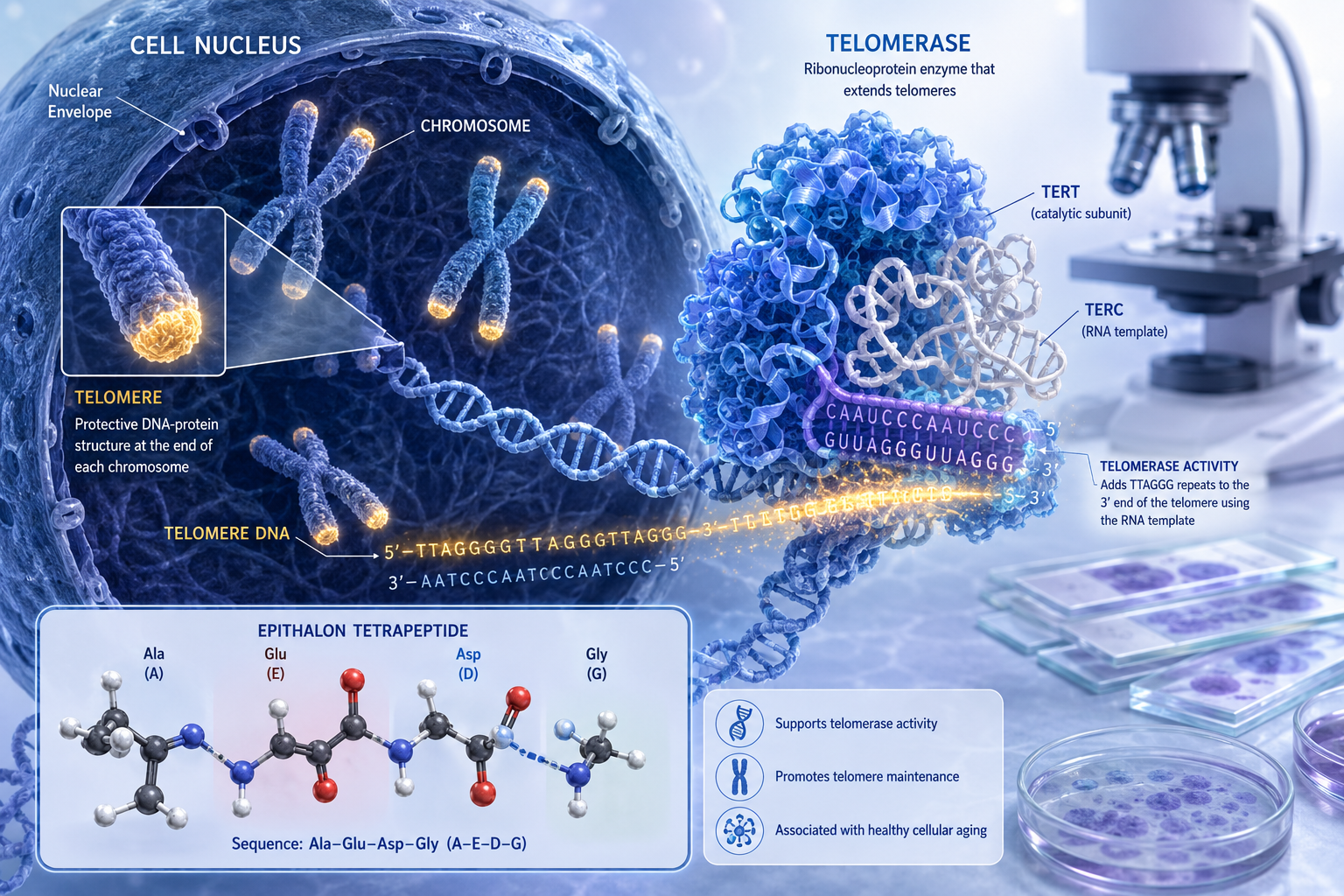
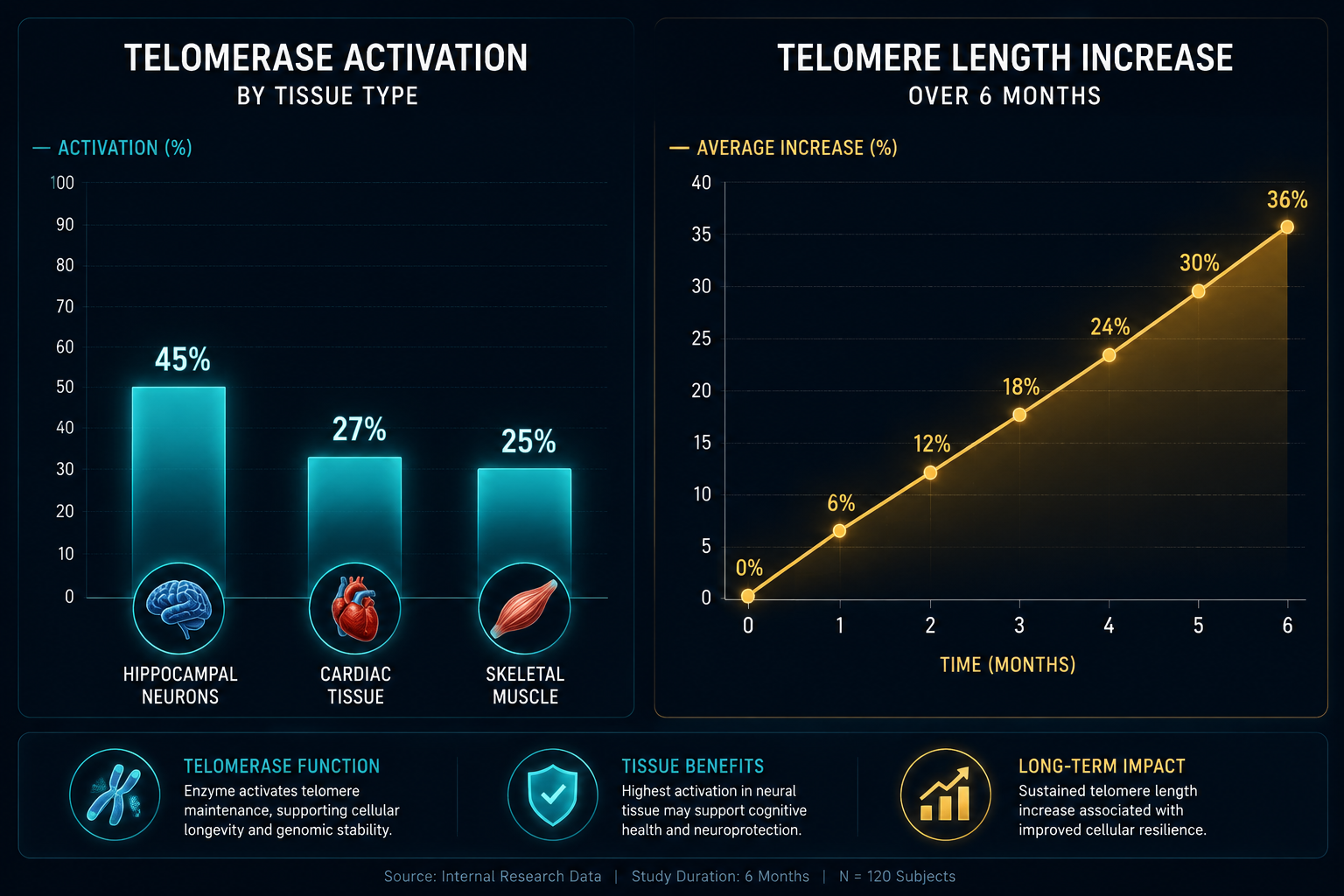
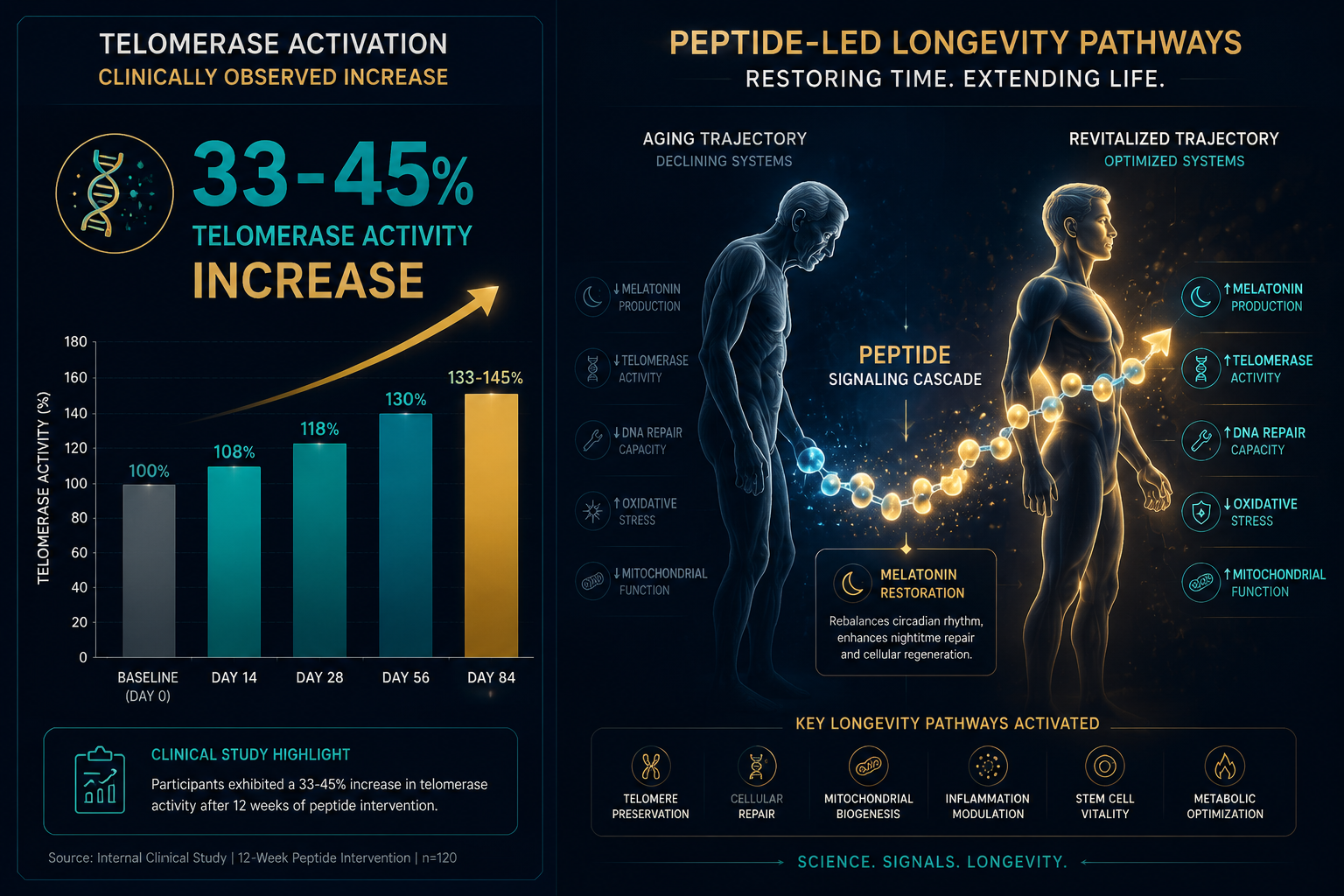
Telomeres shorten with every cell division — and that biological clock ticking at the tips of chromosomes may hold the key to understanding why cells age. At the center of a growing body of research sits Epithalon peptide, a synthetic tetrapeptide that has drawn serious scientific attention for its proposed ability to activate telomerase and slow markers of cellular aging. Exploring Epithalon Peptide: Telomerase Activation and its Role in Cellular Aging Research reveals both remarkable early findings and important open questions that researchers continue to investigate in 2026.

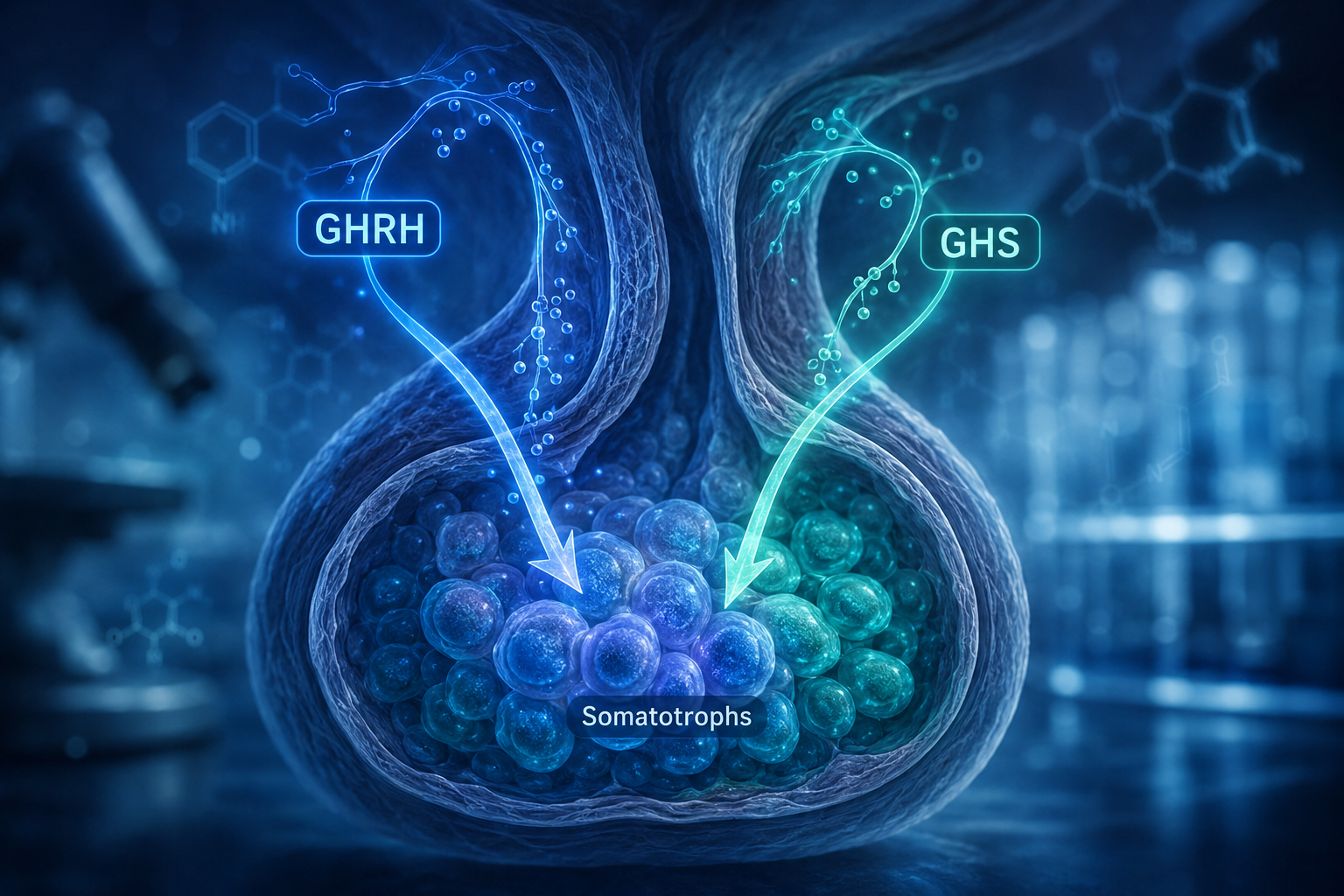
Detailed () scientific illustration showing a tetrapeptide molecular chain labeled AEDG floating above a cross-section of a

Key Takeaways

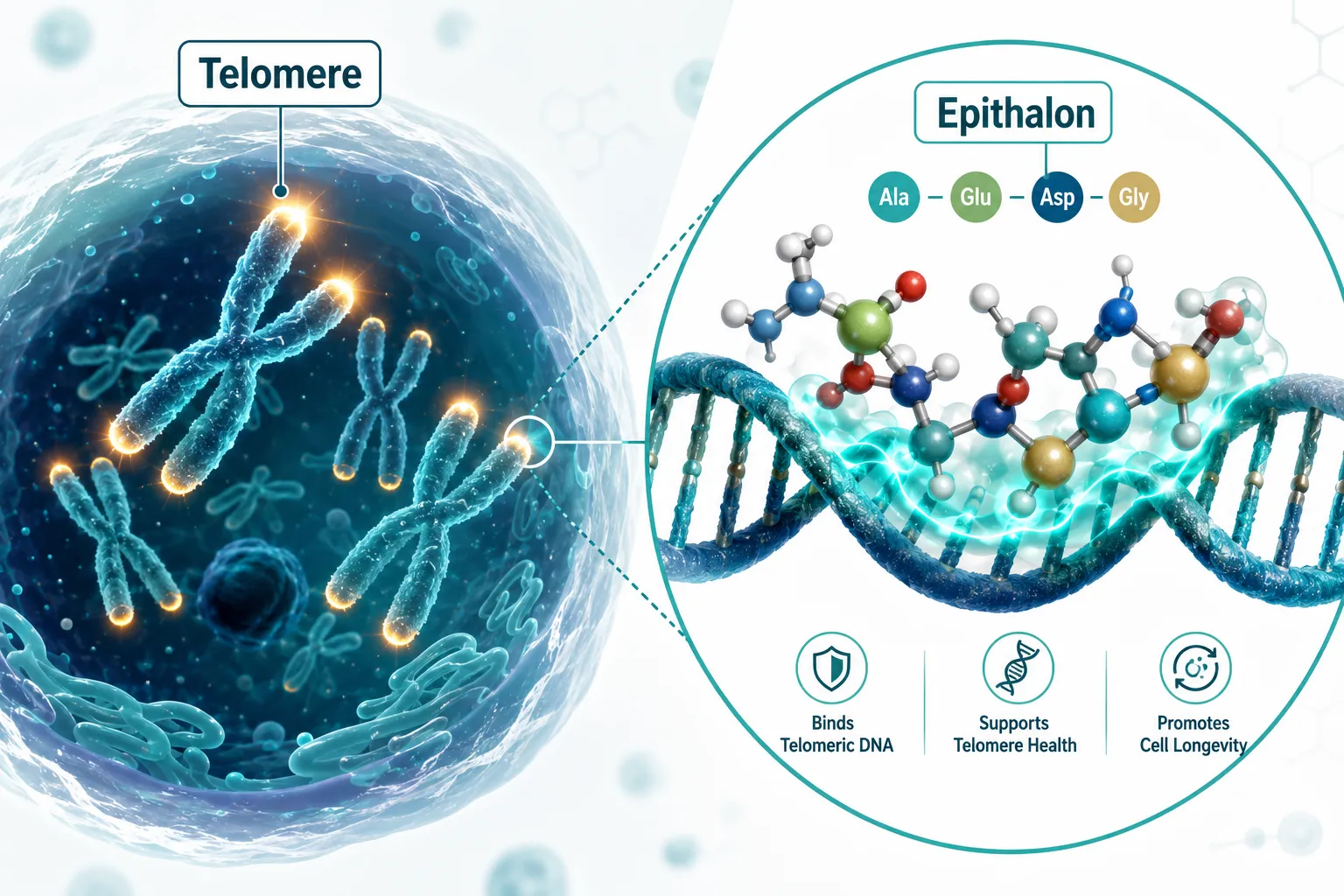
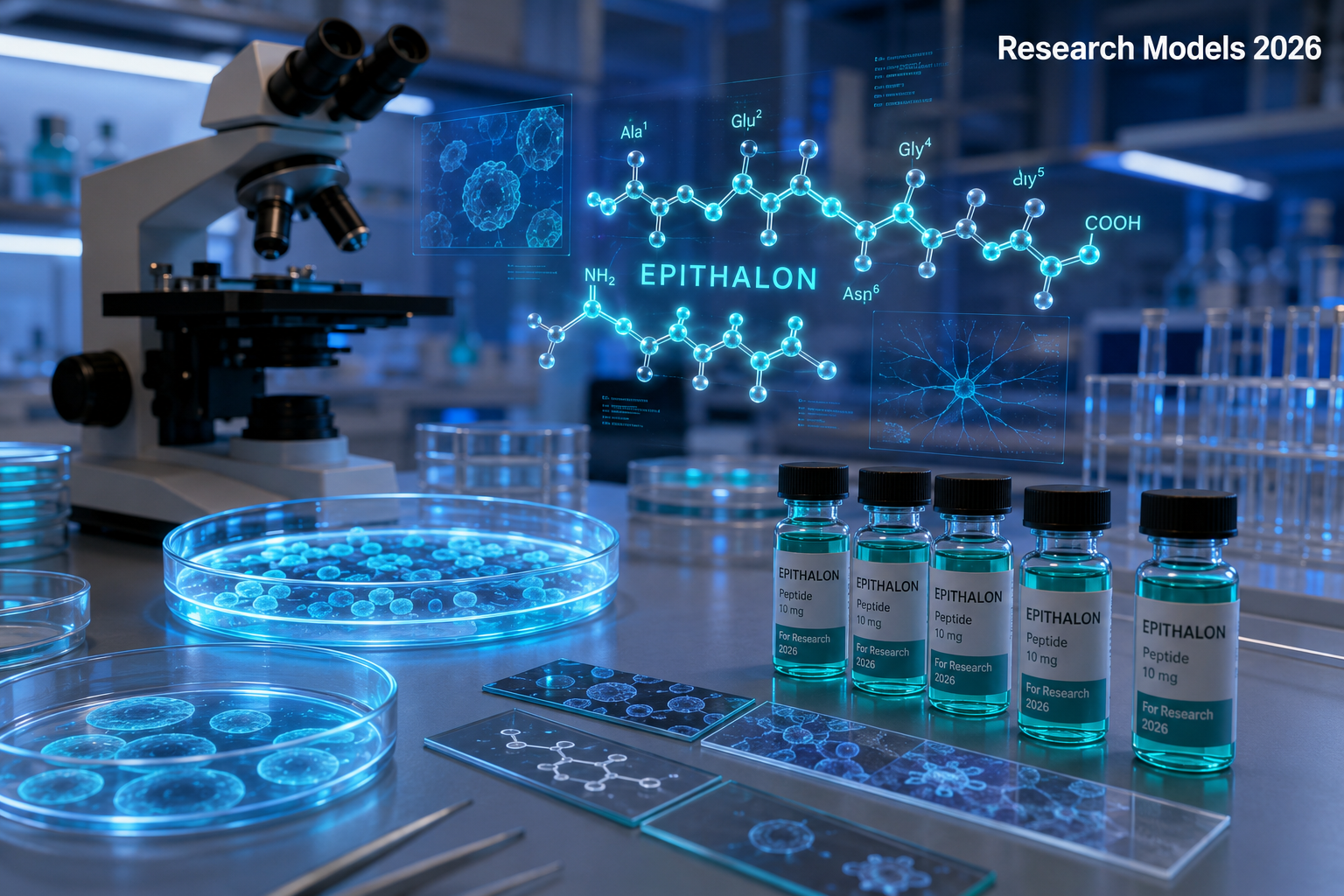
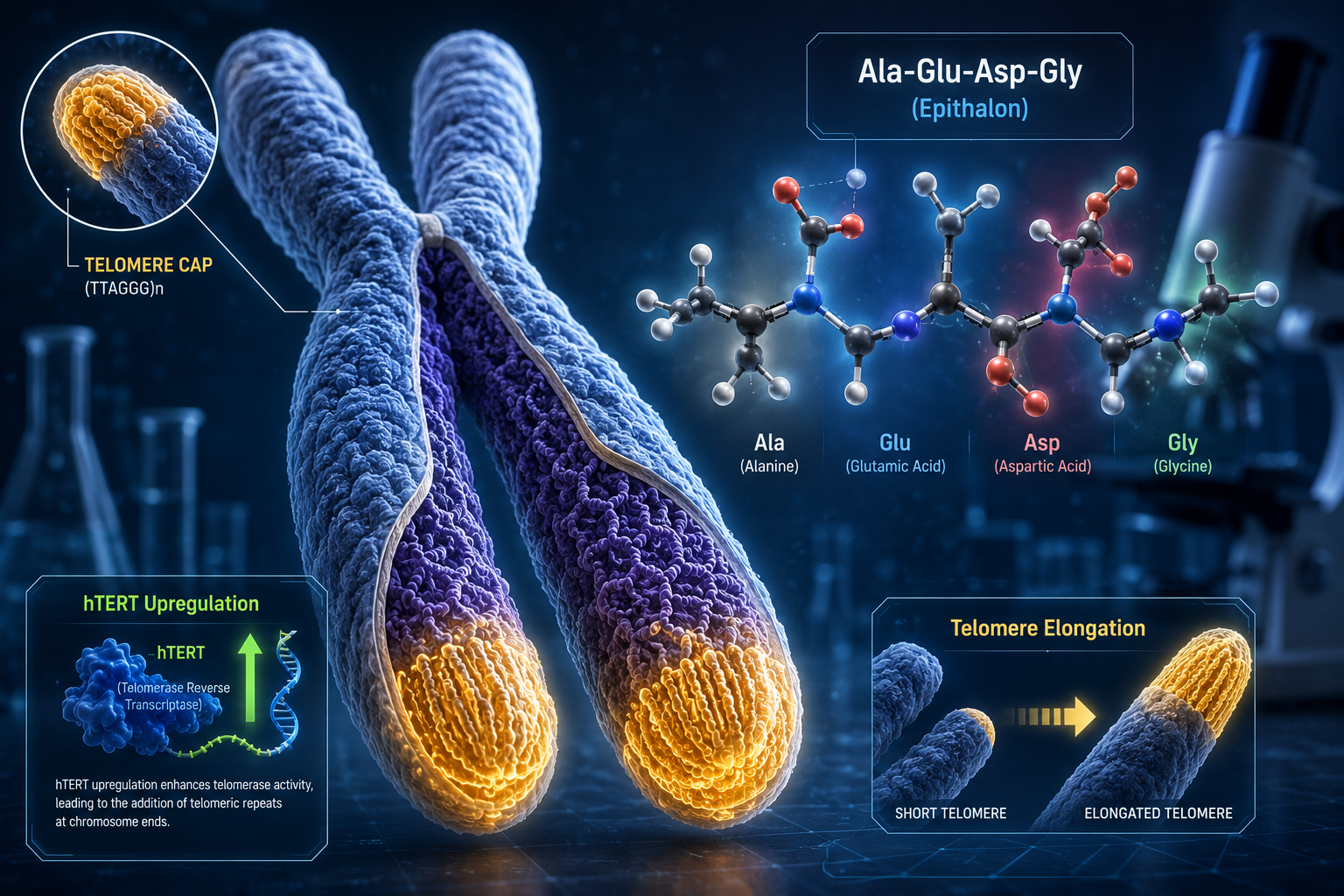
  • Epithalon is a synthetic tetrapeptide (Ala-Glu-Asp-Gly) with a molecular weight of 390.35 Da, originally derived from the pineal gland peptide Epithalamin.
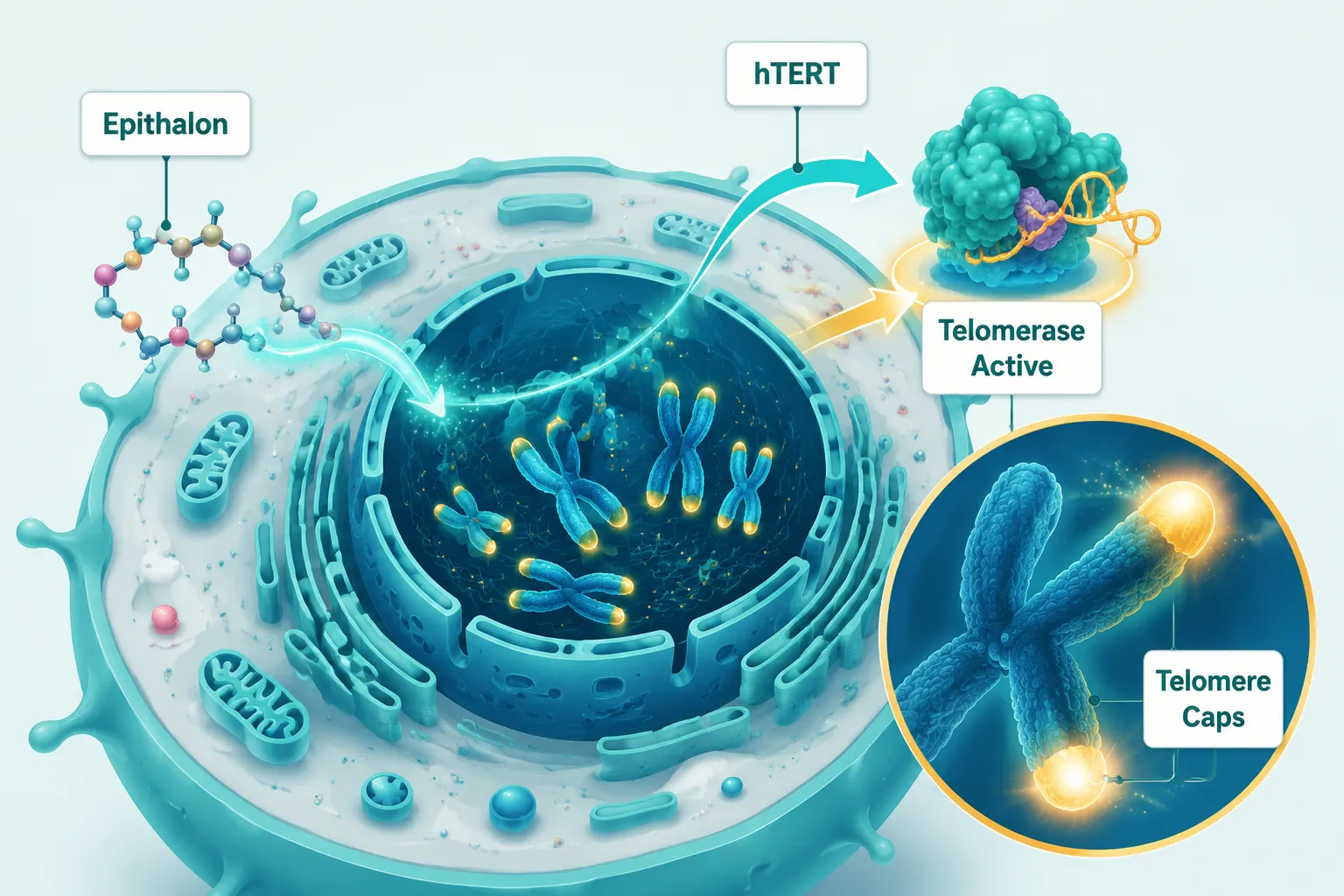
  • Research suggests Epithalon activates the hTERT enzyme, which drives telomerase activity and may extend cellular replicative lifespan.
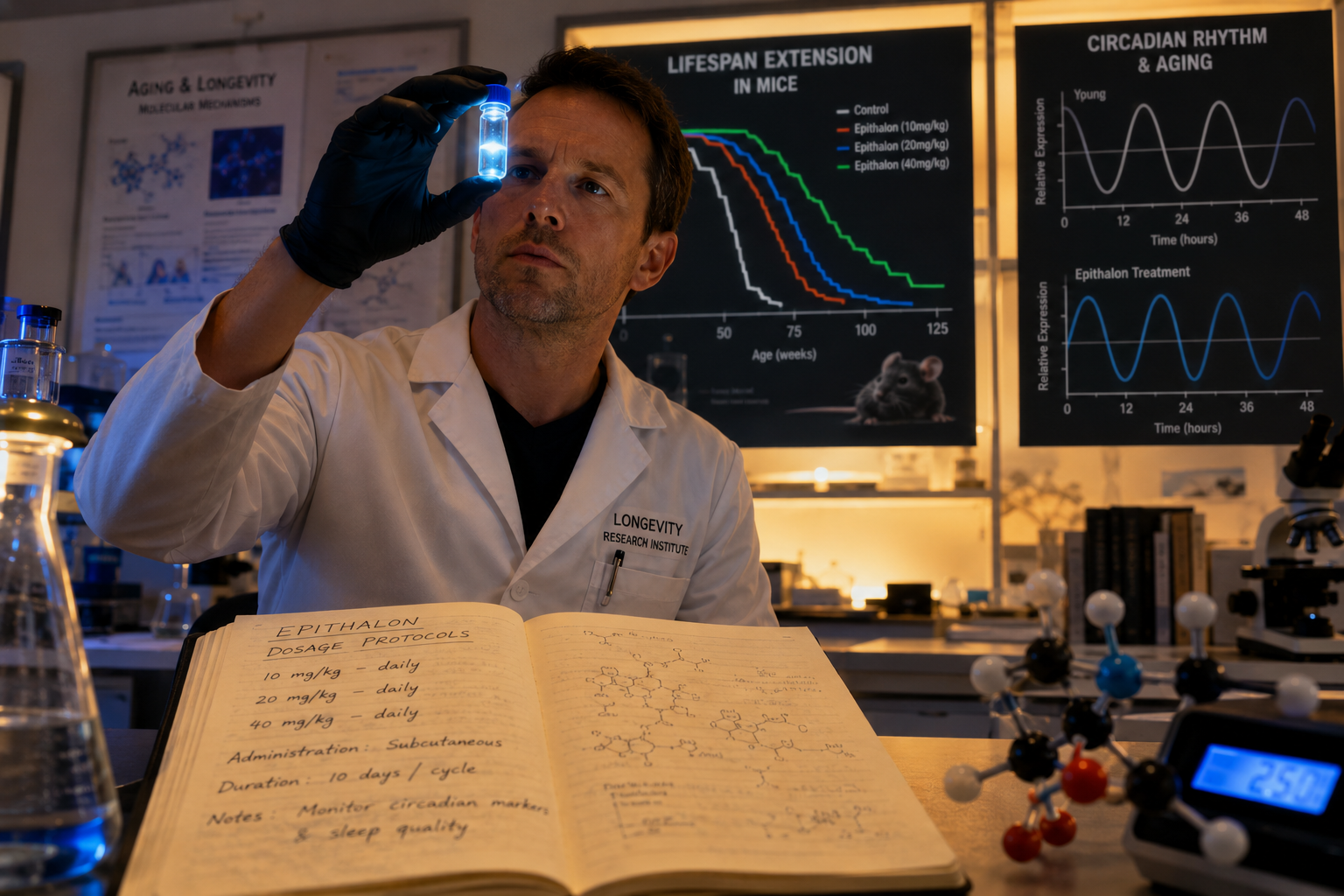
  • Rodent studies have reported lifespan extensions of 10-25%, while human cell studies show measurable reductions in senescence markers.
  • Most existing research originates from a single Russian laboratory, and independent Western replication remains limited.
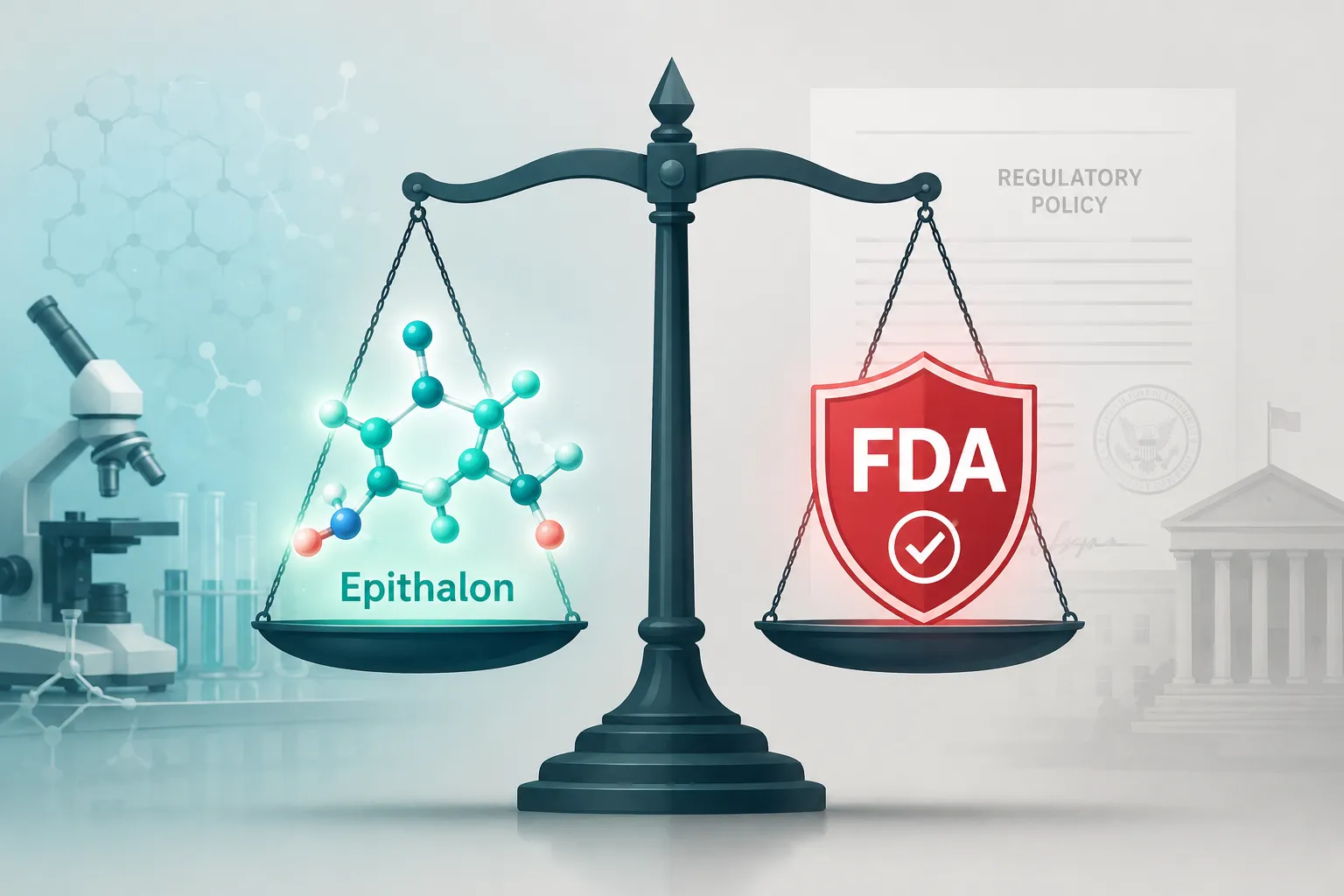
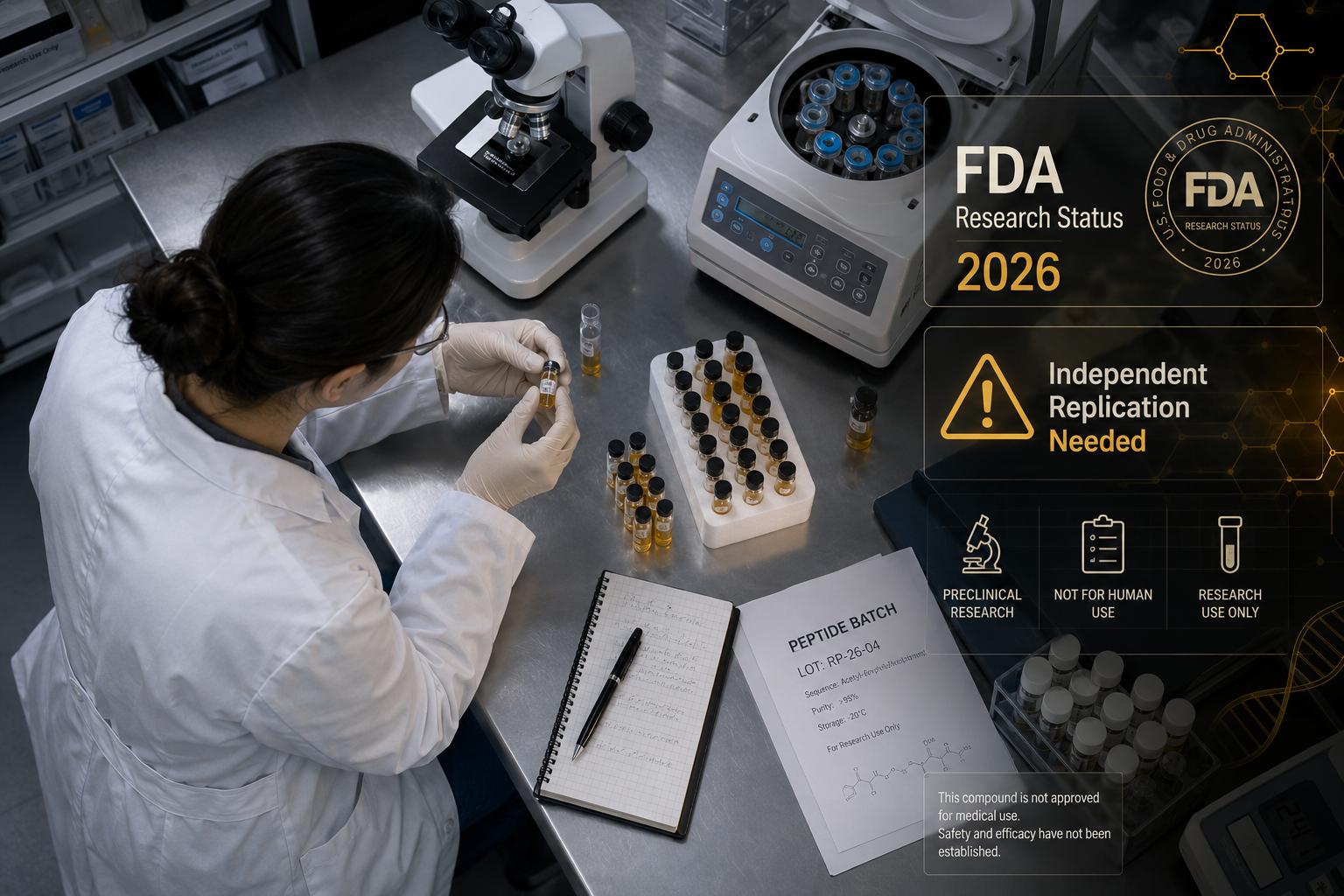
  • Regulatory status is a key consideration: the FDA has not approved Epithalon for any medical use.

What Is Epithalon and How Does It Work

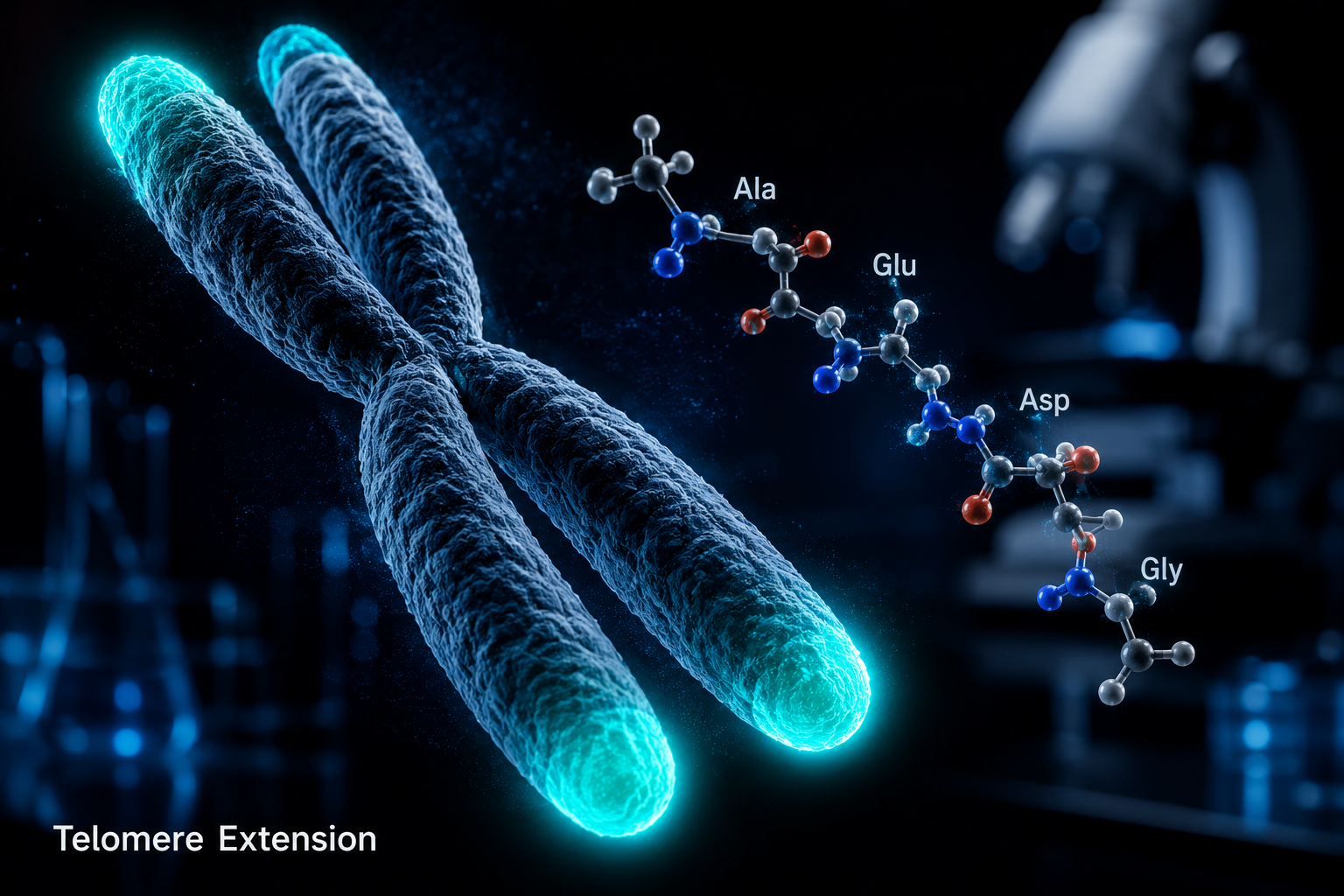
Epithalon (also spelled Epitalon) is a four-amino-acid peptide with the sequence Ala-Glu-Asp-Gly (AEDG) and a molecular weight of 390.35 Da. It was synthesized as a shorter, more stable analog of Epithalamin, a natural polypeptide extracted from bovine pineal gland tissue.

Its proposed mechanisms center on two pathways:

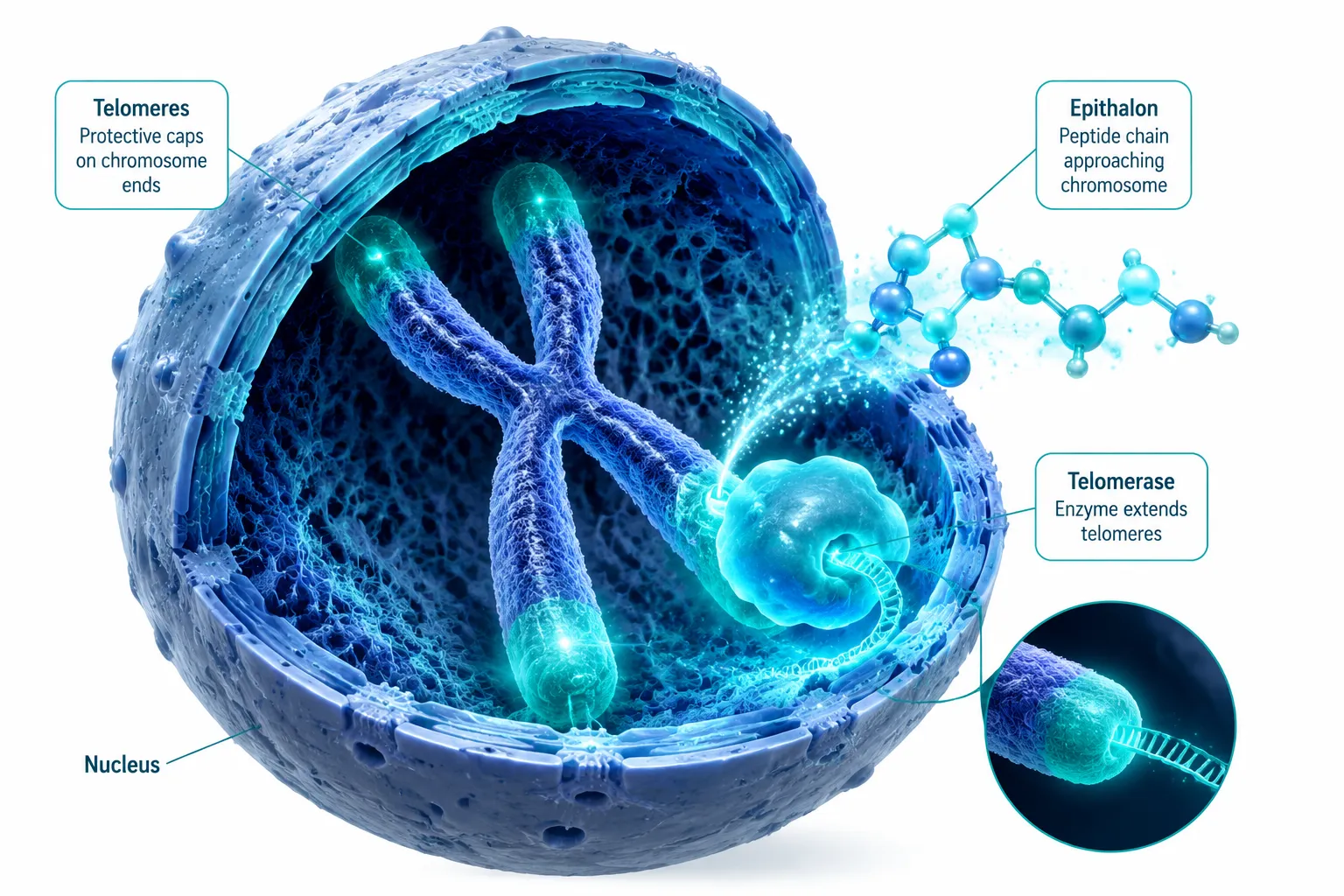
  • Telomerase activation: Epithalon upregulates hTERT, the catalytic subunit of telomerase, which adds protective nucleotide sequences back onto telomere ends.
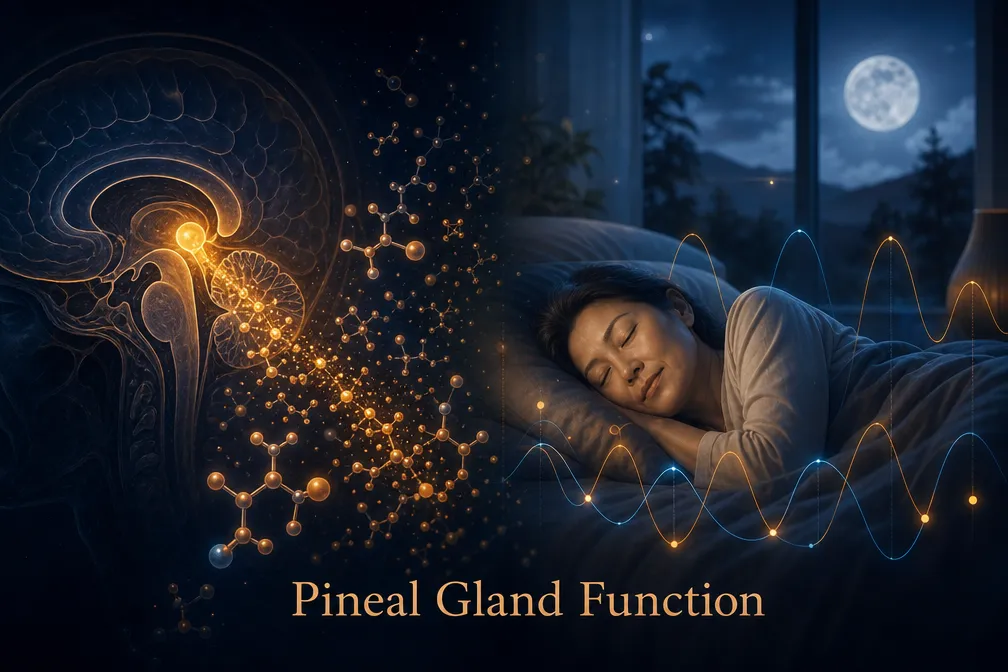
  • Pineal gland stimulation: The peptide appears to restore melatonin production in aging subjects, with small human studies reporting improved circadian rhythm function and sleep quality in elderly individuals.

These dual pathways position Epithalon within the broader field of longevity peptide research, where researchers are mapping how molecular signals influence the pace of biological aging.


Epithalon Peptide: Telomerase Activation and its Role in Cellular Aging Research — Key Study Findings

The scientific record on Epithalon spans more than two decades. Here is a structured overview of the most significant findings:

Study Focus Key Finding
Telomerase activation (2003) Epithalon induced telomerase activity and telomere elongation in human somatic cells
Replicative lifespan (2004) Treated human fetal fibroblasts continued dividing through the 44th passage — roughly 29% longer than controls
Rodent lifespan Anisimov et al. reported 10-25% lifespan extension in treated rodent models
Senescence markers p16 and p21 protein levels reduced by 1.56- to 2.44-fold in human gingival mesenchymal stem cells
Antioxidant activity Reduced reactive oxygen species in mouse oocytes and lowered lipid peroxidation in rat brain and liver tissue
2025 in vitro confirmation Dose-dependent telomere elongation via hTERT upregulation confirmed in normal human cell lines

A 2025 study by Al-Dulaimi and colleagues provided fresh support for the telomerase activation hypothesis, demonstrating dose-dependent telomere elongation in normal human cell lines — reinforcing the foundational 2003 work by Khavinson et al. For researchers tracking what is new in peptide research, these findings represent a meaningful update to the Epithalon literature.

Limitations, Comparisons, and Research Context

Understanding Epithalon Peptide: Telomerase Activation and its Role in Cellular Aging Research also requires honest engagement with its limitations.

The replication gap is the most significant concern. The overwhelming majority of Epithalon studies originate from a single Russian research group. Western laboratories have not yet independently replicated the core findings at scale, which limits the confidence researchers can place in the data.

Regulatory status adds another layer of complexity. As of 2023, the FDA classified Epithalon as a Category 2 substance and prohibited compounding pharmacies from producing it. It remains unapproved for any medical use.

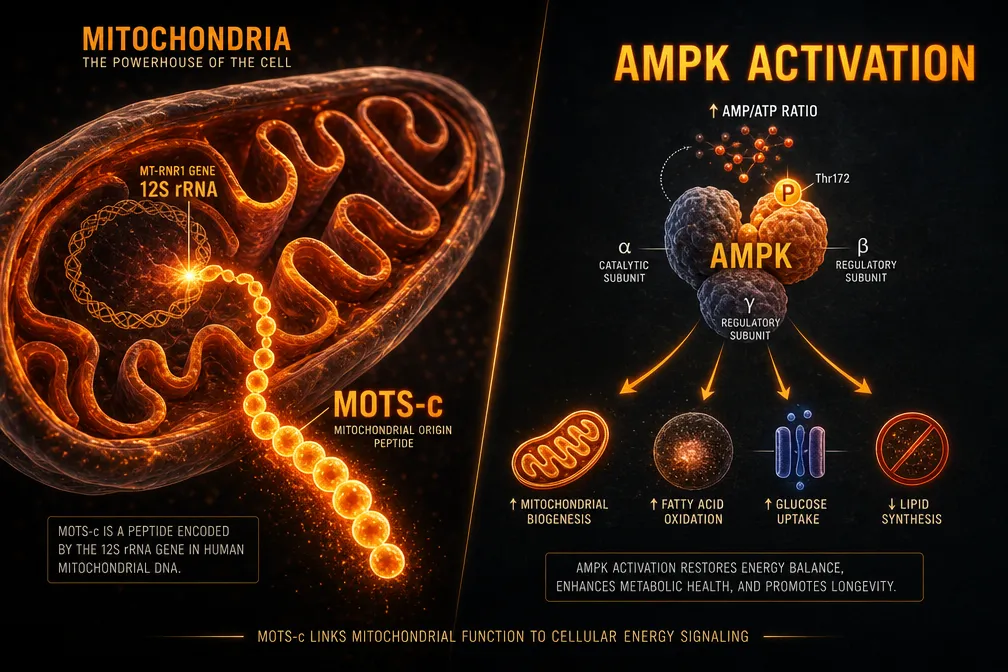
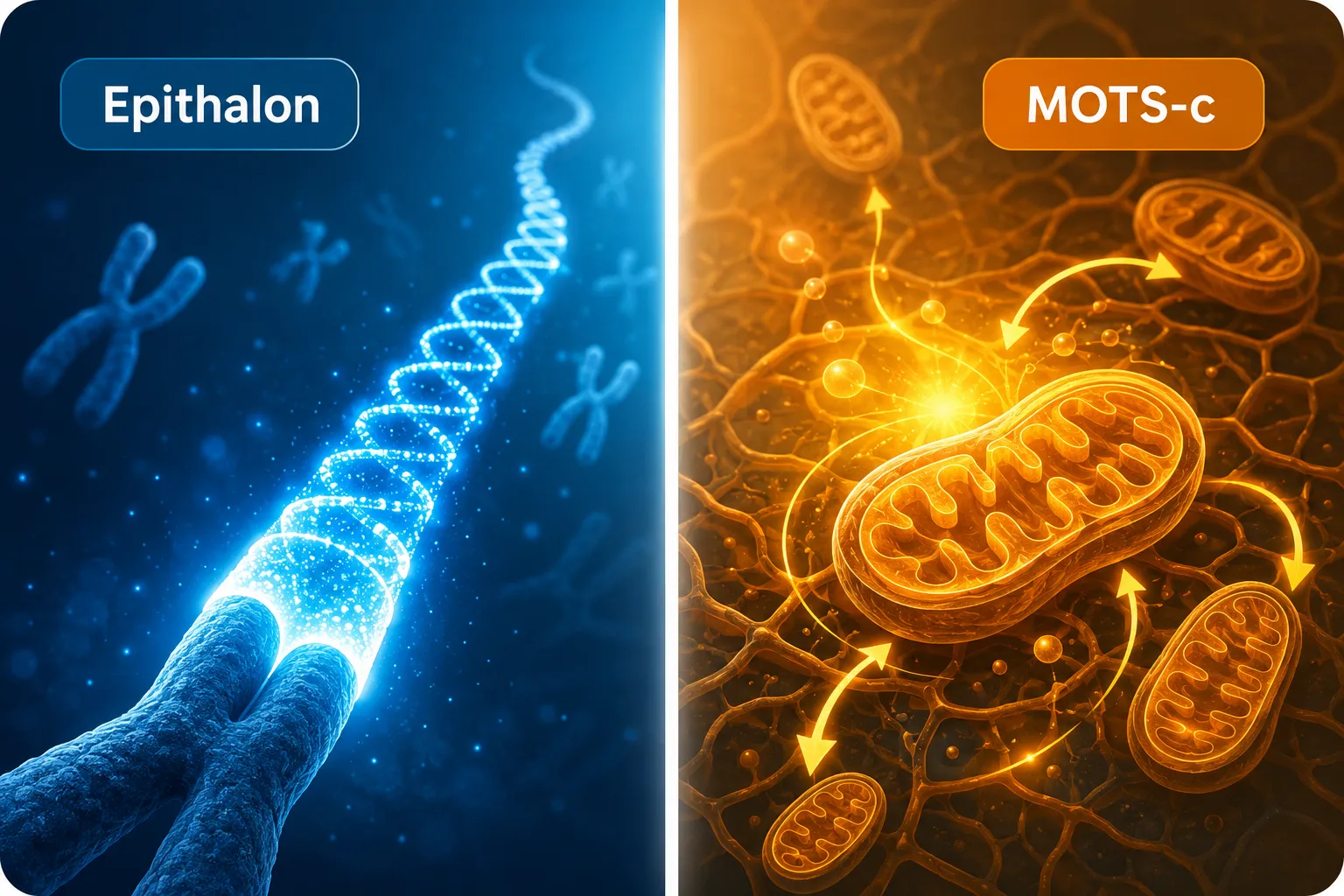
Comparison with other longevity peptides is instructive. While Epithalon targets telomerase and melatonin pathways, SS-31 (Elamipretide) focuses on mitochondrial membrane stabilization and received FDA approval for Barth syndrome in September 2025 — representing a stronger independent evidence base. Similarly, MOTS-c operates through mitochondrial-nuclear signaling, offering a distinct but complementary research angle.

Researchers interested in multi-pathway approaches may also find value in reviewing peptide blend research and epithalon longevity signals for context on how Epithalon fits within broader aging research frameworks.

Limitations, Comparisons, and Research Context


Regulatory Landscape and Research Sourcing

For researchers working with Epithalon in 2026, sourcing quality and purity are non-negotiable. Peptide integrity directly affects experimental reliability. Researchers sourcing Epithalon peptides for study purposes should prioritize suppliers with verified third-party testing and documented purity certificates.

Regulatory Landscape and Research Sourcing

Those building broader longevity research panels may also want to explore GHK-Cu copper peptide research as a complementary compound with its own distinct cellular repair mechanisms.


Conclusion

Epithalon peptide occupies a genuinely compelling position in cellular aging research. Its proposed mechanism — activating telomerase via hTERT upregulation — addresses one of the most fundamental drivers of cellular senescence, and the accumulating data from both foundational and recent studies supports continued investigation.

Actionable next steps for researchers:

  • Review the full body of Epithalon literature with attention to study design and the replication gap before drawing conclusions.
  • Prioritize lab-tested, high-purity Epithalon sources to ensure experimental validity.
  • Consider Epithalon within a multi-compound research framework alongside mitochondrial and immune-modulating peptides.
  • Monitor regulatory developments, as the FDA classification landscape for research peptides continues to evolve.

The science of telomere biology and cellular longevity is advancing rapidly. Epithalon remains one of the more scientifically grounded compounds in this space — and one that warrants careful, rigorous continued study.

https://www.puretestedpeptides.com/wp-content/uploads/2026/06/Epithalon-Peptide-Telomerase-Activation-and-its-Role-in-Cellular-Aging-Research.png 1024 1536 https://www.puretestedpeptides.com/wp-content/uploads/2026/01/buy-peptides-online.jpg 2026-06-19 13:06:552026-06-19 13:06:55Epithalon Peptide: Telomerase Activation and its Role in Cellular Aging Research
Epithalon and Telomere Biology: What the Research Actually Suggests About Longevity Signaling

Epithalon and Telomere Biology: What the Research Actually Suggests About Longevity Signaling

June 17, 2026/0 Comments/in Uncategorized/by

Telomeres shorten with every cell division — and when they become critically short, cells stop dividing or die. That single biological fact has made telomere biology one of the most intensely studied areas in longevity science. Into this space steps Epithalon, a synthetic tetrapeptide (Ala-Glu-Asp-Gly) derived from the pineal gland peptide epithalamin. The conversation around Epithalon and telomere biology: what the research actually suggests about longevity signaling is more nuanced than most popular sources admit. This article separates mechanistic hypotheses from what experimental systems have actually demonstrated.

Detailed () scientific illustration showing a cross-section diagram of a human somatic cell nucleus with highlighted

Key Takeaways

  • Epithalon activates telomerase and elongates telomeres in cell culture, but most evidence comes from a single research group.
  • Animal studies report a 24-38% increase in mean lifespan, but these findings have not been independently replicated at scale.
  • Human observational data on mortality reduction is promising yet methodologically limited.
  • Epithalon lacks FDA approval and comprehensive safety data as of 2026.
  • Independent replication and randomized controlled trials remain the critical next step.

The Mechanistic Case: How Epithalon Is Proposed to Influence Telomere Biology

The core hypothesis is straightforward. Epithalon is proposed to upregulate hTERT expression — the catalytic subunit of telomerase — thereby activating the enzyme that rebuilds telomere sequences. In vitro studies support this model. A 2025 study demonstrated telomerase induction and measurable telomere elongation in both normal and cancer human somatic cell lines. Notably, normal cells required roughly three weeks of incubation to show the effect, while cancer cells responded within four days. This difference likely reflects the already-elevated baseline telomerase activity in malignant cells.

"The mechanistic rationale for Epithalon is biologically plausible — but plausibility is not the same as demonstrated efficacy."

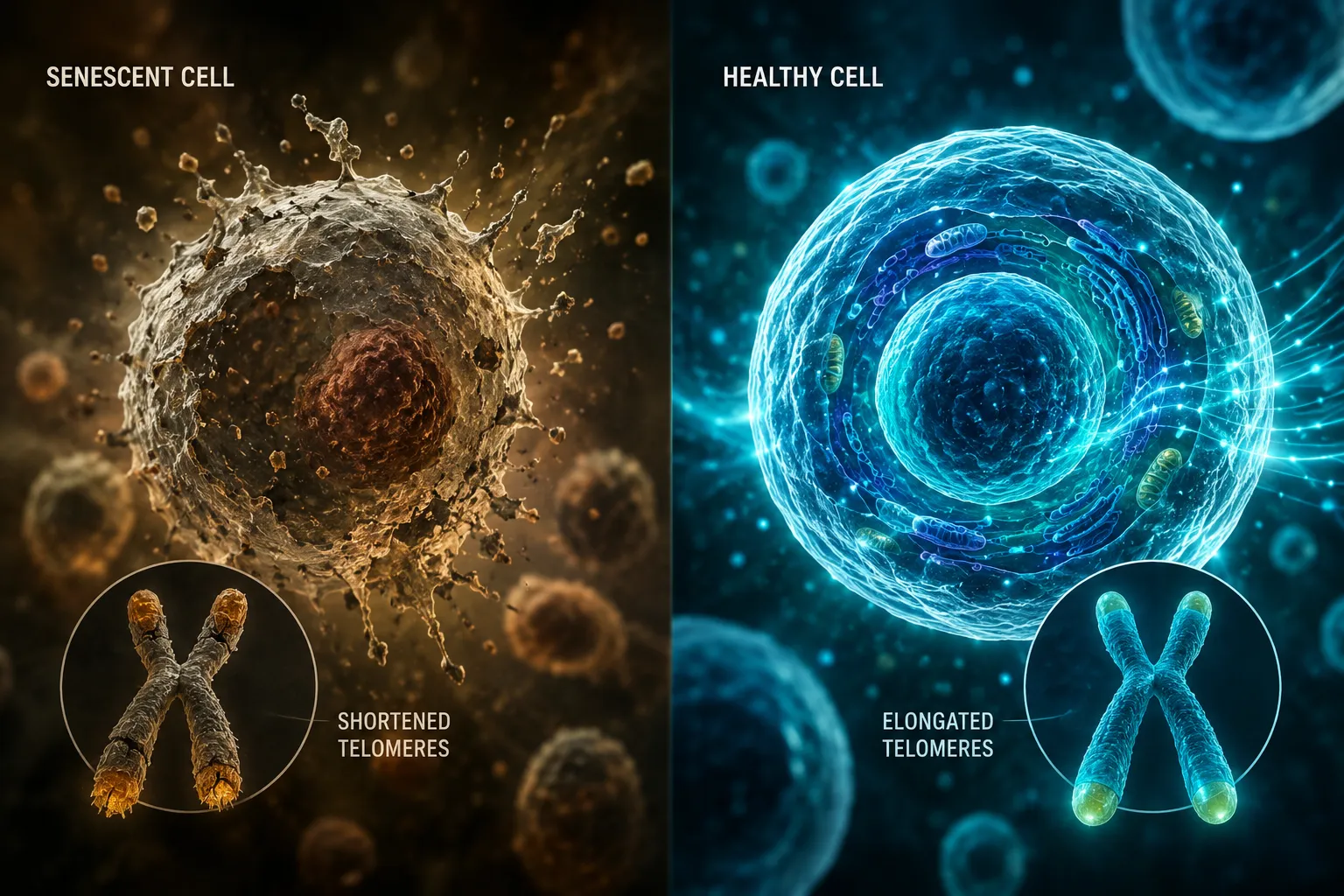
What makes this relevant to longevity signaling is the broader context. Telomere attrition is linked to cellular senescence, chronic inflammation, and age-related tissue dysfunction. A peptide that reliably activates telomerase could, in theory, slow these downstream processes. For researchers also exploring mitochondrial aging pathways, SS-31 mitochondrial research themes offer a complementary lens on cellular energy decline in aging.

The mechanistic picture is incomplete, however. The hTERT upregulation pathway has been validated primarily in cell culture. In vivo confirmation — particularly in human tissue — is still lacking.

What Animal and Human Studies Have and Have Not Shown

What Animal and Human Studies Have and Have Not Shown

Rodent studies represent the strongest body of preclinical evidence. Long-term chronic administration of Epithalon has been associated with a 24 to 38% increase in mean lifespan relative to control groups. Treated animals also showed reduced tumor incidence, particularly mammary and hepatic tumors. These are meaningful effect sizes by any standard.
Human data is more limited. A 6-to-8-year observational study involving 266 elderly patients reported a 1.6-to-1.8-fold decrease in mortality among those receiving epithalamin, the natural peptide extract from which Epithalon is derived. That is a striking number. But these were not randomized controlled trials, and the absence of proper controls makes causal interpretation difficult.

For researchers building a broader longevity research framework, it is useful to compare evidence quality across compounds. NAD+ energetics and longevity research themes and NAD scientific evidence illustrate how compounds with more diverse research pipelines are evaluated.

Evidence Type Finding Limitation
In vitro (human cells) Telomerase activation confirmed Single lab, no independent replication
Animal models (rodents) 24-38% lifespan extension Not replicated across independent groups
Human observational 1.6-1.8x mortality reduction No randomization, small cohort

Critical Gaps: What Epithalon Research Still Needs to Establish

Critical Gaps: What Epithalon Research Still Needs to Establish

The most significant limitation in the entire Epithalon literature is concentration of origin. The majority of key studies trace back to a single Russian research group. Independent replication — the bedrock of scientific confidence — has not occurred at the scale needed to validate the reported effects.

Safety data is another gap. Comprehensive information on genotoxicity, carcinogenic potential, and long-term organ-level effects is not yet available. This matters especially given that telomerase activation in cancer cells is a known driver of tumor progression. Researchers should weigh this carefully.

As of 2026, Epithalon holds no approval from major regulatory agencies including the FDA. It remains a research compound. For those sourcing it for experimental purposes, reviewing where to buy SS-31 and Epithalon online provides useful procurement context. The Epithalon product page also outlines current catalog specifications.

When benchmarked against SS-31 (Elamipretide), which has completed Phase 2/3 clinical trials and received FDA approval for specific indications, Epithalon's evidence base is considerably less mature. Researchers interested in peptide delivery innovations may also find value in innovative peptide delivery systems as the field evolves.

Future research priorities include randomized controlled trials, independent replication of animal findings, and systematic safety profiling across diverse populations.


Conclusion

The science of Epithalon and telomere biology: what the research actually suggests about longevity signaling points to a compound with a credible mechanistic hypothesis and intriguing early data — but one that has not yet cleared the evidentiary bar required for clinical confidence. Telomerase activation in cell culture is real. Lifespan extension in rodents is notable. Human mortality data is suggestive. None of these, however, constitute proof of efficacy or safety in humans.

Actionable next steps for researchers:

  • Prioritize sourcing Epithalon only from verified, analytically tested suppliers.
  • Design experiments with appropriate controls and document outcomes rigorously.
  • Monitor the literature for independent replication studies, which will be the decisive factor in evaluating this compound.
  • Consider pairing Epithalon research with complementary longevity pathways such as MOTS-c mitochondrial signaling or GHK-Cu peptide research for a broader experimental framework.

The biology is compelling. The evidence, for now, demands caution.

https://www.puretestedpeptides.com/wp-content/uploads/2026/06/Epithalon-and-Telomere-Biology-What-the-Research-Actually-Suggests-About-Longevity-Signaling.png 1024 1536 https://www.puretestedpeptides.com/wp-content/uploads/2026/01/buy-peptides-online.jpg 2026-06-17 13:03:502026-06-17 13:03:50Epithalon and Telomere Biology: What the Research Actually Suggests About Longevity Signaling
GHK-Cu for Collagen, Copper Biology, and Skin-Regeneration Research: A Mechanism-First Overview

GHK-Cu for Collagen, Copper Biology, and Skin-Regeneration Research: A Mechanism-First Overview

June 16, 2026/0 Comments/in Uncategorized/by

}

Professional () hero image with : 'GHK-Cu: Copper Biology & Skin-Regeneration Research' in extra large white with deep ,

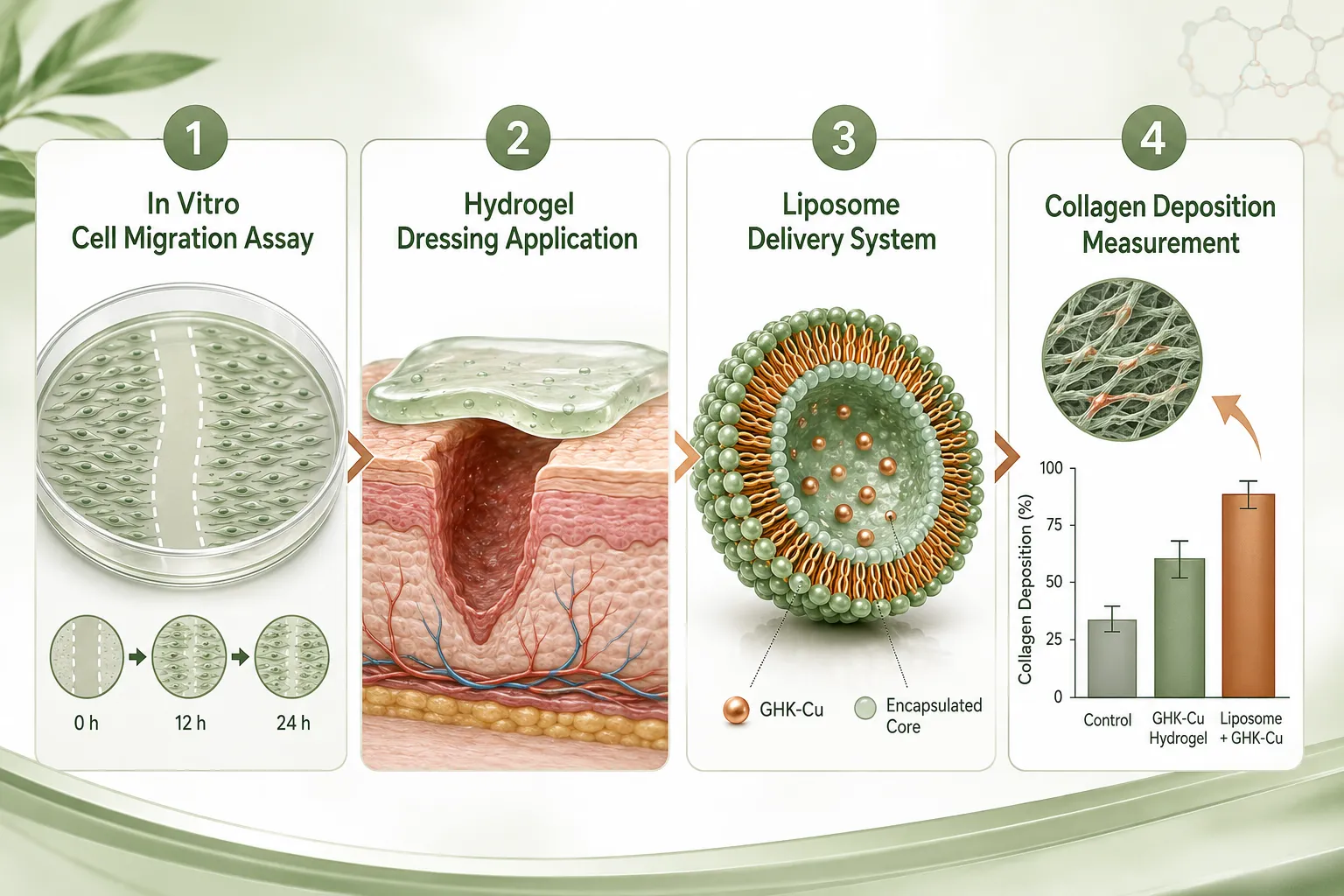
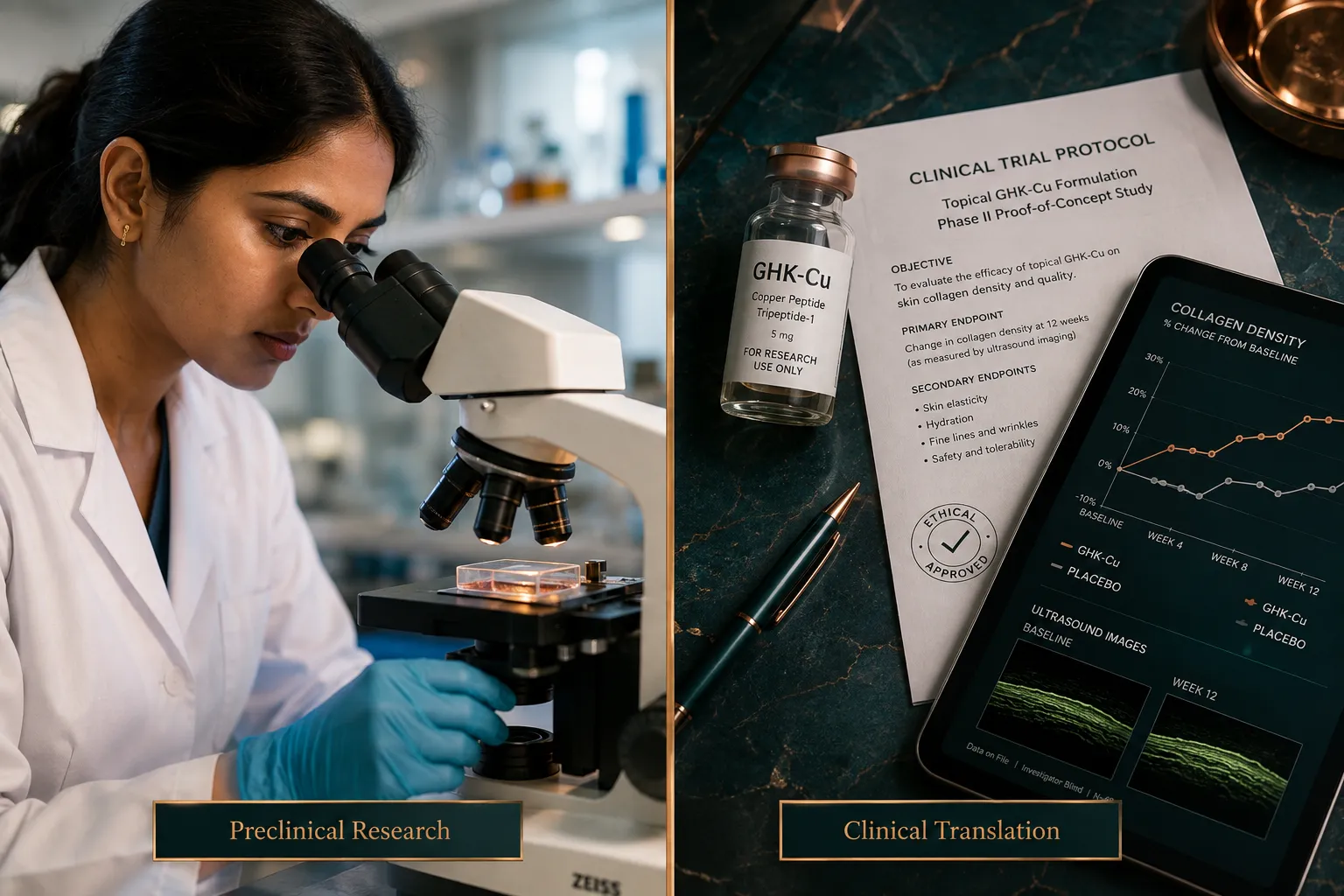
Ultrasound imaging now gives researchers a way to measure what was once only estimated: a 2026 clinical dataset found that topical GHK-Cu produced a mean 28% increase in subdermal echogenic density — a validated proxy for collagen and elastin content — after just three months of use, with the top quartile of participants showing a 51% improvement over baseline. That kind of measurable structural change has pushed GHK-Cu for Collagen, Copper Biology, and Skin-Regeneration Research: A Mechanism-First Overview into a central position in peptide biology discussions.

Key Takeaways

  • GHK-Cu is a naturally occurring tripeptide-copper complex that declines sharply with age, making exogenous delivery a key research focus.
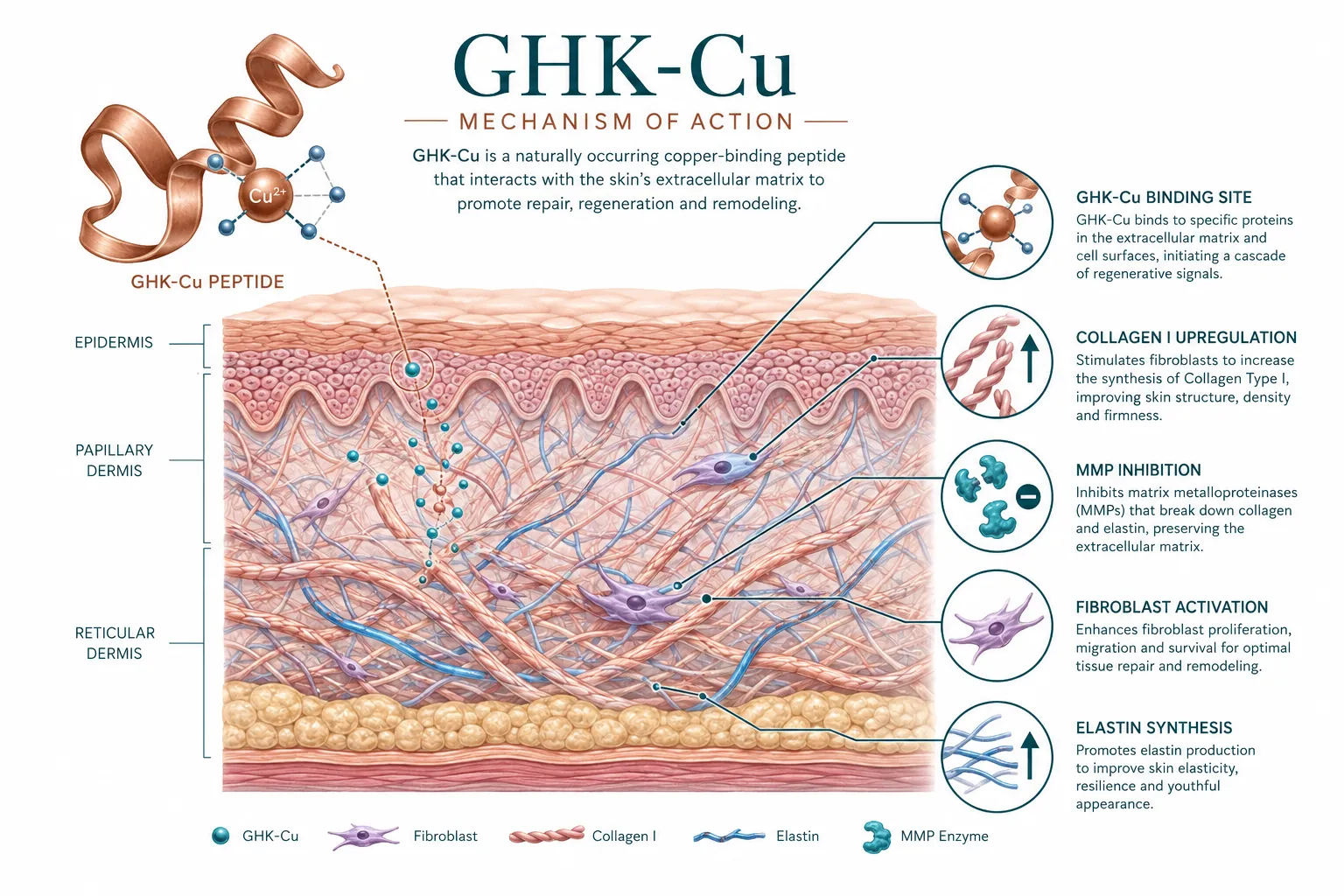
  • Its primary mechanism involves copper-mediated activation of enzymes that build and remodel the extracellular matrix (ECM).
  • GHK-Cu acts as an epigenetic regulator, influencing gene expression related to wound repair, inflammation control, and antioxidant defense.
  • Ultrasound-measured data from 2026 confirms meaningful collagen density gains from topical application in a stable, penetrant vehicle.
  • Researchers study GHK-Cu alongside other tissue-repair peptides because its signaling touches multiple biological pathways simultaneously.

What Is GHK-Cu and Why Does Copper Matter

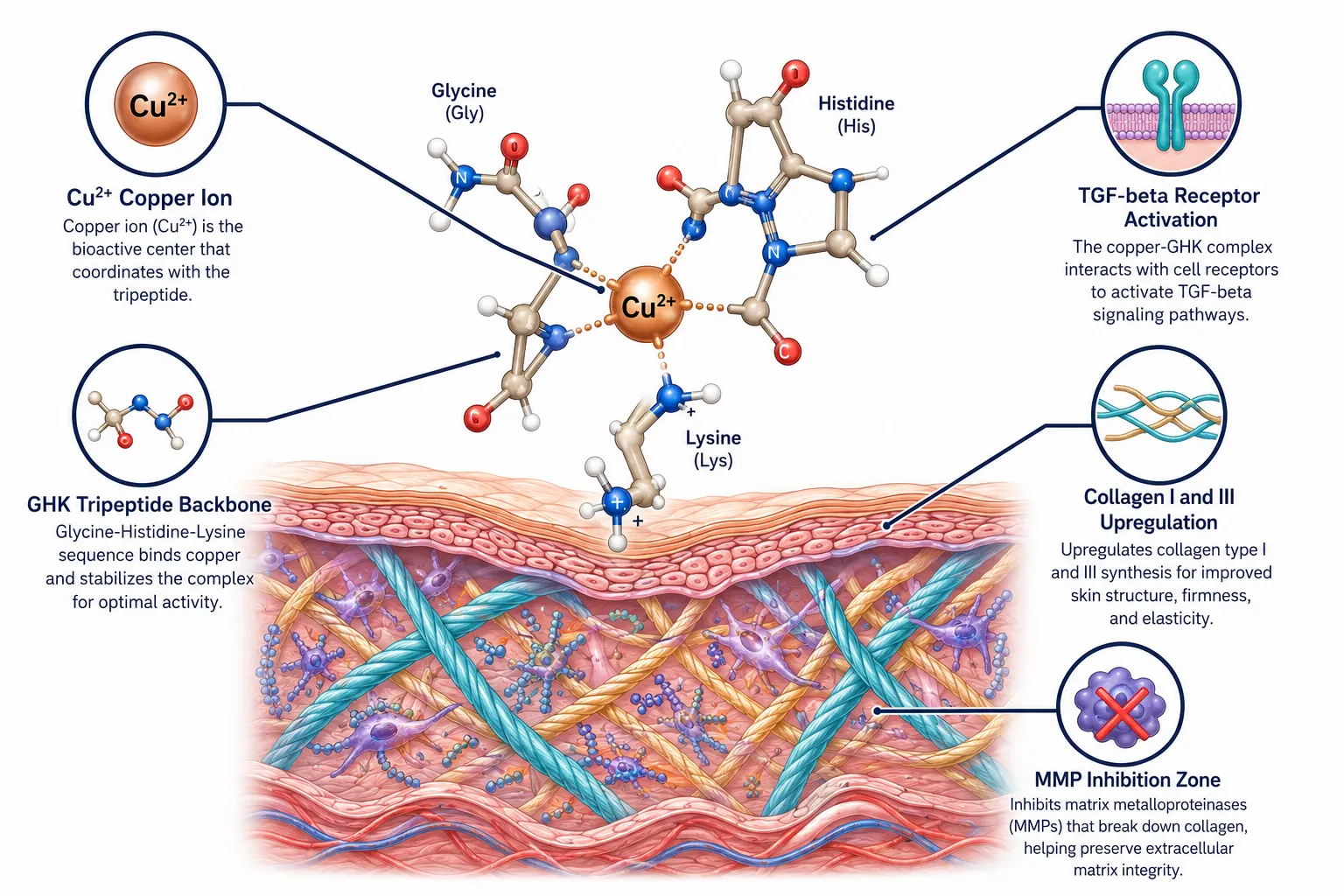
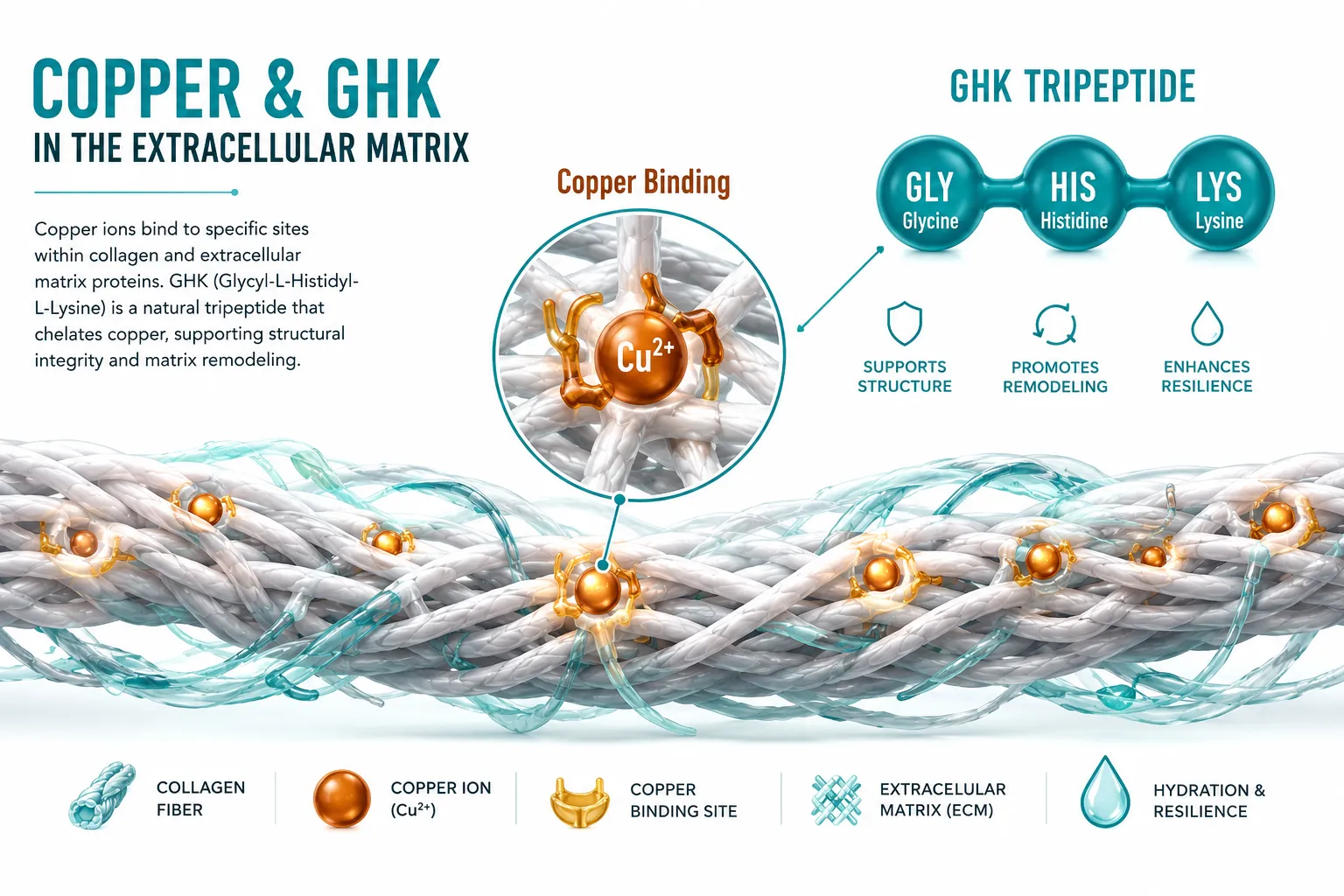
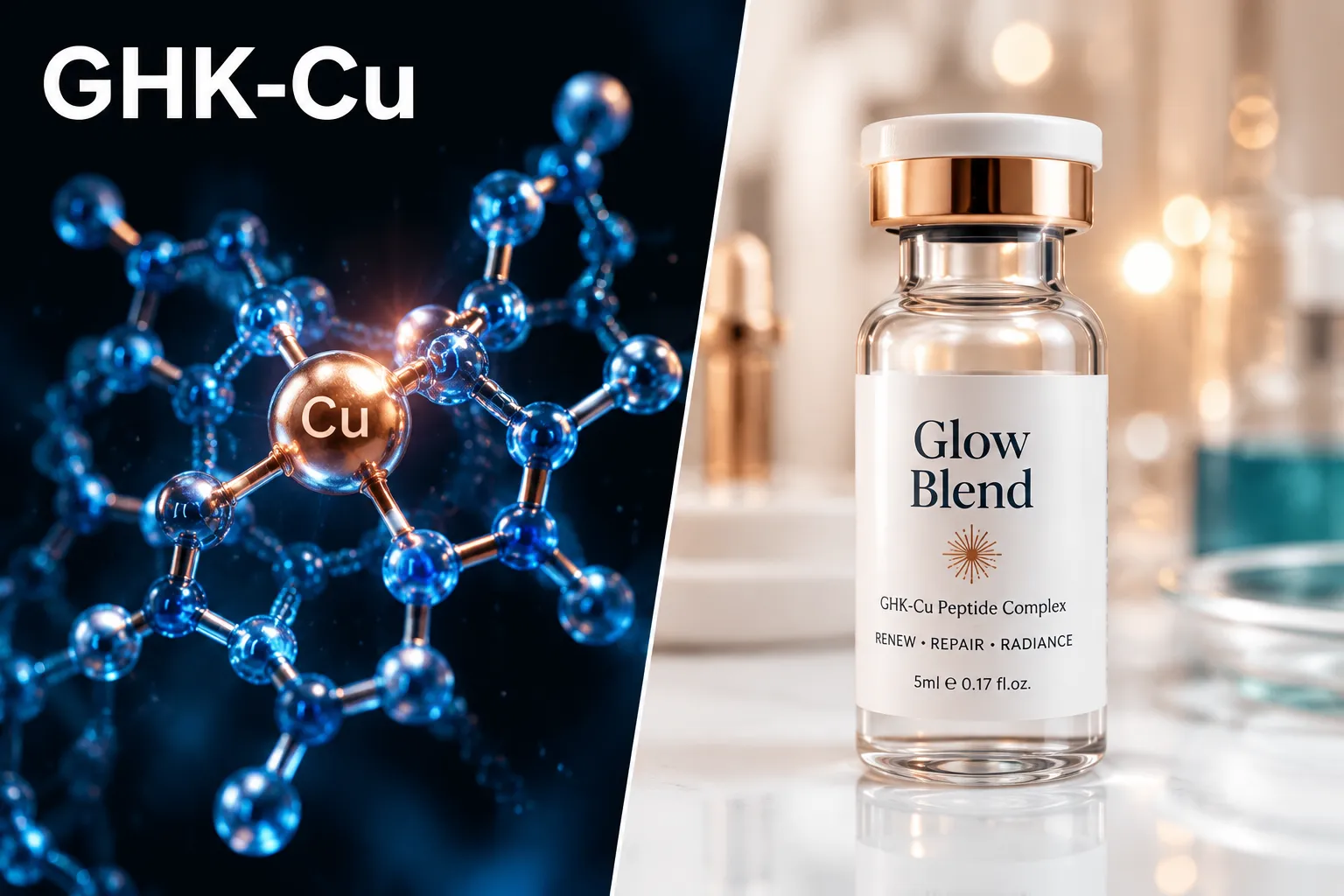
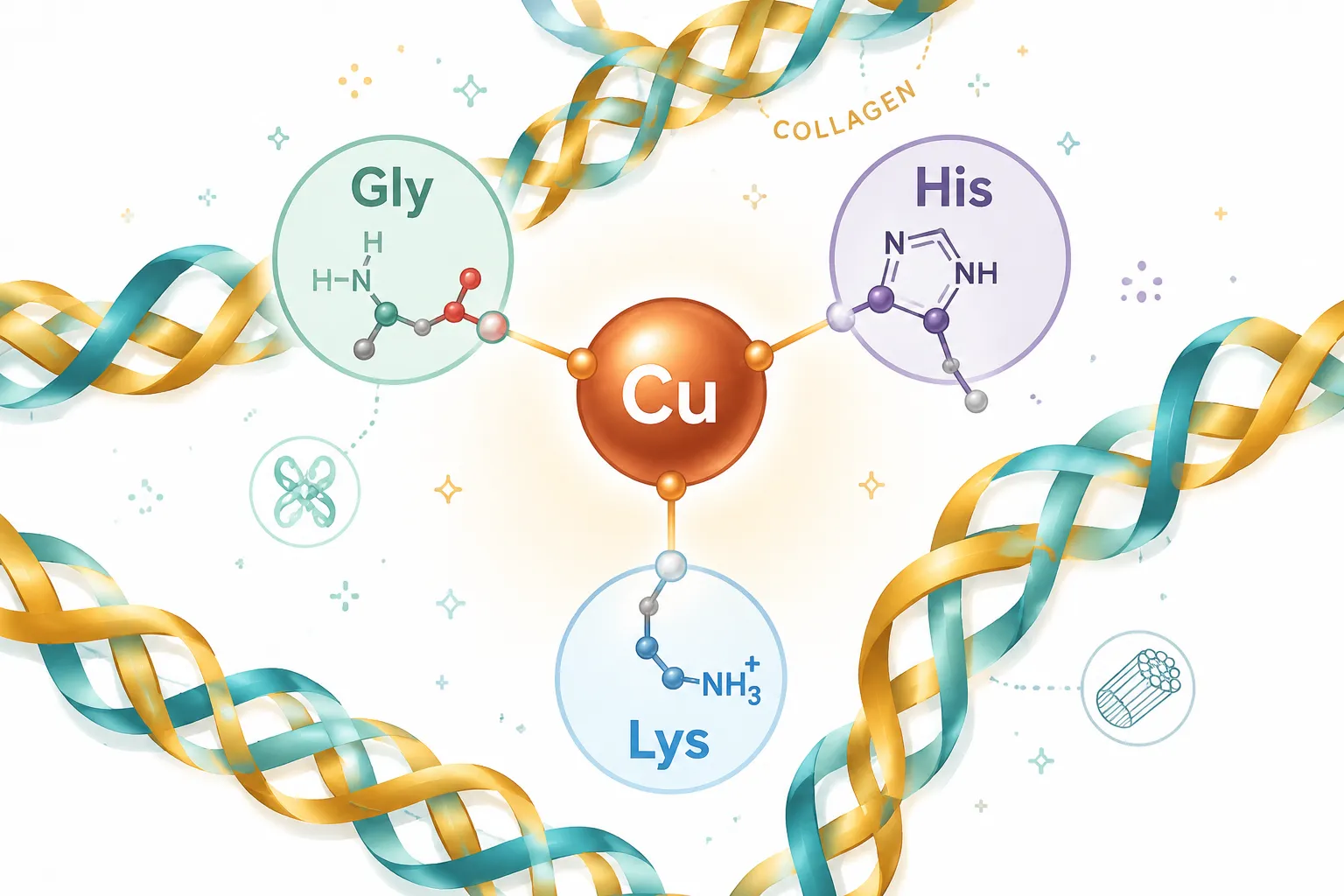
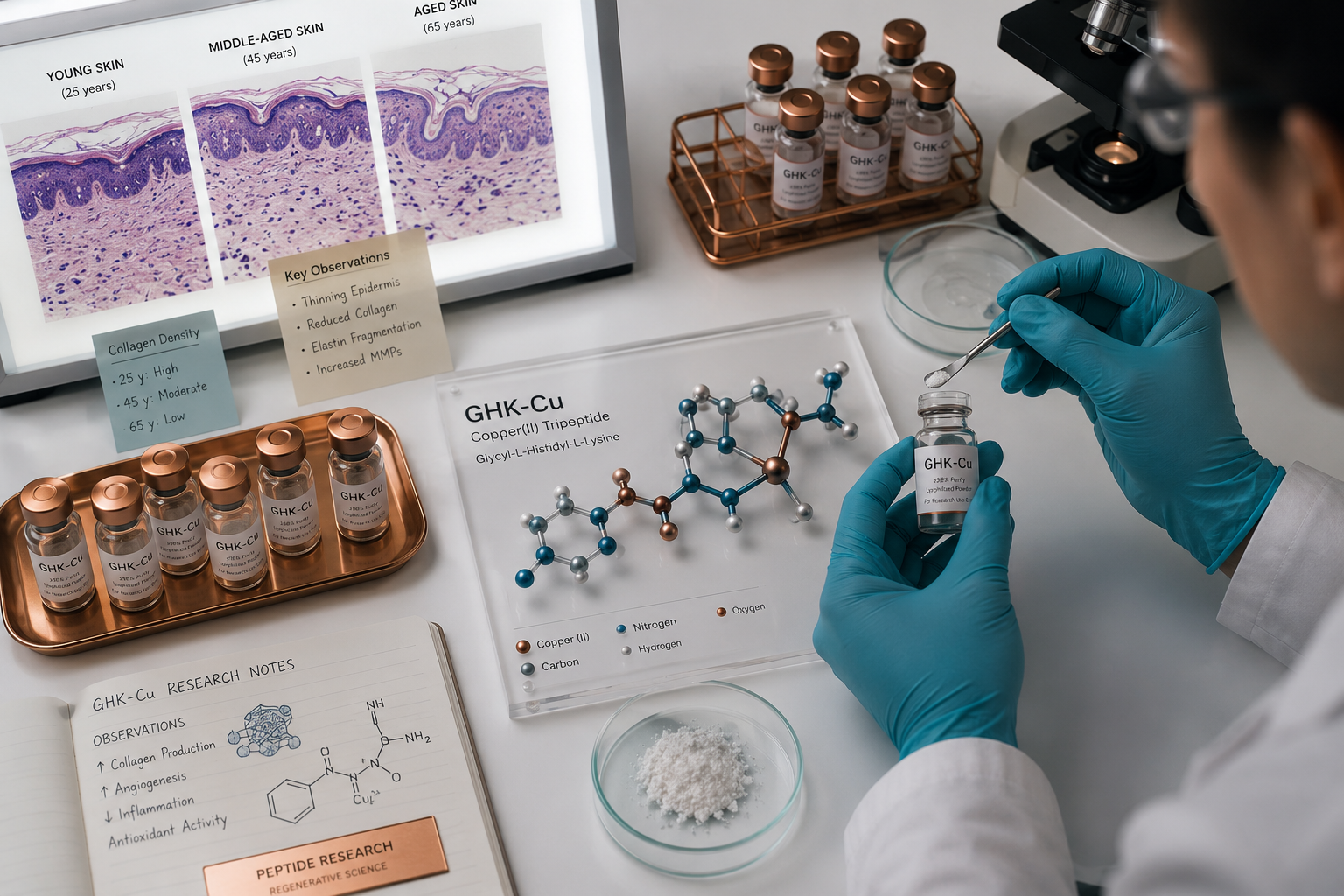
GHK-Cu stands for glycyl-L-histidyl-L-lysine copper(II). The tripeptide backbone — three amino acids — binds a single copper(II) ion with high affinity. That copper binding is not incidental. It is the functional core of the molecule.

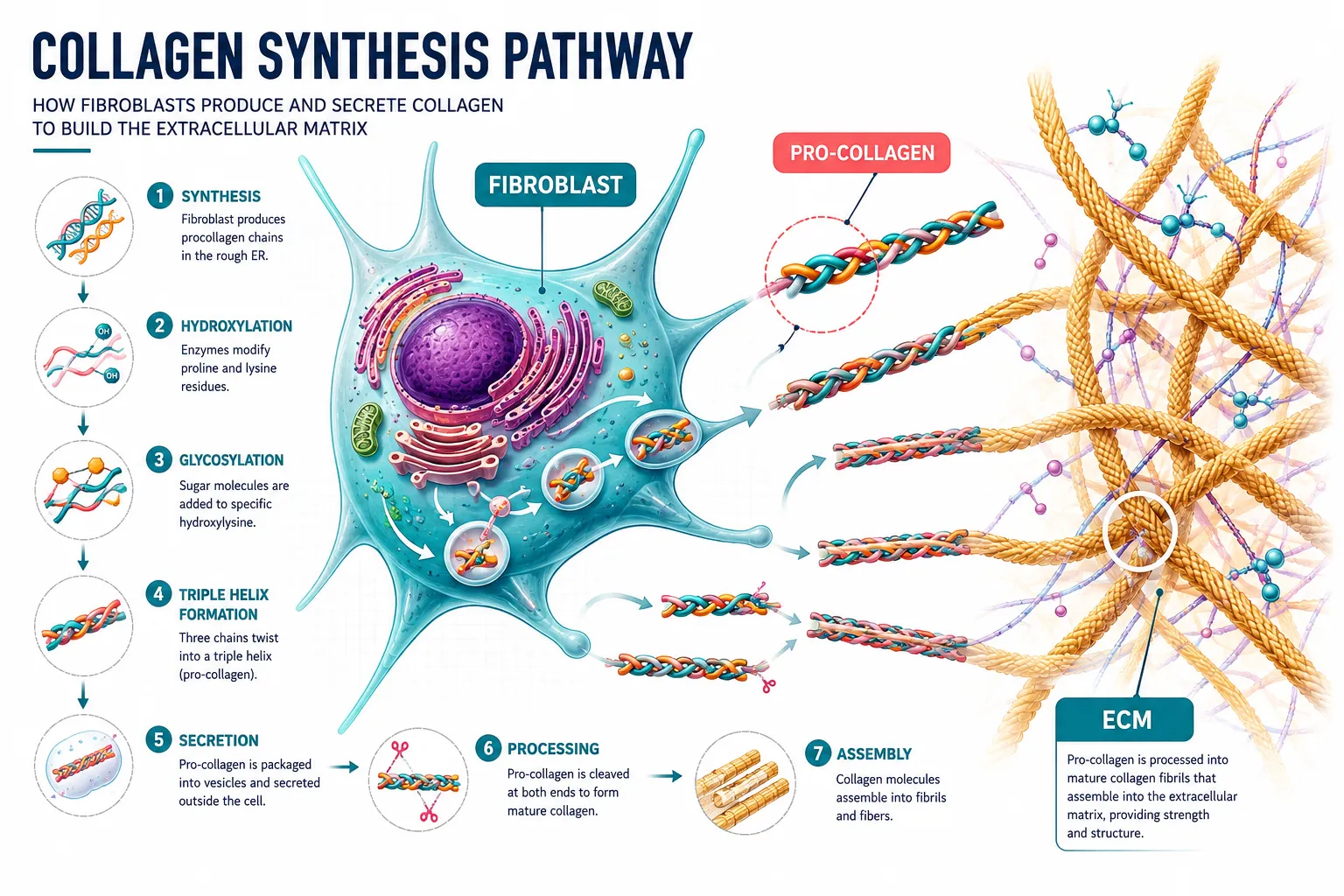
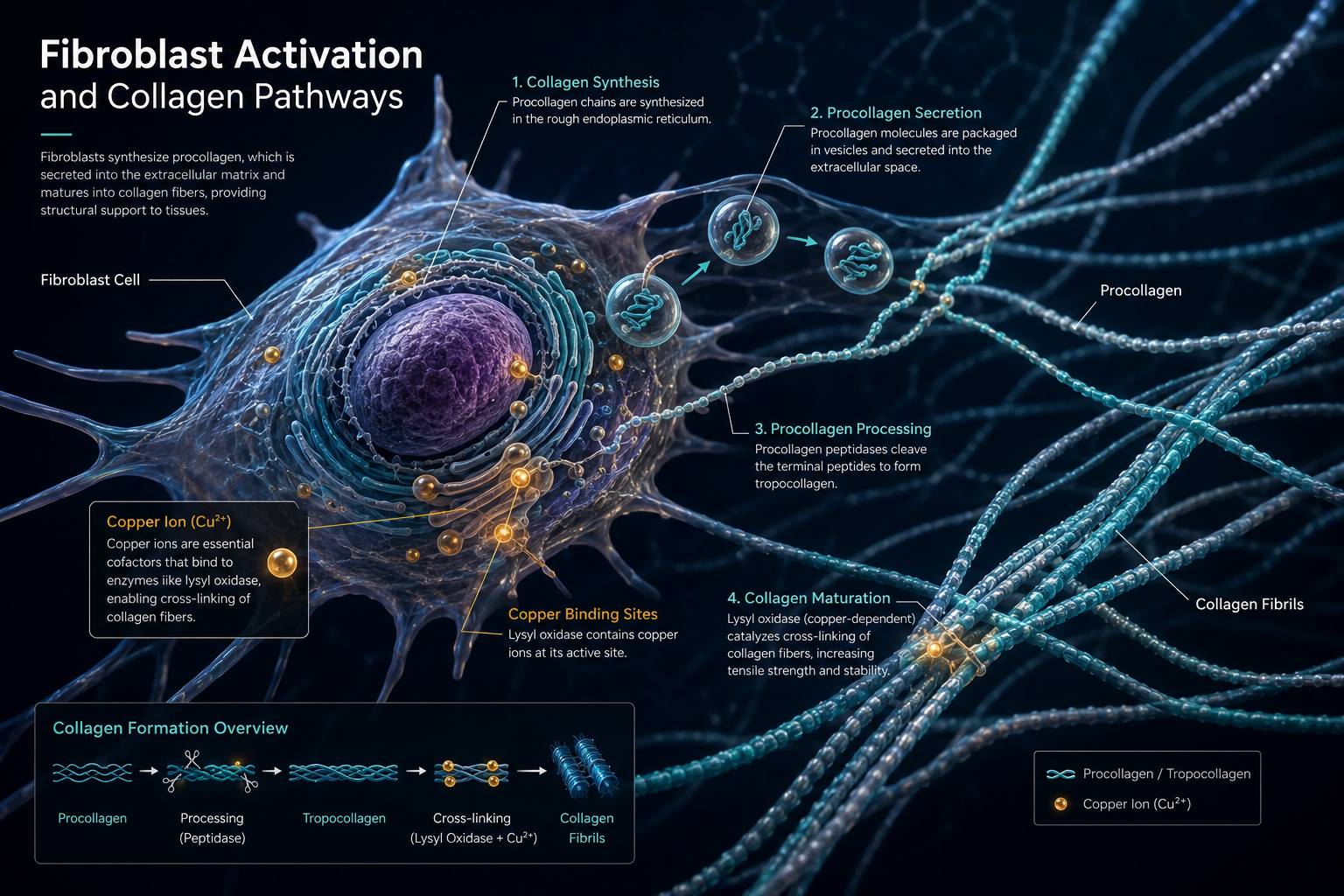
Copper is a required cofactor for lysyl oxidase, the enzyme that cross-links collagen and elastin fibers into a stable matrix. Without adequate copper delivery, newly synthesized collagen fibers remain poorly organized. GHK-Cu acts as a chaperone, shuttling bioavailable copper to sites where connective tissue assembly is actively occurring.

Human plasma concentrations of GHK-Cu are estimated at roughly 200 ng/mL in young adults but fall to approximately 80 ng/mL by age 60. Researchers frame this decline as a meaningful loss of a natural repair signal — one the body uses to coordinate wound healing, matrix remodeling, and local immune modulation.

For context on how other peptides interact with tissue repair at the cellular level, the skin matrix biology overview provides useful background on ECM architecture.

What Is GHK-Cu and Why Does Copper Matter


Mechanisms: ECM Signaling, Epigenetics, and Antioxidant Defense

Understanding GHK-Cu for Collagen, Copper Biology, and Skin-Regeneration Research: A Mechanism-First Overview requires looking at three distinct but overlapping mechanisms.

1. Extracellular Matrix Upregulation

GHK-Cu stimulates fibroblasts — the cells responsible for producing collagen, elastin, and glycosaminoglycans. In vitro studies show increased transcription of:

Target Effect
Collagen I and III Structural fiber production
Elastin Skin elasticity and recoil
Fibronectin Cell adhesion and wound closure
Decorin Collagen fiber organization

This is not a single-pathway effect. GHK-Cu appears to act as a broad ECM upregulator rather than targeting one receptor.

2. Epigenetic Regulation

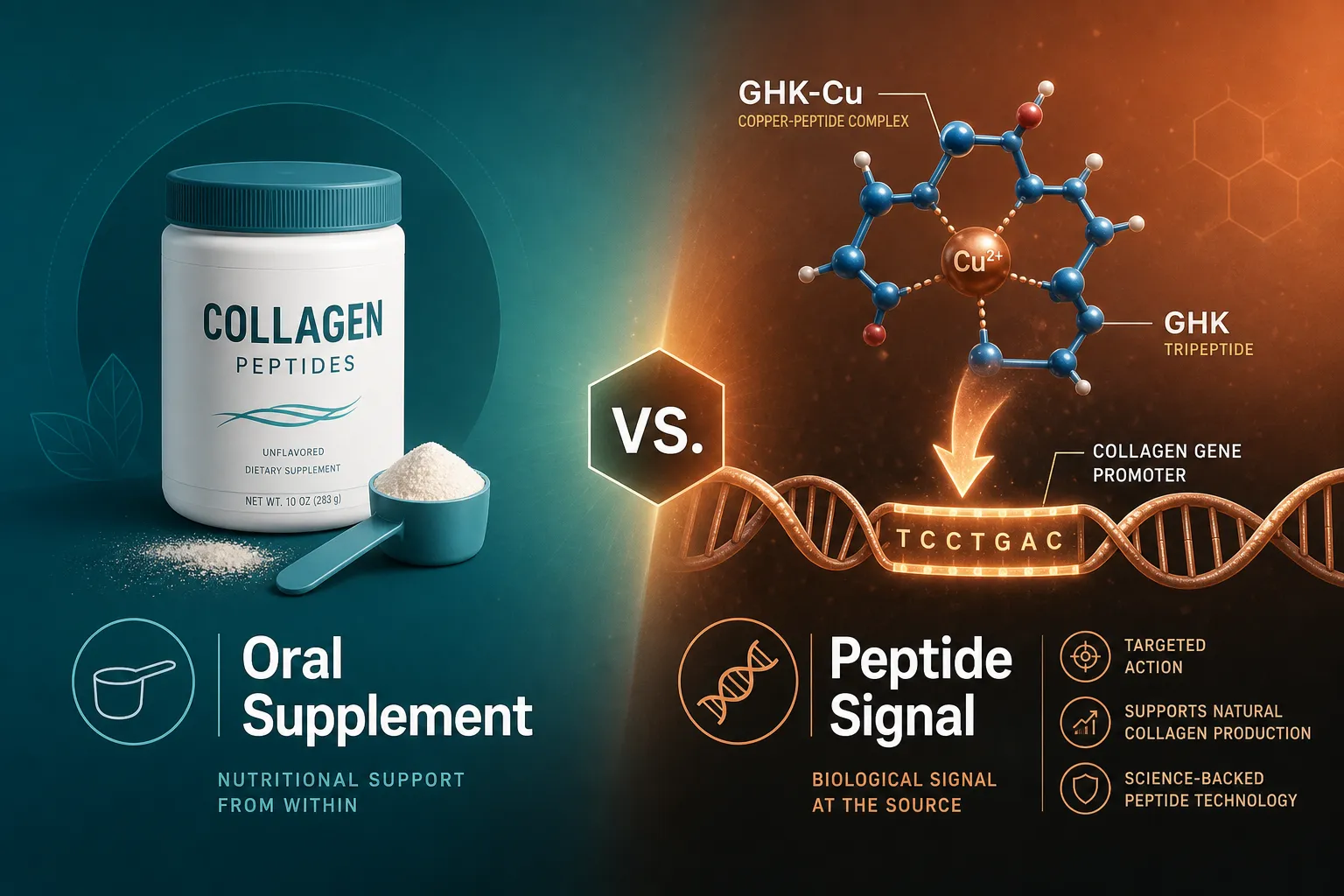
One of the more surprising findings in GHK-Cu research is its influence on gene expression at scale. Studies using gene array analysis suggest GHK-Cu modulates the expression of over 4,000 human genes, many of which relate to inflammation resolution, DNA repair, and mitochondrial function. This places it in a category researchers sometimes call "epigenetic peptide regulators."

This overlaps with research themes explored in BPC-157 core peptide documentation and TB-500 cytoskeletal remodeling research, both of which also demonstrate broad gene-level effects on tissue repair.

3. Antioxidant and Anti-Inflammatory Activity

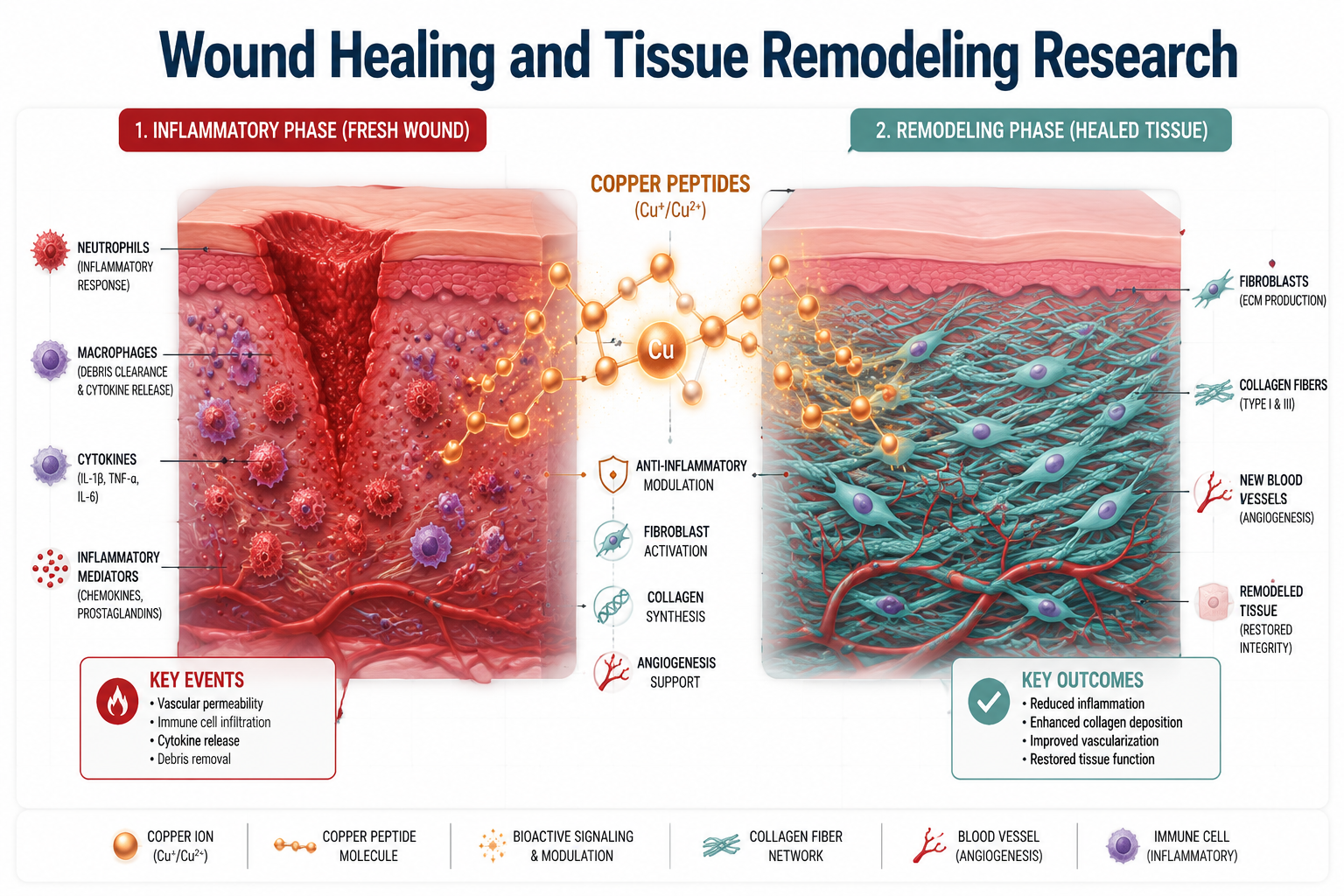
GHK-Cu downregulates pro-inflammatory cytokines including TNF-alpha and IL-6 while simultaneously activating superoxide dismutase (SOD) — a primary cellular antioxidant enzyme. This dual action helps explain why wound sites treated with GHK-Cu in preclinical models show faster resolution of the inflammatory phase.


Clinical and Preclinical Research Highlights

The 2026 ultrasound data represents a meaningful step forward because it uses an objective, non-invasive measurement rather than self-reported outcomes or surface photography.

Clinical and Preclinical Research Highlights

Key findings from current research include:

  • 28% mean increase in subdermal echogenic density after 3 months of topical GHK-Cu
  • 51% improvement in the top quartile of participants
  • Authors described GHK-Cu as "one of the most powerful peptides in our body that goes down with age," framing the results as empirical confirmation that exogenous delivery can restore dermal collagen density when the vehicle is stable and penetrant

Researchers interested in how delivery vehicles affect peptide bioavailability will find relevant discussion in the peptide purity testing guide and the are peptide serums worth it evidence-based review.

For those studying GHK-Cu alongside immune-modulating peptides, LL-37 mechanism and research covers overlapping anti-inflammatory signaling themes.

Clinical and Preclinical Research Highlights


Conclusion

GHK-Cu for Collagen, Copper Biology, and Skin-Regeneration Research: A Mechanism-First Overview reveals a peptide with unusual biological reach. Its copper-binding function drives ECM enzyme activity, its epigenetic footprint touches thousands of repair-related genes, and its anti-inflammatory properties help resolve the conditions that slow healing.

Actionable next steps for researchers and informed readers:

  1. Prioritize delivery vehicle quality — penetration depth directly affects whether GHK-Cu reaches fibroblasts in the dermis.
  2. Review the latest developments in peptide research to track emerging GHK-Cu data as it is published.
  3. Consider GHK-Cu in the context of other ECM-active peptides to understand how combination approaches are being studied.
  4. Use objective measurement tools — such as ultrasound echogenicity — when evaluating research outcomes rather than relying solely on visual assessments.

The 2026 clinical data makes one point clearly: when delivered correctly, GHK-Cu does not just signal repair — it produces measurable structural change.

https://www.puretestedpeptides.com/wp-content/uploads/2026/06/GHK-Cu-for-Collagen-Copper-Biology-and-Skin-Regeneration-Research-A-Mechanism-First-Overview.png 1024 1536 https://www.puretestedpeptides.com/wp-content/uploads/2026/01/buy-peptides-online.jpg 2026-06-16 13:05:322026-06-16 13:05:32GHK-Cu for Collagen, Copper Biology, and Skin-Regeneration Research: A Mechanism-First Overview
×

Helpful Links

  • My account
  • Cart
  • Checkout
  • Refund and Returns Policy
  • Privacy Policy
  • SMS Privacy Policy
  • Login
  • My Account
  • Logout

USA Made Lab Tested Peptides

All products are sold for research, laboratory, or analytical purposes only, and are not for human consumption


Pure Tested Peptides is a chemical supplier. Pure Tested Peptides is not a compounding / chemical compounding facility as defined under 503A of the Federal Food, Drug, and Cosmetic act. Pure Tested Peptides is not an outsourcing facility as defined under 503B of the Federal Food, Drug, and Cosmetic act.

The statements made within this website have not been evaluated by the US Food and Drug Administration. The products we offer are not intended to diagnose, treat, cure or prevent any disease.

Human/Animal Consumption Prohibited. Laboratory/In-Vitro Experimental Use Only

Scroll to top Scroll to top Scroll to top