Call or Text 727-513-9780
  • Shopping Cart Shopping Cart
    0Shopping Cart
Pure Tested Peptides | America's most trusted Peptides for sale online
  • Peptides for sale
    • Oral Peptides for sale
      • Peptide Capsules for sale
      • BPC 157 Capsules 1000mcg
      • SLU-PP-332 Capsules | 1000 mcg
      • 5-Amino-1MQ 50mg Capsules
      • Tesofensine 500mcg
    • All Peptides for sale
    • Peptide Sprays
      • BPC 157 Nasal Spray Kit
      • BPC-157 TB500 Nasal Spray Kit
      • Semax Nasal Spray 10mg
      • Selank – Nasal Spray Kit – 10mg
      • Epithalon 50MG Nasal Spray Kit
      • Ipamorelin 10mg Nasal Spray
      • Klow Nasal Spray (BPC-157 + TB-500 + GHK-Cu + KPV) | 80mg
      • Hulk Nasal Spray Tesa / Ipa Blend 6/3 MG
      • Klow Nasal Spray
      • NAD + 500 mg Nasal Spray
      • PT-141 Nasal Spray Kit
    • GHRH Peptides
      • Ipa Peptides
      • CJC-1295 Peptides
        • CJC-1295 with DAC 5 mg
        • CJC-1295 without DAC 5 mg
        • CJC-1295 Ipa 10mg
      • Tesa Peptides
        • Tesa Peptide
        • Tesa 20 mg
    • GHK-Cu Peptides
      • All GHK-Cu Peptides
      • GHK-Cu 100mg
      • KLOW Peptide Blend – Buy KLOW blend online
    • BPC Peptides
      • All BPC Peptides
      • BPC-157
      • BPC-157 TB-500
      • BPC 157 capsules 1000mcg
    • SLU-PP-332 Peptides
      • All SLU-PP-332 Peptides
      • SLU-PP-332 5mg
    • GLP3 Peptides
      • GLP3-R
      • GLP3-R CAG 10mg
      • GLP3-R 20mg
    • PT-141 Peptides
      • PT-141 Peptides for sale
      • PT-141 10mg
      • PT-141 Nasal Spray
    • CAG Peptides
      • Lipo-C Peptide Blend
      • CAG 5mg
      • CAG 10mg
    • MOTS-C Peptides
      • MOTS-C Peptides for sale
      • MOTS-c peptide
      • MOTS-c 10mg *6 pack*
    • 5 Amino 1MQ Peptides
      • 5 Amino 1MQ Peptides for sale
      • 5-Amino-1MQ 50mg Capsules
      • 5-Amino-1MQ 5mg
    • Epithalon Peptides
      • Epithalon Peptides for sale
      • Epithalon 10mg
      • Epithalon 50mg
  • Shop
    • GLPs
      • 5-Amino-1MQ 50mg Capsules
      • 5-Amino-1MQ 5mg
      • GLP3-Reta
      • L-Carnitine 500mg/ml
      • Tesofensine 500mcg
      • SLU-PP-332 5mg
      • MOTS-c 10mg *6 pack*
    • Epithalon & BPC Peptides
      • Epithalon 10mg
      • Epithalon 50mg
      • BPC-157
      • BPC 157 capsules 1000mcg
      • BPC-157 TB-500
      • BPC-157 TB500 Nasal Spray Kit
      • BPC 157 Nasal Spray Kit
    • BPC TB-500 & NAD+ Peptides
      • NAD+ 500 mg
      • KLOW Peptide Blend – Buy KLOW blend online
      • GLOW Peptide Blend
      • TB 500 5mg
      • BPC 157 capsules 1000mcg – Supplement
      • BPC 157 Nasal Spray Kit
      • BPC-157
      • BPC-157 TB500 Nasal Spray Kit
      • BPC-157 TB-500
      • BPC 157 capsules 1000mcg
    • LL-37 Peptide
      • LL-37 10 mg
    • MOTS-C & Selank
      • MOTS-c peptide
      • Selank 10mg
    • GHK Peptides
      • GHK-Cu 100mg
      • GLOW Peptide Blend
      • KLOW Peptide Blend – Buy KLOW blend online
  • COAs
  • Wholesale
    • Wholesale Peptides for sale
  • PTP FAQ
  • Affiliates
    • Affiliate Program
    • Affiliate Signup
  • Contact
    • Contact Customer Service
    • Text Customer Support
  • About US
  • Shop all peptides
  • Login / Register Login / Register Page Link Login / Register Page Link
  • Click to open the search input field Click to open the search input field Search
  • Menu Menu

Tag Archive for: cognitive enhancement

Best Research Peptides for Cognitive Enhancement: Comparing Selank, Semax, and Epithalon

Best Research Peptides for Cognitive Enhancement: Comparing Selank, Semax, and Epithalon

July 11, 2026/0 Comments/in Uncategorized/by

Roughly 50 million adults worldwide report clinically significant cognitive complaints each year, yet fewer than a handful of pharmaceutical compounds have received approval specifically for cognitive enhancement. That gap has driven serious research interest toward a class of short-chain amino acid sequences known as nootropic peptides. Among the most studied are three compounds with distinct mechanisms: Selank, Semax, and Epithalon. Evaluating the best research peptides for cognitive enhancement, comparing Selank, Semax, and Epithalon, requires a close look at what the science actually shows, where the evidence is strong, and where critical gaps remain.

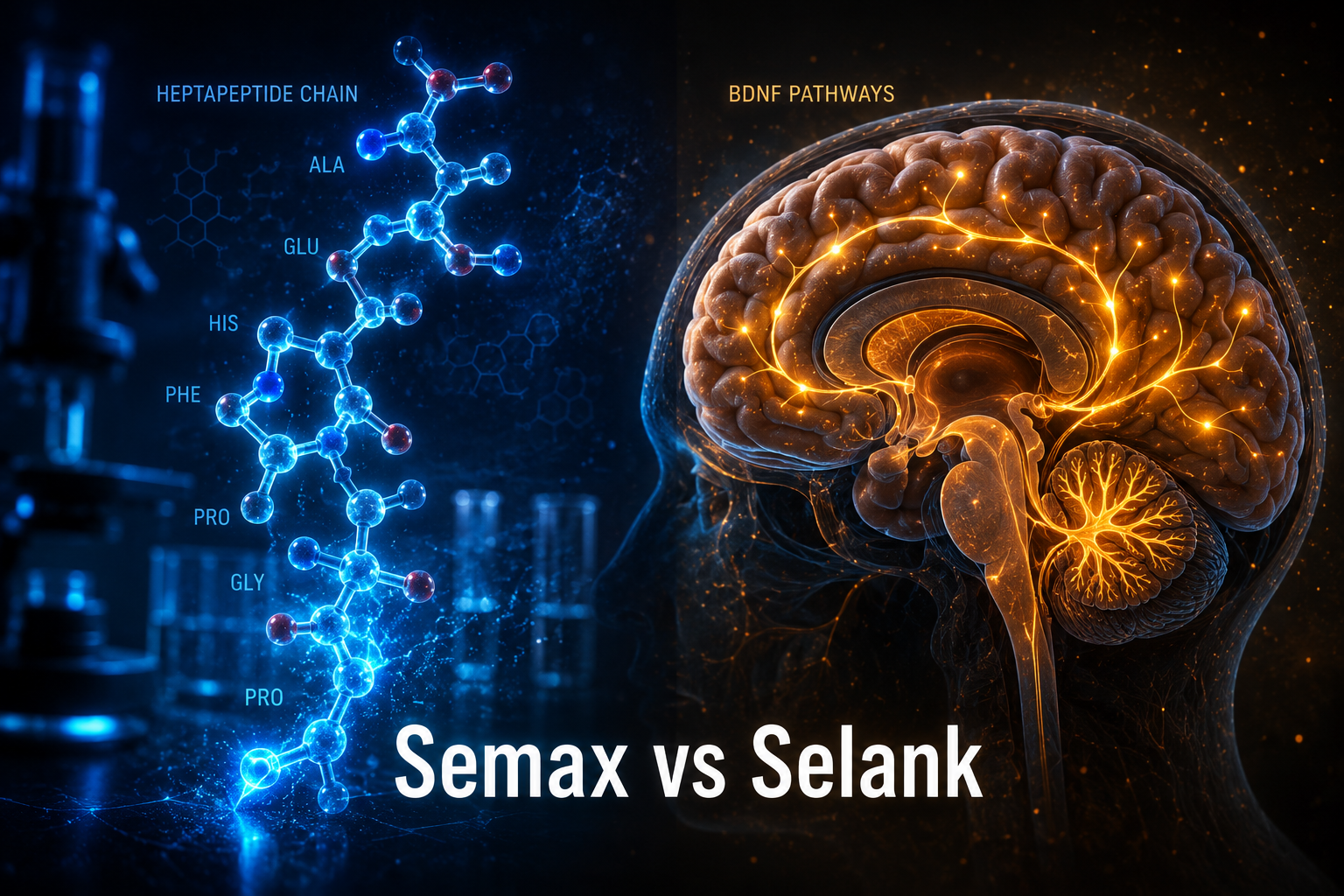
Editorial (). Split-screen conceptual illustration: left panel shows a stylized molecular structure of a heptapeptide chain

Key Takeaways

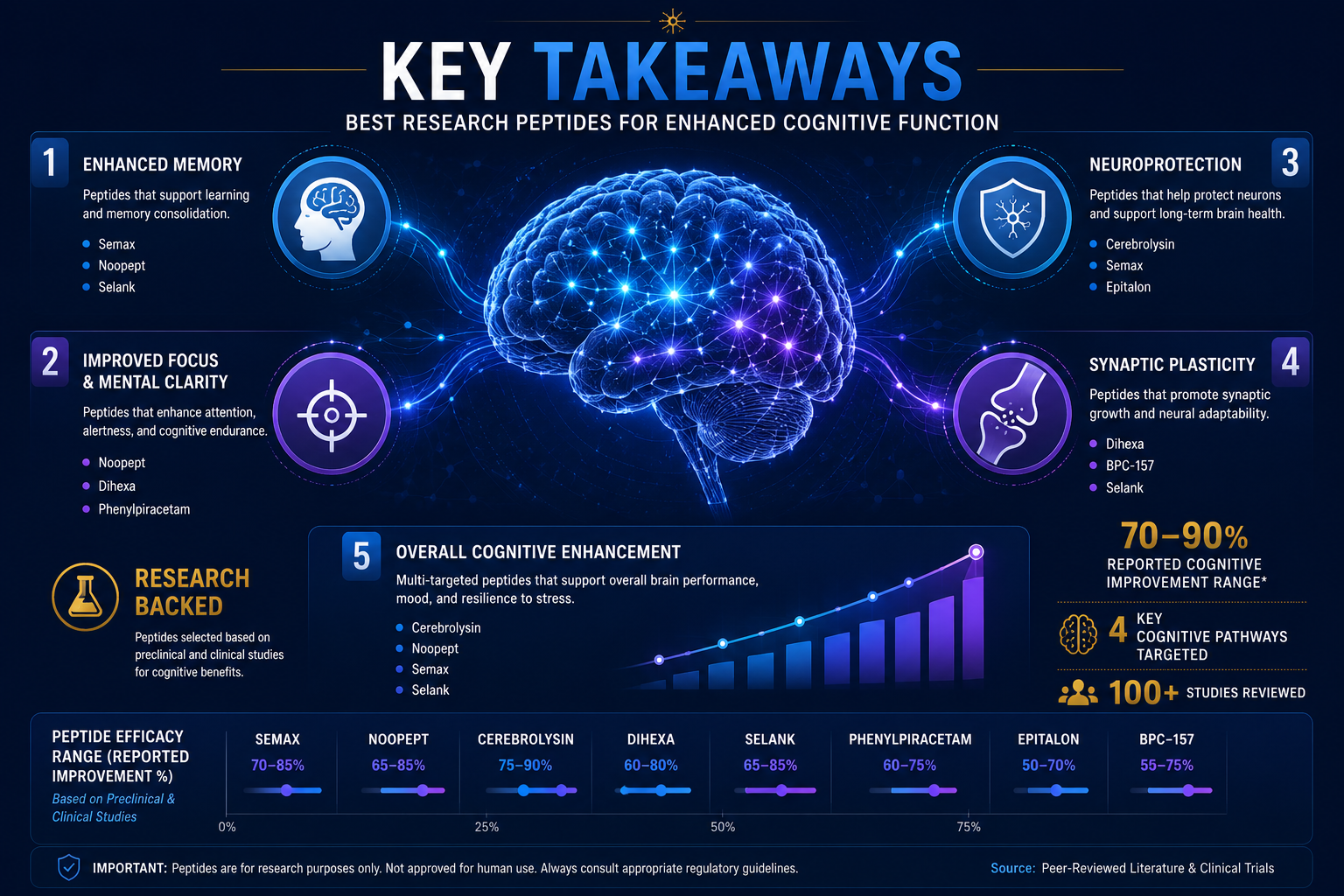
  • Semax is the most directly cognitive-activating of the three, upregulating BDNF and NGF to support memory, attention, and neuroprotection.
  • Selank works primarily as an anxiolytic, producing cognitive benefits indirectly by reducing anxiety without sedation or dependence.
  • Epithalon is studied mainly for telomerase activation and anti-aging effects; its cognitive role is less established than the other two.
  • Both Semax and Selank are approved in Russia but hold no FDA approval; most clinical data originates from Russian-language literature.
  • Peptide purity and sourcing quality are critical variables when evaluating any research compound.

Mechanisms of Action: How Each Peptide Works in the Brain

Understanding the best research peptides for cognitive enhancement means starting with mechanism, not marketing.

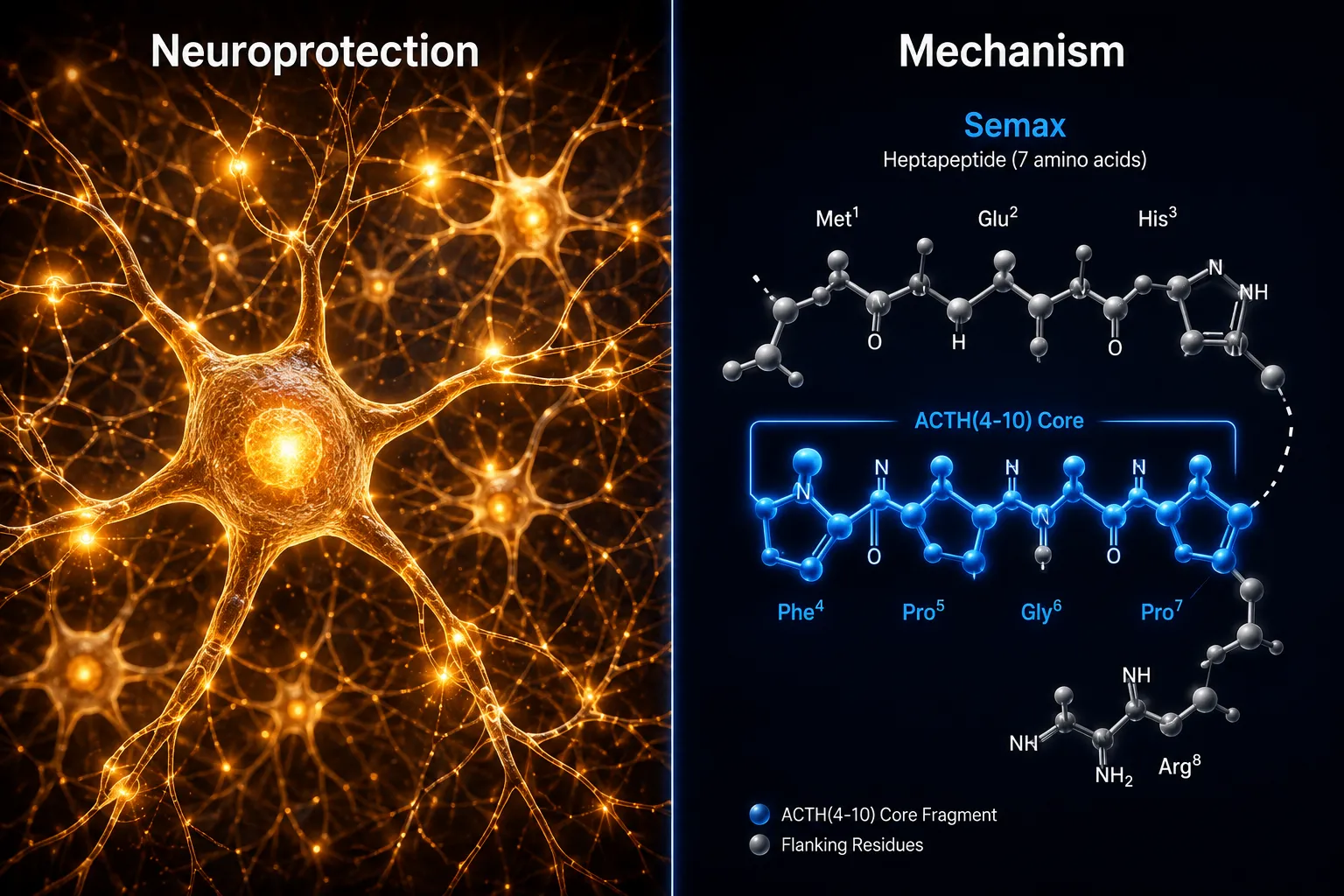
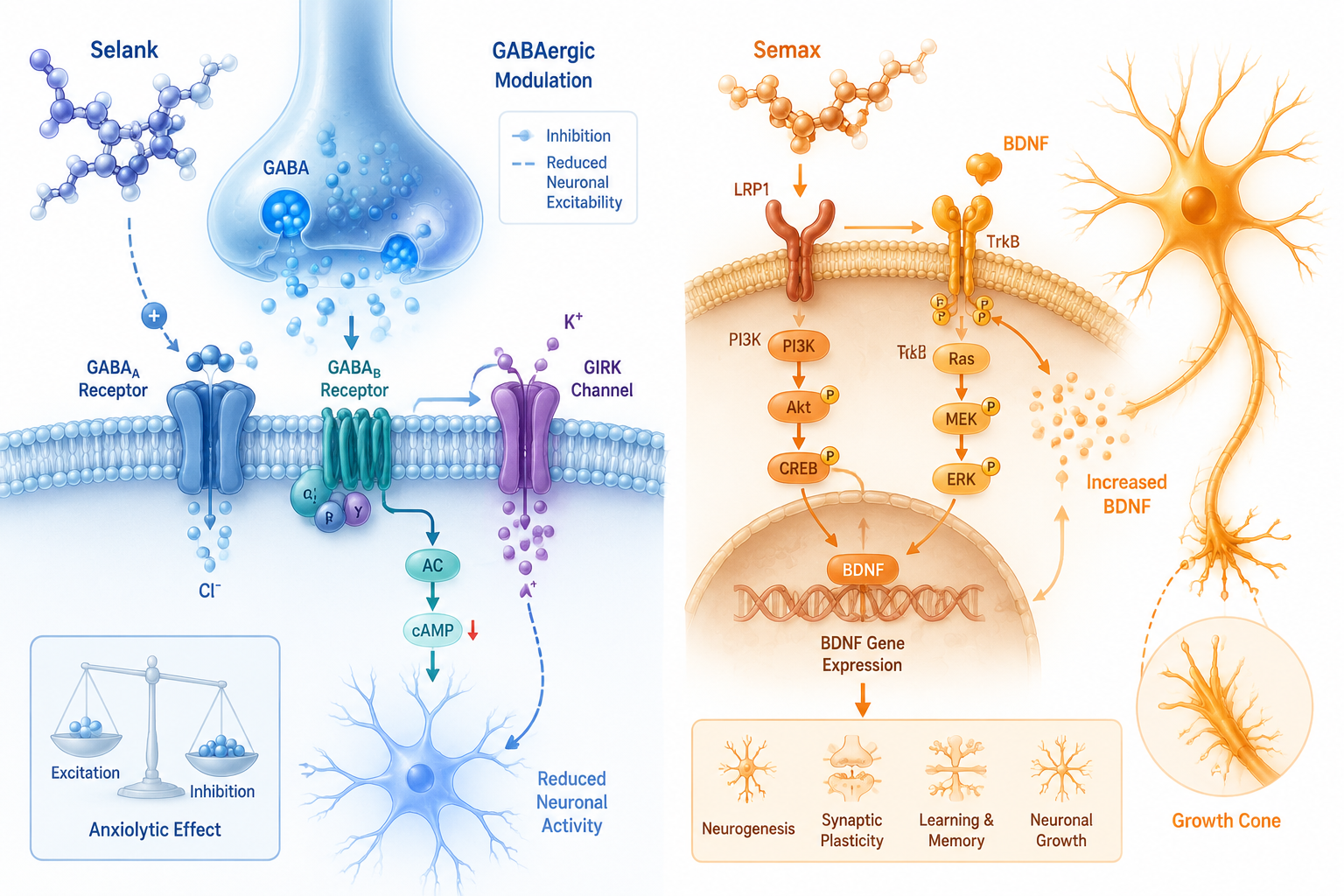
Semax is a synthetic heptapeptide derived from adrenocorticotropic hormone (ACTH). Its primary cognitive effect comes from upregulating brain-derived neurotrophic factor (BDNF) and nerve growth factor (NGF). These proteins support neuron survival, synaptic plasticity, and the formation of new neural connections. Semax also modulates dopaminergic and serotonergic systems, which influence motivation, attention, and working memory. Animal models and limited human trials have shown improvements in learning speed and memory consolidation. A particularly notable line of research demonstrated that Semax improved cognitive function in mice with amyloid-beta-induced Alzheimer's-like pathology, suggesting relevance beyond acute brain injury.

Selank is also a heptapeptide developed at the Russian Academy of Sciences. Rather than directly activating neurotrophic pathways, it modulates GABAergic and serotonergic systems to produce anxiolytic effects without sedation. Its cognitive benefits are largely indirect: by reducing anxiety, it removes a major barrier to attention, memory encoding, and executive function. Importantly, Selank does not appear to cause dependence or withdrawal, which distinguishes it from benzodiazepine-class anxiolytics. For a deeper look at the documented effects of both compounds, the Selank and Semax research overview covers the key findings in accessible detail.

Epithalon is a tetrapeptide (four amino acids) with a different primary target: telomerase activation. Telomerase is the enzyme that maintains telomere length, a key marker of cellular aging. Most Epithalon research focuses on longevity and anti-aging rather than acute cognitive enhancement. Some animal studies suggest neuroprotective properties, but the direct cognitive evidence is considerably thinner than what exists for Semax or Selank.

Peptide Primary Mechanism Main Cognitive Benefit Evidence Strength
Semax BDNF/NGF upregulation Memory, attention, neuroprotection Moderate (clinical + preclinical)
Selank GABAergic/serotonergic modulation Anxiety reduction, indirect cognition Moderate (clinical + preclinical)
Epithalon Telomerase activation Neuroprotection, anti-aging Limited (mainly preclinical)

Comparing Selank, Semax, and Epithalon: Clinical Evidence and Approval Status

When comparing the best research peptides for cognitive enhancement, regulatory status and clinical depth matter.

Semax holds approval in Russia for ischemic stroke and cognitive disorders. Clinical studies have shown improved neurological outcomes when it is administered intranasally shortly after stroke onset. A 2019 Russian review summarizing 25 years of Semax use across more than 15,000 patients reported no serious adverse events at therapeutic doses, though the review was retrospective rather than a prospectively collected safety database.

Selank is approved in Russia for generalized anxiety disorder and neurasthenia. A functional MRI study in 52 healthy participants found that both Selank and Semax produced measurable changes in functional connectivity between the right amygdala and the right temporal cortex, suggesting real neurological activity rather than placebo effects. Researchers interested in how Selank influences stress response and cognition will find the Selank stress and cognition research summary a useful reference. Additional context on Selank side effects is also worth reviewing before drawing research conclusions.

Neither Semax nor Selank holds FDA approval. Epithalon has no regulatory approval in any major Western market. All three are available primarily through research chemical suppliers, which makes sourcing quality a critical variable. Understanding peptide purity testing is essential for anyone working with these compounds in a research context.

"The majority of clinical data on Semax and Selank originates from Russian-language literature, with limited replication in Western studies, a significant gap that shapes how confidently any conclusions can be drawn."

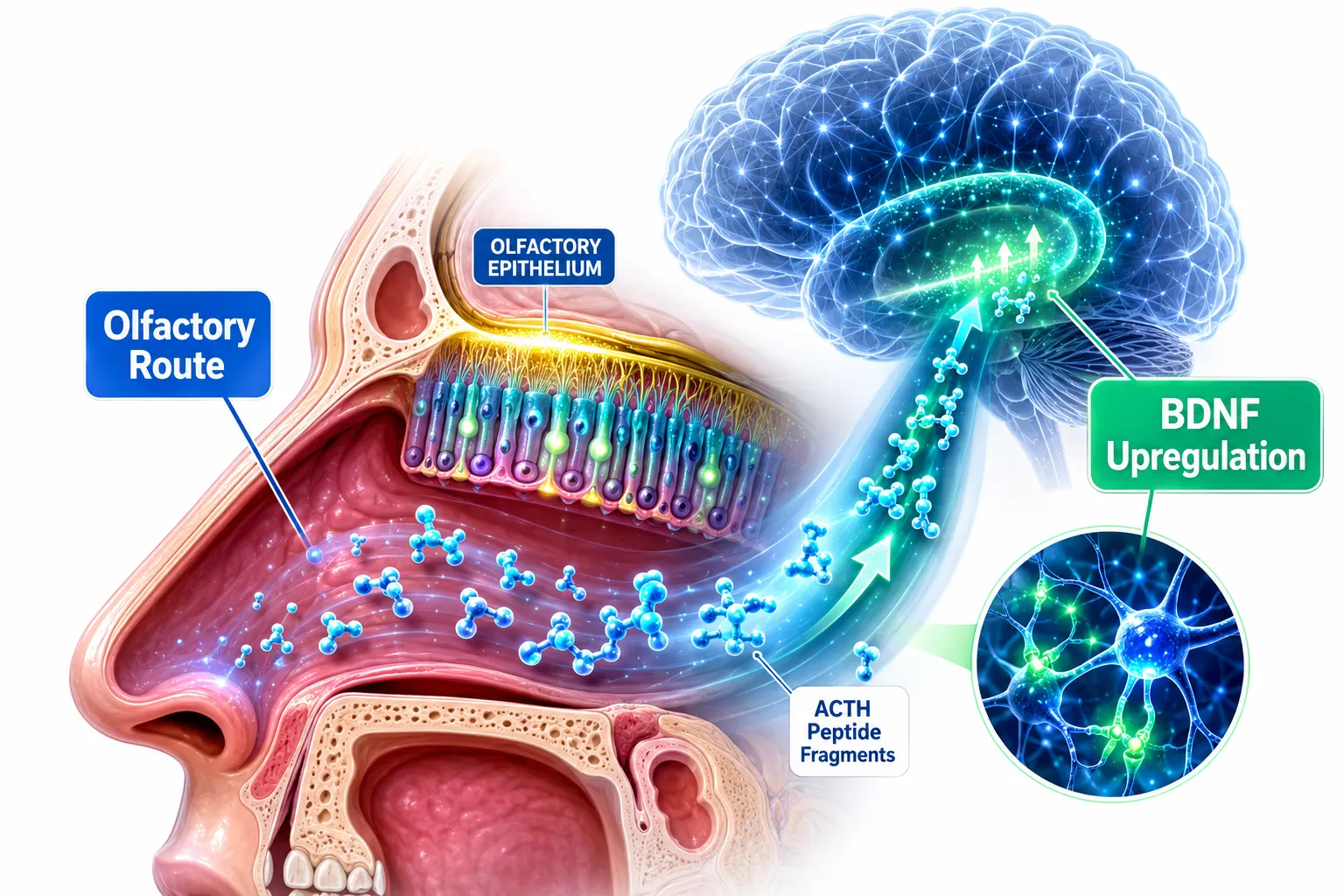
Both Semax and Selank are administered intranasally, which allows them to bypass the blood-brain barrier efficiently and reach the central nervous system directly. This delivery route is a key advantage over oral peptides, which typically degrade before reaching systemic circulation.

Comparing Selank, Semax, and Epithalon: Clinical Evidence and Approval Status


Delivery, Safety, and Research Sourcing Considerations

For researchers evaluating the best research peptides for cognitive enhancement, comparing Selank, Semax, and Epithalon, practical sourcing and safety considerations are inseparable from the science.

Delivery method shapes bioavailability significantly. Intranasal delivery for Semax and Selank provides rapid CNS access. Epithalon is typically administered subcutaneously or intravenously in research settings. Oral delivery of any peptide carries degradation risks unless specifically formulated for that route.

Safety profiles for Semax and Selank appear favorable in available data, with no serious adverse events reported at research-relevant doses. However, the evidence base is geographically concentrated and methodologically variable. Epithalon's long-term safety profile in humans remains understudied.

Purity and sourcing represent the most controllable variable in any peptide research protocol. Contaminated or mislabeled compounds introduce confounds that make results uninterpretable. Researchers working across multiple peptide classes, from cognitive compounds to metabolic agents like those explored in GHK-Cu longevity research or NAD+ energetics and longevity themes, consistently cite verified purity as the baseline requirement.

Those exploring broader neuroprotective peptide research may also find the Pinealon neuroprotection overview relevant, as it covers a related class of bioregulator peptides with overlapping research themes.

Delivery, Safety, and Research Sourcing Considerations


Conclusion

The best research peptides for cognitive enhancement, comparing Selank, Semax, and Epithalon, each occupy a distinct niche. Semax is the strongest candidate for direct cognitive activation, supported by the most robust clinical data. Selank offers a complementary pathway through anxiety reduction, with a clean safety profile and documented neurological activity. Epithalon's cognitive role remains largely theoretical at this stage, with its primary value lying in anti-aging and neuroprotective research.

Actionable next steps for researchers:

  • Prioritize verified, third-party tested peptide sources before beginning any protocol.
  • Review the functional MRI and BDNF literature on Semax before designing cognitive outcome measures.
  • Treat Epithalon as a longevity compound first and a cognitive enhancer second until more direct human evidence emerges.
  • Consult the neuroendocrine and innate immunity research resource for broader context on how peptides interact with CNS regulatory systems.
  • Stay current with Western replication studies, as the field is evolving rapidly in 2026.
https://www.puretestedpeptides.com/wp-content/uploads/2026/07/best-research-peptides-for-cognitive-enhancement-comparing-selank-semax-and-epit.png 1024 1536 https://www.puretestedpeptides.com/wp-content/uploads/2026/01/buy-peptides-online.jpg 2026-07-11 13:05:222026-07-11 13:05:22Best Research Peptides for Cognitive Enhancement: Comparing Selank, Semax, and Epithalon
Selank Peptide: Uncovering Its Nootropic Potential and Anxiolytic Pathways in Cognitive Research

Selank Peptide: Uncovering Its Nootropic Potential and Anxiolytic Pathways in Cognitive Research

July 6, 2026/0 Comments/in Uncategorized/by

A synthetic heptapeptide derived from tuftsin, a naturally occurring immunomodulatory compound, Selank has quietly accumulated a body of research suggesting it can reduce anxiety and sharpen cognition without the sedation or dependency risks tied to conventional treatments. That combination is rare enough to merit serious scientific attention.

Selank peptide: uncovering its nootropic potential and anxiolytic pathways in cognitive research has become an increasingly relevant pursuit as researchers seek safer alternatives to benzodiazepines and more targeted tools for cognitive enhancement.

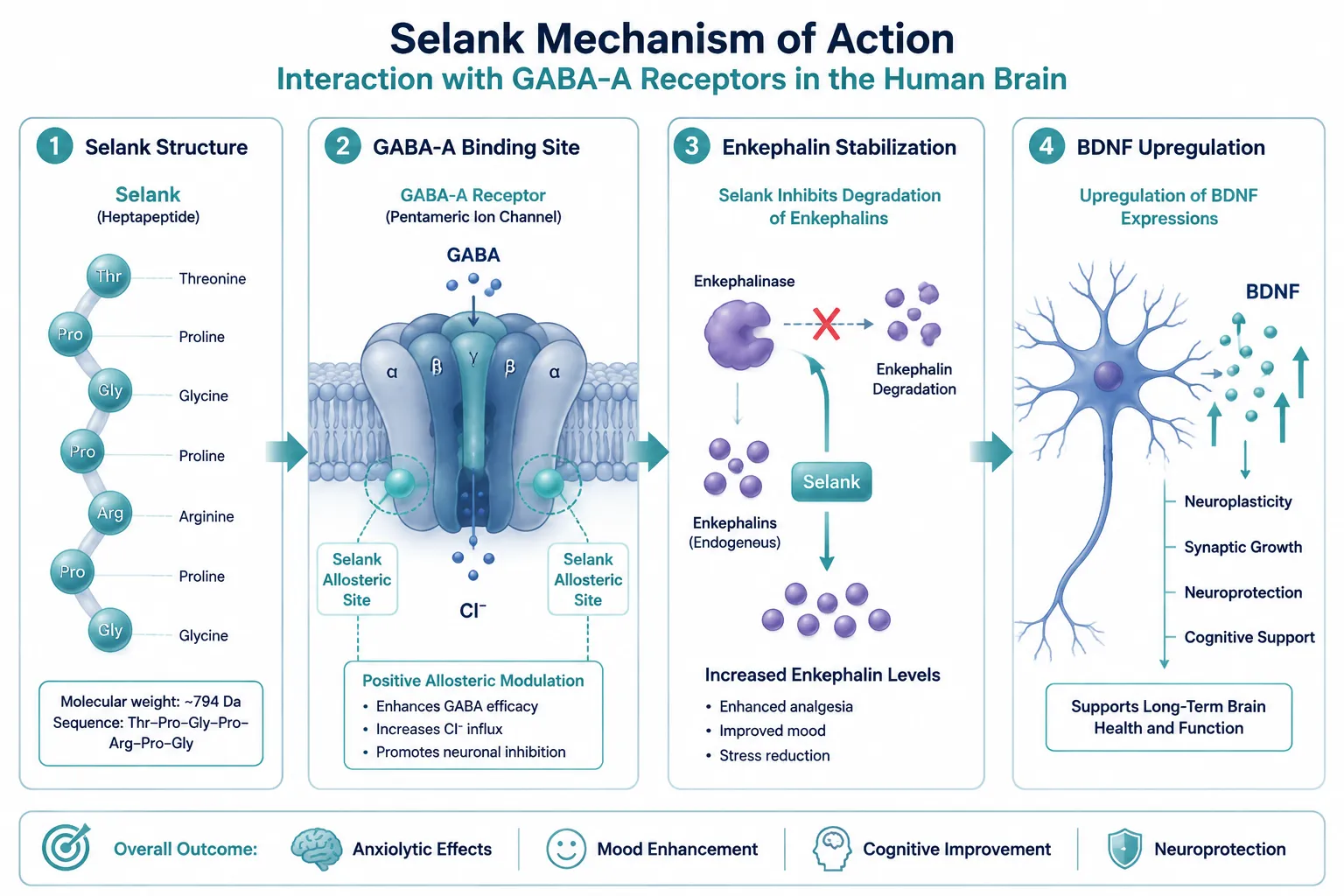
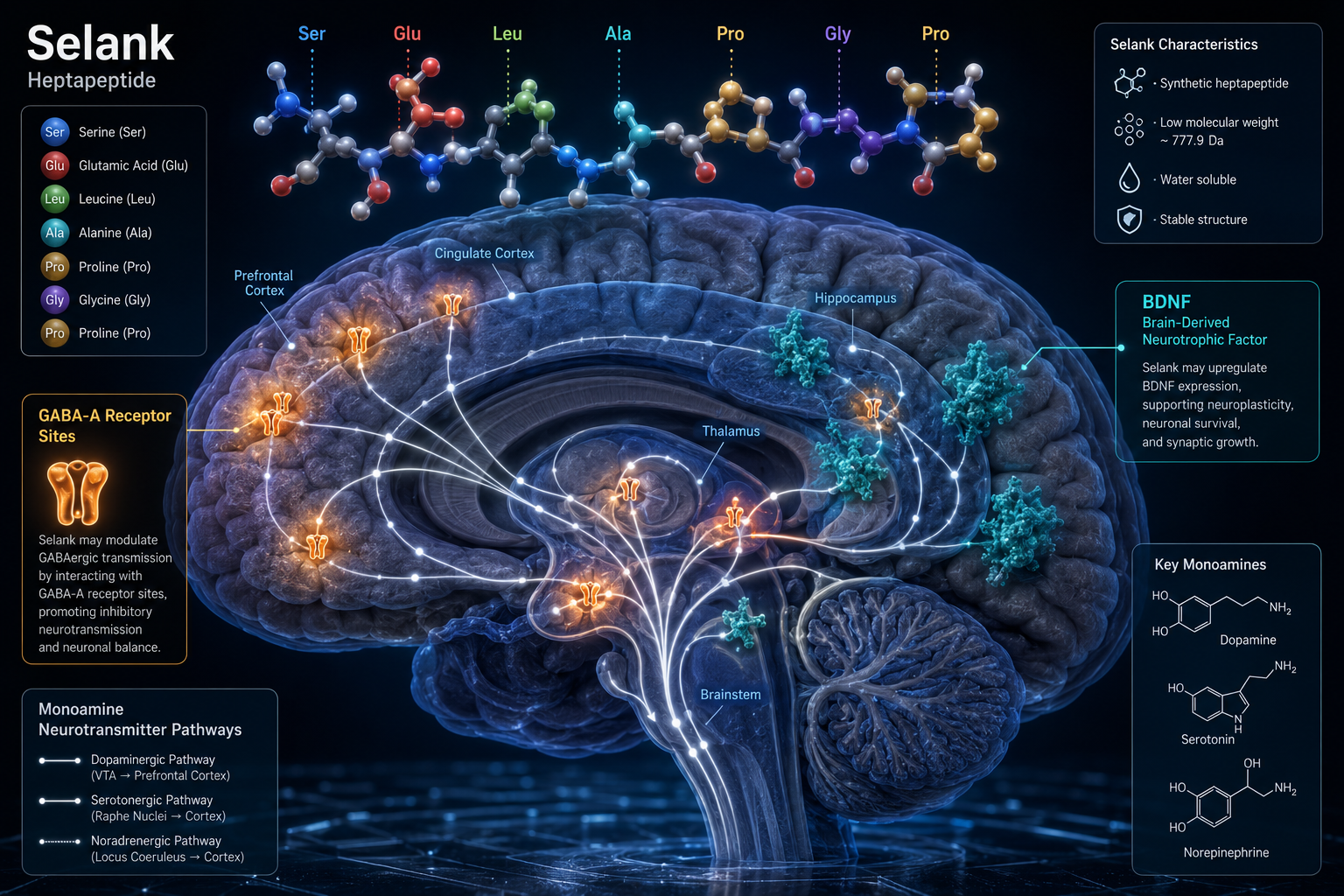
Detailed () scientific illustration showing a heptapeptide molecular chain labeled 'Selank' floating above a cross-section

Key Takeaways

  • Selank modulates GABA-A receptors, boosts BDNF expression, and influences enkephalin and monoamine systems to produce anxiolytic and nootropic effects.
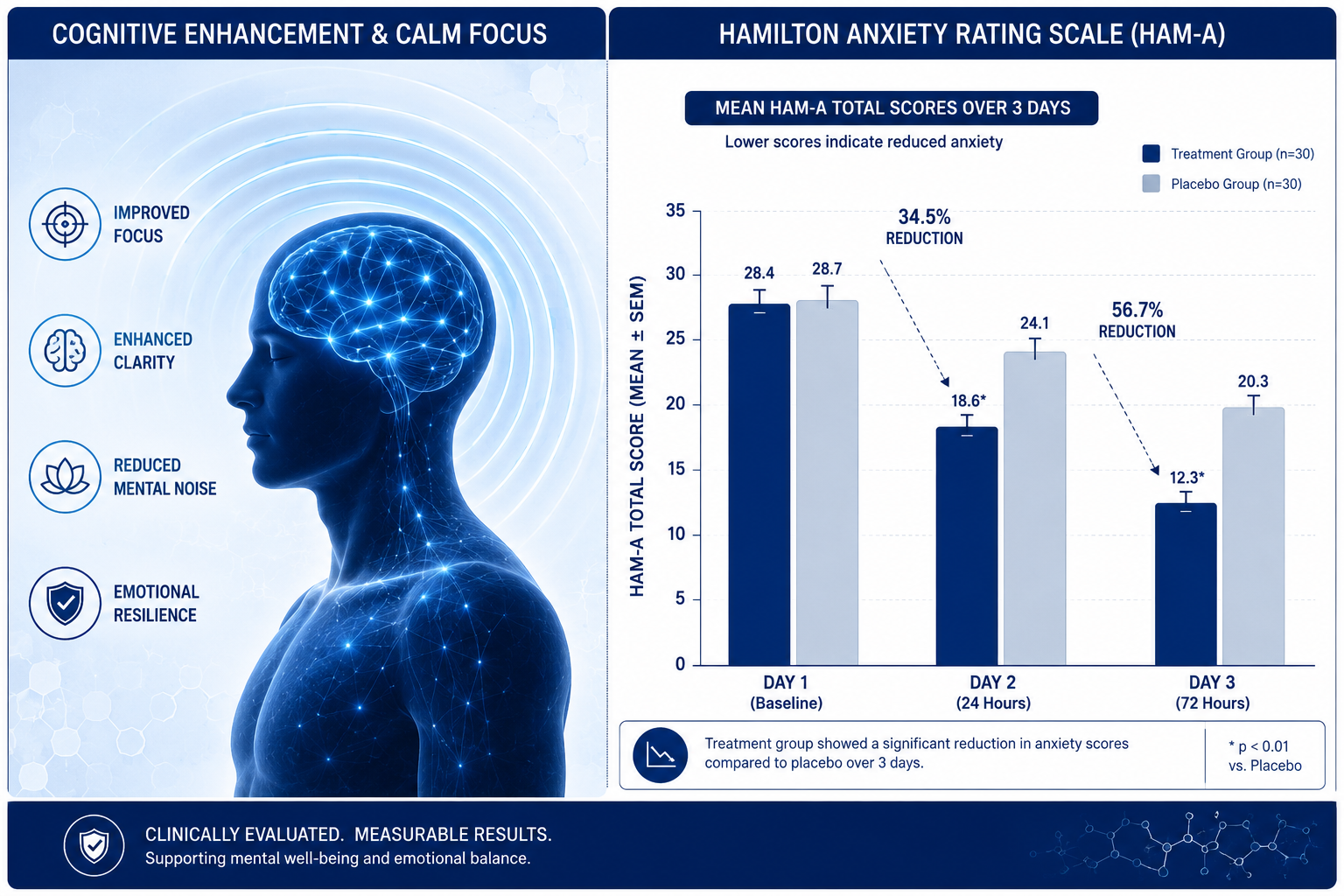
  • In a clinical study of 62 patients with generalized anxiety disorder, Selank matched the efficacy of the benzodiazepine medazepam while avoiding sedation and dependence.
  • 40% of patients in one study experienced measurable anxiety reduction within just 1 to 3 days of administration.
  • Selank demonstrates immunomodulatory activity by influencing IL-6 expression and T helper cell cytokine balance.
  • It is approved as a nasal spray in Russia but remains unapproved by the FDA as of 2026.

Mechanism of Action: How Selank Works in the Brain

Understanding Selank peptide: uncovering its nootropic potential and anxiolytic pathways in cognitive research begins at the molecular level. Selank operates through several overlapping biological pathways that distinguish it from single-target compounds.

Key mechanisms include:

  • GABA-A receptor modulation: Selank acts on allosteric sites of the GABA-A receptor, producing calming effects similar to benzodiazepines but without triggering the same dependency pathways.
  • BDNF upregulation: It increases brain-derived neurotrophic factor expression, a protein critical for neuroplasticity, learning, and long-term memory formation.
  • Enkephalin and monoamine balance: Selank influences the metabolism of enkephalins and modulates serotonin, dopamine, and norepinephrine signaling, contributing to mood stabilization and alertness.
  • Immune gene expression: The peptide affects IL-6 production and alters expression of genes tied to neuroplasticity and immune regulation.

"Selank's multi-target profile, touching GABA, BDNF, monoamines, and immune signaling simultaneously, positions it as a genuinely novel compound in neuropharmacology research."

This multi-pathway activity is what separates Selank from narrower anxiolytics and makes it a compelling subject for researchers exploring metabolic modulation and neuropeptide research themes.


Clinical Findings: Anxiolytic Efficacy Without the Drawbacks

Clinical Findings: Anxiolytic Efficacy Without the Drawbacks

The clinical data on Selank is more robust than many researchers expect. In a controlled study involving 62 patients diagnosed with generalized anxiety disorder, Selank produced anxiolytic effects comparable to medazepam, a standard benzodiazepine. Critically, it also demonstrated antiasthenic and psychostimulant properties, meaning patients felt more energized and mentally clear, not sedated.

A separate study found that 40% of participants experienced a rapid reduction in anxiety symptoms within just 1 to 3 days, as measured by significant decreases in Hamilton Anxiety Rating Scale scores.

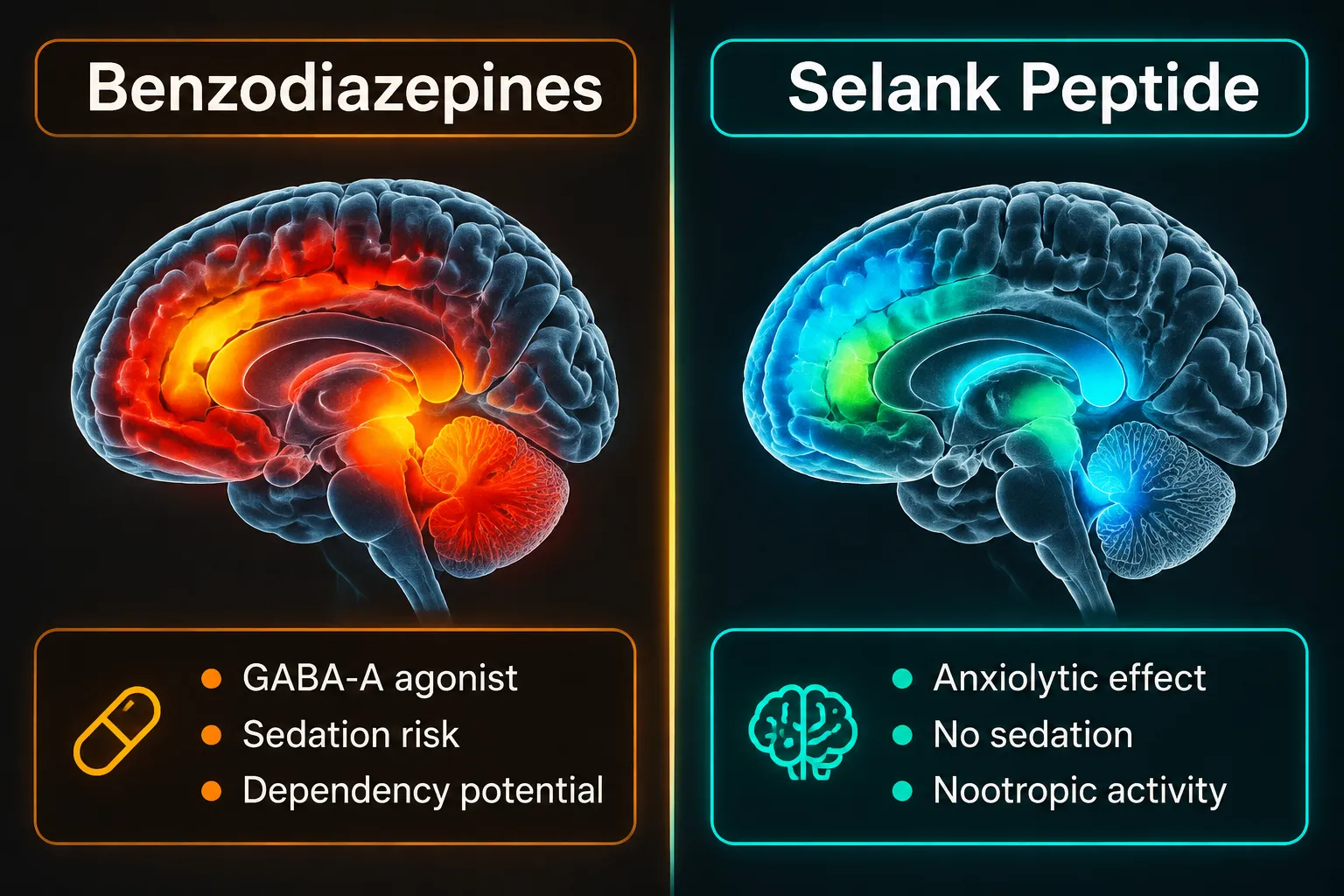
Selank vs. Traditional Benzodiazepines, Key Differences:

Feature Selank Benzodiazepines
Sedation None reported Common
Dependence risk Not observed Significant
Cognitive effects Enhancing Impairing
Onset of action 1-3 days (in some patients) Hours

Researchers interested in comparing Selank's profile with related neuropeptides may also find value in reviewing Selank and Semax research comparisons and documented Selank side effects data.


Nootropic Properties, Pharmacokinetics, and Research Limitations

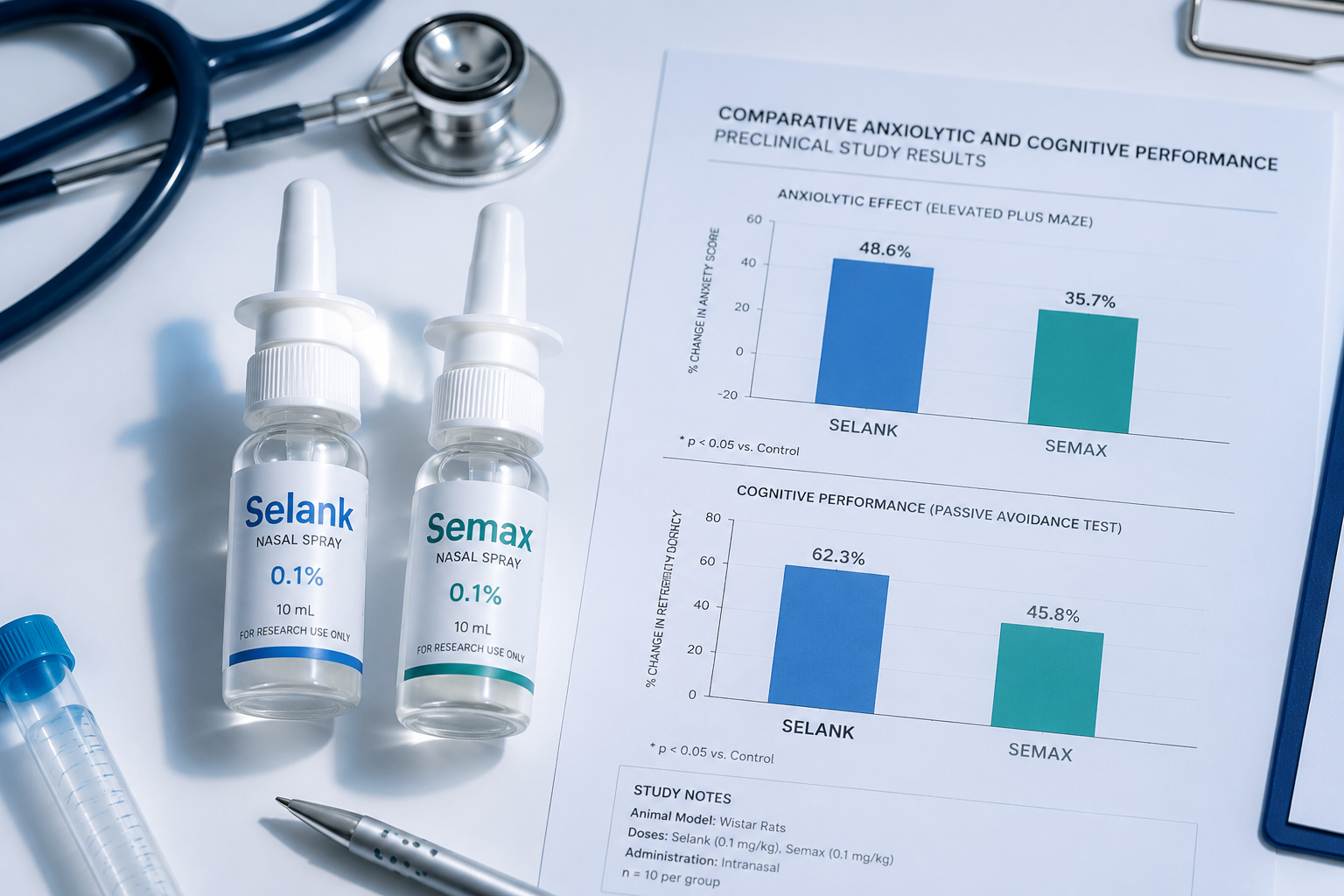
Selank peptide: uncovering its nootropic potential and anxiolytic pathways in cognitive research extends beyond anxiety relief into measurable cognitive enhancement. In rodent passive avoidance models, Selank-treated subjects showed significantly longer retention latencies, indicating improved memory consolidation and retrieval.

Pharmacokinetic profile at a glance:

  • Half-life in serum: 2 to 10 minutes
  • Duration of effects: Several hours despite short serum half-life
  • Primary route: Intranasal administration
  • Bioavailability: Sufficient for therapeutic application via nasal spray

The short serum half-life but prolonged effect window suggests Selank triggers downstream biological cascades, particularly BDNF upregulation, that outlast its direct presence in circulation.

Immunomodulatory potential adds another dimension. Selank influences IL-6 expression and shifts T helper cell cytokine balance, suggesting possible applications in conditions involving immune dysregulation. This overlaps with research on other immunomodulatory peptides such as Thymosin Alpha-1 mechanism studies and LL-37 peptide research.

Nootropic Properties, Pharmacokinetics, and Research Limitations

Regulatory status as of 2026:
Selank is approved in Russia as a nasal spray for anxiolytic and nootropic use. It has not received FDA approval and remains outside mainstream clinical use in Western countries.

Research limitations to note:

  • Most clinical data originates from Russian research settings
  • Large-scale, placebo-controlled Western trials are lacking
  • Generalizability to broader global populations is not yet established

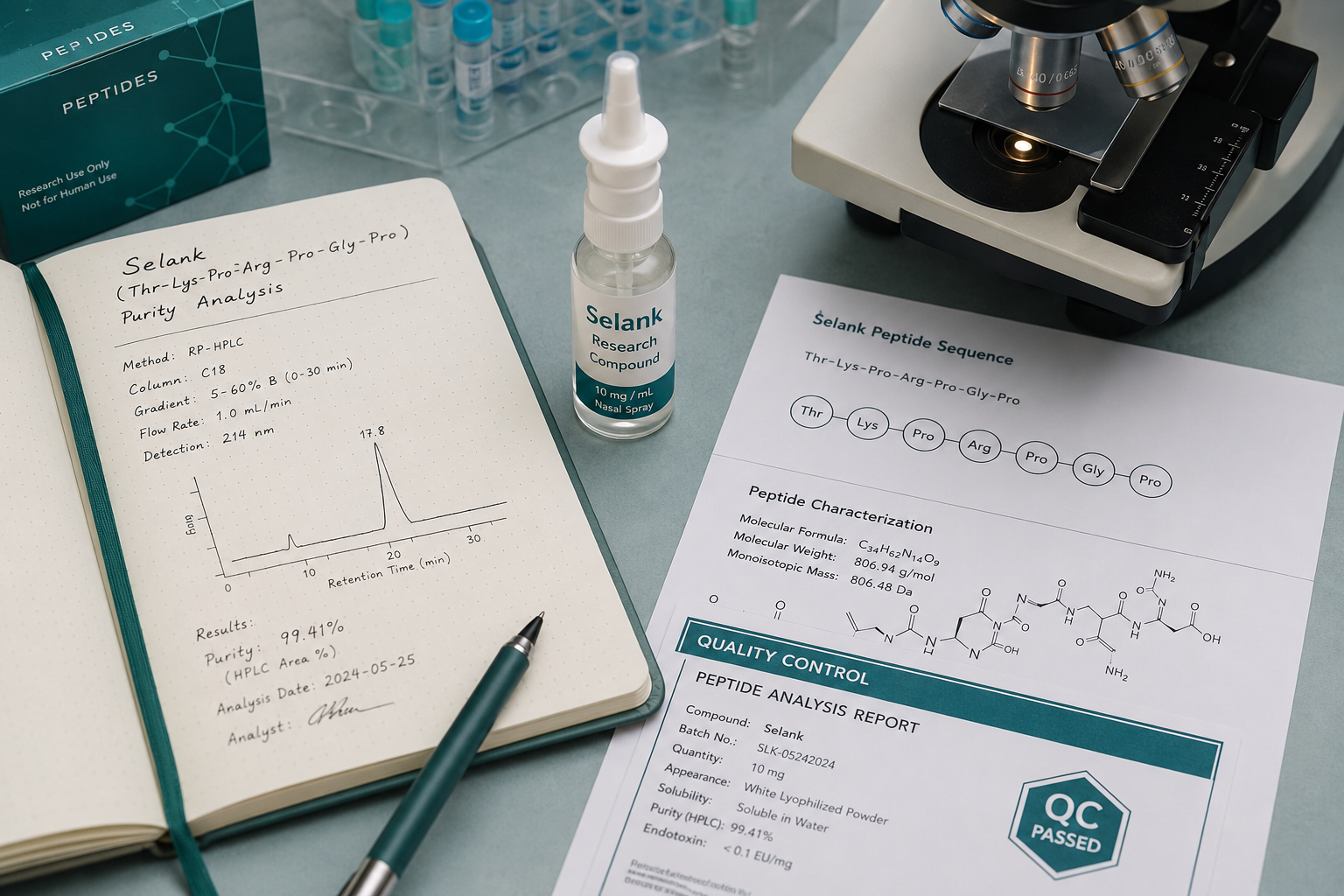
For researchers evaluating compound purity and sourcing standards, understanding quality testing protocols for peptides and reference standards in peptide benchmarking is essential before drawing conclusions from any preclinical or clinical data.


Conclusion

Selank stands out in the peptide research landscape because it addresses two goals simultaneously, reducing anxiety and enhancing cognitive function, without the liabilities of conventional anxiolytics. Its multi-target mechanism, favorable safety profile, and rapid onset in a meaningful subset of patients make it a compound worth continued investigation.

Actionable next steps for researchers:

  1. Review existing clinical data with attention to study design and population specifics before extrapolating findings.
  2. Compare Selank's BDNF-modulating properties alongside other neuropeptides to identify potential synergies.
  3. Prioritize sourcing compounds that meet verified purity standards, as research-grade quality directly affects data reliability.
  4. Monitor emerging Western trials that may close the current gap in large-scale placebo-controlled evidence.

The intersection of anxiolytic and nootropic activity in a single peptide compound remains one of the more compelling frontiers in 2026 neuroscience research, and Selank sits squarely at its center.

https://www.puretestedpeptides.com/wp-content/uploads/2026/07/Selank-Peptide-Uncovering-Its-Nootropic-Potential-and-Anxiolytic-Pathways-in-Cognitive-Research.png 1024 1536 https://www.puretestedpeptides.com/wp-content/uploads/2026/01/buy-peptides-online.jpg 2026-07-06 13:04:252026-07-06 13:04:25Selank Peptide: Uncovering Its Nootropic Potential and Anxiolytic Pathways in Cognitive Research
Best Research Peptides for Enhanced Cognitive Function: A Comparative Review

Best Research Peptides for Enhanced Cognitive Function: A Comparative Review

July 3, 2026/0 Comments/in Uncategorized/by

{"cover":"Professional landscape format (1536×1024) hero image with bold text overlay: 'Best Research Peptides for Cognitive Function: A Comparative Review' in extra large 72pt white bold sans-serif font with deep shadow effect, centered upper-third composition. Background features a stunning macro visualization of neural synaptic connections rendered in electric blue and gold against a dark navy backdrop, with subtle molecular peptide chain structures floating in the foreground. Color palette: deep navy, electric blue, gold accents. Magazine cover aesthetic, editorial quality, high contrast, cinematic depth of field.","content":["Detailed landscape format (1536×1024) scientific illustration showing side-by-side molecular structure comparison of Semax and Selank peptides as glowing 3D ribbon diagrams in blue and amber tones, with labeled arrows pointing to BDNF and NGF receptor binding sites on a stylized neuron cross-section. Dark background with faint brain scan imagery. Clean laboratory aesthetic, research journal quality, with subtle text labels 'Semax' and 'Selank' in white sans-serif. Cognitive peptide research theme, high detail.","Landscape format (1536×1024) overhead flat-lay composition of a research laboratory bench showing multiple peptide vials arranged in a comparison grid, each labeled with peptide names including Dihexa, Cerebrolysin, Pinealon, and PE-22-28. A researcher's gloved hand holds a pipette over a test tube. Warm clinical lighting, teal and white color palette, with a blurred brain MRI scan visible on a lightbox in the background. Scientific research quality, editorial photography style, sharp focus on vials.","Landscape format (1536×1024) infographic-style visualization showing a decision flowchart for selecting cognitive research peptides, with branching pathways from 'Research Goal' through nodes labeled 'Neuroprotection', 'Synaptogenesis', 'Anxiety Reduction', and 'Neurogenesis'. Each node features a small peptide name badge in contrasting colors. Background is a clean white-to-light-gray gradient with subtle hexagonal molecular pattern overlay. Bold sans-serif typography, professional data visualization aesthetic, teal and charcoal color scheme."}

Professional landscape hero image () with : "Best Research Peptides for Enhanced Cognitive Function: A Comparative Review".

Fewer than 15% of adults consistently perform at their cognitive peak under real-world stress conditions, yet a growing body of preclinical and clinical research suggests that certain bioactive peptides may directly address the neurobiological gaps responsible for that shortfall. This comparative review of the best research peptides for enhanced cognitive function examines the leading compounds, their mechanisms, and what current evidence actually supports.

Key Takeaways

  • Semax and Selank are the most clinically documented cognitive peptides, operating through complementary but distinct mechanisms involving BDNF, NGF, and GABAergic pathways.
  • Emerging compounds such as Dihexa, PE-22-28, and Pinealon show strong preclinical promise but lack extensive human safety data.
  • No cognitive peptide currently holds FDA approval for use in healthy adults; most human data originates from Russian clinical research.
  • Purity and sourcing quality are critical variables that directly affect research reliability and reproducibility.
  • Combining peptides with non-overlapping mechanisms, such as Semax and Selank, is a common research strategy for broader cognitive coverage.

Key Takeaways

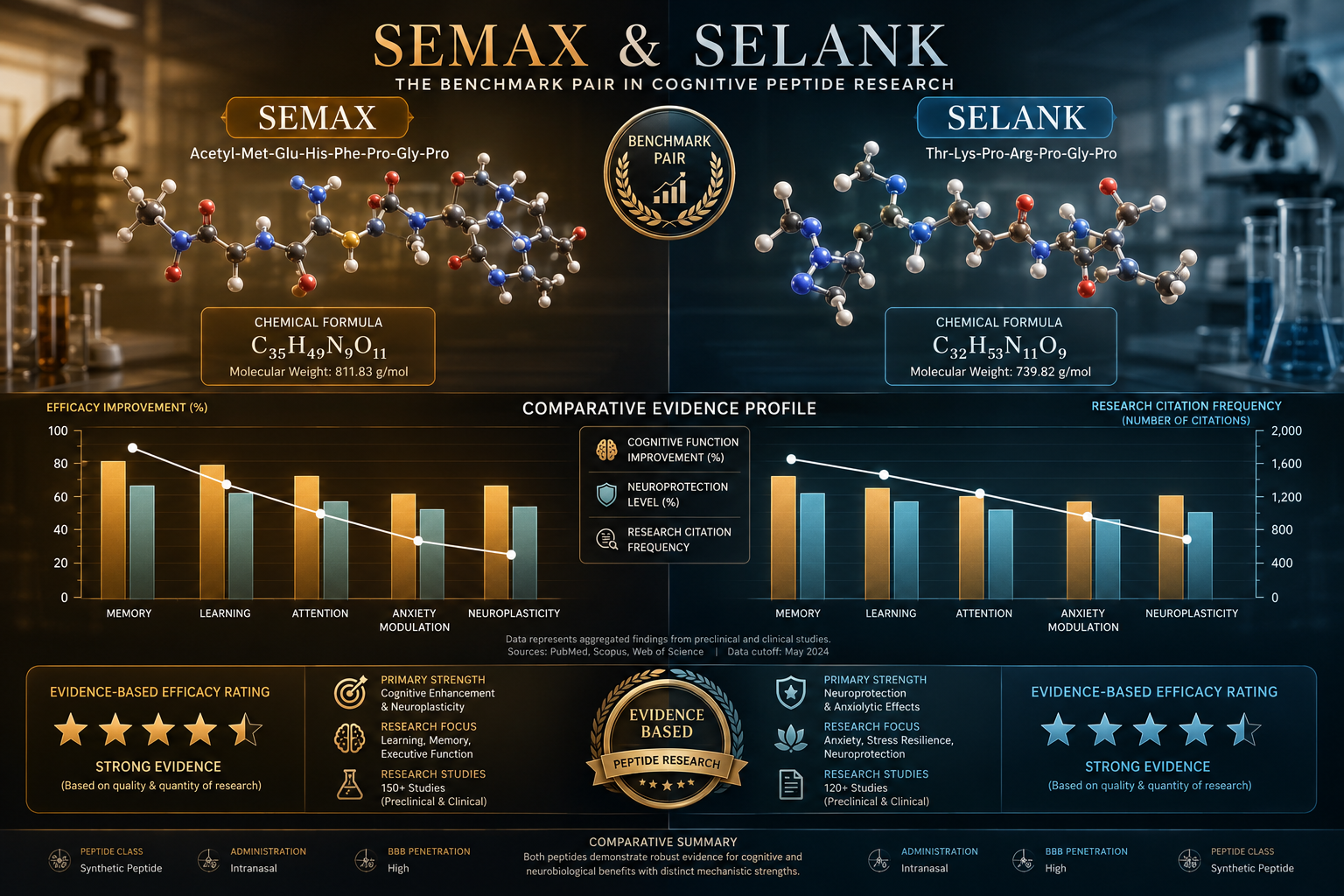
Semax and Selank: The Benchmark Pair in Cognitive Peptide Research

When evaluating the best research peptides for enhanced cognitive function in a comparative review, Semax consistently ranks at the top of the evidence hierarchy. Approved in Russia for stroke recovery and cognitive disorders, Semax is a synthetic heptapeptide derived from ACTH(4-10). Its primary mechanism involves upregulating Brain-Derived Neurotrophic Factor (BDNF) and Nerve Growth Factor (NGF), two proteins essential for neuronal survival, synaptic plasticity, and memory consolidation.

Selank complements Semax through a fundamentally different pathway. Rather than boosting neurotrophic factors directly, Selank modulates GABAergic transmission and enkephalin metabolism, reducing anxiety-driven cognitive interference. This makes the Semax-Selank combination particularly relevant in research models where stress-induced cognitive impairment is a variable.

"The Semax-Selank pairing is widely studied precisely because their mechanisms do not overlap, one builds neural infrastructure while the other clears the psychological noise that disrupts it."

For researchers interested in anxiety-adjacent cognitive research, reviewing Selank side effects and research considerations provides important context before designing protocols.


Semax and Selank: The Benchmark Pair in Cognitive Peptide Research

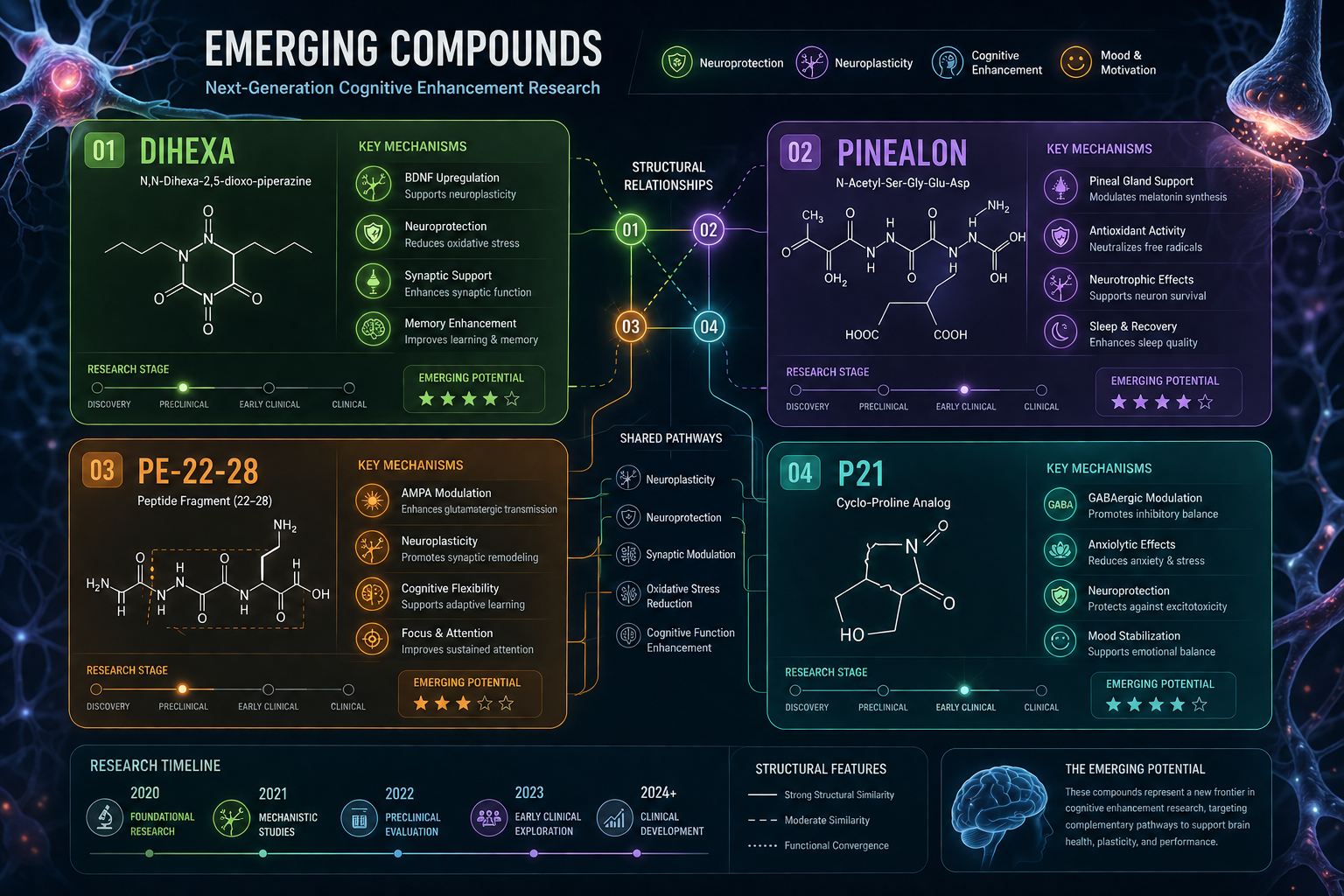
Emerging Compounds: Dihexa, Pinealon, PE-22-28, and P21

The landscape of cognitive peptide research extends well beyond the Semax-Selank pair. Several newer compounds are generating significant preclinical interest.

Dihexa is perhaps the most discussed emerging synaptogenic peptide. It promotes synapse formation at concentrations far lower than traditional neurotrophic factors, with preclinical data suggesting substantial improvements in memory and learning tasks. However, human safety data remains limited, making it strictly a research compound at this stage.

Pinealon, a synthetic tripeptide (Glu-Asp-Arg), has been studied for neuroprotective effects in traumatic brain injury models and age-related memory decline. Its small size allows efficient cellular penetration, and early studies suggest it may support memory consolidation through epigenetic mechanisms.

PE-22-28, a shortened analog of spadin, functions as a TREK-1 potassium channel blocker. By inhibiting this channel, PE-22-28 promotes hippocampal neurogenesis and synaptogenesis, two processes directly tied to long-term memory formation. Its targeted mechanism makes it a compelling subject for future cognitive research.

P21, derived from ciliary neurotrophic factor (CNTF), shows preclinical promise for promoting neurogenesis and protecting against neurodegeneration. Early animal studies indicate potential cognitive benefits, though the compound requires significantly more investigation.

A 2026 study published in Food Chemistry added further depth to this field, identifying five novel peptides from porcine brain hydrolysates, including FPLHP and WGQKPW, that enhance memory by targeting Keap1, p38α, AChE, and BACE1 simultaneously.

For researchers exploring neuroprotective peptides alongside cognitive compounds, humanin and cellular protection research and epithalon peptide research offer relevant mechanistic parallels.


Peptide Primary Mechanism Evidence Level Human Data
Semax BDNF/NGF upregulation High (clinical) Yes (Russia)
Selank GABAergic/enkephalin modulation Moderate-High Yes (Russia)
Dihexa Synaptogenesis promotion Moderate (preclinical) Limited
Pinealon Epigenetic neuroprotection Early preclinical Minimal
PE-22-28 TREK-1 channel blockade Early preclinical None confirmed
P21 CNTF-derived neurogenesis Early preclinical None confirmed

Sourcing, Purity, and Research Protocol Considerations

Any meaningful comparative review of the best research peptides for enhanced cognitive function must address a variable that often receives insufficient attention: peptide purity. Impure compounds introduce confounding variables that invalidate results and create safety concerns in research settings.

Researchers should prioritize suppliers that provide third-party verified purity documentation. Understanding peptide purity testing standards is a foundational step before any cognitive peptide protocol begins. Similarly, understanding reference standards and benchmarking practices ensures that experimental results can be meaningfully compared across studies.

Delivery method also matters. Semax and Selank are typically administered intranasally in research settings, which bypasses first-pass metabolism and allows direct CNS access. Advances in innovative peptide delivery systems are expanding options for researchers working with less bioavailable compounds.

It is also worth noting that none of these peptides hold FDA approval for cognitive enhancement in healthy adults. The most robust human data originates from Russian clinical research, which has not yet been fully replicated in Western randomized controlled trials. Researchers should treat all findings as preliminary until that replication gap is closed.


Sourcing, Purity, and Research Protocol Considerations

Conclusion

The best research peptides for enhanced cognitive function represent a scientifically compelling but still-evolving field. Semax remains the gold standard based on clinical evidence, while Selank provides a complementary anxiolytic mechanism that makes the pair greater than the sum of its parts. Emerging compounds, Dihexa, Pinealon, PE-22-28, and P21, offer intriguing preclinical signals that warrant rigorous follow-up research.

Actionable next steps for researchers:

  • Prioritize compounds with the strongest evidence base (Semax, Selank) before exploring newer analogs.
  • Verify peptide purity through third-party testing before initiating any protocol.
  • Design studies that account for stress variables, where Selank's anxiolytic properties may be a confounding or complementary factor.
  • Monitor the replication of Russian clinical data in Western trials, this will be the defining development for the field in the coming years.
  • Explore neuroendocrine and innate immunity research for broader context on how peptide systems interact with cognitive pathways.

The science is advancing rapidly. Staying current with high-quality sourcing and evidence standards will separate meaningful research from noise.

https://www.puretestedpeptides.com/wp-content/uploads/2026/07/Best-Research-Peptides-for-Enhanced-Cognitive-Function-A-Comparative-Review.png 1024 1536 https://www.puretestedpeptides.com/wp-content/uploads/2026/01/buy-peptides-online.jpg 2026-07-03 13:04:422026-07-03 13:04:42Best Research Peptides for Enhanced Cognitive Function: A Comparative Review
Selank and Semax Nasal Spray: Comparative Research on Anxiolytic and Nootropic Effects

Selank and Semax Nasal Spray: Comparative Research on Anxiolytic and Nootropic Effects

June 21, 2026/0 Comments/in Uncategorized/by

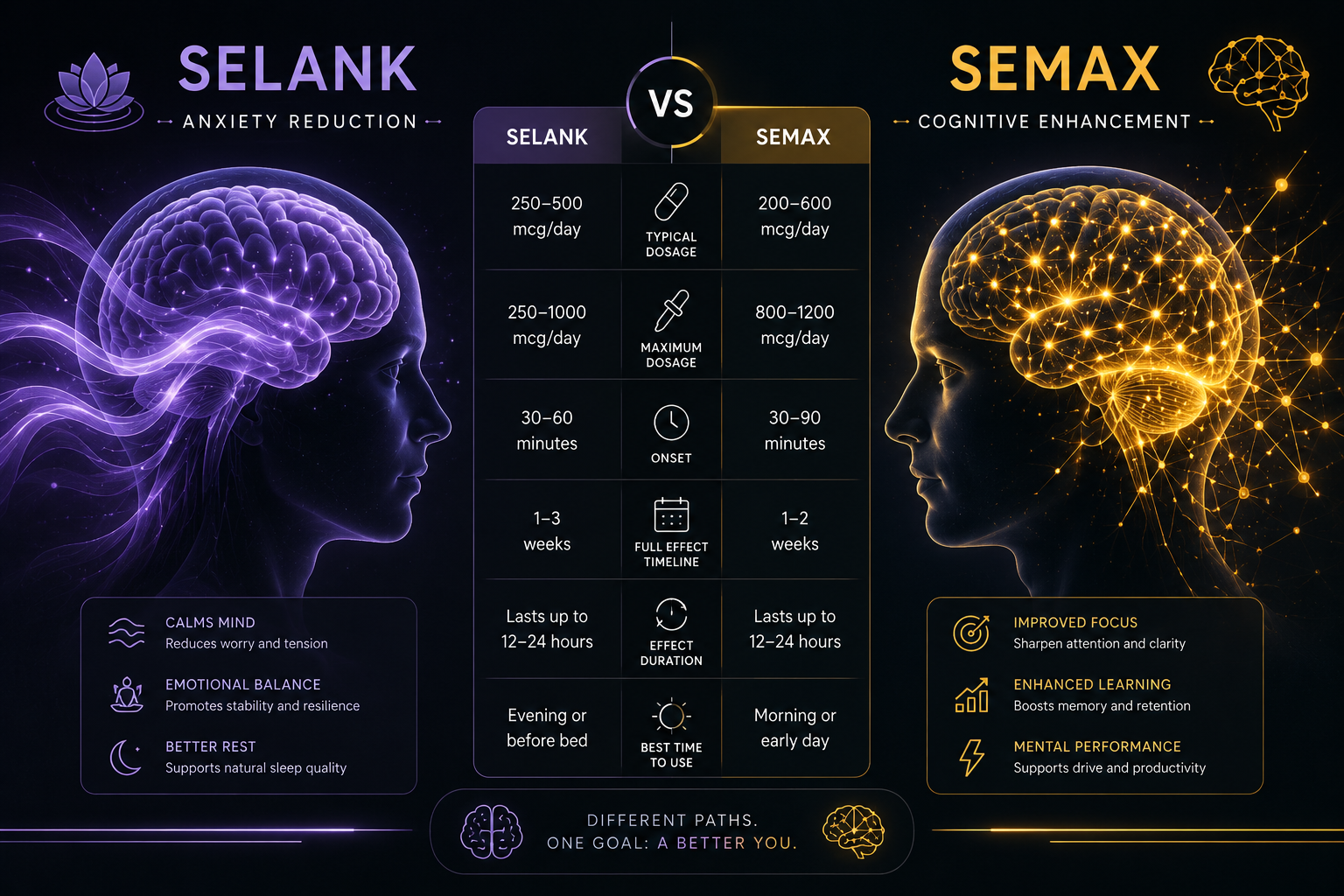
Two peptides developed in Russia now sit at the center of a growing body of preclinical research: one primarily quiets anxiety, the other sharpens cognition — and their mechanisms could not be more different. Understanding the comparative research on Selank and Semax nasal spray: comparative research on anxiolytic and nootropic effects gives researchers and informed readers a clearer picture of how each compound works, where they overlap, and why combining them has attracted scientific interest.

Key Takeaways

  • Selank modulates the GABAergic system to produce rapid anxiolytic effects without sedation or dependence risk.
  • Semax upregulates BDNF and influences dopaminergic and serotonergic pathways, driving cognitive enhancement over time.
  • Both peptides are delivered intranasally, offering high bioavailability and fast central nervous system access.
  • Research suggests the two compounds may complement each other when used together in experimental models.
  • Both have favorable safety profiles in research settings, with minimal reported side effects.

Key Takeaways

Mechanisms of Action: How Each Peptide Works

Selank: GABAergic Modulation and Anxiety Relief

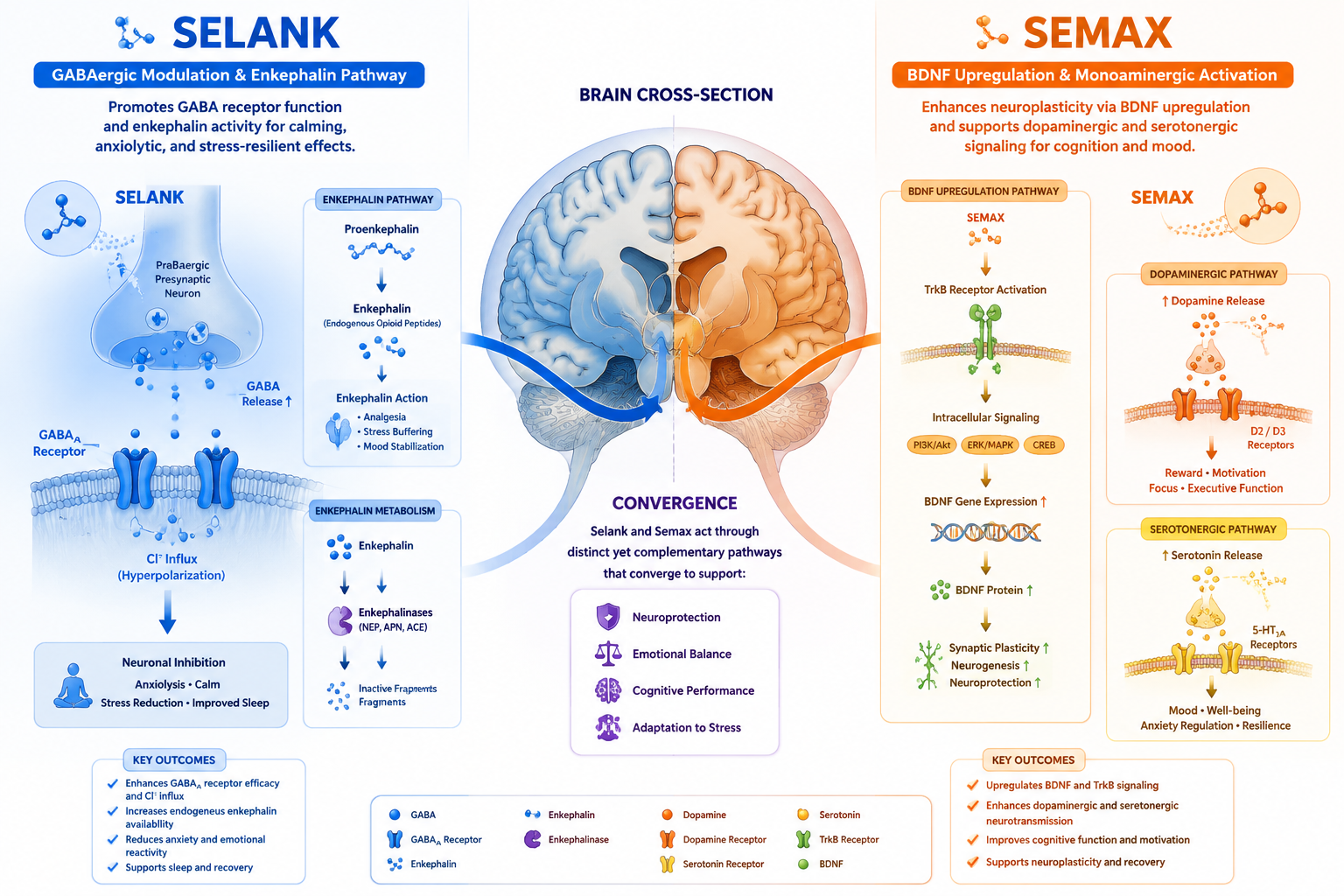
Selank is a synthetic analog of tuftsin, a naturally occurring immunomodulatory tetrapeptide. Its primary mechanism involves modulation of the GABAergic system — the same inhibitory network targeted by benzodiazepines — but without triggering the sedation, tolerance, or withdrawal risks associated with those drugs.

In preclinical models, Selank produces anxiolytic effects within minutes of intranasal administration. It also demonstrates mild immunomodulatory activity and has been shown to stabilize enkephalin levels, which play a role in mood regulation. For researchers exploring peptide-based approaches to anxiety, the Selank peptide benefits overview provides a useful starting point.

Semax: BDNF Upregulation and Cognitive Enhancement

Semax is derived from the ACTH(4–10) fragment of adrenocorticotropic hormone. Its standout feature in research is the upregulation of brain-derived neurotrophic factor (BDNF), a protein critical for neuronal survival, synaptic plasticity, and learning. Semax also modulates dopaminergic and serotonergic pathways, contributing to improved focus, memory consolidation, and neuroprotection.

Unlike Selank's rapid onset, Semax's cognitive benefits tend to build over time as BDNF levels rise and synaptic remodeling occurs. This slower but sustained profile makes it particularly relevant in neuroprotection research, including post-stroke recovery models.

"Selank calms the system quickly; Semax builds the system over time — two distinct timelines serving two distinct research goals."


Comparative Research on Anxiolytic and Nootropic Effects

Comparative Research on Anxiolytic and Nootropic Effects

The heart of the Selank and Semax nasal spray: comparative research on anxiolytic and nootropic effects debate lies in how their pharmacological profiles differ — and where they intersect.

Head-to-Head Profile Comparison

Feature Selank Semax
Primary mechanism GABAergic modulation BDNF upregulation
Primary effect Anxiolytic Cognitive enhancement
Onset of action Minutes Days to weeks
Typical research dosage 300–900 mcg/day 200–1,000 mcg/day
Administration route Intranasal Intranasal
Sedation risk None reported None reported
Regulatory status (Russia) Approved for anxiety Approved for cognition/neuroprotection

Both compounds are administered intranasally, which bypasses first-pass metabolism and allows direct transport along olfactory pathways to the brain. This delivery method is a key advantage shared by both peptides and explains their relatively high bioavailability compared to oral alternatives.

Complementary Research Applications

Research has explored whether combining Selank and Semax produces additive or synergistic effects. Early findings suggest the pairing may offer simultaneous anxiety reduction and cognitive enhancement — without the sedation or dependence concerns tied to conventional pharmacological approaches. This is particularly relevant for researchers studying stress-induced cognitive impairment, where anxiety and reduced mental performance co-occur.

Researchers interested in multi-peptide stacking strategies may also find value in reviewing simple peptides research frameworks and broader peptide supplier quality considerations when sourcing compounds for controlled models.

Both peptides show favorable safety profiles in research settings. The most commonly noted side effect is mild nasal irritation at the administration site — a minor and typically transient finding. Neither compound has demonstrated significant toxicity, addiction potential, or withdrawal effects in available preclinical data.


Research Considerations and Practical Notes

Research Considerations and Practical Notes

Dosage Windows in Preclinical Models

Selank research typically operates within a 300–900 mcg/day window, while Semax protocols range from 200–1,000 mcg/day depending on the model and outcome being measured. These ranges reflect the flexibility each compound offers across different experimental designs.

Researchers working with other peptide compounds may draw useful parallels from dosage structuring resources such as the SS-31 research peptide considerations guide or the epithalon peptides research overview, which address similar precision-dosing challenges. For those exploring broader neurological peptide research, NAD scientific evidence reviews also offer relevant context on neuroprotective pathways.

Regulatory and Research Context

In Russia, both peptides hold approved clinical status — Selank for generalized anxiety disorder and Semax for cognitive enhancement and neuroprotection. Outside Russia, both remain research compounds not approved for human therapeutic use in most jurisdictions. Researchers should ensure compliance with applicable regulations and source compounds only from verified, tested suppliers.


Conclusion

The Selank and Semax nasal spray: comparative research on anxiolytic and nootropic effects reveals two peptides with distinct but potentially complementary roles. Selank offers fast-acting GABAergic anxiolysis; Semax delivers sustained cognitive enhancement through BDNF-driven neuroplasticity. Together, they represent a compelling research pairing for models examining the intersection of mood regulation and cognitive performance.

Actionable next steps for researchers:

  • Define the primary endpoint before selecting a compound — anxiety reduction favors Selank; cognitive output favors Semax.
  • Consider combination protocols only in controlled settings with clear outcome metrics.
  • Source compounds with documented purity testing and certificates of analysis.
  • Review current literature on intranasal peptide bioavailability to optimize dosing windows.
  • Monitor for nasal irritation as the primary tolerability variable in any administration protocol.
https://www.puretestedpeptides.com/wp-content/uploads/2026/06/Selank-and-Semax-Nasal-Spray-Comparative-Research-on-Anxiolytic-and-Nootropic-Effects.png 1024 1536 https://www.puretestedpeptides.com/wp-content/uploads/2026/01/buy-peptides-online.jpg 2026-06-21 13:05:022026-06-21 13:05:02Selank and Semax Nasal Spray: Comparative Research on Anxiolytic and Nootropic Effects
Selank vs Semax: Comparing Anxiolytic and Nootropic Peptides, Mechanisms, and Nasal Delivery

Selank vs Semax: Comparing Anxiolytic and Nootropic Peptides, Mechanisms, and Nasal Delivery

June 16, 2026/0 Comments/in Uncategorized/by

Both Selank and Semax emerged from the same Soviet-era research program, yet they target entirely different neurological pathways — a distinction that makes the comparison between them far more than a matter of preference. Selank vs Semax: Comparing Anxiolytic and Nootropic Peptides, Mechanisms, and Nasal Delivery is one of the most clinically relevant questions in current peptide research, particularly as interest in stress-response biology and cognitive neuroscience continues to grow in 2026.

Detailed () scientific illustration showing two peptide molecular structures side by side labeled Selank and Semax, with

Key Takeaways

  • Selank and Semax are both synthetic heptapeptides developed at the Institute of Molecular Genetics of the Russian Academy of Sciences.
  • Selank primarily modulates GABAergic signaling for anxiolytic effects; Semax upregulates BDNF for cognitive and neuroprotective outcomes.
  • Both peptides are delivered intranasally, bypassing the blood-brain barrier via the olfactory pathway.
  • Selank is approved in Russia for anxiety disorders; Semax is authorized for stroke and cognitive impairment management.
  • Neither peptide has been associated with dependence or significant withdrawal effects in research settings.

Origins and Chemical Structure

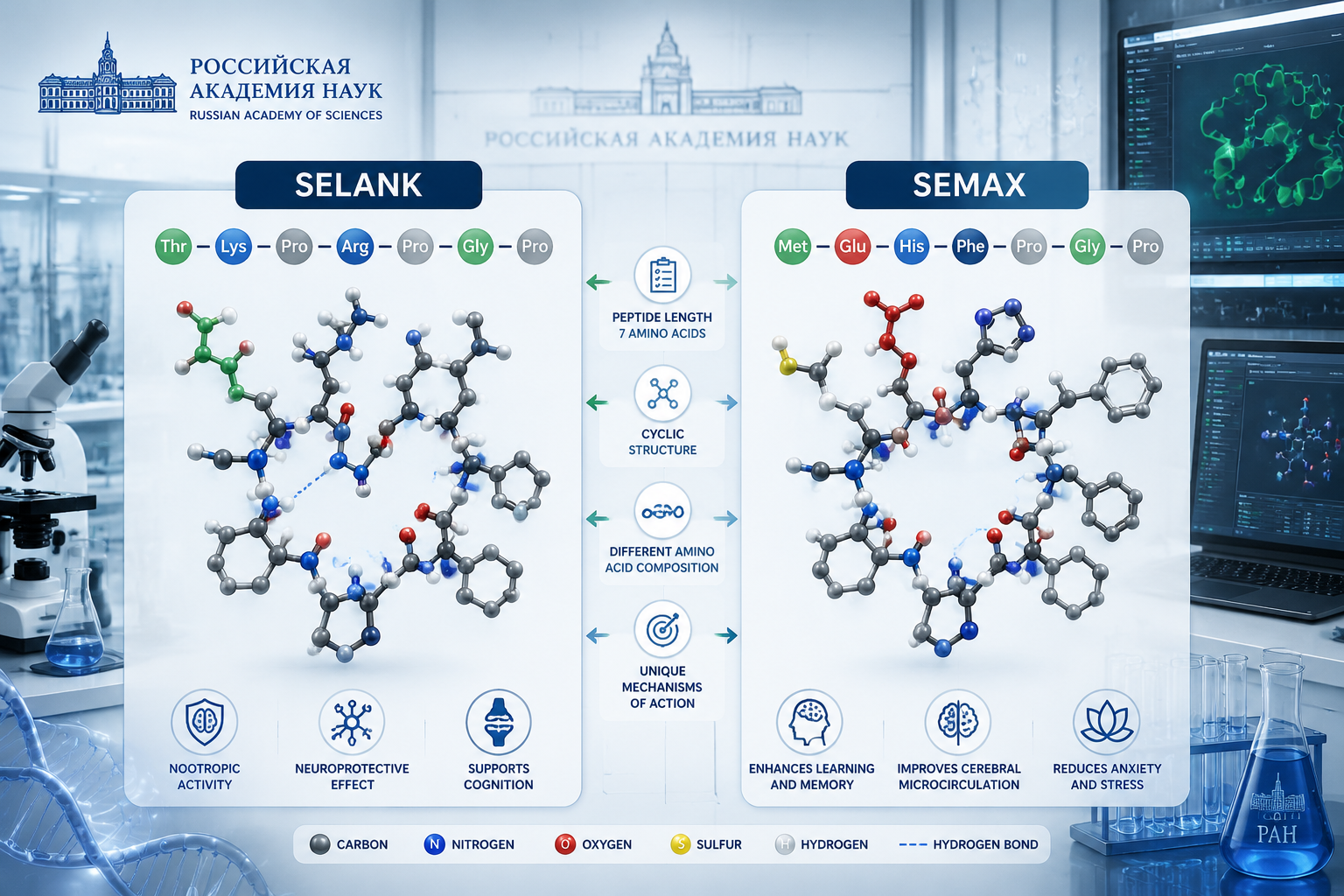
Both peptides are synthetic heptapeptides — chains of seven amino acids — created at the Institute of Molecular Genetics of the Russian Academy of Sciences. Despite sharing a common birthplace, their structural templates are entirely different.

Selank is an analog of tuftsin, a naturally occurring immunomodulatory tetrapeptide. Its sequence is Thr-Lys-Pro-Arg-Pro-Gly-Pro. Researchers extended the tuftsin backbone to improve metabolic stability and CNS penetration.

Semax is derived from the adrenocorticotropic hormone fragment ACTH(4-10), carrying the sequence Met-Glu-His-Phe-Pro-Gly-Pro. The ACTH origin gives Semax a distinct neuroendocrine profile that influences stress-axis biology.

For a broader overview of how these two peptides compare across multiple research dimensions, the Selank and Semax research overview provides useful context.


Mechanisms of Action: Where the Pathways Diverge

This is the core of any meaningful Selank vs Semax: Comparing Anxiolytic and Nootropic Peptides, Mechanisms, and Nasal Delivery analysis.

Mechanisms of Action: Where the Pathways Diverge

Selank: GABAergic Modulation and Enkephalin Metabolism

Selank's primary mechanism involves enhancement of GABA signaling — the brain's main inhibitory neurotransmitter system. By modulating GABAergic tone and influencing enkephalin metabolism, Selank produces anxiolytic effects without the sedation or tolerance risk associated with classical benzodiazepines.

Key research-supported effects include:

  • Reduced anxiety-like behavior in stress models
  • Modulation of interleukin expression, suggesting neuroimmune involvement
  • Stable anxiolytic profile without cognitive blunting

Understanding Selank's potential side effects is equally important when evaluating its research profile.

Semax: BDNF Upregulation and Monoamine Modulation

Semax operates through a fundamentally different mechanism. It upregulates brain-derived neurotrophic factor (BDNF), a protein critical for neuronal survival, synaptic plasticity, and learning. Semax also modulates dopaminergic and serotonergic systems, which underpins its cognitive-enhancing and neuroprotective properties.

Key research-supported effects include:

  • Enhanced memory consolidation and attention
  • Neuroprotection in ischemic models
  • Upregulation of BDNF in hippocampal and cortical regions
Feature Selank Semax
Primary target GABA system BDNF / monoamines
Main effect Anxiolytic Cognitive enhancement
Approved use (Russia) Anxiety, neurasthenia Stroke, cognitive disorders
Onset Minutes to hours Minutes to hours
Duration Several hours 2-4 hours

The neuroendocrine and innate immunity research context is relevant here, as Selank's immunomodulatory properties reflect a broader neuroimmune model.


Nasal Delivery, Bioavailability, and Research Use Cases

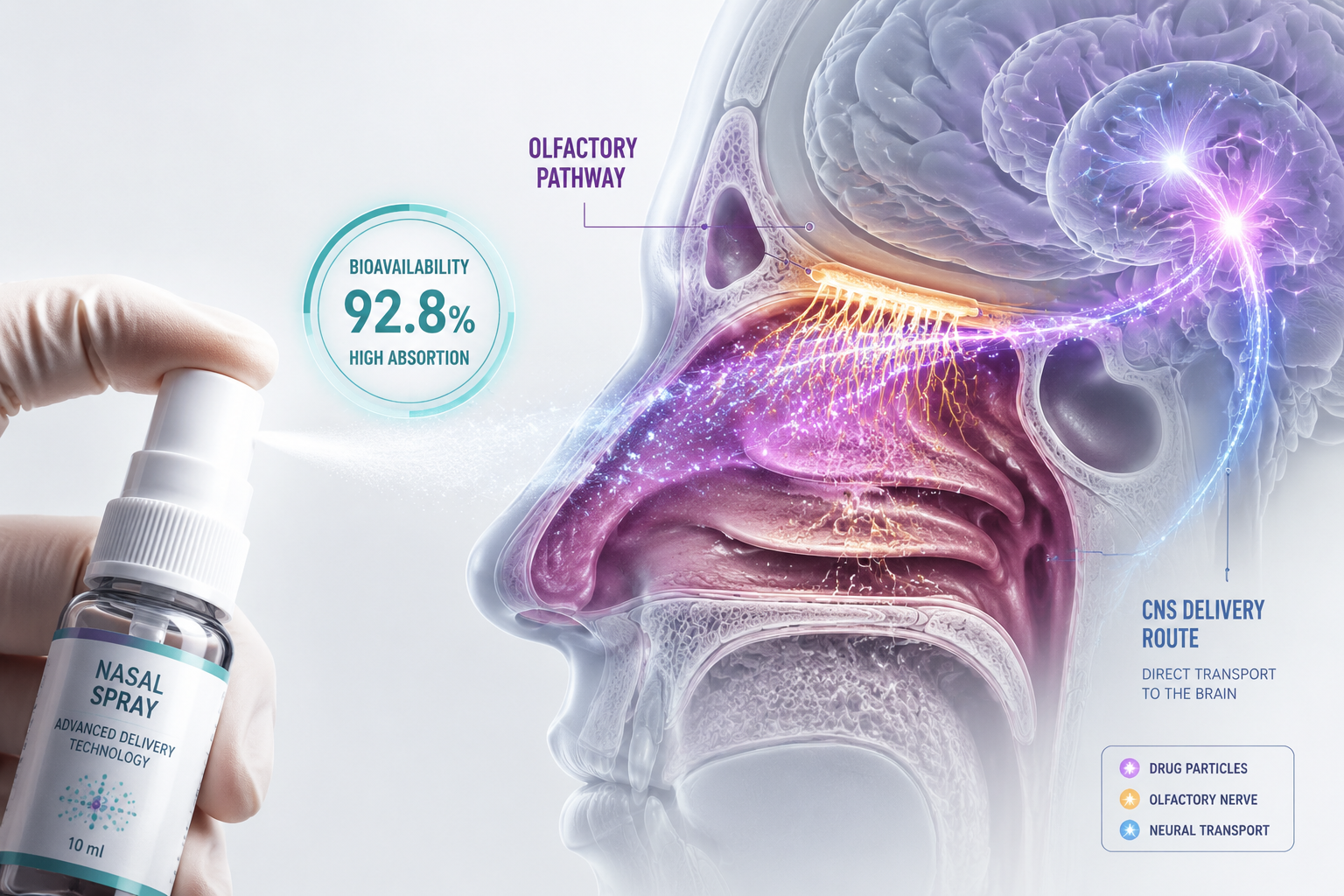
Both peptides are administered intranasally, which is not merely a matter of convenience. The intranasal route allows direct access to the central nervous system via the olfactory pathway, bypassing the blood-brain barrier entirely.

Nasal Delivery, Bioavailability, and Research Use Cases

Selank demonstrates a bioavailability of approximately 92.8% via this route — a notably high figure for a peptide compound. Semax also achieves high CNS bioavailability intranasally, though precise figures vary across studies.

"The intranasal route transforms peptide delivery from a systemic challenge into a targeted CNS strategy."

For researchers interested in how delivery systems affect peptide efficacy, innovative peptide delivery systems explores this topic in depth.

Safety profiles for both peptides are favorable in research contexts:

  • Mild nasal irritation is the most commonly reported adverse effect
  • No dependence or withdrawal symptoms have been documented
  • Neither compound shows significant sedative burden

Those researching Selank specifically may also find the detailed Selank side effects analysis and Selank overview useful for building a complete picture.

For researchers sourcing verified compounds, reviewing lab-tested peptides ensures quality and purity standards are met.


Conclusion

Selank vs Semax: Comparing Anxiolytic and Nootropic Peptides, Mechanisms, and Nasal Delivery ultimately comes down to target pathway and research objective. Selank is the stronger candidate for stress-response and neuroimmune models, given its GABAergic and enkephalin-modulating profile. Semax is better suited for cognitive neuroscience and neuroprotection research, driven by BDNF upregulation and monoamine modulation.

Actionable next steps for researchers:

  1. Define the primary research endpoint — anxiety/stress models favor Selank; cognitive and neuroprotective models favor Semax.
  2. Confirm intranasal delivery protocols, as both peptides depend on olfactory pathway absorption for CNS efficacy.
  3. Source only verified, lab-tested compounds to ensure research integrity.
  4. Review the full side-effect and safety literature before designing protocols.

Both peptides represent a compelling frontier in neuropeptide research, and their distinct mechanisms make them complementary rather than interchangeable tools.

https://www.puretestedpeptides.com/wp-content/uploads/2026/06/Selank-vs-Semax-Comparing-Anxiolytic-and-Nootropic-Peptides-Mechanisms-and-Nasal-Delivery.png 1024 1536 https://www.puretestedpeptides.com/wp-content/uploads/2026/01/buy-peptides-online.jpg 2026-06-16 13:04:162026-06-16 13:04:16Selank vs Semax: Comparing Anxiolytic and Nootropic Peptides, Mechanisms, and Nasal Delivery
×

Helpful Links

  • My account
  • Cart
  • Checkout
  • Refund and Returns Policy
  • Privacy Policy
  • SMS Privacy Policy
  • Login
  • My Account
  • Logout

USA Made Lab Tested Peptides

All products are sold for research, laboratory, or analytical purposes only, and are not for human consumption


Pure Tested Peptides is a chemical supplier. Pure Tested Peptides is not a compounding / chemical compounding facility as defined under 503A of the Federal Food, Drug, and Cosmetic act. Pure Tested Peptides is not an outsourcing facility as defined under 503B of the Federal Food, Drug, and Cosmetic act.

The statements made within this website have not been evaluated by the US Food and Drug Administration. The products we offer are not intended to diagnose, treat, cure or prevent any disease.

Human/Animal Consumption Prohibited. Laboratory/In-Vitro Experimental Use Only

Scroll to top Scroll to top Scroll to top