Call or Text 727-513-9780
  • Shopping Cart Shopping Cart
    0Shopping Cart
Pure Tested Peptides | America's most trusted Peptides for sale online
  • Peptides for sale
    • Oral Peptides for sale
      • Peptide Capsules for sale
      • BPC 157 Capsules 1000mcg
      • SLU-PP-332 Capsules | 1000 mcg
      • 5-Amino-1MQ 50mg Capsules
      • Tesofensine 500mcg
    • All Peptides for sale
    • Peptide Sprays
      • BPC 157 Nasal Spray Kit
      • BPC-157 TB500 Nasal Spray Kit
      • Semax Nasal Spray 10mg
      • Selank – Nasal Spray Kit – 10mg
      • Epithalon 50MG Nasal Spray Kit
      • Ipamorelin 10mg Nasal Spray
      • Klow Nasal Spray (BPC-157 + TB-500 + GHK-Cu + KPV) | 80mg
      • Hulk Nasal Spray Tesa / Ipa Blend 6/3 MG
      • Klow Nasal Spray
      • NAD + 500 mg Nasal Spray
      • PT-141 Nasal Spray Kit
    • GHRH Peptides
      • Ipa Peptides
      • CJC-1295 Peptides
        • CJC-1295 with DAC 5 mg
        • CJC-1295 without DAC 5 mg
        • CJC-1295 Ipa 10mg
      • Tesa Peptides
        • Tesa Peptide
        • Tesa 20 mg
    • GHK-Cu Peptides
      • All GHK-Cu Peptides
      • GHK-Cu 100mg
      • KLOW Peptide Blend – Buy KLOW blend online
    • BPC Peptides
      • All BPC Peptides
      • BPC-157
      • BPC-157 TB-500
      • BPC 157 capsules 1000mcg
    • SLU-PP-332 Peptides
      • All SLU-PP-332 Peptides
      • SLU-PP-332 5mg
    • GLP3 Peptides
      • GLP3-R
      • GLP3-R CAG 10mg
      • GLP3-R 20mg
    • PT-141 Peptides
      • PT-141 Peptides for sale
      • PT-141 10mg
      • PT-141 Nasal Spray
    • CAG Peptides
      • Lipo-C Peptide Blend
      • CAG 5mg
      • CAG 10mg
    • MOTS-C Peptides
      • MOTS-C Peptides for sale
      • MOTS-c peptide
      • MOTS-c 10mg *6 pack*
    • 5 Amino 1MQ Peptides
      • 5 Amino 1MQ Peptides for sale
      • 5-Amino-1MQ 50mg Capsules
      • 5-Amino-1MQ 5mg
    • Epithalon Peptides
      • Epithalon Peptides for sale
      • Epithalon 10mg
      • Epithalon 50mg
  • Shop
    • GLPs
      • 5-Amino-1MQ 50mg Capsules
      • 5-Amino-1MQ 5mg
      • GLP3-Reta
      • L-Carnitine 500mg/ml
      • Tesofensine 500mcg
      • SLU-PP-332 5mg
      • MOTS-c 10mg *6 pack*
    • Epithalon & BPC Peptides
      • Epithalon 10mg
      • Epithalon 50mg
      • BPC-157
      • BPC 157 capsules 1000mcg
      • BPC-157 TB-500
      • BPC-157 TB500 Nasal Spray Kit
      • BPC 157 Nasal Spray Kit
    • BPC TB-500 & NAD+ Peptides
      • NAD+ 500 mg
      • KLOW Peptide Blend – Buy KLOW blend online
      • GLOW Peptide Blend
      • TB 500 5mg
      • BPC 157 capsules 1000mcg – Supplement
      • BPC 157 Nasal Spray Kit
      • BPC-157
      • BPC-157 TB500 Nasal Spray Kit
      • BPC-157 TB-500
      • BPC 157 capsules 1000mcg
    • LL-37 Peptide
      • LL-37 10 mg
    • MOTS-C & Selank
      • MOTS-c peptide
      • Selank 10mg
    • GHK Peptides
      • GHK-Cu 100mg
      • GLOW Peptide Blend
      • KLOW Peptide Blend – Buy KLOW blend online
  • COAs
  • Wholesale
    • Wholesale Peptides for sale
  • PTP FAQ
  • Affiliates
    • Affiliate Program
    • Affiliate Signup
  • Contact
    • Contact Customer Service
    • Text Customer Support
  • About US
  • Shop all peptides
  • Login / Register Login / Register Page Link Login / Register Page Link
  • Click to open the search input field Click to open the search input field Search
  • Menu Menu

Tag Archive for: glp-1 receptor agonists

Polypeptide Peptides in Endocrine and Metabolic Pharmacology: Lessons From Amlodipine, Prednisone, and Metoprolol

Polypeptide Peptides in Endocrine and Metabolic Pharmacology: Lessons From Amlodipine, Prednisone, and Metoprolol

July 17, 2026/0 Comments/in Uncategorized/by

Three drugs, amlodipine, prednisone, and metoprolol, have shaped cardiovascular and endocrine medicine for decades. Yet their well-documented off-target effects on glucose metabolism, adrenal function, and mitochondrial signaling now serve as a compelling argument for why polypeptide peptides in endocrine and metabolic pharmacology deserve serious research attention in 2026.

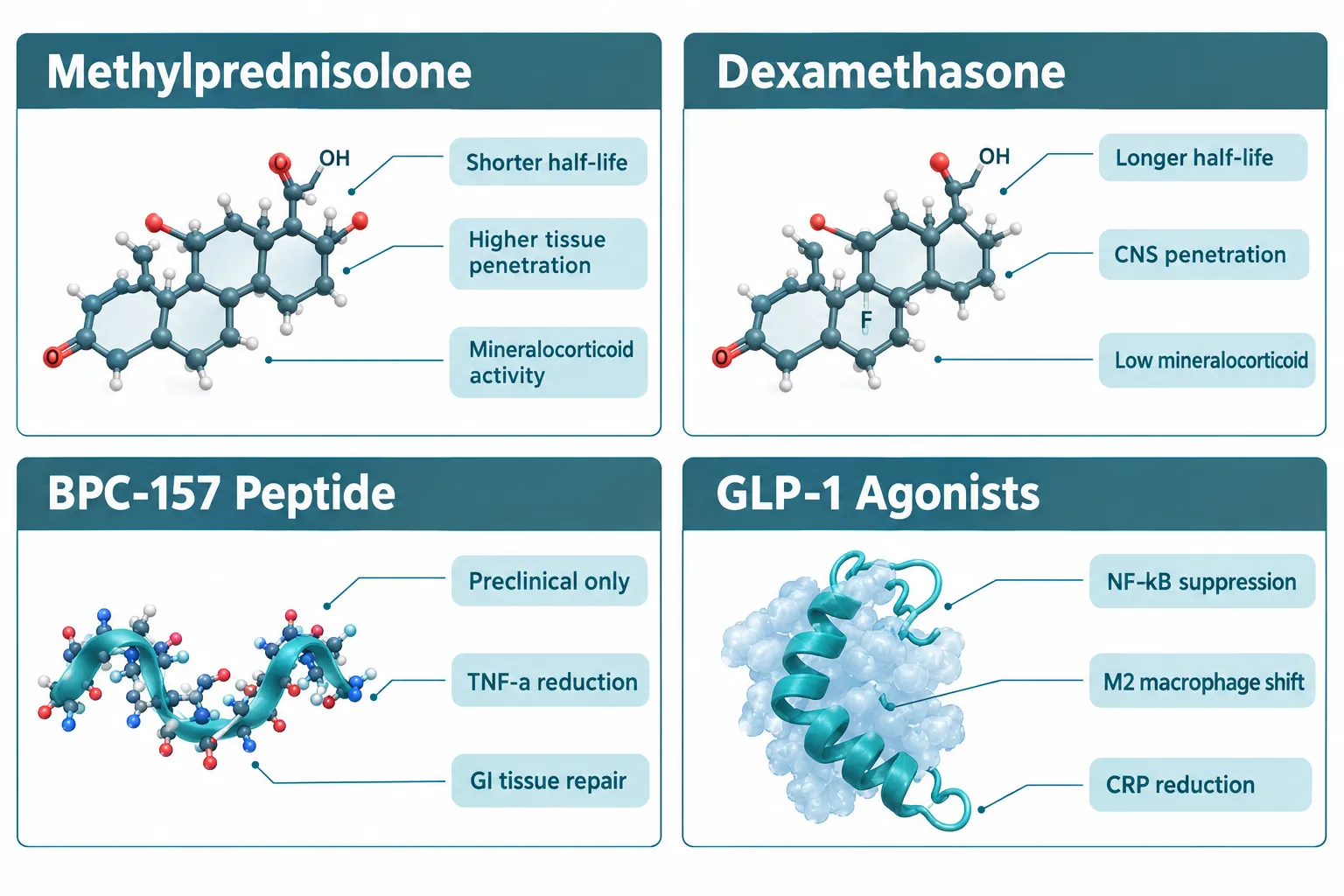
Bright editorial split-screen infographic landscape (): left half shows a clean white-background molecular diagram of a

Key Takeaways

  • Amlodipine, prednisone, and metoprolol each interact with endocrine pathways in ways that go beyond their primary targets, producing metabolic side effects that peptide-based agents may avoid.
  • Polypeptide peptides in endocrine and metabolic pharmacology offer receptor selectivity, shorter off-target profiles, and tissue-specific action that small molecules often cannot match.
  • GLP-1 receptor agonists and multi-agonist peptides represent the most clinically advanced examples of this shift, with GLP-3 retatrutide research extending the frontier.
  • Mitochondrial peptides such as MOTS-c address metabolic dysregulation at the cellular energy level, a target unreachable by classic small molecules.
  • Understanding the pharmacological gaps left by legacy drugs helps researchers identify where peptide-based tools offer the greatest research value.

How Classic Small Molecules Interact With Endocrine Pathways

Amlodipine blocks L-type calcium channels in vascular smooth muscle, reducing blood pressure and myocardial oxygen demand. However, calcium signaling is also central to pancreatic beta-cell insulin secretion. Disrupting this pathway even modestly can impair glucose-stimulated insulin release, a finding that has been observed in long-term hypertension management research.

Prednisone, a synthetic glucocorticoid, binds glucocorticoid receptors with broad tissue distribution. Its anti-inflammatory power comes at a metabolic cost: stimulation of hepatic gluconeogenesis, suppression of peripheral insulin sensitivity, and disruption of the hypothalamic-pituitary-adrenal axis. These are not rare side effects, they are mechanistic consequences of how the drug binds.

Metoprolol, a beta-1 selective adrenergic blocker, reduces heart rate and cardiac output effectively. Its endocrine liability lies in masking hypoglycemic symptoms and blunting the catecholamine-driven recovery from low blood glucose, a clinically relevant concern in diabetic patients.

The pattern is consistent: each drug achieves its primary goal through a mechanism that inevitably touches endocrine or metabolic circuitry.

"The off-target metabolic effects of classic small molecules are not design flaws, they are the predictable result of targeting signaling pathways that evolution never isolated."


Polypeptide Peptides in Endocrine and Metabolic Pharmacology: The Receptor Targeting Advantage

Polypeptide Peptides in Endocrine and Metabolic Pharmacology: The Receptor Targeting Advantage

Where small molecules bind with high affinity but low tissue selectivity, polypeptide peptides in endocrine and metabolic pharmacology operate through receptor systems that are more anatomically restricted. This distinction is not merely theoretical.

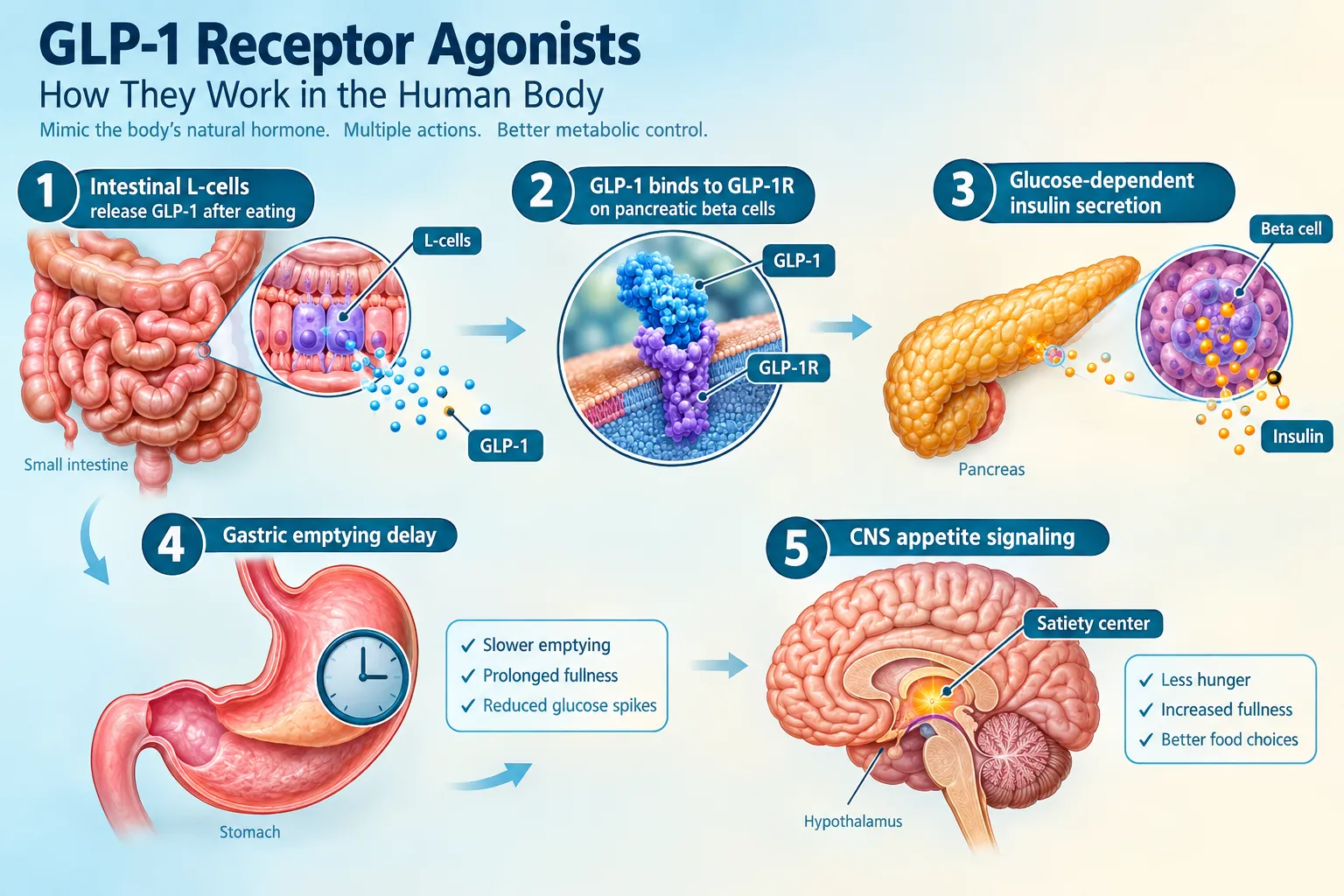
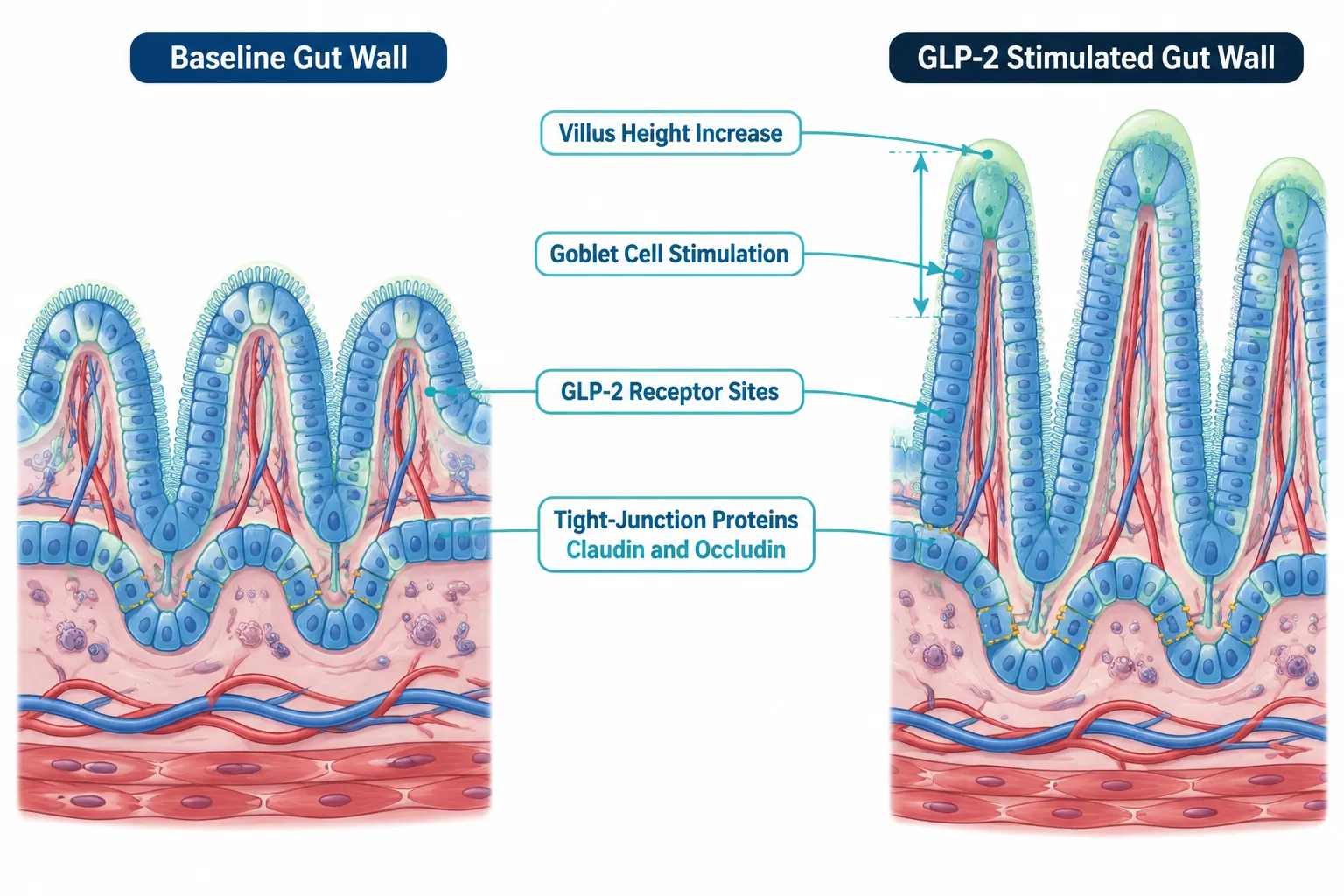
Proglucagon-derived peptides, including GLP-1, GLP-2, glucagon, and oxyntomodulin, each act on distinct receptor populations across the gut, pancreas, brain, and liver. GLP-1 receptor agonists lower blood glucose by enhancing insulin secretion only when glucose is already elevated, a glucose-dependent mechanism that eliminates the hypoglycemia risk associated with metoprolol-class drugs.

The next generation goes further. Multi-agonist peptides combine amino acid sequences from GLP-1, glucagon, and GIP hormones into single molecules with enhanced potency and extended half-lives. Research into GLP-3 retatrutide represents this frontier, targeting multiple incretin receptors simultaneously to address obesity and type 2 diabetes with a precision that prednisone-driven metabolic disruption cannot approach.

The GIP receptor plays a particularly important role here. GIP works synergistically with GLP-1 to amplify insulin secretion and may also support bone metabolism and fat storage regulation, a multi-system effect achieved without the adrenal suppression that defines glucocorticoid pharmacology.

Key differences between small molecules and peptide agents:

Feature Small Molecules (e.g., Prednisone) Peptide Agents (e.g., GLP-1 agonists)
Receptor selectivity Broad Tissue-restricted
Metabolic off-target effects Common Reduced
Half-life engineering Limited Highly modifiable
Glucose-dependent action No Yes (GLP-1 class)

Adrenomedullin, a 52-amino acid peptide hormone, further illustrates the endocrine complexity peptides can address. It regulates cardiovascular tone and lymphatic function while also inhibiting insulin secretion in a dose-dependent manner, a finding that positions it as both a research target and a cautionary example of peptide pleiotropy.


Mitochondrial Peptides and the Metabolic Gap Left by Legacy Drugs

Mitochondrial Peptides and the Metabolic Gap Left by Legacy Drugs

Neither amlodipine, prednisone, nor metoprolol addresses cellular energy metabolism at the mitochondrial level. This is a significant gap. Chronic glucocorticoid use, in particular, impairs mitochondrial biogenesis and increases reactive oxygen species production, effects that accelerate metabolic aging.

This is precisely where mitochondrial-derived peptides enter the research conversation. MOTS-c, encoded within mitochondrial DNA, regulates glucose uptake, fatty acid oxidation, and insulin sensitivity through AMPK activation. Its mechanism operates entirely outside the receptor systems targeted by classic cardiovascular drugs, making it a complementary rather than competing research tool.

SS-31 peptide research addresses a related problem: mitochondrial membrane integrity under oxidative stress. Where prednisone-induced metabolic disruption increases oxidative burden, SS-31 targets cardiolipin on the inner mitochondrial membrane to preserve electron transport chain function.

For researchers exploring body composition and visceral adiposity, conditions worsened by long-term glucocorticoid exposure, tesa offers a growth hormone-releasing hormone analog that specifically reduces visceral fat without the broad hormonal disruption of steroid-class drugs.

Non-incretin peptide systems are also gaining traction. Apelin, spexin, and meteorin-like protein (METRNL) each interact with energy balance pathways that small molecules have historically ignored, opening new drug discovery targets for metabolic disease research.

For those examining AOD-9604 metabolic research, the lipolytic fragment of growth hormone provides another example of how peptide engineering can isolate a single metabolic function, fat mobilization, without replicating the full hormonal cascade of its parent molecule.


Conclusion

The lessons from amlodipine, prednisone, and metoprolol are not arguments against small-molecule pharmacology. They are a precise map of where that pharmacology ends and where polypeptide peptides in endocrine and metabolic pharmacology begin. Each classic drug reveals a metabolic vulnerability, impaired insulin secretion, adrenal suppression, blunted glycemic recovery, that modern peptide research is systematically designed to address.

Actionable next steps for researchers and clinicians:

  • Review the receptor selectivity profiles of any metabolic intervention against the endocrine off-target effects documented in glucocorticoid and beta-blocker literature.
  • Explore mitochondrial peptide tools such as MOTS-c and SS-31 for research models involving oxidative stress or insulin resistance secondary to classic drug exposure.
  • Track multi-agonist peptide development, particularly GLP-1/GIP/glucagon tri-agonists, as the most clinically proximate evolution of endocrine peptide pharmacology.
  • Use the pharmacological gaps in legacy drugs as a framework for identifying where peptide-based research tools add the most mechanistic value.

The field is not replacing its foundations. It is building precisely where those foundations show their limits.

https://www.puretestedpeptides.com/wp-content/uploads/2026/07/polypeptide-peptides-in-endocrine-and-metabolic-pharmacology-lessons-from-amlodi.webp 1024 1536 https://www.puretestedpeptides.com/wp-content/uploads/2026/01/buy-peptides-online.jpg 2026-07-17 13:07:122026-07-17 13:07:12Polypeptide Peptides in Endocrine and Metabolic Pharmacology: Lessons From Amlodipine, Prednisone, and Metoprolol
GLP-3 Retatrutide vs. GLP-1 Receptor Agonists: A Comprehensive Research Review

GLP-3 Retatrutide vs. GLP-1 Receptor Agonists: A Comprehensive Research Review

July 5, 2026/0 Comments/in Uncategorized/by

A 28% average body weight reduction over 18 months, that figure, emerging from Phase 3 clinical data on retatrutide, rivals outcomes typically seen only with bariatric surgery. For researchers tracking the evolution of metabolic peptide science, this GLP-3 Retatrutide vs. GLP-1 Receptor Agonists: A Comprehensive Research Review examines what sets retatrutide apart from established GLP-1 therapies, how their mechanisms diverge, and what the latest trial data reveals about their comparative potential.

Key Takeaways

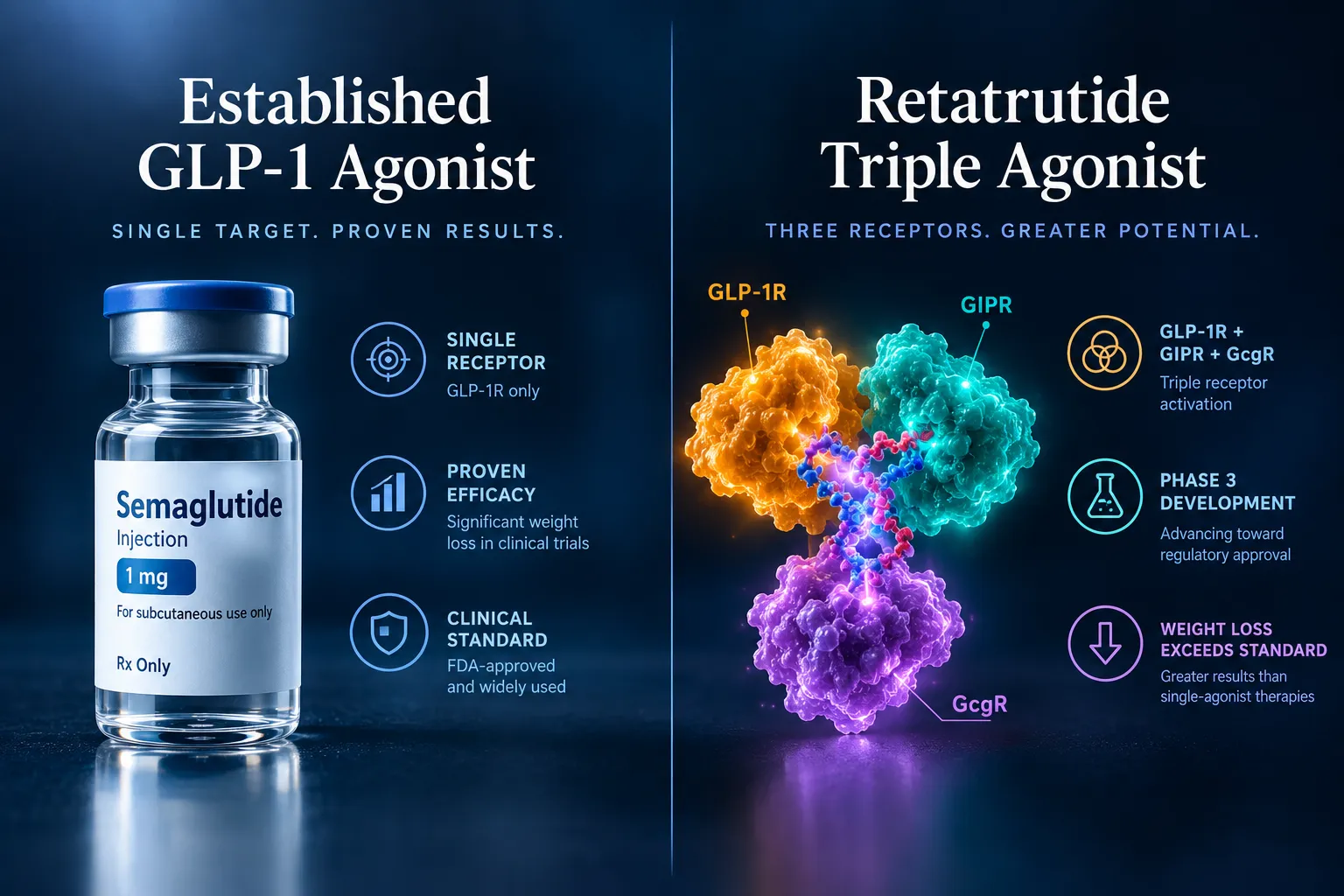
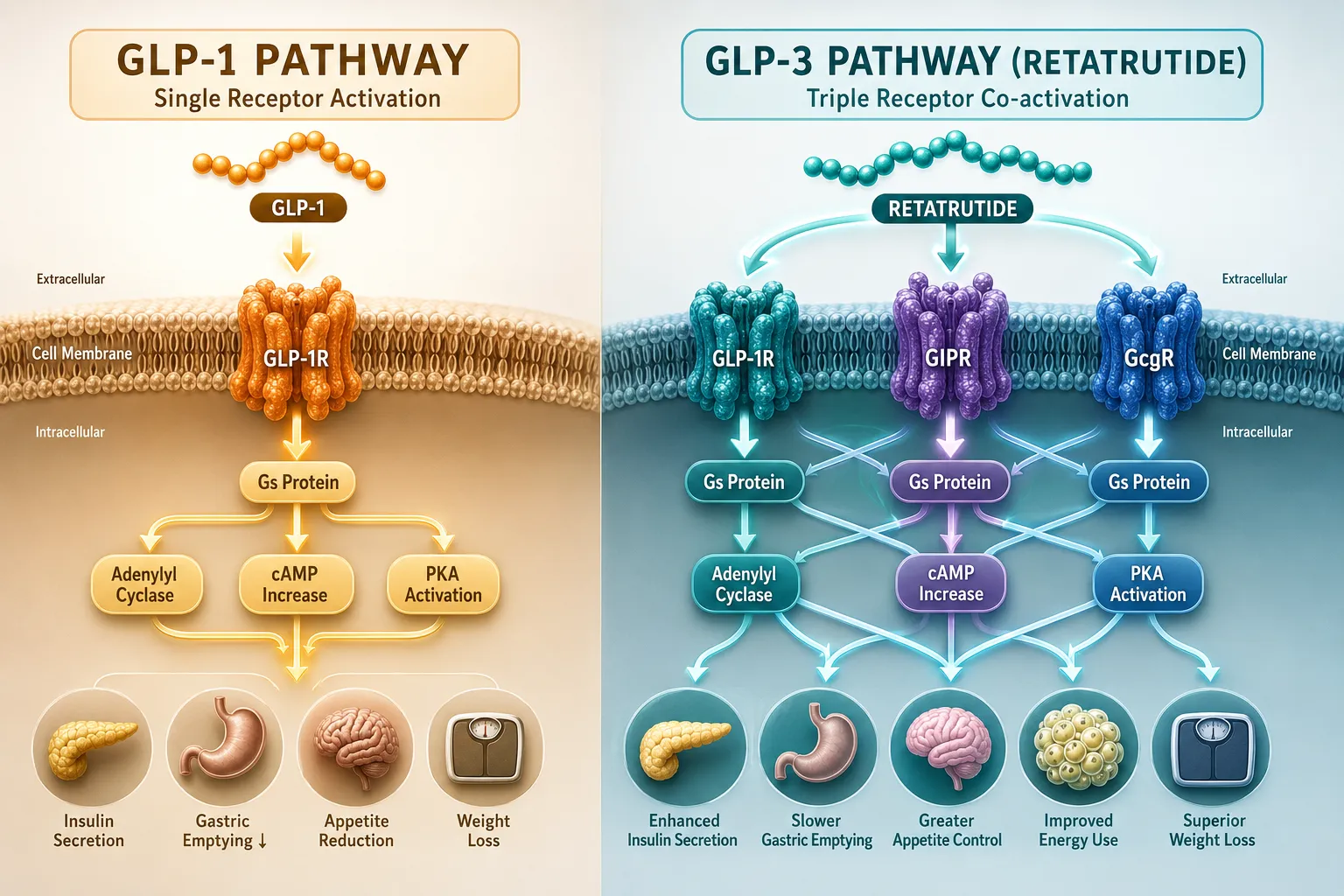
  • Retatrutide is a triple agonist targeting GIP, GLP-1, and glucagon receptors, a fundamentally different mechanism from single GLP-1 receptor agonists.
  • Phase 3 data shows retatrutide achieving approximately 28% body weight reduction, surpassing current GLP-1 benchmarks.
  • A network meta-analysis found retatrutide 12 mg produced a 22.10% body weight reduction, outperforming all compared GLP-1 receptor agonists.
  • Phase 2 trials reported HbA1c reductions of up to 1.94% and body weight reductions up to 15.3% over 40 weeks in type 2 diabetes subjects.
  • Gastrointestinal side effects were mild to moderate and diminished over time, with no severe hypoglycemia reported.

Key Takeaways

Mechanism of Action: How Retatrutide Differs from GLP-1 Receptor Agonists

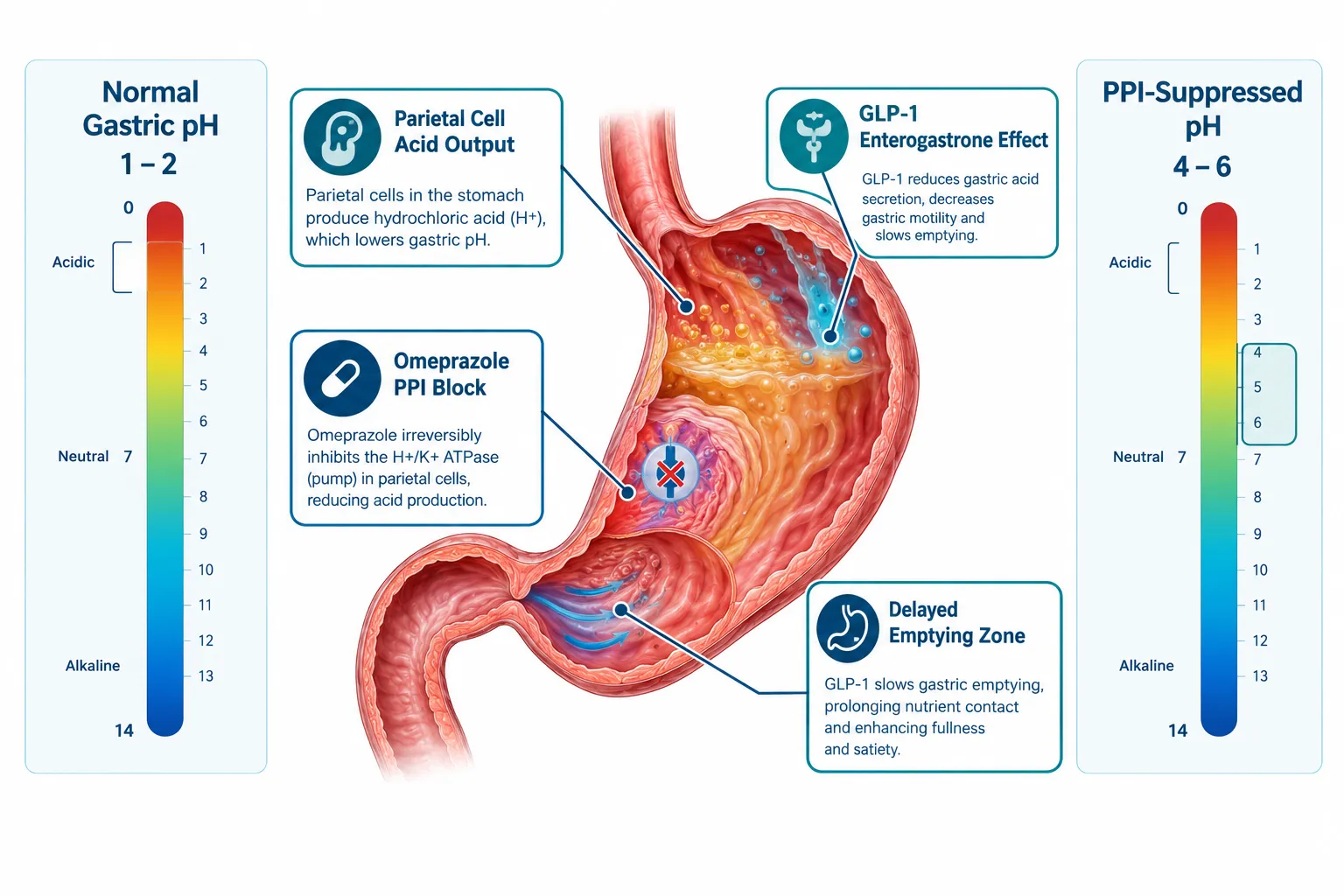
Understanding the GLP-3 Retatrutide vs. GLP-1 Receptor Agonists: A Comprehensive Research Review begins at the receptor level. Standard GLP-1 receptor agonists, such as semaglutide and liraglutide, work by binding exclusively to glucagon-like peptide-1 receptors. This drives insulin secretion, suppresses glucagon release, and slows gastric emptying, producing meaningful but bounded metabolic effects.

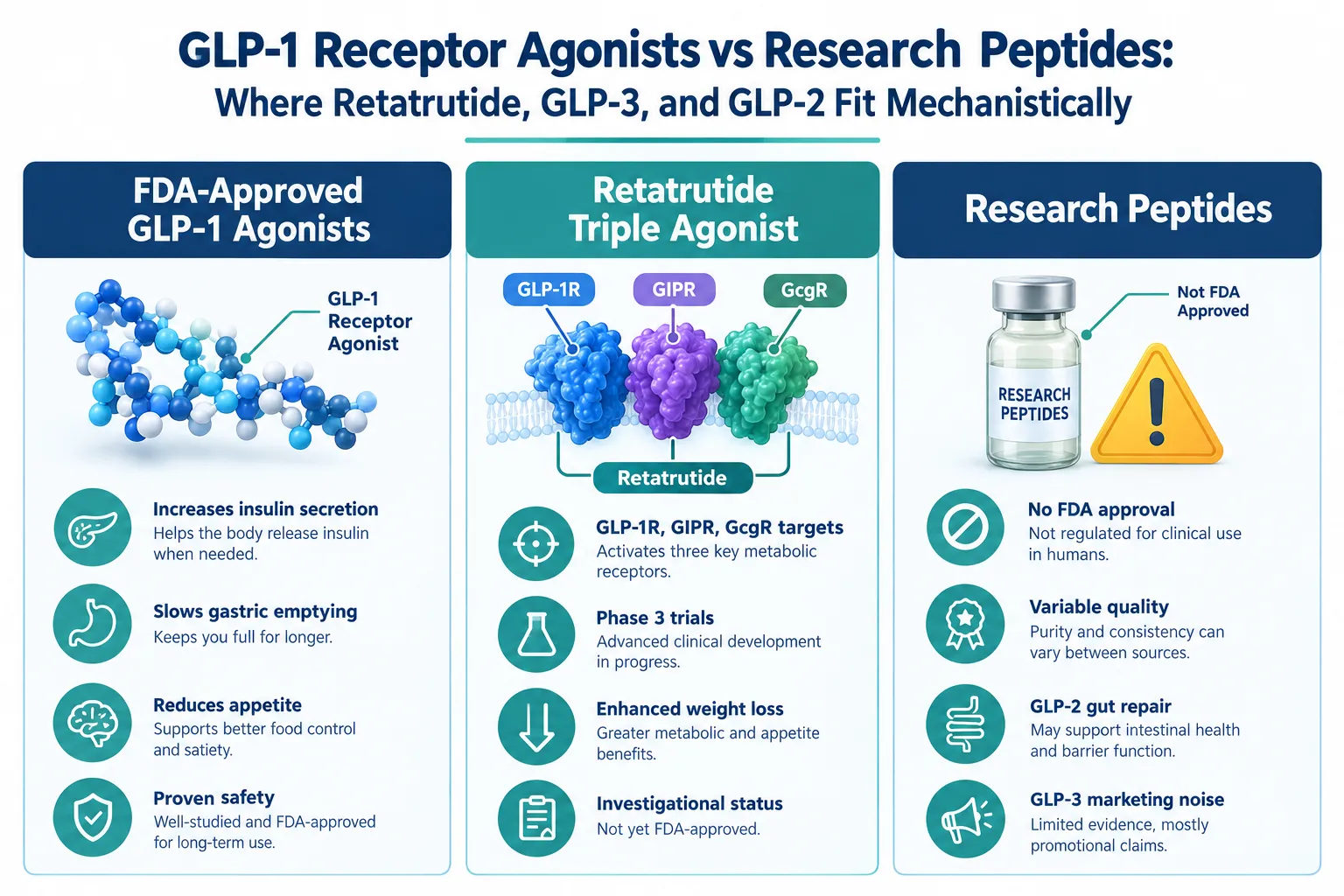
Retatrutide operates on an entirely different scale. It is a 39-amino acid peptide engineered as a triple agonist, simultaneously activating three receptor types:

  • GIP (Glucose-dependent Insulinotropic Polypeptide) receptors, enhancing insulin sensitivity and fat metabolism
  • GLP-1 receptors, regulating appetite, glucose, and gastric motility
  • Glucagon receptors, increasing energy expenditure and promoting hepatic fat oxidation

"The inclusion of glucagon receptor agonism is considered a significant advancement, it adds a thermogenic and lipolytic dimension that single-target GLP-1 agents simply cannot replicate."

This multi-receptor engagement is why researchers exploring GLP-3 retatrutide research are paying close attention. The glucagon component, in particular, drives enhanced energy expenditure, which may explain retatrutide's outsized weight loss results compared to dual or single agonists. Researchers interested in related metabolic peptide mechanisms may also find value in reviewing AOD9604 metabolic research themes for comparative context on fat-targeted peptide signaling.


Mechanism of Action: How Retatrutide Differs from GLP-1 Receptor Agonists

Clinical Trial Data: What the Research Shows

The clinical evidence in this GLP-3 Retatrutide vs. GLP-1 Receptor Agonists: A Comprehensive Research Review paints a compelling picture across multiple trial phases.

Phase 2 Findings

In a Phase 2 trial focused on individuals with type 2 diabetes, retatrutide demonstrated:

Outcome Measure Result
Mean HbA1c reduction Up to 1.94%
Mean body weight reduction Up to 15.3%
Trial duration 40 weeks
Severe hypoglycemia events None reported

These results were notable not only for their magnitude but for the absence of serious glycemic complications, a key safety consideration in diabetic populations.

Phase 3 Findings

The Phase 3 trial expanded the scope to a broader population with obesity or overweight conditions. The headline result, approximately 28% average weight loss over 18 months, placed retatrutide in a category previously occupied only by surgical interventions.

A separate systematic review and network meta-analysis reinforced these findings, reporting that retatrutide 12 mg produced a 22.10% reduction in body weight and a 17.00 cm decrease in waist circumference, outperforming all other GLP-1 receptor agonists and polyagonists included in the analysis.

For researchers also studying body composition peptides, the TESA body composition research themes and IPA muscle and fat research themes offer relevant comparative frameworks.

Safety Profile

The most frequently reported adverse events were mild to moderate gastrointestinal symptoms, nausea, vomiting, and diarrhea, consistent with the GLP-1 class profile. Importantly, these effects tended to subside as the trial progressed. No severe hypoglycemia was observed across the trials reviewed.


Safety Profile

Comparative Efficacy and Research Implications

When mapping the landscape of incretin-based therapies, the data consistently positions retatrutide above current GLP-1 benchmarks. The table below summarizes the key comparative differences:

Feature GLP-1 Agonists Retatrutide (Triple Agonist)
Receptor targets GLP-1 only GIP + GLP-1 + Glucagon
Average weight loss 10-15% Up to 28%
Thermogenic effect Minimal Enhanced via glucagon axis
Regulatory status (2026) FDA approved (various) Late-stage trials; FDA submission anticipated

As of 2026, Eli Lilly continues late-stage trials with an anticipated FDA submission by year-end. Analysts project that approval could position retatrutide as a leading therapy across obesity, type 2 diabetes, and metabolic liver disease.

Researchers exploring the broader peptide landscape may find useful context in what is new in peptide research and the GLP-1 Retatrutide research product page. Those interested in metabolic synergy combinations may also review CJC and IPA synergy research themes for adjacent growth hormone axis considerations.

For researchers sourcing verified research-grade material, the GLP-3 Retatrutide 10mg product listing provides specification details relevant to preclinical study design.


Conclusion

The evidence reviewed here makes a clear case: retatrutide represents a meaningful step beyond conventional GLP-1 receptor agonist therapy. Its triple-receptor mechanism, particularly the addition of glucagon receptor agonism, produces weight loss outcomes that current single-target agents cannot match. Phase 2 and Phase 3 data both support its superior efficacy in reducing body weight and improving glycemic control, with a manageable safety profile.

Actionable next steps for researchers:

  • Review the full Phase 2 and Phase 3 trial datasets to assess applicability to specific research populations.
  • Compare retatrutide's glucagon receptor activity against established metabolic peptides to identify potential synergy or overlap.
  • Monitor FDA submission timelines closely, as approval would significantly expand the translational research landscape.
  • Explore innovative peptide delivery systems to understand how formulation advances may affect retatrutide's future clinical utility.

The gap between GLP-1 agonists and triple agonists like retatrutide is not incremental, it is structural. Researchers who map that gap now will be best positioned when the regulatory landscape shifts.

https://www.puretestedpeptides.com/wp-content/uploads/2026/07/GLP-3-Retatrutide-vs.-GLP-1-Receptor-Agonists-A-Comprehensive-Research-Review.png 1024 1536 https://www.puretestedpeptides.com/wp-content/uploads/2026/01/buy-peptides-online.jpg 2026-07-05 13:07:052026-07-05 13:07:05GLP-3 Retatrutide vs. GLP-1 Receptor Agonists: A Comprehensive Research Review
×

Helpful Links

  • My account
  • Cart
  • Checkout
  • Refund and Returns Policy
  • Privacy Policy
  • SMS Privacy Policy
  • Login
  • My Account
  • Logout

USA Made Lab Tested Peptides

All products are sold for research, laboratory, or analytical purposes only, and are not for human consumption


Pure Tested Peptides is a chemical supplier. Pure Tested Peptides is not a compounding / chemical compounding facility as defined under 503A of the Federal Food, Drug, and Cosmetic act. Pure Tested Peptides is not an outsourcing facility as defined under 503B of the Federal Food, Drug, and Cosmetic act.

The statements made within this website have not been evaluated by the US Food and Drug Administration. The products we offer are not intended to diagnose, treat, cure or prevent any disease.

Human/Animal Consumption Prohibited. Laboratory/In-Vitro Experimental Use Only

Scroll to top Scroll to top Scroll to top