Call or Text 727-513-9780
  • Shopping Cart Shopping Cart
    0Shopping Cart
Pure Tested Peptides | America's most trusted Peptides for sale online
  • Peptides for sale
    • Oral Peptides for sale
      • Peptide Capsules for sale
      • BPC 157 Capsules 1000mcg
      • SLU-PP-332 Capsules | 1000 mcg
      • 5-Amino-1MQ 50mg Capsules
      • Tesofensine 500mcg
    • All Peptides for sale
    • Peptide Sprays
      • BPC 157 Nasal Spray Kit
      • BPC-157 TB500 Nasal Spray Kit
      • Semax Nasal Spray 10mg
      • Selank – Nasal Spray Kit – 10mg
      • Epithalon 50MG Nasal Spray Kit
      • Ipamorelin 10mg Nasal Spray
      • Klow Nasal Spray (BPC-157 + TB-500 + GHK-Cu + KPV) | 80mg
      • Hulk Nasal Spray Tesa / Ipa Blend 6/3 MG
      • Klow Nasal Spray
      • NAD + 500 mg Nasal Spray
      • PT-141 Nasal Spray Kit
    • GHRH Peptides
      • Ipa Peptides
      • CJC-1295 Peptides
        • CJC-1295 with DAC 5 mg
        • CJC-1295 without DAC 5 mg
        • CJC-1295 Ipa 10mg
      • Tesa Peptides
        • Tesa Peptide
        • Tesa 20 mg
    • GHK-Cu Peptides
      • All GHK-Cu Peptides
      • GHK-Cu 100mg
      • KLOW Peptide Blend – Buy KLOW blend online
    • BPC Peptides
      • All BPC Peptides
      • BPC-157
      • BPC-157 TB-500
      • BPC 157 capsules 1000mcg
    • SLU-PP-332 Peptides
      • All SLU-PP-332 Peptides
      • SLU-PP-332 5mg
    • GLP3 Peptides
      • GLP3-R
      • GLP3-R CAG 10mg
      • GLP3-R 20mg
    • PT-141 Peptides
      • PT-141 Peptides for sale
      • PT-141 10mg
      • PT-141 Nasal Spray
    • CAG Peptides
      • Lipo-C Peptide Blend
      • CAG 5mg
      • CAG 10mg
    • MOTS-C Peptides
      • MOTS-C Peptides for sale
      • MOTS-c peptide
      • MOTS-c 10mg *6 pack*
    • 5 Amino 1MQ Peptides
      • 5 Amino 1MQ Peptides for sale
      • 5-Amino-1MQ 50mg Capsules
      • 5-Amino-1MQ 5mg
    • Epithalon Peptides
      • Epithalon Peptides for sale
      • Epithalon 10mg
      • Epithalon 50mg
  • Shop
    • GLPs
      • 5-Amino-1MQ 50mg Capsules
      • 5-Amino-1MQ 5mg
      • GLP3-Reta
      • L-Carnitine 500mg/ml
      • Tesofensine 500mcg
      • SLU-PP-332 5mg
      • MOTS-c 10mg *6 pack*
    • Epithalon & BPC Peptides
      • Epithalon 10mg
      • Epithalon 50mg
      • BPC-157
      • BPC 157 capsules 1000mcg
      • BPC-157 TB-500
      • BPC-157 TB500 Nasal Spray Kit
      • BPC 157 Nasal Spray Kit
    • BPC TB-500 & NAD+ Peptides
      • NAD+ 500 mg
      • KLOW Peptide Blend – Buy KLOW blend online
      • GLOW Peptide Blend
      • TB 500 5mg
      • BPC 157 capsules 1000mcg – Supplement
      • BPC 157 Nasal Spray Kit
      • BPC-157
      • BPC-157 TB500 Nasal Spray Kit
      • BPC-157 TB-500
      • BPC 157 capsules 1000mcg
    • LL-37 Peptide
      • LL-37 10 mg
    • MOTS-C & Selank
      • MOTS-c peptide
      • Selank 10mg
    • GHK Peptides
      • GHK-Cu 100mg
      • GLOW Peptide Blend
      • KLOW Peptide Blend – Buy KLOW blend online
  • COAs
  • Wholesale
    • Wholesale Peptides for sale
  • PTP FAQ
  • Affiliates
    • Selank Peptide: Advanced Pharmacological Mechanisms Underlying Its Anxiolytic and Nootropic Effects in Research
      • 5-Amino-1MQ Peptide: Detailed Mechanisms of NNMT Inhibition and Its Impact on Cellular Metabolism Research
        • MOTS-C Peptide: Unraveling Its Role in Mitochondrial Dynamics and Energy Metabolism Research
          • Epithalon Peptide and Telomerase Regulation: Investigating Its Impact on Cellular Senescence and Lifespan Research Models
            • GLP2-T vs GLP2 Tirz Peptide: Understanding the Naming, Mechanistic Nuances, and Research Implications for Gut Health
      • Peptides and Polypeptides in Modern Pharmacology: What Research on Metoprolol, Prednisone, and Amlodipine Reveals
        • Polypeptide Peptides vs NSAIDs: What Naproxen and Diclofenac Teach Tissue-Repair Researchers About BPC‑157 and TB‑500
          • Peptides and Polypeptides in Endocrine Pharmacology: How GLP-1, GLP-2, and GLP-3 Retatrutide Differ From Classic Drugs Like Prednisone and Amlodipine
          • 5‑Amino‑1MQ Peptide and NNMT Inhibition: How It Compares With Statins Like Atorvastatin in Adipose and Lipid Metabolism Research
      • Enclomiphene, Estrogen Receptor Signaling, and Luteinizing Phase Biology: What Hormone Researchers Should Measure
        • Mesenchymal Stem Cells, BPC‑157, and GHK‑Cu: How Tissue Repair Peptides Compare With Classic NSAIDs Like Naproxen in Injury Models
          • Peptide Calculator Use Cases Beyond Growth Hormone: Working Through GLP‑3 Retatrutide, MOTS‑c, and BPC‑157 Research Dosing
        • Polypeptide Peptides in Endocrine and Metabolic Pharmacology: Lessons From Amlodipine, Prednisone, and Metoprolol
        • Peptides Calculator for Advanced Blends: Worked Examples for Tesamorelin, CJC‑1295, and Ipamorelin Stacks
          • Peptides and Polypeptides in Human Physiology: How Molecular Size Shapes Research Applications
            • Selank Peptide: Advanced Pharmacological Mechanisms Underlying Its Anxiolytic and Nootropic Effects in Research
          • 5-Amino-1MQ Peptide: Detailed Mechanisms of NNMT Inhibition and Its Impact on Cellular Metabolism Research
            • MOTS-C Peptide: Unraveling Its Role in Mitochondrial Dynamics and Energy Metabolism Research
              • Epithalon Peptide and Telomerase Regulation: Investigating Its Impact on Cellular Senescence and Lifespan Research Models
                • GLP2-T vs GLP2 Tirz Peptide: Understanding the Naming, Mechanistic Nuances, and Research Implications for Gut Health
                  • Peptides and Polypeptides in Endocrine Pharmacology: How GLP-1, GLP-2, and GLP-3 Retatrutide Differ From Classic Drugs Like Prednisone and Amlodipine
                    • Polypeptide Peptides vs NSAIDs: What Naproxen and Diclofenac Teach Tissue-Repair Researchers About BPC‑157 and TB‑500
                      • Peptides and Polypeptides in Modern Pharmacology: What Research on Metoprolol, Prednisone, and Amlodipine Reveals
                        • 5‑Amino‑1MQ Peptide and NNMT Inhibition: How It Compares With Statins Like Atorvastatin in Adipose and Lipid Metabolism Research
                        • Enclomiphene, Estrogen Receptor Signaling, and Luteinizing Phase Biology: What Hormone Researchers Should Measure
                        • Mesenchymal Stem Cells, BPC‑157, and GHK‑Cu: How Tissue Repair Peptides Compare With Classic NSAIDs Like Naproxen in Injury Models
                        • Peptide Calculator Use Cases Beyond Growth Hormone: Working Through GLP‑3 Retatrutide, MOTS‑c, and BPC‑157 Research Dosing
                        • Polypeptide Peptides in Endocrine and Metabolic Pharmacology: Lessons From Amlodipine, Prednisone, and Metoprolol
                        • Peptides Calculator for Advanced Blends: Worked Examples for Tesamorelin, CJC‑1295, and Ipamorelin Stacks
                        • Peptides and Polypeptides in Human Physiology: How Molecular Size Shapes Research Applications
                        • Selank Peptide: Advanced Pharmacological Mechanisms Underlying Its Anxiolytic and Nootropic Effects in Research
                        • MOTS-C Peptide: Unraveling Its Role in Mitochondrial Dynamics and Energy Metabolism Research
                        • Peptides and Polypeptides in Modern Pharmacology: What Research on Metoprolol, Prednisone, and Amlodipine Reveals
                        • Peptides and Polypeptides in Endocrine Pharmacology: How GLP-1, GLP-2, and GLP-3 Retatrutide Differ From Classic Drugs Like Prednisone and Amlodipine
                        • 5-Amino-1MQ Peptide: Detailed Mechanisms of NNMT Inhibition and Its Impact on Cellular Metabolism Research
                        • Mesenchymal Stem Cells, BPC‑157, and GHK‑Cu: How Tissue Repair Peptides Compare With Classic NSAIDs Like Naproxen in Injury Models
                        • Peptide Calculator Use Cases Beyond Growth Hormone: Working Through GLP‑3 Retatrutide, MOTS‑c, and BPC‑157 Research Dosing
                        • GLP2-T vs GLP2 Tirz Peptide: Understanding the Naming, Mechanistic Nuances, and Research Implications for Gut Health
                        • Polypeptide Peptides in Endocrine and Metabolic Pharmacology: Lessons From Amlodipine, Prednisone, and Metoprolol
                        • Polypeptide Peptides vs NSAIDs: What Naproxen and Diclofenac Teach Tissue-Repair Researchers About BPC‑157 and TB‑500
                        • Peptides and Polypeptides in Human Physiology: How Molecular Size Shapes Research Applications
                        • Peptides Calculator for Advanced Blends: Worked Examples for Tesamorelin, CJC‑1295, and Ipamorelin Stacks
                        • 5‑Amino‑1MQ Peptide and NNMT Inhibition: How It Compares With Statins Like Atorvastatin in Adipose and Lipid Metabolism Research
                        • Enclomiphene, Estrogen Receptor Signaling, and Luteinizing Phase Biology: What Hormone Researchers Should Measure
                        • Epithalon Peptide and Telomerase Regulation: Investigating Its Impact on Cellular Senescence and Lifespan Research Models
                        • Best research protocol Klow blend
                        • best time to take BPC-157
                        • best time to take DSIP (Delta Sleep Inducing Peptide)
                        • best time to take CJC-1295
                        • best time to take AOD-9604
                        • best time to take Follistatin 344
                        • best time to take Ipamorelin
                        • best time to take MK-677 (Ibutamoren)
                        • best time to take Ligandrol (LGD-4033) — research compound
                        • best time to take Ostarine (MK-2866) — research compound
                        • best time to take GHK-CU
                        • best time to take TB-500
                        • best time to take MOTS-c
                        • best time to take Semax
                        • best time to take RAD-140 (Testolone) — research compound
                        • best time to take Thymosin Alpha-1
                        • best time to take PEG-MGF
                        • Biolife Plasma, Octapharma Plasma, and Research Peptides: How Plasma Donation Labs Differ From Peptide Suppliers
                        • best time to take YK-11 — research compound
                        • best time to take PT-141 (Bremelanotide)
                        • Best research protocol Klow blend
  • Contact
    • Contact Customer Service
    • Text Customer Support
  • About US
  • Shop all peptides
  • Affiliate Program
    • Affiliate Signup
  • Login / Register Login / Register Page Link Login / Register Page Link
  • Click to open the search input field Click to open the search input field Search
  • Menu Menu

Tag Archive for: peptide research

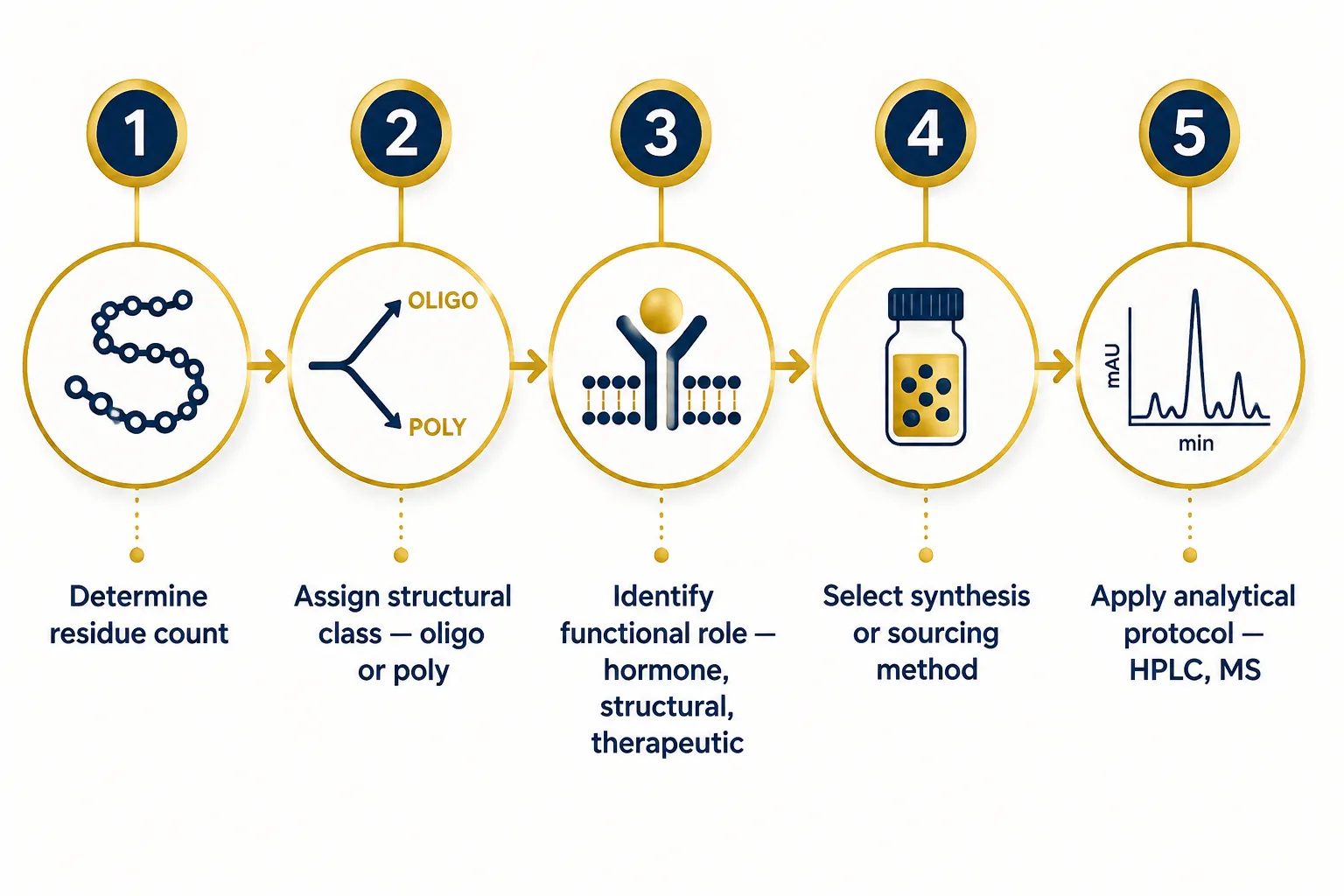
What Is Polypeptide Peptides? A Research-Friendly Guide to Terminology, Structure, and Function

What Is Polypeptide Peptides? A Research-Friendly Guide to Terminology, Structure, and Function

July 10, 2026/0 Comments/by Pure Tested

{"cover":"Professional landscape format (1536×1024) hero image with bold text overlay: 'What Is Polypeptide Peptides? A Research-Friendly Guide' in extra large 72pt white sans-serif font with deep shadow effect, centered upper-third composition. Background shows a stunning macro scientific visualization of an amino acid chain forming a helix structure, rendered in deep navy blue and teal with luminous molecular bond lines glowing in white and gold. Semi-transparent dark overlay panel behind text for maximum readability. Magazine cover aesthetic, editorial quality, high contrast, 2026 research theme.","content":["Detailed landscape format (1536×1024) scientific infographic-style illustration showing a side-by-side comparison diagram of dipeptide, oligopeptide, polypeptide, and protein structures as ascending chain lengths, each labeled with amino acid count ranges. Clean white laboratory background with color-coded chain segments in blue, green, and orange. Bold sans-serif annotation labels, molecular bond icons, and a horizontal scale bar. Research-oriented aesthetic, educational clarity, no people, flat design with subtle 3D depth on molecular models.","Landscape format (1536×1024) close-up overhead view of a molecular model of a polypeptide chain folding into secondary structure, alpha helix and beta sheet formations visible simultaneously. Rendered in photorealistic 3D with deep purple background and glowing cyan hydrogen bond lines. Amino acid residue nodes highlighted in warm amber. Scientific visualization style, dramatic lighting from below, high-detail molecular geometry, no text overlay, editorial research quality, visually distinct from chain-length comparison image.","Landscape format (1536×1024) wide-angle flat-lay composition of a research laboratory bench showing peptide vials, a molecular structure printout, digital tablet displaying a peptide sequence chart, and a periodic table fragment. Color palette: clean white surface, steel grey equipment, accent colors in teal and gold. Soft directional studio lighting, no people, organized scientific workspace aesthetic. Subtle branded research theme, editorial quality, visually distinct from molecular model images, conveys applied peptide research context.","cover":""}

Professional landscape hero image () with : "What Is Polypeptide Peptides? A Research-Friendly Guide to Terminology,

The phrase "polypeptide peptides" appears in thousands of monthly searches, yet it is technically redundant. Every polypeptide is already a peptide. So why does this search phrase generate so much traffic? Because most people typing it are genuinely trying to understand the chemistry behind these molecules, and the terminology around peptides, polypeptides, and proteins remains surprisingly confusing even in 2026. This guide resolves that confusion directly.


Key Takeaways

  • The term "polypeptide peptides" is redundant; a polypeptide is a specific type of peptide chain.
  • Peptides are short amino acid chains; polypeptides are longer chains; proteins are folded polypeptides with biological function.
  • Amino acids link together through peptide bonds to form these molecules.
  • Chain length and three-dimensional structure determine biological activity.
  • Understanding this terminology is essential for interpreting modern peptide research accurately.

Key Takeaways

Decoding the Terminology: Peptide, Polypeptide, and Protein

When researchers and searchers ask about "polypeptide peptides," they are almost always asking one core question: what separates a peptide from a polypeptide from a protein?

The answer lies in chain length and structural complexity.

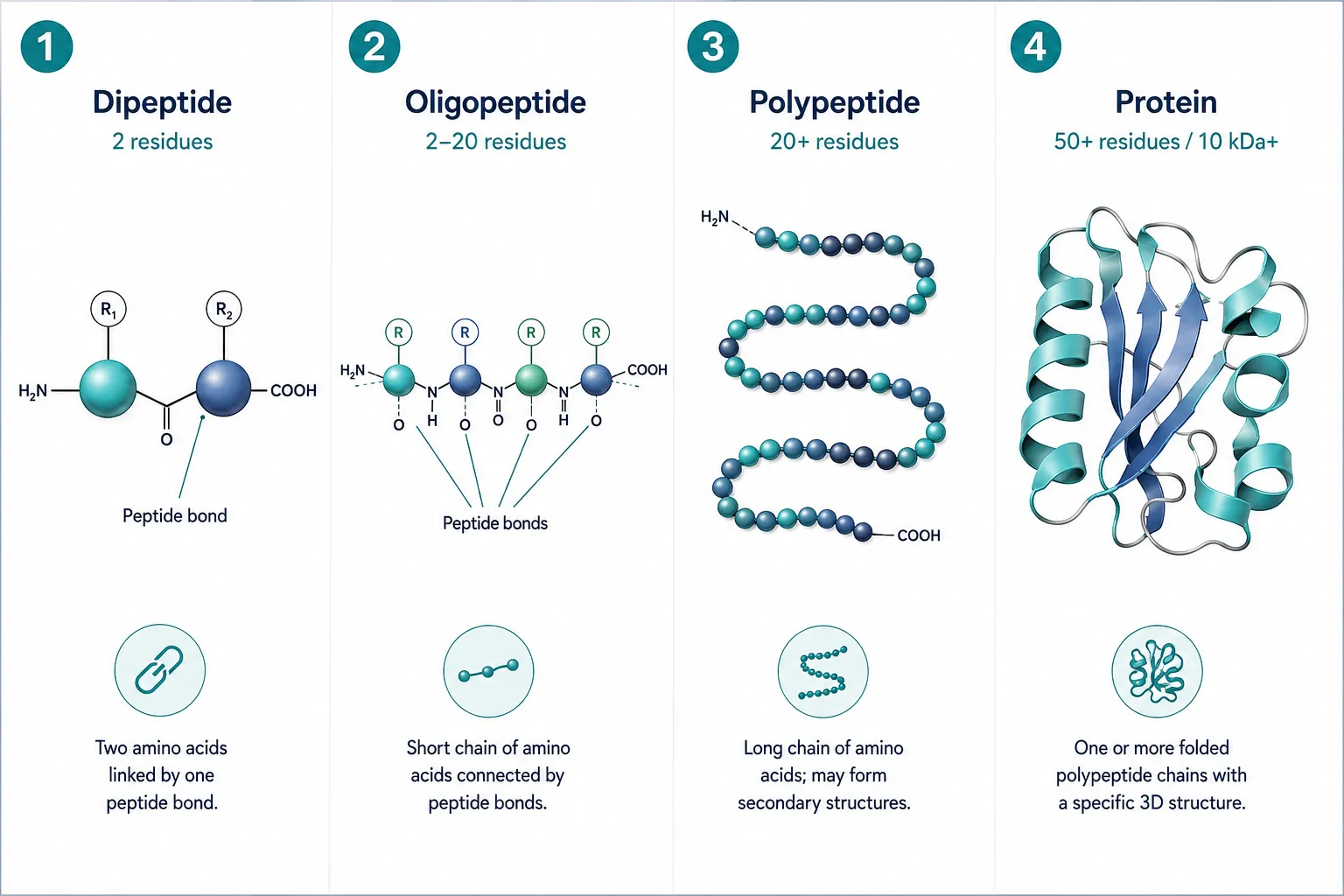
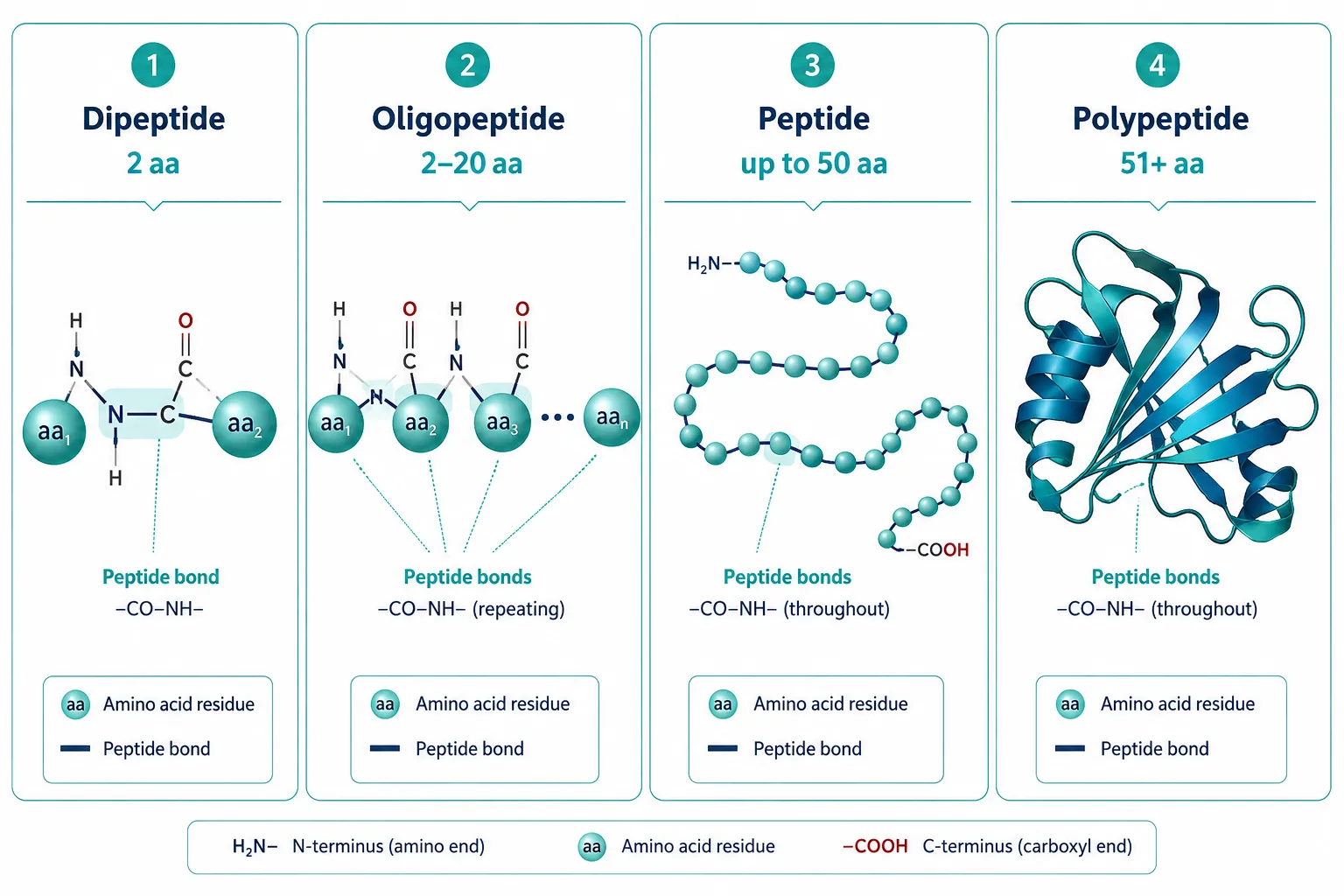
Term Amino Acid Count Key Characteristic
Dipeptide 2 Simplest peptide unit
Oligopeptide 3 to 10 Short signaling chains
Polypeptide 10 to ~100 Longer, more complex chains
Protein 100+ Folded, functional macromolecule

The prefix "poly" simply means "many." A polypeptide is therefore a chain of many amino acids joined by peptide bonds, covalent chemical links formed when the carboxyl group of one amino acid reacts with the amino group of the next.

"All proteins are polypeptides, but not all polypeptides are proteins. The distinction is function, not just length."

This is why the phrase "polypeptide peptides" makes sense as a search query even if it is chemically repetitive. Searchers are reaching for precision and landing on a term that captures both concepts at once.


Decoding the Terminology: Peptide, Polypeptide, and Protein

Structure: How Polypeptide Chains Become Biologically Active

Understanding what is polypeptide peptides, and why this research-friendly guide to terminology, structure, and function matters, requires looking at how structure drives activity.

Biochemists describe molecular architecture in four levels:

  1. Primary structure, the linear sequence of amino acids
  2. Secondary structure, local folding patterns such as alpha helices and beta sheets
  3. Tertiary structure, the full three-dimensional shape of a single chain
  4. Quaternary structure, the arrangement of multiple polypeptide chains together

A polypeptide's biological function depends almost entirely on its three-dimensional shape. Change one amino acid in the sequence and the molecule may fold differently, binding to different receptors or losing activity entirely.

This structural sensitivity explains why peptide researchers pay close attention to sequence integrity and storage conditions. Molecules like tesa and MOTS-c are studied precisely because their specific amino acid sequences produce targeted biological interactions.

Similarly, research on SS-31 (elamipretide) focuses on a tetrapeptide, just four amino acids, demonstrating that even very short chains can carry significant functional specificity.


Structure: How Polypeptide Chains Become Biologically Active

Function: Why Polypeptides Matter in Research

The research landscape for polypeptides in 2026 spans metabolic signaling, cellular repair, immune modulation, and longevity biology. Each application traces back to a core principle: specific sequences produce specific effects.

Key functional categories include:

  • Signaling peptides, act as messengers between cells (e.g., growth hormone-releasing peptides)
  • Structural peptides, contribute to tissue integrity
  • Antimicrobial peptides, support innate immune defense
  • Enzyme-modulating peptides, alter metabolic pathways

For researchers exploring metabolic pathways, resources like the metabolic modulation research lines overview provide context on how specific polypeptide sequences are selected for study.

Peptides used in skincare research also illustrate functional diversity. Copper-binding sequences like GHK-Cu are studied for their role in tissue remodeling, while the broader science is explored in resources covering peptides in skincare.

For researchers interested in GLP-1 receptor-targeting polypeptides, the generations of GLP-1 differences breakdown illustrates how incremental changes to polypeptide structure have produced successive generations of research compounds.


Conclusion

The search phrase "polypeptide peptides" captures genuine curiosity about one of biochemistry's most important molecular categories. This research-friendly guide to terminology, structure, and function shows that the distinction between peptides, polypeptides, and proteins is not just academic, it directly shapes how researchers design studies, interpret results, and select compounds.

Actionable next steps for researchers:

  • Review the amino acid count and sequence of any peptide before drawing functional conclusions.
  • Consult structural data (primary through quaternary) when comparing similar compounds.
  • Explore the full peptide catalog to identify research-grade compounds with documented sequence integrity.
  • Cross-reference metabolic and signaling peptides using dedicated research theme pages for deeper context.

Terminology clarity is the foundation of credible peptide research. Getting the language right is the first step toward getting the science right.

https://www.puretestedpeptides.com/wp-content/uploads/2026/07/What-Is-Polypeptide-Peptides-A-Research-Friendly-Guide-to-Terminology-Structure-and-Function.png 1024 1536 Pure Tested https://www.puretestedpeptides.com/wp-content/uploads/2026/01/buy-peptides-online.jpg Pure Tested2026-07-10 13:33:102026-07-20 15:00:29What Is Polypeptide Peptides? A Research-Friendly Guide to Terminology, Structure, and Function

Peptides vs Polypeptides: Structural Differences, Chain Length, and Why the Distinction Matters in Research

July 9, 2026/0 Comments/by Pure Tested

Cover Image

The difference between a peptide and a polypeptide is not just a matter of naming preference, it directly shapes how researchers design experiments, interpret published data, and source compounds for study. Understanding Peptides vs Polypeptides: Structural Differences, Chain Length, and Why the Distinction Matters in Research is foundational chemistry knowledge that every serious investigator should have locked down before reviewing literature or ordering compounds.

Key Takeaways

  • Peptides are short amino acid chains, typically 2-50 residues; polypeptides contain 51 or more residues.
  • Oligopeptides (fewer than roughly 10 residues) behave differently in solution than longer chains.
  • The naming boundary is not universally fixed, so context and the source authority matter.
  • Structural length drives folding behavior, receptor binding specificity, and synthesis complexity.
  • Misidentifying a compound as a peptide or polypeptide can lead to flawed experimental design.

Side-by-side molecular comparison of peptide and polypeptide chain lengths

Defining the Terms: Amino Acids, Peptides, and Polypeptides

Every protein-based molecule begins with the same building block: an amino acid. When two amino acids join through a peptide bond, a covalent link between the carboxyl group of one and the amino group of another, the result is a dipeptide. Add a third residue and it becomes a tripeptide. This sequential assembly is the foundation of all peptide and polypeptide chemistry.

The NIH Genome.gov genetics glossary uses a widely accepted operational cutoff: a peptide is a chain of 2-50 amino acids, while a polypeptide contains 51 or more. IUPAC guidelines further subdivide the peptide category:

Term Residue Range Typical Behavior
Oligopeptide 2-10 Highly soluble, minimal folding
Peptide 2-50 Moderate folding, receptor-active
Polypeptide 51+ Complex folding, structural roles
Protein 100+ (functional) Tertiary/quaternary structure

It is worth noting that no single governing body has set an absolute, universally enforced cutoff. Some biochemistry texts place the peptide/polypeptide boundary at 100 residues. Researchers should always check which convention the source publication follows before drawing comparisons.


Research laboratory bench with peptide nomenclature journals and molecular models

Structural Differences and Chain Length: What Changes as Residues Increase

Chain length is not just a counting exercise, it governs physical and biological properties in measurable ways.

Short peptides (oligopeptides, 2-10 residues) tend to remain largely unstructured in solution. Their small size allows rapid diffusion and high bioavailability in certain delivery contexts. Compounds like KPV and Selank and Semax fall into this short-chain category and are studied precisely because their compact size enables targeted receptor interactions without the steric bulk of larger molecules.

Medium peptides (10-50 residues) begin to adopt partial secondary structures, alpha helices or beta sheets, that influence receptor binding geometry. Many growth hormone secretagogues, including those explored in CJC-1295 research, sit in this range. The GHK-Cu peptide is a well-known tripeptide-copper complex studied for tissue remodeling applications.

Polypeptides (51+ residues) fold into defined three-dimensional conformations. This folding is driven by hydrophobic interactions, hydrogen bonds, and disulfide bridges. The resulting shape is what determines enzyme activity, structural support, or hormonal signaling. Somatotropin (growth hormone), for example, is a polypeptide of approximately 191 residues, a useful reference point discussed in resources on what somatotropin is.

Key insight: A polypeptide is not simply a "bigger peptide." Its folded architecture creates functional properties that short peptides cannot replicate, and vice versa.


Why the Distinction Matters in Research

Researcher examining peptide compound with polypeptide structural model on screen

Conflating peptides with polypeptides introduces real errors at multiple stages of a research workflow.

Literature interpretation: A paper reporting results for a "peptide" using a 120-residue compound is using the term loosely. Recognizing this prevents researchers from applying those findings to short-chain analogs without proper justification.

Synthesis and sourcing: Short peptides are synthesized via solid-phase peptide synthesis (SPPS), a well-standardized process. Polypeptides often require recombinant expression systems. Understanding this distinction helps researchers evaluate supplier credibility. Reviewing peptide supplier comparisons and understanding reference standards becomes far more meaningful when the researcher understands what chain length implies about production complexity.

Stability and storage: Shorter peptides are generally more stable under standard lyophilized storage conditions. Polypeptides are more susceptible to aggregation and denaturation. This has direct implications for lab-tested peptide procurement and handling protocols.

Regulatory and ethical framing: In research contexts, compounds are often categorized differently based on molecular weight and chain length. Knowing whether a compound is technically a peptide or polypeptide affects how it is classified in study documentation.

For researchers exploring the broader landscape of chain-length-specific compounds, the complete peptides for sale catalog offers a useful reference for understanding how different molecules are positioned in active research programs.


Conclusion

The distinction between peptides and polypeptides is not academic hairsplitting. Chain length drives folding behavior, synthesis method, receptor specificity, storage requirements, and how results should be interpreted across studies. The most reliable operational boundary, 2-50 residues for peptides, 51 or more for polypeptides, provides a working framework, but researchers must always verify which convention a given publication applies.

Actionable next steps:

  • Before citing a study, confirm the chain length of the compound used and verify the author's definition of "peptide" versus "polypeptide."
  • When sourcing compounds, request certificates of analysis that specify molecular weight and sequence length.
  • Cross-reference supplier claims against established reference standards to ensure compound identity.
  • Use chain length as a first filter when evaluating whether findings from one compound class can be extrapolated to another.

Building this foundational clarity will sharpen experimental design, reduce misinterpretation of published data, and strengthen the overall quality of peptide research in 2026 and beyond.

https://www.puretestedpeptides.com/wp-content/uploads/2026/01/buy-peptides-online.jpg 0 0 Pure Tested https://www.puretestedpeptides.com/wp-content/uploads/2026/01/buy-peptides-online.jpg Pure Tested2026-07-09 13:18:122026-07-20 15:00:32Peptides vs Polypeptides: Structural Differences, Chain Length, and Why the Distinction Matters in Research

Peptides vs Polypeptides: Structural Differences, Chain Length, and Why the Distinction Matters in Research

July 9, 2026/0 Comments/by Pure Tested

Cover Image

The difference between a peptide and a polypeptide is not just a matter of naming preference, it directly shapes how researchers design experiments, interpret published data, and source compounds for study. Understanding Peptides vs Polypeptides: Structural Differences, Chain Length, and Why the Distinction Matters in Research is foundational chemistry knowledge that every serious investigator should have locked down before reviewing literature or ordering compounds.

Key Takeaways

  • Peptides are short amino acid chains, typically 2-50 residues; polypeptides contain 51 or more residues.
  • Oligopeptides (fewer than roughly 10 residues) behave differently in solution than longer chains.
  • The naming boundary is not universally fixed, so context and the source authority matter.
  • Structural length drives folding behavior, receptor binding specificity, and synthesis complexity.
  • Misidentifying a compound as a peptide or polypeptide can lead to flawed experimental design.

Side-by-side molecular comparison of peptide and polypeptide chain lengths

Defining the Terms: Amino Acids, Peptides, and Polypeptides

Every protein-based molecule begins with the same building block: an amino acid. When two amino acids join through a peptide bond, a covalent link between the carboxyl group of one and the amino group of another, the result is a dipeptide. Add a third residue and it becomes a tripeptide. This sequential assembly is the foundation of all peptide and polypeptide chemistry.

The NIH Genome.gov genetics glossary uses a widely accepted operational cutoff: a peptide is a chain of 2-50 amino acids, while a polypeptide contains 51 or more. IUPAC guidelines further subdivide the peptide category:

Term Residue Range Typical Behavior
Oligopeptide 2-10 Highly soluble, minimal folding
Peptide 2-50 Moderate folding, receptor-active
Polypeptide 51+ Complex folding, structural roles
Protein 100+ (functional) Tertiary/quaternary structure

It is worth noting that no single governing body has set an absolute, universally enforced cutoff. Some biochemistry texts place the peptide/polypeptide boundary at 100 residues. Researchers should always check which convention the source publication follows before drawing comparisons.


Research laboratory bench with peptide nomenclature journals and molecular models

Structural Differences and Chain Length: What Changes as Residues Increase

Chain length is not just a counting exercise, it governs physical and biological properties in measurable ways.

Short peptides (oligopeptides, 2-10 residues) tend to remain largely unstructured in solution. Their small size allows rapid diffusion and high bioavailability in certain delivery contexts. Compounds like KPV and Selank and Semax fall into this short-chain category and are studied precisely because their compact size enables targeted receptor interactions without the steric bulk of larger molecules.

Medium peptides (10-50 residues) begin to adopt partial secondary structures, alpha helices or beta sheets, that influence receptor binding geometry. Many growth hormone secretagogues, including those explored in CJC-1295 research, sit in this range. The GHK-Cu peptide is a well-known tripeptide-copper complex studied for tissue remodeling applications.

Polypeptides (51+ residues) fold into defined three-dimensional conformations. This folding is driven by hydrophobic interactions, hydrogen bonds, and disulfide bridges. The resulting shape is what determines enzyme activity, structural support, or hormonal signaling. Somatotropin (growth hormone), for example, is a polypeptide of approximately 191 residues, a useful reference point discussed in resources on what somatotropin is.

Key insight: A polypeptide is not simply a "bigger peptide." Its folded architecture creates functional properties that short peptides cannot replicate, and vice versa.


Why the Distinction Matters in Research

Researcher examining peptide compound with polypeptide structural model on screen

Conflating peptides with polypeptides introduces real errors at multiple stages of a research workflow.

Literature interpretation: A paper reporting results for a "peptide" using a 120-residue compound is using the term loosely. Recognizing this prevents researchers from applying those findings to short-chain analogs without proper justification.

Synthesis and sourcing: Short peptides are synthesized via solid-phase peptide synthesis (SPPS), a well-standardized process. Polypeptides often require recombinant expression systems. Understanding this distinction helps researchers evaluate supplier credibility. Reviewing peptide supplier comparisons and understanding reference standards becomes far more meaningful when the researcher understands what chain length implies about production complexity.

Stability and storage: Shorter peptides are generally more stable under standard lyophilized storage conditions. Polypeptides are more susceptible to aggregation and denaturation. This has direct implications for lab-tested peptide procurement and handling protocols.

Regulatory and ethical framing: In research contexts, compounds are often categorized differently based on molecular weight and chain length. Knowing whether a compound is technically a peptide or polypeptide affects how it is classified in study documentation.

For researchers exploring the broader landscape of chain-length-specific compounds, the complete peptides for sale catalog offers a useful reference for understanding how different molecules are positioned in active research programs.


Conclusion

The distinction between peptides and polypeptides is not academic hairsplitting. Chain length drives folding behavior, synthesis method, receptor specificity, storage requirements, and how results should be interpreted across studies. The most reliable operational boundary, 2-50 residues for peptides, 51 or more for polypeptides, provides a working framework, but researchers must always verify which convention a given publication applies.

Actionable next steps:

  • Before citing a study, confirm the chain length of the compound used and verify the author's definition of "peptide" versus "polypeptide."
  • When sourcing compounds, request certificates of analysis that specify molecular weight and sequence length.
  • Cross-reference supplier claims against established reference standards to ensure compound identity.
  • Use chain length as a first filter when evaluating whether findings from one compound class can be extrapolated to another.

Building this foundational clarity will sharpen experimental design, reduce misinterpretation of published data, and strengthen the overall quality of peptide research in 2026 and beyond.

https://www.puretestedpeptides.com/wp-content/uploads/2026/01/buy-peptides-online.jpg 0 0 Pure Tested https://www.puretestedpeptides.com/wp-content/uploads/2026/01/buy-peptides-online.jpg Pure Tested2026-07-09 13:18:102026-07-20 15:00:33Peptides vs Polypeptides: Structural Differences, Chain Length, and Why the Distinction Matters in Research
BPC-157 Research Mechanisms: Angiogenesis, Fibroblast Activity, and Tissue Repair Pathways

BPC-157 Research Mechanisms: Angiogenesis, Fibroblast Activity, and Tissue Repair Pathways

July 9, 2026/0 Comments/by Pure Tested

}

Cover Image

Over 100 preclinical studies have examined a single 15-amino-acid peptide derived from gastric juice, and the findings keep pointing toward the same core processes. BPC-157 research mechanisms: angiogenesis, fibroblast activity, and tissue repair pathways have become a focal point for scientists studying connective tissue recovery and inflammation models. Understanding exactly how this peptide interacts with biological systems at the molecular level is essential for interpreting both its promise and its current limitations.

Key Takeaways

  • BPC-157 promotes new blood vessel formation by stabilizing BACH1 through an FBXO22-dependent pathway, increasing vascularization at injury sites.
  • Fibroblast activation drives collagen production and granulation tissue formation, which are central to wound healing.
  • Multiple signaling pathways, including VEGFR2 and the Akt-eNOS nitric oxide axis, are activated simultaneously during BPC-157-mediated repair.
  • Preclinical evidence is extensive, but rigorous human clinical trial data remains limited as of 2026.
  • Regulatory and clinical developments in 2026 are actively shaping how this peptide may be used in research and compounding contexts.

BPC-157 angiogenesis and vascular network formation

How BPC-157 Drives Angiogenesis

Angiogenesis, the formation of new blood vessels from existing ones, is one of the most studied effects in BPC-157 research mechanisms: angiogenesis, fibroblast activity, and tissue repair pathways. Without adequate blood supply, injured tissue cannot receive oxygen or nutrients needed for repair.

BPC-157 stabilizes a transcription factor called BACH1 through an FBXO22-dependent mechanism. Normally, FBXO22 tags BACH1 for degradation. BPC-157 appears to interfere with this process, allowing BACH1 to accumulate and drive the expression of genes involved in vascular growth.

Simultaneously, BPC-157 activates VEGFR2 (vascular endothelial growth factor receptor 2), one of the primary switches for endothelial cell proliferation. This activation triggers the Akt-eNOS axis, stimulating nitric oxide synthesis. Nitric oxide relaxes blood vessel walls, improves blood flow, and signals surrounding cells to begin forming new capillary networks.

"The convergence of BACH1 stabilization and VEGFR2 activation suggests BPC-157 may engage angiogenesis through at least two complementary molecular routes."

This dual-pathway model is currently a working hypothesis, one that requires further validation through controlled human studies. Researchers exploring longevity peptide research may find this vascular component particularly relevant to aging tissue models.


Fibroblast collagen synthesis and granulation tissue formation

Fibroblast Activity and Collagen Production

Fibroblasts are the primary cells responsible for building the structural scaffolding of connective tissue. In studies examining BPC-157 research mechanisms: angiogenesis, fibroblast activity, and tissue repair pathways, fibroblast stimulation consistently emerges as a key downstream effect.

Research indicates that BPC-157 enhances fibroblast migration and proliferation at wound sites. These activated fibroblasts then produce greater quantities of collagen and contribute to granulation tissue, the early, vascularized connective tissue that fills a wound before full remodeling occurs.

Key fibroblast-related effects observed in preclinical models:

Effect Observed Outcome
Fibroblast migration Faster cell movement toward injury site
Collagen synthesis Increased extracellular matrix deposition
Granulation tissue Earlier formation in wound beds
Tissue remodeling Improved structural organization over time

These findings are particularly relevant to tendon and ligament injuries, where fibroblast-driven collagen remodeling is the primary repair mechanism. For a broader look at how peptides support tissue homeostasis, the research on Vilon and tissue homeostasis offers useful comparative context.

The BPC-157 capsules research themes page explores additional delivery-related considerations that affect how these cellular mechanisms are studied.


BPC-157 tissue repair signaling pathways and clinical trial data

Tissue Repair Pathways and Current Research Status

The full picture of BPC-157 tissue repair pathways involves coordinated signaling across vascular, cellular, and inflammatory systems. Anti-inflammatory effects have been documented alongside the pro-repair signals, suggesting the peptide modulates the immune microenvironment at injury sites rather than simply accelerating cell growth.

Three core repair mechanisms under active study:

  1. Nitric oxide modulation, via the Akt-eNOS axis, reducing vascular resistance and improving nutrient delivery
  2. Endothelial repair, VEGFR2 activation supports the lining of blood vessels damaged by inflammation
  3. Muscle fiber recovery, preclinical muscle strain models show accelerated structural recovery

As of 2026, a Phase 2 randomized, double-blind, placebo-controlled trial (NCT07437547) is actively recruiting participants to assess BPC-157's role in acute hamstring muscle strain recovery. This marks a meaningful step from animal models toward human evidence.

The FDA's Pharmacy Compounding Advisory Committee (PCAC) is also scheduled to review BPC-157's status as a bulk drug substance in July 2026, a decision that will directly affect its availability in compounding pharmacies.

A pilot study in two healthy adults reported no adverse effects at intravenous doses up to 20 mg, a small but notable early safety signal. Despite this, a systematic review confirmed that randomized controlled trials in humans remain absent, making preclinical findings the current evidence base.

Researchers interested in parallel peptide mechanisms may find value in reviewing GHK-Cu longevity research themes and KPV epithelial barrier research, both of which intersect with tissue repair and inflammation signaling. For broader context on where BPC-157 fits in the peptide landscape, the latest peptide research updates provide ongoing coverage.


Conclusion

BPC-157 research mechanisms, spanning angiogenesis, fibroblast activity, and tissue repair pathways, represent one of the more mechanistically detailed bodies of work in preclinical peptide science. The convergence of BACH1 stabilization, VEGFR2 activation, nitric oxide synthesis, and fibroblast stimulation paints a coherent biological picture of how this peptide may support connective tissue recovery and inflammation resolution.

Actionable next steps for researchers and informed readers:

  • Monitor the outcome of the FDA PCAC review scheduled for July 2026, as it will shape compounding access and research availability.
  • Follow enrollment progress for NCT07437547, the first Phase 2 human trial targeting acute muscle injury.
  • Cross-reference BPC-157 angiogenesis findings with vascular peptide research, including Ventfort vascular endothelium research, to identify mechanistic overlaps.
  • Treat all preclinical findings as hypothesis-generating rather than clinically validated until human trial data becomes available.
  • Review the BPC-157 product and research page for current catalog and purity documentation relevant to research procurement.

The science is advancing. The regulatory environment is shifting. Staying current with both will be essential for anyone working in this space in 2026 and beyond.

https://www.puretestedpeptides.com/wp-content/uploads/2026/07/BPC-157-Research-Mechanisms-Angiogenesis-Fibroblast-Activity-and-Tissue-Repair-Pathways.png 1024 1536 Pure Tested https://www.puretestedpeptides.com/wp-content/uploads/2026/01/buy-peptides-online.jpg Pure Tested2026-07-09 13:18:092026-07-20 15:00:33BPC-157 Research Mechanisms: Angiogenesis, Fibroblast Activity, and Tissue Repair Pathways
BPC-157 Research Mechanisms: Angiogenesis, Fibroblast Activity, and Tissue Repair Pathways

BPC-157 Research Mechanisms: Angiogenesis, Fibroblast Activity, and Tissue Repair Pathways

July 9, 2026/0 Comments/by Pure Tested

}

Cover Image

Over 100 preclinical studies have examined a single 15-amino-acid peptide derived from gastric juice, and the findings keep pointing toward the same core processes. BPC-157 research mechanisms: angiogenesis, fibroblast activity, and tissue repair pathways have become a focal point for scientists studying connective tissue recovery and inflammation models. Understanding exactly how this peptide interacts with biological systems at the molecular level is essential for interpreting both its promise and its current limitations.

Key Takeaways

  • BPC-157 promotes new blood vessel formation by stabilizing BACH1 through an FBXO22-dependent pathway, increasing vascularization at injury sites.
  • Fibroblast activation drives collagen production and granulation tissue formation, which are central to wound healing.
  • Multiple signaling pathways, including VEGFR2 and the Akt-eNOS nitric oxide axis, are activated simultaneously during BPC-157-mediated repair.
  • Preclinical evidence is extensive, but rigorous human clinical trial data remains limited as of 2026.
  • Regulatory and clinical developments in 2026 are actively shaping how this peptide may be used in research and compounding contexts.

BPC-157 angiogenesis and vascular network formation

How BPC-157 Drives Angiogenesis

Angiogenesis, the formation of new blood vessels from existing ones, is one of the most studied effects in BPC-157 research mechanisms: angiogenesis, fibroblast activity, and tissue repair pathways. Without adequate blood supply, injured tissue cannot receive oxygen or nutrients needed for repair.

BPC-157 stabilizes a transcription factor called BACH1 through an FBXO22-dependent mechanism. Normally, FBXO22 tags BACH1 for degradation. BPC-157 appears to interfere with this process, allowing BACH1 to accumulate and drive the expression of genes involved in vascular growth.

Simultaneously, BPC-157 activates VEGFR2 (vascular endothelial growth factor receptor 2), one of the primary switches for endothelial cell proliferation. This activation triggers the Akt-eNOS axis, stimulating nitric oxide synthesis. Nitric oxide relaxes blood vessel walls, improves blood flow, and signals surrounding cells to begin forming new capillary networks.

"The convergence of BACH1 stabilization and VEGFR2 activation suggests BPC-157 may engage angiogenesis through at least two complementary molecular routes."

This dual-pathway model is currently a working hypothesis, one that requires further validation through controlled human studies. Researchers exploring longevity peptide research may find this vascular component particularly relevant to aging tissue models.


Fibroblast collagen synthesis and granulation tissue formation

Fibroblast Activity and Collagen Production

Fibroblasts are the primary cells responsible for building the structural scaffolding of connective tissue. In studies examining BPC-157 research mechanisms: angiogenesis, fibroblast activity, and tissue repair pathways, fibroblast stimulation consistently emerges as a key downstream effect.

Research indicates that BPC-157 enhances fibroblast migration and proliferation at wound sites. These activated fibroblasts then produce greater quantities of collagen and contribute to granulation tissue, the early, vascularized connective tissue that fills a wound before full remodeling occurs.

Key fibroblast-related effects observed in preclinical models:

Effect Observed Outcome
Fibroblast migration Faster cell movement toward injury site
Collagen synthesis Increased extracellular matrix deposition
Granulation tissue Earlier formation in wound beds
Tissue remodeling Improved structural organization over time

These findings are particularly relevant to tendon and ligament injuries, where fibroblast-driven collagen remodeling is the primary repair mechanism. For a broader look at how peptides support tissue homeostasis, the research on Vilon and tissue homeostasis offers useful comparative context.

The BPC-157 capsules research themes page explores additional delivery-related considerations that affect how these cellular mechanisms are studied.


BPC-157 tissue repair signaling pathways and clinical trial data

Tissue Repair Pathways and Current Research Status

The full picture of BPC-157 tissue repair pathways involves coordinated signaling across vascular, cellular, and inflammatory systems. Anti-inflammatory effects have been documented alongside the pro-repair signals, suggesting the peptide modulates the immune microenvironment at injury sites rather than simply accelerating cell growth.

Three core repair mechanisms under active study:

  1. Nitric oxide modulation, via the Akt-eNOS axis, reducing vascular resistance and improving nutrient delivery
  2. Endothelial repair, VEGFR2 activation supports the lining of blood vessels damaged by inflammation
  3. Muscle fiber recovery, preclinical muscle strain models show accelerated structural recovery

As of 2026, a Phase 2 randomized, double-blind, placebo-controlled trial (NCT07437547) is actively recruiting participants to assess BPC-157's role in acute hamstring muscle strain recovery. This marks a meaningful step from animal models toward human evidence.

The FDA's Pharmacy Compounding Advisory Committee (PCAC) is also scheduled to review BPC-157's status as a bulk drug substance in July 2026, a decision that will directly affect its availability in compounding pharmacies.

A pilot study in two healthy adults reported no adverse effects at intravenous doses up to 20 mg, a small but notable early safety signal. Despite this, a systematic review confirmed that randomized controlled trials in humans remain absent, making preclinical findings the current evidence base.

Researchers interested in parallel peptide mechanisms may find value in reviewing GHK-Cu longevity research themes and KPV epithelial barrier research, both of which intersect with tissue repair and inflammation signaling. For broader context on where BPC-157 fits in the peptide landscape, the latest peptide research updates provide ongoing coverage.


Conclusion

BPC-157 research mechanisms, spanning angiogenesis, fibroblast activity, and tissue repair pathways, represent one of the more mechanistically detailed bodies of work in preclinical peptide science. The convergence of BACH1 stabilization, VEGFR2 activation, nitric oxide synthesis, and fibroblast stimulation paints a coherent biological picture of how this peptide may support connective tissue recovery and inflammation resolution.

Actionable next steps for researchers and informed readers:

  • Monitor the outcome of the FDA PCAC review scheduled for July 2026, as it will shape compounding access and research availability.
  • Follow enrollment progress for NCT07437547, the first Phase 2 human trial targeting acute muscle injury.
  • Cross-reference BPC-157 angiogenesis findings with vascular peptide research, including Ventfort vascular endothelium research, to identify mechanistic overlaps.
  • Treat all preclinical findings as hypothesis-generating rather than clinically validated until human trial data becomes available.
  • Review the BPC-157 product and research page for current catalog and purity documentation relevant to research procurement.

The science is advancing. The regulatory environment is shifting. Staying current with both will be essential for anyone working in this space in 2026 and beyond.

https://www.puretestedpeptides.com/wp-content/uploads/2026/07/BPC-157-Research-Mechanisms-Angiogenesis-Fibroblast-Activity-and-Tissue-Repair-Pathways.png 1024 1536 Pure Tested https://www.puretestedpeptides.com/wp-content/uploads/2026/01/buy-peptides-online.jpg Pure Tested2026-07-09 13:18:092026-07-20 15:00:34BPC-157 Research Mechanisms: Angiogenesis, Fibroblast Activity, and Tissue Repair Pathways
BPC-157 Research Mechanisms: Angiogenesis, Fibroblast Activity, and Tissue Repair Pathways

BPC-157 Research Mechanisms: Angiogenesis, Fibroblast Activity, and Tissue Repair Pathways

July 9, 2026/0 Comments/by Pure Tested

}

Cover Image

Over 100 preclinical studies have examined a single 15-amino-acid peptide derived from gastric juice, and the findings keep pointing toward the same core processes. BPC-157 research mechanisms: angiogenesis, fibroblast activity, and tissue repair pathways have become a focal point for scientists studying connective tissue recovery and inflammation models. Understanding exactly how this peptide interacts with biological systems at the molecular level is essential for interpreting both its promise and its current limitations.

Key Takeaways

  • BPC-157 promotes new blood vessel formation by stabilizing BACH1 through an FBXO22-dependent pathway, increasing vascularization at injury sites.
  • Fibroblast activation drives collagen production and granulation tissue formation, which are central to wound healing.
  • Multiple signaling pathways, including VEGFR2 and the Akt-eNOS nitric oxide axis, are activated simultaneously during BPC-157-mediated repair.
  • Preclinical evidence is extensive, but rigorous human clinical trial data remains limited as of 2026.
  • Regulatory and clinical developments in 2026 are actively shaping how this peptide may be used in research and compounding contexts.

BPC-157 angiogenesis and vascular network formation

How BPC-157 Drives Angiogenesis

Angiogenesis, the formation of new blood vessels from existing ones, is one of the most studied effects in BPC-157 research mechanisms: angiogenesis, fibroblast activity, and tissue repair pathways. Without adequate blood supply, injured tissue cannot receive oxygen or nutrients needed for repair.

BPC-157 stabilizes a transcription factor called BACH1 through an FBXO22-dependent mechanism. Normally, FBXO22 tags BACH1 for degradation. BPC-157 appears to interfere with this process, allowing BACH1 to accumulate and drive the expression of genes involved in vascular growth.

Simultaneously, BPC-157 activates VEGFR2 (vascular endothelial growth factor receptor 2), one of the primary switches for endothelial cell proliferation. This activation triggers the Akt-eNOS axis, stimulating nitric oxide synthesis. Nitric oxide relaxes blood vessel walls, improves blood flow, and signals surrounding cells to begin forming new capillary networks.

"The convergence of BACH1 stabilization and VEGFR2 activation suggests BPC-157 may engage angiogenesis through at least two complementary molecular routes."

This dual-pathway model is currently a working hypothesis, one that requires further validation through controlled human studies. Researchers exploring longevity peptide research may find this vascular component particularly relevant to aging tissue models.


Fibroblast collagen synthesis and granulation tissue formation

Fibroblast Activity and Collagen Production

Fibroblasts are the primary cells responsible for building the structural scaffolding of connective tissue. In studies examining BPC-157 research mechanisms: angiogenesis, fibroblast activity, and tissue repair pathways, fibroblast stimulation consistently emerges as a key downstream effect.

Research indicates that BPC-157 enhances fibroblast migration and proliferation at wound sites. These activated fibroblasts then produce greater quantities of collagen and contribute to granulation tissue, the early, vascularized connective tissue that fills a wound before full remodeling occurs.

Key fibroblast-related effects observed in preclinical models:

Effect Observed Outcome
Fibroblast migration Faster cell movement toward injury site
Collagen synthesis Increased extracellular matrix deposition
Granulation tissue Earlier formation in wound beds
Tissue remodeling Improved structural organization over time

These findings are particularly relevant to tendon and ligament injuries, where fibroblast-driven collagen remodeling is the primary repair mechanism. For a broader look at how peptides support tissue homeostasis, the research on Vilon and tissue homeostasis offers useful comparative context.

The BPC-157 capsules research themes page explores additional delivery-related considerations that affect how these cellular mechanisms are studied.


BPC-157 tissue repair signaling pathways and clinical trial data

Tissue Repair Pathways and Current Research Status

The full picture of BPC-157 tissue repair pathways involves coordinated signaling across vascular, cellular, and inflammatory systems. Anti-inflammatory effects have been documented alongside the pro-repair signals, suggesting the peptide modulates the immune microenvironment at injury sites rather than simply accelerating cell growth.

Three core repair mechanisms under active study:

  1. Nitric oxide modulation, via the Akt-eNOS axis, reducing vascular resistance and improving nutrient delivery
  2. Endothelial repair, VEGFR2 activation supports the lining of blood vessels damaged by inflammation
  3. Muscle fiber recovery, preclinical muscle strain models show accelerated structural recovery

As of 2026, a Phase 2 randomized, double-blind, placebo-controlled trial (NCT07437547) is actively recruiting participants to assess BPC-157's role in acute hamstring muscle strain recovery. This marks a meaningful step from animal models toward human evidence.

The FDA's Pharmacy Compounding Advisory Committee (PCAC) is also scheduled to review BPC-157's status as a bulk drug substance in July 2026, a decision that will directly affect its availability in compounding pharmacies.

A pilot study in two healthy adults reported no adverse effects at intravenous doses up to 20 mg, a small but notable early safety signal. Despite this, a systematic review confirmed that randomized controlled trials in humans remain absent, making preclinical findings the current evidence base.

Researchers interested in parallel peptide mechanisms may find value in reviewing GHK-Cu longevity research themes and KPV epithelial barrier research, both of which intersect with tissue repair and inflammation signaling. For broader context on where BPC-157 fits in the peptide landscape, the latest peptide research updates provide ongoing coverage.


Conclusion

BPC-157 research mechanisms, spanning angiogenesis, fibroblast activity, and tissue repair pathways, represent one of the more mechanistically detailed bodies of work in preclinical peptide science. The convergence of BACH1 stabilization, VEGFR2 activation, nitric oxide synthesis, and fibroblast stimulation paints a coherent biological picture of how this peptide may support connective tissue recovery and inflammation resolution.

Actionable next steps for researchers and informed readers:

  • Monitor the outcome of the FDA PCAC review scheduled for July 2026, as it will shape compounding access and research availability.
  • Follow enrollment progress for NCT07437547, the first Phase 2 human trial targeting acute muscle injury.
  • Cross-reference BPC-157 angiogenesis findings with vascular peptide research, including Ventfort vascular endothelium research, to identify mechanistic overlaps.
  • Treat all preclinical findings as hypothesis-generating rather than clinically validated until human trial data becomes available.
  • Review the BPC-157 product and research page for current catalog and purity documentation relevant to research procurement.

The science is advancing. The regulatory environment is shifting. Staying current with both will be essential for anyone working in this space in 2026 and beyond.

https://www.puretestedpeptides.com/wp-content/uploads/2026/07/BPC-157-Research-Mechanisms-Angiogenesis-Fibroblast-Activity-and-Tissue-Repair-Pathways.png 1024 1536 Pure Tested https://www.puretestedpeptides.com/wp-content/uploads/2026/01/buy-peptides-online.jpg Pure Tested2026-07-09 13:18:082026-07-20 15:00:35BPC-157 Research Mechanisms: Angiogenesis, Fibroblast Activity, and Tissue Repair Pathways
BPC-157 Research Mechanisms: Angiogenesis, Fibroblast Activity, and Tissue Repair Pathways

BPC-157 Research Mechanisms: Angiogenesis, Fibroblast Activity, and Tissue Repair Pathways

July 9, 2026/0 Comments/by Pure Tested

}

Cover Image

Over 100 preclinical studies have examined a single 15-amino-acid peptide derived from gastric juice, and the findings keep pointing toward the same core processes. BPC-157 research mechanisms: angiogenesis, fibroblast activity, and tissue repair pathways have become a focal point for scientists studying connective tissue recovery and inflammation models. Understanding exactly how this peptide interacts with biological systems at the molecular level is essential for interpreting both its promise and its current limitations.

Key Takeaways

  • BPC-157 promotes new blood vessel formation by stabilizing BACH1 through an FBXO22-dependent pathway, increasing vascularization at injury sites.
  • Fibroblast activation drives collagen production and granulation tissue formation, which are central to wound healing.
  • Multiple signaling pathways, including VEGFR2 and the Akt-eNOS nitric oxide axis, are activated simultaneously during BPC-157-mediated repair.
  • Preclinical evidence is extensive, but rigorous human clinical trial data remains limited as of 2026.
  • Regulatory and clinical developments in 2026 are actively shaping how this peptide may be used in research and compounding contexts.

BPC-157 angiogenesis and vascular network formation

How BPC-157 Drives Angiogenesis

Angiogenesis, the formation of new blood vessels from existing ones, is one of the most studied effects in BPC-157 research mechanisms: angiogenesis, fibroblast activity, and tissue repair pathways. Without adequate blood supply, injured tissue cannot receive oxygen or nutrients needed for repair.

BPC-157 stabilizes a transcription factor called BACH1 through an FBXO22-dependent mechanism. Normally, FBXO22 tags BACH1 for degradation. BPC-157 appears to interfere with this process, allowing BACH1 to accumulate and drive the expression of genes involved in vascular growth.

Simultaneously, BPC-157 activates VEGFR2 (vascular endothelial growth factor receptor 2), one of the primary switches for endothelial cell proliferation. This activation triggers the Akt-eNOS axis, stimulating nitric oxide synthesis. Nitric oxide relaxes blood vessel walls, improves blood flow, and signals surrounding cells to begin forming new capillary networks.

"The convergence of BACH1 stabilization and VEGFR2 activation suggests BPC-157 may engage angiogenesis through at least two complementary molecular routes."

This dual-pathway model is currently a working hypothesis, one that requires further validation through controlled human studies. Researchers exploring longevity peptide research may find this vascular component particularly relevant to aging tissue models.


Fibroblast collagen synthesis and granulation tissue formation

Fibroblast Activity and Collagen Production

Fibroblasts are the primary cells responsible for building the structural scaffolding of connective tissue. In studies examining BPC-157 research mechanisms: angiogenesis, fibroblast activity, and tissue repair pathways, fibroblast stimulation consistently emerges as a key downstream effect.

Research indicates that BPC-157 enhances fibroblast migration and proliferation at wound sites. These activated fibroblasts then produce greater quantities of collagen and contribute to granulation tissue, the early, vascularized connective tissue that fills a wound before full remodeling occurs.

Key fibroblast-related effects observed in preclinical models:

Effect Observed Outcome
Fibroblast migration Faster cell movement toward injury site
Collagen synthesis Increased extracellular matrix deposition
Granulation tissue Earlier formation in wound beds
Tissue remodeling Improved structural organization over time

These findings are particularly relevant to tendon and ligament injuries, where fibroblast-driven collagen remodeling is the primary repair mechanism. For a broader look at how peptides support tissue homeostasis, the research on Vilon and tissue homeostasis offers useful comparative context.

The BPC-157 capsules research themes page explores additional delivery-related considerations that affect how these cellular mechanisms are studied.


BPC-157 tissue repair signaling pathways and clinical trial data

Tissue Repair Pathways and Current Research Status

The full picture of BPC-157 tissue repair pathways involves coordinated signaling across vascular, cellular, and inflammatory systems. Anti-inflammatory effects have been documented alongside the pro-repair signals, suggesting the peptide modulates the immune microenvironment at injury sites rather than simply accelerating cell growth.

Three core repair mechanisms under active study:

  1. Nitric oxide modulation, via the Akt-eNOS axis, reducing vascular resistance and improving nutrient delivery
  2. Endothelial repair, VEGFR2 activation supports the lining of blood vessels damaged by inflammation
  3. Muscle fiber recovery, preclinical muscle strain models show accelerated structural recovery

As of 2026, a Phase 2 randomized, double-blind, placebo-controlled trial (NCT07437547) is actively recruiting participants to assess BPC-157's role in acute hamstring muscle strain recovery. This marks a meaningful step from animal models toward human evidence.

The FDA's Pharmacy Compounding Advisory Committee (PCAC) is also scheduled to review BPC-157's status as a bulk drug substance in July 2026, a decision that will directly affect its availability in compounding pharmacies.

A pilot study in two healthy adults reported no adverse effects at intravenous doses up to 20 mg, a small but notable early safety signal. Despite this, a systematic review confirmed that randomized controlled trials in humans remain absent, making preclinical findings the current evidence base.

Researchers interested in parallel peptide mechanisms may find value in reviewing GHK-Cu longevity research themes and KPV epithelial barrier research, both of which intersect with tissue repair and inflammation signaling. For broader context on where BPC-157 fits in the peptide landscape, the latest peptide research updates provide ongoing coverage.


Conclusion

BPC-157 research mechanisms, spanning angiogenesis, fibroblast activity, and tissue repair pathways, represent one of the more mechanistically detailed bodies of work in preclinical peptide science. The convergence of BACH1 stabilization, VEGFR2 activation, nitric oxide synthesis, and fibroblast stimulation paints a coherent biological picture of how this peptide may support connective tissue recovery and inflammation resolution.

Actionable next steps for researchers and informed readers:

  • Monitor the outcome of the FDA PCAC review scheduled for July 2026, as it will shape compounding access and research availability.
  • Follow enrollment progress for NCT07437547, the first Phase 2 human trial targeting acute muscle injury.
  • Cross-reference BPC-157 angiogenesis findings with vascular peptide research, including Ventfort vascular endothelium research, to identify mechanistic overlaps.
  • Treat all preclinical findings as hypothesis-generating rather than clinically validated until human trial data becomes available.
  • Review the BPC-157 product and research page for current catalog and purity documentation relevant to research procurement.

The science is advancing. The regulatory environment is shifting. Staying current with both will be essential for anyone working in this space in 2026 and beyond.

https://www.puretestedpeptides.com/wp-content/uploads/2026/07/BPC-157-Research-Mechanisms-Angiogenesis-Fibroblast-Activity-and-Tissue-Repair-Pathways-1.png 1024 1536 Pure Tested https://www.puretestedpeptides.com/wp-content/uploads/2026/01/buy-peptides-online.jpg Pure Tested2026-07-09 13:18:082026-07-20 15:00:35BPC-157 Research Mechanisms: Angiogenesis, Fibroblast Activity, and Tissue Repair Pathways
Tesamorelin and Ipamorelin: Differentiating Their Growth Hormone Releasing Mechanisms for Research

Tesamorelin and Ipamorelin: Differentiating Their Growth Hormone Releasing Mechanisms for Research

July 8, 2026/0 Comments/by Pure Tested

Two peptides can both raise growth hormone levels yet work through completely different biological locks and keys, that distinction is exactly what makes studying Tesamorelin and Ipamorelin: Differentiating Their Growth Hormone Releasing Mechanisms for Research so valuable for investigators designing targeted protocols in 2026.

Key Takeaways

  • Tesamorelin acts on the GHRH receptor (GHRH-R), mimicking the body's natural growth hormone-releasing hormone.
  • Ipamorelin acts on the ghrelin receptor (GHSR-1a), classifying it as a growth hormone secretagogue.
  • These distinct receptor targets produce different pulse patterns, selectivity profiles, and downstream effects.
  • Combining both peptides may amplify GH release through complementary, non-competing pathways.
  • Researchers must account for these mechanistic differences when designing assays, dosing schedules, and outcome measures.

Key Takeaways

Understanding the Two Core Mechanisms

At the heart of Tesamorelin and Ipamorelin: Differentiating Their Growth Hormone Releasing Mechanisms for Research is a straightforward but critical distinction: receptor class.

Tesamorelin is a synthetic analogue of endogenous growth hormone-releasing hormone (GHRH). It binds selectively to the GHRH receptor (GHRH-R) on somatotroph cells in the anterior pituitary. This binding triggers a cyclic AMP (cAMP)-dependent signaling cascade that stimulates GH synthesis and secretion. Because it mirrors the body's own GHRH, the resulting GH pulses tend to follow a physiologically familiar pattern. Researchers interested in Tesamorelin's benefits and mechanisms often note its strong clinical validation, including FDA approval for HIV-associated lipodystrophy.

Ipamorelin, by contrast, belongs to the growth hormone secretagogue (GHS) class. It binds to the ghrelin receptor, formally called GHSR-1a. Rather than mimicking GHRH, Ipamorelin mimics ghrelin, a gut-derived hormone that signals energy status to the pituitary. This receptor engagement activates a phospholipase C / inositol trisphosphate (IP3) pathway, which is mechanistically separate from the cAMP route used by Tesamorelin. Ipamorelin is also noted for its high selectivity; unlike older GHS peptides, it produces minimal stimulation of cortisol or prolactin.

Research Insight: Because Tesamorelin and Ipamorelin engage separate receptor classes, they can stimulate GH release through additive or synergistic pathways without directly competing for the same binding site.

Side-by-Side Comparison for Research Planning

Feature Tesamorelin Ipamorelin
Peptide Class GHRH Analogue GH Secretagogue (GHS)
Primary Receptor GHRH-R GHSR-1a (Ghrelin Receptor)
Signaling Pathway cAMP / PKA PLC / IP3
Selectivity High (GH axis) Very High (minimal cortisol/prolactin)
Combination Potential Complementary with GHS Complementary with GHRH analogues

Side-by-Side Comparison for Research Planning

For researchers evaluating Ipamorelin versus Tesamorelin as standalone or combined agents, this receptor-level separation is the most important design variable to control.

Research Applications and Combination Protocols

Understanding Tesamorelin and Ipamorelin: Differentiating Their Growth Hormone Releasing Mechanisms for Research becomes especially actionable when planning multi-peptide protocols.

Because the two peptides work on different receptors, stacking them does not create direct receptor competition. Studies examining the safety of combining Tesamorelin with CJC/Ipamorelin suggest that dual-pathway stimulation can produce a more robust GH pulse than either agent alone. This is also why blended formulations, such as the Tesamorelin, CJC-1295, and Ipamorelin 12mg blend, have attracted research interest.

Key research considerations when using both peptides:

  • Pulse timing: Tesamorelin pulses follow endogenous GHRH rhythms; Ipamorelin pulses can be timed more flexibly due to ghrelin receptor kinetics.
  • Feedback sensitivity: Both peptides remain subject to somatostatin-mediated negative feedback, so researchers should account for somatostatin tone in study design.
  • Dosing protocols: Reviewing established Tesamorelin dosage frameworks alongside Ipamorelin titration data helps set appropriate research benchmarks.
  • Outcome markers: IGF-1 levels, GH pulse amplitude, and body composition metrics each respond differently depending on which receptor pathway is engaged.

Researchers comparing GHRH-class peptides more broadly may also find value in reviewing Sermorelin, Ipamorelin, and CJC-1295 combination research to contextualize Tesamorelin's relative potency and duration of action.

Research Applications and Combination Protocols


Conclusion

Differentiating Tesamorelin and Ipamorelin at the receptor level, GHRH-R versus GHSR-1a, is not a minor technical detail. It shapes every aspect of a well-designed GH research protocol, from signal pathway selection and pulse timing to combination strategy and outcome measurement.

Actionable next steps for researchers:

  1. Define whether the study goal requires GHRH-pathway activation, ghrelin-pathway activation, or both.
  2. Review published Tesamorelin benefit profiles and Ipamorelin selectivity data before finalizing dosing schedules.
  3. Source peptides from verified, lab-tested suppliers to ensure purity and accurate concentration for reliable data.
  4. Consider CJC-1295 and Ipamorelin assay planning resources when building a multi-peptide experimental framework.

Mechanistic clarity is the foundation of reproducible peptide research. Knowing precisely how each compound triggers GH release allows investigators to isolate variables, interpret results accurately, and build on findings with confidence.

https://www.puretestedpeptides.com/wp-content/uploads/2026/07/Tesamorelin-and-Ipamorelin-Differentiating-Their-Growth-Hormone-Releasing-Mechanisms-for-Research.png 1024 1024 Pure Tested https://www.puretestedpeptides.com/wp-content/uploads/2026/01/buy-peptides-online.jpg Pure Tested2026-07-08 13:05:332026-07-20 15:00:48Tesamorelin and Ipamorelin: Differentiating Their Growth Hormone Releasing Mechanisms for Research
Understanding Peptide Stability: A Guide to Optimizing Storage and Handling for Research Purity

Understanding Peptide Stability: A Guide to Optimizing Storage and Handling for Research Purity

July 6, 2026/0 Comments/by Pure Tested

A single improper storage decision can reduce a peptide's purity from over 98% to below 90% in less than four weeks. For researchers who depend on precise, reproducible results, that loss is not just inconvenient, it can invalidate entire experimental protocols. This guide to understanding peptide stability covers the essential storage and handling practices that protect research-grade compounds from the most common degradation threats.

Key Takeaways

  • Lyophilized peptides stored at -20°C or below can remain stable for 2 to 3 years; reconstituted peptides degrade far more quickly.
  • Five primary degradation pathways, hydrolysis, oxidation, deamidation, aggregation, and racemization, threaten purity at every stage.
  • Aliquoting reconstituted peptides into single-use portions dramatically reduces freeze-thaw damage.
  • Bacteriostatic water extends the usable life of reconstituted peptides compared to sterile water alone.
  • HPLC and mass spectrometry remain the gold-standard methods for verifying purity after storage.

Key Takeaways

The Five Degradation Pathways Every Researcher Must Know

A foundational part of understanding peptide stability is recognizing how compounds break down. Peptides degrade through five main chemical and physical pathways:

Degradation Pathway Primary Trigger Key Prevention Strategy
Hydrolysis Moisture exposure Sealed vials, low-humidity handling
Oxidation Oxygen, light Amber containers, inert atmosphere
Deamidation Heat, alkaline pH Cold storage, correct solvent pH
Aggregation Freeze-thaw cycling Single-use aliquots
Racemization Heat, extreme pH Stable temperature, proper solvent

Each pathway can occur independently or in combination. Hydrolysis is among the most common, triggered by even trace moisture entering a vial. Oxidation is accelerated by light exposure, which is why amber or opaque containers are standard in professional research settings. Aggregation, where peptide chains clump together and lose bioactivity, is most often caused by repeated freeze-thaw cycles.

Researchers working with sensitive compounds such as those explored in longevity peptide research or mitochondria-targeted molecules like those covered in the MOTS-C mitochondrial peptide overview must be especially attentive to these pathways, as structural integrity directly affects experimental outcomes.


The Five Degradation Pathways Every Researcher Must Know

Storage Conditions: Lyophilized vs. Reconstituted Peptides

Understanding peptide stability requires treating lyophilized and reconstituted peptides as two distinct categories with very different requirements.

Lyophilized (freeze-dried) peptides are the more stable form. When stored at -20°C or below in sealed, moisture-protected vials, they can remain viable for 2 to 3 years. The freeze-drying process removes water, which is the primary driver of hydrolytic breakdown. Handling lyophilized peptides in low-humidity environments and ensuring vials are tightly sealed before returning them to cold storage is essential.

Reconstituted peptides are considerably more vulnerable. Research monitoring eight common peptides in bacteriostatic water at 4°C over 30 days found average purity retention of 98.2% at day 7, dropping to 91.3% by day 28. This decline underscores the importance of using reconstituted peptides promptly and storing them correctly.

"Bacteriostatic water extends the usable life of reconstituted peptides by inhibiting microbial growth, a meaningful advantage over sterile water for short-term research use."

Standard short-term storage for reconstituted peptides is 2 to 8°C, typically supporting a usable window of 30 to 60 days depending on the specific compound. For peptides like those discussed in the TB-500 muscle recovery research overview or GHK-Cu longevity research themes, following these guidelines helps ensure data reliability.


Storage Conditions: Lyophilized vs. Reconstituted Peptides

Practical Handling Protocols for Maintaining Research Purity

Optimizing storage and handling for research purity extends beyond temperature settings. The physical act of reconstitution matters.

Best practices for reconstitution:

  • Add solvent slowly along the inside wall of the vial rather than directly onto the lyophilized cake.
  • Swirl gently, never vortex, to dissolve the peptide without causing mechanical denaturation.
  • Allow the vial to reach room temperature before opening to prevent condensation from entering.

Aliquoting strategy is equally important. Dividing a reconstituted batch into single-use portions before freezing eliminates the need to repeatedly thaw and refreeze the same vial. Each freeze-thaw cycle risks aggregation and structural damage.

For researchers sourcing compounds, peptide purity testing provides a clear framework for evaluating quality before storage even begins. Verifying purity at the point of purchase using HPLC and mass spectrometry data ensures the baseline is sound. Those exploring newer compounds can also review what is new in peptide research for evolving best practices.

Light protection is another often-overlooked factor. Peptides susceptible to photodegradation, including many aromatic amino acid-containing sequences, should be stored in amber containers and handled away from direct light sources.

For those interested in sourcing verified compounds, lab-tested peptides with documented purity certificates reduce the variables that compromise downstream research integrity.


Conclusion

Protecting peptide purity is not a passive process. It requires deliberate decisions at every stage, from the moment a lyophilized vial arrives to the final use of a reconstituted aliquot. The core actions are clear: store lyophilized peptides at -20°C or below, reconstitute with bacteriostatic water, aliquot before freezing, shield from light and moisture, and verify purity with HPLC or mass spectrometry before critical experiments. Researchers who treat these protocols as non-negotiable will see more consistent, reproducible results and fewer compromised data sets. Start by auditing current storage conditions, identify any gaps against the guidelines above, and implement changes systematically to build a more reliable research workflow.


https://www.puretestedpeptides.com/wp-content/uploads/2026/07/Understanding-Peptide-Stability-A-Guide-to-Optimizing-Storage-and-Handling-for-Research-Purity.png 1024 1536 Pure Tested https://www.puretestedpeptides.com/wp-content/uploads/2026/01/buy-peptides-online.jpg Pure Tested2026-07-06 13:04:302026-07-20 15:00:53Understanding Peptide Stability: A Guide to Optimizing Storage and Handling for Research Purity
Enclomiphene Alternatives: Comparing serms for Selective Estrogen Receptor Modulation Research

Enclomiphene Alternatives: Comparing serms for Selective Estrogen Receptor Modulation Research

July 4, 2026/0 Comments/by Pure Tested

Only one FDA-approved serm currently holds a dedicated indication for male hypogonadism management, and enclomiphene is not it. Despite accumulating nearly 190 indexed research citations by 2026, enclomiphene remains available only through compounding pharmacies. That regulatory gap has pushed researchers toward a broader comparison of enclomiphene alternatives: comparing serms for selective estrogen receptor modulation research to identify which compounds offer the most utility across different experimental contexts.

Key Takeaways

  • Enclomiphene is the active trans-isomer of clomiphene and works by blocking estrogen's negative feedback on the hypothalamic-pituitary-gonadal (HPG) axis.
  • Several established serms, including clomiphene, tamoxifen, and raloxifene, serve as functional research comparators with distinct tissue-selectivity profiles.
  • Enclomiphene preserves fertility markers (FSH and LH) better than exogenous testosterone therapies.
  • Cost and regulatory status vary significantly across serms, affecting research accessibility.
  • No serm is universally superior; compound selection depends on the specific receptor signaling pathway under investigation.

Key Takeaways

How serms Work: The Receptor Modulation Framework

Selective estrogen receptor modulators bind to estrogen receptors but produce different effects depending on the target tissue. This tissue-selective action is what makes them valuable both clinically and in preclinical research settings.

Enclomiphene, the trans-isomer of clomiphene citrate, acts as an estrogen receptor antagonist in the pituitary gland. By blocking estrogen's inhibitory signal on the HPG axis, it stimulates the release of luteinizing hormone (LH) and follicle-stimulating hormone (FSH), which in turn drives endogenous testosterone production. This mechanism is distinct from exogenous testosterone replacement, which suppresses the HPG axis entirely.

Researchers studying gonadotropin pulsatility and endogenous androgen production will find this mechanism particularly relevant. For those exploring related neuroendocrine pathways, the gonadorelin GnRH pulsatility research overview provides useful mechanistic context.

"The tissue-selective nature of serms means that receptor binding alone does not predict biological outcome, downstream co-activator expression and tissue context determine the functional result."

Enclomiphene Alternatives: Comparing serms for Selective Estrogen Receptor Modulation Research

When evaluating enclomiphene alternatives for selective estrogen receptor modulation research, four compounds dominate the comparative literature:

serm Primary Mechanism Fertility Preservation Approx. Monthly Cost
Enclomiphene Pituitary ER antagonist Yes $50,$150
Clomiphene Citrate Mixed agonist/antagonist (racemic) Partial $10,$30
Tamoxifen ER antagonist (breast), agonist (bone/uterus) Moderate $15,$40
Raloxifene ER antagonist (breast/uterus), agonist (bone) Limited data $20,$60

Clomiphene citrate is the most studied comparator. As a racemic mixture of enclomiphene and zuclomiphene, it produces broader estrogenic activity due to the zuclomiphene isomer. This makes it less precise for research targeting pure HPG axis modulation, but its lower cost and wider availability make it a practical starting point.

Tamoxifen has a well-characterized receptor binding profile and is frequently used in breast cancer research models. Its partial agonist activity in certain tissues introduces variables that researchers must account for when designing estrogen signaling studies.

Raloxifene offers strong bone tissue selectivity and minimal uterine stimulation, making it valuable for studies focused on bone metabolism and cardiovascular estrogen signaling. A 2019 research review highlighted the growing importance of tissue-selective estrogen complexes in reducing off-target receptor activity, a principle that raloxifene exemplifies well.

Enclomiphene Alternatives: Comparing serms for Selective Estrogen Receptor Modulation Research

Research Utility, Safety Profiles, and Compound Selection

A 2023 systematic review and meta-analysis confirmed that serms as a class effectively raise testosterone levels in men with androgen deficiency while preserving fertility, a critical advantage over exogenous testosterone replacement. This finding reinforces the value of HPG-axis-preserving compounds in male reproductive research.

Common side effects across serms include:

  • Mood changes and irritability
  • Headaches
  • Gastrointestinal upset
  • Rare visual disturbances (most associated with clomiphene)

Enclomiphene's cleaner isomer profile reduces some of these effects compared to racemic clomiphene, which is one reason researchers studying male hypogonadism models favor it despite its higher cost.

For researchers working with complementary peptide-based compounds that influence the neuroendocrine axis, the recovery and tissue biology overview and MOTS-c metabolic flexibility research offer relevant context on how downstream hormonal signaling intersects with metabolic pathways. Similarly, those studying longevity-related hormone optimization may find the longevity peptide research overview a useful companion resource.

A 2017 urology review emphasized that rigorous, controlled trials remain essential for establishing the full clinical and research utility of serms in male infertility models. That call for methodological rigor applies equally to preclinical research design in 2026.

For researchers sourcing quality-tested compounds, reviewing peptide purity testing standards and quality testing protocols ensures that experimental variables are minimized from the outset.

Research Utility, Safety Profiles, and Compound Selection

Conclusion

When evaluating enclomiphene alternatives: comparing serms for selective estrogen receptor modulation research, no single compound dominates every experimental context. Enclomiphene offers the most targeted HPG axis modulation with the fewest estrogenic confounders, but its cost and compounding-only availability create practical barriers. Clomiphene citrate remains the accessible, widely-studied benchmark. Tamoxifen and raloxifene add tissue-specific selectivity profiles that serve distinct research designs.

Actionable next steps for researchers:

  1. Define the target tissue and receptor subtype before selecting a serm, tissue context determines functional outcome.
  2. Use clomiphene as a cost-effective baseline comparator, then advance to enclomiphene for isomer-specific mechanistic studies.
  3. Cross-reference HPG axis findings with neuroendocrine peptide research to build a more complete hormonal signaling picture.
  4. Prioritize sourcing compounds with verified purity documentation to maintain experimental integrity.
  5. Monitor the regulatory landscape, enclomiphene's FDA status may evolve, which would significantly affect research accessibility and standardization.
https://www.puretestedpeptides.com/wp-content/uploads/2026/07/Enclomiphene-Alternatives-Comparing-serms-for-Selective-Estrogen-Receptor-Modulation-Research.png 1024 1536 Pure Tested https://www.puretestedpeptides.com/wp-content/uploads/2026/01/buy-peptides-online.jpg Pure Tested2026-07-04 13:03:012026-07-20 15:01:10Enclomiphene Alternatives: Comparing serms for Selective Estrogen Receptor Modulation Research
Page 2 of 6‹1234›»
×

Helpful Links

  • My account
  • Cart
  • Checkout
  • Refund and Returns Policy
  • Privacy Policy
  • SMS Privacy Policy
  • Login
  • My Account
  • Logout

USA Made Lab Tested Peptides

All products are sold for research, laboratory, or analytical purposes only, and are not for human consumption


Pure Tested Peptides is a chemical supplier. Pure Tested Peptides is not a compounding / chemical compounding facility as defined under 503A of the Federal Food, Drug, and Cosmetic act. Pure Tested Peptides is not an outsourcing facility as defined under 503B of the Federal Food, Drug, and Cosmetic act.

The statements made within this website have not been evaluated by the US Food and Drug Administration. The products we offer are not intended to diagnose, treat, cure or prevent any disease.

Human/Animal Consumption Prohibited. Laboratory/In-Vitro Experimental Use Only

Scroll to top Scroll to top Scroll to top